The Quiet Nutrition Gap
Eating after 40 is not about turning every meal into a wellness project. It is more about noticing what quietly disappears when life gets busy: the beans that used to be in the pantry, the greens that wilted before anyone touched them, the fish you meant to cook on Tuesday. Appetite, routines, schedules, and old food habits all start to matter in a different way. The body may not announce every small gap loudly, but it does keep score over time. Here’s 20 foods people over 40 often forget to eat enough of.
1. Beans
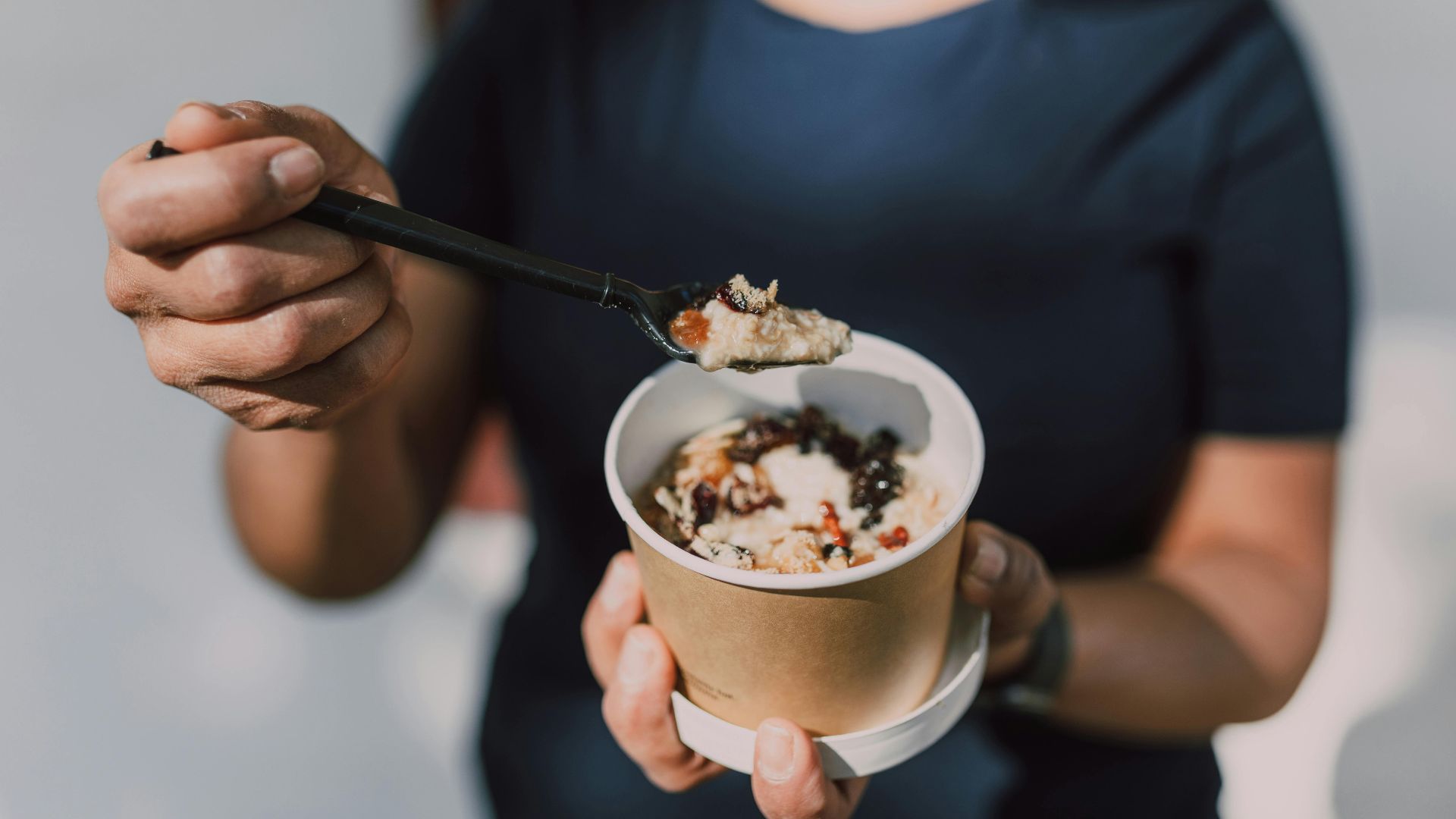
Beans are easy to overlook because they are not flashy, but they carry a serious nutritional load. They bring fiber, plant protein, potassium, magnesium, and slow-digesting carbohydrates that help a meal stick with you. A can of black beans or chickpeas can make a tired salad feel like an actual meal.
2. Lentils
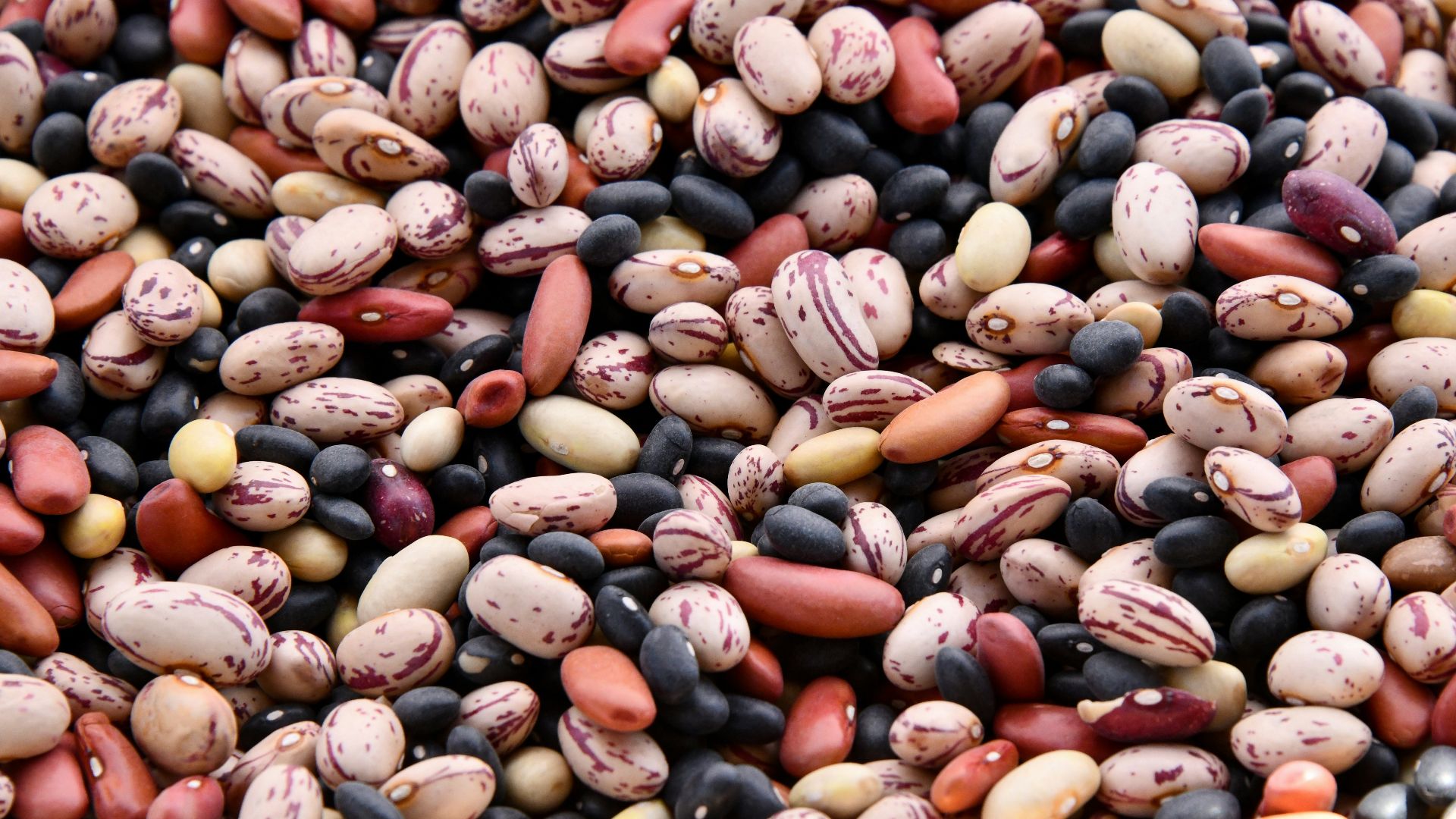
Lentils deserve more attention than they usually get. They cook faster than most beans and offer fiber, folate, iron, magnesium, and plant protein in a form that works well in soups and simple bowls. They are especially useful on nights when you want something warm and filling but do not want meat to do all the work.
3. Greek Yogurt
Greek yogurt is one of those foods people buy with good intentions, then forget behind the pickles. It is useful because it brings protein, calcium, and often live cultures without much effort, whether you eat it with berries or stir it into a sauce. The plain kind is the most flexible, especially if you are trying to keep added sugar from sneaking into breakfast.
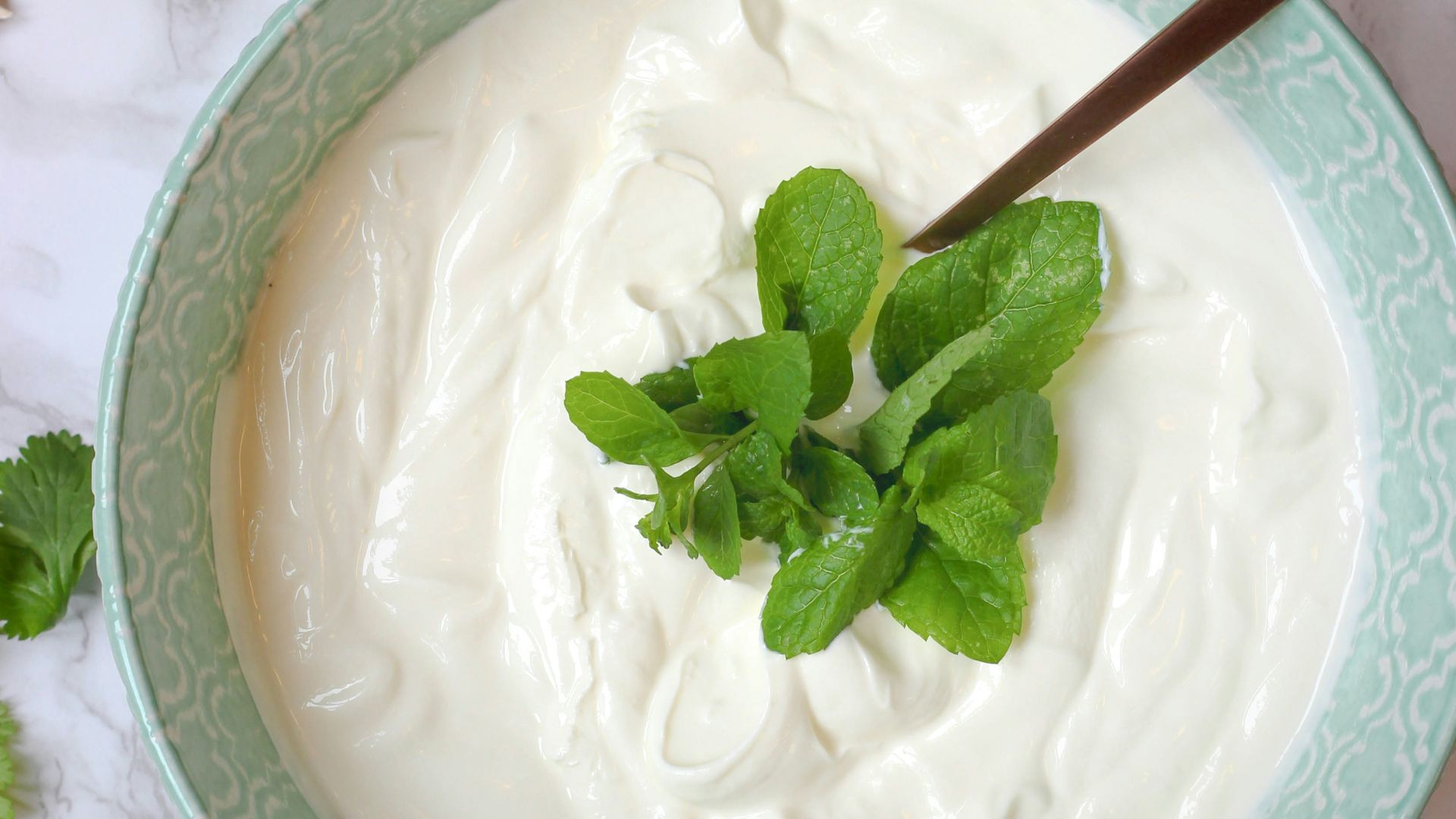 micheile henderson on Unsplash
4. Cottage Cheese
Cottage cheese has never been glamorous, which may be part of the problem. Still, it is a practical protein source, and many versions also bring calcium, phosphorus, and vitamin B12. Add fruit, pepper, or a slice of toast, and it stops feeling like something from an old diet plate.
5. Eggs
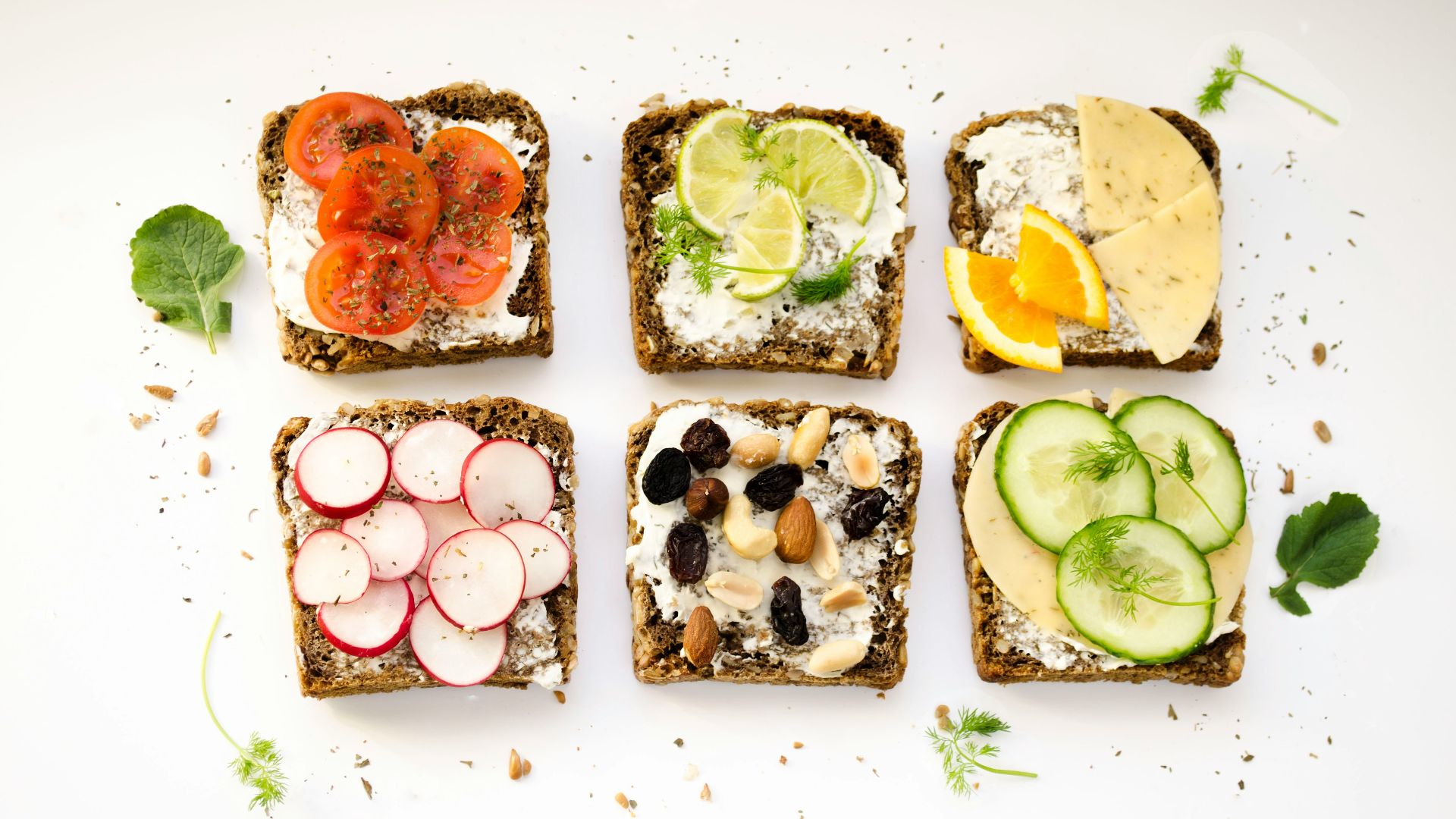
Eggs are easy to forget until there is nothing else in the fridge. They offer protein, choline, vitamin B12, selenium, and a little vitamin D, which makes them useful well beyond breakfast. A couple of eggs with greens or leftover vegetables can rescue a meal that was headed toward crackers over the sink.
6. Salmon
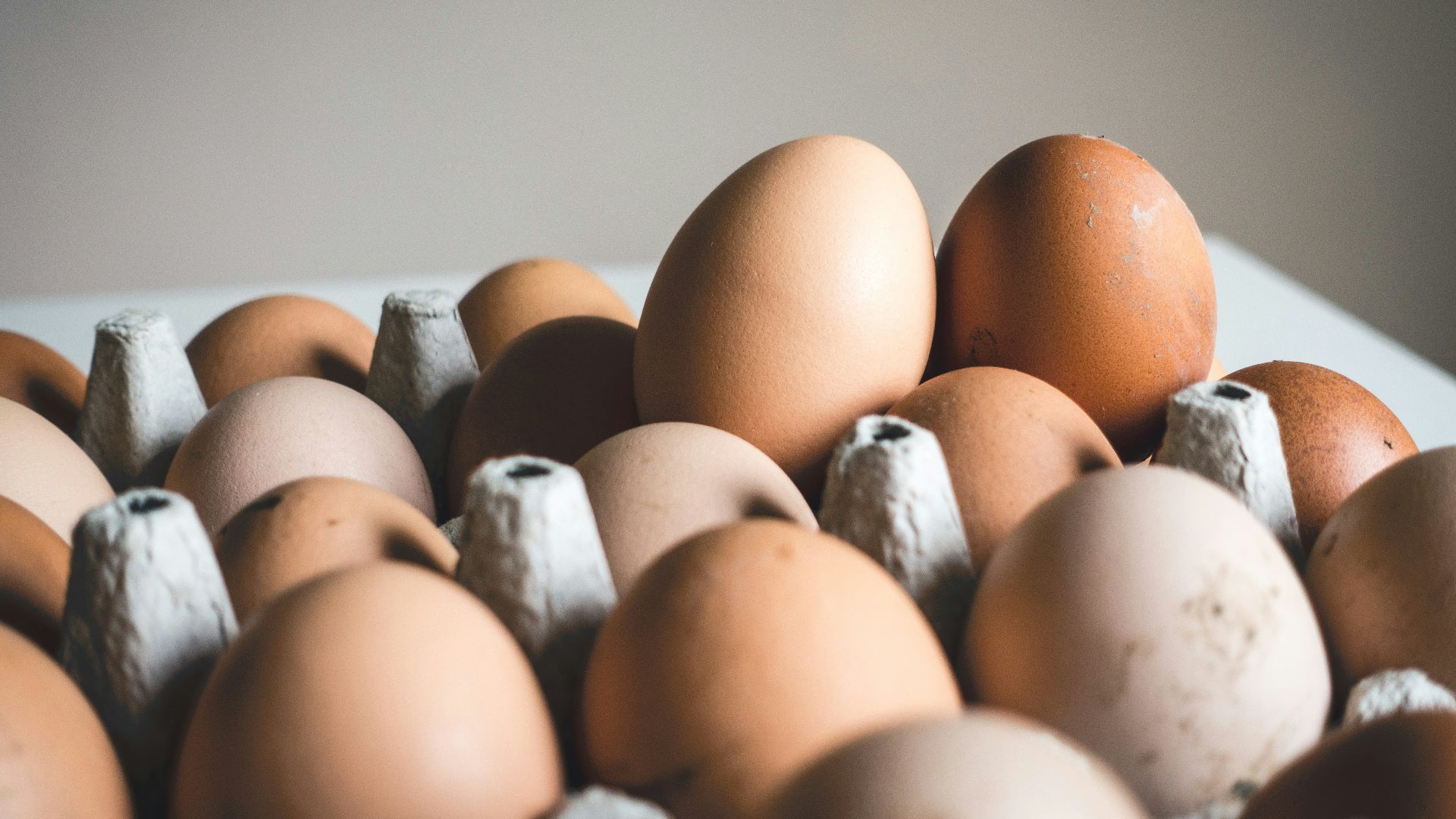
Salmon often gets treated like a nice dinner, which means it may not show up often enough. It brings protein, vitamin D, vitamin B12, selenium, and omega-3 fats that are associated with heart health. Even canned salmon counts, and it is much less dramatic than pretending fresh fish is always easy to manage on a weeknight.
7. Sardines
Sardines are polarizing, but they earn their place. They deliver omega-3 fats, protein, vitamin B12, and, if you eat the soft bones, a meaningful amount of calcium. Put them on toast with lemon, and suddenly the emergency pantry meal feels almost intentional.

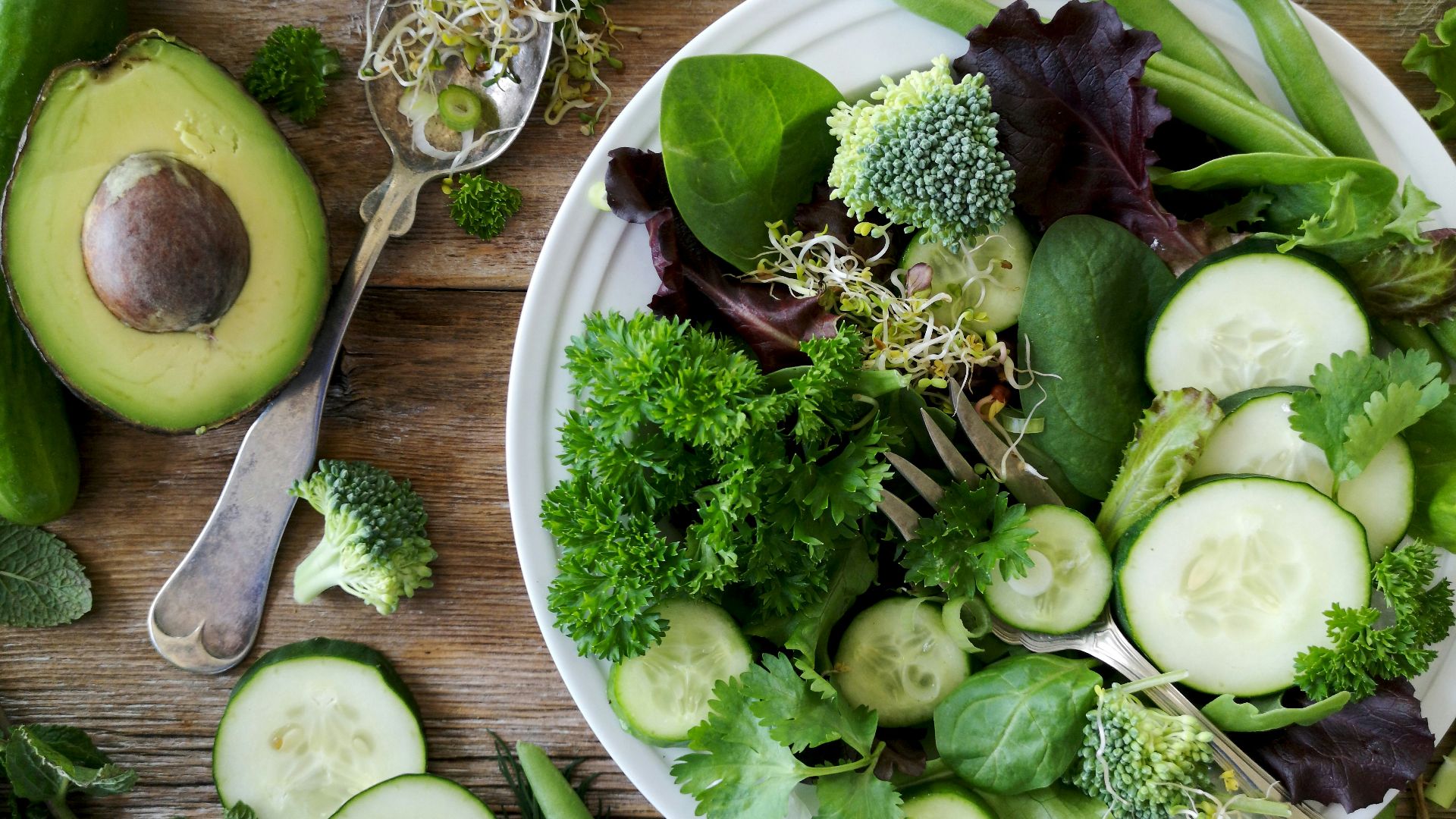
8. Leafy Greens
Leafy greens are famous for being purchased and then ignored. Spinach, kale, and chard bring fiber, magnesium, potassium, folate, vitamin K, and a range of plant compounds that make them worth using before they collapse in the fridge. Treat them less like a salad obligation and more like something to fold into eggs, soup, pasta, or whatever is already happening.
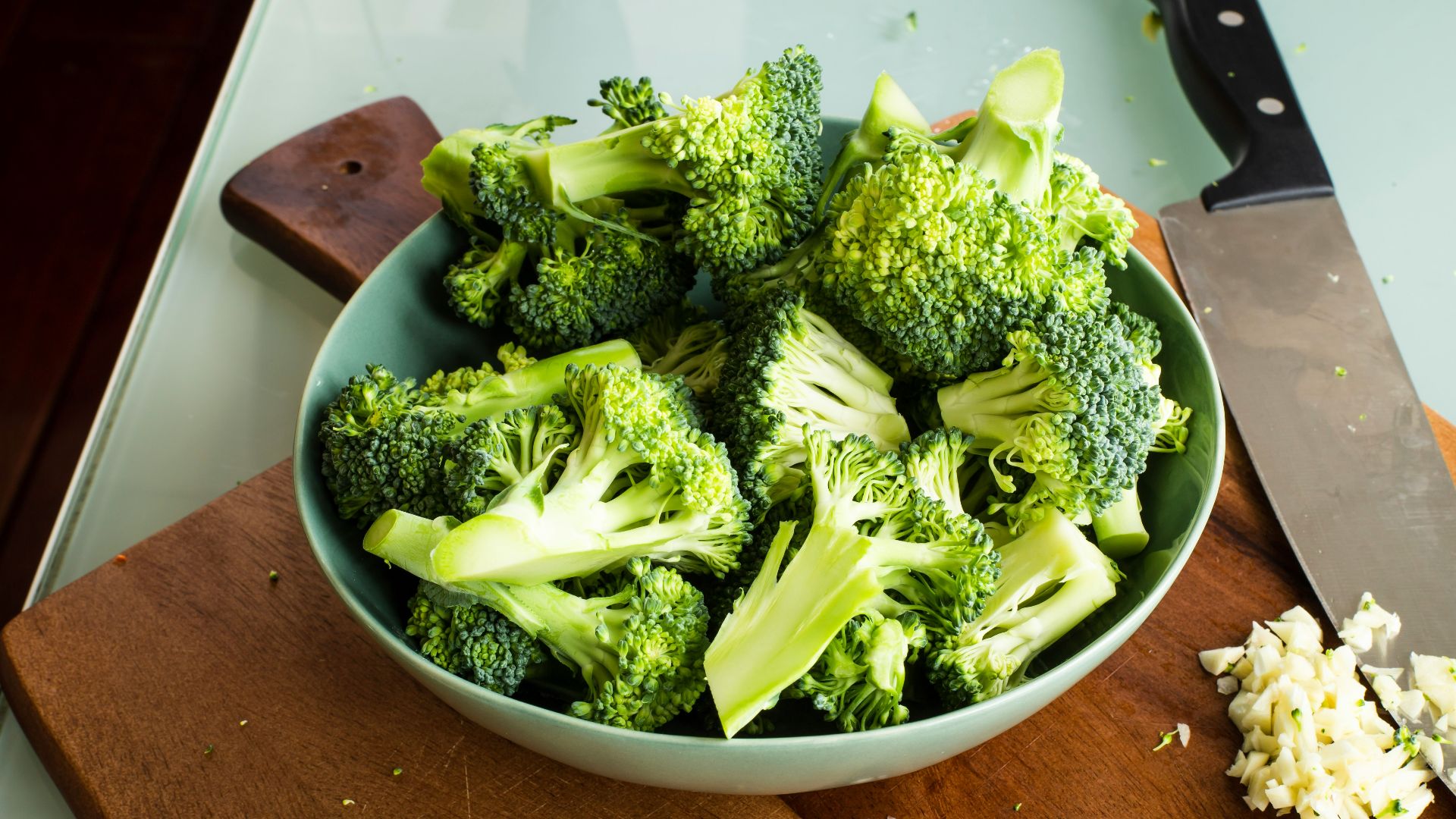
9. Broccoli
Broccoli gets treated like a default vegetable, which somehow makes it easier to forget. It brings fiber, vitamin C, vitamin K, folate, and compounds from the cruciferous vegetable family that make it more useful than its cafeteria reputation suggests. Roasting it until the edges brown does more for its reputation than any lecture about eating vegetables.
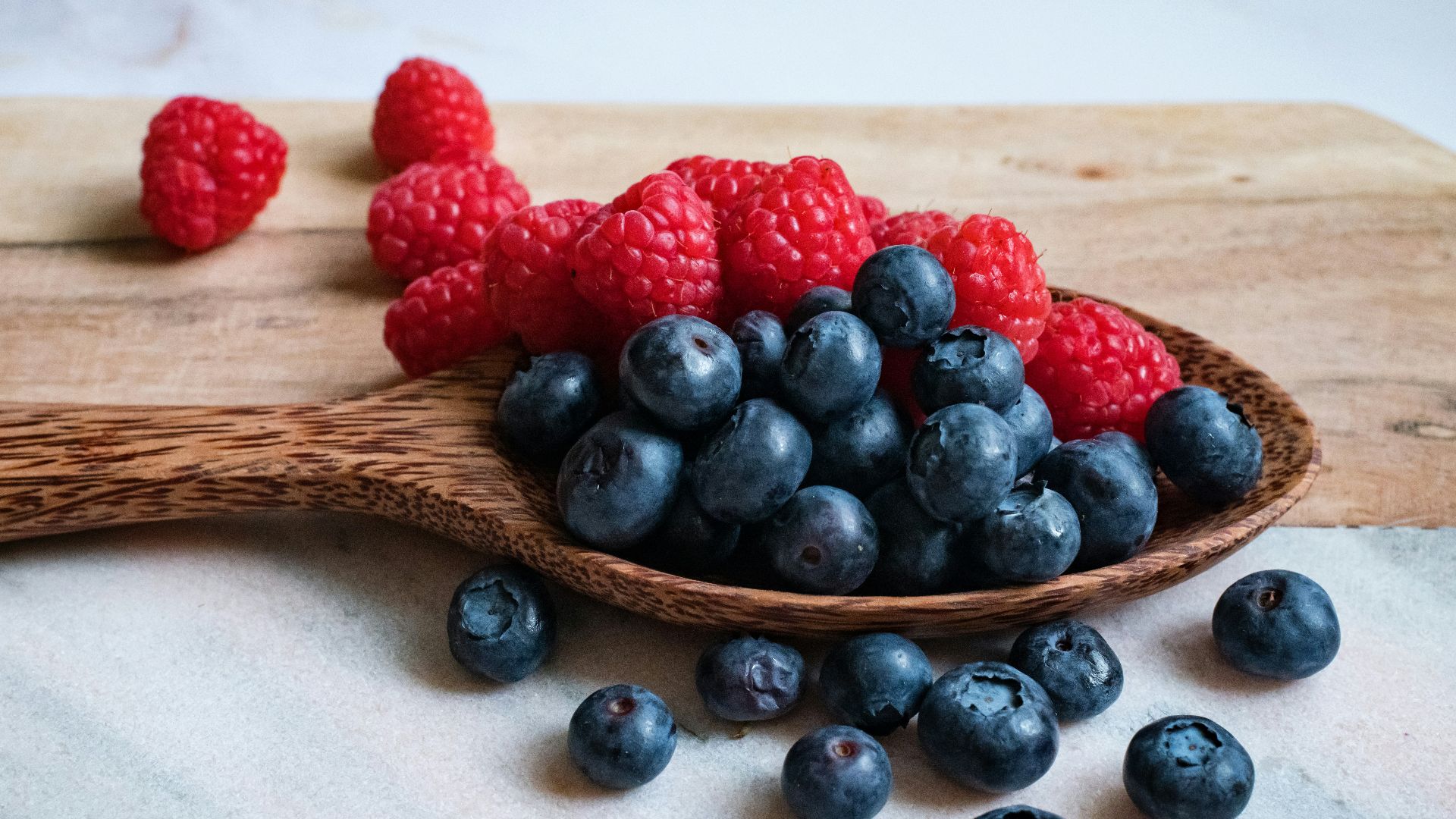
10. Berries
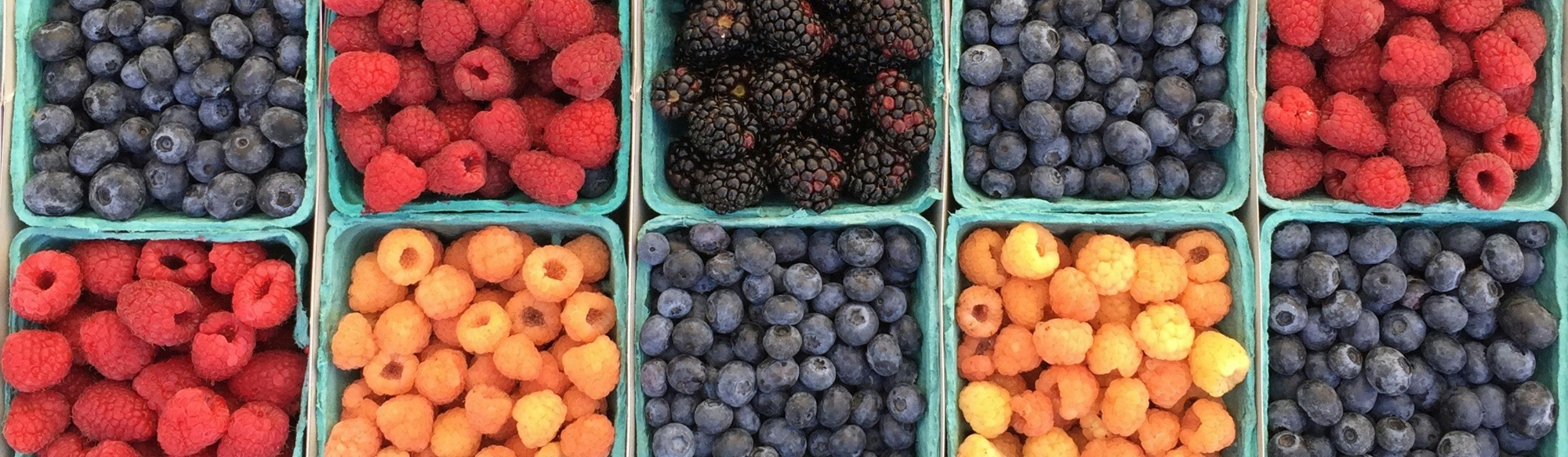
Berries feel like a small luxury, so people often skip them unless they are on sale. They offer fiber, vitamin C, and colorful plant compounds called polyphenols, which is a lot of value for something that makes yogurt or oatmeal feel less dutiful. Frozen berries are the quiet solution, especially when fresh ones look expensive or sad.
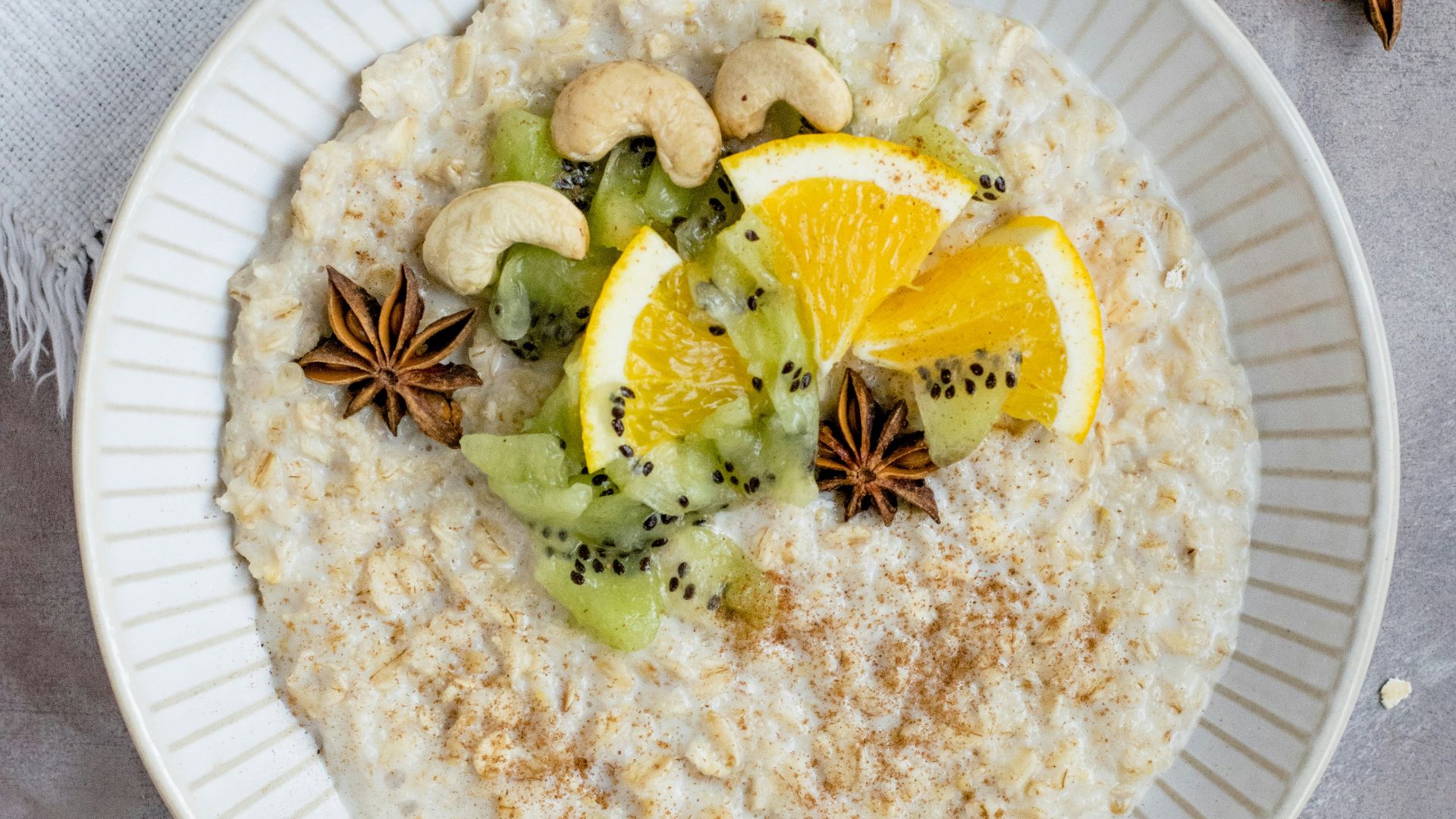
11. Oats
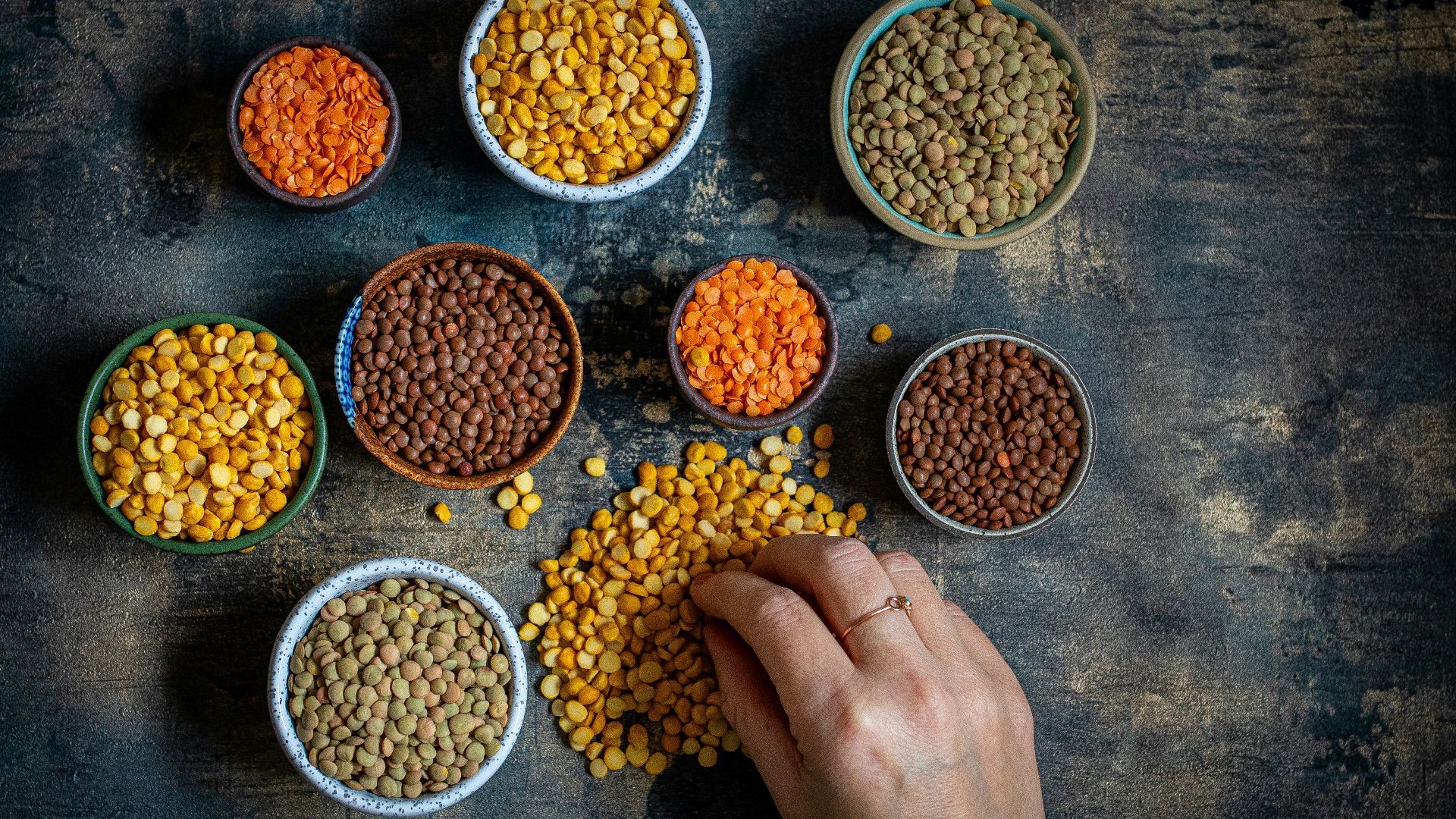
Oats are the food equivalent of a good cardigan: plain, dependable, and better than they first appear. They are especially known for soluble fiber, including beta-glucan, which helps make breakfast more filling and supports healthy cholesterol patterns. A bowl of oatmeal may not be exciting, but it can make a morning feel steadier.
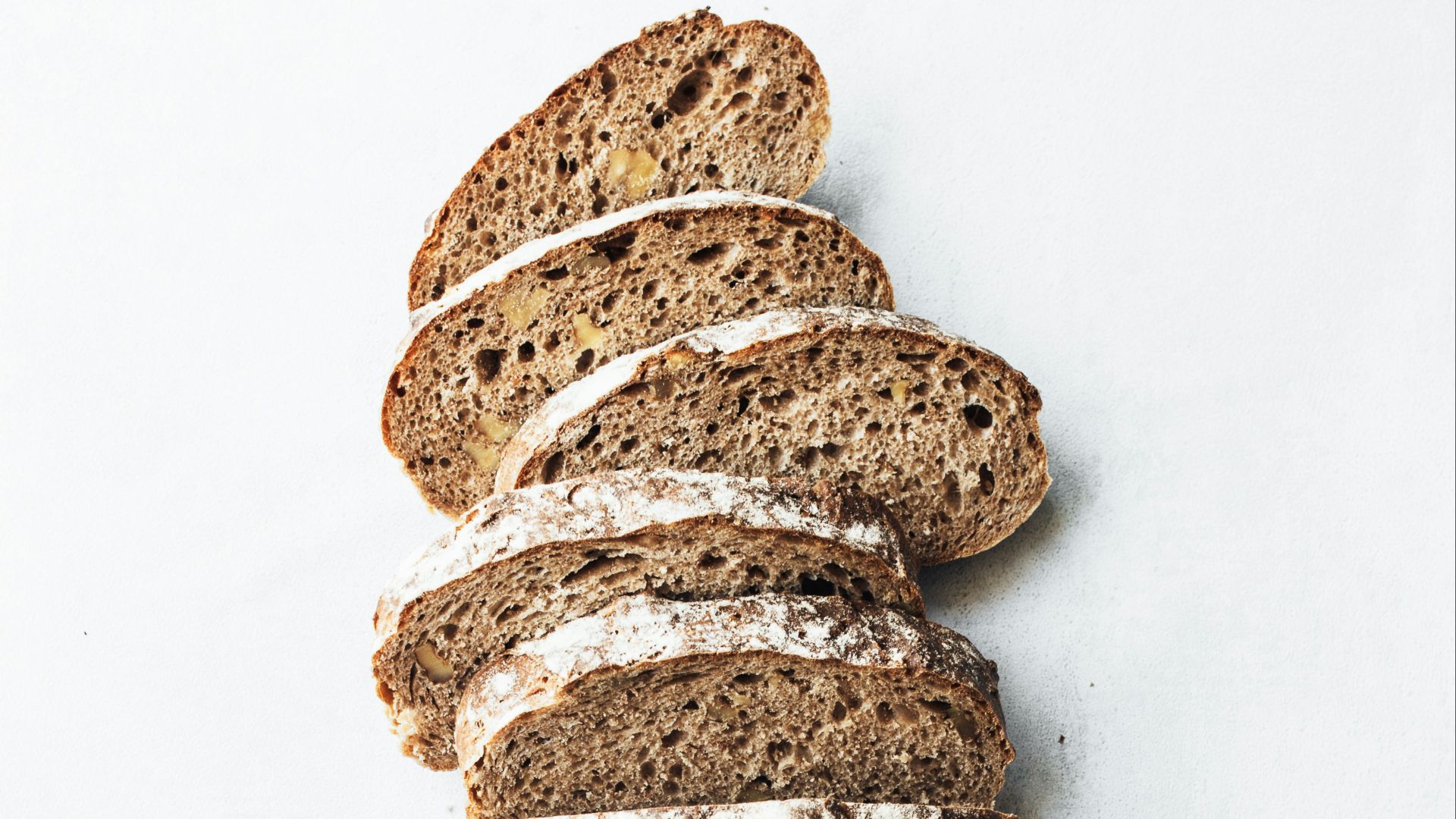
12. Whole-Grain Bread
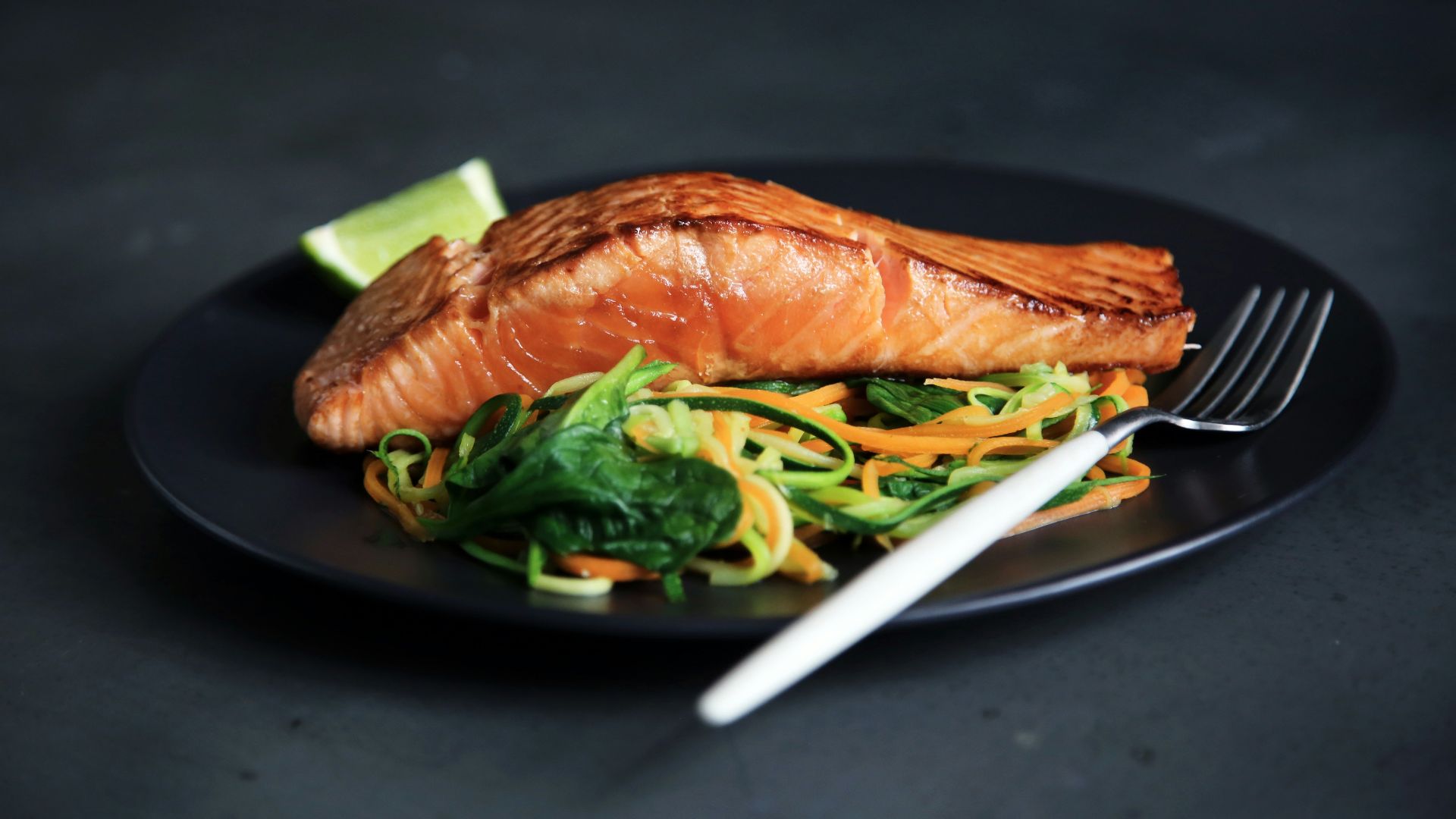
Bread gets pushed around by every food trend, but a good whole-grain loaf still has a place. Whole-grain bread can bring fiber, B vitamins, magnesium, and enough substance to make quick meals more satisfying. The point is not to worship bread; it is to choose one that does more than simply hold the sandwich together.
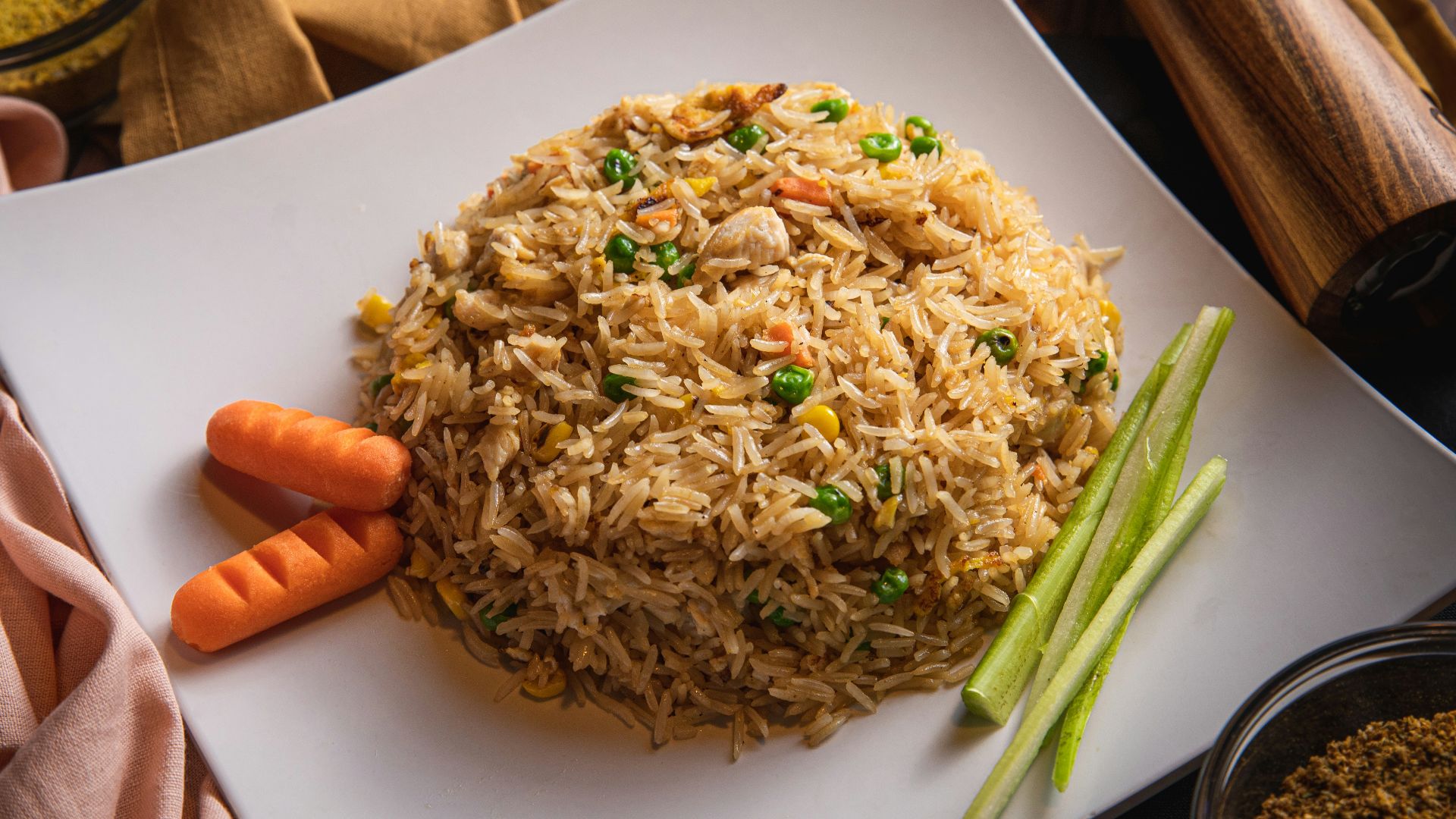
13. Brown Rice
Brown rice is not as fast or soft as white rice, which is probably why it loses the popularity contest. Because it keeps more of the grain intact, it brings more fiber, magnesium, and a nuttier, steadier quality to bowls, soups, and leftovers. Cook extra once, and the rest of the week gets noticeably easier.
 Christopher Alvarenga on Unsplash
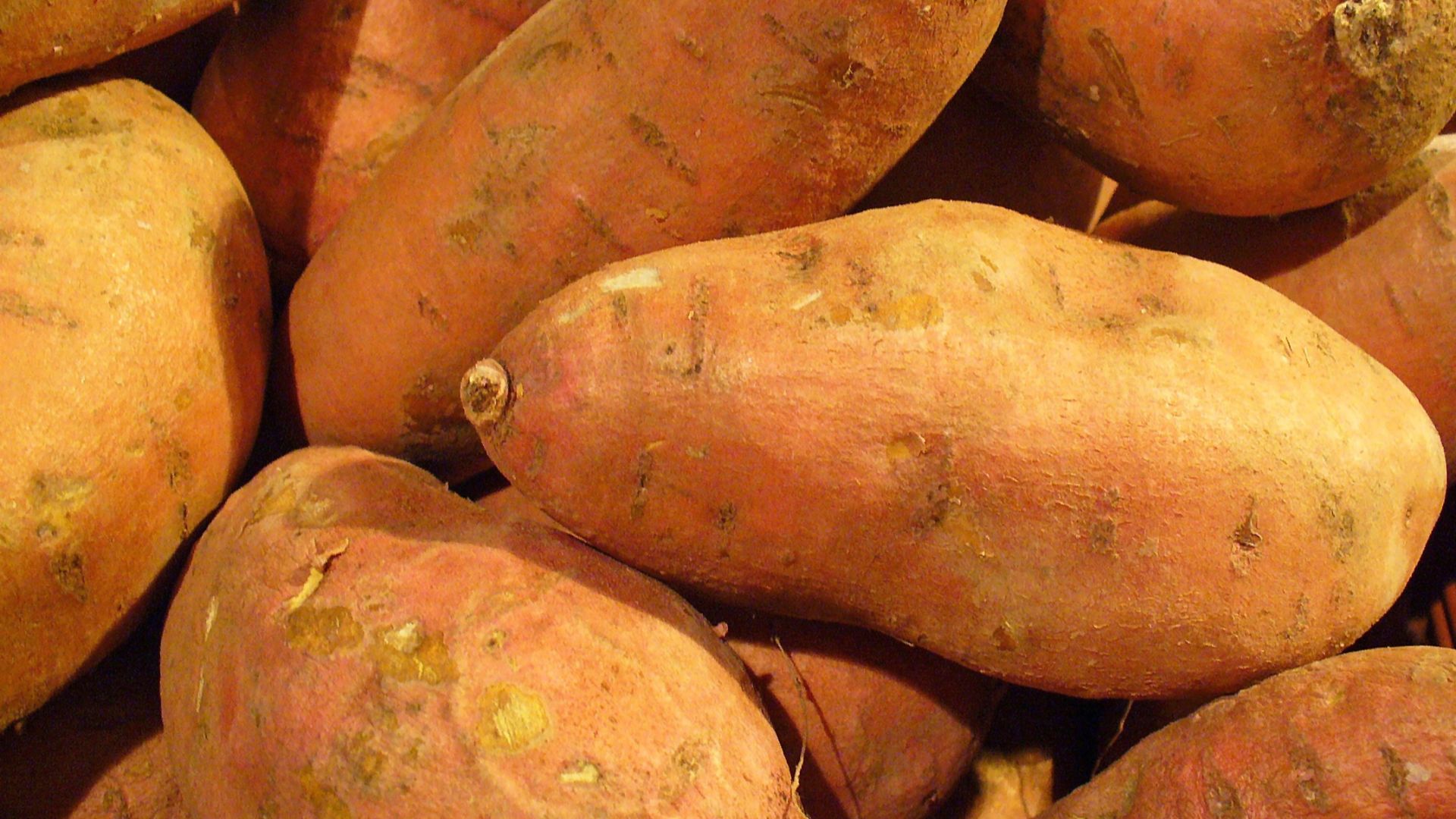
14. Sweet Potatoes
Sweet potatoes are often remembered around holidays and forgotten the rest of the year. That is a missed opportunity, because they bring fiber, potassium, vitamin C, and beta-carotene, which the body can convert into vitamin A. They also make a good lunch base when topped with beans, yogurt, or leftover chicken.
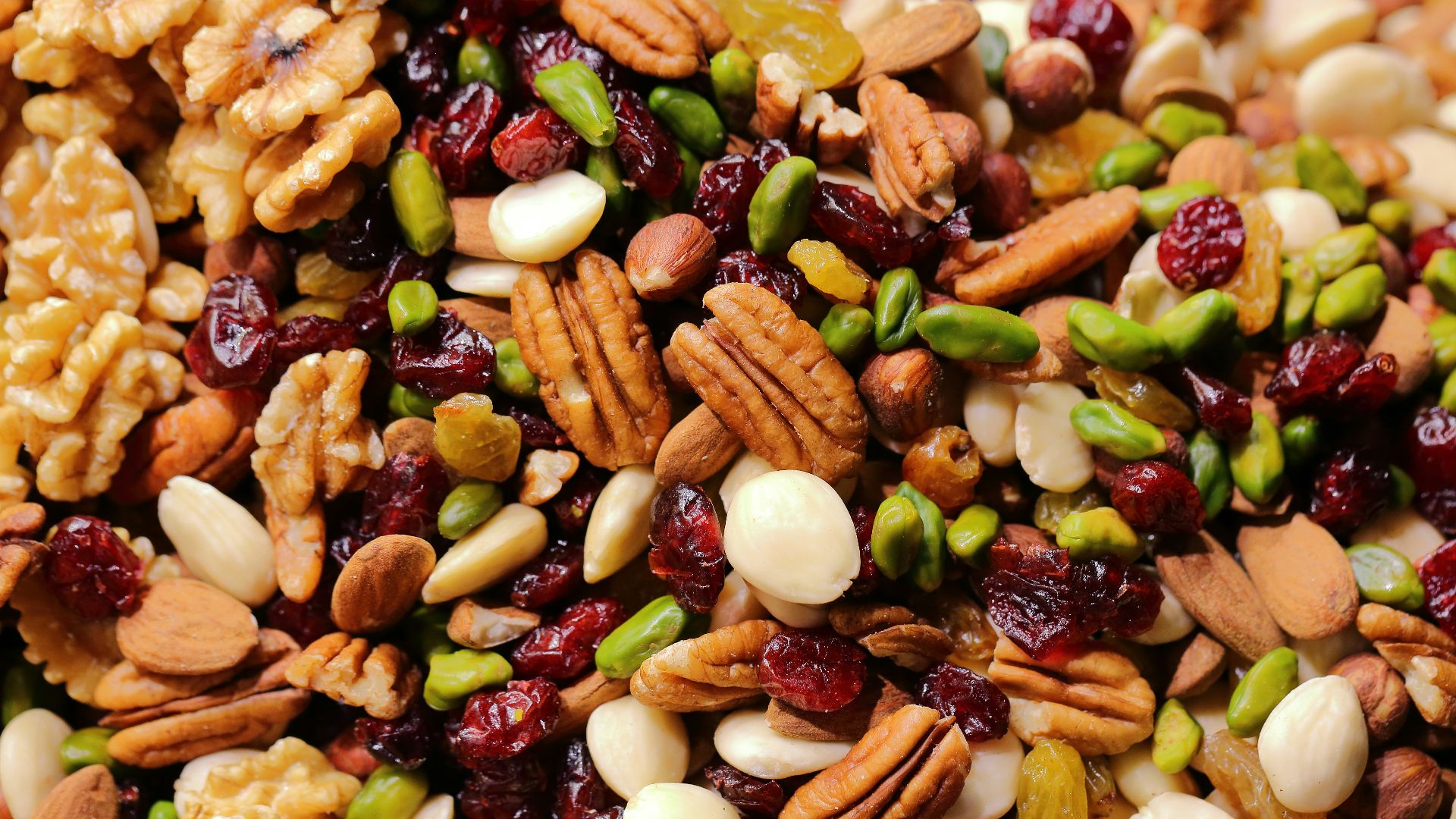
15. Nuts
Nuts are easy to either ignore completely or eat by the handful without noticing. Used well, they add unsaturated fats, protein, magnesium, vitamin E, and crunch to meals that might otherwise feel thin. A small handful of walnuts or almonds can make a bowl of oatmeal or a salad feel finished.
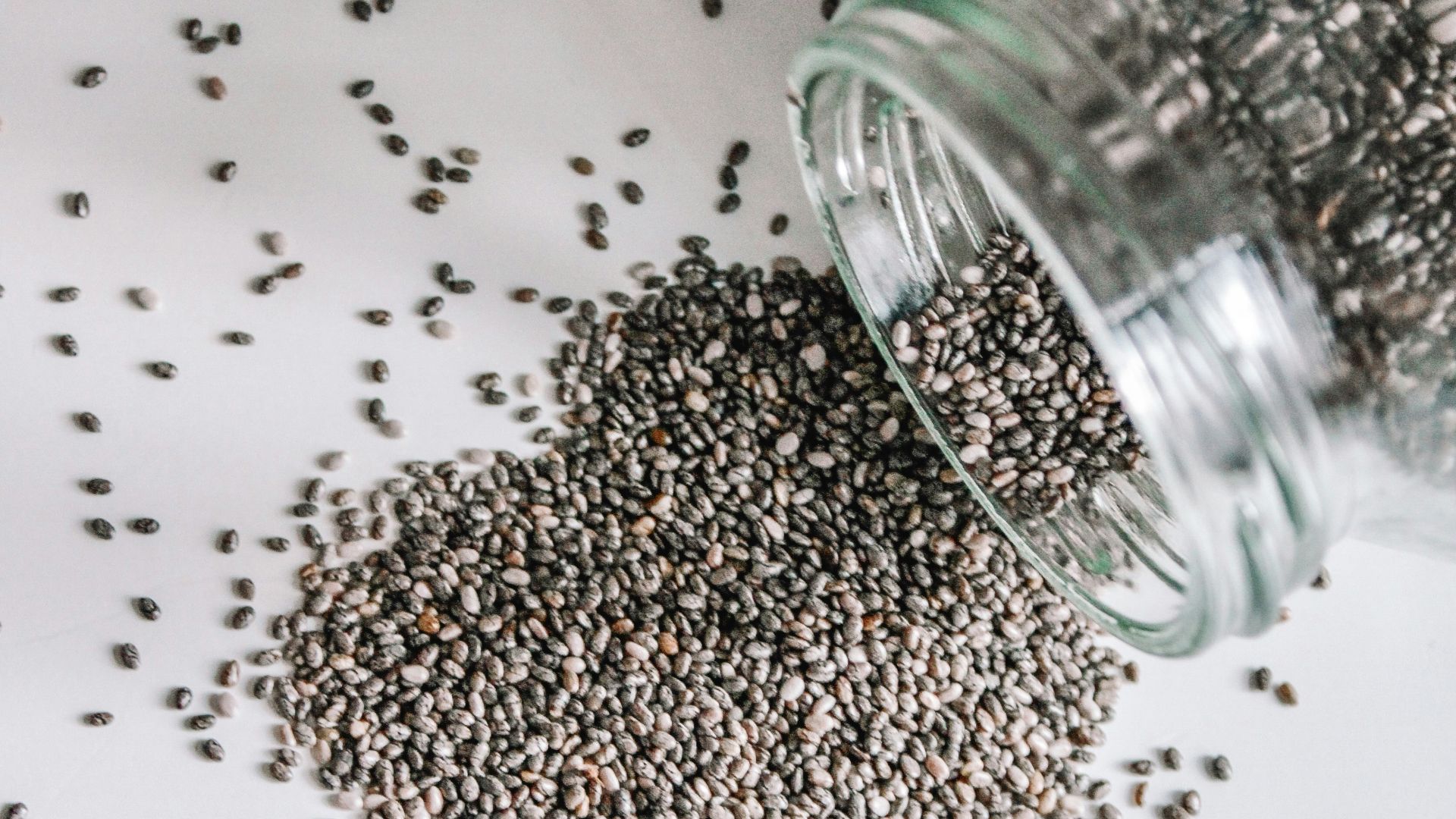
16. Chia Seeds
Chia seeds can seem like something people bought once during a health kick and never opened again. But they are genuinely useful because they bring fiber, plant-based omega-3 fat, magnesium, and a little protein in a very small serving. Stir them into oatmeal, smoothies, or yogurt, and they do their work quietly.
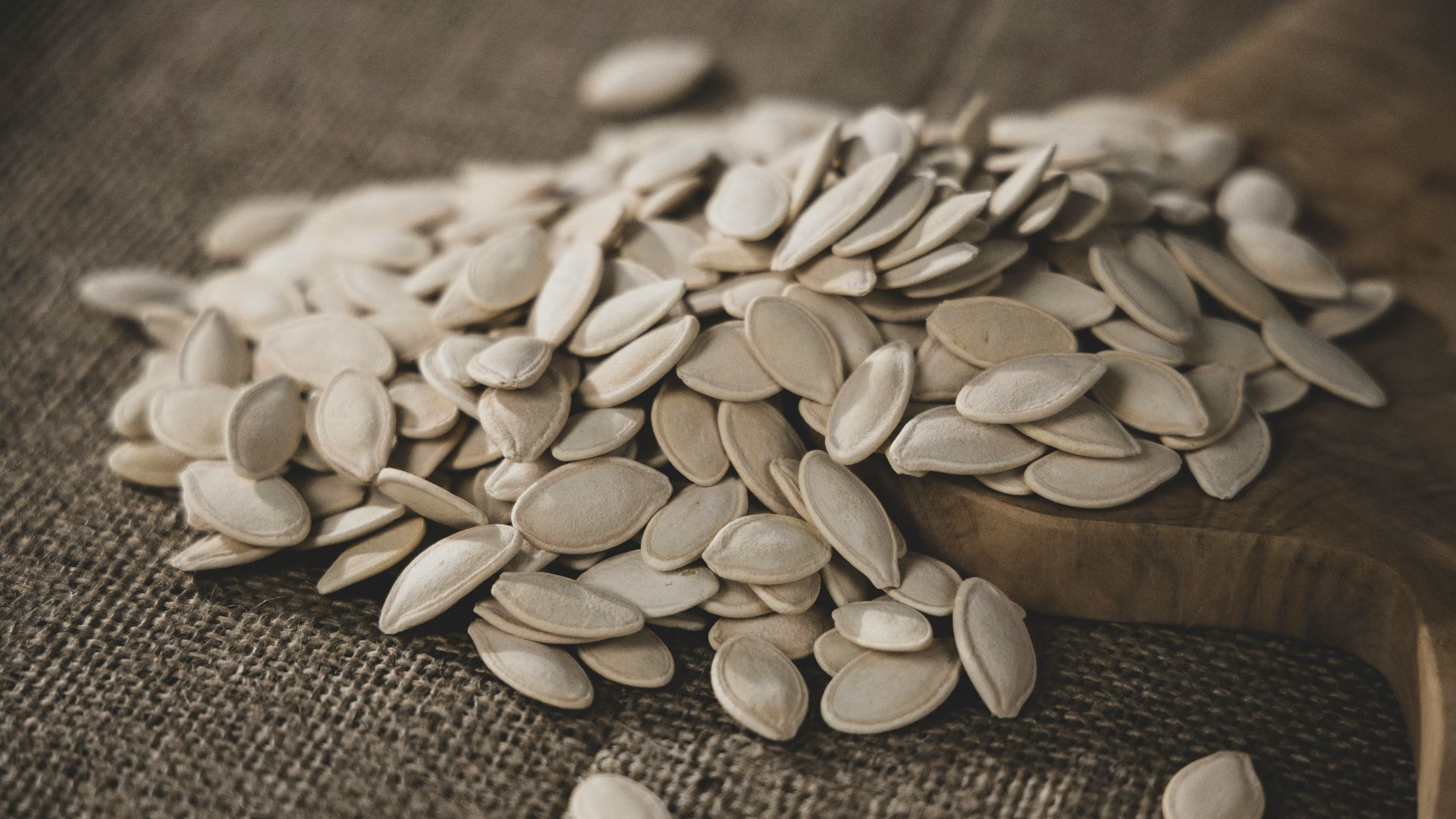
17. Pumpkin Seeds
Pumpkin seeds are one of those small foods that can do more than expected. They add magnesium, zinc, iron, protein, and healthy fats to salads, soups, and grain bowls without making the meal feel fussy. Keep a bag where you can see it, or it will become one more forgotten item in the cabinet.
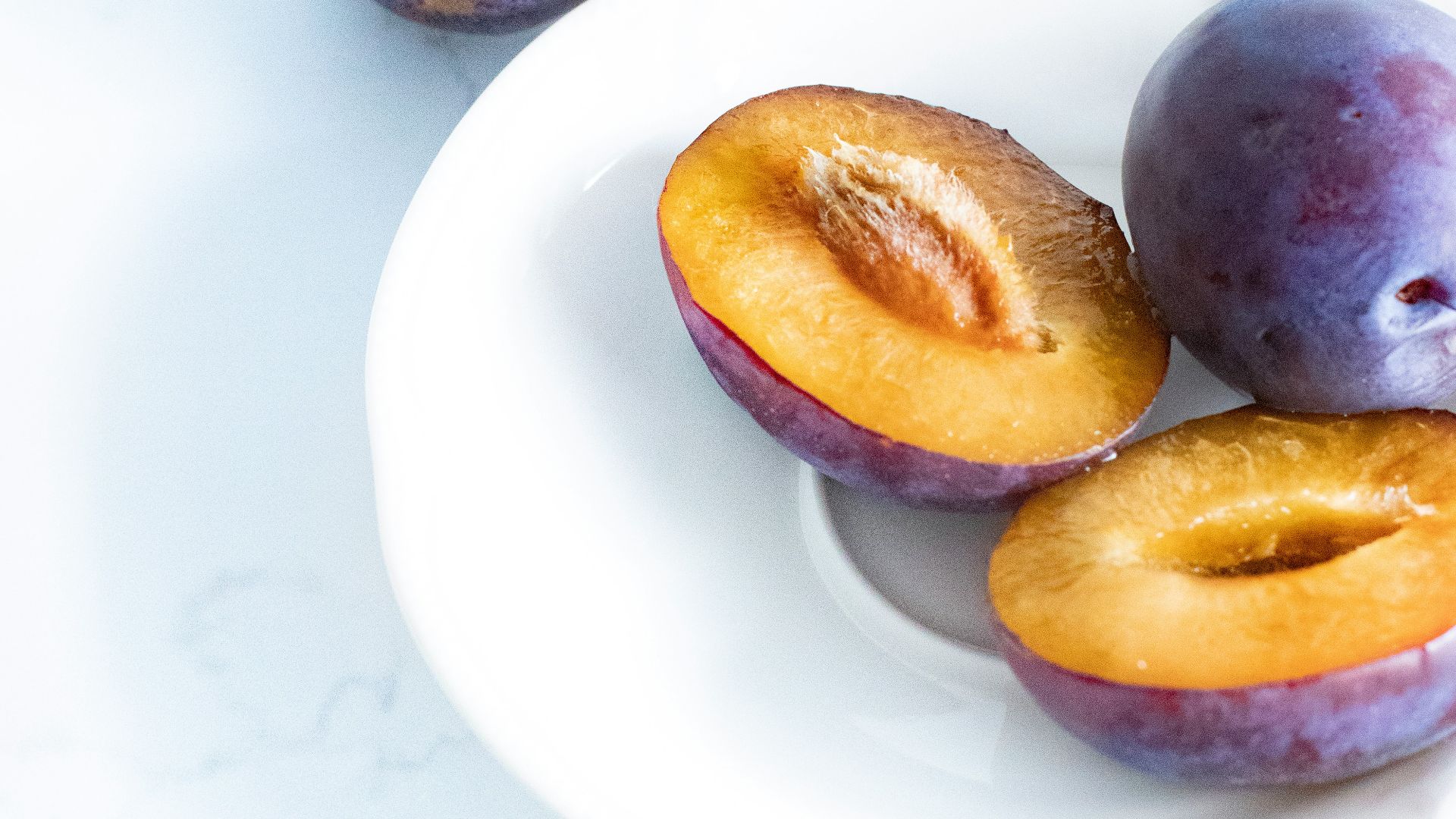
18. Prunes
Prunes have an image problem, but they do not deserve it. They bring fiber, potassium, and natural sorbitol, which is part of why they have such a long-standing reputation for helping digestion move along. They are sweet, chewy, and better with coffee or nuts than people remember.
 Nadeykina Evgeniya on Unsplash
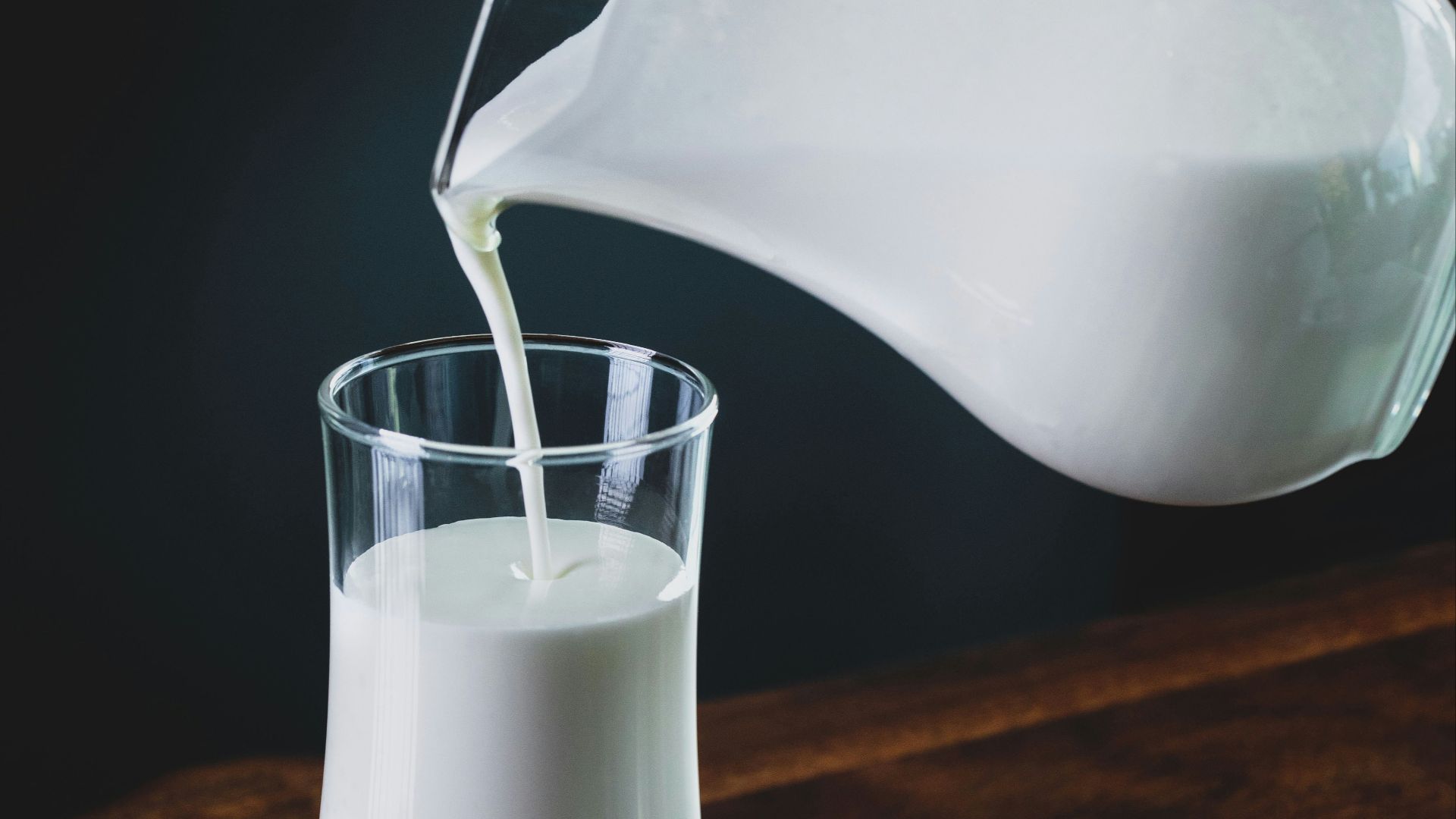
19. Fortified Milk
Milk, including fortified dairy or plant-based versions, can quietly fill gaps that people stop thinking about after childhood. Depending on the type, it can offer calcium, vitamin D, protein, potassium, and vitamin B12, which matter more when meals get rushed or repetitive. The key is choosing one that fits your life and actually gets used before the carton turns mysterious.
20. Mushrooms
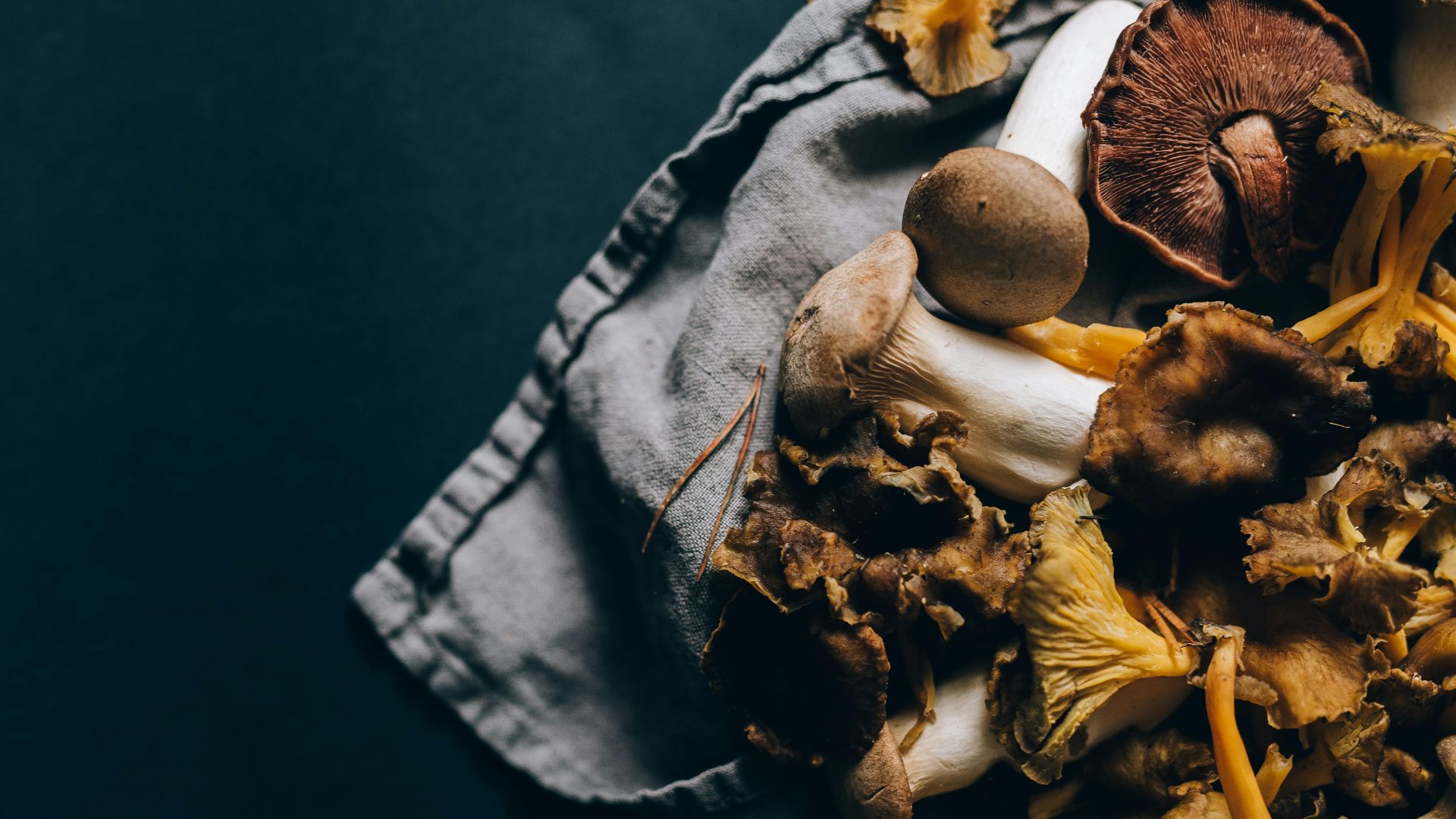
Mushrooms are easy to underuse because they seem like an extra, not a staple. They add savory depth while bringing B vitamins, selenium, and, in some varieties exposed to ultraviolet light, vitamin D. A pan of browned mushrooms can make a very ordinary meal taste like someone paid attention.
KEEP ON READING


20 Ways to Make Errands Count as Exercise
20 Healthy Potluck Dishes That Won't Ruin The Party