Shadowy Figures
You're drifting off to sleep when you feel it: the paralysis in your body. Your brain, despite having been about to head to dreamland, seems to snap completely awake. You look around. You recognize your room, but you can't move a muscle. Worse yet, the more you struggle, the eerier your surroundings get. You notice the crooked figure standing in the corner of your room, creeping closer and closer. And then there's a heavy weight on your chest, a hand squeezing your throat, someone screaming in your ear. Right as your fear peaks, you wake up. You know the phenomenon: sleep paralysis. But why on earth does it happen?

1. Your Body Uses Paralysis to Protect You During Dreams
During REM sleep, your brain naturally limits most voluntary muscle movement so you don’t physically act out what you’re dreaming. This temporary state is called muscle atonia, and it’s a normal part of healthy sleep. Sleep paralysis happens when that REM-related paralysis lingers while your awareness starts to return.

2. Roughly 1 in 5 People May Experience It
Sleep paralysis isn’t as rare as it feels when it happens to you. Some sleep-health sources estimate that around 20-30% of people experience it at least once in their lifetime, and the episodes appear to be more common among students, people with disrupted sleep, and people with certain mental health or sleep conditions.

3. It Can Happen While Falling Asleep or Waking Up
Sleep paralysis usually appears during the transition into sleep (hypnagogic) or the transition out of it (hypnopompic). These in-between states are vulnerable because the brain is shifting between different levels of awareness. That’s why an episode can feel so strange: you’re not fully dreaming, but you’re not fully awake in the usual way either.
4. You May Feel Like You Can’t Breathe
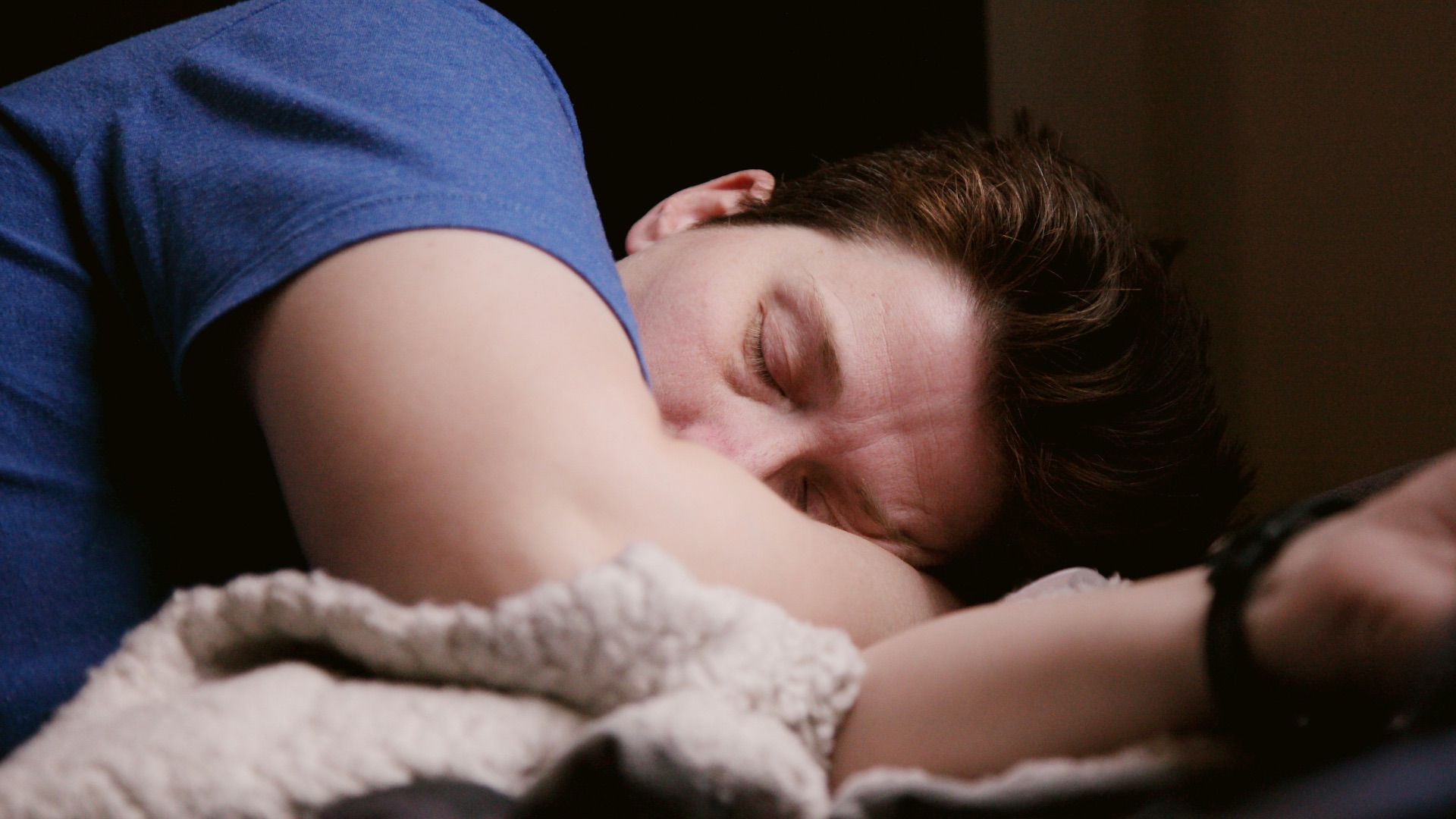
A common part of sleep paralysis is the sensation of pressure on the chest or difficulty breathing. In most cases, the person is still breathing, but the body’s REM-related immobility and fear response can make each breath feel restricted. The panic can make the sensation more intense, especially when you’re trying to move and nothing responds.
5. The Episodes Are Usually Brief
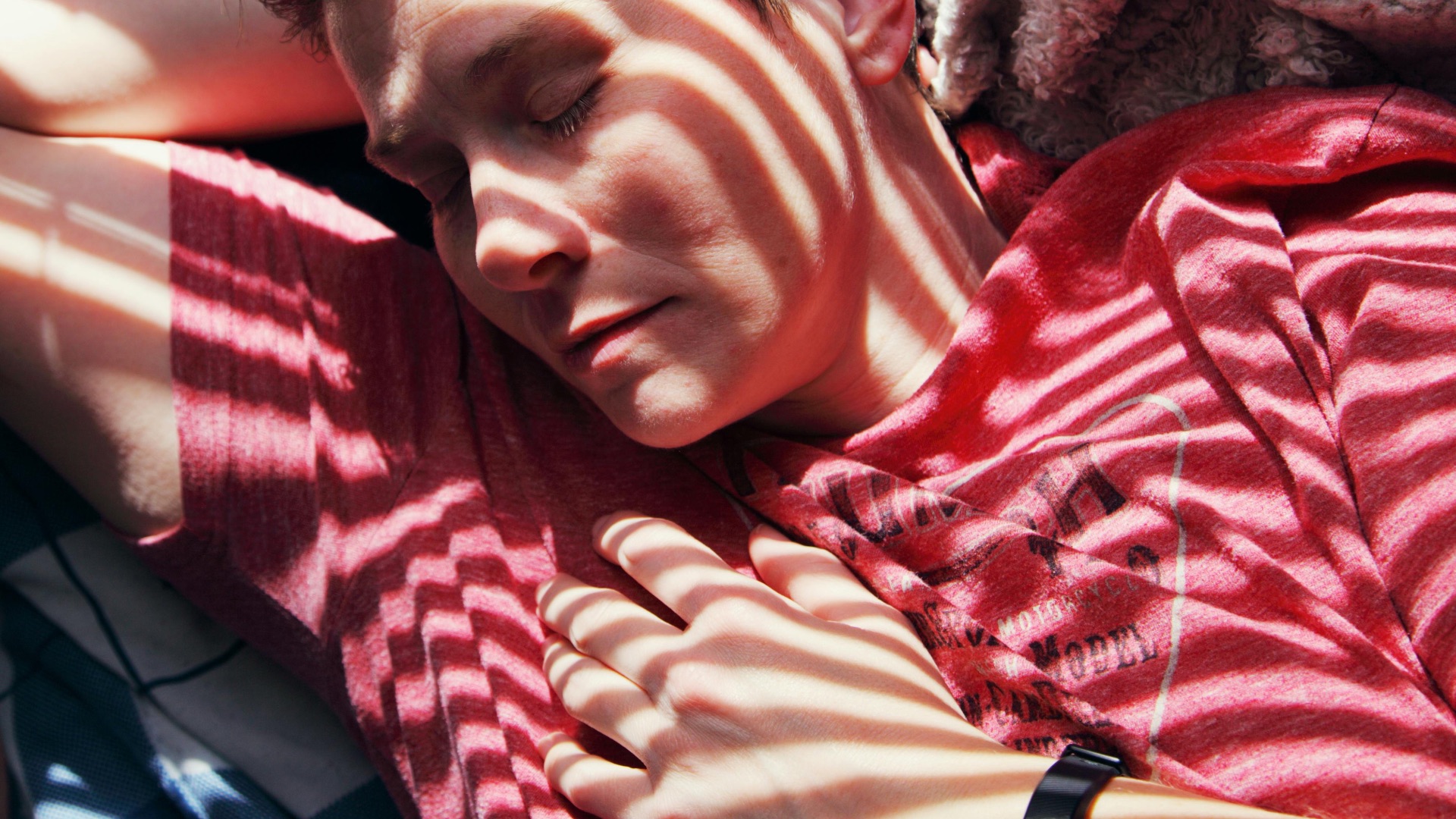
Sleep paralysis can feel endless, but most episodes last only seconds to a few minutes. The terror comes from the mismatch between awareness and physical control, not from the length of the event itself. Once the REM-related paralysis fades, movement returns on its own.
6. Hallucinations Can Involve More Than Sight
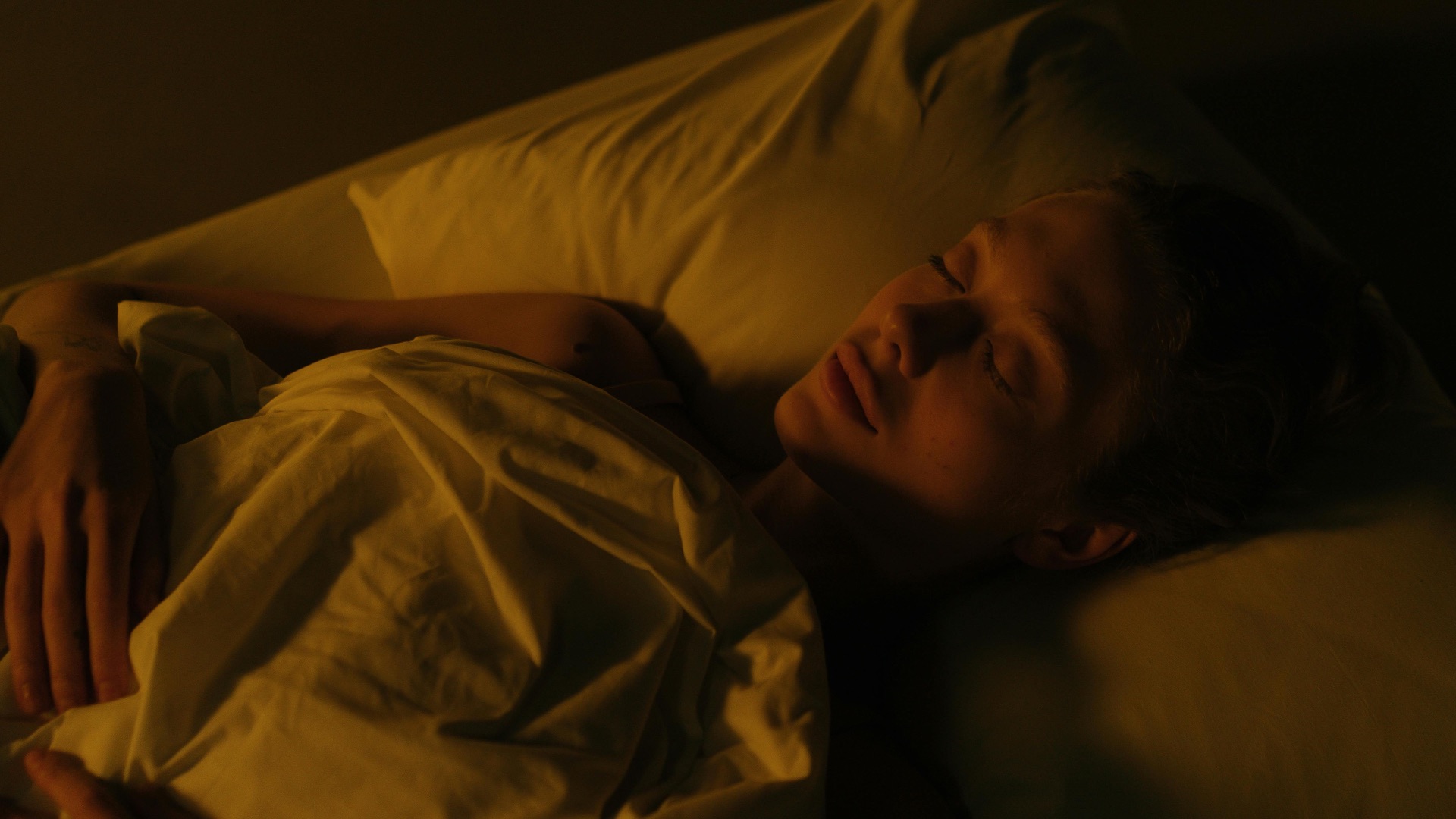
People often think of sleep paralysis as seeing something frightening, but the experience can also involve sounds, touch, or body sensations. Some hear footsteps, buzzing, voices, or other noises that seem to come from the room. Others feel pressure, floating, vibration, or a sense that someone is touching or pulling them.
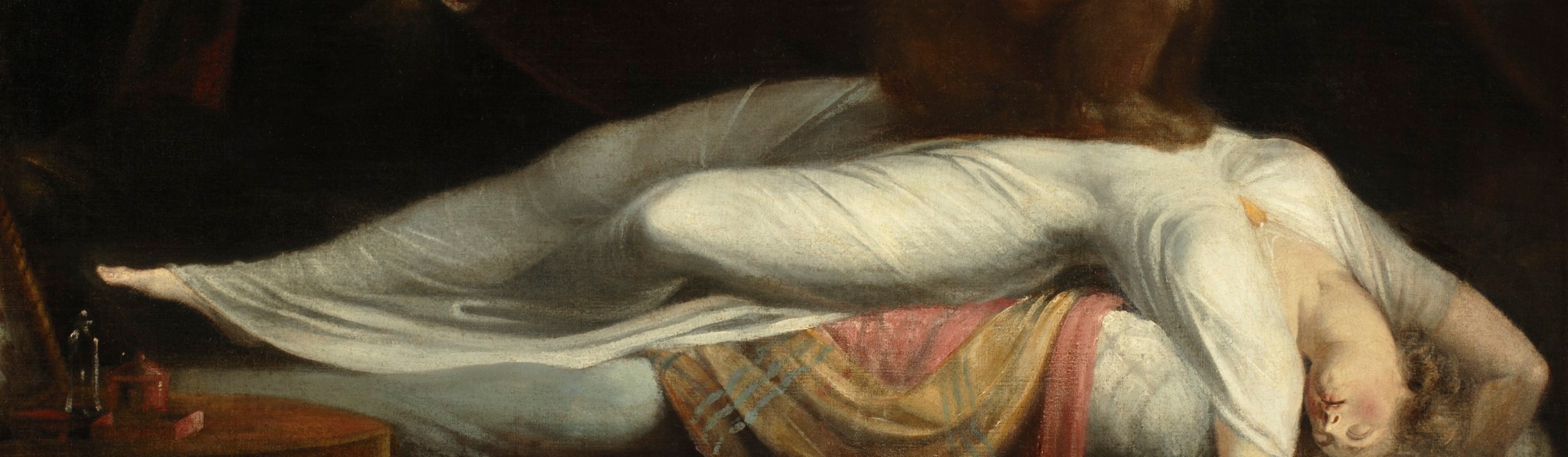
7. The Incubus Phenomenon
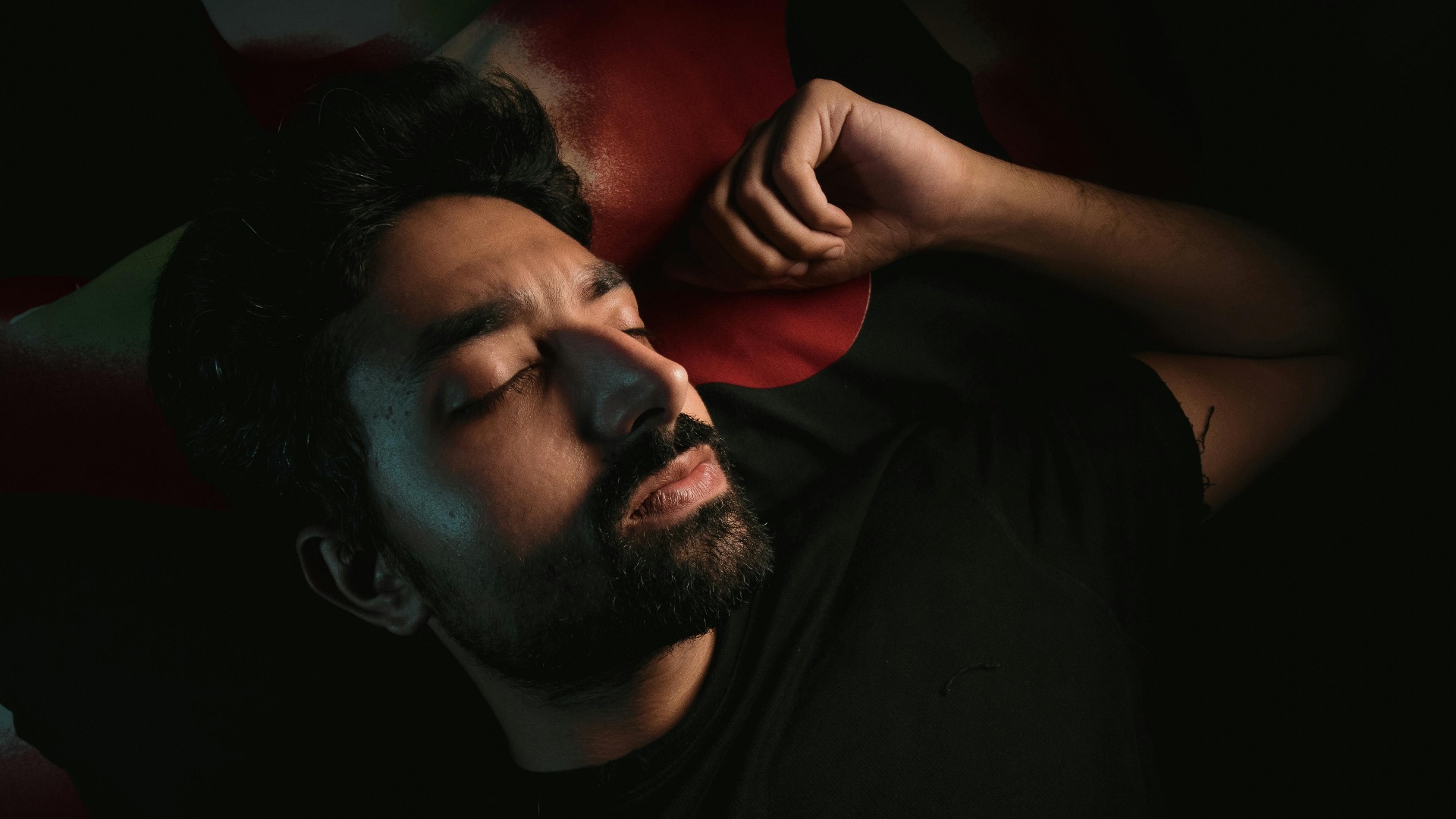
Many people describe a heavy weight on the chest, as if something is sitting on them. In sleep research, this kind of experience is often linked with the "incubus" pattern of sleep paralysis, which involves pressure, fear, and difficulty breathing. The person is usually still breathing, but the combination of REM atonia and panic can make the sensation feel threatening.
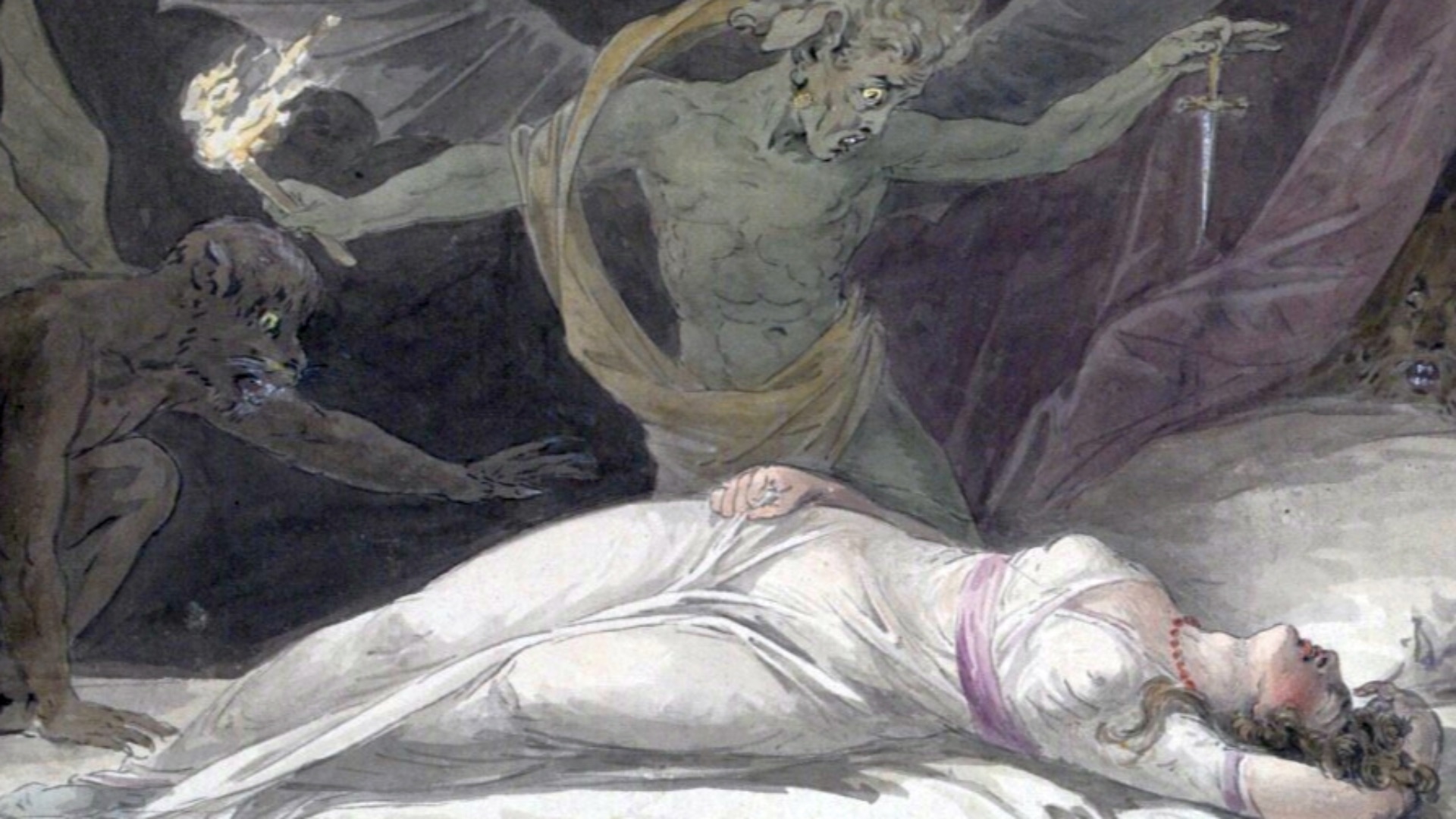 Vincenz Georg Kininger on Wikimedia
8. Your Room Can Look Exactly the Same
One reason sleep paralysis feels so convincing is that you may be seeing your actual bedroom while dreamlike sensations are still active. The familiar setting can make the experience more disturbing because it doesn’t feel like a normal dream. You’re not in some strange dream landscape; you may be staring at your own door, ceiling, or closet.
9. Sleeping on Your Back May Raise the Odds
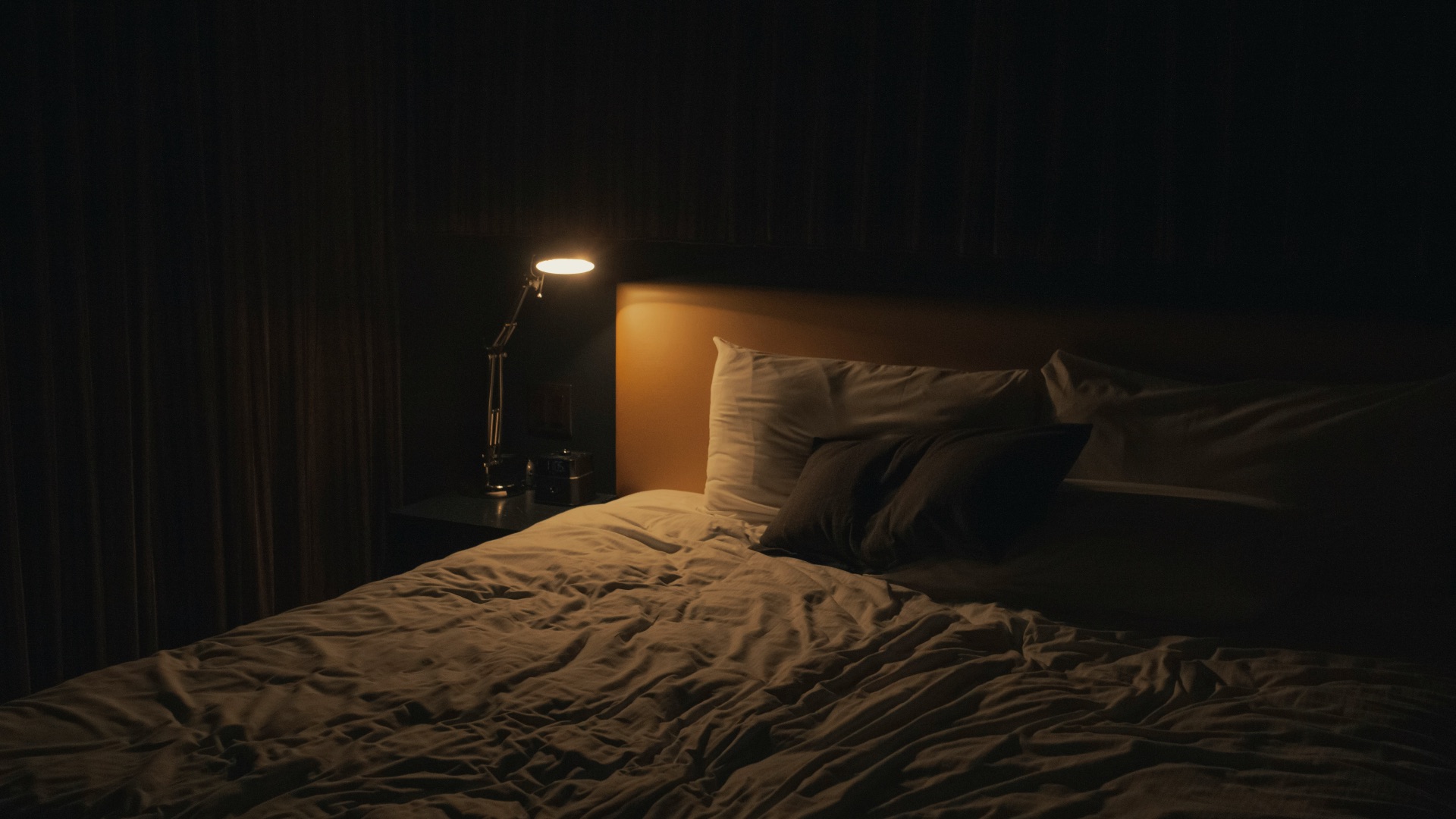
Some reports and clinical discussions link sleeping on the back with a higher possibility of experiencing sleep paralysis, as this position may make certain breathing sensations or chest-pressure feelings more noticeable during an episode. It doesn’t mean everyone who sleeps this way will experience sleep paralysis, but changing positions can help some people reduce repeat events.

10. Stress Can Make It More Likely
Stress can disrupt sleep quality and make transitions between sleep stages less stable. When your sleep is fragmented, your brain may move in and out of REM sleep in a less orderly way. That disruption can make sleep paralysis more likely, especially during periods when you’re overtired or emotionally strained.
11. Sleep Loss Is a Major Trigger
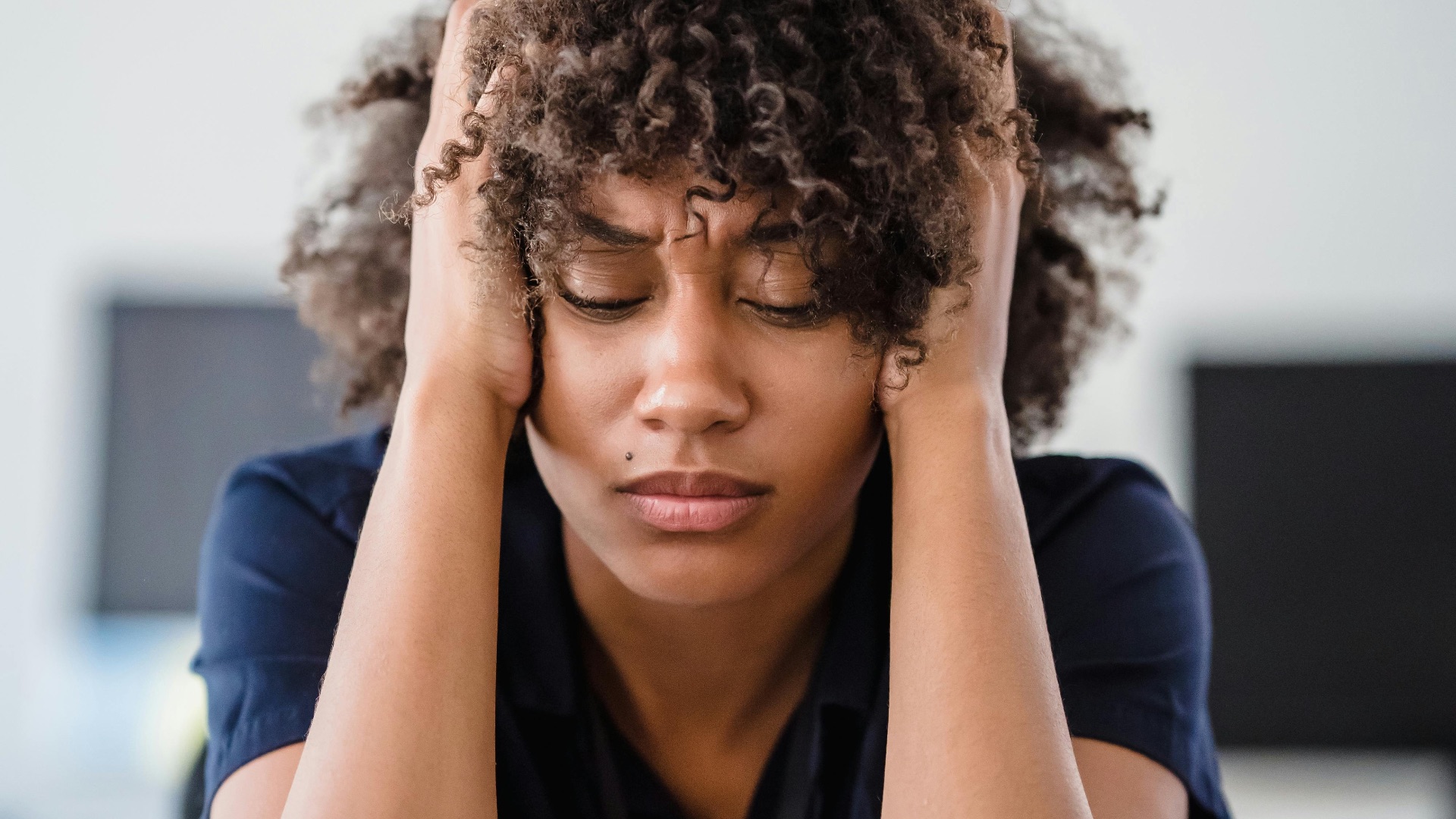
Missing sleep, staying up too late, or keeping an irregular schedule can increase the chances of sleep paralysis. Your body may try to recover lost REM sleep, which can make REM-related experiences more noticeable. If you’ve had episodes after late nights or inconsistent sleep, your schedule may be playing a larger role than you think.
12. It Can Be Connected to Narcolepsy
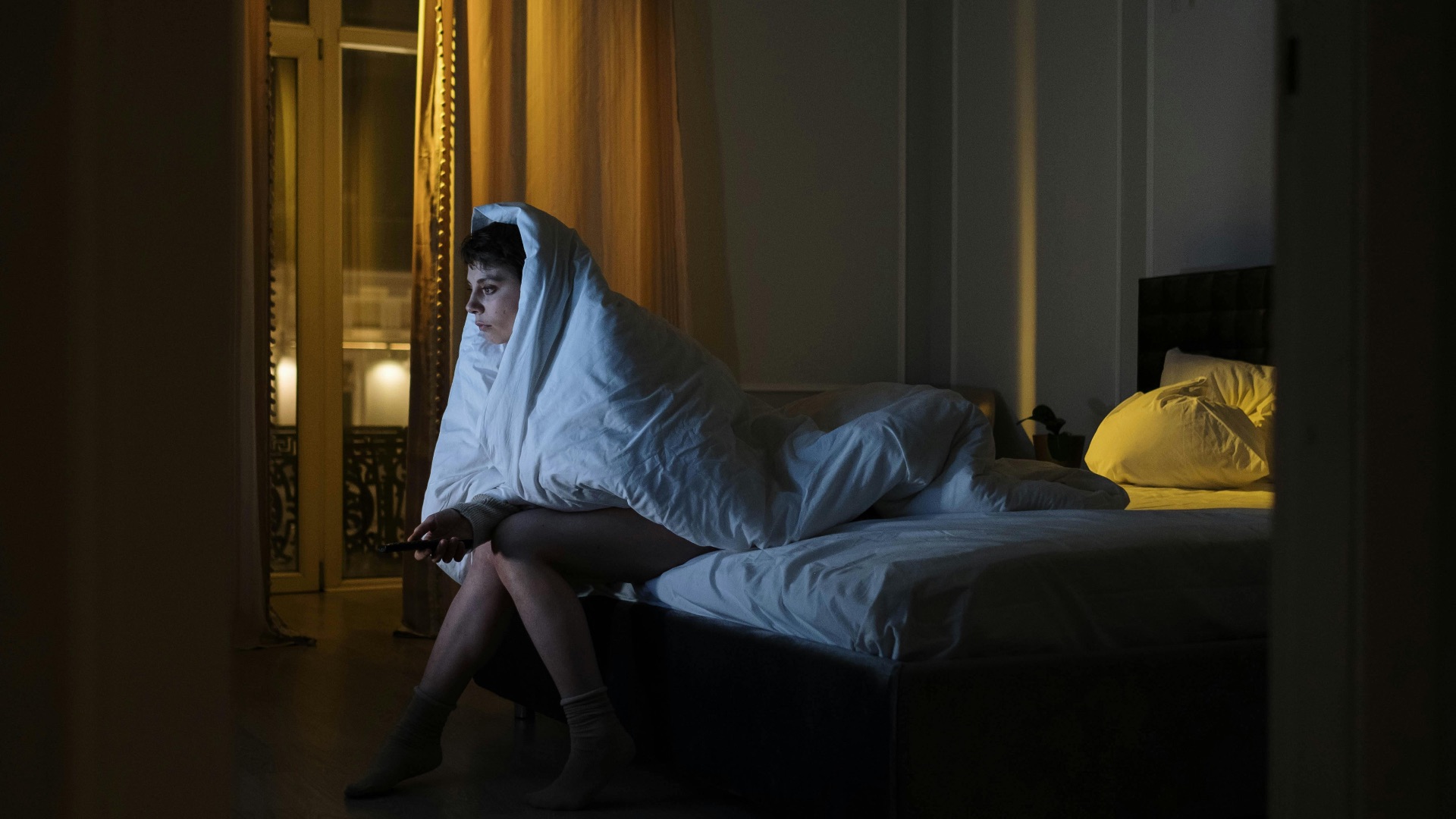
Sleep paralysis can occur on its own, but it’s also associated with narcolepsy, a sleep disorder that affects REM sleep regulation and daytime alertness. People with narcolepsy may enter REM sleep unusually quickly, which can blur the boundary between dreaming and waking. Frequent sleep paralysis, especially with daytime sleepiness, is a reason to speak with a healthcare provider.
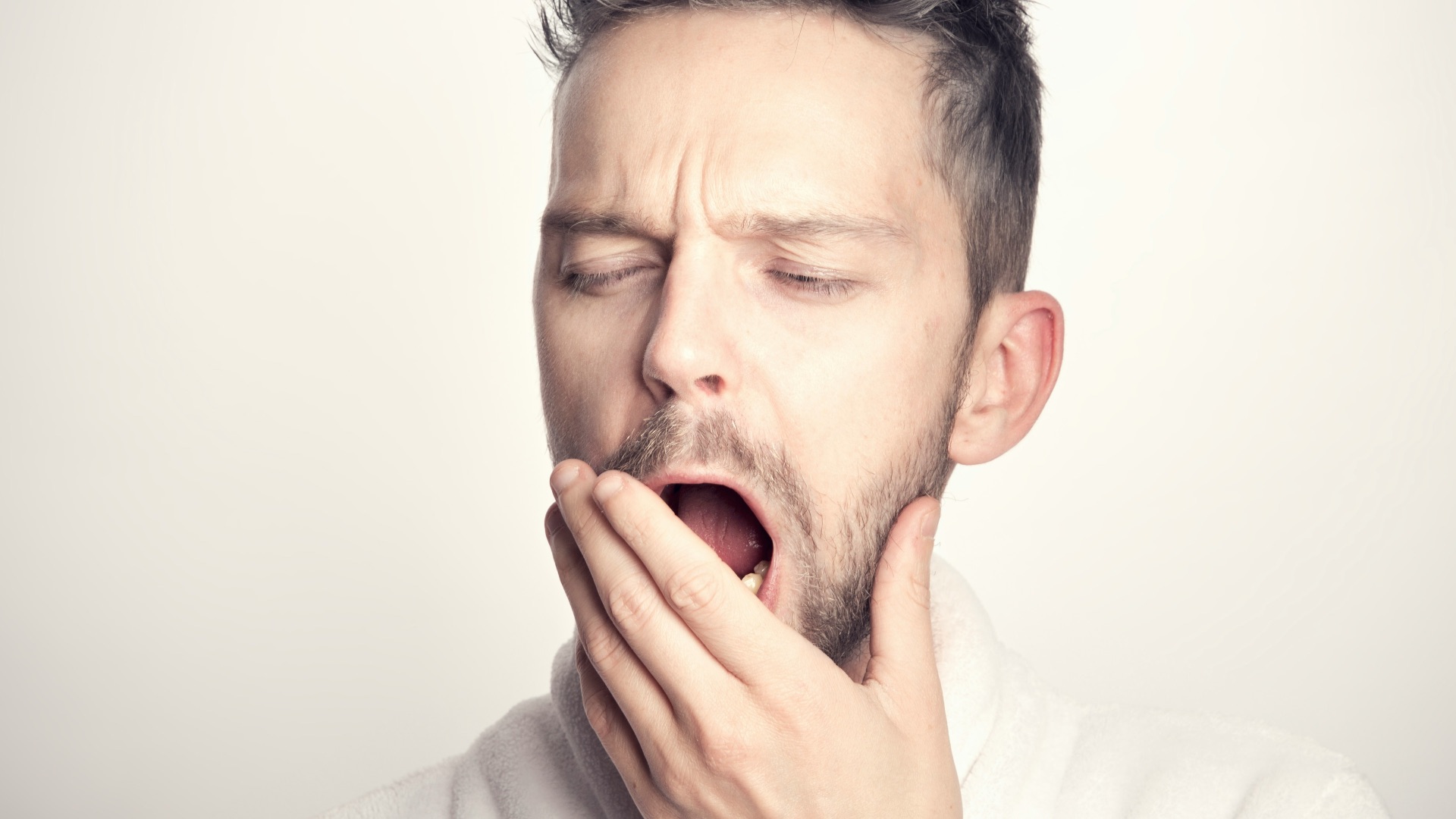
13. Folklore Often Blamed Spirits
Long before sleep paralysis had a medical explanation, many cultures explained it through supernatural beliefs. Some believe it to be due to the spells of shamans; others believe it to be a spirit getting revenge by suffocating their victims. Many still attribute sleep paralysis to something supernatural or even demonic, despite modern science explaining why it happens.
 Frames For Your Heart on Unsplash
14. The "Old Hag"
In some English-speaking folklore, sleep paralysis was associated with the "Old Hag," a figure believed to sit on a sleeper’s chest. This legend matches the common symptoms of being unable to move, feeling pressure, and sensing someone nearby. The story may sound theatrical now, but it reflects how frightening the episode can feel when you don’t know what’s happening.
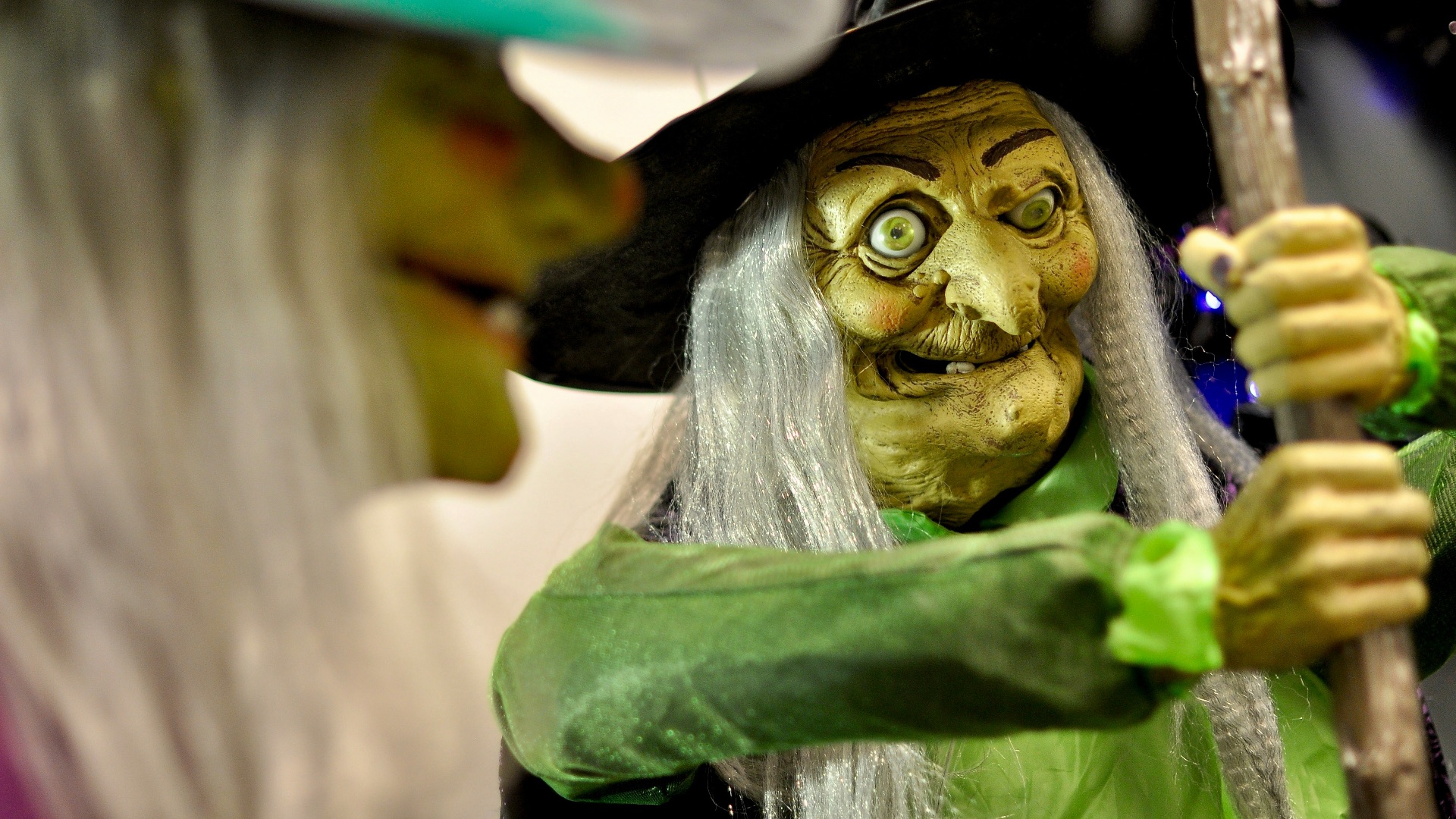
15. The Shadow Figure Comes from Your Brain Filling in Threats
Breathe out a sigh of relief: the shadowy figures you see during sleep paralysis aren't real, we promise. The reason why these "demons" appear is because when you're partially conscious during the REM phase of sleep, you're more likely to hallucinate things that aren't there. You're awake enough to recognize your room, but you're still partly in dreamland. Your dark surroundings may suddenly be interpreted as a threat, and pareidolia (seeing human faces where there are none) can materialize eerie things that aren't actually there.
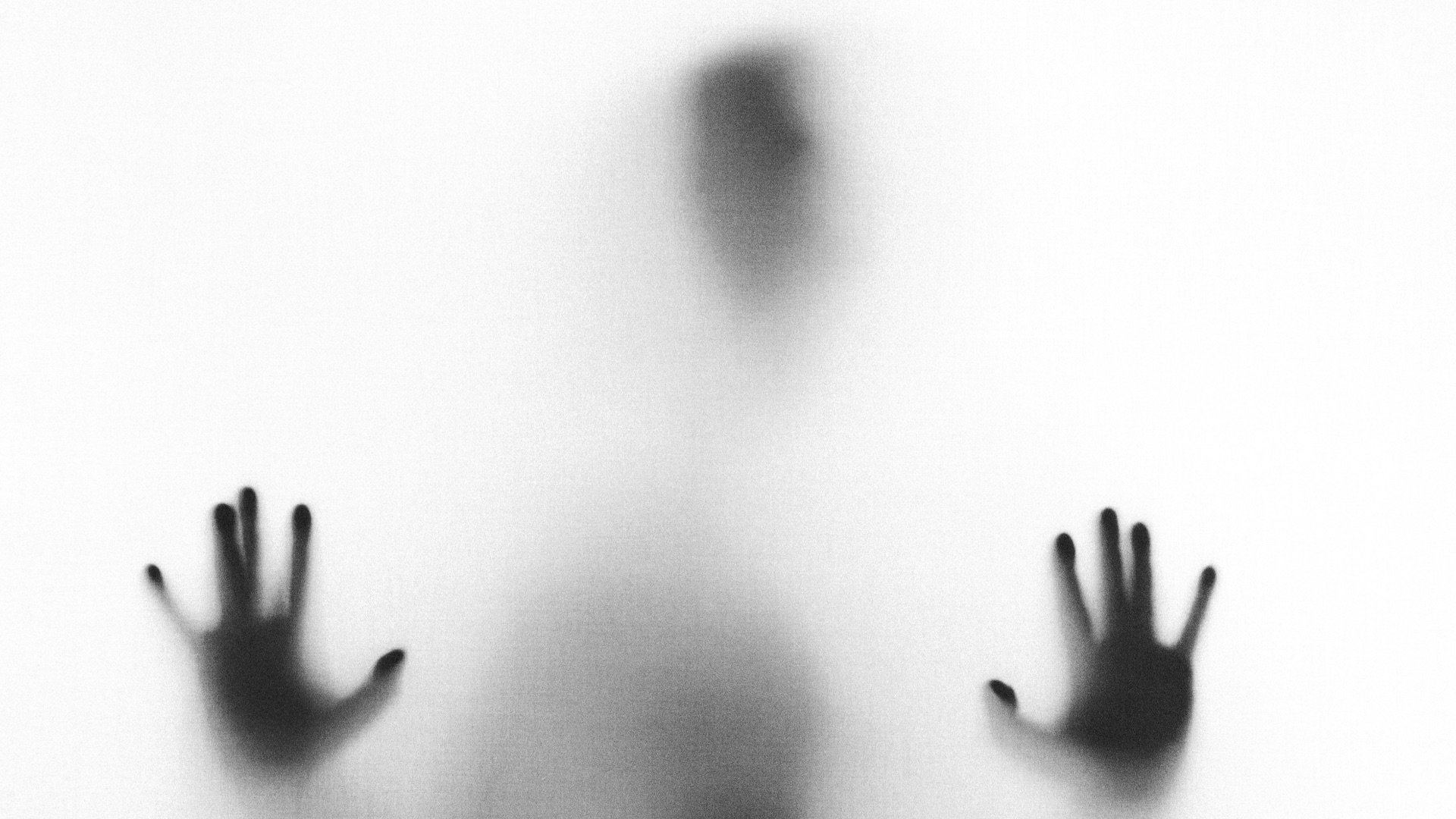
16. It Isn’t Considered Physically Harmful
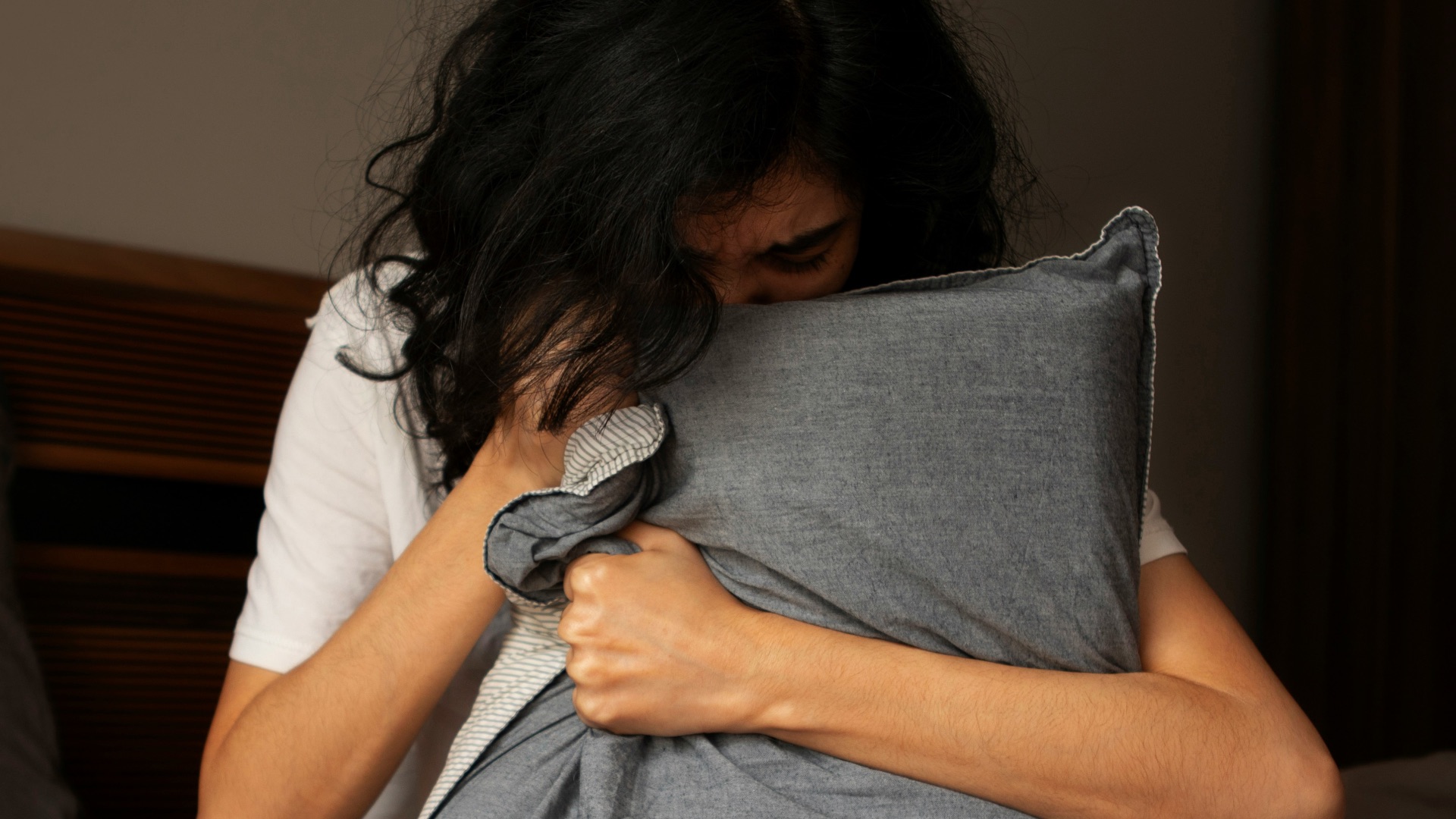
Sleep paralysis can be deeply frightening, but the episode itself isn’t usually dangerous. The body’s temporary inability to move is tied to normal REM sleep mechanisms that have carried over at the wrong time. The bigger concern is often the distress, lost sleep, or anxiety that can develop if episodes happen repeatedly.

17. Fighting It Can Make the Panic Worse
When you try to force your whole body to move and nothing happens, the fear often spikes further. Some people find it easier to focus on slow breathing or on moving a small part of the body, such as a finger, toe, or tongue, to signal your body to wake up. Others may just wait for the episode to pass by letting the scene play out.
 Solving Healthcare on Unsplash
18. Better Sleep Habits Can Reduce Episodes
A consistent sleep schedule, enough rest, and limiting sleep disruption can lower the chances of sleep paralysis for some people. Since irregular sleep and exhaustion are common triggers, improving sleep routines can make a noticeable difference. It’s not a guaranteed cure, but it’s one of the most practical starting points.
19. Recurrent Episodes Deserve Attention
An occasional episode may not mean anything serious, but frequent sleep paralysis is worth discussing with a healthcare professional. This is especially important if you also have severe daytime sleepiness, sudden muscle weakness, loud snoring, panic symptoms, or trouble sleeping through the night. A provider can look for related issues such as narcolepsy, sleep apnea, insomnia, anxiety, or other sleep disruptions.

20. Understanding It Can Make It Less Terrifying
During an episode, sleep paralysis can be extremely frightening. But thankfully, the threat isn't actually real; you're not actually being suffocated by a demon. Once you understand the boring explanation of why it happens (your brain being awake when your body stays asleep), you may be less scared the next time you have an episode.
KEEP ON READING