
10 Things You Need To Stop Doing Before A Doctor's Appointment & 10 Things To Start Doing
10 Things You Need To Stop Doing Before A Doctor's Appointment & 10 Things To Start Doing
A Little Preparation Goes A Long Way
Just because you've scheduled an appointment with your doctor doesn't mean you've done all the work; there's preparation that needs to be done! Preparing ahead helps you use your time well and ensures that you don't forget important details that you need to share. To make sure you get the most out of your doctor's visit, here are 10 things to stop doing and 10 things you need to start doing.

1. Stop Showing Up Without Knowing Why You’re There
To make sure you don't waste your time or your doctor's, you should have a clear idea of what you want to discuss during your visit before you even arrive at the clinic. After all, your doctor can only help you if you can name or describe the main concern.

2. Stop Saving The Most Important Concern For The End
Bringing up your biggest worry as the doctor is walking out the door isn’t ideal for anyone. If that's the main reason why you're there, start with it! Doctors are used to hearing personal details, so there’s no need to build suspense or feel awkward about sharing your worries.

3. Stop Guessing Your Medication Names
Saying you take “a small white pill” doesn't help your doctor in the slighest, even if you think offering up some sort of small description is better than nothing. Doctors need accurate medication names, doses, and schedules to check for side effects, interactions, or duplicate treatments. Accuracy is the most important thing here.

4. Stop Downplaying Symptoms To Sound Polite
For whatever reason, we sometimes feel worried about being dramatic in front of our doctor, but all that does is make your symptoms seem less serious than they actually are. Don't worry about what anyone else thinks; be clear about what's happening, how long it's been going on, and how it's been affecting you.
5. Stop Exaggerating Symptoms To Be Taken Seriously
On the flip side, don't exaggerate or stretch the truth either. You should always be honest with your doctor so they understand what's really going on. You don't need to tell a fancy story in order for him to listen; that's his job!

6. Stop Forgetting To Mention Allergies And Past Reactions
Medication allergies and bad reactions are always something you need to mention because they can affect what your doctor prescribes, what tests they order, and how they interpret your symptoms. Even if you think they already know, mention it again when treatment decisions come up.

7. Stop Arriving Late And Expecting A Full Reset
We know life can happen and sometimes running late is inevitable, but for a doctor's appointment, make sure you're always trying your hardest to be on time. Clinics often have packed schedules, and they certainly won't stop for you just because of traffic. Showing up late also just limits your time for discussion!

8. Stop Wearing Clothing That Makes An Exam Difficult
If you know your appointment is going to involve showing your doctor a concern on your body, make sure your outfit is loose and easy to lift for the doctor to examine. Dressing in clothing that doesn't help your visit just slows things down and makes things complicated for no reason.
9. Stop Assuming Your Doctor Has Every Record
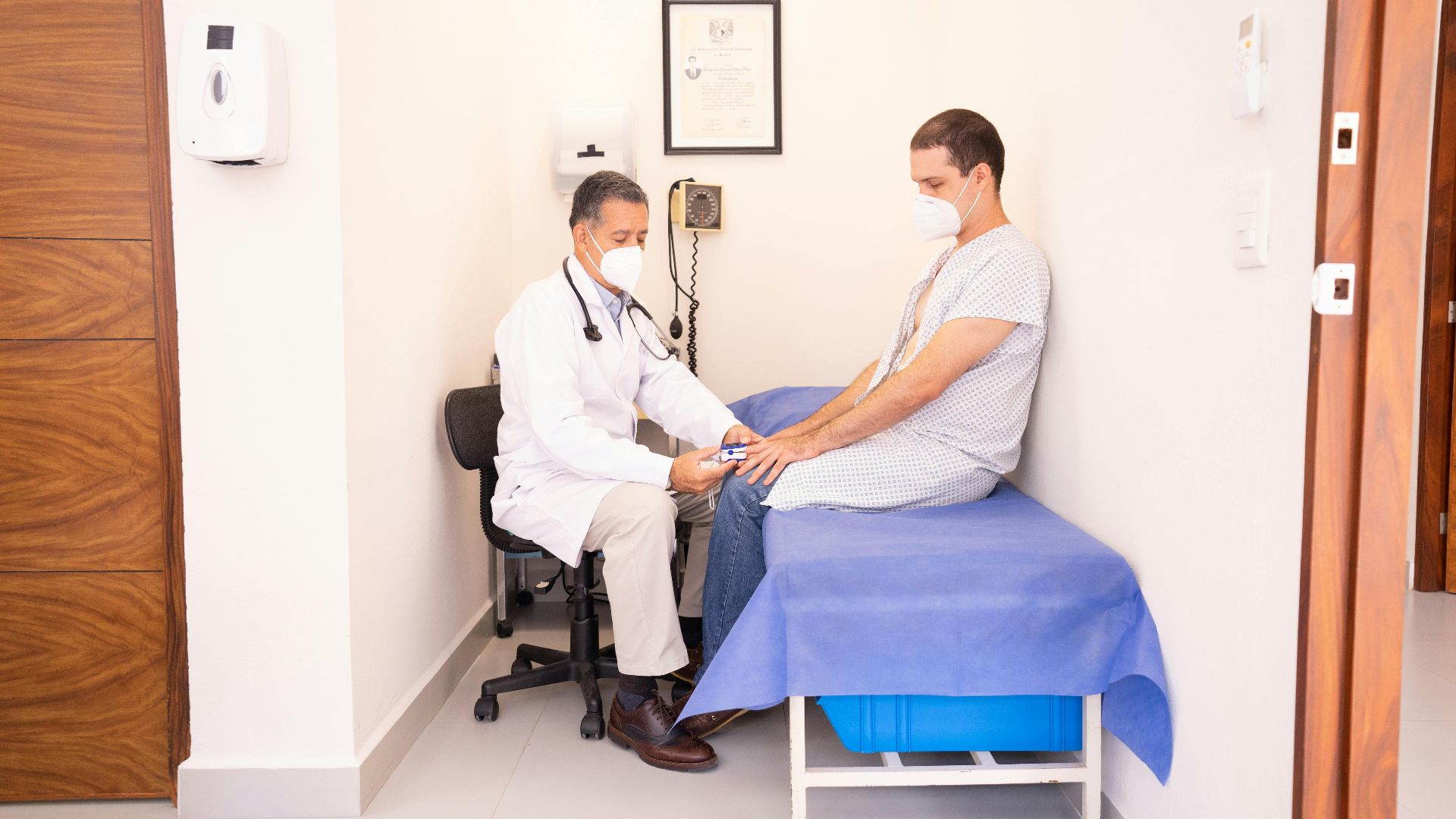
Yes, most things are electronically recorded these days, but that doesn't mean you should believe your doctor has every little test result, scan, specialist note, or hospital visit from everywhere you’ve ever been. Share what they need to know yourself as missing information can lead to repeated tests or incomplete decisions.

10. Stop Leaving Without Understanding The Plan
If you have questions, make sure you get answers before you leave! Nodding along while secretly being confused is a very common bad appointment habit. You need to clearly understand the diagnosis, next steps, medication instructions, warning signs, and follow-up plan before you step out that door.

1. Start Writing Down Your Top Questions
To help clear your head from what's junk and what's important to ask, create a list of your top questions so you don't have to remember everything alone. Put the most important questions at the top so they’re covered first. This makes your trip much more productive.

2. Start Bringing A Current Medication List
Medication names are hard to remember, and more often than not, tricky to say, so instead of guessing at what you're already taking, just bring your doctor a list. Include the dose, how often you take it, and why you take it if you know.

3. Start Tracking Symptoms Before The Visit
Your memory always tends to be the worst when someone asks, “When did this start?”, so some simple notes with dates, patterns, triggers, severity, and what helped can make your explanation much stronger. This is especially useful for symptoms that come and go, such as headaches, dizziness, stomach trouble, or pain.

4. Start Being Honest About Lifestyle Habits
Your doctor won't gasp dramatically when they hear about your coffee intake, sleep schedule, alcohol use, smoking, diet, exercise, or stress levels. They just care about how these factors are impacting your condition These details can affect symptoms, medications, and treatment choices, so always be honest.

5. Start Bringing Important Documents
Insurance cards, referral information, test results, imaging reports, advance directives; whatever you've got, it's better to bring it than be sorry! You never know what you might need, and it'll certainly never hurt to be more prepared for a doctor's visit than needed.

6. Start Asking What You Should Watch For
A good visit doesn’t just explain what’s happening today; it also helps you know what you need to do next. Ask your doctor which symptoms should prompt a call, urgent care visit, emergency visit, or follow-up appointment. This can spare you from wondering whether something is “normal enough” late at night.

7. Start Taking Notes During The Appointment
Your doctor may cover a lot of things during your visit, and if you're worried about forgetting important details, just start taking notes. You can do this on your phone, a notebook, or ask for paper from the clinic. Little things like this make your visits feel so much more reassuring when you're not scrambling to remember something crucial.

8. Start Bringing A Support Person When It Helps
For complicated, emotional, or high-stakes appointments, don't be afraid to ask someone you trust to come with you. They can help listen, take notes, remember questions, or provide details you might forget. Sometimes, we could also just use an emotional support person.
 National Cancer Institute on Unsplash
9. Start Asking About Your Next Steps Clearly
Before leaving, confirm what happens next and who is responsible for each step. Don't be afraid to make your doctor repeat themselves! Ask whether you need labs, imaging, referrals, medication changes, or a follow-up visit. It’s also helpful to know when results are expected and how you’ll receive them.

10. Start Using The Patient Portal Wisely
Thanks to our digital age, there are many things you can now see online! Patient portals can be helpful for checking results, reviewing instructions, sending follow-up questions, and keeping appointments organized. Use it after the visit if you realize you forgot something or need clarification.

KEEP ON READING



20 Natural Ways You Can Boost Your Immune System

20 Ways To De-stress & Relax After Work
The 10 Most Common Diseases & The 10 Most Rare