
20 Things to Do When You Want to Feel Better but Don’t Know How
Small, Doable Resets
It’s rare that people can snap back into their wellness habits after suffering a down day or two. Feeling better doesn’t have to start with a huge therapy breakthrough or cleaning your entire house top to bottom. Some days, it starts with eating lunch at 3 p.m. because you forgot, stepping outside for five minutes, or even changing into clean clothes. Low moods can be frustrating because they don’t always come with a clear reason, and that can make you feel even more stuck. You might not need a full plan right away. You might just need one small thing that makes the next 10 minutes feel a little easier, and this list gives you 20 places to start.

1. Take Three Slow Breaths
Start with the part of you that doesn’t need a long explanation. Breathe in slowly through your nose, let your shoulders drop a little, then breathe out longer than you breathed in. Do it three times, without trying to make it perfect.

2. Drink a Full Glass of Water
A bad mood can feel bigger when your body is short on water. Dehydration can leave you feeling tired, foggy, irritable, and more easily overwhelmed than usual. Fill a glass, drink it slowly, and give your body a little time to feel hydrated.

3. Eat Something More Substantial Than Snacks
If you’ve only had coffee, a granola bar, or bites of whatever was closest, food may help more than you expect. Try eggs on toast, yogurt with berries, soup, tuna on crackers, or last night’s rice and chicken. You don’t need a perfect meal, just enough fuel to make your body feel less neglected.

4. Step Outside for Five Minutes
A little outdoor time can change the feel of a rough day, even if you’re just standing on the front step in socks. Look at the sky, walk to the mailbox, sit on a bench, or open the back door and let fresh air in. The point is to give your eyes and body a break from the same room.

5. Do Some Gentle Movement
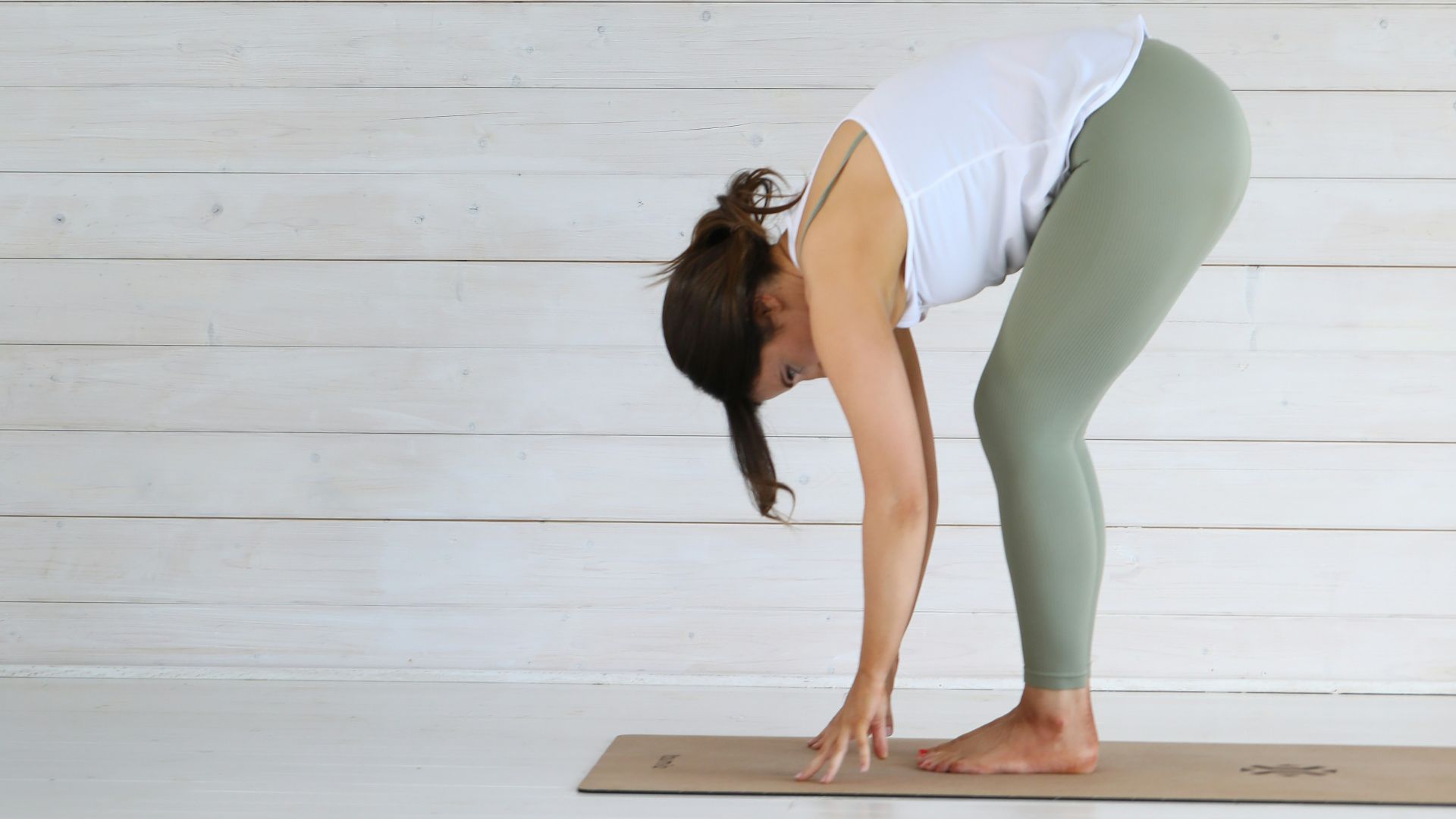
You don’t have to sweat through your bad mood. Stretch your neck, walk around the block, do 10 slow squats, or put on one song and move around the kitchen. Gentle movement can help with stress and low energy without making the day feel like another performance.
6. Use the Five-Four-Three-Two-One Exercise
When your thoughts are racing, bring your attention back to what’s around you. Name five things you see, four things you feel, three things you hear, two things you smell, and one thing you taste. It’s simple, but it gives your mind something concrete to do.

7. Write Three Messy Sentences
You don’t need a leather journal or a meaningful entry dated with neat handwriting. Open a notes app, grab a receipt, or use the back of an envelope and write three sentences about what feels hard. The words can be blunt, unfinished, and all over the place. What matters is that they’re out of your brain.

8. Text Someone Who Feels Safe
Pick a person who usually makes you feel steadier, not someone who turns everything into a debate. Send something plain, like, “I’m having a bad day. Can you talk for a few minutes?” You don’t need to explain every detail before you’re allowed to want company.

9. Choose One Tiny Task
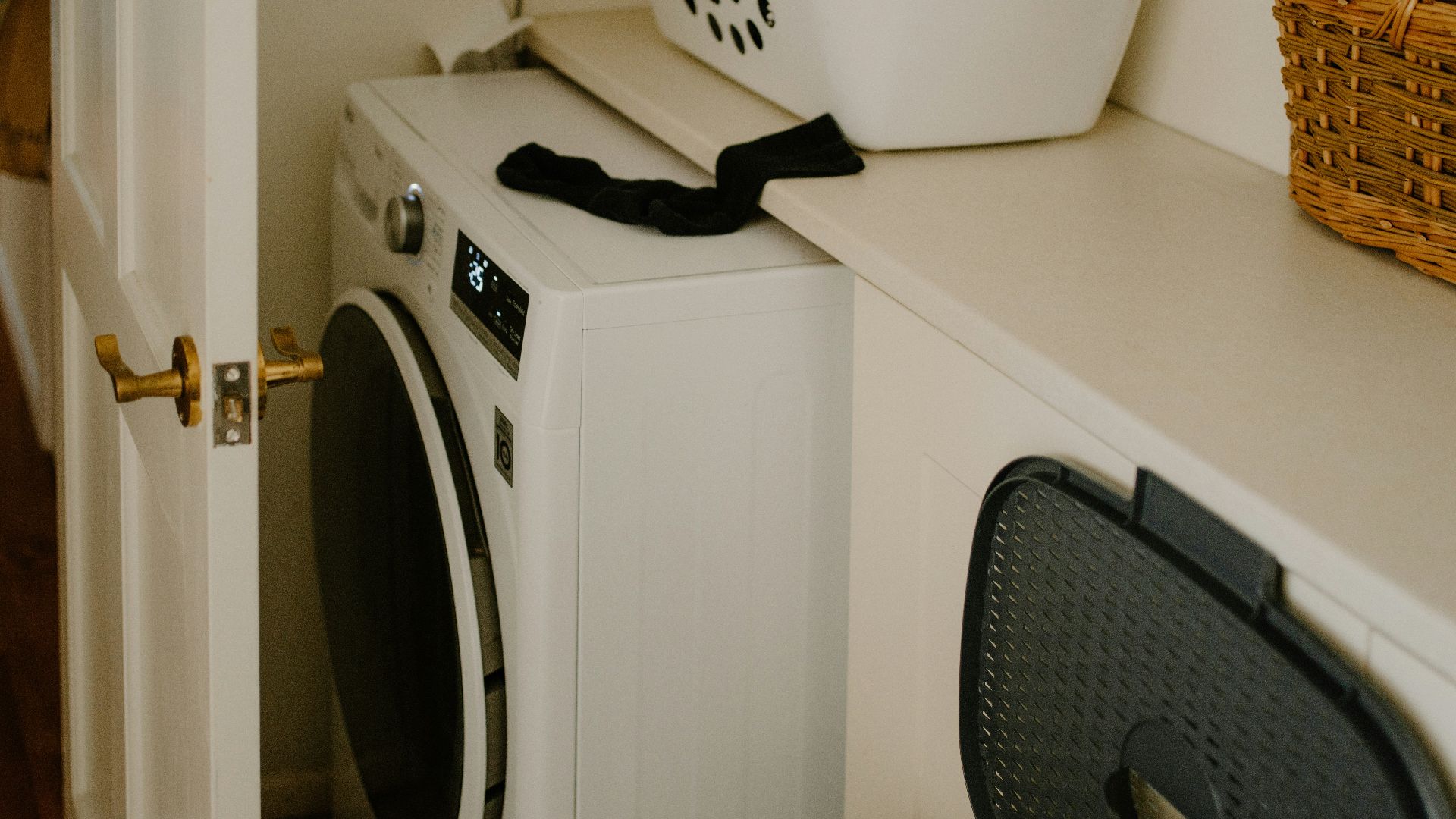
When everything feels like too much, shrink the job until it becomes possible. Wash one mug, throw away the takeout bag, answer one message, or move the laundry from the floor to the hamper.
10. Wash Your Face or Take a Shower
Basic care can make a hard day feel less heavy. Wash your face, brush your teeth, take a shower, or change into clean clothes, even if the clean clothes are just softer pajamas.

11. Unclench Your Body
Stress often shows up in your jaw, shoulders, hands, and stomach before you’ve fully noticed it. Tighten one muscle group for a few seconds, then let it release, moving slowly from your feet to your face if that helps. Pay attention to the places you’ve been holding tension without meaning to.

12. Put On Good Music
Music can help, but the wrong playlist can pull you further into a rough mood. Choose something familiar, soft, upbeat, or comforting, depending on the day. A 2000s pop song, a quiet piano track, or a low-key Sunday morning playlist are all good options.

13. Do One Small Kind Thing
Helping someone else in a small way can make the day feel less closed in. Send a kind text, refill the dog’s water bowl, hold the door for a neighbor, or leave a nice comment on a friend’s photo. Keep it small enough that it doesn’t become another obligation.

14. Notice One Good Thing
Big gratitude can feel fake when you’re upset, so keep it specific. Notice the hot coffee, the clean socks, the quiet hallway, the funny group chat message, or the way your cat is sleeping with one paw over its face. It’s good to see the good within the bad.

15. Take a Break From Scrolling
Scrolling can look like rest while still leaving you tense, irritated, or tired. Put your phone across the room, plug it in near the kitchen counter, or turn it face down while you do something else. Try music, a snack, stretching, a shower, or sitting without taking in more information.

16. Change One Sensory Detail
When you can’t explain what’s wrong, change something your body is dealing with. Put on a softer shirt, wrap up in a blanket, open a window, splash cool water on your face, or hold a warm mug. Small physical shifts can help when thinking harder isn’t getting you anywhere.
 Volodymyr Hryshchenko on Unsplash
17. Do One Thing for Tomorrow
A rough day feels a little less rough when tomorrow has one fewer hassle waiting. Set out clothes, charge your phone, pack lunch, put your keys by the door, or fill the coffee maker before bed. Future-you may not write a thank-you note, but they’ll be glad.
18. Let Yourself Rest
Sometimes, you don’t need another clever coping tool. You need to lie down, close your eyes, and stop negotiating with yourself for a while. A short nap, quiet music, or 15 minutes under a blanket can still count as care, even if you don’t fall asleep.

19. Avoid the Quick Fix That Backfires
When you feel bad, alcohol, too much caffeine, or numbing out for hours can seem tempting. Those choices can make sleep, anxiety, mood, and decision-making harder later, especially if you already feel shaky. Try the boring option first: water, food, a walk, a shower, or a text to someone steady.

20. Get Help if This Keeps Going
Self-care is useful, but it isn’t meant to carry everything. If your mood, sleep, appetite, motivation, relationships, or daily functioning have been off for two weeks or more, talk to a doctor, therapist, or trusted support person.