Familiar Does Not Mean Safe
A home can feel safe because it is familiar, not because it is actually set up for the body using it now. The loose rug you have stepped over for years, the dim hallway you know by memory, and the high cabinet you can still reach on a good day may all become bigger risks with time. Balance, vision, strength, reaction time, and medication side effects can change the way a normal room behaves. Falls are a major safety concern for older adults, and many home risks can be reduced with practical changes. Here are 20 home hazards that deserve a second look as you age.
1. Loose Rugs
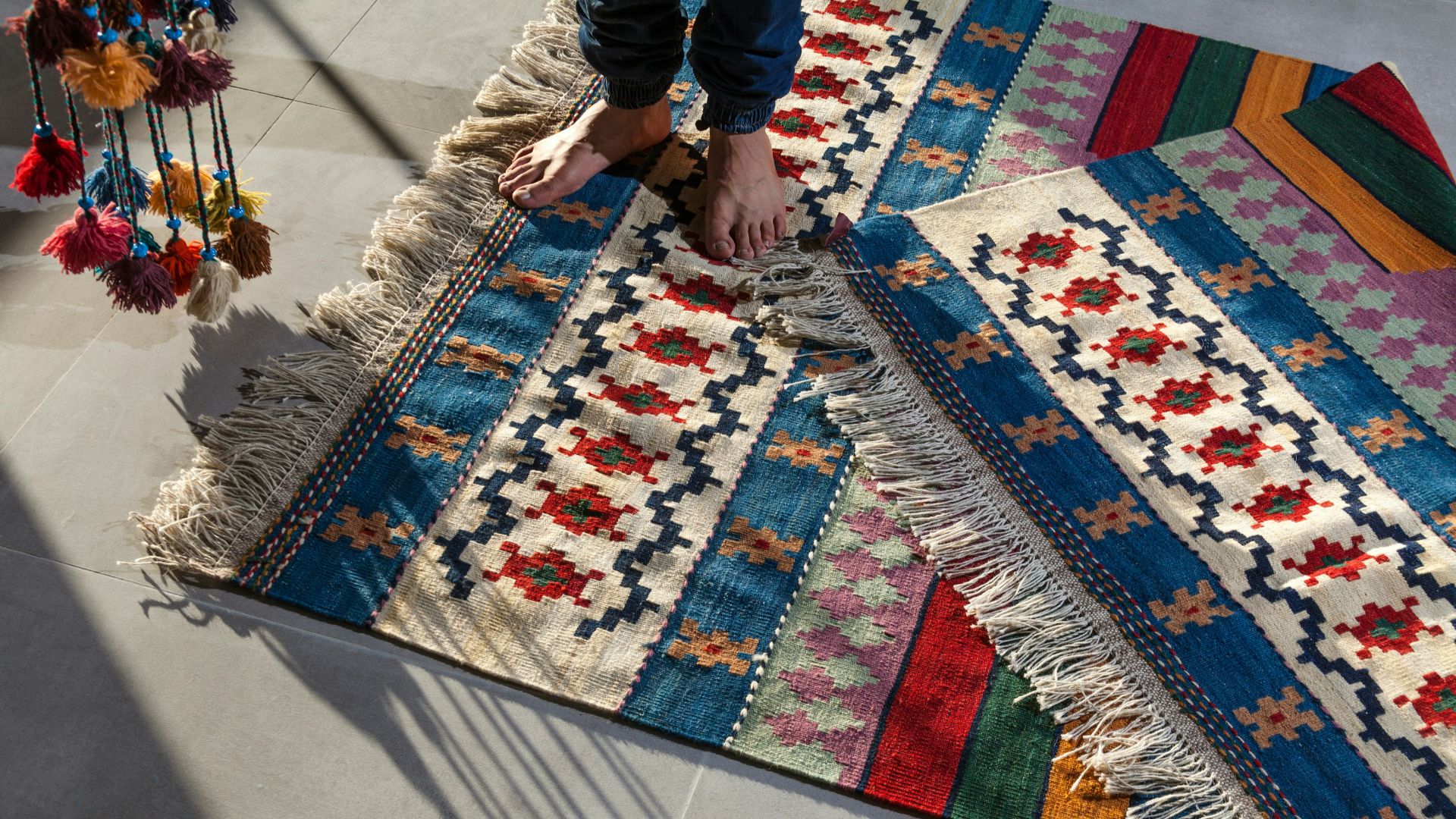
A rug that slides, curls, or bunches at the corner can turn a normal walk across the room into a fall. The danger is worse when your feet do not lift as high as they used to or when you are carrying laundry, groceries, or a cup of coffee.
2. Dim Hallways
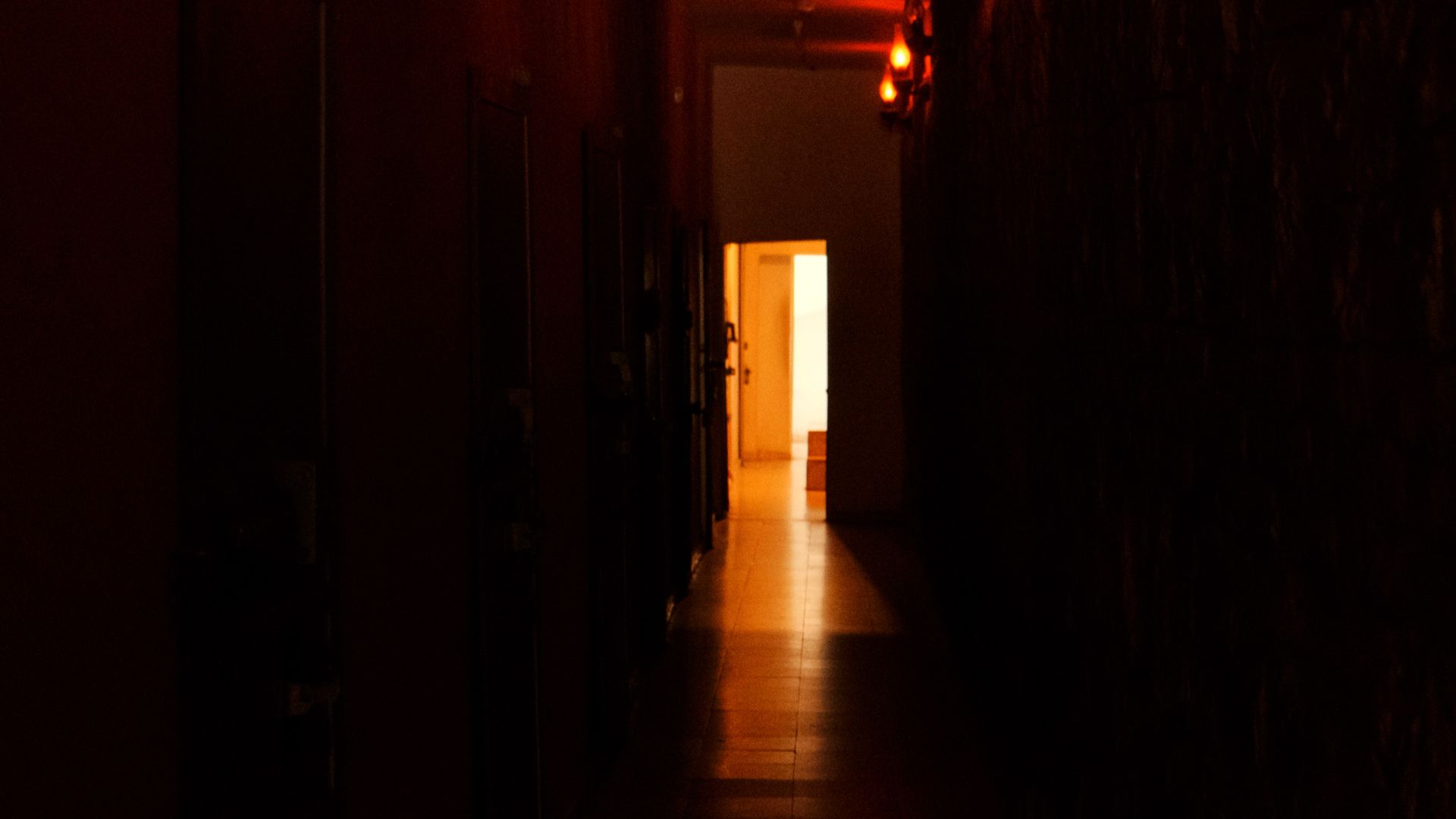
Low lighting may feel cozy, but it makes depth, edges, and obstacles harder to judge. A hallway that was easy to navigate at 40 can feel very different at 70, especially during late-night trips to the bathroom.
3. Stairs Without Railings
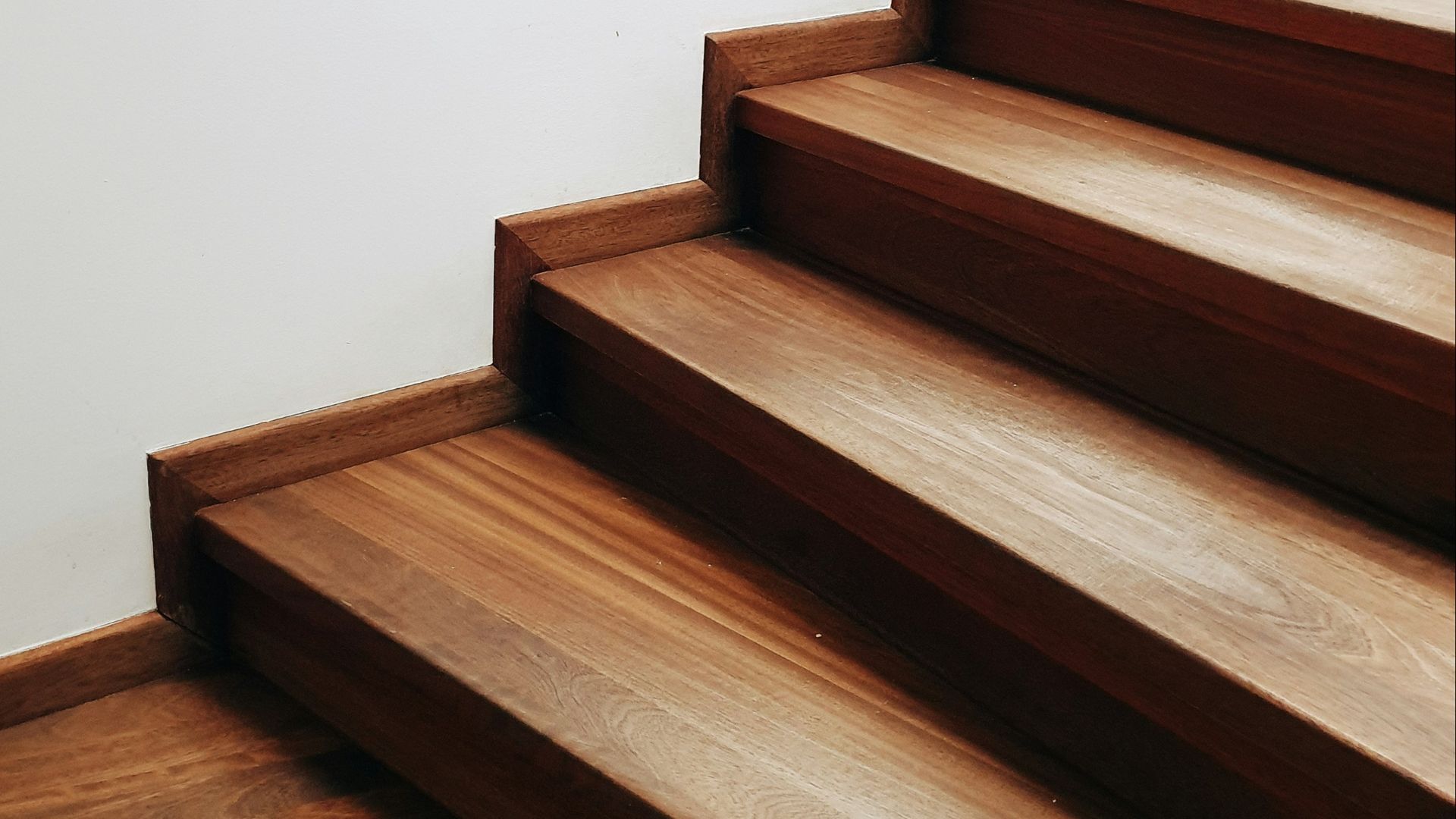
Stairs ask a lot from your knees, balance, and attention. Without a sturdy railing on at least one side, one missed step can become much harder to recover from.
4. Cluttered Floors
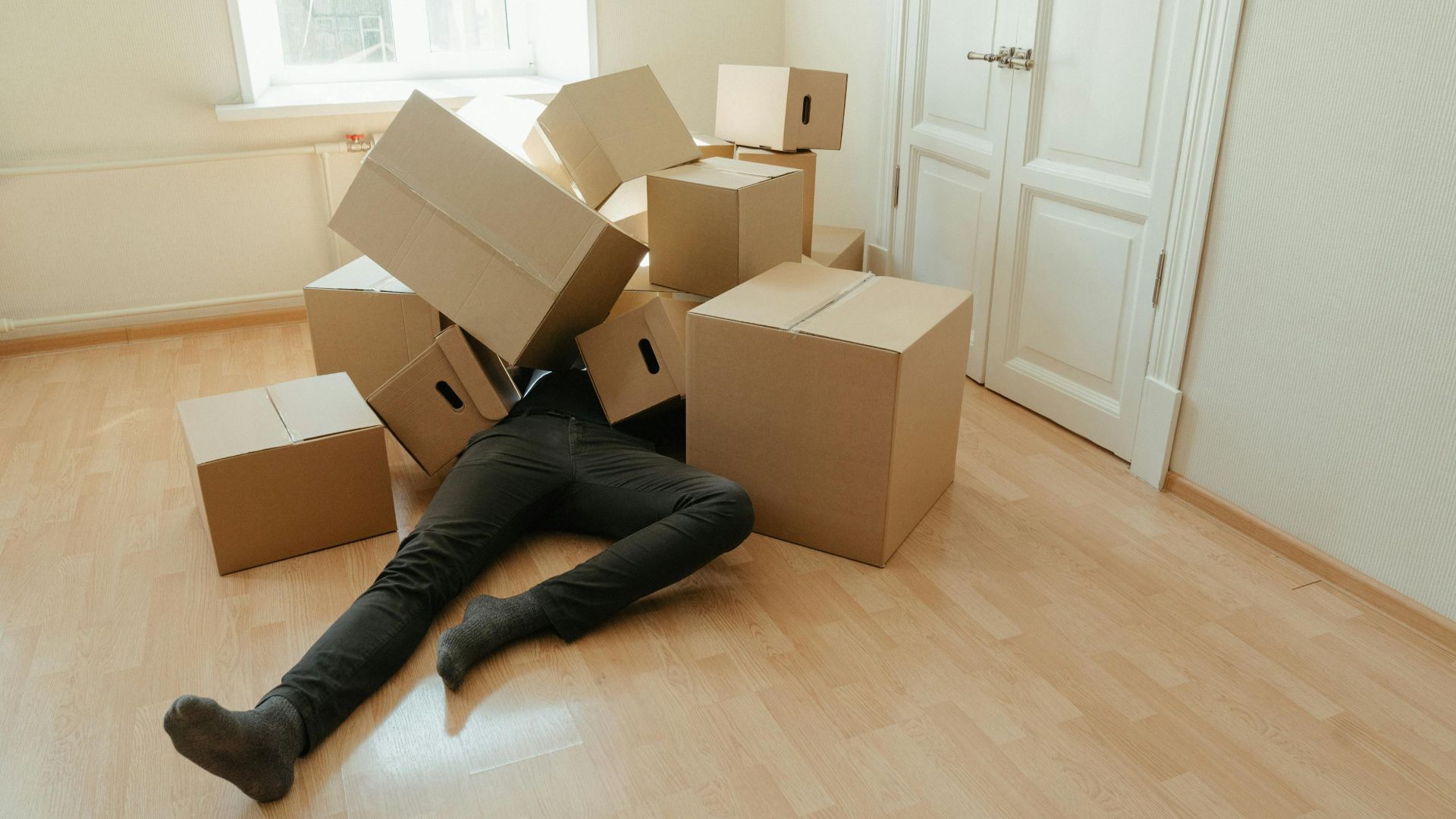
Shoes, cords, pet toys, magazines, and delivery boxes do not have to look dramatic to be dangerous. The problem is that small obstacles can catch a foot at exactly the wrong moment.
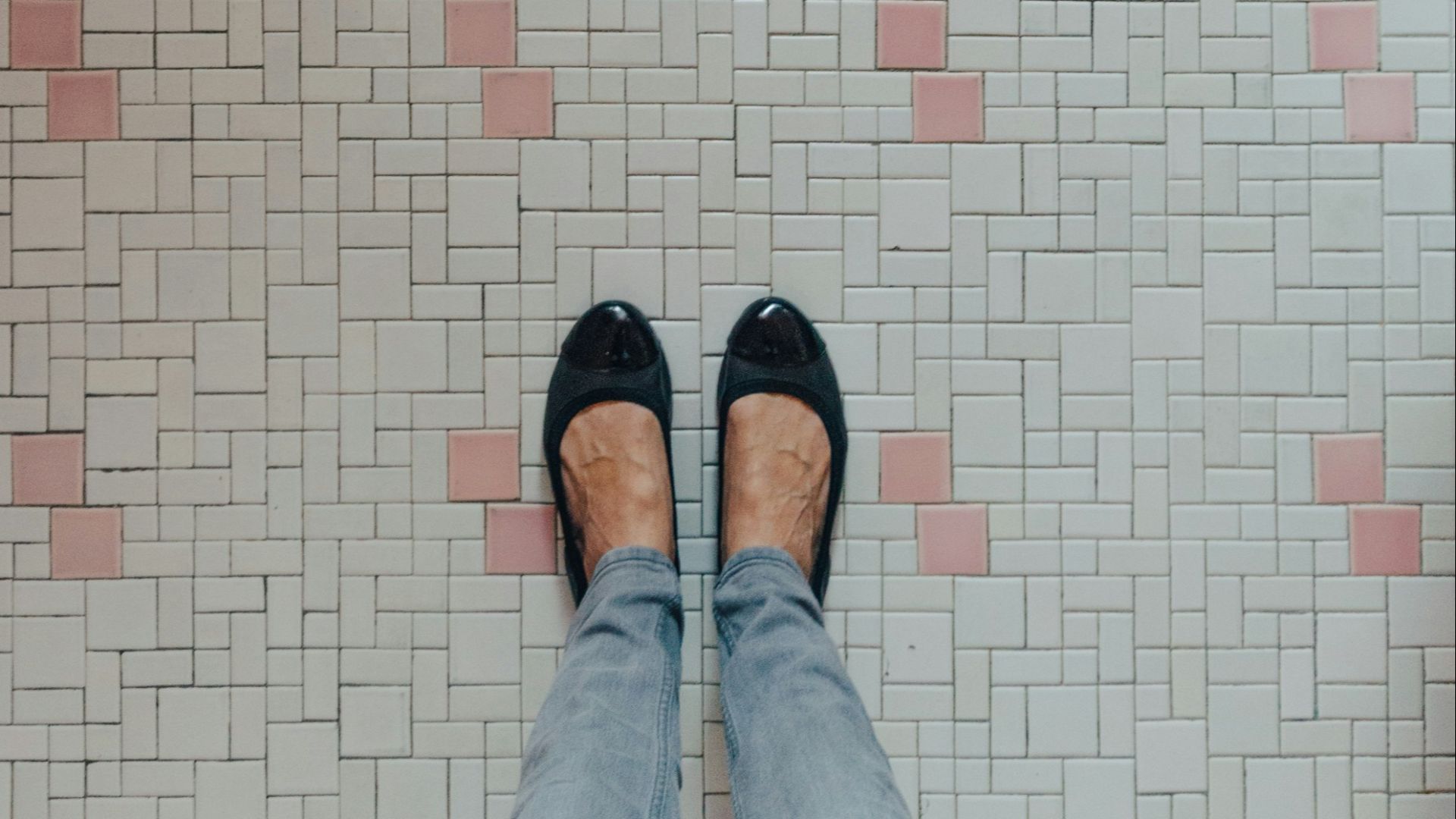
5. Slippery Bathroom Floors
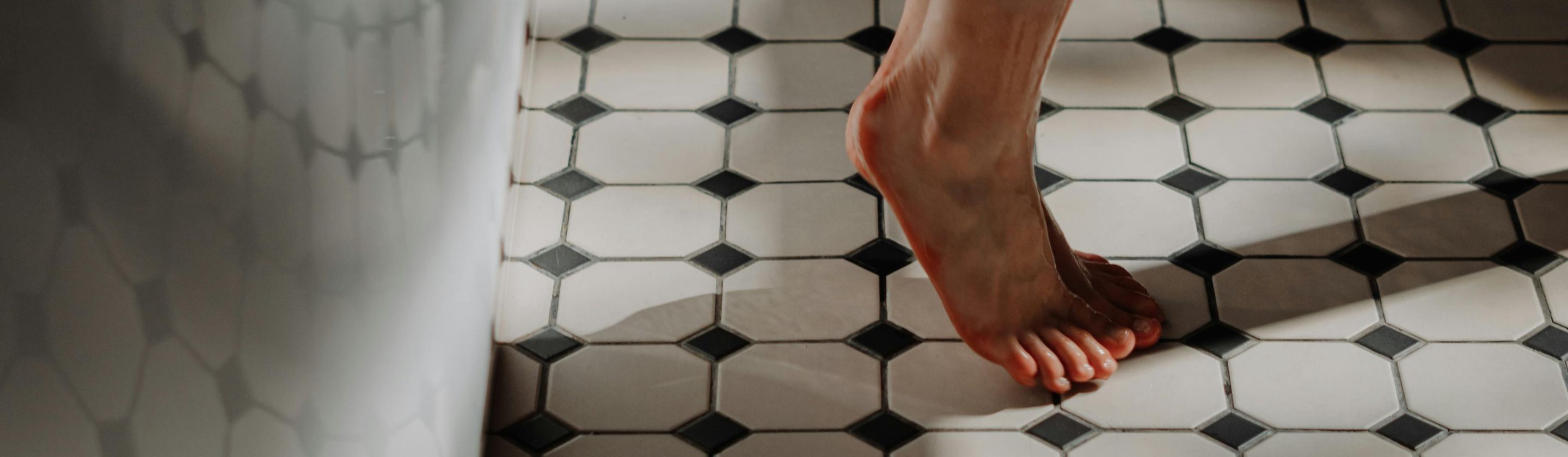
Bathrooms combine water, tile, soap, and tight spaces, which is not a forgiving mix. A wet floor beside the tub or sink can be risky even when you are careful, because there is often very little time to steady yourself.
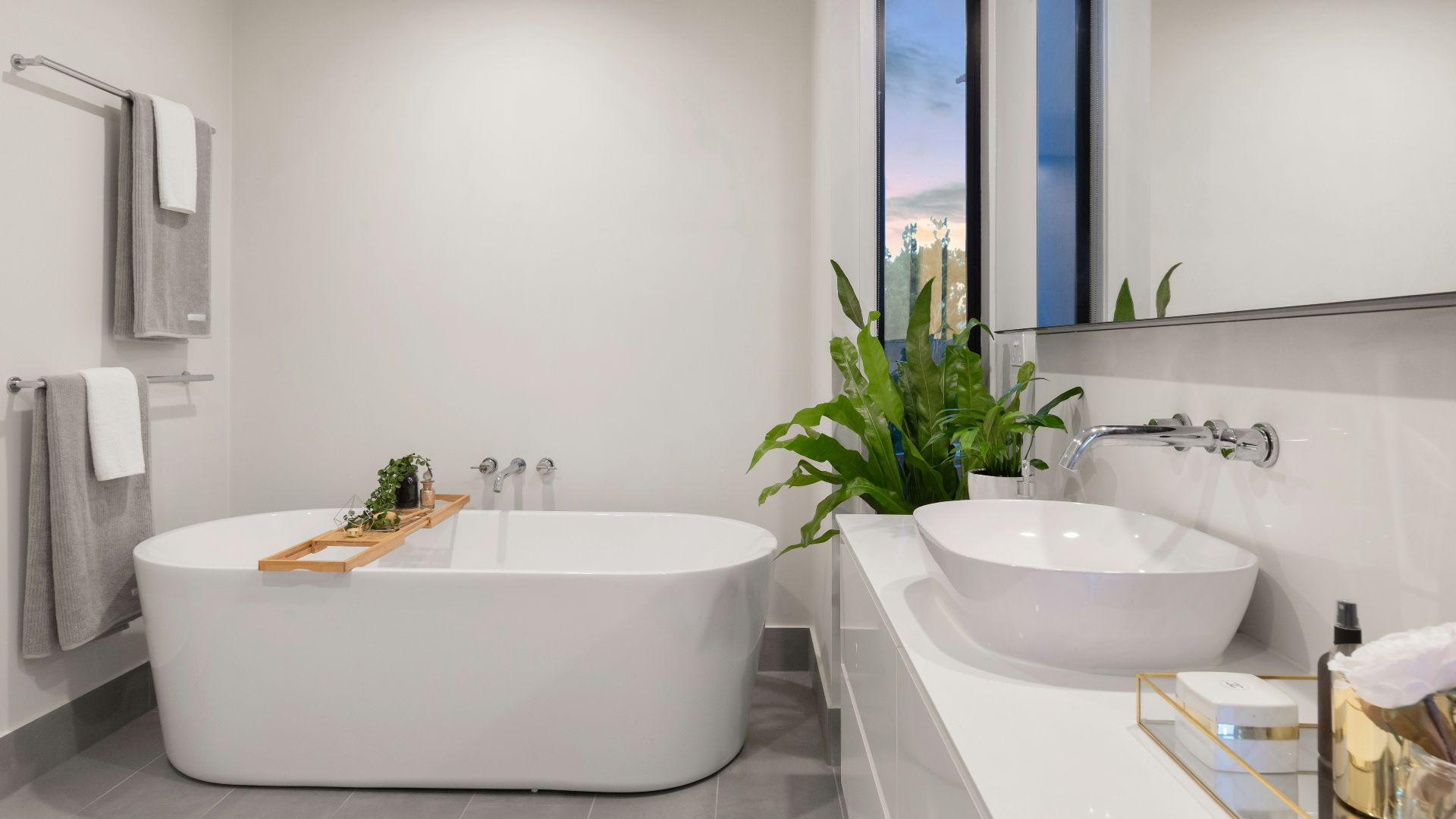
6. Bathtubs Without Grab Bars
A towel rack is not a grab bar, even if everyone has used it like one at some point. Getting in and out of a tub takes balance and leg strength, and a properly installed grab bar gives your hand something reliable to trust.
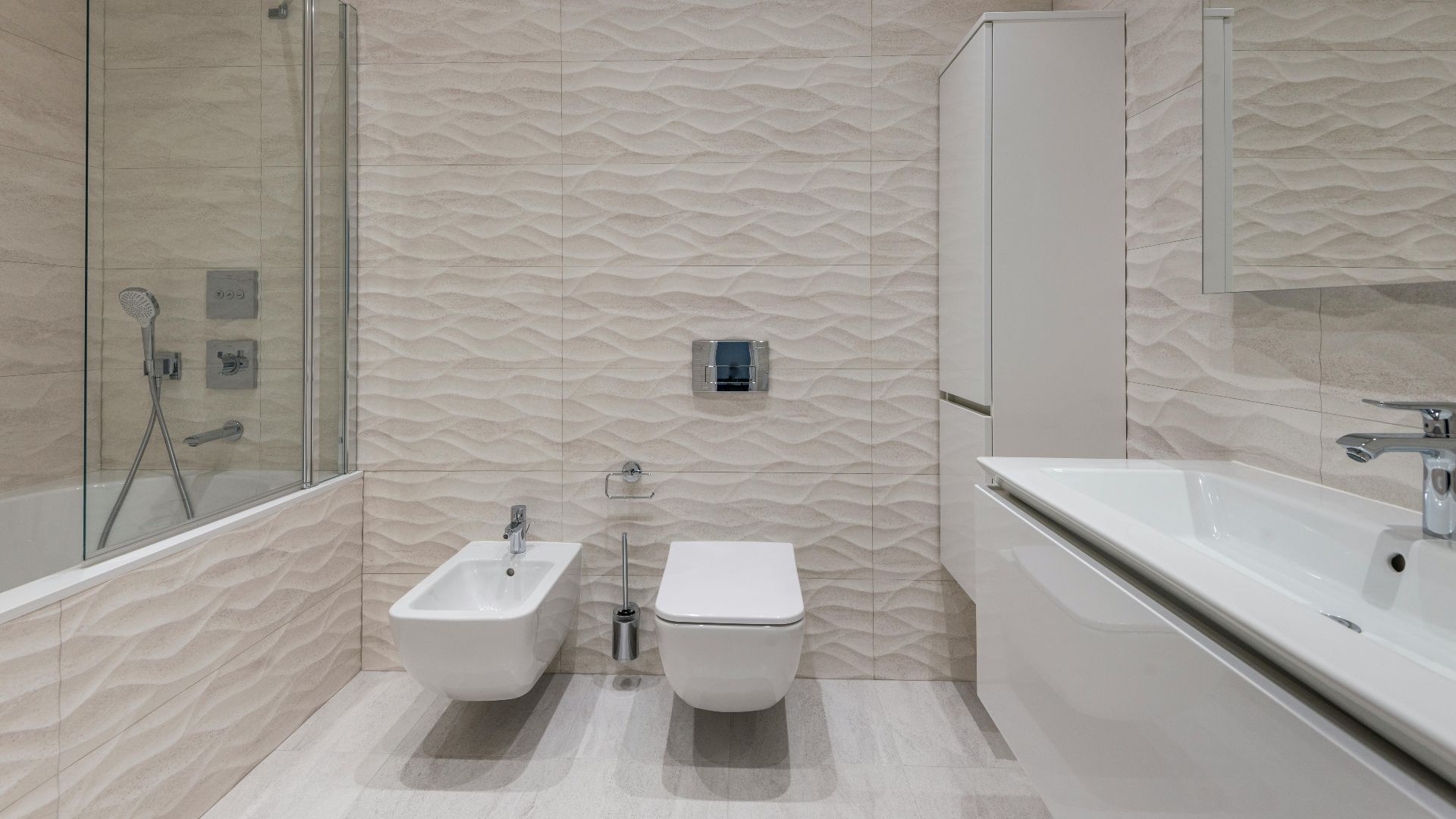
7. Low Toilets
A low toilet can turn a simple movement into a strain on hips, knees, and lower back. The harder it is to sit and stand, the more likely you are to reach for a sink, towel rack, or nearby shelf that was never built to hold your weight.
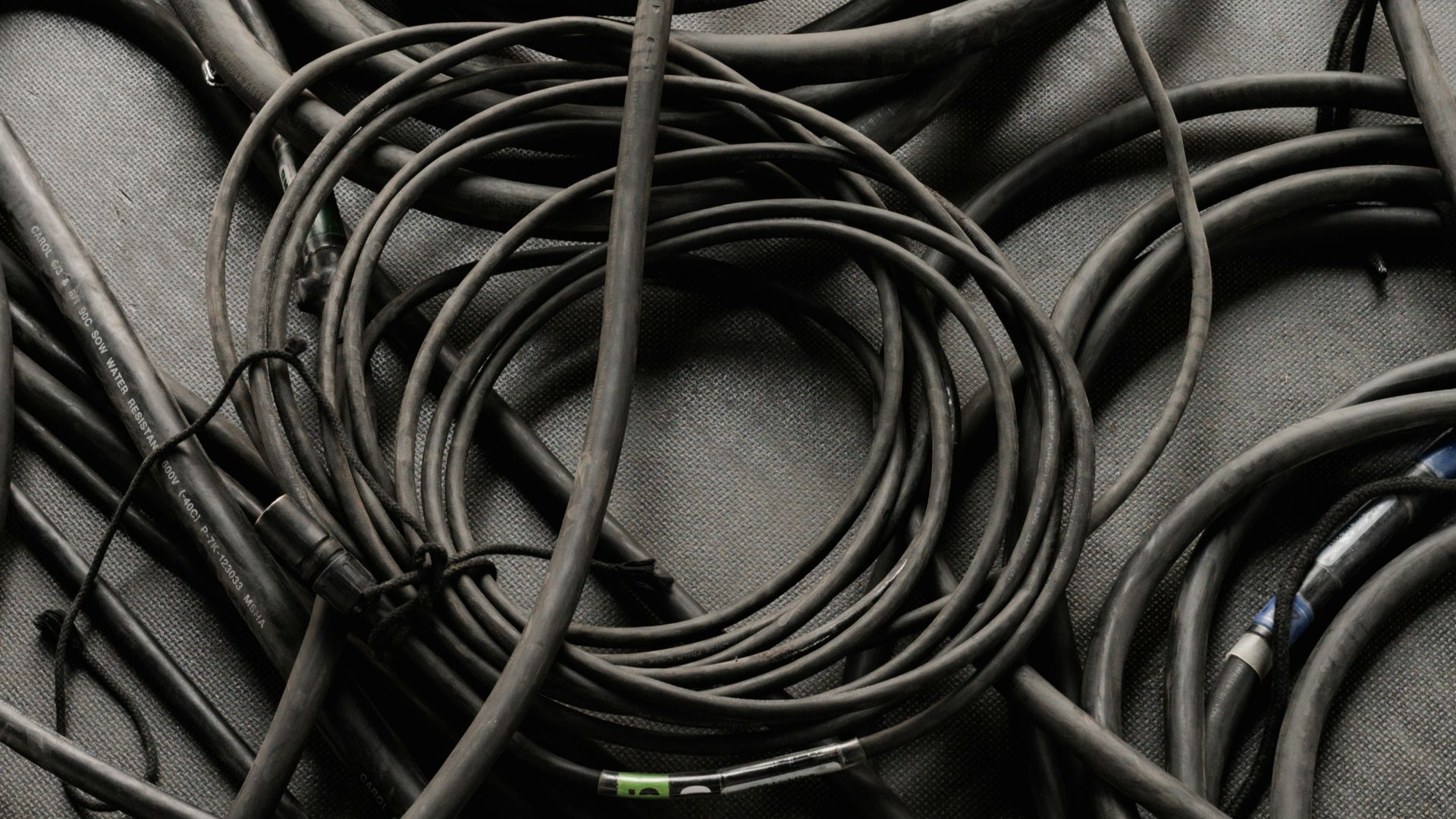
8. Poorly Placed Extension Cords
Extension cords have a way of becoming permanent without anyone admitting it. Once they cross a walking path or tuck under a rug, they stop being convenient and start acting like a tripwire.
 Kier in Sight Archives on Unsplash
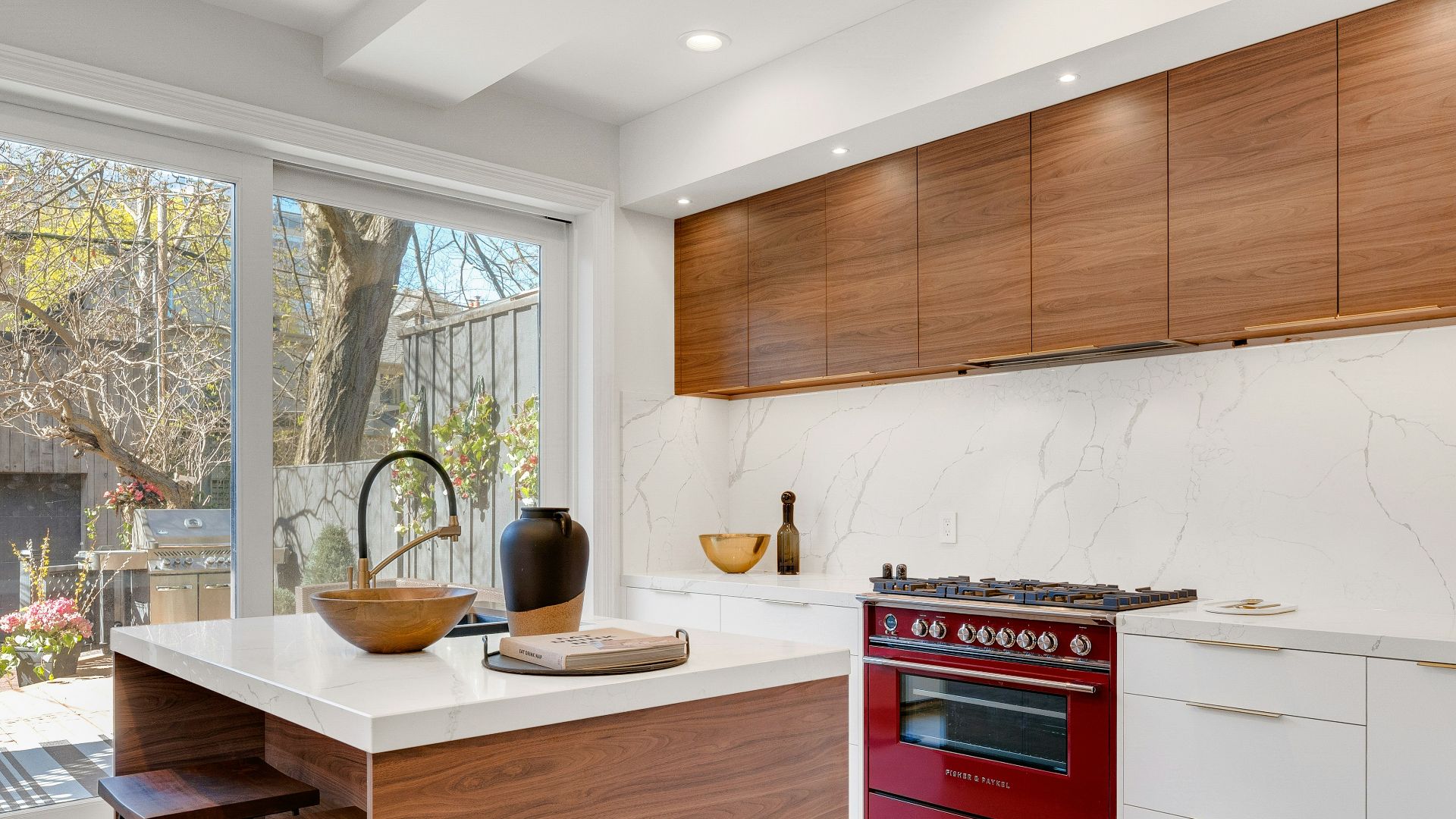
9. High Cabinets
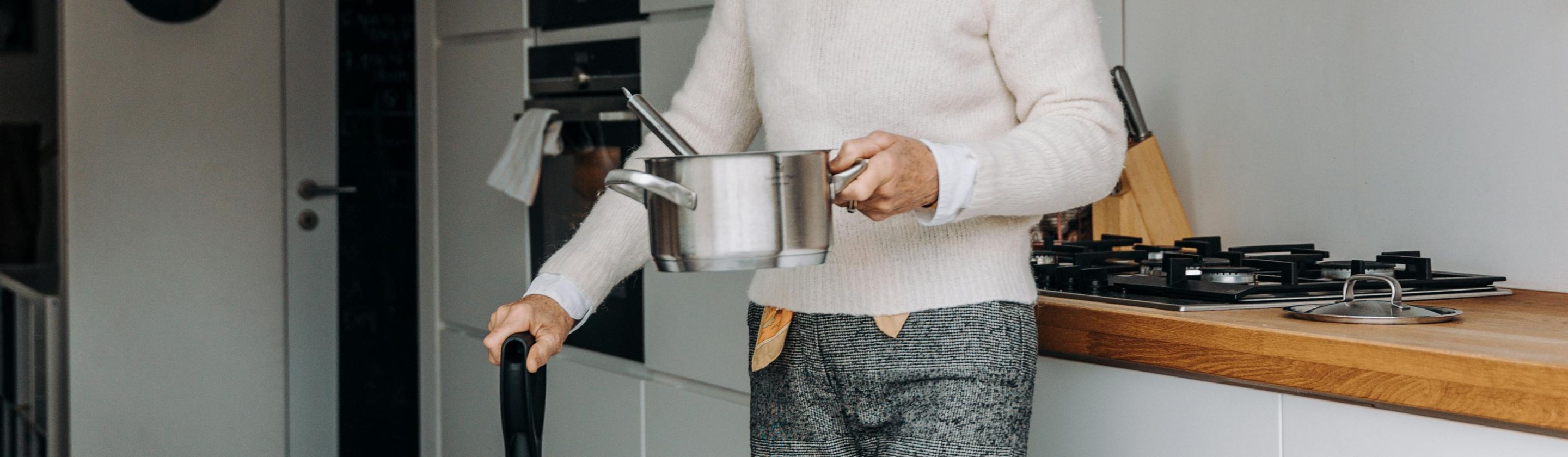
Stretching for a mixing bowl or heavy plate can pull you off balance before you realize it. The risk grows when you stand on tiptoe, use a chair as a step stool, or try to bring down something heavier than expected.
 André François McKenzie on Unsplash
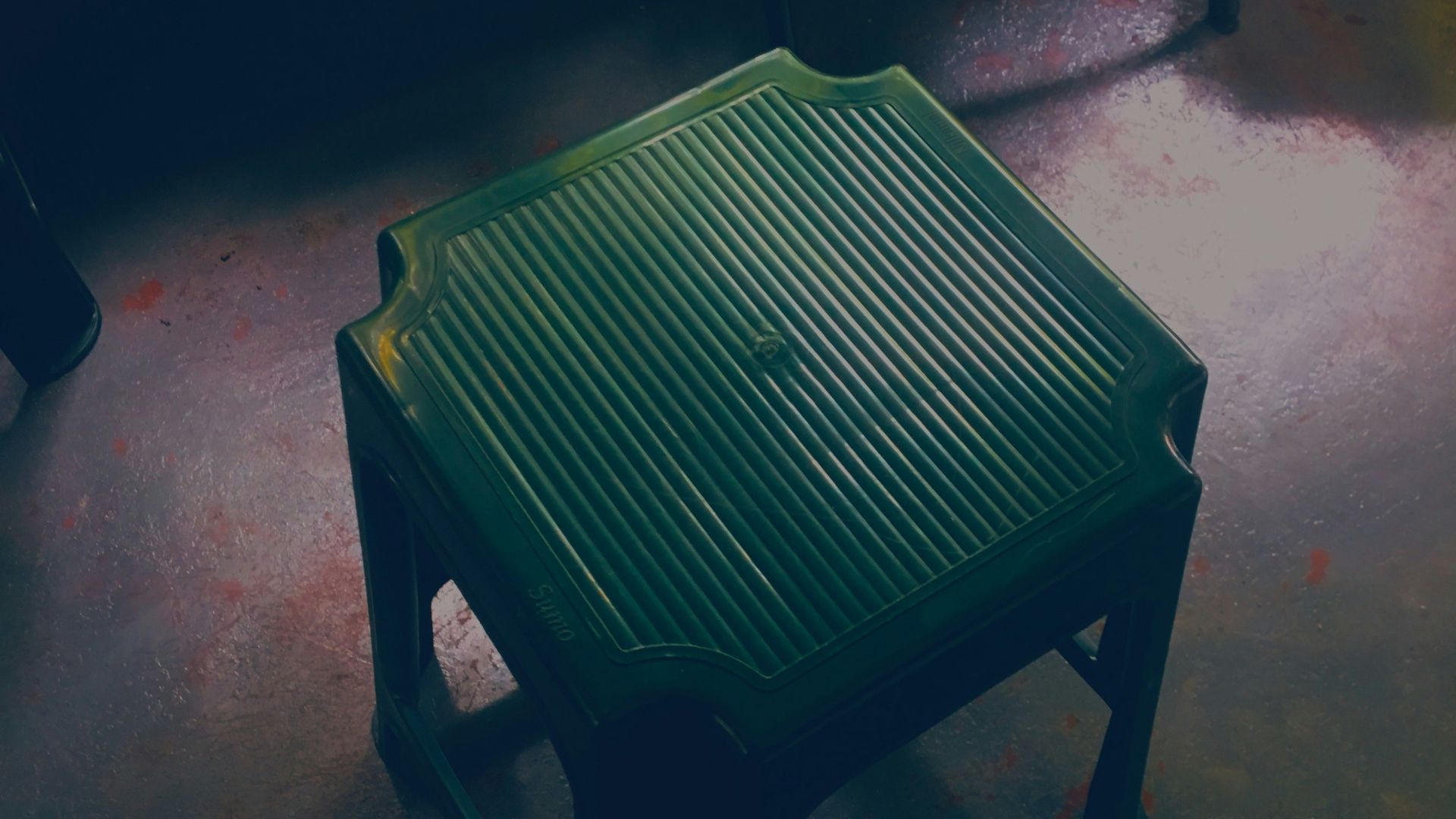
10. Unstable Step Stools
A sturdy step stool is useful; a wobbly one is a dare. As balance changes, climbing even one or two steps can become more dangerous, especially when the stool has no handhold or sits on an uneven floor.
 Souriish Ravindran on Unsplash
11. Heavy Doors
A heavy front door, sliding glass door, or garage door can be harder to manage with weaker grip strength or stiff joints. The danger is not just the effort, but the way your body may twist or stumble while trying to pull it open.
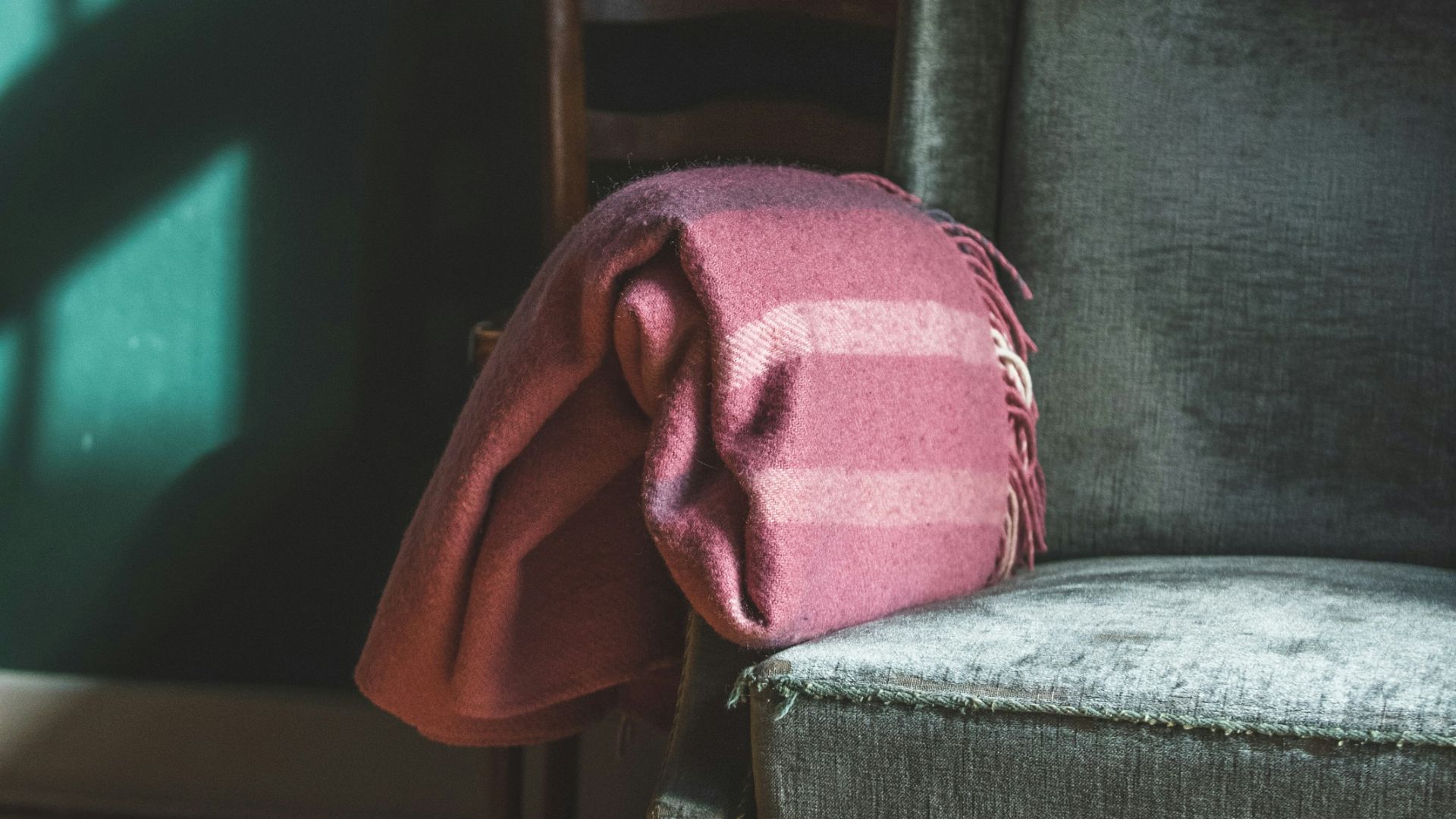
12. Throw Blankets On Chairs
A blanket tossed over a chair seems harmless until it slides underfoot or tangles around your legs when you stand. Soft clutter is still clutter, and it tends to hide in plain sight.
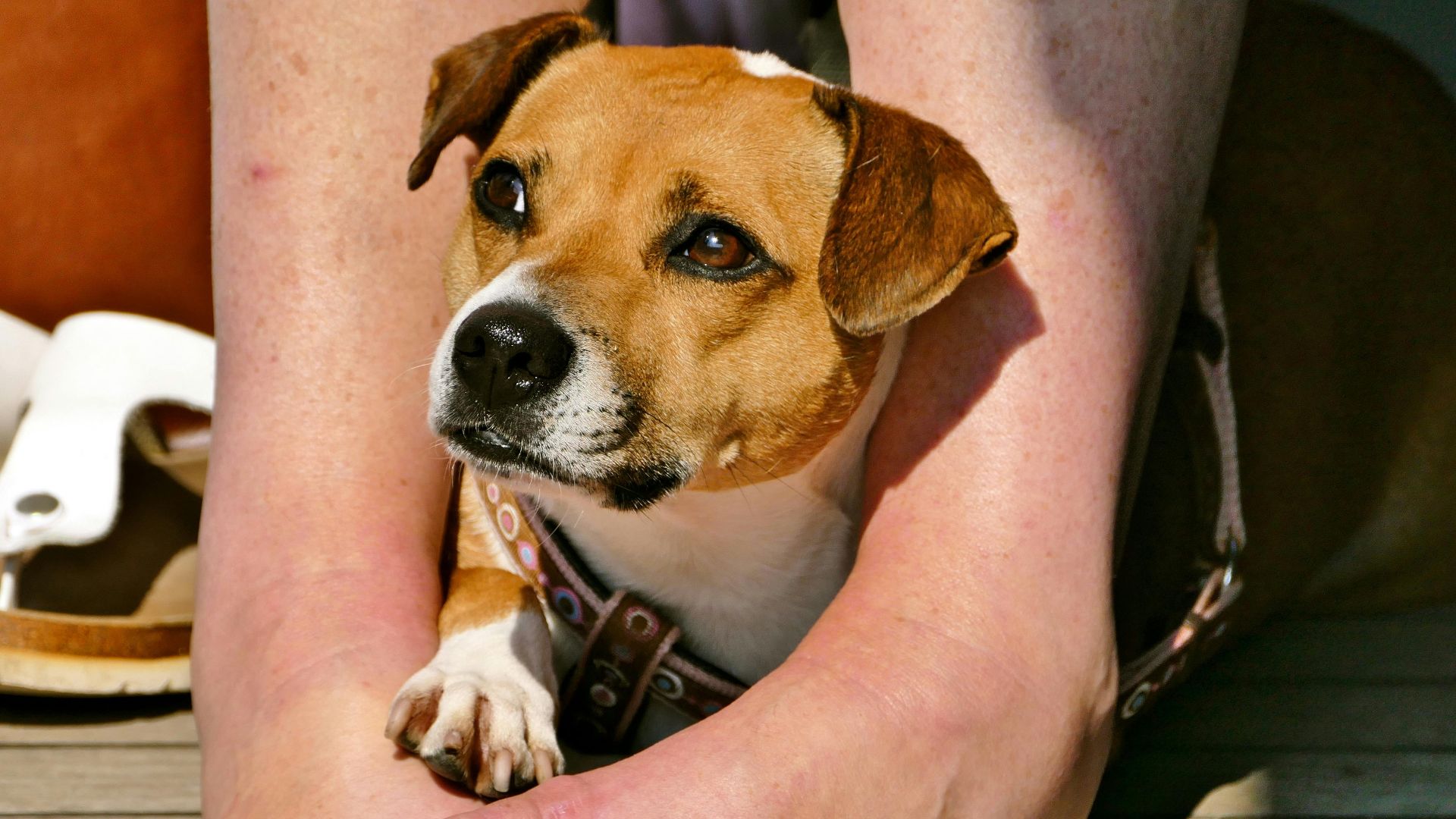
13. Pets Underfoot
Pets are family, but they are not always predictable roommates. A cat weaving around your ankles or a dog sleeping in a doorway can create a sudden obstacle, especially when you are moving quickly or cannot see well in low light.
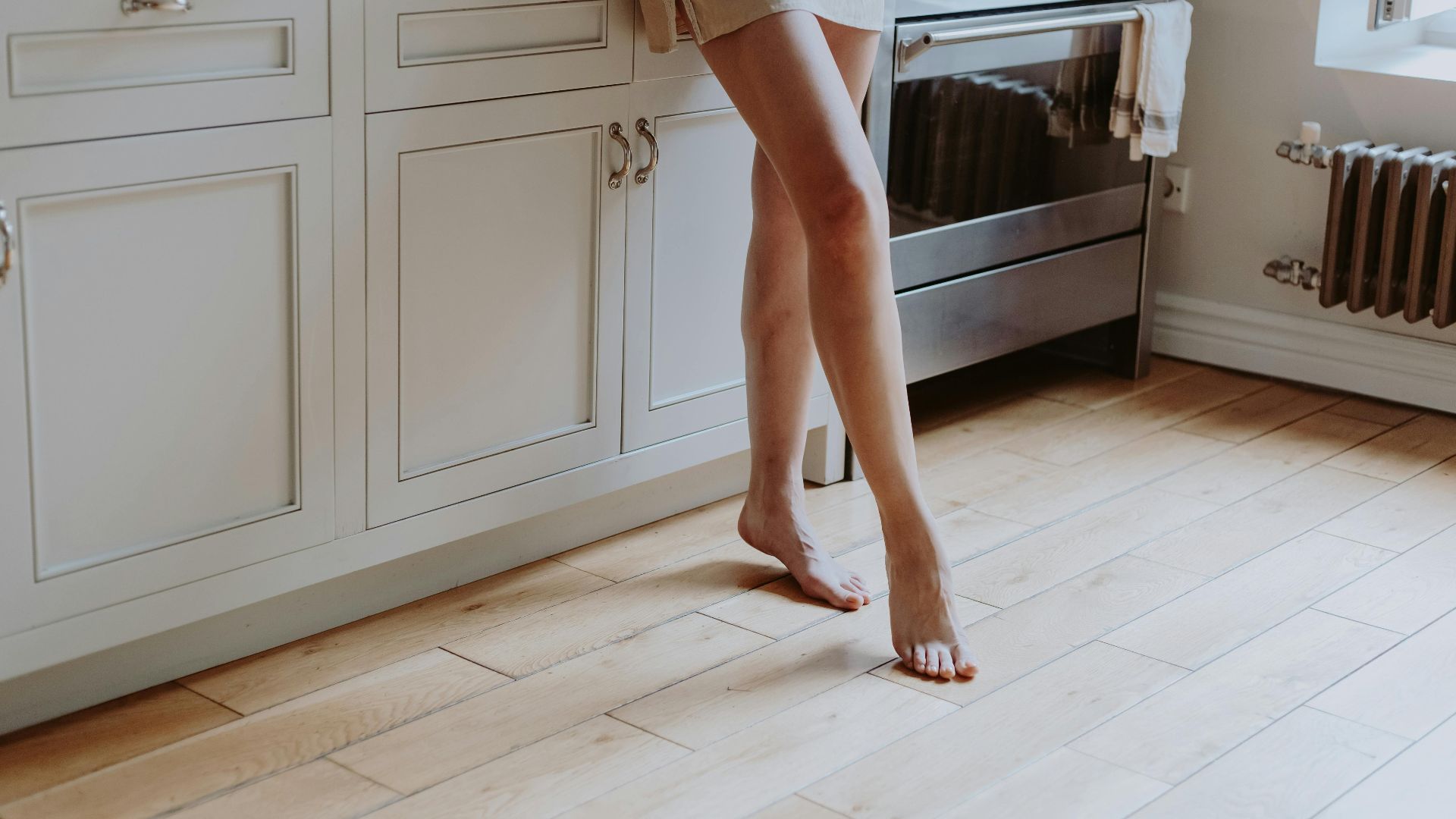
14. Slick Kitchen Floors
A little spilled water near the sink can be easy to miss. Kitchen floors become more dangerous when you are turning, carrying hot food, or stepping backward while focused on a pot, pan, or open oven door.
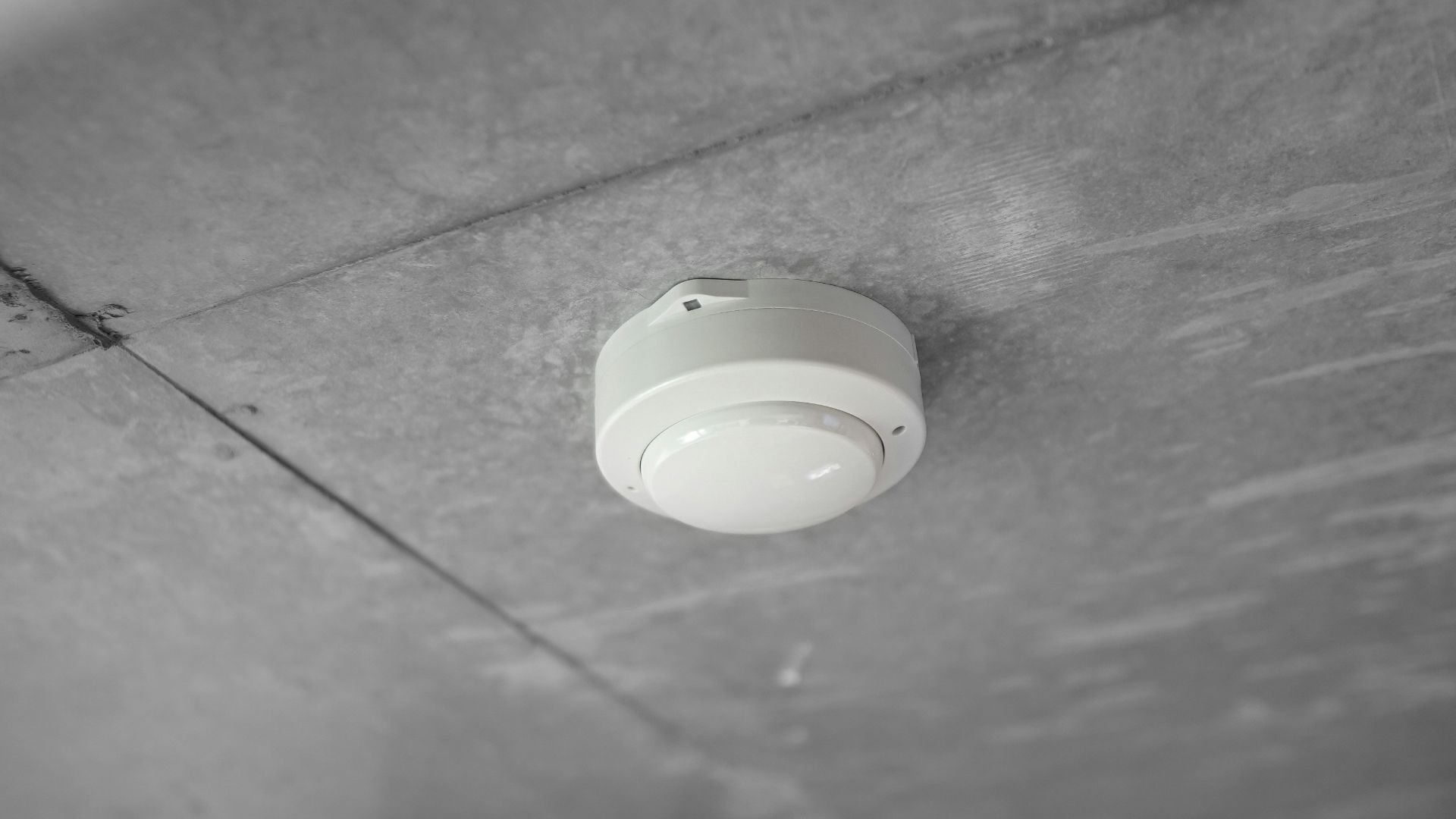
15. Missing Smoke Alarms
Smoke alarms are easy to ignore until they are needed. As mobility slows or hearing changes, early warning becomes even more important because you may need extra time to respond and get out safely.
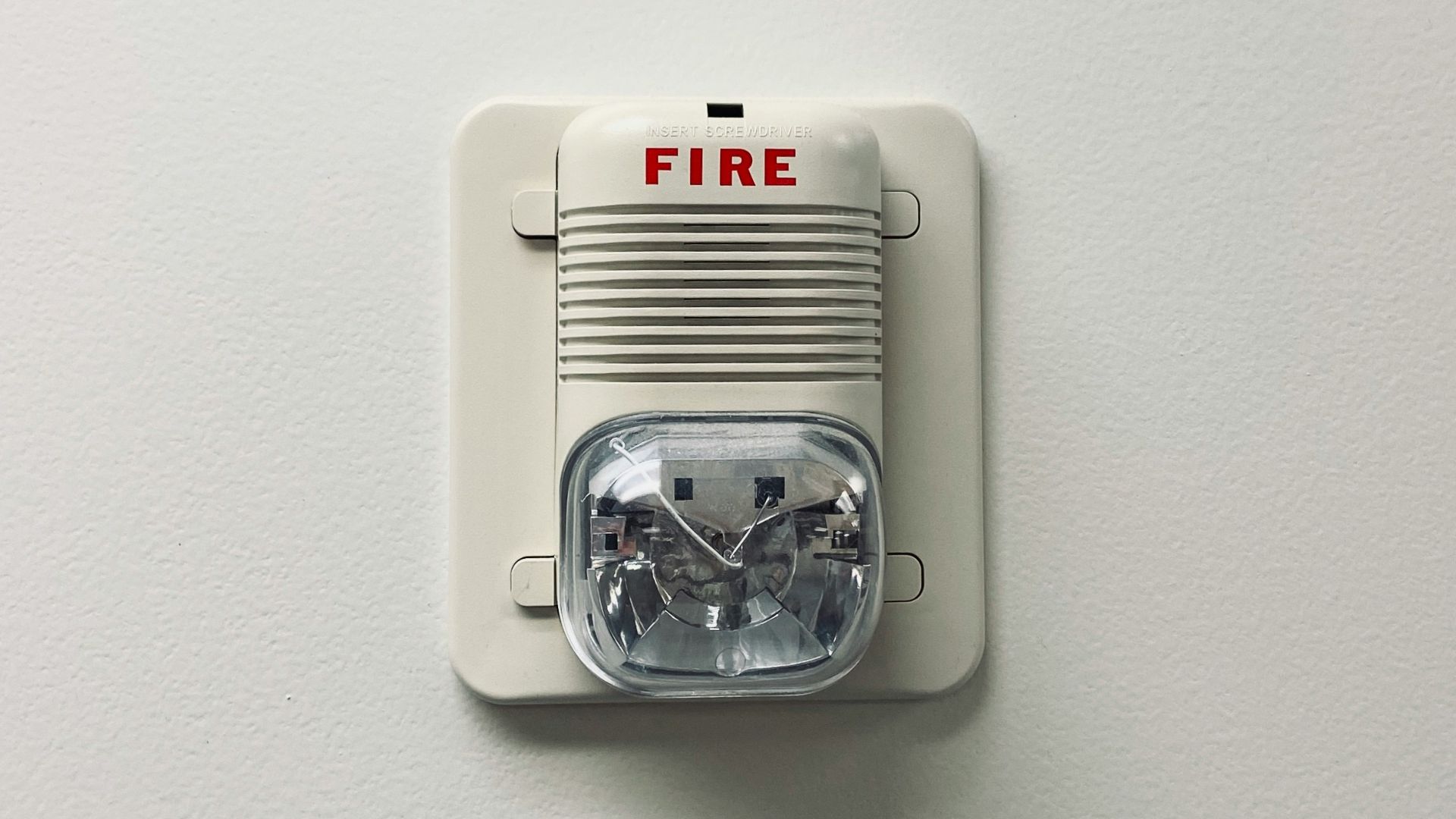
16. Carbon Monoxide Risks
Carbon monoxide is especially frightening because you cannot see or smell it. A working detector matters more with age, since dizziness, confusion, or weakness can be mistaken for something ordinary until the danger has already grown.
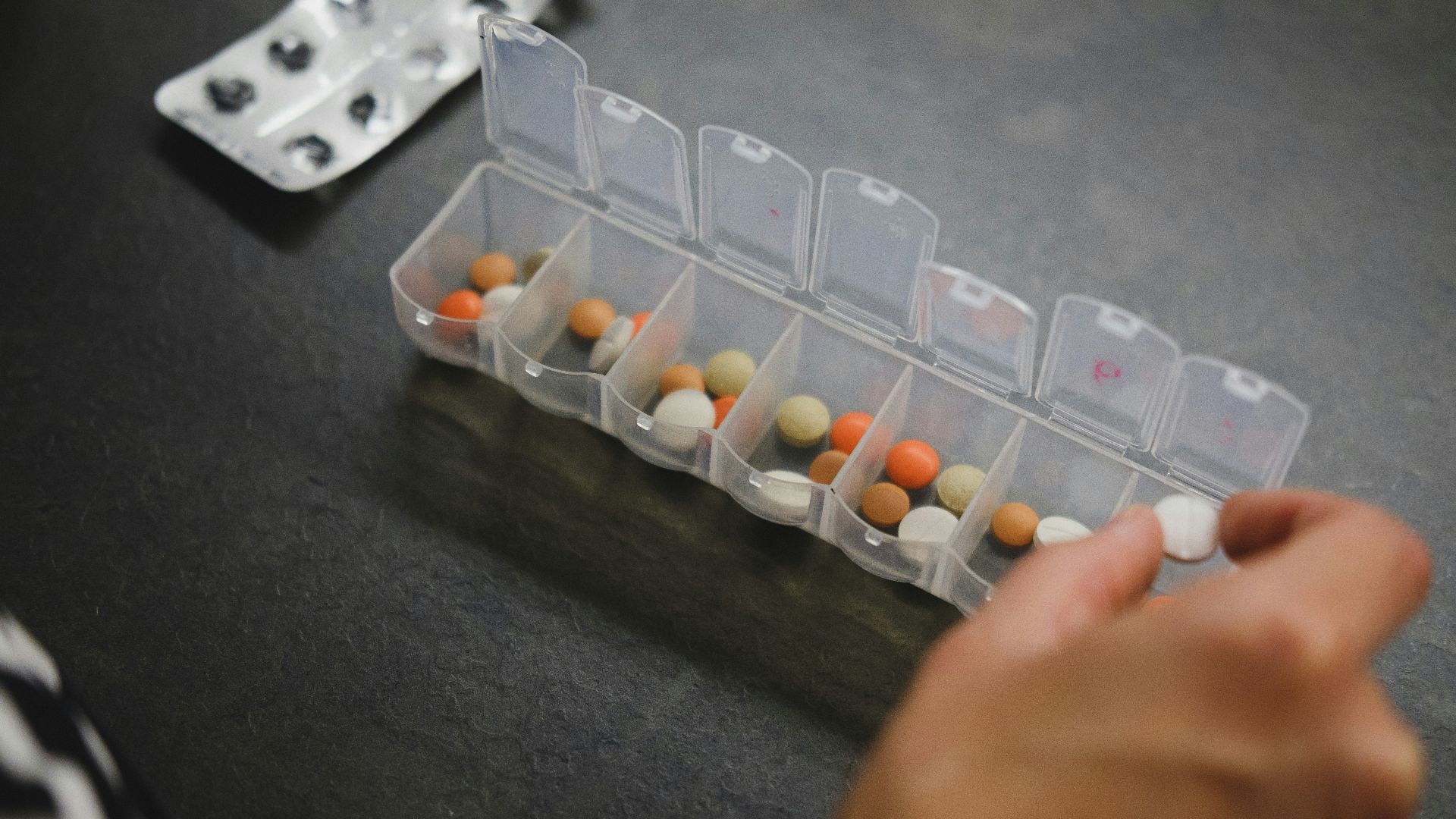
17. Poorly Organized Medications
Medication bottles lined up on a counter can look organized while still being confusing. Similar labels, changing doses, and multiple prescriptions raise the chance of a mistake, especially when you are tired or rushed.
18. Sharp Furniture Corners
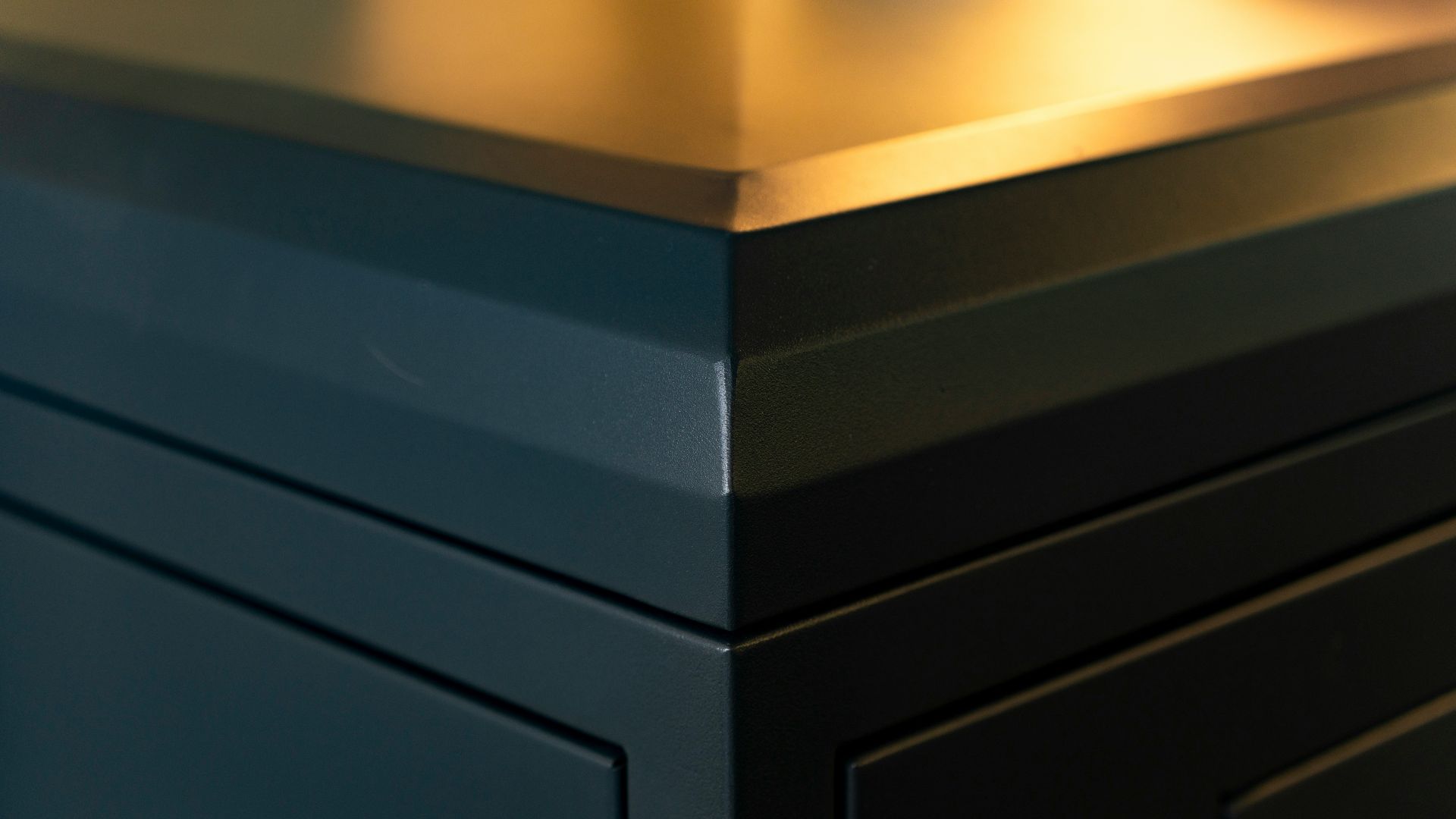
Coffee tables, bed frames, and low cabinets become less forgiving when balance is less certain. A small stumble can lead to a hard hit, and sharp corners have a way of finding shins, hips, and elbows.
 Shahabudin Ibragimov on Unsplash
19. Chairs That Are Too Low
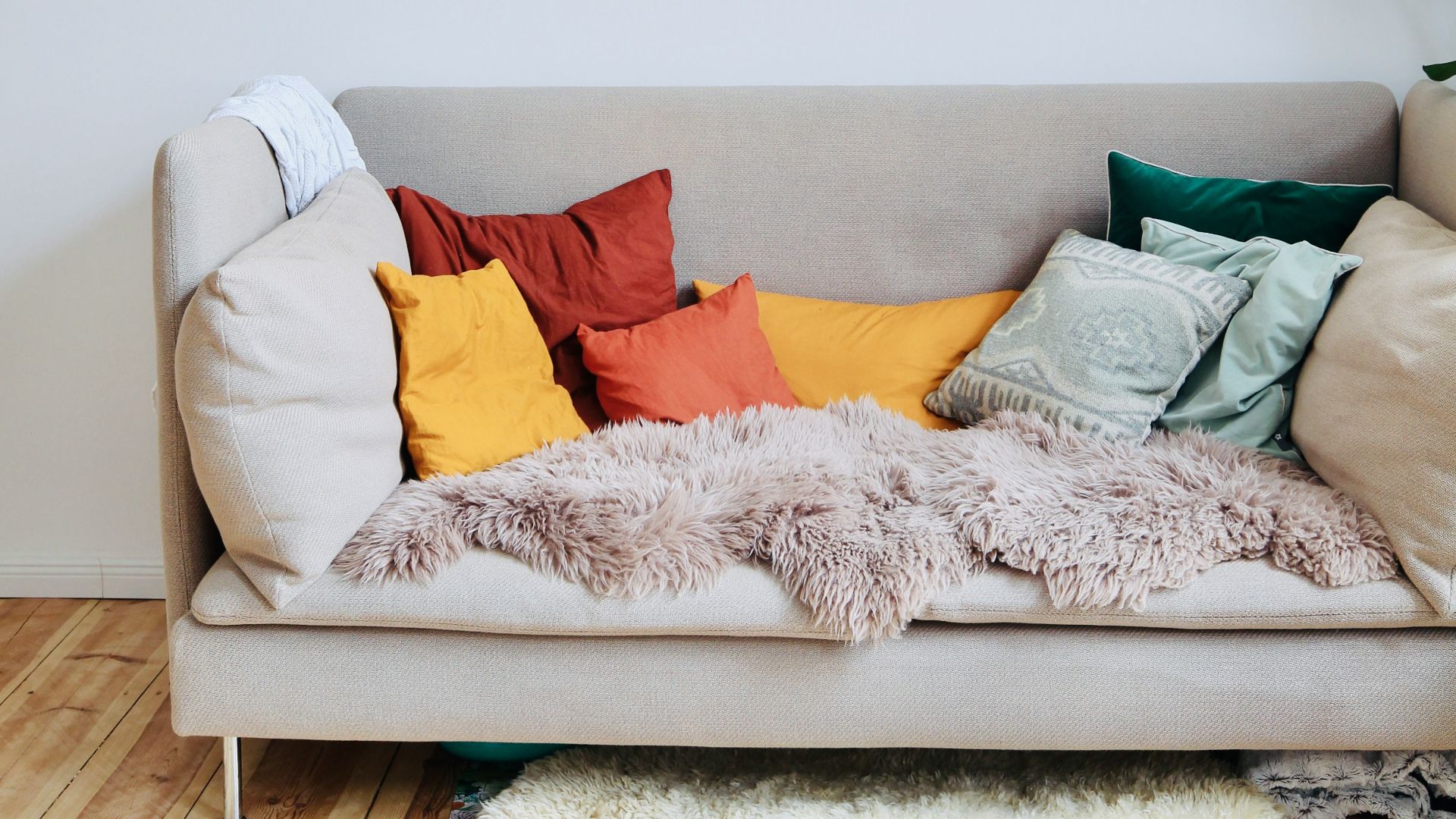
A deep sofa or low armchair can feel comfortable until it is time to get up. If standing requires rocking forward, grabbing nearby furniture, or pushing through pain, that chair is no longer just cozy.
20. Emergency Items Stored Out Of Reach
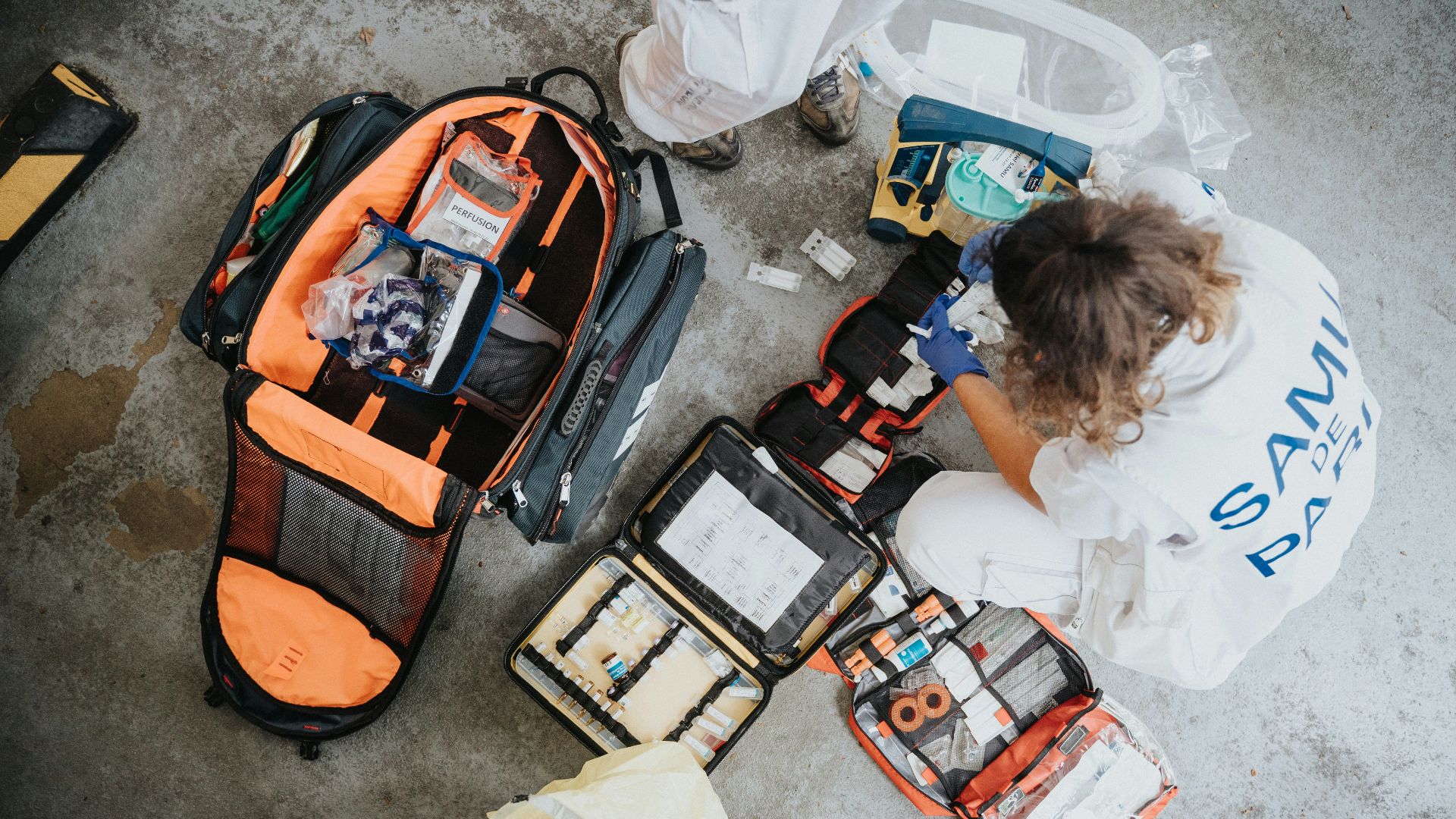
Flashlights, phones, glasses, keys, and medical information do not help much if they are across the room when something happens. The safest home is not only tidy and well-lit; it also keeps the important things where you can reach them without scrambling.
KEEP ON READING