
What Your Body Is Telling You, and What to Do About It
Muscle loss after 50 is not a myth or an exaggeration. It is a documented biological process called sarcopenia, and it starts earlier than most people expect, typically somewhere in your thirties, and accelerates as you age. By the time you are in your fifties and sixties, the effects become harder to ignore and easier to misattribute to something else entirely. The good news is that muscle loss is not inevitable in the way that aging is, and the habits that slow it down are well understood. Here are 10 signs that the process may already be underway, and 10 habits that the research consistently supports for protecting what you have.
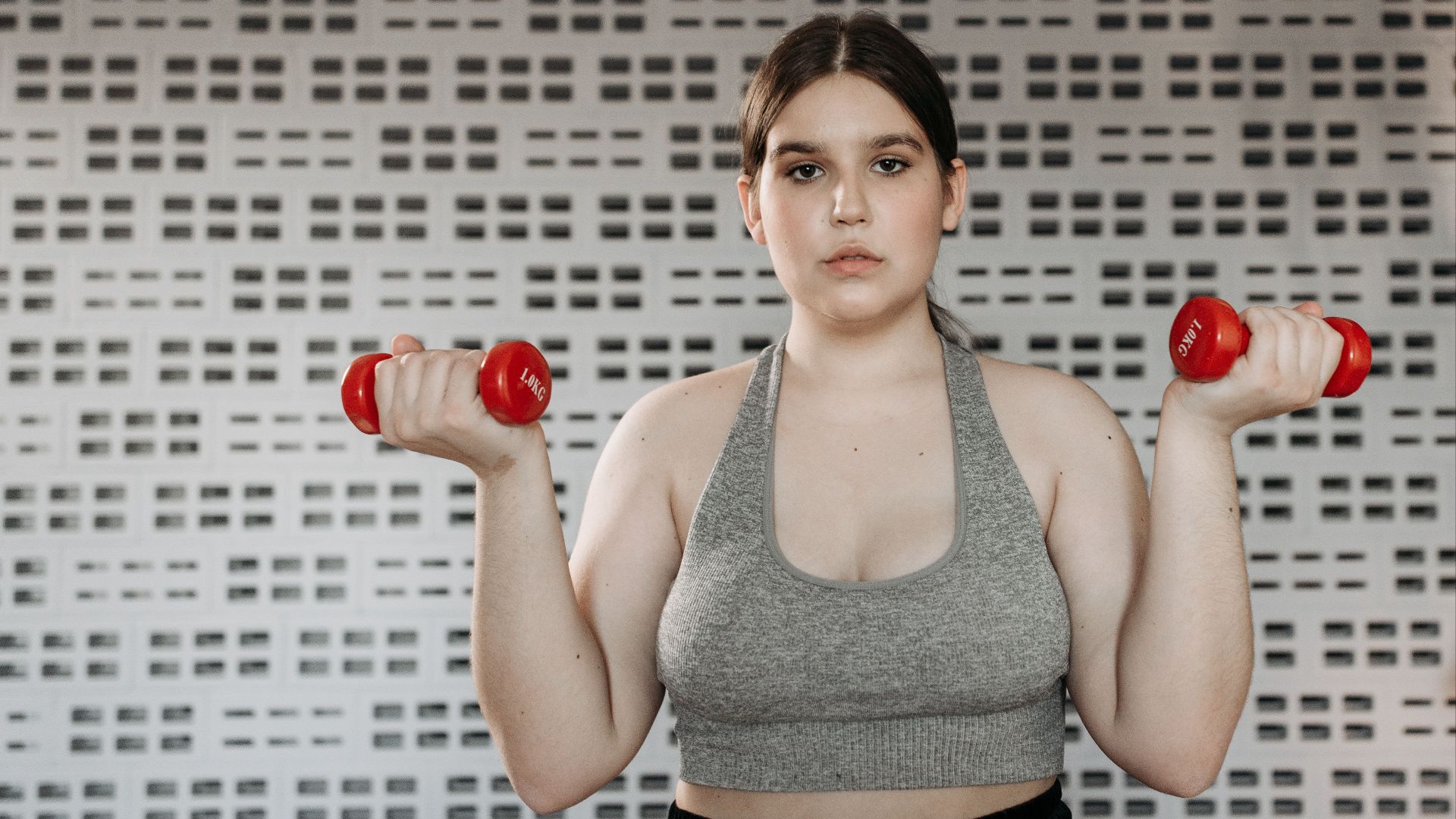
1. You're Getting Weaker on Tasks You Used to Handle Easily
Carrying groceries, opening jars, and lifting something overhead feel noticeably harder than they did a few years ago, and that shift is worth paying attention to. Grip strength in particular is one of the more reliable early indicators of overall muscle decline, and a change in functional strength is often the first sign people notice, even if they don't immediately connect it to muscle loss.
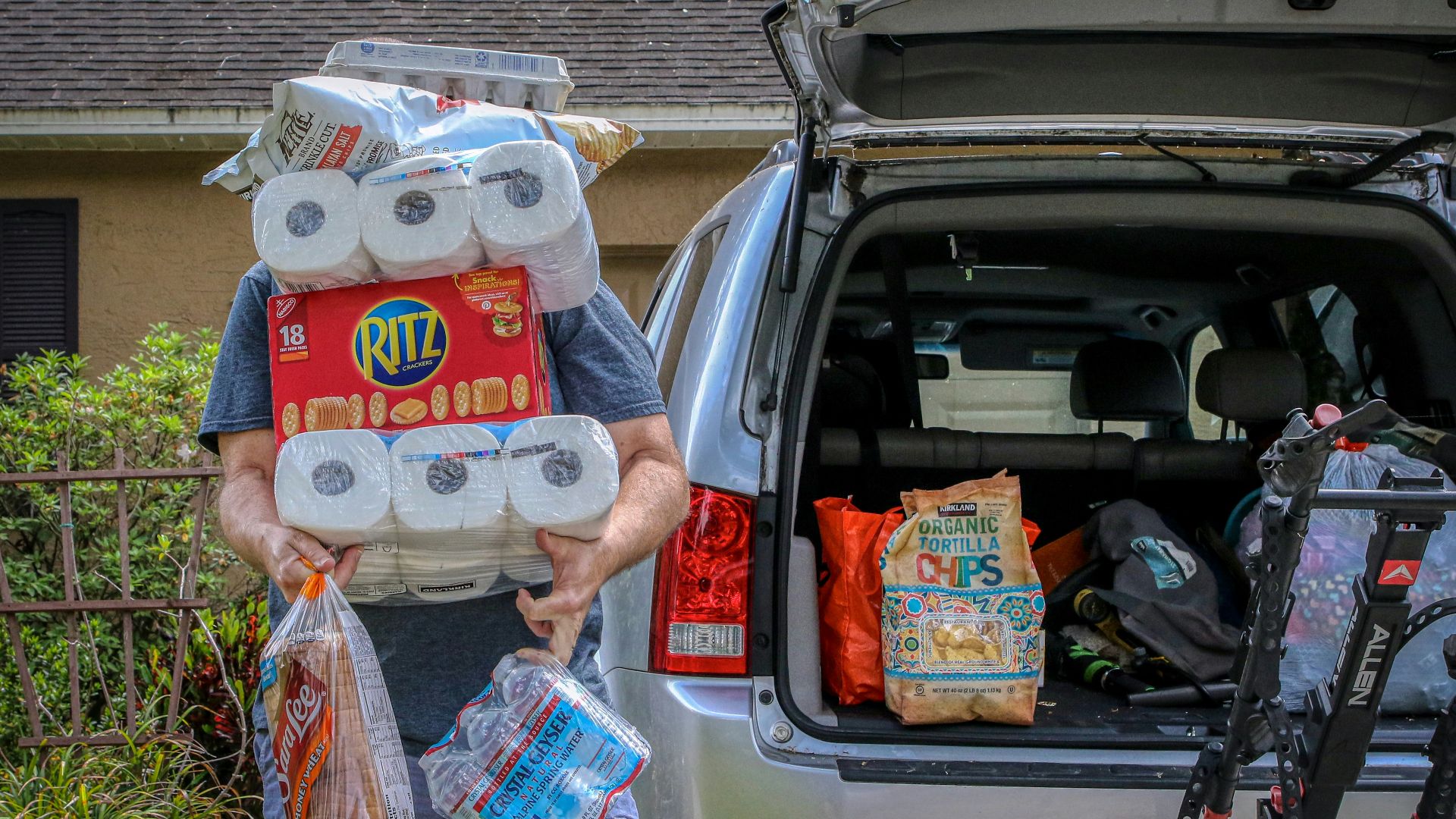
2. You're Losing Weight Without Trying
Unintentional weight loss sounds like a strange thing to flag as a problem, but when it happens after 50 it often reflects a loss of muscle mass rather than fat. If your weight is dropping but your body composition looks or feels softer, that pattern is worth discussing with a doctor.
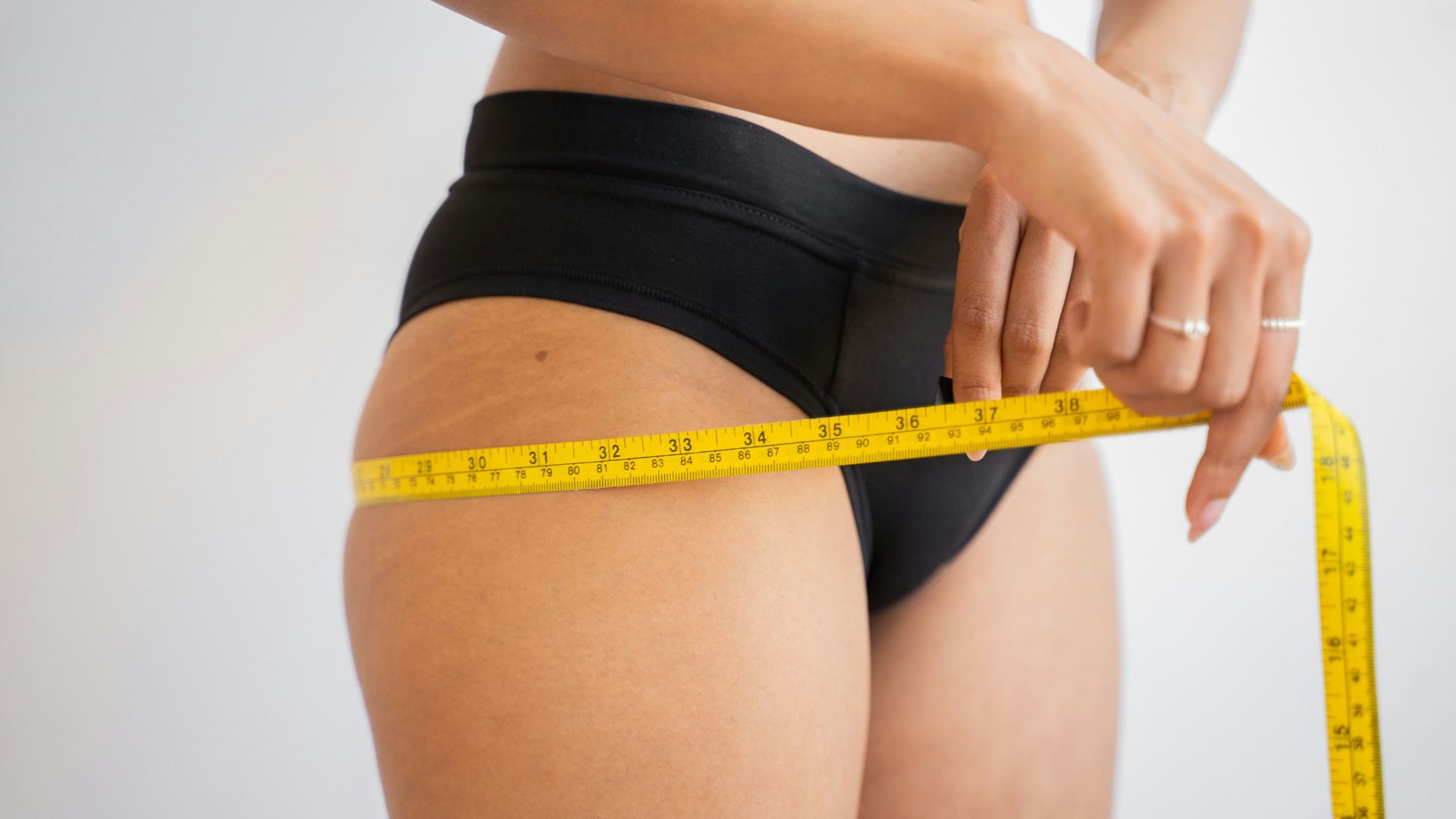
3. Your Balance Has Gotten Worse
Muscle plays a direct role in stabilizing your body, and as it declines, so does your ability to make the small corrections that keep you upright. If you are stumbling more, feeling unsteady on uneven ground, or hesitating on stairs in a way you did not before, reduced muscle mass in the legs and core is a likely contributor.

4. You Tire More Quickly During Physical Activity
If walks that used to feel easy now feel like work, or if you are winded by activity that did not used to register, muscle loss is one possible explanation. Muscle tissue is metabolically active and contributes to endurance, so a reduction in lean mass can lower your functional capacity even when your cardiovascular health has not changed significantly.

5. Recovery Takes Noticeably Longer
Soreness that lingers for days after moderate activity, or fatigue that does not resolve with normal rest, can reflect reduced muscle mass and the slower repair processes that come with it. A sharp shift in how long it takes you to bounce back from physical exertion is a meaningful signal worth taking seriously.

6. Your Posture Has Changed
The muscles that support your spine require consistent use to stay functional, and when they weaken, posture tends to suffer in visible ways. A forward head position, rounded shoulders, or a more pronounced curve in the upper back often develop slowly enough that people attribute them to habit rather than physiology, but muscle loss is frequently the underlying driver.
 Christina @ wocintechchat.com M on Unsplash
7. You've Become Less Active
Muscle loss and inactivity feed each other in a cycle that is worth recognizing early. As muscle declines, movement becomes harder and less appealing, which leads to less movement, which accelerates further decline. If you have noticed yourself avoiding physical activity not out of preference but because it has become effortful in a new way, that pattern itself is a signal.

8. Your Appetite Has Decreased
Reduced appetite is a common and underappreciated symptom of muscle loss, partly because muscle tissue influences the hormones that regulate hunger. When you are eating less without intending to, you are also likely taking in less protein, which further limits your body's ability to maintain and repair lean tissue.
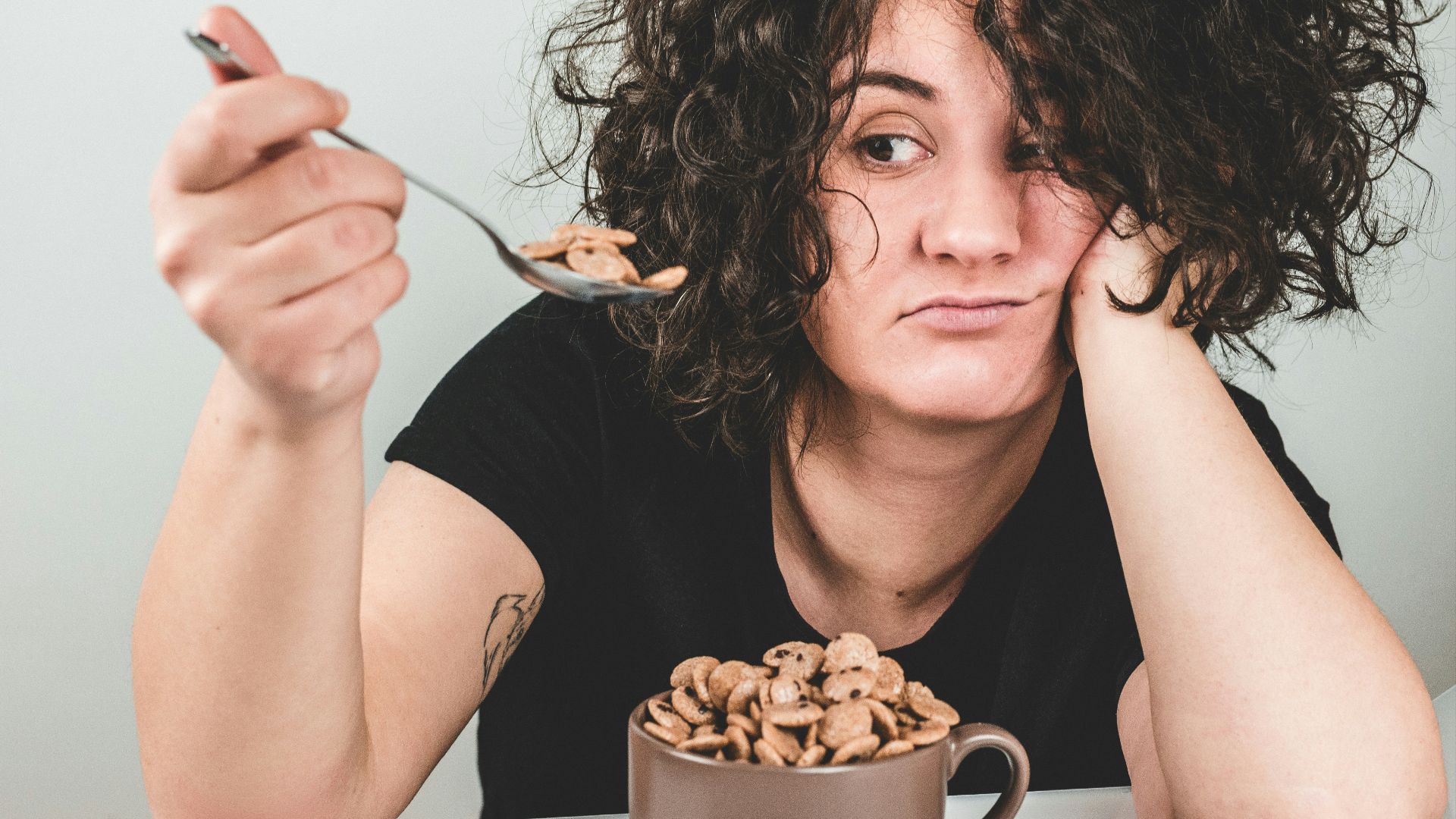
9. Your Body Composition Has Shifted
You may weigh roughly the same as you did several years ago but notice that your clothes fit differently or that your waistline has expanded without a change in diet. This is a common presentation of sarcopenic obesity, where fat gradually replaces muscle even as overall body weight stays relatively stable.

10. You Feel Less Stable Carrying or Pushing Things
Functional tasks that require force in an unstable position, like pushing a heavy door or steadying yourself while carrying a load, can expose weaknesses that more controlled movements do not. If these situations feel genuinely precarious in a way they did not before, that is useful information about where your muscle mass currently stands.
Here are 10 habits that the research consistently supports for slowing muscle loss and protecting the strength you have built.

1. Prioritize Protein at Every Meal
After 50, your body becomes less efficient at converting dietary protein into muscle tissue, which means your daily requirements go up even as your appetite may go down. Most research points to a target of around 1.2 to 1.6 grams of protein per kilogram of body weight per day, and spreading that intake across meals rather than concentrating it in one sitting produces better results for muscle protein synthesis.

2. Lift Weights at Least Twice a Week
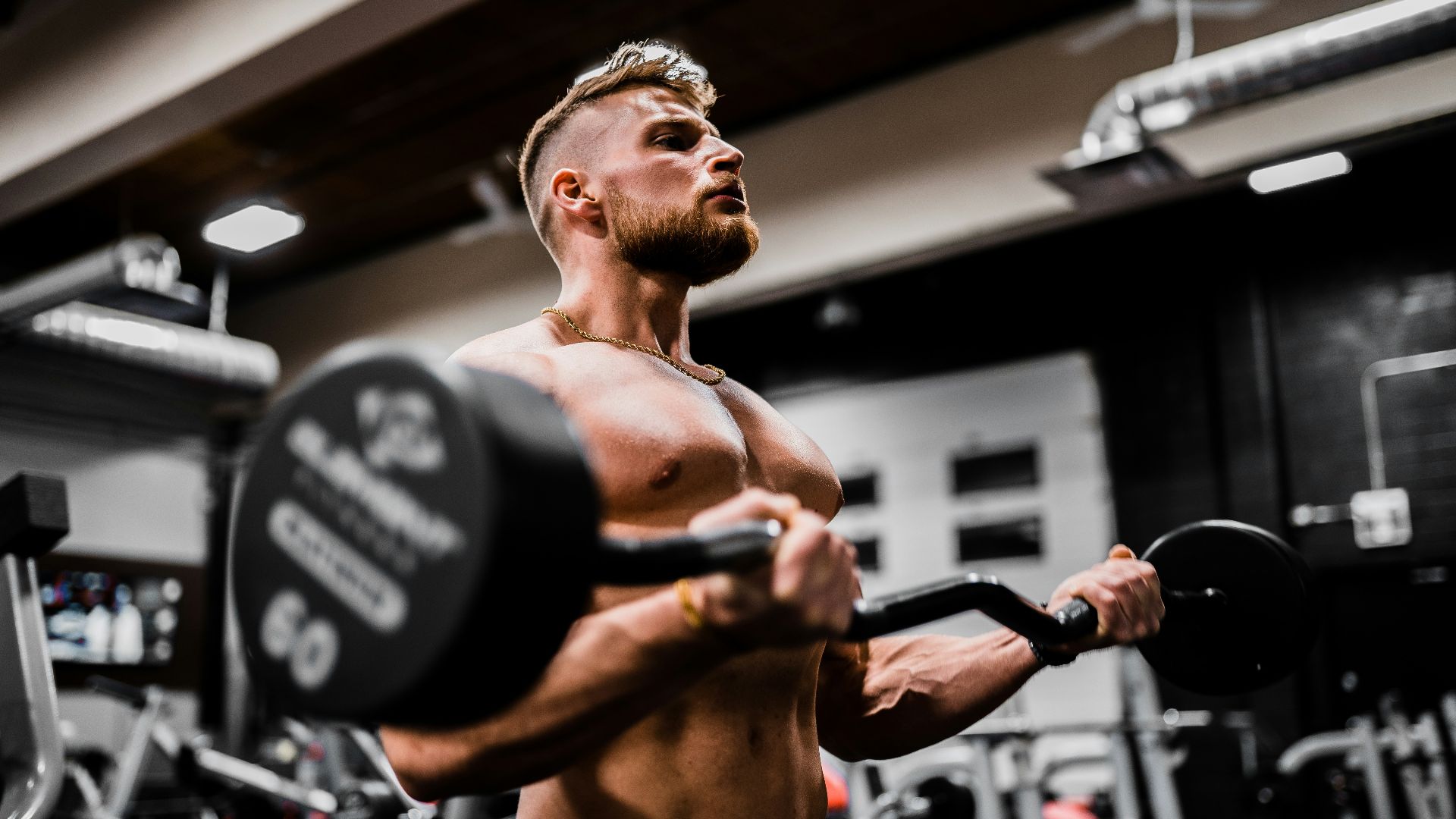
Resistance training is the single most effective intervention for preserving muscle mass as you age, and no other habit on this list substitutes for it. Two to three sessions per week is enough to make a real difference, especially when the work is challenging enough that the final few repetitions feel genuinely difficult.
3. Eat Protein After Exercise
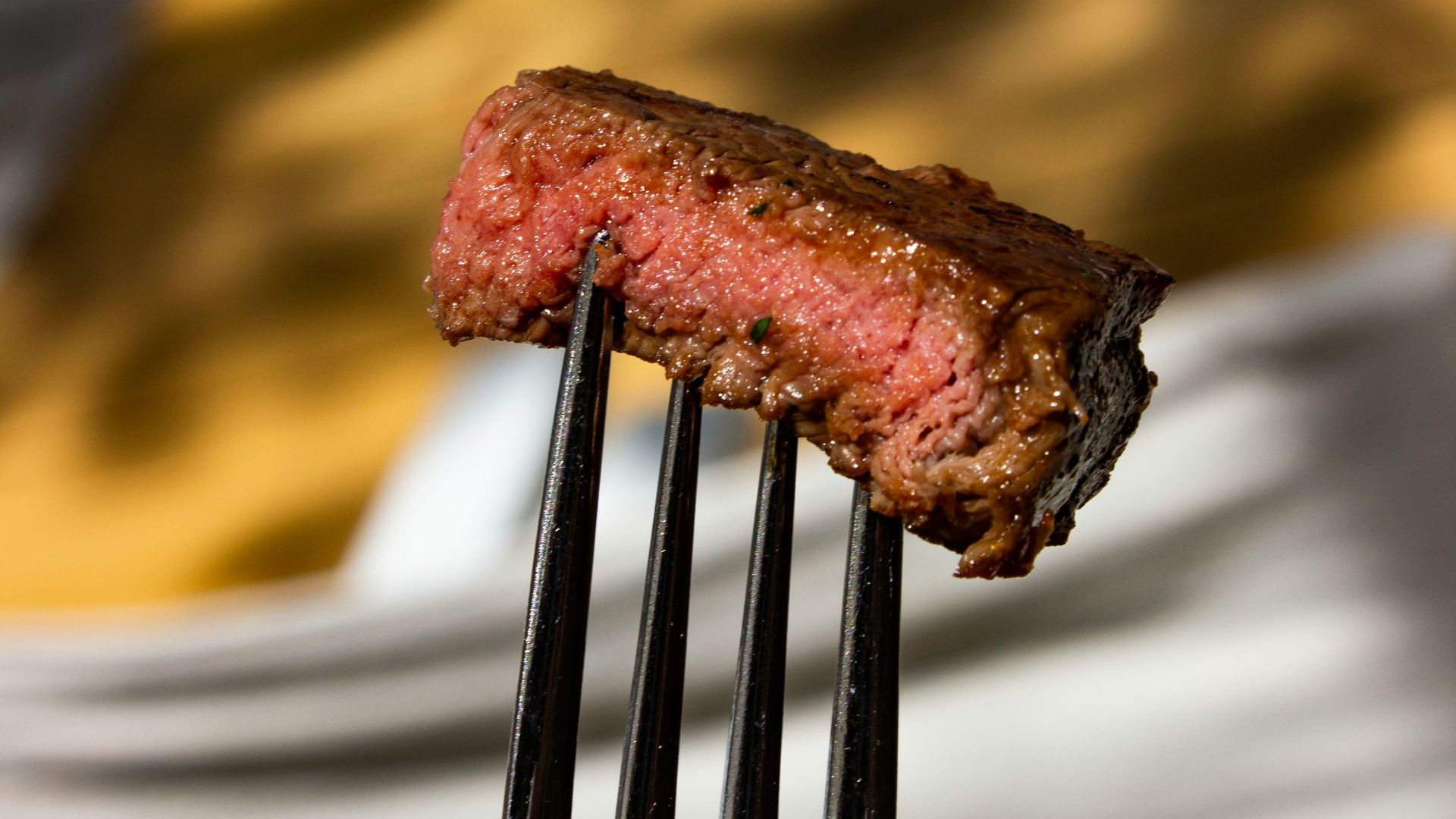
The window after a workout is when your muscles are most primed to absorb and use protein for repair, and taking advantage of that window becomes more important as you get older. A meal or snack containing 25 to 40 grams of protein within a couple of hours of resistance training supports recovery in ways that the same protein consumed at a random time of day does not.
4. Stay Consistently Active Throughout the Day
Structured exercise matters, but the hours between workouts matter too. Long periods of sitting suppress muscle protein synthesis and accelerate the metabolic slowdown that contributes to muscle loss over time, so building consistent movement into your day supports the baseline activity level your muscles need to stay responsive.

5. Get Enough Sleep
Sleep is when the majority of muscle repair and growth occurs, driven by hormones released primarily during deep sleep. Chronic sleep deprivation elevates cortisol, which actively breaks down muscle tissue, and adults who consistently sleep less than seven hours show measurably faster rates of muscle loss than those who sleep adequately.

6. Consider Creatine
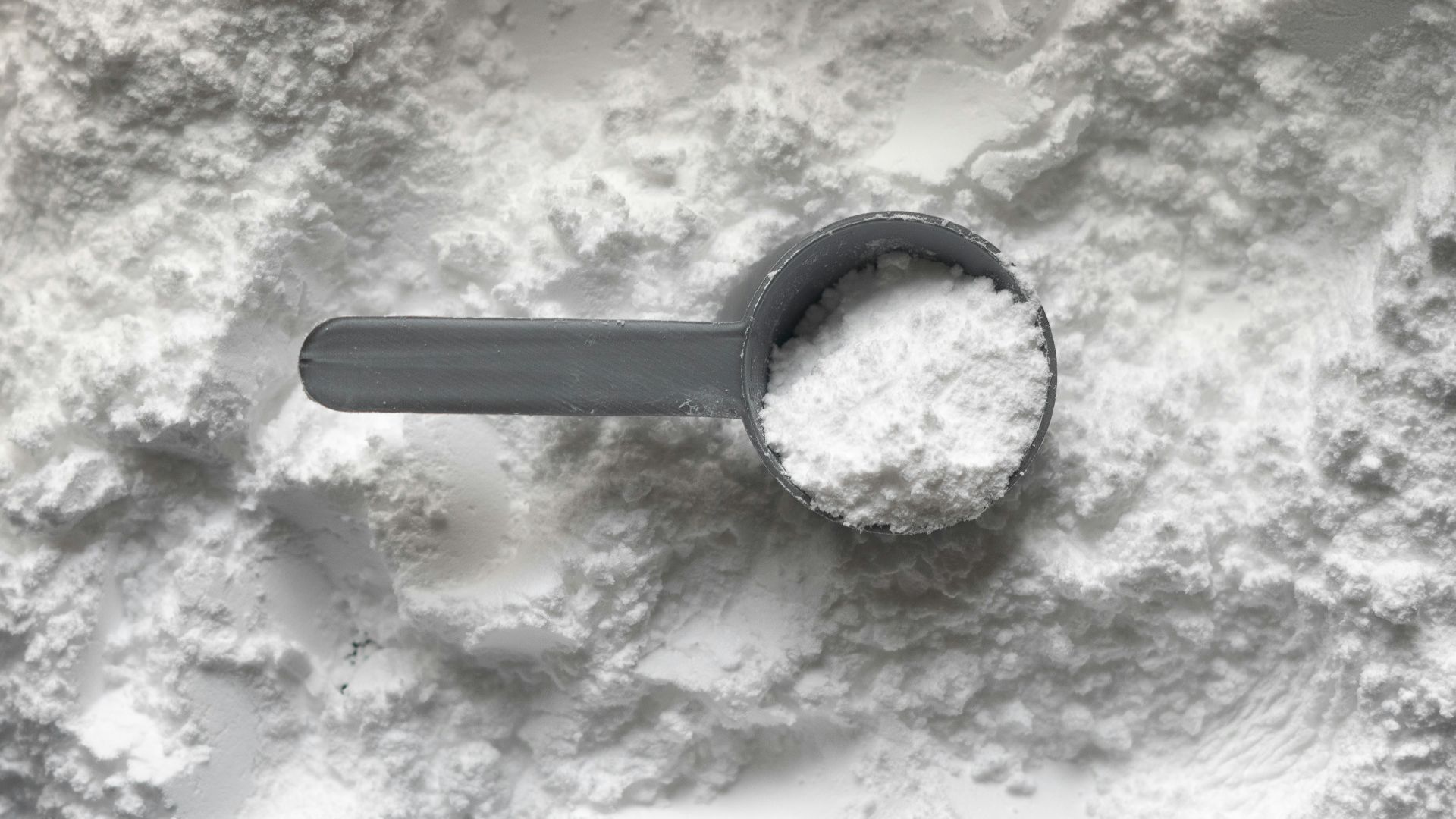
Creatine is one of the most studied supplements in sports science, and the evidence for its benefits in older adults is strong. It supports the energy systems your muscles rely on during resistance training and has been shown in multiple trials to help older adults gain and retain lean mass when combined with exercise.
7. Manage Chronic Stress
Elevated cortisol from chronic stress has a direct catabolic effect on muscle tissue, meaning it actively breaks muscle down faster than the body can rebuild it. Regular practices that reduce cortisol have a measurable impact on your body's ability to maintain lean mass, and this is one of the more underappreciated levers available to people over 50.

8. Don't Rely on Cardio Alone
Cardiovascular exercise is valuable for heart health and overall longevity, but it does not preserve muscle mass the way resistance training does and should not be treated as a substitute. Running, cycling, and swimming are worth keeping in your routine, but they need to be paired with regular strength work to meaningfully address sarcopenia.
 LOGAN WEAVER | @LGNWVR on Unsplash
9. Watch Your Vitamin D and Magnesium Intake
Both nutrients play a direct role in muscle function, and deficiency in either is common in adults over 50. Low vitamin D is associated with reduced muscle strength and increased fall risk, while magnesium supports the muscle contractions and protein synthesis that resistance training depends on.
 Patrick Robert Doyle on Unsplash
10. Eat Enough Overall
Protein targets matter, but total calorie intake matters too. When you are in a consistent caloric deficit, your body draws on muscle tissue for energy regardless of how much protein you are consuming, which makes undereating one of the more direct contributors to muscle loss in older adults.