

When Your Breathing Doesn't Feel Right
Feeling winded after a workout is one thing, but shortness of breath that shows up constantly or out of nowhere can be extremely unsettling. And while there might usually be an obvious explanation, such as poor fitness or anxiety attacks, breathlessness can also point to a problem involving your lungs, heart, blood, or general health. Because the possible causes range from completely harmless to life-threatening, you should always give your doctor a call or seek medical attention for any new or unexplained symptoms. Here are 20 reasons you might get short of breath.
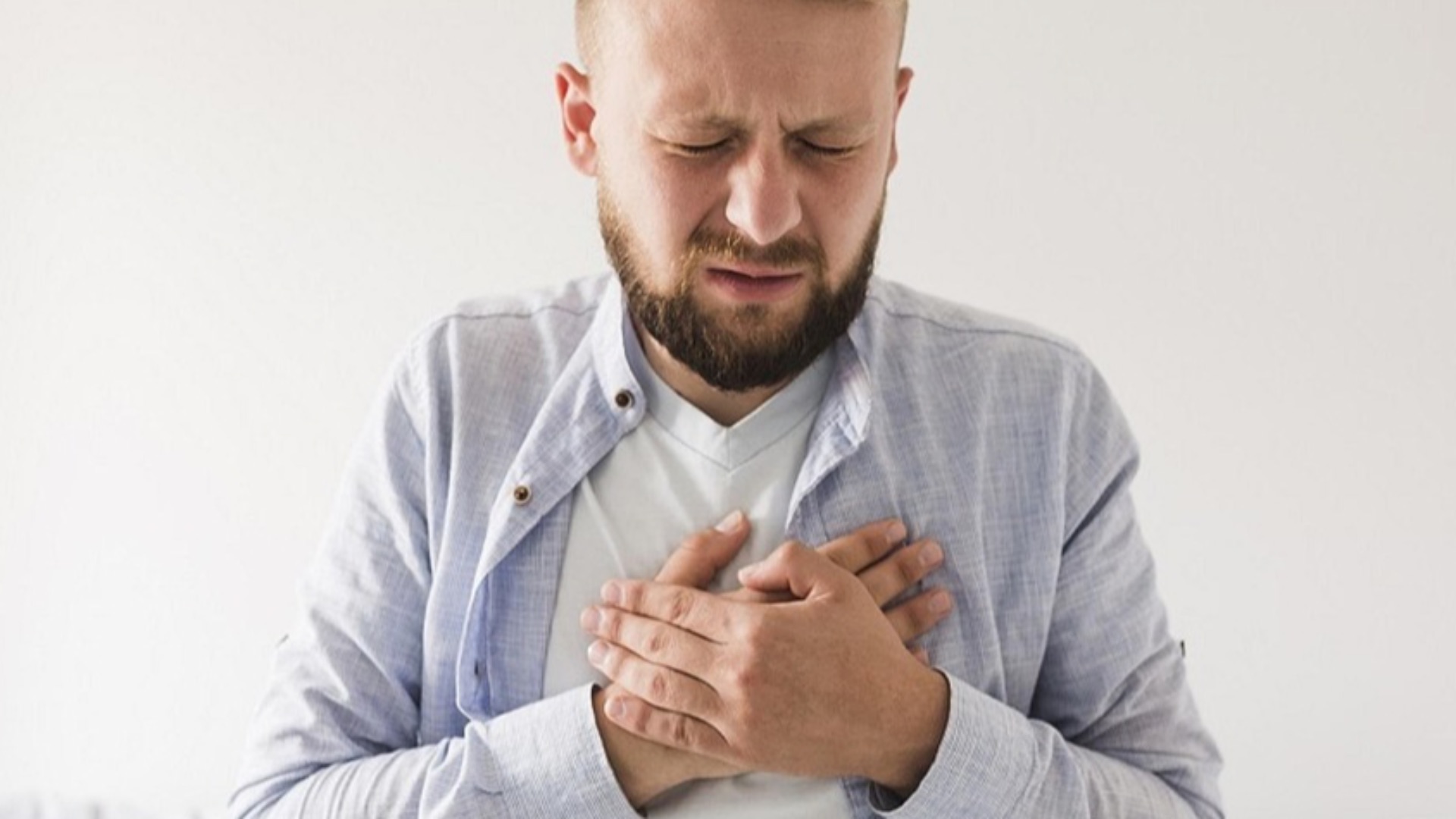
1. Anxiety and Panic Attacks
Your body's stress response can tighten your chest and make it feel like you can't get a full breath in. Rapid, shallow breathing during a panic attack often creates a cycle where the breathlessness fuels more anxiety. Grounding techniques and slow, deliberate breathing can help break that cycle when it happens.

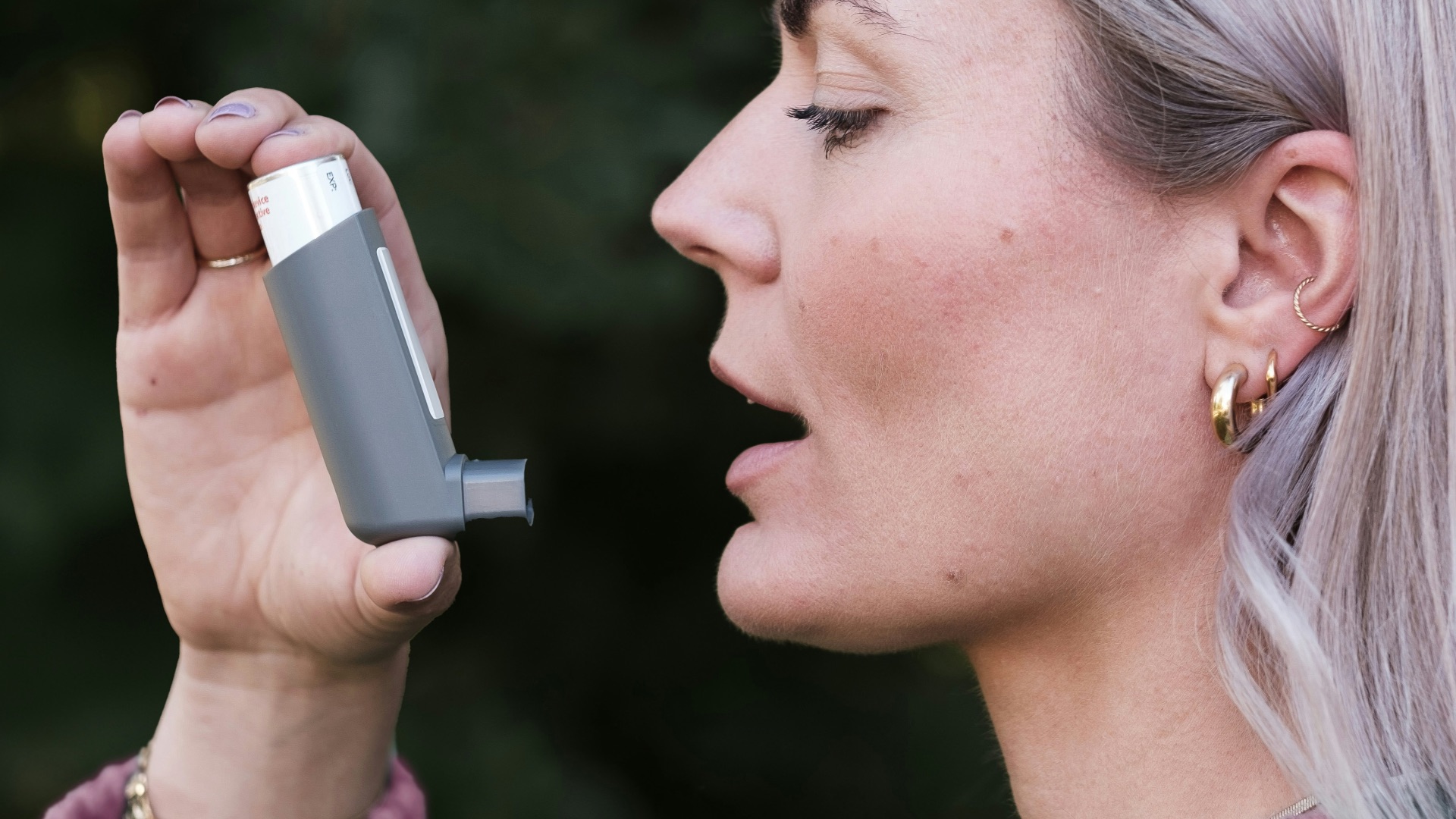
2. Asthma
Asthma causes the airways to narrow and swell, which makes it harder for air to move in and out of your lungs. Triggers like pollen, cold air, or exercise can bring on an attack with little warning. Inhalers and other prescribed medications are usually the fastest way to get symptoms back under control.
3. Poor Physical Fitness
If you haven't exercised in a while, your heart and lungs won't be as efficient at delivering oxygen to your muscles. Climbing a flight of stairs or jogging a short distance can leave you gasping in a way it wouldn't for someone more active. The good news is that this type of breathlessness tends to improve fairly quickly with regular movement.

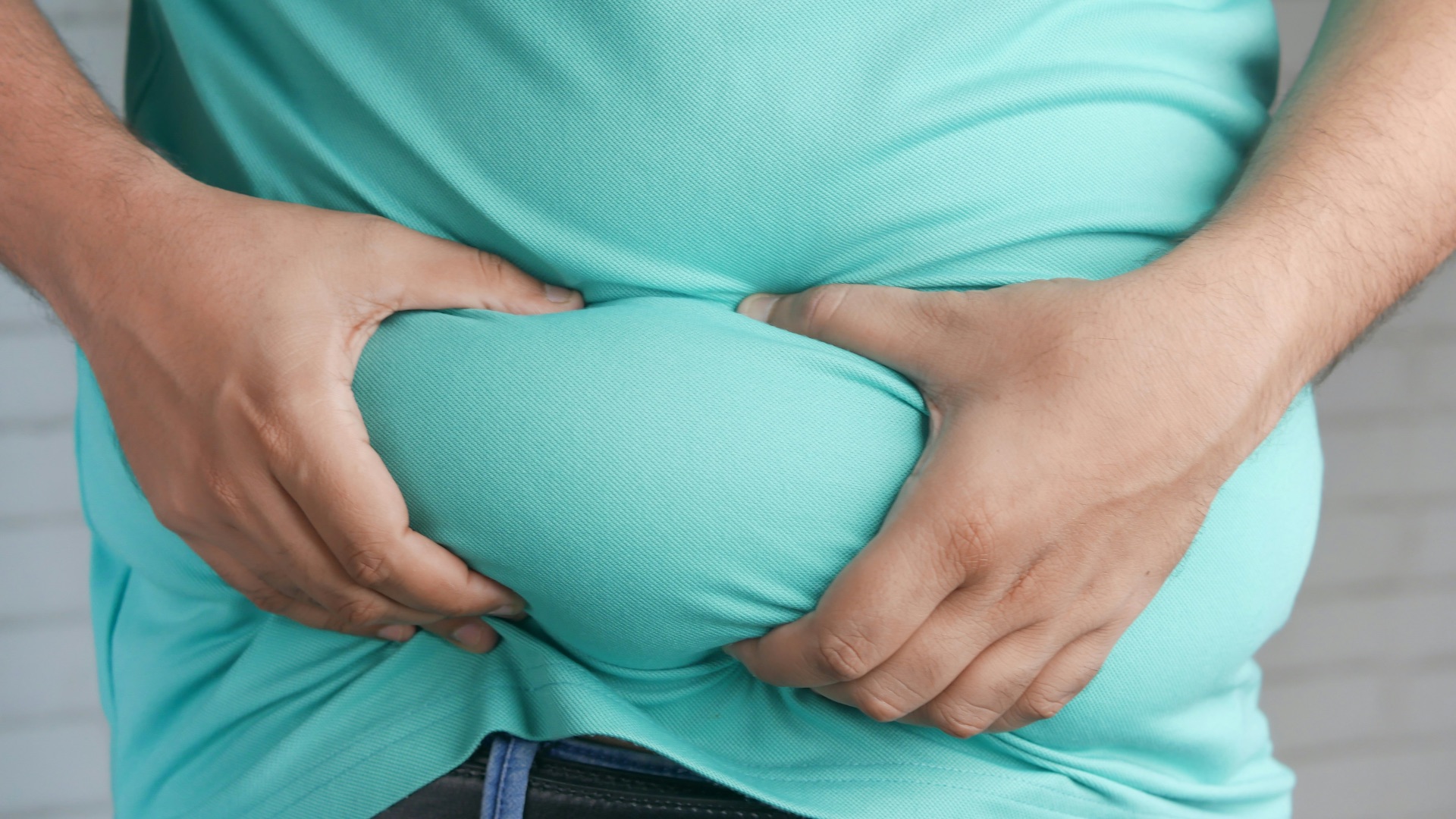
4. Obesity
Carrying extra weight puts additional pressure on your lungs and diaphragm, making it tougher for them to expand fully. This added strain means your body has to work harder just to complete everyday tasks like walking or bending over. Even modest weight loss can ease this pressure and make breathing feel more manageable.
5. Allergies
Seasonal or environmental allergies can inflame your nasal passages and airways, leading to that tight, breathless feeling. Postnasal drip from allergies can also irritate your throat and lungs, compounding the issue. Antihistamines or avoiding known triggers often provide relief within a short amount of time.

6. High Altitude
Thinner air at higher elevations contains less oxygen, so your body has to work harder to get what it needs. This is why people visiting mountain towns or hiking at elevation sometimes feel breathless even during light activity. Giving your body a few days to acclimate usually helps symptoms subside.

7. Pneumonia
This lung infection fills the air sacs with fluid or pus, which limits how much oxygen can actually reach your bloodstream. Along with breathlessness, pneumonia typically comes with a cough, fever, and chest discomfort. Prompt medical treatment, often involving antibiotics, is important for a full recovery.

8. Anemia
When your blood doesn't have enough healthy red blood cells, it struggles to carry adequate oxygen throughout your body. This shortage can leave you feeling breathless, fatigued, and lightheaded even during routine activities. Iron supplements or dietary changes are common first steps in addressing the underlying deficiency.

9. Chronic Obstructive Pulmonary Disease (COPD)
COPD is a progressive condition that damages the lungs over time, often as a result of long-term smoking. It gradually narrows the airways and reduces the lungs' ability to exchange oxygen efficiently. While there's no cure, treatments like bronchodilators and pulmonary rehabilitation can help manage the symptoms.
10. A Cold or Respiratory Infection
Even a common cold can leave your chest feeling congested and your breathing a bit labored. Swelling in the airways combined with mucus buildup makes it harder for air to flow smoothly. Rest, fluids, and time are usually enough to clear things up within a week or two.
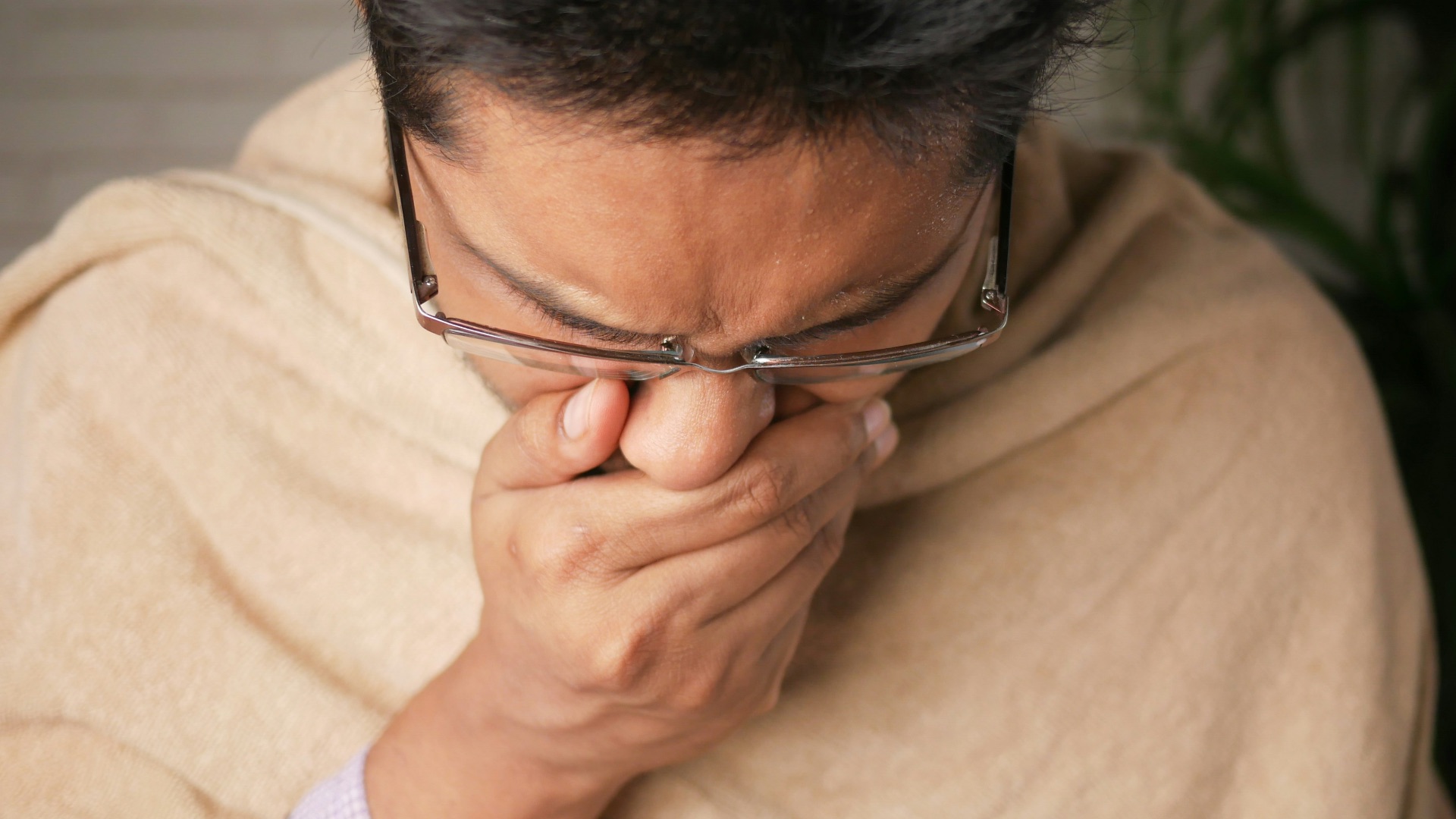
11. Heart Failure
When the heart can't pump blood efficiently, fluid can back up into the lungs and make breathing feel labored. This often gets worse when lying down or during physical activity. Managing heart failure usually involves medication, lifestyle changes, and regular monitoring by a cardiologist.
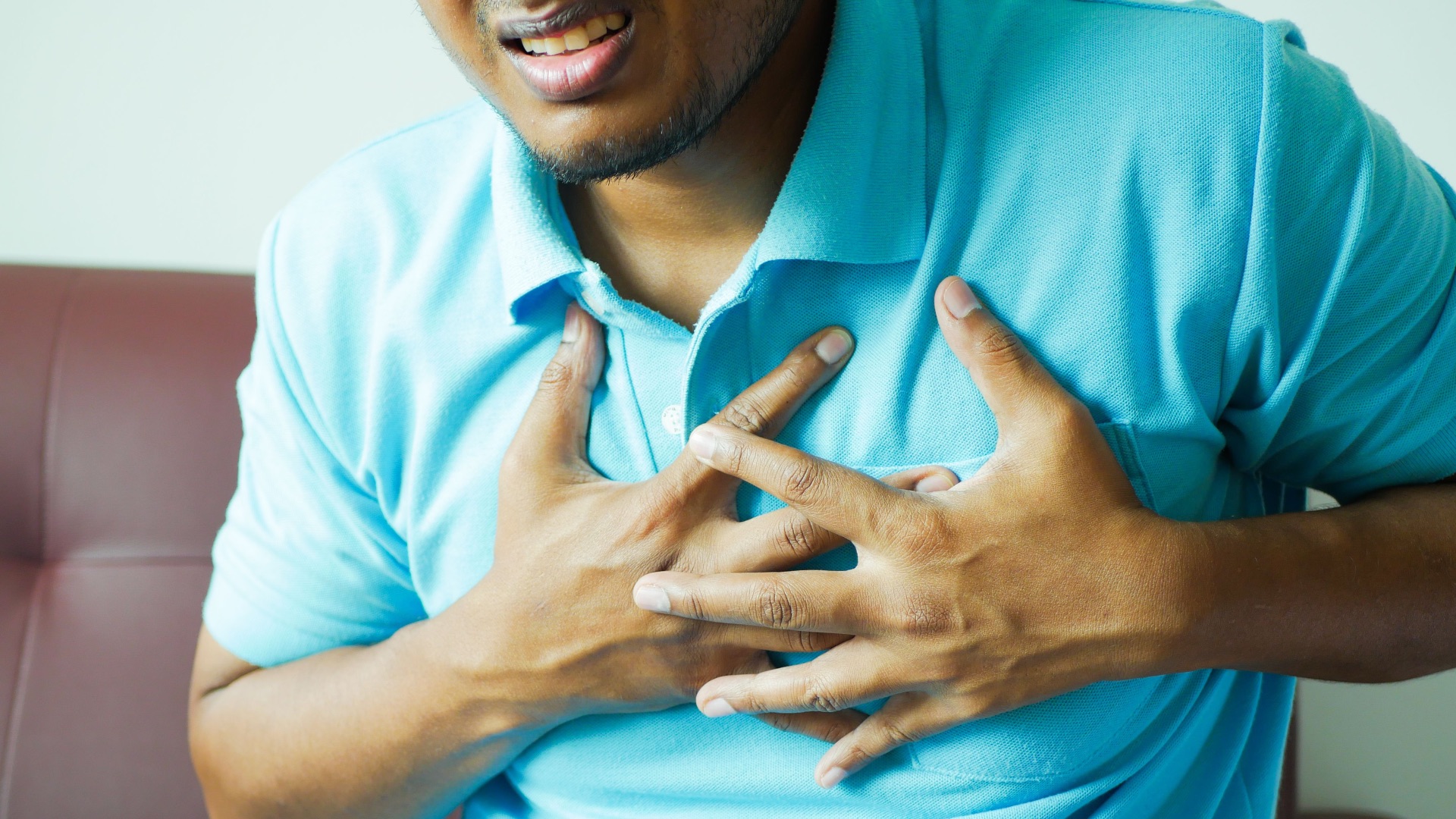
12. Panic Disorder
Distinct from occasional anxiety, panic disorder involves recurring, intense episodes that can strike without an obvious trigger. Sufferers often describe a crushing sensation in the chest along with breathlessness. Therapy and, in some cases, medication can significantly reduce how often these episodes occur.
13. Pulmonary Embolism
A blood clot that travels to the lungs can block blood flow and cause sudden, severe shortness of breath. This is considered a medical emergency and often comes with sharp chest pain or a rapid heartbeat. Anyone experiencing these symptoms should seek immediate medical attention rather than waiting it out.

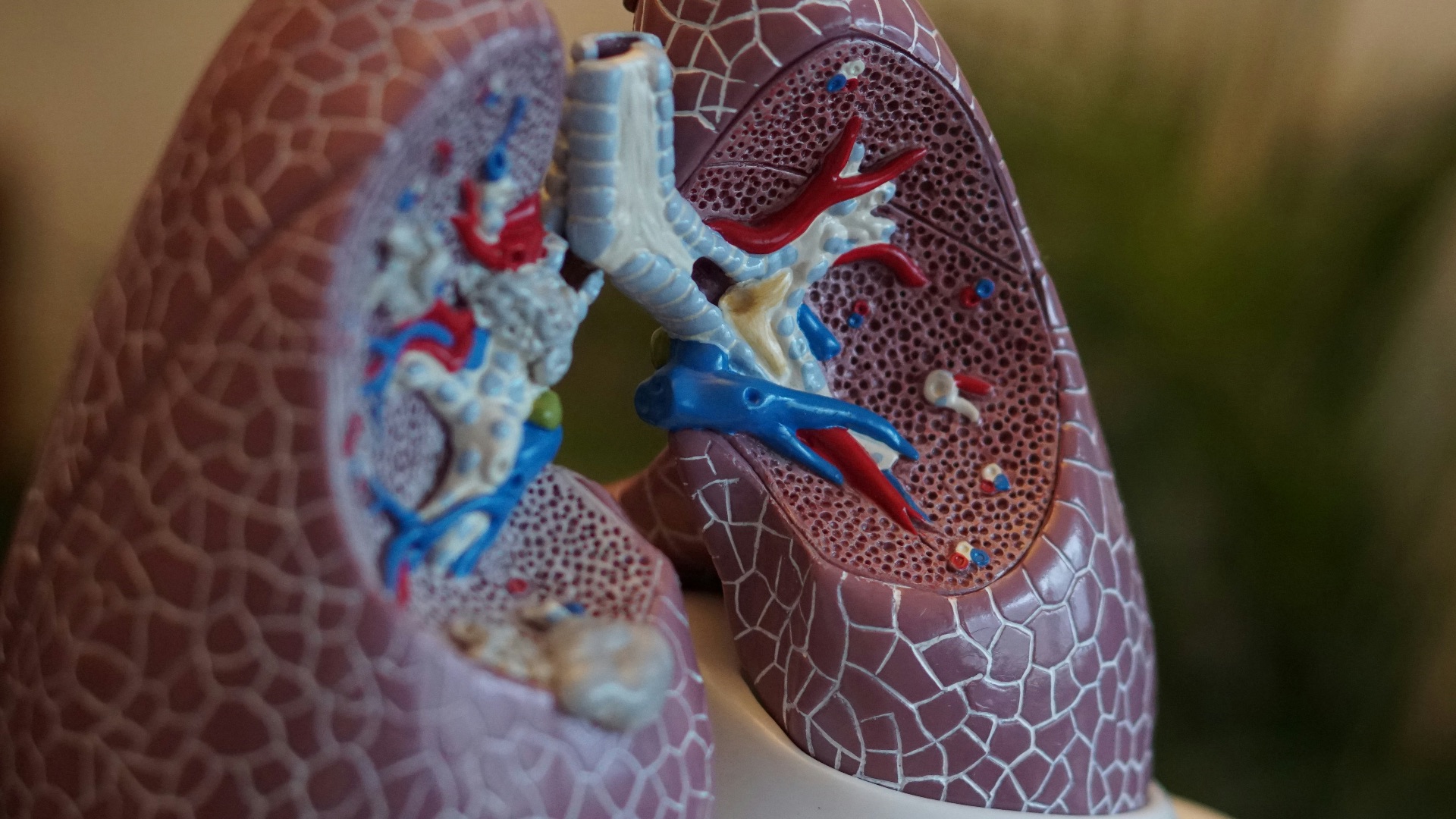
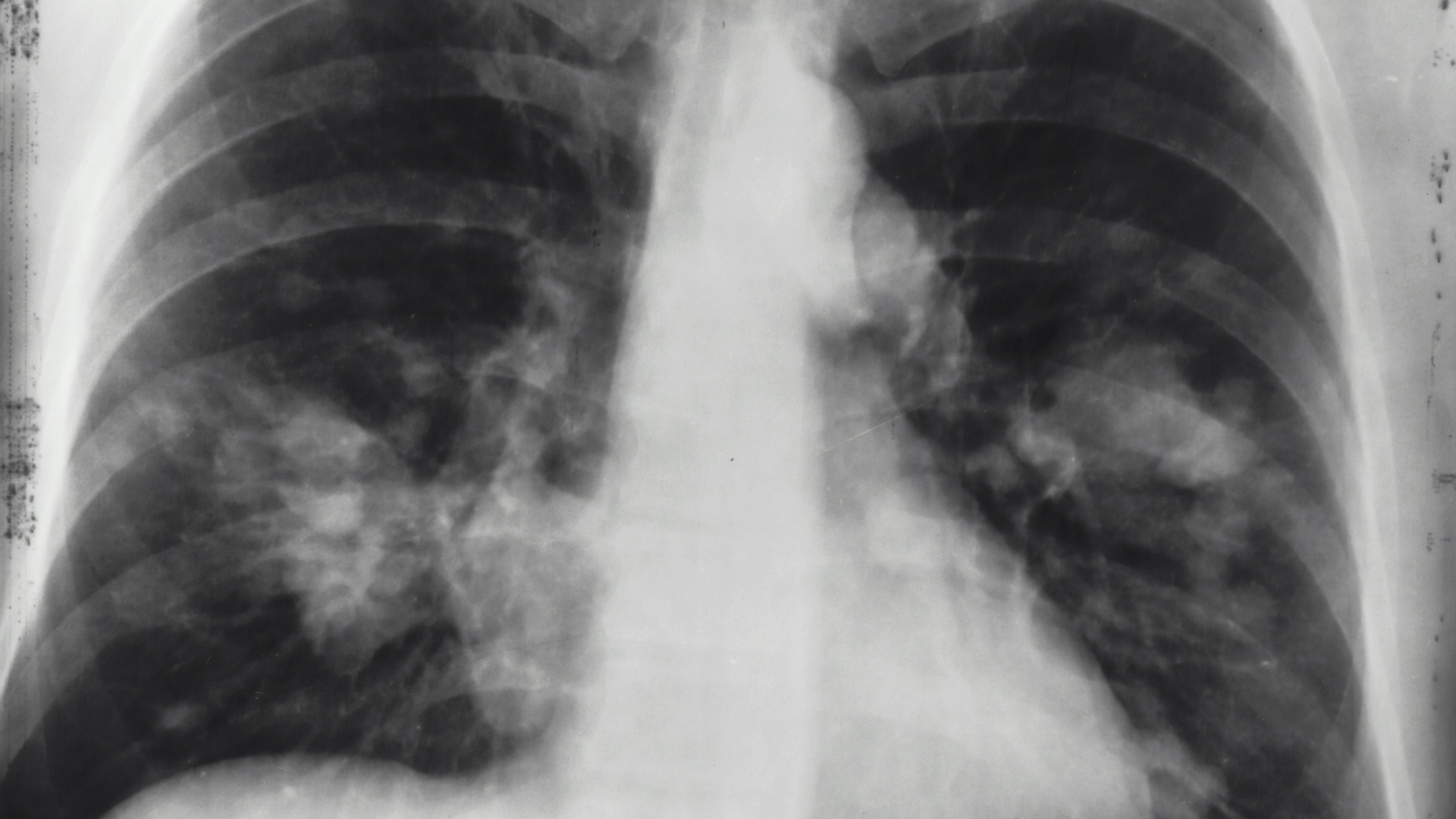
14. Pulmonary Fibrosis
This condition causes scarring in the lung tissue, which makes the lungs stiffer and less able to expand properly. Breathlessness tends to worsen gradually over months or years as the scarring progresses. Oxygen therapy and certain medications can slow the disease and improve quality of life.
 National Cancer Institute on Unsplash
15. Arrhythmia
An irregular heartbeat can prevent your heart from pumping blood as effectively as it should. This inefficiency can leave you feeling breathless, especially during exertion or sudden position changes. Treatment options range from medication to procedures that help restore a normal heart rhythm.

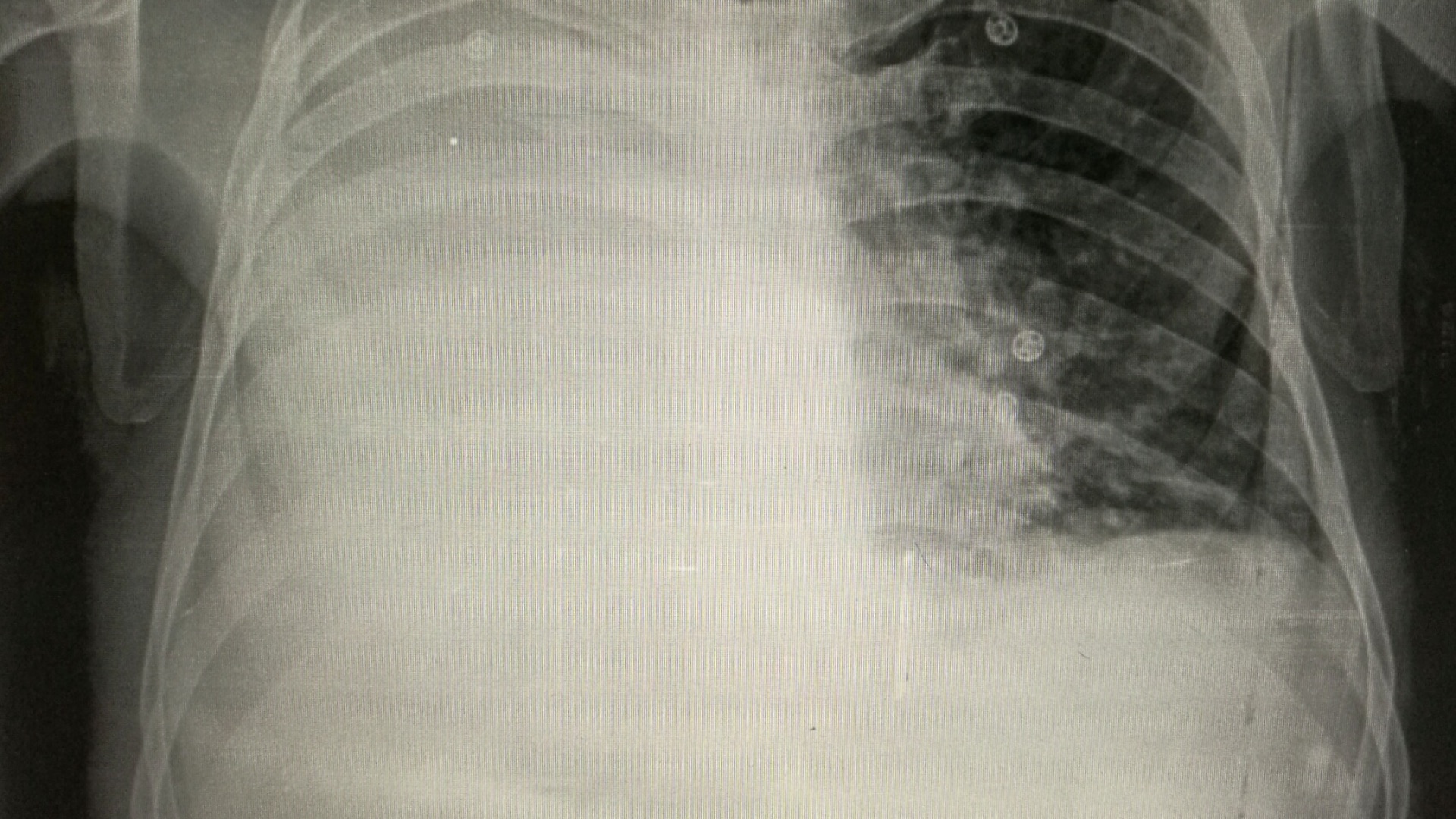
16. Pleural Effusion
This happens when fluid builds up between the layers of tissue lining the lungs and chest cavity. The extra fluid puts pressure on the lungs, making it harder for them to fully expand. Doctors may need to drain the fluid to relieve the pressure and ease breathing.
17. Pregnancy
As a pregnancy progresses, the growing uterus can push against the diaphragm and reduce the space available for the lungs to expand. Hormonal changes also increase the body's oxygen demand, which can leave expectant mothers feeling winded more easily. This is usually normal, though sudden or severe breathlessness should always be checked out.

18. Costochondritis
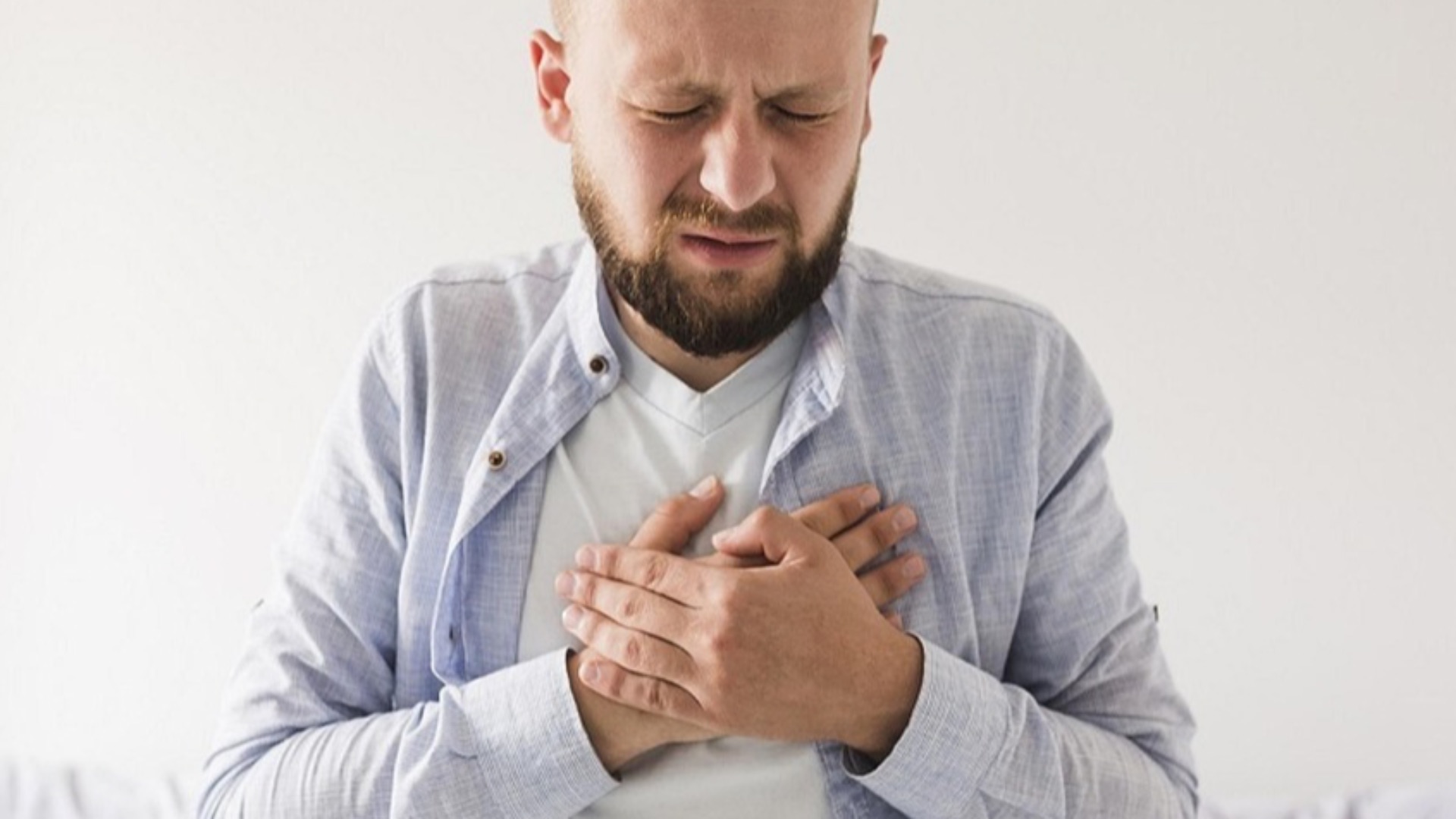
This condition involves inflammation of the cartilage connecting the ribs to the breastbone, which can cause sharp chest pain. That pain often makes people breathe more shallowly to avoid discomfort, creating a breathless sensation. Anti-inflammatory medication and rest typically resolve the issue within a few weeks.
19. Smoking
Long-term smoking damages the airways and reduces lung capacity, making breathlessness a common complaint among smokers. Even a single cigarette can cause a temporary spike in heart rate and a brief feeling of tightness in the chest. Quitting, even later in life, can lead to noticeable improvements in lung function over time.

20. Extreme Temperatures
Very hot or very cold air can irritate the airways and trigger a tightening sensation that makes breathing feel harder. This is especially common in people with underlying respiratory conditions like asthma. Dressing appropriately or limiting time outdoors during extreme weather can help minimize the effect.

KEEP ON READING

20 Things Your Body Is Secretly Doing Right Now


20 Ways To Tell If Someone Is Lying To You