Common and Easy to Miss
Iron deficiency is the most common nutritional shortfall in the world, and the World Health Organization estimates anemia affects close to a third of women of reproductive age. The symptoms are ordinary enough that people carry it for years and blame work or age. You can also be low on iron well before a standard blood count shows anemia, so a normal result doesn't rule it out. None of this is a reason to start taking supplements on a hunch, since too much iron causes its own issues. Here's 20 signs you should get your iron checked.

1. Tiredness Sleep Doesn't Touch
Iron carries oxygen through the blood, so running short means every cell gets slightly less than it needs. The exhaustion that follows doesn't lift after a long weekend or an early night, and most people live with it for months without saying anything.

2. Winded on One Flight of Stairs
A staircase that never registered as effort before leaves you breathing hard at the top. With less oxygen moving per breath, the lungs work harder to make up the difference. It shows up during ordinary activity long before it shows up at the gym.

3. A Heart That Pounds at Rest
The heart compensates for oxygen-poor blood by pumping more of it, faster. Lying still and feeling your own pulse in your chest is the version of that you notice.

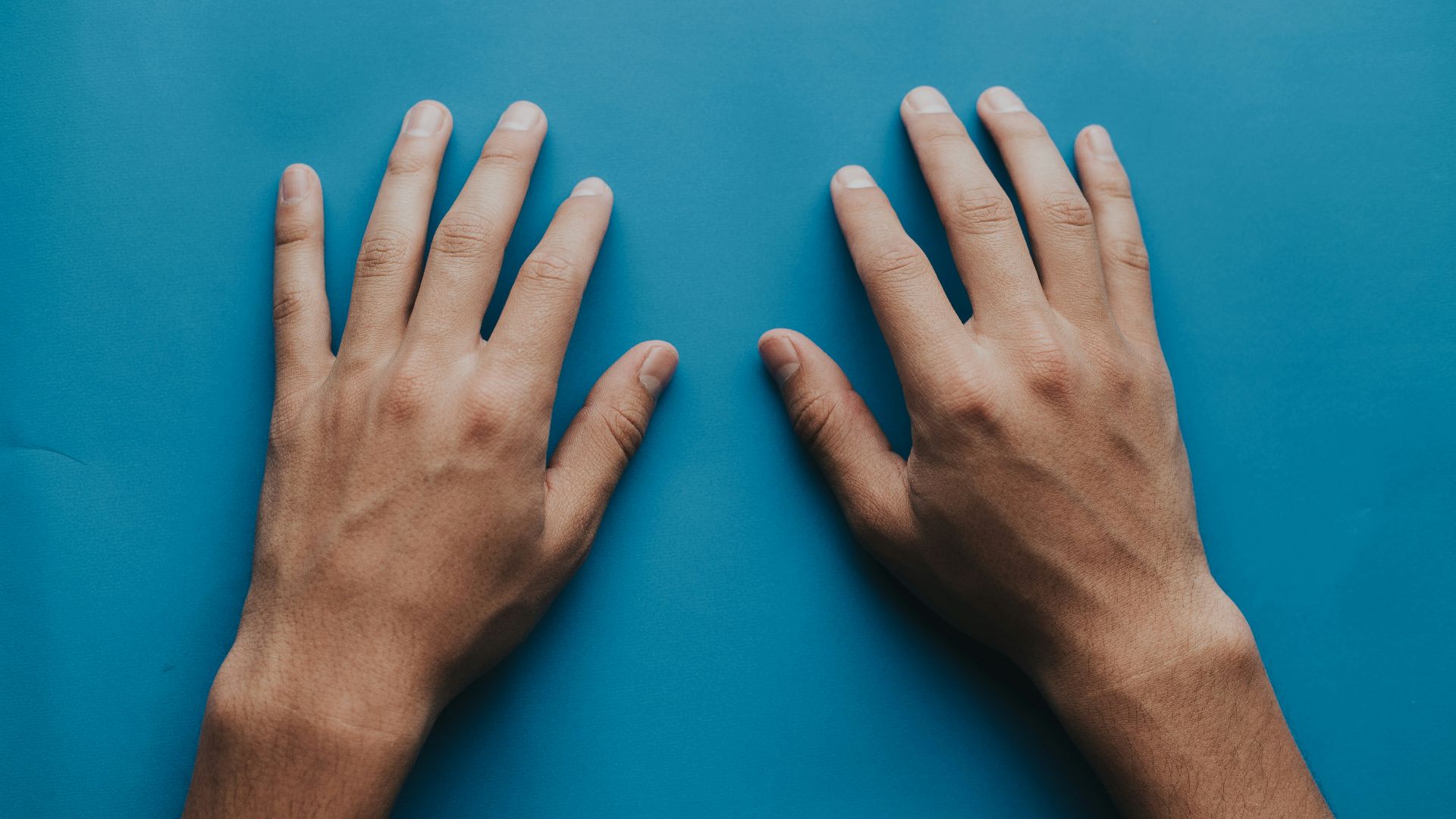
4. Pale Gums and Inner Eyelids
Skin tone varies far too much to judge anything by, so clinicians pull down the lower eyelid and check the gums instead. Both should be a clear pink. Washed out or nearly white is the finding that matters.
 https://kaboompics.com/ on Pexels
5. Cold Hands and Feet
Circulation to the hands and feet gets cut back when the body starts prioritizing organs. People running low are often the ones wearing socks to bed in July.
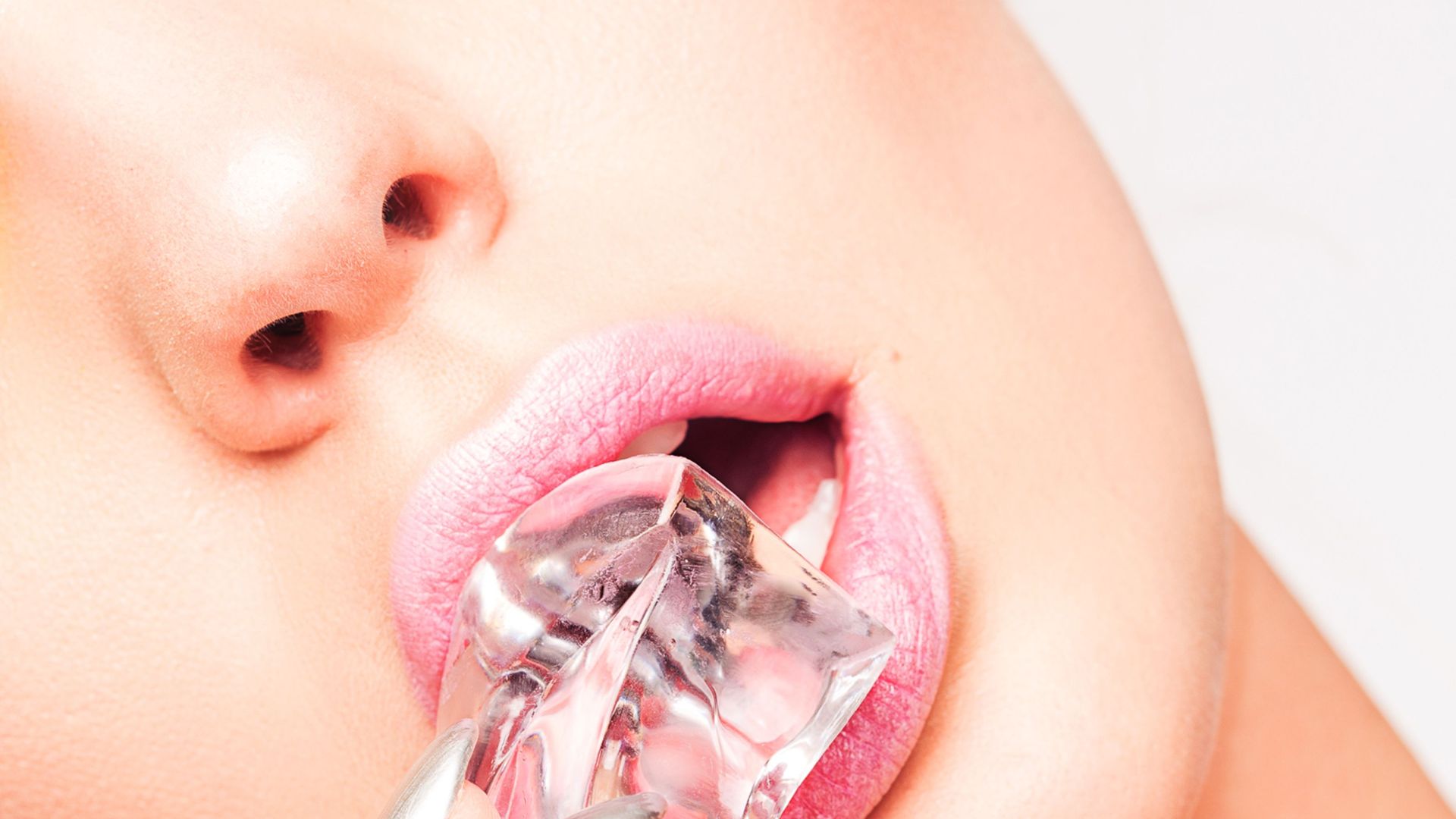
6. Chewing Ice
Compulsive ice chewing has a name, pagophagia, and its link to iron deficiency is well established. Nobody has fully explained the connection. Urges to eat chalk or paper fall into the same category, which is called pica.
7. Restless Legs at Night
That crawling need to move your legs at bedtime has one of the strongest connections to low iron on this list. Iron is required to make dopamine in the brain, which is the leading explanation. Correcting the deficiency often clears the symptom.

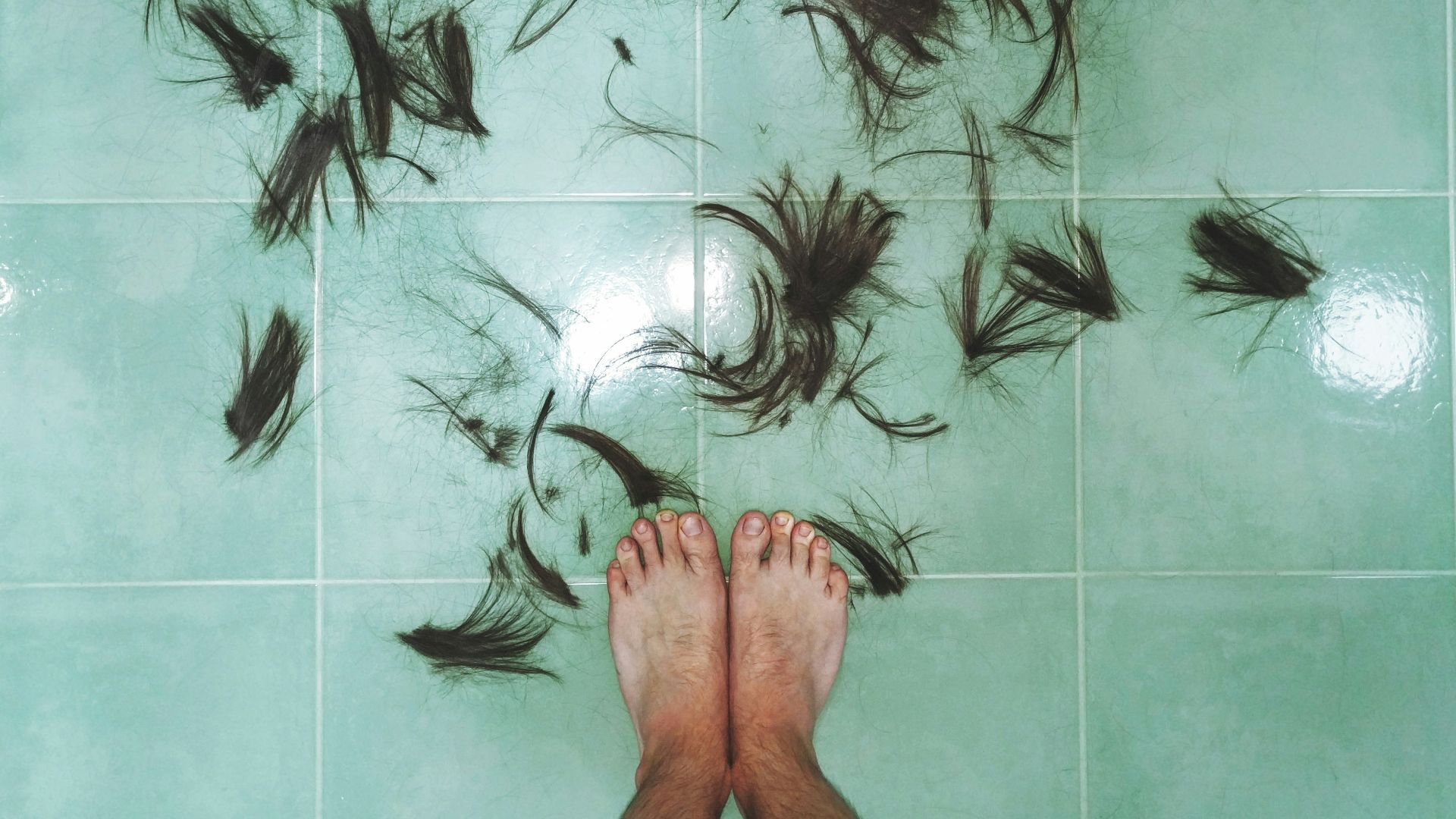
8. Hair in the Drain
A noticeable increase in shedding can trail a drop in iron by two or three months. Hair follicles get deprioritized when the body is rationing. The thinning is usually spread across the scalp rather than concentrated in patches.
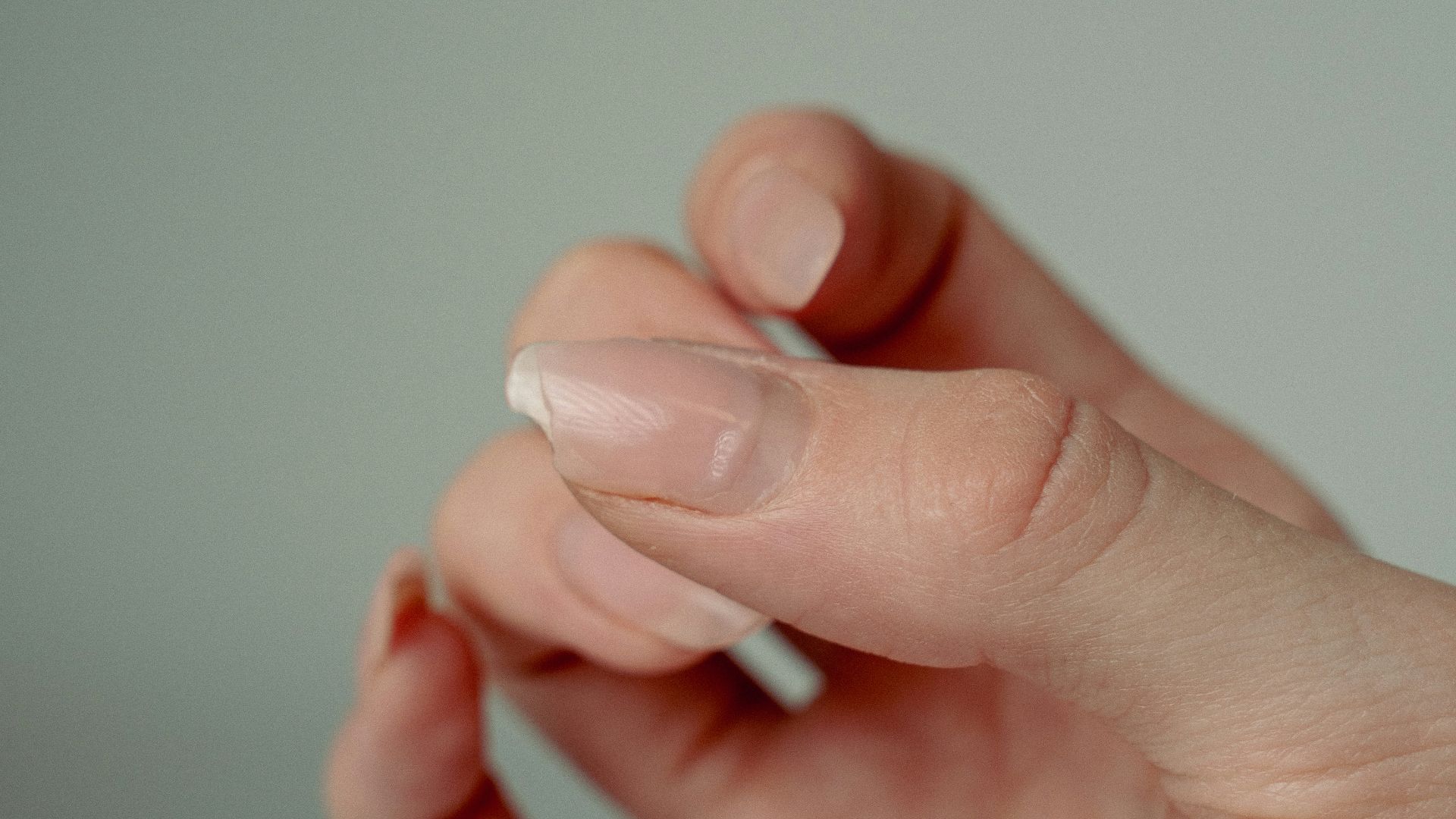
9. Nails That Break or Dip
Splitting nails on their own mean very little, since plenty of things cause that. Nails that develop a concave curve deep enough to hold a drop of water are called koilonychia, and that sign points at iron directly. It is uncommon and worth taking seriously.
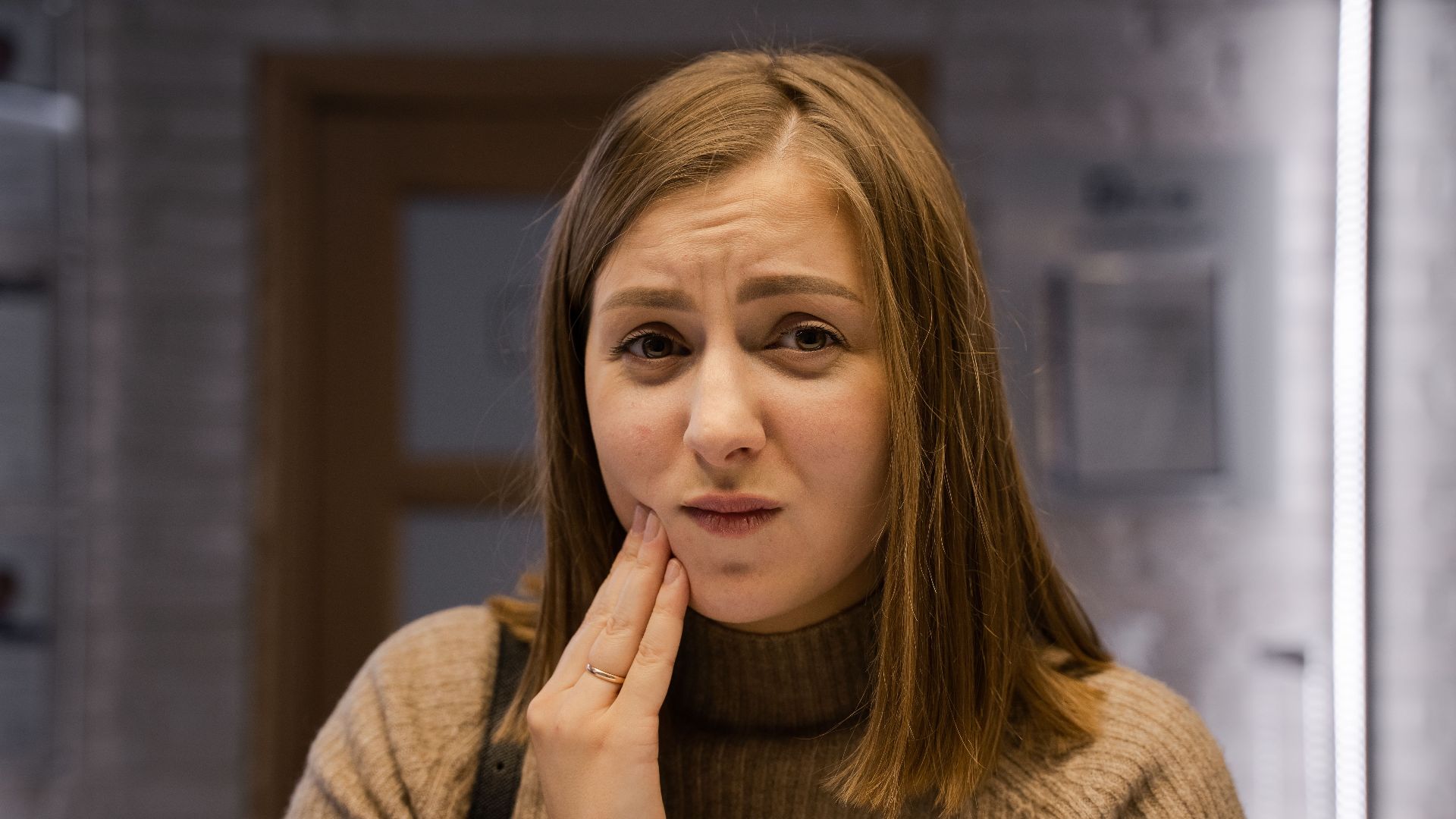
10. Cracks at the Corners of Your Mouth
Angular cheilitis is the name for those splits at the corners that keep reopening every time they start to close. Iron deficiency is one cause among several, including B vitamin shortfalls and yeast. Lip balm does nothing for it, which is usually the first clue.
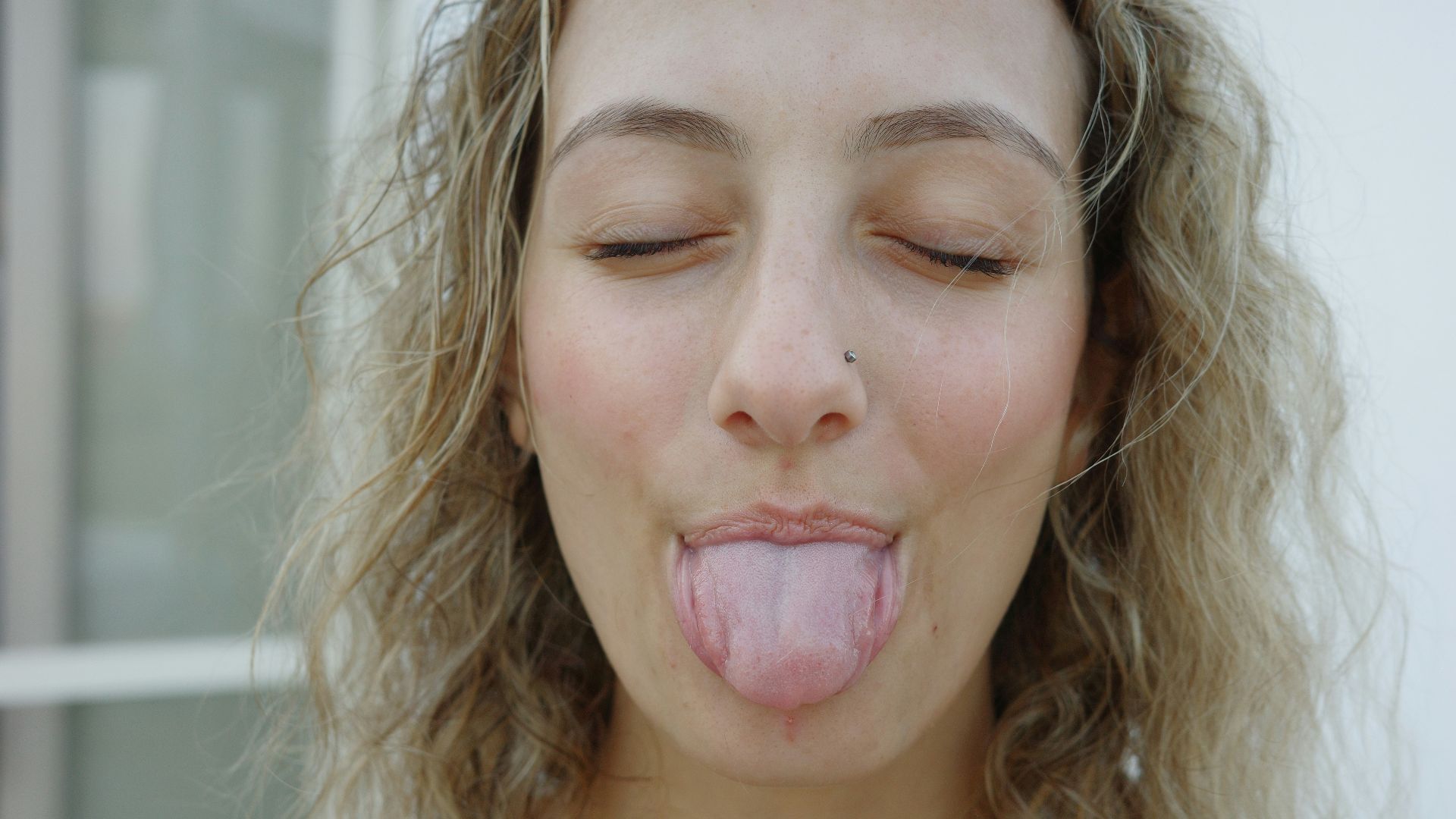
11. A Sore, Shiny Tongue
The small bumps covering the tongue can flatten out, leaving the surface smooth and sore enough that spicy food becomes unpleasant. Dentists spot this one more often than doctors do.
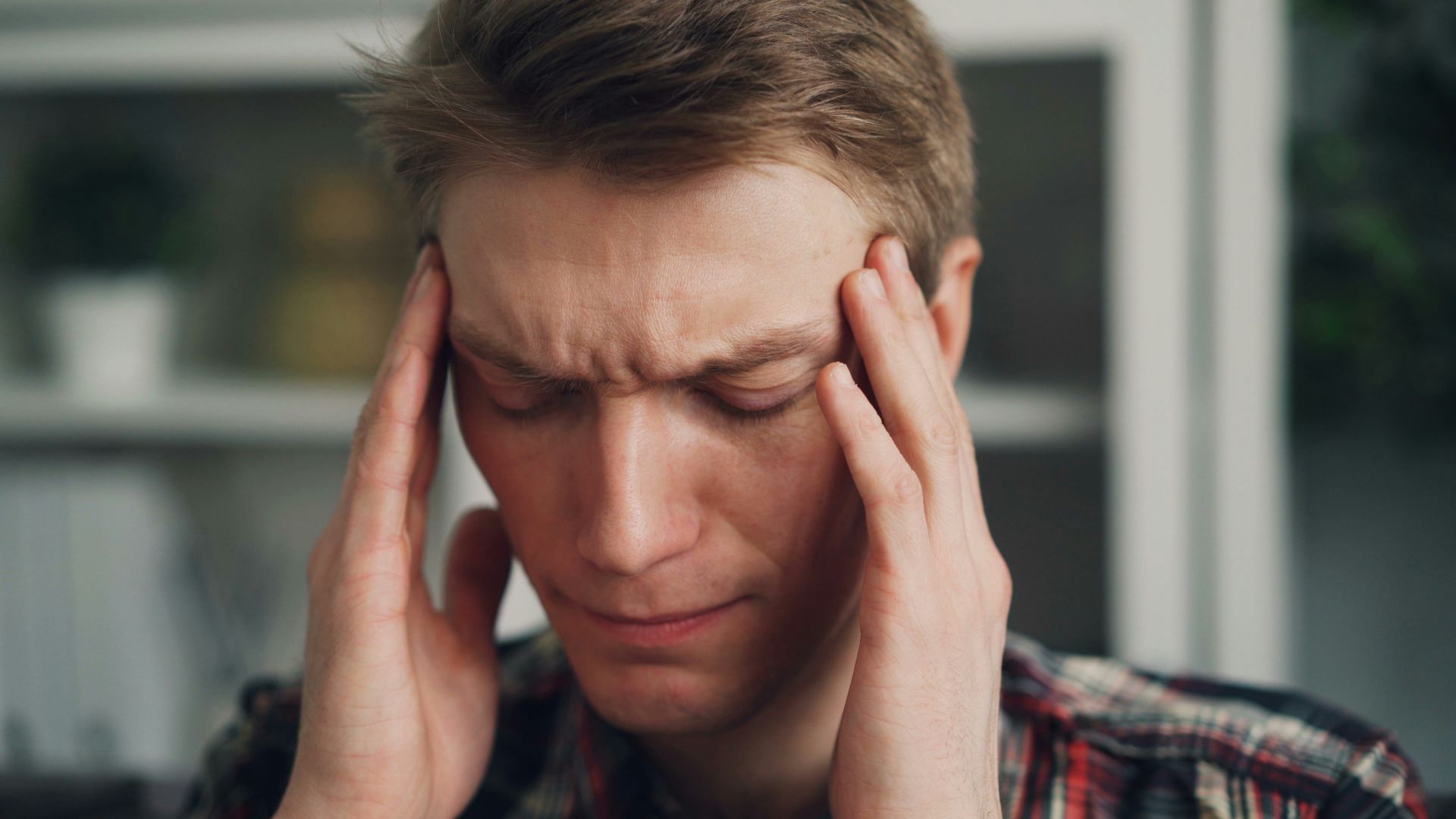
12. A Dull, Persistent Headache
Reduced oxygen reaching the brain tends to produce a heavy headache rather than a sharp one. It often comes with a floating sensation that stops short of true dizziness.
13. Graying Out When You Stand
Standing too fast and losing your vision for a second happens to everyone now and then. Happening most times you get out of a chair is a different situation entirely.

14. Losing the Thread
Concentration slips first and word recall follows, usually the specific noun you were reaching for. Iron shortages affect the brain before they show up in a blood count, which is part of why this gets missed. The common description is reading the same paragraph three times and retaining none of it.

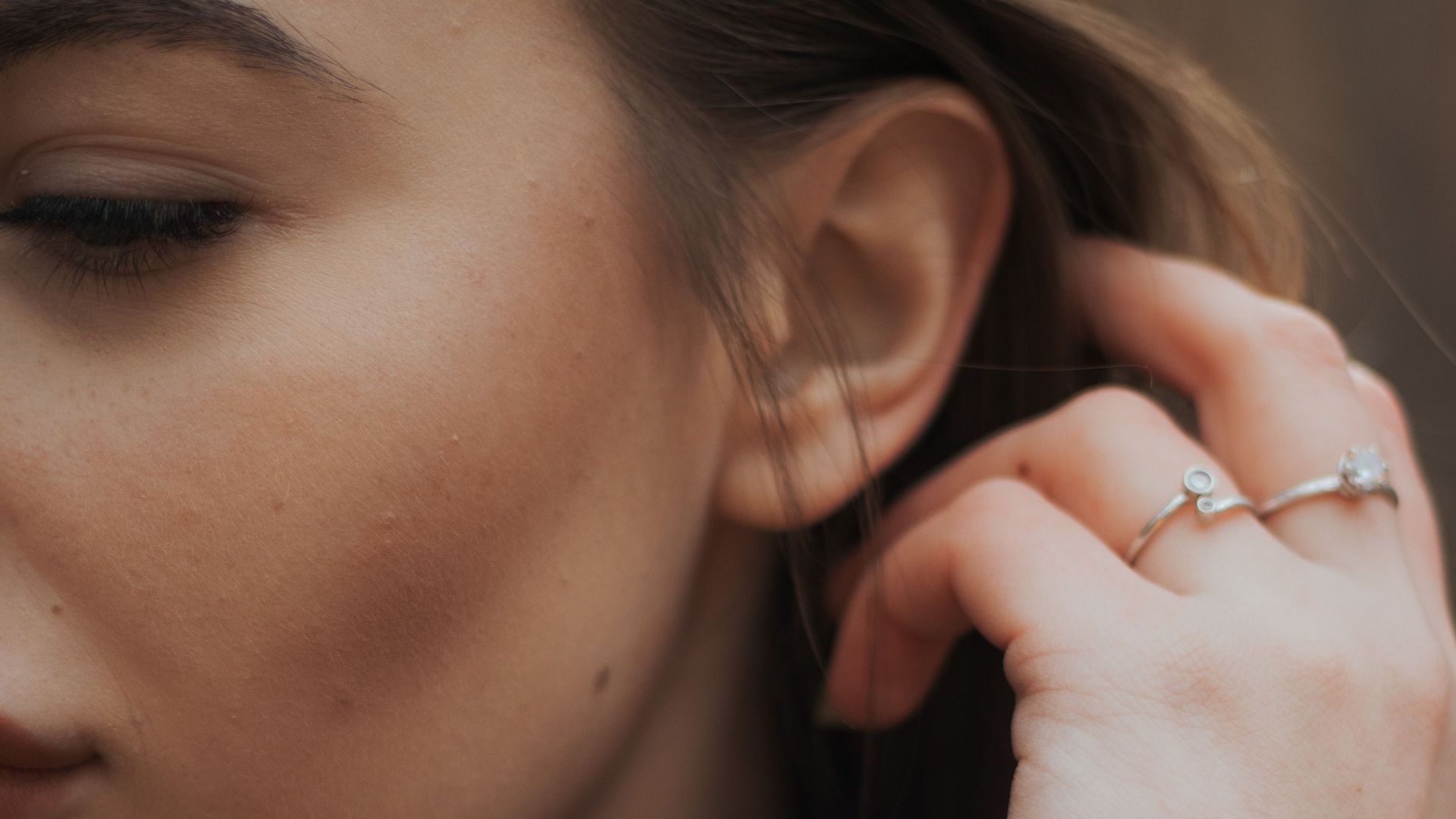
15. Ringing in the Ears
Tinnitus, sometimes a whooshing that keeps time with your pulse, has a documented association with anemia. Thinner blood moving faster through vessels near the ear is the likely mechanism.
16. Training That Stopped Working
Endurance athletes are unusually prone to iron deficiency, partly from sweat losses and partly from the pounding of running itself damaging red blood cells. Sessions that used to produce gains stop producing them. Female distance runners carry the highest risk of any group.
 CRISTIAN CAMILO ESTRADA on Pexels
17. A Shorter Fuse
Irritability and flat mood show up regularly in iron deficiency, since iron is needed to produce serotonin and dopamine. People assume the cause is whatever happened that month. Mood often lifts a few weeks into treatment.

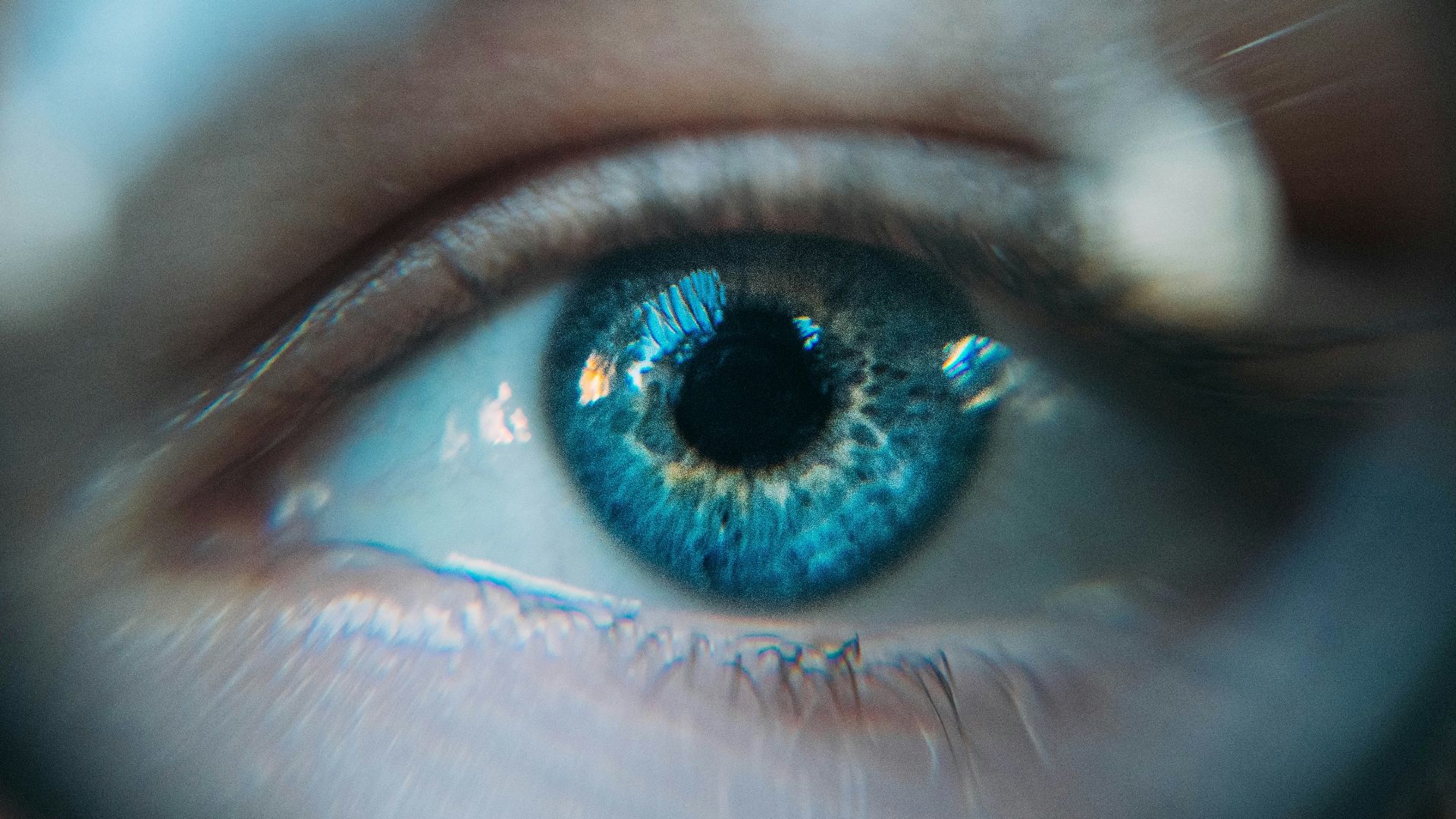
18. Blue-Tinged Whites of the Eyes
A faint blue cast to the whites of the eyes appears when the tissue thins enough to let the layer beneath show through. The effect is subtle enough to talk yourself out of, though someone who knows to look can spot it easily.
19. Heavy Periods
This one is a cause rather than a symptom, and it explains more iron deficiency in premenopausal women than everything else combined. Soaking through protection hourly, or bleeding past a week, is worth raising with a doctor. Plenty of women have no reference point for what counts as heavy.

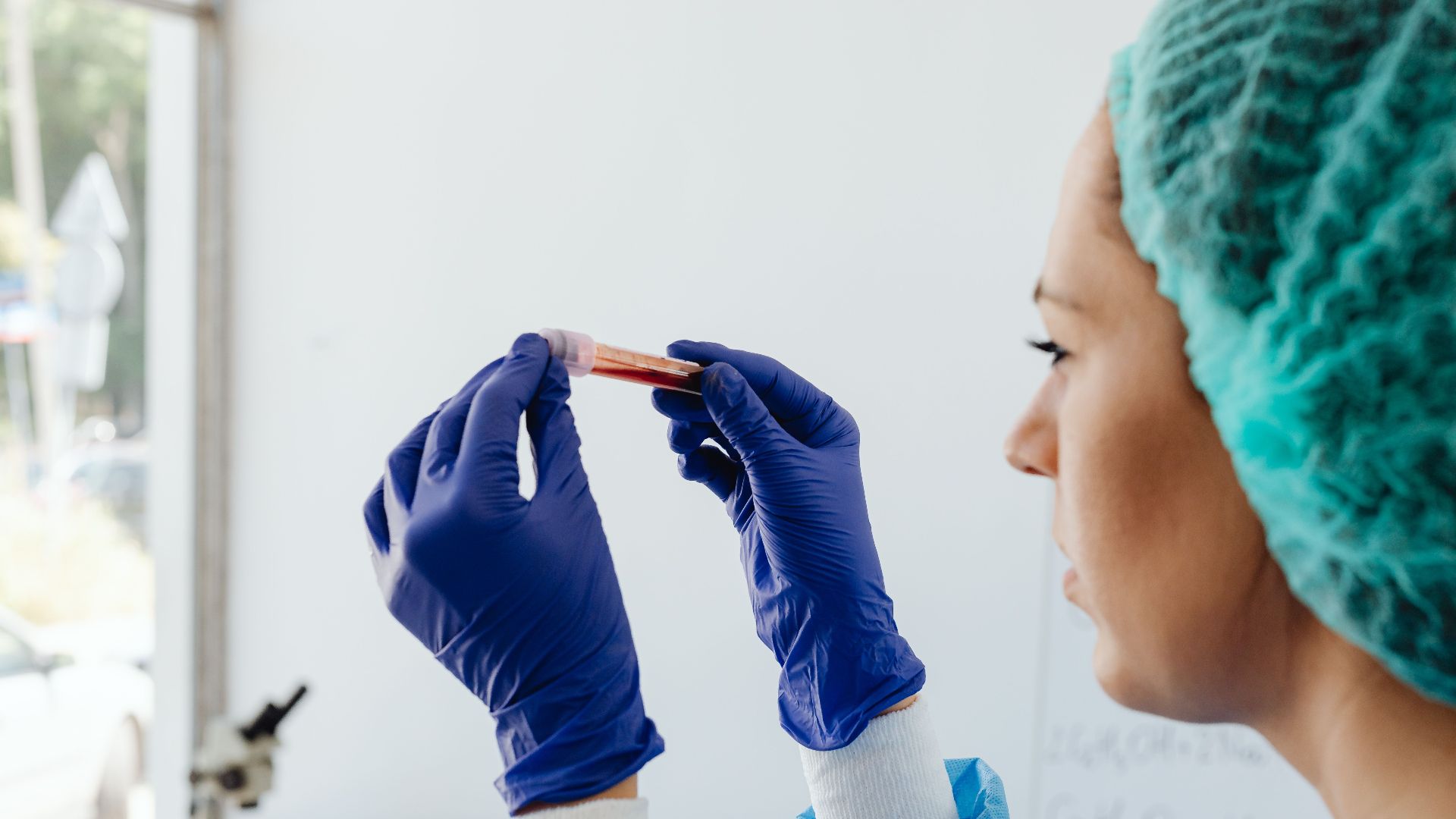
20. A Normal Blood Count With Low Ferritin
Iron stores run down long before anemia appears, and a standard complete blood count will read as fine throughout. Ferritin is the test that measures what's in storage. Ask for it by name, since it is not always included.
 https://kaboompics.com/ on Pexels
KEEP ON READING

20 Ways Perimenopause Changes Fitness and Appetite


20 Unhealthy Obsessions People Have

20 Gut-Friendly Fermented Foods For Everyday Meals