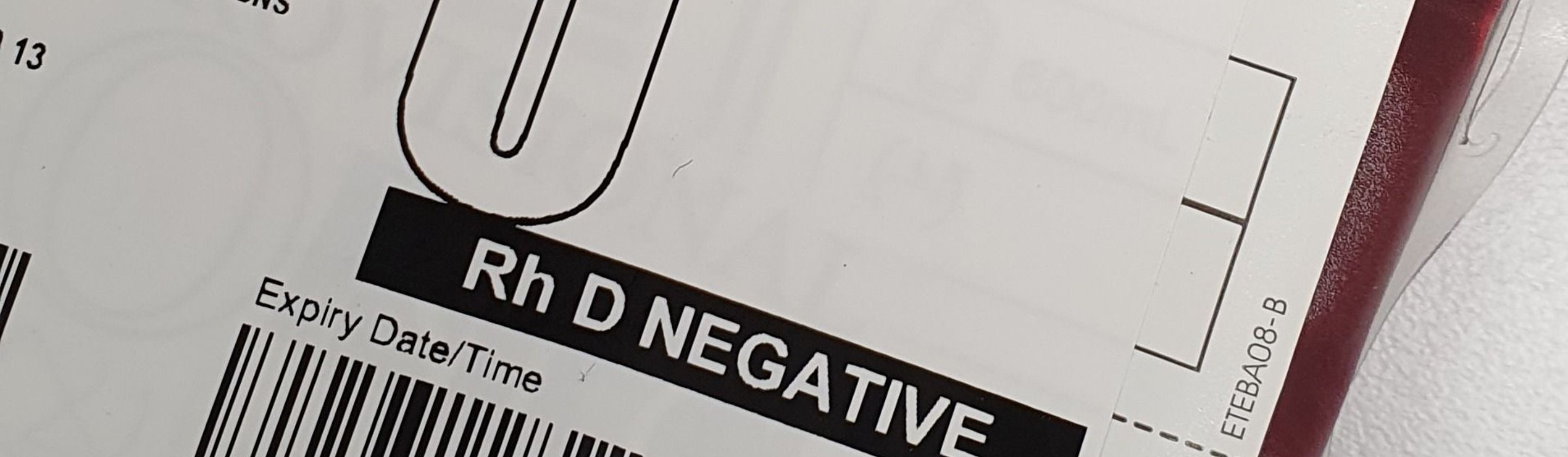
Five Liters of Strange
You are carrying around five liters of a substance stranger than almost anything else in your body. Blood counts as a tissue, technically, though it moves like a fluid and behaves like a chemical factory. It regrows constantly. It carries traces of your ancestry, and it does several things that took researchers most of the twentieth century to work out. Here's 20 facts about blood you might find bizarre.

1. It's Never Blue
Deoxygenated blood is dark red, somewhere between brick and wine. Veins look blue because skin scatters light at different wavelengths before it reaches your eye, and the blue you see never existed inside the vessel. The diagram in your childhood biology textbook was a labeling convention that a lot of people took literally.
2. Two Million Cells a Second
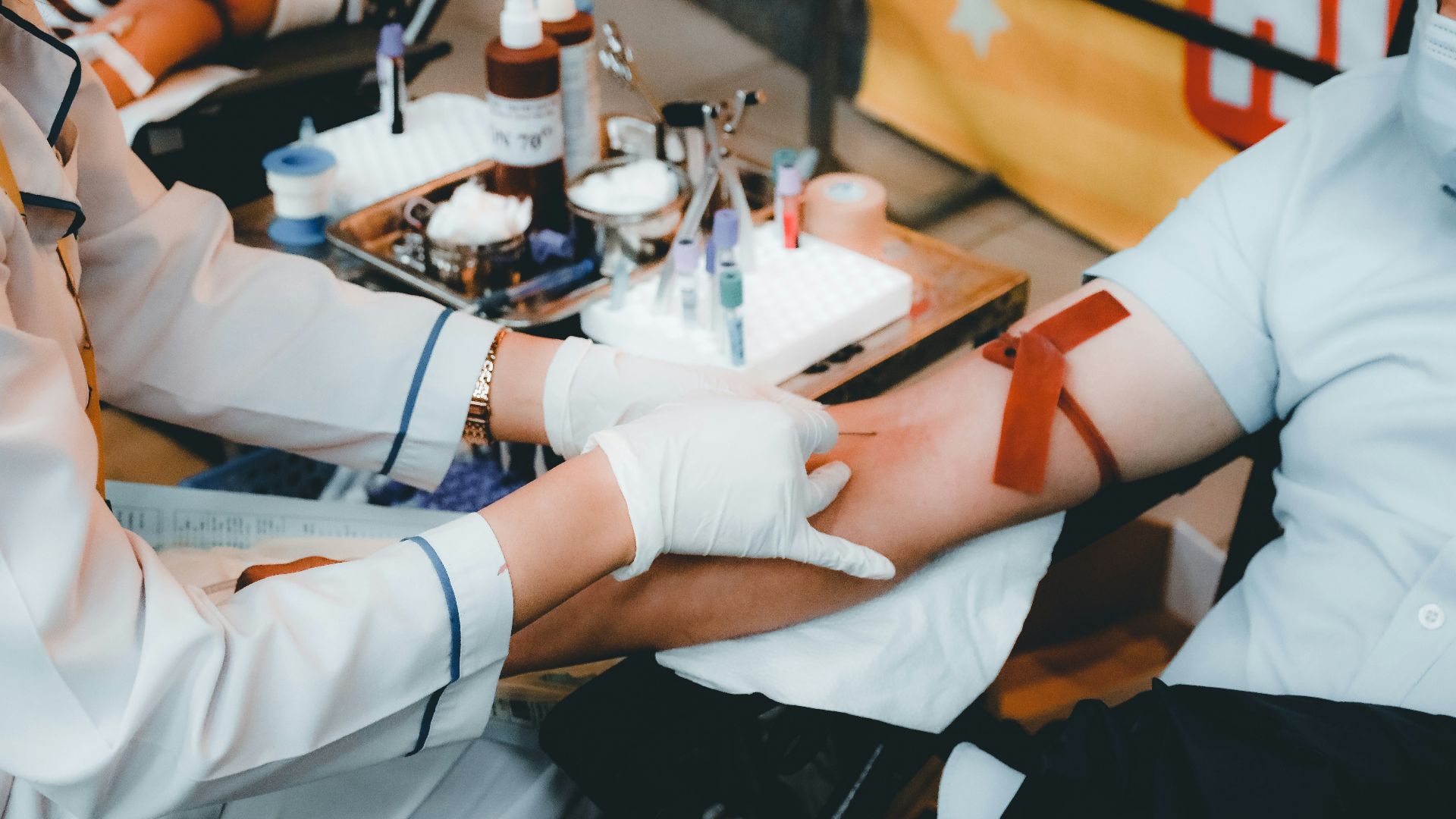
Your bone marrow turns out red blood cells at roughly two million per second. That rate holds every second of your life, without a pause, and each cell survives about 120 days before the spleen breaks it down for parts. The blood in you right now is largely not the blood you had last spring.
3. There Are Far More Than Four Blood Types
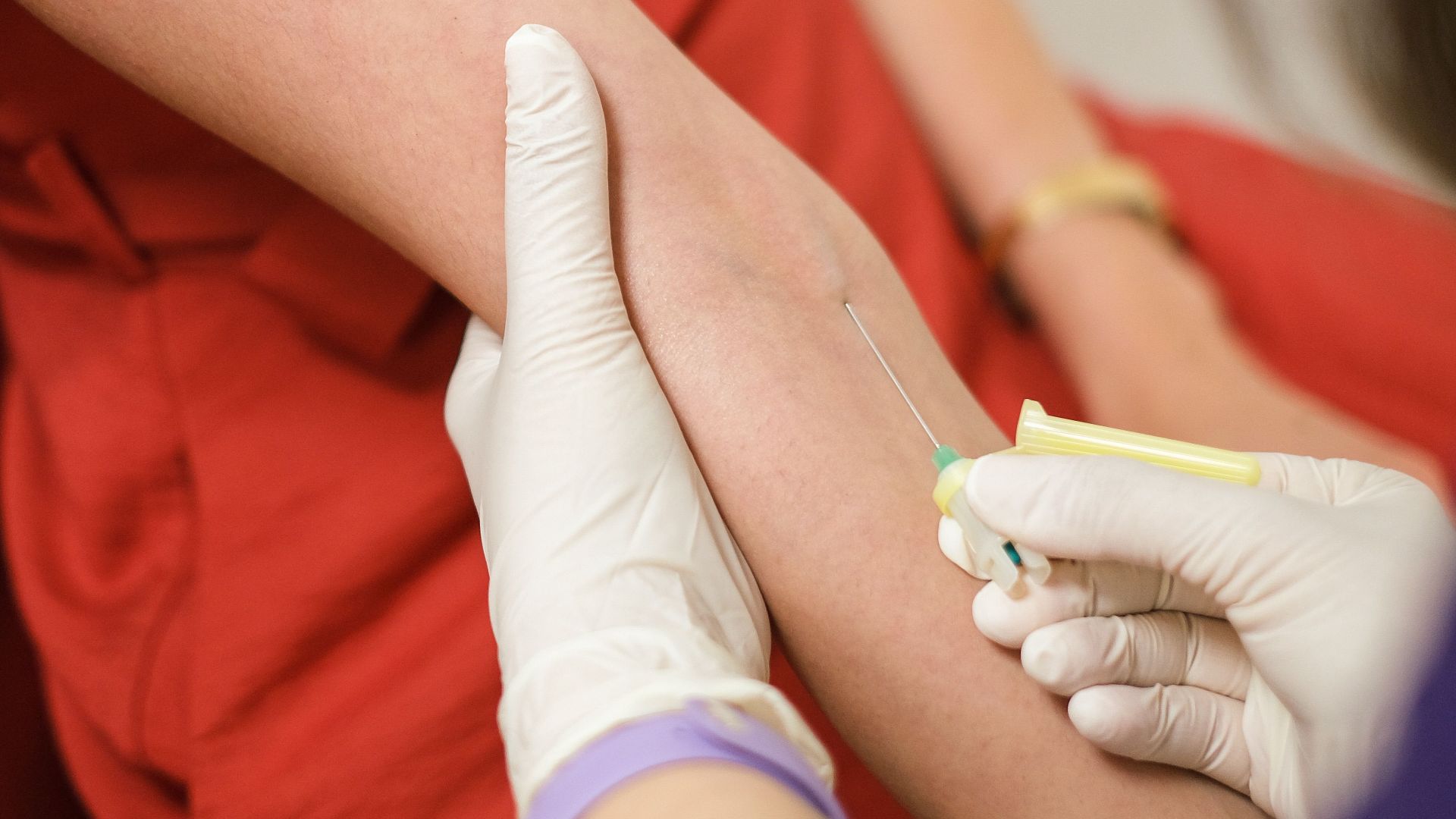
Everyone learns ABO, and ABO is one system out of dozens. The International Society of Blood Transfusion recognizes more than 40 separate blood group systems involving hundreds of individual antigens. Most transfusions only require ABO and Rh matching, which is why the rest stay invisible to almost everyone.
4. One Type Is Called Golden Blood
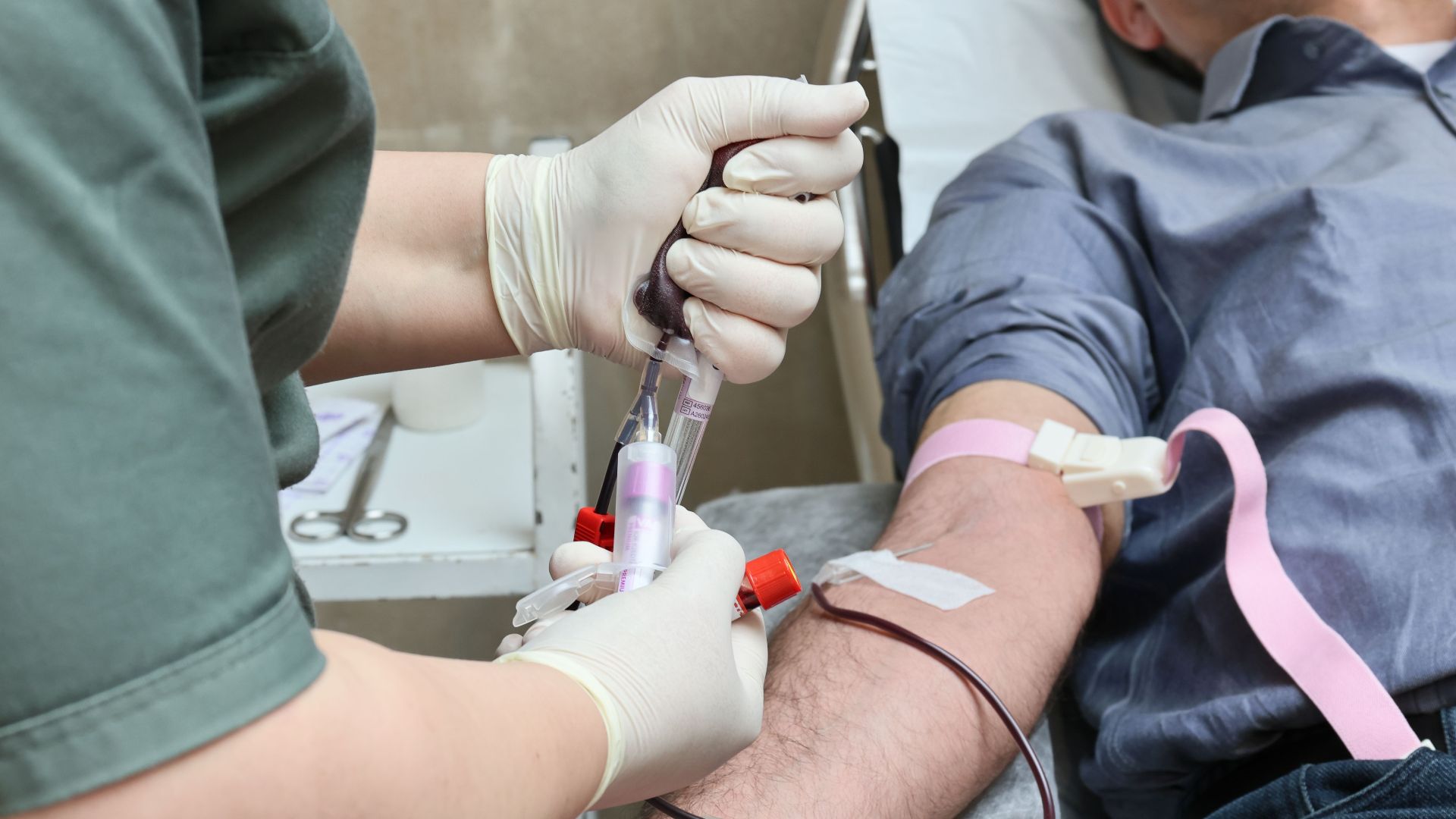
Rh-null blood lacks every Rh antigen, and fewer than 50 people have ever been documented with it worldwide. Its value to transfusion medicine is hard to overstate, since it can go to patients with rare Rh types who have almost no other options. The handful of people who have it get strongly discouraged from anything risky.
5. Iron Is What Makes It Red
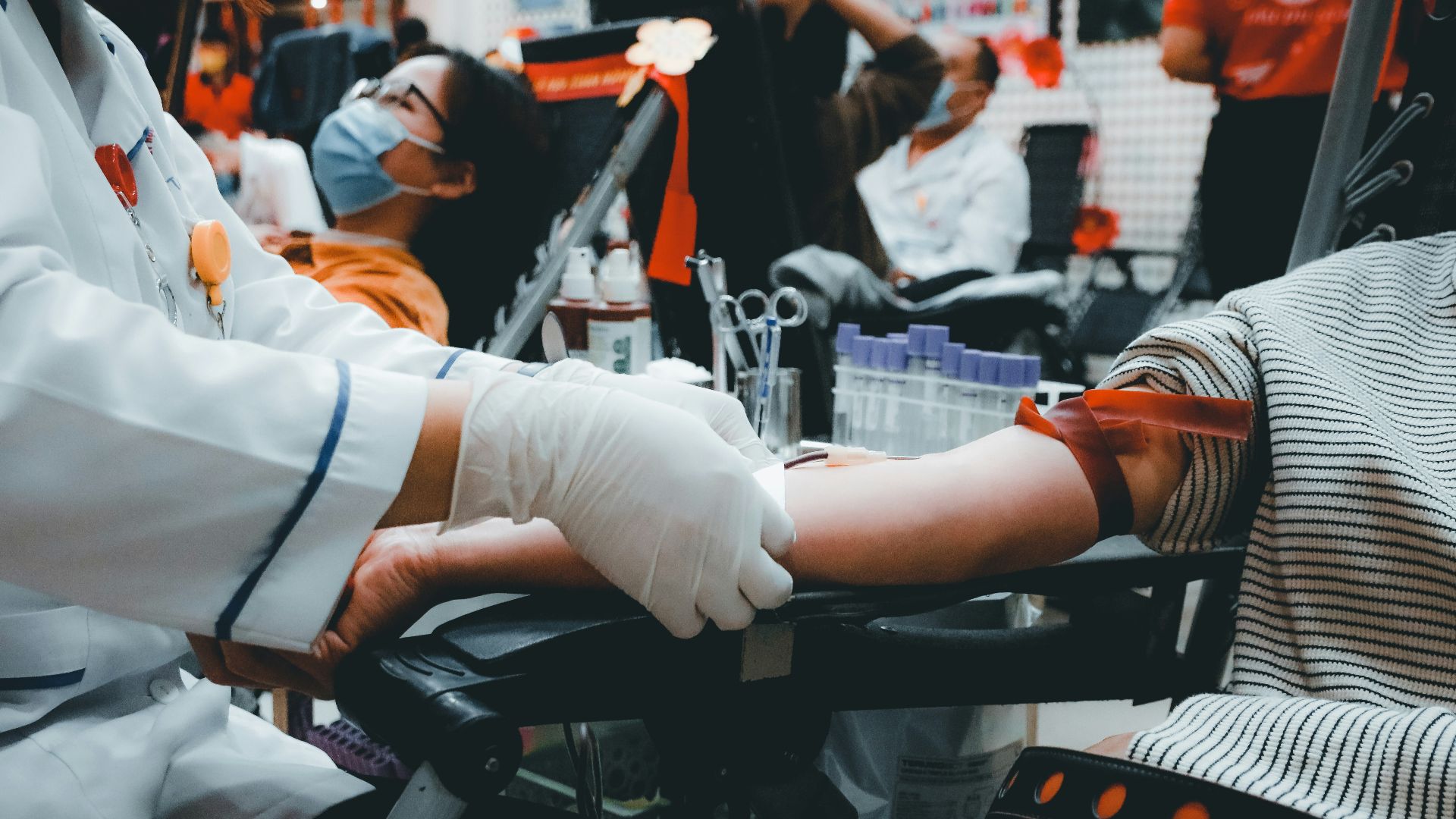
Hemoglobin grabs oxygen using a single iron atom suspended inside a ring structure called heme. When oxygen binds, the molecule turns bright red. You're carrying three to four grams of iron total, and most of it is circulating rather than stored.
6. Some Animals Really Do Have Blue Blood
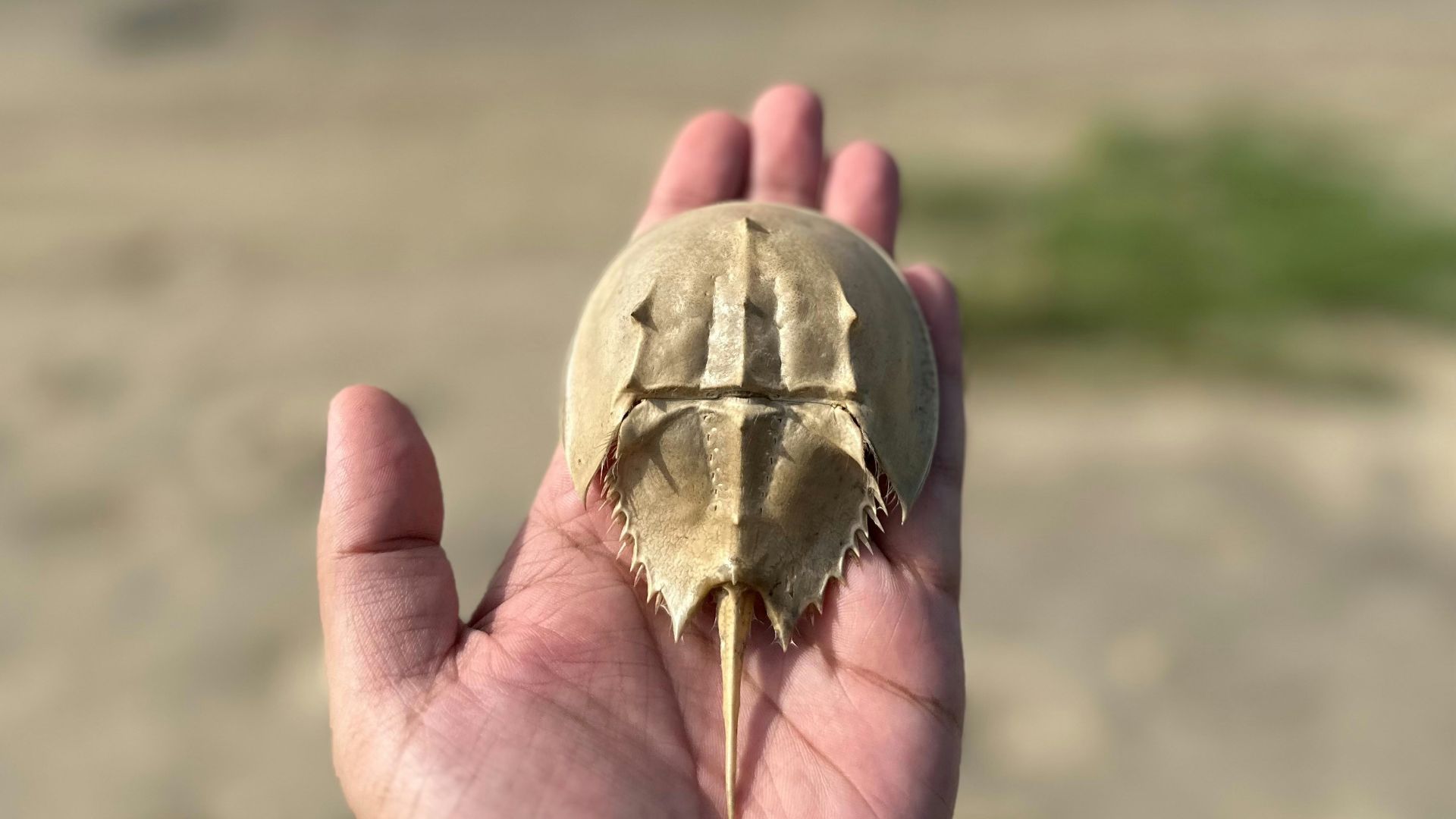
Horseshoe crabs use hemocyanin, a copper-based oxygen carrier that goes blue when oxygenated. The pharmaceutical industry harvests it because it clots on contact with bacterial endotoxins, which makes it the standard contamination test for injectable drugs and implants. A quart has sold for thousands of dollars.
7. Most of It Isn't Cells
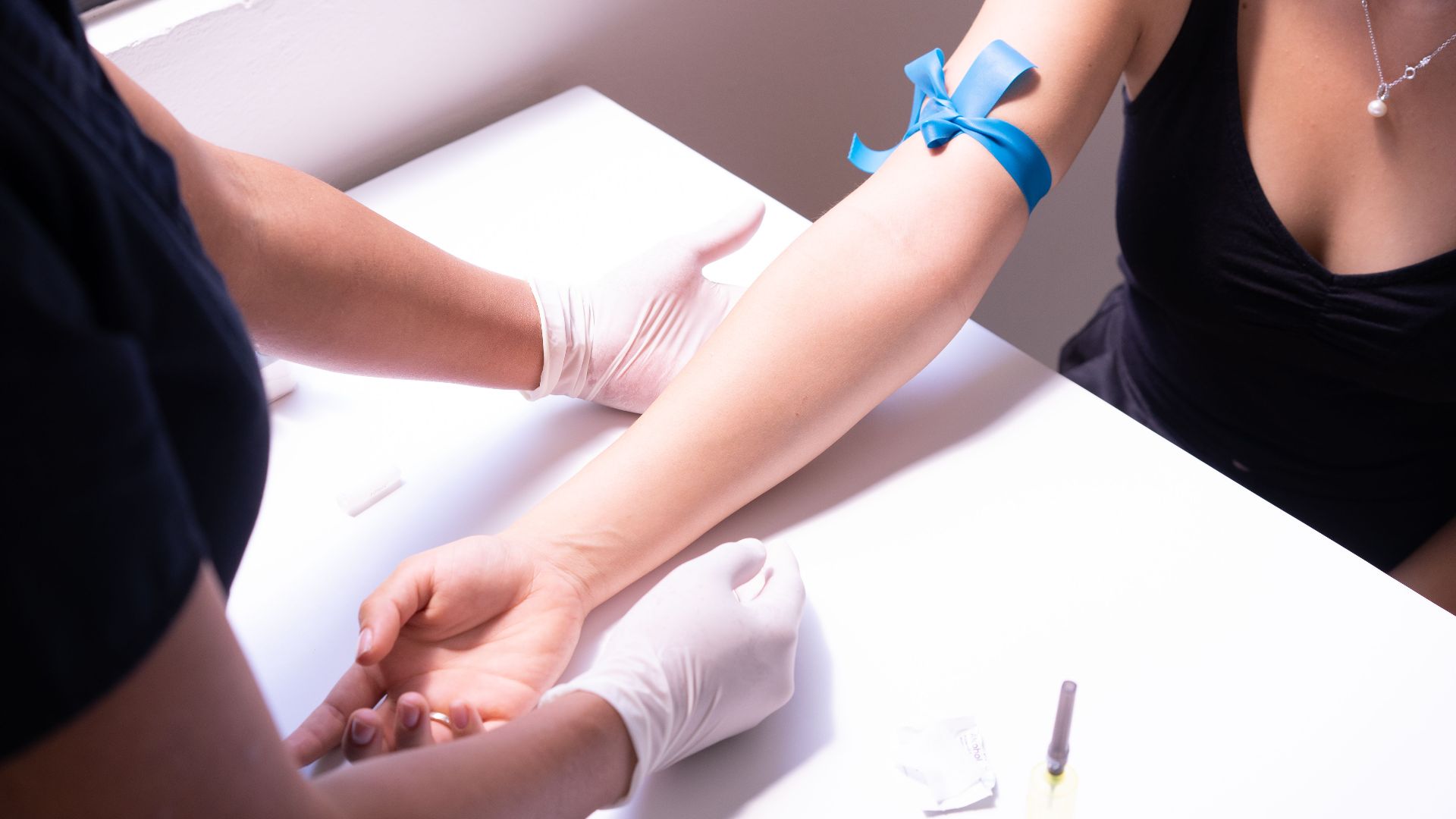
By volume, blood runs around 55 percent plasma. Plasma is mostly water, carrying dissolved proteins, hormones, clotting factors, and gases along with it. Spin a tube in a centrifuge and the separation is immediate, straw-colored fluid on top and a dense red layer beneath.
8. Nobody Has Managed to Fake It
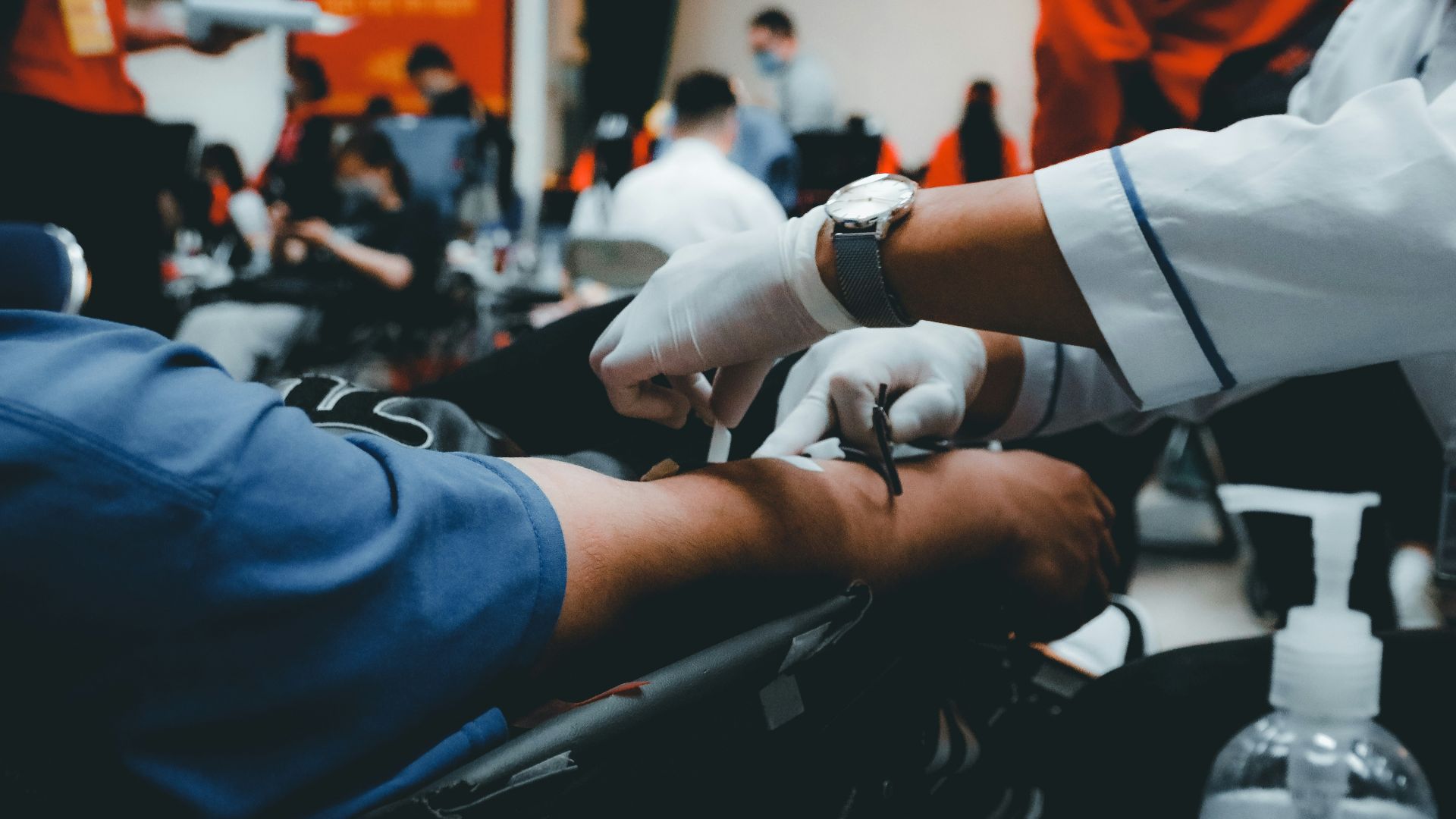
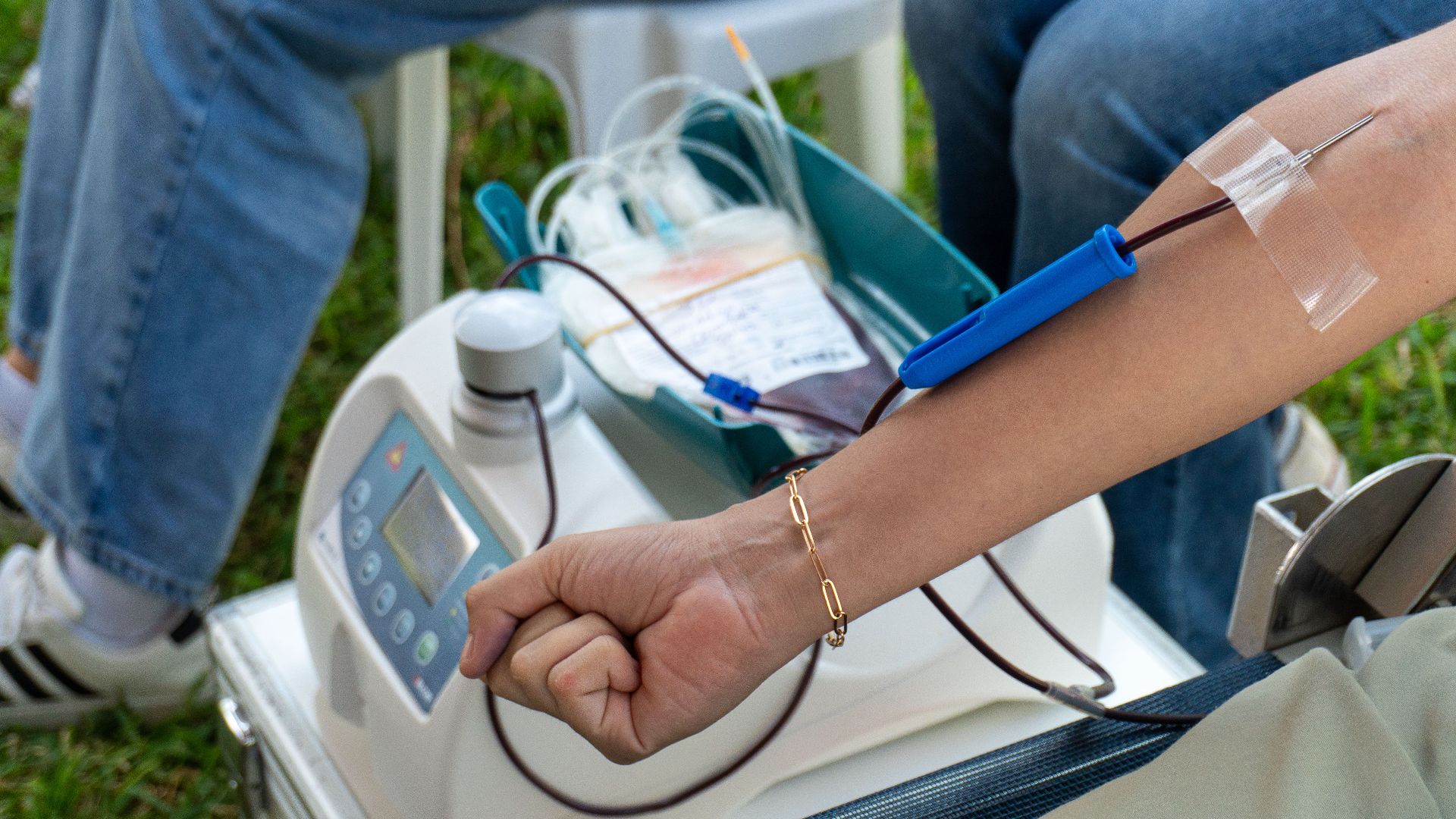
Researchers have chased artificial blood since the 1930s and still haven't produced a full substitute in general use. Hemoglobin outside a red cell turns toxic to the kidneys, a problem that has killed multiple promising product candidates in late-stage trials. Donated human blood remains the only reliable source there is.
 Manuel Camacho-Navarro on Pexels
9. Your Vessels Would Circle the Earth Twice
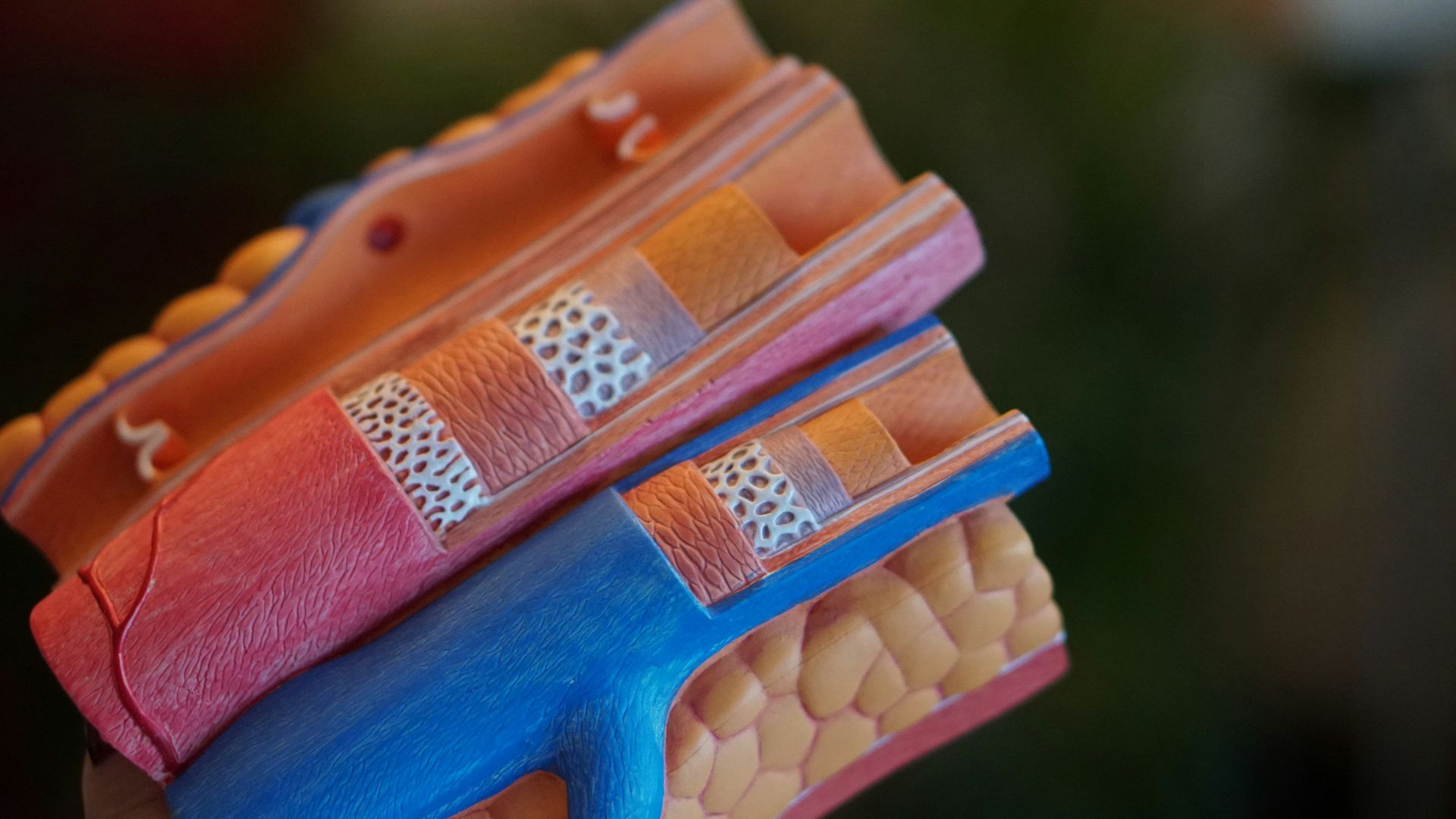
End to end, the arteries, veins, and capillaries in one adult stretch roughly 60,000 miles. Capillaries account for most of that length, and they're a single cell thick. A red blood cell has to deform and fold itself to get through the narrowest ones.
10. Red Cells Threw Away Their Nucleus
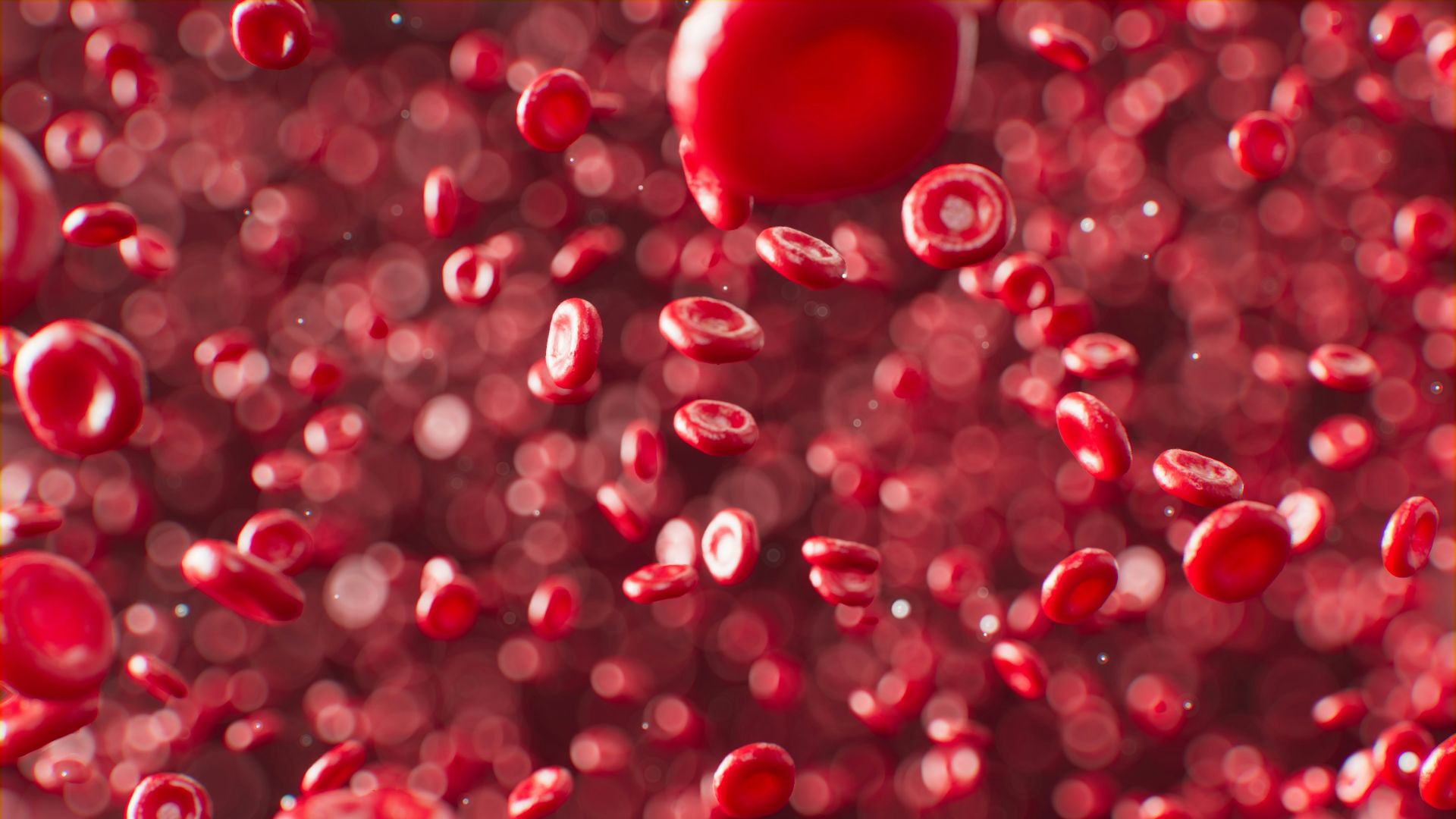
Human red blood cells eject the nucleus during development, clearing space for more hemoglobin. The trade-off is permanent. They can't divide, can't repair damage, and simply wear out on schedule, which is why your marrow never gets a break.
11. Blood Carries Traces of Ancestry
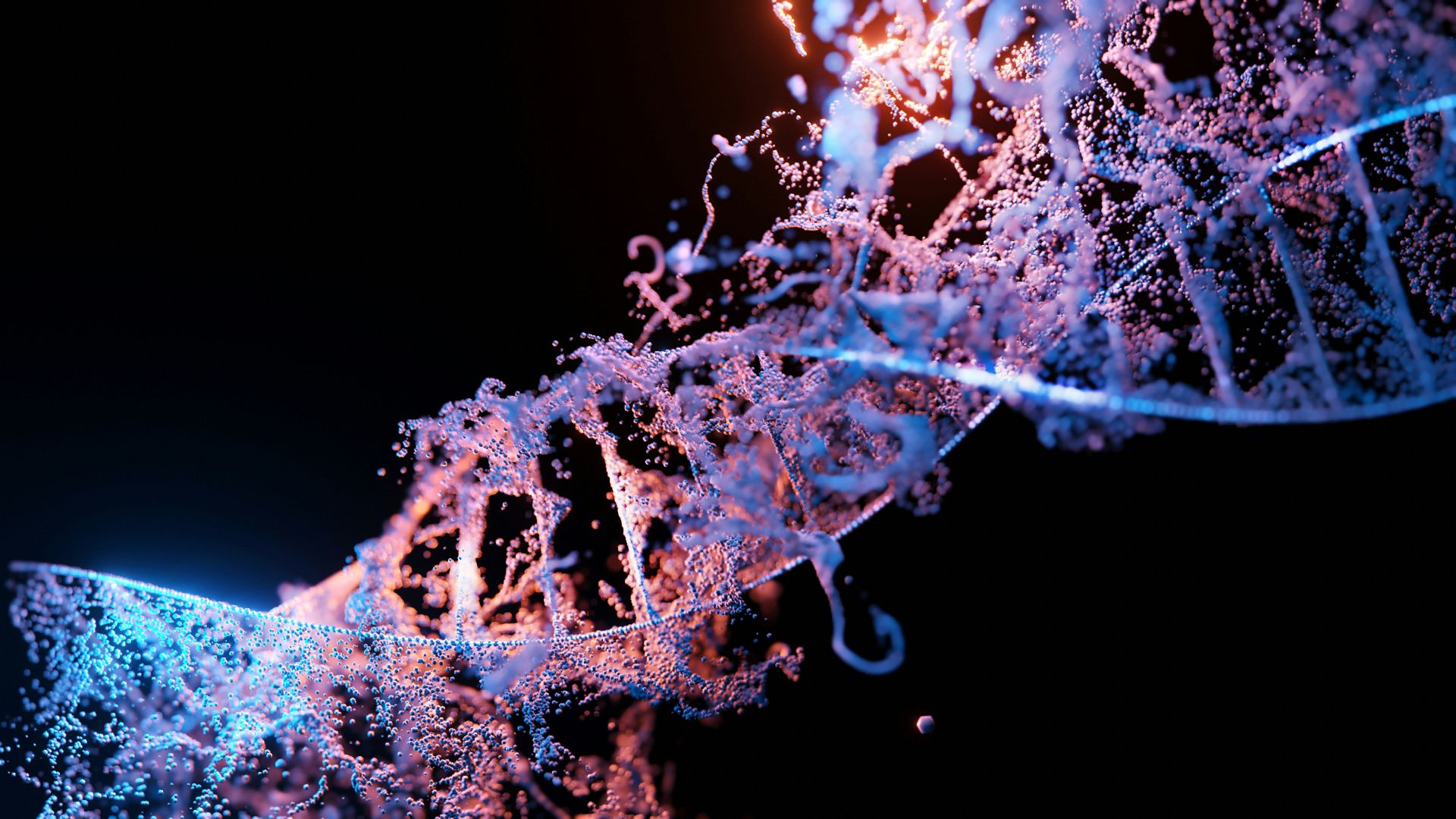
Blood group frequencies vary sharply between populations, and some antigens are almost entirely regional. The Duffy-negative phenotype, which resists one form of malaria, appears at very high rates in populations of West African descent. Population geneticists were mapping human migration with blood group data decades before DNA sequencing was possible.
 Sangharsh Lohakare on Unsplash
12. Doctors Once Transfused Sheep Blood Into People
Seventeenth-century physicians took the idea seriously enough to try it repeatedly. Jean-Baptiste Denis performed a documented lamb-to-human transfusion in 1667, and the patient reactions were severe. One death ended in a court case, France banned the practice outright, and transfusion research stalled for well over a century.
13. Clotting Runs Through a Dozen Steps
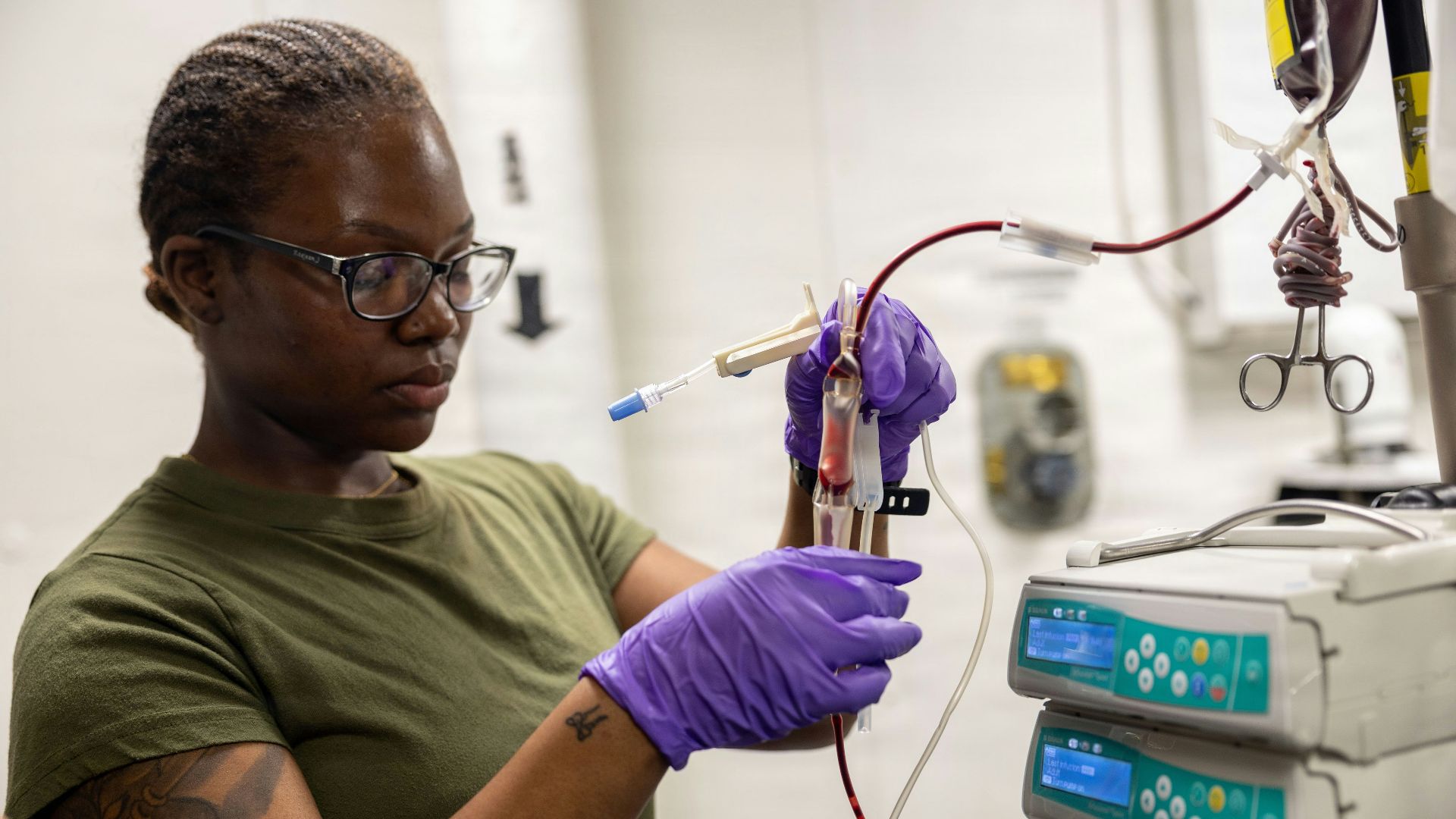
The coagulation cascade moves through numbered factors, each one activating the next until fibrin forms a mesh across the wound. Break a single link and the whole chain fails. That failure is what hemophilia is, and Factor VIII deficiency accounts for most cases.
14. Altitude Rewrites Your Blood Count
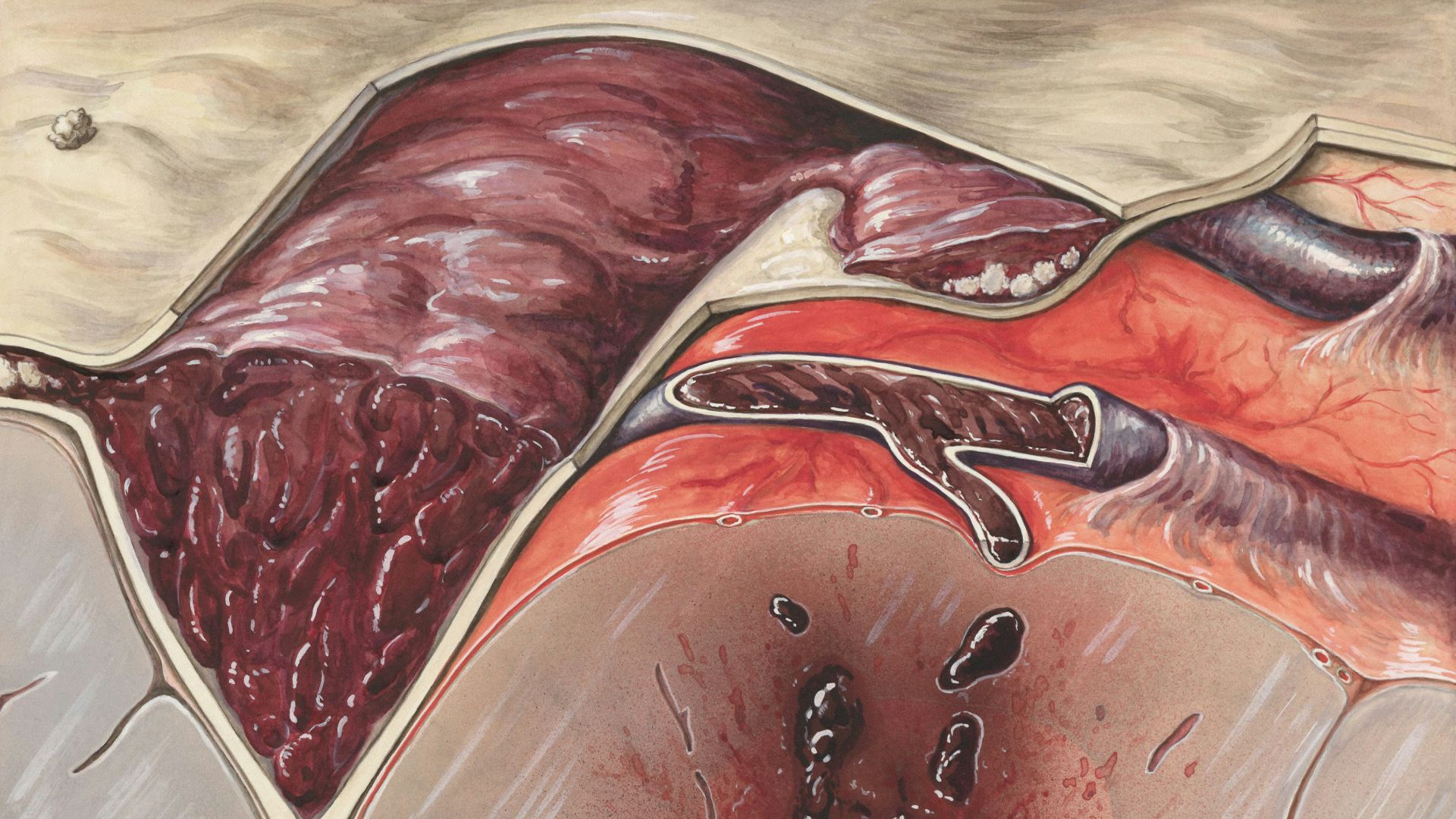
Move somewhere high and your kidneys start releasing more erythropoietin, which tells the marrow to make additional red cells. The adaptation takes several weeks to complete. Endurance athletes have been deliberately exploiting the effect since the 1960s, and anti-doping agencies have been chasing the artificial version ever since.

15. Venous Blood Isn't Empty
Blood returning to your heart still carries around 75 percent oxygen saturation. Tissues take only what they need and leave the rest in circulation. That unused reserve is what lets your body absorb a sudden spike in demand without immediate trouble.

16. White Cells Are Wildly Outnumbered
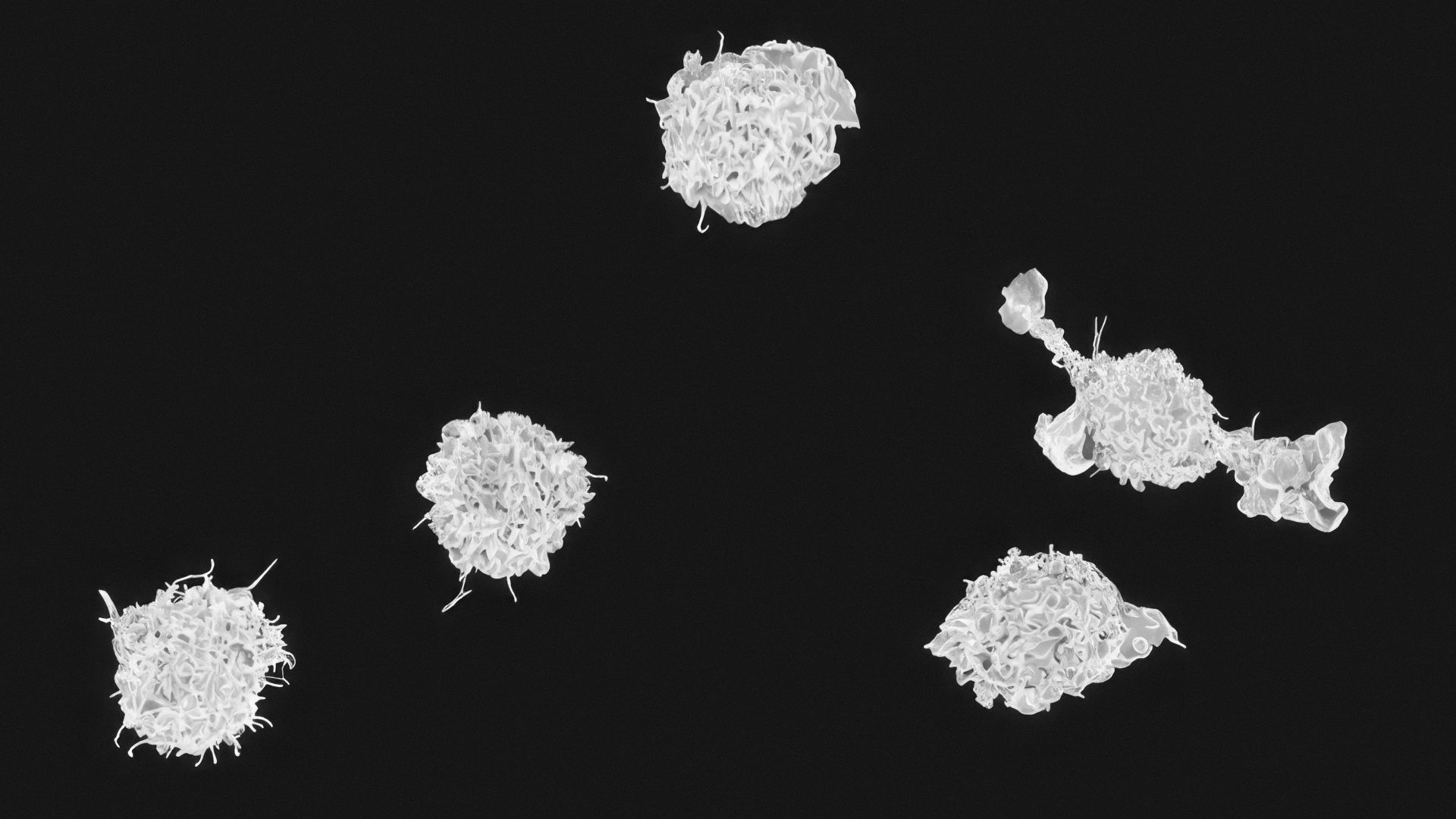
Roughly 600 to 700 red cells circulate for every white one. Those few white cells handle essentially all of the immune work happening in your bloodstream. Their numbers spike hard during infection, which is exactly why a blood count is usually the first test anyone orders.
 National Institute of Allergy and Infectious Diseases on Unsplash
17. Blood Has a Chemical Smell
The metallic scent comes from a compound called trans-4,5-epoxy-decenal, identified by researchers investigating what draws predators toward wounded animals. Human noses pick it up at remarkably low concentrations. Whatever unease that smell produces, it's a real chemical signal and not just association.
18. A Deadly Gene Survives Because It Protects You
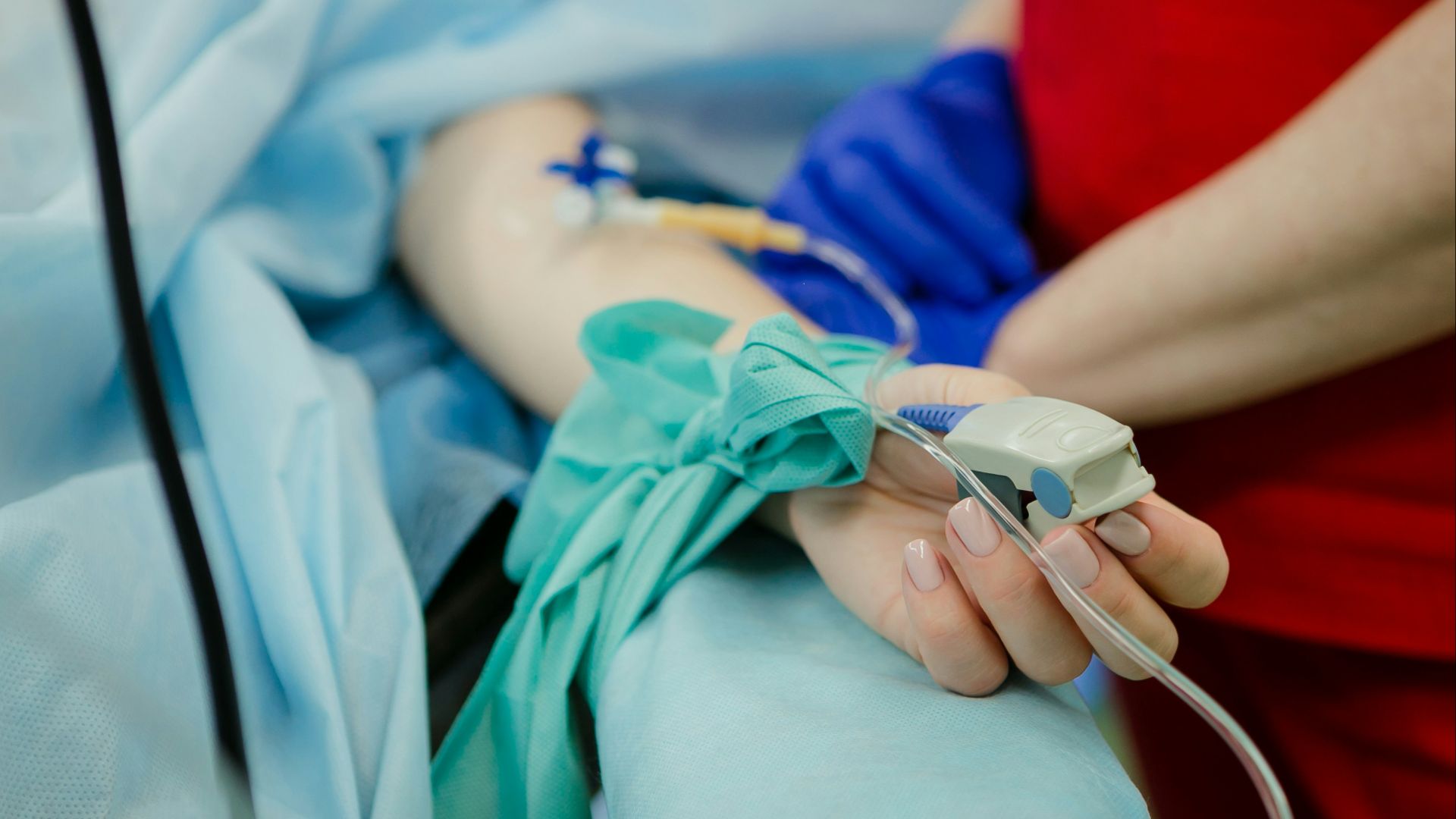
One copy of the sickle cell gene confers meaningful resistance to Plasmodium falciparum malaria. Two copies causes sickle cell disease. That trade-off is why the gene stayed common in regions where malaria has been endemic for thousands of years, and it's one of the clearest examples of selection pressure in humans.

19. It Can Be Frozen for a Decade
Red cells treated with glycerol and held at around minus 80 degrees Celsius stay viable for ten years or more under FDA standards. The process costs enough that it's mostly reserved for rare types and military stockpiles. Ordinary refrigerated blood expires in about 42 days.
20. Your Marrow Wasn't the Original Factory
Blood cell production starts in the yolk sac of a fetus, then moves to the liver and spleen before finally settling into bone marrow late in gestation. The earlier machinery never fully decommissions. Under severe stress, an adult liver and spleen can partially resume a job they haven't done since before birth.

KEEP ON READING




20 Ways to Make Errands Count as Exercise