
Small Habits That Produce a Big Effect
Energy is less predictable after you turn 50, but age alone isn't always the main reason you're running low by lunch. Sleep quality, daily routines, stress, nutrition, medications, and activity levels can all influence how alert and energetic you feel, sometimes without attracting much attention. The good news is that many everyday drains can be adjusted with easy changes, while persistent unexplained fatigue deserves a visit to a healthcare professional. Here are 20 quiet energy leaks that may be draining you after 50 and some practical ways to plug them.

1. Different Bedtimes
Irregular bedtimes and sleep schedules can make it harder for your body to maintain a reliable sleep-wake rhythm. Even sleeping in on weekends can leave some people feeling less refreshed on Monday morning.

2. Treating Poor Sleep as Normal Aging
Sleep often becomes lighter and more fragmented with age, but regularly feeling tired isn't something you simply must accept. Improving sleep habits helps, while ongoing daytime sleepiness or persistent sleep problems are worth discussing with your doctor.

3. Consuming Too Much Caffeine
That extra afternoon coffee may seem like the easiest answer to low energy, yet caffeine later in the day can interfere with nighttime sleep for some people. Consider drinking caffeinated drinks earlier in the day and noticing whether your sleep gets better.

4. Sitting For Too Long
It sounds reasonable to rest when you're tired, but too little movement can leave you feeling sluggish. Regular physical activity is associated with improved sleep, mood, and overall well-being as you get older. Breaking up long sitting periods with short walks, household tasks, or gentle movement can help keep your day more active.

5. Trying to Do Everything at Once
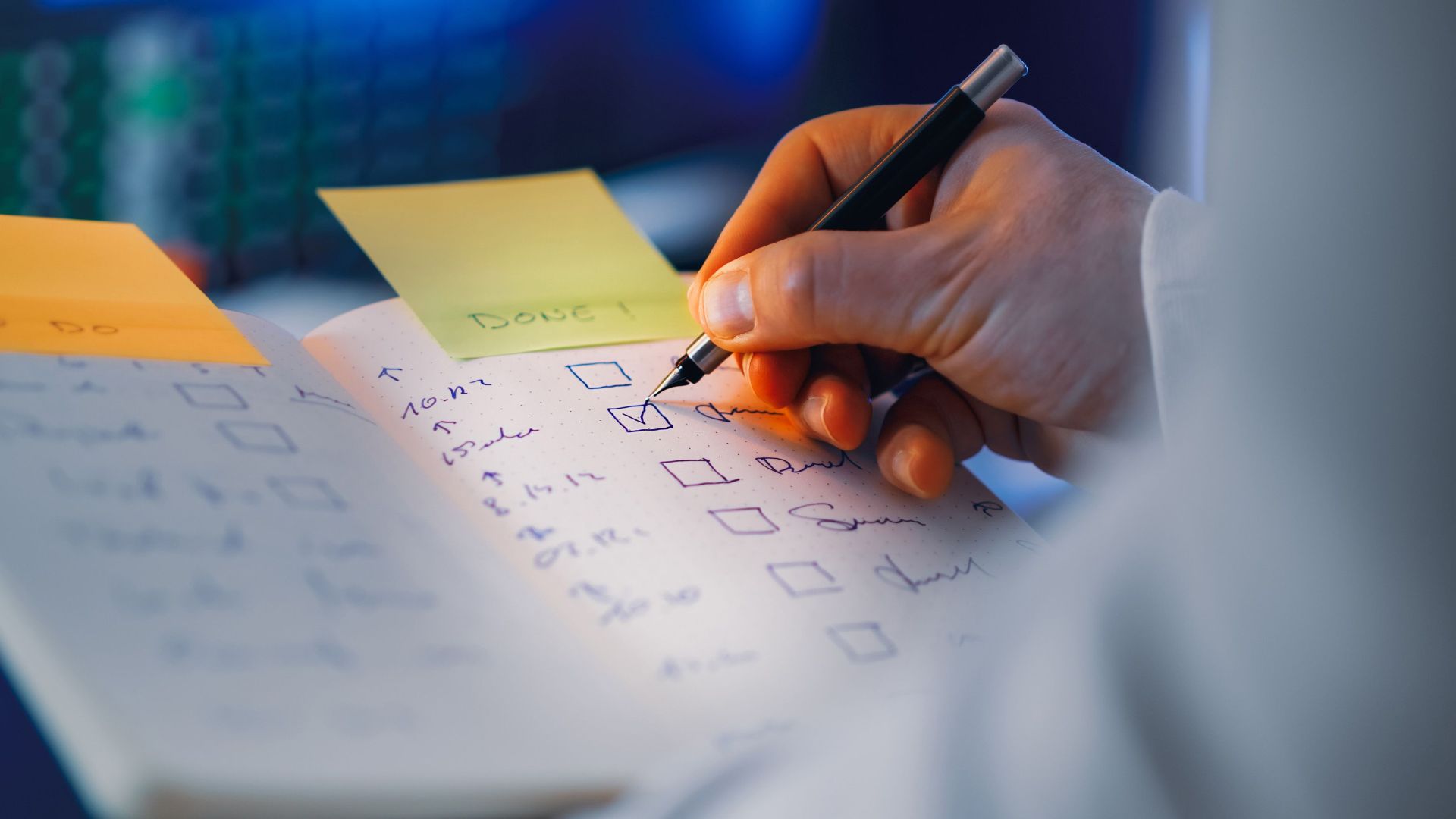
A busy schedule can drain mental and physical energy before you've finished half of your task list. Constantly switching between errands, responsibilities, and appointments also creates stress. Prioritize what genuinely needs doing, spread demanding tasks across the entire week, and ask for help when needed.
6. Skipping Meals When Busy
Going long stretches without eating may leave you distracted, irritable, or light on energy, particularly if you've already been active. Keeping simple options available can prevent a busy afternoon from turning into an accidental fast.
 Pablo Merchán Montes on Unsplash
7. Eating Lunches That Leave You Sluggish
A very large lunch can leave some people feeling sleepy afterward, especially when it's heavy on refined carbohydrates and low in protein or fiber. A more moderate meal with protein, vegetables, whole grains, or other fiber-rich foods can feel easier to carry through the day.

8. Forgetting to Drink Enough
Thirst can become less noticeable with age, making it easier to go for long periods without drinking. Even mild dehydration can contribute to tiredness, headache, or trouble concentrating. Keep water readily available throughout the day and drink regularly, unless you've been given specific fluid restrictions by a doctor.

9. Feeling Stressed All Day
Stress doesn't require a major crisis to become exhausting because small, everyday worries can accumulate quietly. Walking, breathing exercises, social time, or setting aside a defined period for practical problem-solving can lower some of that ongoing stress.

10. Saying Yes to Every Request
Agreeing to every favor, event, and obligation can leave almost no energy for your own needs. Saying no occasionally, or offering a smaller commitment, protects time for rest without requiring you to withdraw from people you enjoy and value.

11. Napping
Sure, a nap can be refreshing, but a long one late in the afternoon may make it much harder to fall asleep at night. That can create another tired morning even though you technically spent more time resting. If you enjoy napping, keep it short and earlier in the day.

12. Having Too Many Notifications
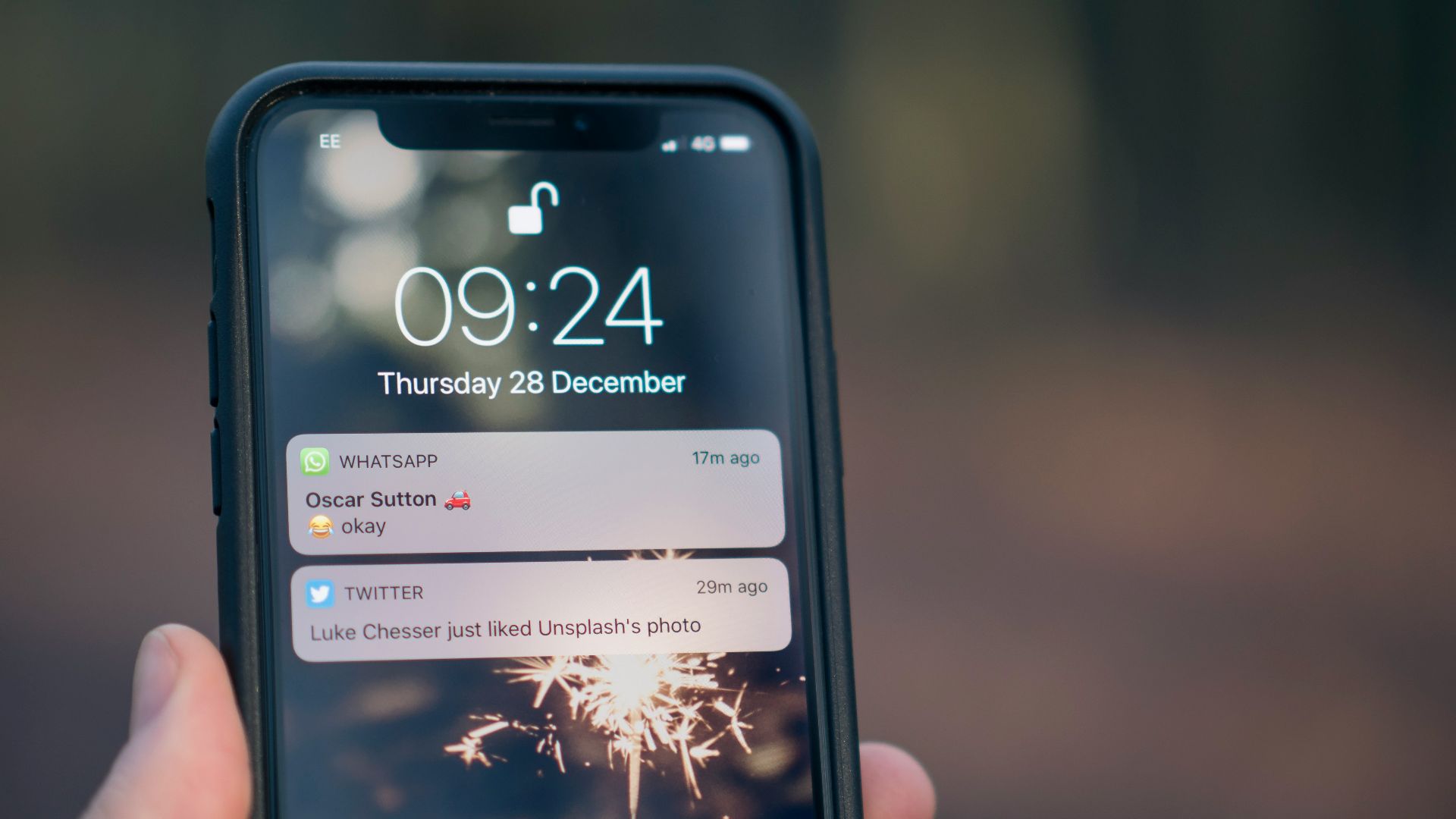
Every buzz, banner, and alert asks your brain to shift attention, even if you don't immediately check it. Turn off nonessential notifications and check lower-priority messages at times you choose rather than responding to every alert right away.
13. Losing Muscle Mass Through Inactivity
Adults naturally tend to lose muscle mass as they age, and inactivity can accelerate that change. Everyday tasks may consequently require more effort than they once did, which can contribute to exhaustion. Strength training appropriate to your ability can help preserve muscle mass and make routine activities easier to handle.

14. Doing Too Much Exercise Without Recovery
More activity isn't always the better option if you're constantly pushing yourself without adequate rest. Build recovery days into your routine and increase exercise gradually rather than treating exhaustion as proof that you had a strong workout.

15. Drinking Alcohol Close to Bedtime
Alcohol may make you feel sleepy at first, but it can disrupt sleep quality later in the night. It may also interact with medications, an increasingly important consideration as prescriptions become more common as you age. Cutting back, particularly in the evening, may improve how rested you feel the following morning.
 JACQUELINE BRANDWAYN on Unsplash
16. Ignoring Persistent Pain
Even low-level discomfort can affect sleep, movement, concentration, and mood throughout the day. If discomfort is persistent, getting it properly assessed by a doctor may help you address both the pain and the fatigue accompanying it.

17. Refusing to Schedule Enjoyable Activities
A calendar filled exclusively with chores and obligations can make days feel exhausting. Give things you genuinely look forward to a place on your schedule instead of leaving them for whatever time happens to remain.

18. Ignoring Medication Side Effects
Certain medications, including some antihistamines, antidepressants, and pain medicines, can contribute to tiredness in some cases. Instead, review your medications with a doctor or pharmacist, especially if fatigue appeared after starting or changing one.

19. Pushing Through Unexplained Fatigue
Persistent tiredness is often linked to treatable issues such as anemia, thyroid problems, sleep disorders, or other health conditions. If low energy lasts for several weeks or negatively impacts your daily life, make an appointment rather than continually working around it.

20. Expecting Your Energy to Stay Constant
Energy naturally varies from morning to evening and from one day to another, so forcing every task into the same schedule is rarely the best idea. Pay attention to your own energy patterns and place higher-effort activities during the parts of the day when you usually feel strongest and most refreshed.

KEEP ON READING


20 Things Your Body Is Secretly Doing Right Now