Boo!
When you get the hiccups, it can feel like they're never going away. Alas, even if you try all the tricks in the book (including getting someone to scare you), you're still—hiccup—miserable. While there’s technically no foolproof cure, there's no shortage of unusual methods people have tried to interrupt the reflex. Here's how to get rid of those annoying hics once and for all.
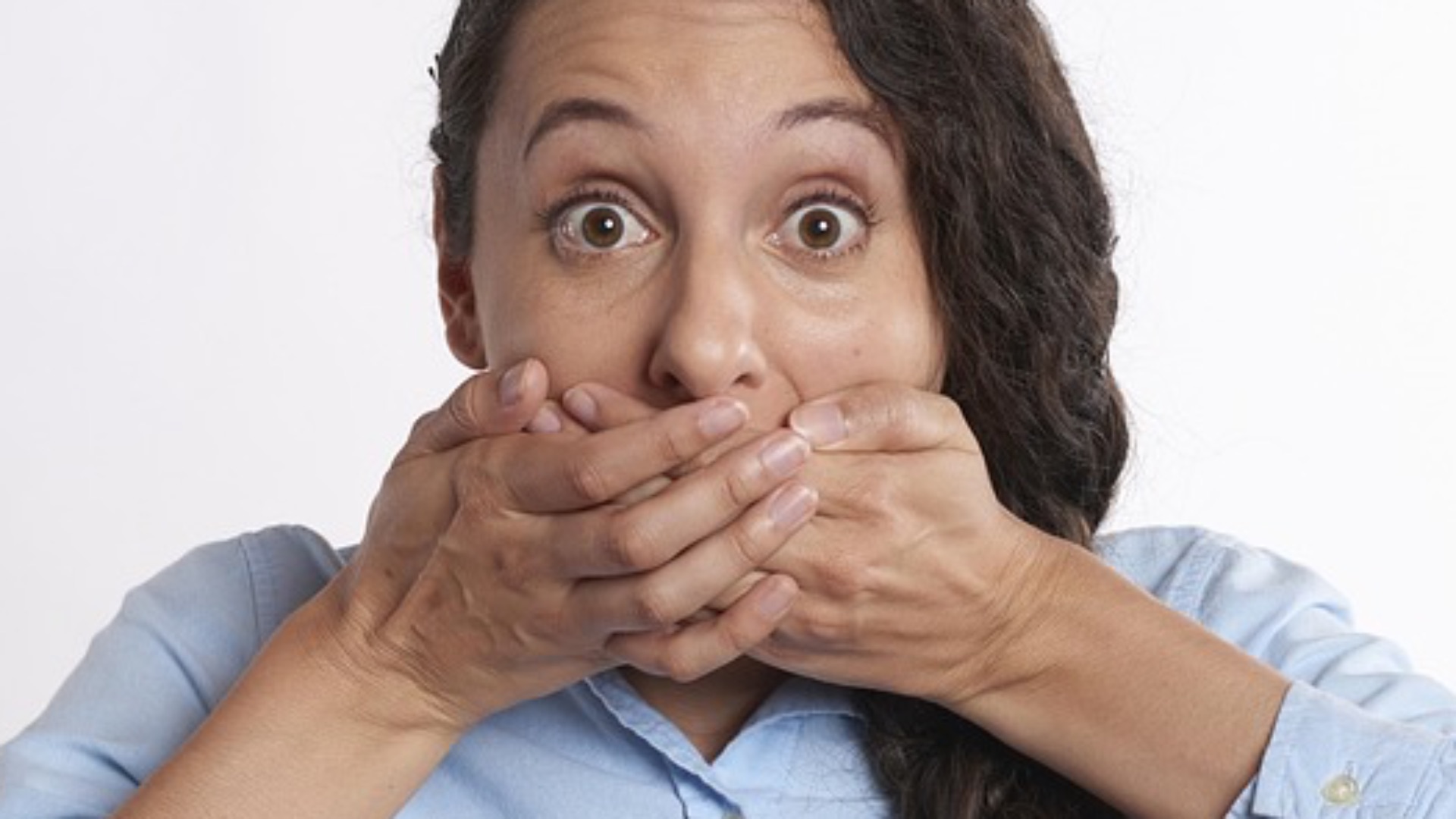
1. Swallow a Spoonful of Sugar
While your doctor might advise against this method, swallowing a spoonful of granulated sugar is one of the stranger hiccup remedies that has stuck around for years. The coarse crystals are said to help stimulate nerves in the throat. It isn’t a proven cure, but it’s simple enough to try.
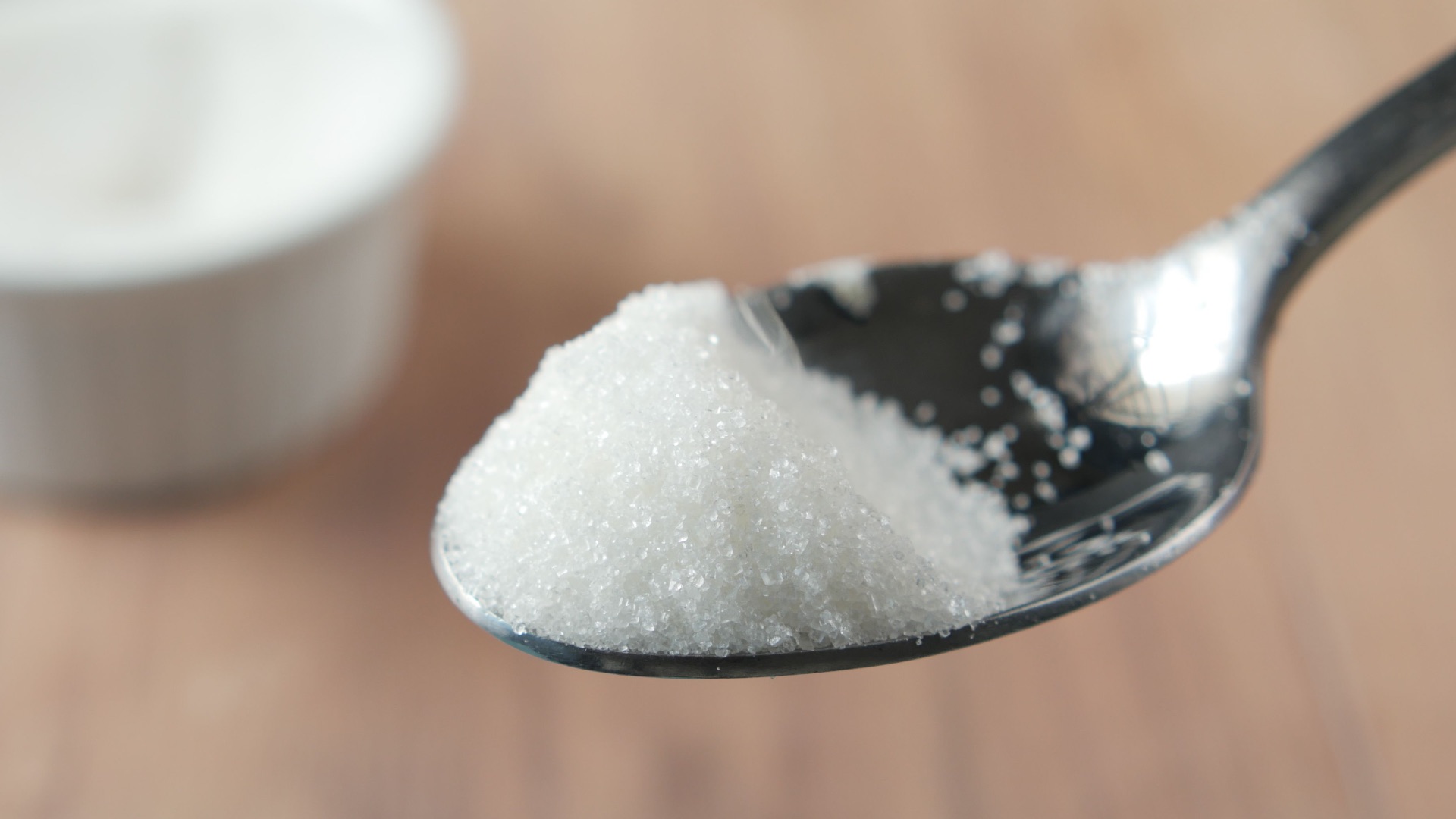
2. Bite Into a Lemon
Biting into a lemon certainly gives your senses something else to focus on. Given its sourness, that might be enough to reset the annoying hiccup reflex. You don’t need to eat an entire lemon, of course; just sucking on a wedge is fine.
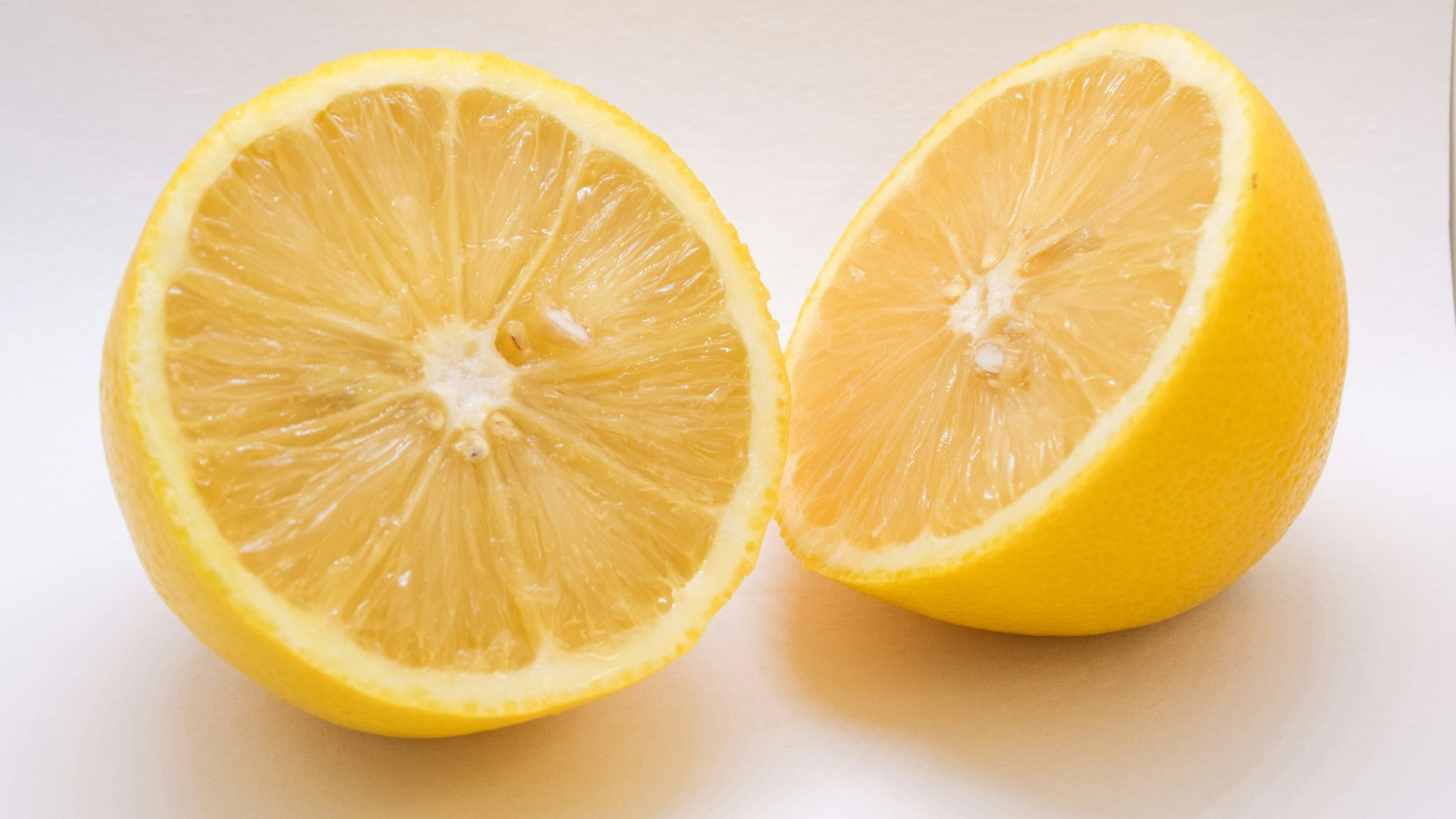
3. Drink from the Far Side of a Glass
Did you know drinking from your cup differently can rid you of your hiccups? All you need to do is lean forward and drink water from the edge of the glass farthest from you. The awkward position forces you to swallow differently from your normal drinking motion, which may disrupt your reflex. Make sure to try it over a sink—it can get messy!
4. Pull on Your Tongue
Gently pulling your tongue to stop hiccups sounds odd, but it can help stimulate the throat and vagus nerve. This may in turn affect the reflex responsible for hiccups. Keep in mind that the key word is gently, since you don't want to accidentally strain anything.

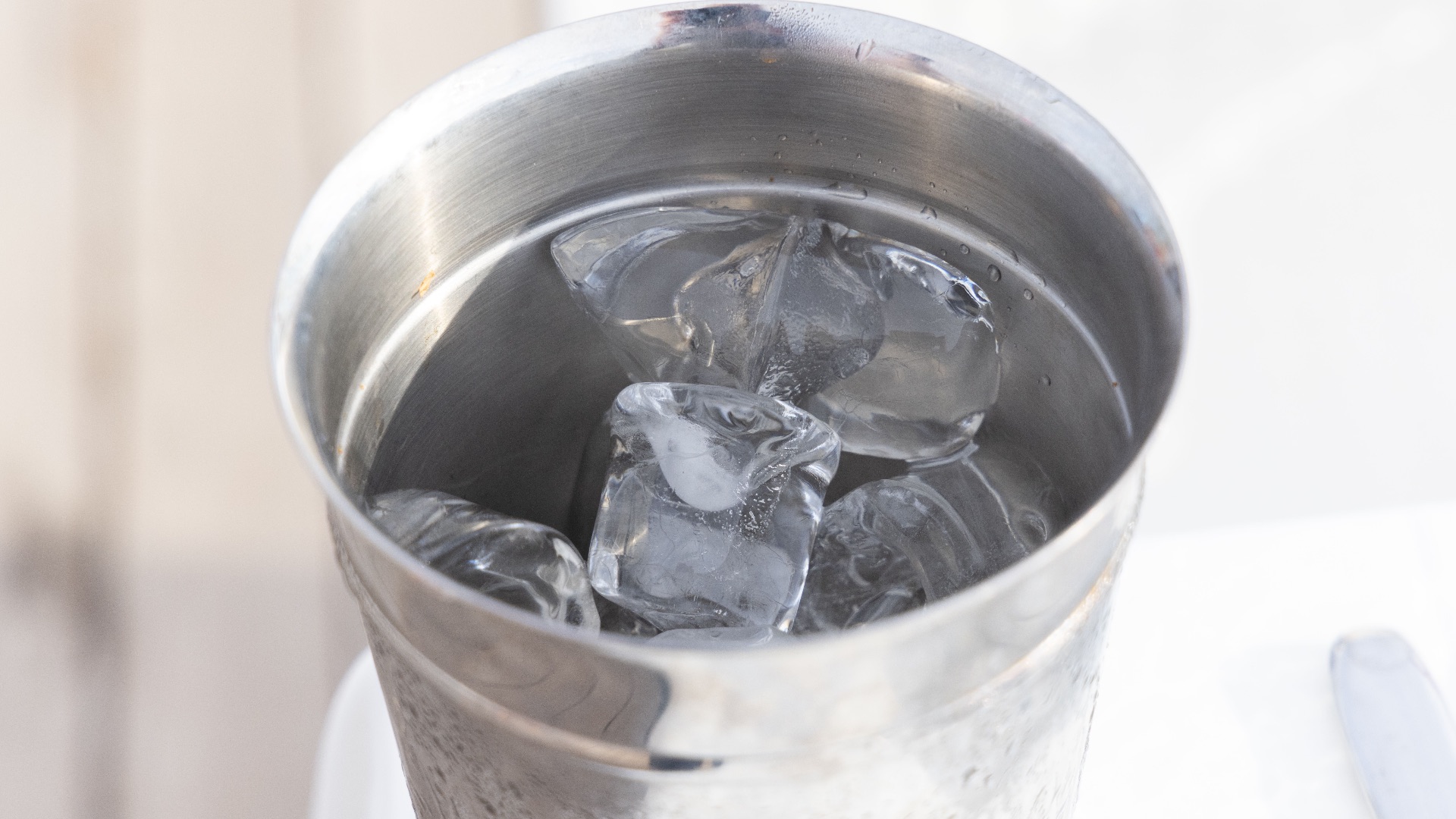
5. Gargle with Ice Water
Instead of simply drinking cold water, some people swear by gargling it; the sudden cold may interrupt the hiccup reflex! Even if it doesn’t work immediately, it’s one of the easier remedies to test. Though you may want to skip it if you can't gargle...
6. Hold Your Breath Briefly
Holding your breath is probably the best-known hiccup trick, but hey, it still doesn't hurt to try. The reason this method works in the first place is that briefly doing so changes the amount of carbon dioxide in your bloodstream, thereby affecting the breathing pattern associated with hiccups. Don't push yourself to hold your breath for too long, though!

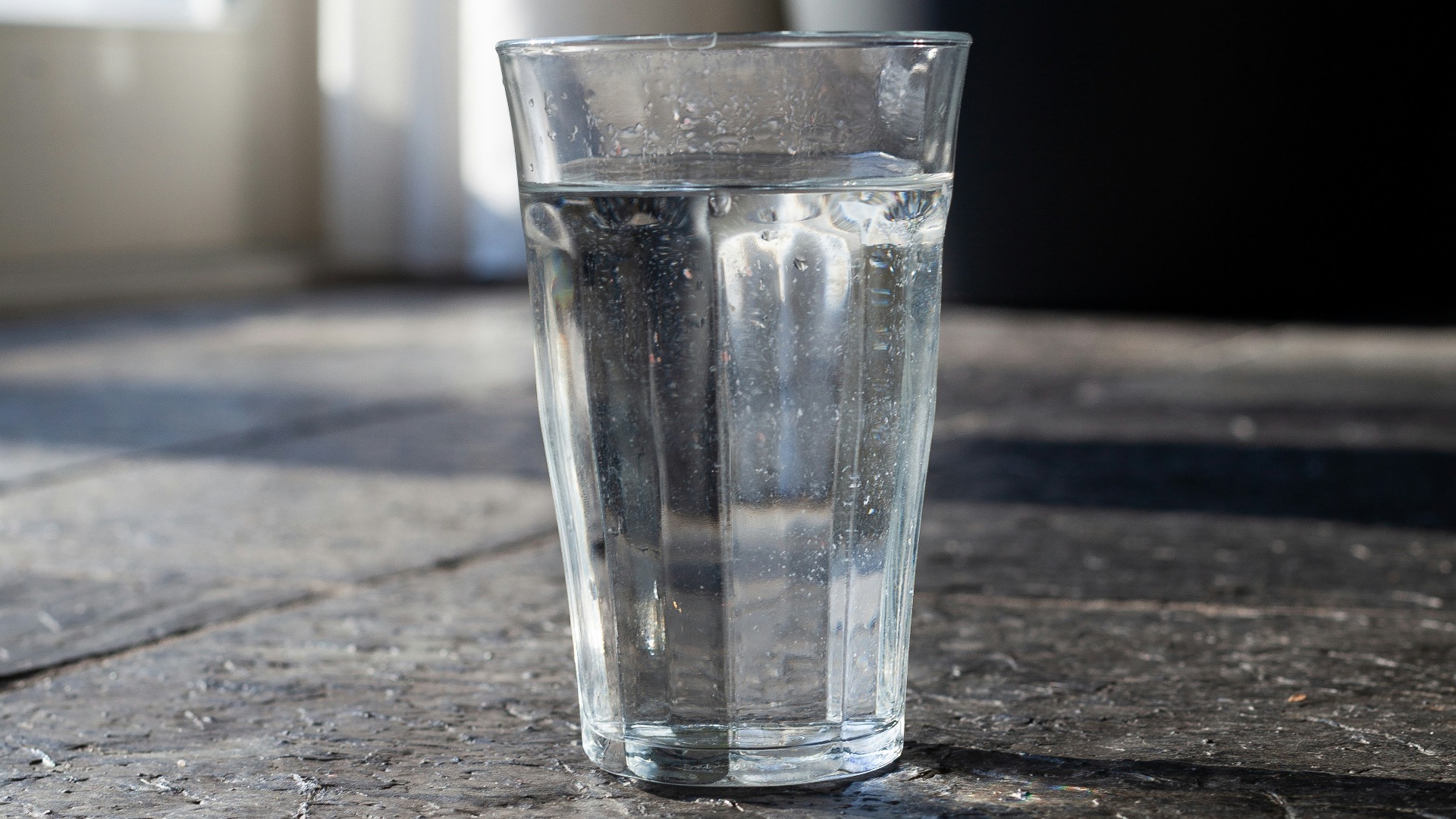
7. Sip Very Cold Water
If you can't gargle, simply sipping cold water may help reset your breathing and swallowing rhythm. Some people prefer taking several tiny sips rather than gulping down the entire glass at once; the latter might only give you a brain freeze.
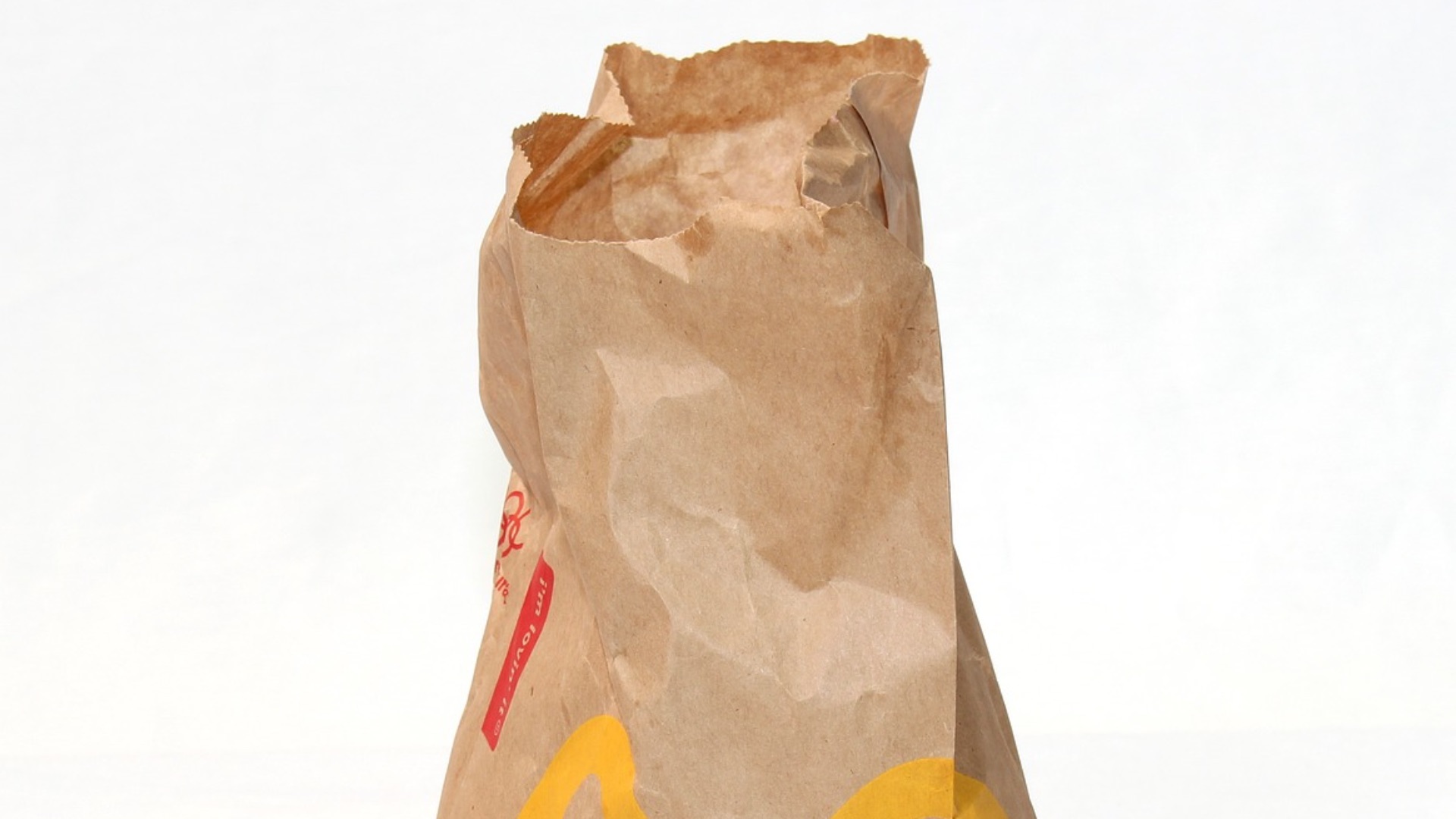
8. Breathe Into a Paper Bag
Breathing into a paper bag can temporarily increase the amount of carbon dioxide you take in, and that may influence the diaphragm and interrupt hiccups. Keep in mind this method isn’t suitable for everyone, though. Never use a plastic bag in place of paper, and stop immediately if you feel dizzy or short of breath.
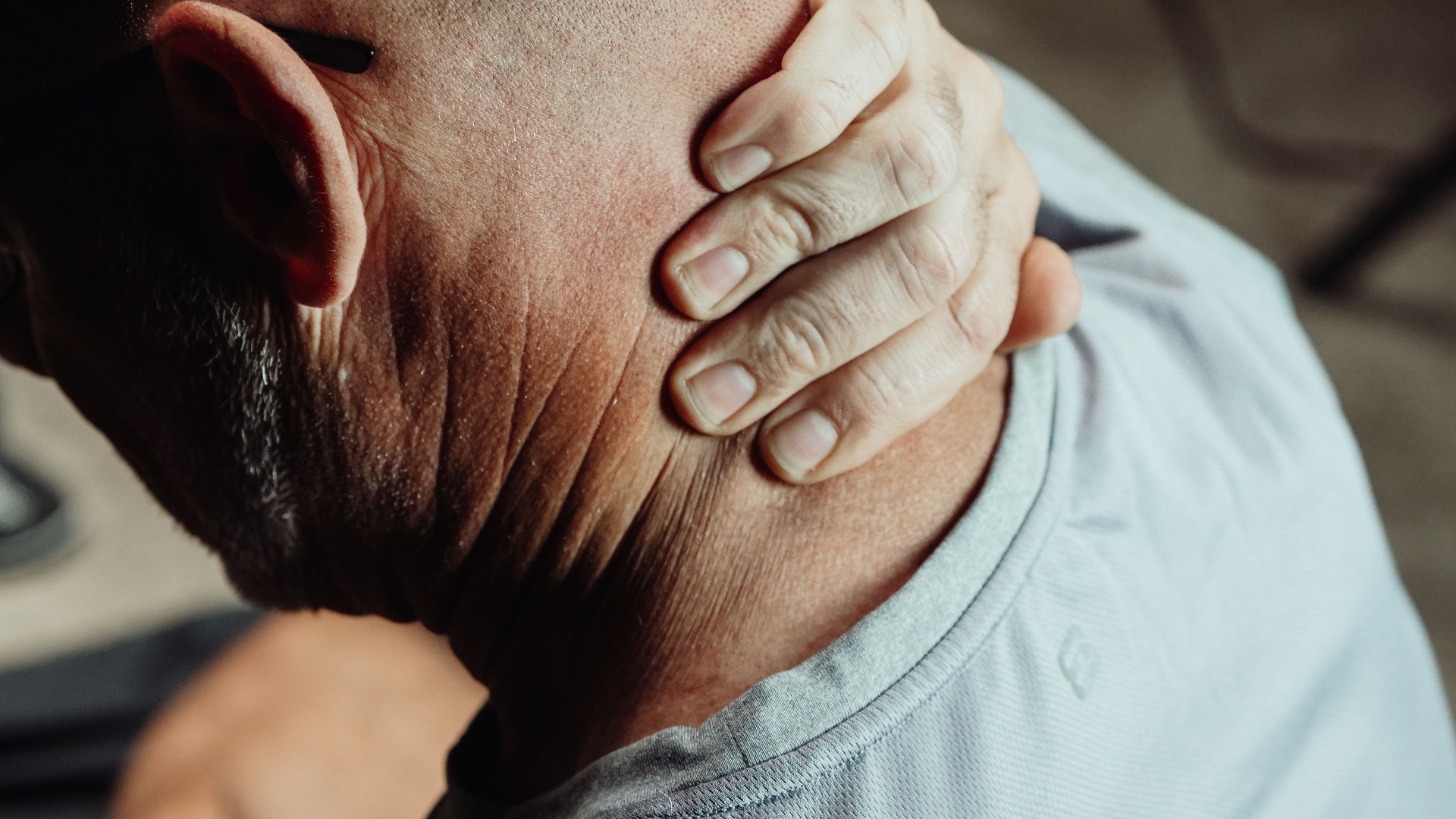
9. Rub the Back of Your Neck
Another obscure remedy involves gently rubbing or tapping the back of your neck. The idea is that stimulating nerves around this area may interfere with the reflex signals involved in hiccuping. While it's not guaranteed to work, you can pair the technique with others on this list to see if different combinations help.
10. Swallow Water While Holding Your Nose
It sounds difficult, but if you're desperate it's worth a try. Believe it or not, simply pinching your nose changes the way you breathe and swallow, which might stop the repeated spasms. Remember to take small sips; you don't want to choke and make things worse.
While none of these methods come with a guarantee, ordinary hiccups, thankfully, usually disappear on their own after a while. But what triggers them in the first place? Let's take a look at some common causes.
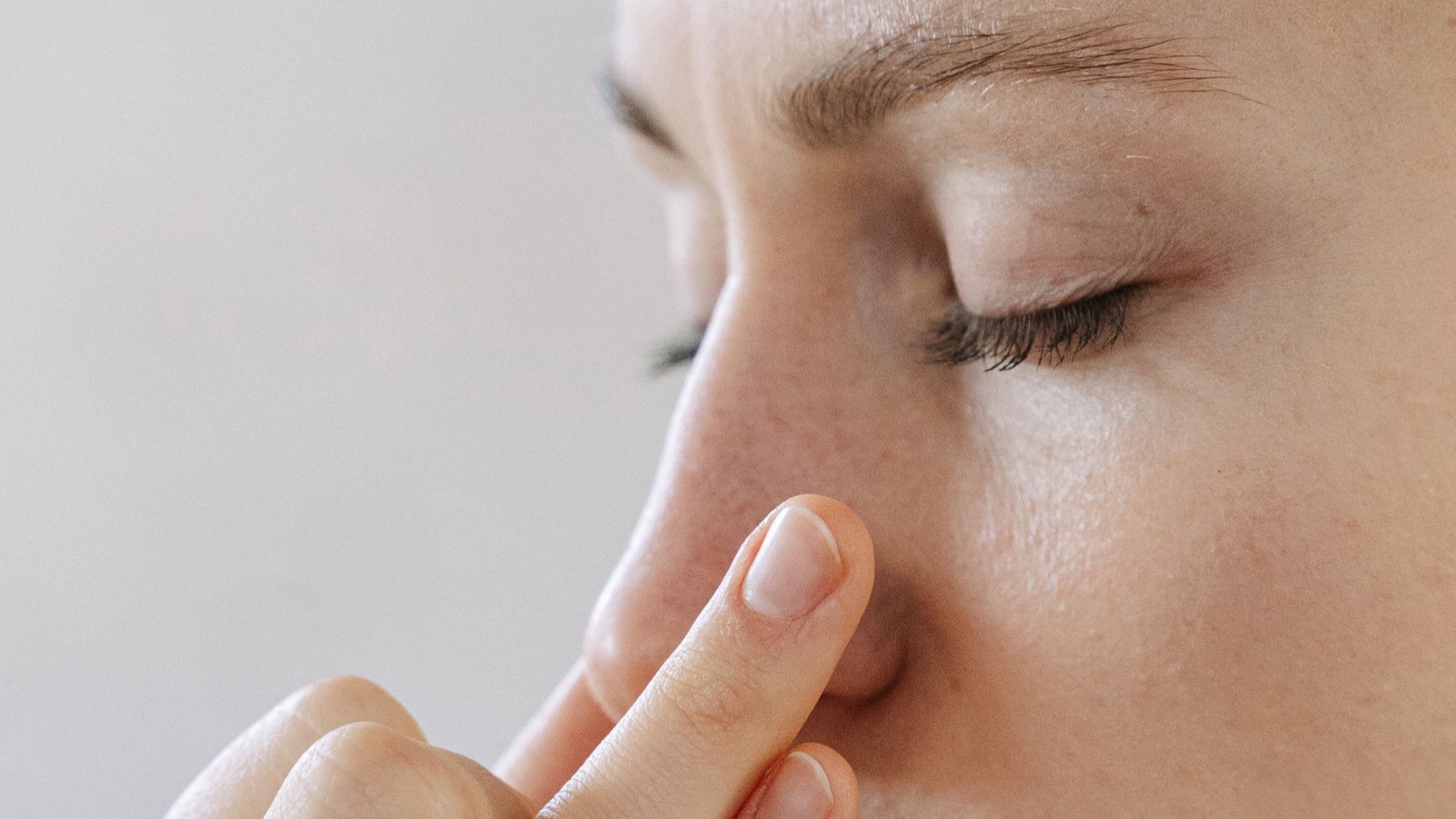
1. Eating Too Fast
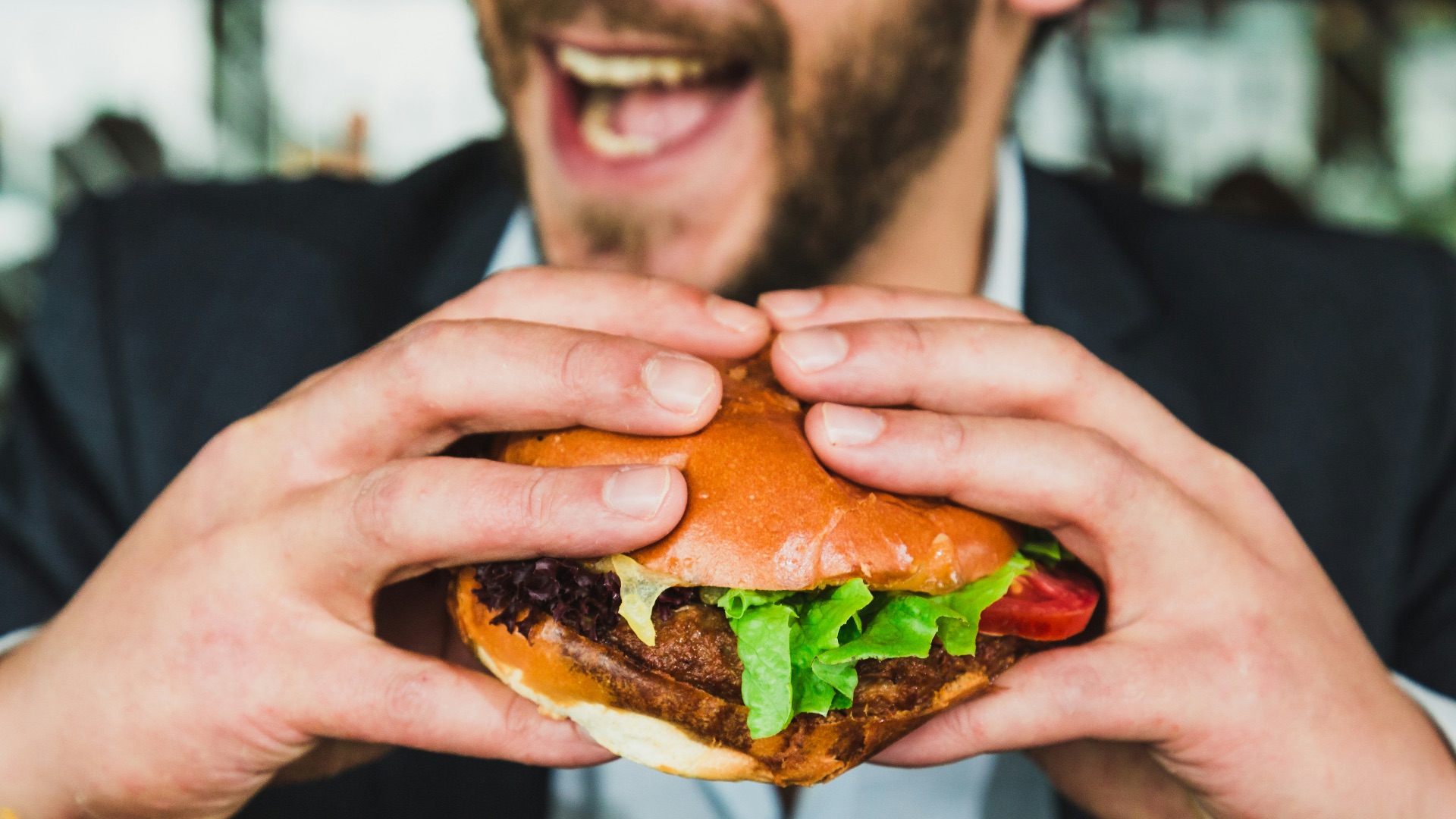
The most common reason you get hiccups? Rushing through a meal. When you eat too fast, you swallow more air than you realize. That extra air can expand the stomach and irritate the diaphragm or nearby nerves, potentially triggering hiccups. Slow down and chew properly; your food isn't going anywhere.
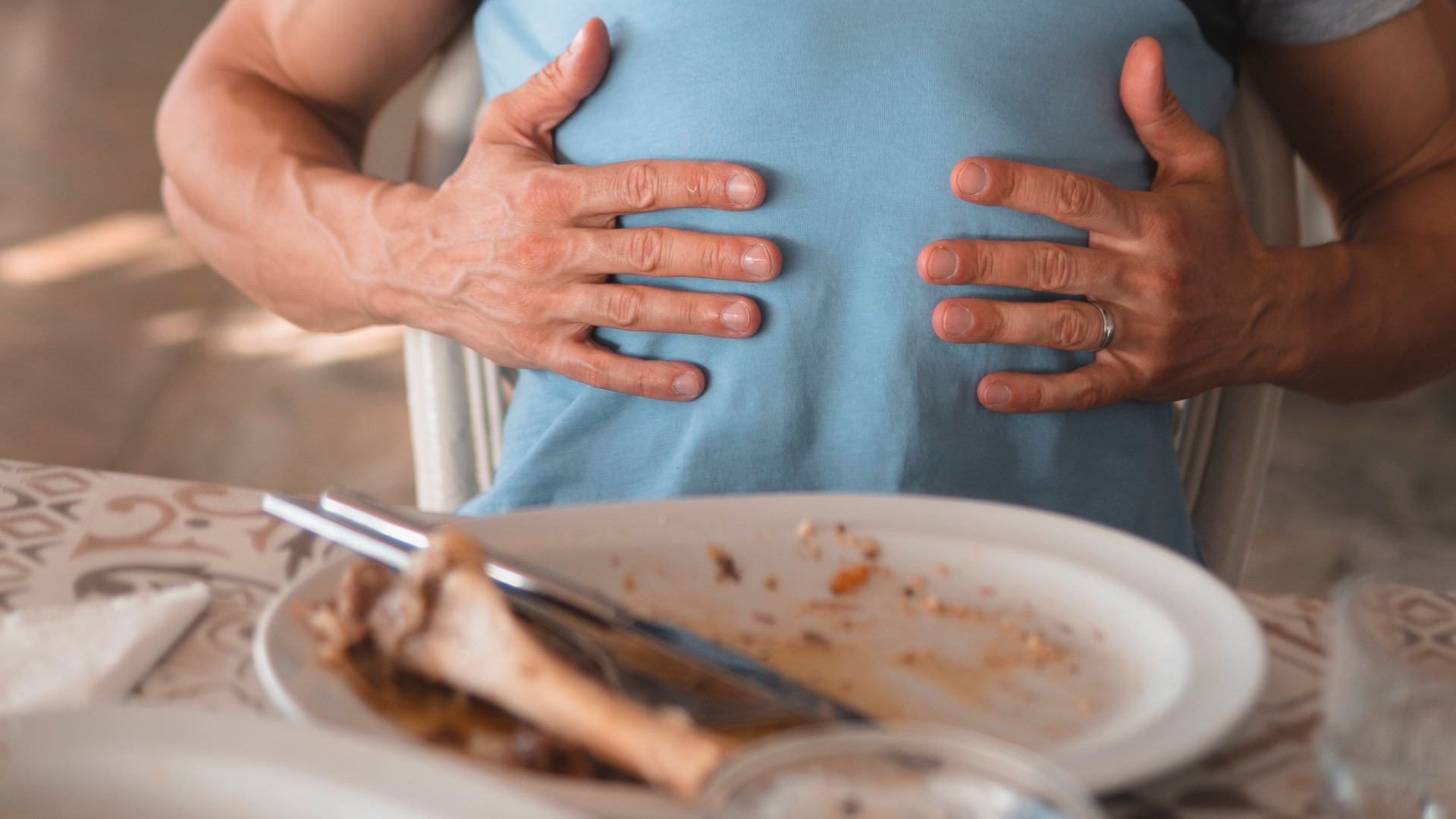
2. Overeating
A very full stomach can also kickstart hiccups, strange as that might sound. Large meals, after all, can stretch the stomach enough to affect the diaphragm sitting just above it. If you regularly get hiccups after dinner, pay attention to your portion sizes.
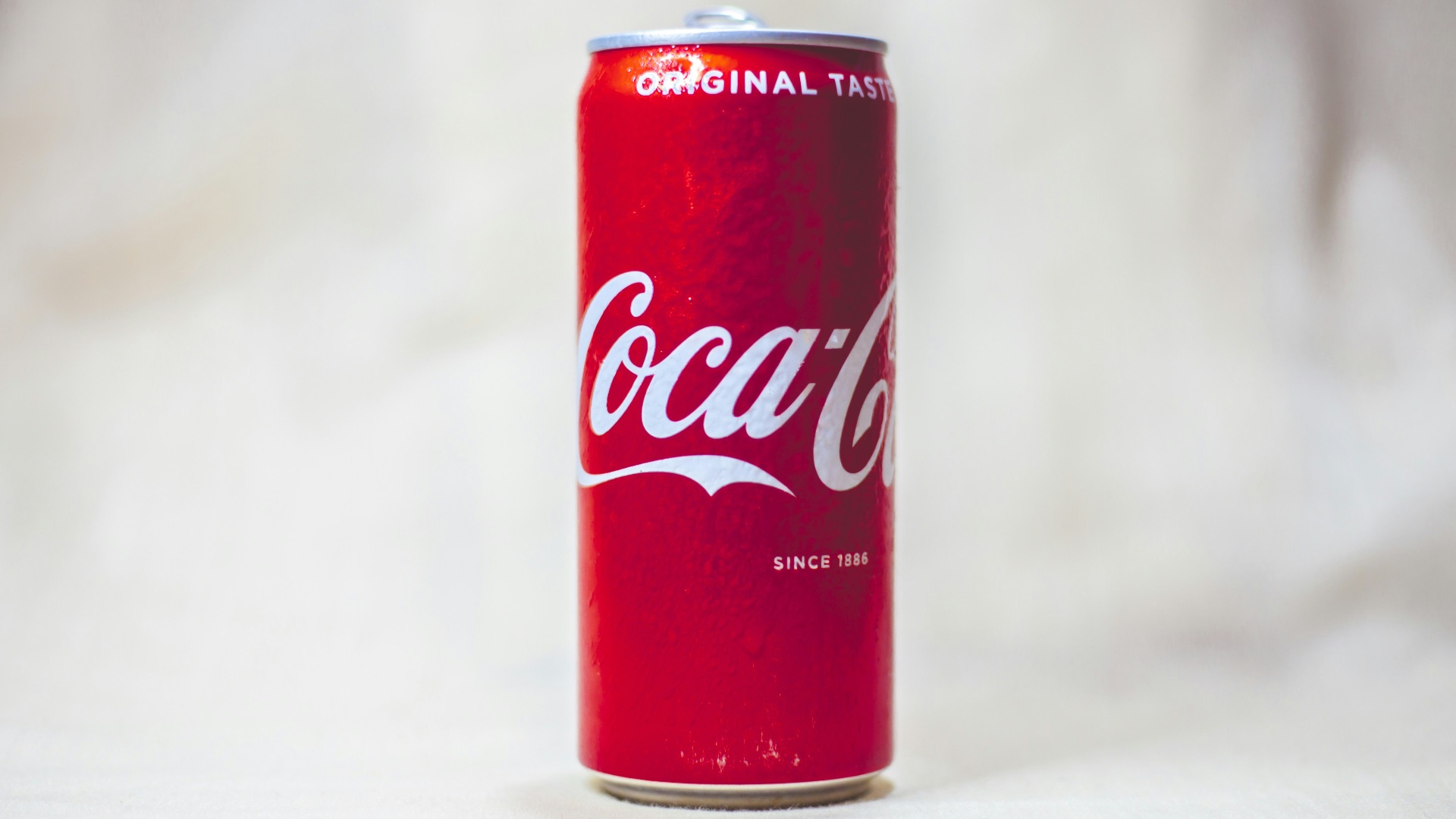
3. Carbonated Drinks
You know how you get the burps after drinking anything carbonated? Well, those bubbles do more than just release gas inside your stomach. In fact, that additional gas can create pressure and trigger hiccups. Gulping down carbonated beverages spikes those odds even further because you’re swallowing all that extra air.
4. Alcohol
Alcoholic beverages are also commonly associated with hiccup episodes, particularly when someone drinks a lot or drinks quickly. If your liquor of choice is carbonated, good luck. It's another reason why you should always take it slow and stick to one glass.

5. Spicy Foods
Spicy food can sometimes irritate areas of the digestive tract, which, in turn, causes those annoying spasms. But the effect varies greatly from person to person: your friend might polish off an entire plate of hot wings without a problem while you start hiccuping halfway. If you know spice is your trigger, stick to mild dishes.
6. Very Hot or Cold Foods
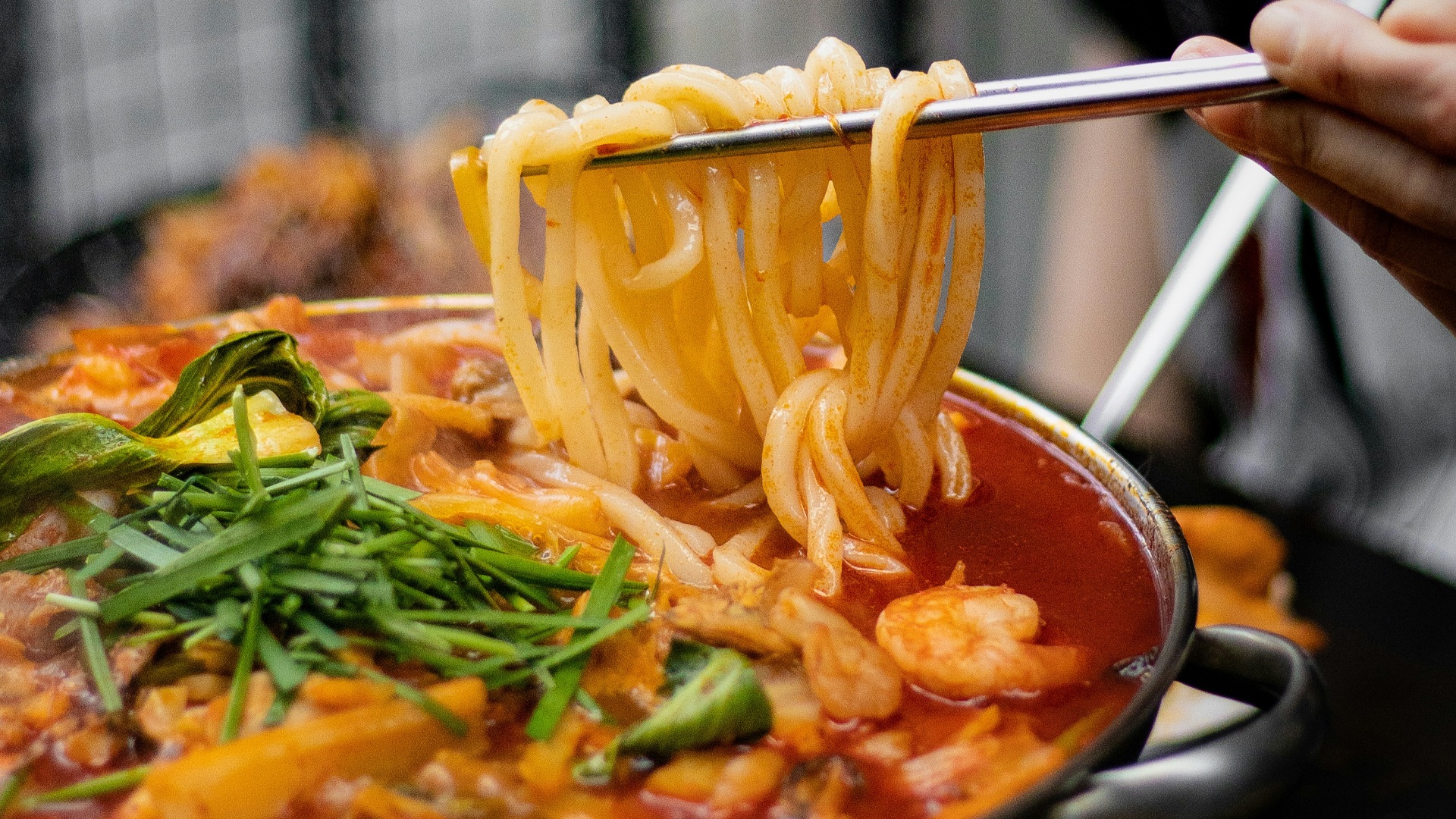
It's not just spice, but sudden temperature changes inside the mouth, throat, or stomach can trigger hiccups as well. For example, if you eat something piping hot then wash it down with an icy drink, that rapid shift can spell trouble.
7. Chewing Gum
Chewing gum may seem completely unrelated to the diaphragm, but remember: it makes you swallow extra air. That air can then lead to increased pressure and contribute to hiccups. People who chew quickly or talk while chewing may swallow even more.
 https://kaboompics.com/ on Pexels
8. Smoking
Smoking, too, can lead to extra air being swallowed. If you're a smoker and you tend to have hiccups after a puff, there's your trigger. Like alcohol, it's probably best to cut down on the cancer sticks—it'll do both your health and your diaphragm well.

9. Sudden Excitement
Hiccups don’t always begin with food, though. Funnily enough, even strong excitement can affect your breathing pattern and the nerve pathways connected to the diaphragm, which can sometimes lead to an abrupt bout.
 OurWhisky Foundation on Unsplash
10. Stress or Nervousness
Emotional stress is another recognized hiccup trigger. When you're nervous, you may hyperventilate or swallow extra air, both of which can cause those persistent diaphragm spasms. These episodes are usually brief, but that doesn't make them any less annoying.
KEEP ON READING