Feeling A Slight Chill?
At one point in time, you could comfortably lounge around in your shirt and shorts. Now, though, you can't get through an afternoon in it without a sweater, a blanket, and maybe a cup of something hot cupped in both hands. If that sounds familiar, you're not imagining things, and you're definitely not alone. As the body ages, its ability to make and maintain heat tends to fade. Muscle loss, thinner skin, medications, circulation changes, eating habits: any one of these can nudge your internal thermostat downward, and often several are working together at once. Here are 20 reasons seniors often feel colder than they used to.
1. Losing Your Warning Signals
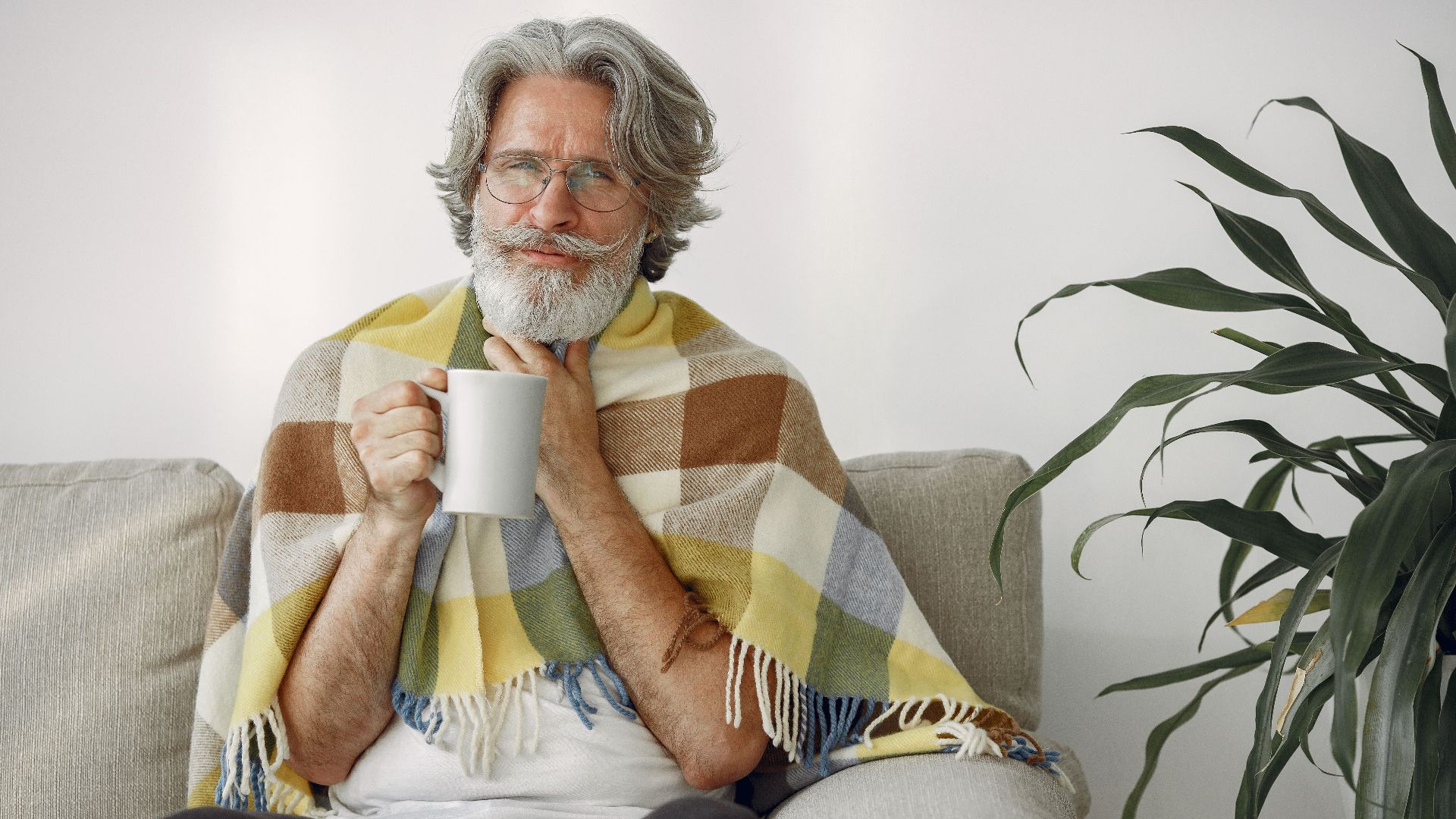
Your body used to sound the alarm if and when a room started cooling down. With age, that alarm can grow fainter. A space might drop in temperature gradually, or an afternoon outside might turn chilly without ever really registering. The result? You can spend far longer in the cold than you realize.
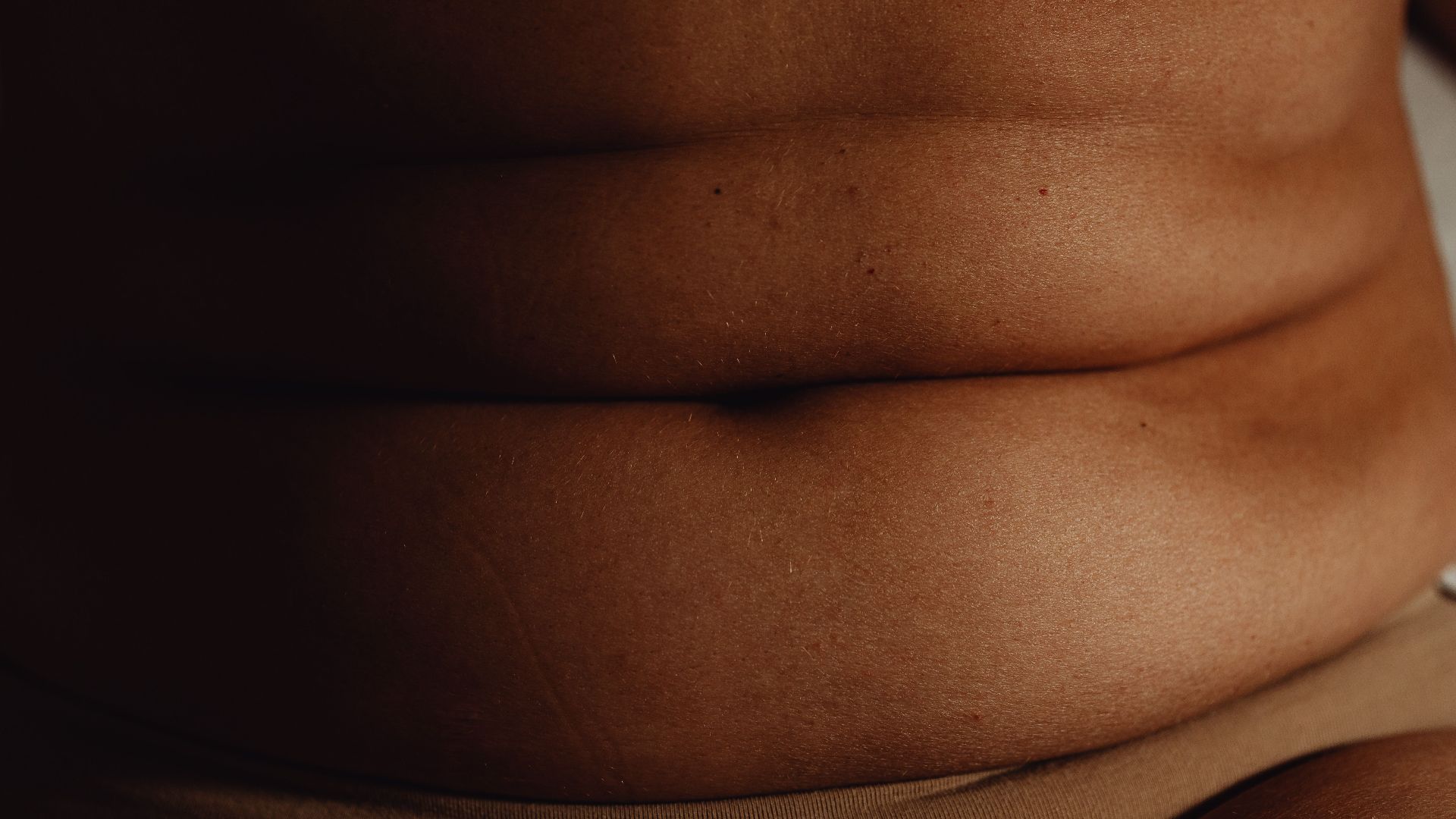
2. Built-In Insulation
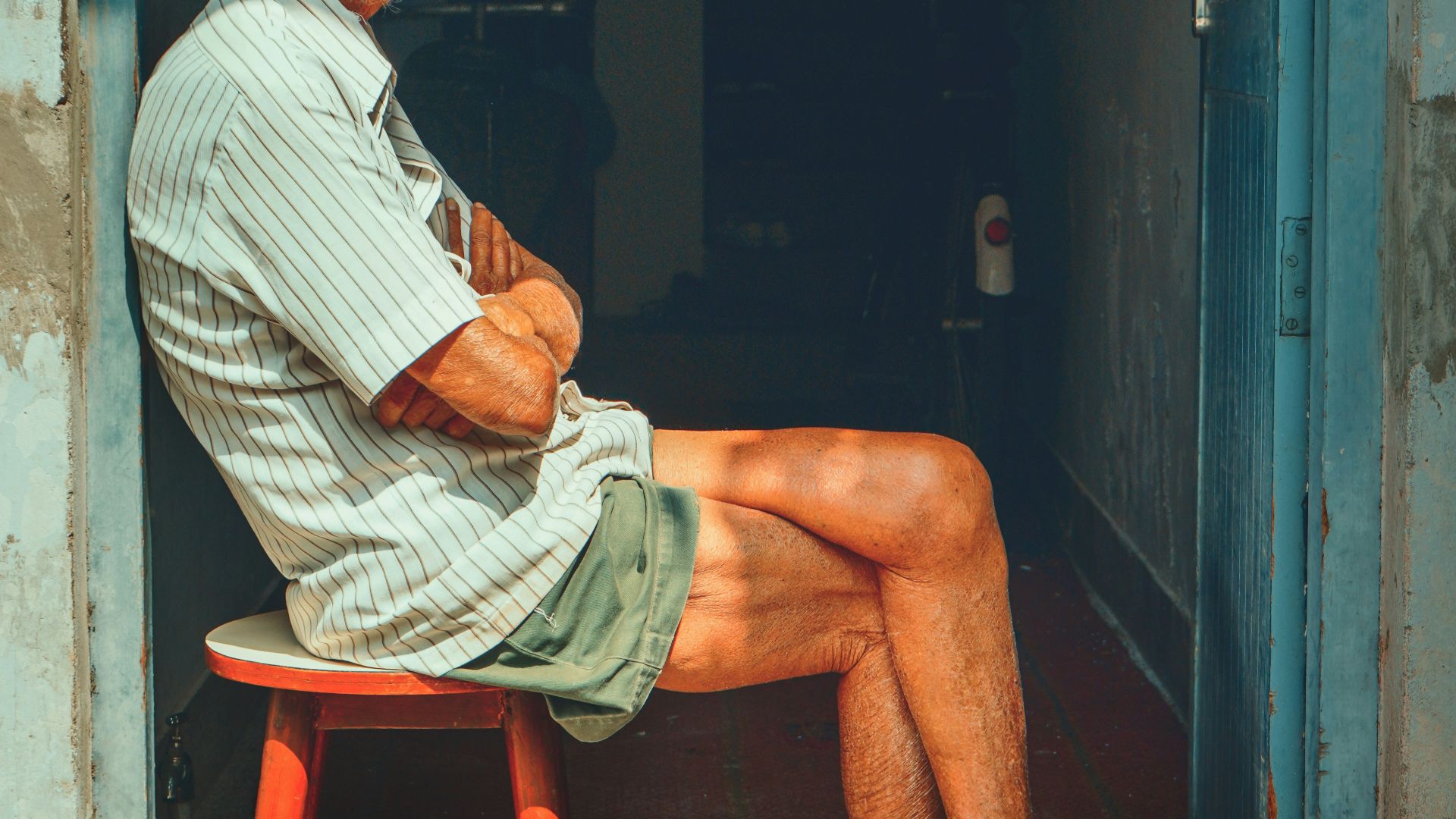
The fat on our bodies keeps us warm, but as that layer of skin thins with age, it's easier to catch a chill. This is especially true on our bodies’ extremities, and you may feel particularly chilly in the arms, hands, legs, feet, and even head.
 https://kaboompics.com/ on Pexels
3. Muscle Is a Furnace
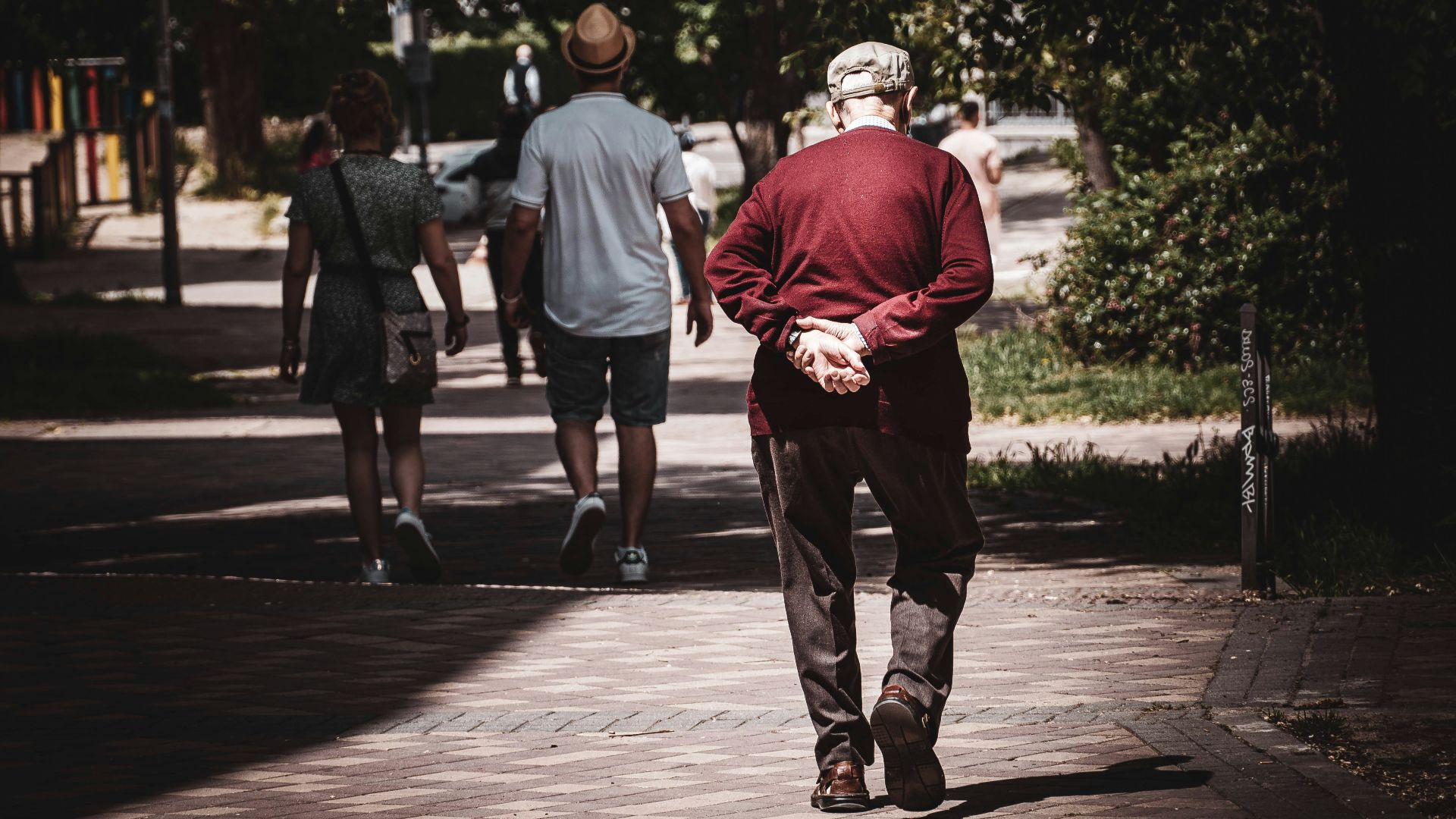
Muscle does more than move your body. It generates heat every time it contracts, the reason behind why we shiver when we’re cold. Since muscle mass naturally declines with age, there's simply less heat-producing tissue on board.
 Jose Antonio Gallego Vázquez on Unsplash
4. Stillness
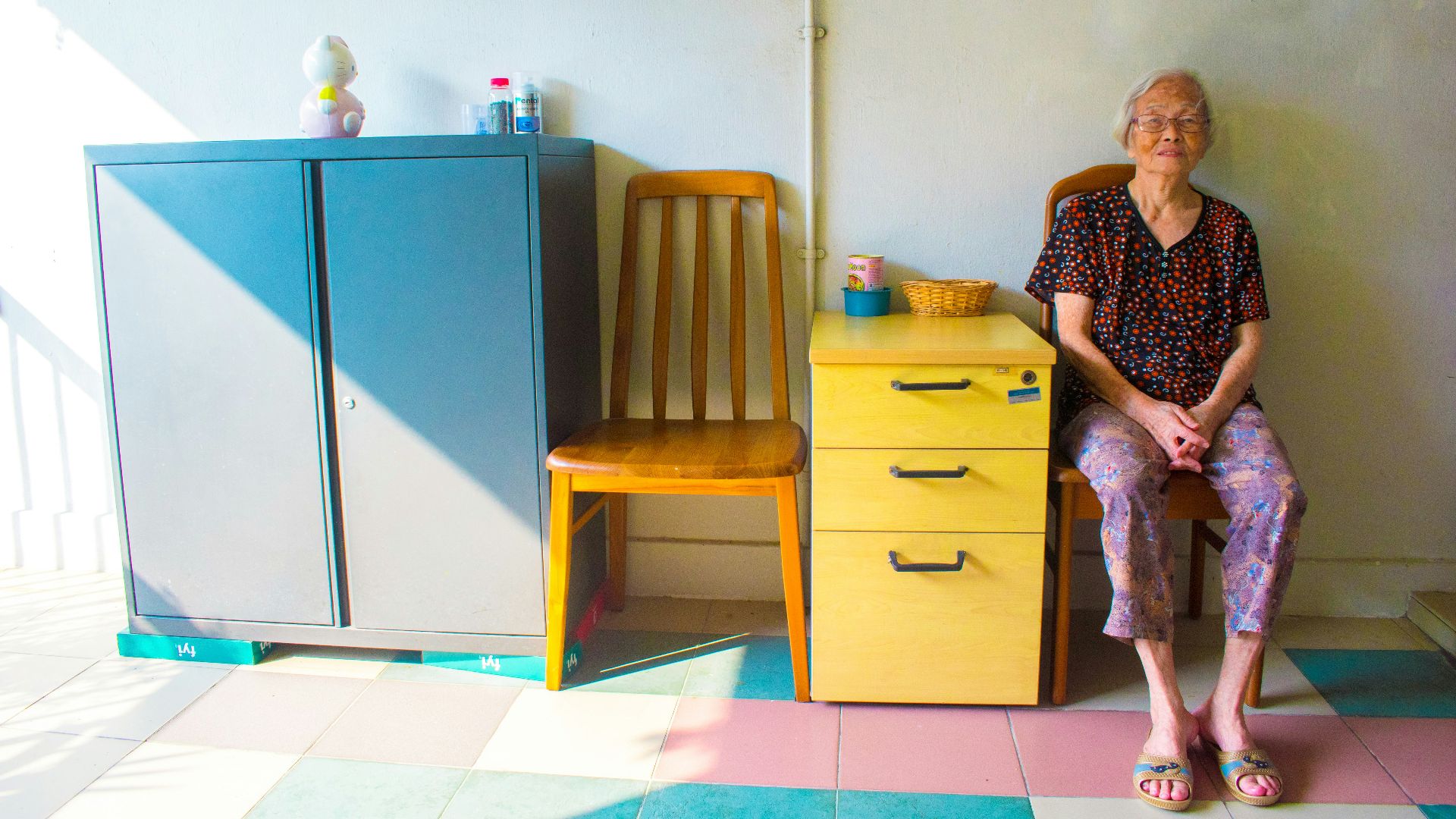
Even in a warm room, spending an afternoon sitting in one spot can make you feel chilly. As we’ve already mentioned, movement generates heat. When you spend most of the day seated, you miss out on that natural warming effect.
5. Losing Padding
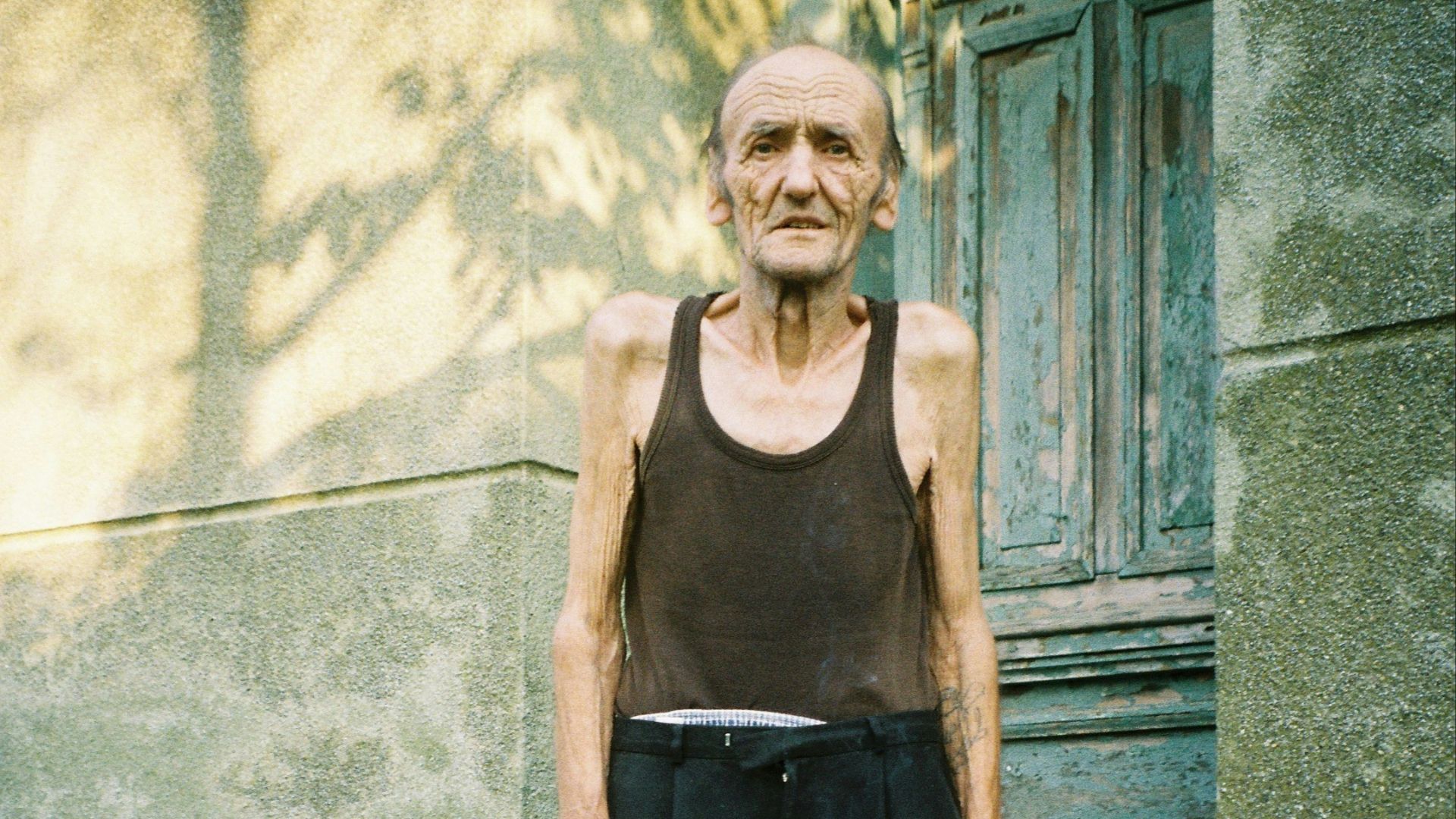
Body fat helps trap warmth, so a significant drop in weight can leave you feeling colder than before. Clothes may also start hanging looser, letting cool air sneak in between fabric and skin. Weight loss you planned and worked toward is one thing, but it's another thing entirely when it happens without you wanting or needing it.
6. Food
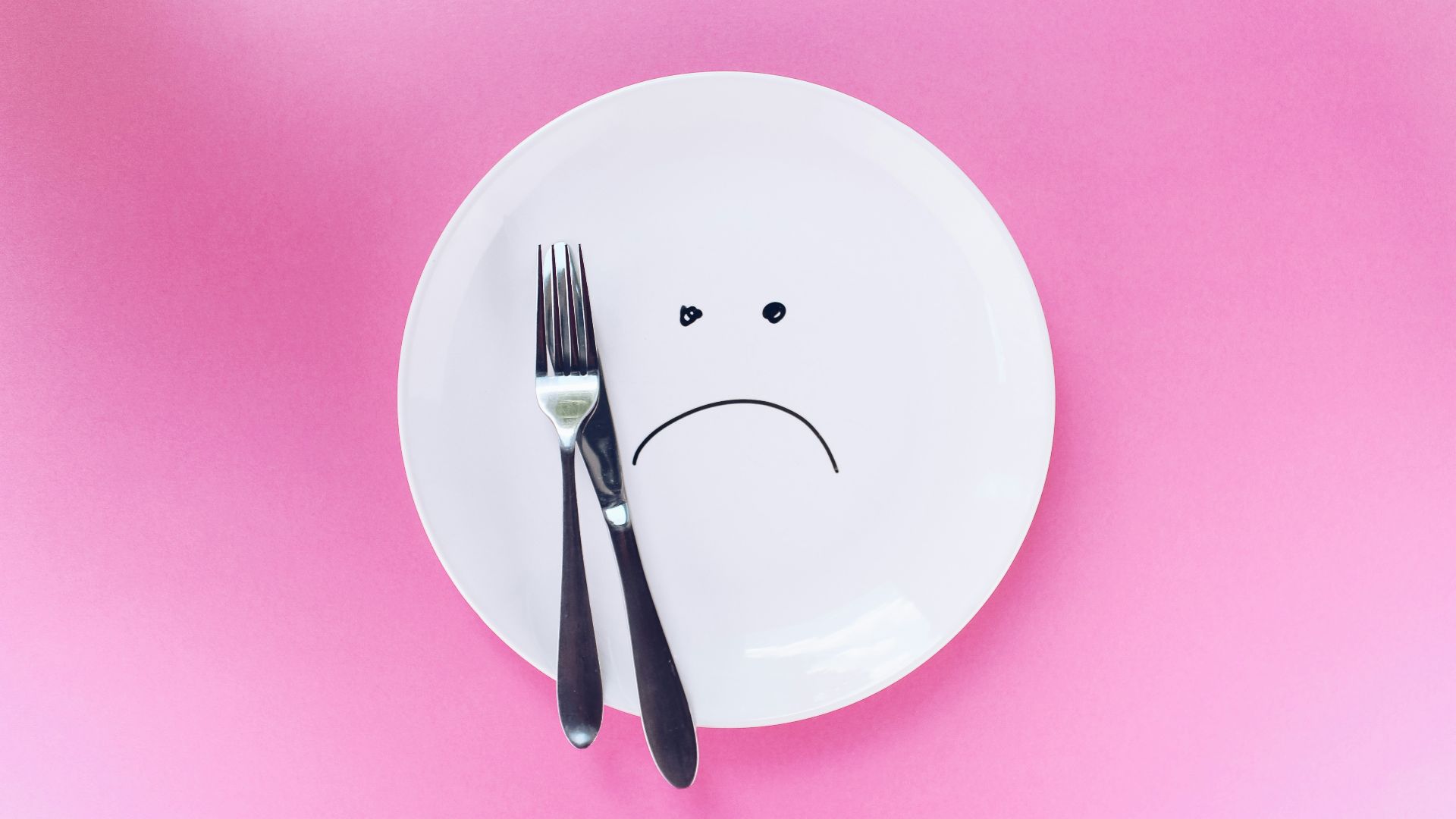
Every system in your body, including the ones that keep you warm, runs on energy from food. Skip meals or eat too little, and it’s harder to retain heat. Older adults tend to eat less, which unfortunately leads to this chilly side effect.
7. Anemia
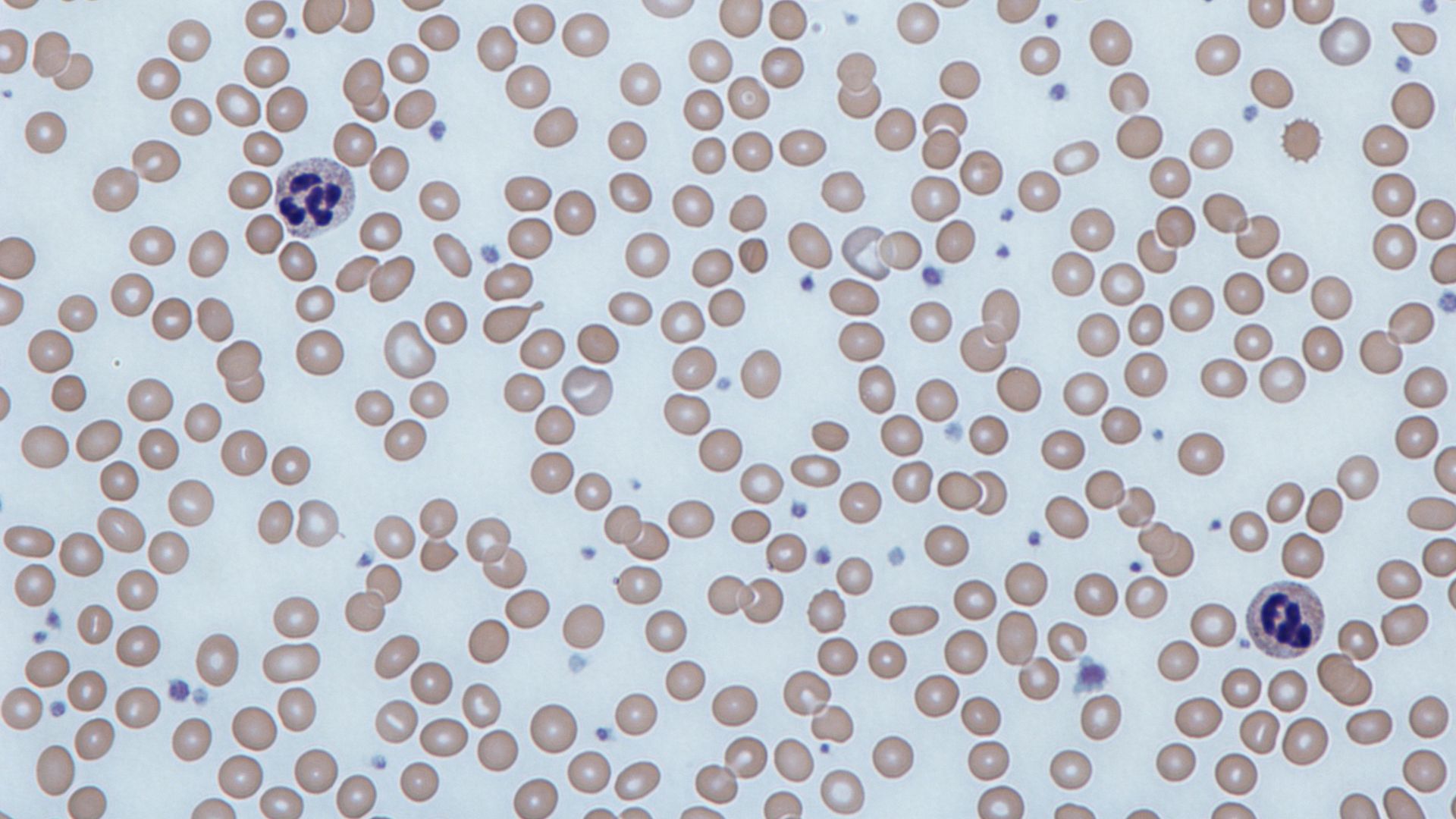
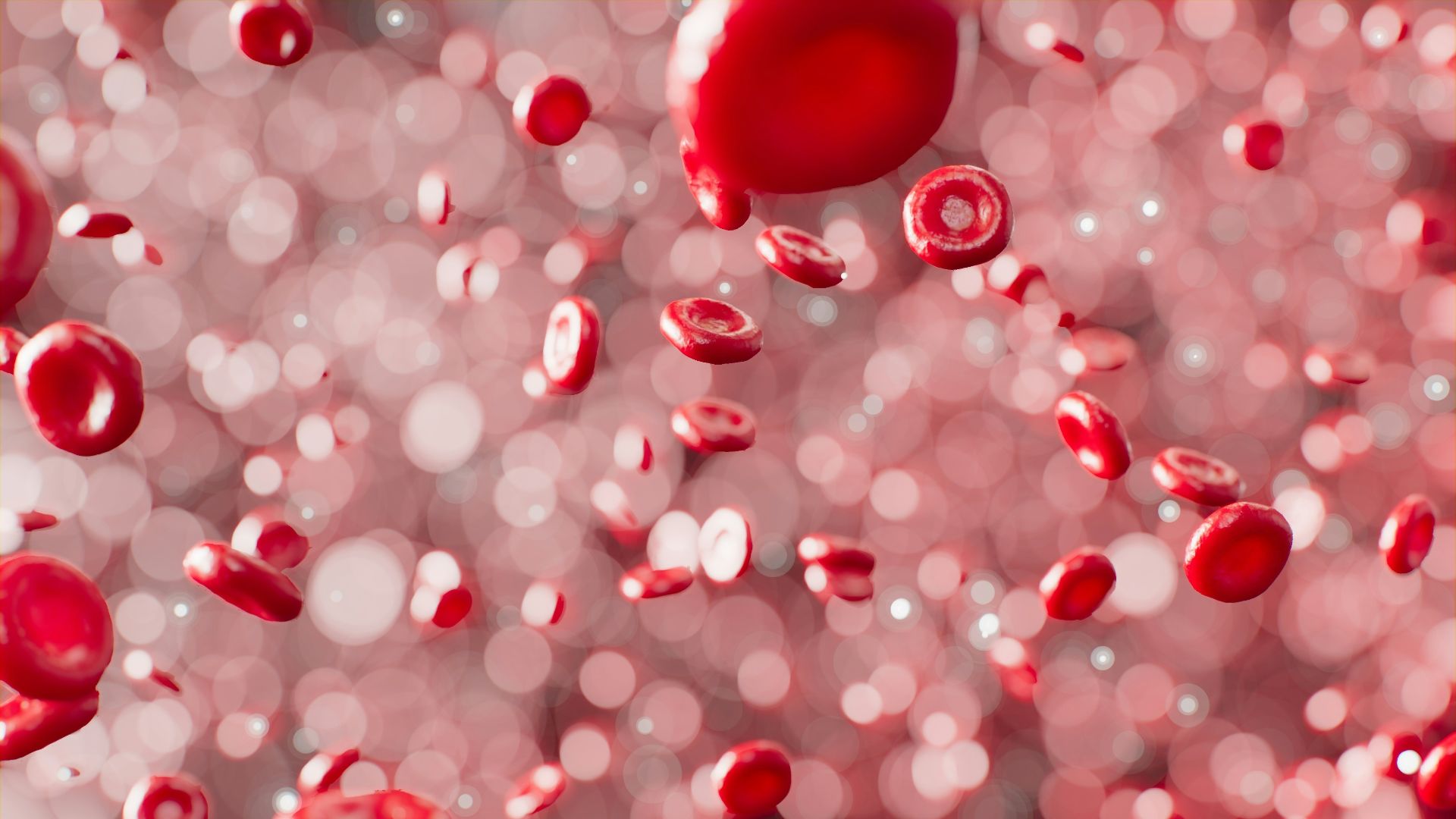
Iron-deficiency anemia often has corresponding symptoms of cold hands and feet, not to mention fatigue, dizziness, pale skin, weakness, headaches, or shortness of breath.
8. A Sluggish Thyroid
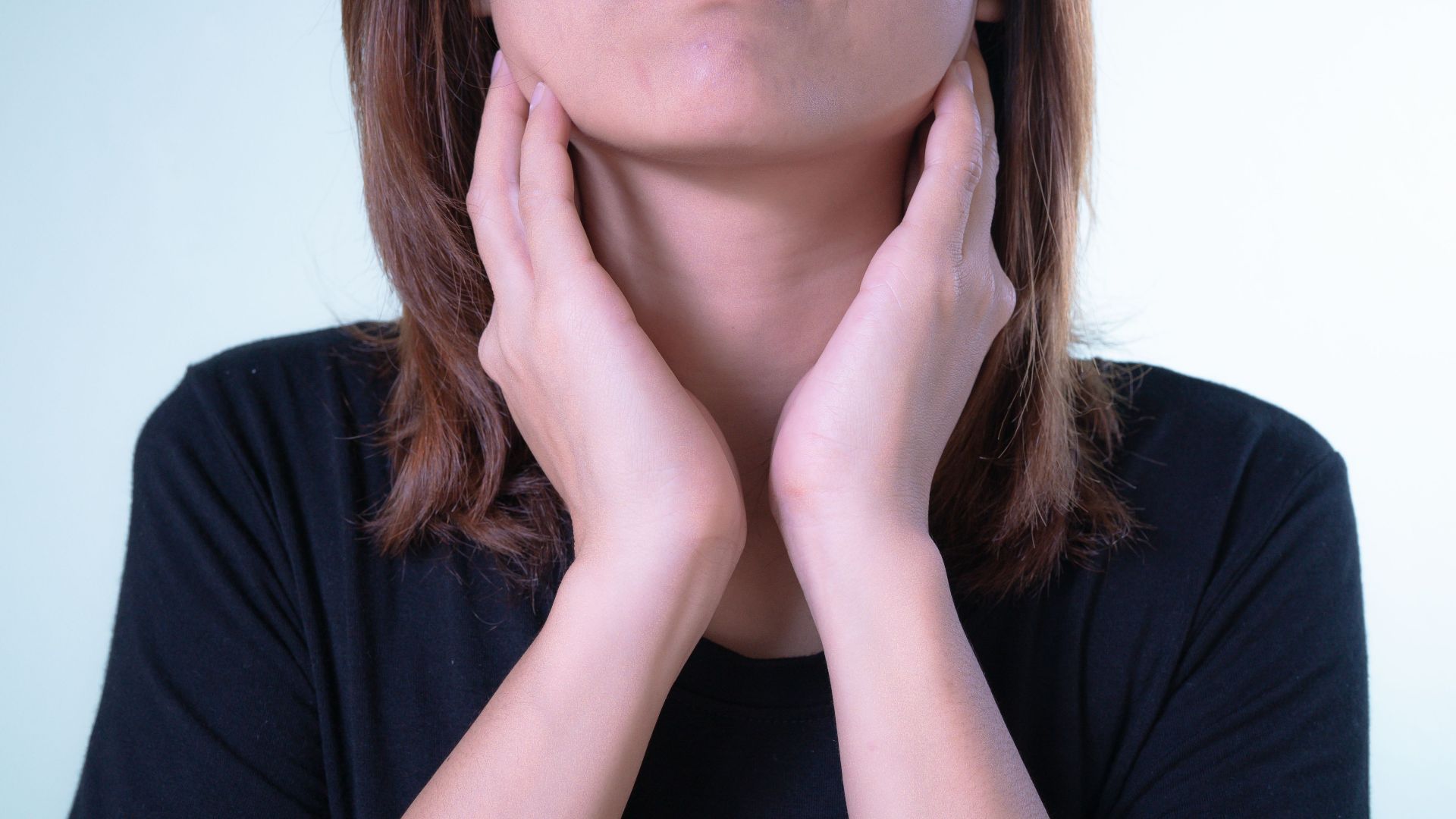
Your thyroid helps regulate how your body uses energy, so when it's underactive, your ability to stay warm also underperforms. Fatigue, constipation, dry skin, muscle aches, weight gain, and a slower heart rate frequently tag along. Because these changes often seem minuscule, a new sensitivity to cold is sometimes the determining factor.
9. Kidney Disease
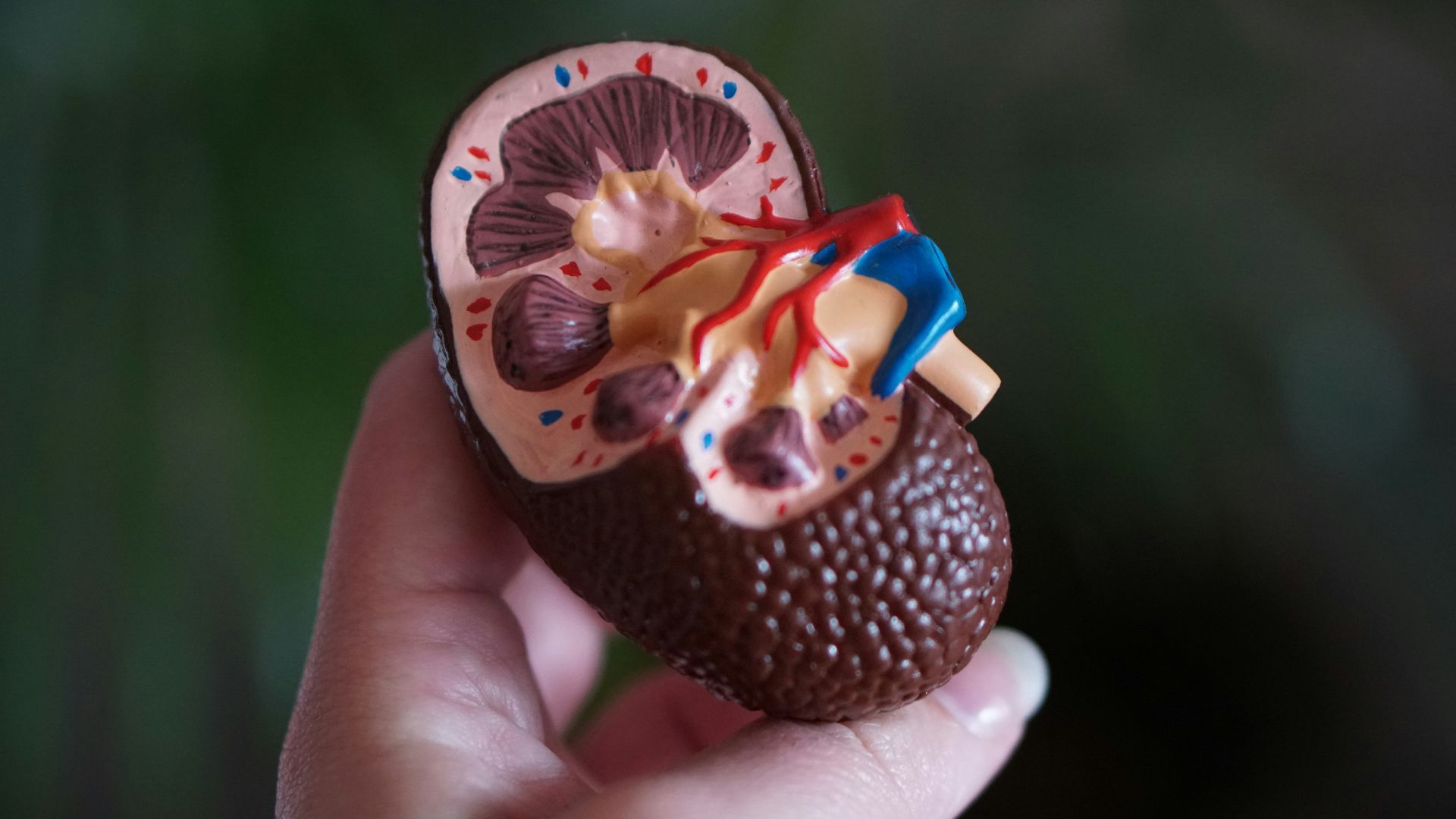
Healthy kidneys release signals that help your body produce red blood cells. Chronic kidney disease can interfere with that process, which in turn can lead to anemia.
10. Diabetes
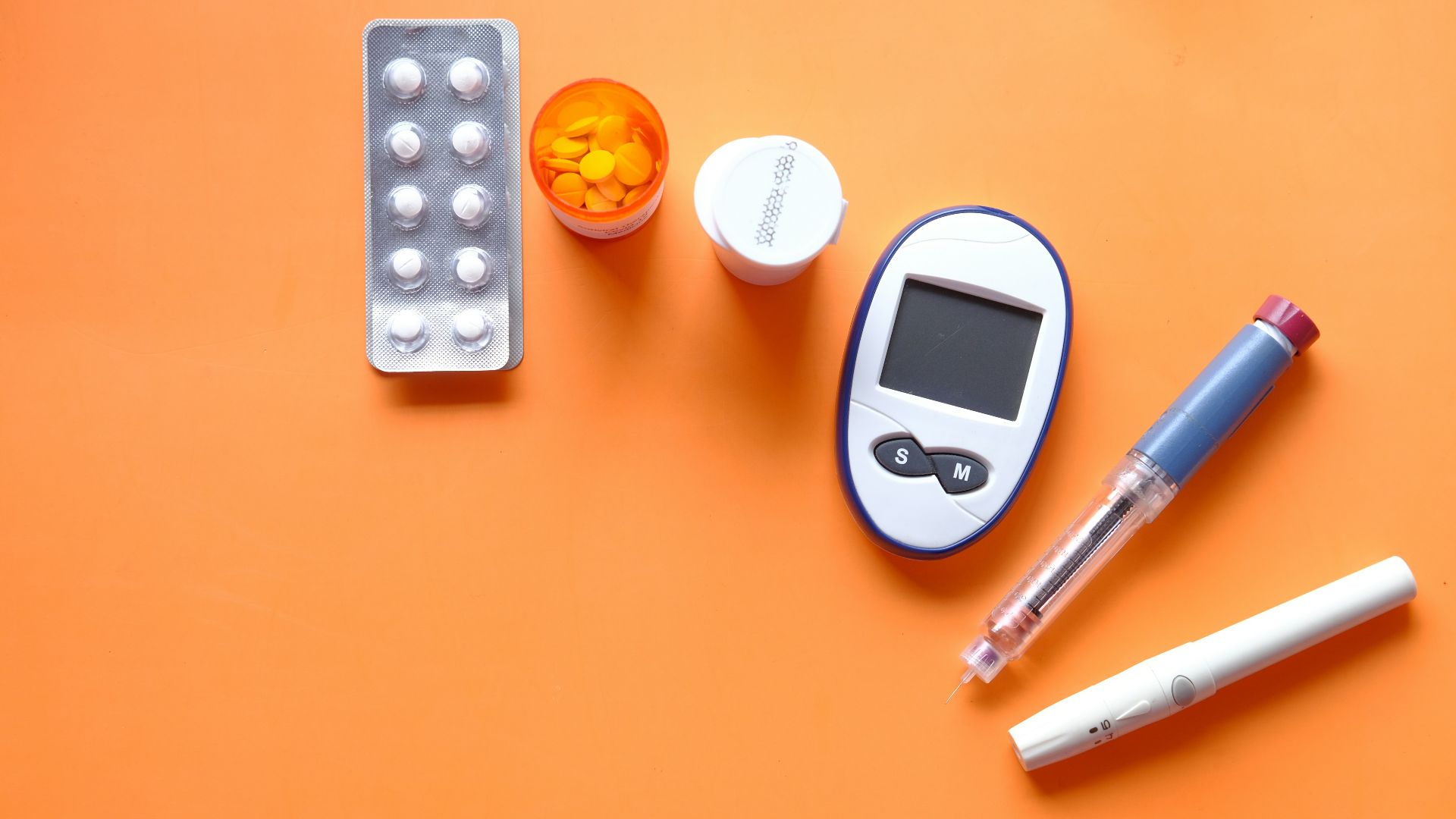
Diabetes can affect blood flow over time, especially to the legs and feet. When warm blood struggles to reach those areas, they end up feeling colder than the rest of you. Diabetes can also dull sensation, making it harder to notice if you’re feeling cold, changes in pressure, or even injury.
11. Damaged Nerves
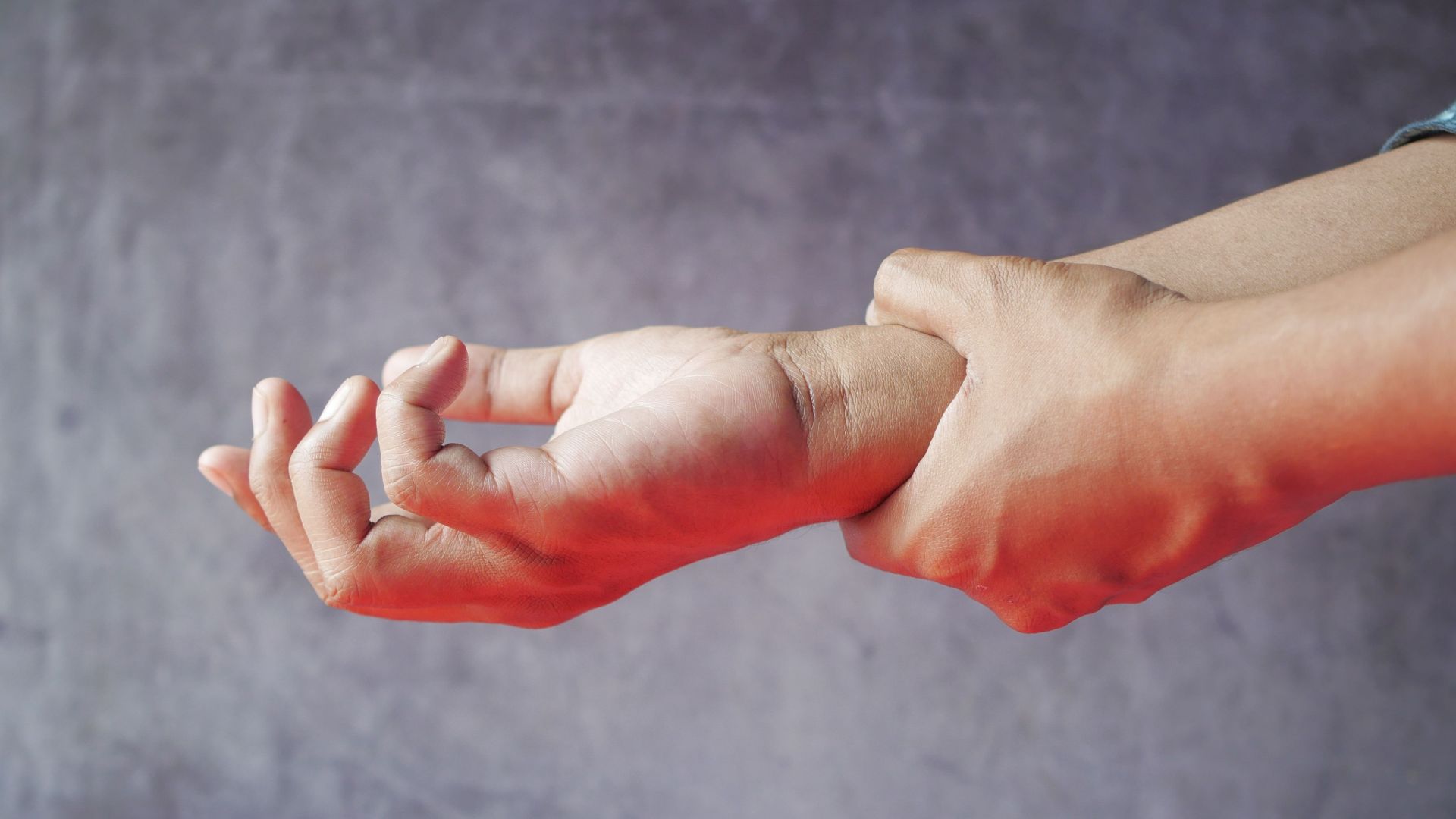
Nerves tell your brain if something is hot or cold. When they're damaged, that message can get scrambled. You might feel burning, tingling, numbness, aching, or strange cold sensations in your feet and legs, or you might barely register temperature changes at all. That mismatch between what's happening and what you actually feel can make temperature gauging more difficult.
12. Peripheral Artery Disease
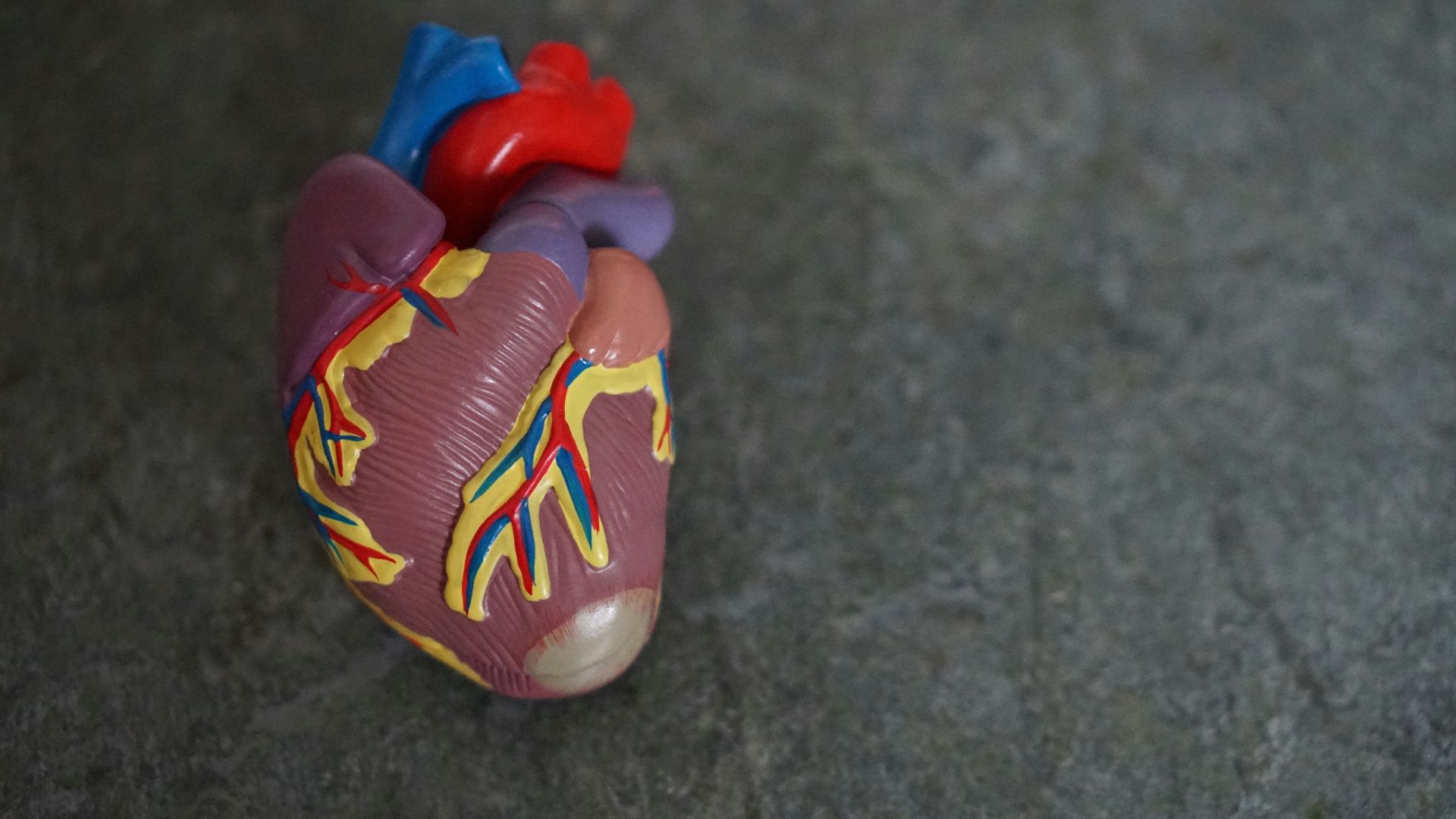
Peripheral artery disease restricts blood flow, usually in the legs and feet. One telltale sign is a foot or lower leg that feels noticeably colder than the other. Pain while walking, numbness, skin color changes, and slow-healing sores are also common symptoms.
13. Raynaud's
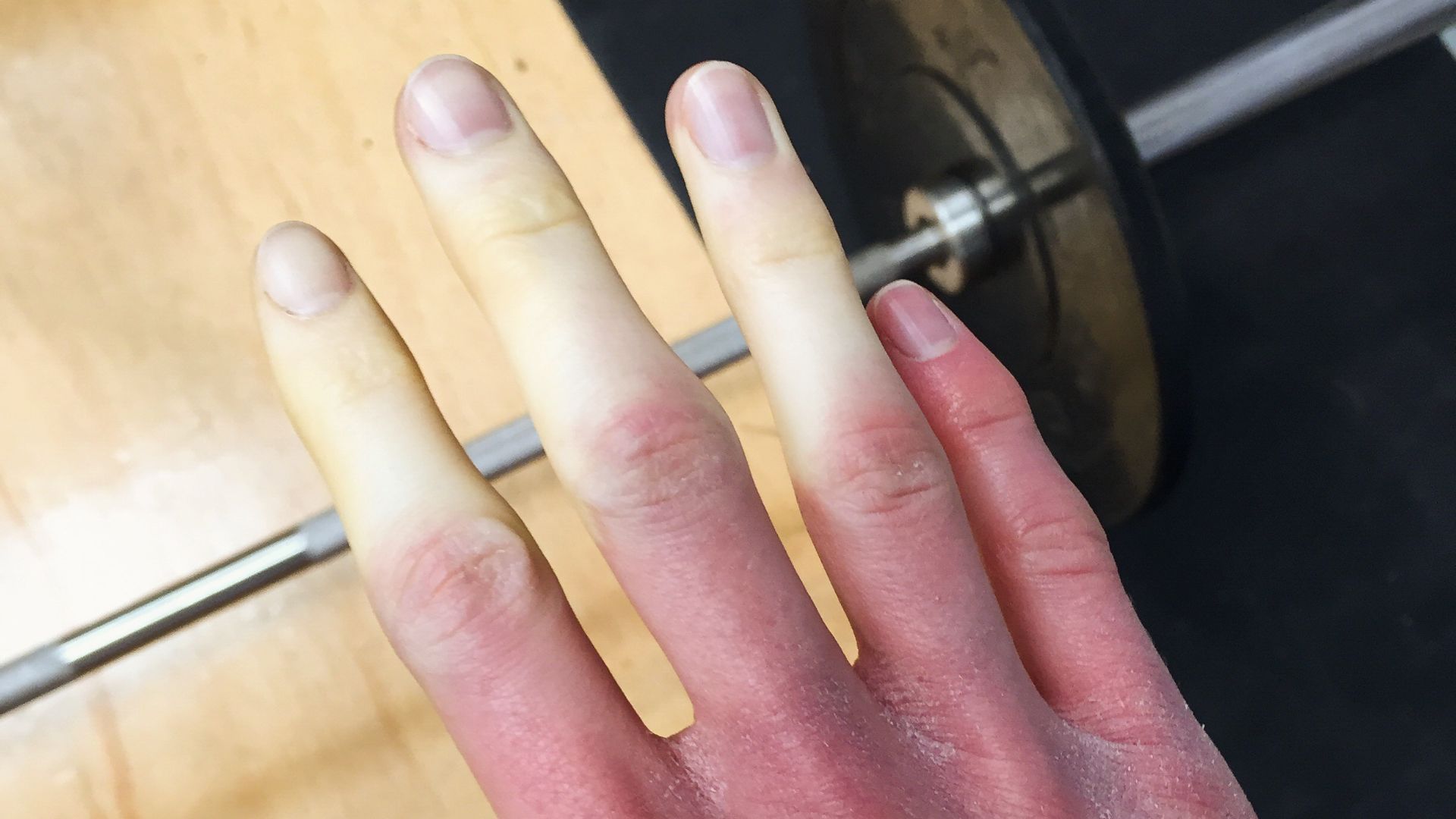
For people with Raynaud's phenomenon, even a brief blast of cold air can set off a reaction. Blood vessels in the fingers, toes, nose, or ears clamp down suddenly, cutting off circulation. Skin can turn white or blue before flushing red again as blood flow returns.
14. Chronic Illness
Living with a long-term health condition changes how your body handles cold in more ways than one. Energy, appetite, strength, and activity levels can all take a hit, which often results in you moving less, meaning muscles produce less heat.
15. Medications
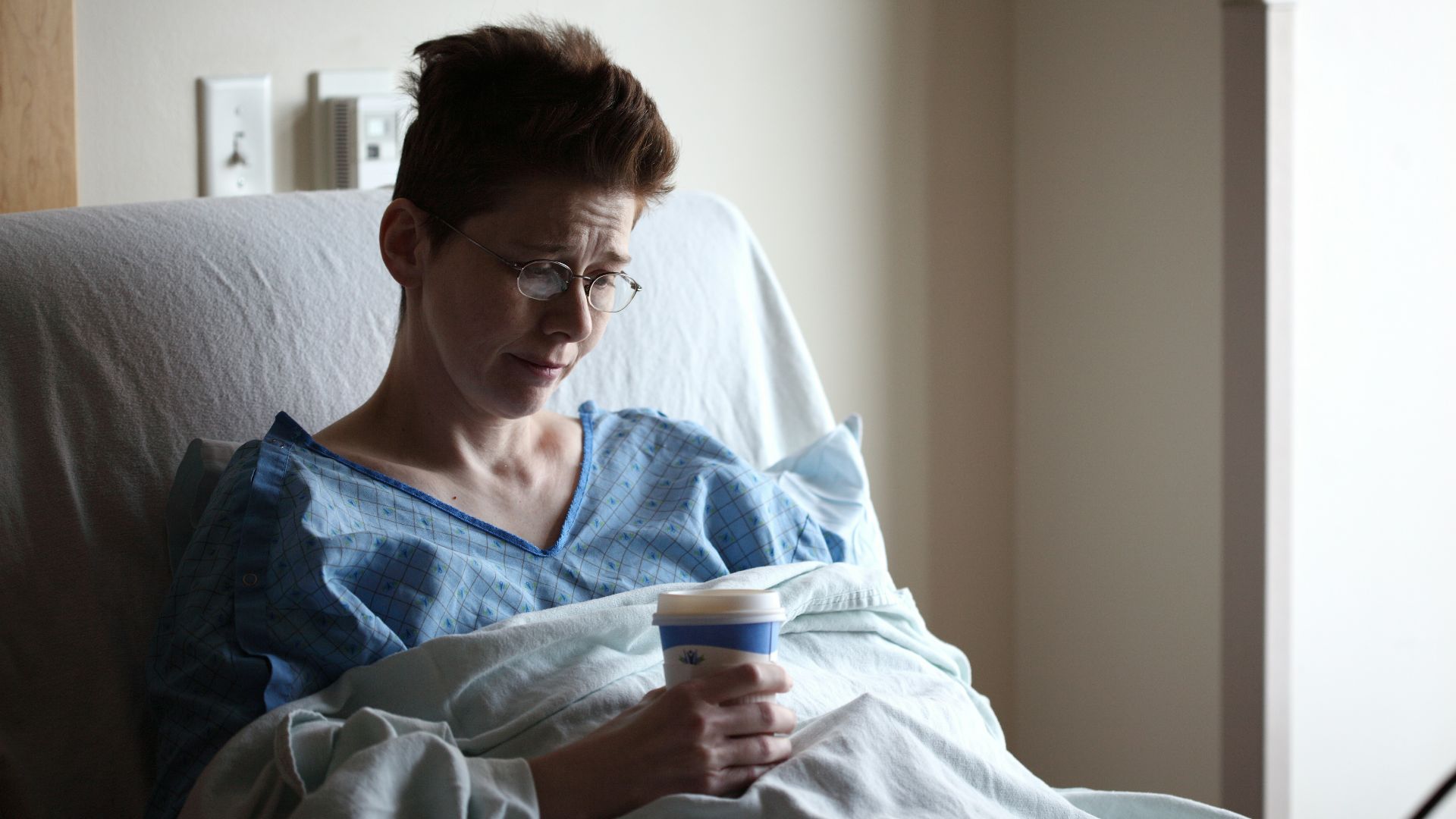
Certain prescriptions and over-the-counter products can affect circulation, metabolism, alertness, and other bodily symptoms. If you notice a sudden change in cold sensitivity after starting a new medication or adjusting a dose, mention it to your doctor or pharmacist.
 Christina Victoria Craft on Unsplash
16. Narrowing Blood Vessels
Certain medications, including some beta-blockers and migraine treatments, can constrict the small blood vessels that carry warm blood to your fingers, toes, nose, and ears. That effect can be more noticeable after stepping into winter air or a heavily air-conditioned room.
17. Nicotine
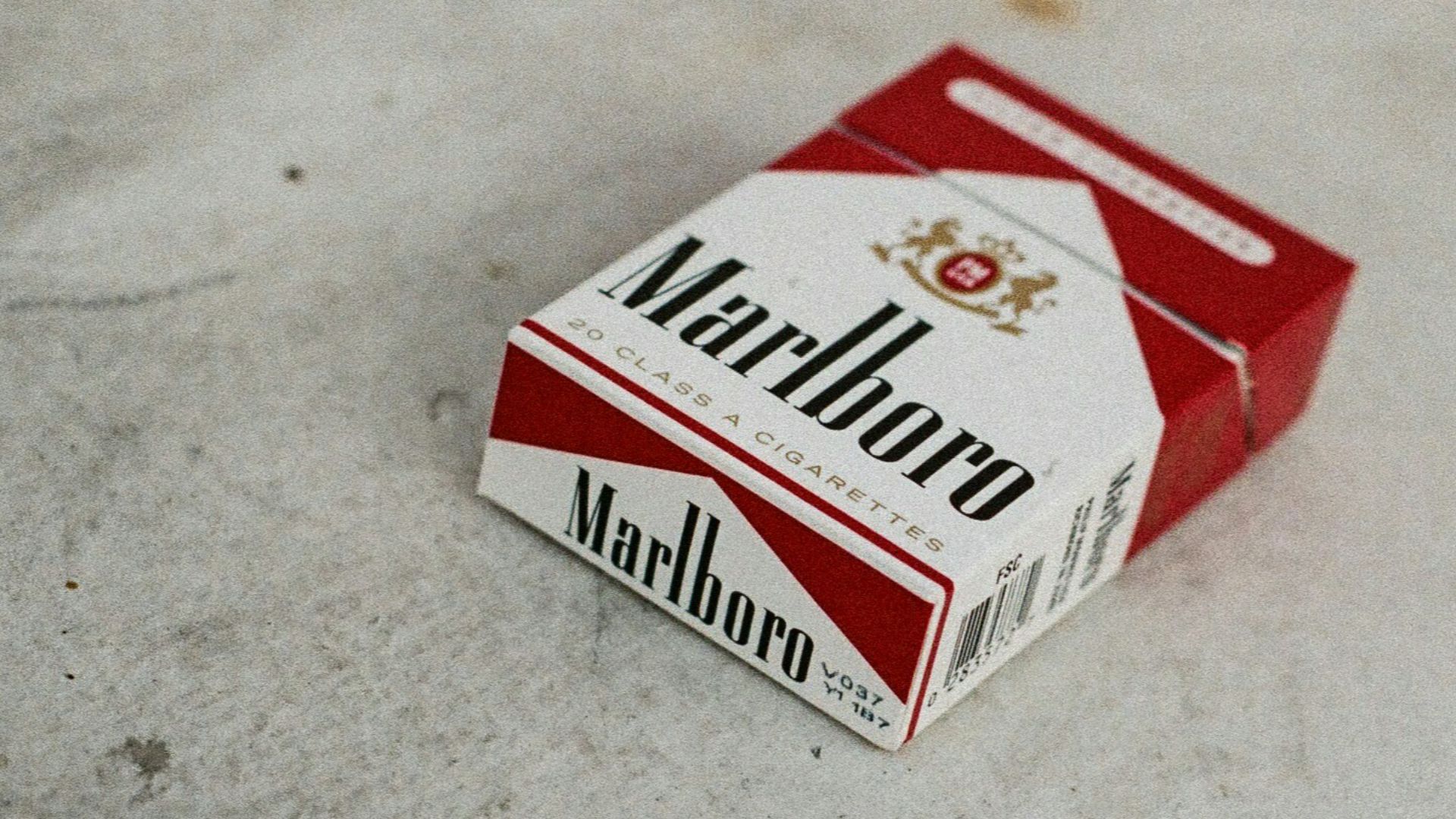
Nicotine tightens blood vessels, reducing blood flow near the skin's surface. Fingers and toes, already farthest from the body's warm core, tend to feel it first. Someone who smokes may notice how quickly their hands start to feel a chill.
18. Warm Drinks
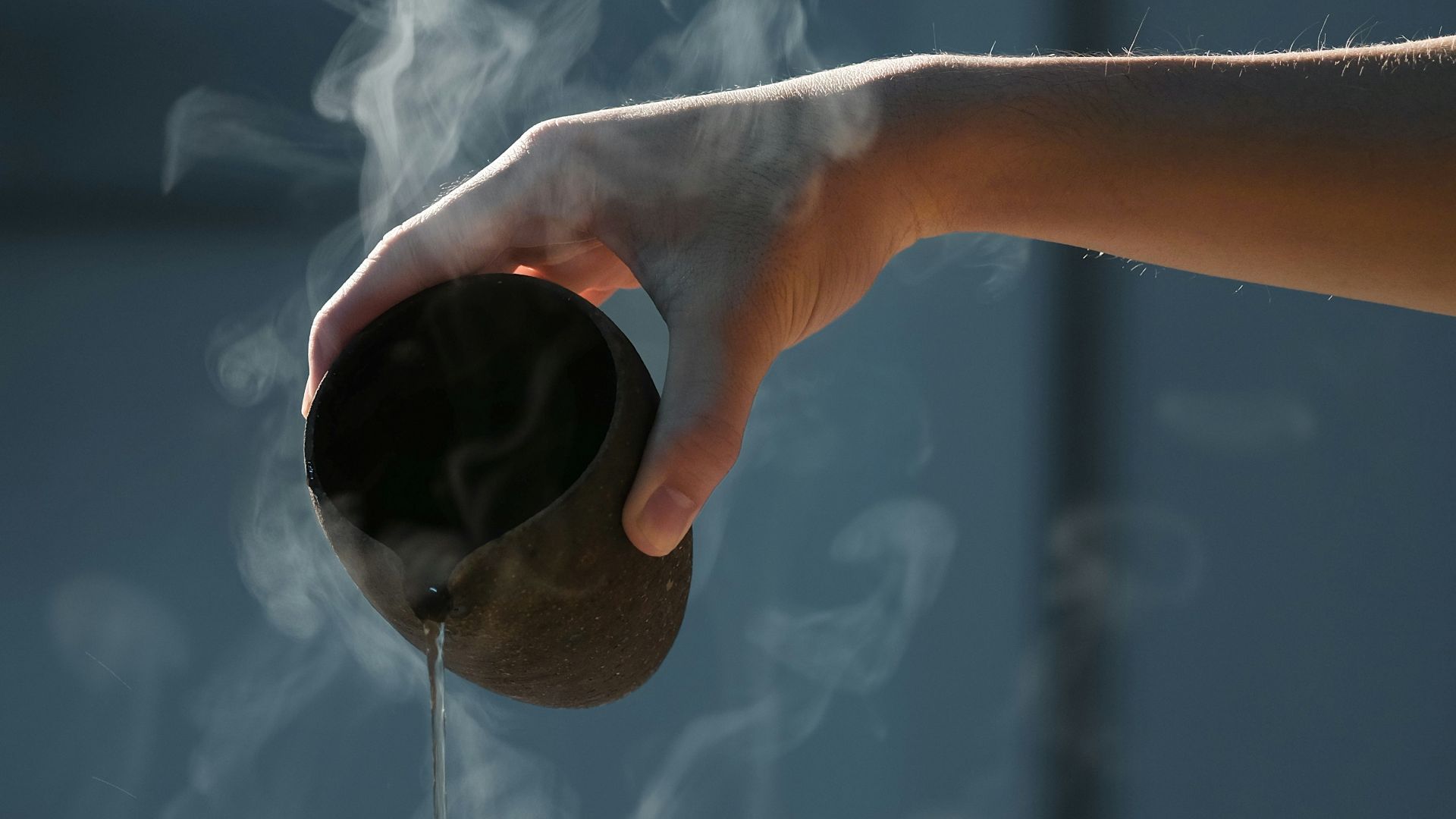
While it seems like it should, a warm drink actually doesn’t do much to warm you up in the long-term. Warm drinks, especially ones containing alcohol, widen blood vessels close to the skin. This in turn allows body heat to escape faster than it should.
19. Your Home
Cold weather isn’t exclusively an outdoor problem. A drafty house, a thermostat kept low to save money, or long hours spent sitting still can still make you feel chilly. It might feel manageable at first with a sweater and a blanket, but over several hours, that steady chill can become much harder to shake.

20. Wind and Wet
Cold becomes far tougher to handle once you’re dealing with wind or rain. Wind strips warm air away from the skin, while rain, snow, sweat, or damp clothing pulls heat from the body. For seniors already working with less heat-producing capacity, staying dry and blocking the wind matters just as much as bundling up.
KEEP ON READING

20 Ways Perimenopause Changes Fitness and Appetite

20 Unhealthy Obsessions People Have

20 Gut-Friendly Fermented Foods For Everyday Meals