
What Your Microbes Eat Tonight
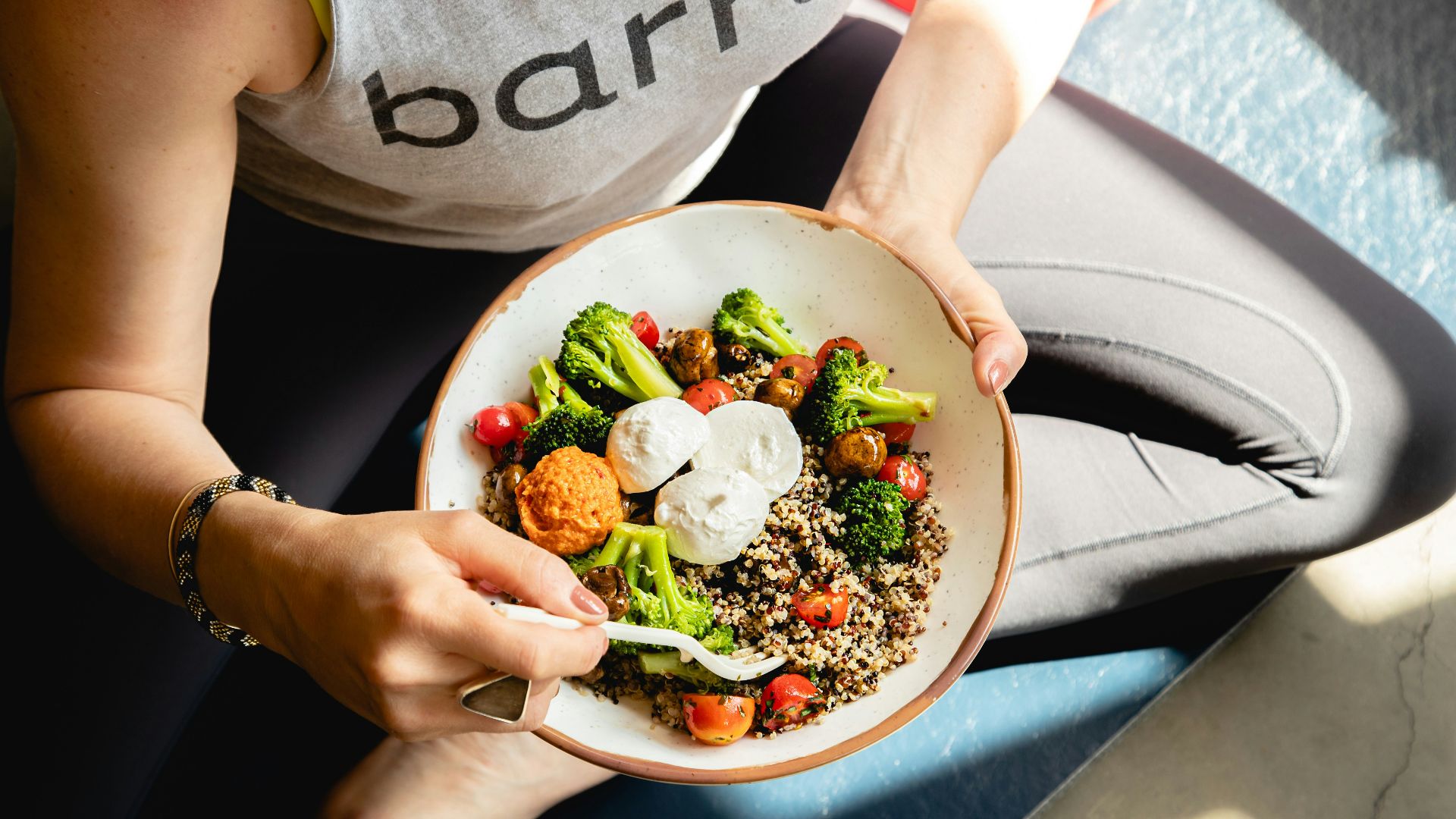
Your gut houses roughly three pounds of bacteria, and every meal you eat also feeds them. Some strains thrive on fiber and plant compounds, turning them into short-chain fatty acids that keep your gut lining calm and intact. Others do better on sugar and refined fat, and when those strains multiply, digestion and inflammation both tend to increase. The balance between the two groups shifts faster than most people expect, sometimes within days of changing what you eat. Here's 10 foods that feed the bad bacteria and 10 that feed the good strains.
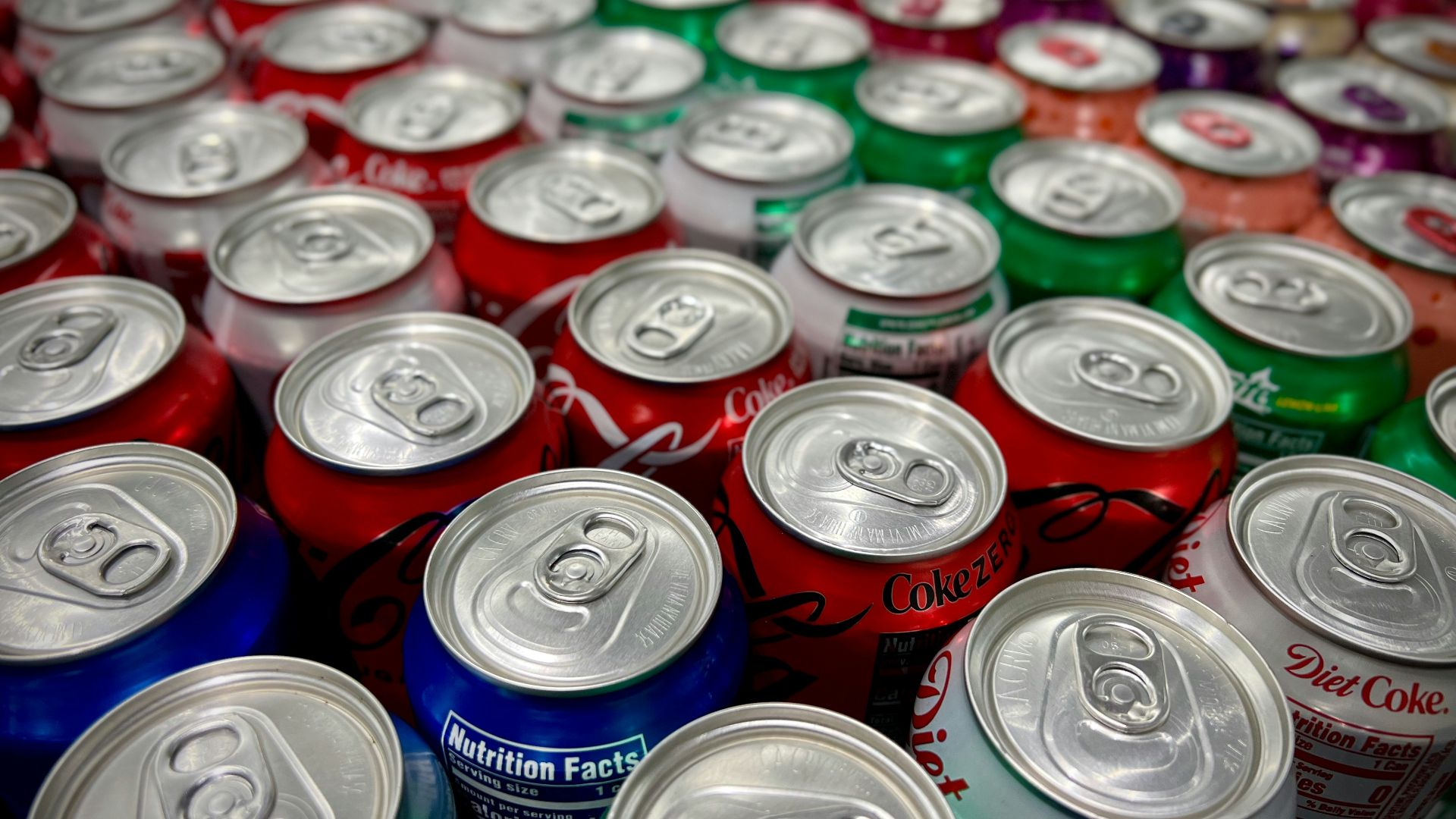
1. Soda and Sweetened Drinks
A can of soda drops around 40 grams of sugar into your system. Bacteria that thrive on simple sugar get a windfall, and they multiply fast when the supply is steady. Drink one a day and the population shift becomes the new normal rather than an occasional spike.
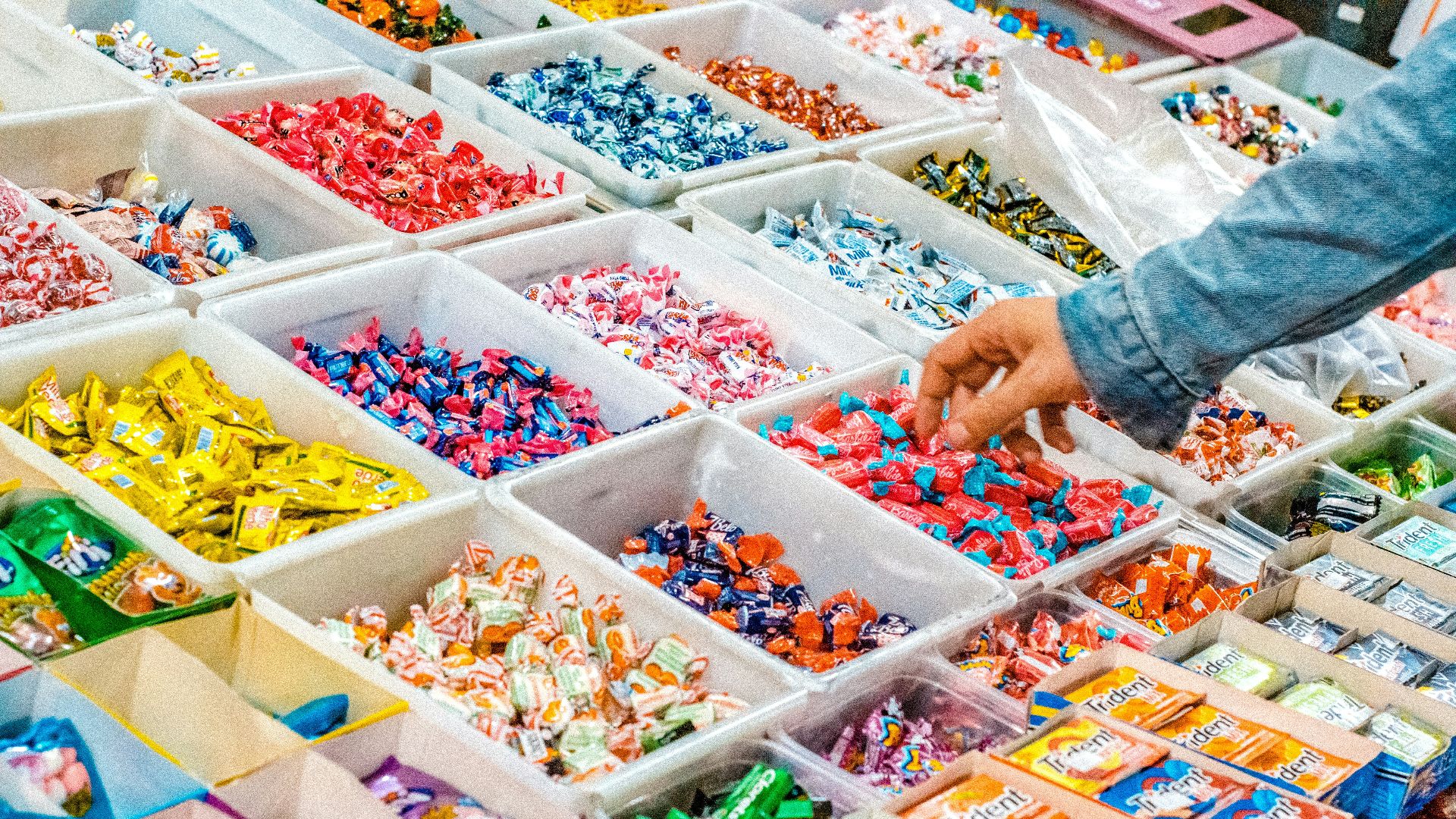
2. Candy and Refined Sugar
Candy arrives in your gut stripped of everything that would normally slow digestion, no fiber and no fat to buffer it. Sugar-loving strains get first access and outcompete the slower fermenters that need more time. Fruit delivers sugar too, but the fiber wrapped around it changes where and how that sugar gets used.
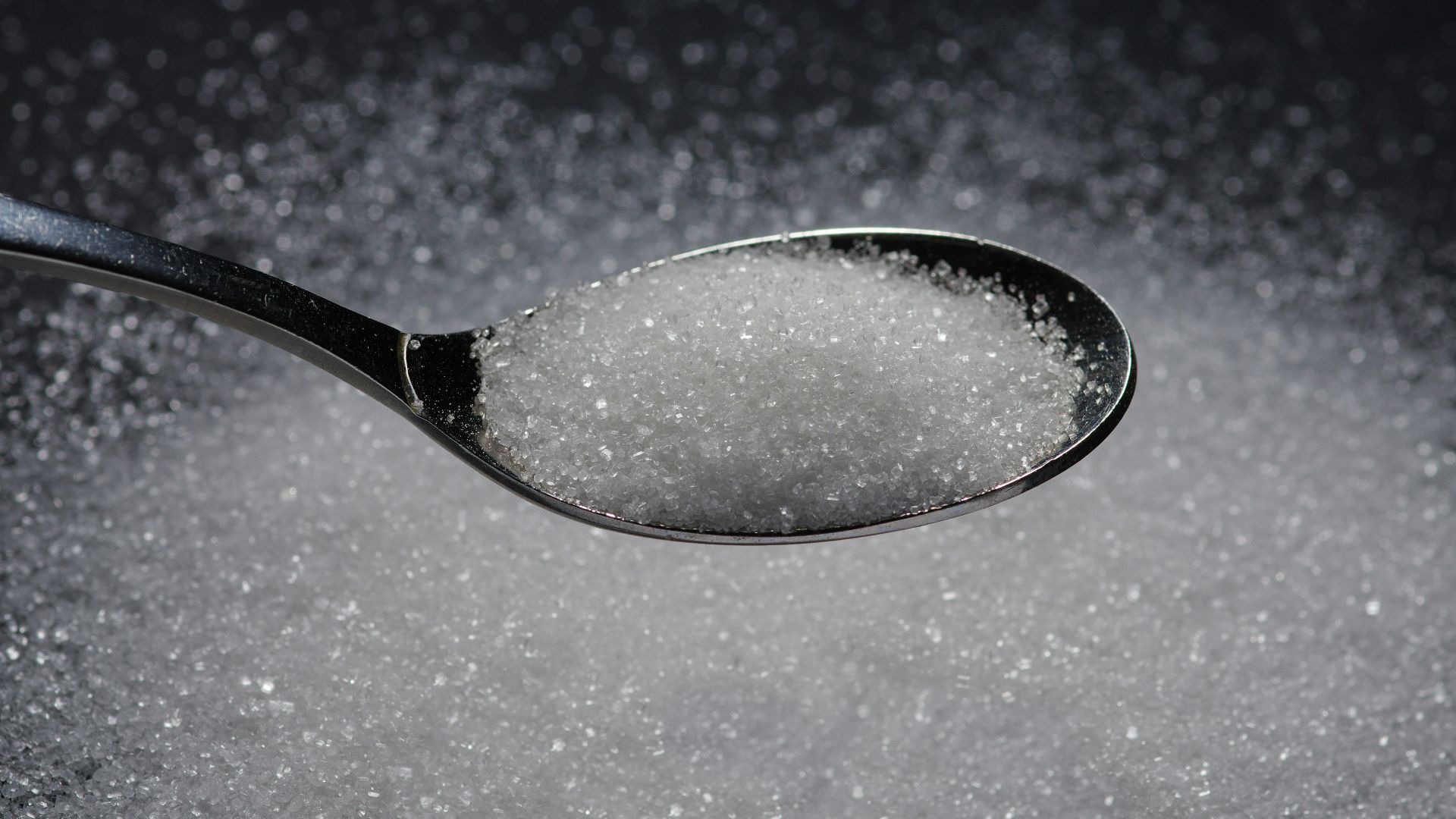
3. Artificial Sweeteners
Zero calories on the label doesn't mean zero effect below the stomach. Sucralose and saccharin pass through mostly undigested and reach your gut bacteria intact, where certain strains respond to them in ways researchers are still sorting out. The Weizmann Institute published work in 2014 linking some of these sweeteners to glucose intolerance in mice, and the human implications remains murky.
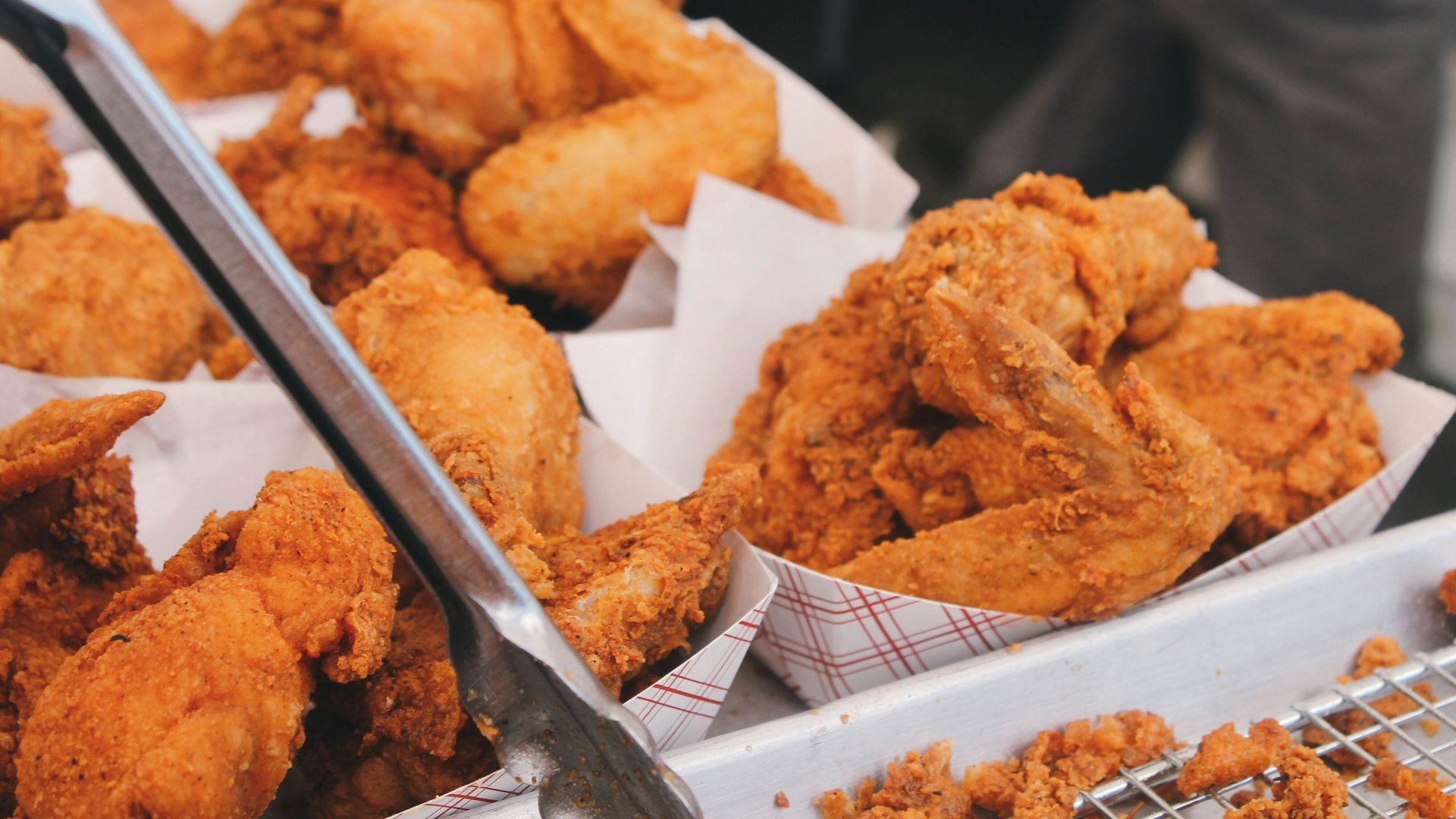
4. Fried Fast Food
Refined oil and refined starch arrive together in a basket of fries, and both break down quickly at the top of your digestive tract. Almost nothing survives long enough to reach the bacteria further down that need fermentable material. The strains that do benefit are the ones associated with a more inflamed gut lining.
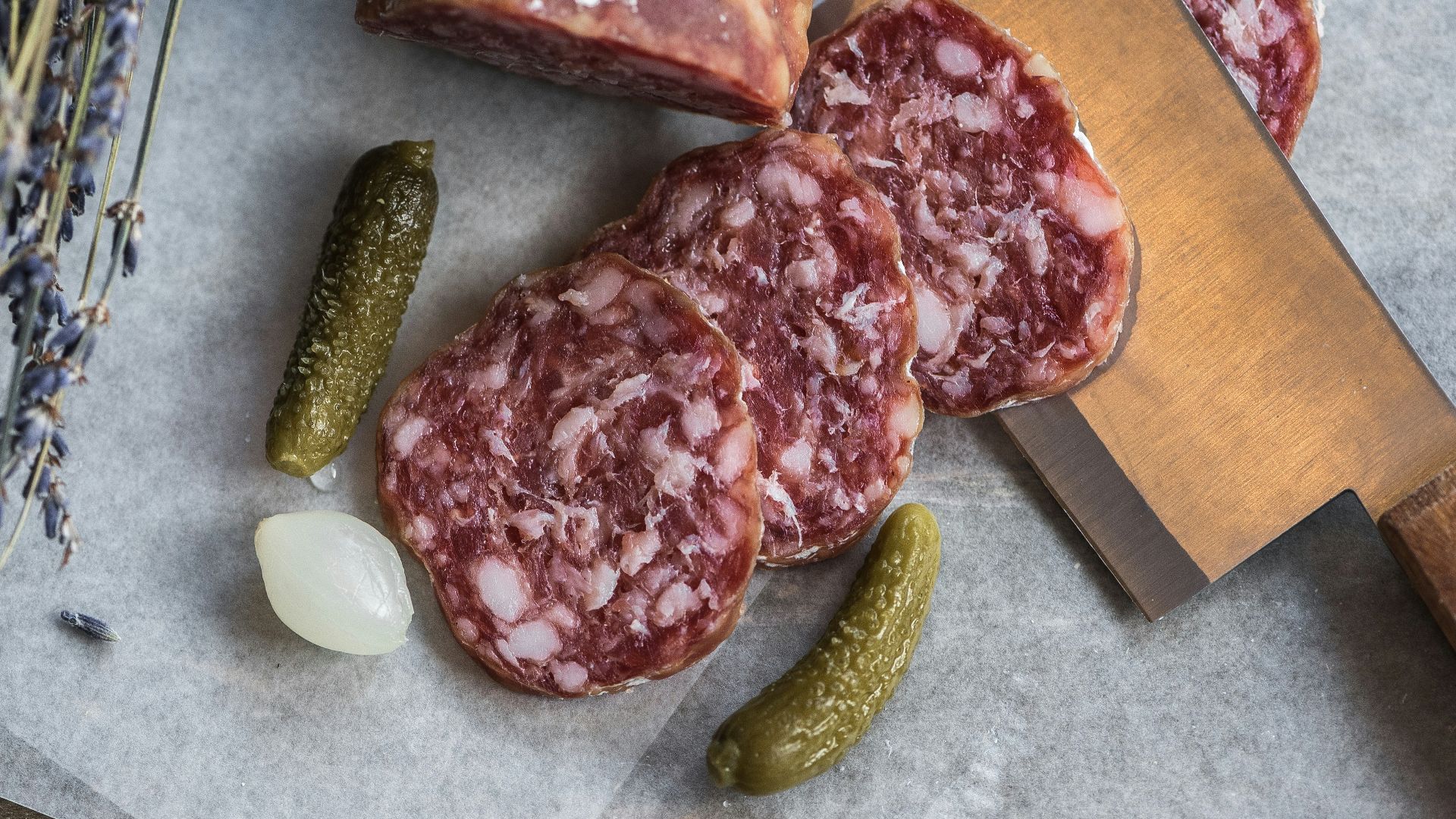
5. Processed Deli Meats
Salami, bacon, and packaged turkey slices come with nitrates and preservatives designed to stop bacterial growth on the shelf. That same property doesn't stop once the meat reaches your gut. Regular consumption tends to narrow the range of bacterial species living there.
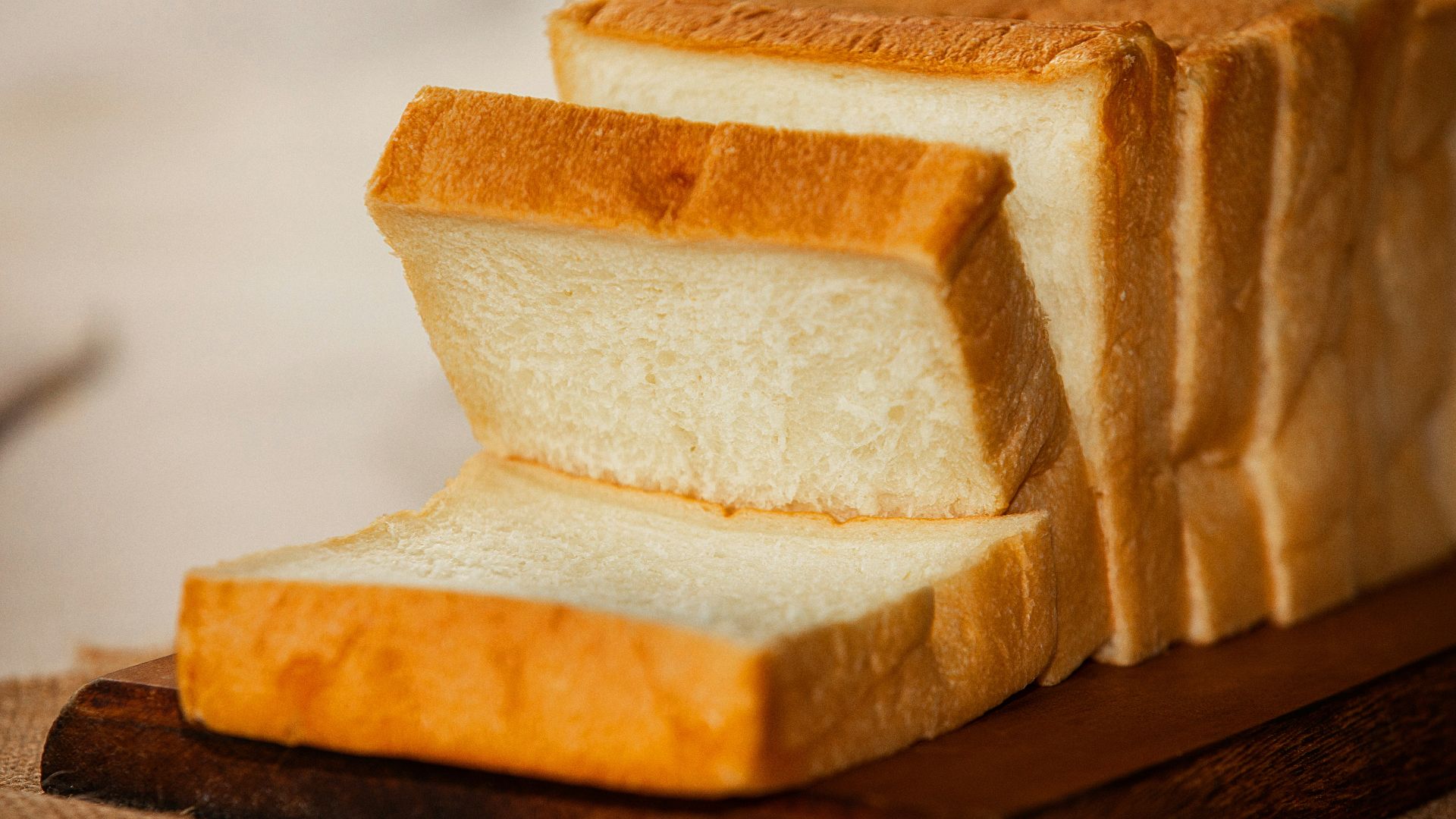
6. White Bread and Refined Flour
Milling strips wheat of its bran and germ, which is where most of the fiber lives. What's left digests almost entirely in your small intestine, long before it can reach the colon where the bulk of your bacteria are waiting. Whole grain versions keep that fiber intact, and the difference in what actually arrives downstream is substantial.
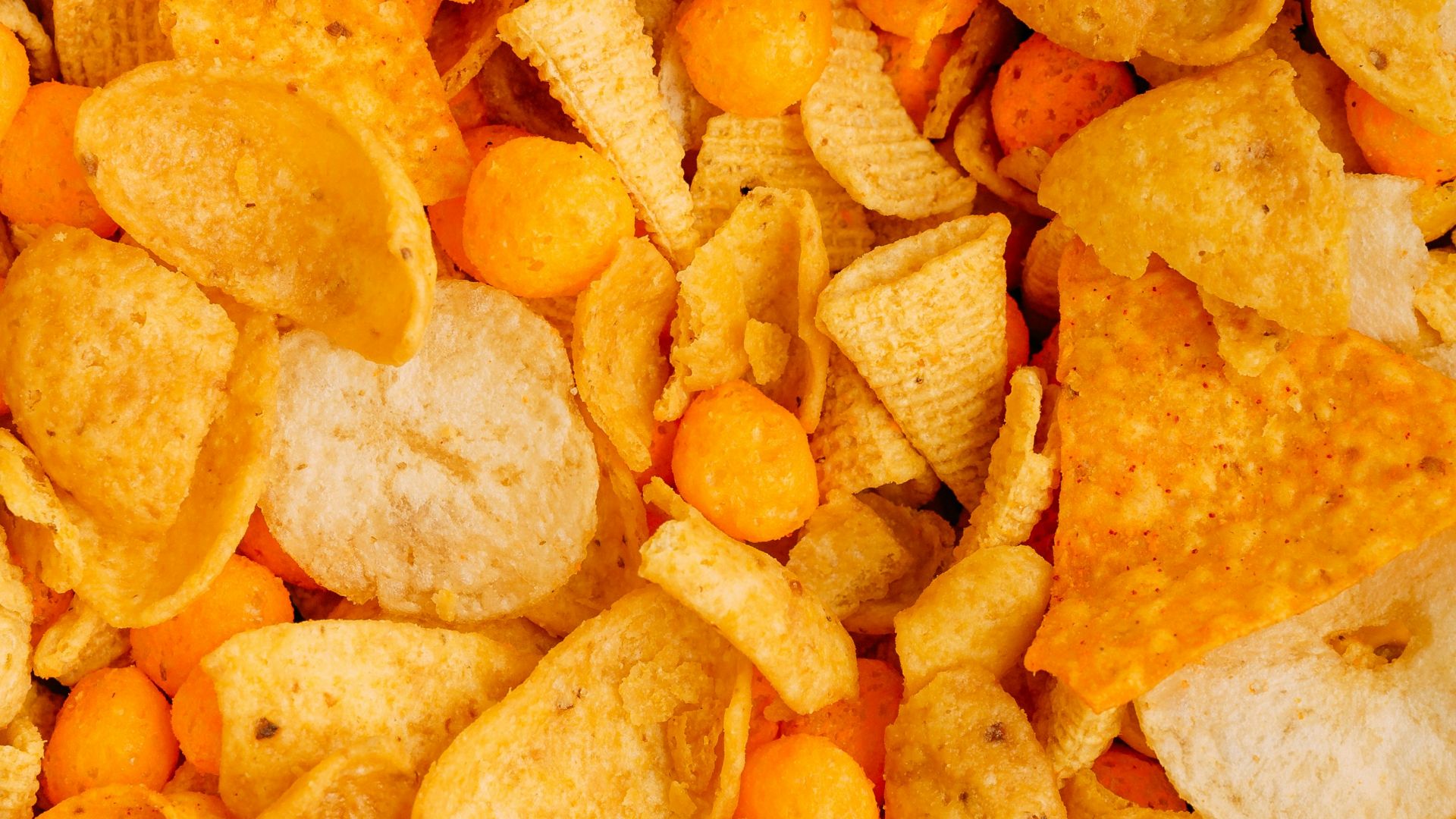
7. Packaged Snack Chips
A bag of chips delivers salt, refined oil, and a starch base with the fiber processed out of it. Nothing in there gives the fiber-fermenting strains anything to work with. The satisfaction of the crunch is real, but it happens entirely above the neck.
8. Alcohol
Even moderate drinking reduces bacterial diversity in the gut, and diversity is one of the better markers of a healthy microbiome. Beer and sugary cocktails add fermentable sugar on top of the alcohol itself. A single night out won't rearrange anything permanently, though a nightly habit tends to show up in stool samples within weeks.

9. Ice Cream and Sweet Dairy Desserts
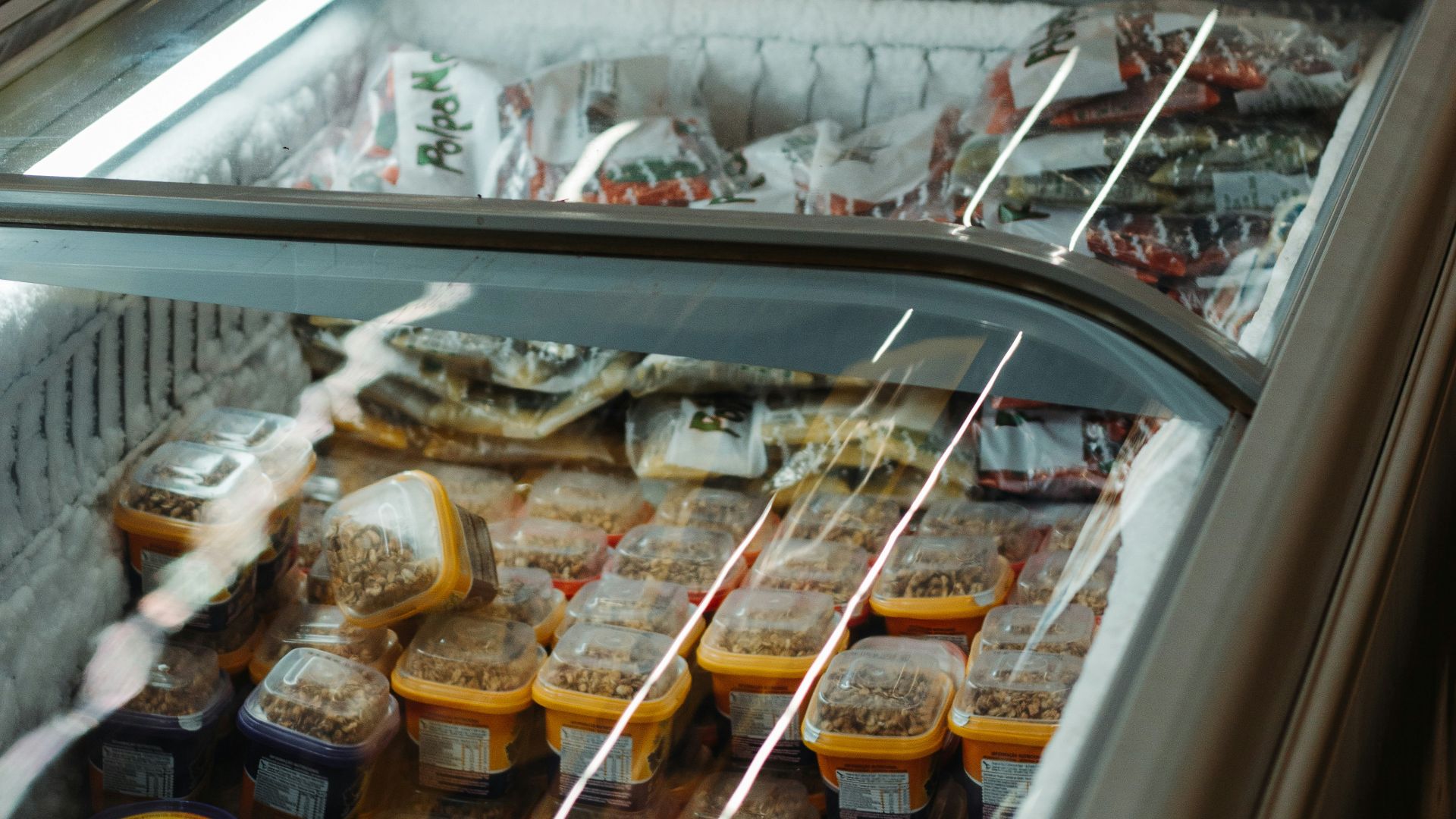
Sugar and saturated fat together make an unusually effective combination for feeding the strains you'd rather keep in check. Ice cream delivers both in the same spoonful, which is part of what makes it so easy to keep eating. Frozen yogurt with a sugar-heavy topping bar accomplishes the same thing, whatever the sign out front claims.

10. Frozen Ready Meals
Convenience meals typically combine refined starch, preservatives, and very little fiber into something that heats in four minutes. The good strains get almost nothing usable out of that combination. The strains that flourish on refined carbohydrate and emulsifiers do considerably better, which explains why heavy reliance on packaged meals tends to correlate with less microbial variety.
Now, here's 10 that feed the right side instead.
1. Yogurt With Live Cultures
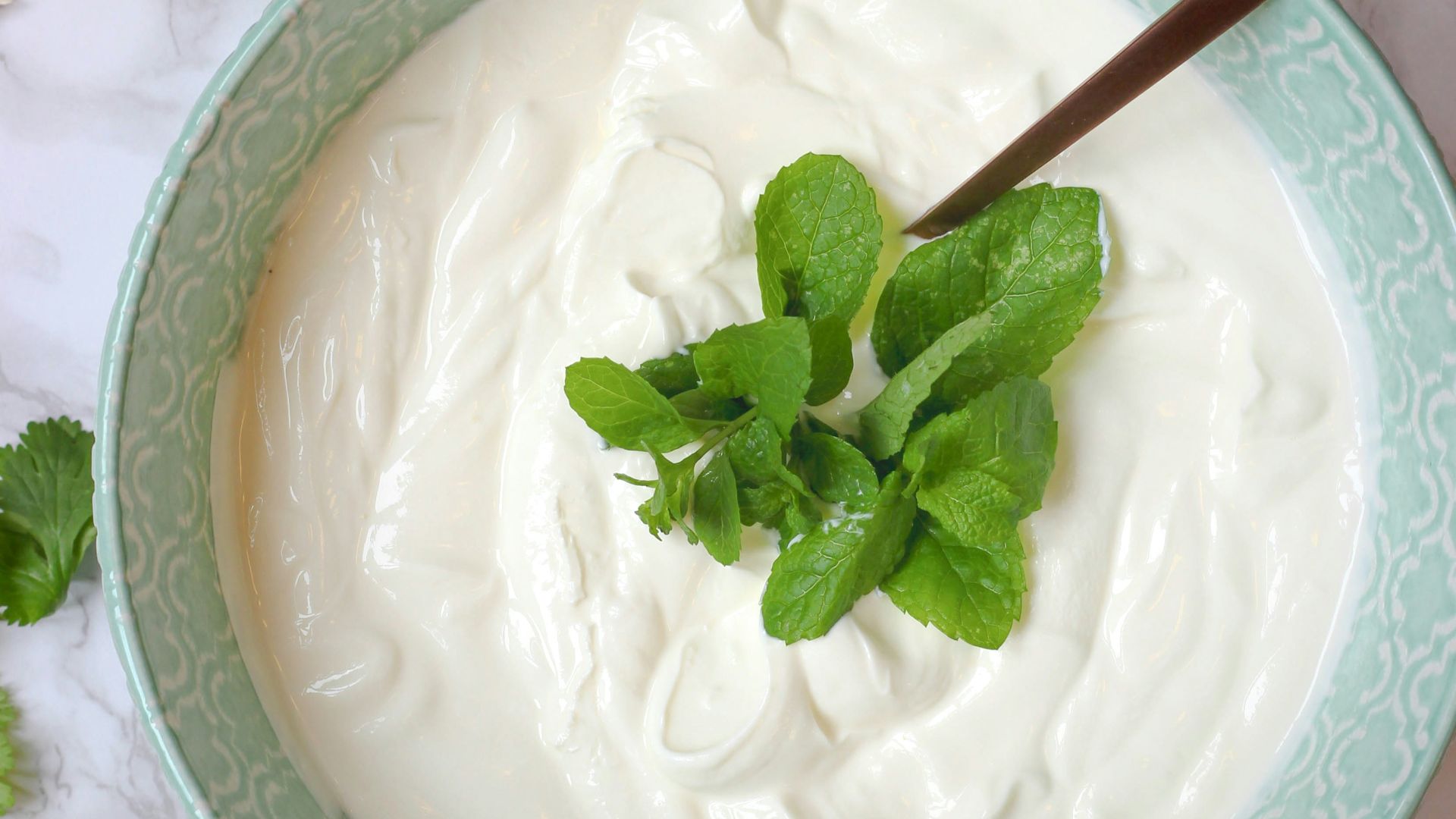
Look for "live and active cultures" on the container, because plenty of yogurts get pasteurized after fermentation and lose the bacteria entirely. Lactobacillus and Bifidobacterium arrive alive and join what's already in your gut, at least temporarily. Sugar-heavy flavored versions blunt the benefit, so plain yogurt with fruit added at home does more work.
 micheile henderson on Unsplash
2. Kimchi and Sauerkraut
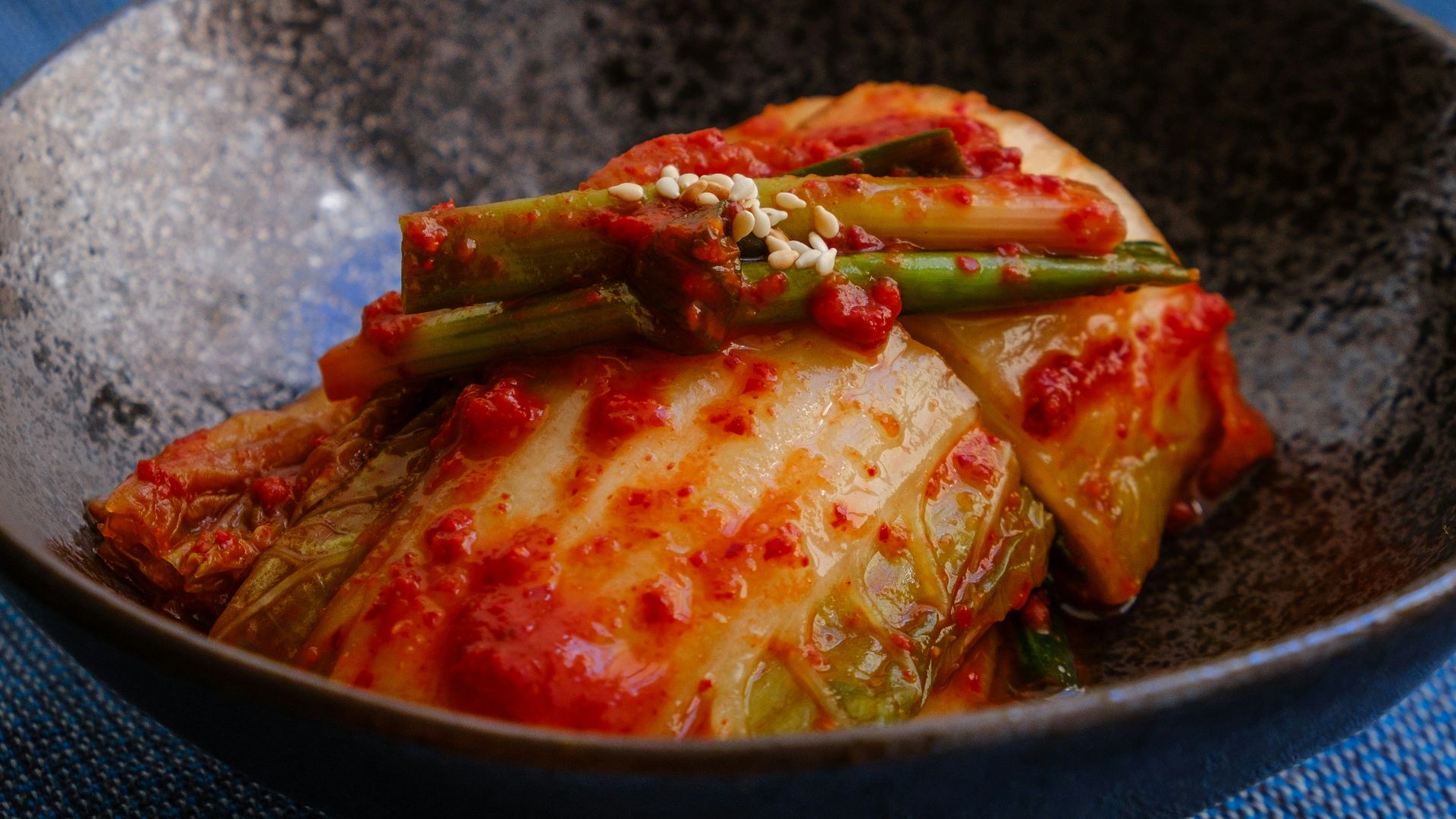
Fermented cabbage carries its own bacterial colony straight past your stomach and into the gut. The fermentation does the work here, not the cabbage, which means the pasteurized jars on the shelf-stable aisle don't deliver the same thing. Refrigerated versions with visible brine are the ones worth buying.
 Portuguese Gravity on Unsplash
3. Garlic
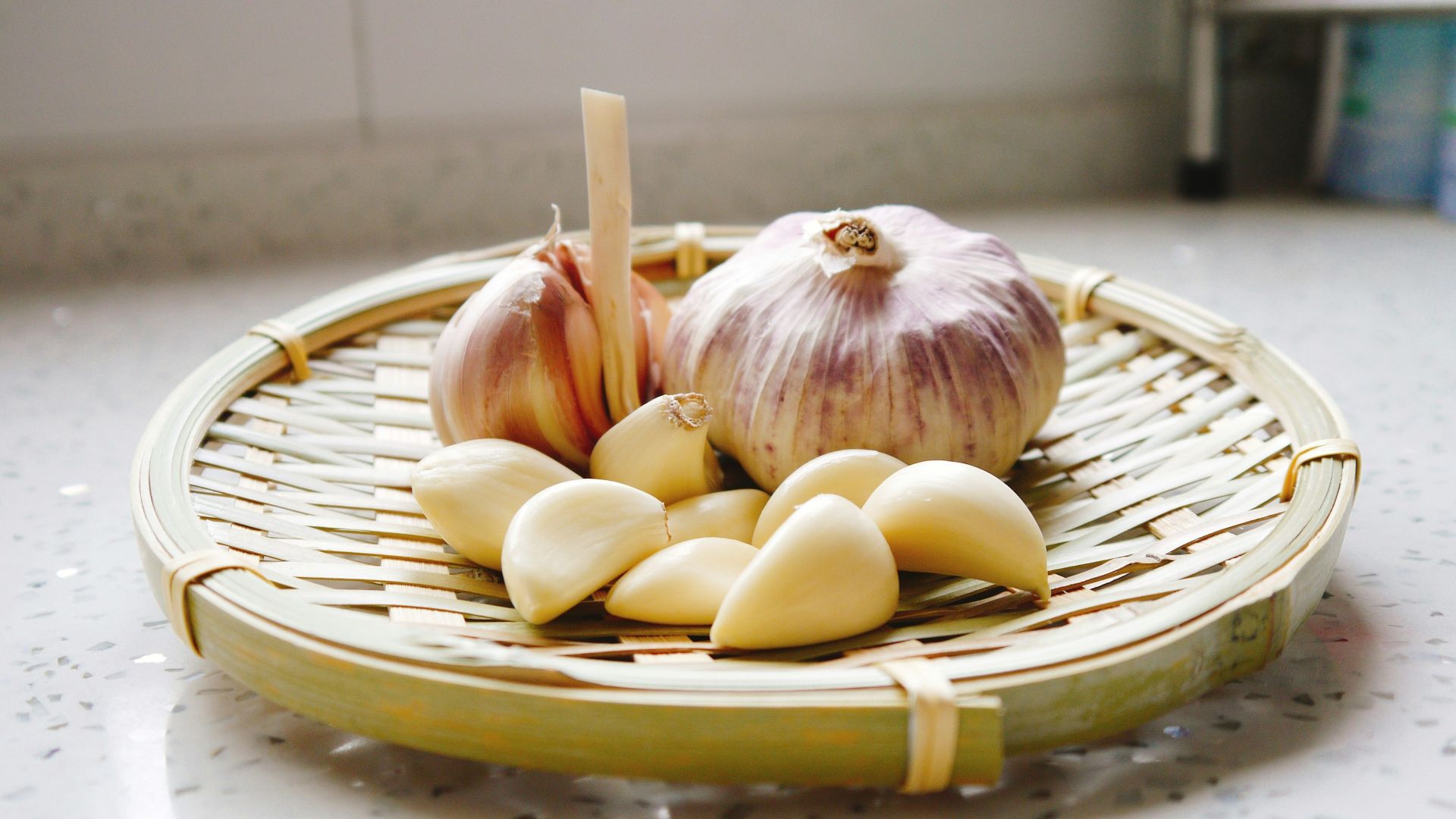
Garlic contains inulin, a prebiotic fiber that Bifidobacteria break down and use as fuel. It also carries allicin, which slows the growth of several less helpful strains at the same time. Two birds with one clove, and it works cooked or raw.
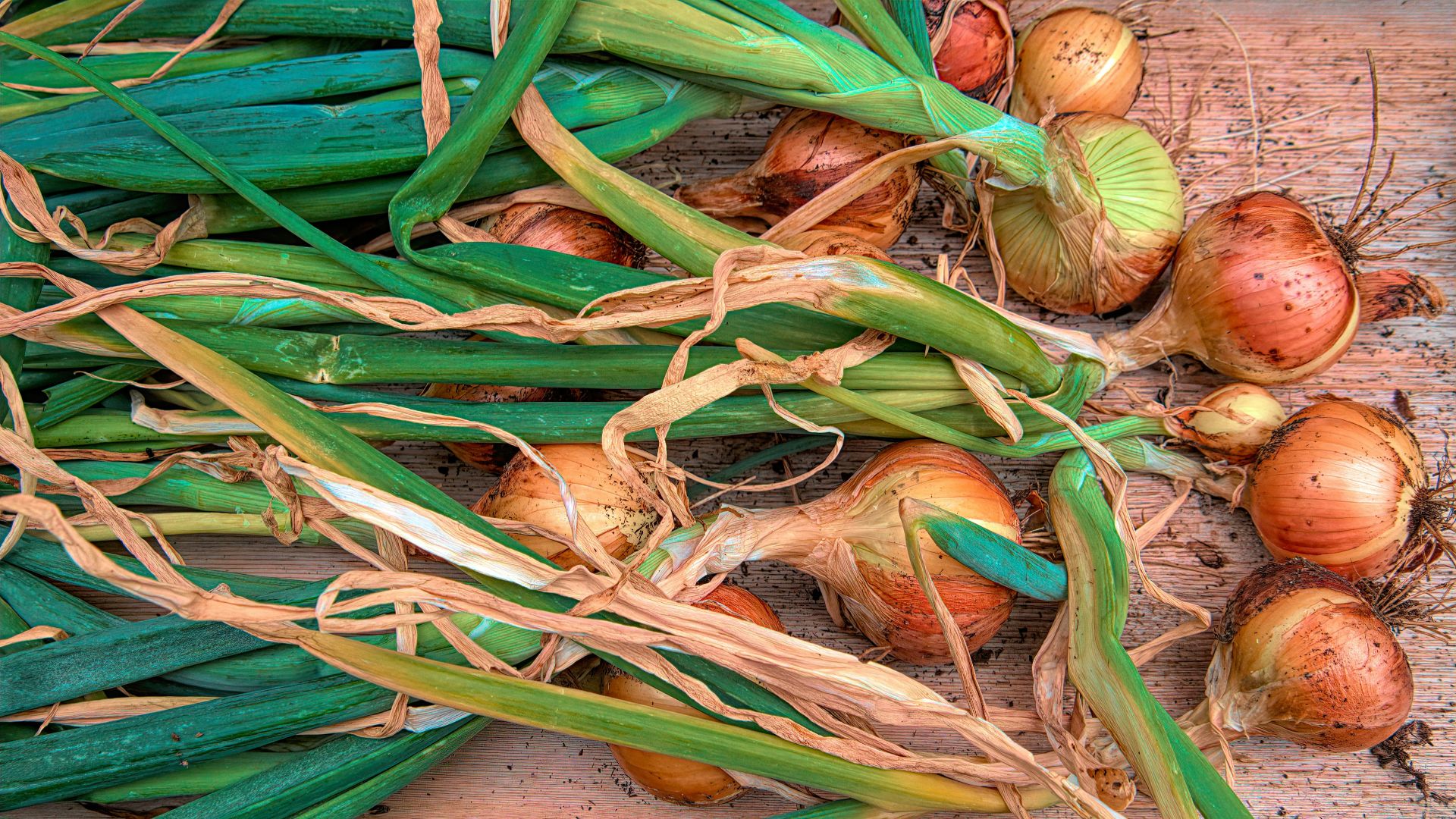
4. Onions and Leeks
Onions carry the same family of fiber garlic does, in a milder form that's easier to eat in real quantity. A cup of sautéed onion delivers considerably more prebiotic material than a single clove of garlic ever will. Leeks work the same way for anyone who finds raw onion too aggressive.
5. Oats
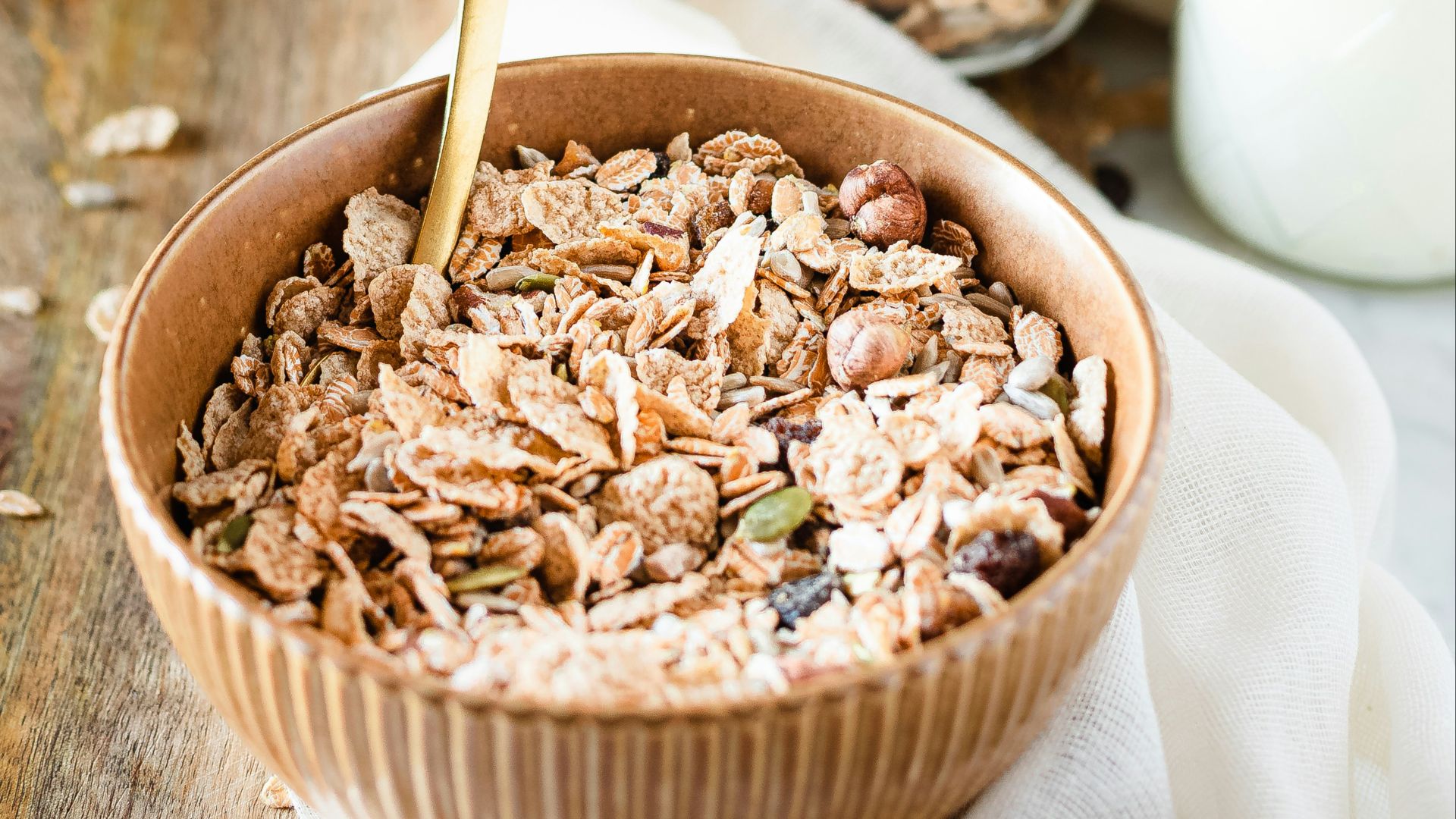
Beta-glucan is the fiber that makes oatmeal thick, and it's also what gut bacteria ferment into butyrate, the primary fuel source for the cells lining your colon. Steel-cut and rolled oats both deliver it. Instant packets with added sugar work against the benefit they're supposed to provide.
 micheile henderson on Unsplash
6. Beans and Lentils
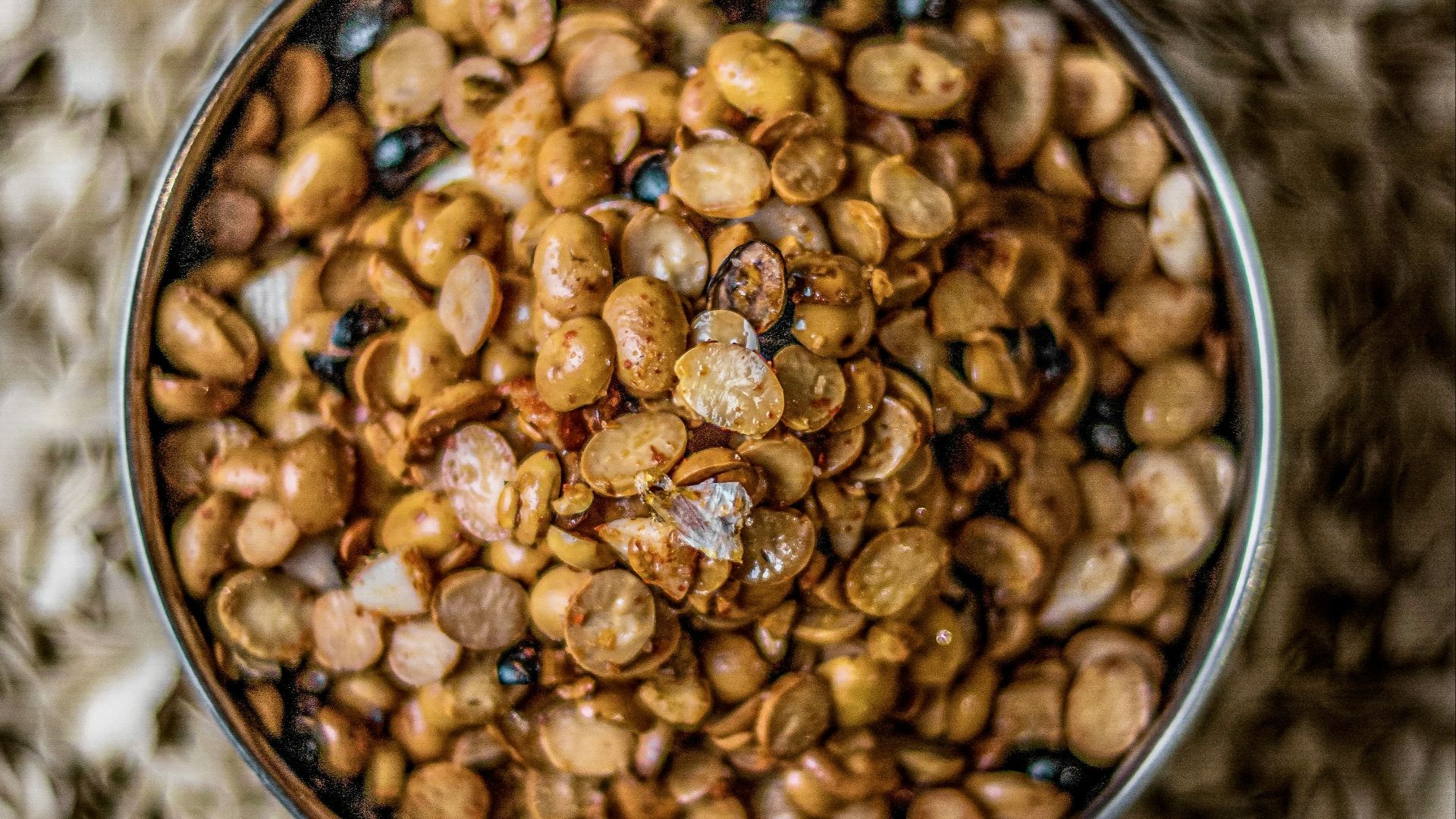
A cup of black beans carries around 15 grams of fiber, most of it resistant to digestion until it reaches your colon intact. The gas that sometimes follows is fermentation happening exactly as intended. Lentils accomplish the same thing with a shorter cooking time and a milder reputation.
7. Apples
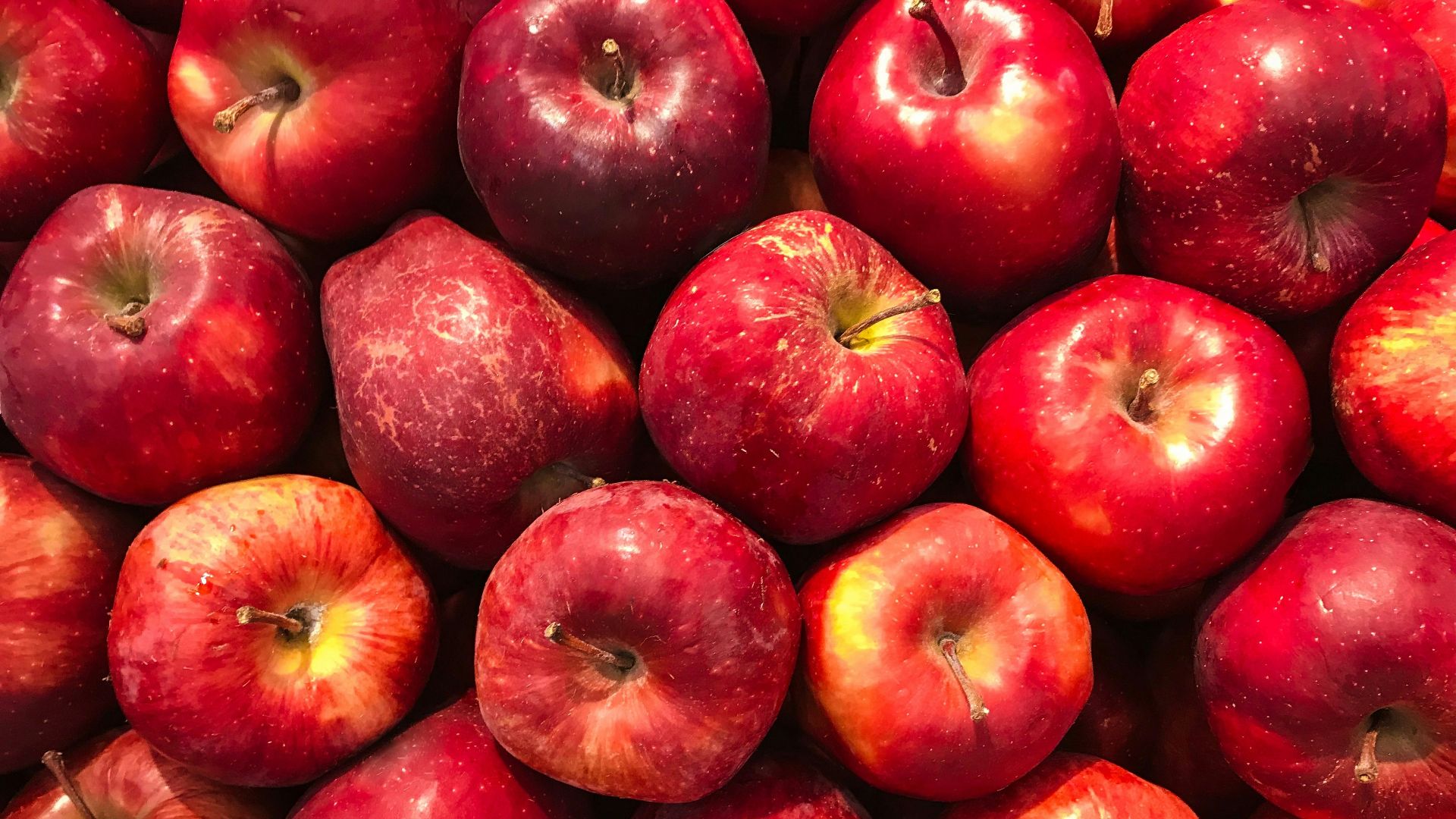
Pectin makes up most of an apple's fiber, and it ferments slowly enough to feed bacteria steadily rather than all at once. The peel holds a significant share of it, which is why peeling an apple costs you more than texture. One a day was never really about the vitamin C content.
8. Leafy Greens
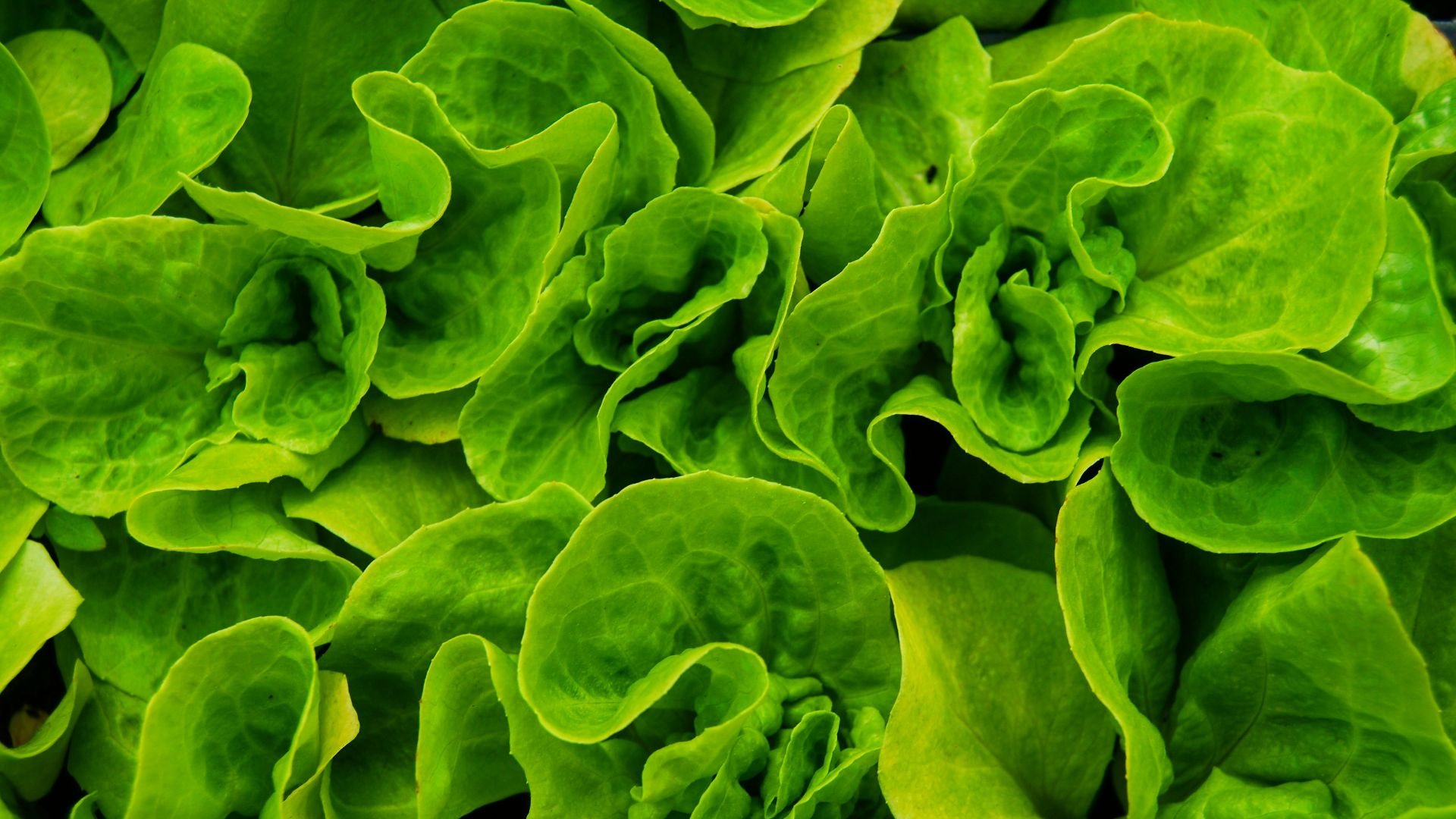
Spinach and kale contain a sulfur-based sugar that certain beneficial gut strains use almost exclusively, giving them an edge over competitors. A side salad most days accumulates faster than people assume. Cooking greens down doesn't destroy the benefit, so sautéed spinach counts just as much as raw.
9. Kefir
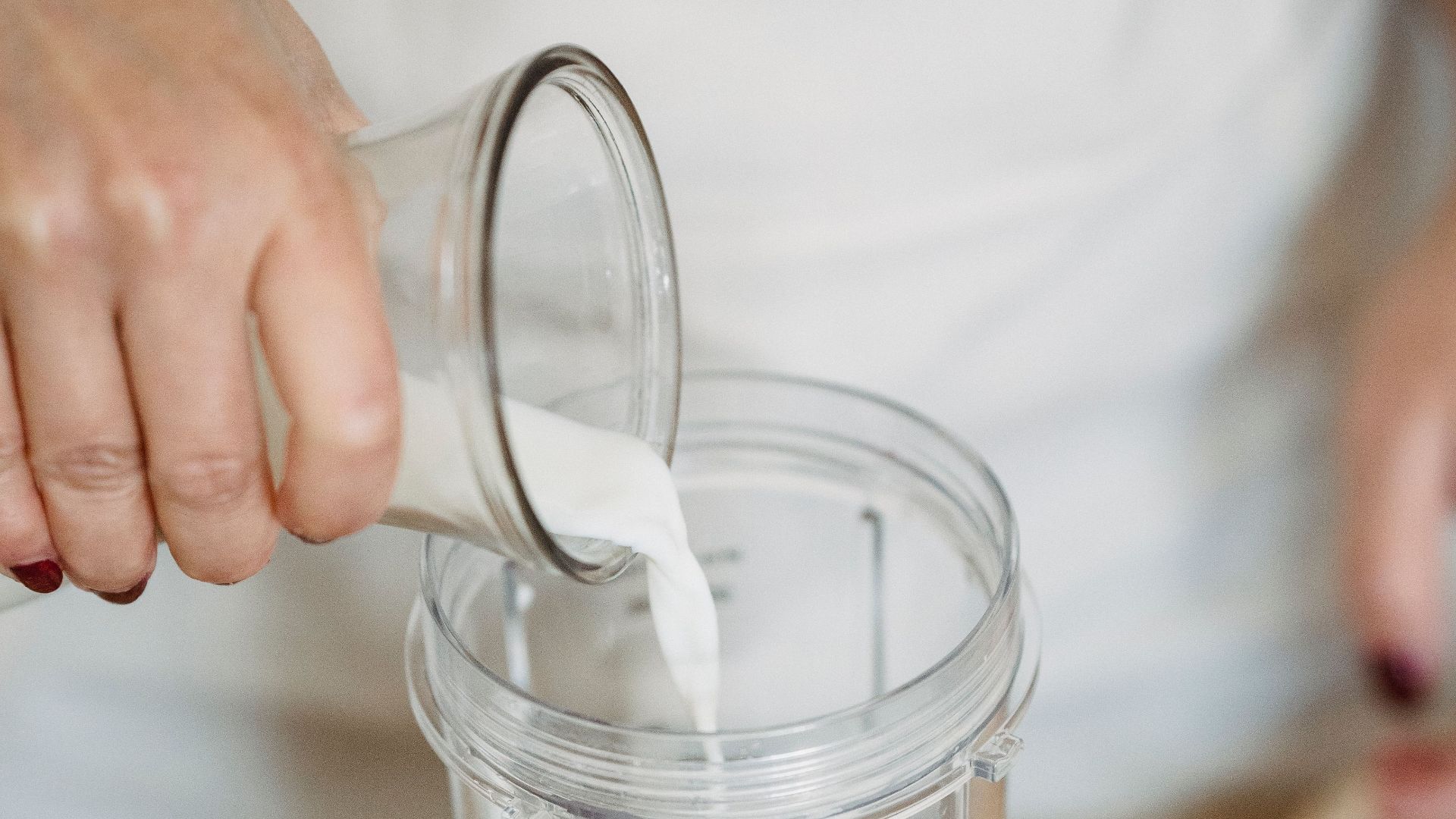
Kefir ferments longer than yogurt and with a wider set of cultures, ending up with a dozen or more bacterial strains rather than the two or three in most yogurt. The sharp tang is a byproduct of that extended fermentation. Half a cup daily introduces more variety than most probiotic capsules manage in a single dose.
10. Dark Chocolate
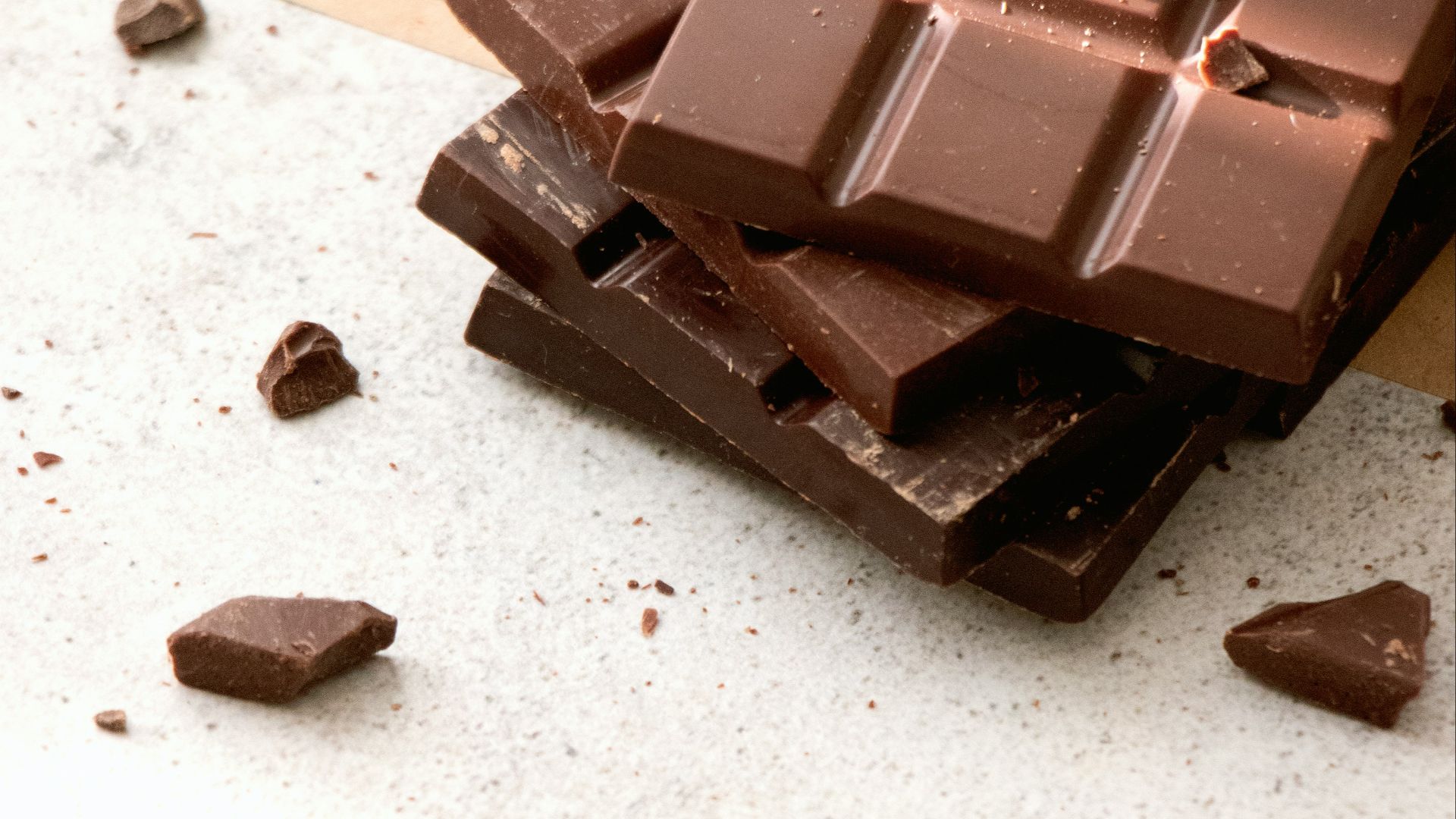
Cacao delivers polyphenols that gut bacteria metabolize into anti-inflammatory compounds, and 70 percent or higher is where the concentration becomes meaningful. Milk chocolate contains too little cacao and too much sugar to accomplish much of anything. A square or two after dinner is enough, and treating it as medicine misses the point of eating it anyway.
KEEP ON READING



20 Natural Ways You Can Boost Your Immune System

20 Ways To De-stress & Relax After Work
The 10 Most Common Diseases & The 10 Most Rare