
The Full Picture, Not Just the Cute Part
A puppy shows up in the group chat and every single reply is some version of congratulations, no one asking the harder questions first. Some of that reputation is earned. Regular contact with an animal really does show up in blood pressure readings and mood surveys researchers can measure. But there's a second half of the story that rarely makes it into the pitch, the parts of pet ownership that show up after the routine's already locked in. Here are 10 real health benefits, and 10 downsides that tend to get left out.
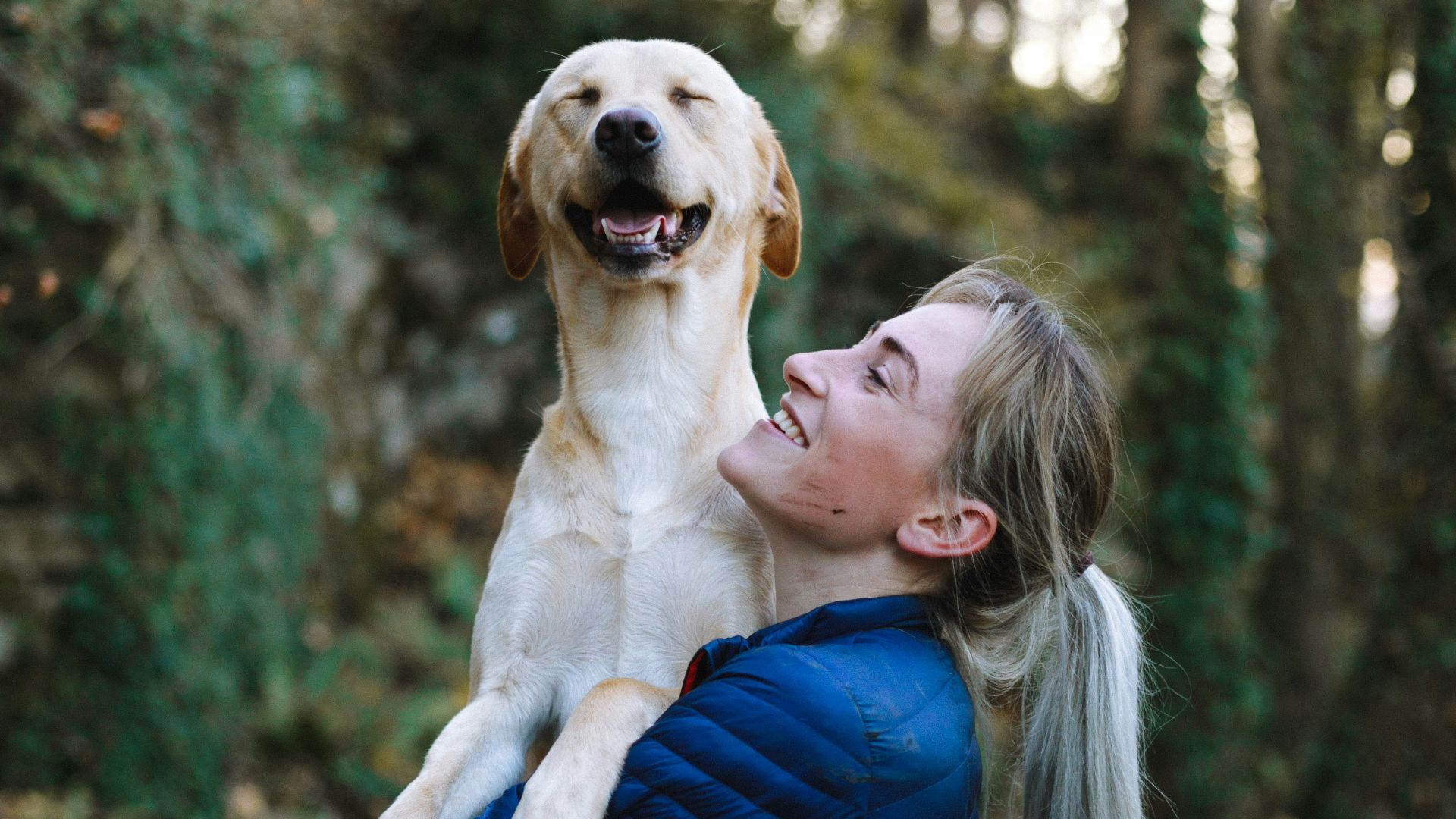
1. Lower Blood Pressure
Petting a dog or cat for even a few minutes tends to lower heart rate and blood pressure, and the effect shows up in study after study. It's part of why hospitals started bringing in therapy animals for patients with hypertension and anxiety in the first place.
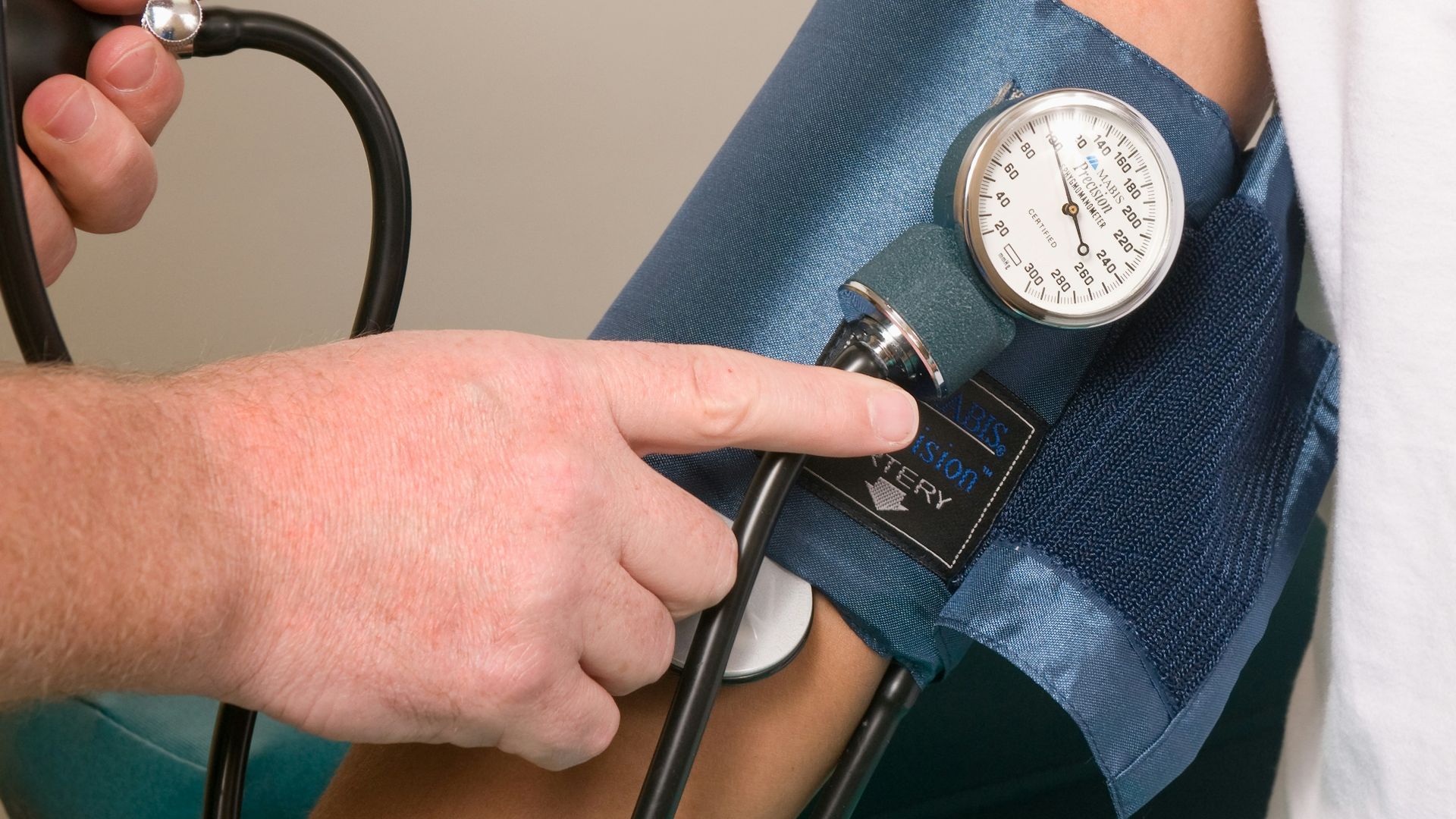
2. More Daily Movement
Dog owners walk more than non-owners, often without thinking of it as exercise at all. A dog that needs to go out twice a day builds movement into your schedule whether you feel like it or not.
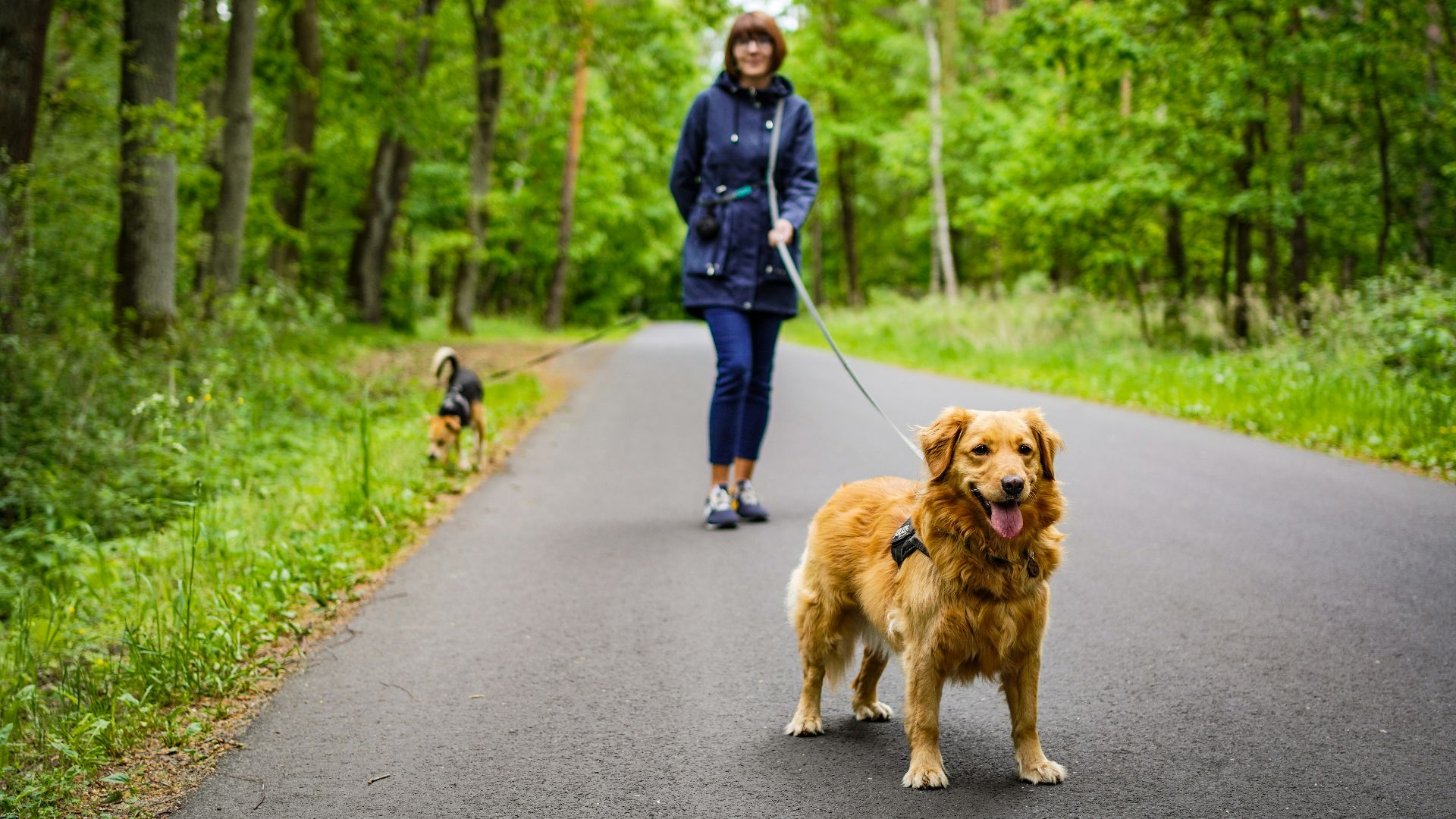
3. Lower Stress Hormones
Interacting with a pet lowers cortisol, the hormone your body releases under stress, while raising oxytocin, the one tied to bonding and calm. That shift is measurable within minutes of physical contact, which is part of why a bad day can feel better after ten minutes with a dog on the couch.

4. Built-In Social Contact
Walking a dog turns an ordinary errand into a string of small interactions with neighbors and strangers at the park. Pet owners often report knowing more people in their neighborhood than they did before the dog arrived.

5. Stronger Immune Tolerance in Kids
Children raised in homes with pets, especially early on, tend to show lower rates of certain allergies and asthma later in life. Early exposure to pet dander seems to train the immune system rather than provoke it.

6. A Reason to Get Up
A pet that needs feeding, walking, or basic care gives a day some structure, which matters more than it sounds like for people managing depression or isolation. That built-in responsibility is often cited by researchers as one of the more reliable benefits of ownership.

7. Faster Recovery After Illness
Patients recovering from surgery or heart attacks who have a pet at home tend to show better recovery outcomes than those who don't. Some hospitals have leaned into this directly, adding therapy dog visits to recovery wards for exactly that reason.
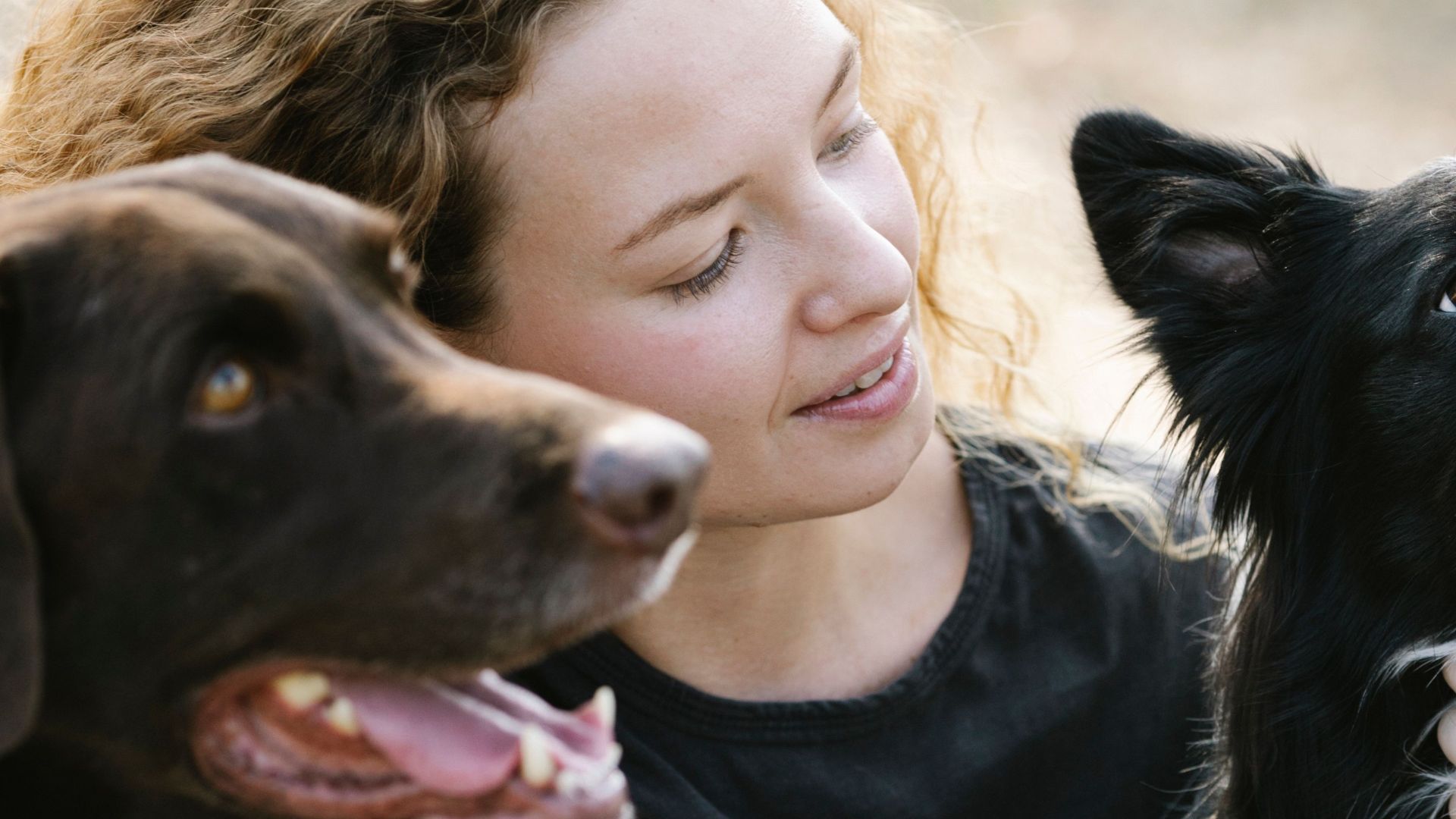
8. Less Loneliness in Older Adults
For older adults living alone, a pet can be the difference between a day with almost no conversation and one with at least a little routine interaction. Companionship from a pet has been linked to lower rates of depression in this age group specifically.
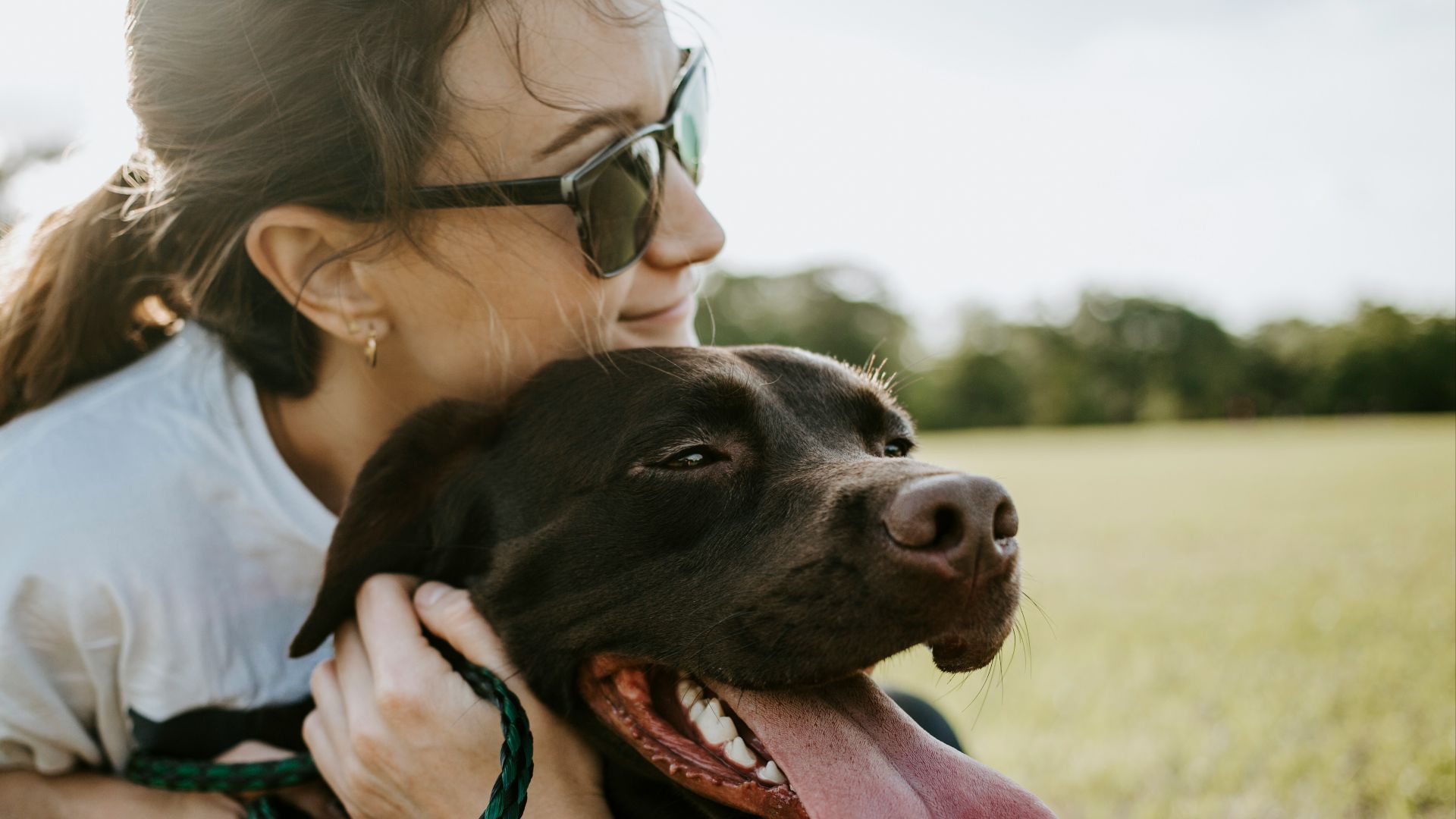
9. A Buffer Against Trauma
Service and therapy animals are now a standard part of treatment for some PTSD patients, trained to interrupt anxiety spikes before they escalate. Even without formal training, plenty of pet owners describe their animal as the thing that got them through a hard stretch.
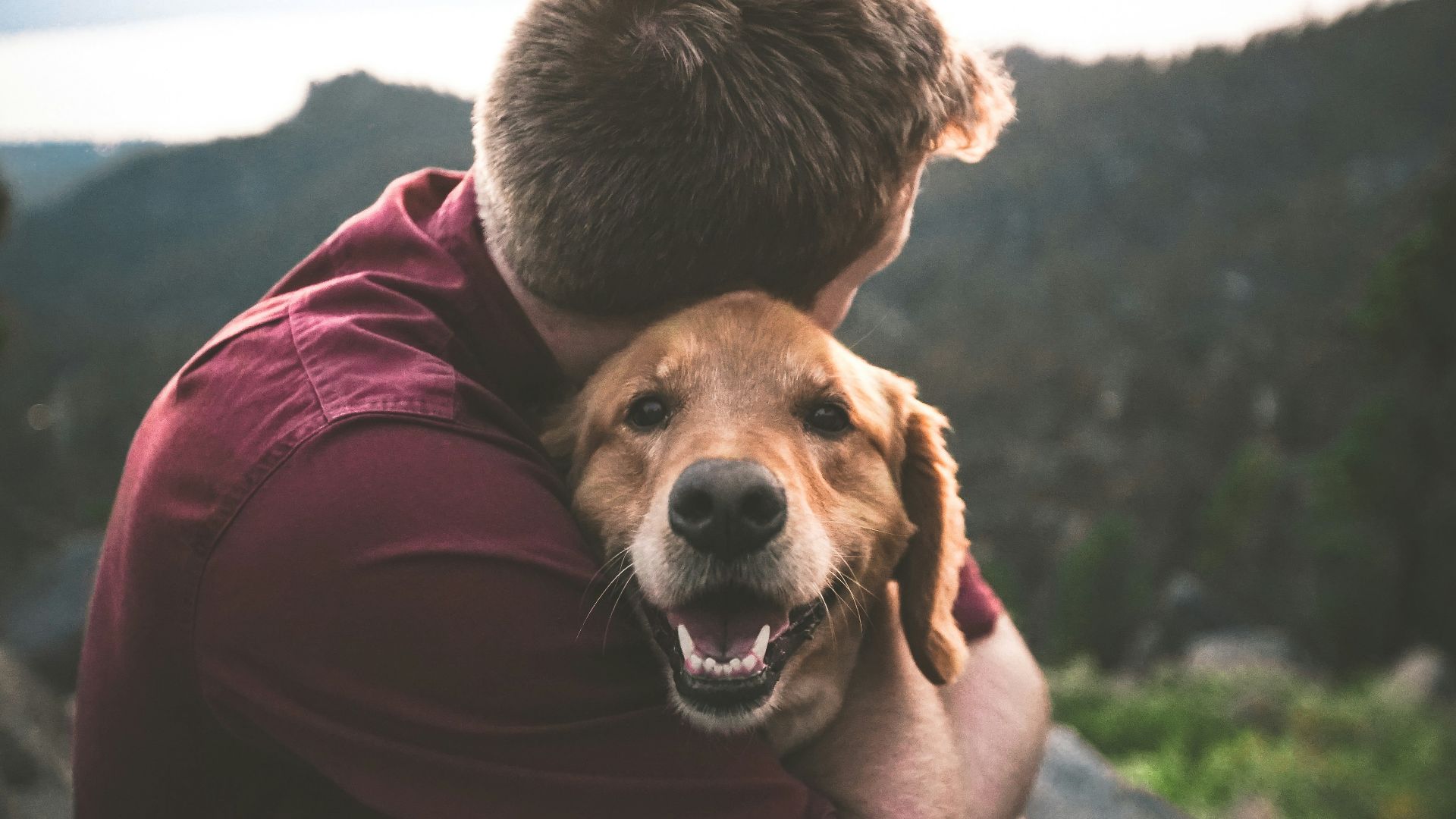
10. A Steadier Mood Day to Day
Pet owners frequently report fewer mood swings and less day-to-day anxiety than people without pets, even accounting for other lifestyle factors. It's not a replacement for treatment, but it functions as a consistent, low-effort mood stabilizer for a lot of people.
Now, here's 10 hidden downsides.

1. Zoonotic Infections
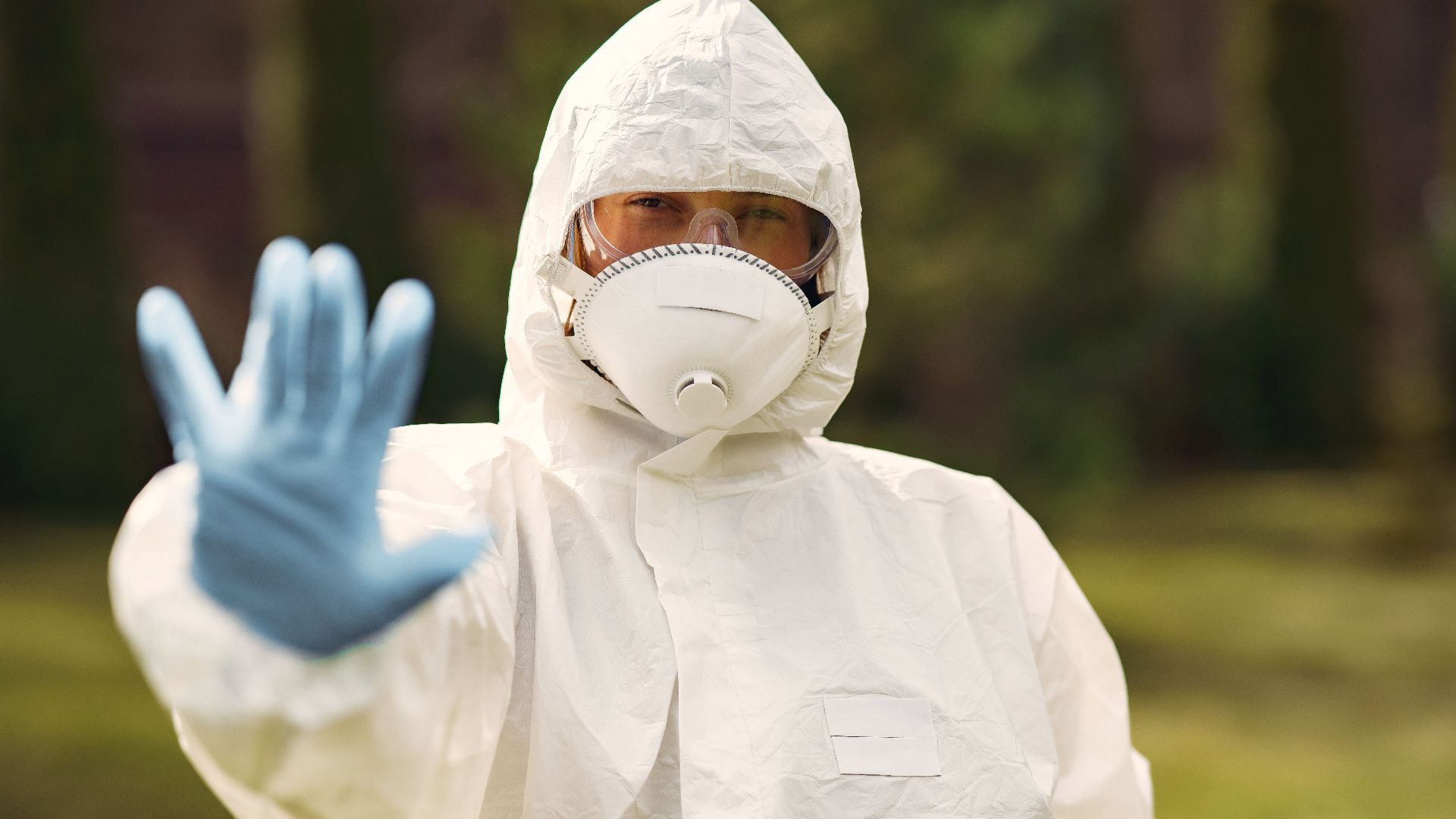
Pets can pass along infections that don't always show symptoms in the animal itself, including toxoplasmosis from cat litter and ringworm from close contact. Most cases are minor, but they're more common than most new pet owners expect.
2. Allergy and Asthma Flare-Ups
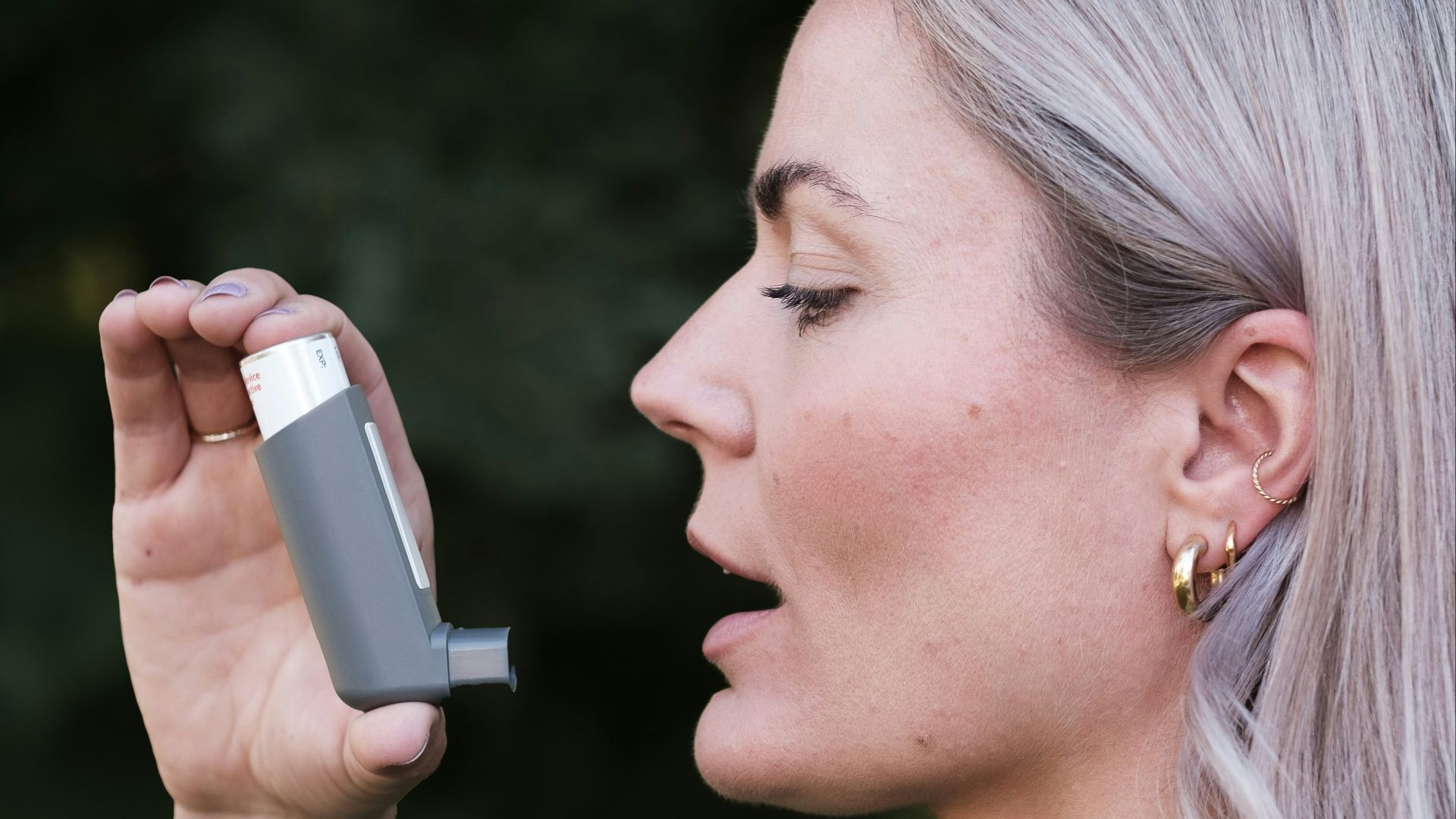
For people already sensitized to pet dander, living with an animal can trigger ongoing allergy symptoms or worsen asthma rather than help it. It's the same dander that shows up as a protective factor in early childhood that becomes a problem once someone's already allergic.
3. Bite, Scratch, and Fall Injuries
Dog bites send hundreds of thousands of people to the emergency room each year, and a surprising share of injuries in older adults come from tripping over a pet or being pulled off balance on a leash. It's rarely the pet's fault, but the physical risk is real.

4. The Real Cost Adds Up
Between food, routine vet visits, and the emergency trip nobody plans for, pet ownership gets expensive fast. A single unexpected surgery can run into the thousands, and it usually happens at the worst possible time financially.

5. Disrupted Sleep
Pets that sleep in the bed, need a middle-of-the-night bathroom trip, or just move around a lot can measurably reduce sleep quality for their owners. Most people underestimate how much this adds up over months of interrupted rest.

6. Grief When They're Gone
Losing a pet triggers grief that's comparable, in both intensity and duration, to losing a close family member for a lot of owners. It's a loss that friends and coworkers sometimes underestimate, which can leave people grieving with less support than they'd get otherwise.

7. The Guilt of Leaving Them Behind
Travel, long workdays, and even a night out can come with a layer of guilt that doesn't exist for people without pets at home. Some owners restructure their whole schedule around a pet's needs, which adds a quiet source of stress that rarely gets mentioned in the case for getting one.
8. Toxoplasmosis Risk in Pregnancy
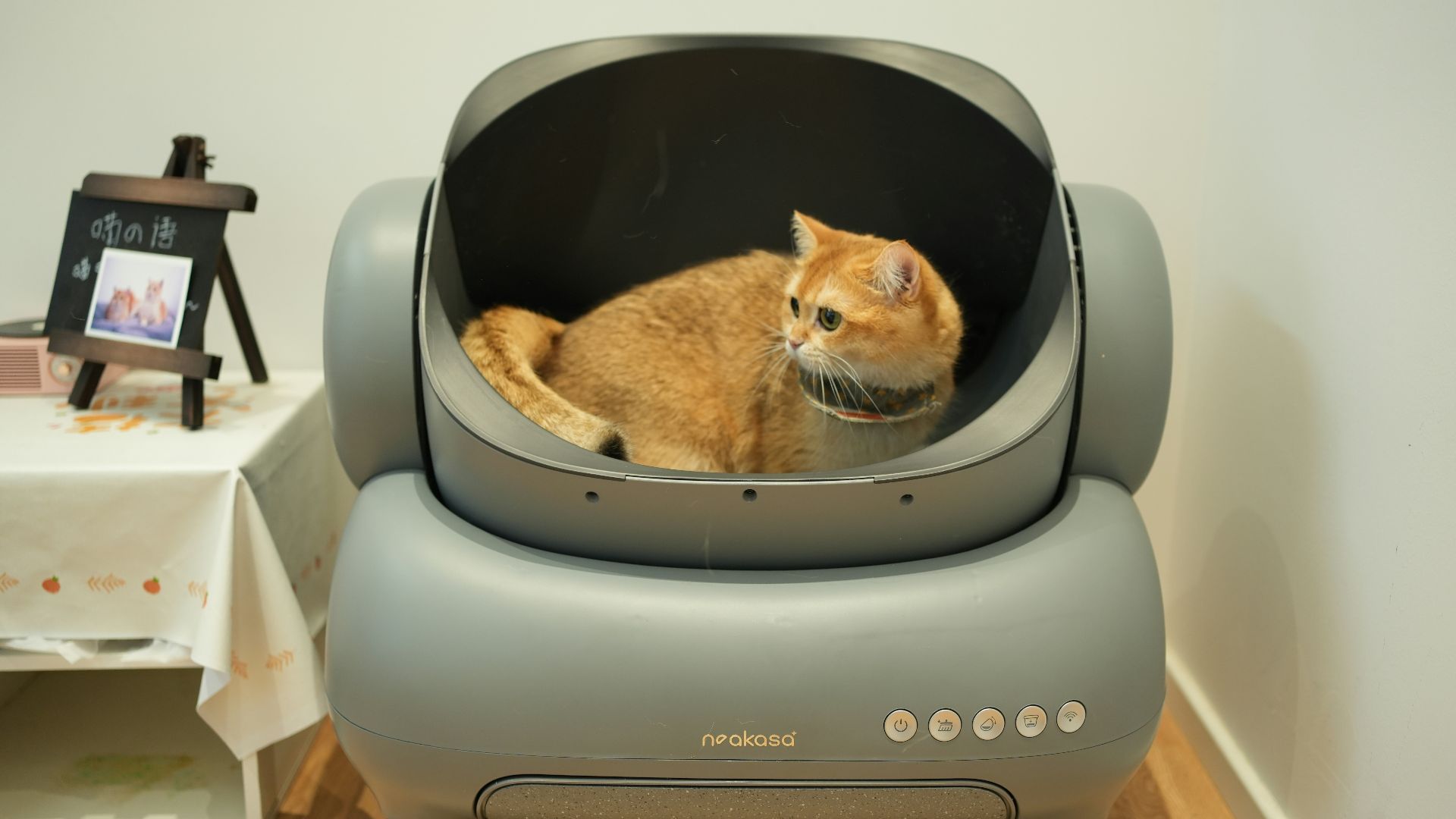
Cat litter carries a specific risk for pregnant women, since toxoplasmosis can cause serious complications for a developing fetus. Doctors generally recommend handing off litter box duty to someone else for the length of the pregnancy, not getting rid of the cat.
9. Less Movement Than Expected
Not every pet gets its owner off the couch. Cats, small caged animals, and older or low-energy dogs can end up reinforcing a sedentary routine instead of breaking one, which cuts against the exercise benefit people expect going in.
 Tran Mau Tri Tam ✪ on Unsplash
10. Indoor Air Quality
Even in homes without anyone allergic, pet dander and dust can build up in carpets, vents, and bedding over time and affect indoor air quality. It's a slow enough change that most owners don't notice it until they're cleaning the vents and seeing exactly how much has collected.