Your Skin Is a Treasure Trove of Clues
Changes to your skin are often harmless, temporary, or related to elements like weather and everyday habits. However, they can sometimes reflect what’s happening inside our bodies. Shifts in color, texture, moisture, bruising, or healing can be associated with nutrition, circulation, hormones, immune activity, and other internal processes, but remember that no single skin change can confirm a diagnosis alone. Paying attention to patterns matters more than worrying about every rough patch or blemish, especially if a change persists or appears along with other symptoms. Here are 20 subtle changes in your skin that reflect internal health.
1. Persistent Dry Skin
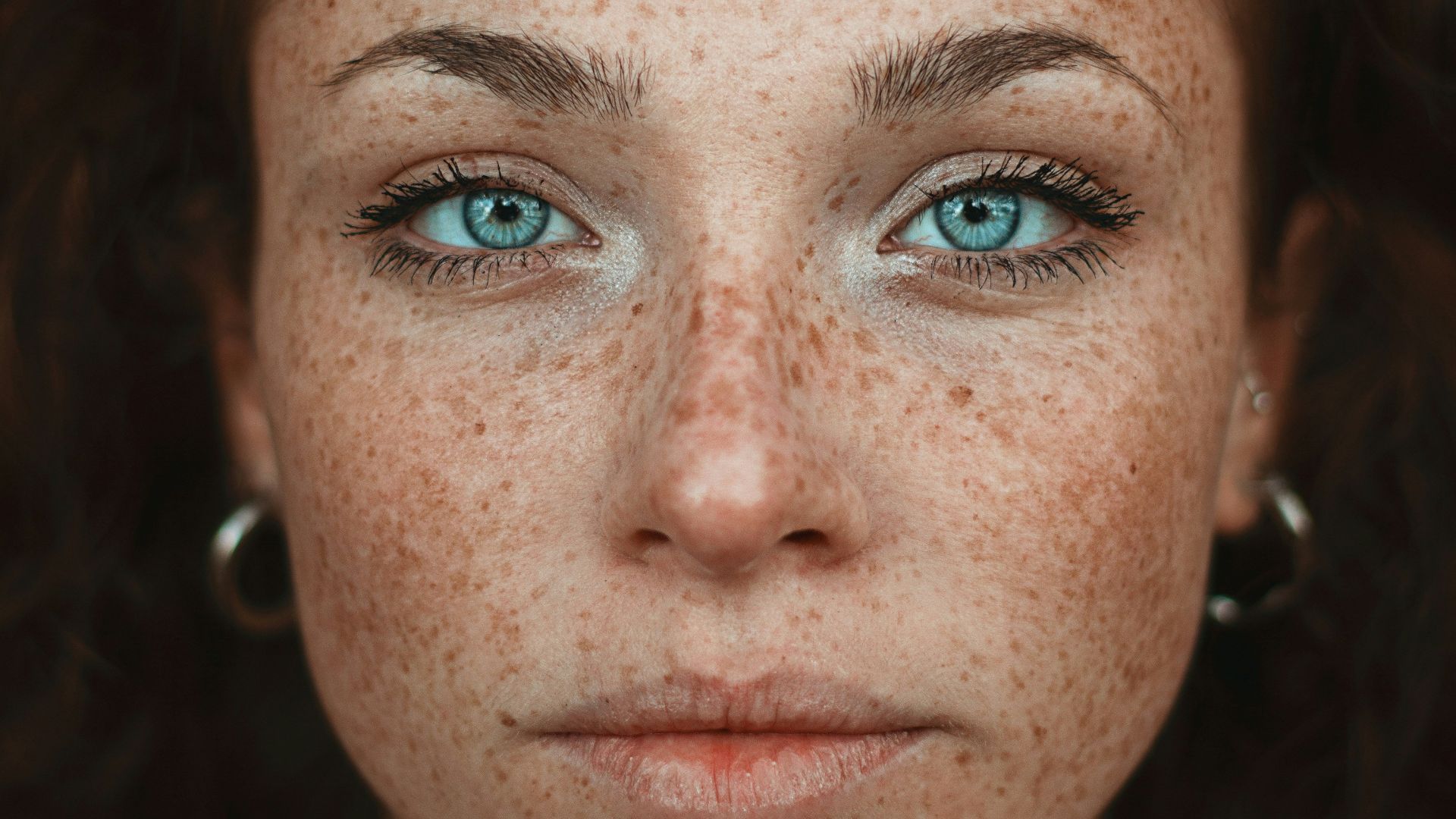
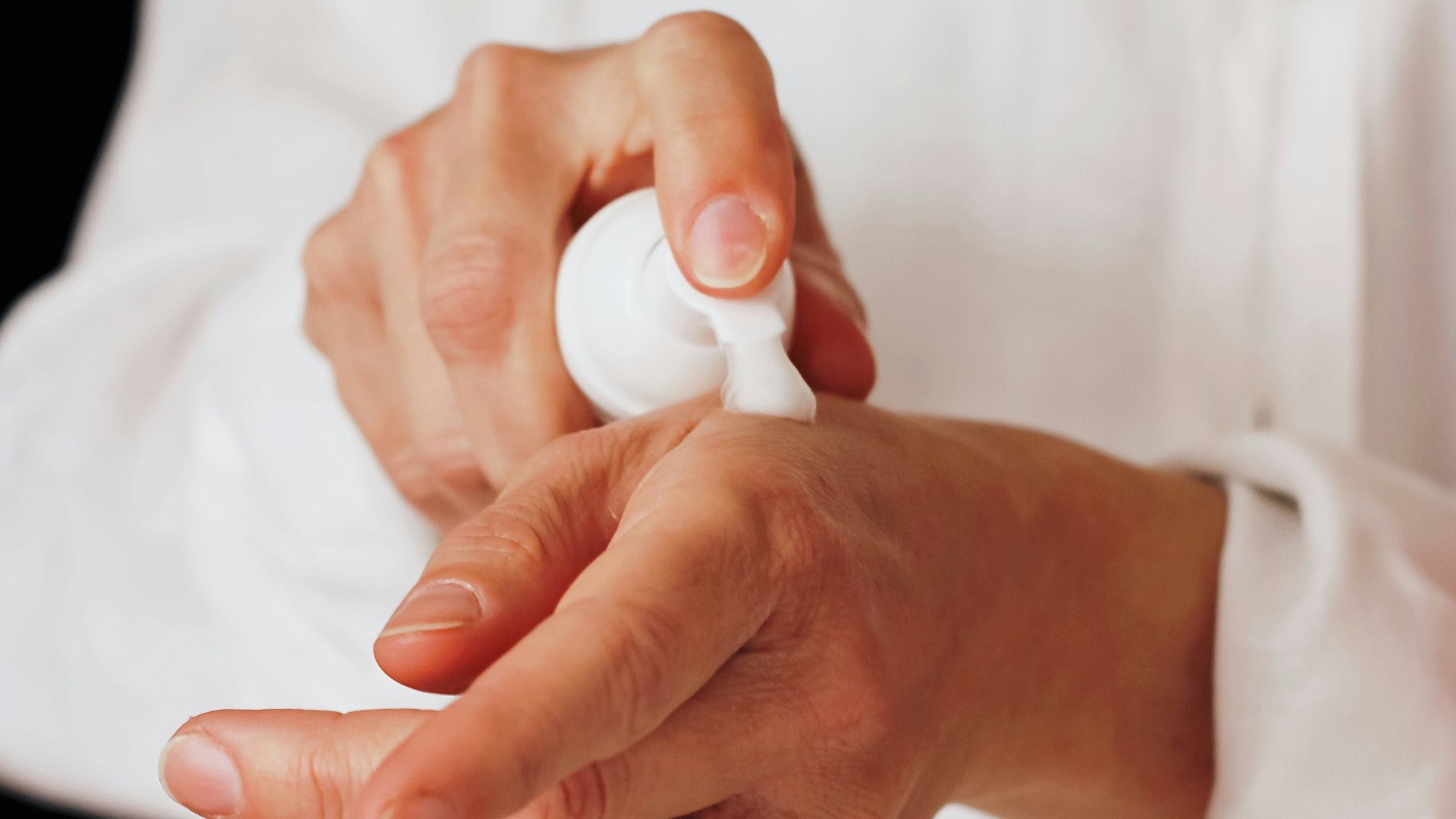
Dry skin is extremely common, especially in cold weather or after too much washing, but ongoing dryness can occasionally accompany conditions such as hypothyroidism or diabetes. Nutritional deficiencies may also affect the skin barrier in specific cases.
 Nataliya Melnychuk on Unsplash
2. Extremely Pale Skin
Skin that looks more pale than usual can commonly be associated with anemia, particularly when fatigue, weakness, or shortness of breath are also symptoms. Natural skin tone varies enormously, so the biggest clue is a meaningful change from what’s normal for your skin.
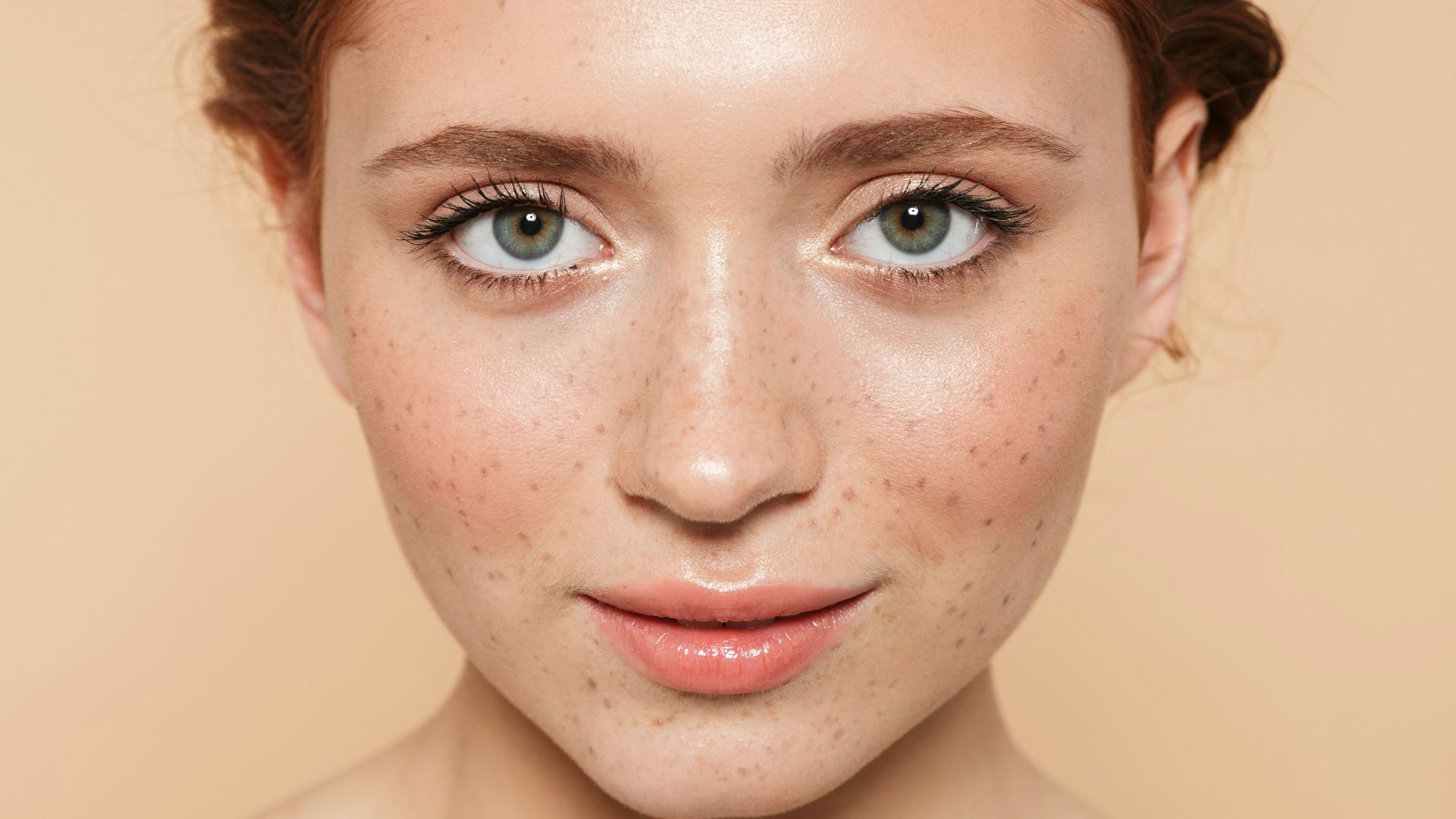
3. Yellowing Of The Skin
A yellow hue to the skin or whites of the eyes can signal jaundice, which occurs when bilirubin builds up in the body. Liver disease, bile duct obstruction, and certain blood disorders are among the potential causes. Since jaundice can indicate a very severe medical problem, new yellowing should be evaluated immediately rather than treated as a normal cosmetic change.
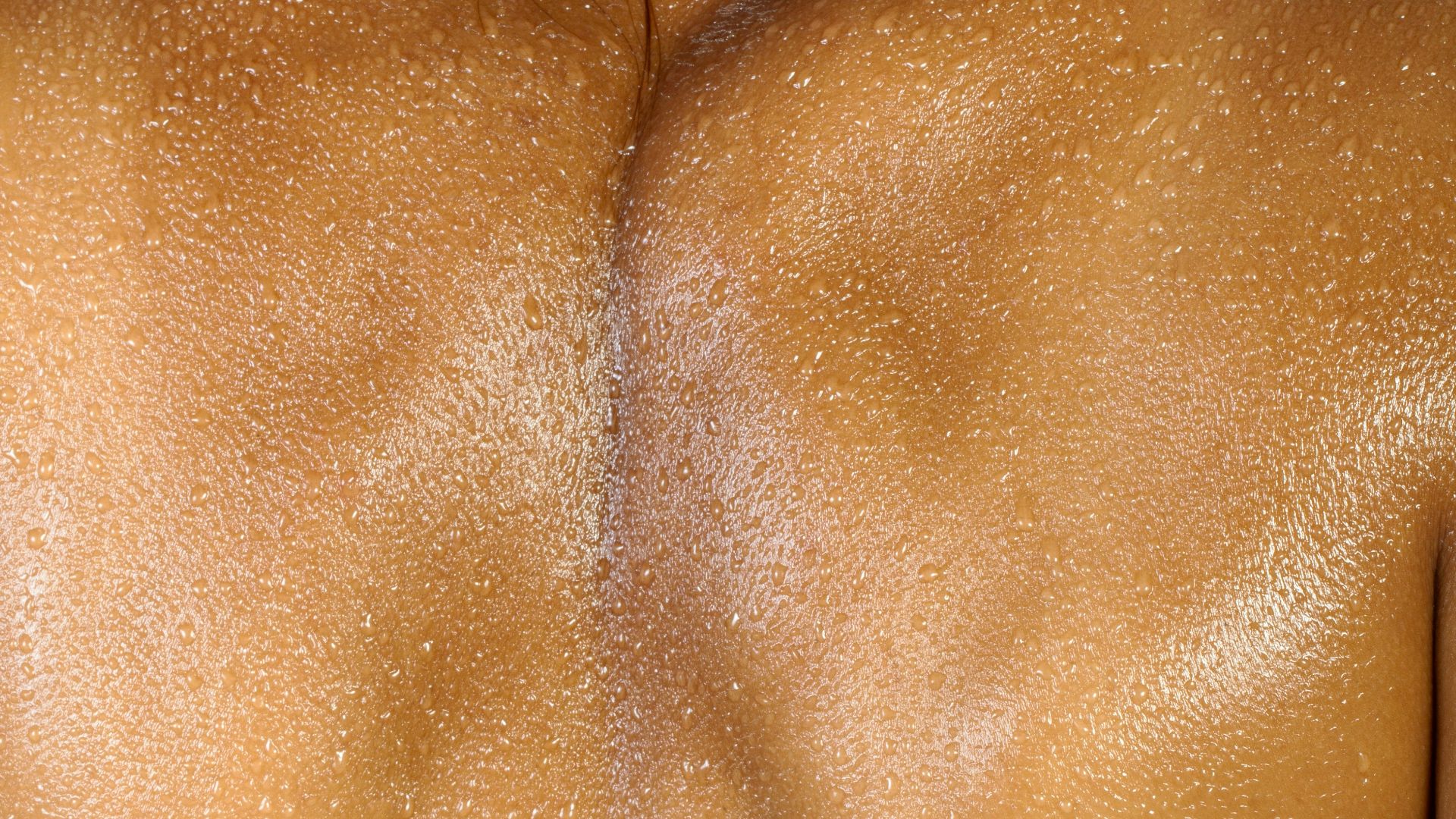
4. Darker Skin In Body Folds
Velvety, darker patches around areas like the neck, armpits, or groin can be a condition called acanthosis nigricans. It’s commonly associated with insulin resistance and may appear in people with prediabetes or type 2 diabetes.
5. Bruising More Easily
Everyone gets bruises now and then, yet a noticeable increase without clear injuries deserves attention. Easy bruising is often related to medications, aging skin, vitamin deficiencies, platelet problems, or disorders that affect blood clotting.

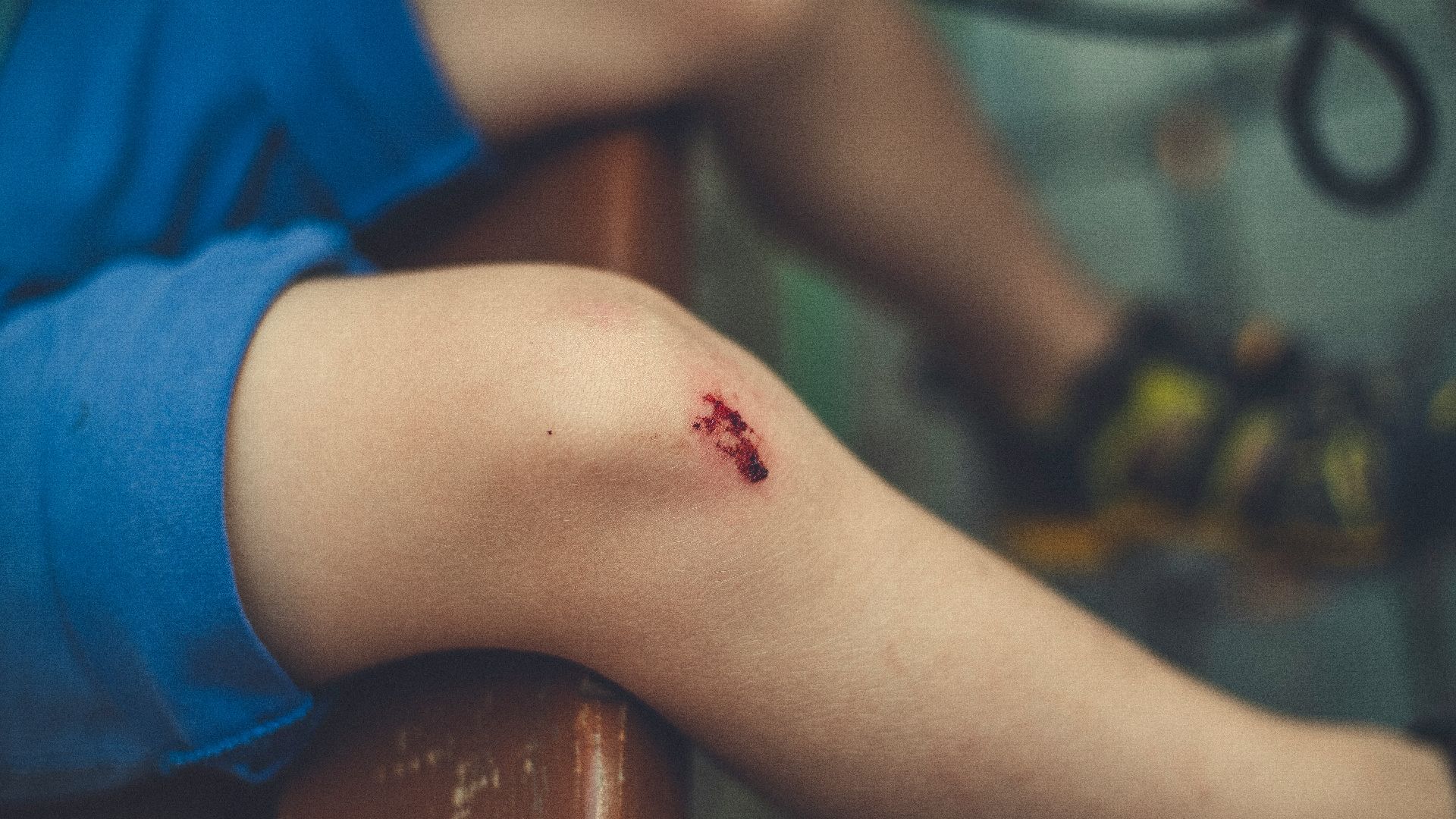
6. Slow-Healing Cuts
Minor cuts typically start improving fairly quickly, so wounds that heal slowly can sometimes indicate circulation or blood sugar problems. Diabetes, for example, can impair both blood flow and the body’s ability to repair damaged tissue.
7. More Itchy Skin
Itching commonly comes from dry skin, irritation, or allergies, but widespread itching without a rash present can occasionally have a more severe cause. Kidney disease, liver problems, thyroid disorders, and certain blood conditions are among the possibilities physicians may consider. If itching worsens or becomes severe, a visit to the doctor might be worthwhile.

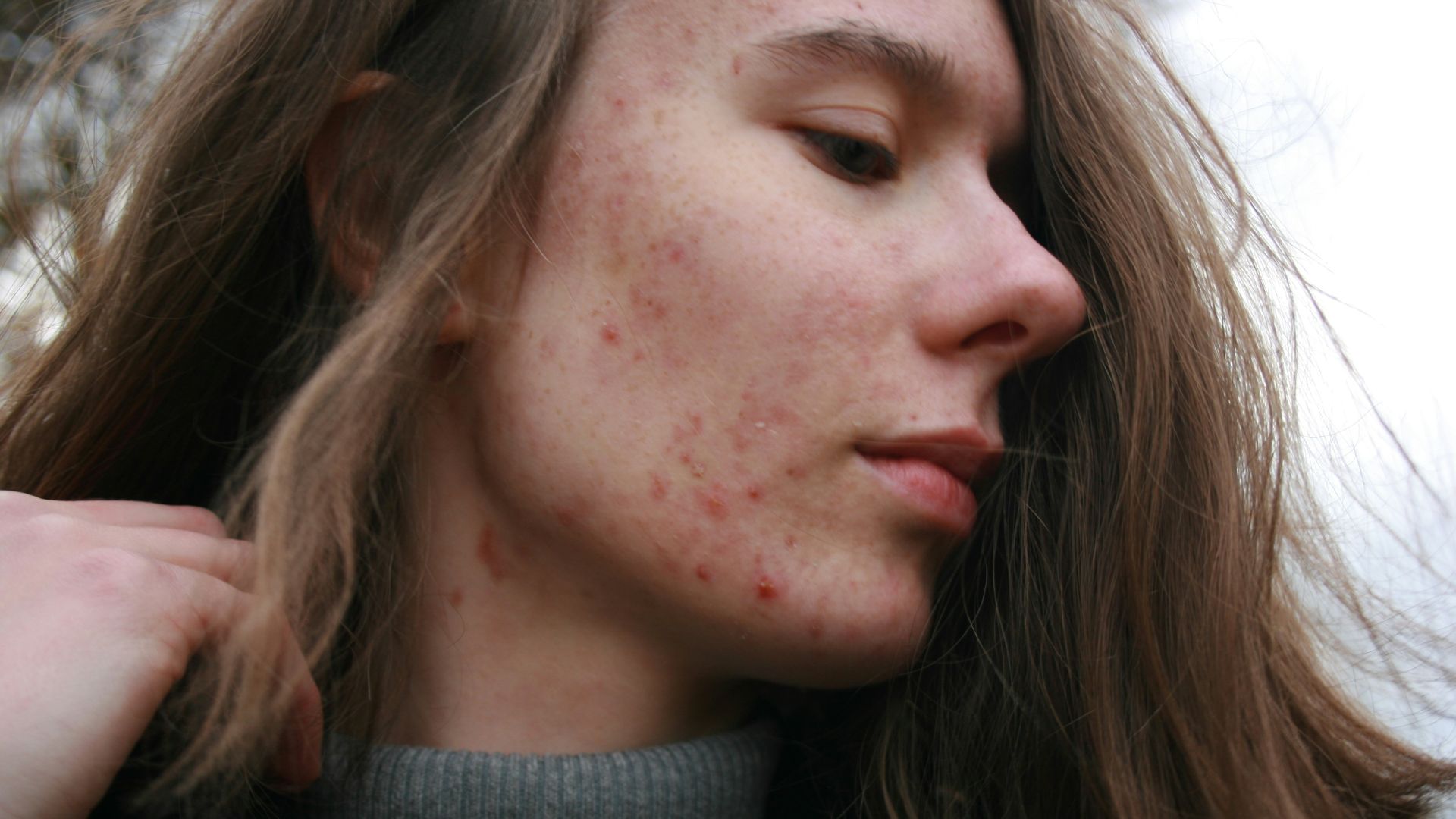
8. A Sudden Development of Acne
Acne doesn’t automatically point to a hormonal problem, but a sudden change in adulthood can sometimes be linked to fluctuating hormone levels. This may occur around menstruation, pregnancy, menopause, or with conditions such as polycystic ovary syndrome.
 Barbara Krysztofiak on Unsplash
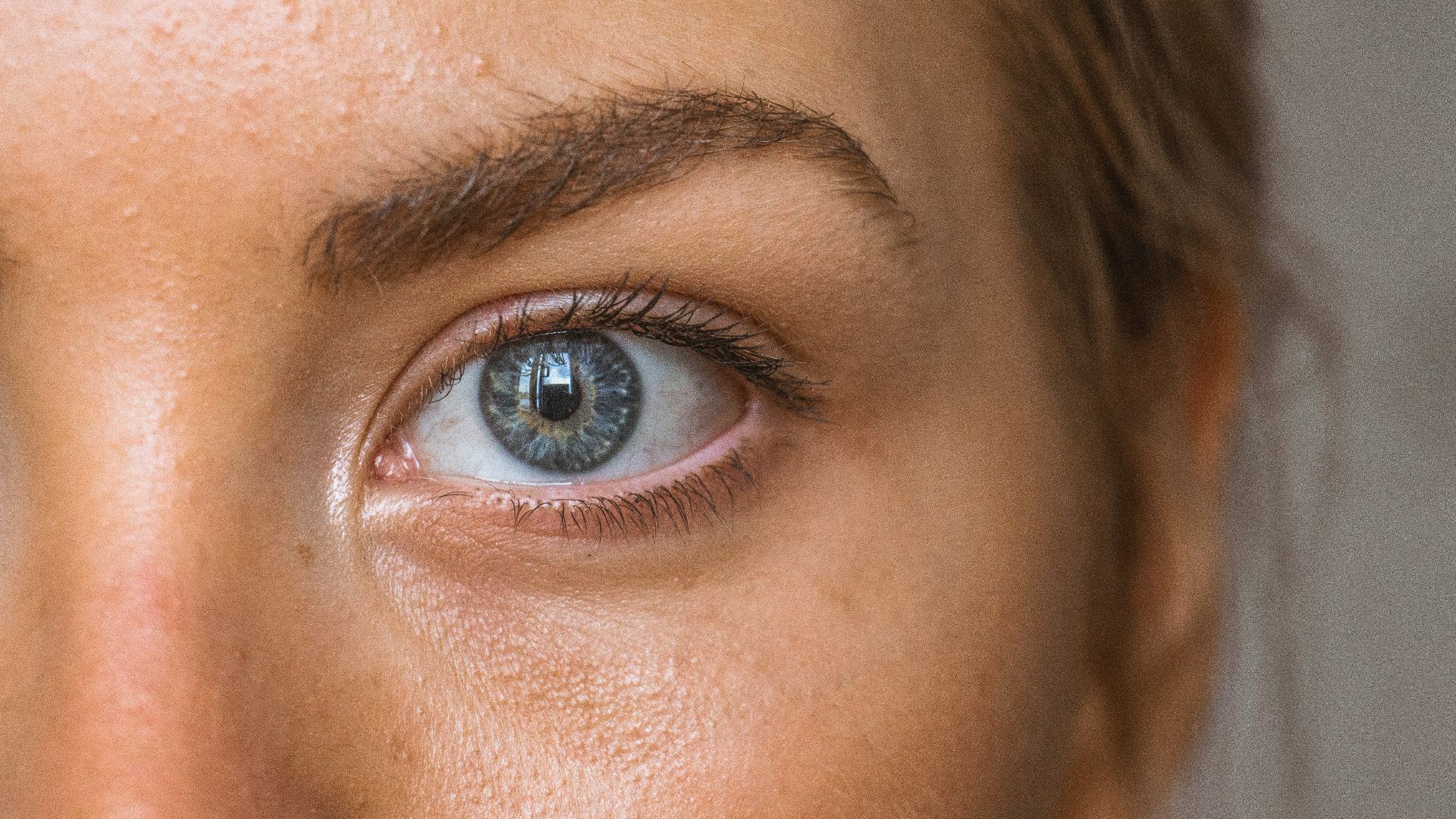
9. Puffy Skin Around The Eyes
Morning puffiness can be the result of fluid retention, sleep position, allergies, or an overly salty meal. When swelling becomes persistent, however, doctors may consider thyroid, kidney, or other conditions that influence fluid balance. Puffiness accompanied by swelling elsewhere in the body deserves medical attention.
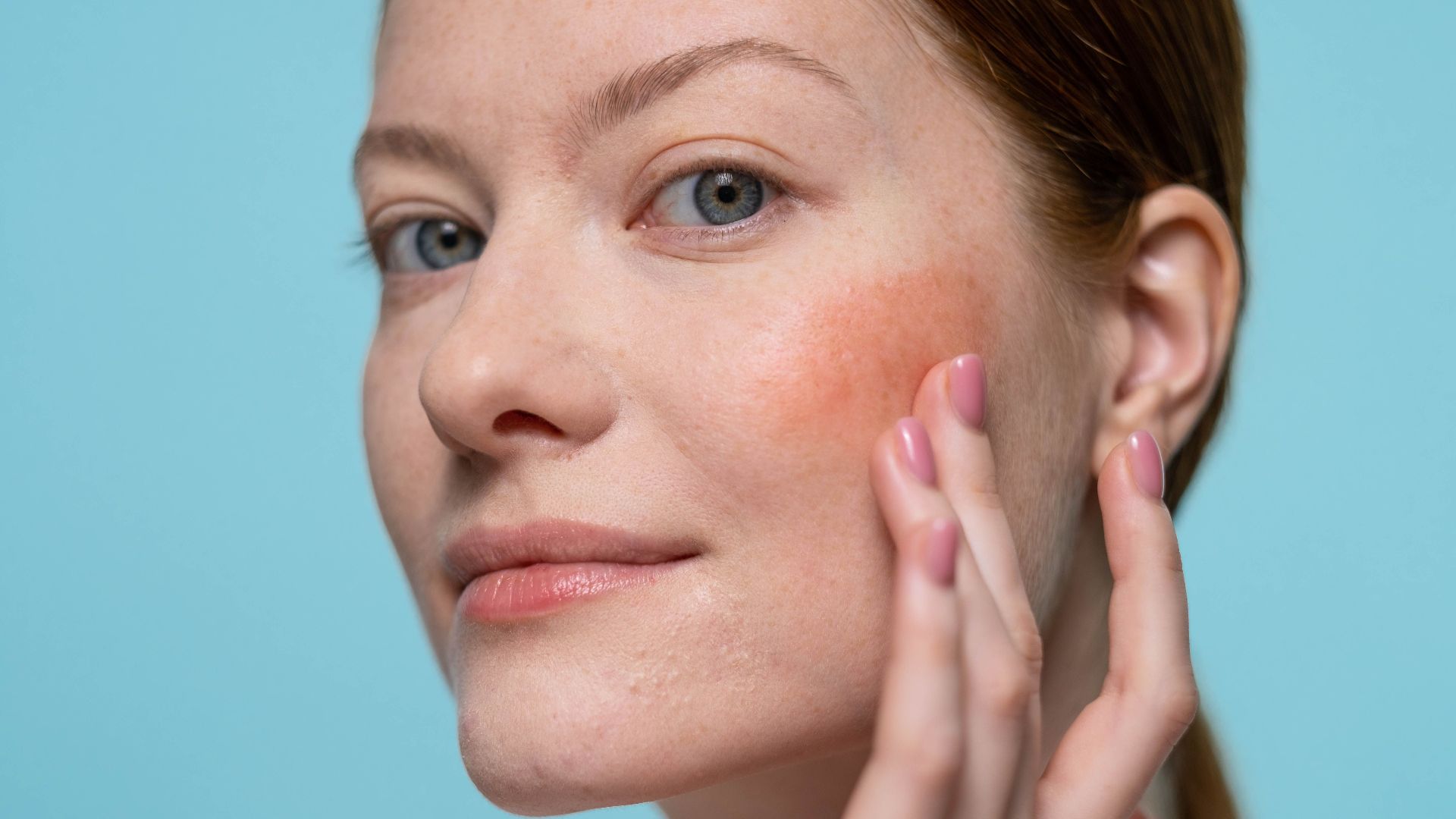
10. Redness Across The Face
Facial redness has many potential explanations, including heat, exercise, alcohol, rosacea, and sensitivity to certain skin-care products. In some instances, persistent redness or a severe, noticeable rash can occur with autoimmune conditions such as lupus.
11. Colder Than Usual Skin
Cold skin can sometimes reflect room temperature or poor protection from the weather. That said, persistently cold hands or feet sometimes means you have a circulation problem. Thyroid problems and anemia can also contribute to feeling unusually cold overall.
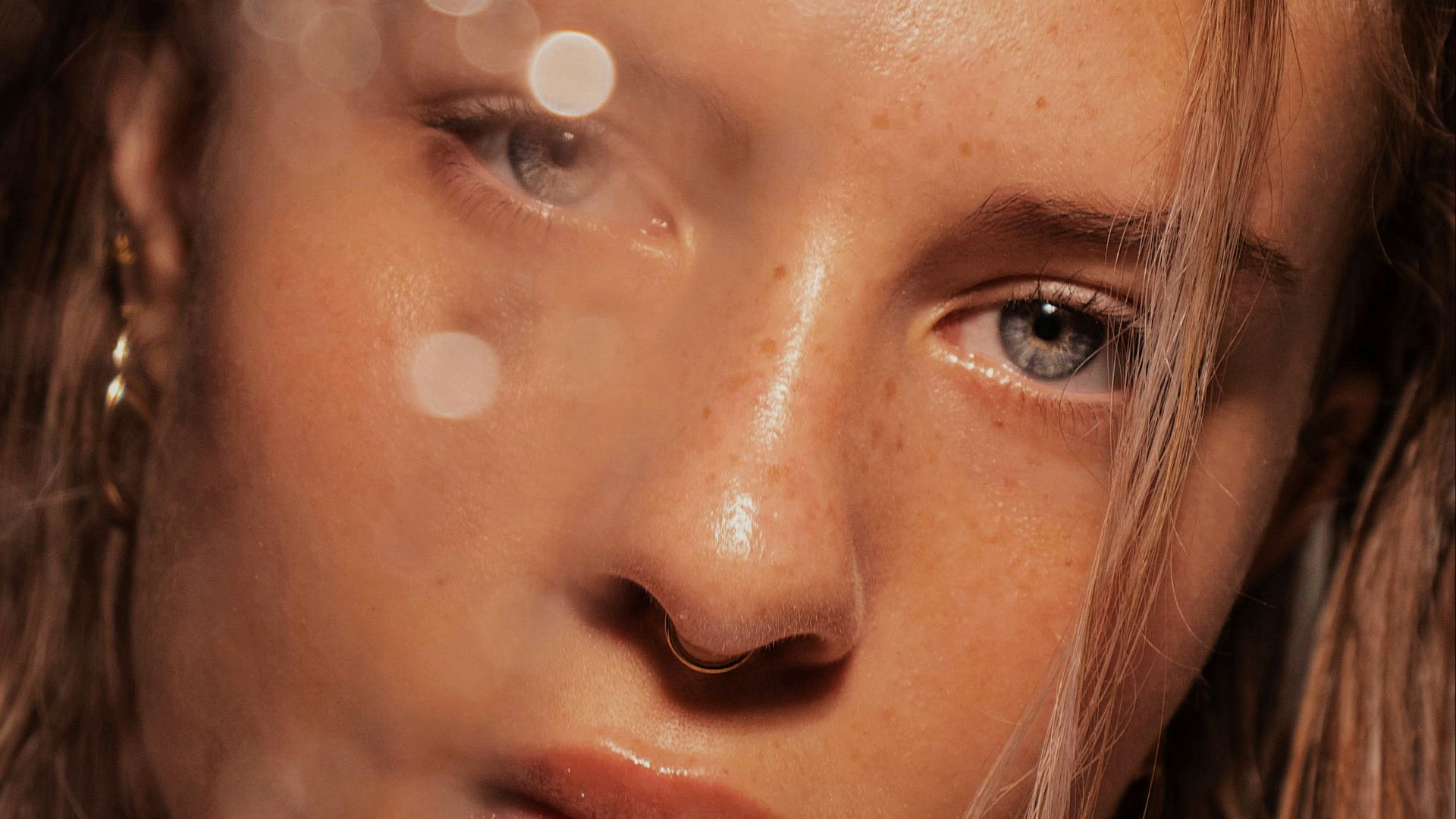
12. Noticeably Oily Skin
Oil production naturally varies with genetics, age, climate, and skin-care habits, yet sudden spikes can often accompany hormonal shifts. Androgens stimulate the sebaceous glands, meaning that oily skin and acne may appear together during certain hormonal fluctuations.
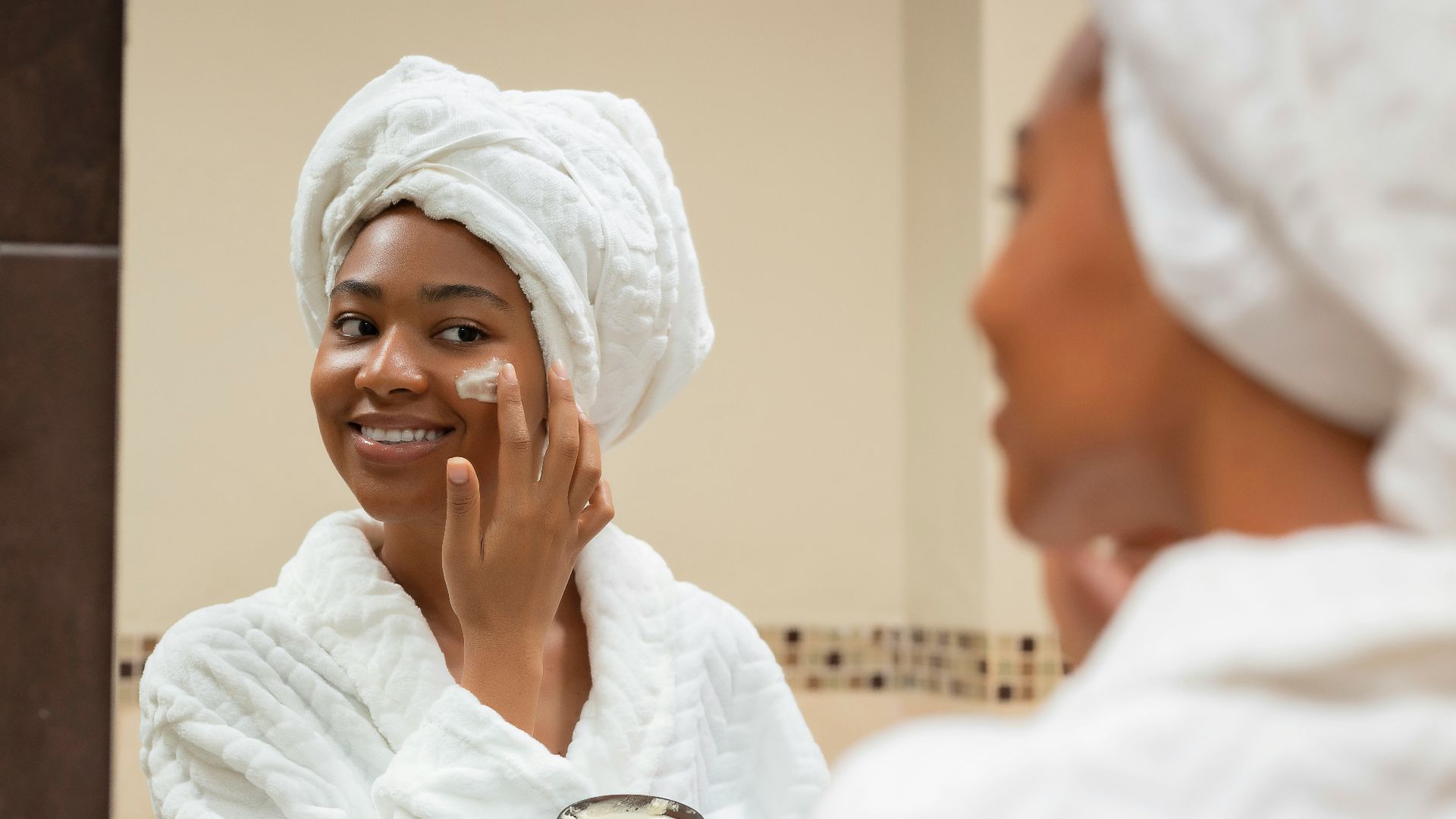
13. Cracking Around the Corners Of The Mouth
Repeated splitting at the corners of the lips is called angular cheilitis. Moisture, irritation, yeast, or bacterial infection can be the culprit, while deficiencies involving iron or certain B vitamins can also sometimes be contributing factors.
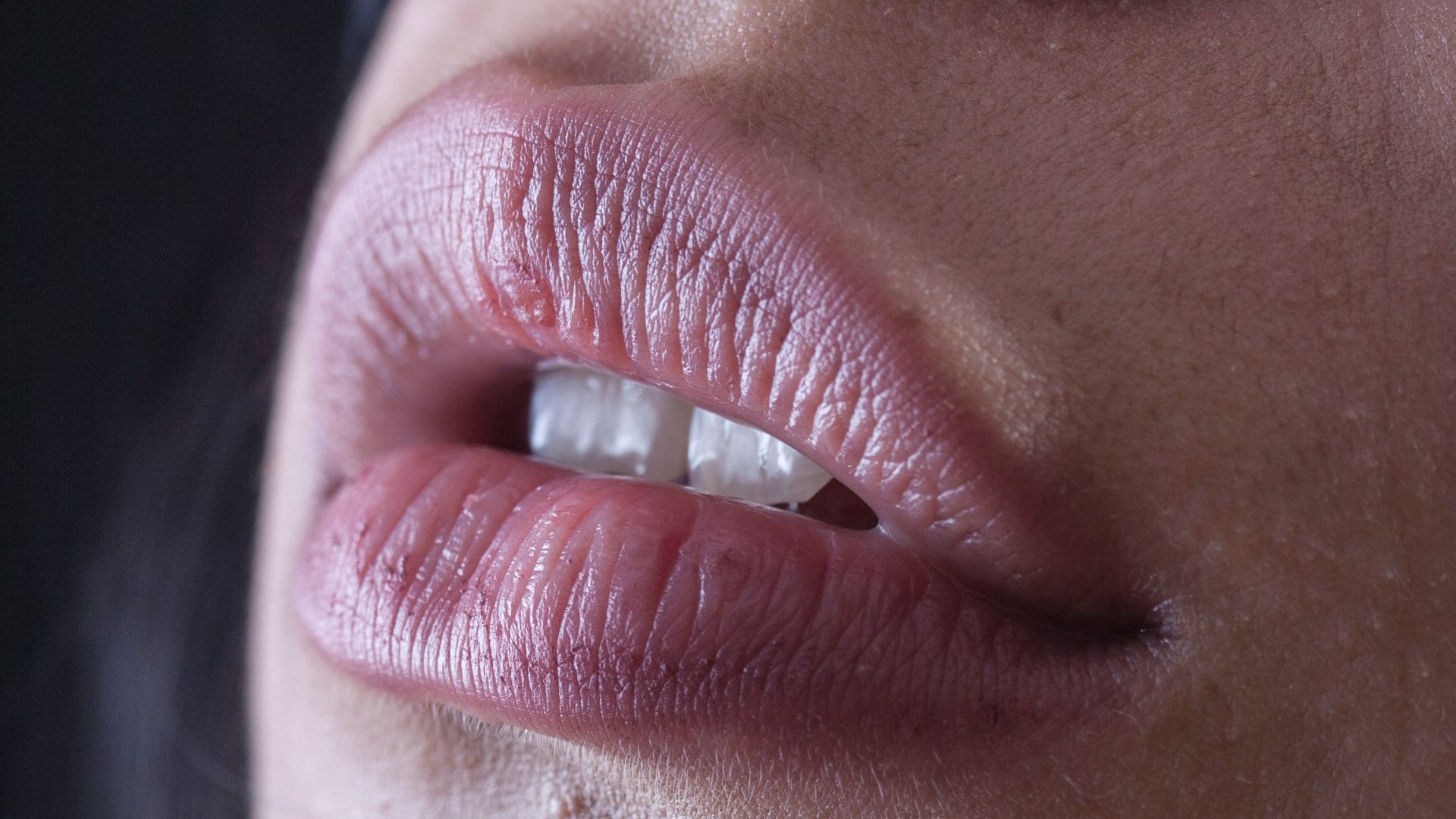
14. More Prominent Spider Veins
Small visible blood vessels often appear with age, genetics, sun exposure, pregnancy, or hormonal influences. On the legs, however, increasing clusters of small veins may sometimes accompany changes in venous circulation and should be examined by a medical professional.
 https://kaboompics.com/ on Pexels
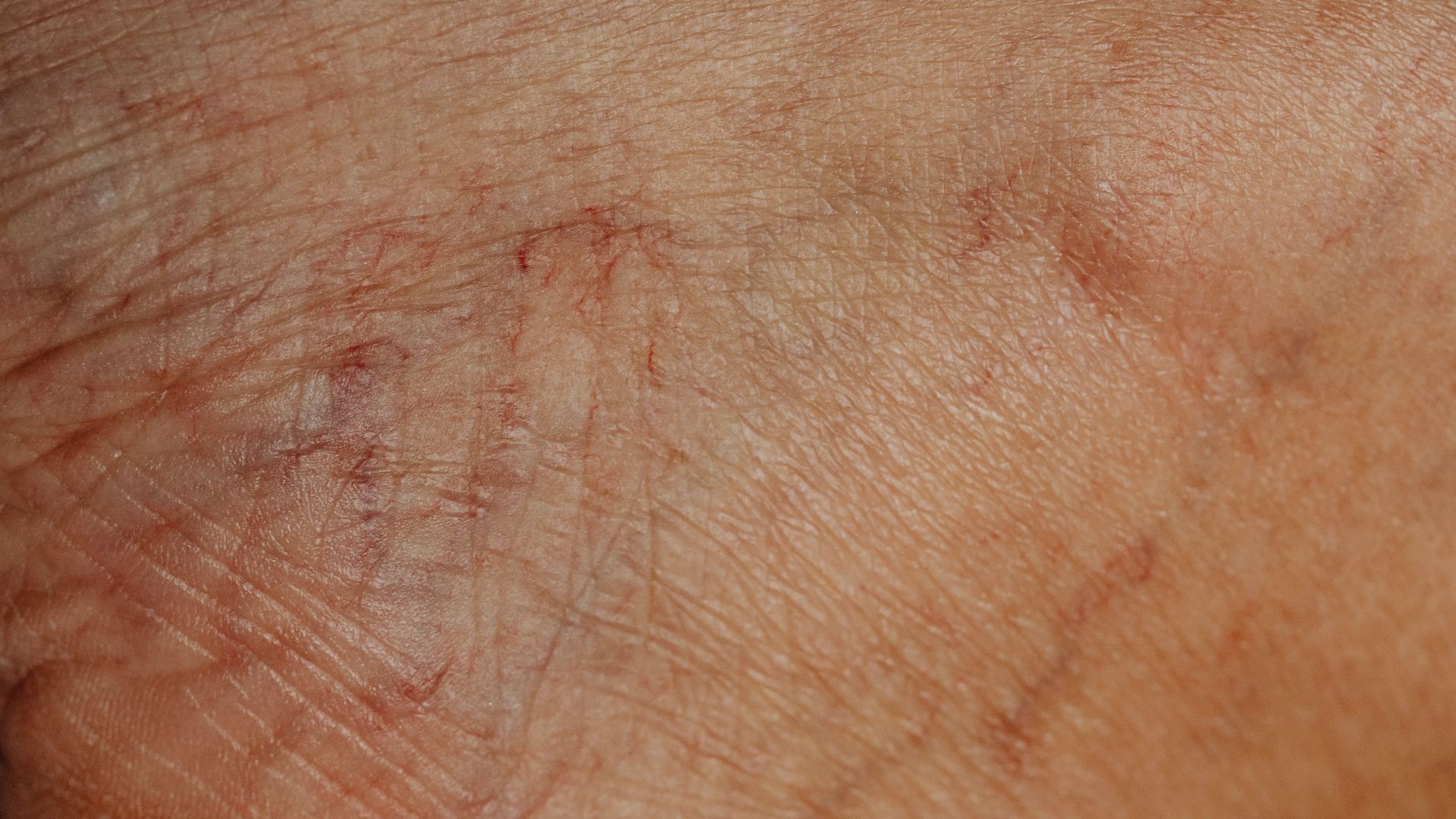
15. Persistent Flushing
Flushed skin after exercise, embarrassment, spicy food, or heat is a normal response caused by widened blood vessels close to the skin. Frequent unexplained flushing can have other causes, including medication effects, menopause, rosacea, and even some hormonal disorders.
16. New Areas Of Hyperpigmentation Develop
Dark patches can develop after inflammation, sun exposure, hormonal changes, or certain medications. In less common situations, widespread or unusual darkening can be associated with endocrine conditions such as adrenal insufficiency.
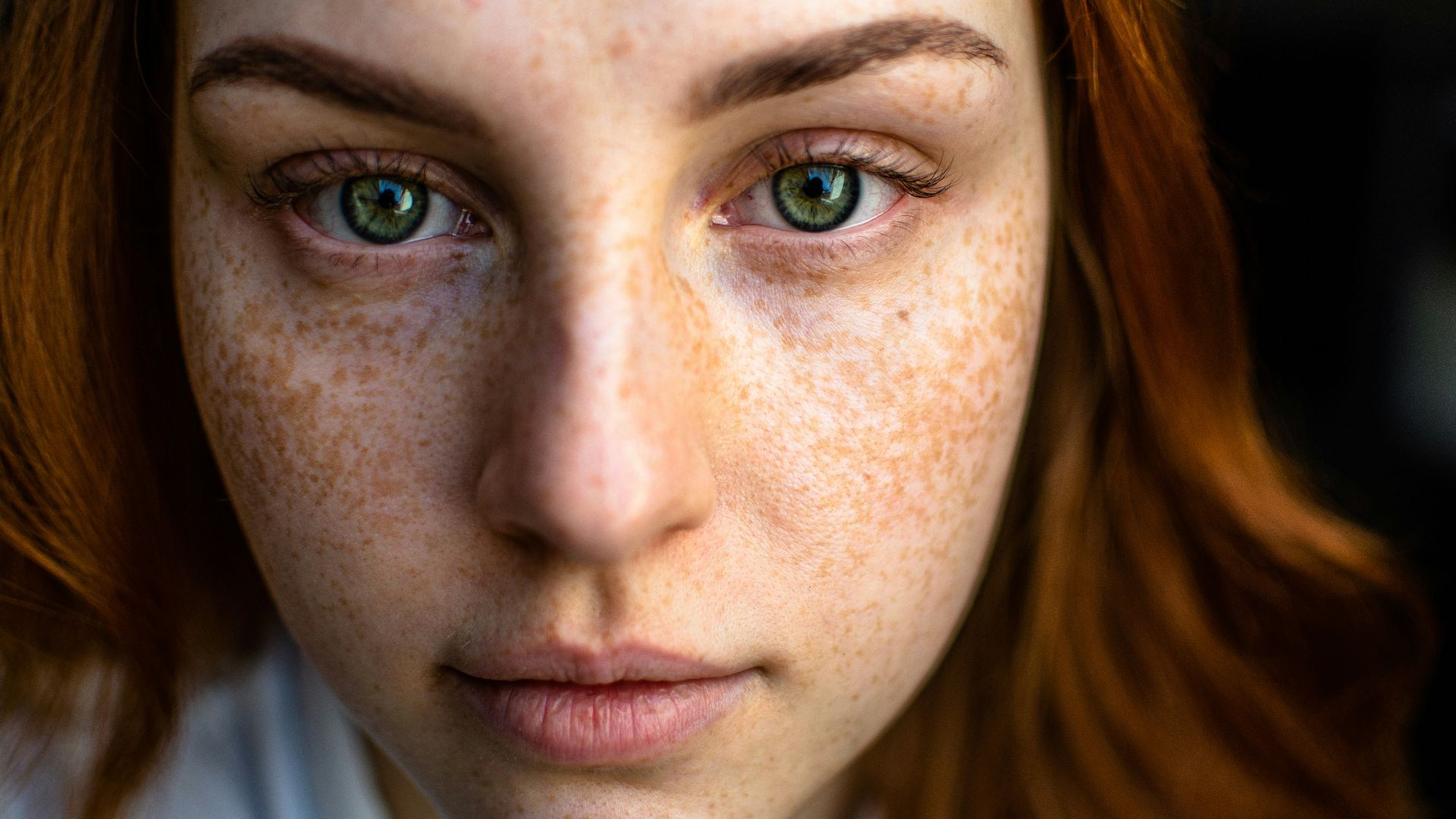
17. Increasingly Bluish Or Gray Skin
A blue or gray hue on your skin can indicate that the tissues aren’t receiving enough oxygen, a finding known as cyanosis. It may be most noticeable around the lips, fingertips, or nail beds and is commonly associated with heart or lung problems.
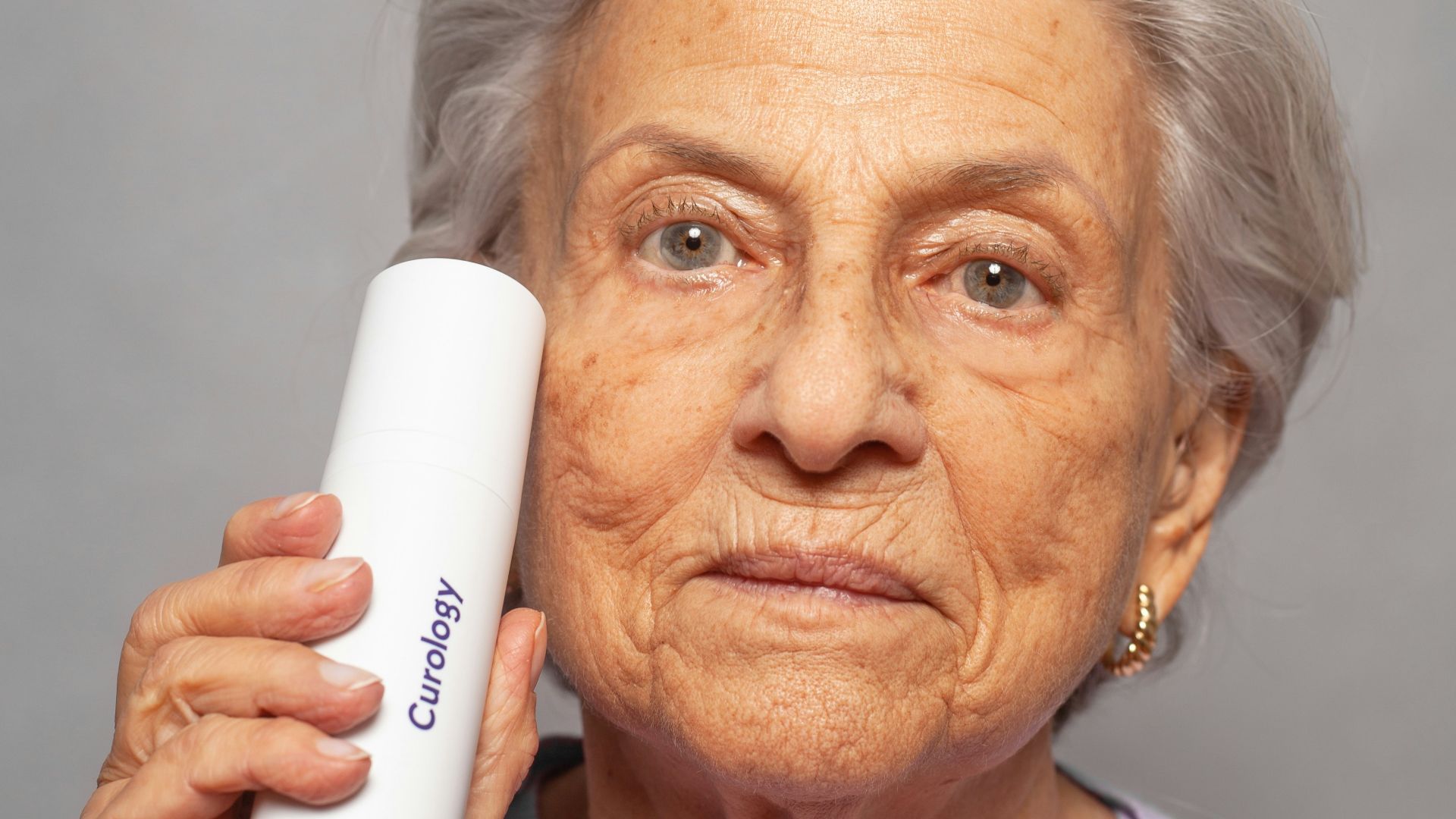
18. Recurrent Hives
Hives are raised, itchy welts that commonly form after allergic reactions, infections, medications, or physical triggers such as pressure and temperature. When they continue to recur for six weeks or longer, they're classified as chronic urticaria, and an obvious trigger often can’t be identified.
 https://kaboompics.com/ on Pexels
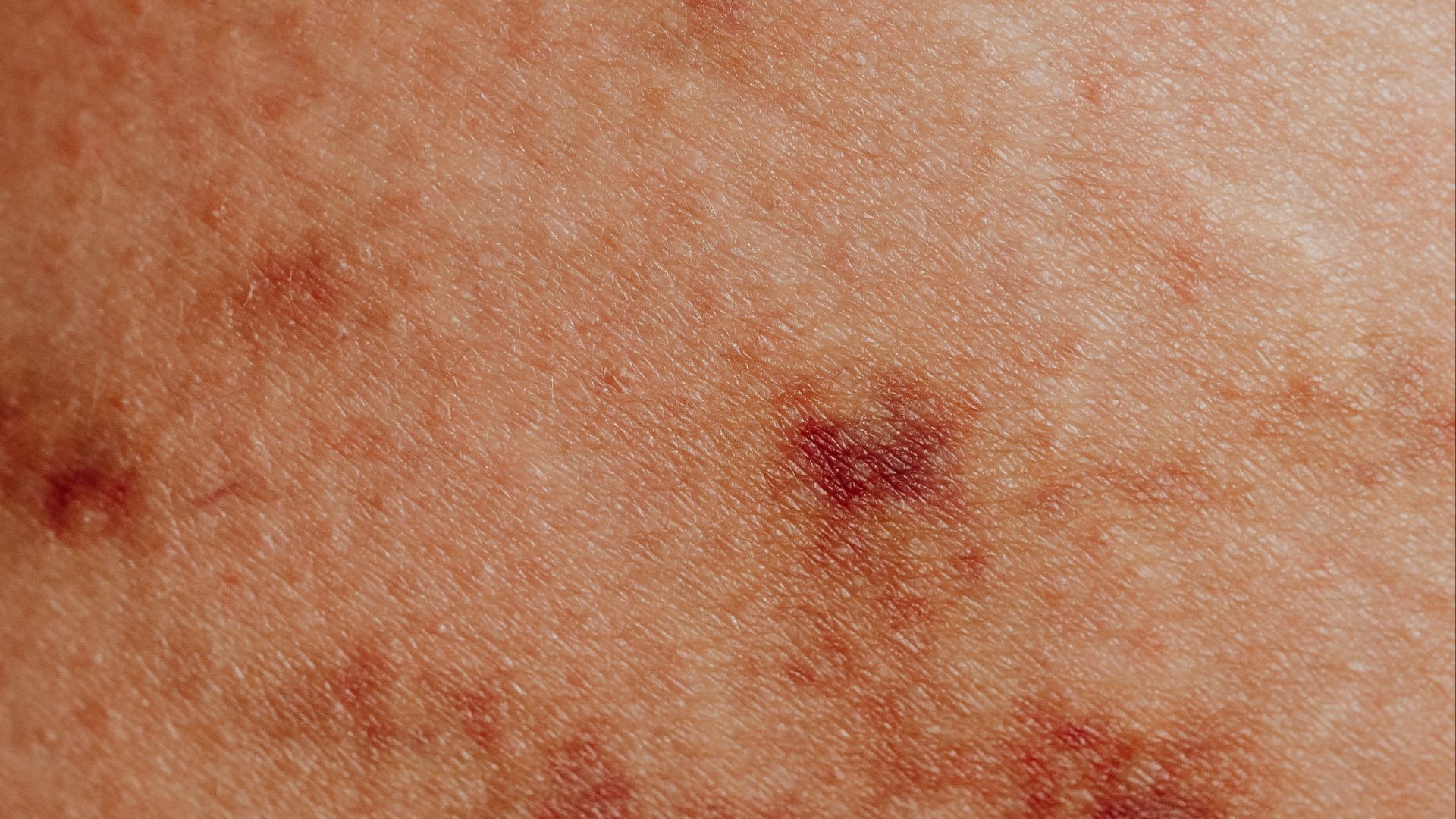
19. Thinning Or Fragile Skin
Over time, skin naturally becomes thinner with age because collagen and other structural components decline. Long-term use of corticosteroid medications can also cause increased fragility, easy tearing, and visible blood vessels.
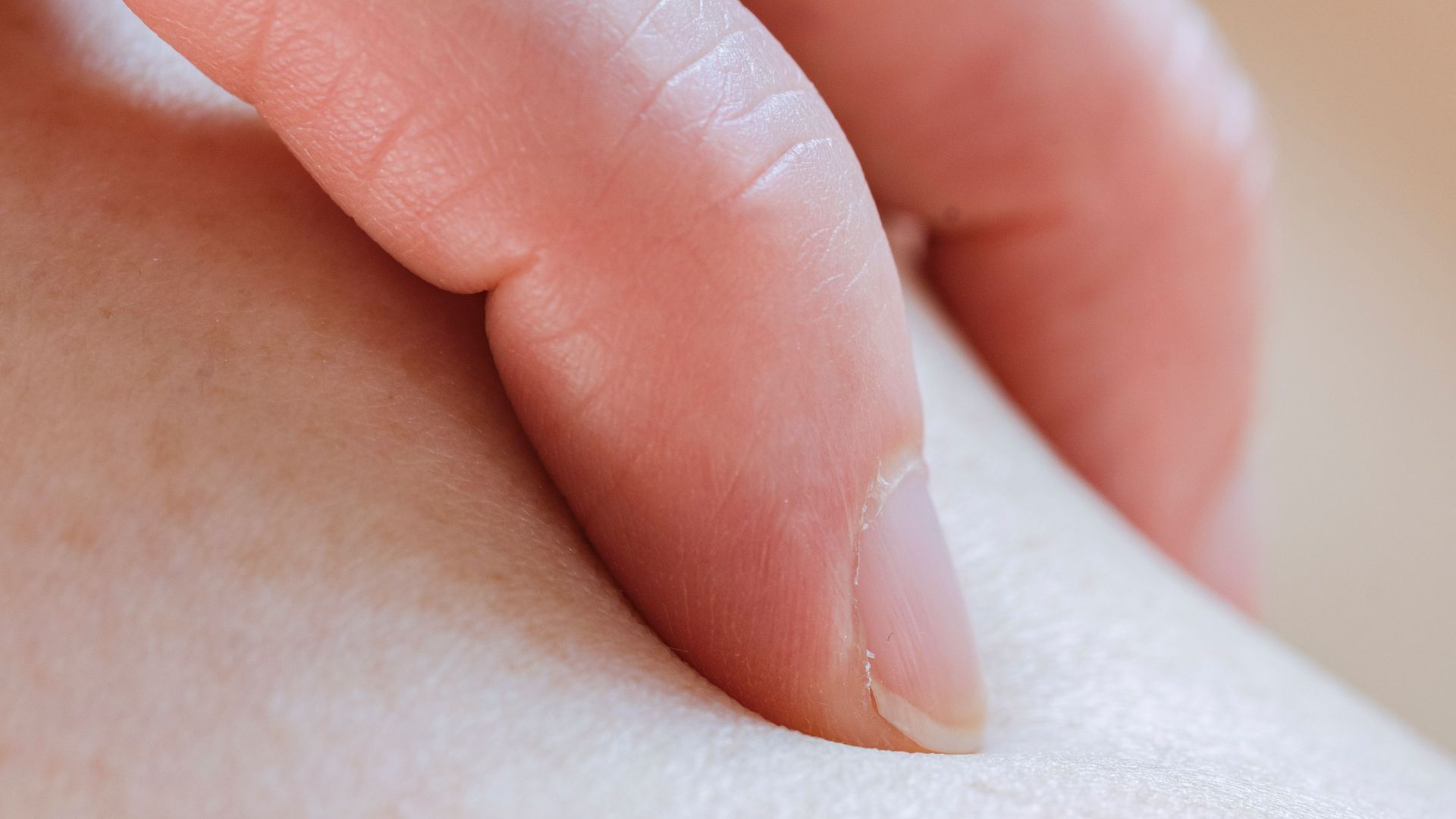
20. Persistent Changes In Skin Texture
Skin that suddenly becomes unusually rough, thickened, waxy, or otherwise different from its normal texture can sometimes provide clues about internal health. Hormonal conditions, metabolic disorders, inflammation, and circulation problems may all produce characteristic skin changes in certain situations.
 Angélica Echeverry on Unsplash
KEEP ON READING



20 Ways To Get Your Vitamins And Minerals

20 Ways Doing Less Can Actually Improve Your Health