The Fast Read Before The Exam Even Starts
Ask any ER doctor how they figure out who's actually in trouble, and most of them will tell you it happens before a single vital sign gets taken. The brain runs a fast, mostly unconscious scan the moment someone walks in or gets wheeled through the doors. Some of what gets noticed is obvious, like a patient gasping for air, and some of it is subtle enough that most people wouldn't think twice about it. None of it replaces an actual exam, but it shapes how urgent that exam becomes. Here's 20 things experienced ER doctors tend to clock in the first ten seconds.
1. How They're Breathing
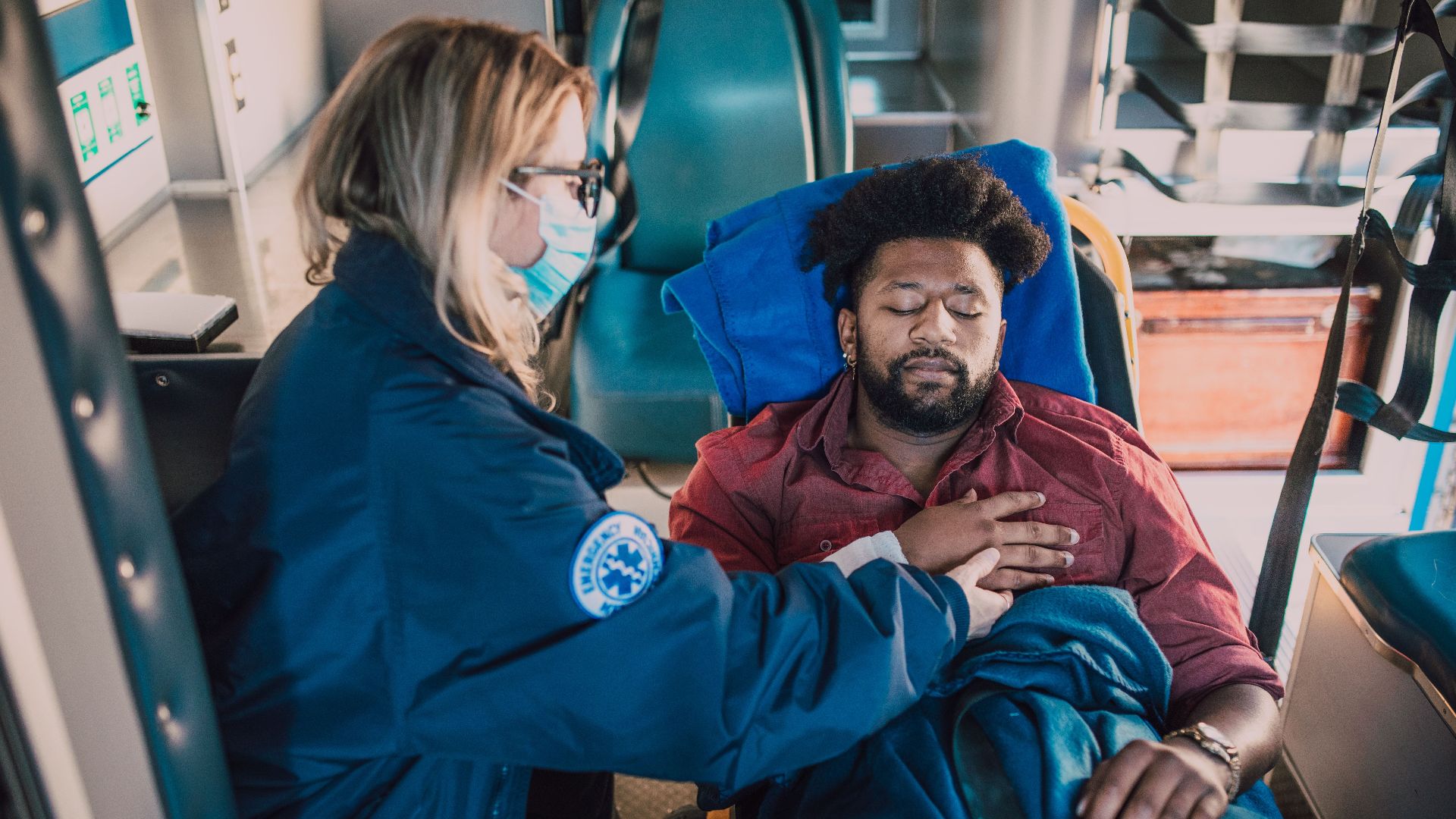
Before anything else, doctors watch the chest and shoulders, checking whether breathing looks easy or like real work. Flared nostrils or a caved-in chest are both signs the body is straining just to get air in. That single detail can move someone up the priority list faster than almost anything else.
2. Skin Color
A quick glance at the face and lips tells a doctor a lot, whether that's a pale, washed-out look or a bluish tint around the mouth. Gray or ashen skin tends to grab attention immediately, since it often points to poor circulation or not enough oxygen getting where it needs to go. It's one of the fastest reads in the room.
3. Whether They Track You With Their Eyes
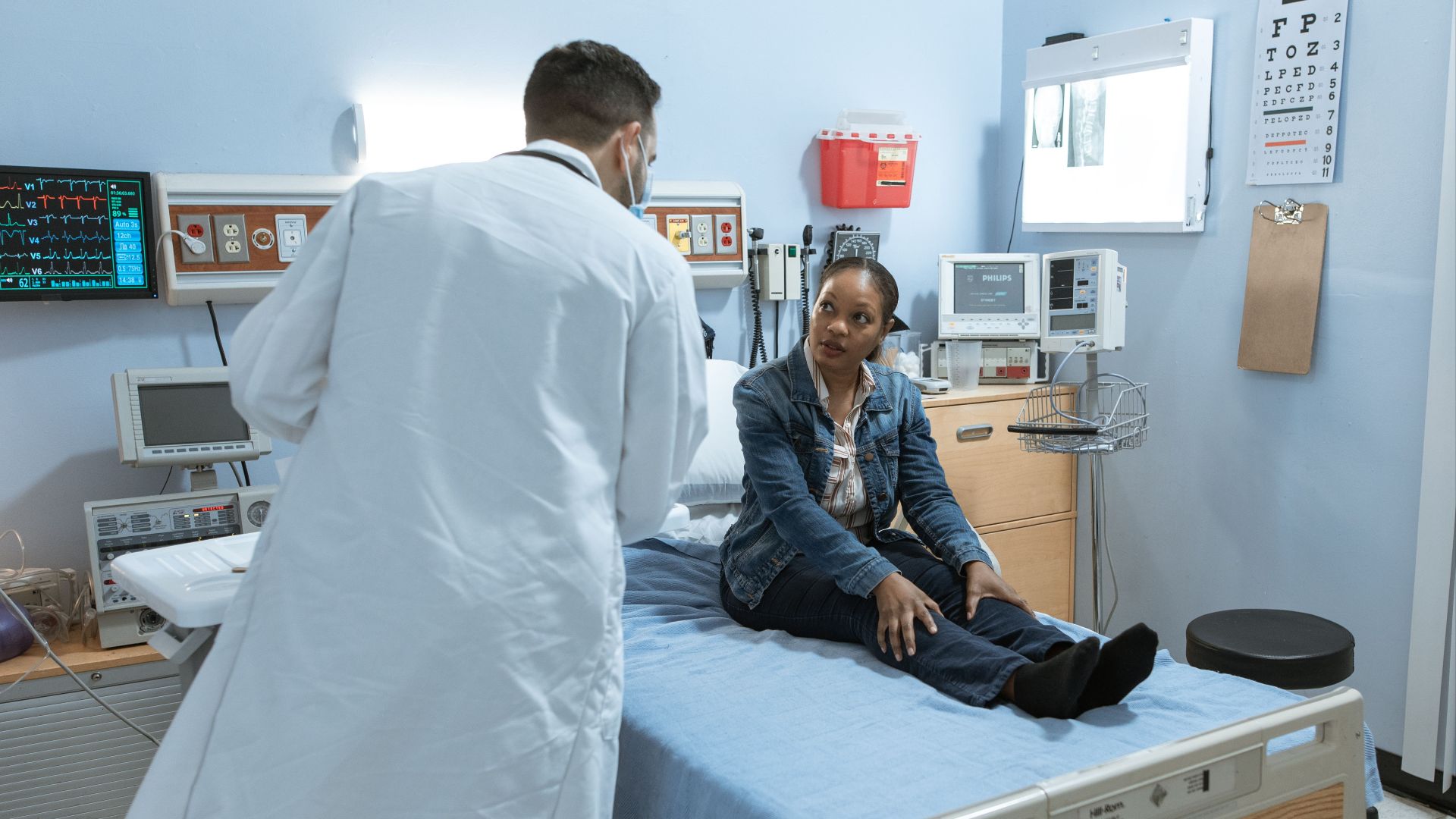
A patient who turns to look at the door, follows movement, or makes eye contact is giving a quick signal that their brain is working normally. Someone who stares blankly or doesn't react at all raises a flag right away. That kind of alertness check happens almost instantly, often before a word gets exchanged.
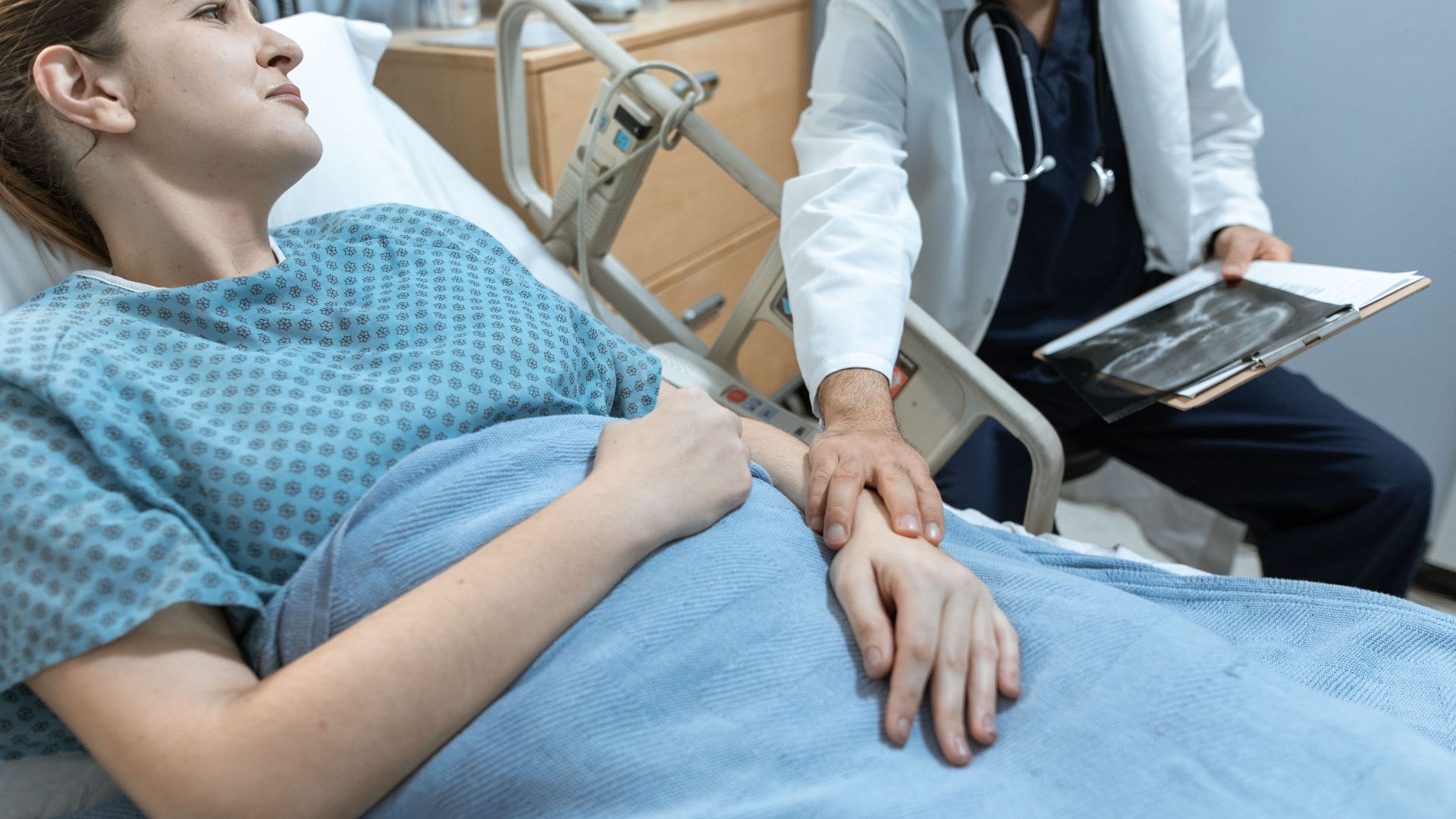
4. Body Position
How someone is sitting or lying says a lot before they even speak. A patient leaning forward with hands braced on their knees, a posture doctors call tripoding, usually means breathing is difficult. Someone curled up tightly, on the other hand, often points toward pain somewhere in the abdomen.
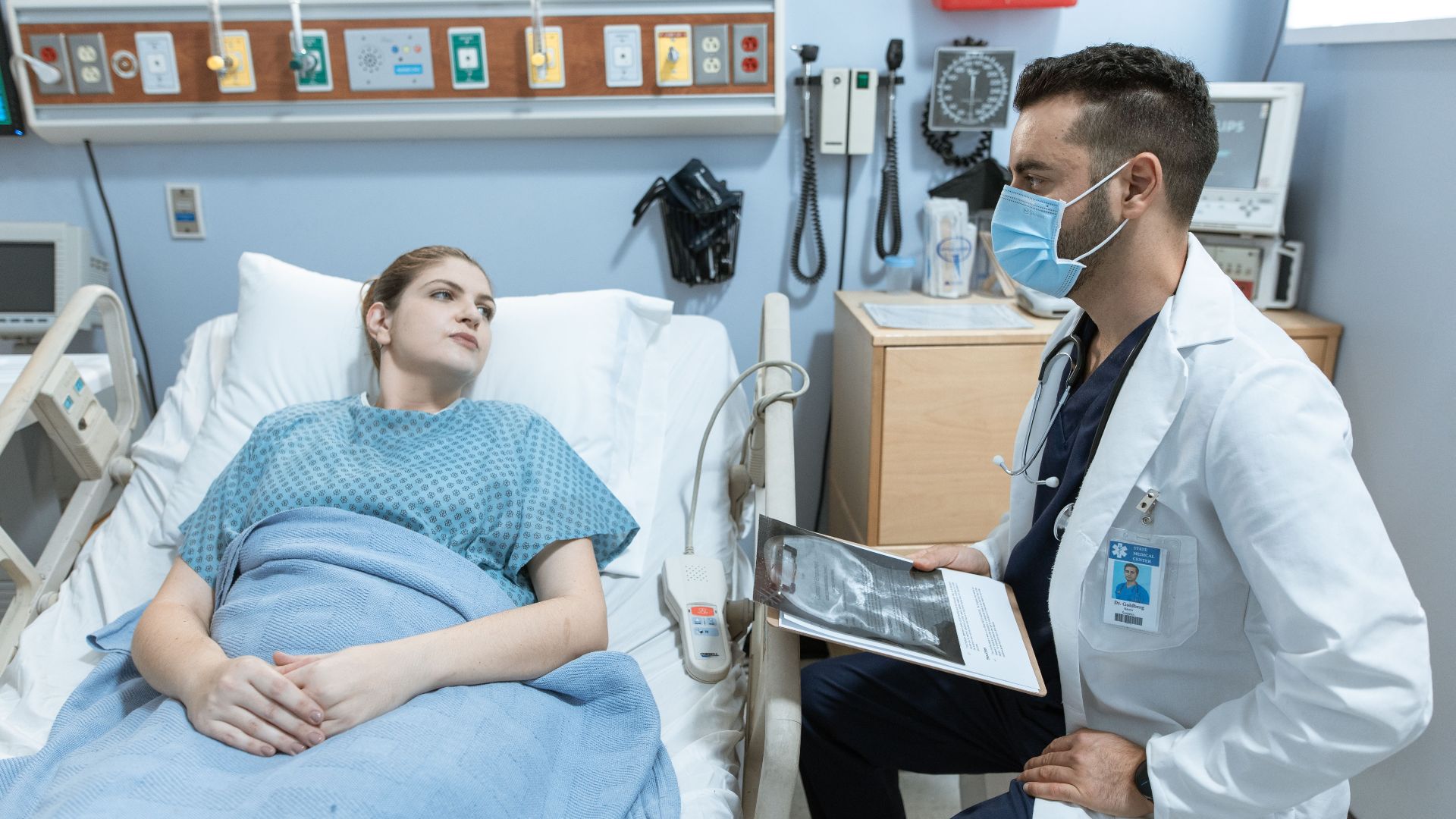
5. How They Talk
Whether a patient can get through a full sentence without stopping to catch their breath tells a doctor a lot about how hard their lungs are working. Slurred or garbled words can point toward something happening in the brain rather than the chest. Even the pace and tone of speech, rushed or oddly flat, gets clocked without much conscious effort.

6. Skin Moisture and Temperature
A quick touch of the hand or forehead picks up on sweating or skin that feels colder than it should. Someone who's pale and drenched in sweat despite a cool room often gets moved up the list fast, since that combination can point to something serious going on internally. Dry, warm skin reads very differently than skin that feels damp and cool.
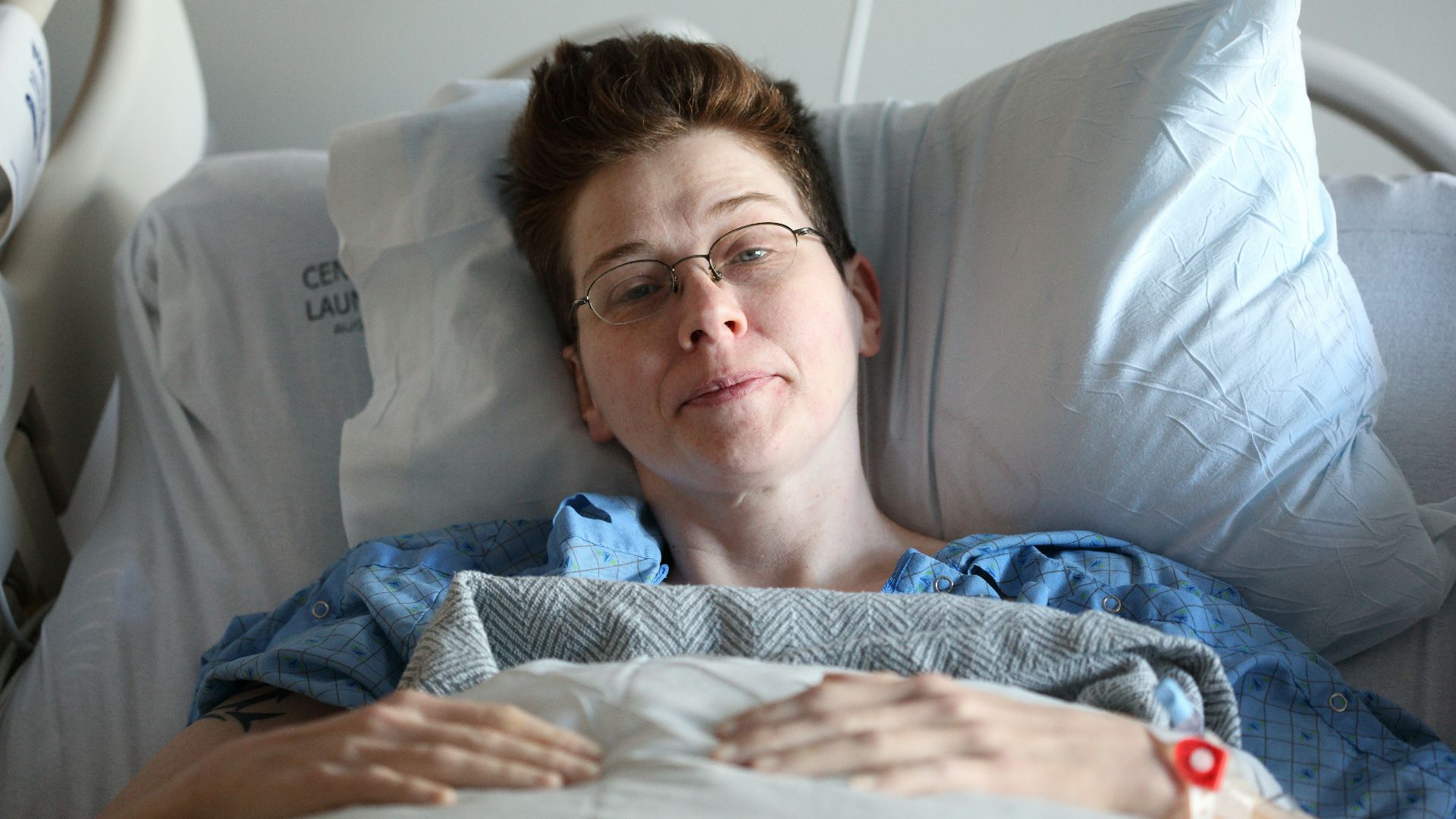
7. The Overall Gestalt
Experienced doctors often talk about a "sick or not sick" read that happens almost on instinct, before any formal exam starts. It's built from years of seeing thousands of patients, not a single obvious sign. That instinct isn't always right, but it's rarely ignored, either.
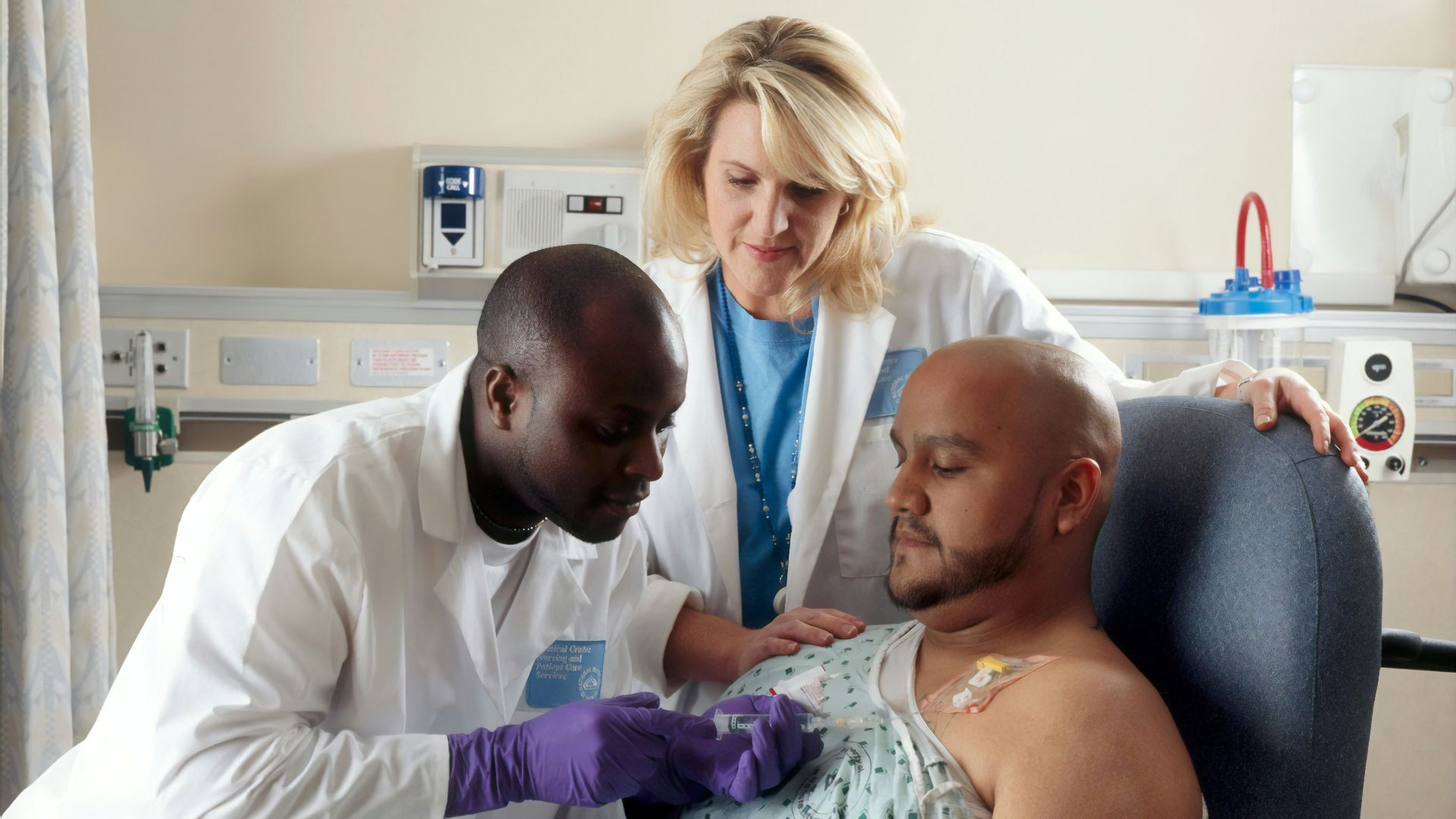 National Cancer Institute on Unsplash
8. How They Got Into the Room
Whether someone walked in under their own power or arrived on a stretcher unable to sit up changes the whole starting point of an assessment. Mobility says something about strength and stability that vital signs alone don't capture. It's one of the first things noted, often before a chart is even pulled up.
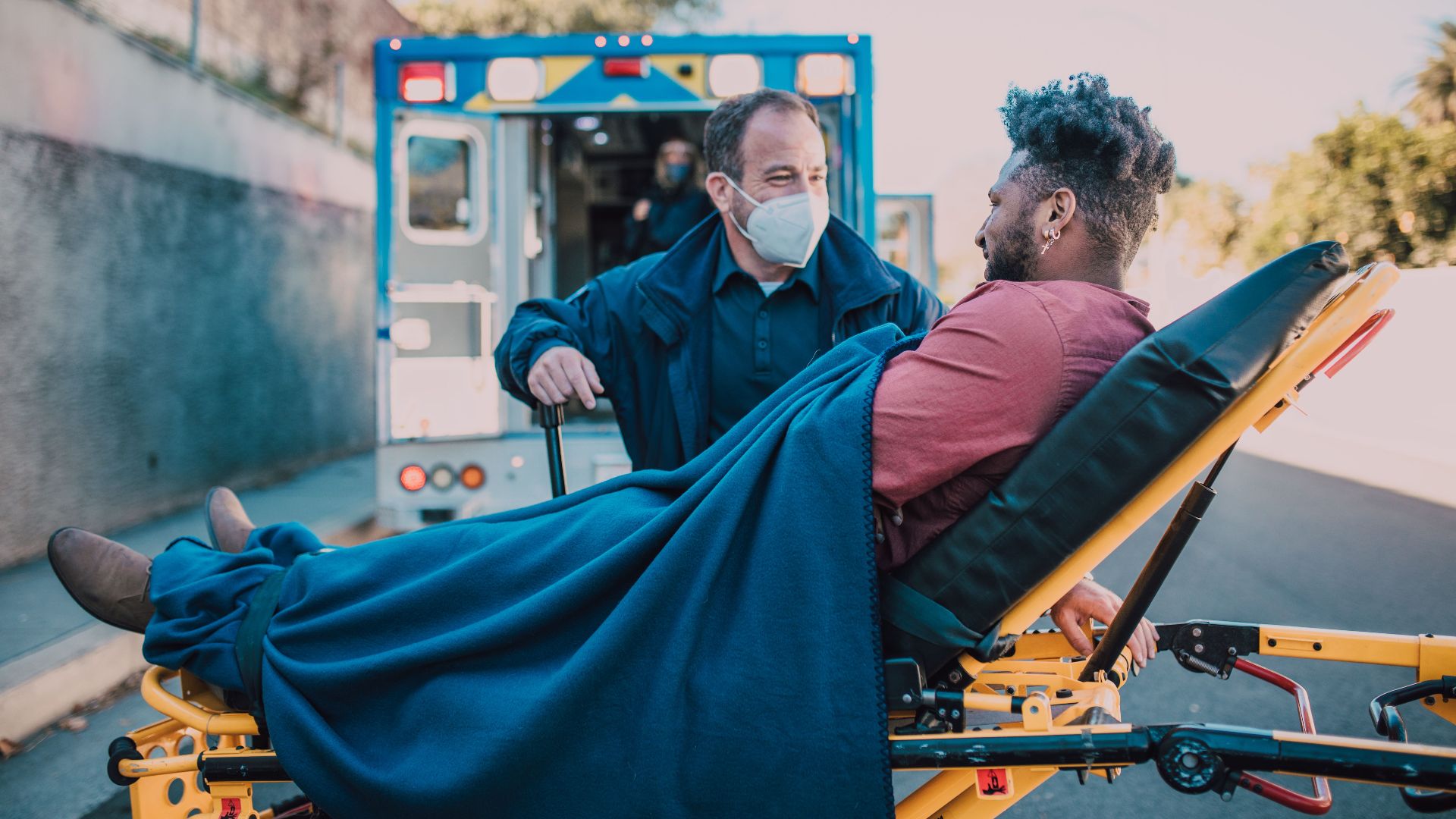
9. Facial Expression
A grimace or a clenched jaw points toward pain, even before a patient says a word about it. A flat, unreadable expression can be its own signal, sometimes pointing toward shock or extreme fatigue. Faces tend to tell the truth faster than people do.
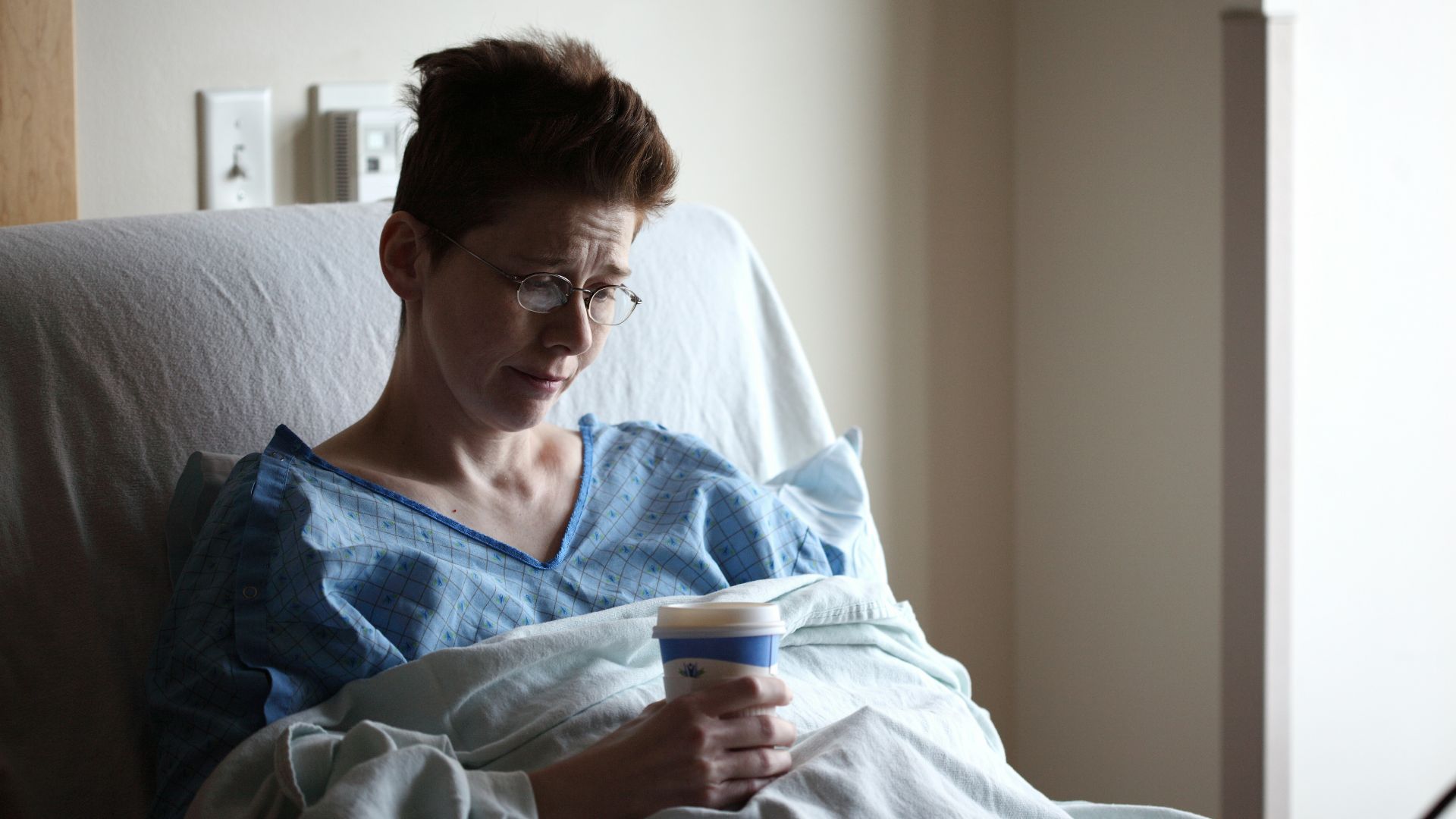
10. Any Unusual Smell
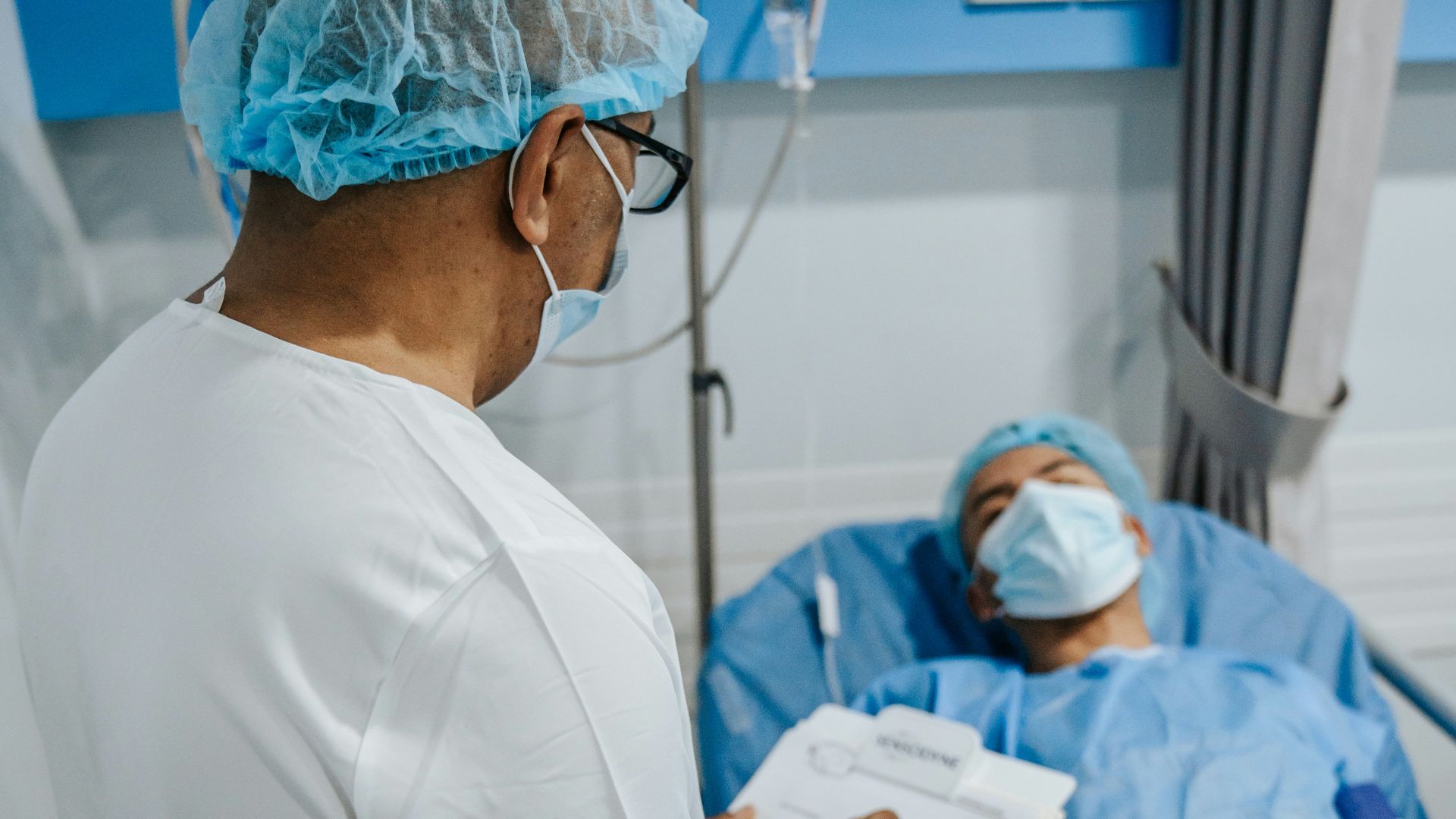
Certain odors carry real diagnostic weight, like a sweet, fruity smell on the breath that can point toward dangerously high blood sugar. Alcohol is an obvious one, but so are smells tied to kidney problems or infection. It sounds unusual, but smell is a real part of a fast bedside read.
 César Badilla Miranda on Unsplash
11. Muscle Wasting or Body Habitus
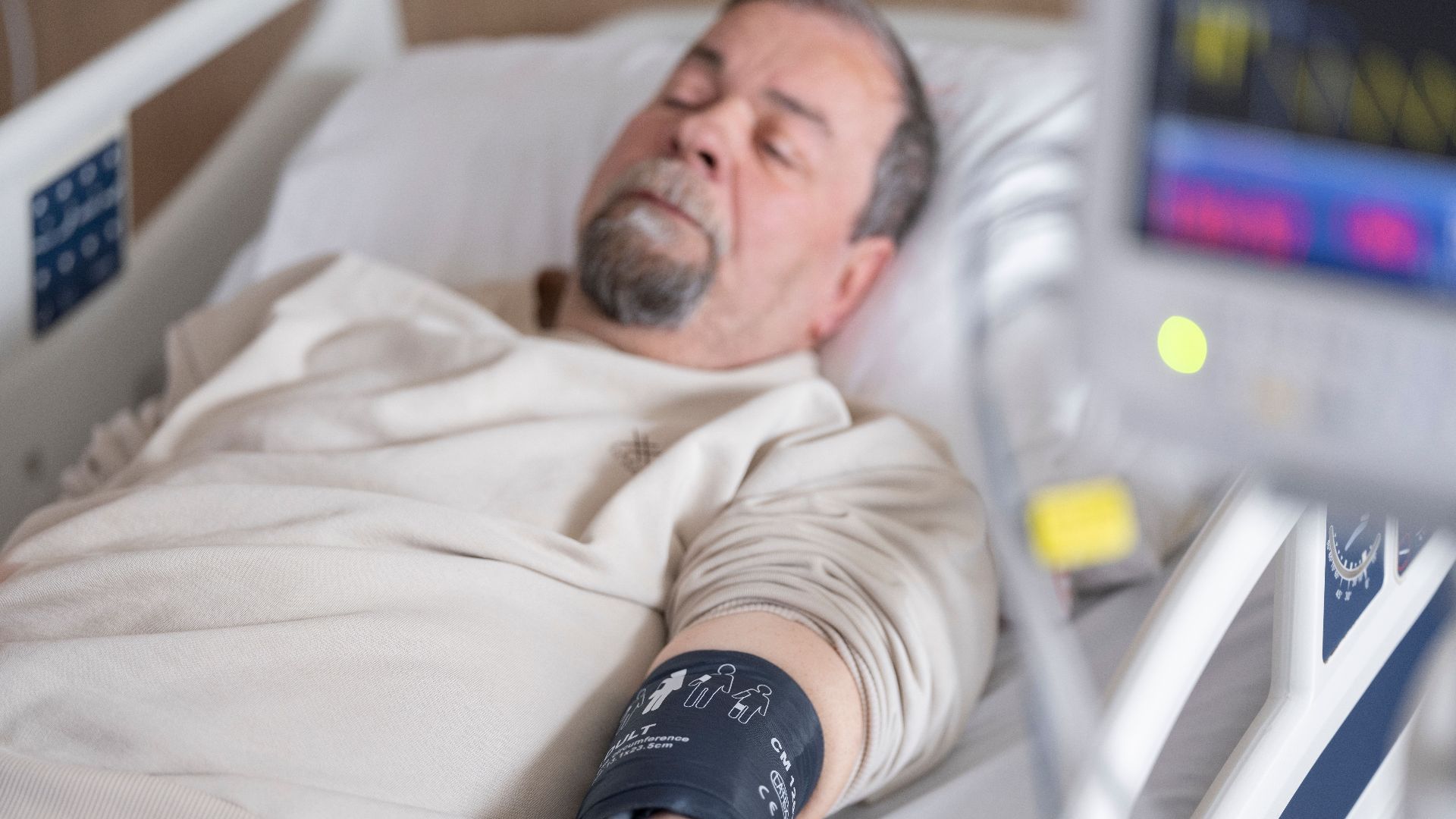
A frail frame or clothes that fit looser than they should can point toward chronic illness that's been building for a while. This isn't about weight in a simple sense, it's about whether someone looks like they've been losing ground physically over months. It often changes how a doctor thinks about someone's overall health picture before a single test comes back.
12. Tremors or Odd Movements
Shaking hands or repetitive twitching can point toward causes ranging from low blood sugar to a neurological issue. Doctors clock this almost automatically while doing something else, like checking a pulse. It's the kind of detail that's easy to miss unless you're specifically looking for it, which is exactly why experience matters here.

13. Clothing and Hygiene
The state of someone's clothes and general hygiene can hint at how well they've been able to take care of themselves recently. A patient who's clearly been struggling to manage daily tasks looks different from one who just had a bad morning. It's not a judgment, just another data point about what's been going on before they walked through the door.

14. Who Came With Them
A spouse who answers every question before the patient can get a word in, or a visibly exhausted family member, tells a doctor something about the situation at home. It can point toward how much support exists outside the hospital, or how worried the people closest to the patient really are. Sometimes the accompanying person ends up being the most useful source in the room.

15. Nail Beds and Fingertips
A quick look at the fingertips can reveal bluish nail beds, a sign the body isn't getting enough oxygen. Pressing a nail and watching how fast the color returns gives a rough read on circulation in seconds. It's a small detail, but it's one of the fastest physical checks available.
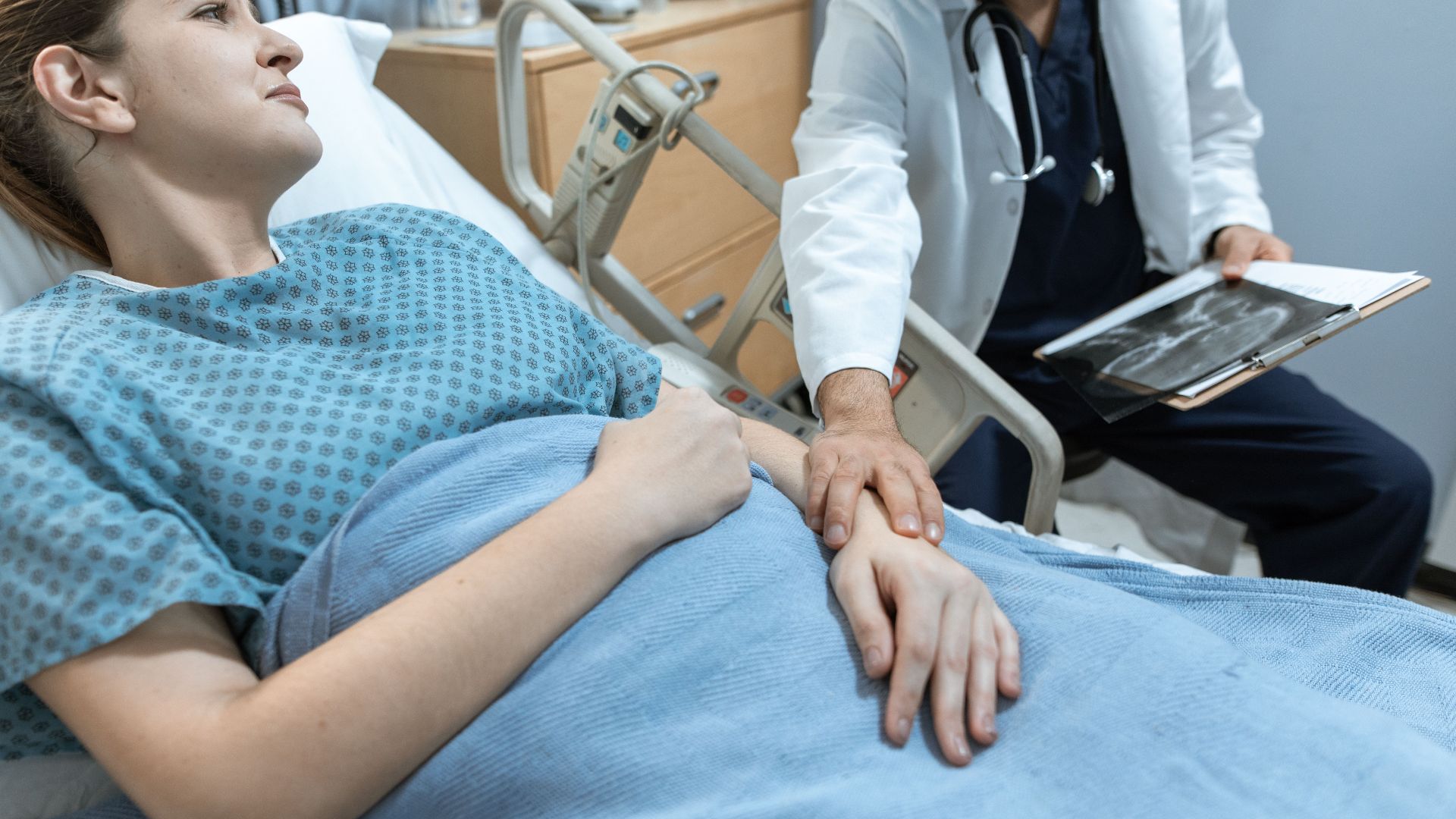
16. Neck Veins
Visibly bulging veins in the neck, especially when someone is sitting upright, can point toward the heart struggling to keep up with the blood coming back to it. It's subtle enough that most people would never notice it on themselves. For a trained eye, it's one more piece of a fast-moving puzzle.
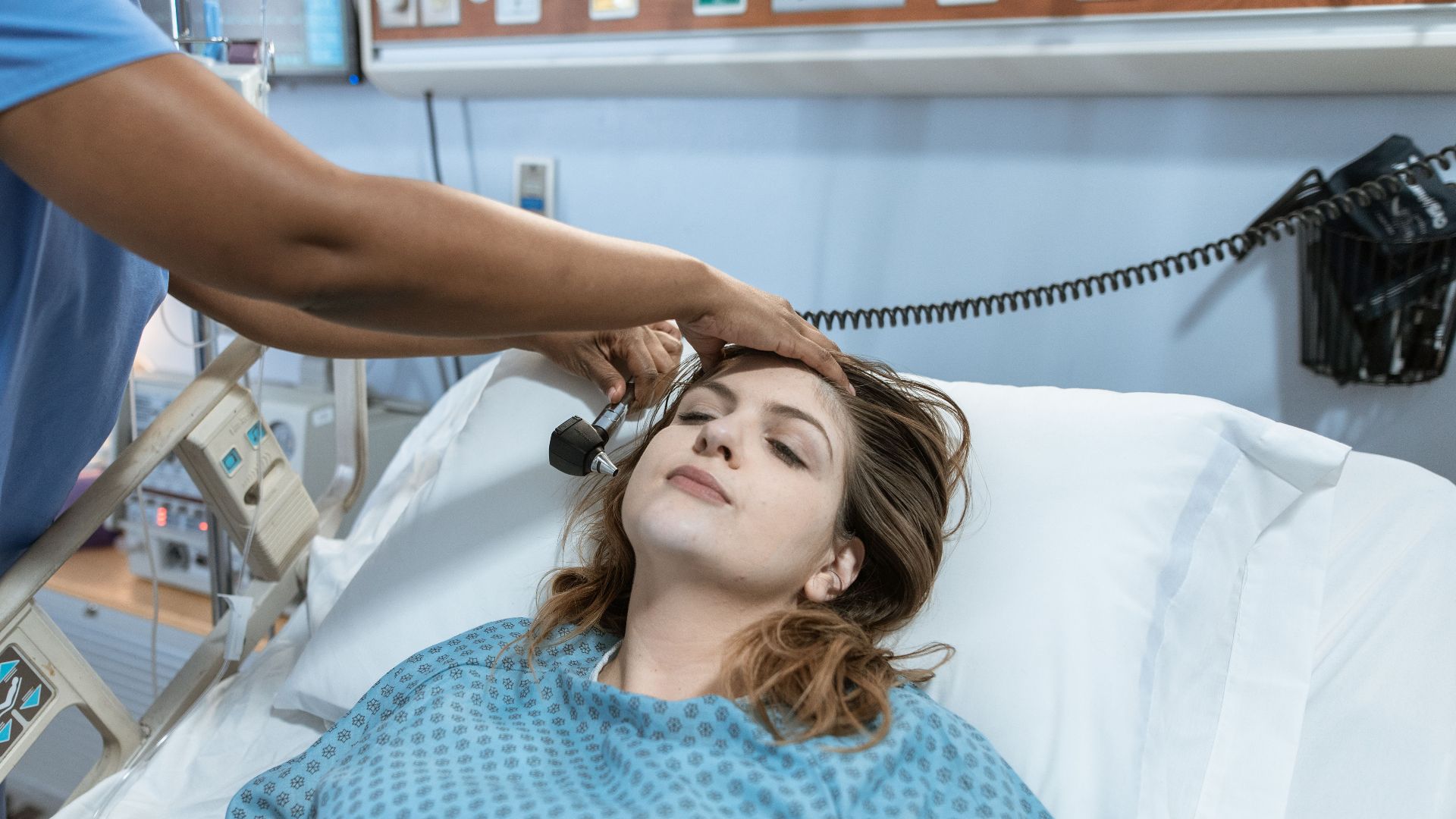
17. Facial Symmetry
An uneven smile or a drooping eyelid is one of the classic signs doctors are trained to catch instantly. That kind of asymmetry is one of the fastest ways to spot a possible stroke. Seconds matter enormously with that particular finding, so it tends to get noticed right away.

18. Pupils
The size and reaction of someone's pupils can hint at drug use or a neurological problem, all from a two-second glance. Unequal pupil size in particular tends to catch attention fast. It's a quick check that gets folded into that first once-over almost automatically.

19. How Quickly They Notice You
A patient who looks up right away, alert to a new person entering the room, is giving off a very different signal than one who barely reacts at all. Delayed or absent responses to someone walking in can point toward reduced consciousness. It's a small moment, but it says a lot about where someone's mental status actually stands.
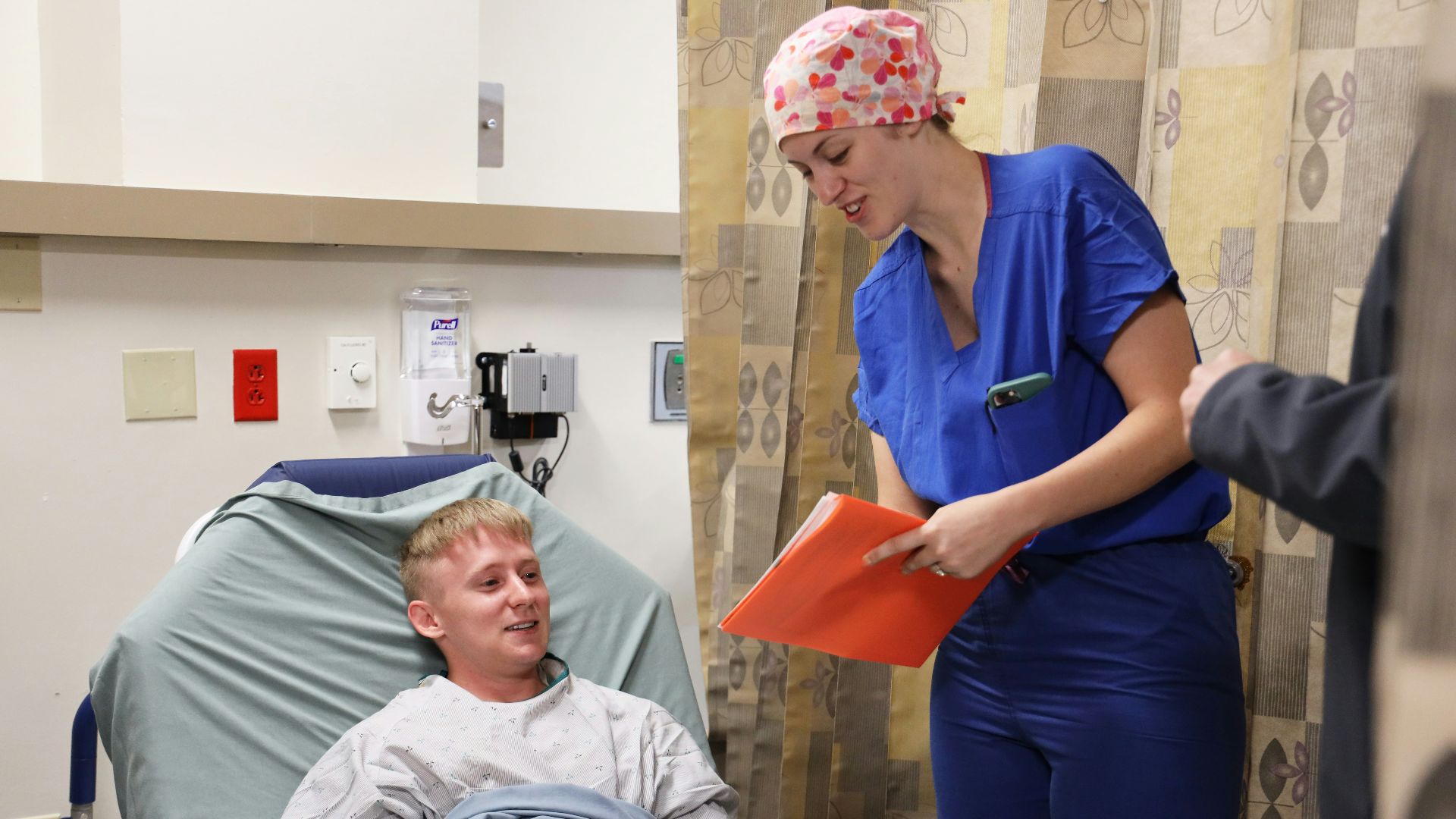
20. Restlessness vs. Stillness
Constant shifting, an inability to get comfortable, or repeatedly trying to sit up can be its own warning sign, sometimes pointing toward pain or dropping oxygen levels. A patient who's unusually still and quiet, especially after arriving in obvious distress, can be just as concerning in the other direction. Both extremes tend to catch an experienced doctor's attention fast.
KEEP ON READING



20 Ways to Deal With Your Sweet Tooth

20 Low-Impact Exercise Ideas For People Over 50