Countries That Make the Healthy Choice the Easy Choice
There’s a major difference between how many countries approach food and how the United States often does. It isn't about willpower, and it isn't about some cultures being "naturally healthier." It's about design. Around the world, governments and communities have built systems that make the better choice the obvious one, whether that's through shared family meals, guaranteed school lunches, plain-language warning labels, or simply capping how much junk can legally go into a product in the first place. Nobody's outlawing tasty treats. The difference is that people in these countries get a little backup before they're standing in the cereal aisle trying to do nutrition math in their head. Here are 20 examples of food policy done right, and what the U.S. could learn from each one.

1. Brazil
Brazil's national dietary guidelines skip the jargon entirely and lead with a simple idea: build your plate around fresh or minimally processed food. Whole food is the default, and ultra-processed snacks are the occasional guest, not the other way around.

2. Canada
Canada's food guide does something most countries' guidelines never bother with. It treats the act of eating with other people as crucial to one's health. Sitting down with family, friends, or coworkers tends to slow the meal down, pull phones out of hands, and introduce people to foods they might otherwise skip.
3. Mediterranean Regions
The traditional Mediterranean way of eating is built on vegetables, fruit, legumes, nuts, whole grains, and generous amounts of olive oil, with fish and poultry showing up in moderate portions. Meals also tend to stretch out, giving food an actual place in the rhythm of the day.
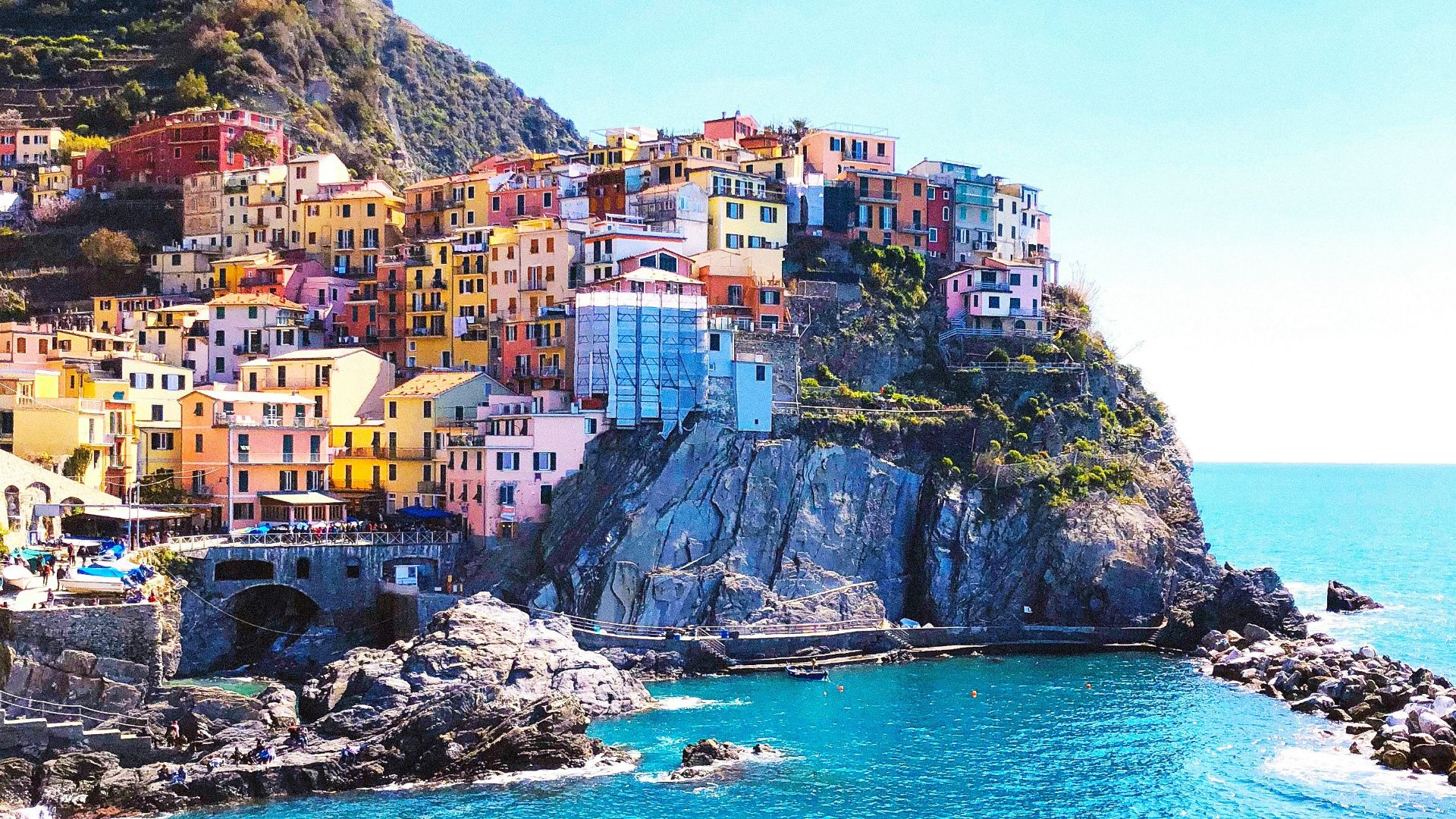
4. Okinawa
There's a Japanese practice tied to the island of Okinawa called hara hachi bu, and it roughly translates to eating until you're about 80 percent full. This gives your body a chance to catch up with your brain and register that it's actually satisfied.
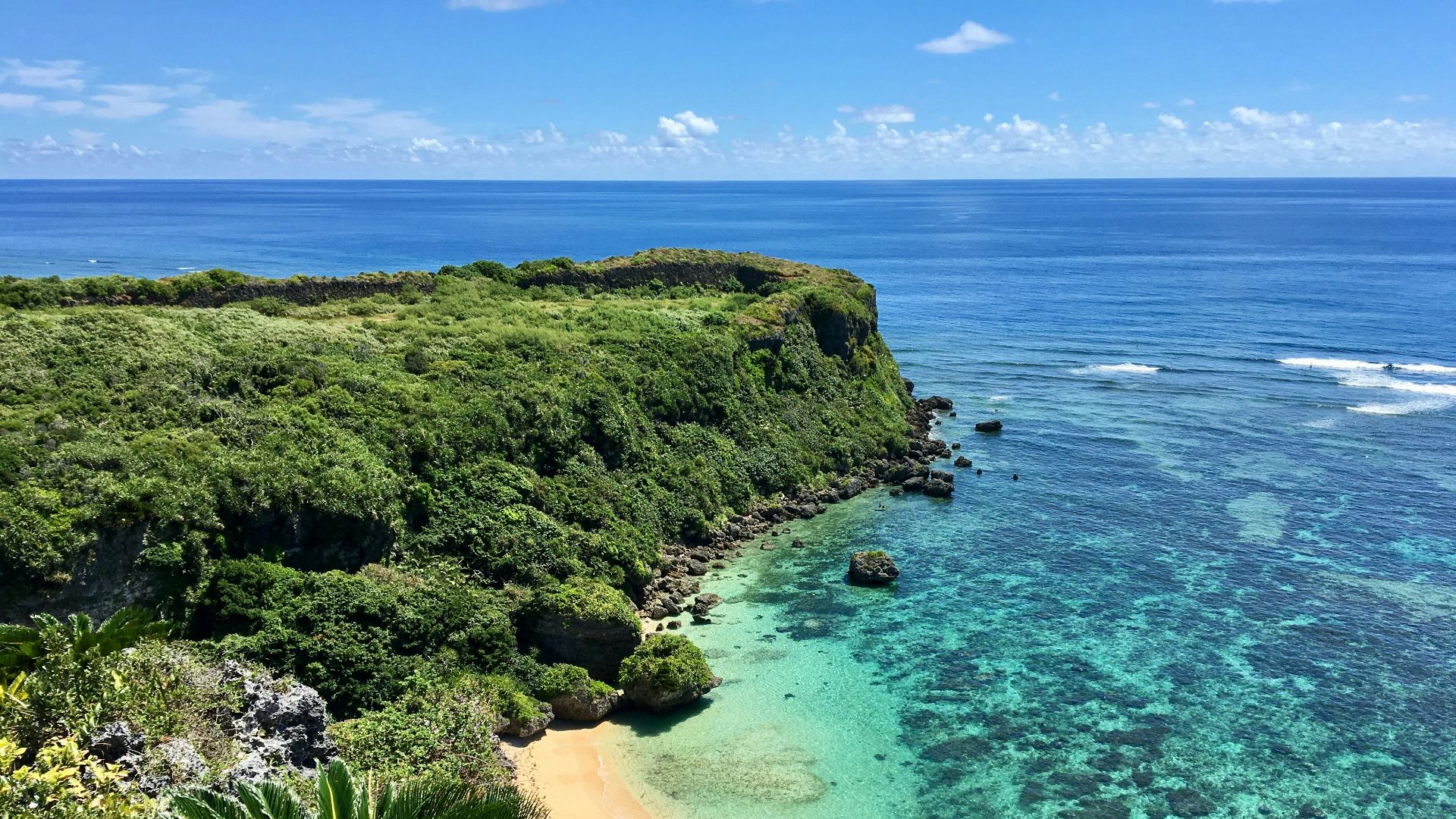
5. Nordic Countries
The New Nordic movement, embraced across Denmark, Finland, Iceland, Norway, and Sweden, centers meals on ingredients that are actually native to the region. Think berries, cabbage, root vegetables, legumes, fish, and hearty grains like barley, oats, and rye, with local rapeseed oil standing in for olive oil. It's a reminder that "eating healthy" doesn't require importing a diet from somewhere else.
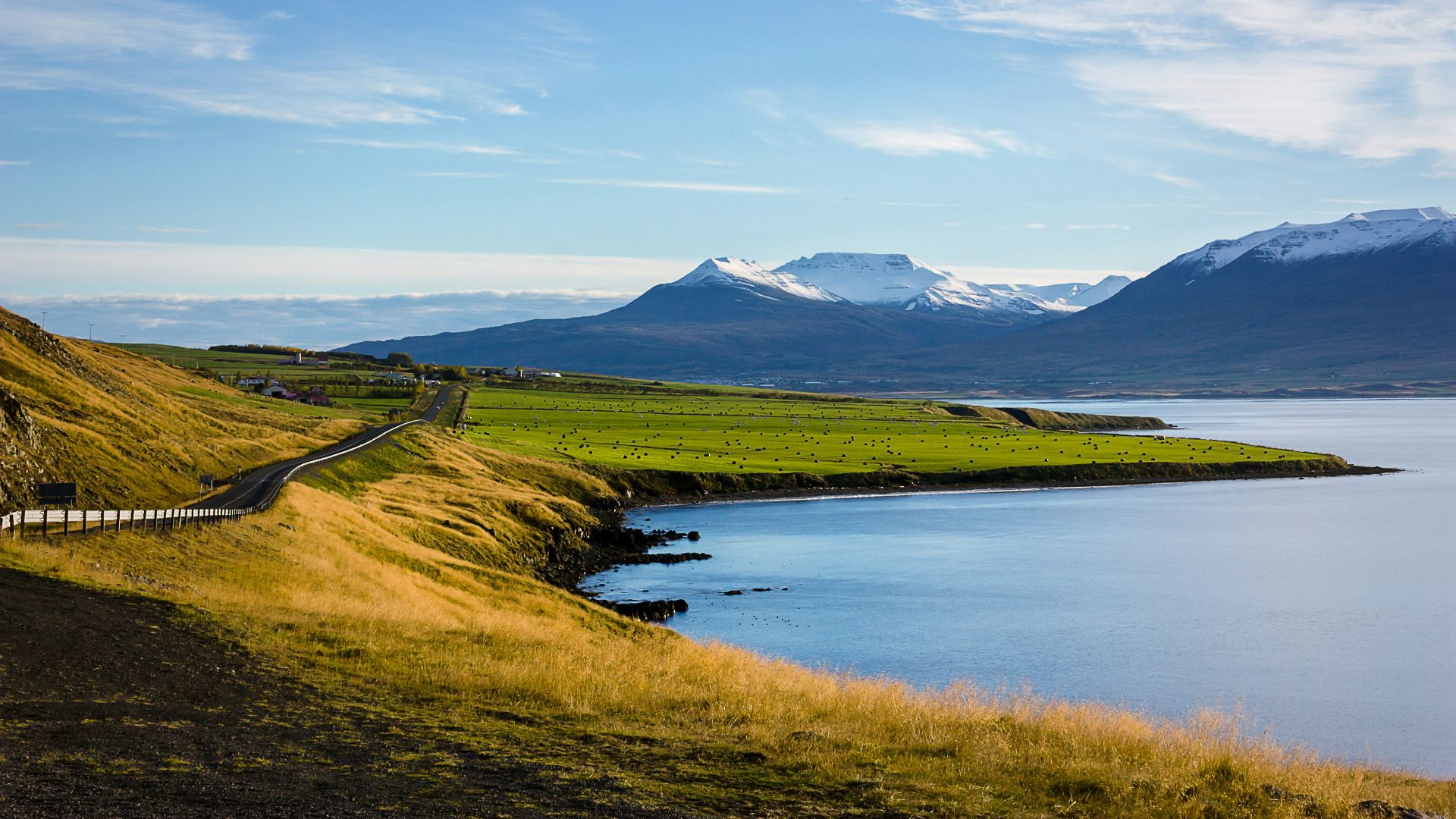
6. Japan
In Japanese schools, meals are built to hit specific nutritional targets, and the lunch period is used to teach kids about where their food comes from, how it's prepared, table manners, and even how to clean up afterward.
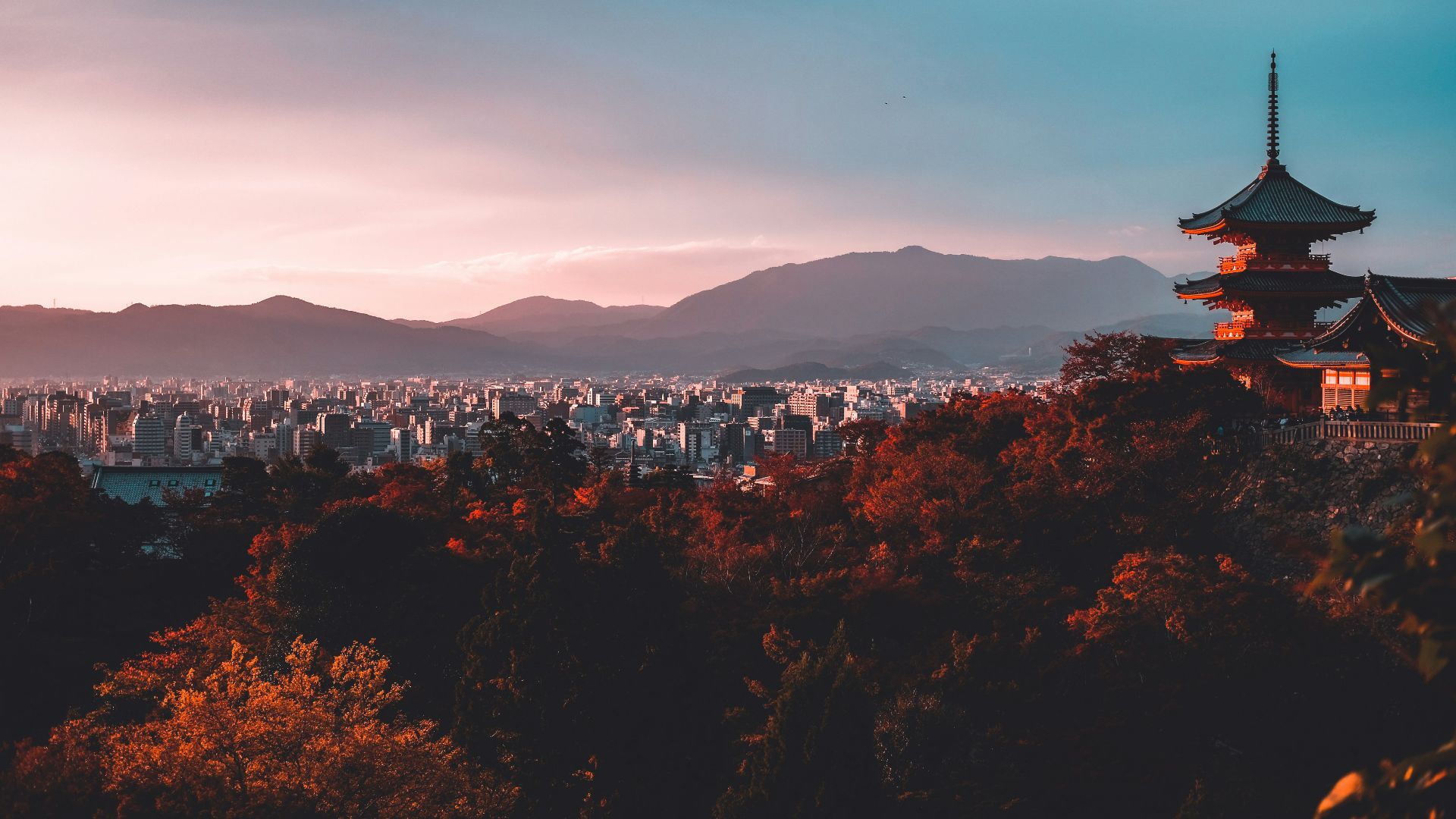
7. Finland
Every student in Finland, from pre-primary school all the way through upper secondary school, is entitled to a free school meal, and it has to be balanced, properly organized, and supervised. This way, no student's ability to focus depends on whether their family could afford lunch that morning.
8. Scandinavia
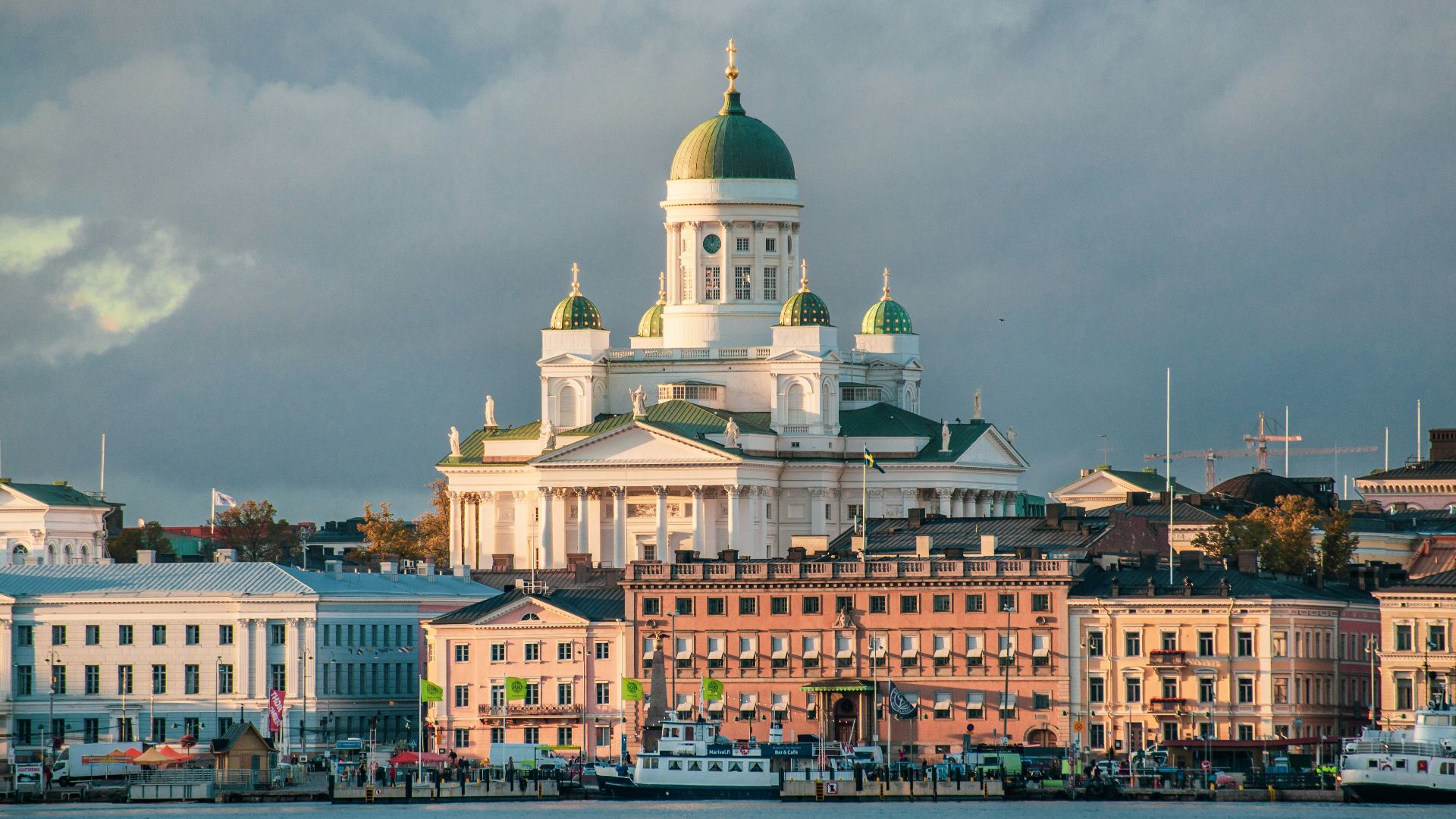
Denmark, Norway, and Sweden share a little icon called the Keyhole, stamped on products that meet defined standards for salt, sugar, fat, and fiber. This quick visual shortcut beats squinting at four different numbers on the back of the jar.

9. Denmark
Denmark was one of the first countries to crack down hard on industrial trans fat, and that early move helped pave the way for a rule now shared across the entire European Union: a limit of two grams of trans fat per 100 grams of fat. The problem gets solved on the factory floor.
10. France
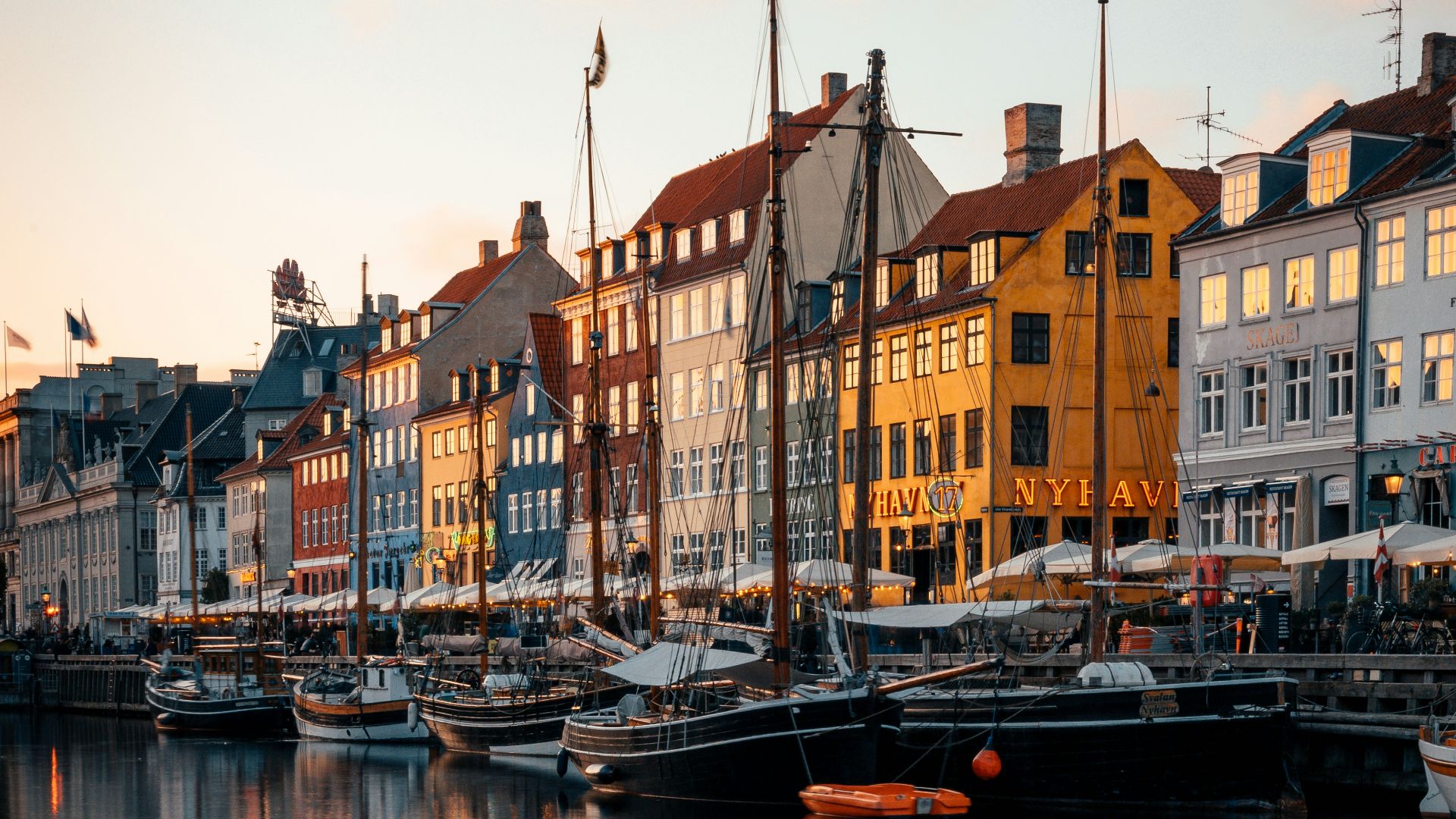
In France, you won't find unlimited free or flat-price deals on certain sugary or artificially sweetened drinks in public dining spots, schools, or youth facilities. The bottomless soda fountain might feel like a harmless perk elsewhere, but France treats it for what it is: a clever sales trick, not a normal part of a meal.
11. United Kingdom
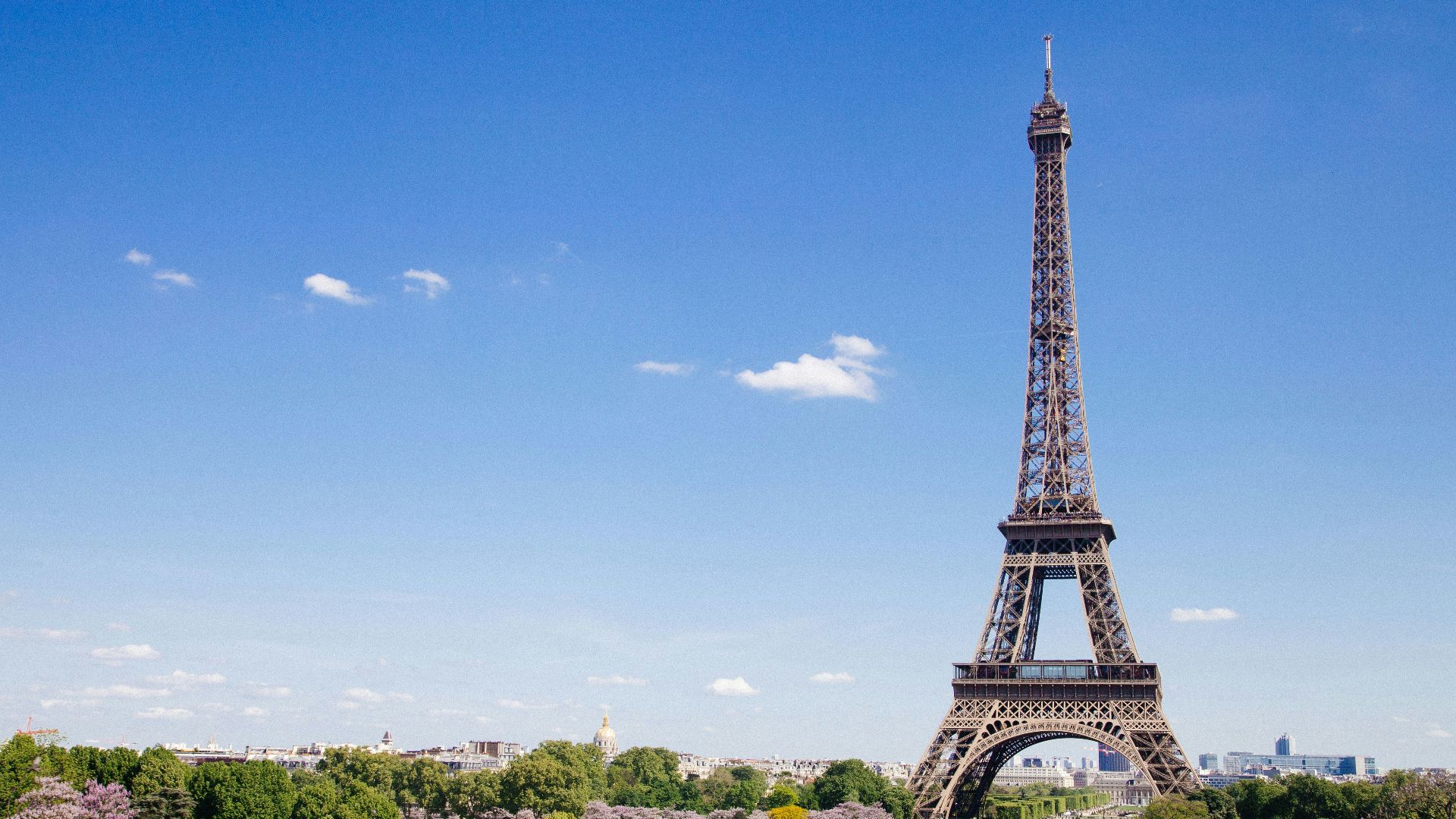
The UK's soft drinks levy kicks in on packaged drinks with five grams of added sugar or more per 100 milliliters. Dip below that threshold and the charge disappears. That single rule gave beverage companies a very concrete financial reason to reformulate their recipes, which many of them did.
12. South Africa
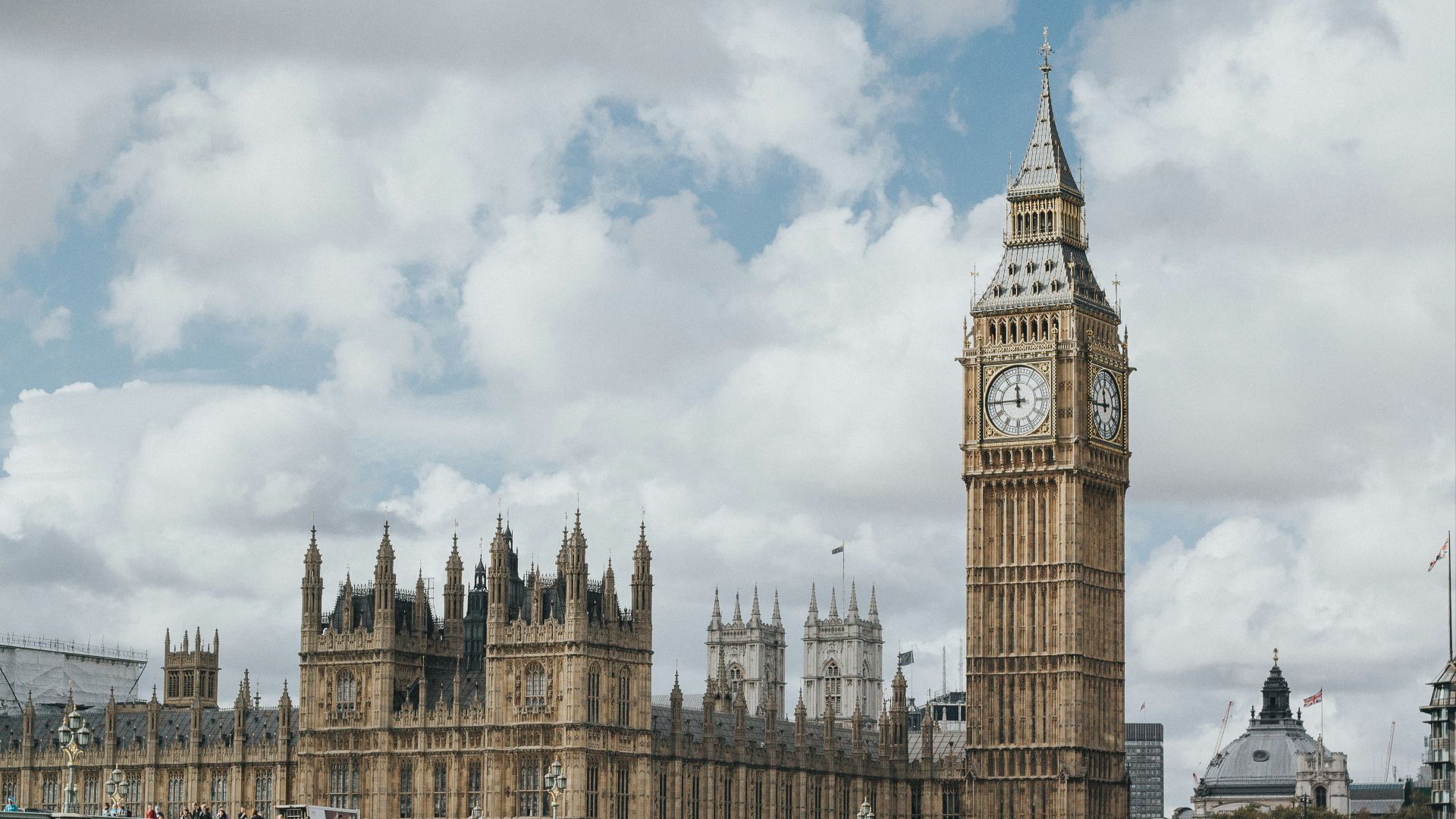
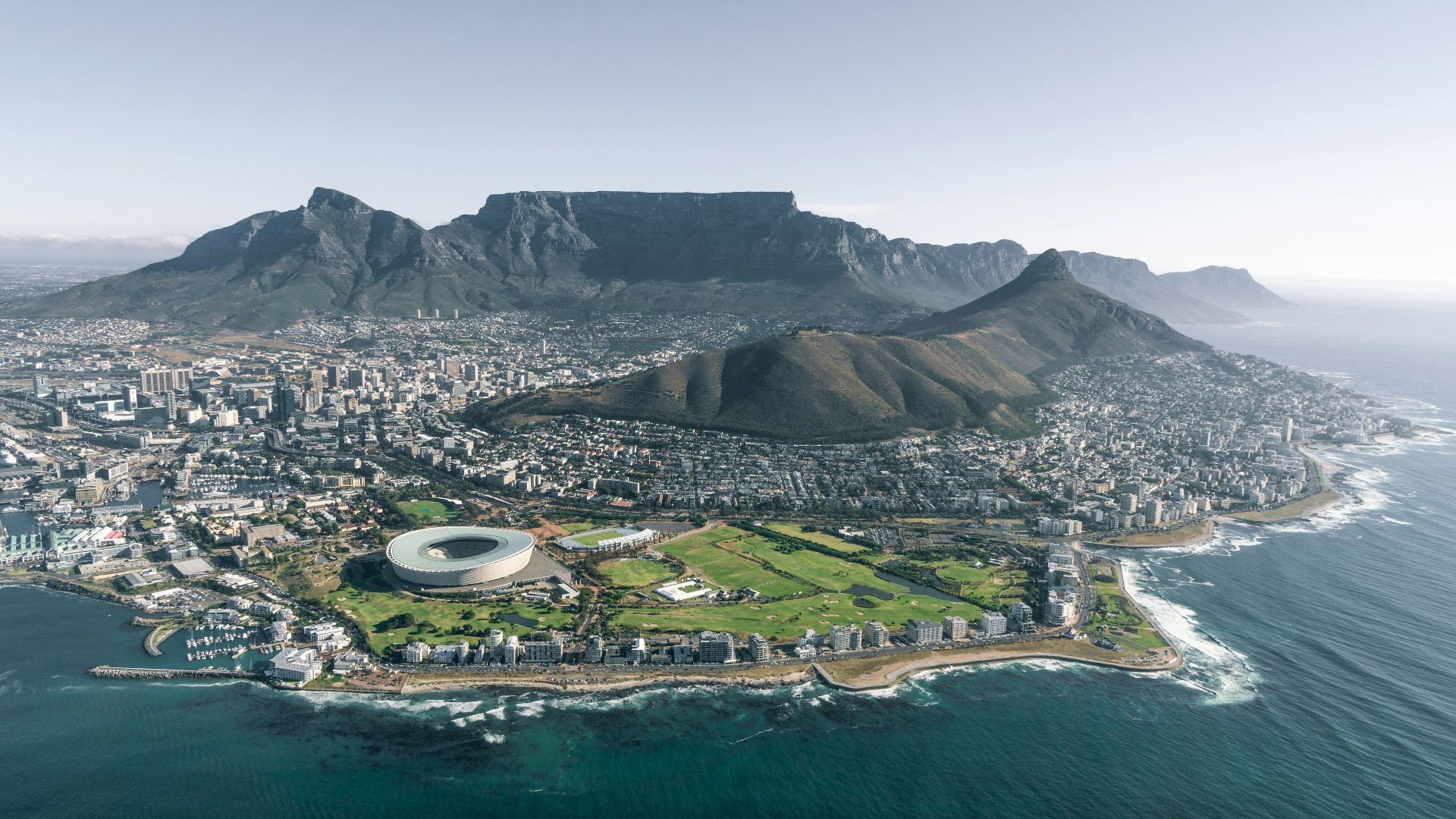
South Africa doesn't leave sodium levels up to individual manufacturers' discretion. The country sets specific limits across categories like bread, cereals, savory snacks, processed meats, soups, stocks, and instant noodles.
13. India
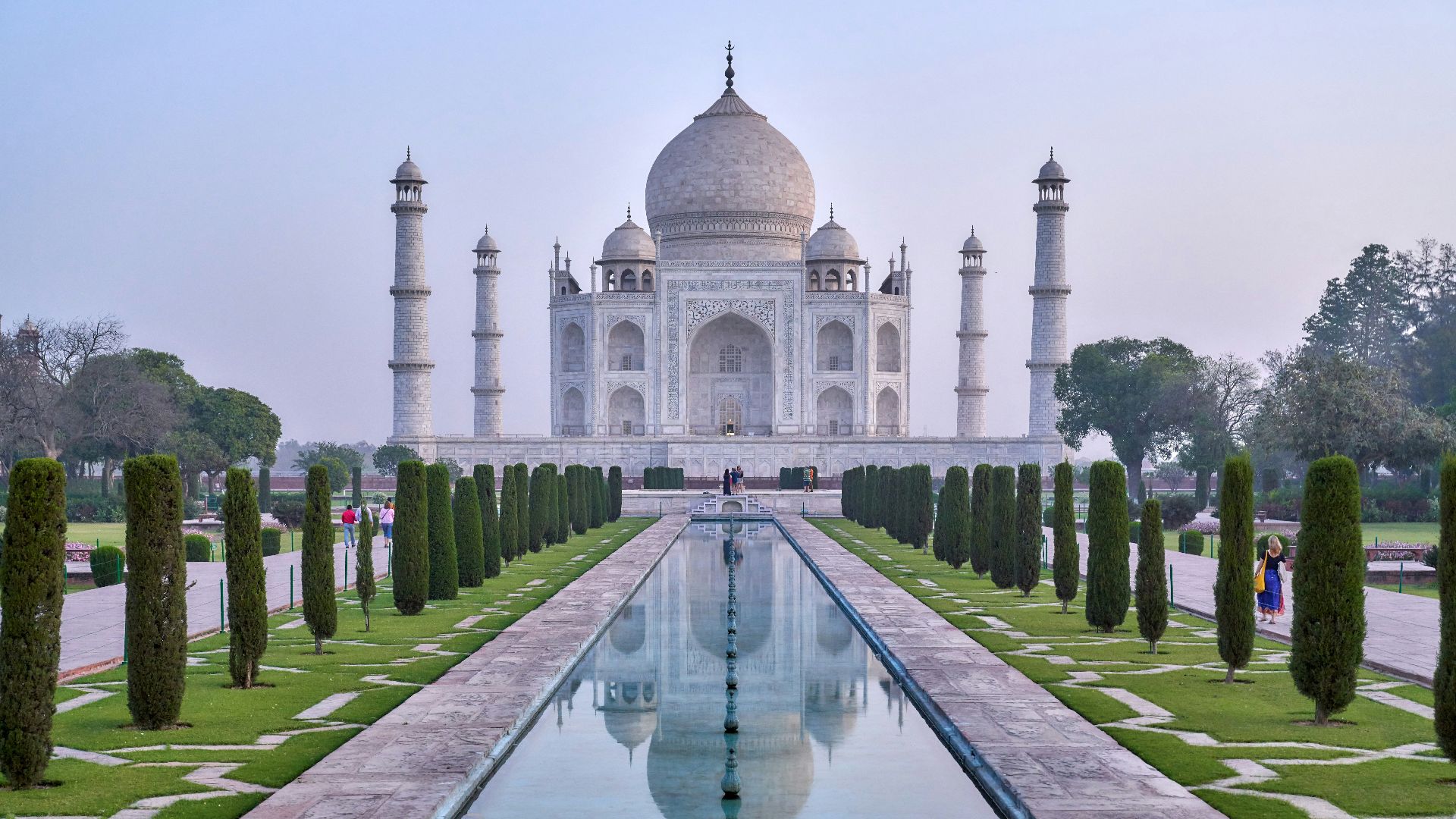
As of 2022, India capped industrial trans fat at two grams per 100 grams of total oils and fats nationwide. Like Denmark's rule, it targets a substance created in processing plants rather than asking millions of shoppers to become amateur chemists.
14. Chile
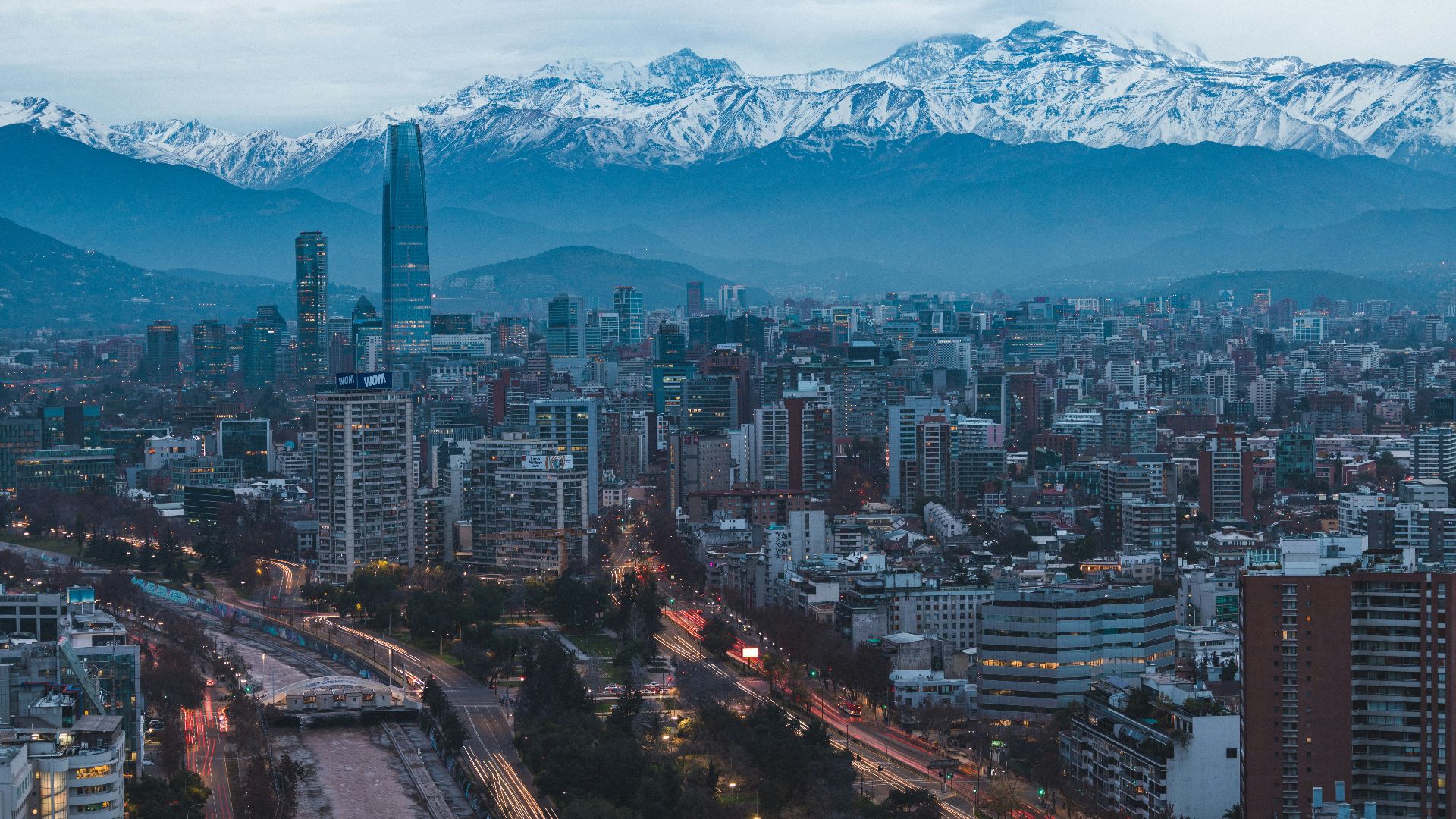
Chile went bold with black, high-contrast warning labels slapped on packaged foods high in calories, sugar, saturated fat, or sodium. The country also restricts advertising aimed at children and keeps flagged products out of school marketing and sales entirely.
15. Mexico
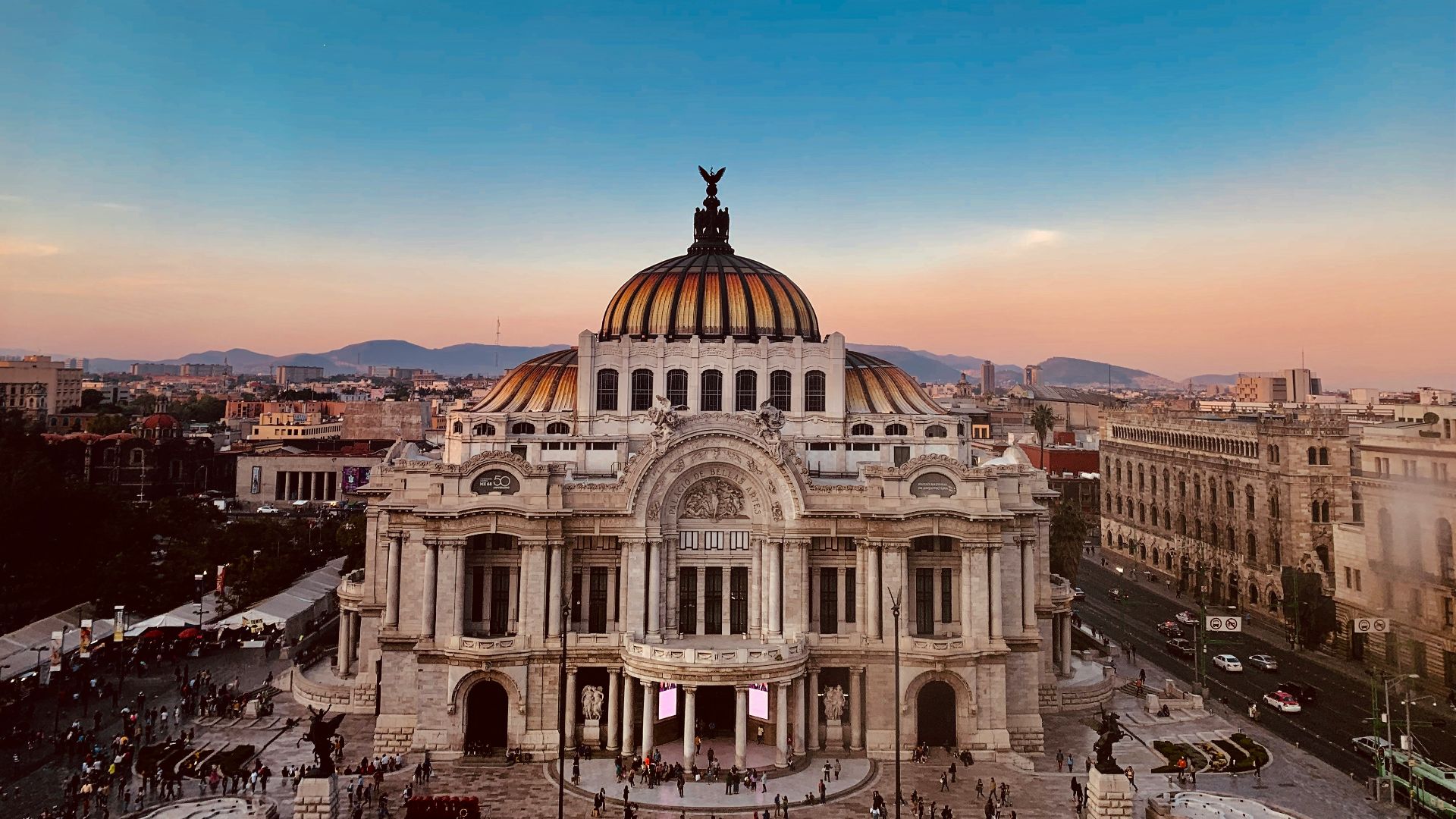
Once a packaged food in Mexico earns a warning seal, that's it for the cute marketing. Child characters, cartoons, celebrities, athletes, mascots, and interactive gimmicks are all off the table. The logic is simple: if a product needs a warning, it shouldn't also get a friendly cartoon face.
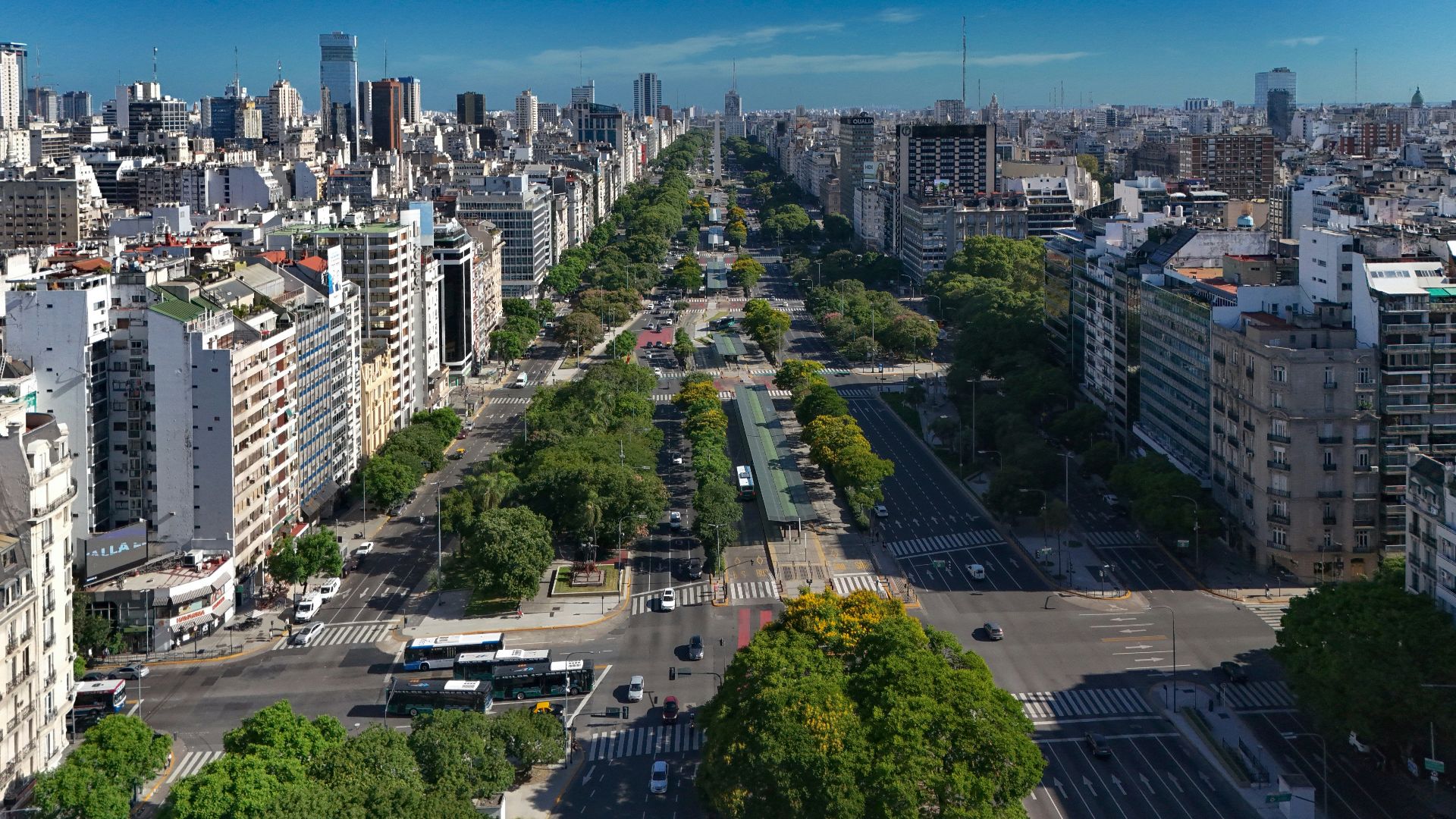
16. Argentina
Argentina requires bold black octagonal warnings on packaged foods and drinks that cross set limits for calories, sugar, sodium, or fat, and any product wearing one of those warnings loses the right to make health or nutrition claims elsewhere on the package.
 Juan Pablo Mascanfroni on Unsplash
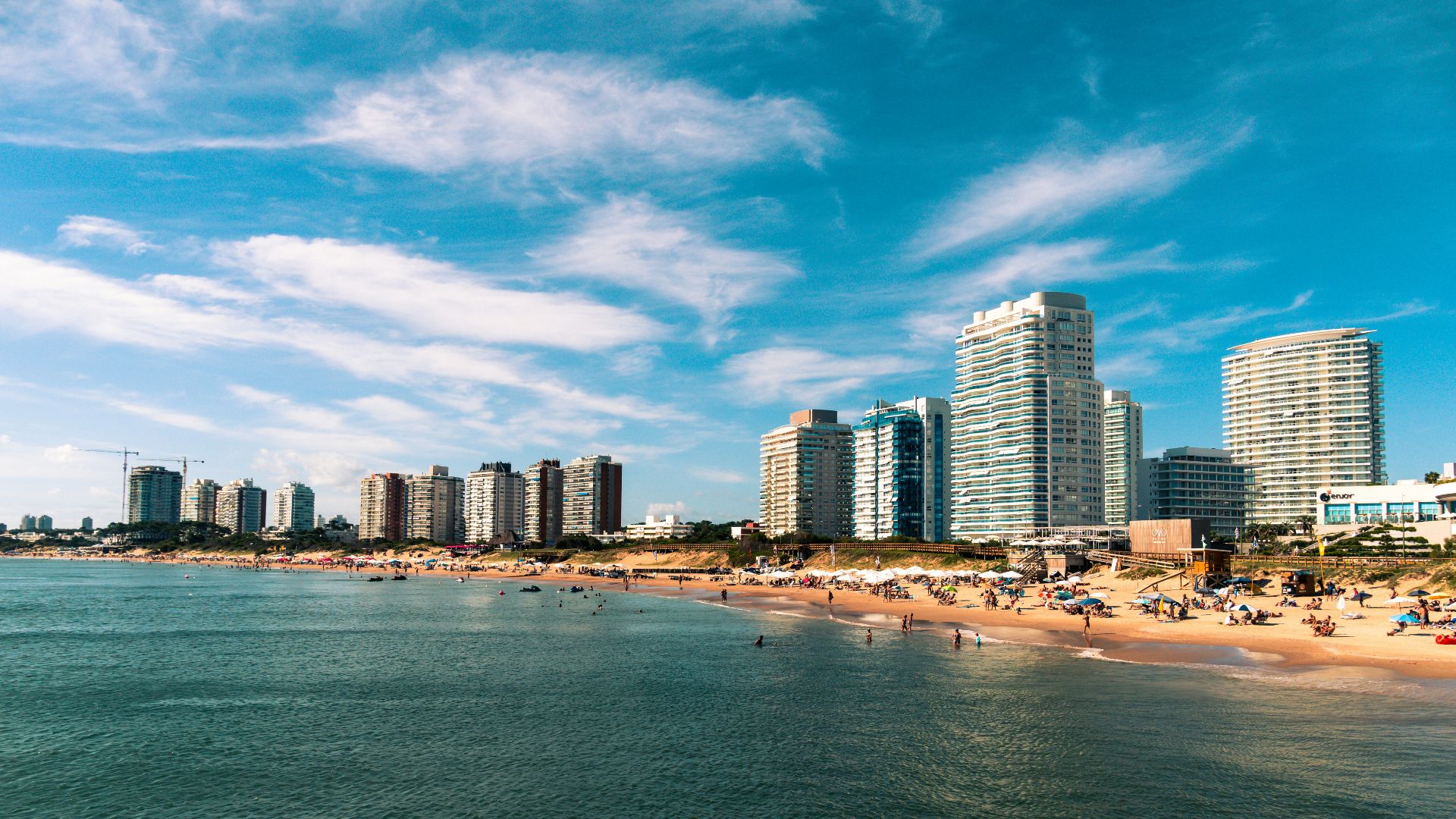
17. Uruguay
Uruguay uses front-of-pack warnings whenever a food exceeds set thresholds for added sugar, sodium, total fat, or saturated fat. It's a fast, at-a-glance signal that spares shoppers from doing side-by-side comparisons of dense nutrition panels.
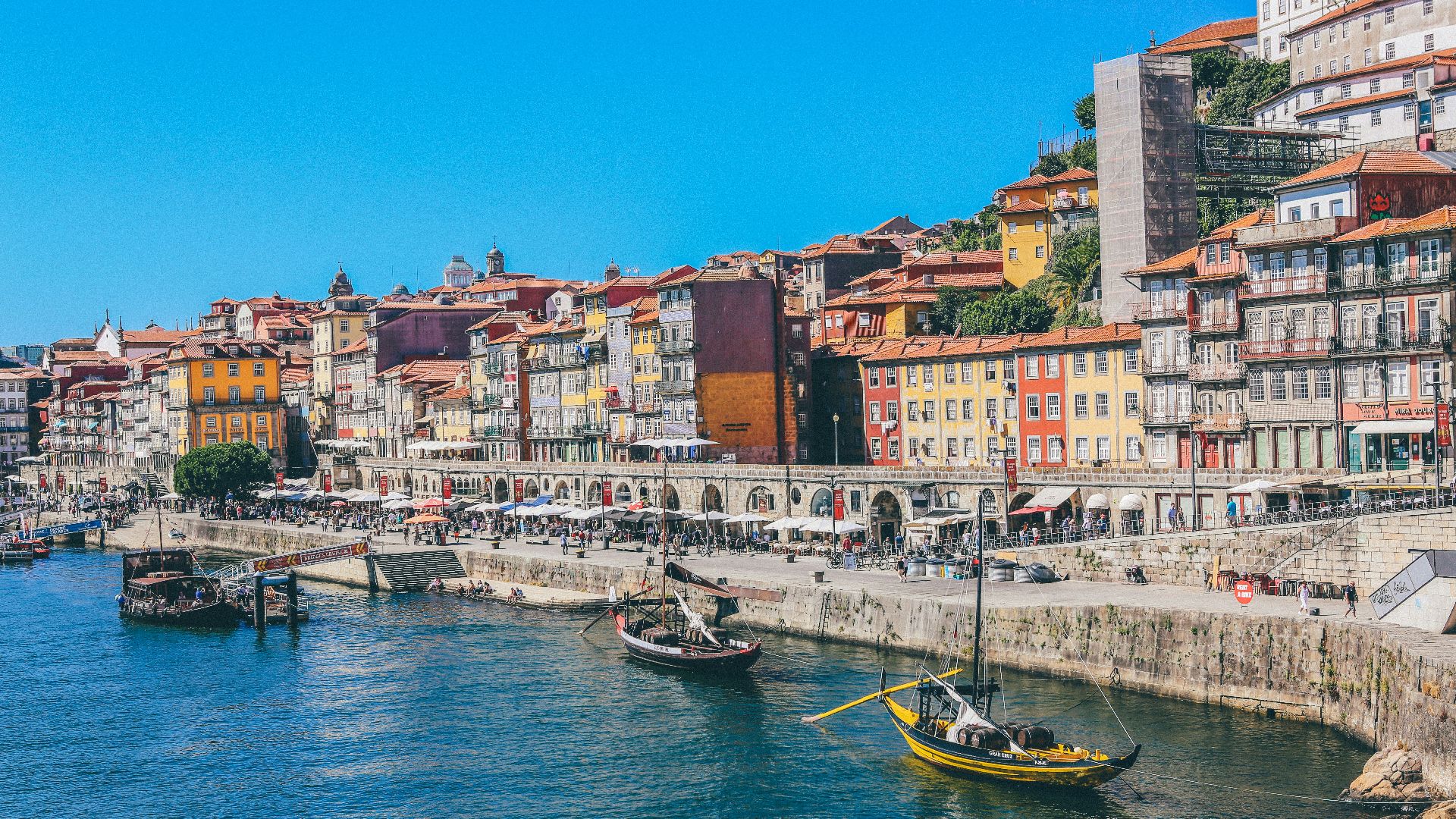
18. Portugal
Portugal caps the salt content of bread at 1.4 grams per 100 grams of finished product, and the rule applies broadly, including whole-grain and salt-free varieties, with an exception carved out for traditional breads.
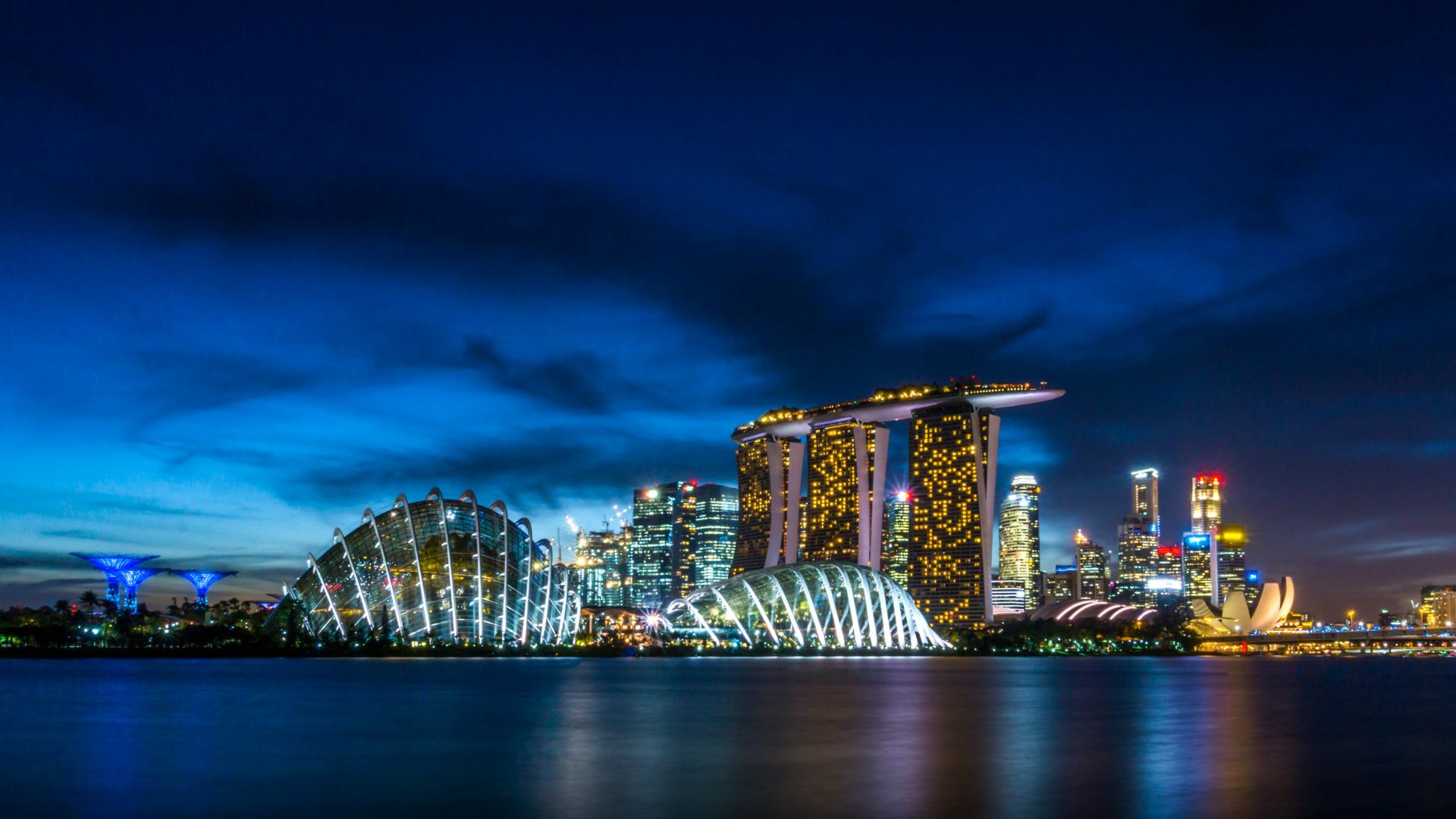
19. Singapore
Singapore grades beverages from A to D based on their sugar and saturated fat content, and any drink graded C or D has to display a Nutri-Grade label on the package. Grade D drinks face a near-total ban on advertising.
20. Ecuador
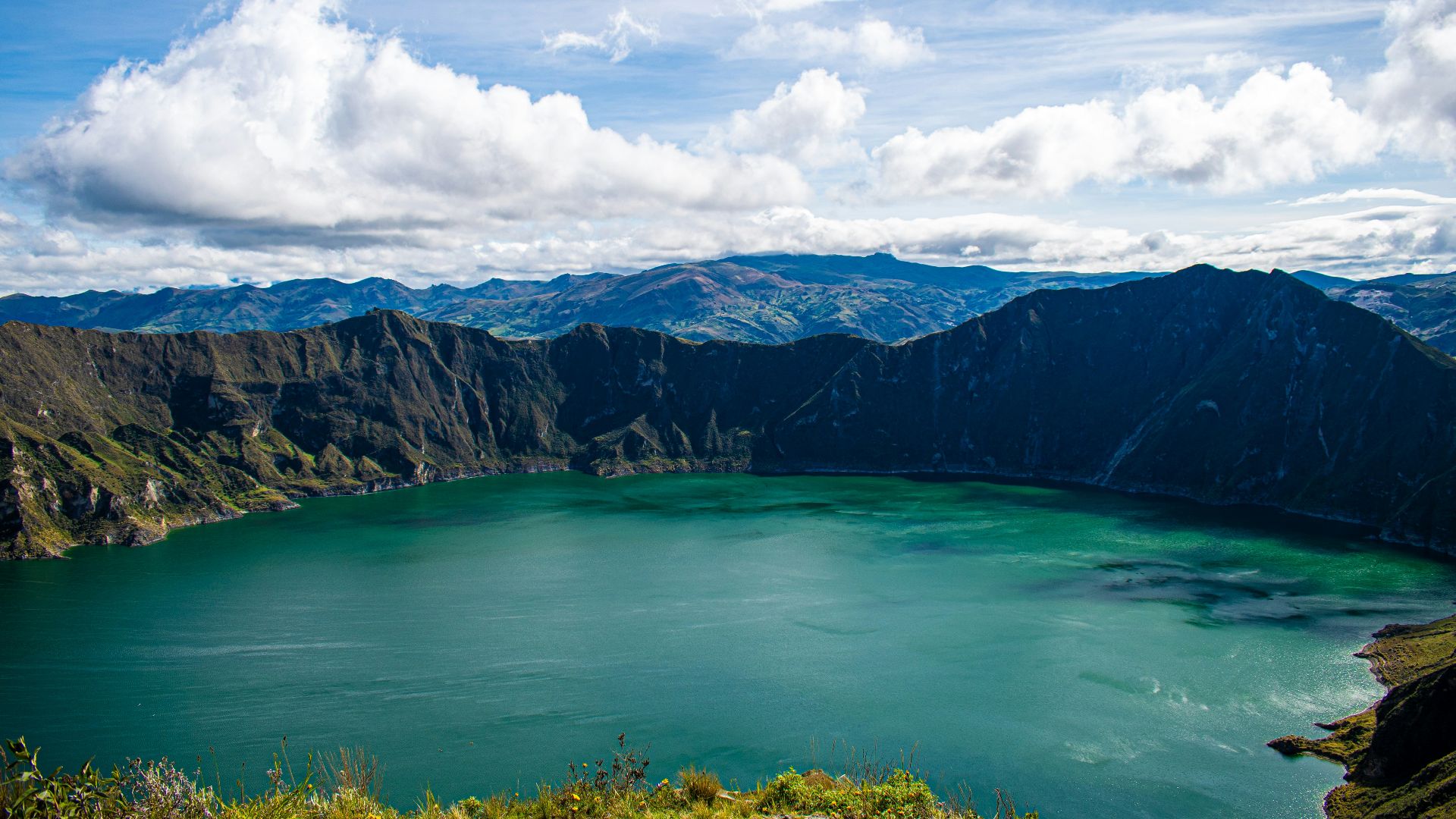
Ecuador requires a mandatory traffic-light label that shows, at a glance, whether a food is high, medium, or low in fat, sugar, and salt. Red, yellow, and green do in half a second what a wall of tiny nutrition numbers could never manage: communicate instantly, even to someone in a hurry or without a nutrition degree.
KEEP ON READING