
Small Patterns Become Big Problems
Divorce rarely stems from one forgotten anniversary, though it can feel that way when you don’t see it coming. In reality, relationship researchers have followed couples for years and found that certain recurring behaviors show up more often in marriages that eventually fall apart. From the way couples start arguments to how they handle money, some surprisingly ordinary patterns can become meaningful warning signs down the road.

1. Criticizing Your Partner's Character
There's an important difference between complaining about dirty dishes and confidently saying that your spouse is lazy. Personal criticism is actually one of the communication patterns associated with marital breakdown, and once every mistake becomes evidence of a greater personality flaw, productive conversations get much harder.

2. Treating Them With Contempt
Petty behavior shows up in a lot of different ways: eye-rolling, sneering, mocking someone's intelligence, and acting like you’re on a high horse all seem like momentary expressions of irritation. Over time, though, they’re powerful predictors of divorce.

3. Getting Defensive About Everything
When your partner raises a complaint, immediately explaining why none of it is your fault can stop the conversation before it goes anywhere useful. Defensiveness never looks good, especially when it’s immediate, so constantly replying, "I only did that because you did this," leaves little room for accountability.
4. Stonewalling During Arguments
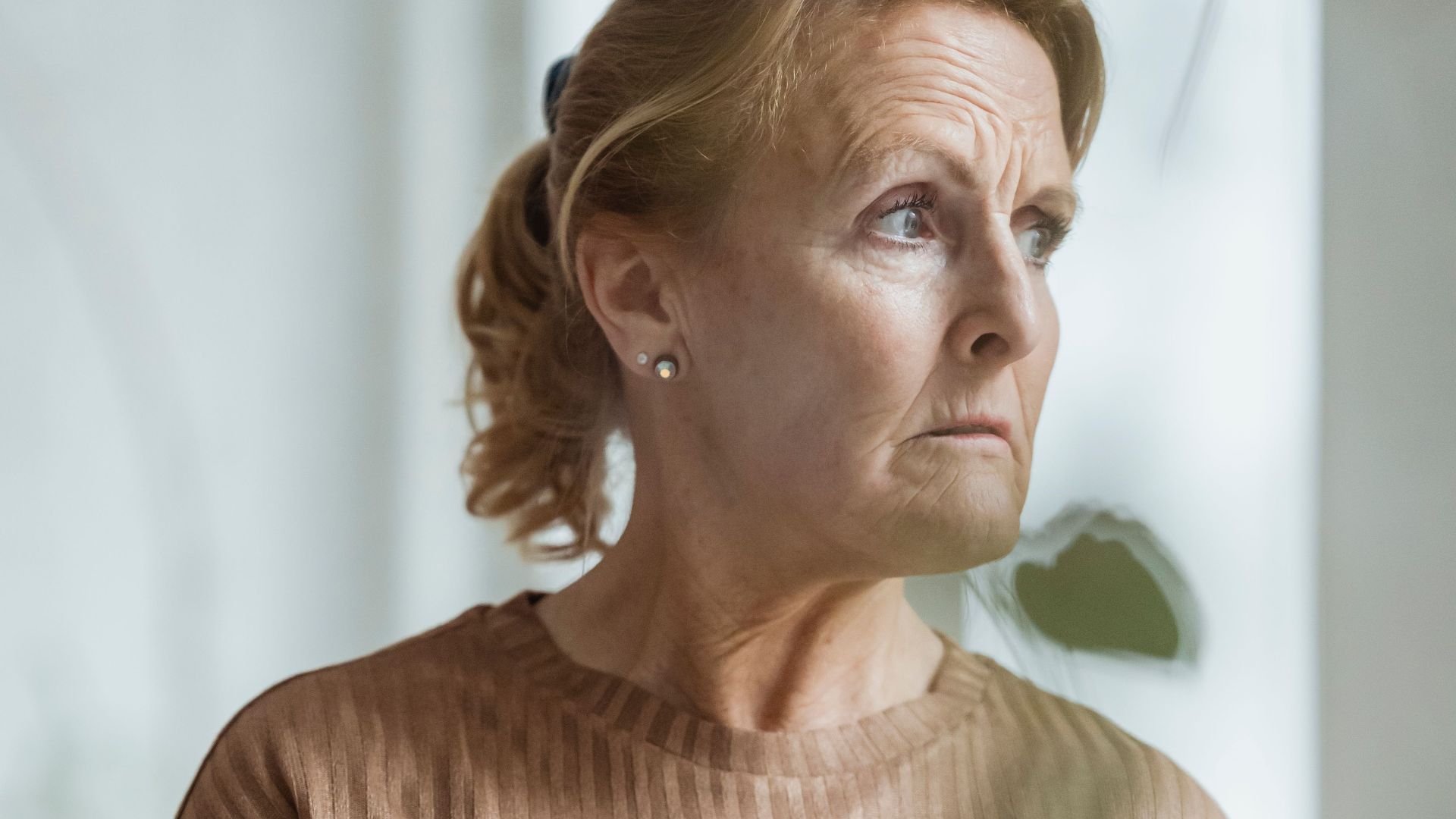
The last thing an argument needs is the silent treatment. Researchers have linked withdrawal from interaction with declining marital satisfaction and divorce, and it’s easy to see why! Taking a planned break to cool down is different from repeatedly shutting your partner out.
5. Starting Arguments
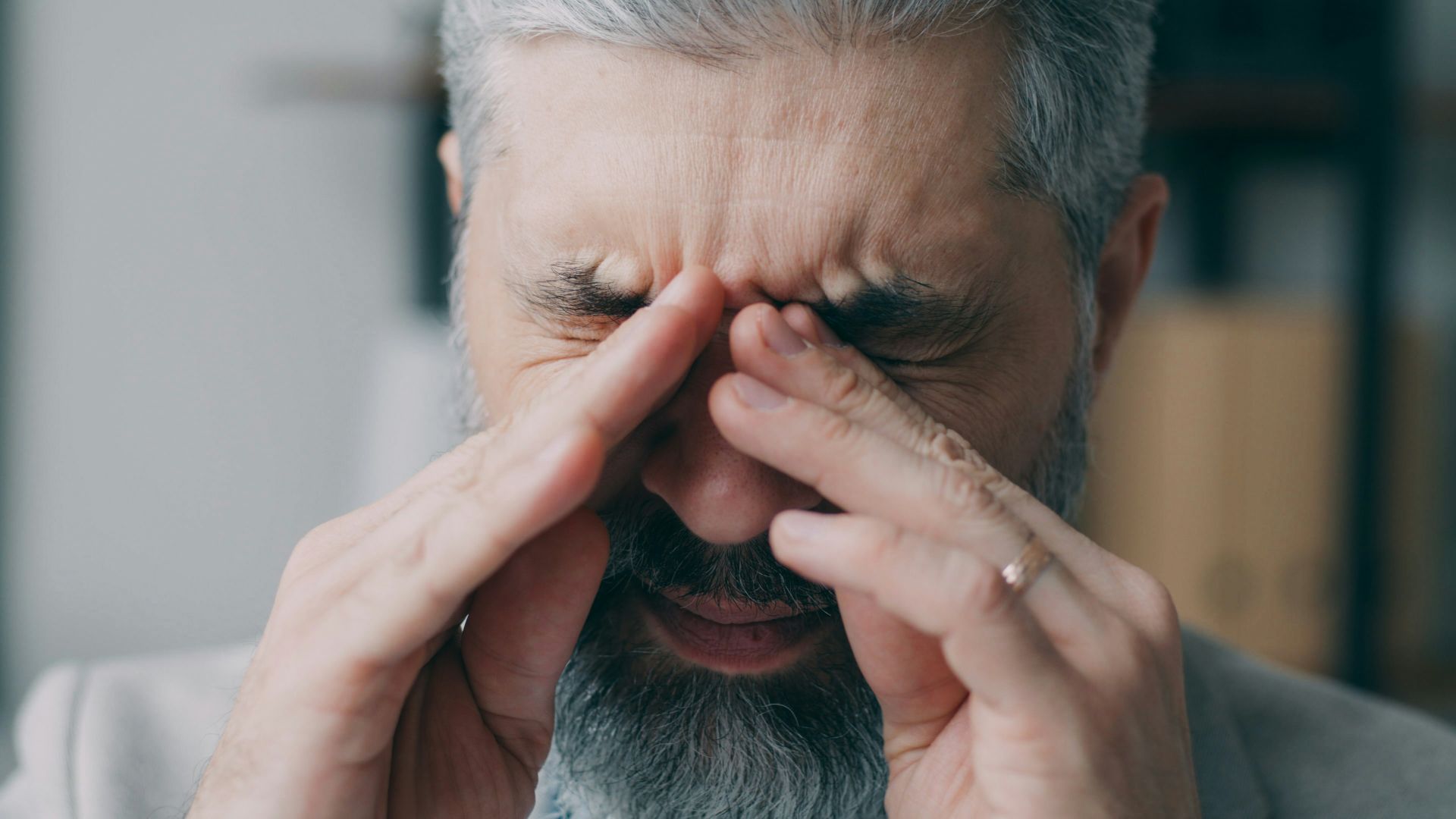
Those opening minutes of a disagreement can tell researchers quite a bit about where a conversation is headed. Opening with "You never do anything around here" is generally less promising than naming a specific problem. If you want resolution, it’s better to talk it out than to attack.
6. Chasing While Your Partner Withdraws
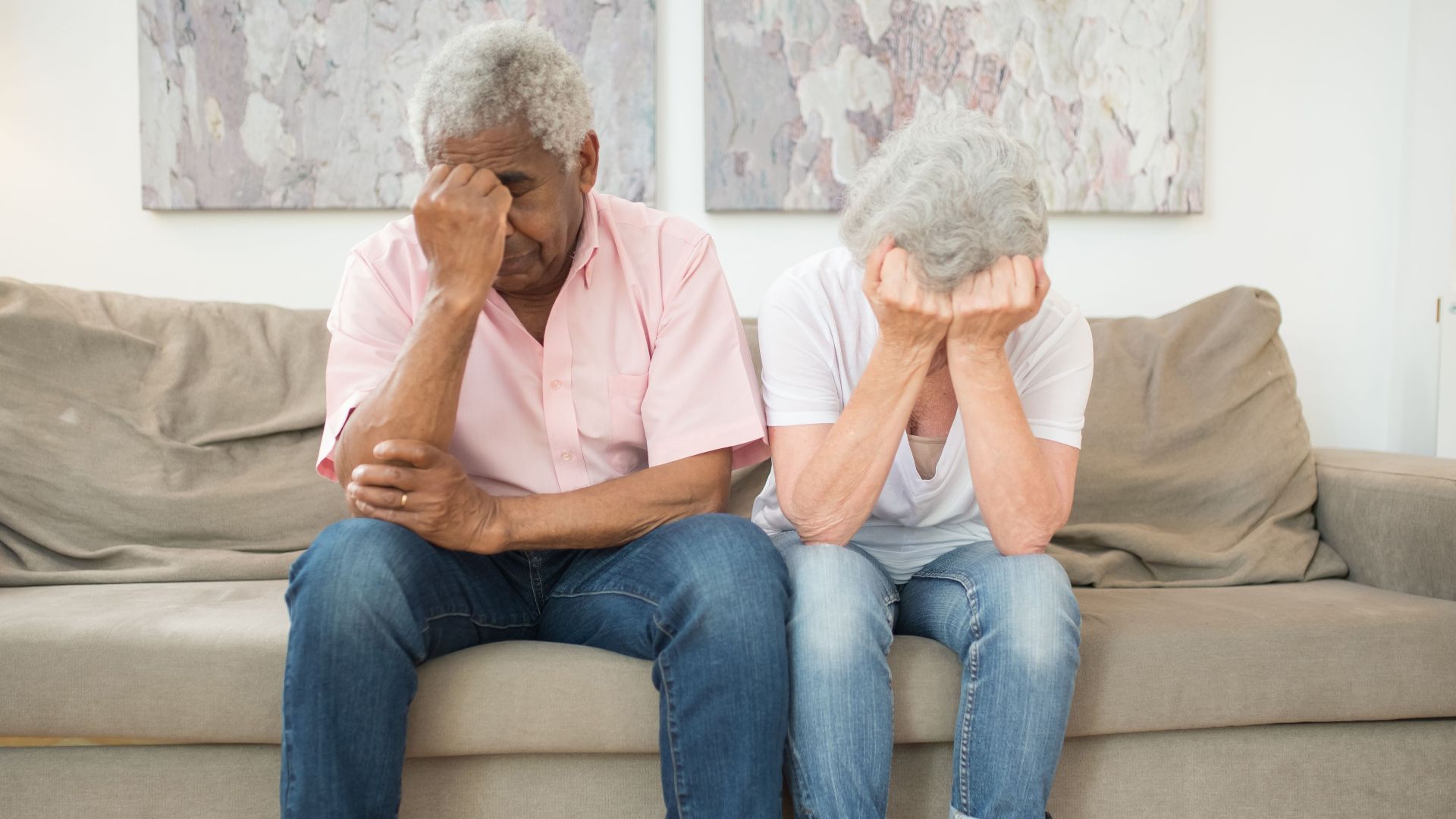
Some couples fall into a familiar routine in which one person pressures or demands an answer while the other retreats. It’s known as the demand-withdraw pattern, and it's repeatedly been associated with relationship dissatisfaction. The harder one spouse pushes, the less willing the other may become to engage, and that rattles a marriage.

7. Letting Every Disagreement Escalate
Arguments are bound to be unpleasant, but constantly matching negativity with more negativity creates trouble. Patterns of negative emotional exchanges actually predicted later declines in marital satisfaction. If irritation automatically earns a knee-jerk response, relatively minor disagreements get exhausting.

8. Never Repairing an Argument
Happy couples aren't the ones who never fight; disagreement is practically unavoidable, and knowing how to handle them healthily is actually a good sign! However, it’s all about the importance of successful repair attempts, such as apologizing, acknowledging a fair point, or using affection to reduce tension during conflict. Ignoring attempts to calm things down allows arguments to get worse.

9. Losing the Positive Moments
A marriage can look peaceful while quietly losing affection, interest, and warmth. A lack of positive emotional behavior was associated with divorces that occurred later in marriage. Long story short, couples who stop laughing together may be experiencing a different kind of disconnection.
10. Refusing Your Partner's Influence
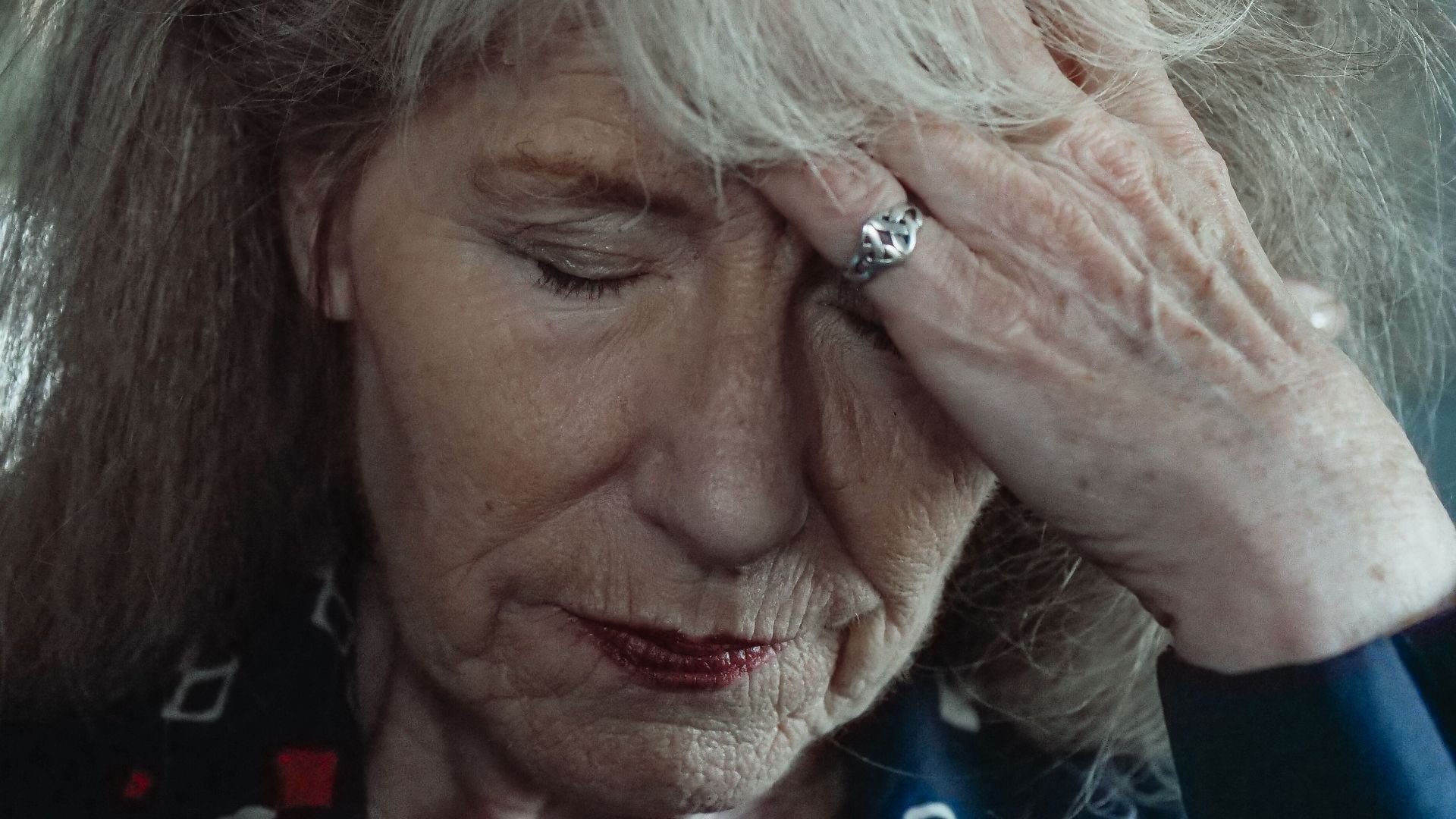
Healthy compromise sometimes means admitting your spouse has a point. Accepting a partner's influence is often associated with happier, more stable marriages, so leave a little wiggle room. Habitually responding with "We're doing it my way" only turns everyday decisions into ongoing power struggles.
11. Fighting About Money
A disagreement over one expensive purchase isn't uncommon—recurring financial conflict is. Financial disagreements are stronger predictors of divorce than several other common types of disagreements. Secret credit-card purchases, incompatible budgets, and repeated fights over savings can all keep the issue alive.

12. Reckless Spending
Money troubles don’t end at the secret stuff. The problem isn't always how much money a couple has, but how one partner handles what they have. Regularly making large purchases without discussing them can damage both finances and trust.

13. Being Unfaithful
Few circumstances will surprise anyone less than infidelity. Plenty of research shows that affairs were among the marital problems that predicted divorce years later. Whether it's an ongoing affair or a single encounter, the effects can extend well beyond the initial discovery.

14. Chronic Jealousy
Occasional jealousy isn't human nature, but regularly checking a spouse's phone is another matter. Jealousy now can cause dozens of problems later, especially if they aren’t addressed healthily. Constant suspicion almost always turns ordinary interactions into another source of conflict.

15. Drinking Heavily
Heavy drinking doesn't automatically end a marriage, but researchers have found a clear association worth taking seriously. A national U.S. study found considerably higher subsequent marital dissolution among people with a recent alcohol use disorder. Repeated arguments, missed responsibilities, or alcohol-related spending only add to the strain.

16. Having Different Drinking Habits
Interestingly, compatibility in alcohol use also matters. Couples with mismatched drinking levels were more likely to separate or divorce than couples whose drinking patterns were more similar (which makes sense when you think about it). One partner regularly partying while the other rarely drinks can create disagreements about routines, friends, and acceptable behavior.
17. Letting Drug Use Affect the Relationship
Substance problems have also appeared repeatedly in research on marital instability. The reality is that drinking or drug problems were among the marital issues predicting divorce as far as 12 years later.
18. Ignoring Irritating Habits
Contrary to popular belief, researchers don't only find dramatic betrayals when they study divorce. Persistent "irritating habits" are high up on the list of marital problems, especially those associated with later separation. Resentment usually has years to accumulate.

19. Constant Moodiness
Emotional unpredictability can leave a partner unsure of who they're coming home to. Moodiness only leaves a partner walking on eggshells, and it’s another common factor in divorce. Frequently snapping over small inconveniences or withdrawing without explaining why makes a marriage hard to navigate.

20. Emotionally Withdrawing
Not every struggling couple screams at each other across the room, which is why divorce catches so many people by surprise. Research shows that emotional withdrawal is especially relevant to couples who divorced later. When partners stop sharing, showing affection, or seeming interested in one another, quiet distance is just as important as visible conflict.

KEEP ON READING


20 Things Your Body Is Secretly Doing Right Now