
All-Day Drowsiness
No matter how many hours you got the night before, some days you still feel like going back to bed for an afternoon kip. But why is that? As it turns out, that heavy-eyed, sluggish feeling that hits you in the middle of the day isn't always about how little (or a lot) you slept. In fact, from skipping breakfast to having a heavy lunch or even simply sitting too much (and with bad posture), plenty of not-so-great everyday habits can sap your energy and leave you fighting to stay alert, even when you technically logged enough ZZZs in bed. If you're always yawning by midday, here are 20 things that might just explain your daytime sleepiness.

1. Skipping Breakfast
When you skip breakfast, your blood sugar has nothing to work with, and that can leave you feeling foggy within a couple of hours of waking up. Your brain relies on a steady source of glucose to function properly, so an empty stomach often translates into sluggish thinking and low energy. Grabbing even a small bite before you start your day can make a noticeable difference in how alert you feel by mid-morning.

2. Dehydration
Even mild dehydration can throw off your concentration and make you feel tired way before lunchtime rolls around. Your body needs water to keep your blood flowing efficiently and your organs functioning the way they should, and when that supply runs low, fatigue tends to follow. Keeping a water bottle nearby and sipping throughout the day is a simple habit that can help you avoid that drained feeling.

3. Overeating at Lunch
A heavy midday meal can pull blood flow toward your digestive system, leaving less energy available for the rest of your body. This is part of why so many people hit a wall right after lunch, especially if the meal was loaded with refined carbs or fried foods. Opting for a lighter, more balanced plate can help you avoid that post-lunch crash altogether.

4. Poor Sleep Quality
Getting eight hours of sleep doesn't guarantee you'll wake up rested if that sleep wasn't particularly restful. Tossing and turning, waking up frequently, or dealing with an uncomfortable mattress can all prevent you from reaching the deeper stages of sleep your body needs to recharge. If you're logging enough hours but still feel exhausted, it might be time to look at the quality of your rest rather than just the quantity.

5. Too Much Screen Time Before Bed
Scrolling through your phone late at night exposes your eyes to blue light, which can interfere with your body's natural production of melatonin. That disruption makes it harder to fall asleep and can lower the overall quality of the rest you do get. Cutting back on screens an hour or so before bed gives your body a better chance to wind down properly.

6. Caffeine Crashes
That afternoon coffee might feel like a quick fix, but the energy boost it provides is often followed by a steep drop once the caffeine wears off. Relying on caffeine throughout the day can also mess with your natural sleep cycle, making it harder to get quality rest at night. Spacing out your intake and cutting yourself off by early afternoon can help you avoid the rollercoaster effect altogether.

7. Sedentary Habits
Sitting for long stretches without moving can slow your circulation and leave your muscles and brain feeling sluggish. Physical activity gets your blood pumping and delivers more oxygen throughout your body, which naturally boosts alertness. Standing up for a quick stretch or short walk every hour or so can go a long way toward keeping your energy levels steady.

8. Vitamin D Deficiency
Low levels of vitamin D have been linked to fatigue and can leave you feeling worn out no matter how much sleep you're getting. This is especially common during the colder months when sunlight exposure drops significantly. Spending time outside when you can or talking to a doctor about supplements might help if you suspect this is contributing to your tiredness.

9. Undiagnosed Sleep Apnea
Sleep apnea causes repeated interruptions in breathing throughout the night, which prevents your body from getting the restorative rest it needs. Many people with this condition don't even realize it's happening because they never fully wake up during the episodes. If you're constantly exhausted despite a full night in bed, it's worth mentioning to a doctor, since this condition often goes undiagnosed for years.
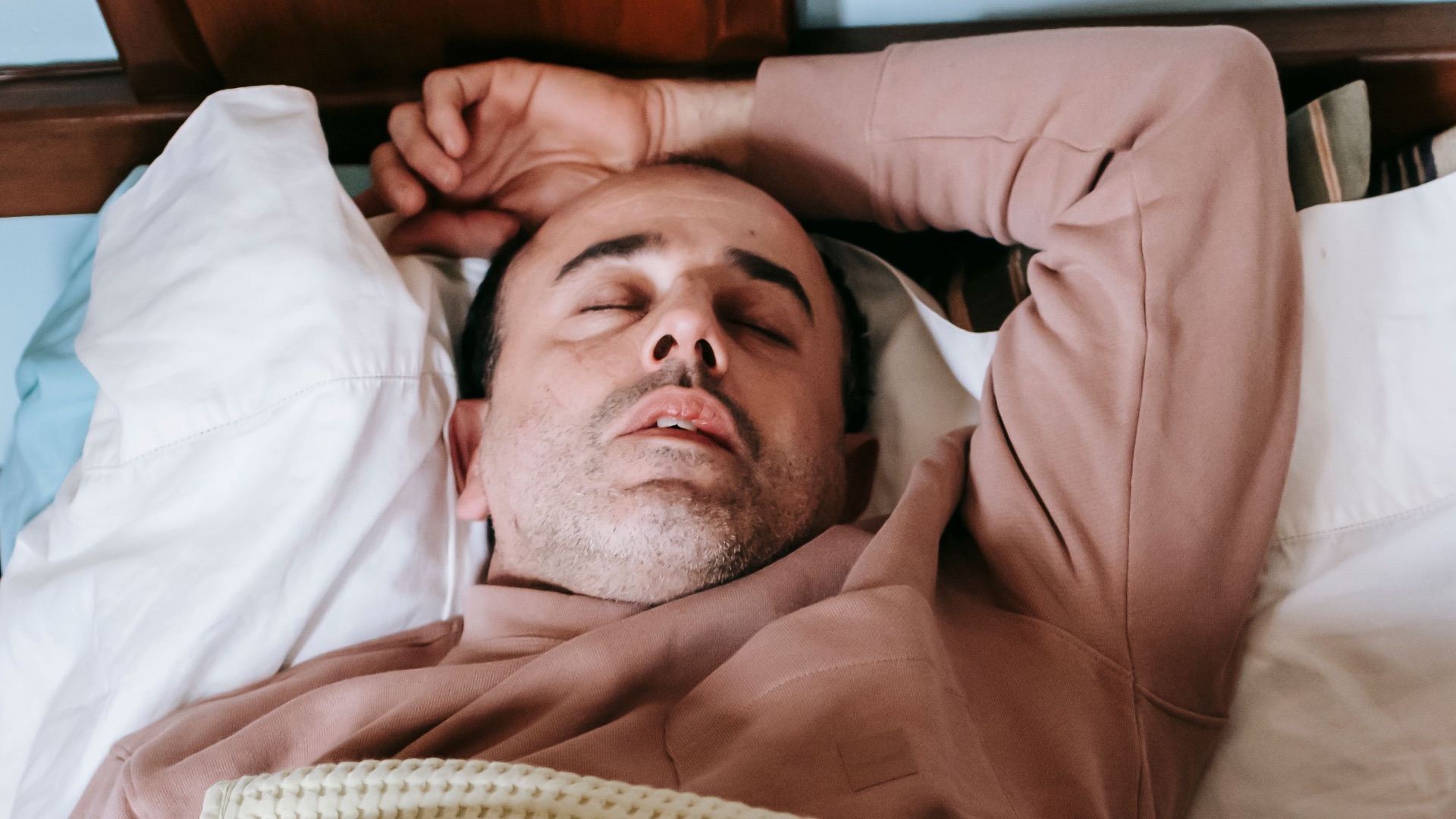
10. Stress and Mental Fatigue
Constant stress keeps your body in a heightened state that can be surprisingly draining over time, even if you're not doing anything physically demanding. Your brain burns through energy managing worry and tension, which often leaves you feeling wiped out by the afternoon. Finding ways to manage stress, whether through exercise, journaling, or simply taking breaks, can help preserve your energy throughout the day.

11. Certain Medications
Some prescriptions, including antihistamines, antidepressants, and blood pressure medications, list drowsiness as a common side effect. This kind of fatigue can sneak up on you gradually, making it easy to blame something else entirely. If you've started a new medication and noticed increased tiredness, it's a good idea to check with your pharmacist or doctor about whether that could be the cause.
 Christina Victoria Craft on Unsplash
12. An Overly Warm Room
Working or relaxing in a room that's too warm can make you feel drowsy faster than you'd expect. Heat causes your blood vessels to dilate, which can lower your blood pressure slightly and leave you feeling more relaxed than alert. Keeping your space a bit cooler, especially during work hours, can help you stay sharper throughout the day.
 LinkedIn Sales Navigator on Pexels
13. Iron Deficiency
Low iron levels can lead to a drop in the oxygen your blood carries to your muscles and brain, resulting in persistent tiredness. This is particularly common among women and can sometimes go unnoticed until fatigue becomes a daily struggle. A simple blood test can confirm whether this might be behind your energy slump, and dietary changes or supplements can often help.

14. Alcohol Consumption
Having a drink or two, even earlier in the day, can affect your energy levels well after the effects wear off. Alcohol disrupts your sleep cycle and can leave you feeling groggy the next day, even if you didn't drink to excess. Cutting back, especially on weeknights, can make a real difference in how rested you feel.

15. Thyroid Issues
An underactive thyroid can slow down your metabolism and leave you feeling tired no matter how much rest you're getting. This condition often comes with other symptoms too, like weight gain or feeling cold more often than usual. If fatigue has become a constant companion along with these other signs, it's worth asking a doctor to check your thyroid levels.
 https://kaboompics.com/ on Pexels
16. Poor Posture
Slouching at your desk for hours can restrict your breathing and reduce the amount of oxygen reaching your brain. Over time, this can contribute to that heavy, sleepy feeling that creeps in during the workday. Adjusting your chair and reminding yourself to sit up straight can help you breathe easier and stay more alert.

17. Boredom and Monotony
Doing the same repetitive task for hours can make your brain crave stimulation, and that often shows up as drowsiness. This is why a boring meeting or a dull assignment can leave you struggling to keep your eyes open, even if you slept perfectly fine the night before. Mixing up your tasks or taking short breaks between them can help keep your mind more engaged.

18. Blood Sugar Spikes and Crashes
Eating foods high in sugar can give you a quick jolt of energy, but that boost is usually followed by a crash that leaves you feeling worse than before. This cycle can repeat itself throughout the day if you keep reaching for sugary snacks to compensate. Choosing foods with more protein and fiber can help keep your blood sugar steadier and your energy more consistent.

19. Lack of Natural Light Exposure
Spending most of your day indoors under artificial lighting can throw off your internal body clock, making you feel sleepier than you should during daylight hours. Natural light helps regulate your circadian rhythm and signals to your brain that it's time to be awake and alert. Taking a short walk outside or sitting near a window can help reset that signal and improve your focus.

20. Chronic Fatigue Syndrome
For some people, persistent daytime sleepiness isn't tied to any of the usual suspects and instead points to a more complex condition like chronic fatigue syndrome. This disorder causes extreme tiredness that doesn't improve with rest and can be accompanied by other symptoms like muscle pain or difficulty concentrating. If nothing else on this list seems to explain your exhaustion, it's worth discussing the possibility with a healthcare provider who can help you figure out what's really going on.

KEEP ON READING


20 Things Your Body Is Secretly Doing Right Now


20 Reasons Seniors Feel Colder Than They Used To