
Sneak Strength Into Your Daily Routine
Strengthening your core doesn’t always require setting aside time for crunches, planks, or a dedicated gym workout. Your abdominal, back, and pelvic muscles regularly stabilize your body during ordinary activities, particularly whenever you balance, bend, reach, or move between different positions. If formal exercise isn’t your favorite hobby, these 20 everyday movements can strengthen your core without feeling much like “working out."

1. Walking With Good Posture
Walking requires your core muscles to help stabilize your trunk while your arms and legs move around it. Standing tall rather than slouching encourages the muscles around your abdomen and back to support your posture throughout each step. A brisk walk to the store, office, or coffee shop can therefore provide more core involvement than you might realize.

2. Carrying Grocery Bags
Bringing groceries inside requires your trunk to resist being pulled toward whichever side is carrying more weight. Holding bags in both hands can still challenge your core because your torso has to remain steady as you walk.

3. Climbing A Flight Of Stairs
Each step upward shifts your body weight and asks your trunk to remain stable while one leg does most of the work. Taking the stairs during ordinary errands can quietly involve your abdominal, back, hip, and leg muscles all at once.

4. Getting Up From A Chair
Standing from a seated position involves more than simply pushing through your legs. Your trunk muscles help stabilize your body as your weight travels forward and upward, particularly when you stand without using the armrests. Doing this smoothly and under control makes an extremely ordinary movement surprisingly useful for functional strength.
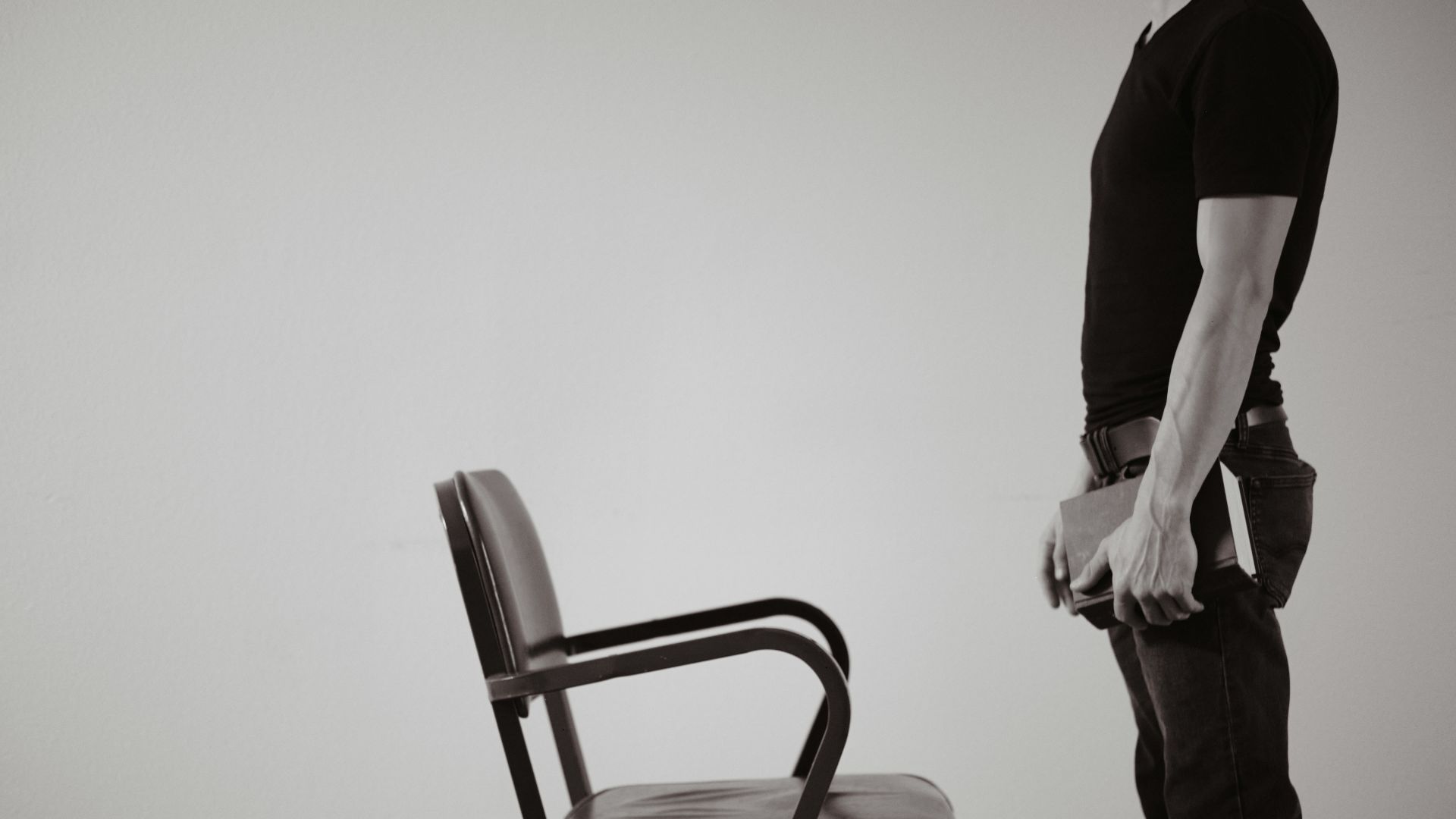
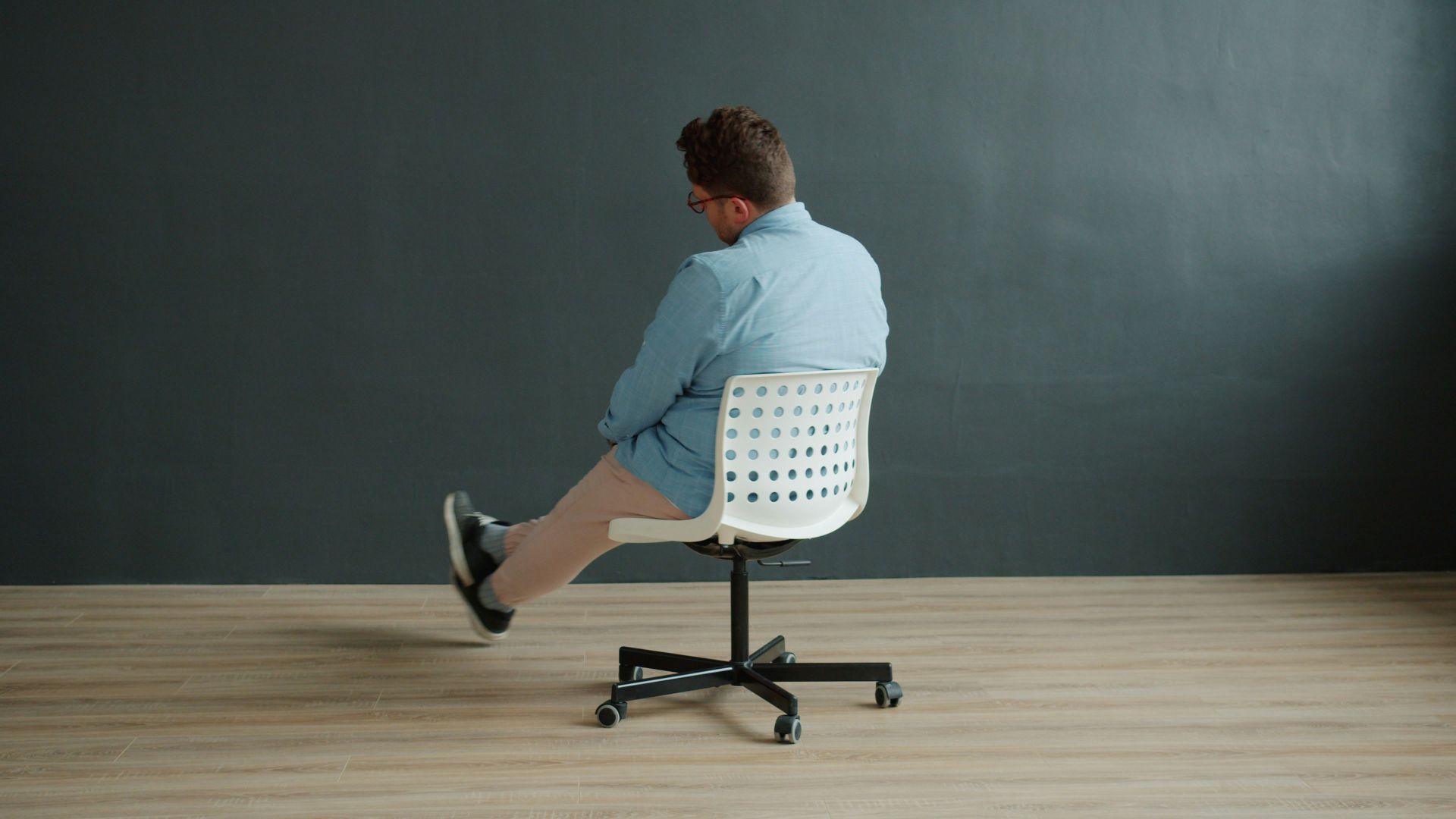
5. Lowering Yourself Into A Chair
Sitting down carefully requires your muscles to control your descent rather than letting gravity finish the job. Your core contributes to keeping the torso stable while your hips and knees bend beneath you. Try lowering yourself without collapsing backward, provided you can do so comfortably and have a secure chair behind you.
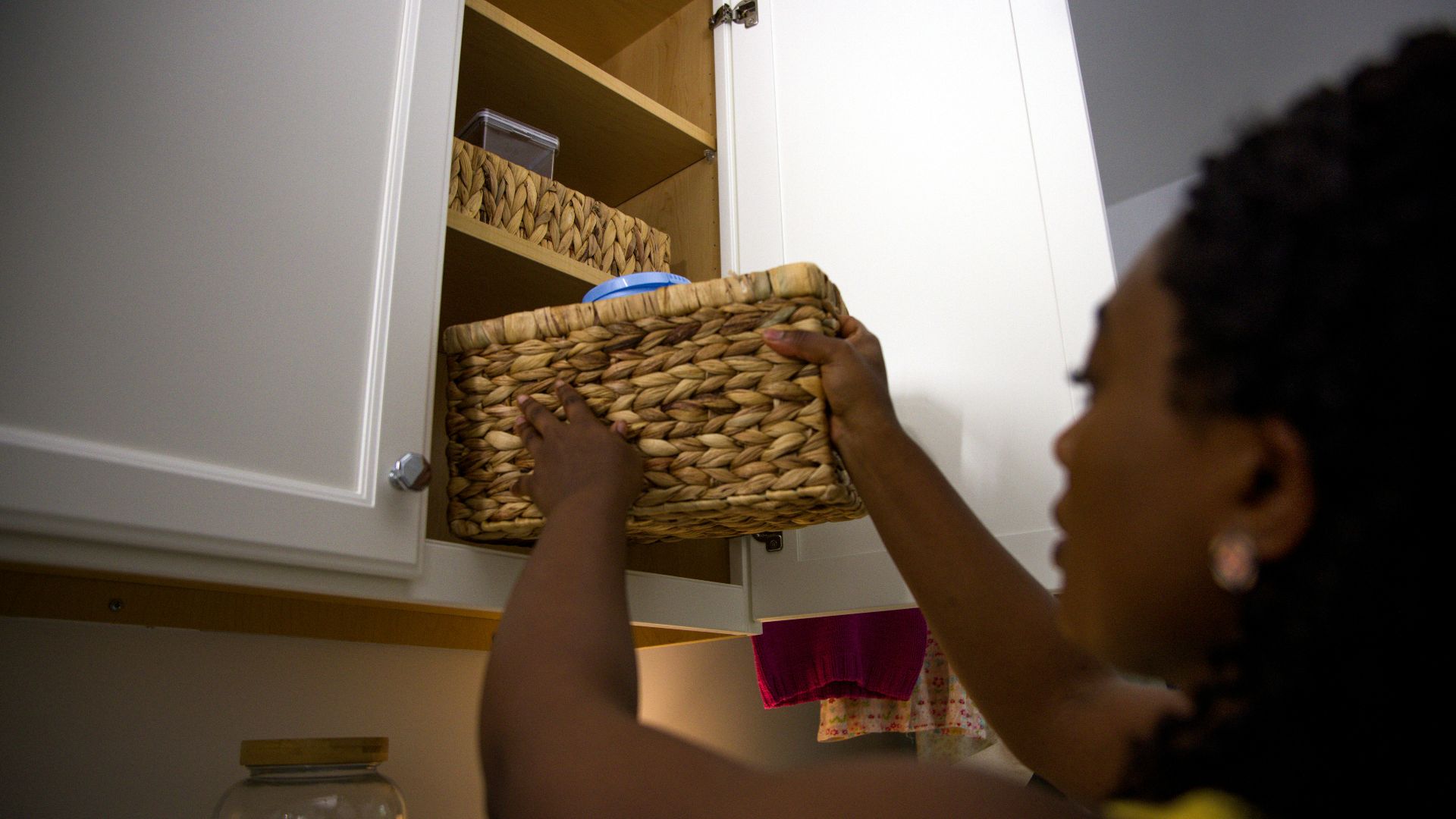
6. Reaching Into A High Cabinet
Removing a dish or container from an overhead shelf requires your trunk to stabilize as your arm moves beyond its usual resting position. Keeping your ribs and pelvis controlled instead of excessively arching your lower back encourages better alignment.
 American Cleaning Institute on Unsplash
7. Putting Away Low-Shelf Items
Lower cabinets give you repeated opportunities to bend through your hips and knees while keeping your trunk supported. Your core assists in controlling the journey downward and helping you return to standing.

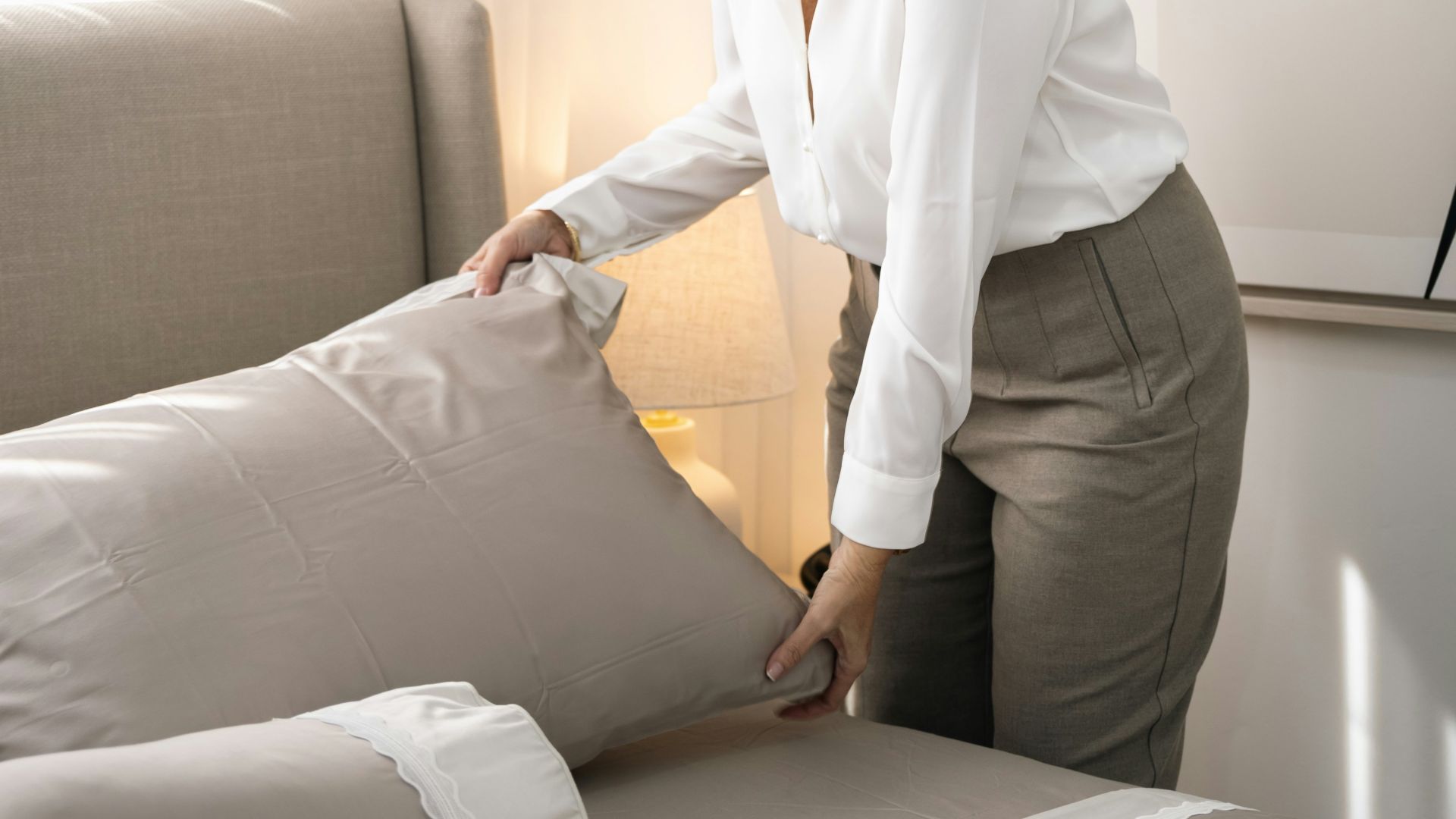
8. Making The Bed
Tucking sheets, reaching across a mattress, and moving from one side of the bed to the other involve plenty of bending and controlled reaching. Those actions require the trunk to stabilize while your upper body changes position. Making a larger bed can be particularly active, so neat sheets may come with an unexpected bit of functional movement.
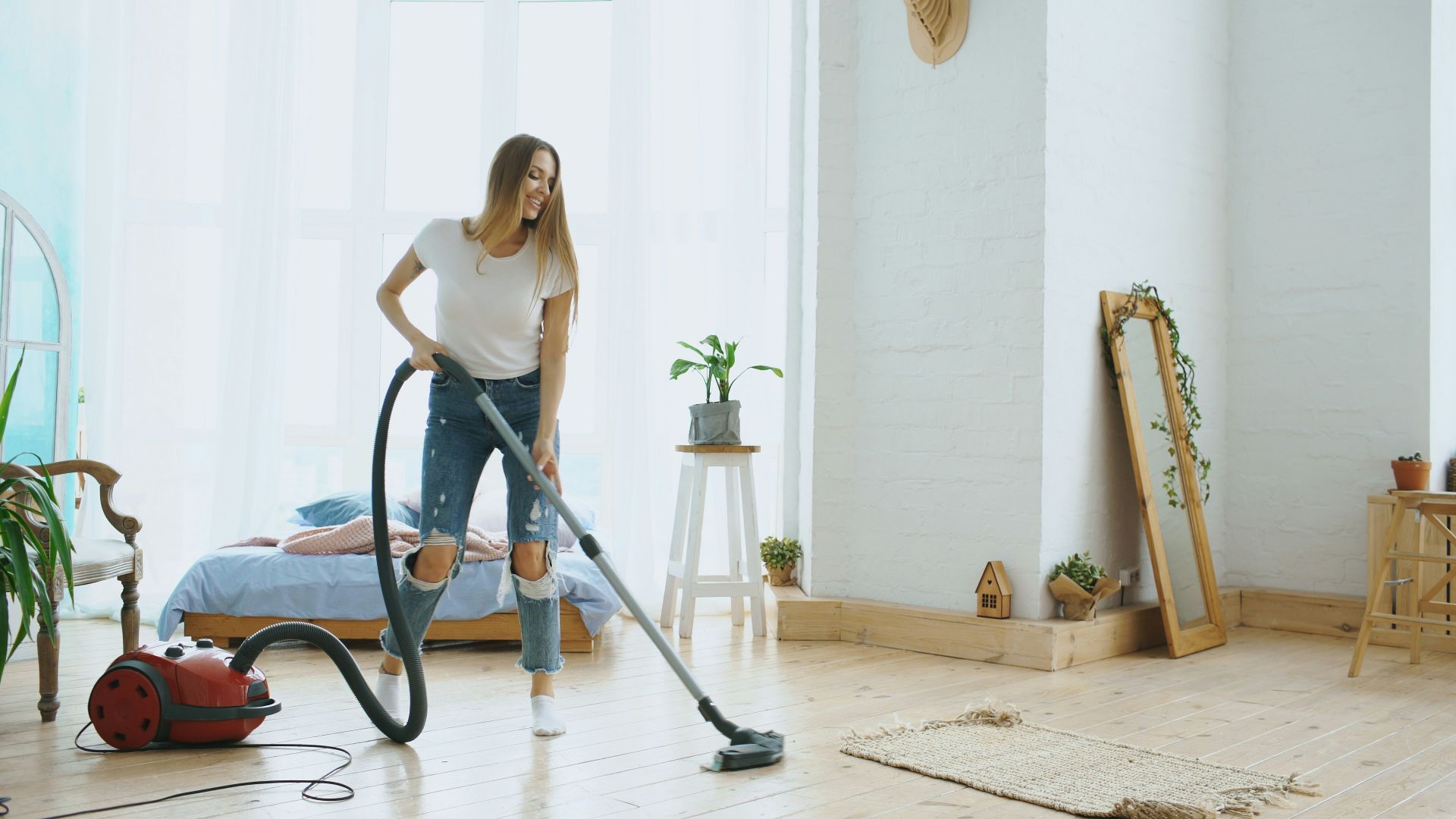
9. Vacuuming The Floor
Vacuuming combines pushing, pulling, stepping, and changing direction, all of which ask your core to manage movement between the upper and lower body. Keeping a straight back and using a staggered stance can reduce unnecessary strain that can cause pain.
10. Sweeping With A Broom
Sweeping may look effortless, but directing a broom across the floor requires coordinated movement through your arms, shoulders, and trunk. Letting your feet reposition as you work keeps the movement comfortable while your core provides stability.

11. Carrying A Laundry Basket
A full basket held in front of your body changes how your weight is distributed, which means your trunk has to stabilize against that extra load. Keep the basket close rather than extending it far away from you to reduce discomfort.

12. Loading The Washing Machine
Repeatedly reaching into a hamper and transferring clothes involves bending, turning, and returning upright. Those simple changes in position recruit the muscles that help control your torso.

13. Unloading The Dishwasher
Dishwasher duty involves plenty of controlled bending, lifting, and reaching across different heights. Your core works to stabilize the trunk as dishes travel from the lower rack to counters and cabinets.

14. Standing On One Leg While Dressing
Pulling on pants, socks, or shoes while briefly balancing on one foot challenges the muscles responsible for stability. Your core contributes to keeping your torso controlled as your base of support becomes smaller.

15. Getting Out Of Bed
Moving from lying down to sitting and then standing requires coordinated involvement from several muscle groups, including the core. The movement happens every morning anyway, so there's no separate exercise appointment required.

16. Playing With A Dog
Throwing a toy, reaching toward the floor, and changing direction while interacting with a dog can involve plenty of natural trunk movement. Your core helps stabilize you as you bend, rotate, and return upright.

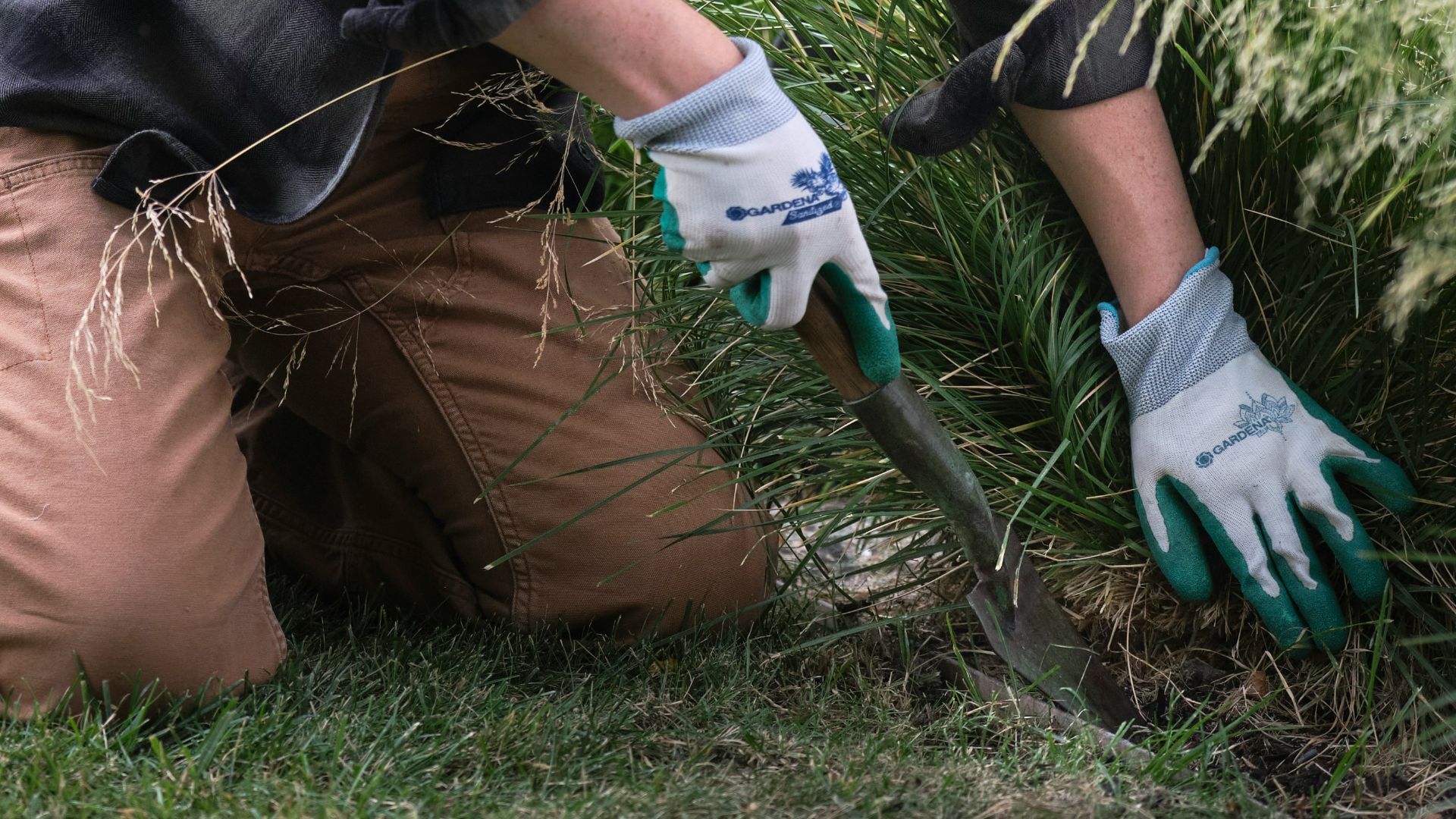
17. Gardening
Planting, weeding, watering, and moving lightweight gardening supplies and tools regularly involve squatting, reaching, and shifting position. These activities ask your trunk muscles to provide stability while your arms and legs handle different tasks.
18. Pushing A Shopping Cart
A loaded shopping cart requires more effort to start, steer, and stop than an empty one, particularly around corners. Your trunk helps transfer force between your upper and lower body as you push through an aisle.

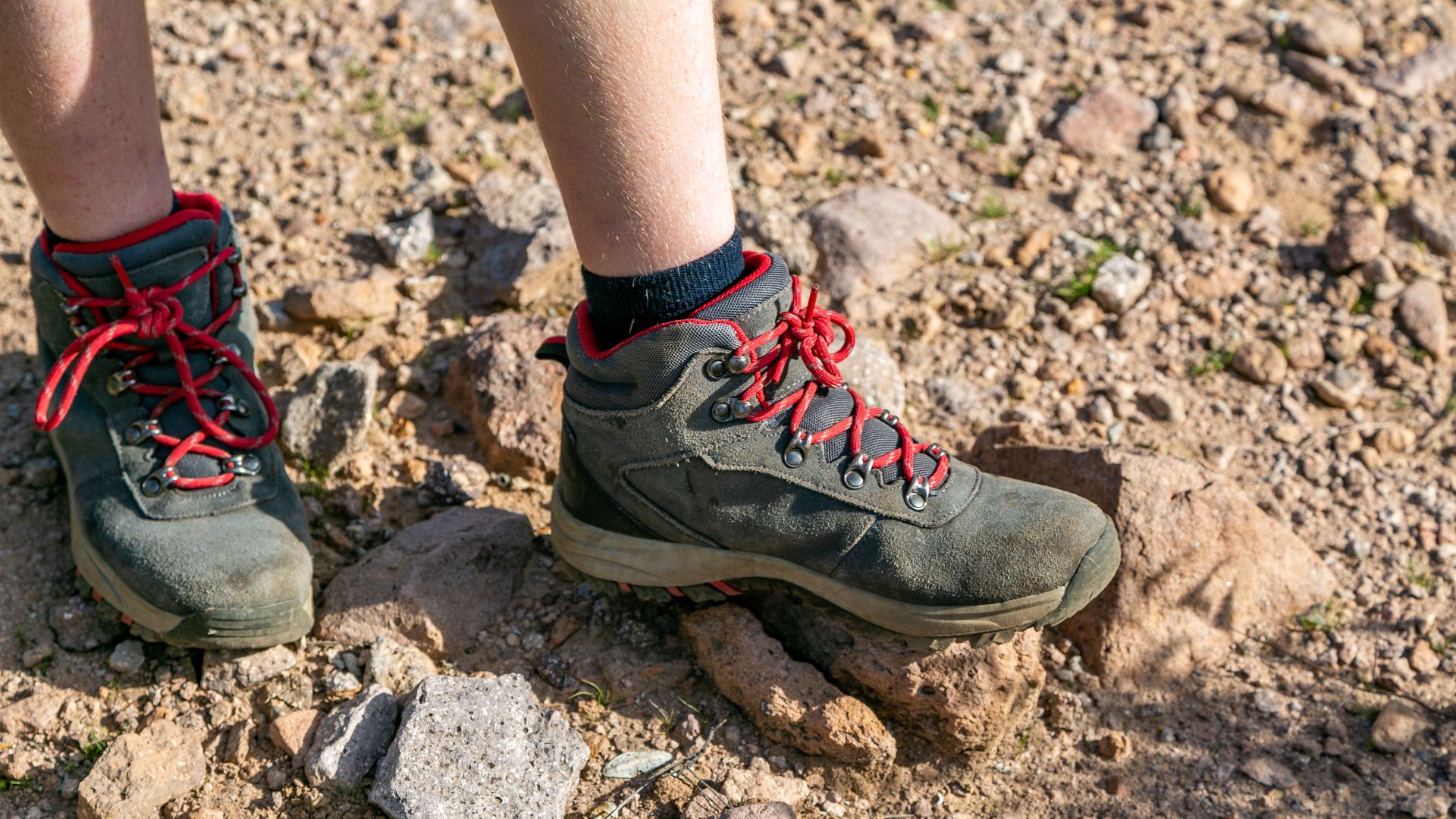
19. Walking On Uneven Ground
Grass, trails, sand, and other uneven surfaces demand more balance adjustments than a perfectly flat indoor floor. Your trunk muscles help stabilize your body while your feet respond to those small changes underneath you.
20. Dancing Around The House
Casual dancing includes changes in direction, weight shifts, arm movements, and rotation, so your core is involved even if you're simply enjoying a song. Staying controlled while stepping and turning requires ongoing trunk stability.
KEEP ON READING



20 Natural Ways You Can Boost Your Immune System

20 Ways To De-stress & Relax After Work

The 10 Most Common Diseases & The 10 Most Rare