
Your Body Isn't Afraid to Get a Little Gross
From a heart that pumps 100,000 times a day to an immune system that knows when to turn up the temperature to fight off intruders, the human body is pretty amazing. But as fascinating as these essential processes are, there are plenty of unpleasant things our bodies do that you'd probably rather not discuss over dinner, even if they serve surprisingly useful purposes. From crusty buildup to sticky secretions and inconvenient bathroom trips, the same things that keep you alive and well are also rather gross.

1. Your Nose Produces Snot
That slippery mucus inside your nose isn't just an annoyance you have to keep blowing into tissues. It traps dust, germs, pollutants, and other particles before they can travel farther into vulnerable tissues, while also keeping nasal surfaces moist. Your airways then work to move mucus and whatever it's caught toward an exit.

2. You Make Boogers
Boogers are essentially mucus that has dried out after collecting particles in your nasal passages. Although they're hardly pleasant to look at, their contents are evidence that mucus has been catching dust, debris, and other material instead of allowing all of it to continue deeper into your respiratory system. The process is part of the nose's everyday filtering and clearing system.

3. You Sneeze
A sudden sneeze can be messy, loud, and badly timed, but it's one of the ways your respiratory system gets unwanted material out. Irritation in the nose can trigger the reflex, producing a forceful burst that helps expel mucus along with trapped particles. Covering a sneeze is important because the same process that clears your nose can also spread germs to people around you.

4. You Cough Up Phlegm
Phlegm may be one of the least appealing substances your body produces, but getting it out can be useful. Respiratory mucus captures particles and microorganisms, while tiny hairlike structures called cilia help move that mucus upward through the airways. Once it reaches the throat, coughing can finish the job by helping remove it.

5. You Belch
Every time you eat, drink, or even swallow saliva, a little air can enter your digestive system along with it. Burping allows excess air trapped in the upper digestive tract to escape before it creates more pressure or discomfort. Eating quickly, drinking carbonated beverages, and chewing gum can make you burp more simply because you're taking in additional air.

6. Your Ears Fill with Wax
Earwax can look like something that shouldn't be there, yet constantly trying to remove every trace of it can work against your ears' natural defenses. Cerumen catches dust, microorganisms, and small particles while helping protect the delicate skin lining the ear canal. It also contributes to conditions in the canal that make it less welcoming to some harmful microbes.

7. You Let It Rip
Passing gas may be embarrassing, but it's a normal part of digestion. Gas develops when you swallow air and when bacteria in your large intestine break down certain carbohydrates that weren't fully digested earlier. Letting that gas escape prevents it from continuing to build up in your digestive tract, where it can contribute to bloating, pressure, and discomfort.

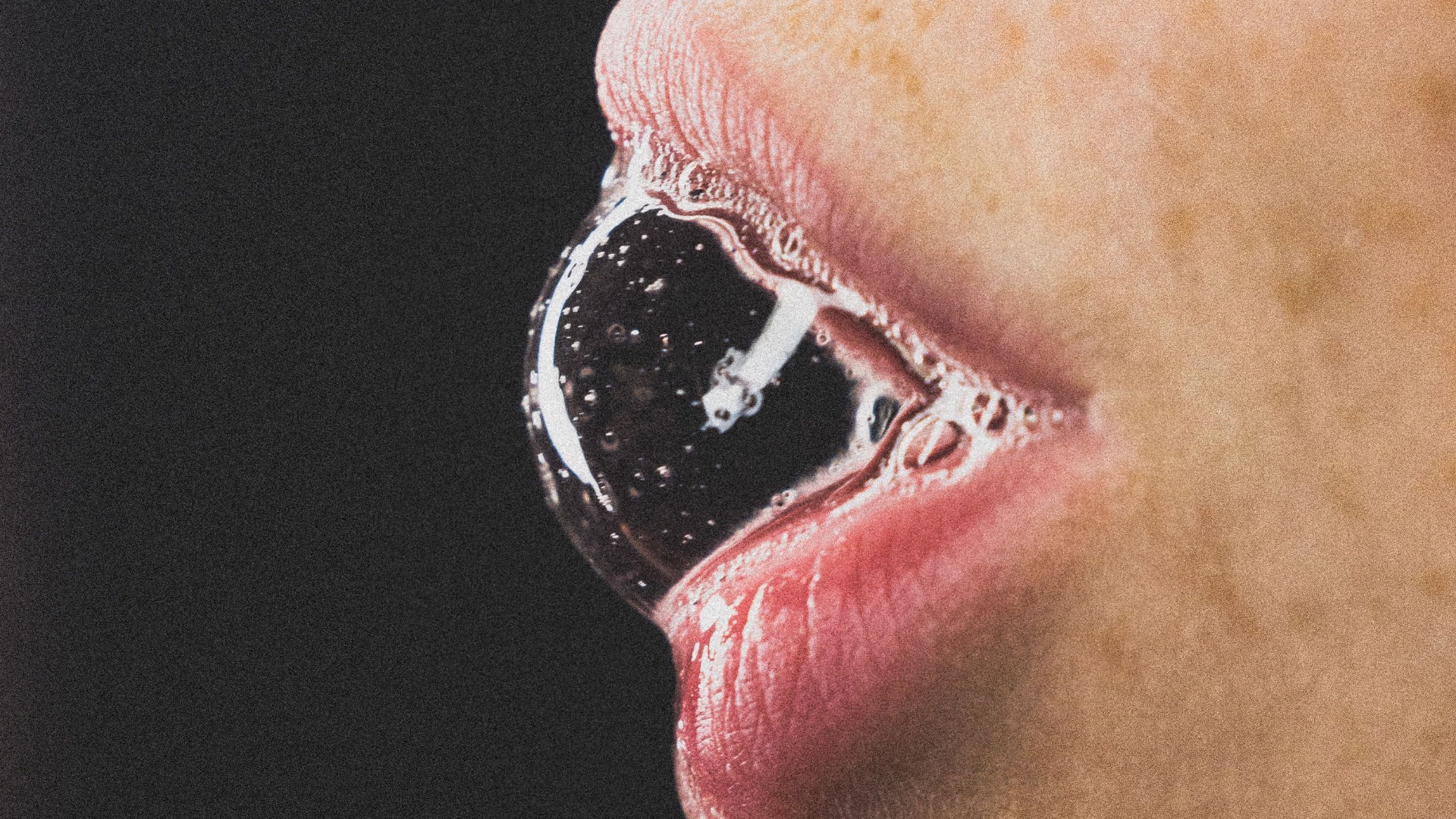
8. Your Mouth Is Constantly Full of Saliva
Spit doesn't get much respect, but a dry mouth quickly shows how useful it actually is. Saliva washes through the mouth, helps control acids, protects teeth, assists with swallowing, and contains substances involved in controlling microbes. Every time you swallow it, you're also carrying some of the material it has collected toward the acidic environment of your stomach.
9. You Sweat Until You Smell
Sweat soaking through your shirt may not feel particularly sophisticated, but perspiration is essential for controlling body temperature. As sweat evaporates from your skin, it removes heat and helps prevent your internal temperature from climbing too high. The odor that can develop isn't actually produced by fresh sweat itself; it commonly appears when sweat interacts with bacteria on the skin.

10. Your Skin Gets Greasy
That greasy shine on your forehead has a purpose beyond complicating your skin-care routine. Sebaceous glands produce sebum, an oily substance that lubricates and protects your skin and hair, while components of the skin's oily surface can also contribute to antimicrobial defenses. Problems can develop when there's too much or too little, but sebum itself is a normal part of a healthy skin barrier.
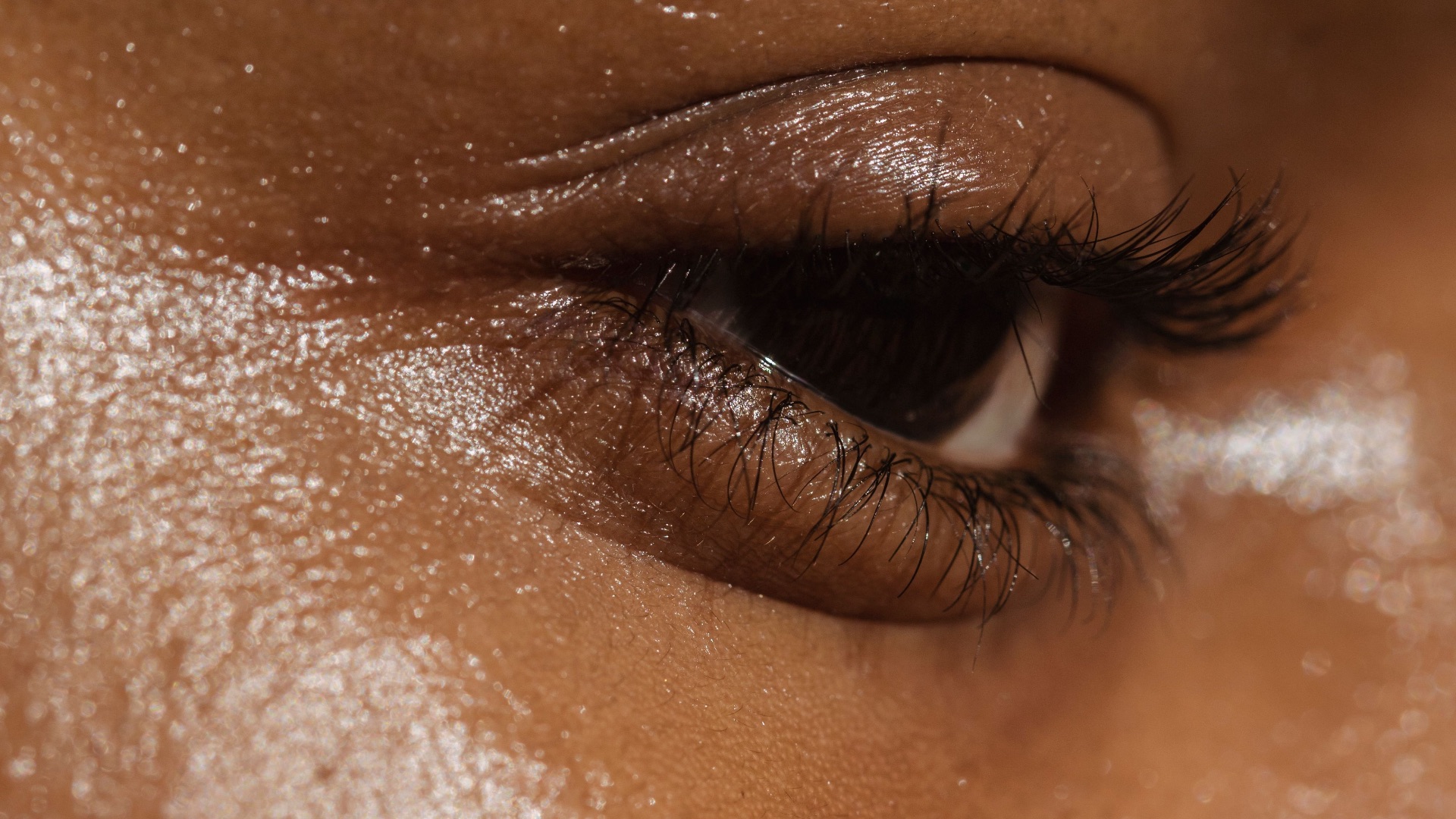
11. You Constantly Shed Dead Skin
Dead skin cells end up on your clothes, bedding, furniture, and floors whether you notice them or not. This shedding, known as desquamation, is part of the normal renewal of the skin's outer layers and can help remove microorganisms attached to old surface cells. Newer cells continually replace those that are lost as the skin maintains its protective barrier.
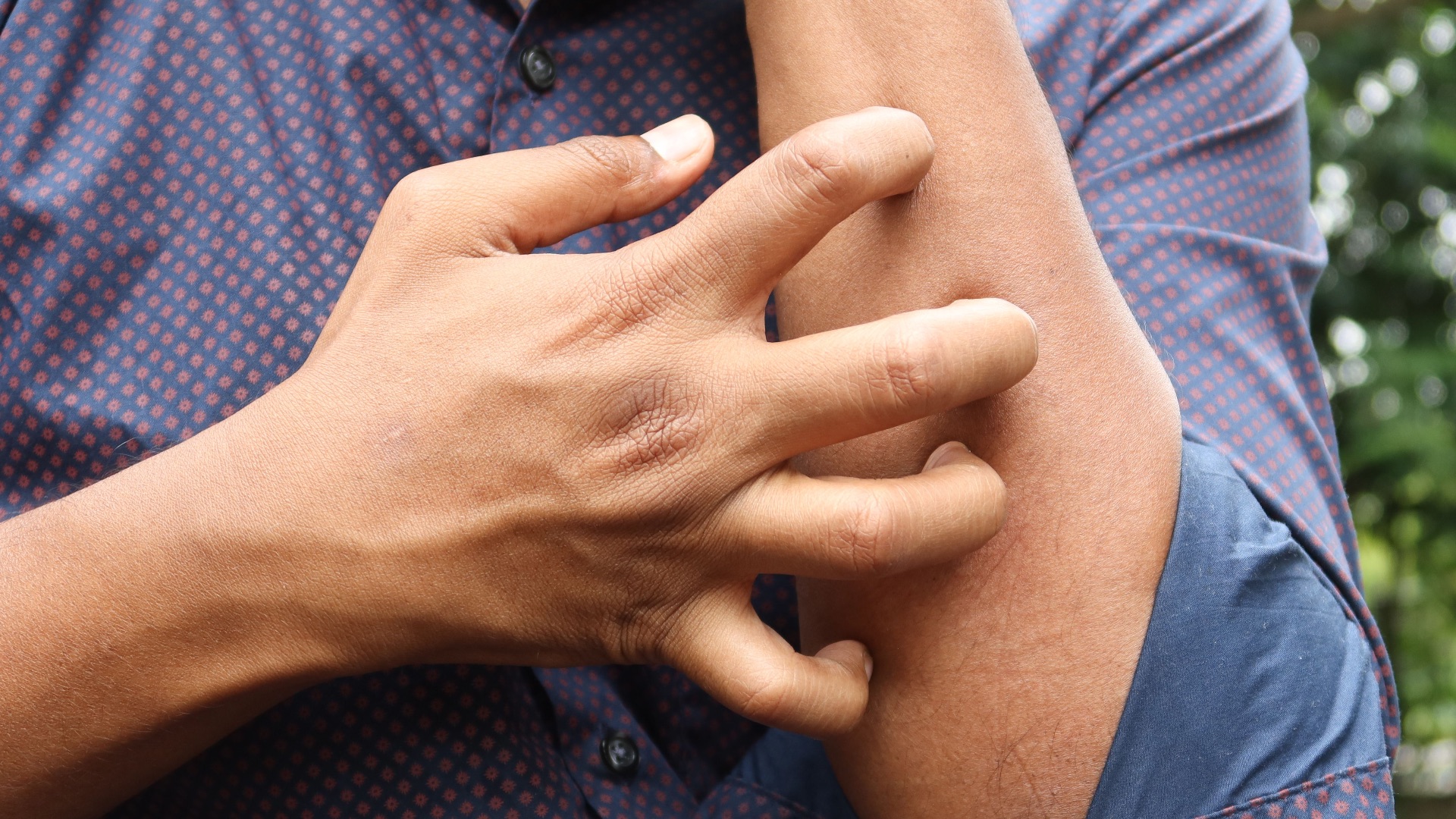
12. Cuts Turn Into Crusty Scabs
A dried, rough scab isn't especially attractive, but it forms as an injured area goes through the healing process. The covering helps protect the damaged tissue underneath from dirt, germs, and additional irritation while repair continues. Eventually, once the wound no longer needs that temporary covering, the scab loosens and comes off.
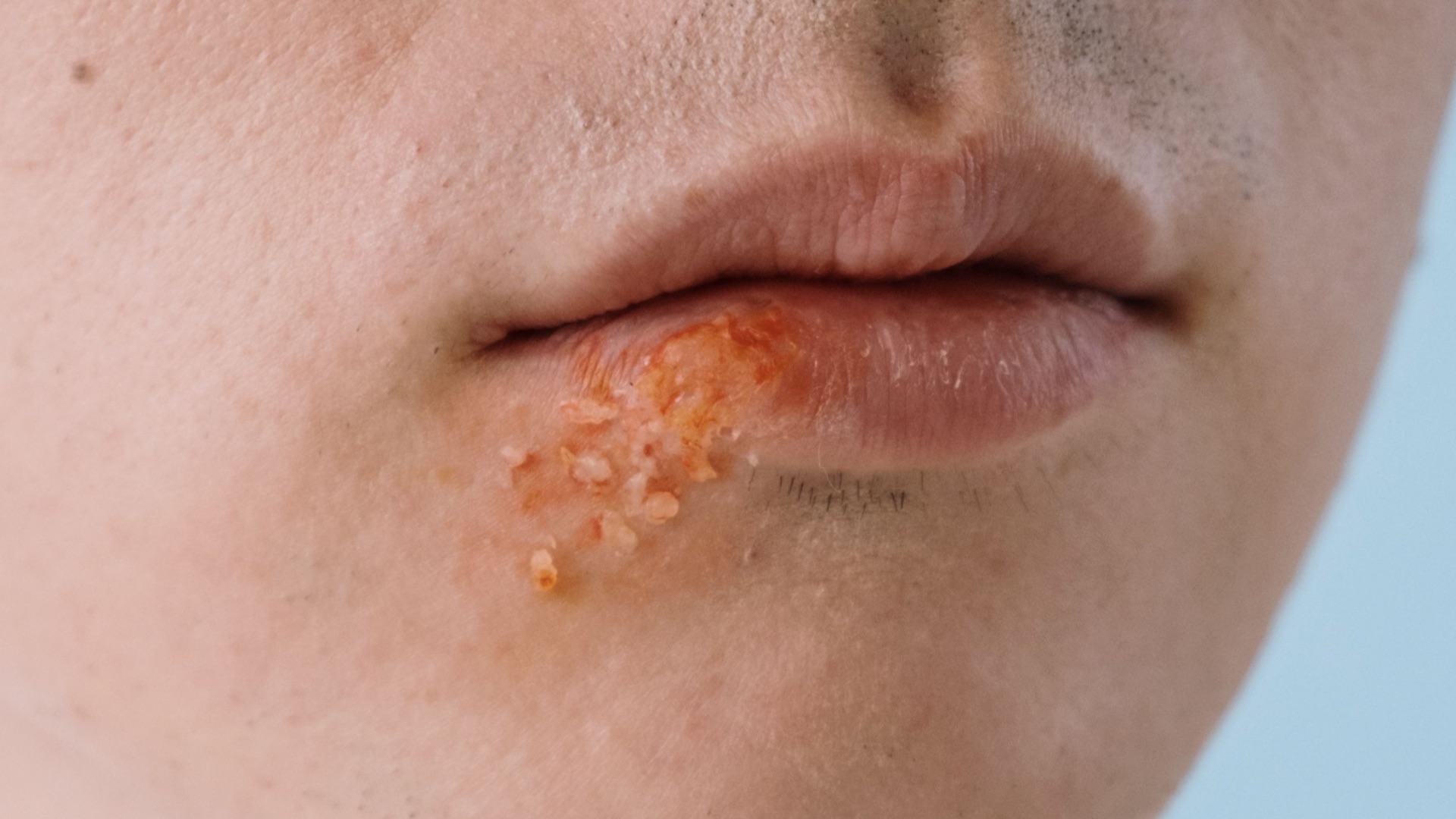
13. Infections Can Produce Pus
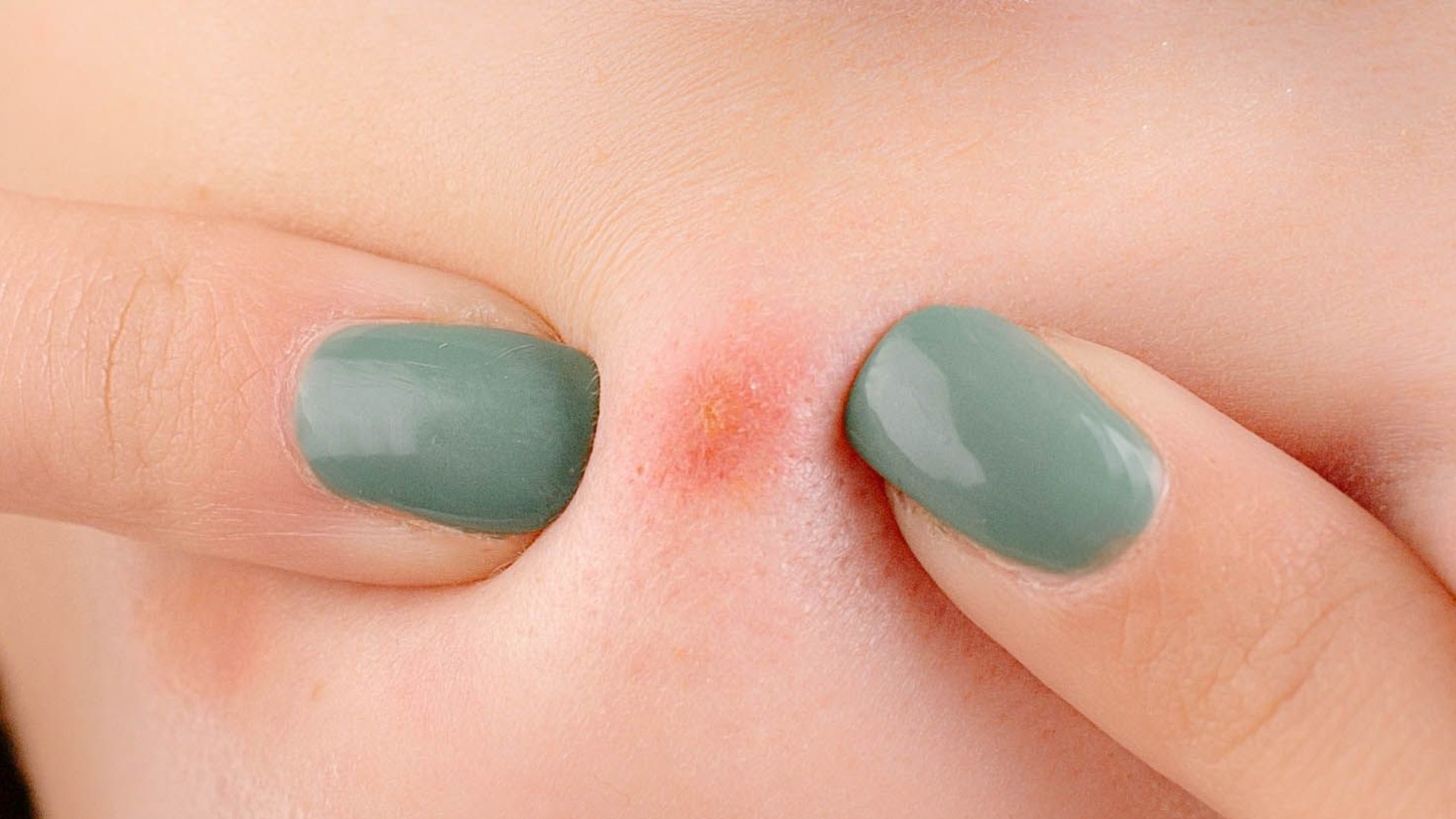
Pus is unpleasant for good reason: it can contain dead tissue, microorganisms, and immune cells that have been involved in an inflammatory response. Its formation reflects immune activity at an affected area, including white blood cells arriving to deal with foreign material. That doesn't mean pus should be ignored, since a wound producing it can indicate an infection that needs medical attention.
14. Your Body Produces Discharge
Normal discharge is one of the ways the reproductive tract maintains a healthy environment and clears away old cells and other material. Its amount, thickness, and appearance can naturally change throughout the month because hormone levels aren't always the same. A noticeable change in color, odor, consistency, or accompanying irritation can sometimes signal an infection or another issue worth having checked.

15. You Have Eye Boogers
That crust in the corners of your eyes in the morning is a mixture of mucus, oils, dead skin cells, and other debris that has accumulated overnight. While you're awake, blinking and tears regularly sweep much of this material away, but that cleanup slows down when your eyes are closed for hours. A small amount of dried buildup is completely normal and is essentially leftover material from the eye's everyday cleaning and lubrication processes.
 Andrew Patrick Photo on Pexels
16. Your Stomach Is Full of Acid
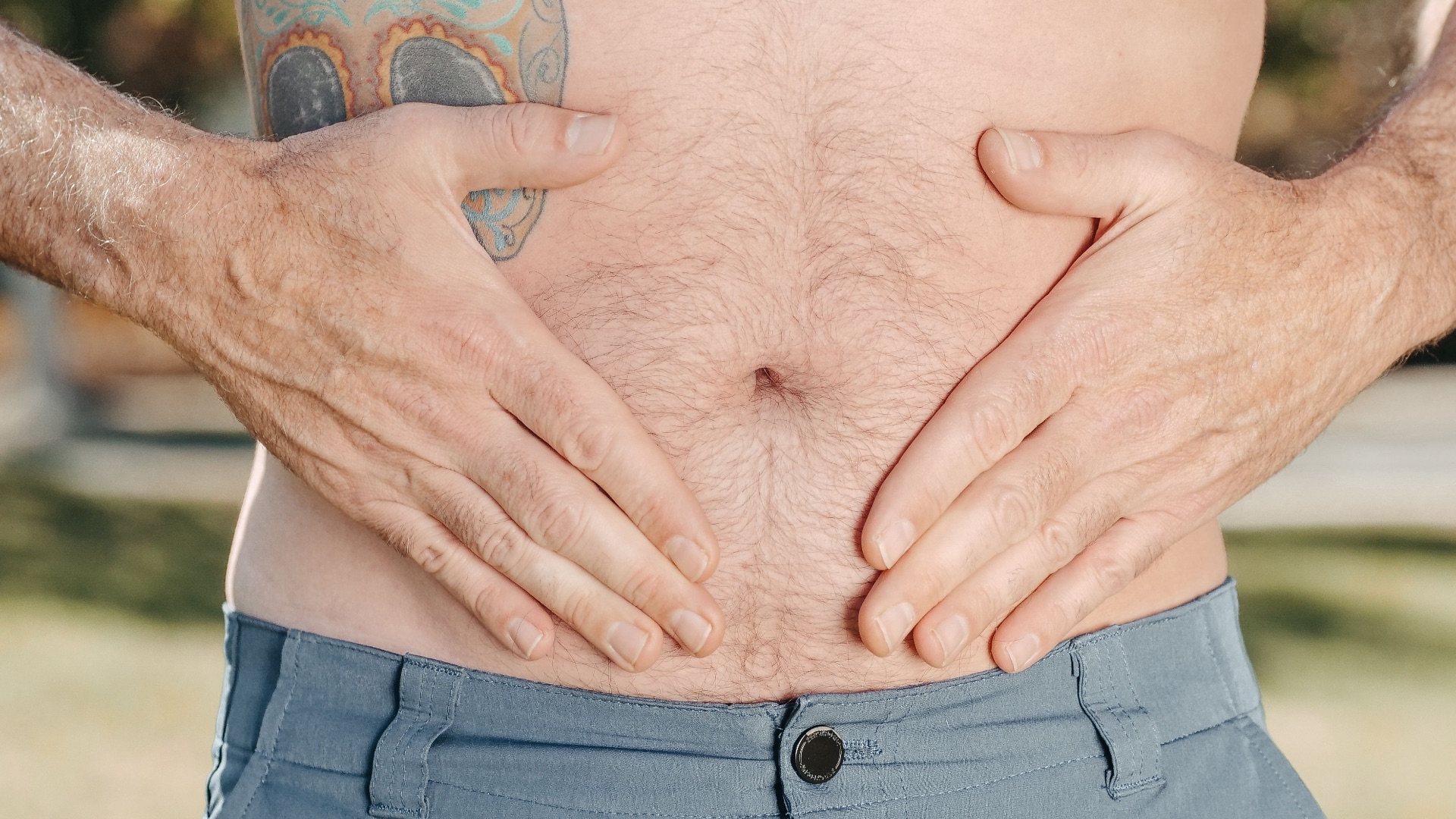
The contents of your stomach aren't something you'd want anywhere else in your body. Its acidic environment helps with digestion while also providing an important chemical barrier against many microorganisms that arrive with food and saliva. Mucus lining the stomach helps protect its own tissues from that harsh environment while the acid does its work.
17. You Throw Up When Something Goes Wrong
Vomiting is miserable enough that its protective purpose can be easy to overlook. In some situations, the digestive system uses it to rapidly eject potentially harmful or irritating material from the upper gastrointestinal tract. It isn't helpful in every illness, and persistent vomiting can cause dehydration, but the reflex itself is recognized as one of the body's gastrointestinal defense mechanisms.
18. Your Gut Can Give You Diarrhea
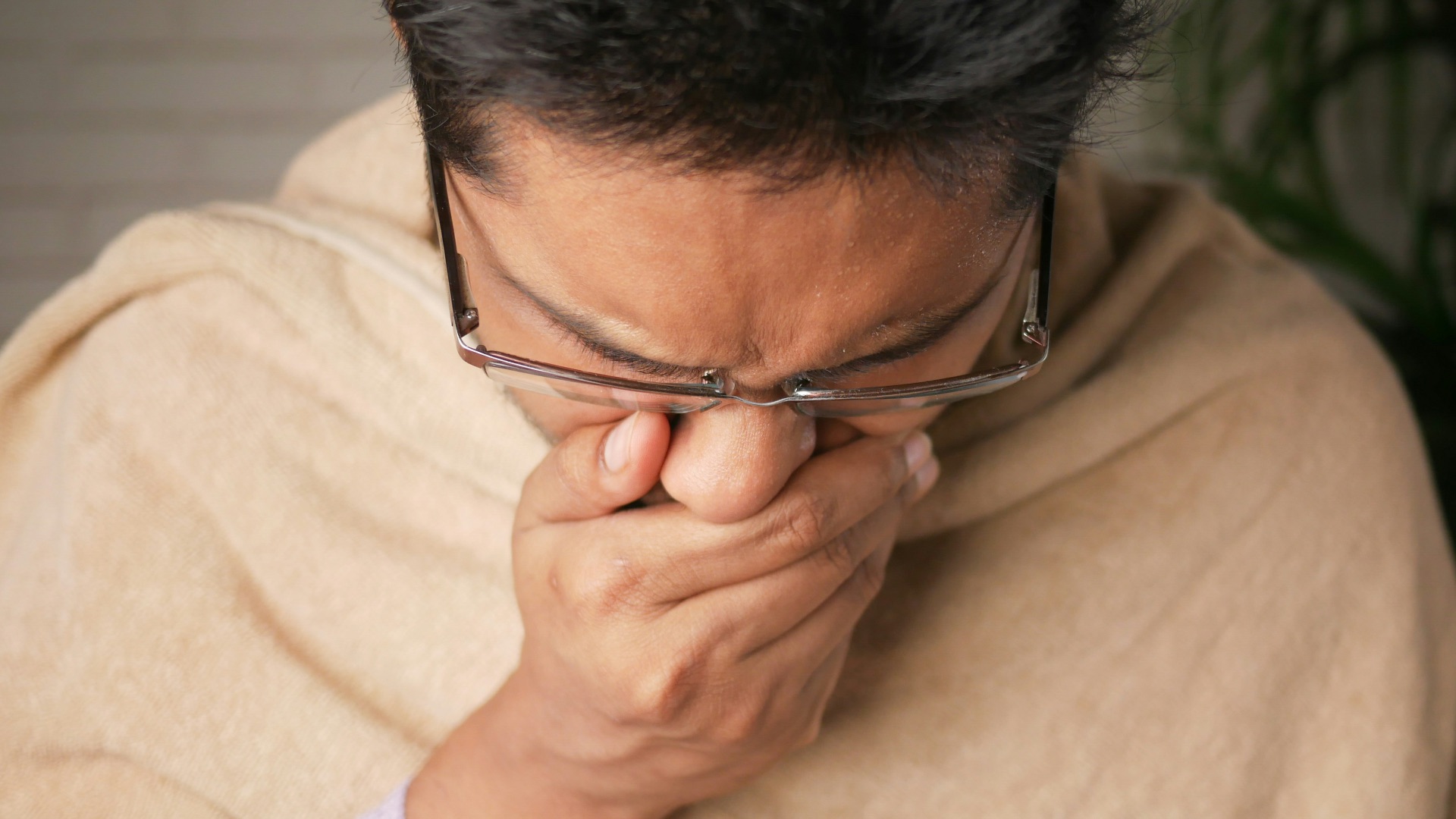
When your digestive tract decides everything needs to move faster, the result can be deeply unpleasant. Increased intestinal movement and diarrhea can occur as part of the body's response to certain infections or harmful substances, helping move intestinal contents through more rapidly. Because prolonged diarrhea also causes significant fluid and electrolyte loss, however, a defensive response can become a health problem if it continues.

19. You Pee Out Your Body's Waste
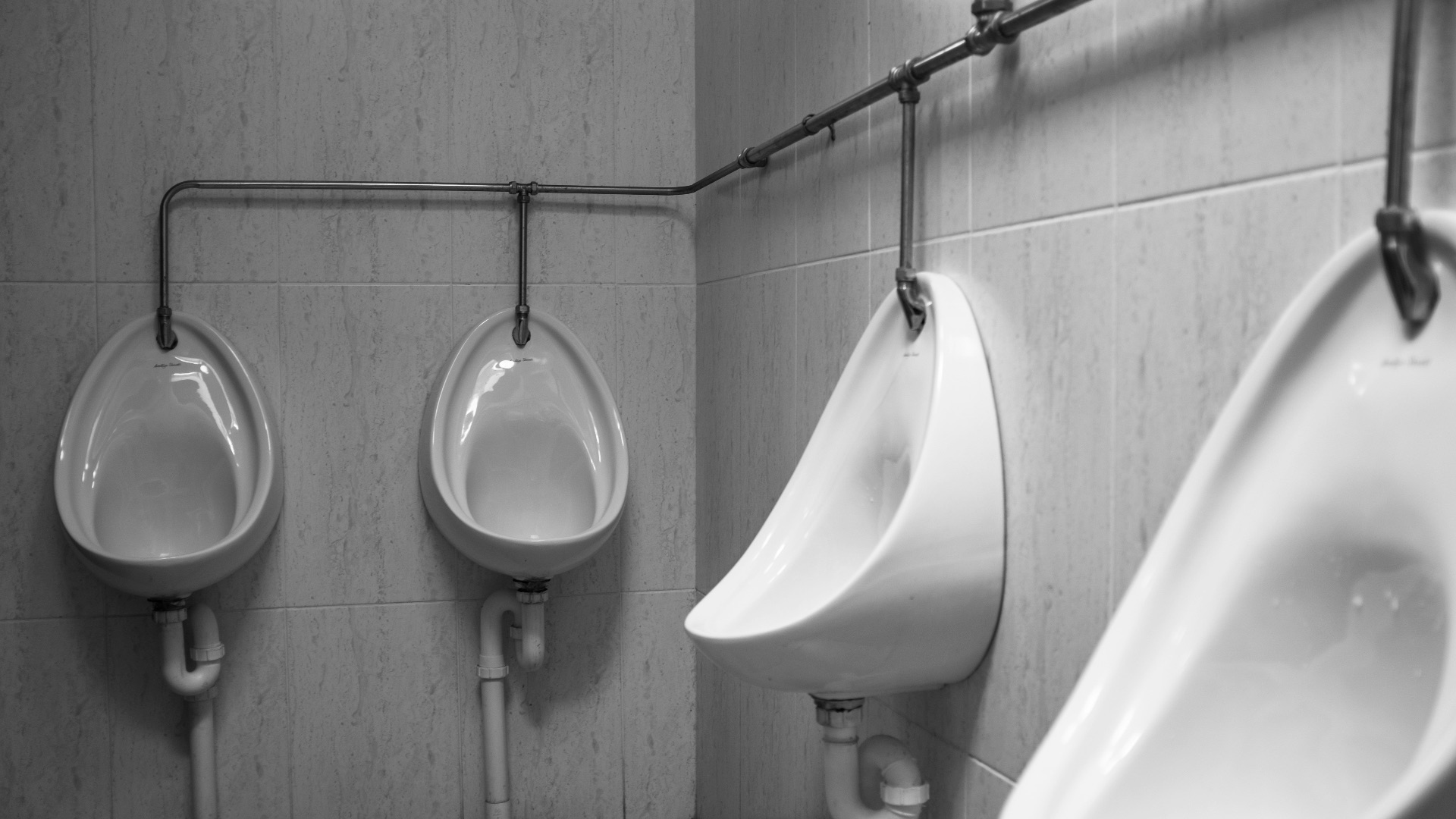
Urine may be destined for the toilet, but producing it is essential to maintaining the chemical balance of your body. Your kidneys continually filter the blood, removing waste products and excess water that eventually leave through the urinary tract. Emptying the bladder regularly is also important because urine that remains there too long can create conditions that make bacterial growth more likely.
20. You Turn Leftovers Into Poop
By the time digestion is finished, your body has taken what it can use and still has material that needs somewhere to go. The large intestine absorbs water from digestive contents, and what remains becomes stool that the rectum stores until a bowel movement removes it. Regular movement through the digestive tract also helps prevent waste and excessive bacterial buildup from lingering indefinitely.

KEEP ON READING



20 Natural Ways You Can Boost Your Immune System
20 Ways To De-stress & Relax After Work
The 10 Most Common Diseases & The 10 Most Rare