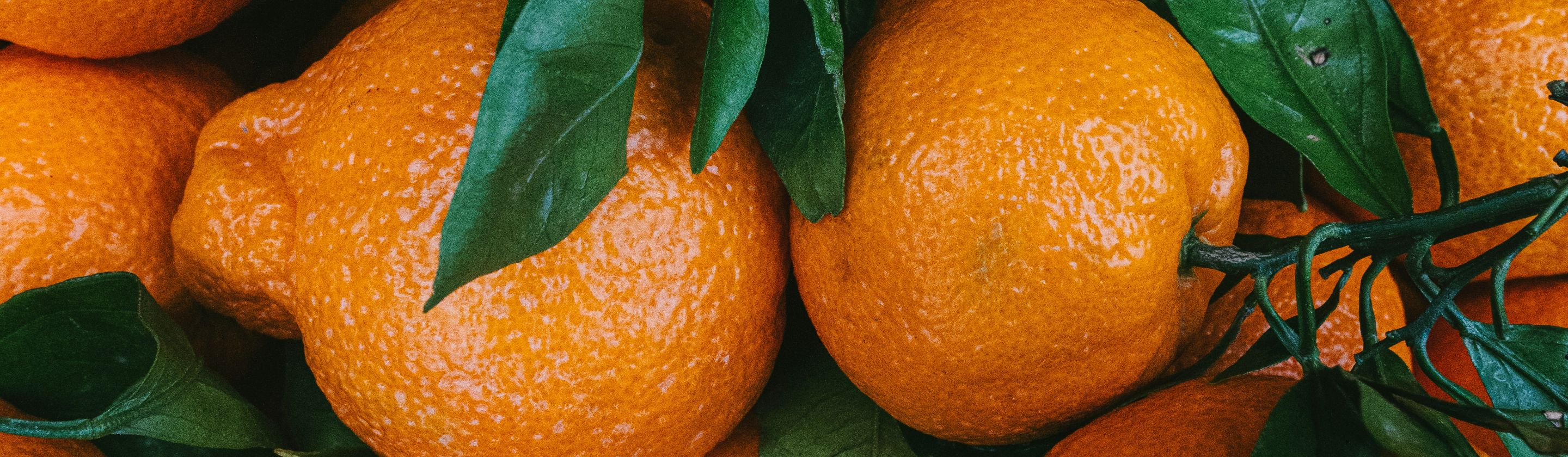
What You Eat Can Make a Difference
Your diet can’t guarantee perfect vision or prevent every eye ailment from developing. Still, everyday food choices can provide nutrients involved in normal eye function and contribute to your overall health. A few manageable adjustments can increase your intake of carotenoids, vitamins, minerals, healthy fats, and other nutrients without requiring a complicated eating plan. These 20 small dietary tweaks can support eye health over the long term while fitting comfortably into a balanced routine.

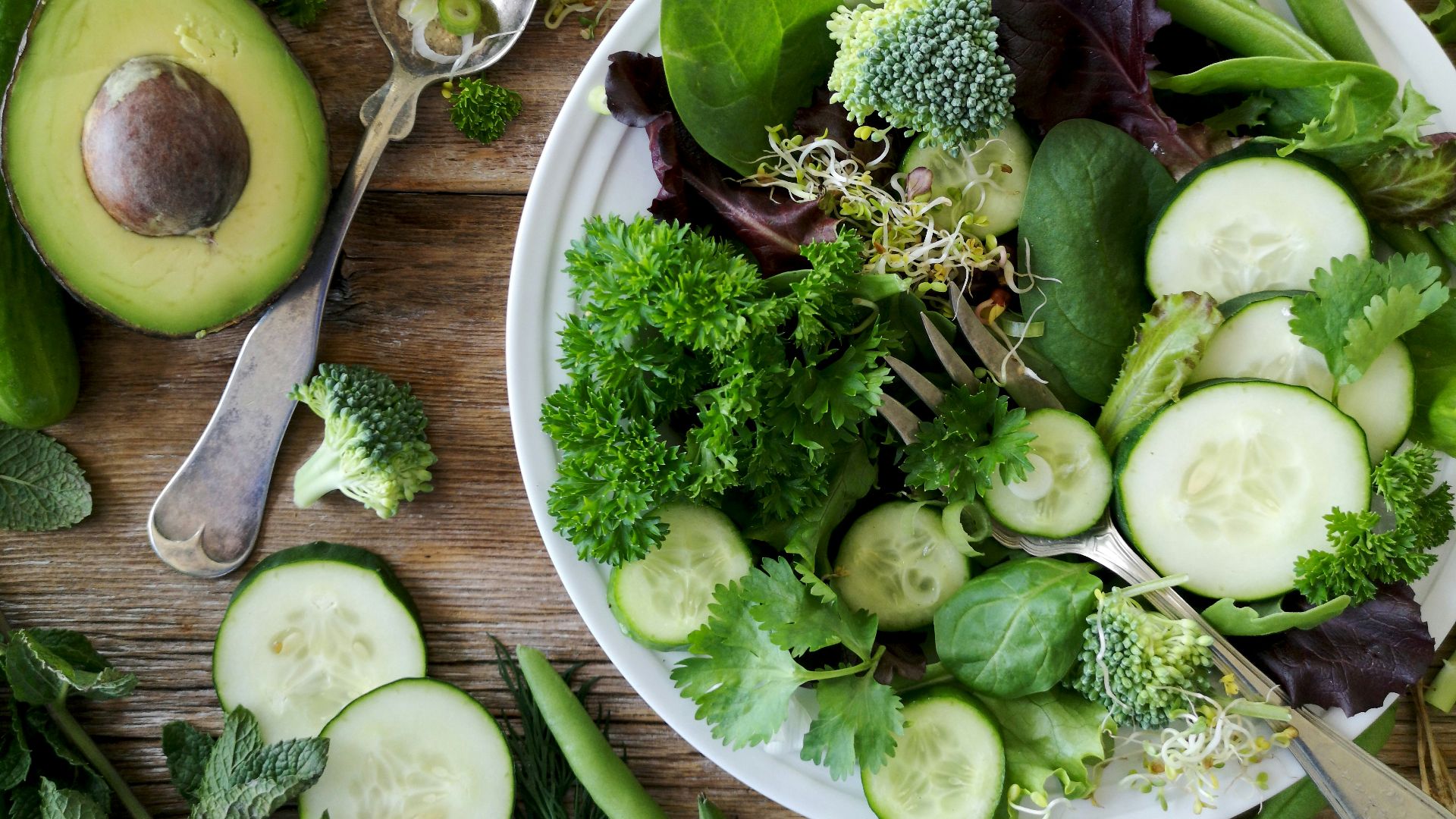
1. Eat Leafy Greens More Often
Spinach, kale, collard greens, and similar vegetables provide lutein and zeaxanthin, two carotenoids that are naturally concentrated in the retina. Try adding a handful of spinach to eggs, soups, pasta, or sandwiches instead of treating greens as merely a side dish.
2. Add Eggs to the Breakfast Rotation
Egg yolks contain lutein and zeaxanthin, along with other useful nutrients, making eggs an easy addition to a varied diet. Scrambled eggs, omelets, or hard-boiled eggs can provide a convenient alternative to highly refined breakfast foods. Pair them with vegetables or whole-grain toast for a more balanced meal.

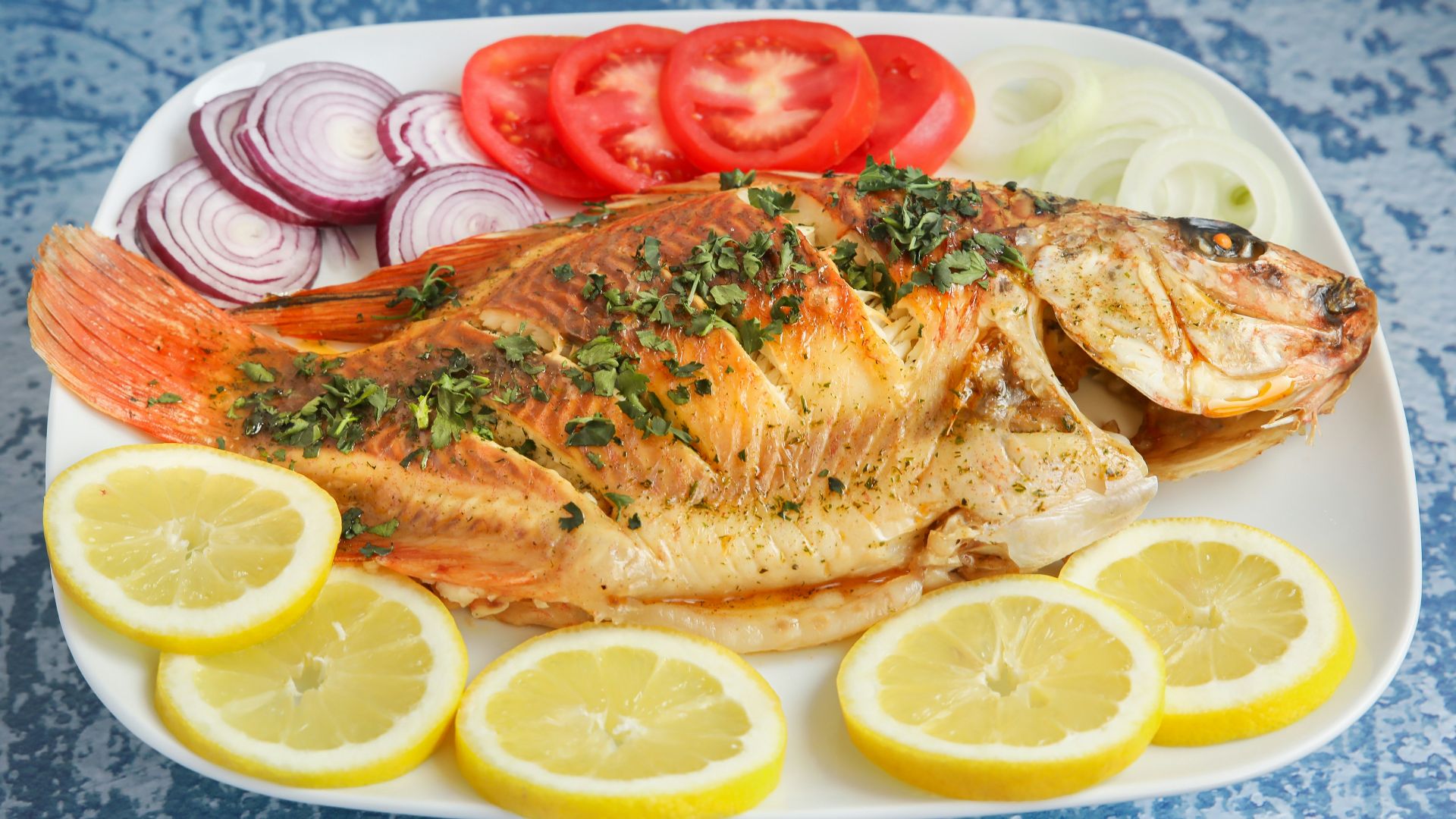
3. Eat Oily Fish Regularly
Salmon, sardines, trout, and other oily fish provide omega-3 fatty acids, including DHA, which is found in retinal tissue. Replacing one meat-based dinner with fish weekly can increase your omega-3 intake without changing your diet. Baking or grilling fish also keeps preparation straightforward.
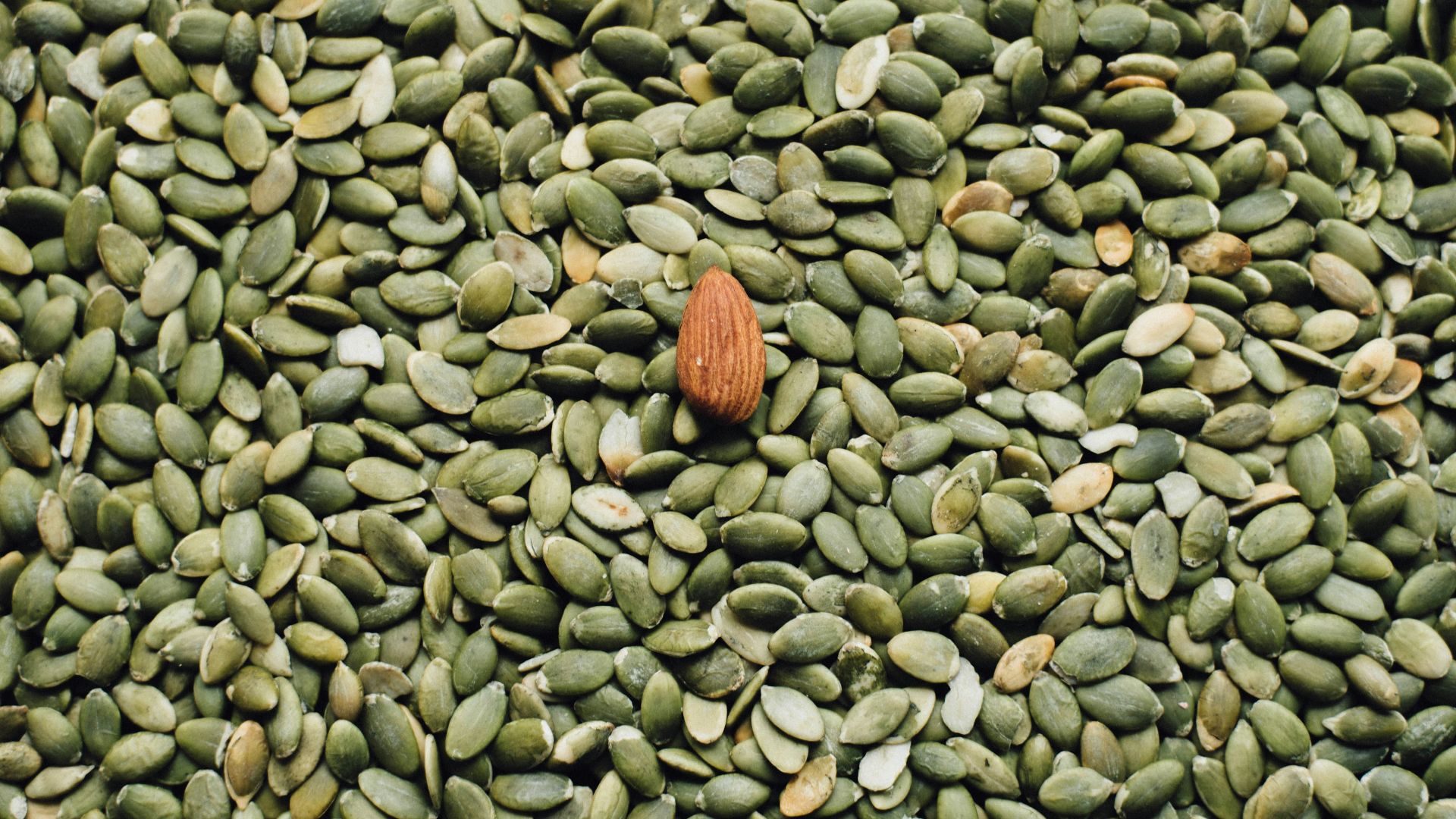
4. Snack on Nuts
Almonds, hazelnuts, peanuts, and other nuts can contribute vitamin E and unsaturated fats to your diet. Instead of reaching for cookies or chips every afternoon, keep an unsalted nut option available when you want something filling.

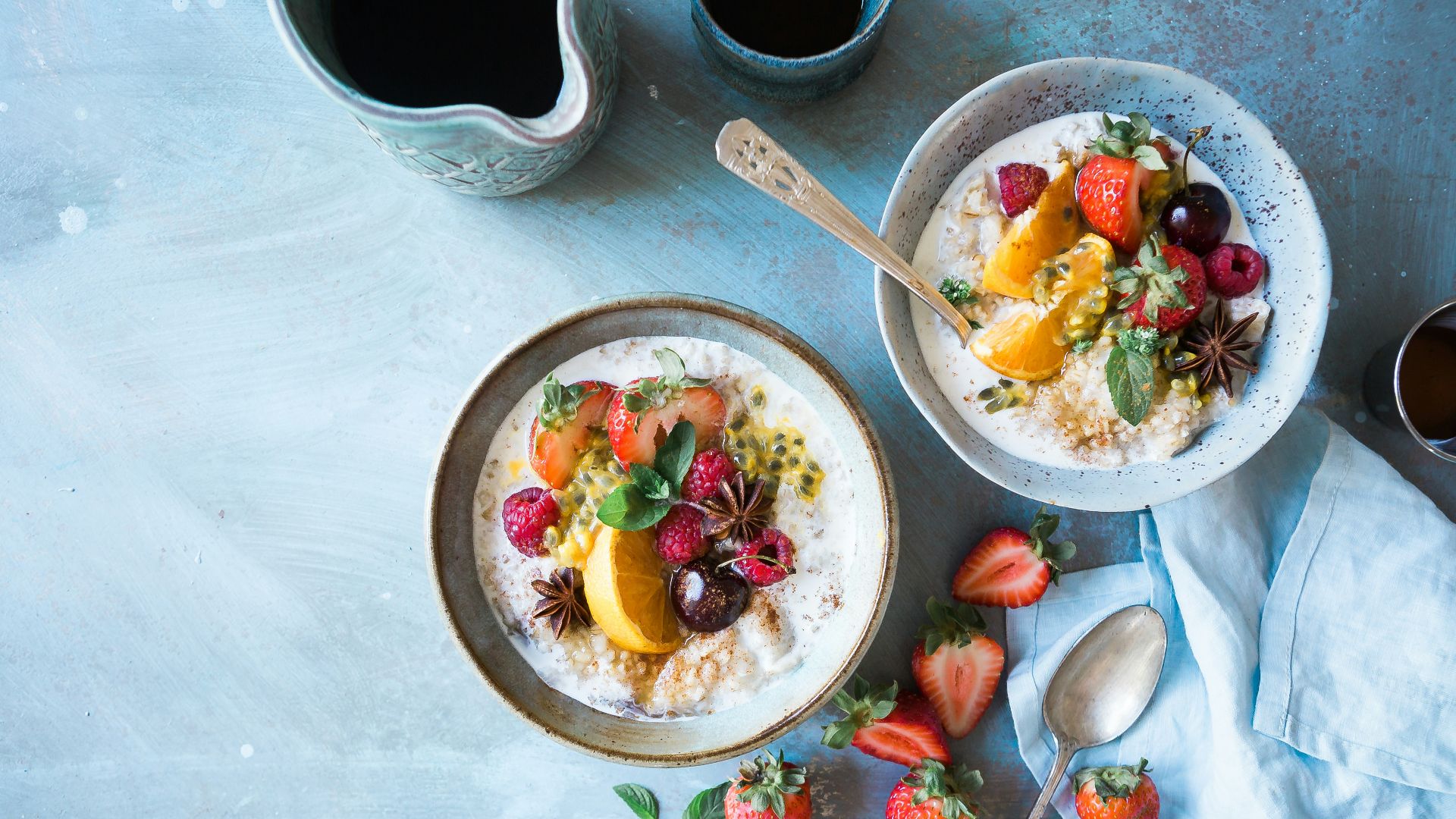
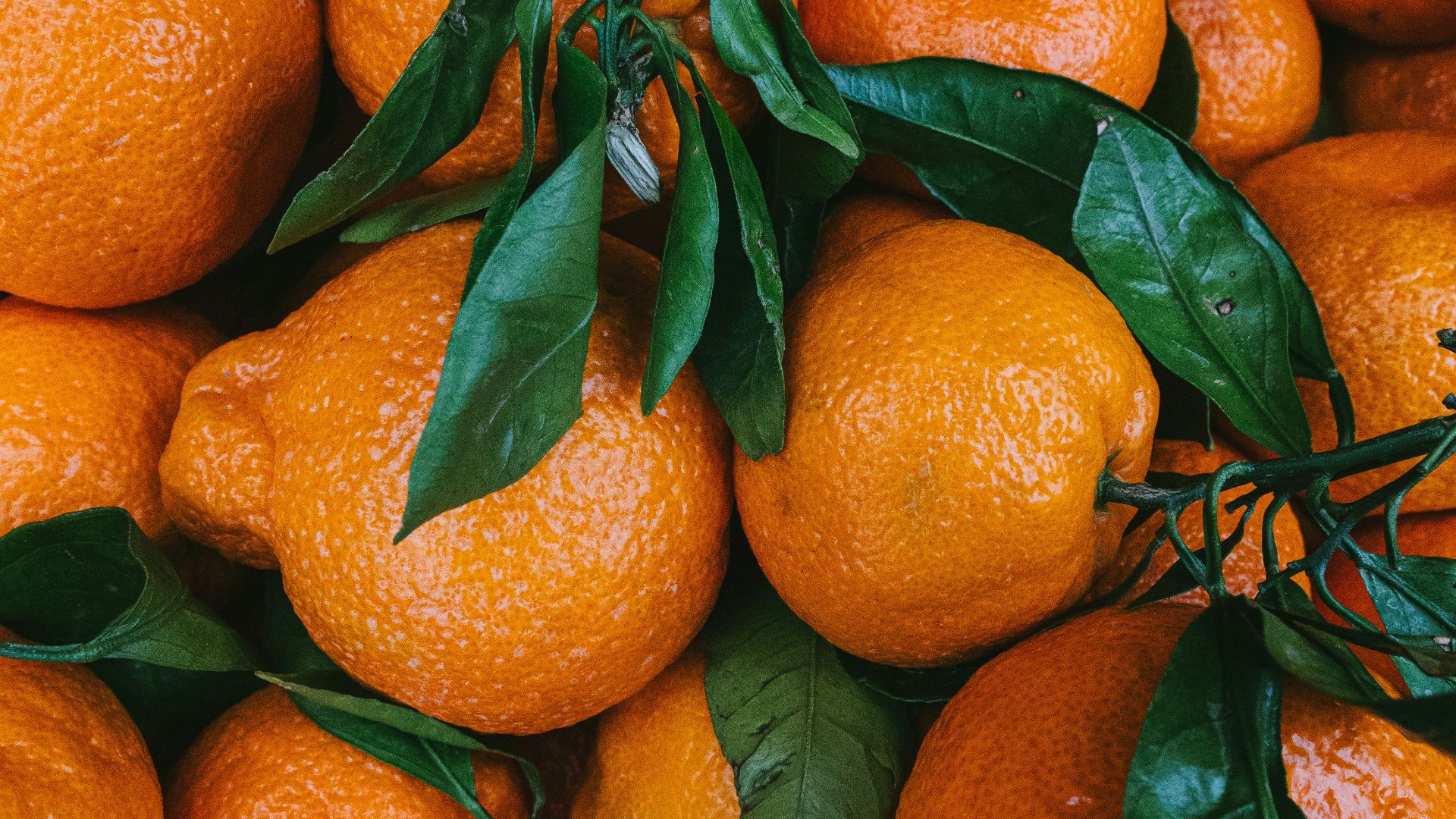
5. Include More Vitamin C in Breakfast
Oranges, grapefruit, strawberries, kiwi, and other fruits provide vitamin C, an antioxidant nutrient needed throughout the body. Adding fresh fruit to oatmeal, yogurt, or breakfast cereal is an easy way to increase your intake. You’ll also gain fiber and additional plant compounds from eating whole fruit.
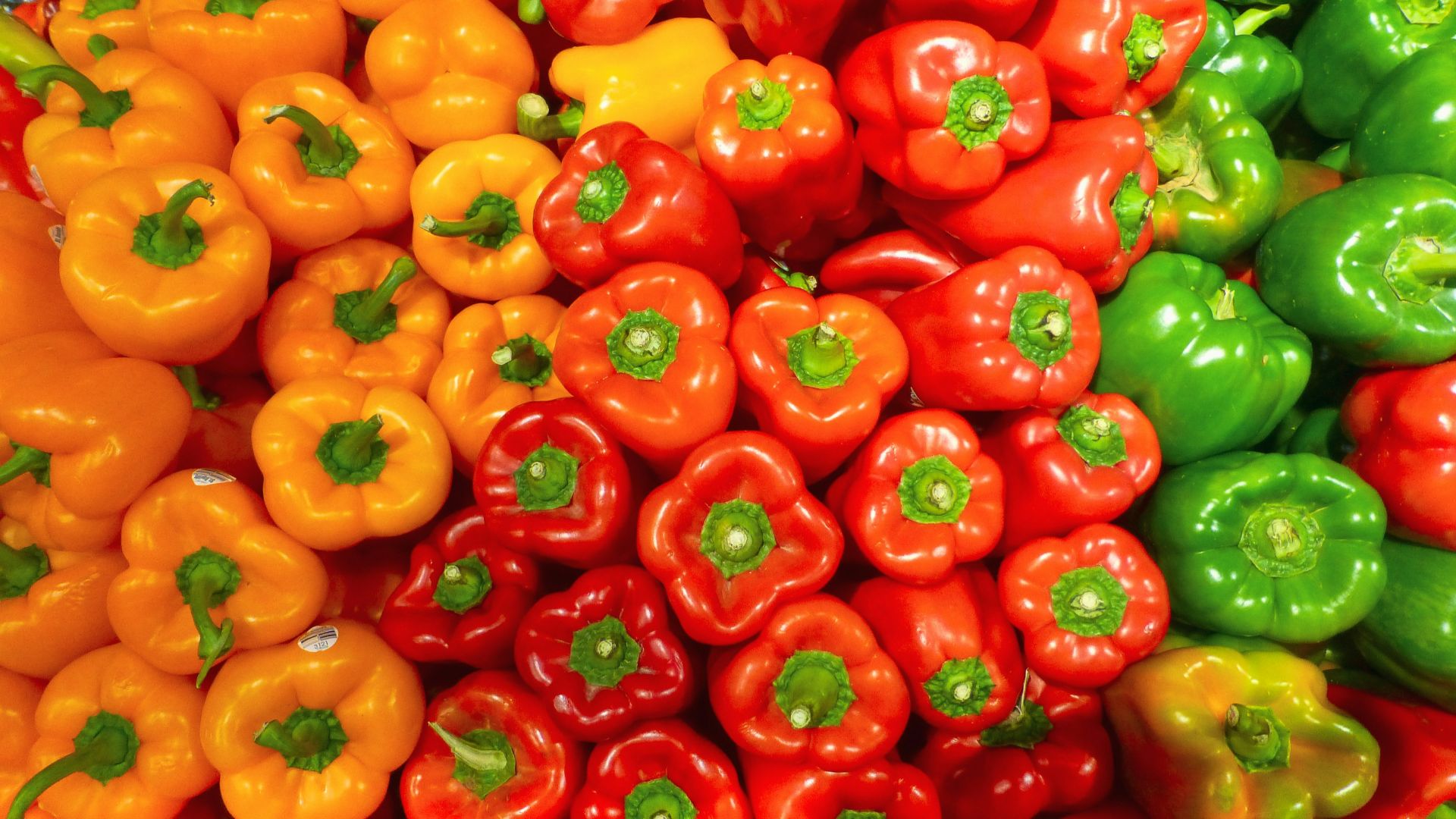
6. Add Bell Peppers to Familiar Meals
Bell peppers are another useful source of vitamin C, so you don't have to rely only on fruit. Chopped peppers fit easily into salads, stir-fries, sandwiches, scrambled eggs, and pasta dishes. Using several colors can also make meals more varied without requiring unfamiliar ingredients.
7. Choose Orange Vegetables More Frequently
Sweet potatoes, carrots, pumpkin, and winter squash contain beta-carotene, which the body can convert into vitamin A. Vitamin A is necessary to maintain normal vision, particularly the eye’s ability to function under low-light conditions.
 Christopher Stites on Unsplash
8. Keep Beans in the Pantry
Beans and lentils supply zinc alongside fiber, protein, and other nutrients, making them useful staples for more than just eye-conscious eating. Zinc helps important functions in the retina and helps the body use vitamin A.
9. Replace Butter With Olive Oil
Swapping some butter for olive oil shifts your meals toward more unsaturated fat and fits well within a Mediterranean-style eating pattern that can aid with eye health. A modest amount works nicely on roasted vegetables, salads, fish, and whole grains.

10. Cook Colorful Vegetables With Healthy Fat
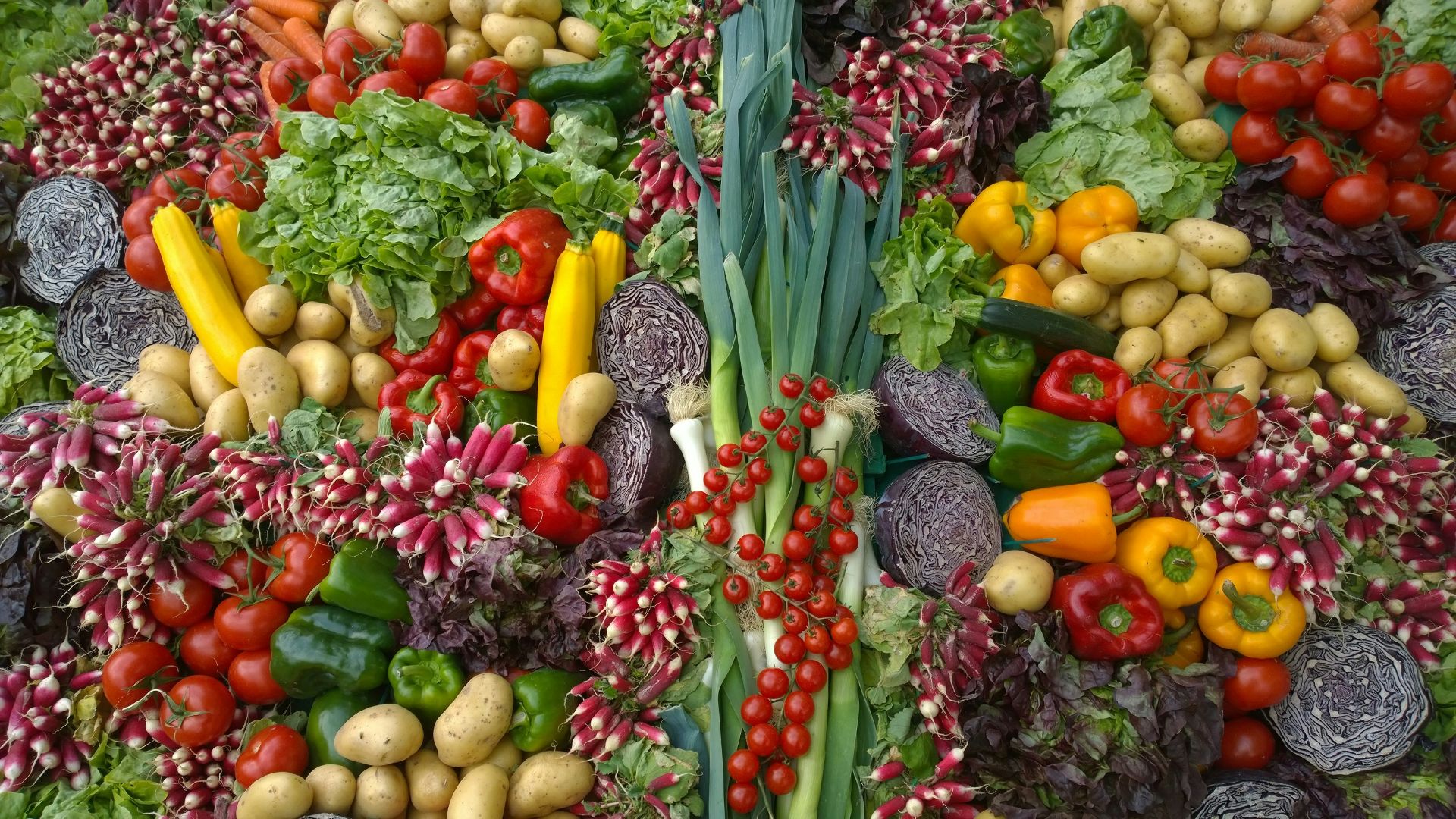
Carotenoids such as lutein, zeaxanthin, and beta-carotene are fat-soluble, so eating vegetables with some dietary fat can improve their absorption. Try spinach with olive oil, carrots with hummus, or a salad topped with avocado. You don’t need large amounts of fat to make this simple pairing worthwhile for your eyes.
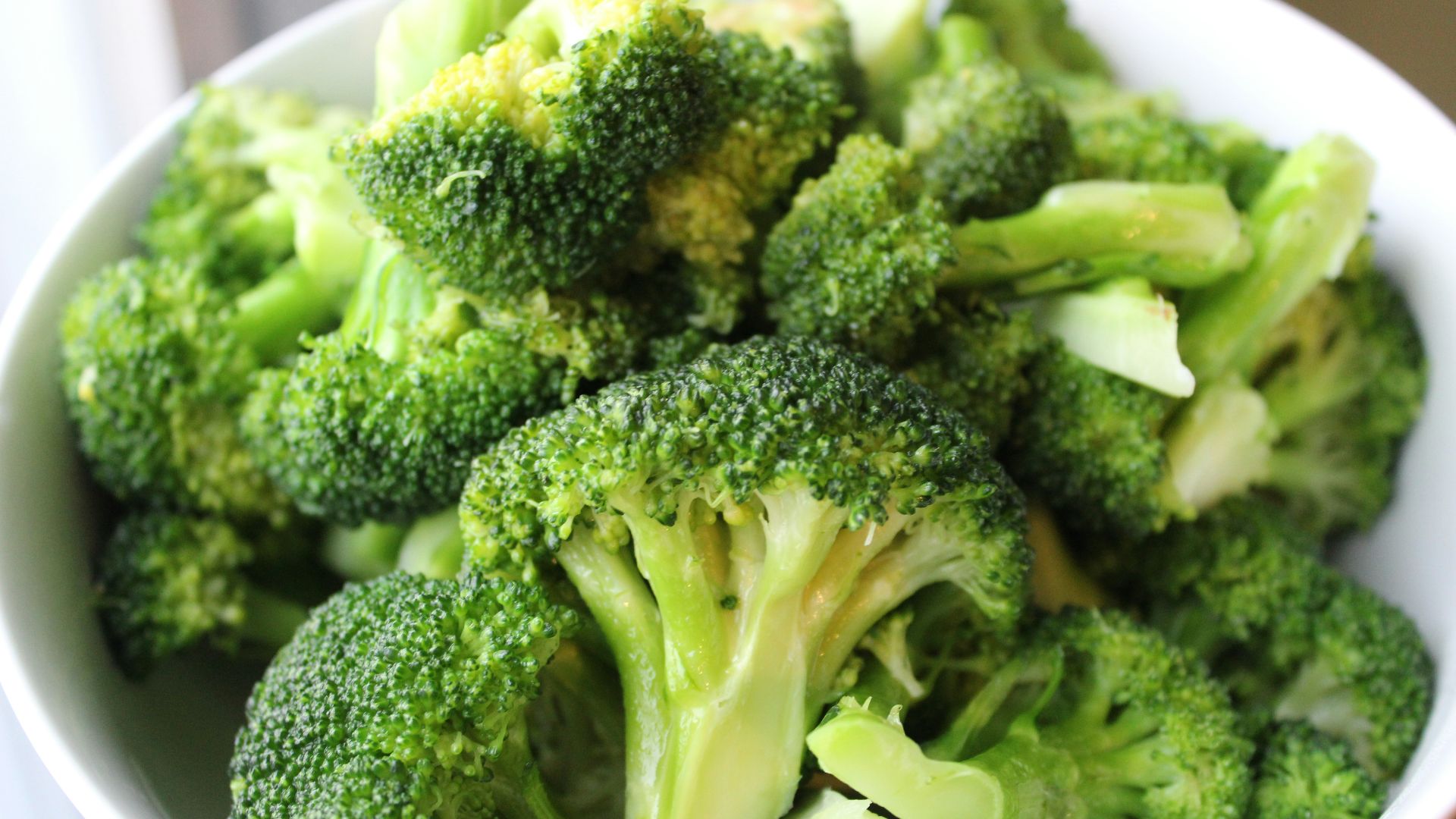
11. Make Broccoli a Regular Side
Broccoli contributes vitamin C as well as lutein and zeaxanthin, giving you several nutrients associated with a balanced, eye-friendly diet. Steam, roast, or stir-fry it depending on what works with the rest of your meal.
 Tyrrell Fitness And Nutrition on Unsplash
12. Replace Some Refined Grains
Whole-grain bread, brown rice, oats, barley, and similar foods generally provide more fiber than their refined counterparts. Higher-fiber carbohydrate choices can support steadier blood sugar management, which matters because chronically elevated blood glucose can damage the eyes.
13. Cut Back on Sugary Drinks
Soda, sweet tea, and heavily sweetened coffee can add substantial amounts of sugar without being particularly filling. Frequently replacing them with water, unsweetened tea, or sparkling water can make blood sugar and overall calorie management easier.

14. Make Avocado Part of Lunch
Avocado supplies unsaturated fat and vitamin E while also making meals more delicious and satisfying. A few slices can work in sandwiches, salads, grain bowls, or tacos without requiring a major recipe change. Its fat content can also help with the absorption of carotenoids from accompanying vegetables.

15. Eat Tomatoes Regularly
Tomatoes contribute vitamin C and carotenoids, including lycopene, while fitting into an unusually wide range of meals. Fresh tomatoes work well in salads and sandwiches, while canned varieties are practical for soups, sauces, and stews.

16. Swap Some Processed Meat for Fish or Beans
Reducing processed meats while choosing fish, beans, or lentils more often can move your overall eating pattern closer to Mediterranean-style recommendations. You’ll gain nutrients such as omega-3 fats from oily fish or fiber and zinc from legumes.

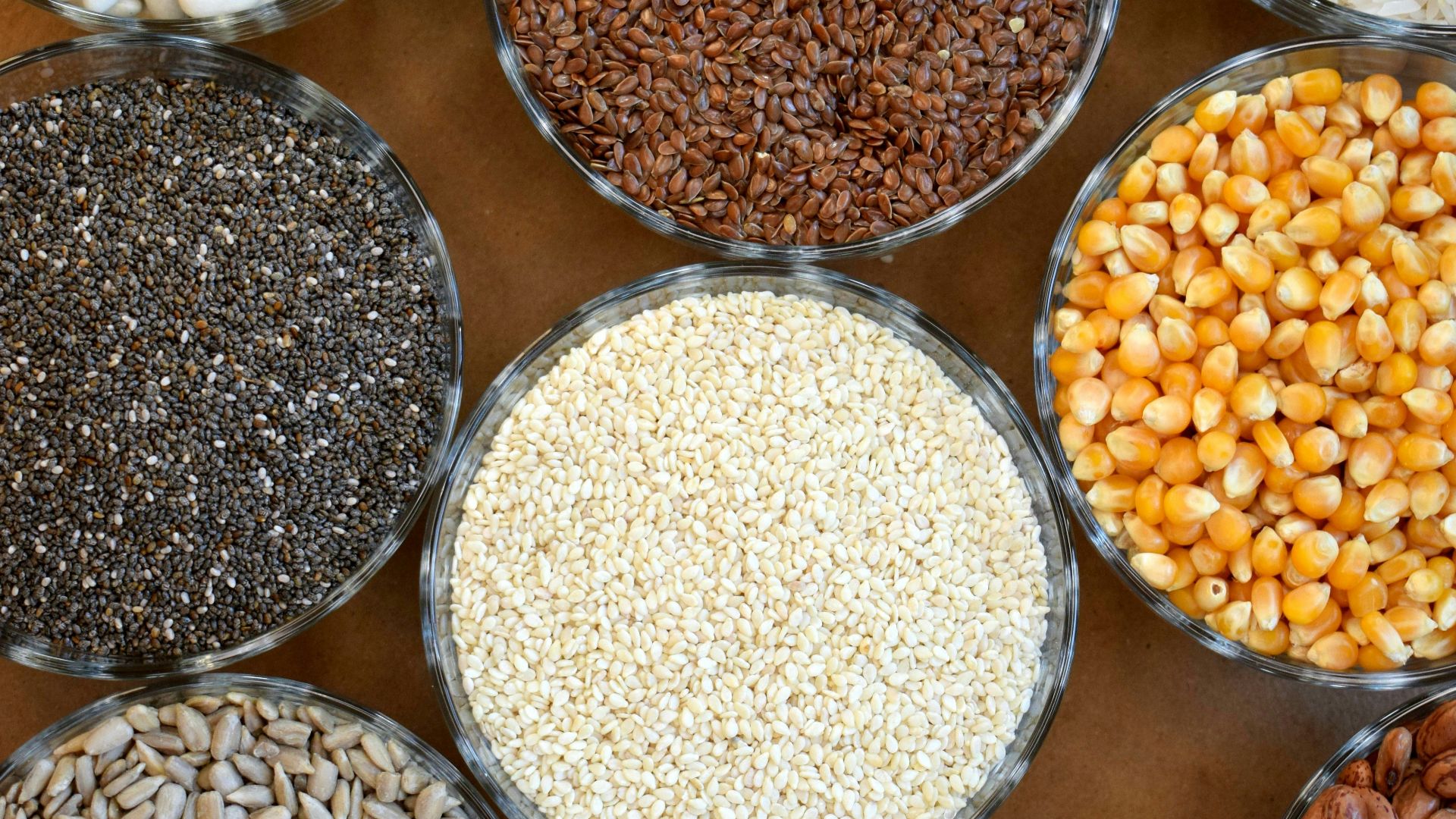
17. Add Seeds to Foods You Already Eat
Sunflower seeds are an easy way to add more vitamin E to your diet, while chia and ground flaxseed contribute plant-based omega-3 fat in the form of ALA. Sprinkle a small amount over oatmeal, yogurt, salads, or cereal rather than creating an entirely new meal around them.
18. Make Produce the Easy Snack
Keeping washed berries, sliced peppers, carrots, or fruit readily available makes nutrient-rich snacking much more convenient. Different fruits and vegetables provide varying combinations of vitamin C and carotenoids.
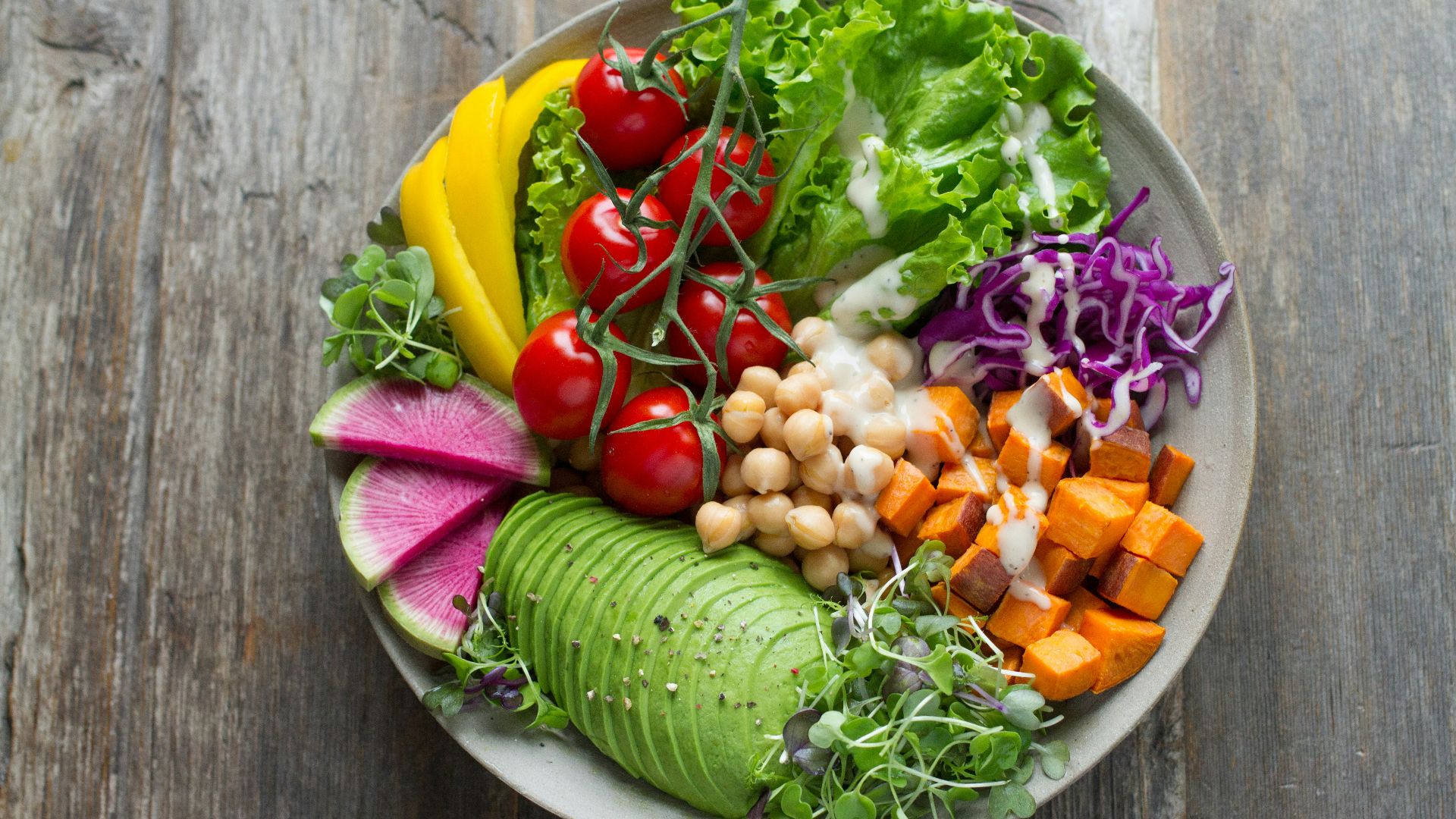
19. Stick to the Mediterranean Pattern More Often
You don’t need to overhaul every meal to borrow useful habits from the Mediterranean diet. Gradually emphasize vegetables, fruits, legumes, whole grains, nuts, olive oil, and fish while keeping sweets and highly processed foods less prominent.
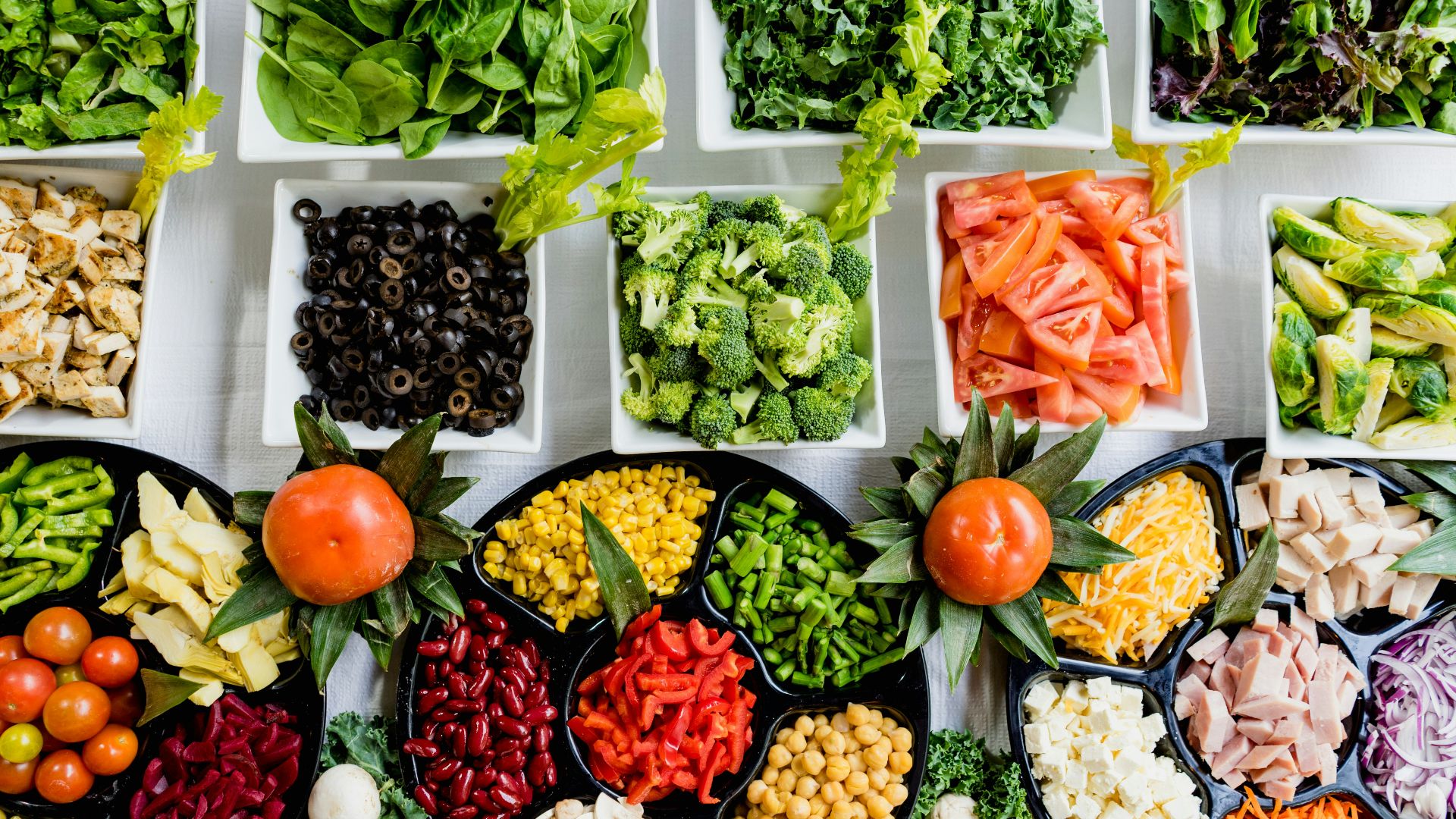
20. Don’t Treat Supplements Like a Shortcut
High-dose eye supplements aren’t automatically beneficial for everyone, and food should remain the foundation of a balanced diet. The AREDS2 supplement formula has evidence for specific people with intermediate or certain advanced forms of age-related macular degeneration.

KEEP ON READING



20 Natural Ways You Can Boost Your Immune System

20 Ways To De-stress & Relax After Work
The 10 Most Common Diseases & The 10 Most Rare