
Give That Irritated Nerve Some Attention
A pinched nerve happens when surrounding tissue puts too much pressure on a nerve, which negatively impacts the way it works. You’re not always looking at the same symptoms, either; pinched nerves can range from an annoying tingling to pain shooting down an entire leg. The good news is that many cases can improve with rest and conservative care, but persistent symptoms can mean medical attention, and that’s why we’re here to break down what to be on the lookout for.
 Juan Manuel Montejano Lopez on Pexels
1. Pain Travels Down
Pain from a pinched nerve doesn't always stay where the actual problem is. Unfortunately, that can make it hard to pinpoint what’s going on, but keep an eye out for a radiating pattern. It’s one of the more recognizable clues that a nerve, rather than only a sore muscle, could be troubling you.

2. Pins and Needles
We've all had a foot fall asleep on us, but recurring pins and needles without an obvious explanation are worth more attention. Nerve compression can cause tingling in areas supplied by that particular nerve; think of the fingers when a nerve in the wrist or neck is affected. If your hand starts tingling while you're typing or even just sitting still, don't assume you just rested in a weird position.

3. Your Skin Feels Numb
A compressed nerve can reduce normal feeling, leaving you with a patch that’s noticeably less sensitive. Someone with nerve pressure in the neck can experience numbness into certain fingers, whereas a herniated disk in the lower back can produce numb areas along the calf. It’s all connected, and persistent loss of sensation is something to discuss with a doctor.

4. Sharp or Burning Pain
Muscle soreness has its own character, but nerve pain is surprisingly sharp or burning. It’s not uncommon to feel a sudden jolt when turning your head, or a burning sensation in your foot if a nerve in the lower spine is affected.

5. One Arm or Leg Feels Weaker
Nerves don't just carry sensory information; they also help control the muscles you rely on to move during the day. Compression can therefore leave you weaker than usual, sometimes making it harder to climb stairs or raise one leg. Weakness absolutely deserves a doctor’s appointment, especially if it's new or getting worse.

6. You're Dropping Things
Unless your coffee mug is coated in butter, repeated trouble holding objects could point to altered sensation in your hand. Nerve compression affecting the wrist or neck can also interfere with grip strength. If you suddenly struggle to hold groceries, it’s likely time to call your doctor.

7. Your Hand or Foot Keeps Feeling Asleep
Sometimes nerve pressure creates that heavy, weird feeling you'd expect after a limb falls asleep. The difference here is that a pinched nerve can make a hand or foot feel asleep repeatedly, even if you aren’t sitting in a strange position. If it keeps happening, especially alongside pain or weakness, it’s time to see someone.

8. Certain Movements Make Symptoms Flare
Pay attention to whether pain flares after certain movements. Pinched nerves can make certain positions, coughing, sneezing, or even prolonged sitting much harder than usual. Book an appointment with your doctor; a clear-cut connection between movement and pain can give a clinician clues about where the irritation is coming from.

9. The Symptoms Bother You at Night
If your tingling or discomfort worsens in bed, a compressed nerve is one possible explanation. Pinched-nerve symptoms may actually flare up during sleep, and some problems (like carpal tunnel syndrome) only get worse as we sleep due to our positions.

10. You Develop Bladder Changes
Most pinched nerves cause uncomfortable but nonemergency symptoms—but not all of them. New loss of bladder control paired with back pain, numbness, or difficulty walking can indicate serious compression. Don't wait for those symptoms to clear up; seek medical attention before anything gets worse!

Though you should always consult a physician for prolonged symptoms, there are a few things you can do at home for less severe irritation. Let’s dive into ten methods that can ease some of the pain.
1. Give the Area a Break
Your first move doesn't need to be complicated: stop doing whatever it is that repeatedly aggravates the nerve. Your biggest task is to give the area a chance to settle. If hours at a keyboard make your wrist tingle, cutting back or taking more breaks during the day may reduce irritation.

2. Fix Your Position
Sometimes what you're doing isn't as important as how you're doing it. Consider what’s bothering you, and think of proactive solutions. For example, someone with neck discomfort can raise a computer monitor to eye level. A person with lower-back trouble can adjust a desk chair. Simple adjustments can be part of treatment, even if they aren’t a cure-all solution.

3. Try Cold or Heat
A cold pack or heating pad can make an irritated area more comfortable, although neither one removes whatever’s actually compressing the nerve. That said, you could try a wrapped ice pack or use gentle heat when the muscles feel tight.
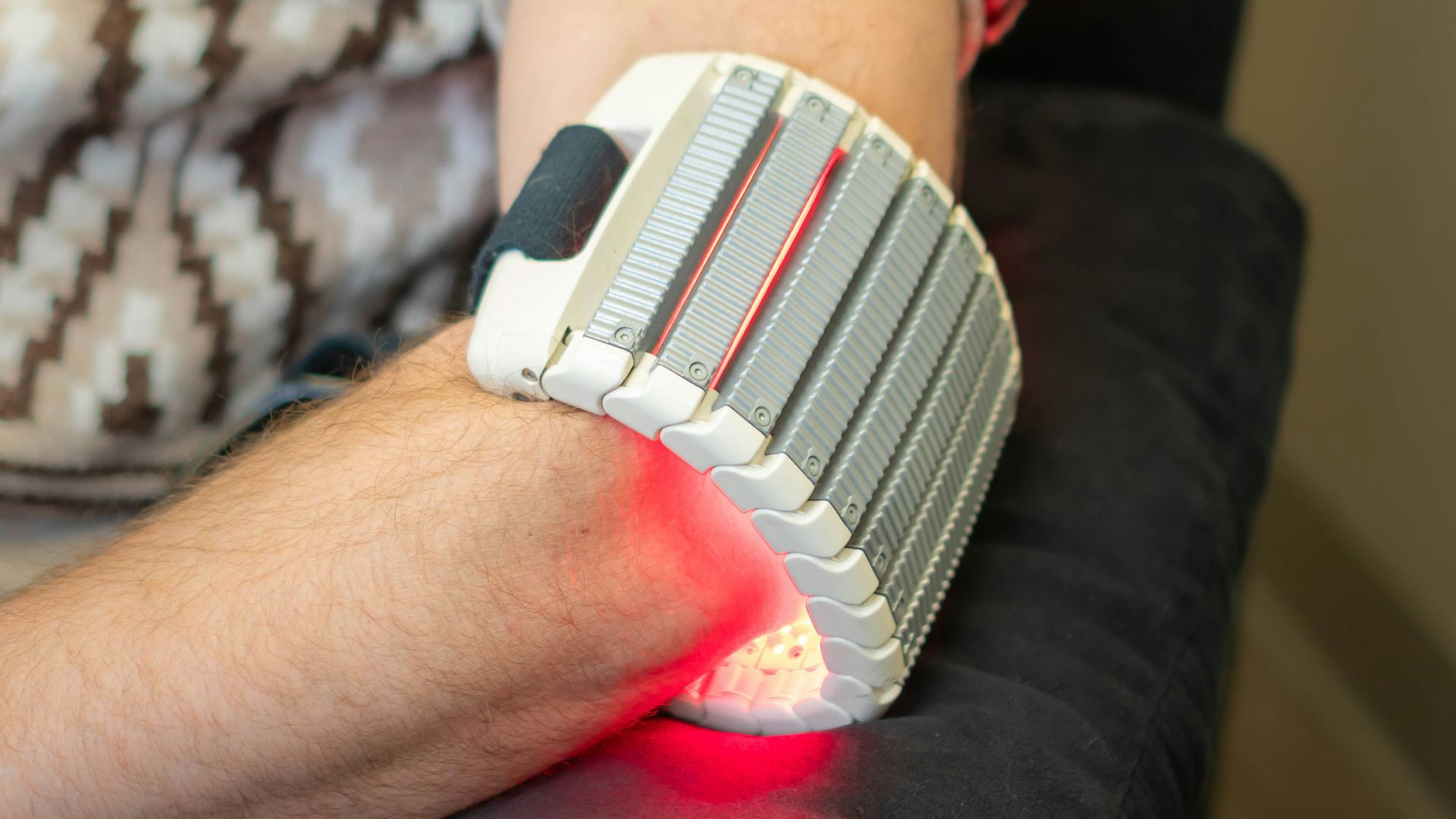
4. An OTC Pain Reliever
If you're so uncomfortable that ordinary activities are difficult, an over-the-counter medication may provide temporary relief. Ibuprofen or naproxen can reduce pain and inflammation for some people, while acetaminophen is another common option, but you should always speak with a doctor or pharmacist beforehand.
 National Cancer Institute on Unsplash
5. Keep Moving Without Pushing
Resting an irritated area is useful, but turning yourself into a permanent fixture on the couch generally isn't as helpful as it sounds. Gentle walking or clinician-approved exercises can help you avoid unnecessary stiffness, so it’s worth discussing which range-of-motion plans make the most sense.

6. Make Your Sleeping Position Work For You
Eight hours in an awkward position can undo some of the effort you made during the day, so pay attention to what happens after you’re in bed. There's no prize for sticking with your usual setup when it only makes you feel worse. It’s okay to make small adjustments based on the location of your symptoms.

7. Involve a Physical Therapist
Rather than pulling something else by doing ambitious stretches online, a physical therapist can provide a much safer plan. Treatment can include anything from specific stretches and strengthening work to simple posture changes and range-of-motion exercises. At the end of the day, it makes sense to go with the pros.

8. Pay Attention to Whether You're Improving
Don’t judge recovery by one good or bad afternoon—note your symptoms across several days. Keep a journal of when pain appears, which fingers remain numb, or whether you're having more difficulty gripping everyday items. A clear record makes an appointment more productive, too.

9. See a Doctor
A pinched nerve isn't something to stubbornly manage indefinitely. There’s no shame in making an appointment if symptoms persist. Depending on your symptoms, further treatment can include prescription medication, physical therapy, or, in more persistent cases, additional evaluation for surgery. None of that is something you want to guess at home or sleep on.

10. Know When It's More Than A DIY Problem
Significant nerve or spinal cord compression can require prompt medical attention. It’s in your best interest to seek urgent care for rapidly worsening weakness, new problems walking, or new loss of bladder or bowel control. These red flags may be uncommon, but recognizing them matters; delaying treatment only increases your risk of lasting problems.