
Spoiler: It’s A Lot Of Broth
By the late 19th century, sick-day meals had their own familiar spot in the home kitchen. People reached for warm, mild food that could be eaten in small amounts, since a full dinner was often the last thing an ill person wanted to see. A few of these dishes still feel familiar, including chicken broth, toast, and stewed apples. Others, like beef juice and eggnog made with brandy, make the old sickroom table feel like a very different place. Even so, they all came down to the same thing: simple foods and drinks people served when someone was sick or recovering.

1. Chicken Broth
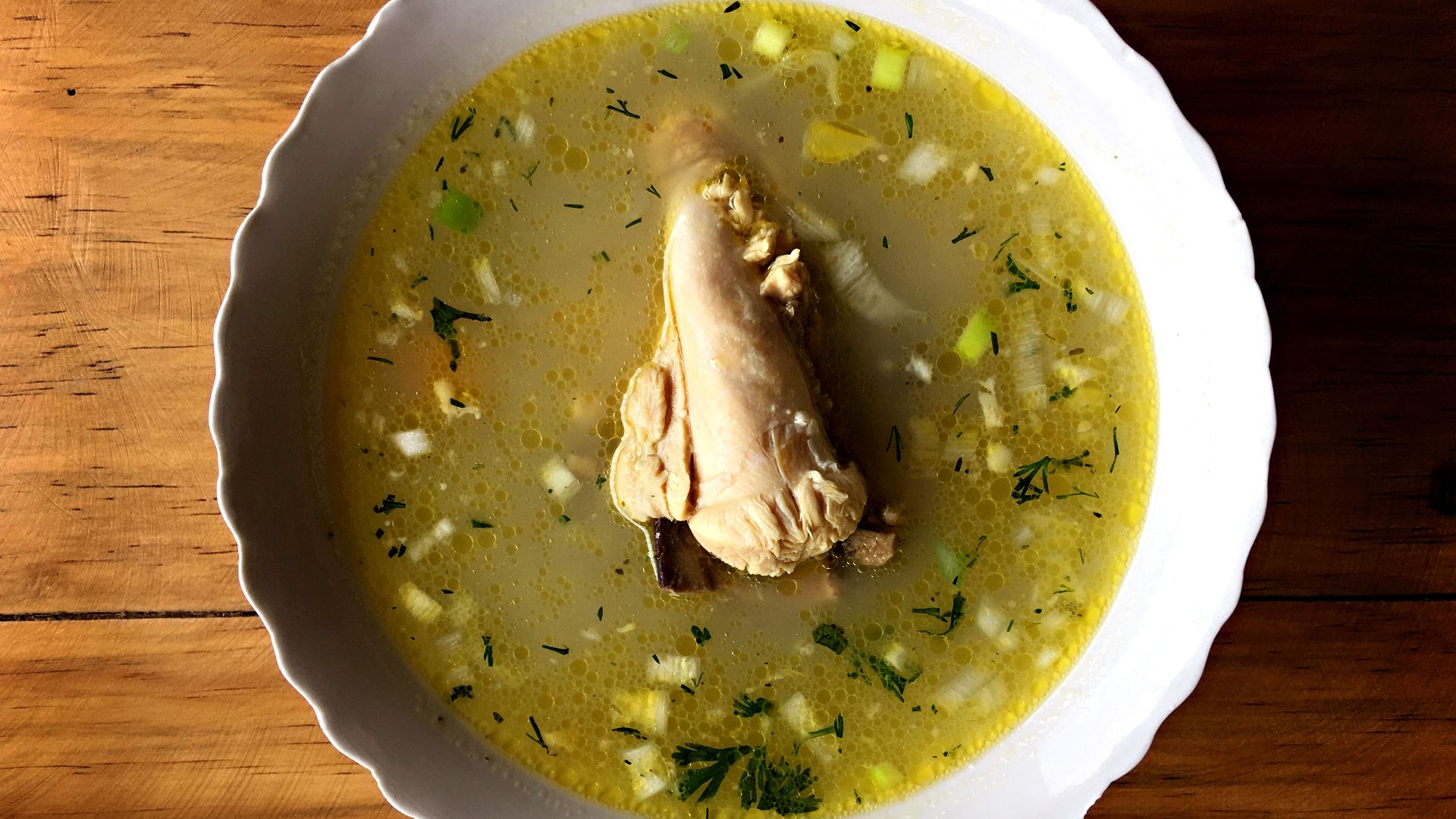
Chicken broth was a regular part of the old sickroom menu, and it took a little time to make. Chicken simmered with water and celery, then strained and skimmed of fat before it was poured into a cup. Rice could cook with the chicken for a heartier version, though the finished broth still stayed light enough to serve in a small portion.
2. Oatmeal Gruel
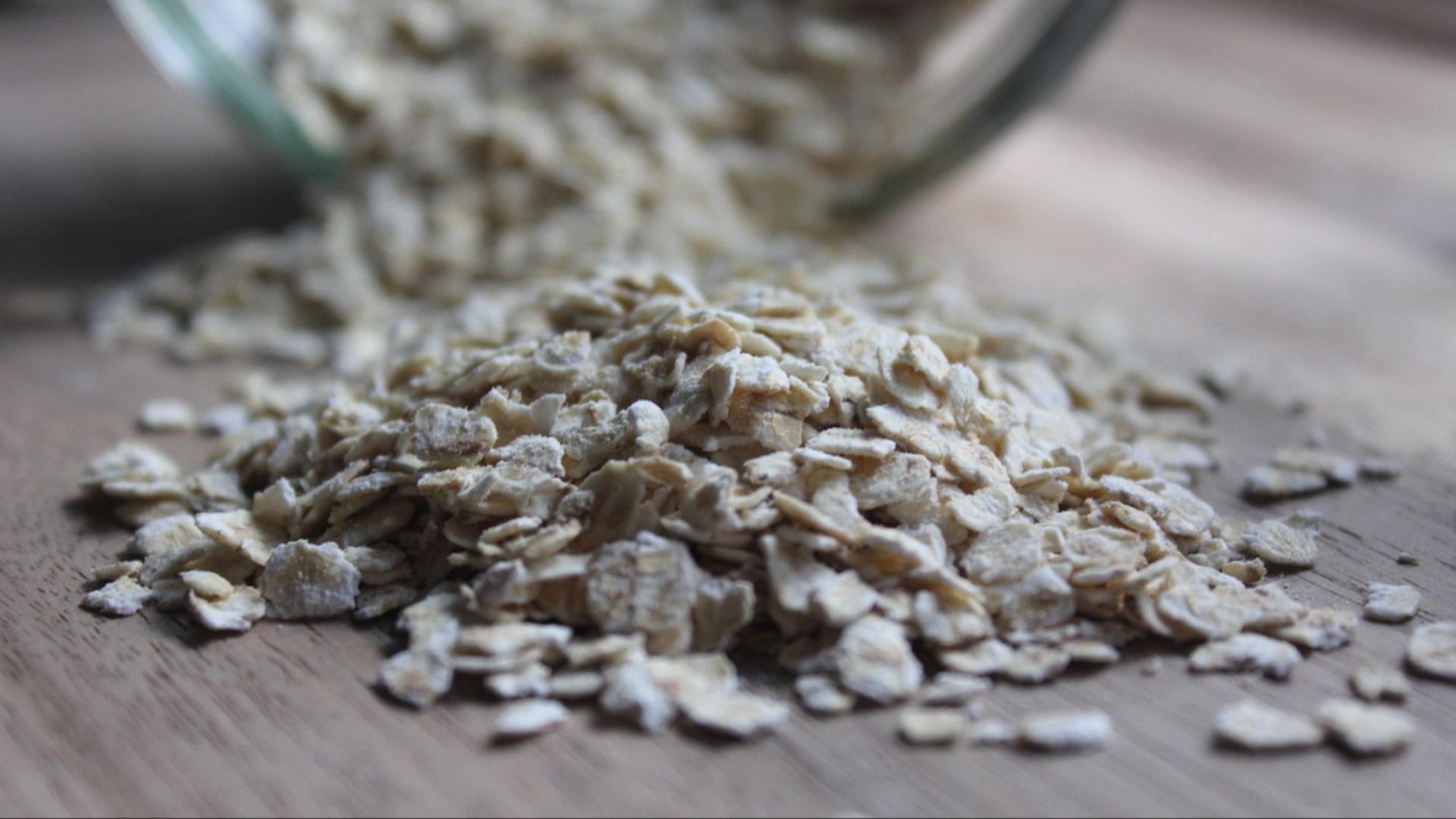
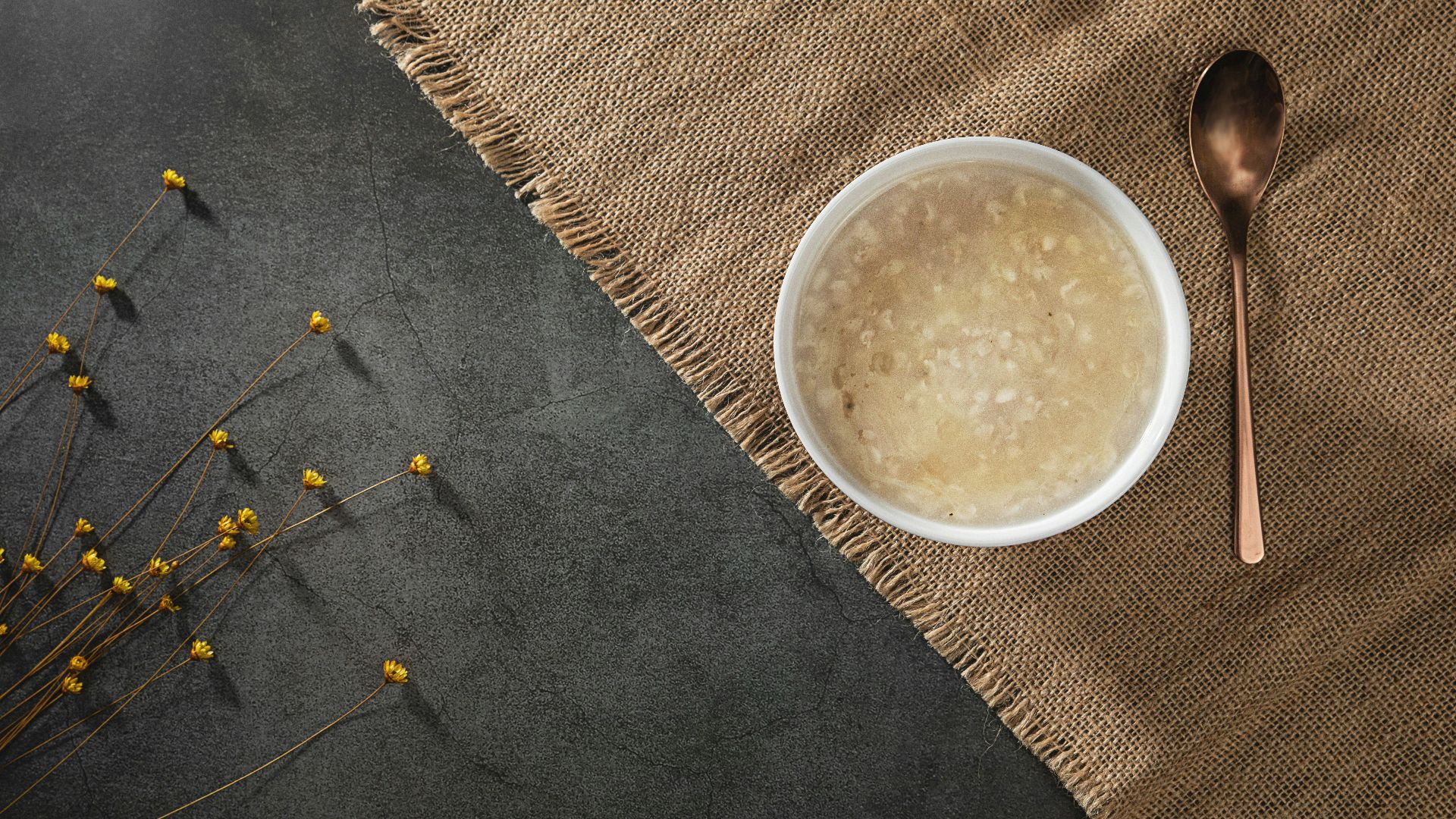
Oatmeal gruel was a very thin porridge, not the thick bowl of oatmeal many people picture now. It was made by cooking oatmeal slowly in water, with milk sometimes added for a richer version. The long cooking time, often close to an hour, gave it the soft texture that made it a familiar sickroom food.
3. Beef Tea
Beef tea wasn’t regular tea with a bit of meat stirred in. Shredded lean beef was soaked in water, heated gently, and strained into a drink for convalescents. Some versions added a little raw shredded beef just before serving, so the drink felt more substantial without becoming a bowl of soup.

4. Beef Juice
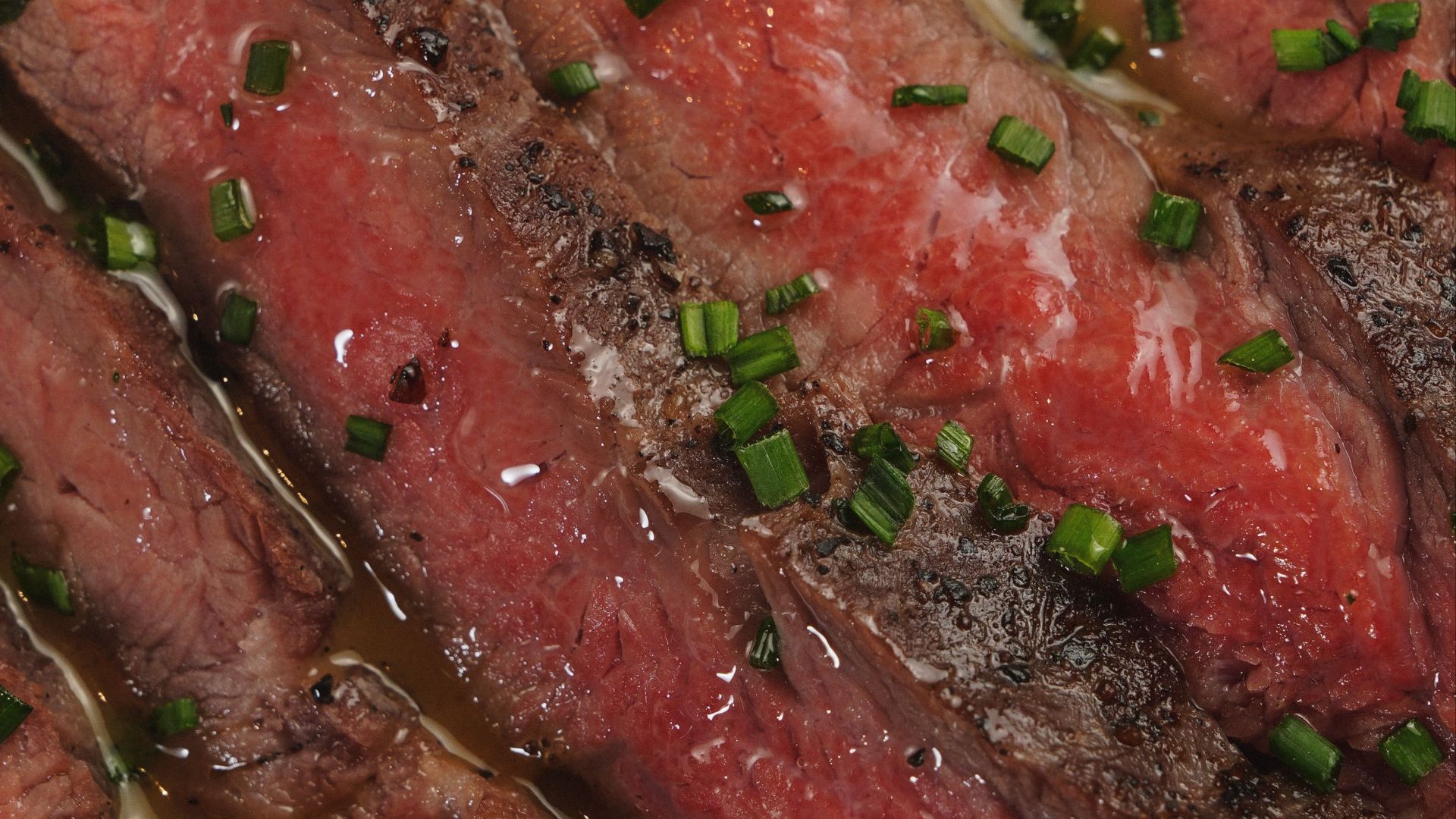
Beef juice was more concentrated than beef broth, so it was served in much smaller amounts. A lightly seared piece of lean steak was scraped or pressed to draw out the juice, then it was warmed and lightly salted. Rump steak was the preferred cut for flavor.
5. Mutton Broth
Mutton broth was made with lean mutton and bone, simmered until the flavor moved into the cooking liquid. Some versions included a small amount of boiled rice, which made the broth a little more substantial without making it heavy. A piece of onion could also go into the pot for flavor, though the finished dish still stayed simple and mild.

6. Rice Gruel
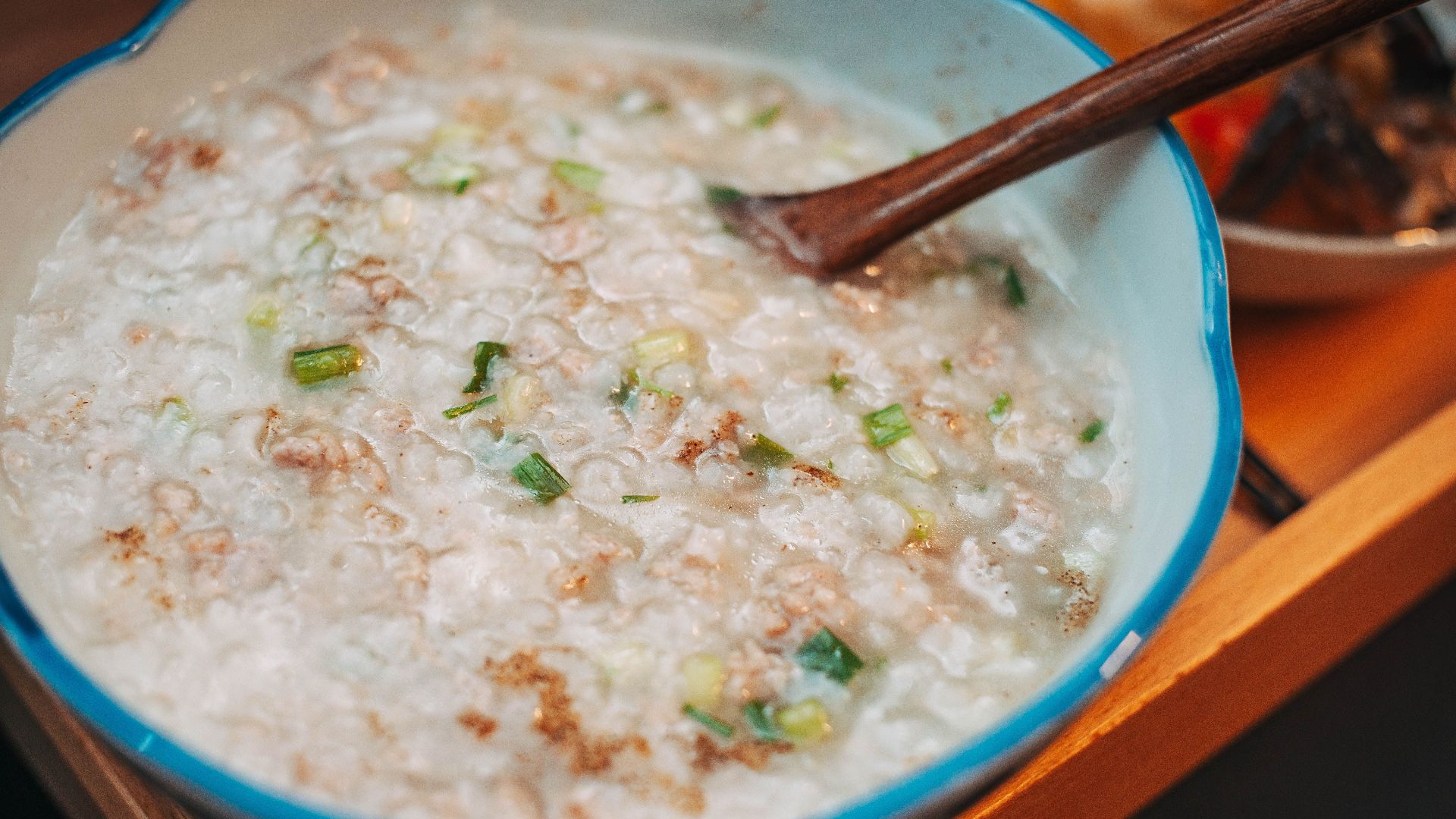
Rice gruel worked in much the same way, though it used rice flour instead of oatmeal. Rice flour, water, and a small amount of salt were boiled into a smooth, thin mixture that could be loosened with milk or served with sugar.
7. Scallop Broth
Scallop broth brought seafood to the sickroom in a softer form. Finely cut scallops were simmered with water, milk, butter, and salt, then strained into a smooth broth. The mixture only needed a short simmer, and there weren’t any chewy pieces or heavy sauce left in the cup.
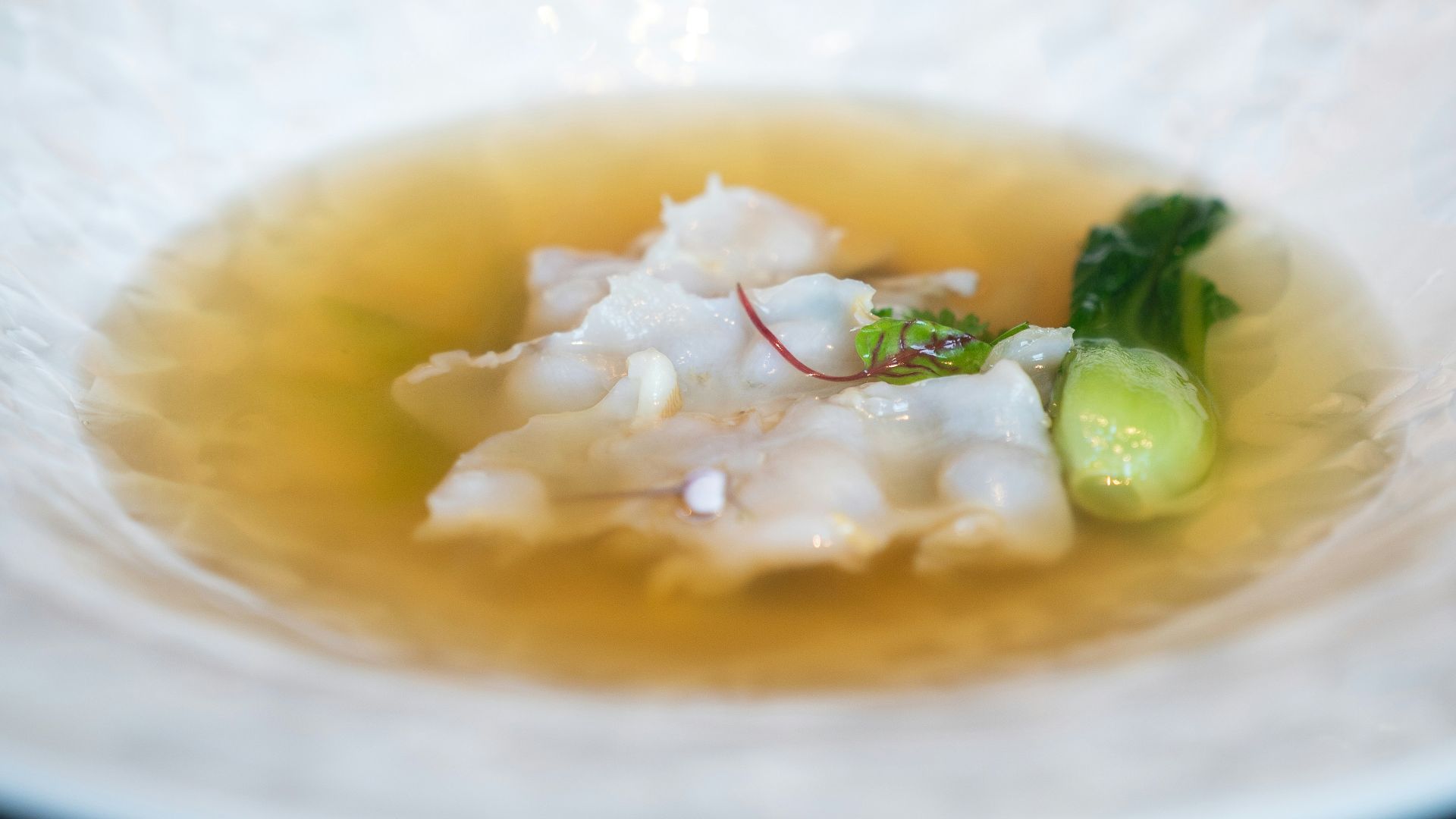
8. Barley Gruel
Barley gruel started with pearl barley cooked in plenty of water, then strained before serving. It was often lightly sweetened, and lemon peel could be twisted over the serving glass for a fresh smell. The barley gave it more body than drinkable barley water, while still keeping the dish mild and uncomplicated.
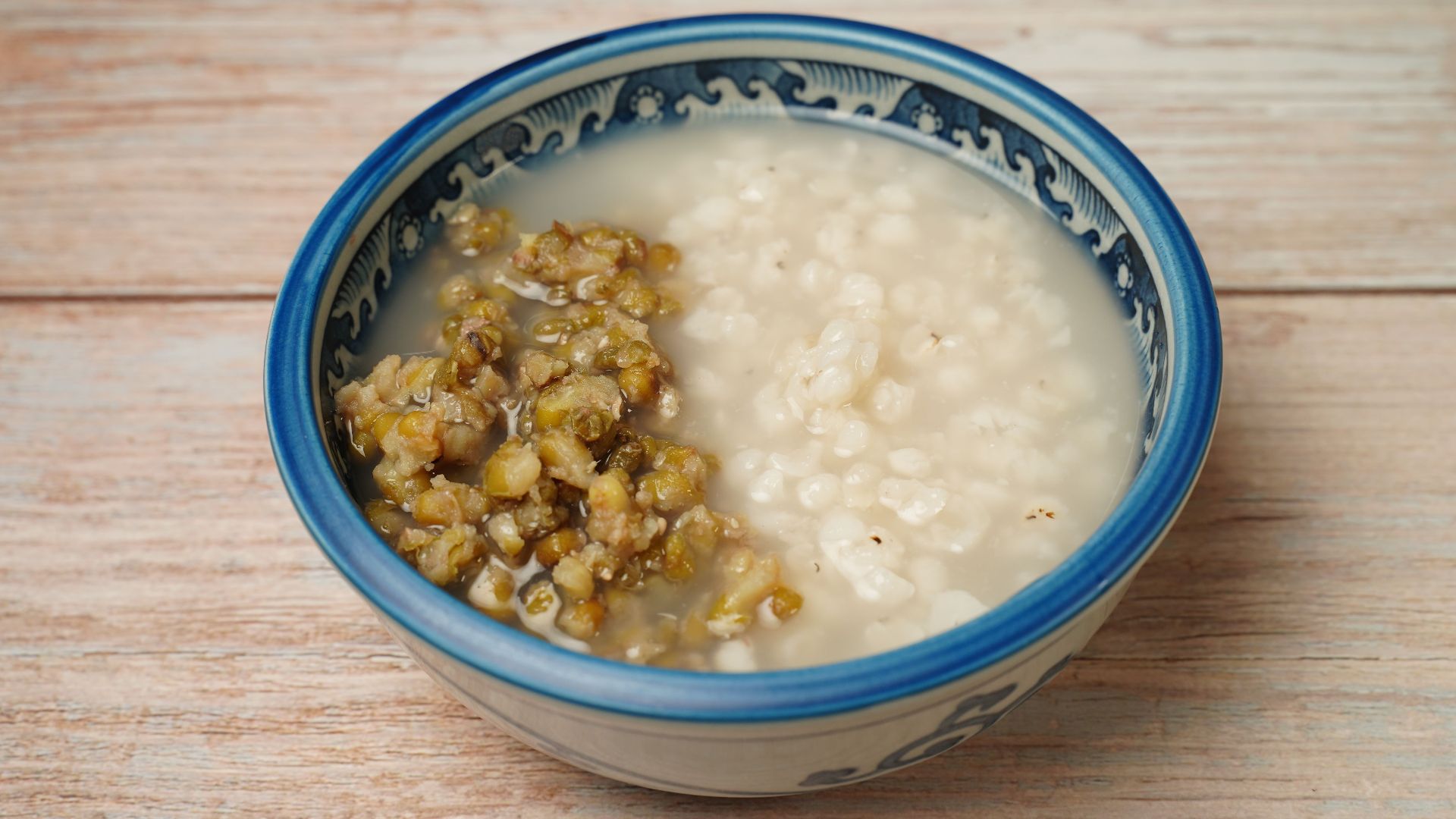
9. Eggnog
Eggnog once showed up as a rich drink for those with long-standing sicknesses, not simply as a holiday treat. The version served in the sickroom combined scalded milk, a beaten egg, sugar, and brandy. The milk was cooled before the egg and other ingredients were added.

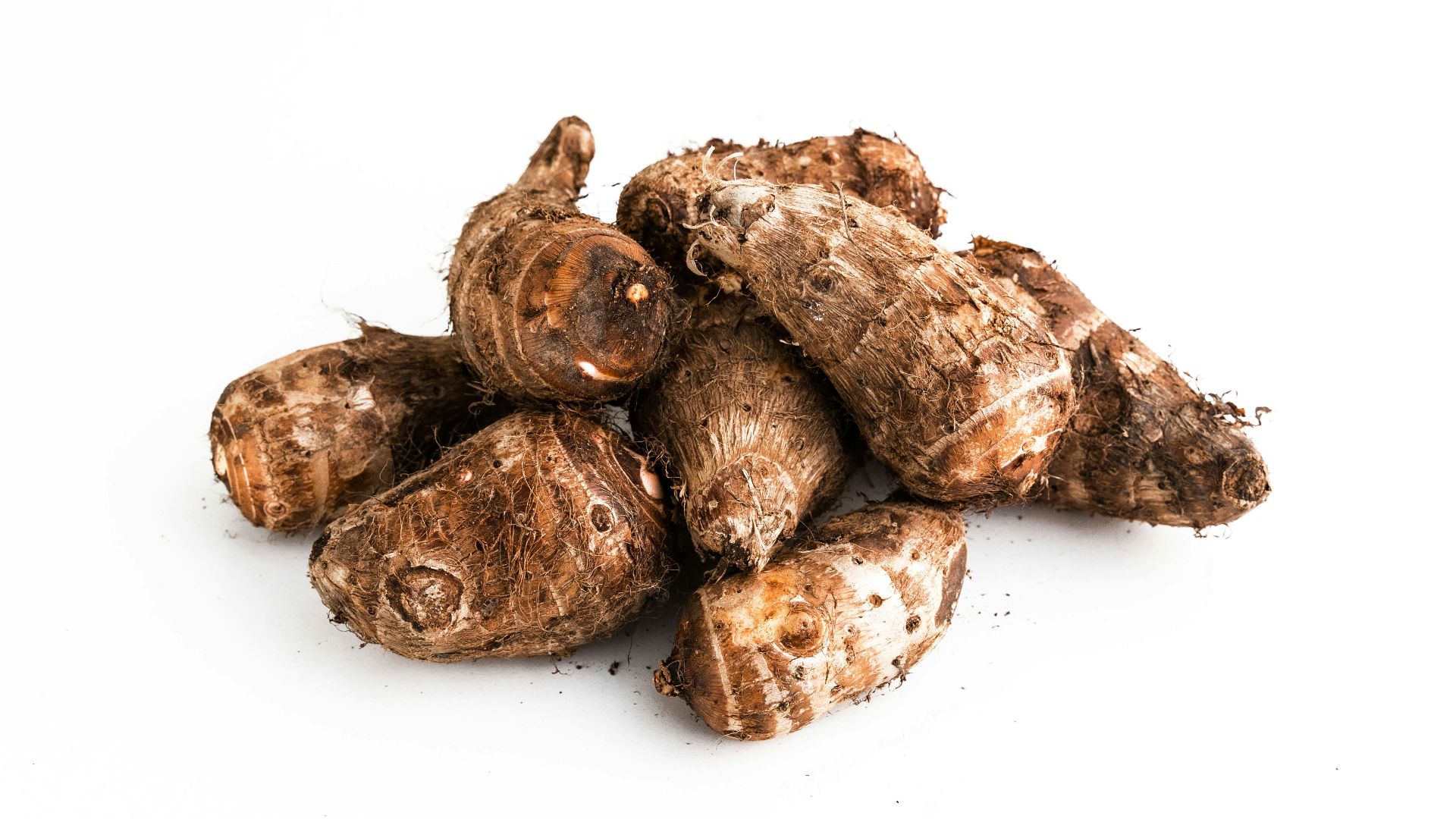
10. Arrowroot Gruel
Arrowroot gruel was made by stirring arrowroot starch into boiling water until it thickened. The finished dish was pale, soft, and nearly see-through, with a texture closer to a warm gel than a hearty porridge. A pinch of salt was the usual seasoning.
11. Beef Broth
Beef broth came from meat and bone cooked in water for several hours, allowing the liquid to take on the flavor of both. After it was strained and reduced, it was served in small portions with a little salt or celery for flavor. Cooks also removed the fat before serving, which kept the finished broth clear and fairly plain.
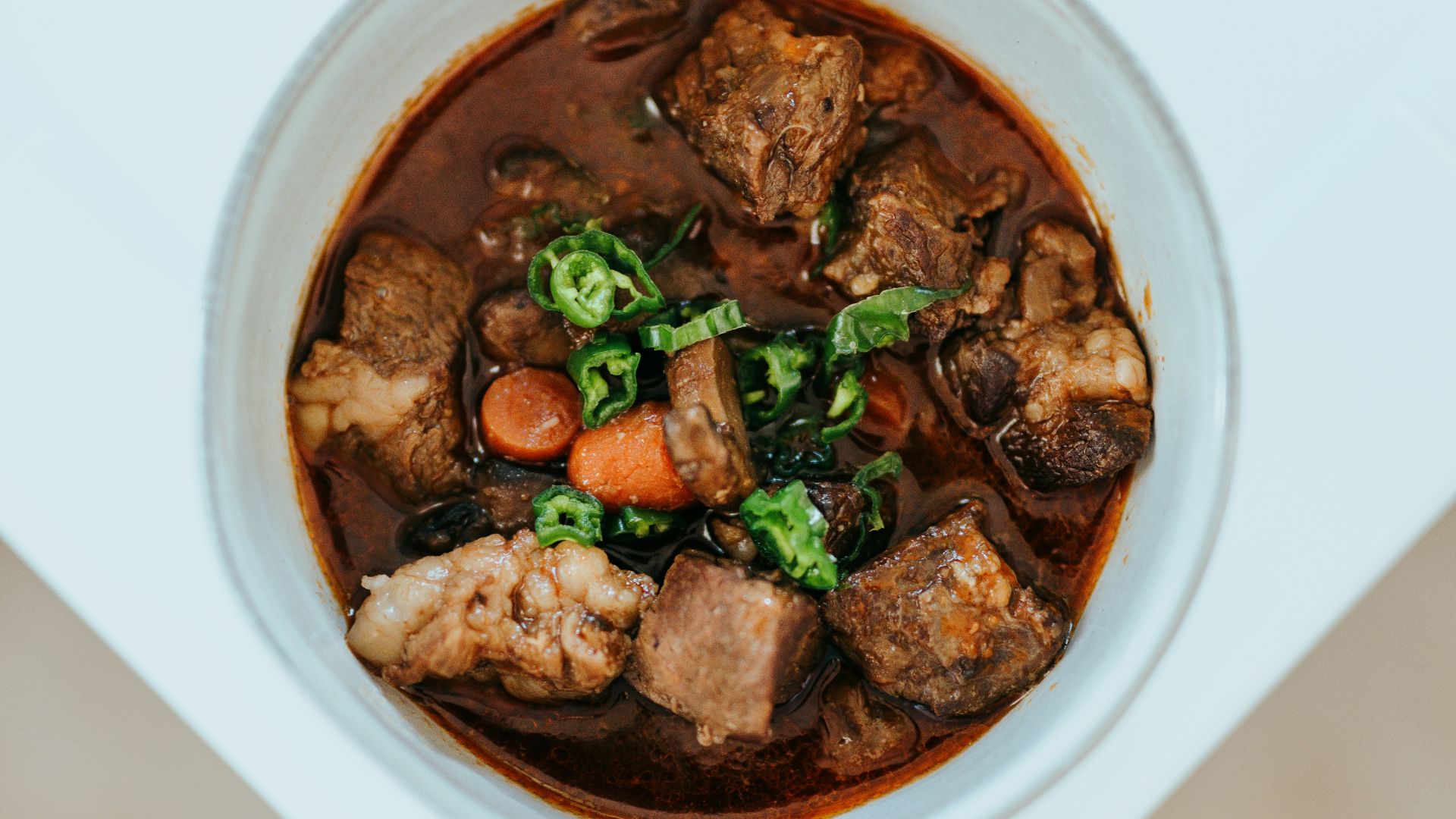
12. Barley Water
Barley water was the drinkable version of the same basic idea. Pearl barley simmered in water with a little sugar and lemon peel while the liquid reduced into a mild drink instead of a thick cereal dish. The barley stayed in the pot, and the drink was served without straining.

13. Rice Water
Rice water was made by boiling washed rice in water until the grains softened and started to dissolve. A little sugar and salt went into the pot with the rice, while lemon peel or cinnamon could add flavor. The strained liquid could also be set into a jelly.
14. Dry Toast
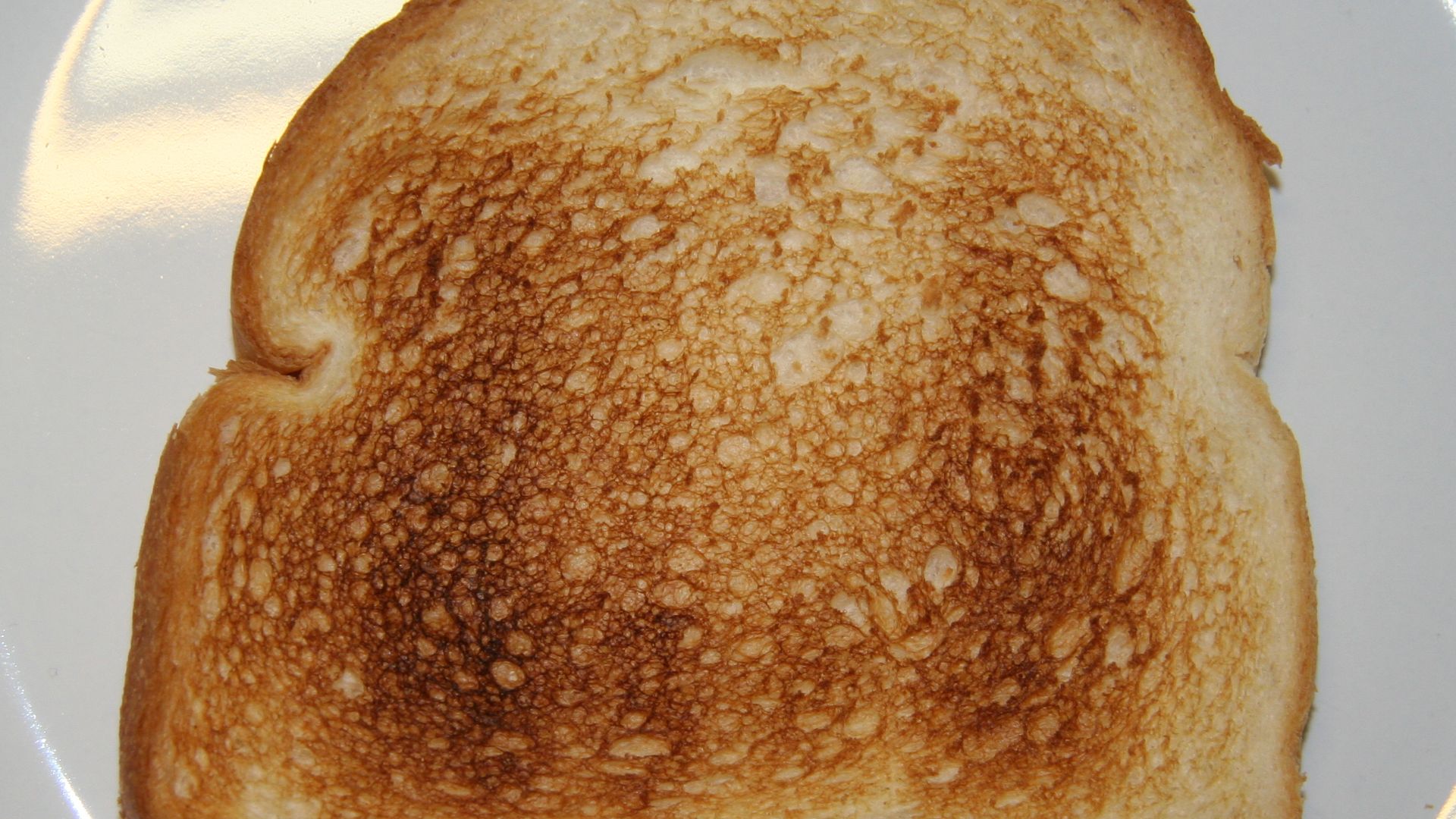
Dry toast meant more than bread that had been quickly browned on the outside. The bread was dried through in the oven, which gave it a crisp texture instead of a soft, doughy center. The crust was trimmed away before toasting, leaving a plain slice that was gentle on upset stomachs.
15. Milk Toast
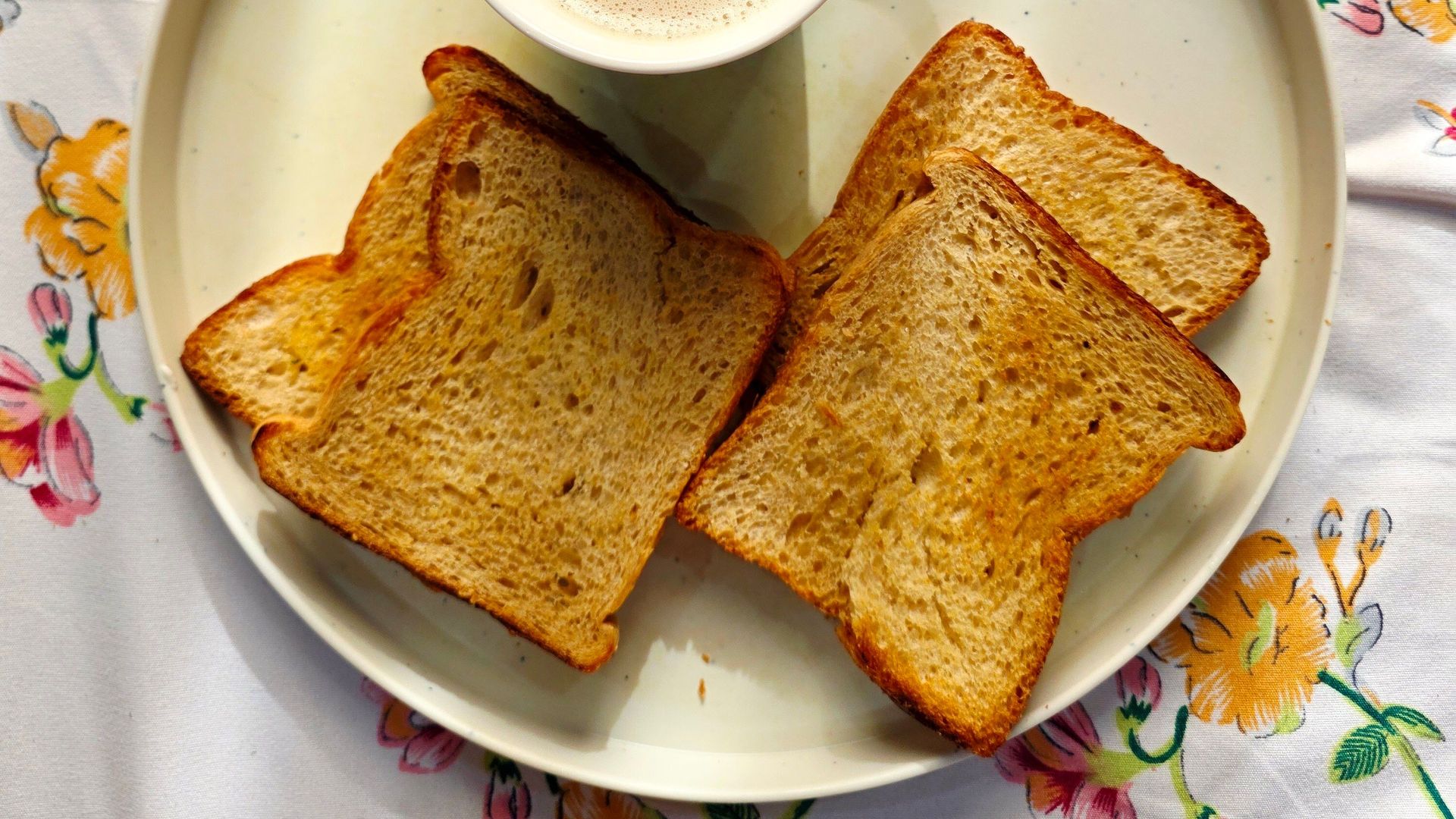
Milk toast started with dry toast and softened it with a warm sauce made from milk, butter, flour, and salt. The sauce was poured over the toast one slice at a time, making it softer and more filling than plain bread. It’s easy to see why milk toast became classic comfort food in many homes.
 Er.Shyama Charan Prasad on Pexels
16. Veal Broth
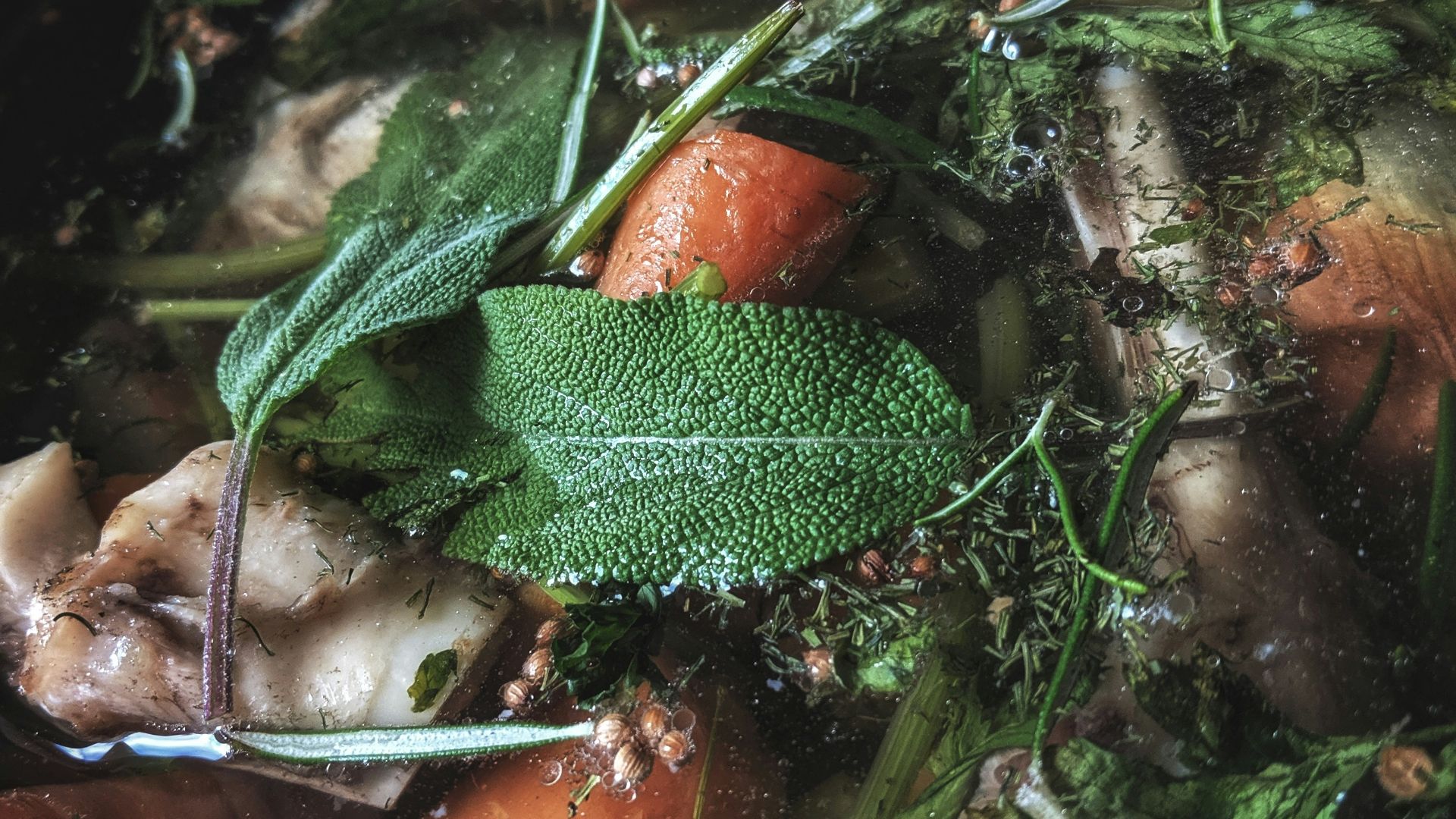
Veal broth appeared alongside beef and mutton broths in old sickroom menus. It followed the same basic routine: simmer the meat, strain the liquid, remove the fat, and serve it warm.
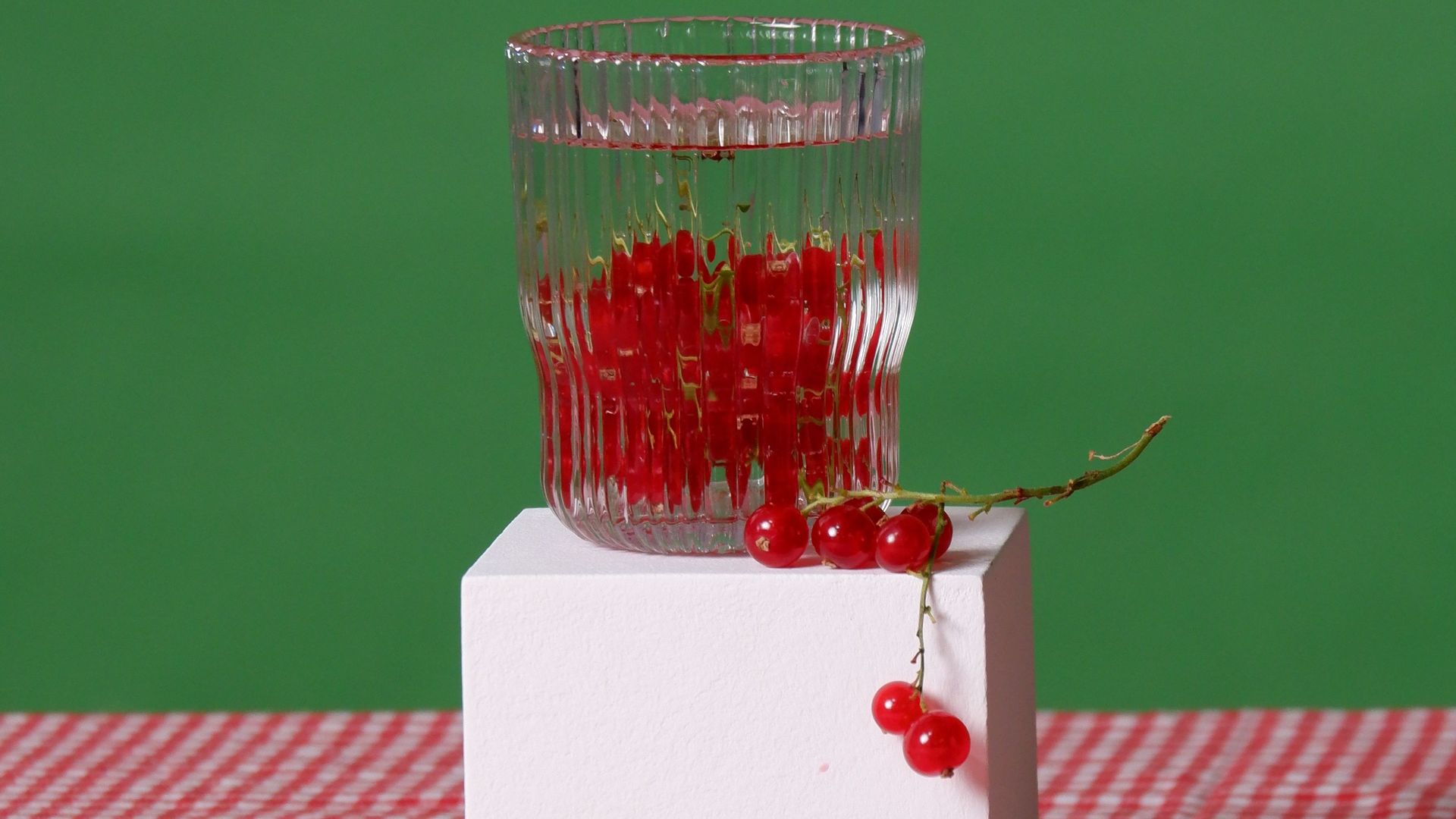
17. Currant Jelly Water
Currant jelly water was a sweet-tart drink made by dissolving currant jelly in cold water and adding sugar. It turned a familiar pantry ingredient into something easy to sip when food itself wasn’t especially appealing. Fresh currants could also be simmered in water for a related drink, adding another fruit option to the menu.
18. Apple Water
Apple water began with baked apples mashed into boiling water. Once the mixture cooled, it was strained and sweetened, creating a mild fruit drink instead of a bowl of cooked apples. It gave people another choice besides broth and cereal-based drinks, while keeping the fruit in a soft, simple form.

19. Stewed Apples
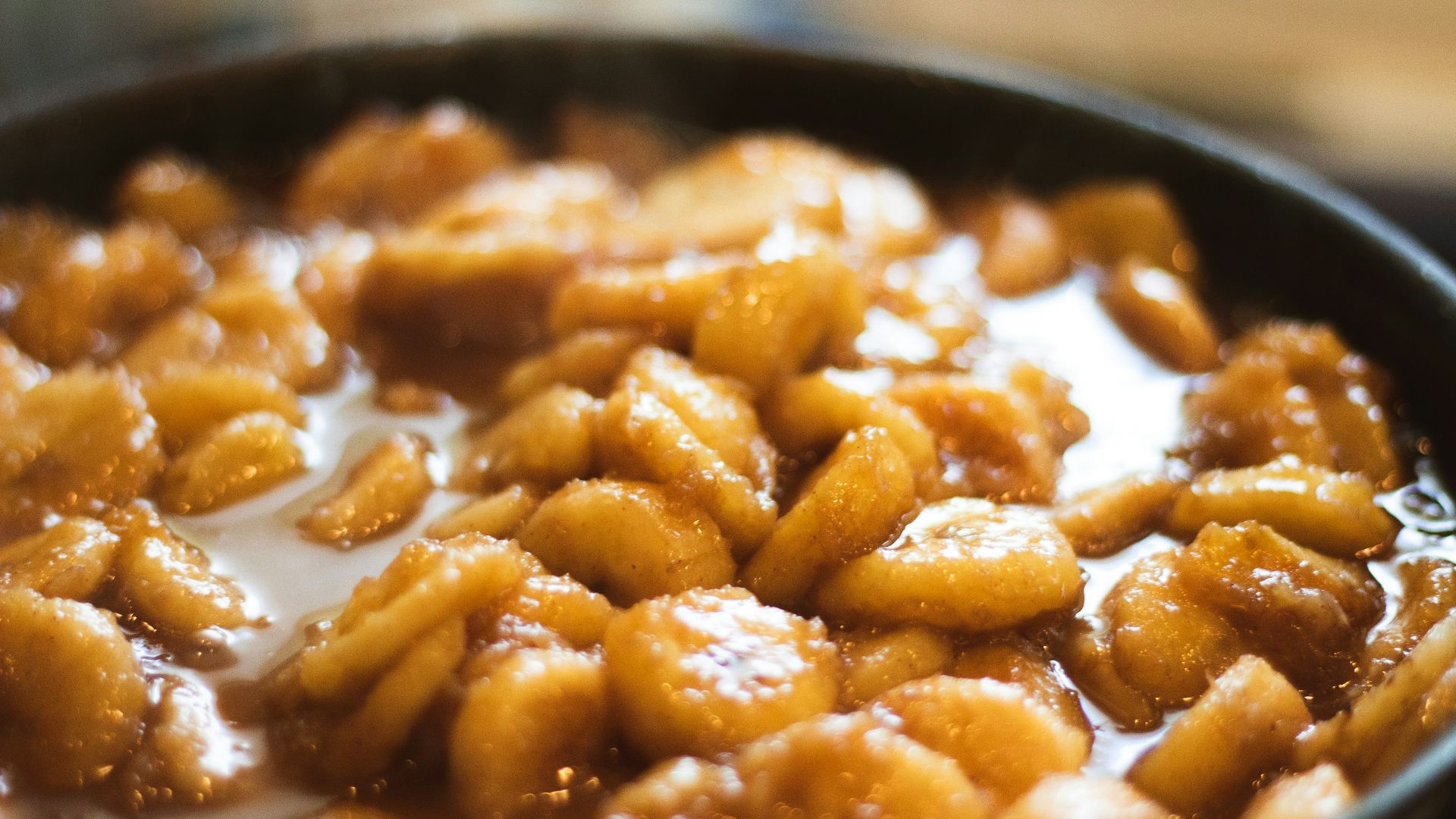
Baked and stewed apples were regular parts of old sickroom food. Cooking softened the fruit, and a little sugar made the dish a welcome change from broth, toast, and gruel. Both baked apples and green apples stewed with sugar appeared on the menu.
20. Orange Juice
Orange juice brought a sharp, fresh flavor to a menu otherwise filled with mild foods. It was served without the pulp, which kept the drink smooth and simple to swallow. Lemons and pomegranates were handled the same way, with the juice served while the pulp was left behind.