
Everyday Connections Can Influence Long-Term Health
Good health isn't shaped only by food, exercise, and medical care, because the relationships surrounding you can matter as well. Research consistently associates stronger social connection with better physical and mental health, while persistent loneliness and social isolation are linked with greater risks of cardiovascular disease, cognitive decline, depression, and earlier death. Although no social behavior guarantees longevity, these are 10 social habits that can support a longer life and 10 that may quietly work against it.

1. Maintaining Close Friendships
Regular contact with trusted friends gives you opportunities for companionship, emotional support, and practical help during difficult periods. Strong social relationships have repeatedly been associated with lower mortality risk across large studies. You don't need an enormous circle, since dependable relationships can matter more than collecting dozens of casual acquaintances.

2. Staying In Touch With Family
Calling, visiting, or otherwise keeping contact with supportive relatives can help maintain a reliable social network throughout different stages of life. Family relationships may provide practical assistance during illness as well as valuable emotional support.

3. Joining Groups You Actually Enjoy
Clubs, community organizations, classes, faith communities, and recreational groups create repeated opportunities to interact with other people. Regular participation can strengthen your sense of belonging while expanding your social network beyond close relatives.

4. Helping Other People Regularly
Helping a neighbor, mentoring someone, or volunteering can combine social interaction with a useful sense of purpose. Studies of older adults have associated volunteering and informal helping with several positive measures of health and well-being, including lower mortality in some research.

5. Asking For Support When You Need It
Independence can be valuable, but refusing every offer of assistance may leave you unnecessarily isolated during stressful periods. Reaching out to trusted people can provide emotional reassurance, practical solutions, or simply someone willing to listen.

6. Making Social Plans Part of Your Routine
Friendships can gradually disappear when getting together is always postponed until everyone's schedule becomes completely clear. Establishing recurring dinners, walks, calls, or activities makes connection a normal part of your routine.

7. Building More Than One Type of Relationship
Depending entirely on one partner or friend for companionship can leave your social world vulnerable if circumstances change. Maintaining relationships with relatives, friends, neighbors, coworkers, and community members creates a broader support network.

8. Sharing Meals With Other People
Eating with friends or family creates an easy opportunity for regular conversation and social engagement. Shared meals can encourage people to slow down, communicate, and maintain relationships that might otherwise receive less attention. What matters isn't hosting an elaborate dinner, since an ordinary lunch can provide the same opportunity to connect.

9. Resolving Conflict Constructively
Disagreements are unavoidable, but constantly turning them into personal attacks can damage relationships that might otherwise provide meaningful support. Strong relationships aren't conflict-free; they're relationships in which disagreements don't automatically destroy mutual respect.

10. Continuing to Meet New People
Social networks naturally change as people move, retire, change jobs, or experience major life events. Remaining open to new friendships can prevent your circle from steadily shrinking as circumstances change.

1. Letting Yourself Become Chronically Isolated
Spending occasional time alone isn't unhealthy, but prolonged social isolation is associated with significantly worse health outcomes. Research links isolation with increased risks of heart disease, stroke, dementia, depression, and premature mortality.

2. Canceling Nearly Every Social Plan
Everyone needs to decline invitations occasionally, especially during busy or exhausting periods. Habitually canceling plans, however, can gradually weaken friendships and reduce future invitations until your social network becomes noticeably smaller. If you value a relationship, occasionally being the person who follows through can help keep it active.

3. Waiting For Everyone Else to Reach Out
Friendships often become uneven when one person expects others to initiate every conversation, invitation, or visit. Over time, friends may interpret that silence as lack of interest and stop trying. Sending the occasional message yourself requires little effort while showing that maintaining the relationship matters to you too.

4. Ignoring Persistent Loneliness
Loneliness isn't simply the same thing as spending time alone, since people can feel disconnected even in crowded rooms or busy households. Persistent loneliness has been associated with poorer mental and physical health and increased mortality risk.

5. Letting Retirement End Your Social Life
Leaving the workforce can unexpectedly remove daily conversations, routines, and relationships that previously happened automatically. Without replacing some of that interaction, retirement may increase the risk of isolation for certain people.

6. Keeping Every Problem to Yourself
Constantly hiding difficulties can prevent supportive people from knowing that you could use assistance. That habit may become especially problematic during illness, bereavement, financial difficulties, or other stressful circumstances.

7. Staying in Constantly Hostile Relationships
Having frequent social contact isn't automatically beneficial if those interactions consistently involve hostility, intimidation, or severe conflict. Relationship quality matters alongside the number of people in your network, and chronic interpersonal stress can affect both psychological and physical well-being.

8. Allowing Your Social Circle to Keep Shrinking
It's natural for certain friendships to fade, but never replacing lost connections can gradually produce an extremely limited network. The effects may become noticeable only after a move, retirement, breakup, or bereavement removes another important relationship.
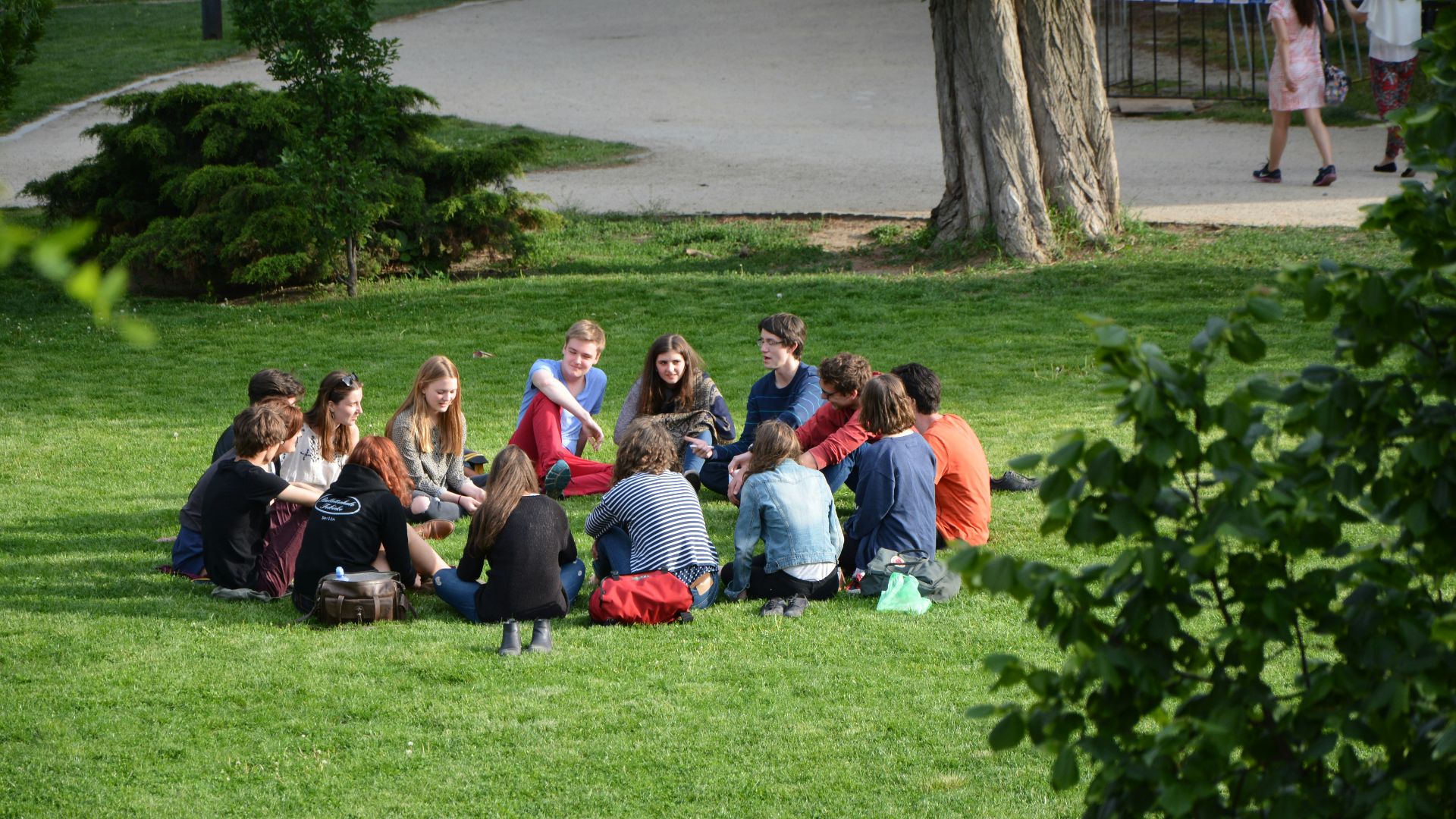
9. Making Alcohol the Center of Socializing
Meeting friends for a drink can feel completely ordinary, but routinely organizing social life around heavy alcohol consumption creates separate health risks. Alcohol increases the risk of numerous diseases and injuries, and greater consumption generally brings greater risk.
 Priscilla Du Preez 🇨🇦 on Unsplash
10. Replacing Meaningful Interaction With Passive Scrolling
Digital communication can strengthen relationships, particularly when distance makes meeting difficult, but not every online activity provides meaningful connection. Hours of passive scrolling shouldn't automatically be treated as equivalent to supportive conversation or genuine social participation.

KEEP ON READING

20 Ways Perimenopause Changes Fitness and Appetite


20 Unhealthy Obsessions People Have

20 Gut-Friendly Fermented Foods For Everyday Meals