Potentially Deadly Foods
Sure, go ahead and lick the cookie dough off the spatula. Go shuck some raw oysters. Dig into that leftover takeout that's been sitting on the counter for a couple hours. Heck, challenge yourself to eat a ghost pepper for a viral TikTok. Just know that, as harmless as most foods may seem, they're not as innocent as you might think. From containing natural toxins and dangerous bacteria to being well-known allergy triggers, certain snacks and dishes could be potentially fatal if you're not careful. Unless you want to spend a night or three in a hospital ward, you definitely don't want to play around with these 20 eats.
1. Ghost Peppers (and Other Extreme Chilies)
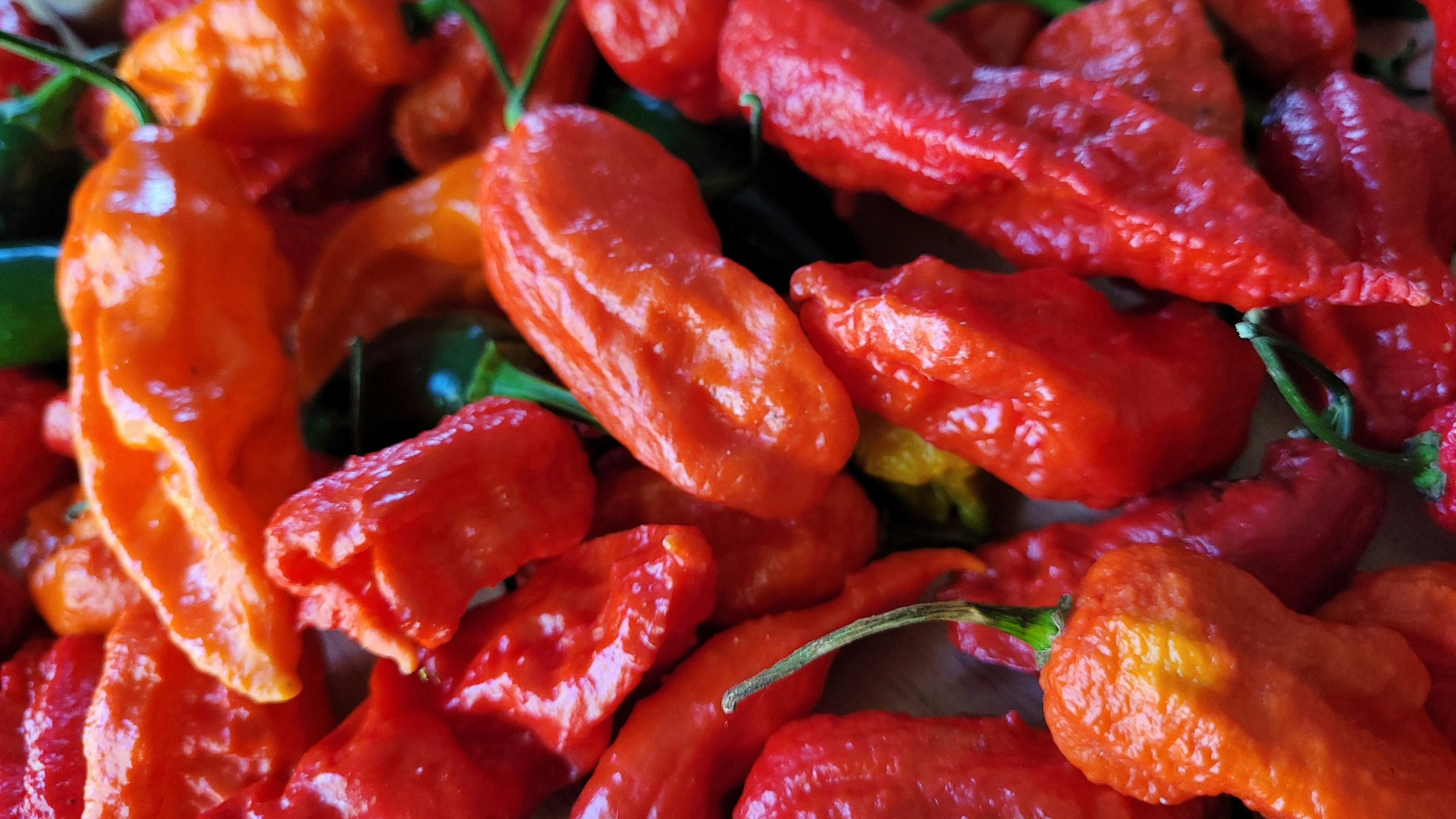
Eating a ghost pepper, Carolina Reaper, or similarly scorching chili when you have little tolerance for extreme spice can deliver far more than an uncomfortable mouth. Large doses of capsaicin can cause intense abdominal pain, vomiting, breathing problems, chest discomfort, and, in rare reported cases, more serious complications. If your body's response to jalapeños is already less than enthusiastic, taking on one of the world's hottest peppers for entertainment probably isn't the wisest upgrade.
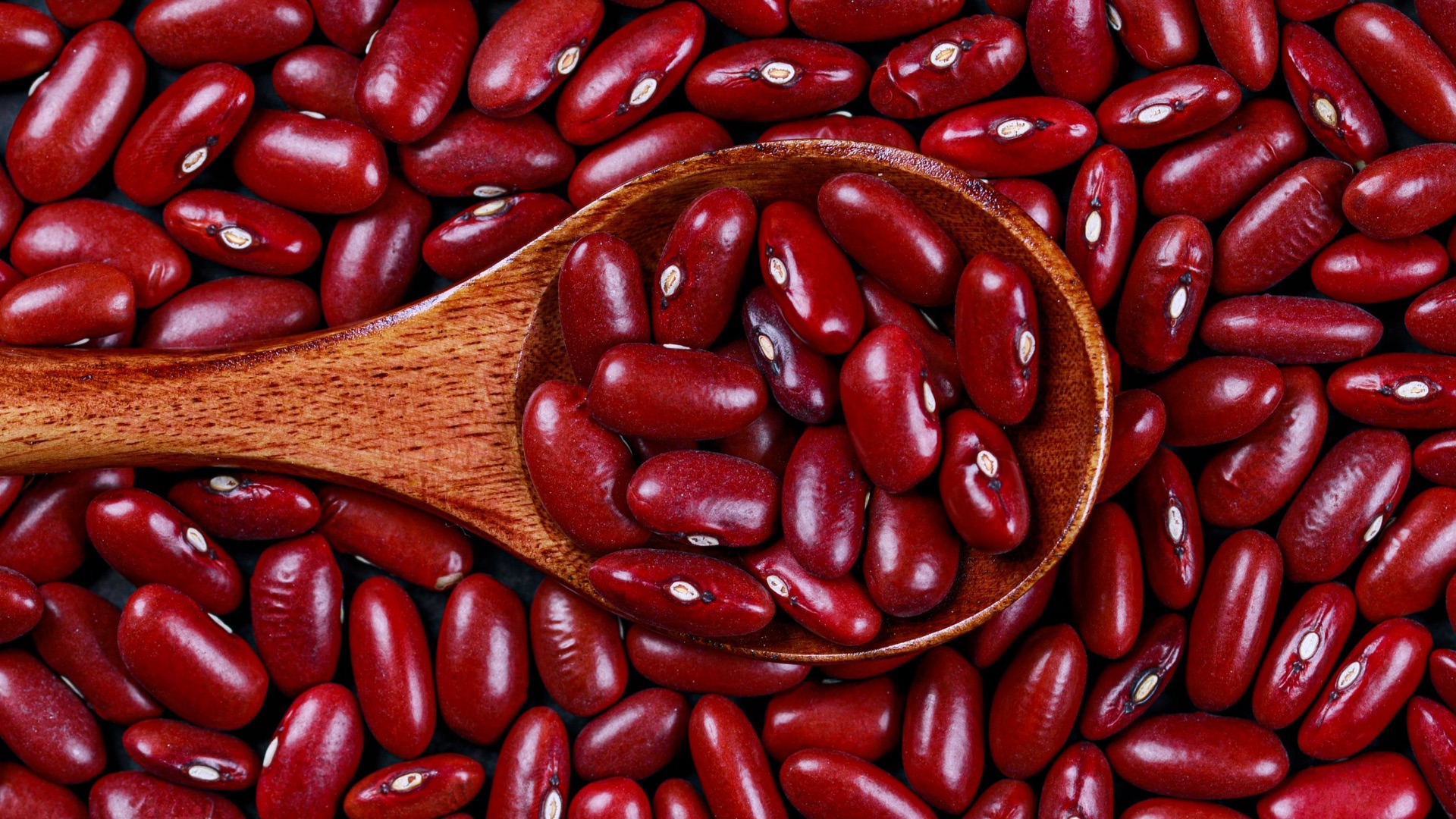
2. Raw or Undercooked Kidney Beans
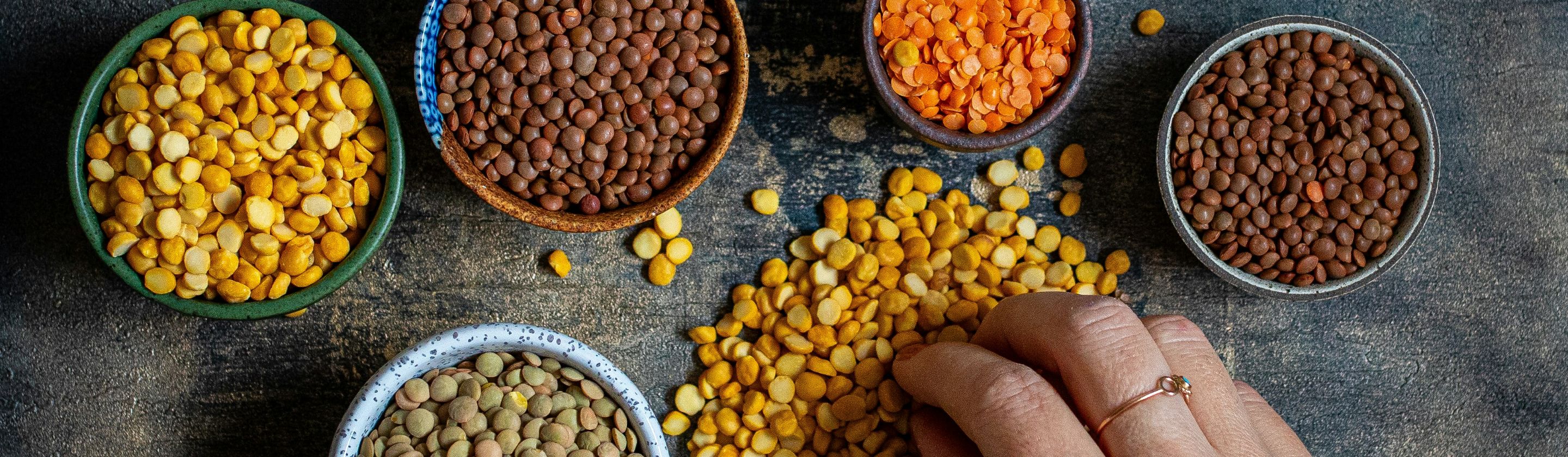
Kidney beans are nutritious when they're properly cooked, but raw and inadequately cooked ones contain high levels of a lectin called phytohaemagglutinin. Eating even a relatively small amount can bring on severe nausea, vomiting, abdominal pain, and diarrhea, sometimes within just a few hours. Dried kidney beans need proper soaking and vigorous boiling, so this is one food where taking a shortcut with the cooking process isn't worth it.
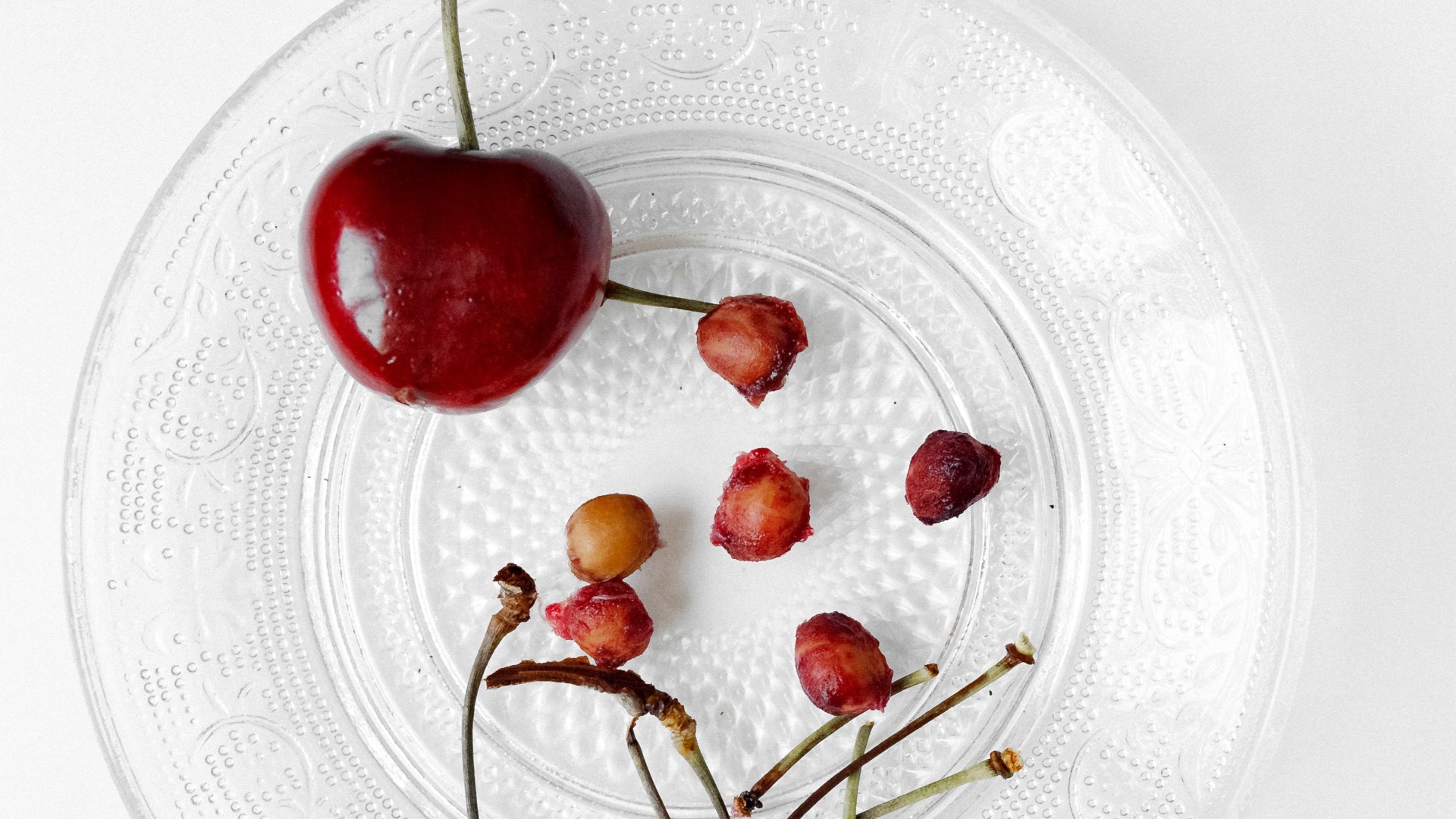
3. Cherry Pits and Other Stone-Fruit Kernels
The flesh of cherries, peaches, apricots, and plums is perfectly ordinary food, but what's inside their pits is a different story. Their kernels contain amygdalin, which can release cyanide when the kernels are crushed or chewed, and consuming enough can cause serious poisoning. Accidentally swallowing an intact cherry pit usually isn't a crisis (it'll come back out at the other end), but deliberately cracking open and eating a collection of them is an entirely different situation.
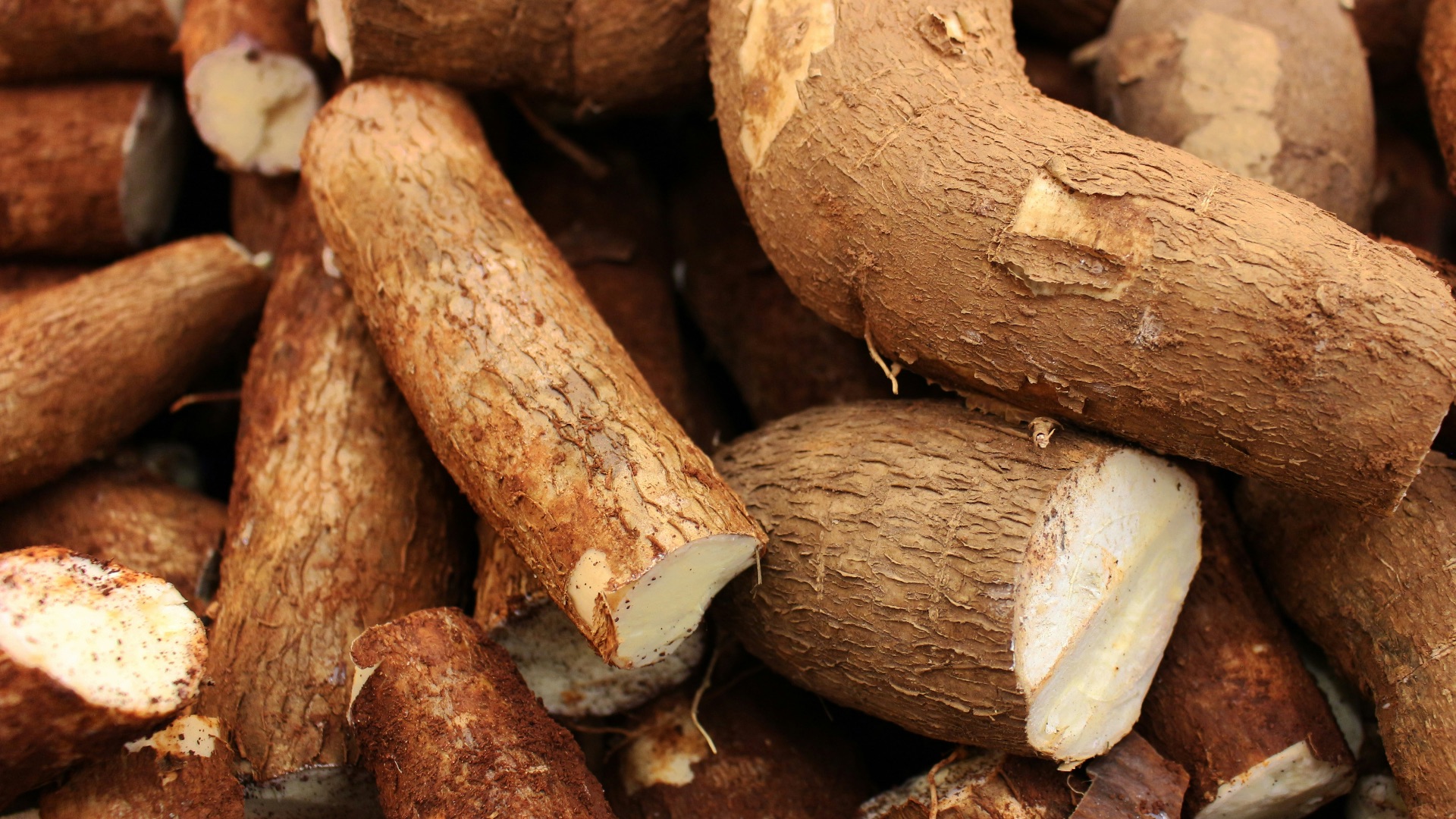
4. Improperly Prepared Cassava
Cassava feeds millions of people around the world, yet some varieties naturally contain compounds capable of producing cyanide. Traditional preparation methods such as soaking, drying, fermenting, and thorough cooking help reduce those compounds, while badly processed cassava can cause acute poisoning. If you're unfamiliar with preparing raw cassava yourself, buying a properly processed product is considerably safer than experimenting your way through dinner.
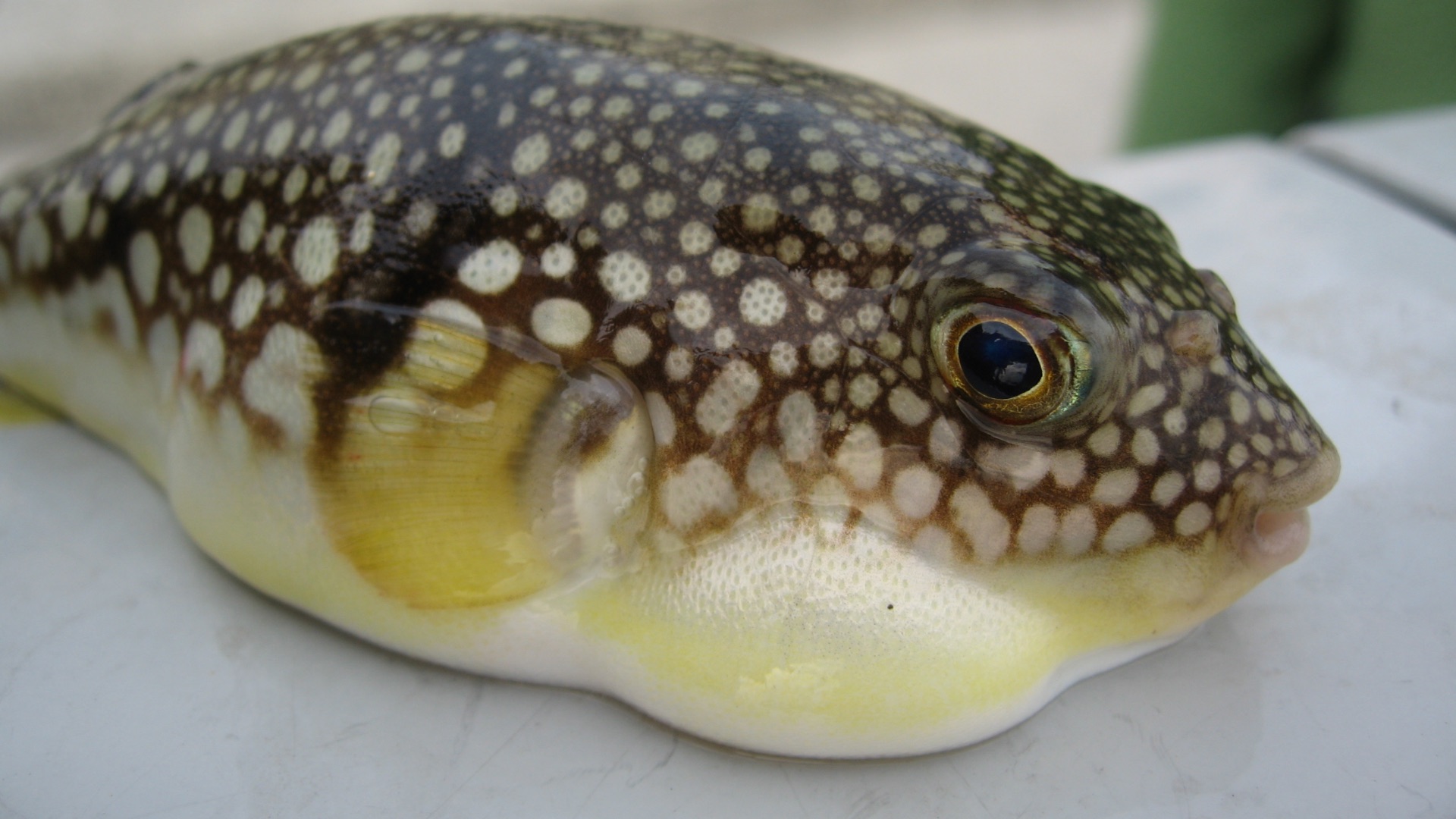
5. Pufferfish
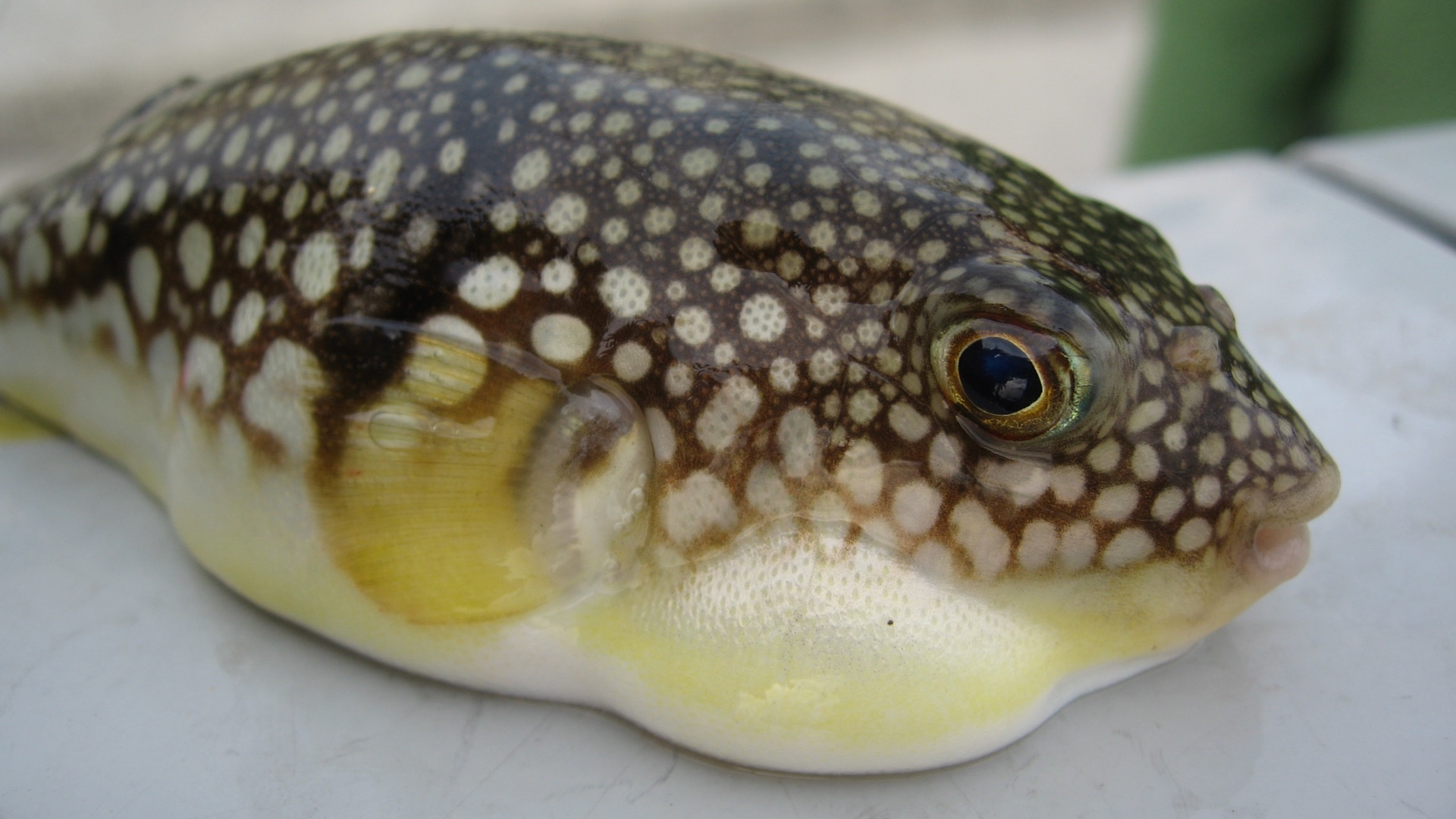
Pufferfish, commonly associated with the Japanese dish fugu, can contain tetrodotoxin in certain organs and tissues. The toxin can interfere with nerve and muscle function, potentially causing paralysis, respiratory failure, and death, and ordinary cooking doesn't reliably destroy it. This is one delicacy where the skill and legal authorization of whoever prepared your meal matter a great deal more than your willingness to try something adventurous.
6. Wild Mushrooms
A mushroom growing in a forest might look remarkably similar to an edible variety, but appearances aren't enough to determine whether it's safe. Certain poisonous mushrooms can cause severe gastrointestinal illness, liver or kidney failure, neurological problems, coma, or death after they're eaten. Unless you have legitimate expertise in mushroom identification, dinner is not the occasion to test how well you remember photographs from a foraging guide.
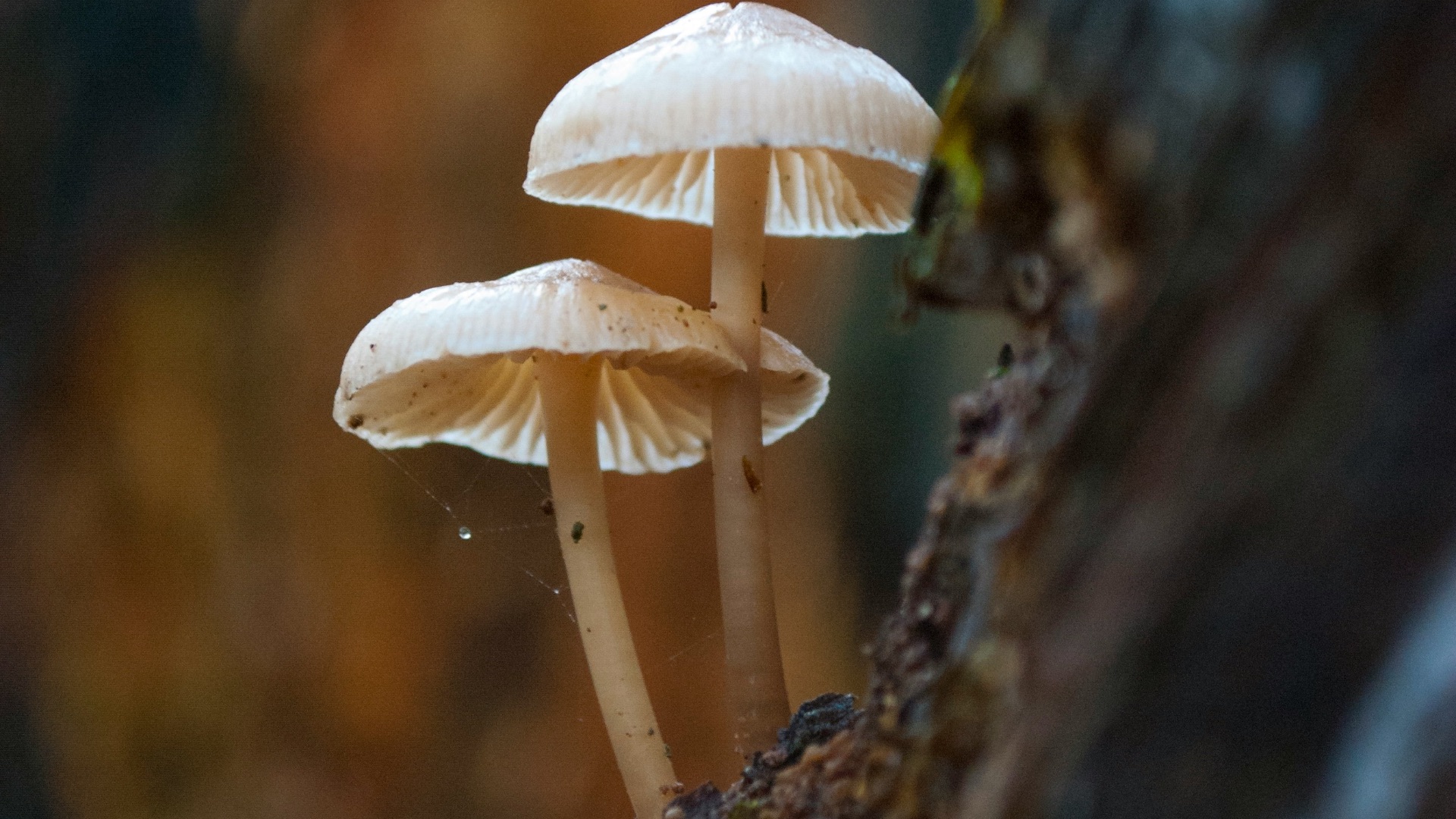
7. Peanuts
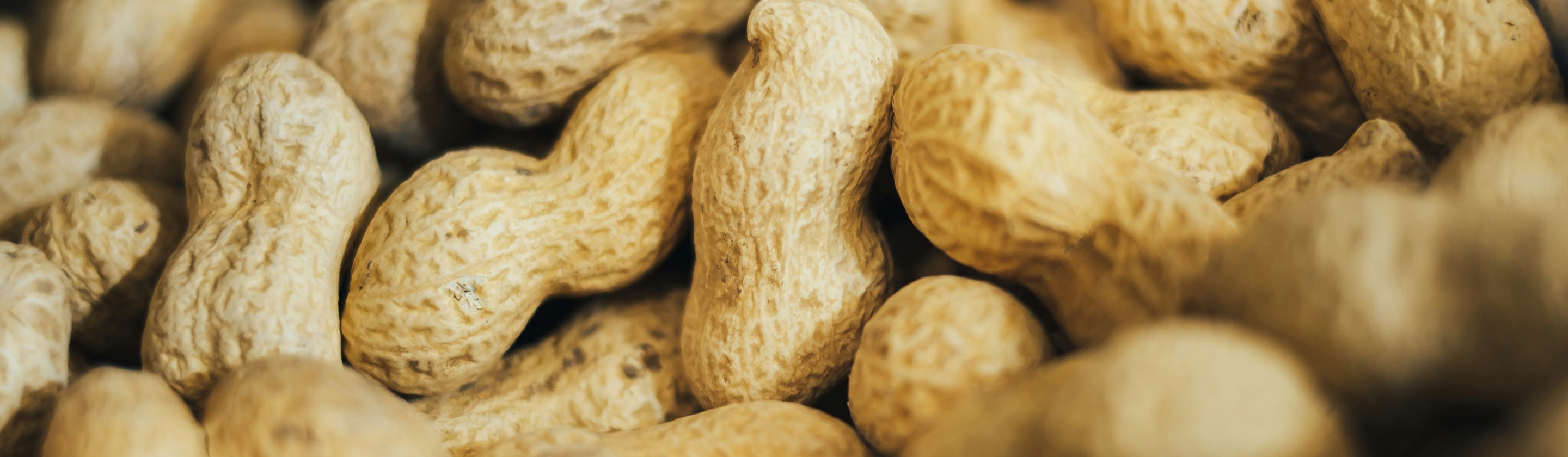
For most people, peanuts are an inexpensive snack and a reliable companion to jelly, but they're also responsible for potentially severe allergic reactions in susceptible individuals. A peanut allergy can trigger anaphylaxis, which may involve swelling, breathing difficulty, a dangerous drop in blood pressure, and the need for immediate emergency treatment. Someone with a diagnosed allergy doesn't get to negotiate with their immune system simply because the dessert looks particularly good.
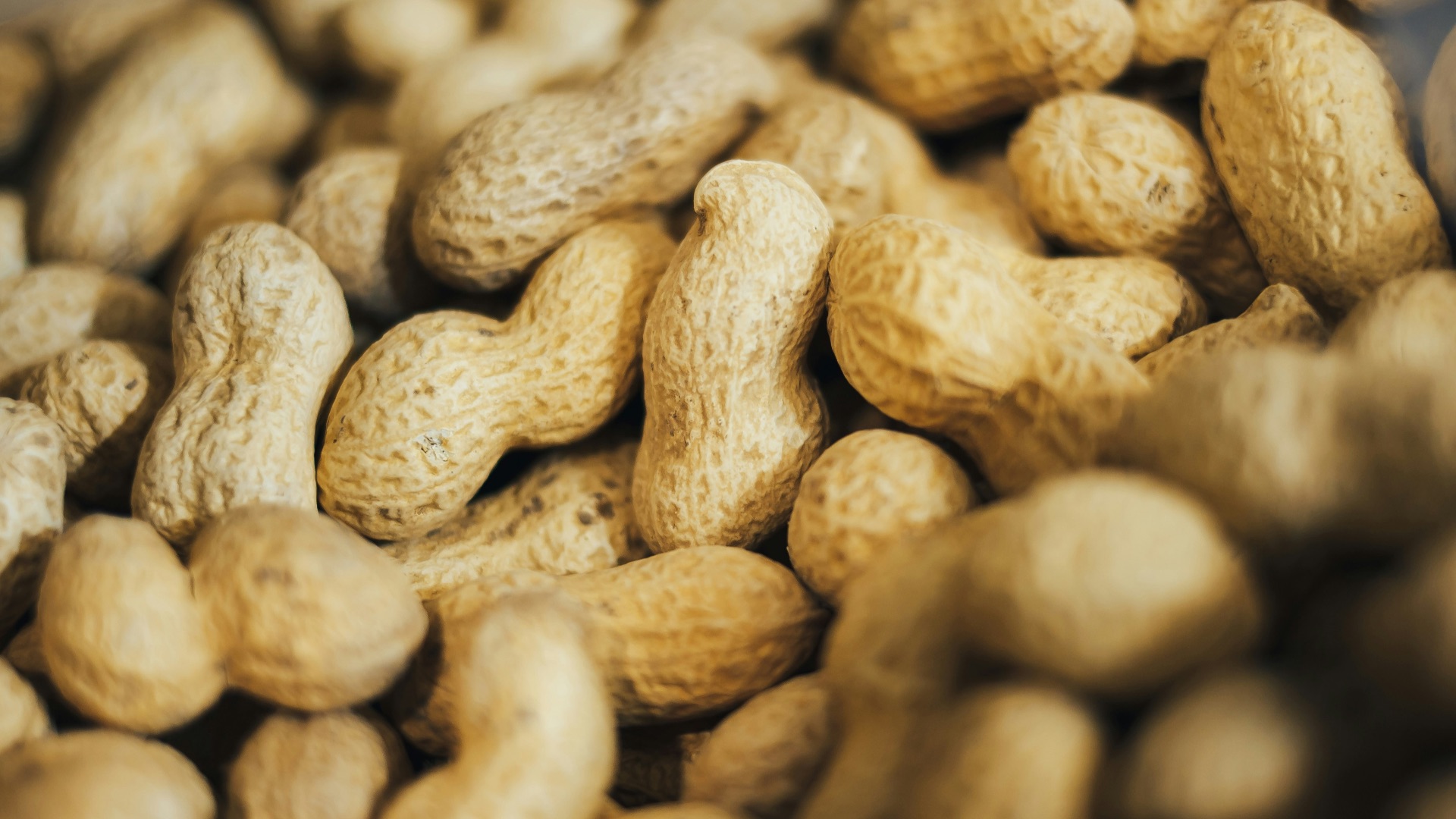
8. Shellfish
Shrimp, crab, lobster, and other crustacean shellfish are among the foods most commonly associated with serious allergic reactions. For an allergic person, even a small exposure or an unexpectedly contaminated dish can escalate into an emergency involving hives, swelling, vomiting, breathing trouble, or anaphylaxis. Restaurant meals require particular attention because sauces, fryers, utensils, and preparation surfaces can introduce shellfish where you might not expect to find it.
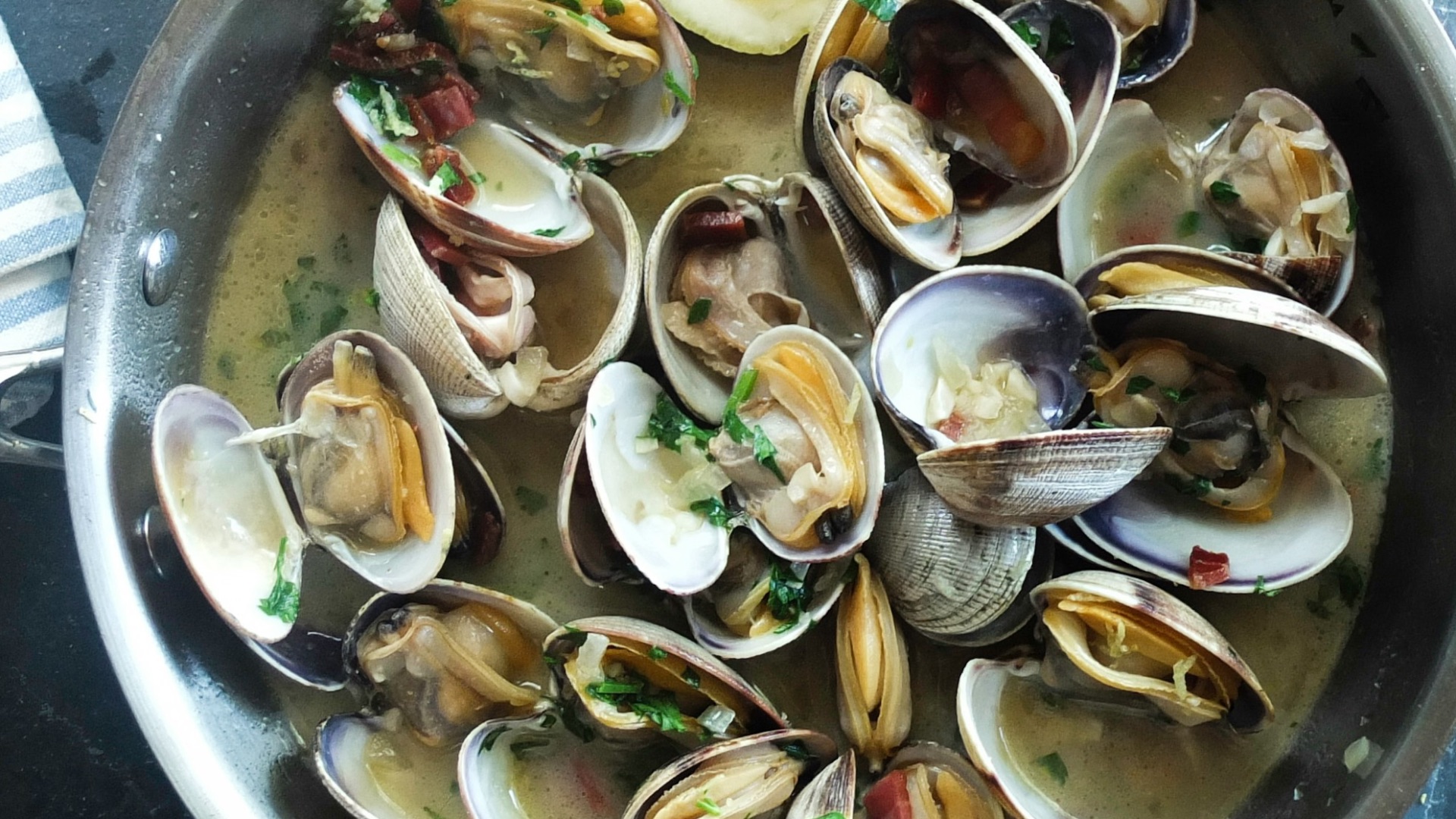
9. Raw Oysters
A plate of oysters on the half shell may be a prized seafood experience, but eating them raw also means accepting the possibility that harmful microorganisms haven't been killed by cooking. Certain Vibrio bacteria naturally occur in coastal waters and can cause severe illness, with people who have liver disease or weakened immune systems facing an especially high risk of dangerous complications.
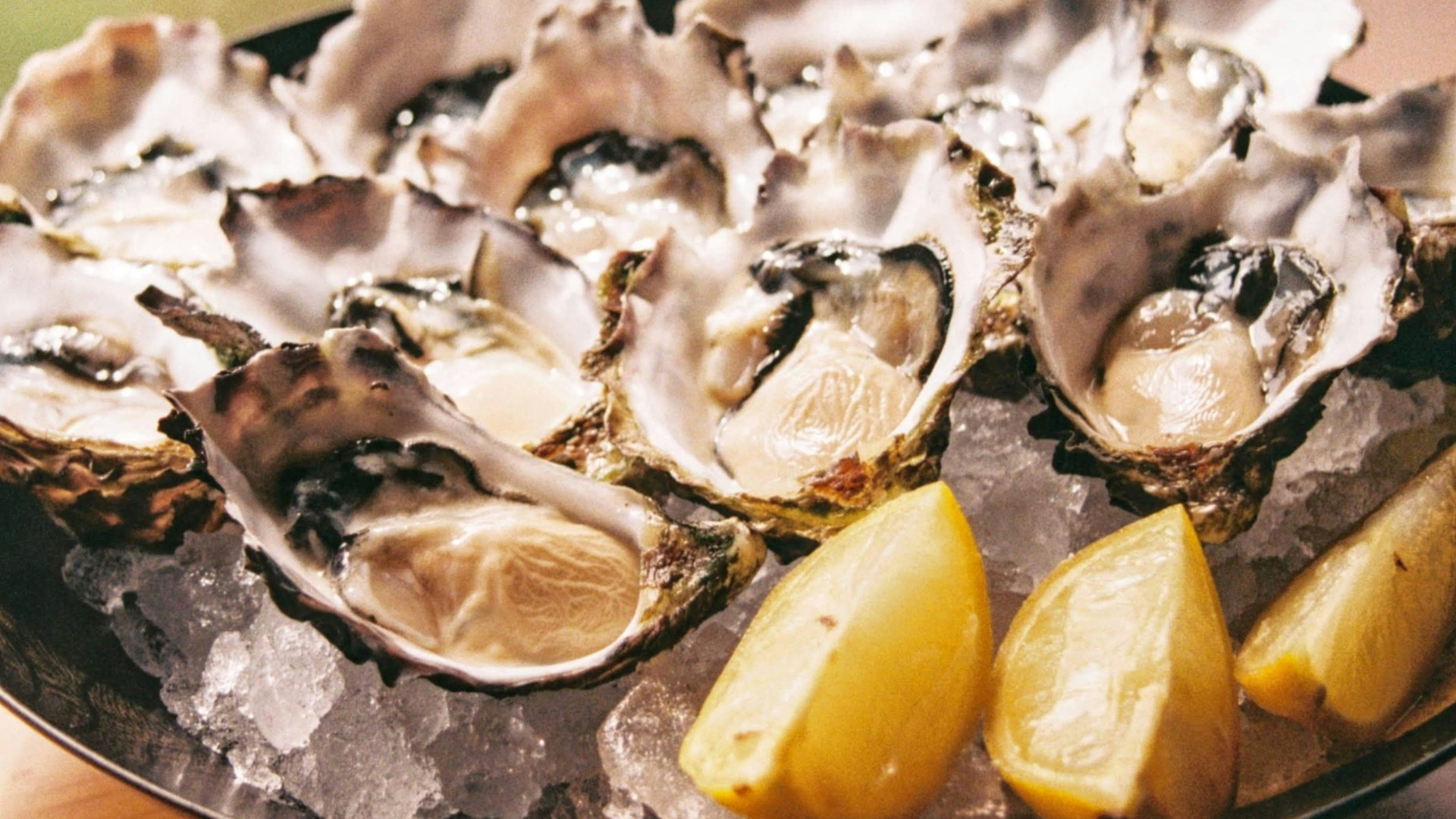
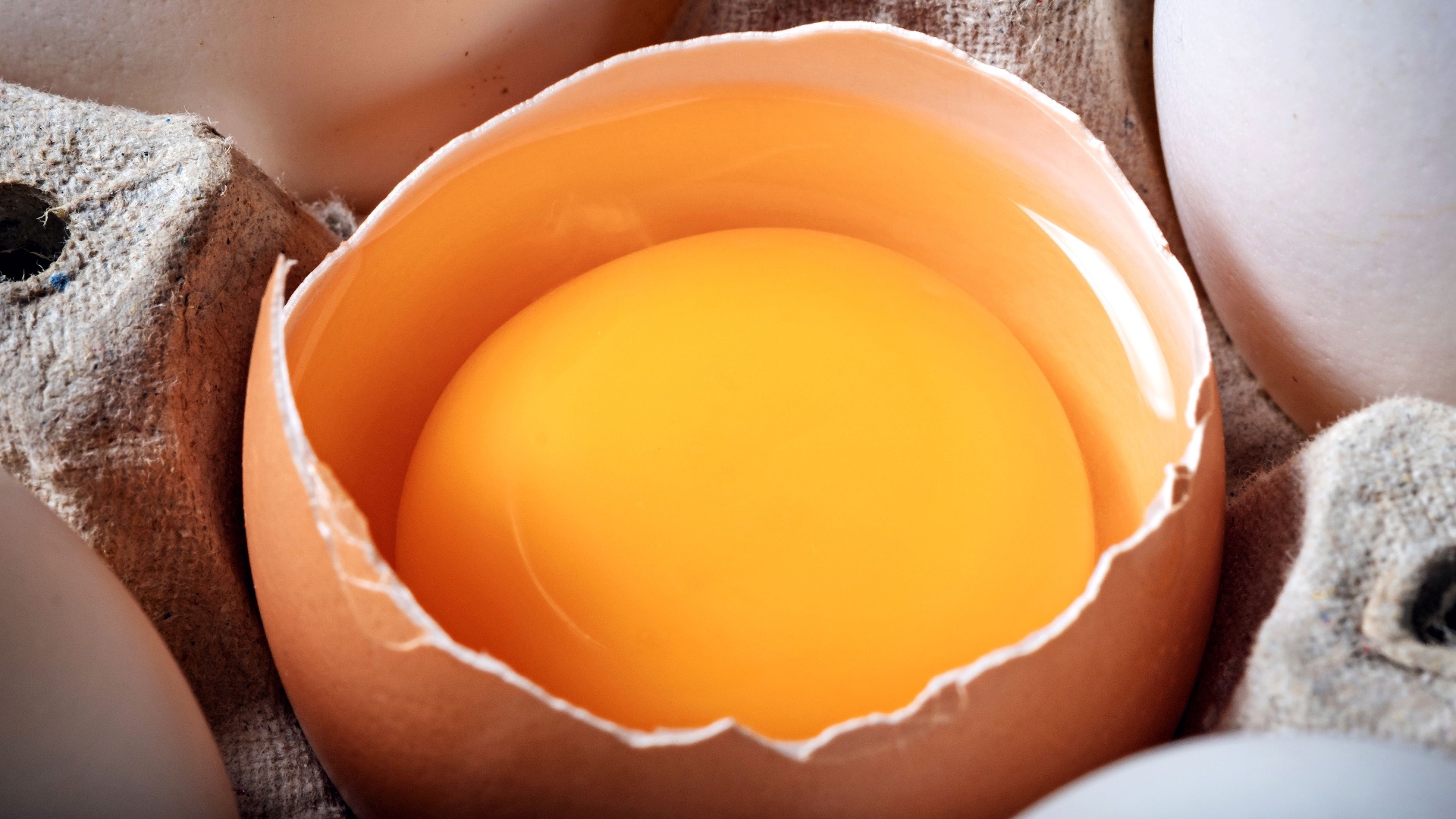
10. Undercooked or Raw Eggs
Eggs can be perfectly safe when cooked properly, but raw or undercooked eggs can sometimes carry Salmonella. That means foods like homemade mayonnaise, cookie dough, or soft-centered eggs can pose a risk if the eggs aren't pasteurized. If you're unsure, using pasteurized eggs or fully cooking them is a simple way to avoid an unpleasant surprise.
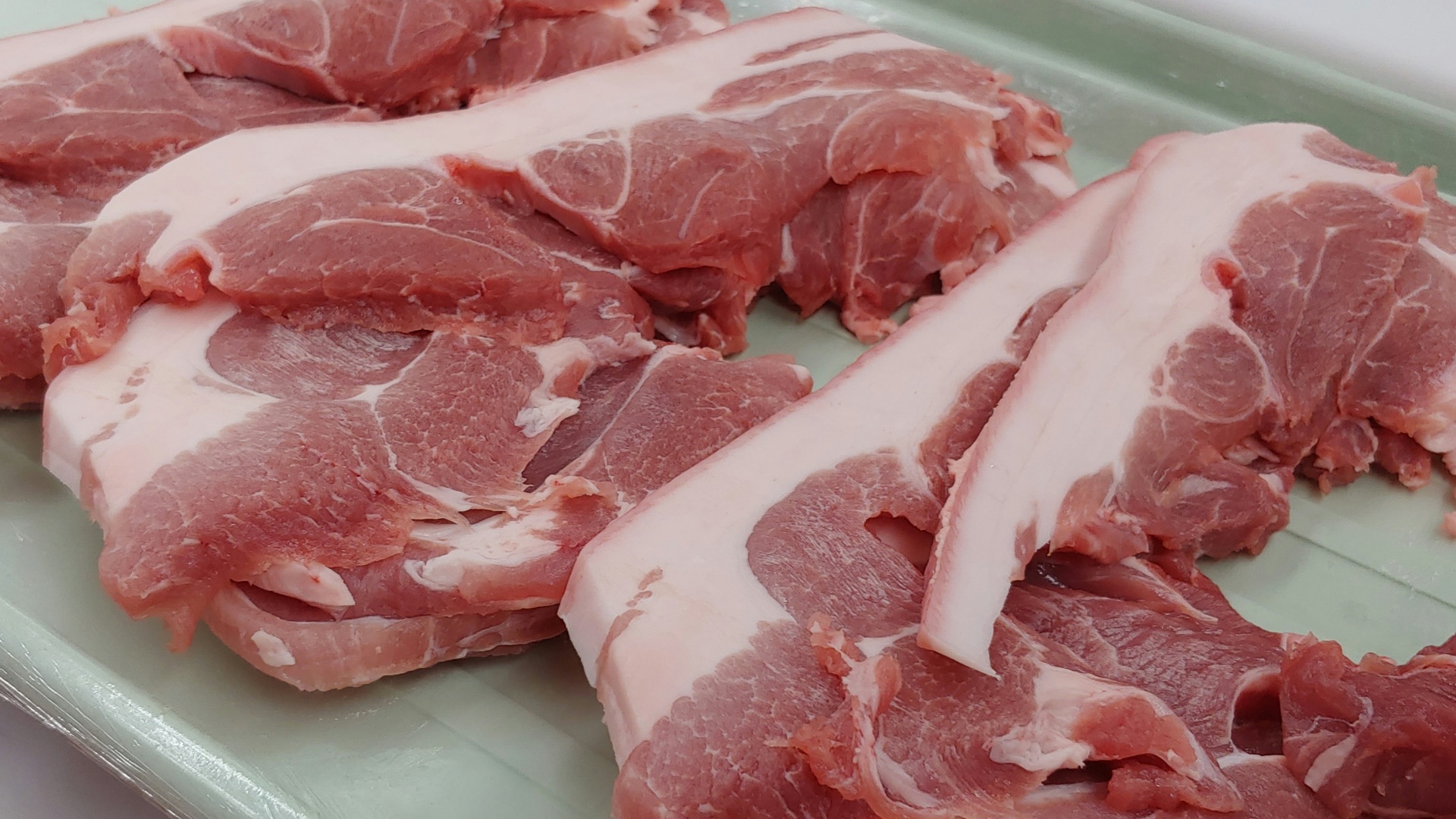
11. Undercooked Pork
Pork that isn’t cooked all the way through can carry parasites and bacteria that you definitely don’t want in your system. One of the main concerns is Trichinella parasites, which can cause trichinellosis, along with other pathogens like Yersinia that may lead to serious gastrointestinal illness. That slightly pink center might look tempting in a rush, but pork really does need to reach a safe internal temperature to keep things from going sideways.
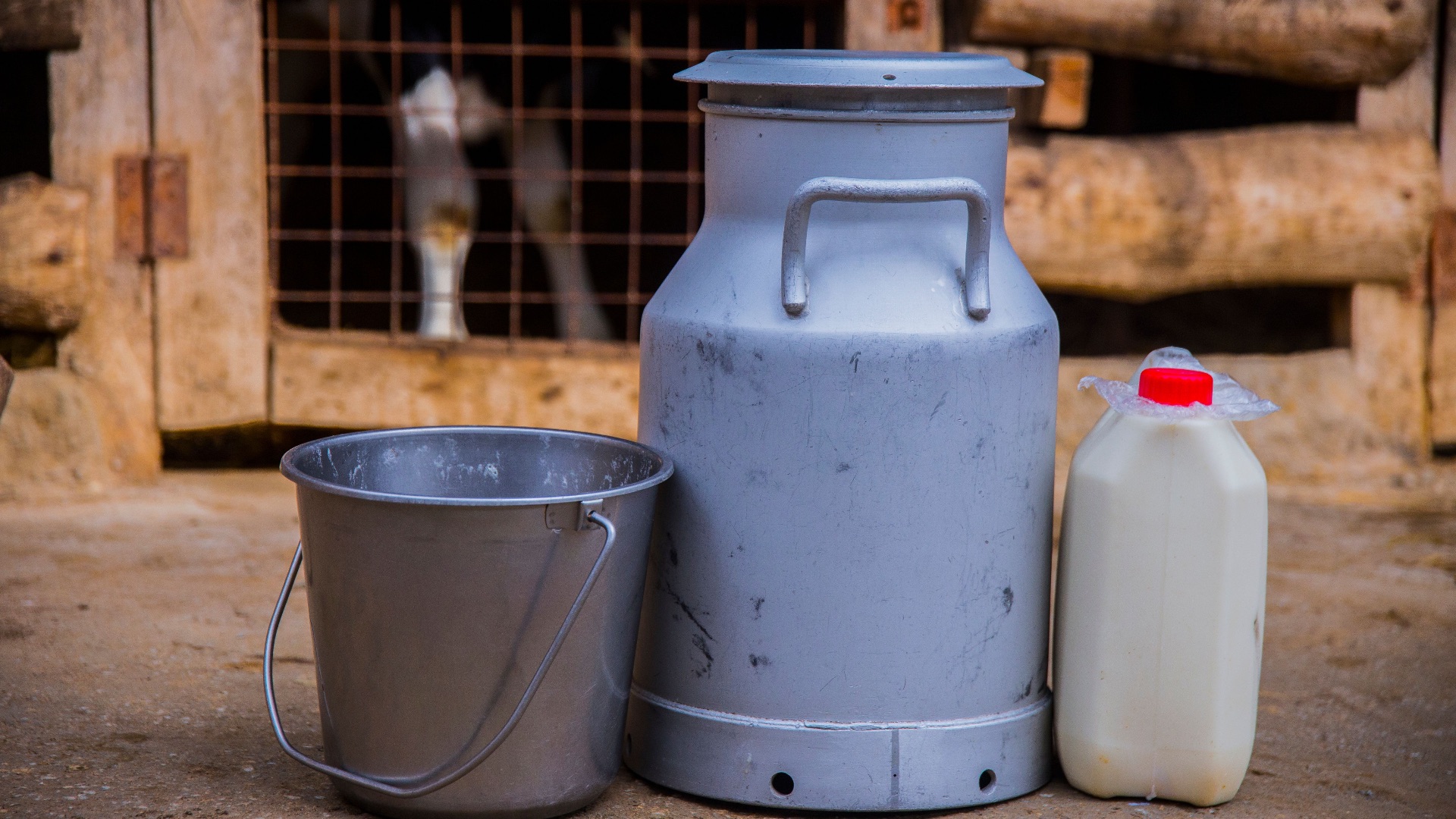
12. Unpasteurized Milk
Raw milk has enthusiastic supporters, but skipping pasteurization also skips a process designed to kill disease-causing microorganisms. Unpasteurized milk and products made from it can harbor bacteria such as Salmonella, E. coli, Campylobacter, and Listeria, with children, pregnant people, older adults, and people with weakened immune systems facing greater risks from infection. Whatever qualities someone believes raw milk offers, harmful bacteria aren't something you can reliably identify by taking a cautious sniff.
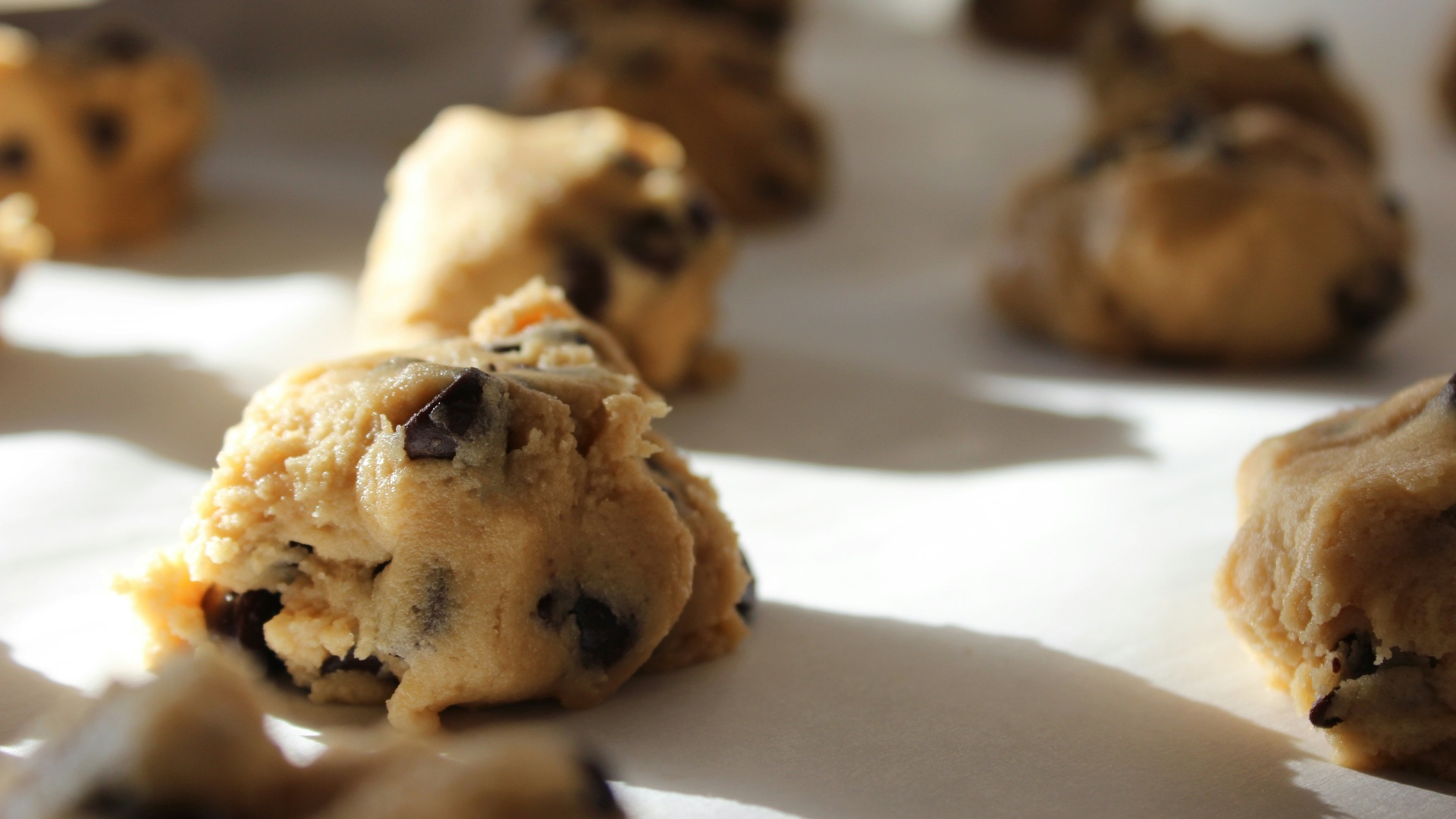
13. Raw Cookie Dough
The temptation to steal a spoonful of cookie dough isn't dangerous solely because of the raw eggs. Uncooked flour can also carry harmful bacteria because flour is a raw agricultural product and normally hasn't undergone a treatment that guarantees pathogens have been destroyed. If you want the cookie-dough experience without the unnecessary gamble, products specifically made with heat-treated flour and pasteurized eggs are the safer choice.
14. Leftover Rice Kept at Room Temperature
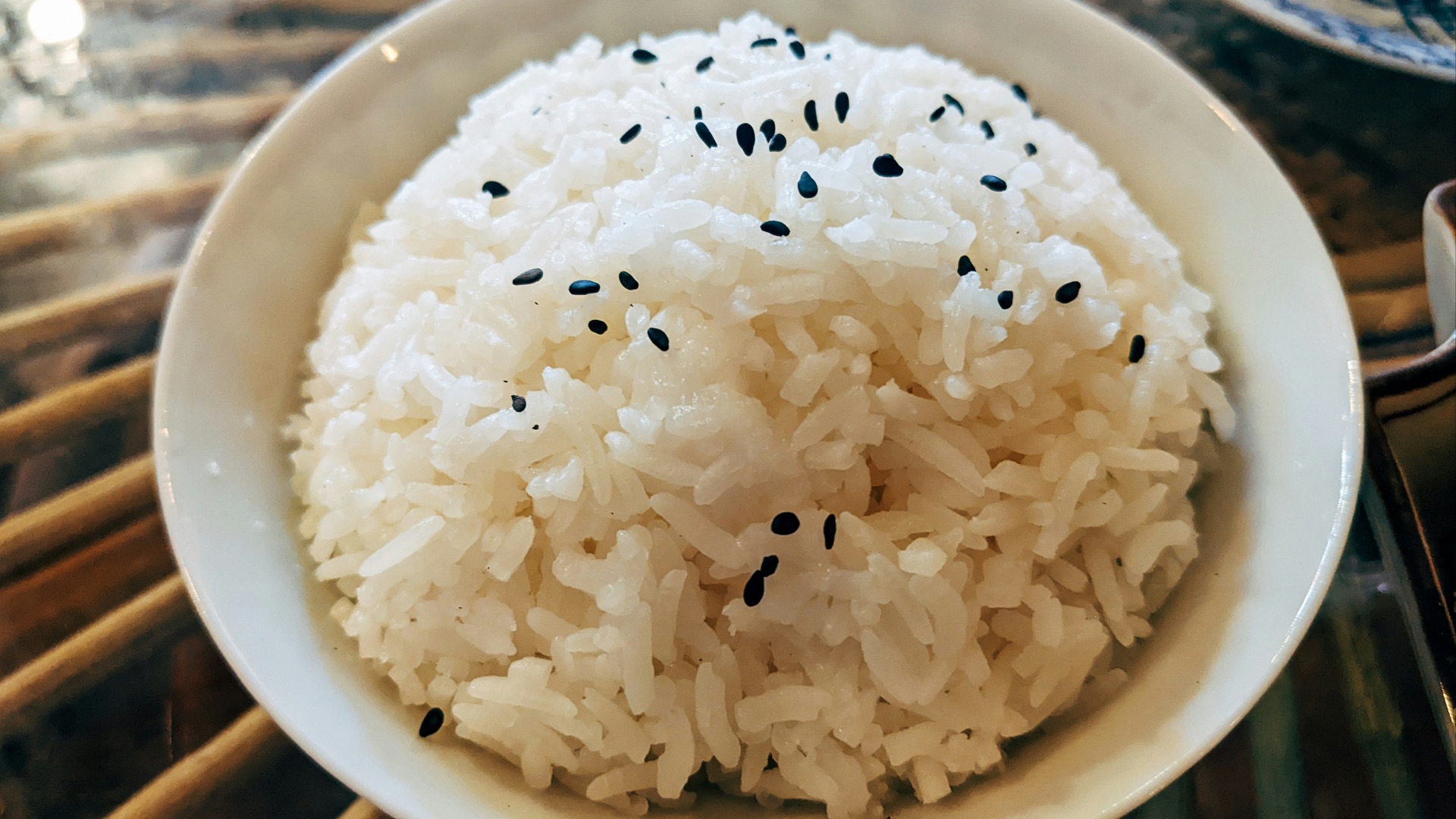
Rice can become risky when cooked grains spend too long sitting in the temperature range where bacteria multiply readily. Spores of Bacillus cereus can survive cooking, grow afterward, and produce toxins associated with sudden vomiting or diarrhea when rice is stored improperly. Refrigerating leftovers promptly matters because reheating neglected rice isn't guaranteed to undo everything that happened while it sat on the counter.
15. Spoiled Fish
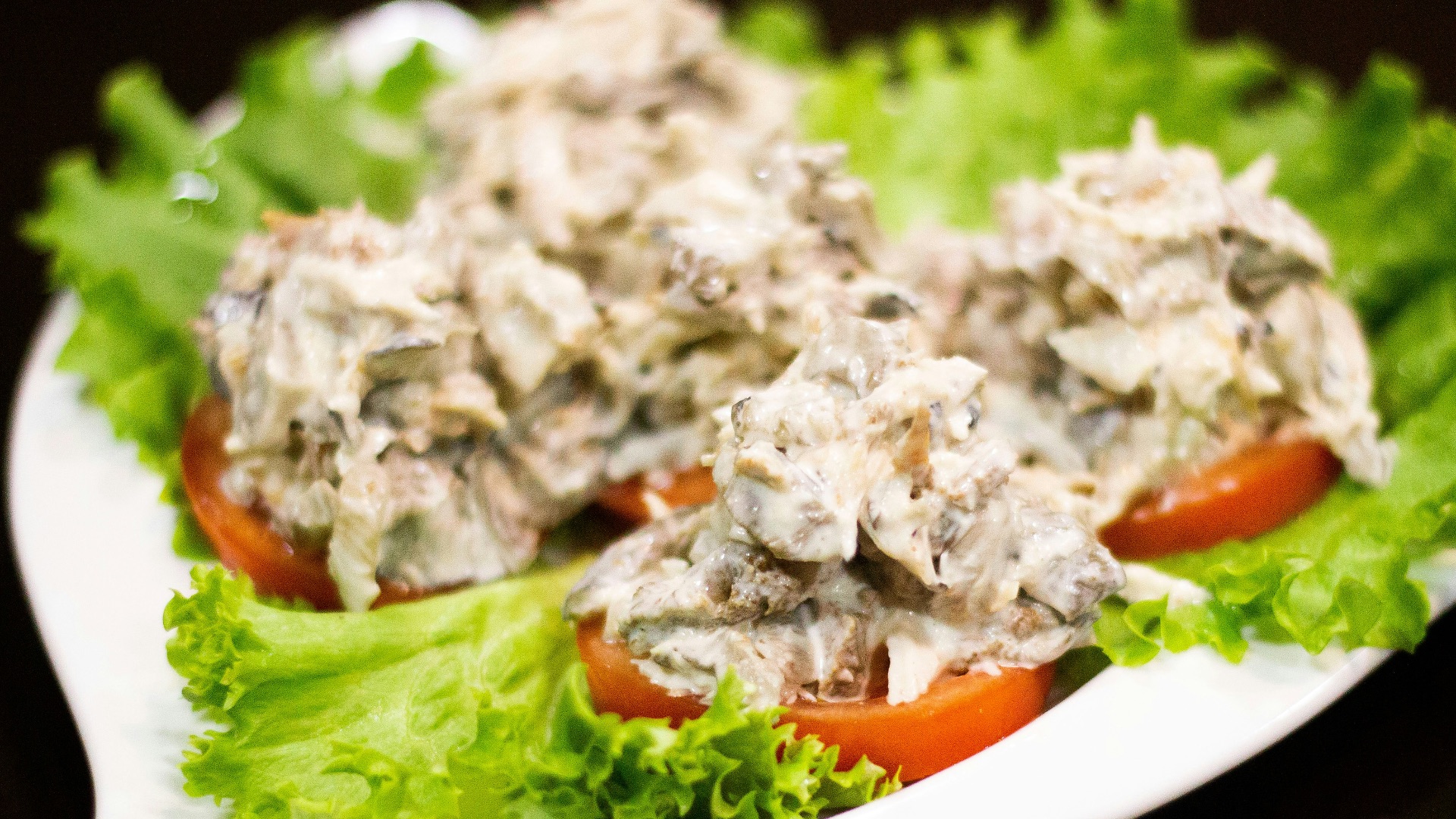
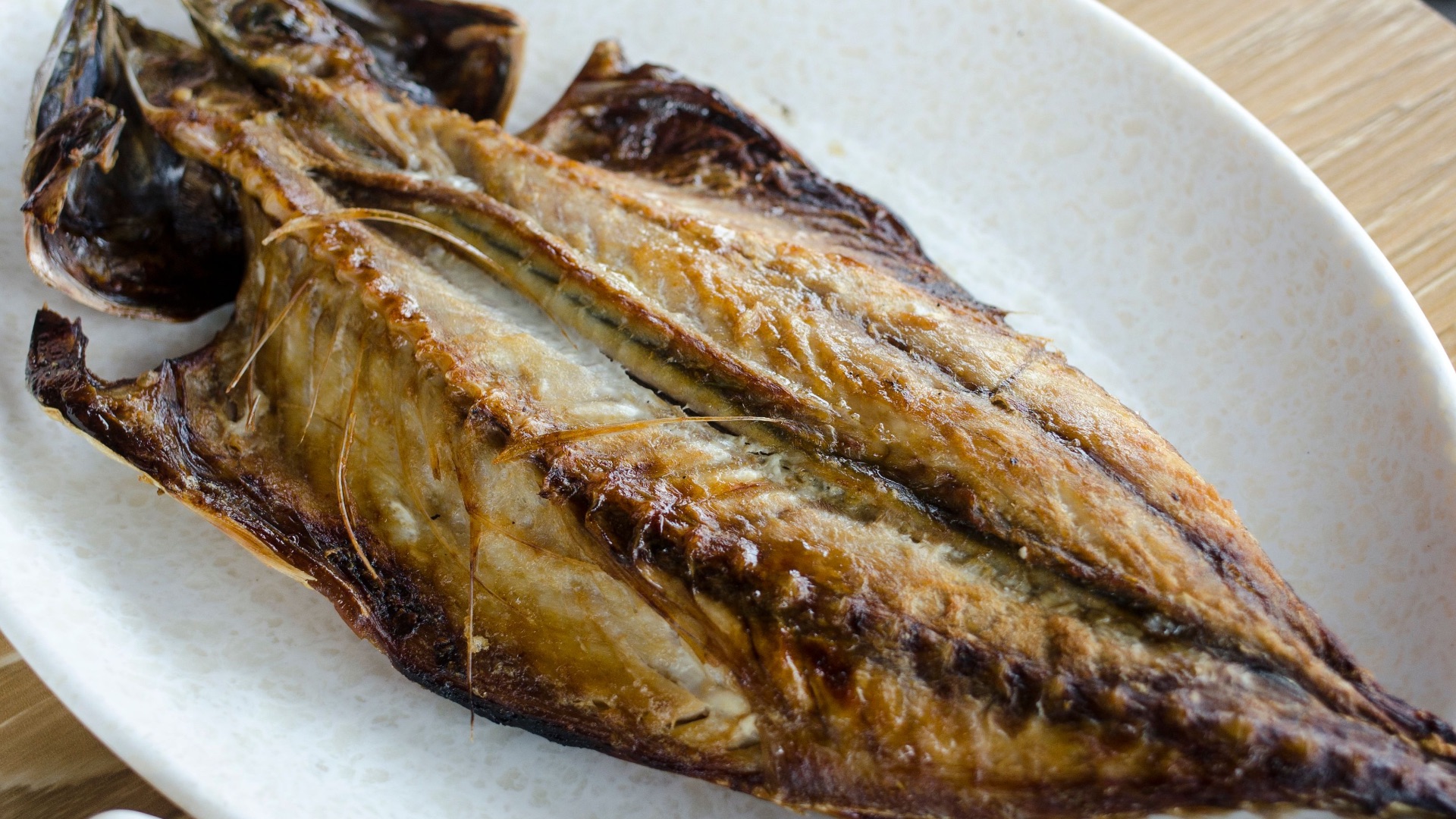
Some fish can cause a form of food poisoning known as scombroid poisoning when they're stored at improper temperatures after being caught. Bacteria can generate high levels of histamine in fish such as tuna and mackerel, producing flushing, headache, rash, palpitations, nausea, and symptoms that can resemble an allergic reaction. Cooking the fish later doesn't necessarily solve the problem once substantial histamine has already formed.
 Christine Isakzhanova on Unsplash
16. Large Amounts of Black Licorice
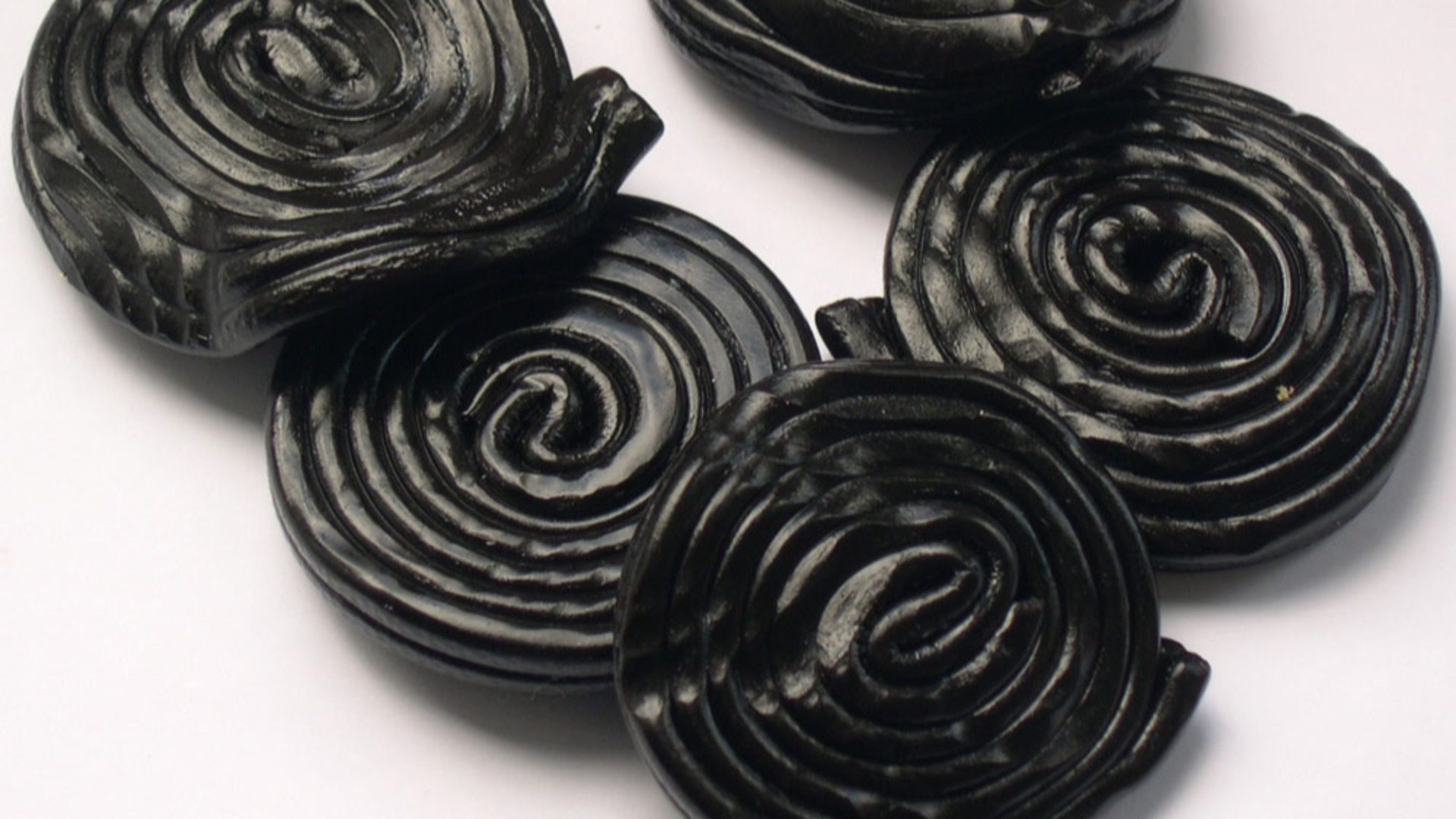
Black licorice isn't normally a medical emergency, but eating large quantities repeatedly can become a problem because real licorice contains glycyrrhizin. Excessive intake can lower potassium levels and contribute to abnormal heart rhythms, high blood pressure, swelling, and other cardiovascular problems, particularly in people with certain existing conditions. A few pieces are one thing, while treating an entire bag as a personal serving size every day gives the candy considerably more influence over your physiology.
17. Nutmeg in Very Large Doses
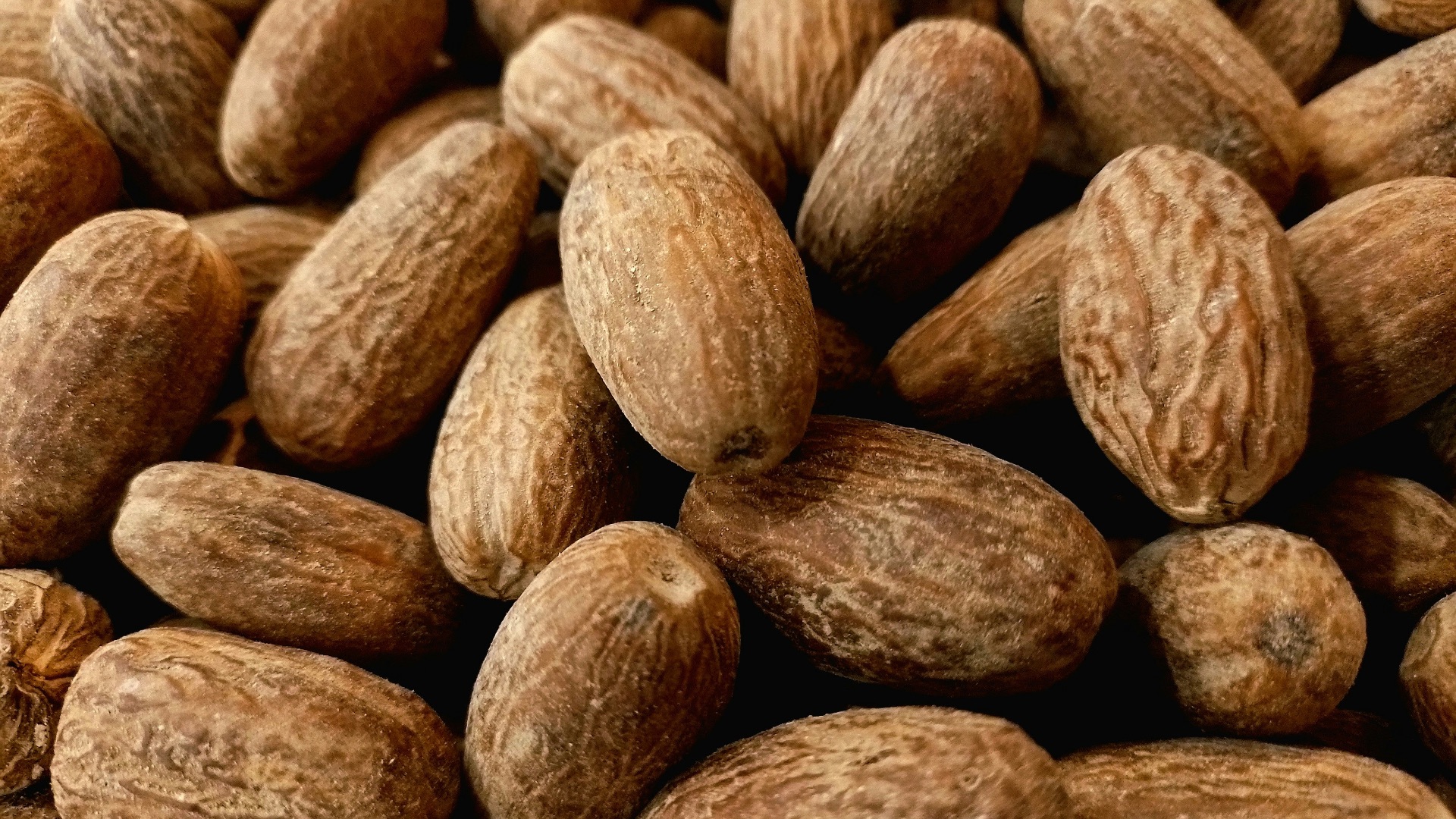
The sprinkle of nutmeg on a dessert is harmless for most people, but consuming the spice by the spoonful is another matter. Large amounts can cause nausea, agitation, confusion, extreme drowsiness, rapid heartbeat, hallucinations, and other toxic effects that may require medical observation or treatment. Internet challenges and attempts to use nutmeg recreationally therefore turn an ordinary baking ingredient into something far less innocent.
18. Green or Sprouting Potatoes
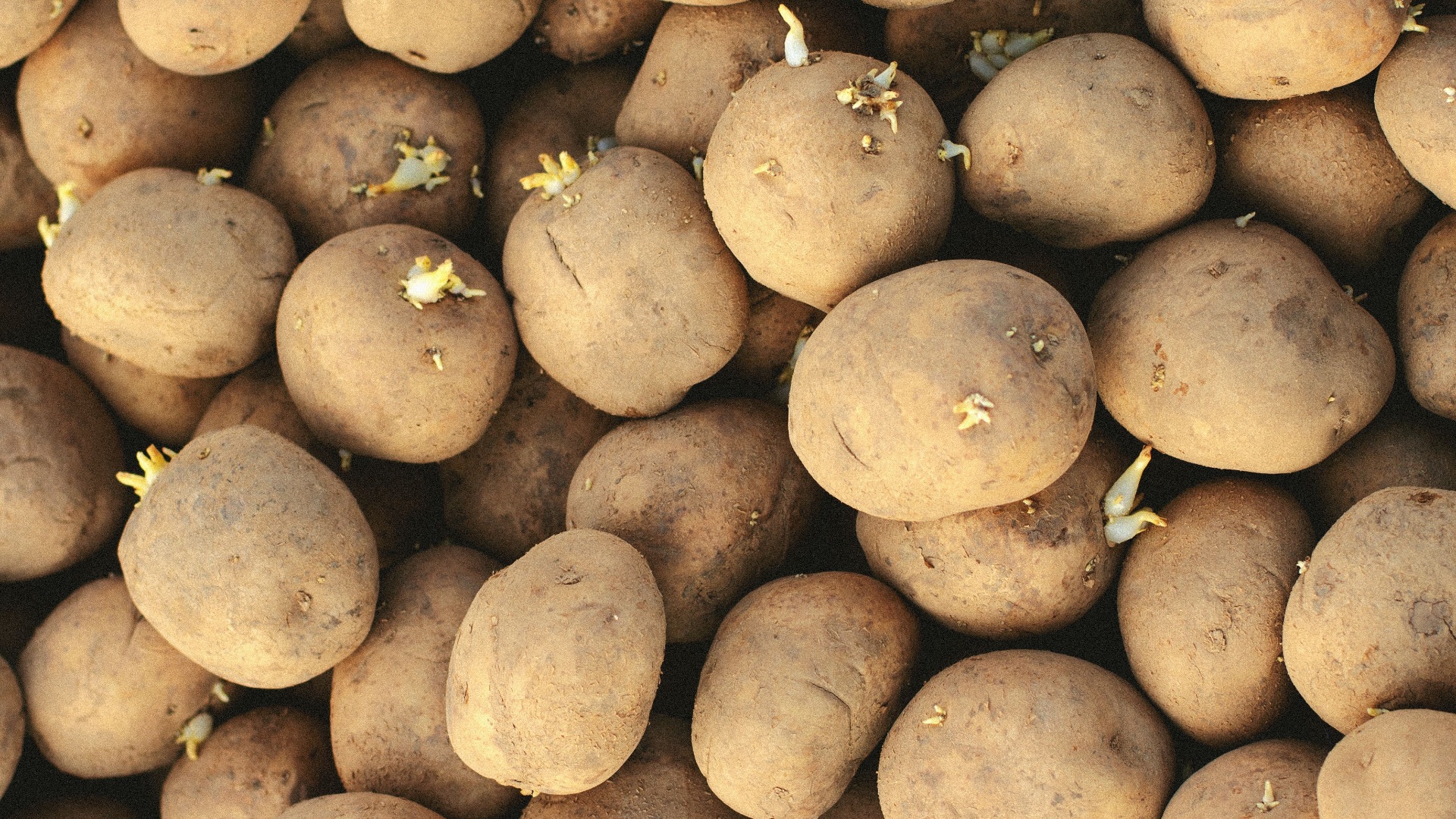
Potatoes that have turned noticeably green or produced substantial sprouts can contain increased concentrations of natural glycoalkaloids such as solanine and chaconine. Consuming enough may cause nausea, vomiting, abdominal pain, diarrhea, headache, confusion, and other neurological symptoms. Trimming a tiny sprout from an otherwise firm potato is one thing, but heavily green, bitter, damaged, or extensively sprouted potatoes are better left off the menu.
19. A Fatty Meal
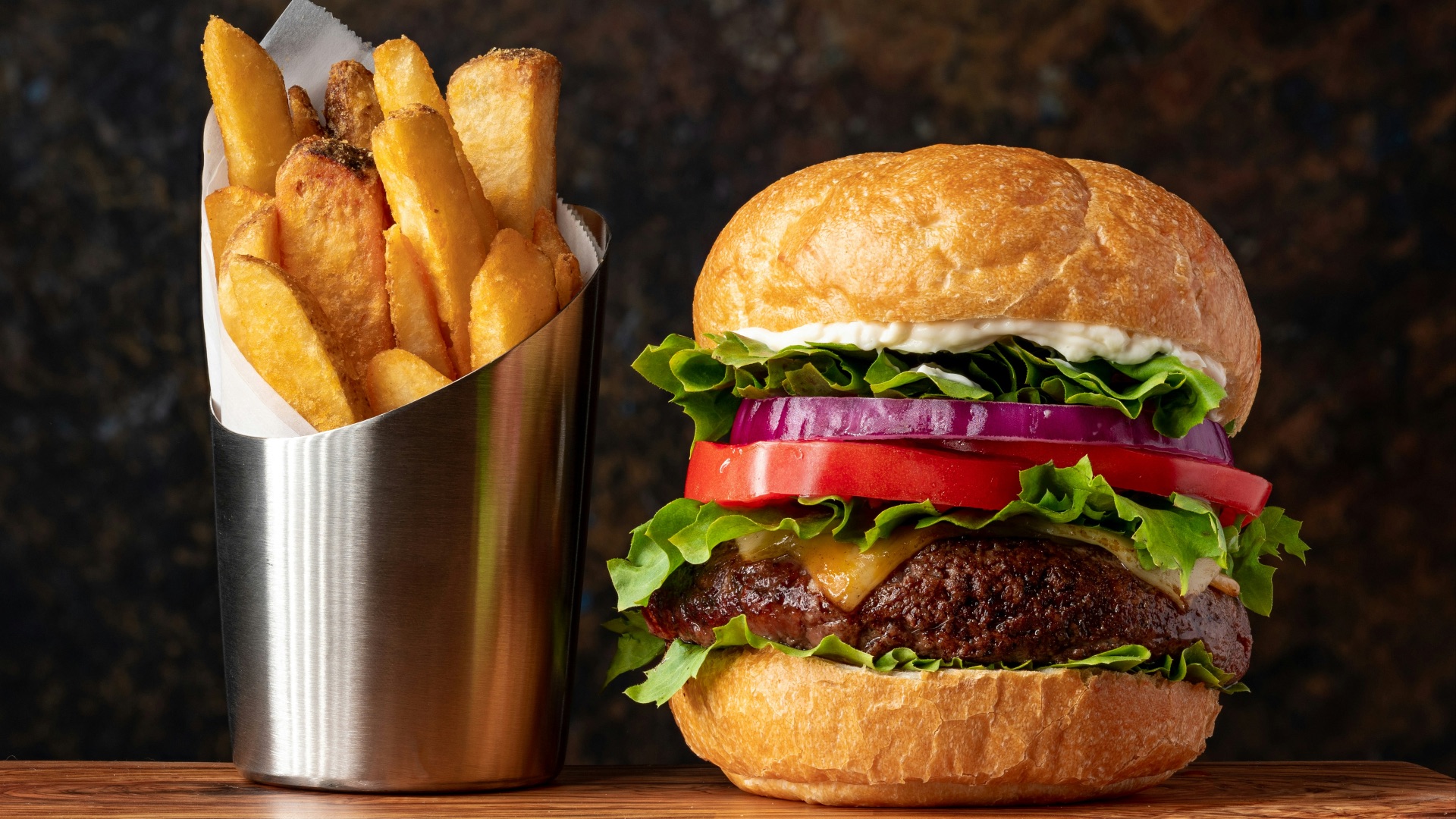
A massive meal loaded with fried food, fatty meat, cheese, and other rich ingredients can put extra demands on your body, particularly if you already have heart disease, gallstones, or another underlying condition. Very large, high-fat meals can temporarily affect blood pressure and cardiovascular function, while fatty foods may also trigger severe gallbladder pain or inflammation in people with gallstones. Most people won't end up in the hospital after one indulgent dinner, but if your heart or gallbladder is already vulnerable, an enormous feast can sometimes help set off symptoms serious enough to require urgent care.
20. Anything Easy to Choke On
Sometimes the danger isn't what's in the food but whether it makes it safely down your throat. Sticky or chewy foods such as caramels and marshmallows, dense or dry foods like bread and cake, tough pieces of meat, and fish containing small bones can all become choking hazards, particularly if you eat quickly, take oversized bites, or have difficulty swallowing. Chewing thoroughly, slowing down, and paying attention to bones and difficult textures can make the difference between an ordinary meal and an emergency trip to the hospital.
KEEP ON READING
20 Things Your Body Is Secretly Doing Right Now