Everything Running In The Background
Right now, while you're reading this, your body is running a staggering amount of maintenance you never signed off on and never have to think about. Your heart is beating somewhere around once a second, your liver is filtering out chemicals, and your immune system is scanning for anything that shouldn't be there. None of this requires your attention or your permission. It just happens, constantly, in the background of every ordinary moment of your day. Here's 20 things your body is handling in the background while you're busy doing literally anything else.
1. Your Heart Never Stops
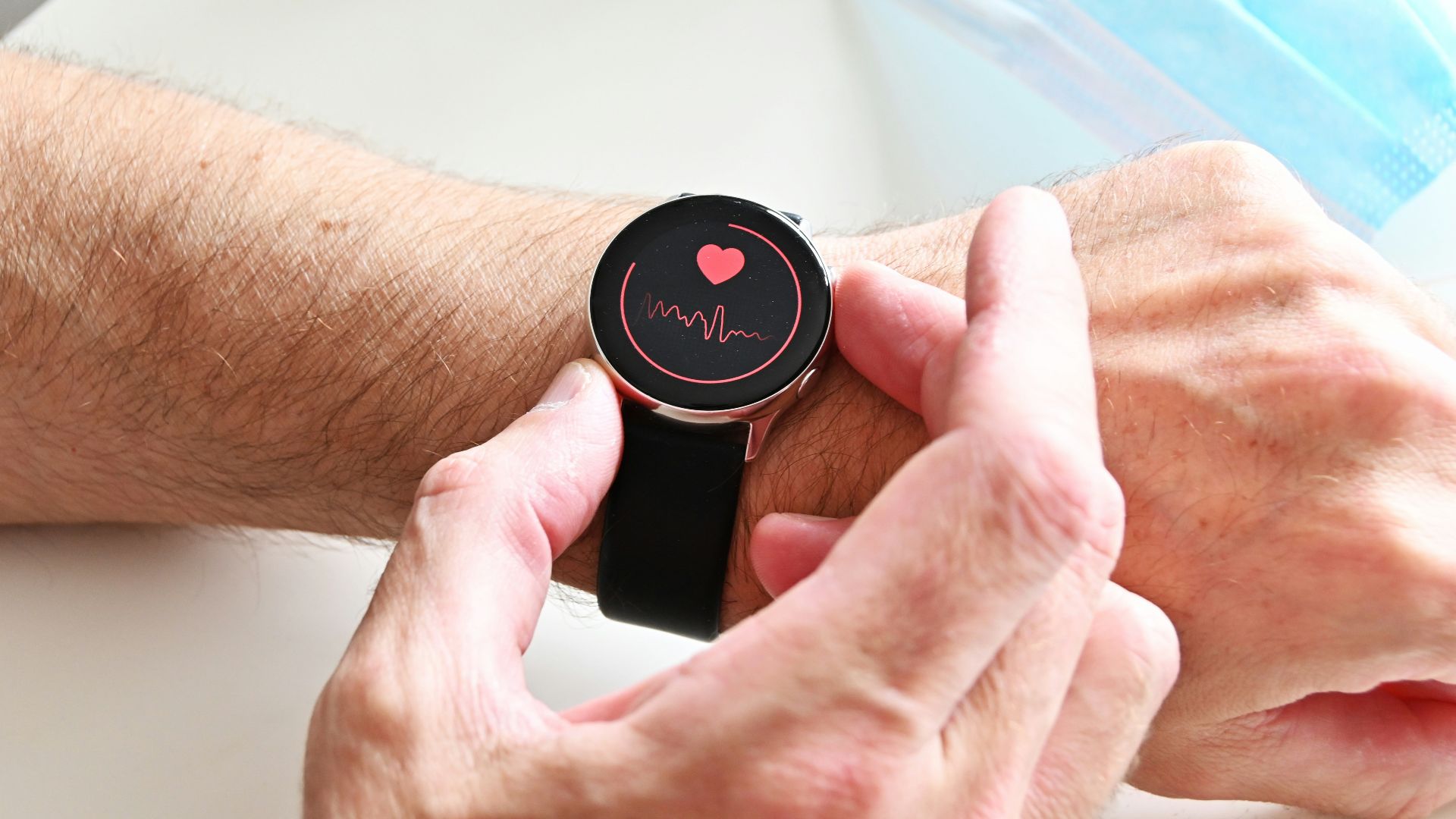
It's beating somewhere between 60 and 100 times a minute, pushing blood through roughly 60,000 miles of vessels without ever taking a real break. Over the course of a single day, that adds up to about 100,000 beats. It's been doing this since before you were born, and it won't pause for anything short of a real medical emergency.
2. Filtering Your Blood
Your kidneys process about 50 gallons of blood a day, pulling out waste and excess fluid to send down to your bladder as urine. They filter your entire blood supply roughly 40 times over the course of that day. You never feel any of this happening, even though it's one of the busiest processes in your entire body.
3. Fighting Off Invaders
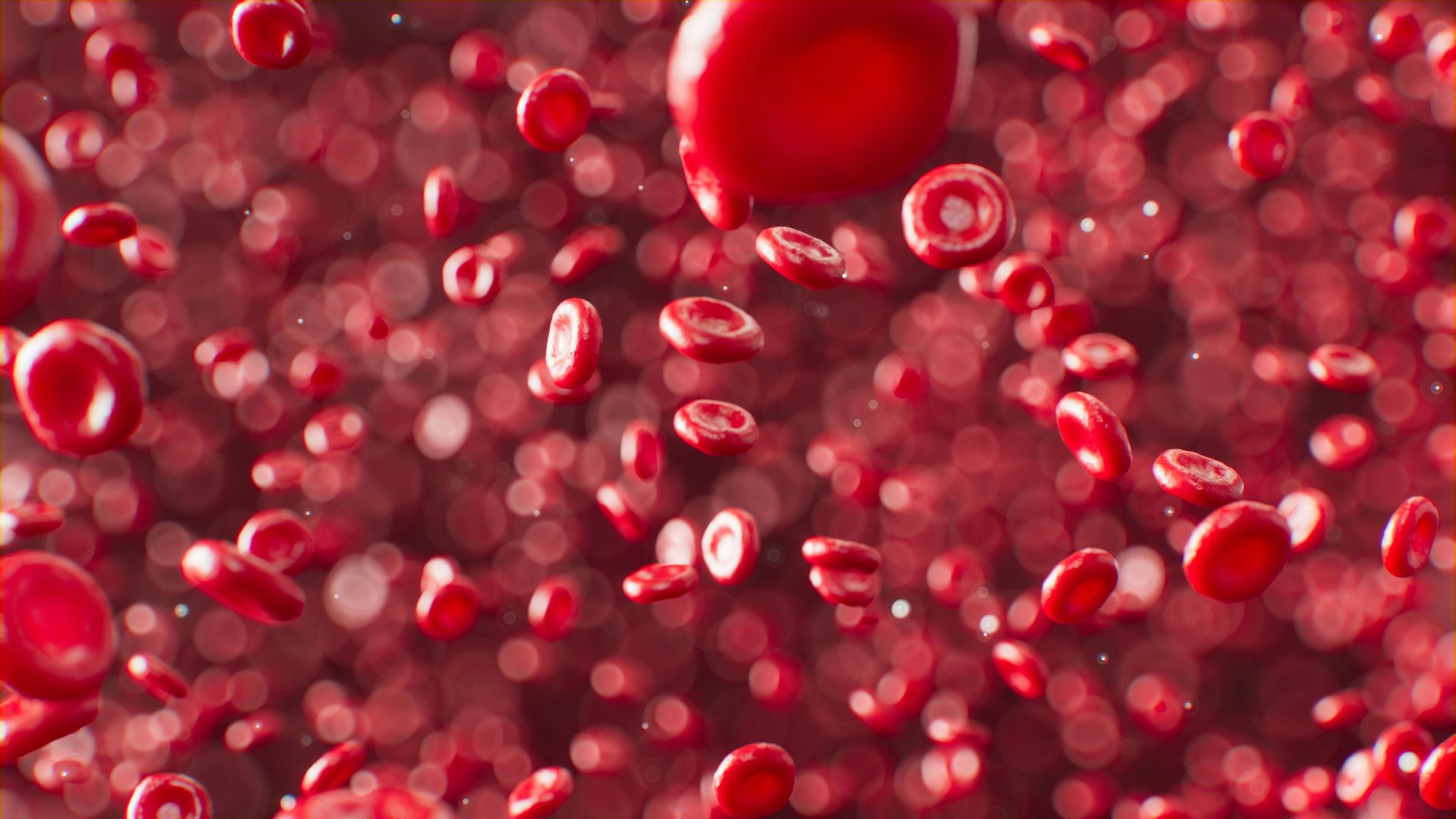
At this exact moment, your immune system is likely dealing with some low-level threat, a stray virus particle or a bit of bacteria that snuck in through a cut or a breath. White blood cells patrol your bloodstream constantly, on the lookout for anything that doesn't match your body's own cells. Most of these skirmishes get resolved before you'd ever notice a symptom.

4. Fixing Broken DNA
Your cells accumulate DNA damage constantly, from sunlight, from normal metabolism, from just existing in the world. Specialized repair enzymes are out there right now scanning your genetic code and patching up thousands of these small errors before they can cause real trouble. Most of this damage gets caught long before it turns into anything serious.

5. Holding Your Temperature Steady
Your body is working to keep your internal temperature locked in around 98.6 degrees, adjusting blood flow to your skin and triggering sweat or shivering as needed. This happens whether you're sitting in an air-conditioned office or standing outside in the cold. Your hypothalamus is running that thermostat without a single conscious input from you.
6. Breaking Down Breakfast
Whatever you ate this morning is currently being broken down by a mix of acid, enzymes, and muscle contractions moving it through your digestive tract. The stomach alone produces enough acid to dissolve metal, though a thick mucus lining keeps it from doing any damage to you. That entire process can take anywhere from a few hours to a full day, depending on what you ate.

7. Replacing Your Skin
You're shedding roughly 30,000 to 40,000 dead skin cells every single hour, and new ones are already forming underneath to replace them. Over the course of about a month, your entire outer layer of skin gets swapped out completely. Most of the dust in your house is actually made up of these shed cells.

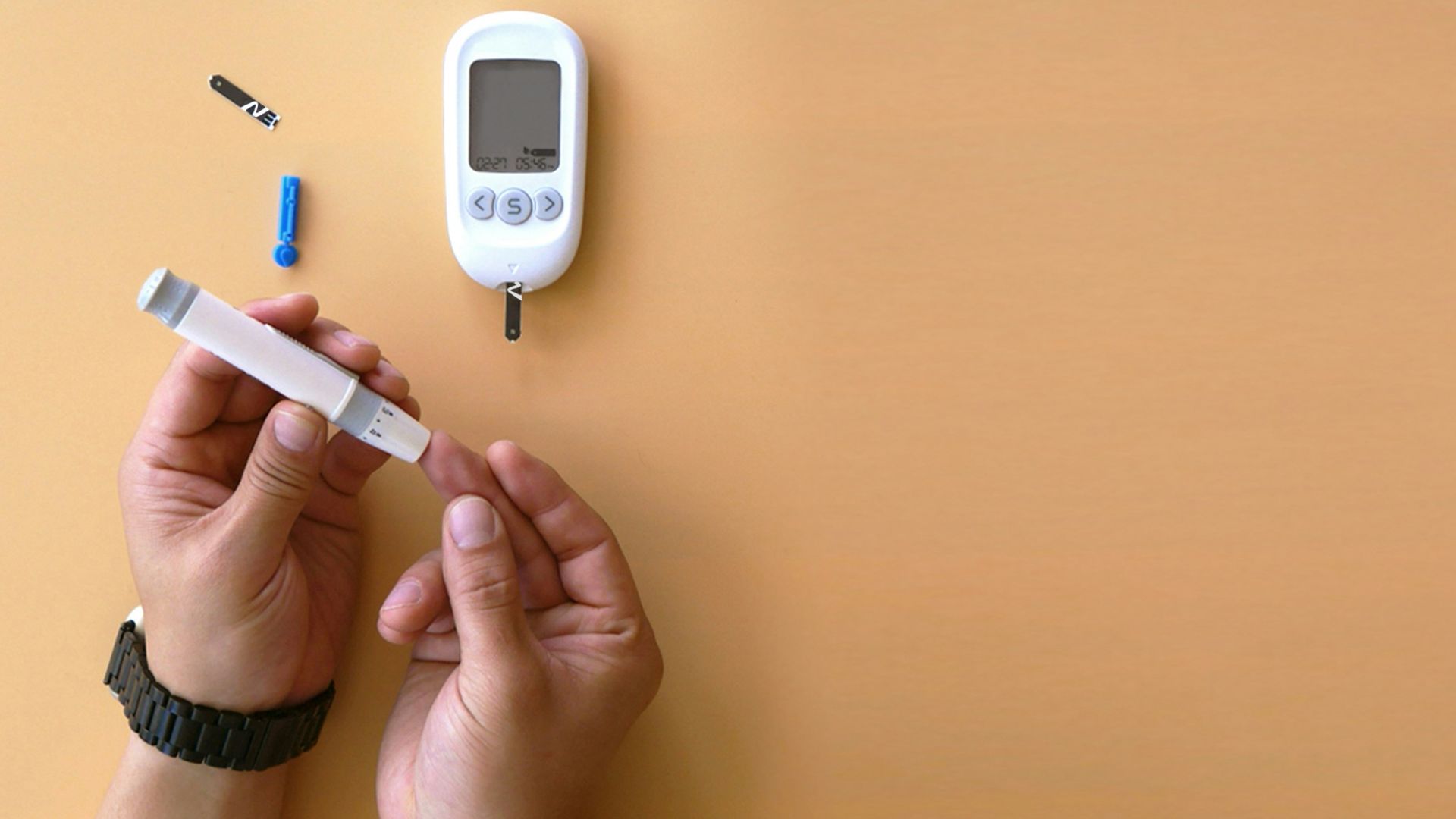
8. Keeping Blood Sugar In Range
Your pancreas is constantly monitoring your blood sugar and releasing insulin or glucagon to keep it within a narrow, safe range. This adjustment happens minute by minute, long before you'd feel any obvious symptom of it being off. It's one of the more delicate balancing acts your body performs without ever asking for input.
9. Clearing Out Old Cells
A process called autophagy is running right now, where your cells break down and recycle their own damaged parts for reuse elsewhere. It's essentially a built-in cleanup crew, clearing out cellular debris before it can pile up and cause problems. Fasting and exercise tend to ramp this process up even further.

10. Releasing Hormones On A Timer
Your endocrine system is releasing dozens of different hormones on tightly regulated schedules, from cortisol peaking in the morning to melatonin rising as it gets dark. These chemical signals influence your mood, your hunger, and your energy levels throughout the day. You rarely notice the release itself, just the effects it produces a little while later.

11. Blinking Without You Noticing
You blink somewhere around 15 to 20 times a minute, spreading a thin layer of tears across your eyes and clearing away dust before it can cause irritation. Your brain briefly suppresses the visual gap each time, which is why the world never seems to go dark for that split second. Add it up over a full day and you've blinked thousands of times without remembering a single one of them.

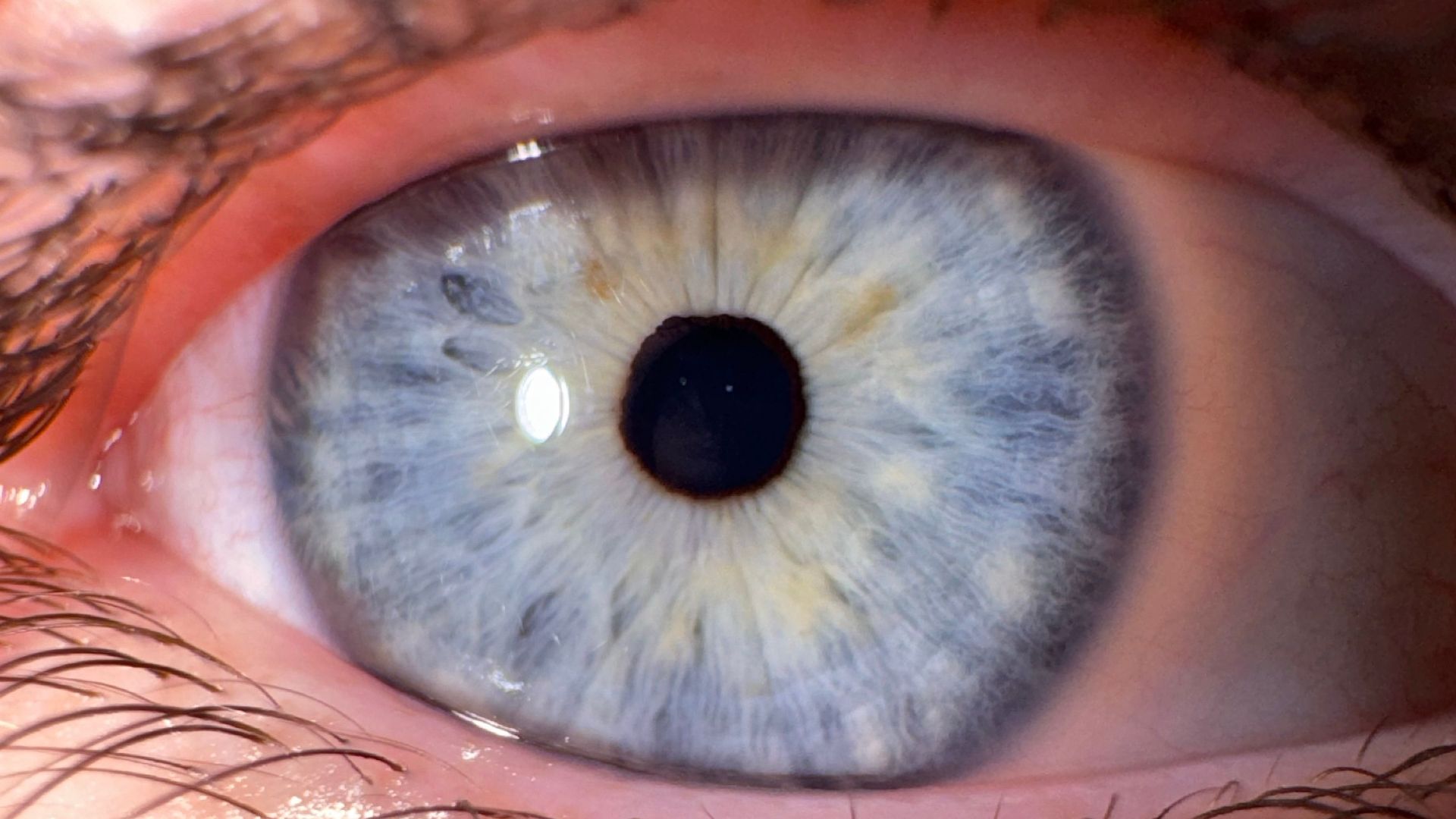
12. Adjusting Your Pupils
Your pupils are constantly resizing based on the amount of light hitting your eyes, dilating in dim rooms and narrowing outside in bright sun. This adjustment happens in a fraction of a second, well before you'd ever consciously register the light had changed. It's one of the fastest automatic responses your body has.
13. Keeping You Balanced
Deep inside your inner ear, fluid-filled canals are tracking every small movement of your head, feeding that information straight to your brain to keep you upright. This is happening constantly, even while you're sitting still reading this sentence. Only when it malfunctions, like during a bout of vertigo, do you ever notice it was working in the first place.

14. Keeping Clotting Factors On Standby
Your bloodstream carries a steady supply of platelets and clotting proteins, ready to rush toward any tiny nick or scrape before you even feel it happening. This system stays active at a low level all day, patching up microscopic damage from ordinary movement that never even breaks the skin.

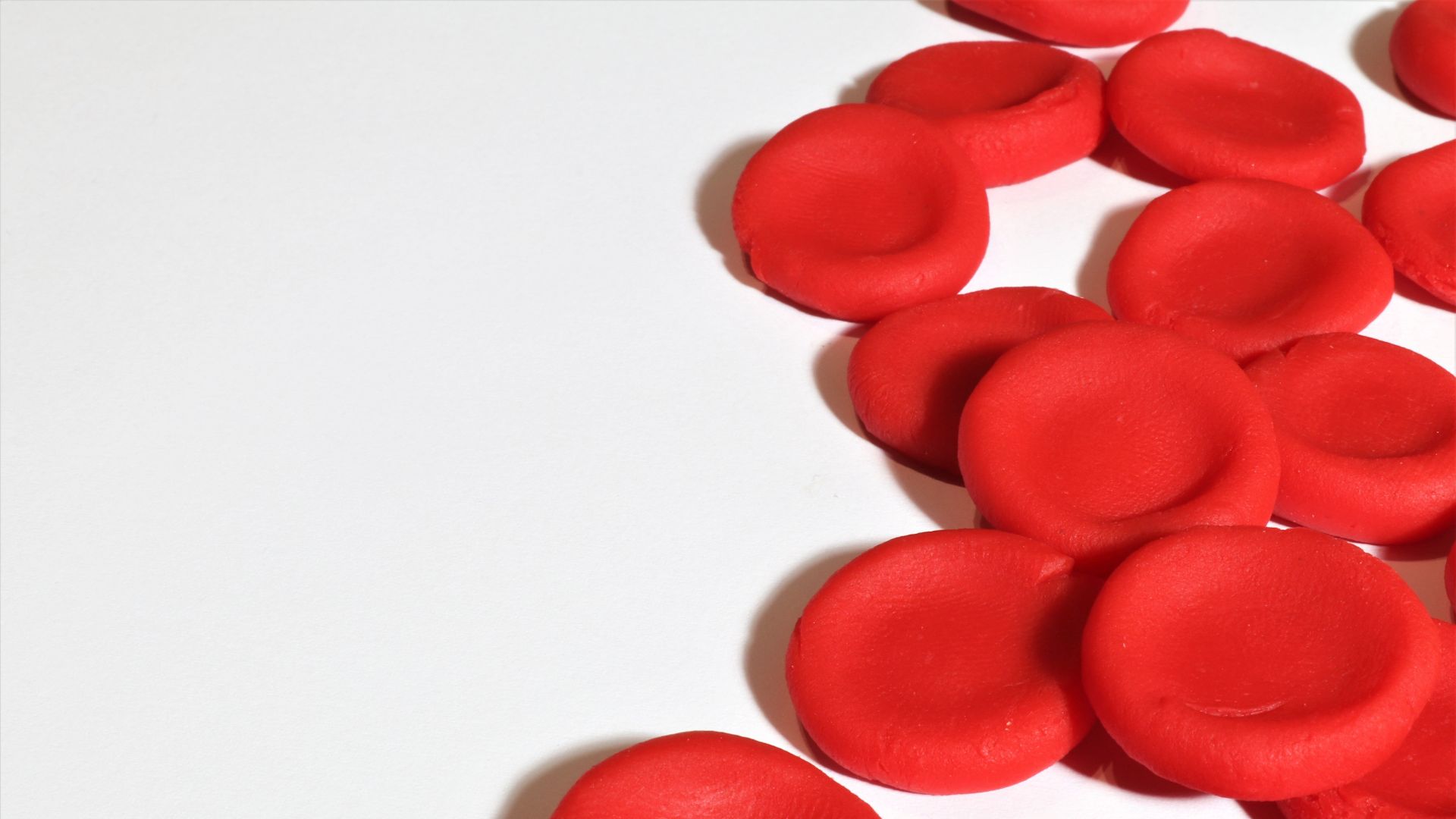
15. Making New Blood
Your bone marrow is producing roughly two million new red blood cells every single second to replace the ones that wear out. Each red blood cell only lives about 120 days before it gets recycled. That turnover never really stops, for as long as you're alive.
16. Managing Your Gut Bacteria
Trillions of bacteria are living in your digestive tract right now, and your body is constantly managing that population, feeding some, fighting others, and maintaining a rough balance between them. This microbial community affects everything from digestion to your mood in ways researchers are still working out. Most of that negotiation happens without you feeling a thing.

17. Watching Your Blood Pressure
Sensors in your blood vessels are tracking your blood pressure moment to moment, sending signals that adjust your heart rate and vessel width to keep it stable. Stand up too fast and you might feel this system scrambling to catch up, which is what causes that brief head rush. Most of the time, though, it handles the adjustment before you'd notice anything at all.

18. Repairing Tiny Tears In Muscle
Everyday movement, not just exercise, creates microscopic tears in your muscle fibers that your body repairs almost as fast as they happen. This repair process is part of how muscle stays strong over time. It's running constantly, even on days you'd swear you didn't do anything physical at all.

19. Filtering The Air In Your Nose
Every breath you take gets warmed, humidified, and filtered by the lining of your nose before it ever reaches your lungs. Tiny hairs and mucus trap dust, pollen, and other particles before they can cause irritation deeper in your respiratory system. You breathe somewhere around 20,000 times a day, and this filtering happens on every single one.

20. Rebuilding Your Bones
Your skeleton isn't static. Cells are constantly breaking down old bone tissue while other cells build new bone to replace it, a cycle that fully renews your entire skeleton roughly every ten years. This process slows with age, which is part of why bone density becomes more of a concern later in life. Right now, though, that quiet construction project is still underway.
KEEP ON READING

20 Things Your Body Is Secretly Doing Right Now