
20 Common Bathroom Habits That Doctors Wish People Would Stop
Your Daily Routine Might Need a Few Adjustments
Most people don't think twice about their bathroom habits, especially when they've been following the same routines for years. However, some seemingly harmless behaviors can cause irritation, increase your risk of infections, or lead to health problems that are surprisingly easy to avoid. From spending too much time on the toilet to making questionable personal hygiene decisions, there are plenty of everyday practices that doctors would rather you reconsider. Here are 20 common bathroom habits that might be doing your body more harm than good.
1. Sitting on the Toilet for Too Long
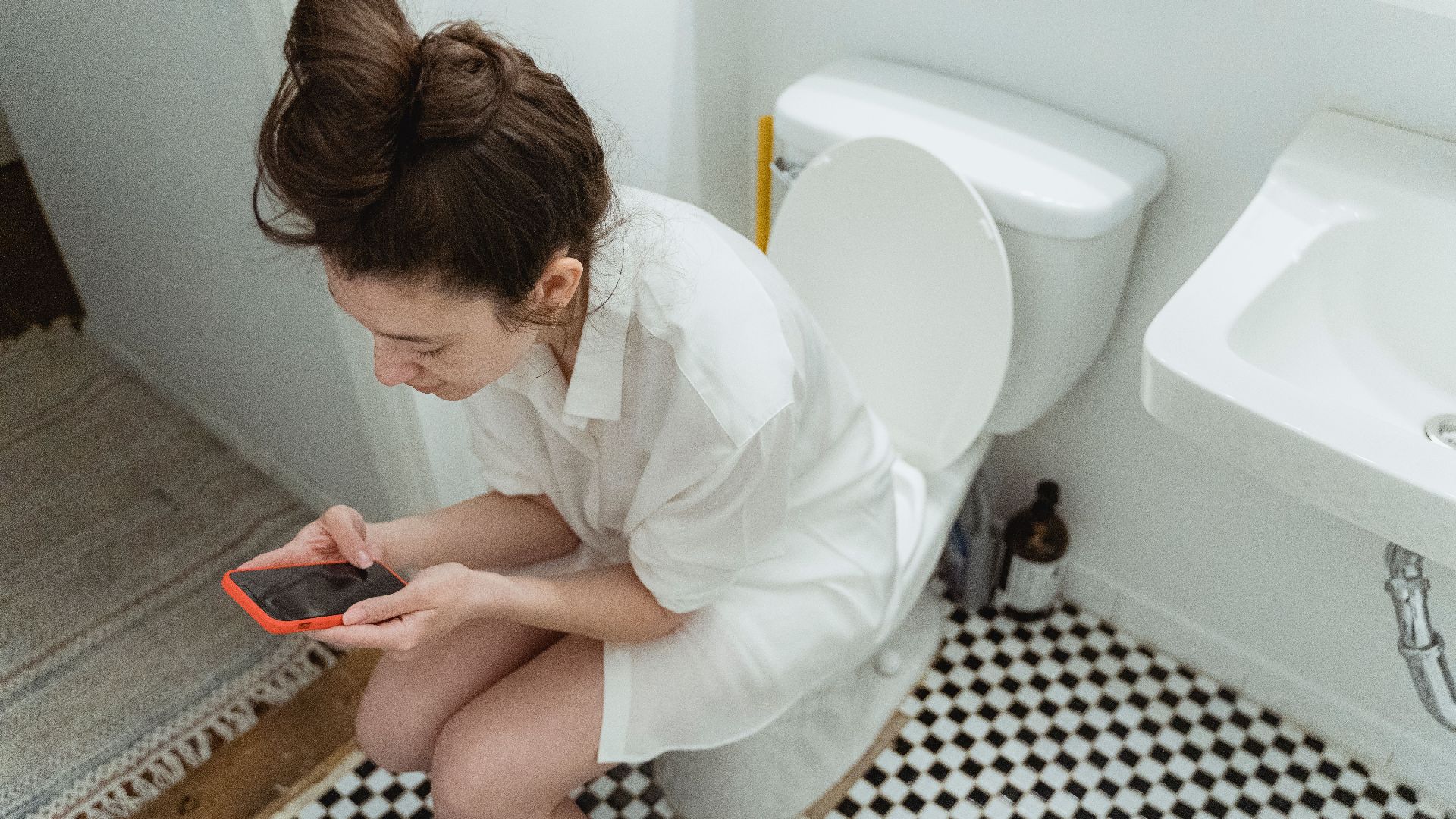
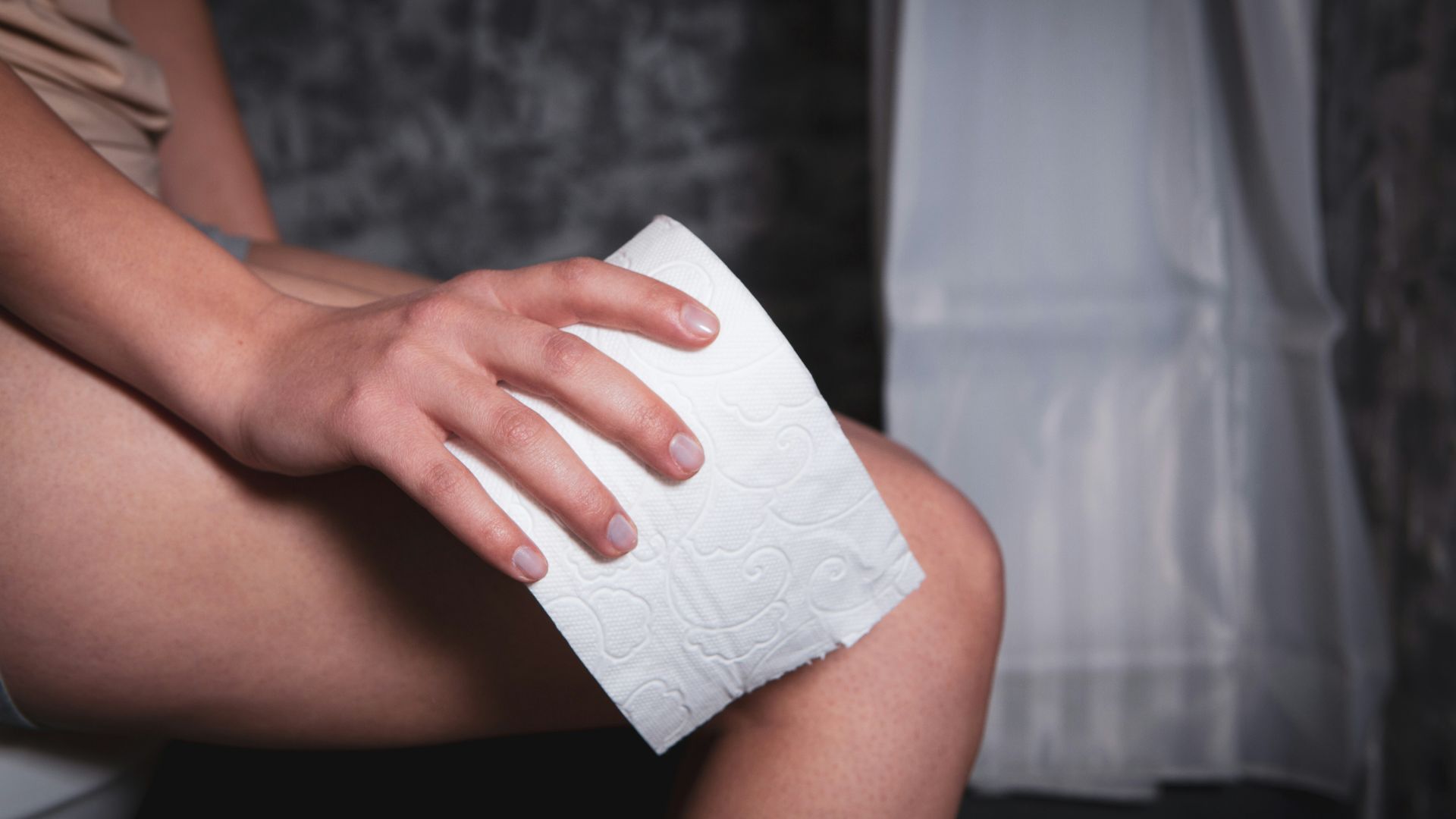
If you've gotten into the habit of scrolling through your phone while sitting on the toilet, doctors would probably suggest finding somewhere else to catch up on social media. Spending too much time in this position can increase pressure on the veins around your rectum, potentially contributing to hemorrhoids. Ideally, you should finish your business and get up rather than stretching a quick bathroom visit into a 20-minute break.
2. Using Cotton Swabs to Clean Your Ears
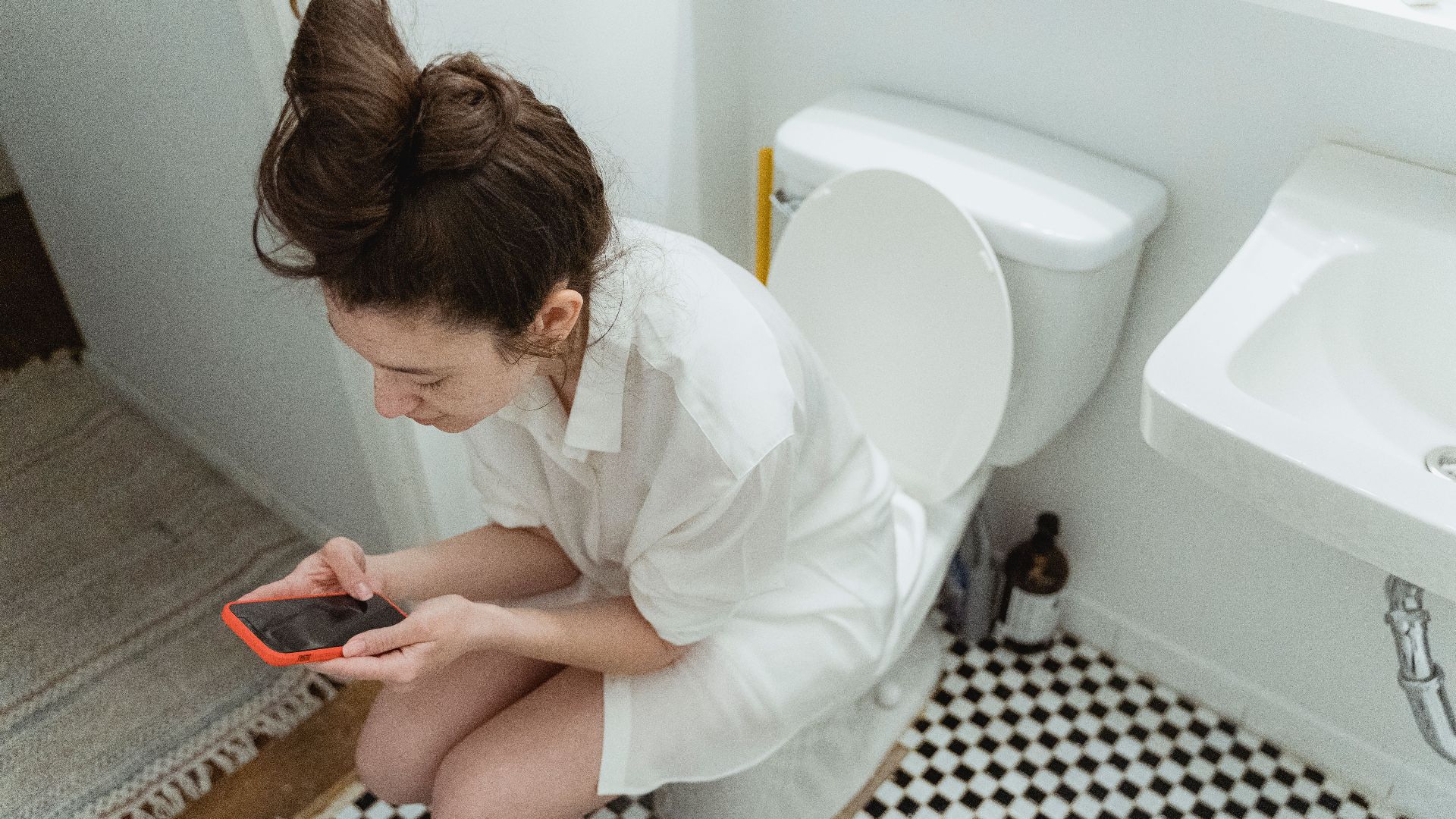
Despite their popularity, cotton swabs aren't particularly effective at removing earwax from inside your ears. In fact, sticking them into your ear canals can push wax deeper, cause blockages, or even damage your eardrums. Your ears are generally pretty good at cleaning themselves, so doctors recommend leaving the ear canal alone and gently washing the outer ear instead.
3. Straining Too Hard During Bowel Movements
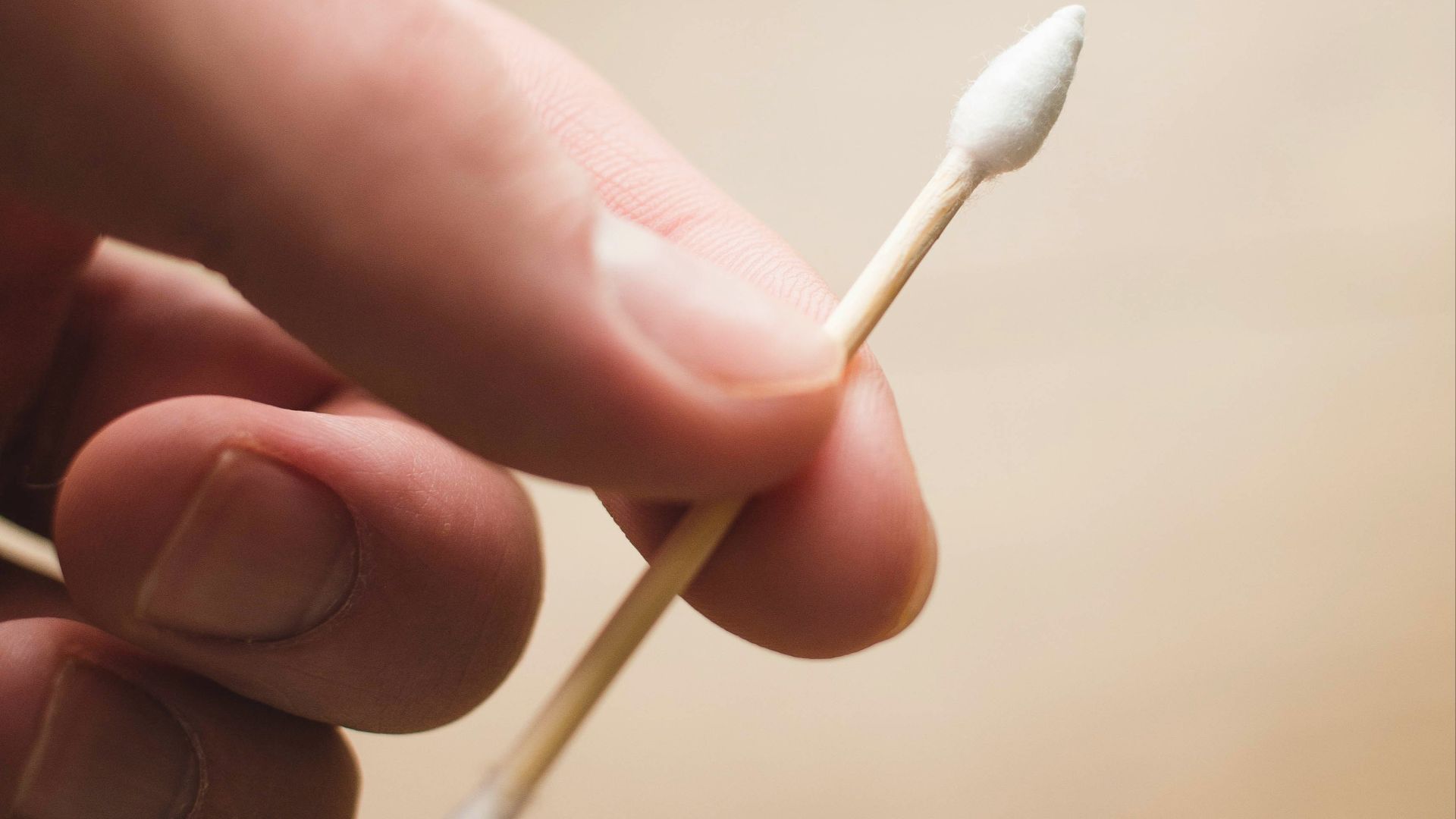
Trying to force a bowel movement might seem like the logical solution when you're constipated, but excessive straining can actually make matters worse. All that extra pressure can aggravate hemorrhoids and contribute to anal fissures, which are small, painful tears in the lining of the anus. Instead of forcing things, it's better to address constipation by getting enough fiber, staying hydrated, and incorporating regular exercise into your routine.
4. Taking Extremely Hot Showers
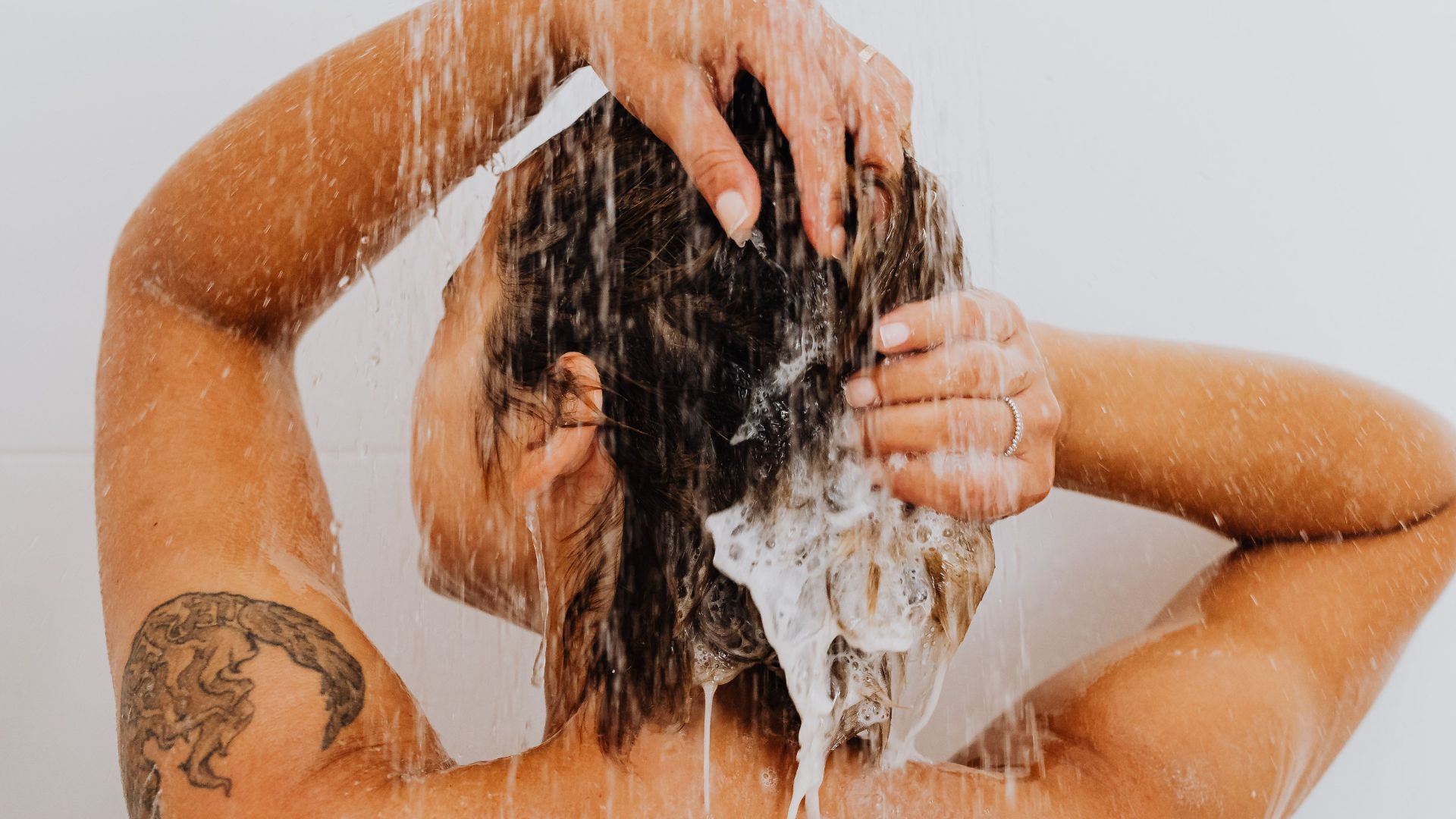
A steaming hot shower might feel wonderful after a stressful day, but your skin probably doesn't appreciate the temperature nearly as much as you do. Extremely hot water can strip away natural oils, making dryness, itching, and certain skin conditions like eczema even worse. Dermatologists generally recommend sticking to lukewarm water and keeping showers relatively short to protect your skin's natural moisture barrier.
 https://kaboompics.com/ on Pexels
5. Wiping From Back to Front
For women, the direction you wipe after using the toilet can make a bigger difference than you might realize. Wiping from back to front can transfer bacteria from the anal area toward the urethra, potentially increasing your risk of urinary tract infections. Fortunately, it's an easy habit to correct.
6. Brushing Your Teeth Too Aggressively
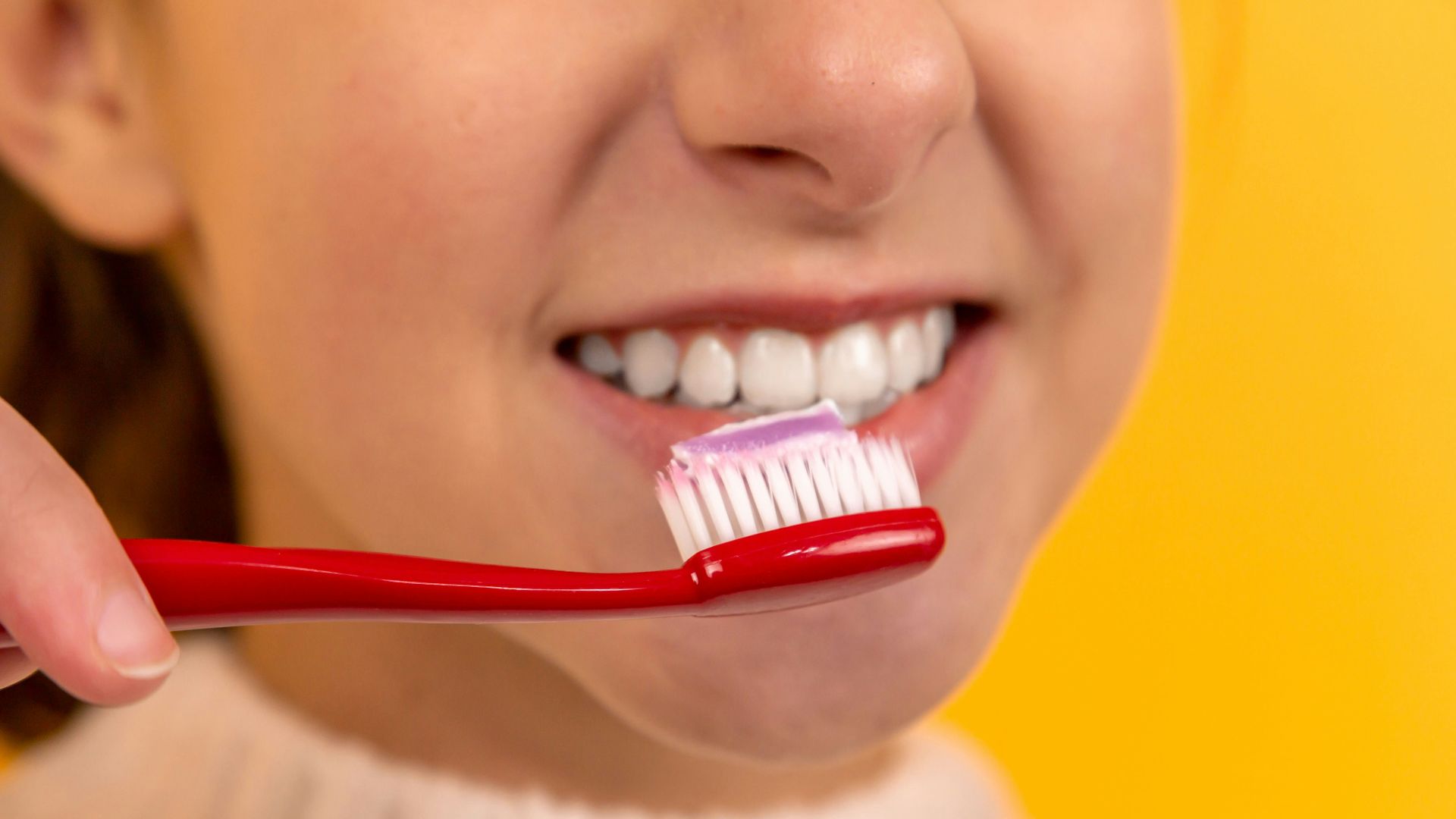
You might think brushing harder means you're doing a better job of cleaning your teeth, but dentists would strongly disagree. Applying too much pressure can contribute to gum recession and wear away tooth structure, especially when you're also using an abrasive toothpaste. A soft-bristled toothbrush and gentle, thorough brushing are usually all you need to remove plaque without causing unnecessary damage.
7. Using Scented Products on Sensitive Areas
Plenty of personal hygiene products promise to leave your intimate areas smelling especially fresh, but all those added fragrances aren't necessarily doing you any favors. Scented soaps, sprays, and wipes can irritate delicate genital skin, particularly around the vulva. Doctors generally suggest sticking to gentle, fragrance-free products for external cleansing and avoiding anything that might disrupt the vagina's natural environment.
8. Ignoring the Urge to Pee
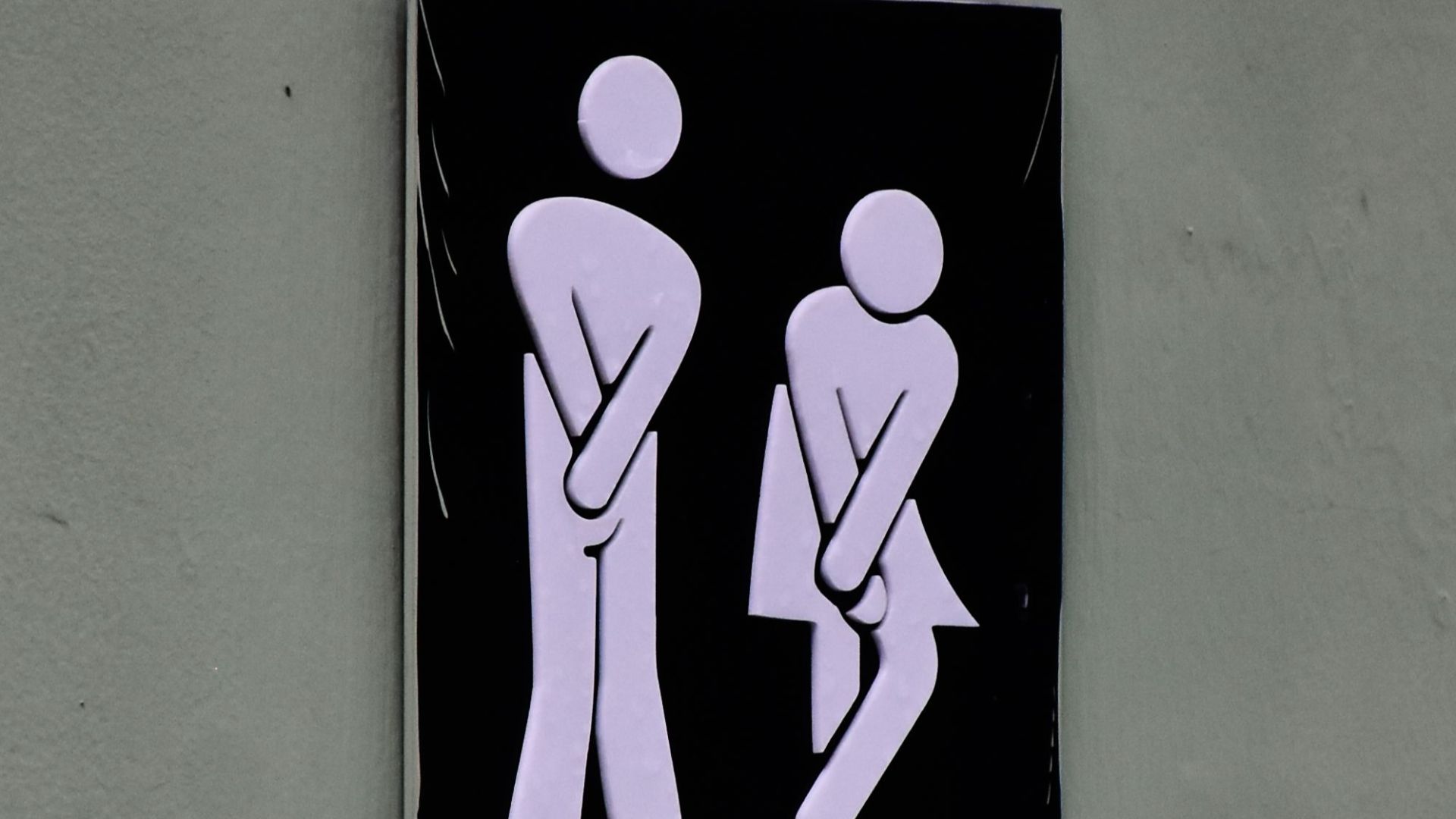
Putting off a bathroom visit occasionally isn't usually a big deal, but regularly holding your urine for long periods can lead to problems. Repeatedly ignoring a full bladder may cause discomfort and, in some circumstances, interfere with normal bladder function. You don't need to rush to the toilet every time you feel the slightest urge, but doctors recommend listening to your body's signals instead of constantly postponing bathroom breaks.
9. Flushing the Toilet With the Lid Open
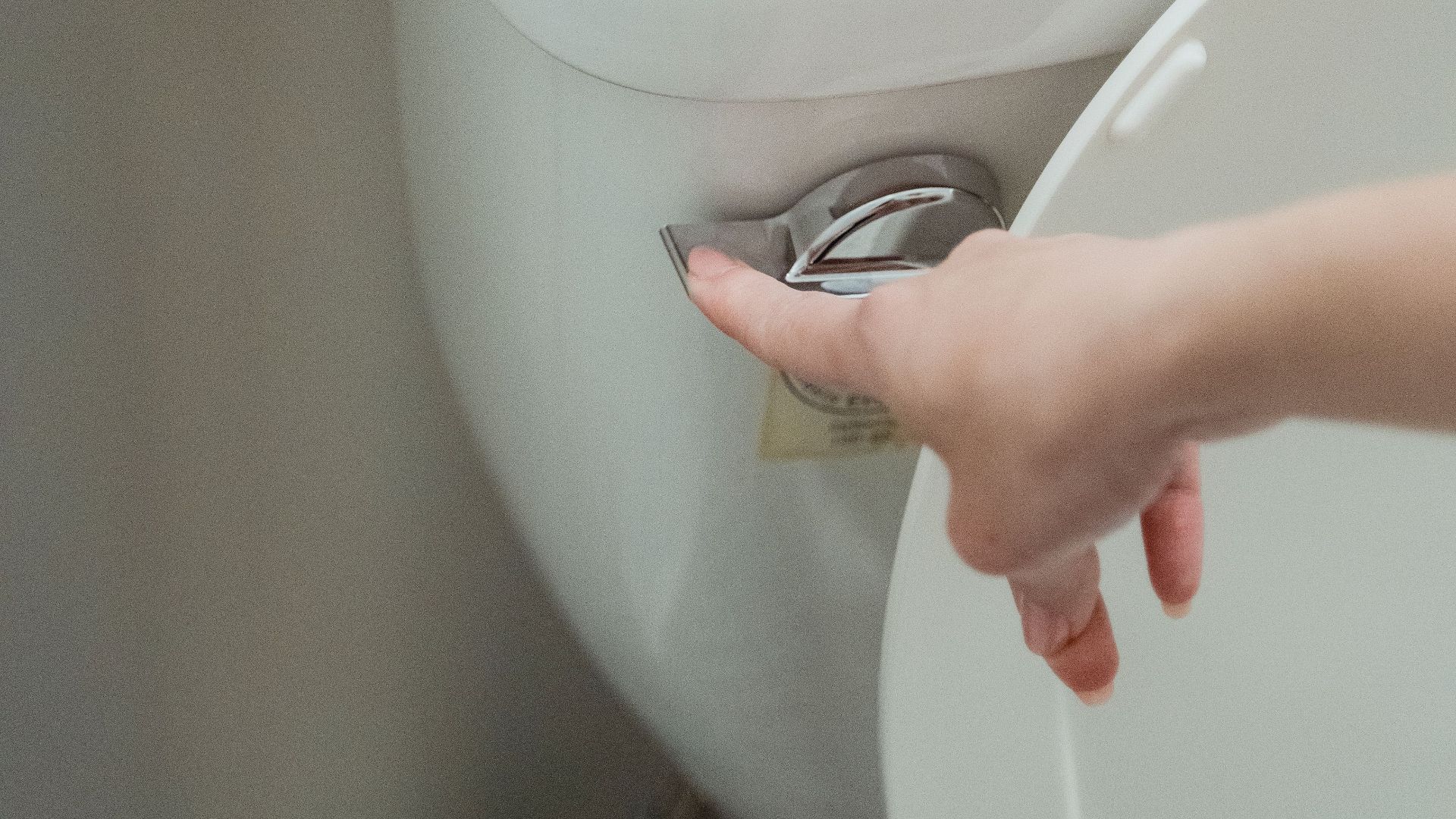
Closing the toilet lid before flushing is a simple precaution that plenty of people forget about. Each flush can release tiny droplets into the surrounding air, potentially spreading microorganisms onto nearby bathroom surfaces. Although researchers haven't determined exactly how much illness this causes in ordinary households, lowering the lid and keeping bathroom surfaces clean are still sensible hygiene practices.
10. Using Too Much Mouthwash
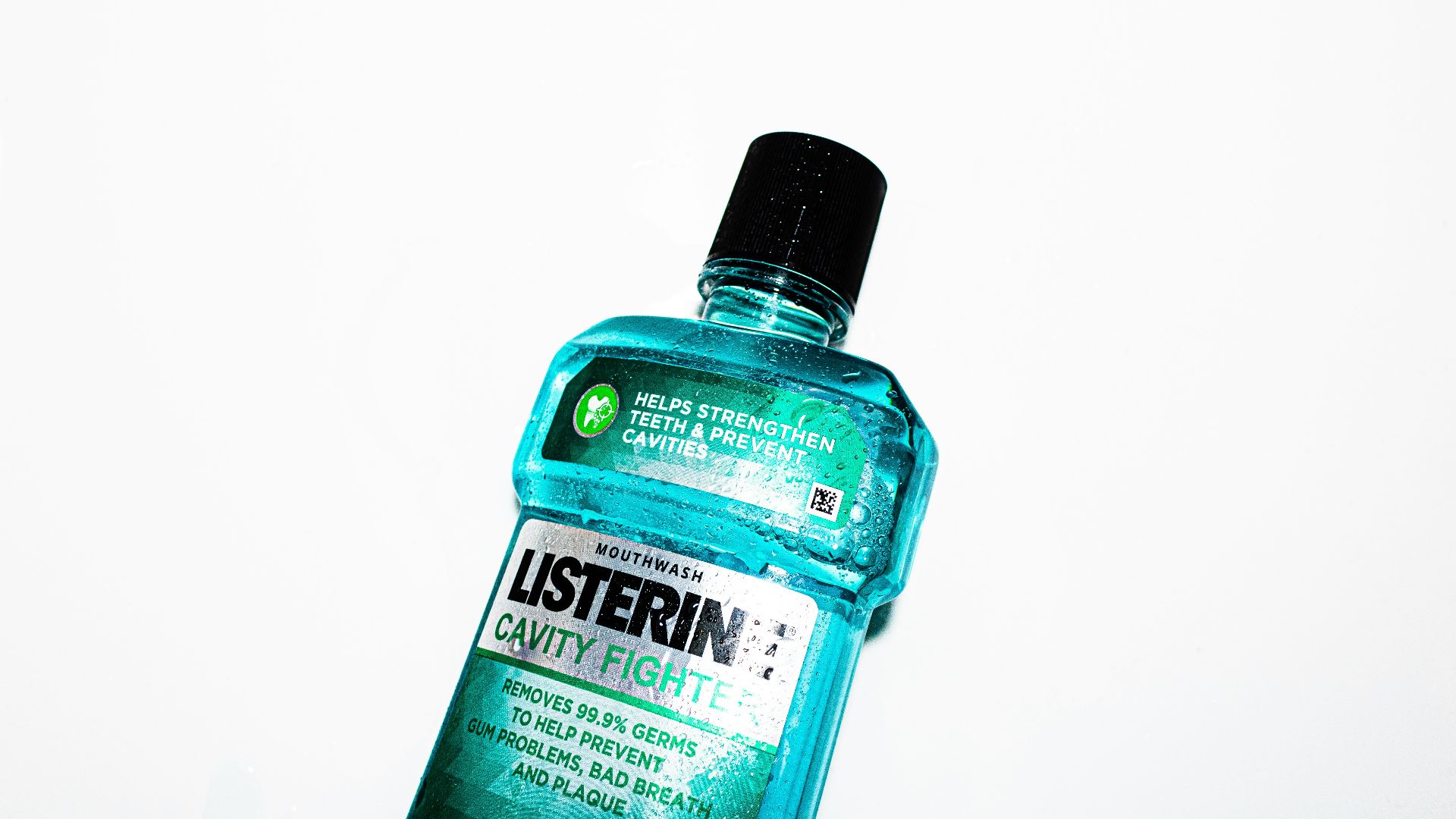
Mouthwash can be a helpful addition to your oral hygiene routine, but that doesn't mean you should be using it constantly throughout the day. Certain formulas, especially those containing alcohol, can cause dryness or irritation, while some antiseptic rinses may produce unwanted side effects when overused. Dentists recommend choosing a mouthwash that suits your needs and following the instructions rather than assuming that extra rinsing automatically means healthier teeth.
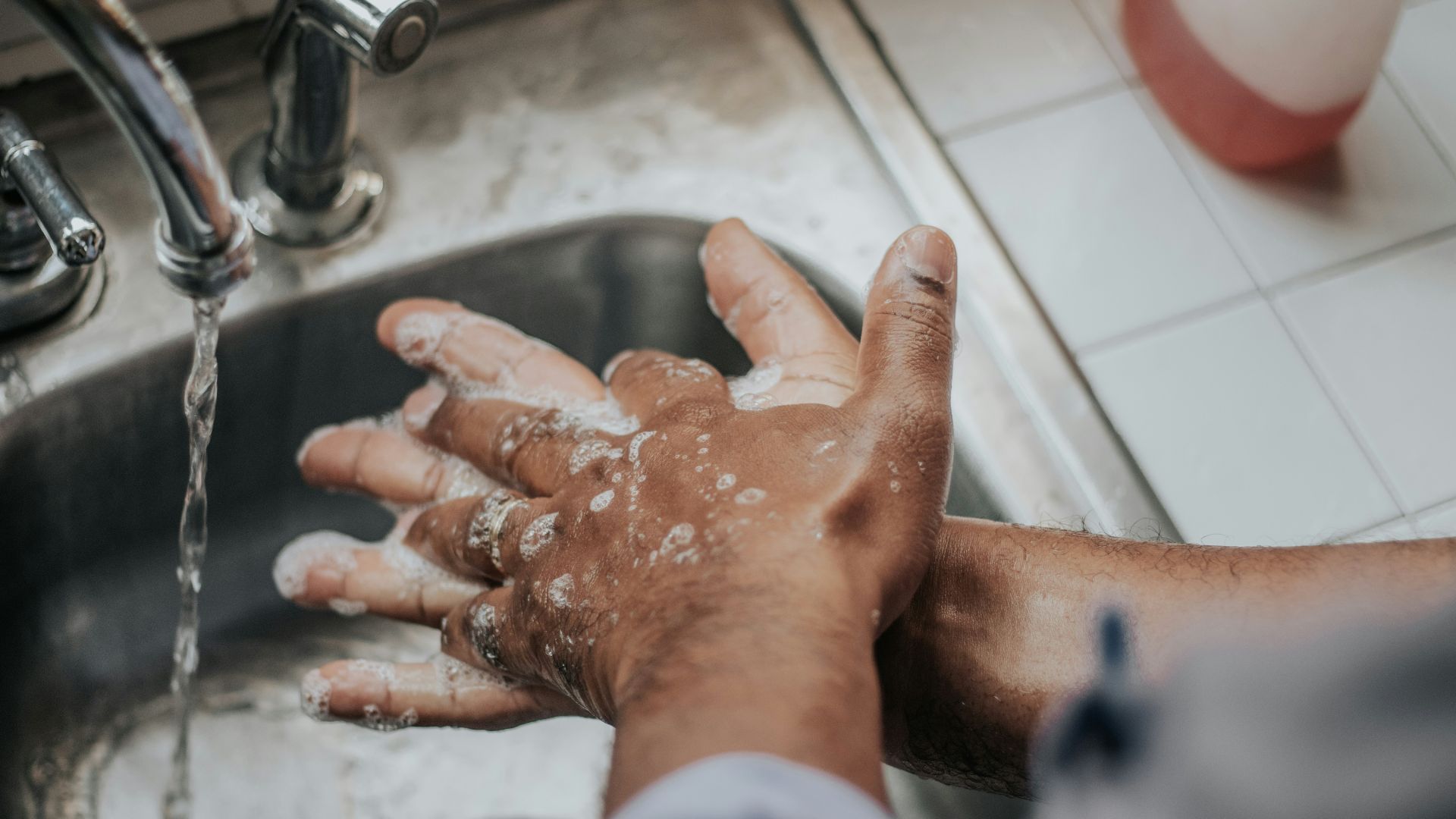
11. Skipping Handwashing After Using the Toilet
When you're in a hurry, skipping the sink might seem harmless, especially if you've only spent a few seconds in the bathroom. Unfortunately, though, bathroom surfaces and poor hygiene can expose your hands to microorganisms responsible for gastrointestinal illnesses and other infections. Washing your hands thoroughly with soap and water for at least 20 seconds remains one of the easiest ways to avoid spreading germs to yourself and others.
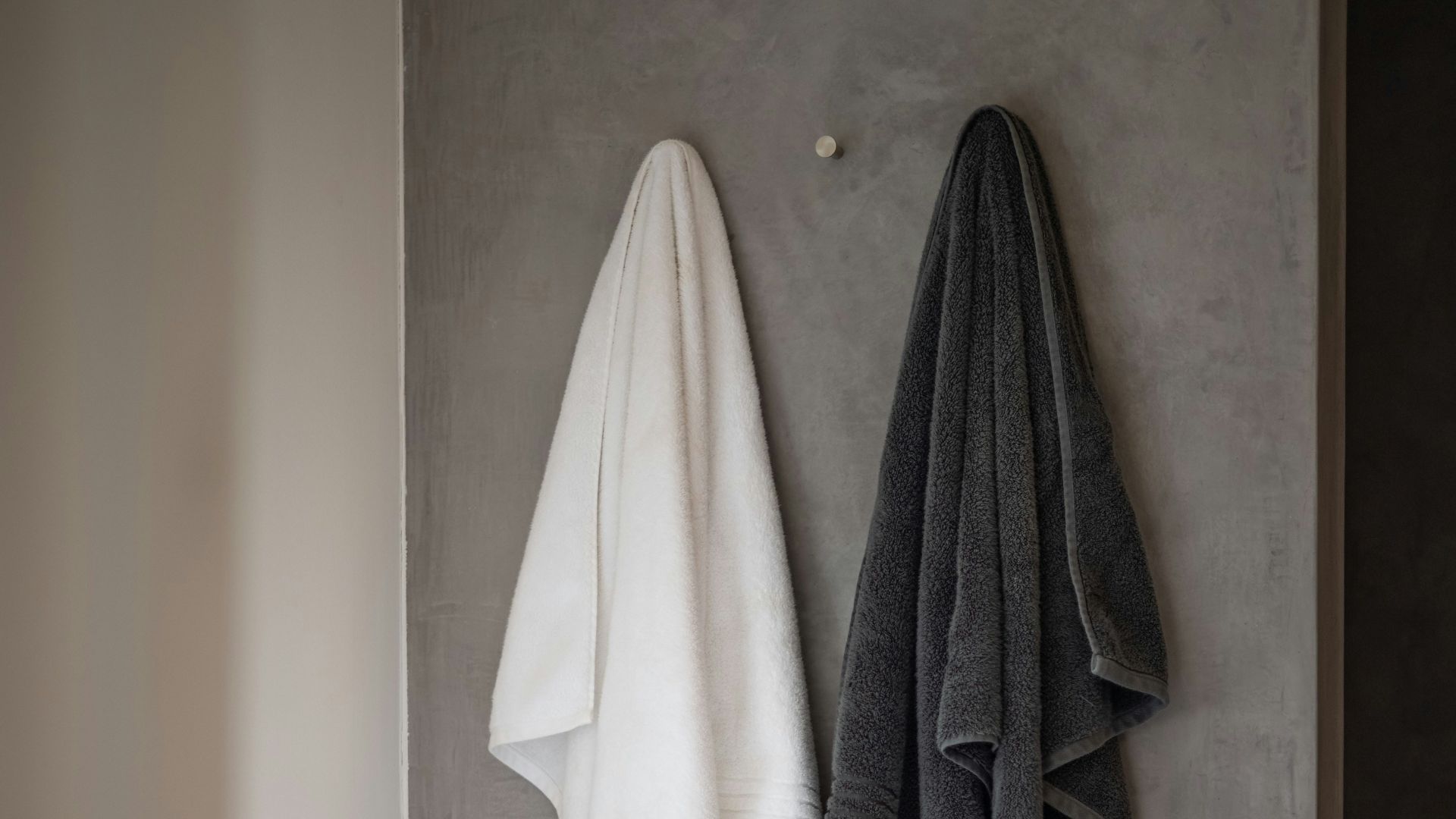
12. Using the Same Towel for Too Long
You don't necessarily need to wash your bath towel after every shower, but leaving it damp and unwashed for weeks isn't a great idea either. Moisture creates favorable conditions for microorganisms to multiply, particularly when towels are hanging in bathrooms with poor ventilation. Make sure your towel can dry completely between uses, and wash it regularly to keep things a little more hygienic.
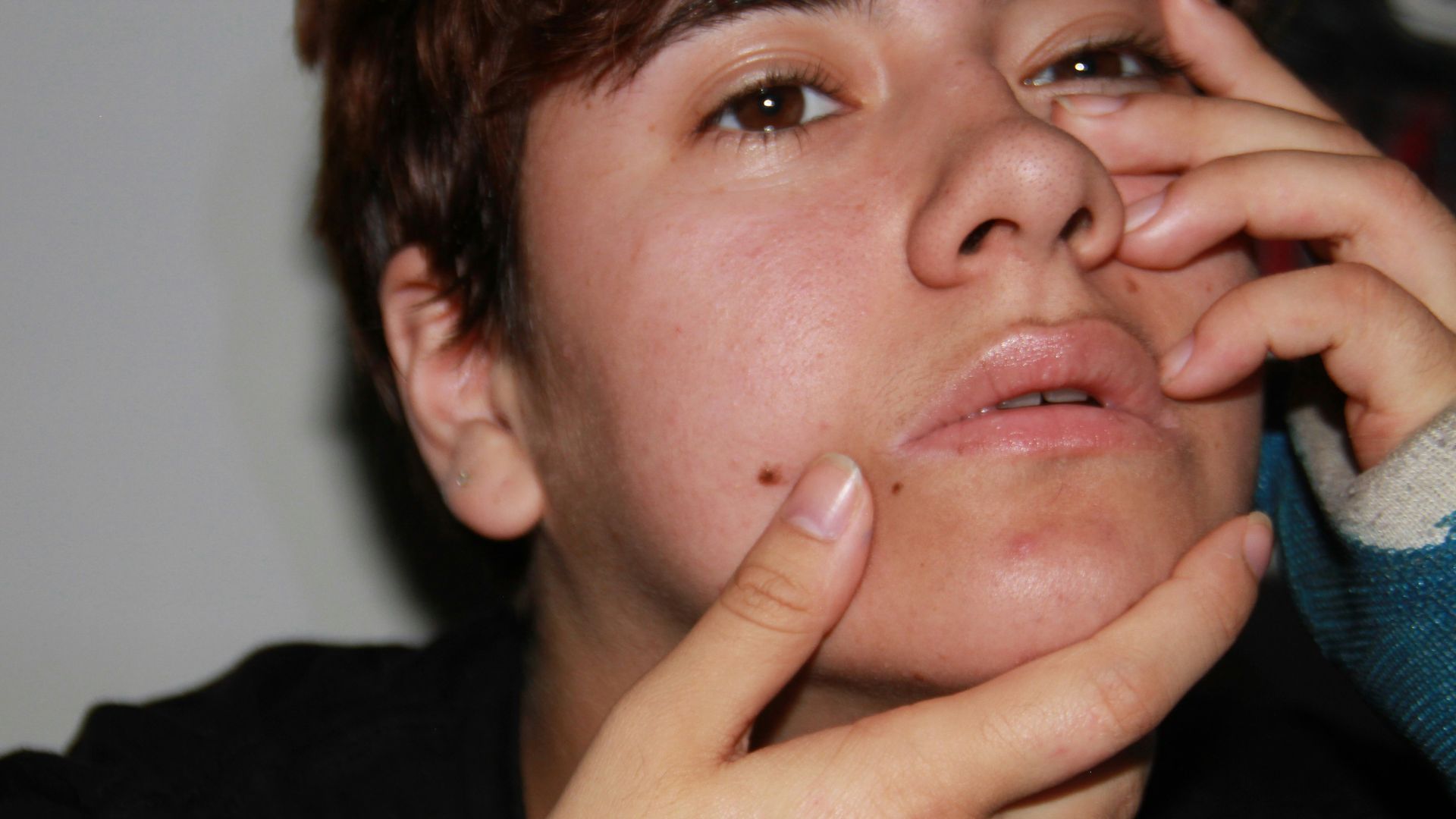
13. Popping Pimples in Front of the Mirror
Anyone who's discovered an annoying pimple right before an important event understands how tempting it is to squeeze it immediately. However, picking at blemishes can increase inflammation, damage the surrounding skin, and make scarring more likely. Dermatologists recommend resisting the urge and using appropriate acne treatments instead of attempting your own extractions in front of the bathroom mirror.
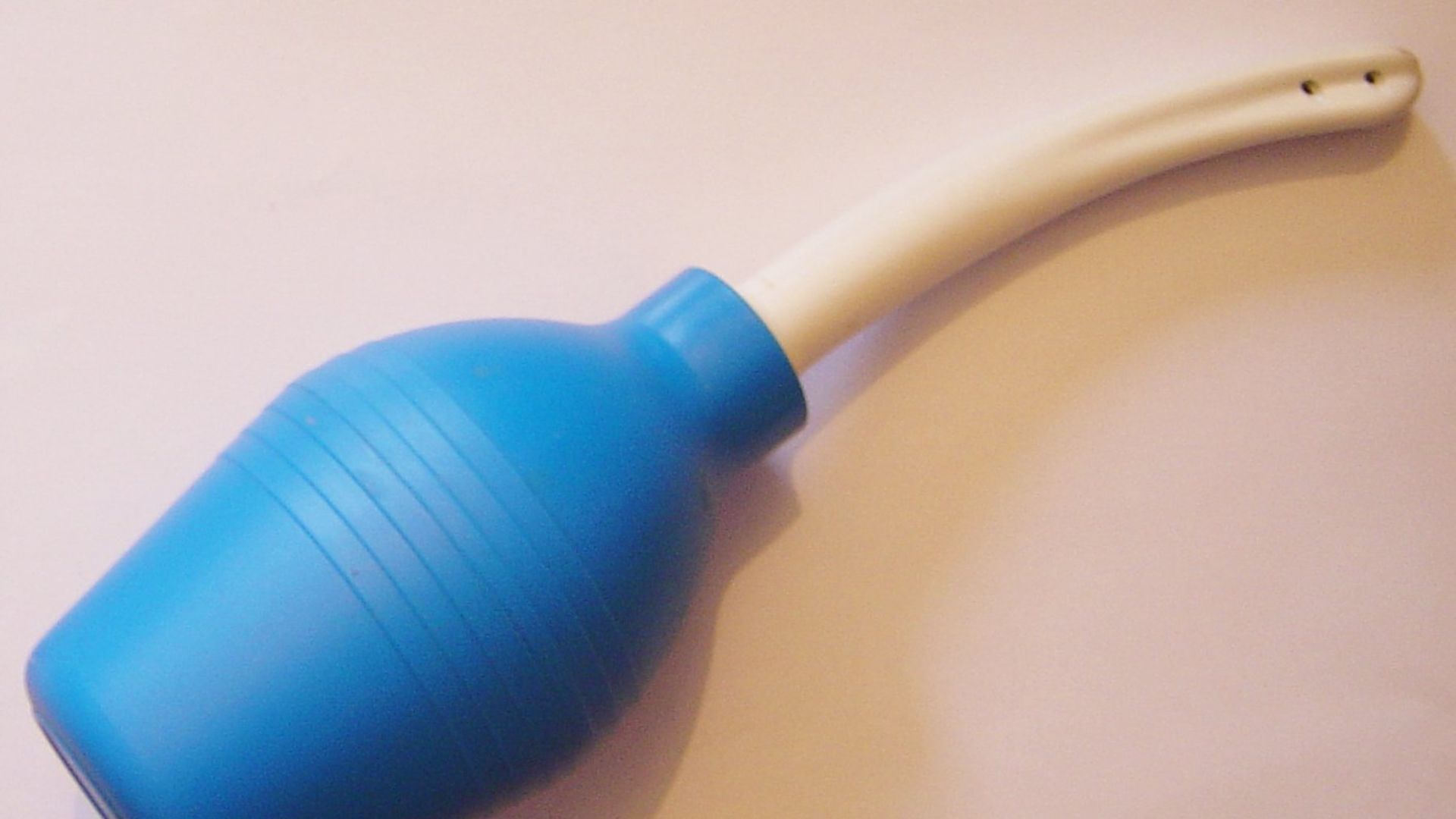
14. Douching to Feel Cleaner
Despite what some personal hygiene advertisements might lead you to believe, the vagina doesn't need to be cleaned internally to stay healthy. Douching can interfere with its natural bacterial balance, potentially increasing the risk of yeast infections and other complications. Gynecologists recommend letting the vagina clean itself naturally while gently washing the external vulva with water instead.
 Shattonbury~commonswiki on Wikimedia
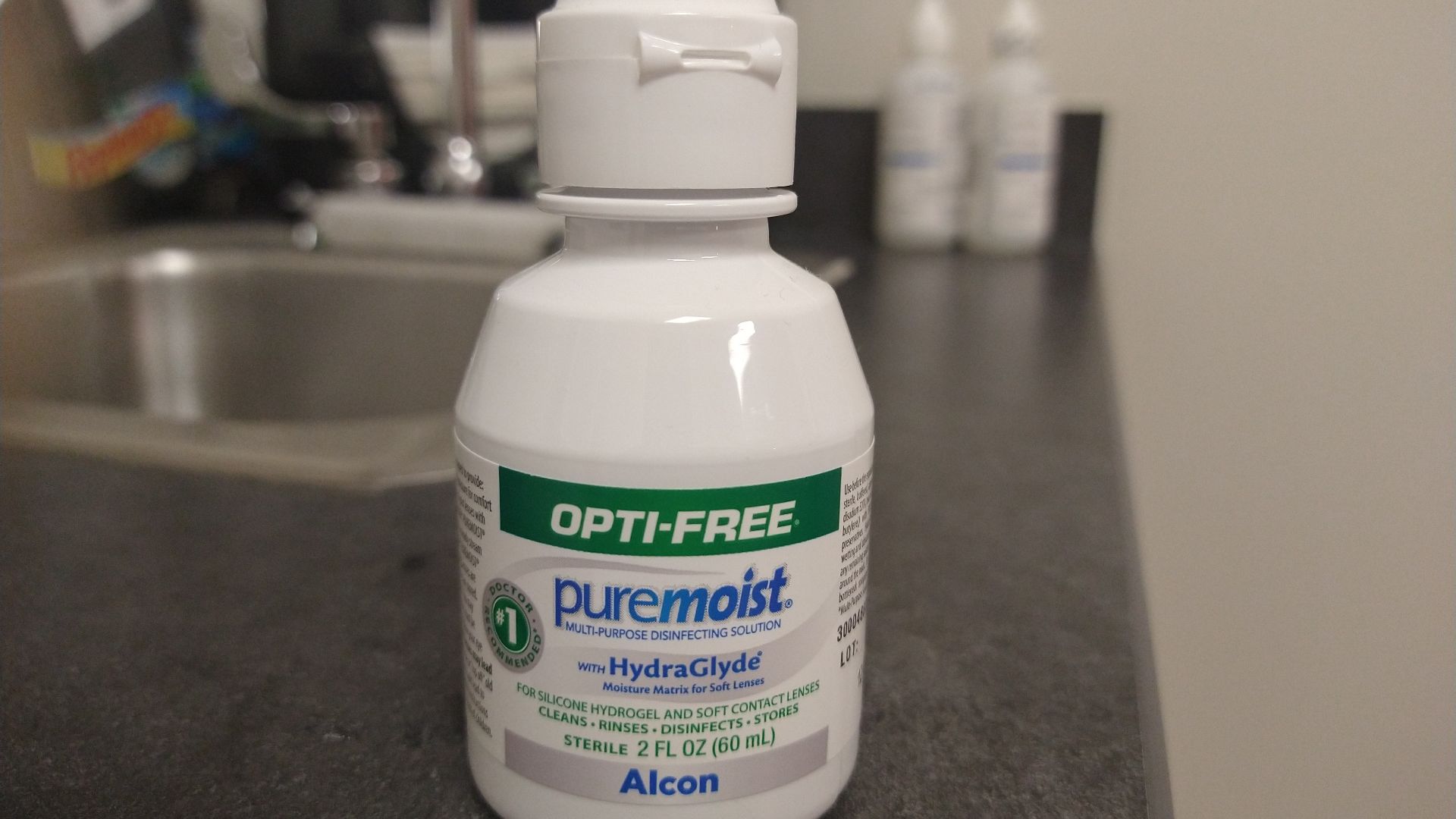
15. Using Expired Contact Lens Solution
Contact lens hygiene is one area where cutting corners can have some particularly unpleasant consequences. Using expired solution, reusing yesterday's disinfecting liquid, or adding fresh solution to what's already in your case can increase the risk of serious eye infections. Eye doctors recommend always using fresh, unexpired solution according to its instructions and remembering to replace your lens case regularly.
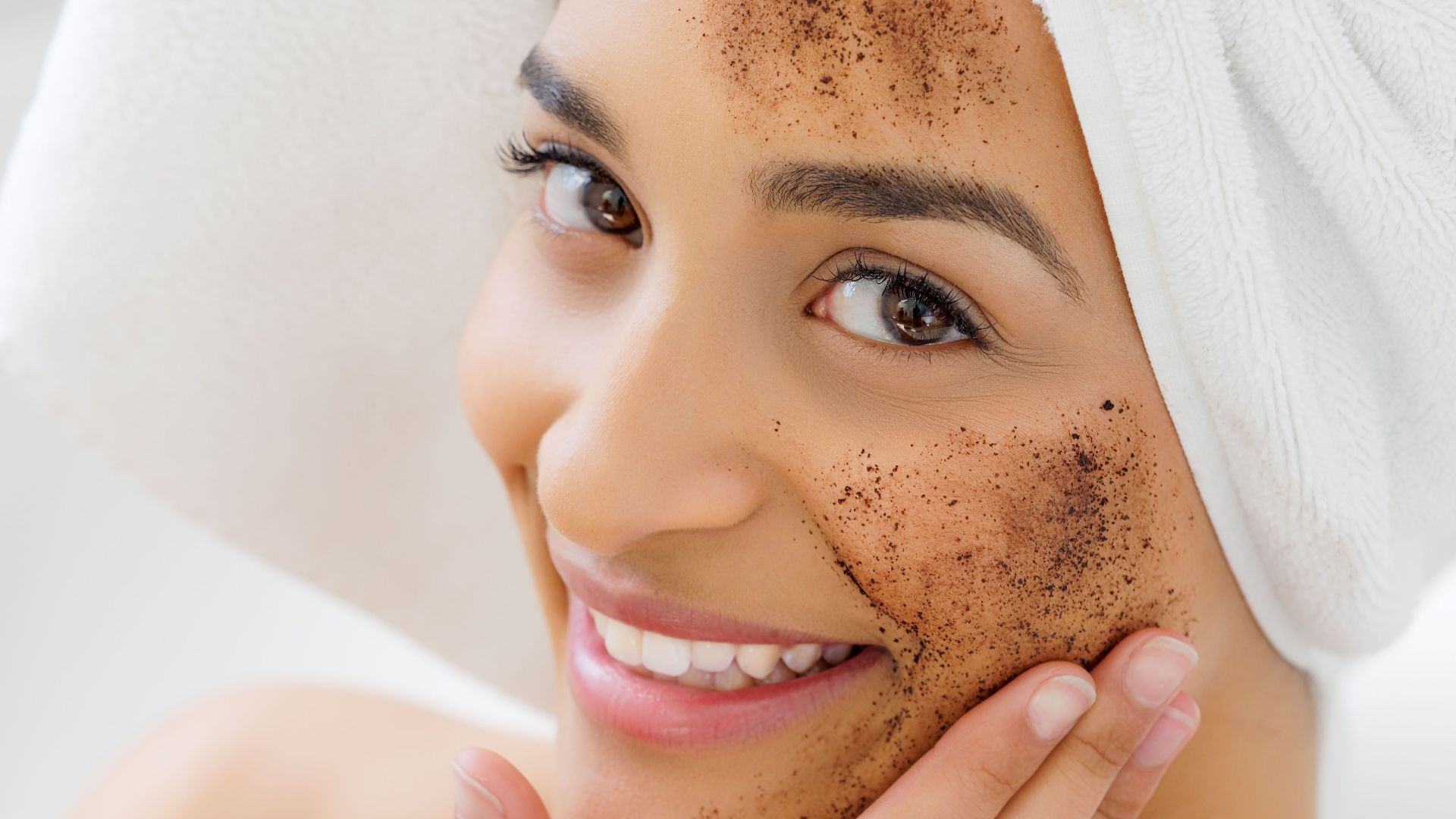
16. Scrubbing Your Skin With Harsh Exfoliants
Exfoliating can help get rid of dead skin cells, but scrubbing your face or body aggressively won't necessarily give you better results. Overdoing it can irritate your skin, increase redness, and damage its protective barrier, particularly if you're already using retinoids or products containing exfoliating acids. Dermatologists suggest choosing gentle products and adjusting your exfoliation routine based on how well your skin tolerates it.
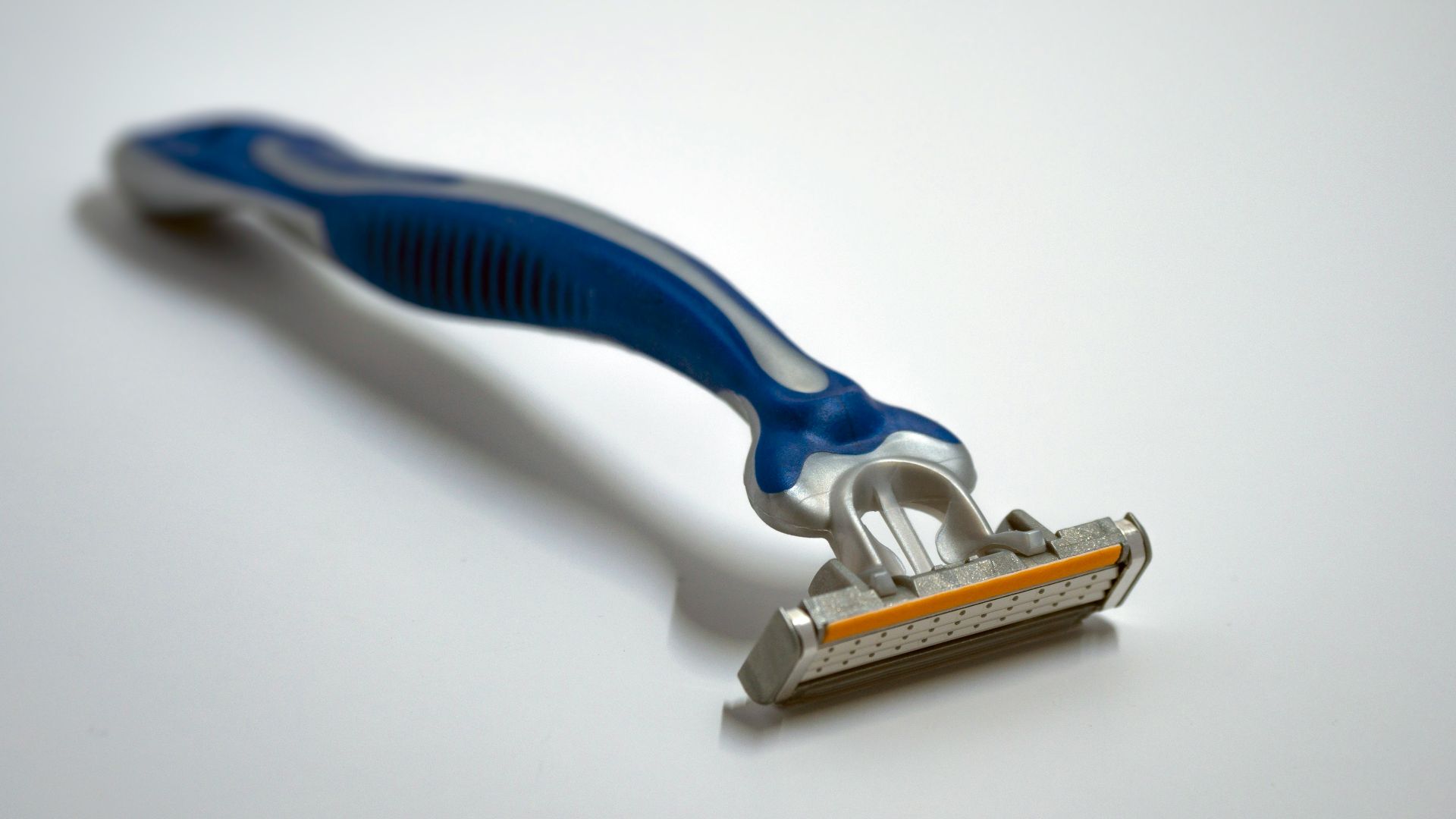
17. Sharing Razors With Other People
Borrowing someone else's razor might not seem like a big deal when you've forgotten yours, but dermatologists strongly advise against sharing them. Razors can create tiny cuts in the skin and may carry blood or microorganisms capable of transmitting certain infections. Keeping your own razor and replacing dull blades is a much safer option, even if you're sharing a bathroom with someone you know extremely well.
18. Brushing Immediately After Consuming Acidic Foods
You might automatically reach for your toothbrush after drinking orange juice or eating something particularly sour, but brushing right away isn't always the best idea. Acidic foods and drinks can temporarily soften the outer surface of your teeth, leaving them more vulnerable to wear from brushing. Dentists commonly suggest rinsing your mouth with water and waiting about an hour before brushing after significant acid exposure.

19. Walking Barefoot in Public Bathrooms
Walking around barefoot in public bathrooms, gym locker rooms, or communal showers might seem harmless, but doctors generally recommend keeping your feet covered. Warm, damp environments can harbor fungi responsible for athlete's foot, while certain strains of HPV that cause plantar warts can spread through contact with contaminated surfaces. Wearing shower shoes or flip-flops in shared facilities is an easy way to reduce your chances of picking up an unwanted infection.
20. Forgetting to Moisturize After Showering
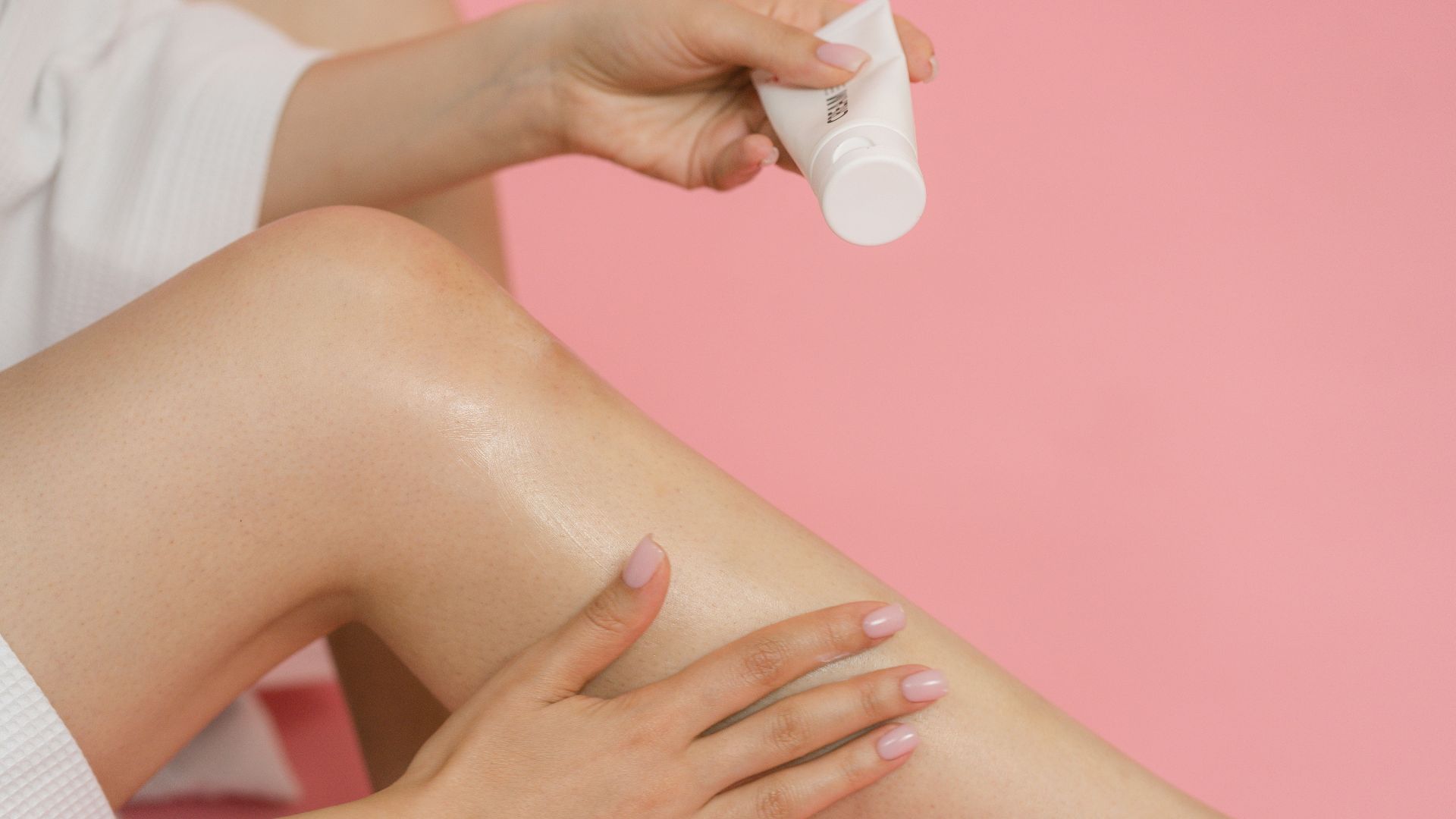
After taking the time to wash and thoroughly clean your skin, forgetting to moisturize can leave it feeling dry and irritated. Showering can remove some of the natural oils that protect your skin, particularly when you're using hot water or harsh cleansers. Dermatologists recommend applying a fragrance-free moisturizer while your skin is still slightly damp to help lock in moisture and keep dryness under control.
KEEP ON READING



20 Ways To Get Your Vitamins And Minerals
20 Ways Doing Less Can Actually Improve Your Health