
The History of Taming Hunger
Trying to eat less didn’t start with calorie counting, diet apps, or meal-replacement shakes. For centuries, people have limited food for religious reasons, medical treatment, hard physical work, and simple necessity when regular meals weren’t guaranteed. Some methods were pretty straightforward, while others involved purging, stimulants, or medical ideas that are seriously outdated. A few familiar habits, like skipping breakfast, cutting certain foods, or eating slowly, have much deeper roots than you might expect. These 20 examples show how people tried to make hunger easier to handle, eat less, or keep their appetites under tighter control.

1. Religious Discipline
Early Christian communities made fasting a regular part of their lives, including weekly fasts and periods of going without food tied to Lent, baptism, and repentance. Resisting hunger was used as a way to practice spiritual discipline and self-control.
2. Medicine
Ancient Indian medical writing linked to Sushruta described fasting, exercise, and other “depletory” measures for people considered excessively heavy. The medical thinking behind those recommendations belonged to a very different time, but the basic idea is easy enough to recognize. People were deliberately eating less as part of an attempt to change body weight and treat health problems.

3. Simply Eating Less
Ancient Greek physicians also advised people considered overweight to cut back on the amount of food they ate. There weren’t calorie goals, food diaries, or detailed meal plans to follow. The advice was much simpler: eat less, exercise, and use restraint around food in an effort to reduce body size.

4. Avoiding Drinking to Fullness
Some Greco-Roman advice about body weight didn’t stop with food. People could also be told not to keep drinking until they felt full, which fit with old beliefs about digestion and keeping the body in proper balance.

5. Using Emetics After Eating
Ancient treatments for corpulence sometimes included emetics, which were substances taken to make a person vomit. This approach didn’t try to stop hunger before someone ate. Instead, it tried to remove food afterward, making it one of the harsher and more dangerous ways people attempted to control what happened after a meal.

6. Taking Cathartics
Cathartics and laxative preparations also showed up in early treatments for excessive body weight. Physicians used strong plant-based mixtures to empty the digestive system because they believed reducing what was inside the body could help with corpulence.

7. Avicenna
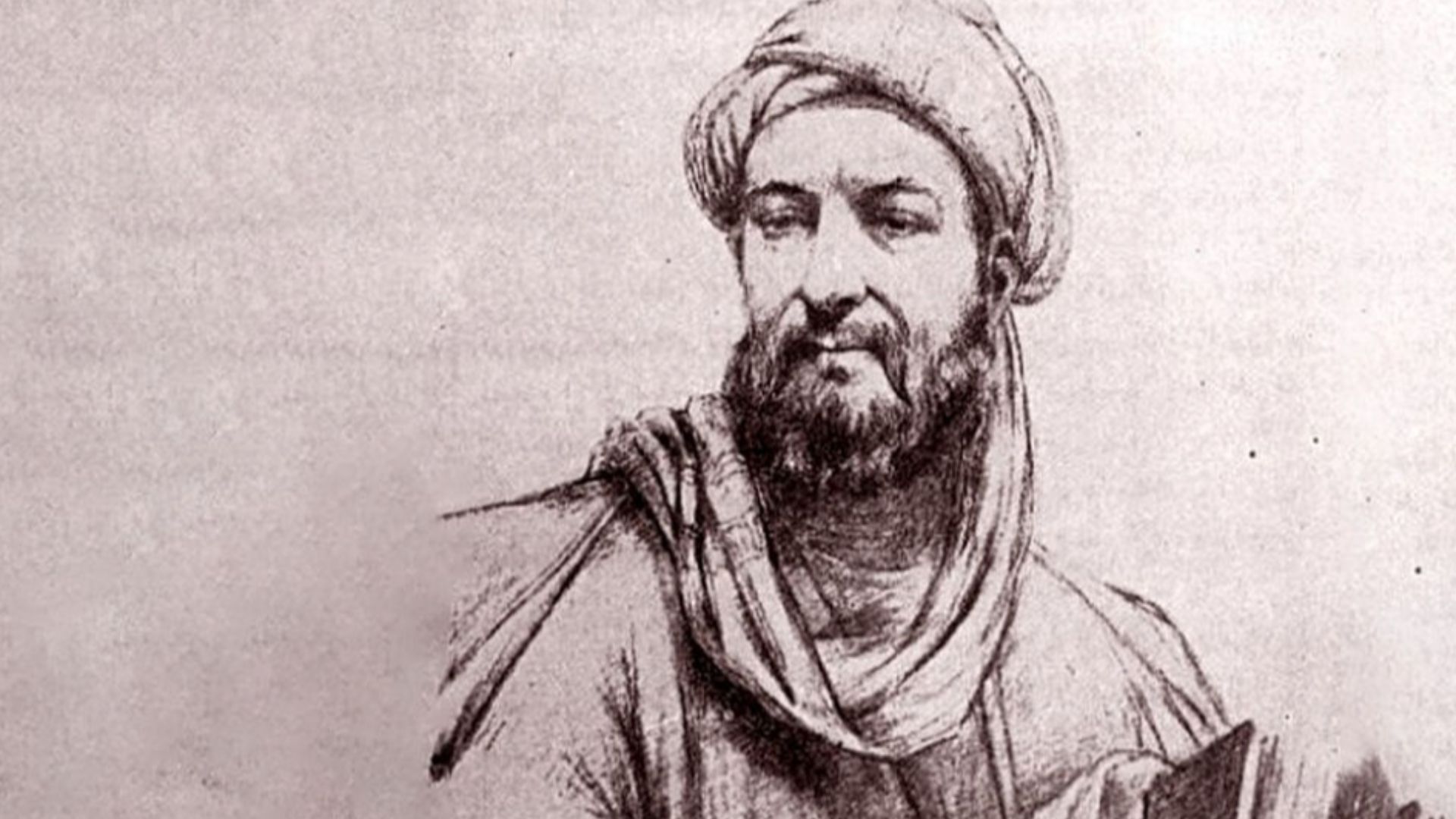
Medieval physician Avicenna wrote about reducing either the amount of food a person ate or how rich that food was as part of medical treatment. He didn’t believe the same level of restriction suited everyone, either. A person’s strength, illness, age, the season, and even the climate could all affect how much food he thought should be reduced.
8. Chewing Coca Leaves
Coca leaves have been used in Andean cultures for thousands of years, and chewing them has traditionally been connected with easing hunger, thirst, fatigue, cold, and discomfort. That could be useful in places where work and travel were physically demanding. Making hunger feel less noticeable could help people get through longer stretches before their next meal.

9. Chewing Betel Quid
Betel quid and areca nut have a long history in parts of Asia and the Pacific, where chewing has had social, cultural, and stimulating uses. People have also used the practice to satisfy hunger, making it another way of dealing with an empty stomach without sitting down to a full meal. Areca-nut chewing also comes with serious health risks.

10. Using Hoodia During Long Hunts
Indigenous San peoples of southern Africa have traditionally used hoodia to suppress appetite during long hunts. In that setting, keeping hunger under control was practical rather than being about appearance or fitting into smaller clothes. If you were away from a regular food supply for a long stretch, making hunger easier to tolerate had an obvious purpose.
 Winfried Bruenken (Amrum) on Wikimedia
11. Eating Caralluma During Scarcity
Caralluma is an edible succulent that has long been eaten in India, both as a vegetable and as food during famine. It also developed a traditional reputation for suppressing appetite and easing thirst.
 Nativeplants garden on Wikimedia
12. Turning to Heath-Pea Tubers
In Scotland, heath-pea tubers were historically associated with reducing hunger during periods when food was scarce. Their reputation for keeping appetite at bay lasted for centuries. When people couldn’t count on regular meals, they had something that could tide them over, even just for a little while.

13. Drinking Vinegar and Water
Lord Byron became known for going to severe lengths to keep his weight down, and contemporary accounts describe him drinking vinegar and water while eating very little. During one stretch in Athens, his food was reportedly seldom more than a small amount of rice. His routine shows just how restrictive personal weight-control habits could already be in the early 19th century.

14. Living on Biscuits and Tea
Byron’s efforts didn’t stop with vinegar and water. His writings and contemporary accounts also describe periods when he relied heavily on tea, hard or dry biscuits, and soda water, sometimes eating only a handful of biscuits across an entire day. Rather than finding meals that kept him full, his approach largely depended on putting up with hunger.

15. Leaving the Table Hungry
Early 19th-century writing about obesity sometimes encouraged people to show restraint at the table, even if that meant stopping while they were still hungry. Appetite was treated as something you could consciously push back against instead of a feeling that always had to be satisfied. Self-control around meals became part of the weight-loss approach itself.

16. Cutting Starches and Sugary Foods
Long before low-carb eating became a familiar diet trend, some 19th-century writers blamed starchy and sugary foods for corpulence. Bread, potatoes, macaroni, pastries, and other foods heavy in flour or starch could all end up on the avoid list.

17. Keeping Meals Plain
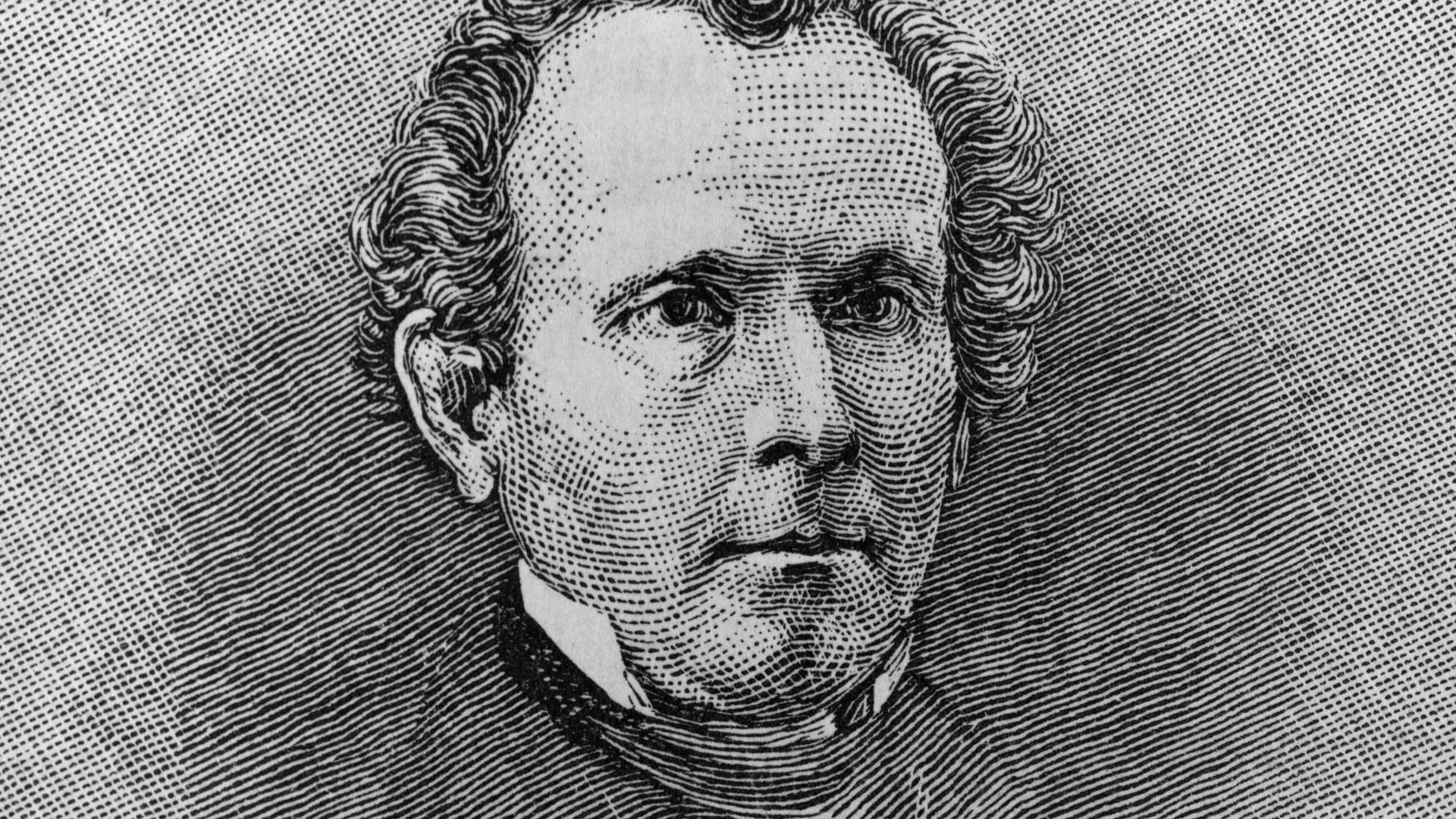
American reformer Sylvester Graham believed simple food, moderate portions, slow eating, and thorough chewing could help people avoid overeating. His wider approach favored plain preparations and coarse whole-grain foods rather than rich meals.
 Miscellaneous Items in High Demand, PPOC, Library of Congress on Wikimedia
18. Following the Banting Diet
William Banting’s 1863 weight-loss plan restricted bread, butter, milk, sugar, beer, potatoes, and several other foods he’d previously eaten freely. He wasn’t counting calories or adding up nutrients. Instead, he followed a firm list of foods to avoid, helping make the idea of following a named personal diet specifically for weight loss much more familiar.
19. Skipping Breakfast
Around the turn of the 20th century, physician Edward Hooker Dewey promoted a “no-breakfast” plan centered on fasting and limiting how much food people ate each day. He believed people should wait until they felt real hunger before eating instead of automatically starting the day with breakfast.
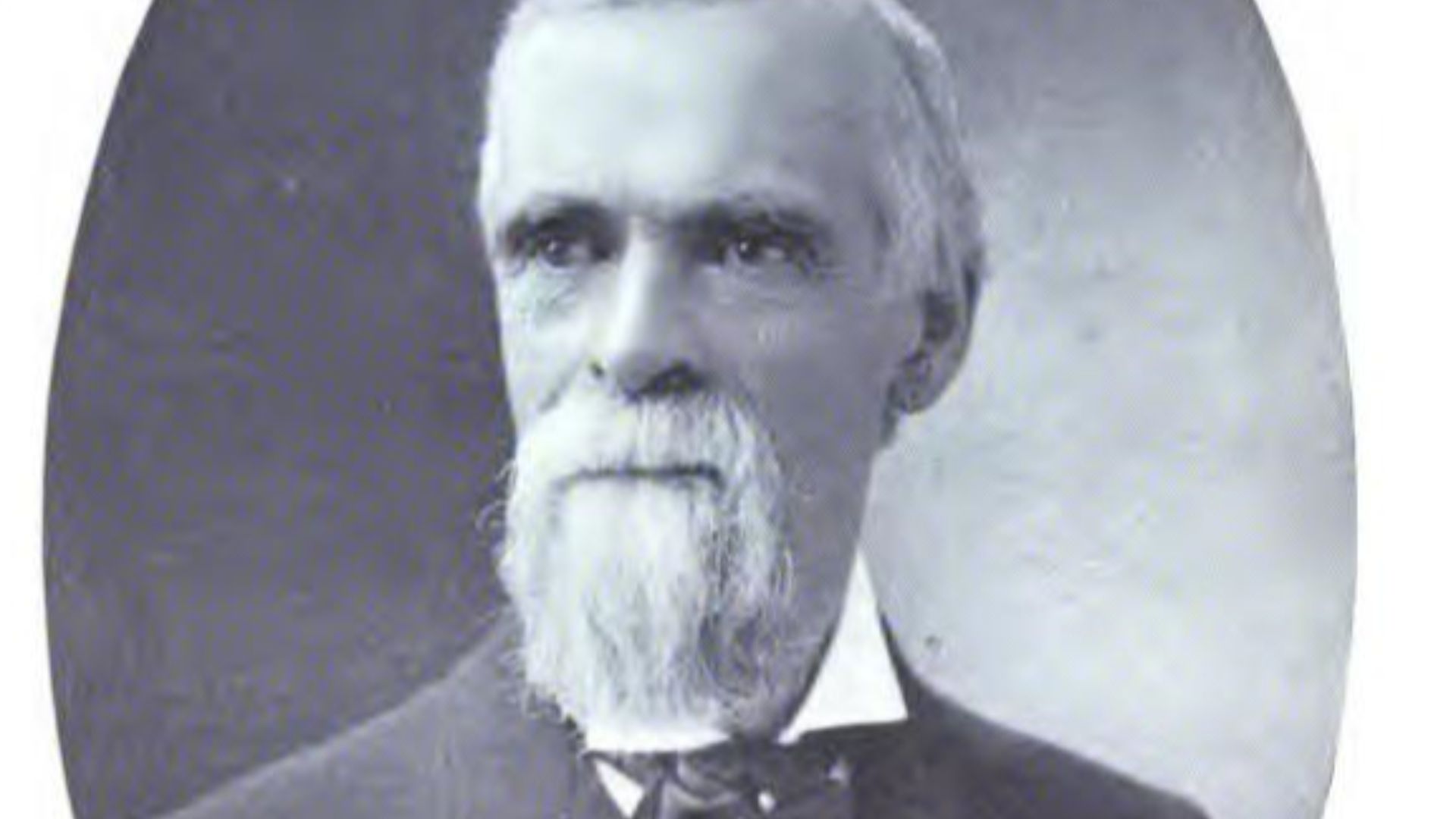 Edward Hooker Dewey on Wikimedia
20. Chewing Food Extremely Slowly
Horace Fletcher made extreme chewing fashionable in the early 20th century, telling people to keep working food around their mouths until its taste had been thoroughly extracted and swallowing happened almost automatically. He also believed paying close attention to appetite and chewing would help people avoid eating more than their bodies needed.
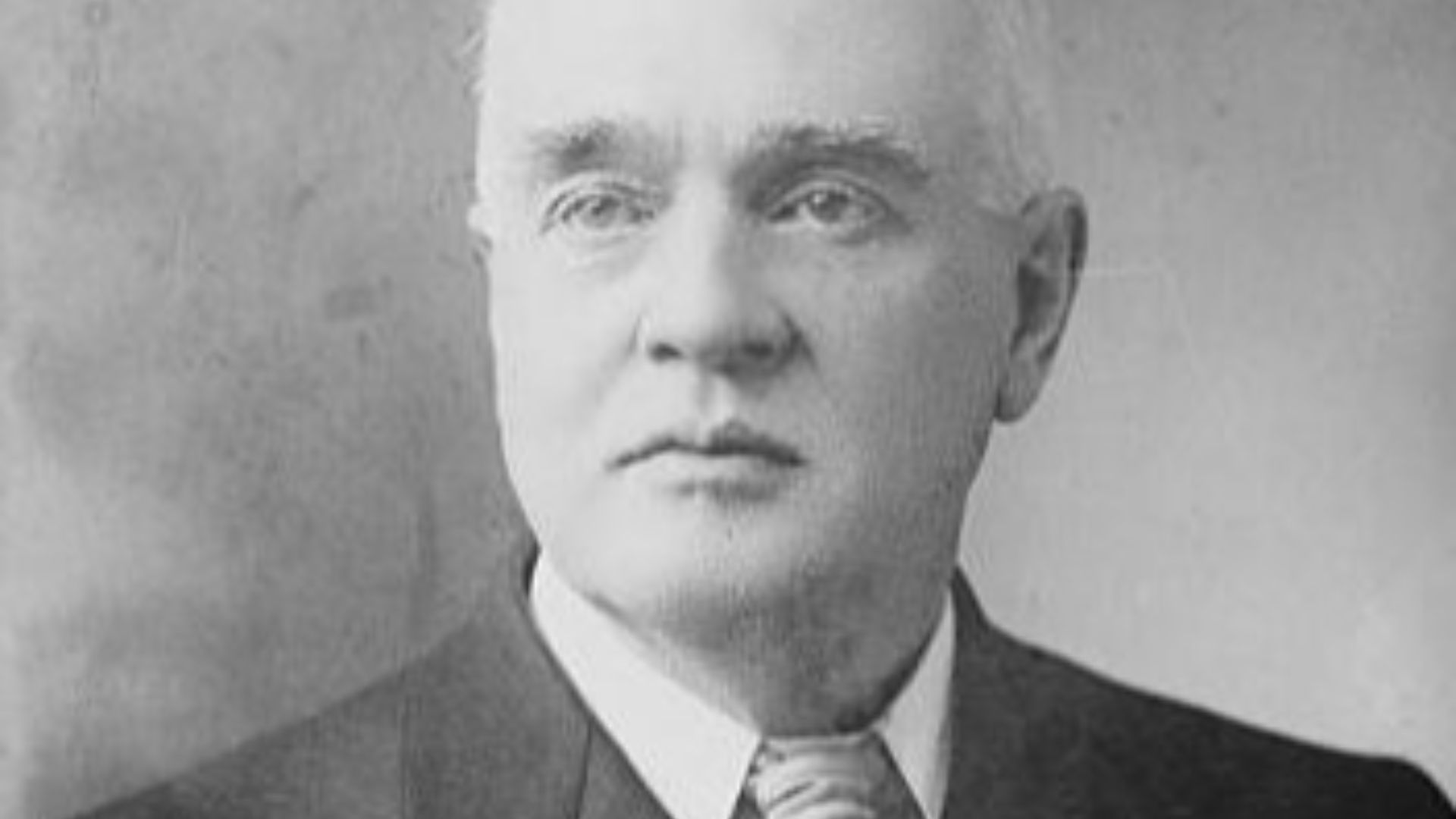 Bain News Service, publisher on Wikimedia