
The Gut Advice Worth Ignoring, Before It Makes You Feel Worse
Scroll through enough wellness content, and you'll start to believe your gut is one bad meal away from disaster. Gluten is the enemy, you’re in desperate need of a juice cleanse, and if you’re not taking vitamin B12, what’s the point of eating? Before long, a little post-lunch bloating starts to feel like a five-alarm emergency, and you're googling symptoms at midnight instead of just... digesting. In reality, your gut doesn’t care about trends. It's personal, messy, and influenced by way more than what's on your plate. Sleep, stress, hormones, medications, even how fast you eat, all play a role. So when a quick fix promises to fix everything, it's worth pausing before you rush to the pharmacy. Let's clear up the 20 myths most likely to be steering you in the wrong direction.

1. You Need a Daily Bowel Movement
There's no universal bathroom schedule you're supposed to be hitting. Some people go multiple times a day, others go a few times a week, and both can be perfectly normal, as long as it's comfortable and consistent for them.

2. A Colon Cleanse Flushes Out Toxins
Your colon isn't secretly hoarding waste. It's already doing its job. Cleanses don't offer any real detox benefit, and they can actually backfire, causing dehydration, electrolyte imbalances, infections, or injury. If you're feeling backed up, the smarter move is looking at your fiber and water intake.
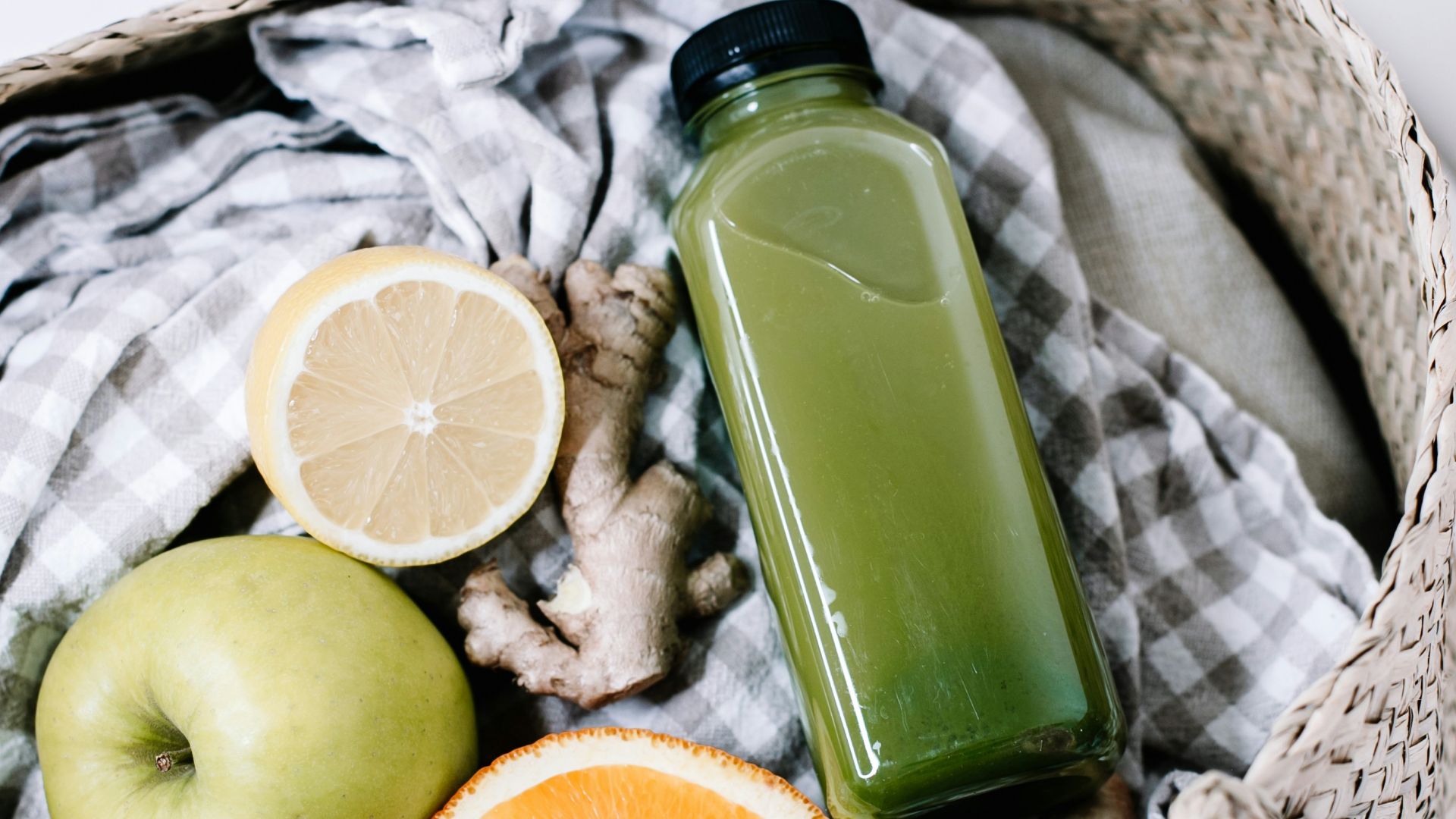
3. Eight Glasses of Water a Day
Catchy number, questionable science. Your hydration needs shift constantly based on activity level, heat, what you're eating, and even certain health conditions. Soup, fruit, and vegetables all count toward your fluid intake too.

4. More Fiber Is Always Better
Yes, fiber is great for regularity, but going from zero to hero overnight is a fast track to bloating and gas. Ease into it gradually and drink plenty of water as you go. During a digestive flare-up, "more fiber" might not even be the right move at all.
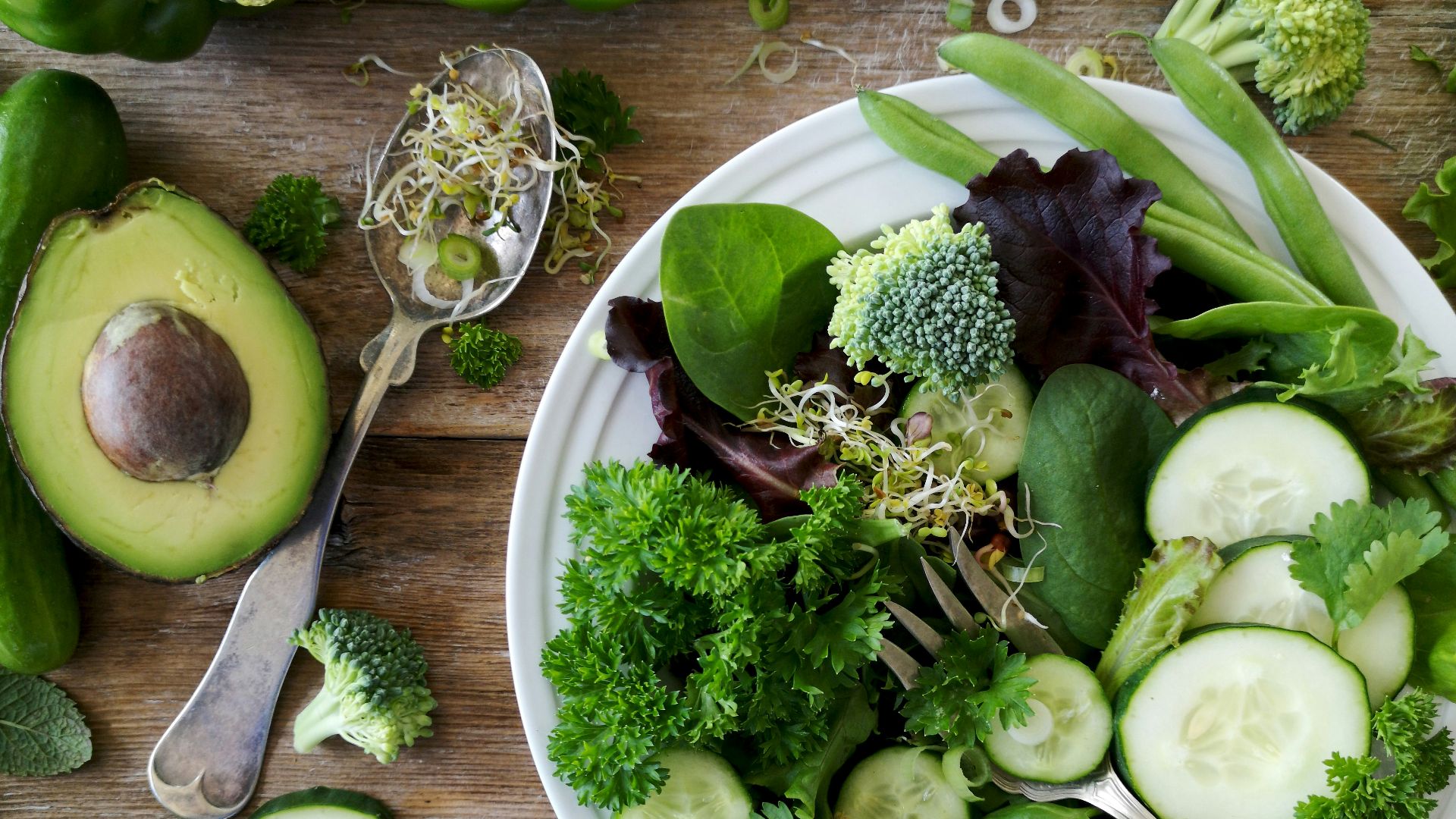
5. Going Gluten-Free
If you have celiac disease, ditching gluten isn't optional. For everyone else, gluten-free doesn't equal healthier, especially when it just means swapping whole grains for ultra-processed substitutes.
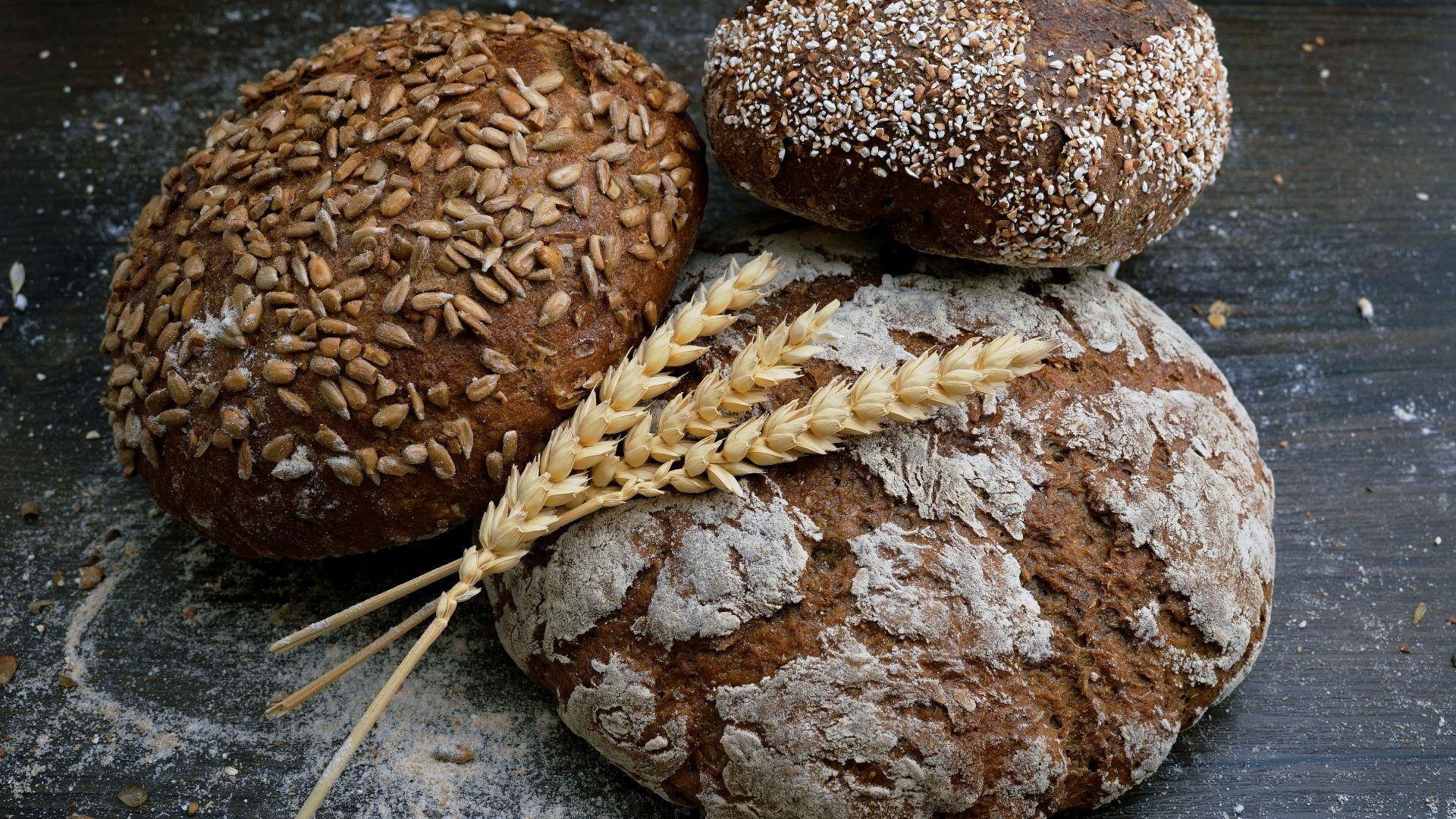
6. Dairy Is Bad for You
Dairy gets blamed a lot, but it's not the universal villain people make it out to be. Lactose intolerance and milk allergies are real, sure, but plenty of people with lactose intolerance can still enjoy modest amounts.

7. Stress or Spicy Food Causes Ulcers
This one's stuck around for decades, but it's mostly a myth. Stress and spicy meals can irritate an already unhappy stomach, but they're rarely the actual cause of peptic ulcers. The real culprits are usually H. pylori infections or frequent use of pain relievers like ibuprofen and naproxen.

8. Heartburn And Stomach Acid
Heartburn is less about acid quantity and more about acid location. It happens when stomach contents travel up into the esophagus, usually because the muscle meant to keep that door shut isn't doing its job. Big meals, lying down right after eating, smoking, and certain medications can worsen the effects.

9. Peppermint
Peppermint has a reputation as a gut cure-all, but it's not magic. It can relax the same muscle responsible for keeping stomach acid where it belongs, which means it might actually make heartburn and reflux worse for some people.
 Anna Hliamshyna 💙💛 on Unsplash
10. Probiotics Fix Bloating
"Probiotics" isn't one catch-all product. Different products contain different strains and different doses. What works for one condition, or one person, might do absolutely nothing for another.

11. Fermented Foods and Probiotics
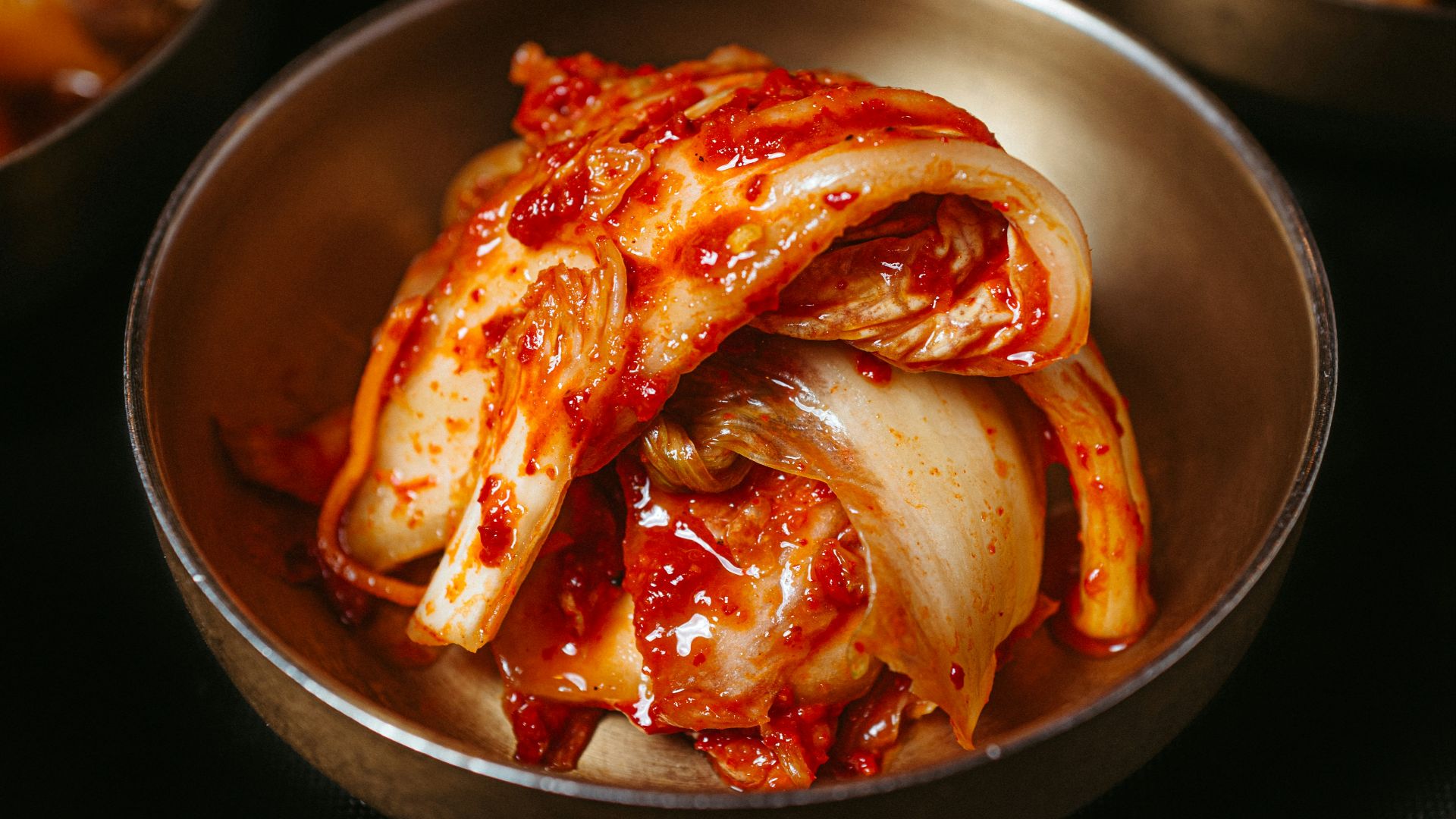
Yogurt, kefir, kimchi, and sauerkraut are all fantastic additions to a varied diet, but they're not the same as a clinically studied probiotic. The type and amount of live microorganisms can vary enormously from one jar to the next.
12. "Leaky Gut"
Increased intestinal permeability is real, but "leaky gut syndrome" as a catch-all explanation for fatigue, skin breakouts, bloating, brain fog, and basically any symptom under the sun? That's oversimplified at best.

13. IBS
Yes, food can trigger IBS flares, but treating IBS like a simple ingredient blacklist misses most of the picture. It often involves the connection between your gut and brain, how quickly things move through your intestines, and a digestive system that's just more sensitive overall.

14. Low-FODMAP Diets
Low-FODMAP is meant to be a temporary elimination-and-reintroduction process, not a permanent lifestyle. The actual goal is identifying your personal triggers, then returning to the widest variety of foods you can comfortably tolerate.
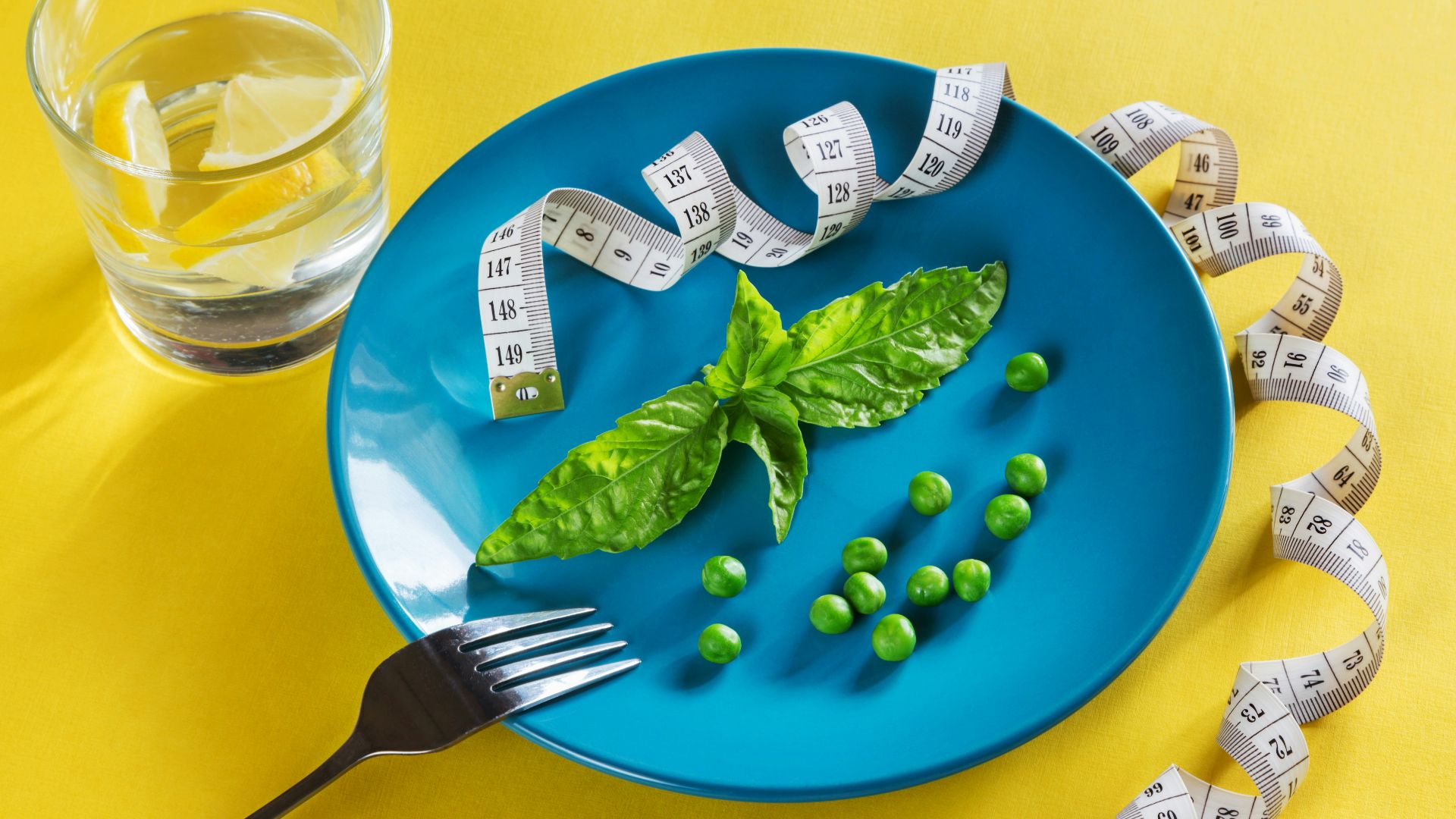
15. Bloating Is Always Normal
A little puffiness after a big holiday meal? Totally normal. But bloating that's new, persistent, or painful deserves attention. This is especially true with symptoms of weight loss, vomiting, blood in the stool, fever, or a lasting shift in the bathroom.

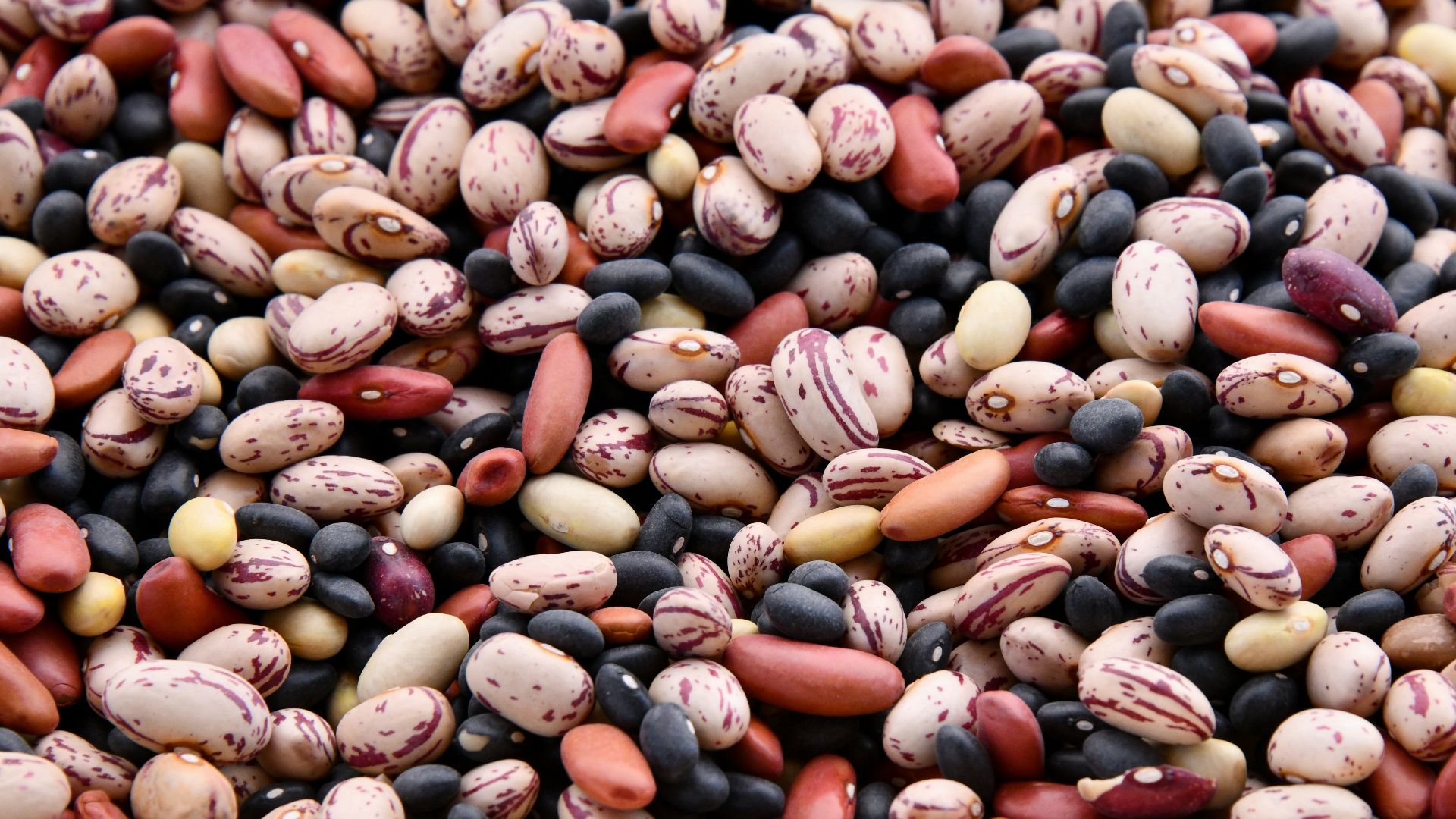
16. Beans
Gas from beans is the most natural process there is; it's your gut bacteria doing exactly what they're supposed to do: fermenting certain carbohydrates. If the noise and discomfort bother you, start with smaller portions.
17. Nuts, Seeds, and Popcorn
This myth has had a surprisingly long shelf life. People with diverticulosis or diverticular disease generally don't need to avoid nuts, seeds, or popcorn, and a fiber-rich diet is often actually encouraged. That said, it's smart to follow whatever plan your own doctor has laid out.

18. Laxatives
While laxatives can help in the short term, they're not meant to be a forever solution. Constipation can stem from diet, inactivity, medication side effects, pelvic floor issues, or an underlying condition that needs its own treatment.

19. At-Home Tests
Those trendy IG food-sensitivity panels promise to unmask every food that’s secretly sabotaging you, but they simply aren't validated for diagnosing food intolerances or allergies. Similar symptoms can stem from lactose intolerance, celiac disease, IBS, reflux, medication side effects, and more. Working with a clinician or registered dietitian means you’re a lot more likely to get real answers.

20. Ongoing Digestive Symptoms Are Just Part of Life
Digestion can be unpredictable, sure, but symptoms that keep interfering with your meals, your work, or your sleep aren't something you just have to accept. Blood in the stool, black stools, persistent vomiting, trouble swallowing, unexplained weight loss, severe pain, or fever all warrant prompt medical attention.

KEEP ON READING



10 Pre-Workout & 10 Post-Workout Tips To Follow