
Your Home Can Make Everyday Movement Easier
Your home may have worked perfectly for years, but its layout can affect you differently as you gradually change with age. Everyday features such as stair placement, narrow walkways, bathroom arrangements, and furniture positioning can determine how comfortably you move from one room to another. You don't need to redesign your entire house after turning 50, but recognizing which features support easier movement can help you make practical changes long before they become necessary. Here are 20 ways your home layout affects your mobility after 50.
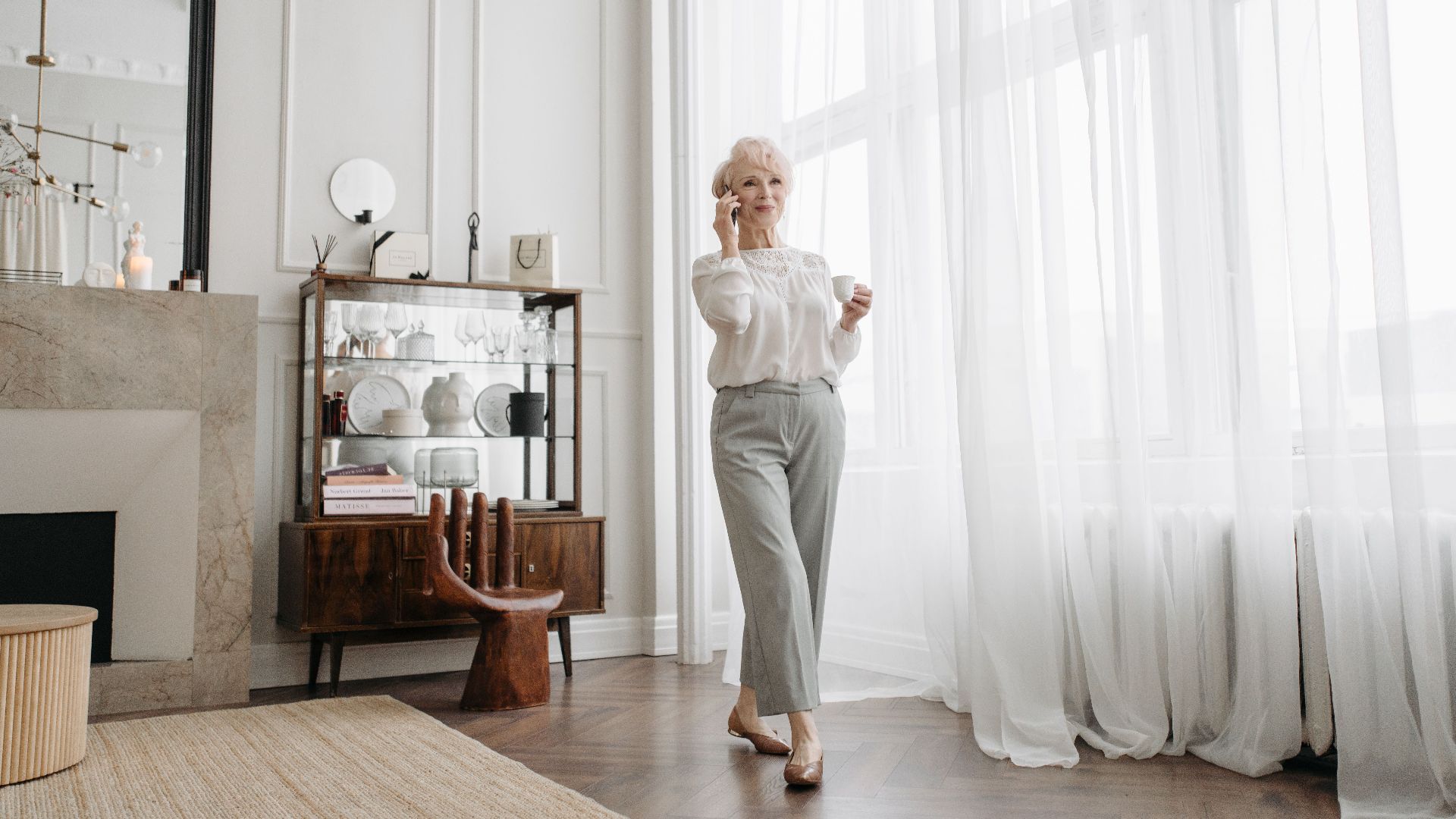
1. Too Many Stairs
A multistory layout requires you to climb stairs repeatedly for ordinary activities, which can be demanding if joint discomfort or reduced endurance develops. Stairs may also present a greater fall risk.

2. A Main-Floor Bathroom Makes a Difference
If every bathroom is upstairs, even a routine trip can require navigating a staircase several times every day. A toilet and sink on the main floor make the home easier to use if mobility becomes limited.
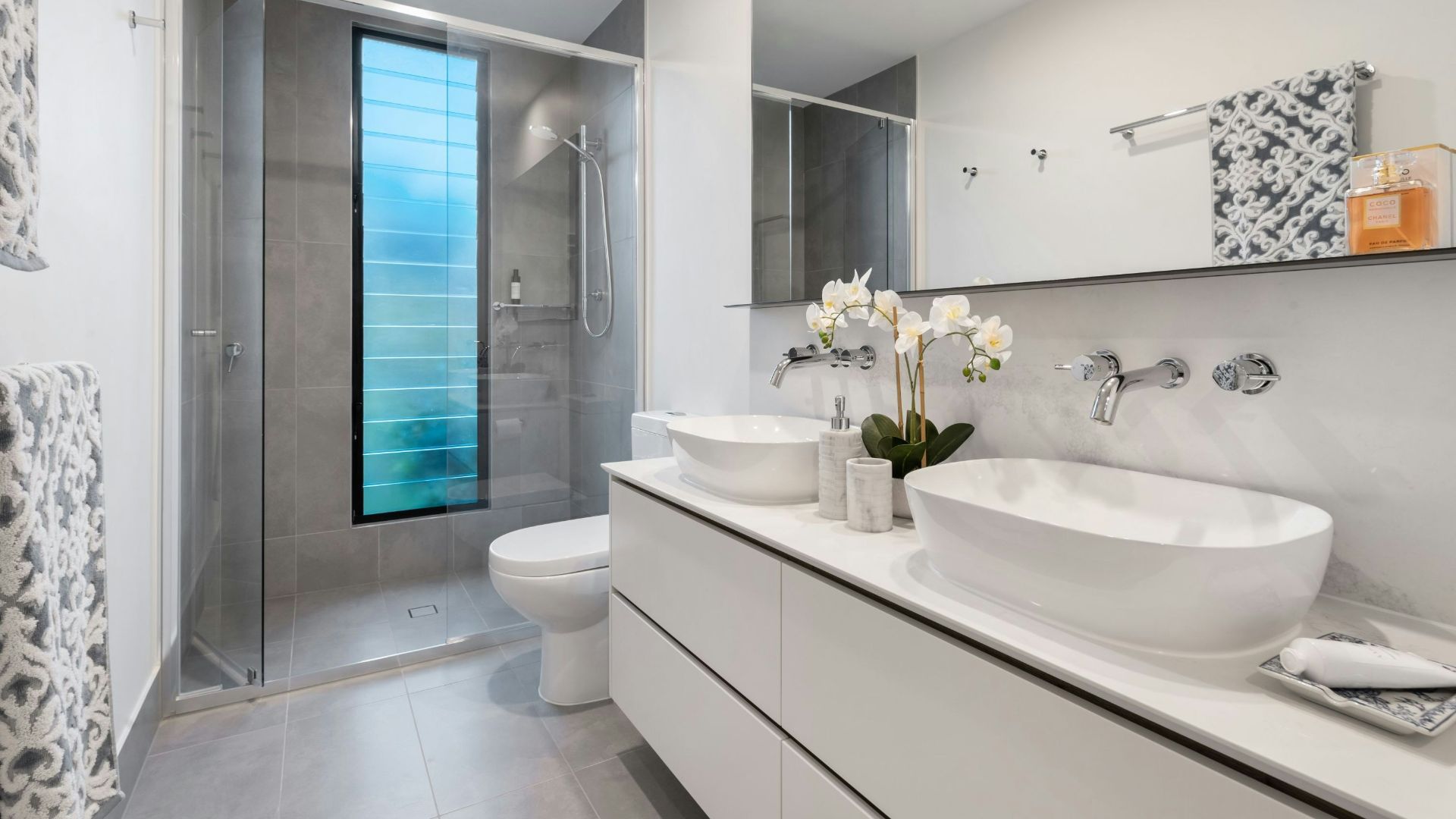
3. Narrow Hallways Can Limit Movement
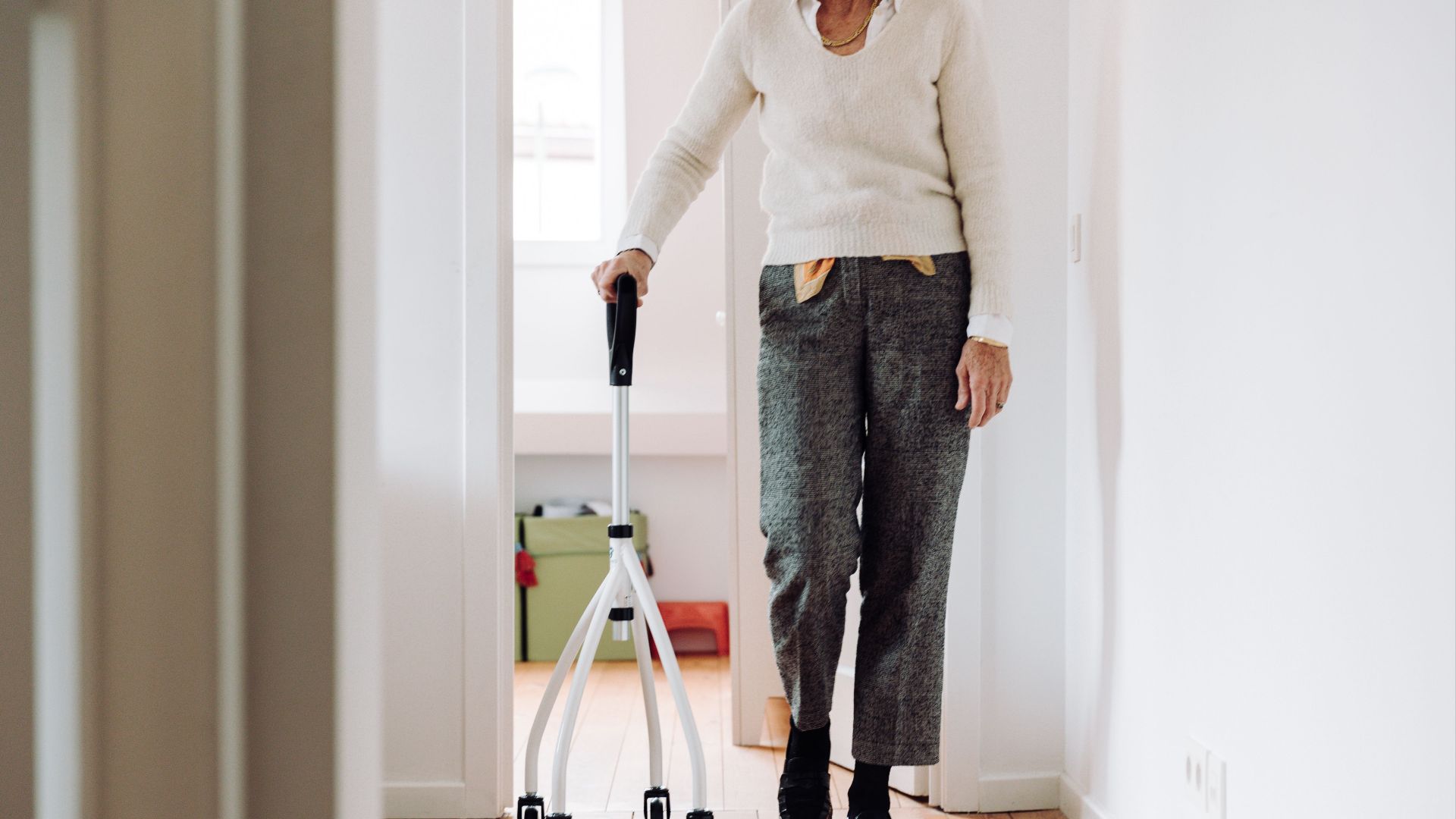
Hallways that feel perfectly adequate today may become awkward if you have to use a walker, cane, or other mobility aid. Furniture, storage baskets, and decorative items can make an already narrow passage even harder to navigate.
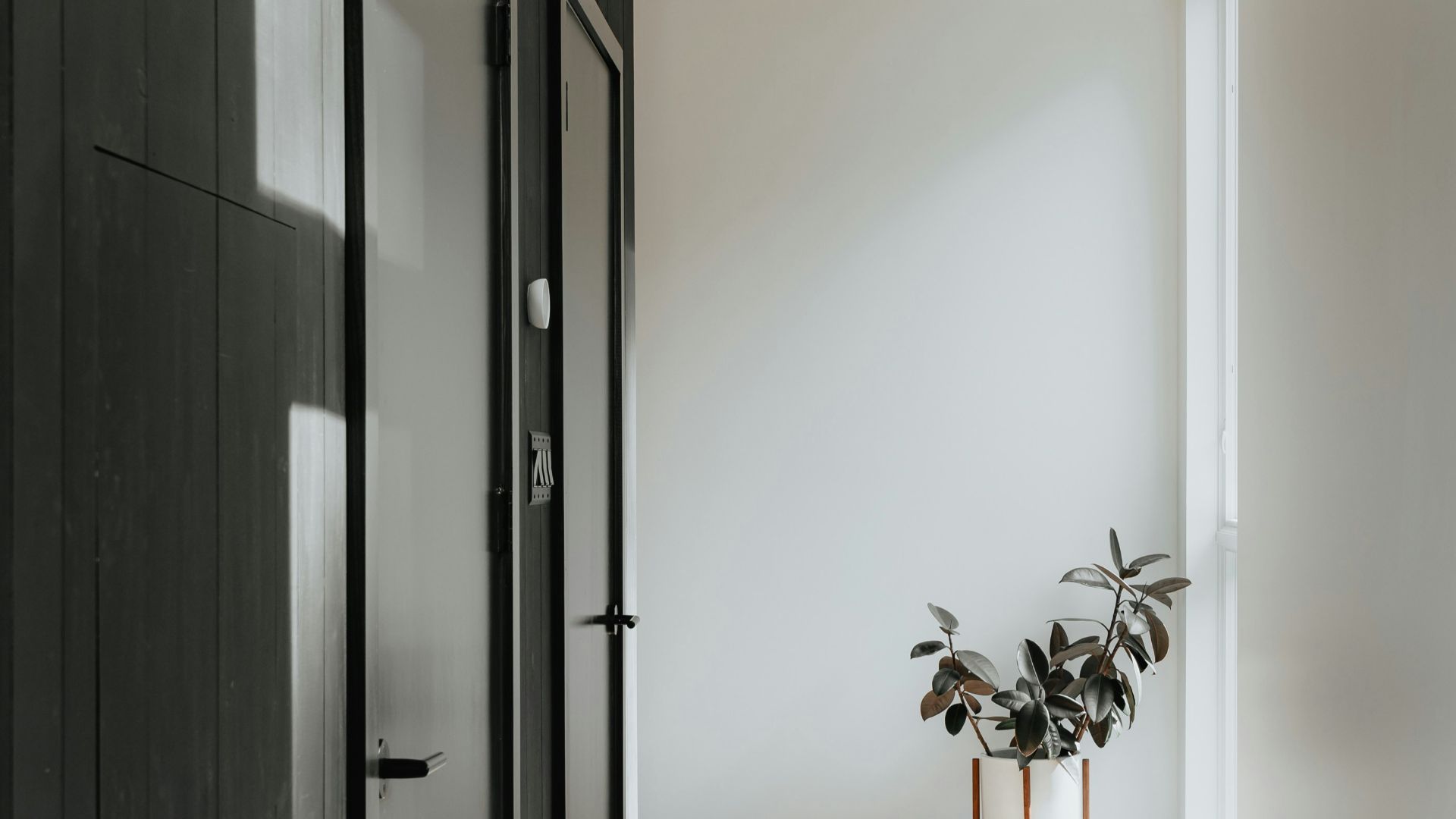
4. Cluttered Walking Paths
Shoes, bags, electrical cords, pet items, and small furniture can turn familiar routes through your home into areas that demand constant attention. Clearing paths allows you to walk naturally instead of repeatedly moving around obstacles.
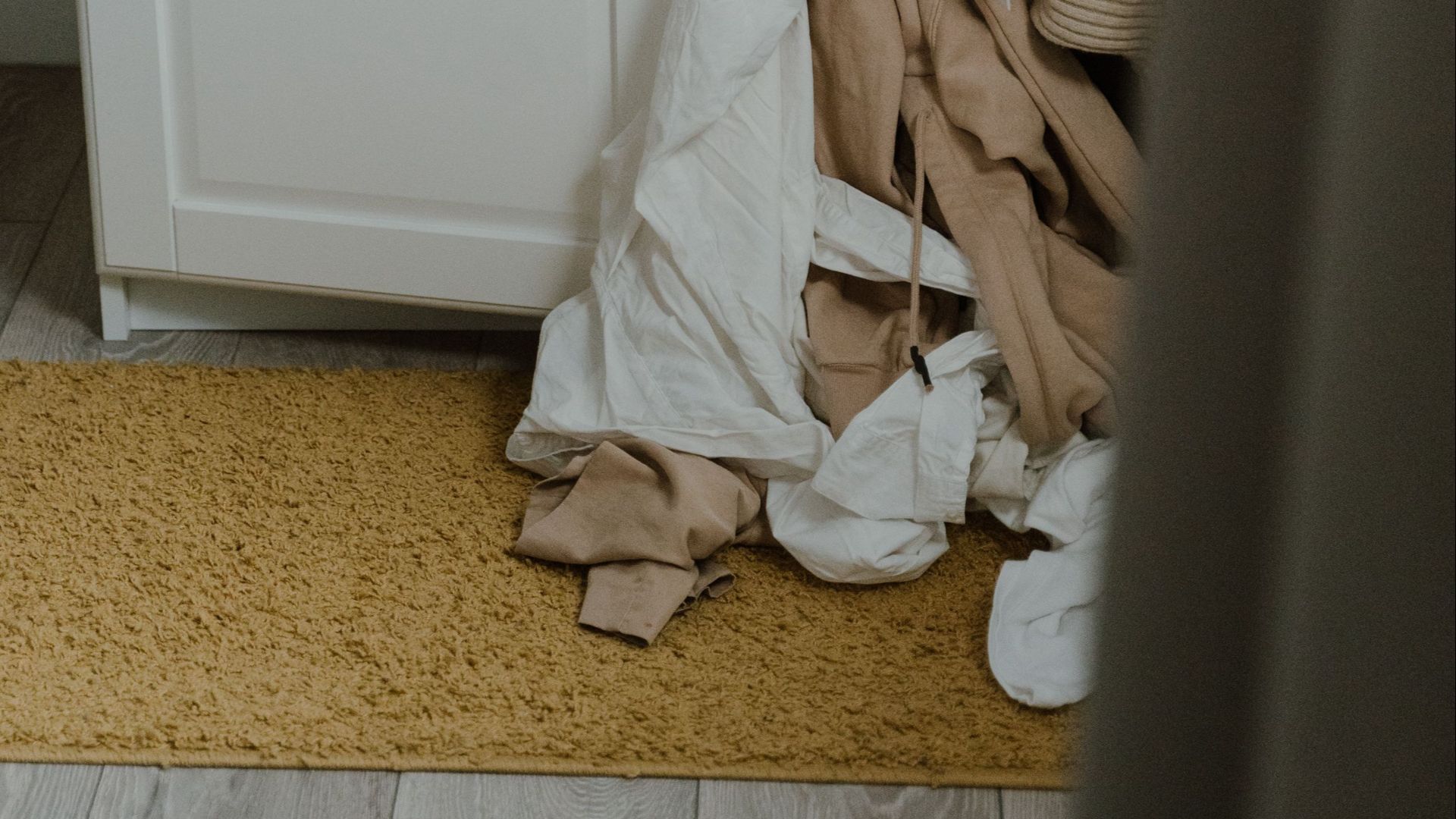
5. Furniture Placement Can Hinder
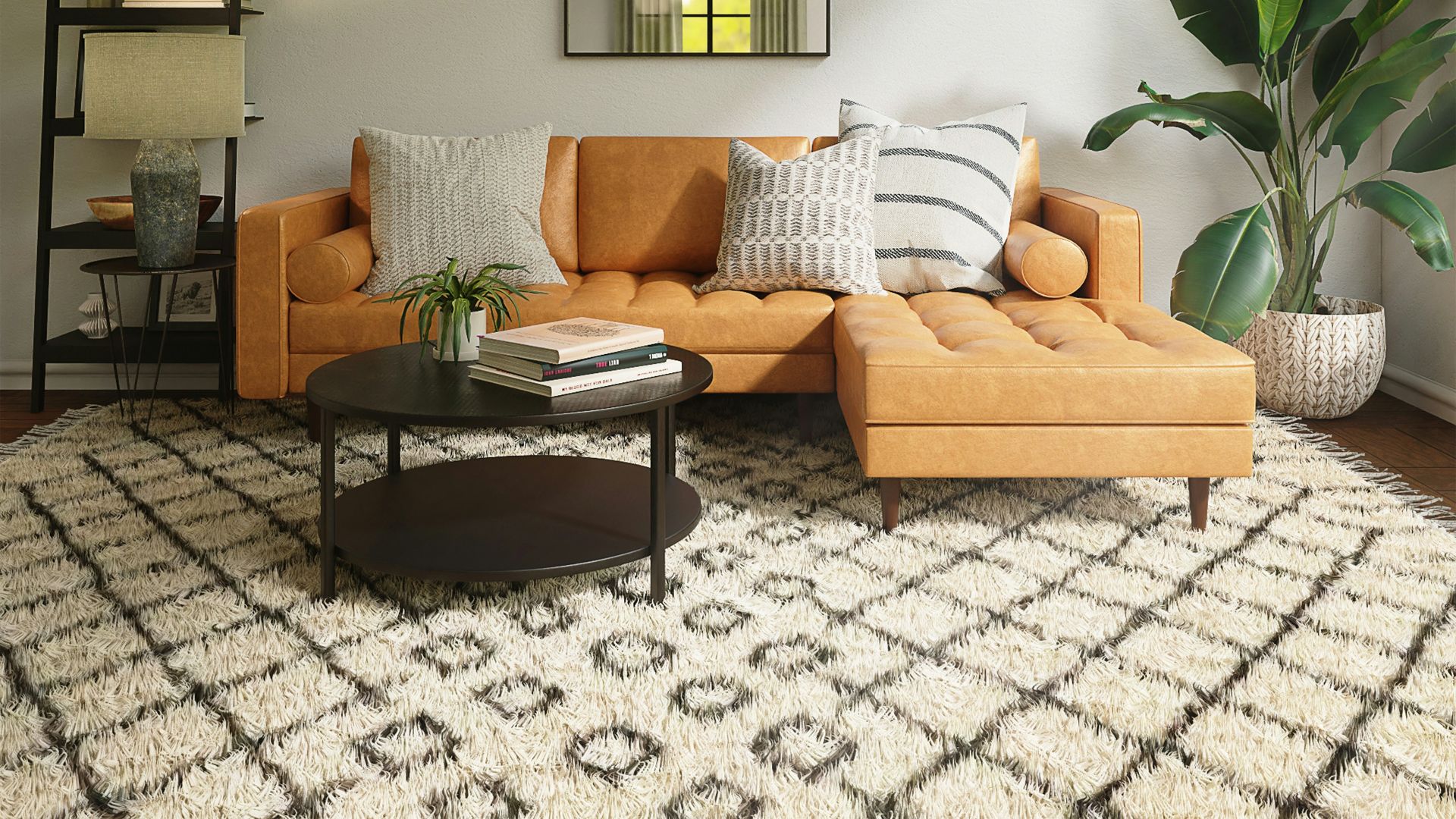
A beautifully furnished room isn't particularly convenient if you have to squeeze between a coffee table and sofa every time you cross it. Generous space between major pieces makes turning and walking through the room easier.
6. Long Distances Between Essential Rooms Matter
Large homes can require substantial walking between the bedroom, bathroom, kitchen, and main sitting area. That distance might become tiring if illness, arthritis, reduced stamina, or a mobility issue affects you as you age.

7. Poorly Positioned Bedrooms Can Become Inconvenient
An upstairs bedroom works well until stairs become difficult to manage several times each day. Homes with a flexible room on the main floor give you the option of creating a bedroom without much remodeling.

8. Open Floor Plans Can Improve Navigation
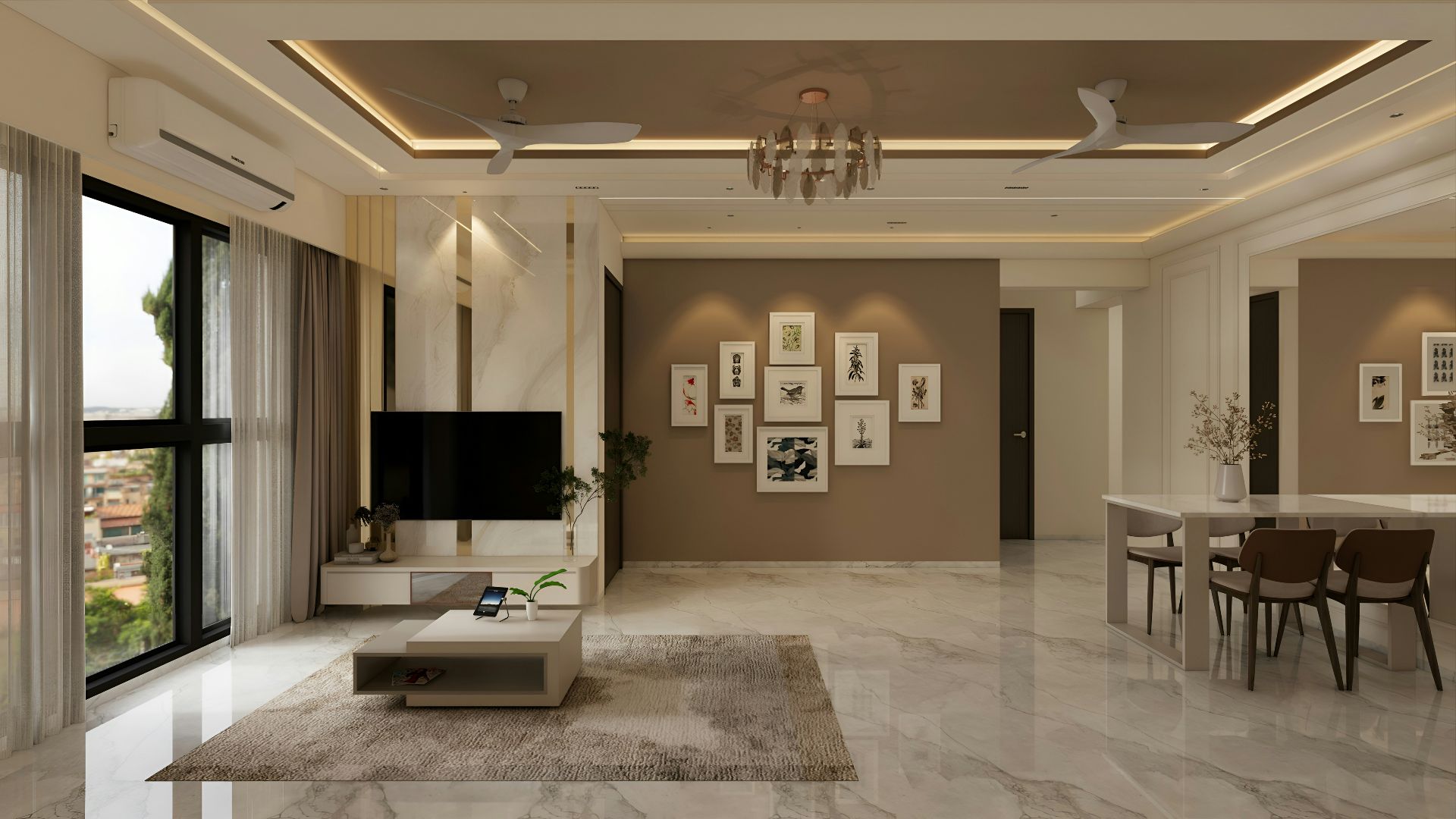
An open layout can provide fewer tight corners and doorways to maneuver around while moving between living, dining, and kitchen areas. Wider visual sightlines can also make destinations and obstacles easier to see. However, the advantage disappears if the open space becomes crowded with furniture.
 Home Makers Interior on Unsplash
9. Raised Thresholds Can Interrupt Your Stride
Small changes in floor height between rooms are easy to overlook because you've probably stepped over them countless times. Raised thresholds can nevertheless become tripping obstacles and may complicate the use of wheeled mobility equipment.
10. Bathroom Layouts Can Limit Maneuvering
Bathrooms are often among the smallest rooms in a house, leaving limited space beside toilets, sinks, and showers. Tight layouts can make turning or using mobility aids difficult, particularly when doors swing into the room. More open floor space provides greater flexibility if your physical needs change in the future.
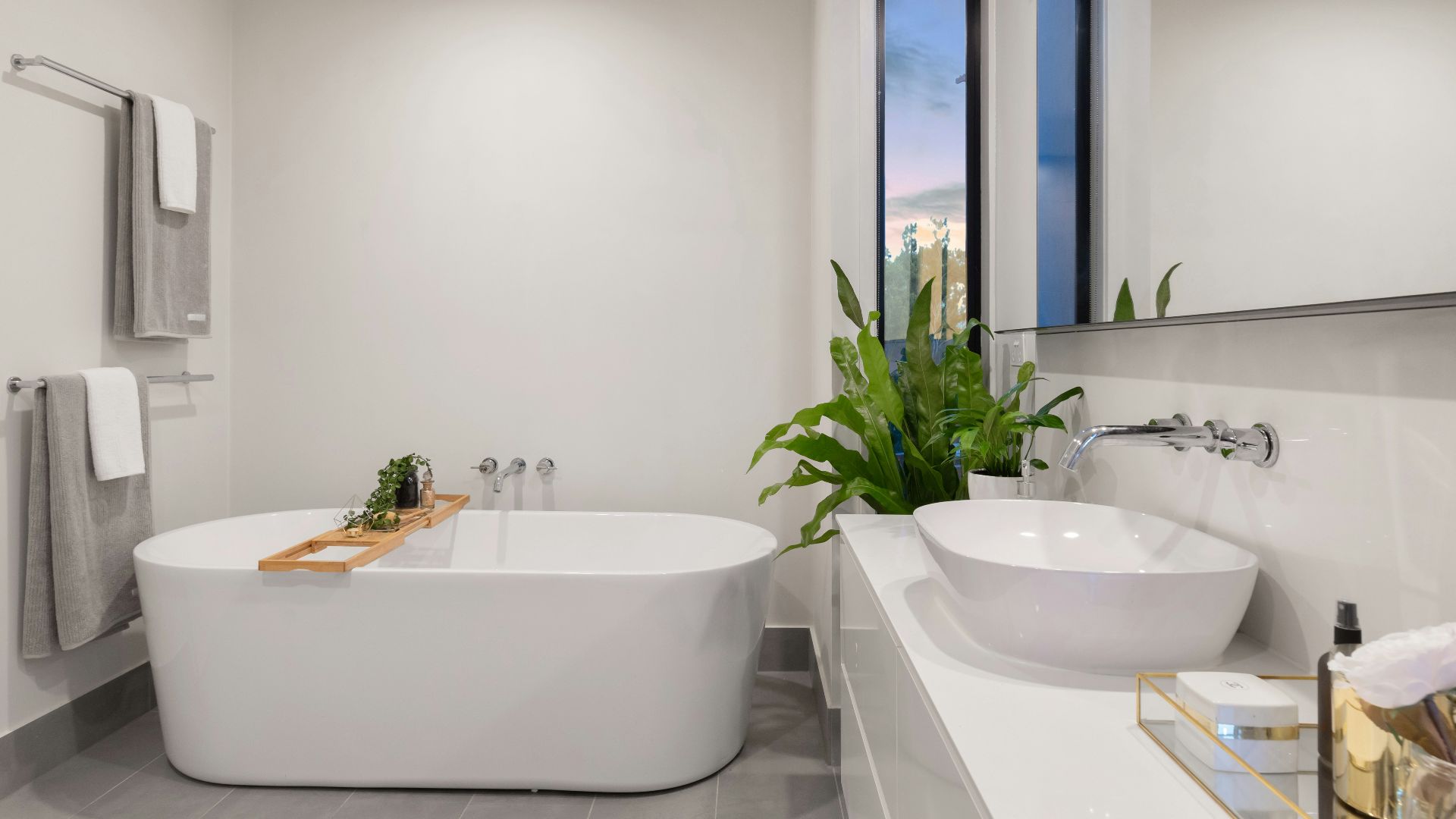
11. Tub Placement Can Impact Accessibility
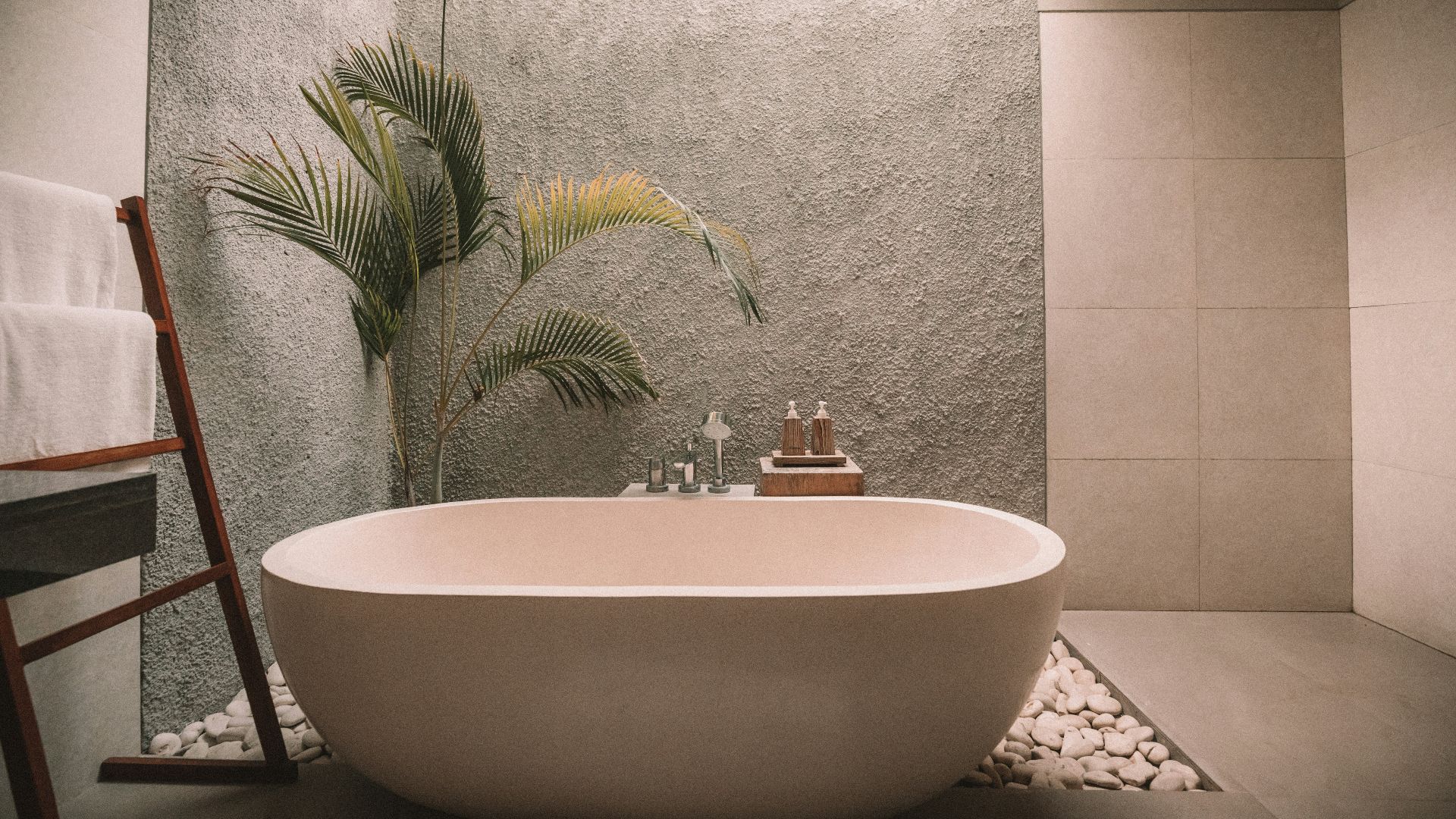
Traditional bathtubs require you to step over a relatively high side, which may become challenging if balance or hip and knee flexibility decreases. A bathroom designed around a low-threshold or curbless shower can reduce this issue.
12. Kitchen Work Zones Influence How Much You Move
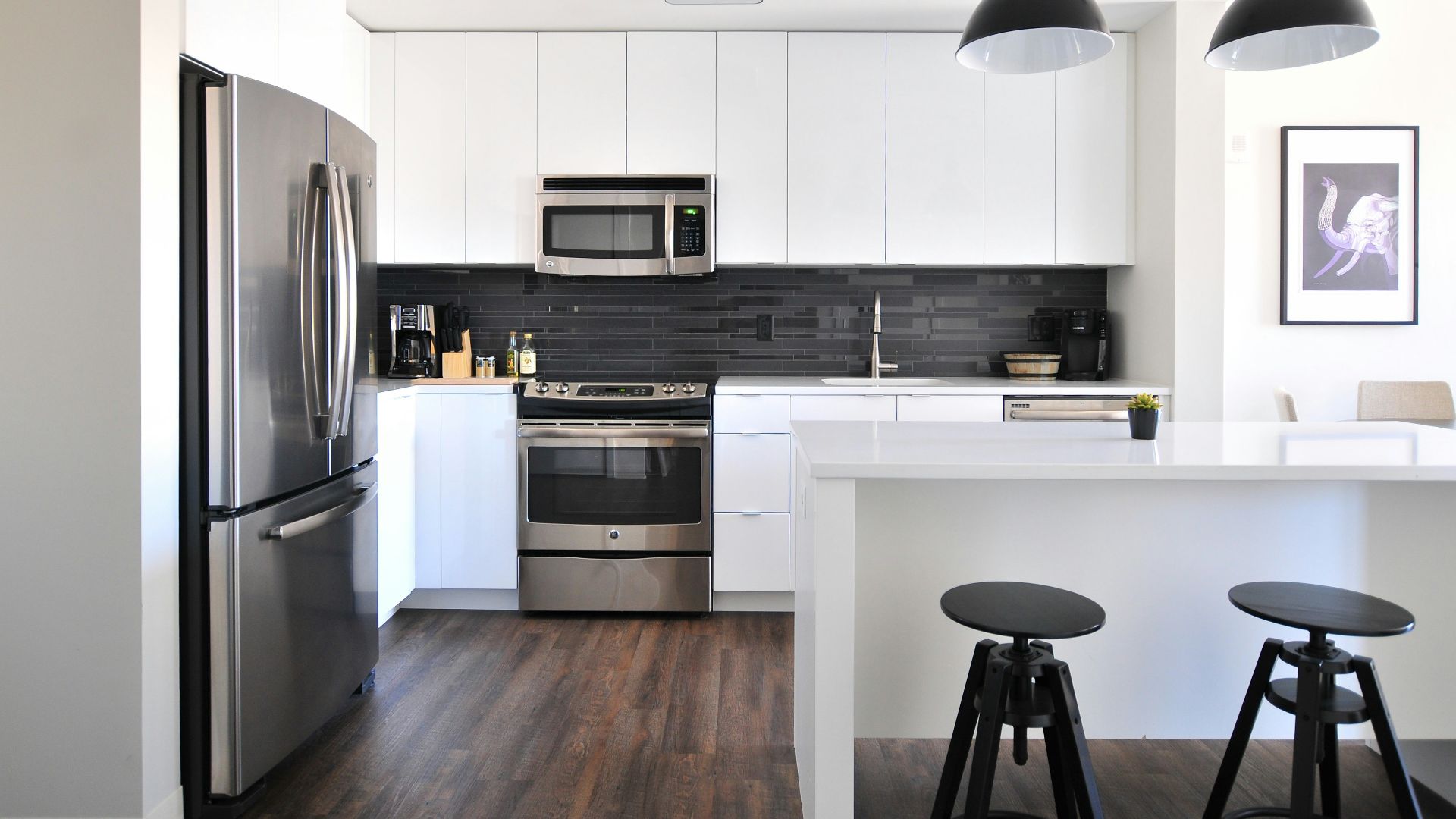
A kitchen with the refrigerator, sink, stove, and counters spread far apart requires considerably more movement during meal prep and cooking. A compact, organized work area reduces repeated trips while still leaving enough room to move safely. Frequently used cookware and ingredients are also easier to manage when they're stored within reach.
13. Deep Storage Can Become Harder to Reach
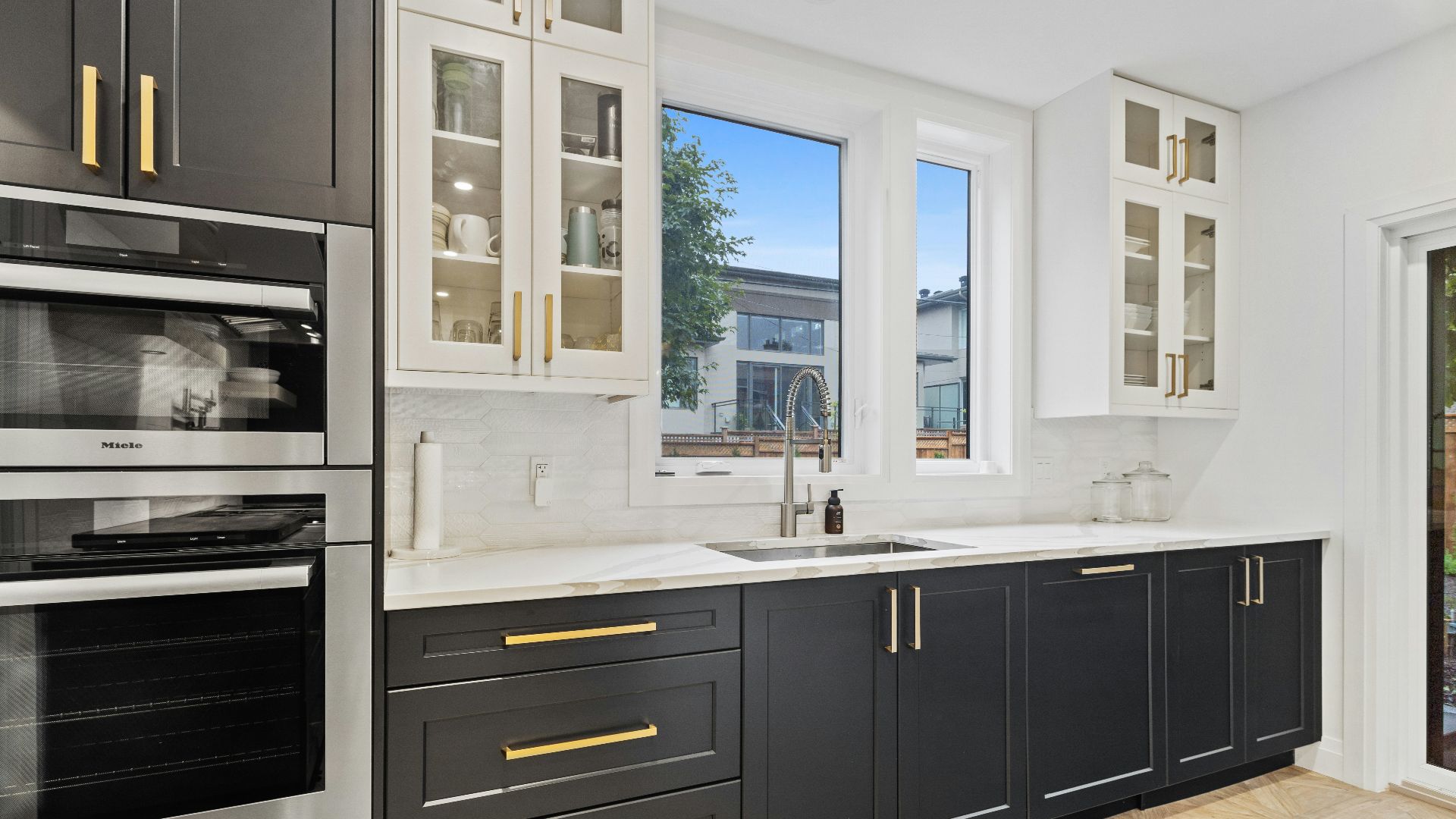
Lower cabinets that require bending and upper shelves that demand stretching can become less convenient as flexibility changes with age. Frequently reaching into awkward spaces may also affect your balance if you're twisting or leaning at the same time.
 Point3D Commercial Imaging Ltd. on Unsplash
14. Poor Lighting Changes How Safely You Navigate
Dim hallways, staircases, and entryways can make changes in floor level or objects in your path harder to see. Strong, evenly distributed lighting becomes increasingly useful as vision naturally changes with age.
 Pierre Châtel-Innocenti on Unsplash
15. Long Routes to the Bathroom Can Be Problematic
A bedroom positioned far from the nearest bathroom can mean navigating several rooms or a staircase during the night. Low lighting and sleepiness can make that journey less comfortable than it is during daytime hours.
16. Loose Rugs Can Complicate Clear Floors
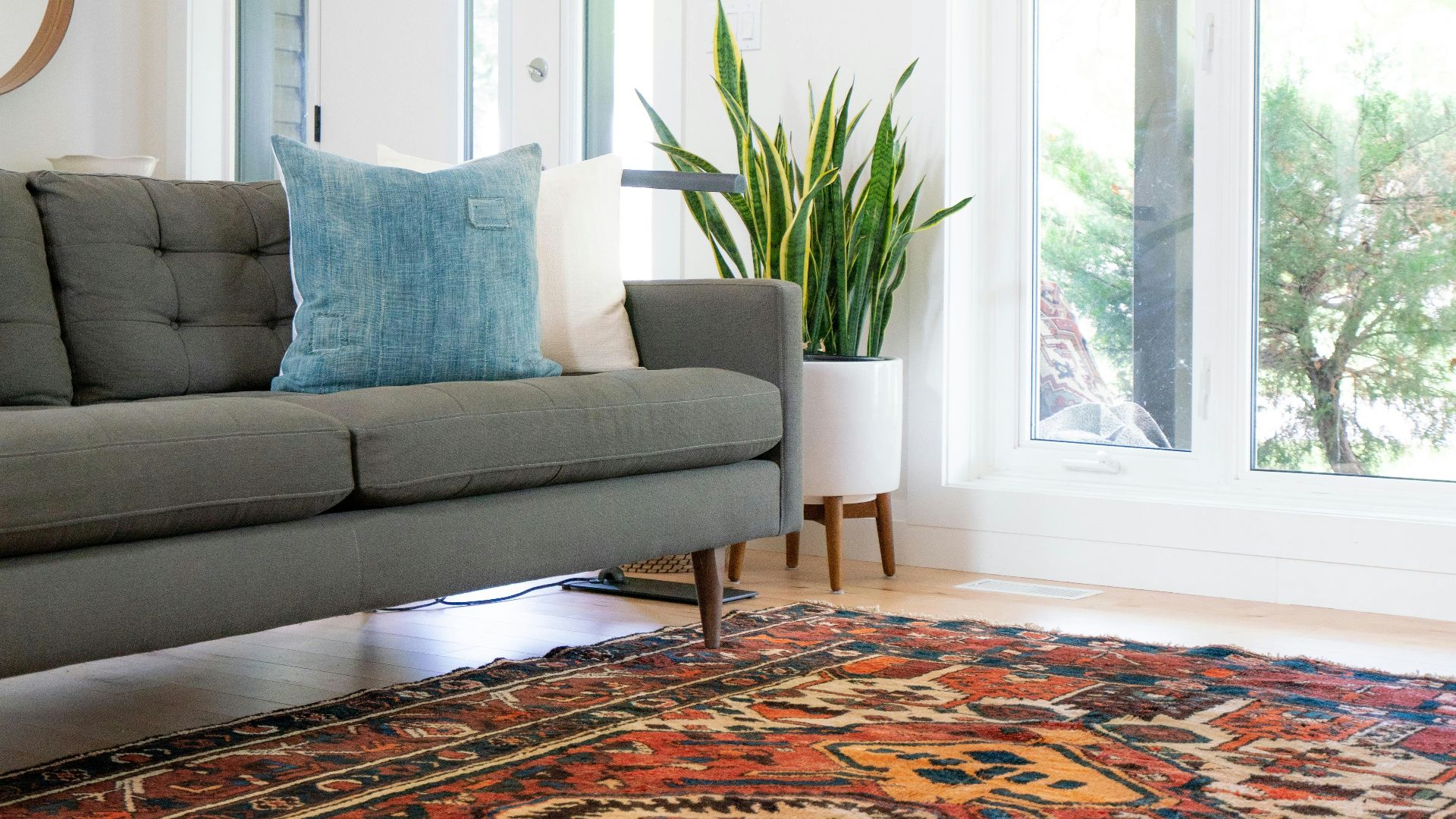
Area rugs may define a room attractively, but loose edges and shifting surfaces can create tripping or slipping hazards. Rugs located directly along major walking routes deserve particular attention because you encounter them repeatedly.
17. Entrances With Steps Reduce Flexibility
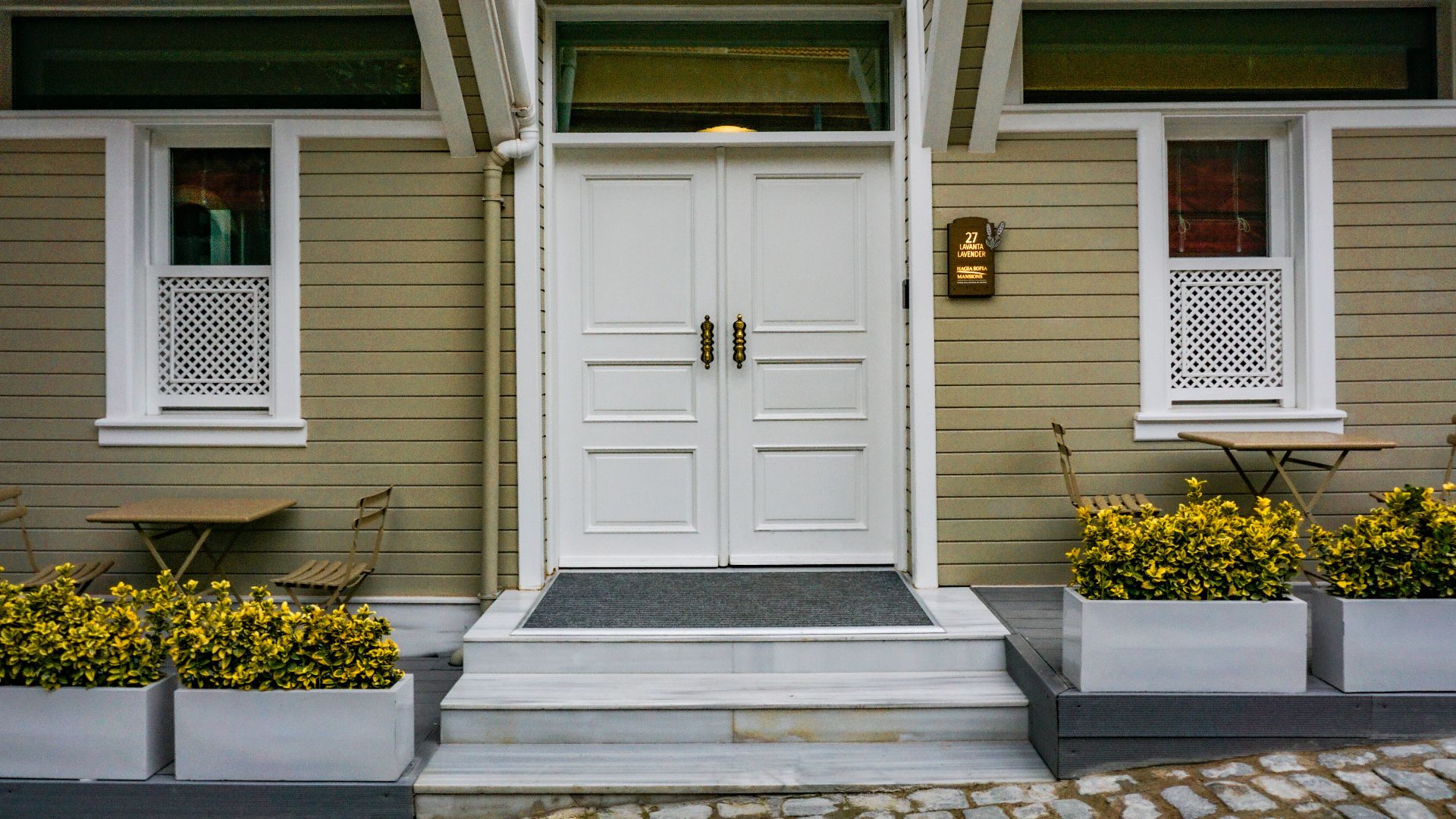
A front or back door that's accessible only by stairs can become difficult to use if climbing eventually becomes uncomfortable. A level entrance or properly designed ramp offers alternatives for people using mobility aids.

18. Doorways May Determine Which Mobility Equipment Fits
Standard doors can feel generous until you need to move through them with a walker, wheelchair, or another aid. Wider openings provide greater clearance and reduce the precision required to pass between rooms.
19. Handrail Placement Influences Stair Safety
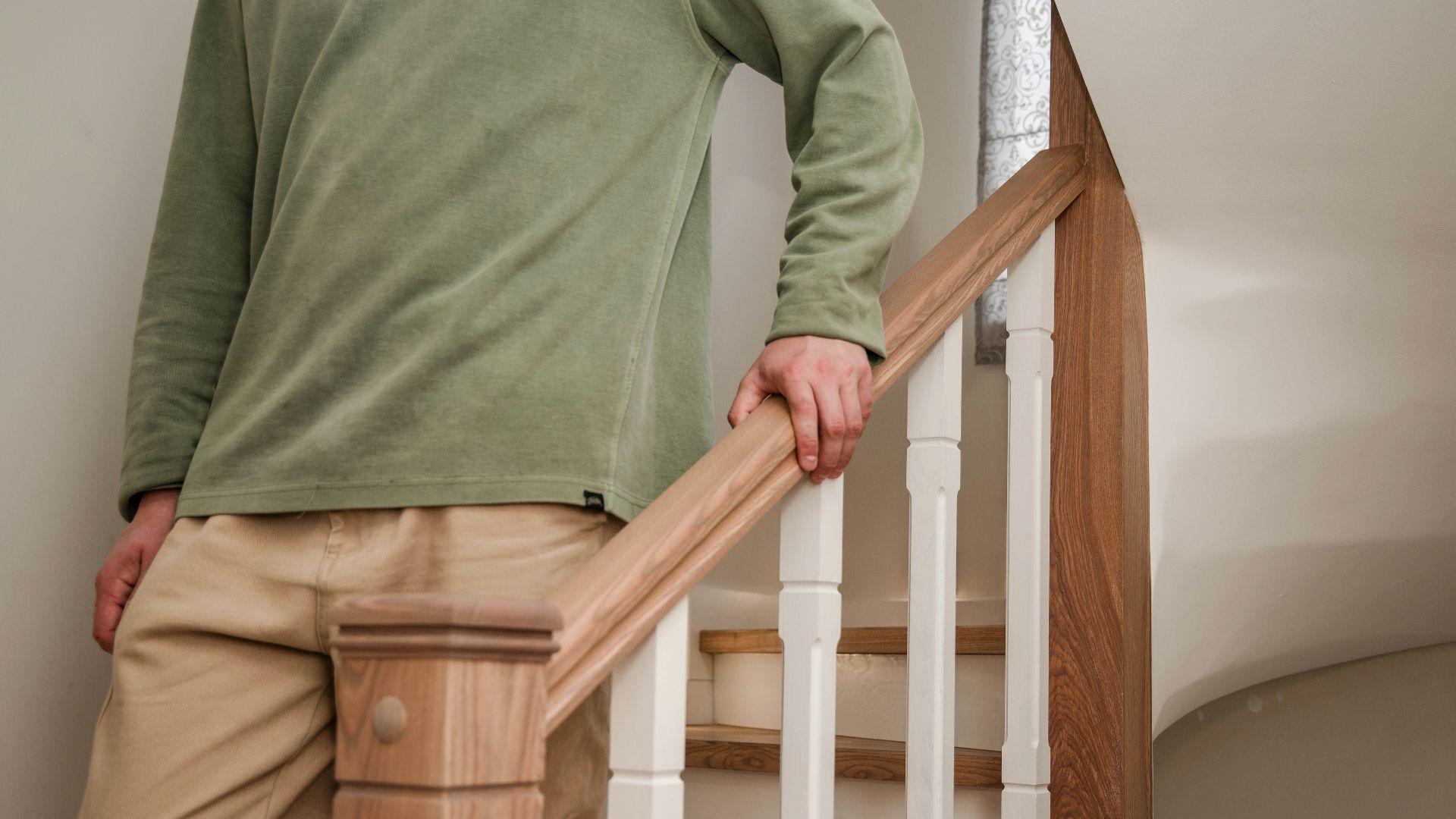
Stairs become much easier to navigate when you have secure support available throughout the entire flight. Railings on both sides can be particularly useful because they provide options regardless of which direction you're traveling.
20. A Flexible Layout Offers More Options
Perhaps the most useful home isn't one designed for a specific age, but one that can adapt without requiring major renovations. Flexible rooms, clear pathways, accessible entrances, and essential facilities on the main level allow your surroundings to accommodate changing needs.