
The Machinery Running Underneath
Most of what keeps you alive happens without a single conscious decision, which is honestly the whole point. Your body runs a constant background operation, adjusting blood flow, hormone levels, and temperature long before you're aware anything's wrong. A paper cut triggers a cascade of clotting proteins within seconds. A cold room triggers shivering before you've even finished thinking it's cold in here. Here's 20 ways your body adapts to keep you alive, whether you're paying attention or not.
 https://kaboompics.com/ on Pexels
1. Fight-or-Flight Surge
The instant your brain senses danger, it floods your bloodstream with adrenaline and cortisol, and your heart rate jumps before you've even processed what triggered it. Blood gets pulled away from digestion and pushed toward your muscles, because digesting lunch matters a lot less than running or fighting in that moment. It's an ancient system, wired in long before predators stopped being a daily concern.

2. Shivering
Cold triggers rapid, involuntary muscle contractions that generate heat as a byproduct, which is really all shivering is. Your body would rather burn extra energy staying warm than let your core temperature drop to a dangerous level. It's not comfortable, but it buys time.

3. Sweating
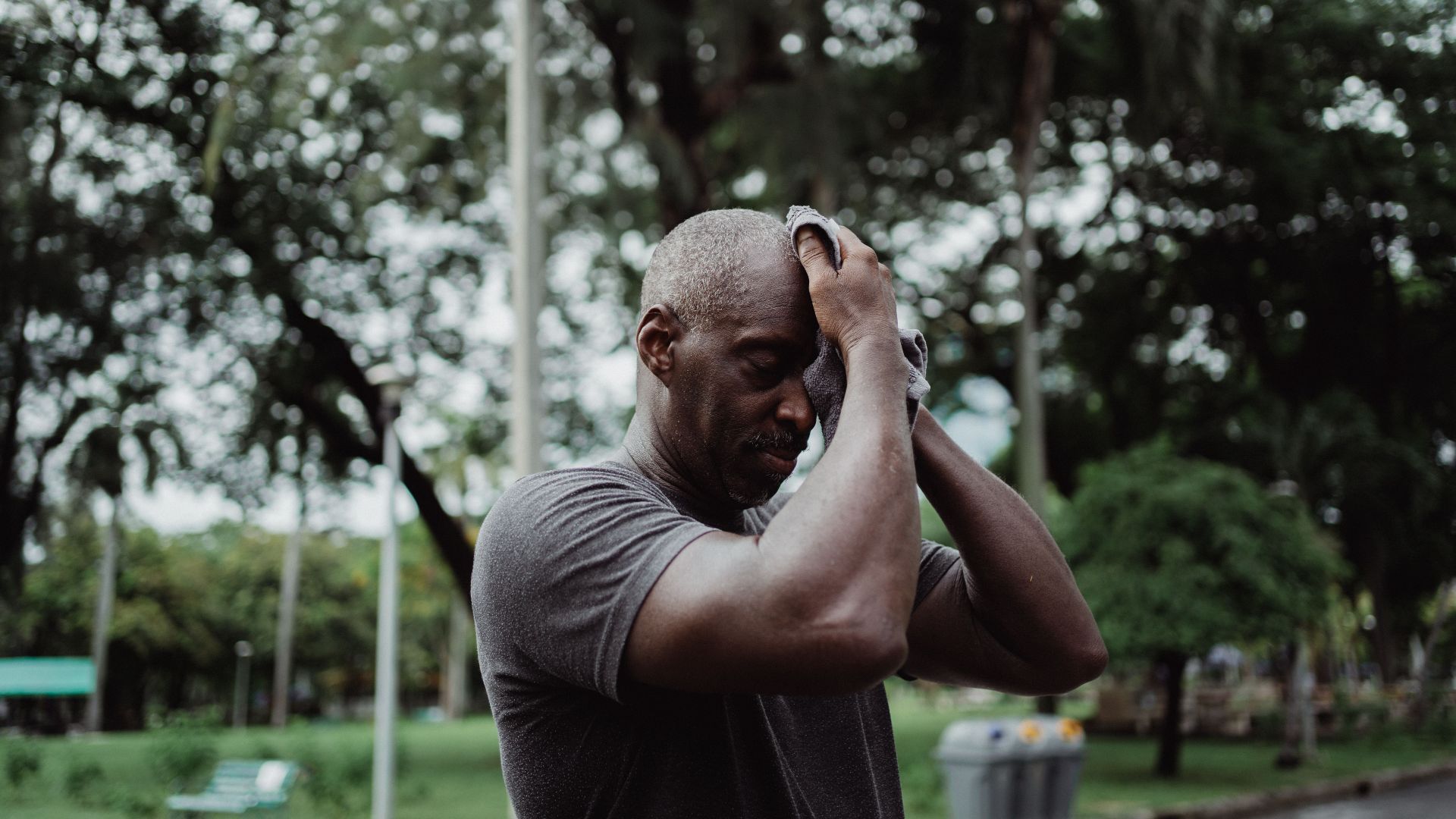
When your internal temperature rises, sweat glands release fluid onto your skin, and evaporation pulls heat away from your body as it dries. It's remarkably efficient, which is why a light breeze on sweaty skin feels like instant relief. Without it, overheating would set in far faster than most people realize.
4. Fever
A fever isn't a malfunction; it's a deliberate move by your immune system to raise your internal temperature and make conditions worse for invading bacteria and viruses. Many pathogens struggle to replicate at higher temperatures, so your body essentially turns up the heat to slow them down. The discomfort is real, but it's doing exactly what it's supposed to.

5. Blood Clotting
A cut activates a rapid chain reaction of platelets and clotting proteins that seal the wound within minutes, long before you'd have time to consciously address the bleeding. Without this system, even minor injuries would become dangerous. The scab that forms afterward is really just the visible tail end of a much faster internal process.
6. Automatic Breathing Regulation
You don't consciously decide to breathe faster when carbon dioxide builds up in your blood; your brainstem senses the shift and adjusts your breathing rate before you're even aware anything changed. This system runs constantly, day and night, keeping your blood's pH within a narrow range your organs depend on to function properly. It's easy to take for granted precisely because you never have to think about it.

7. Blood Rerouting During Shock
During major blood loss or severe injury, your body prioritizes blood flow to the brain, heart, and lungs, pulling it away from the skin and extremities. That's part of why shock victims often look pale and feel cold to the touch, even in a warm room. It's triage happening internally, without any input from you at all.

8. Switching to Fat for Fuel
When glucose runs low during extended fasting, your body shifts toward burning stored fat for energy, producing ketones as a byproduct. This backup fuel system can sustain basic function for a surprisingly long stretch of time. It's one of the clearer examples of your metabolism improvising when the usual supply runs out.
 https://kaboompics.com/ on Pexels
9. More Red Blood Cells at Altitude
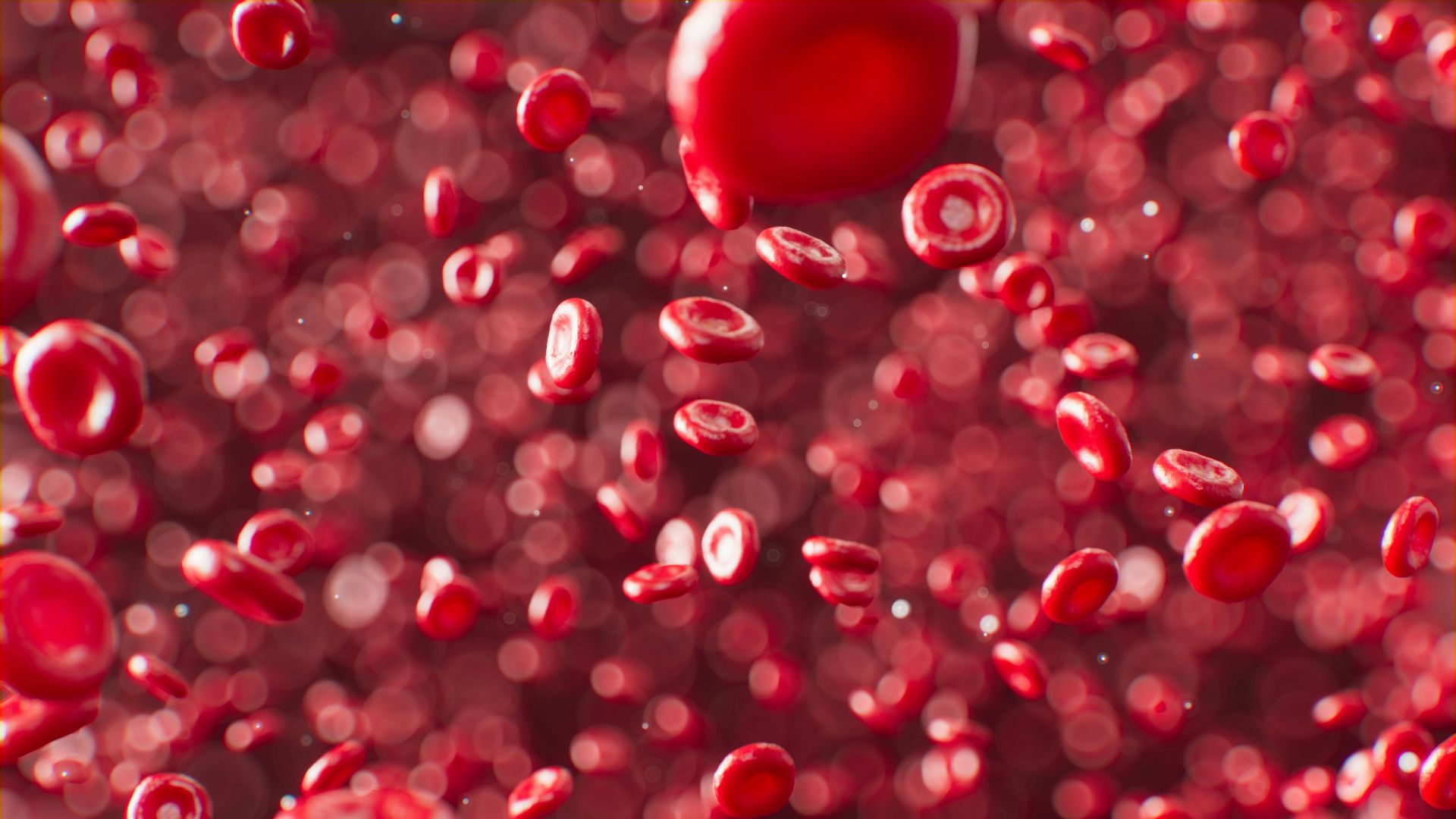
Spend enough time at high altitude, and your body starts producing more red blood cells to compensate for thinner air and lower oxygen levels. It's why altitude training works for athletes, and why people who move to elevation often feel winded for weeks before adjusting. The change happens gradually, but it happens reliably.

10. Inflammation
Swelling, redness, and heat around an injury are signs that your immune system has rushed extra blood and white blood cells to the area. It looks unpleasant, but it's really just reinforcements arriving to fight infection and start repair. The discomfort is a side effect of a system working exactly as intended.
11. Pain as an Alarm
Pain exists to get your attention, plain and simple, forcing you to stop using an injured limb or notice a problem before it gets worse. People born without the ability to feel pain tend to accumulate serious, sometimes fatal injuries without realizing it. As unpleasant as it is, pain is doing real protective work.

12. Nausea and Vomiting
Eating something toxic or spoiled often triggers nausea and vomiting as your body's fastest way to get rid of the problem. It's a blunt tool, but an effective one, especially before more delicate digestive processes have a chance to absorb something dangerous. Motion sickness hijacks the same system, even without anything actually toxic involved.
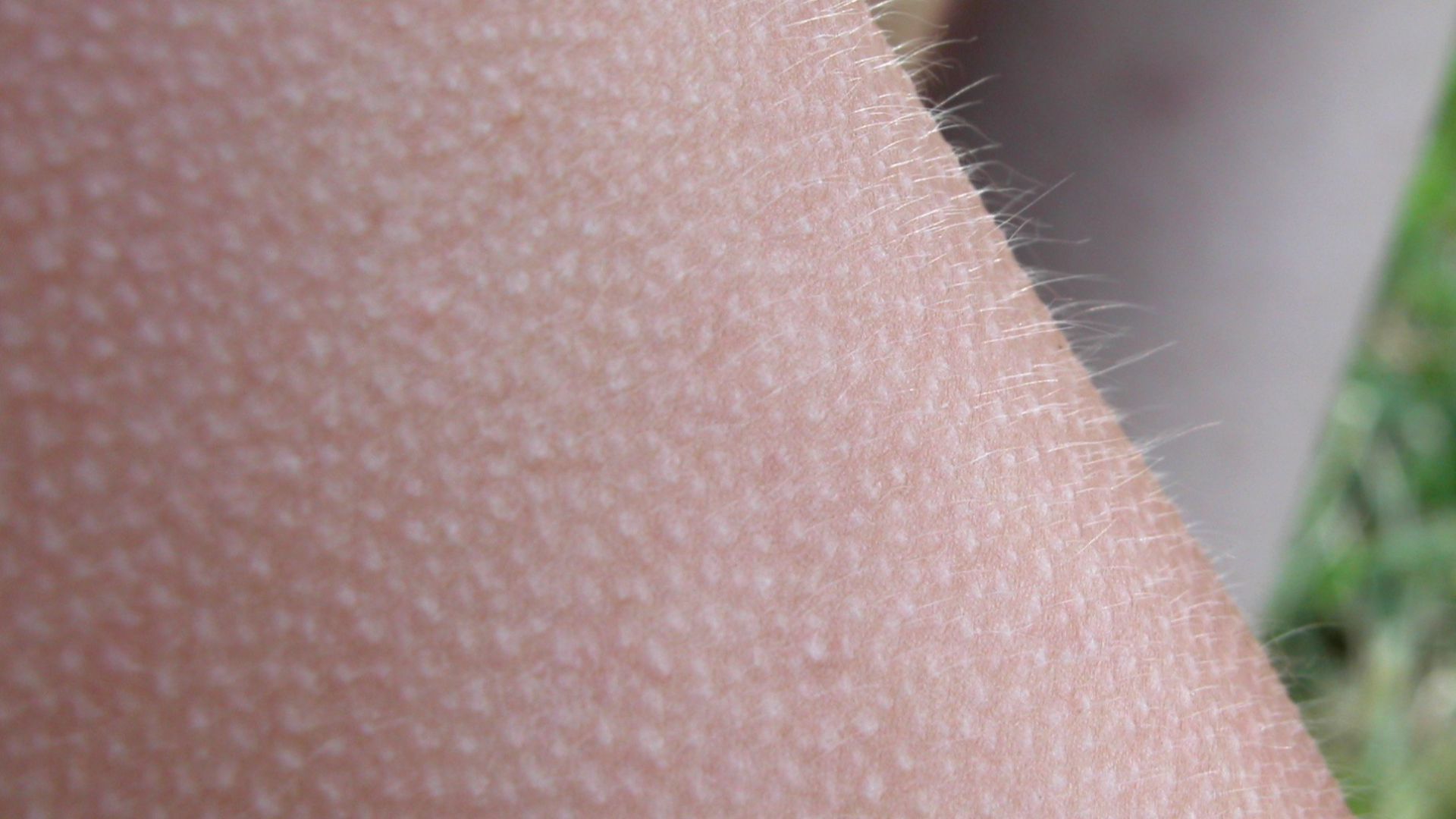
13. Goosebumps
Tiny muscles at the base of each hair follicle contract in cold or fear, pulling the hair upright and creating the bumps you feel on your skin. In animals with thicker fur, this traps a layer of warm air near the body. In humans, it's mostly a leftover reflex, still firing even though it barely does anything useful anymore.
 Ildar Sagdejev (Specious) on Wikimedia
14. Thirst
Even mild dehydration triggers a strong thirst response, prompting you to drink before the situation becomes dangerous. Your kidneys simultaneously start conserving water, producing more concentrated urine to hold onto what fluid you have left. Both systems kick in well before dehydration becomes severe enough to cause real harm.

15. Metabolic Slowdown During Starvation
Extended food scarcity triggers your metabolism to slow down, conserving energy and stretching limited fat and muscle reserves as far as possible. It's an adaptation built for genuine famine conditions, not for modern dieting, which is part of why crash diets tend to backfire. Your body doesn't know the difference between intentional restriction and an actual emergency.
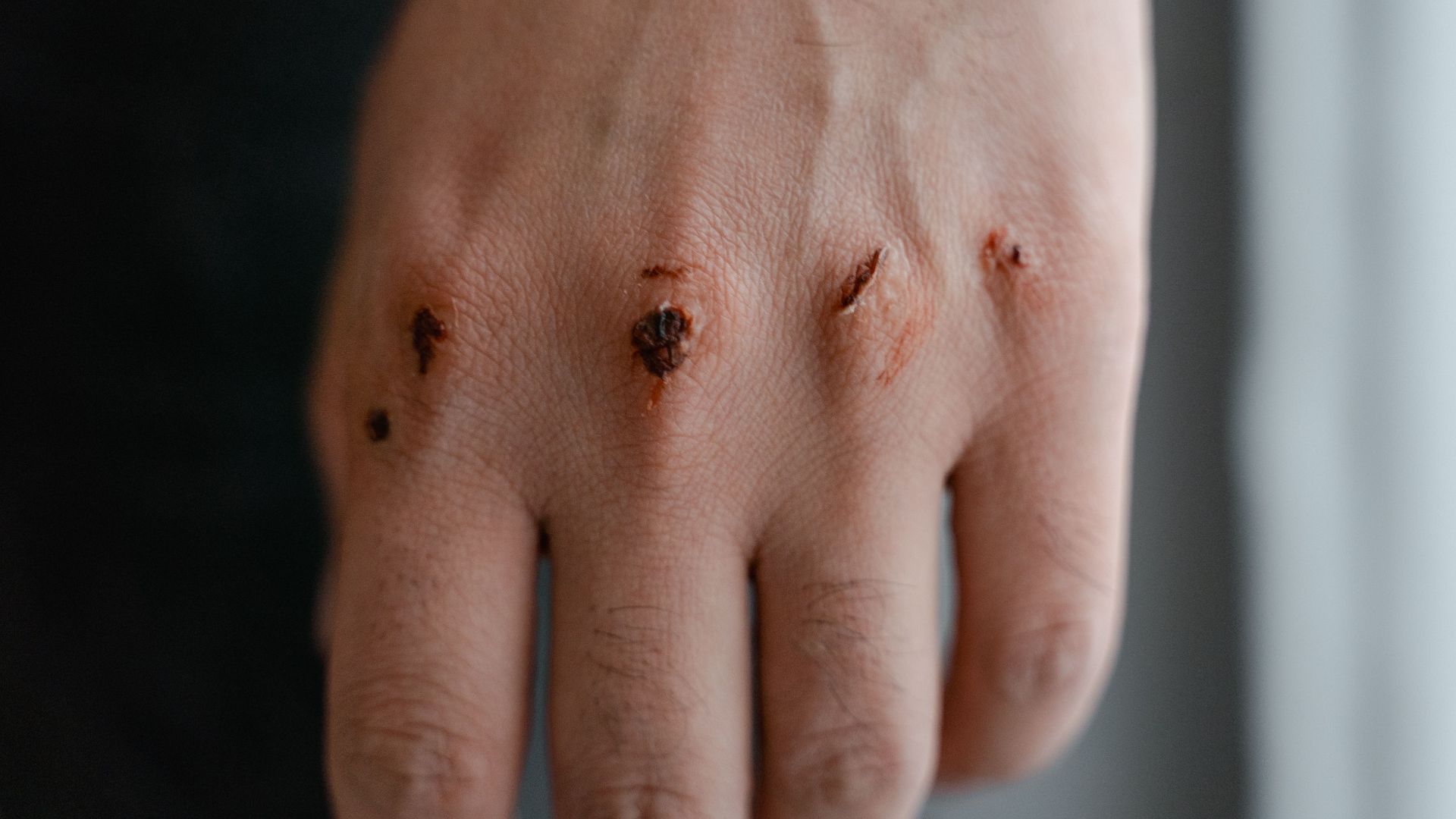
16. Scabbing
After the initial clotting response, a scab forms as a protective barrier over the wound, sealing out bacteria while new skin cells rebuild underneath. Picking at it interrupts a process that's already well underway. Given time, it falls away on its own once the repair work below is finished.
17. Cortisol Under Chronic Stress
Short bursts of cortisol help you handle acute stress, but the same hormone released over weeks or months starts to take a toll on sleep, digestion, and immune function. Your body treats prolonged stress the same way it treats a real threat, because it can't always tell the difference. That's part of why chronic stress feels physically exhausting, not just mentally.

18. Heart Rate Climbing With Exertion
Physical effort triggers an automatic rise in heart rate and breathing, delivering more oxygen to muscles that suddenly need it. It happens without any calculation on your part, adjusting itself based on how hard you're actually working. The system recalibrates again the moment you slow down.

19. Vasoconstriction in the Cold
When your extremities get cold, blood vessels near the skin narrow to preserve heat for your core organs. It's why fingers and toes go numb before anything more vital gets affected. The trade-off protects what matters most, even at the expense of comfort in your hands and feet.

20. Sleep as Repair
Sleep isn't just downtime; it's when your body handles tissue repair, memory consolidation, and a long list of hormonal resets that don't happen efficiently while you're awake. Skipping it consistently doesn't just make you tired, it interferes with processes your body genuinely depends on. It's less a pause button and more a nightly maintenance shift.

KEEP ON READING

20 Ways Your Body Adapts to Keep You Alive