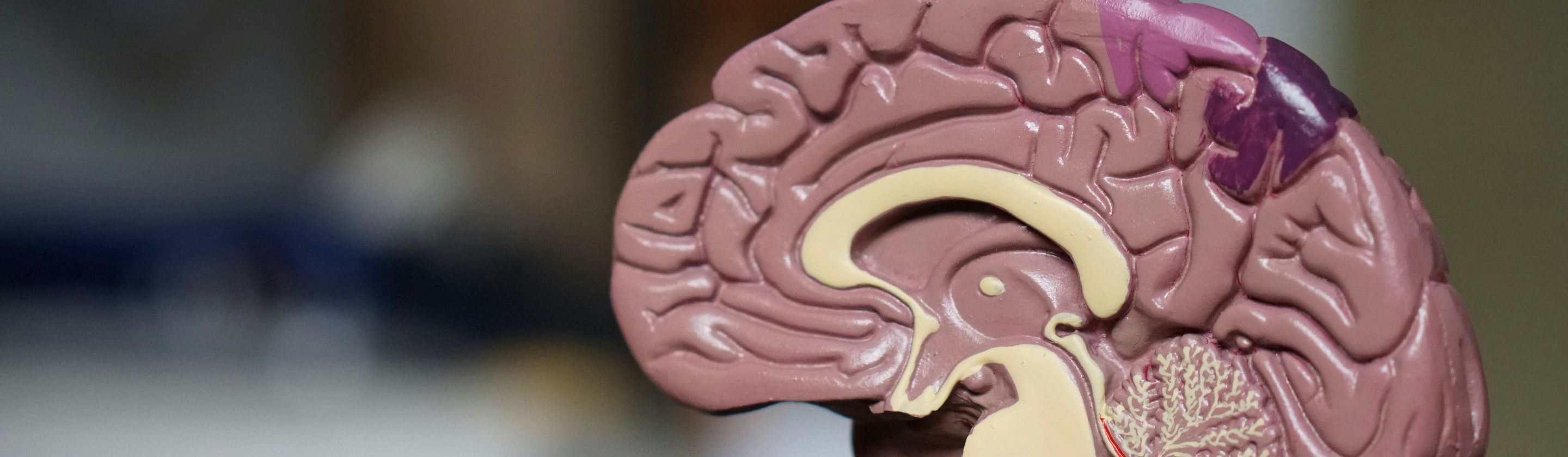
A Stroke Can Change How Your Body Functions in Minutes
A stroke happens when blood flow to part of your brain is blocked or when a blood vessel in the brain bursts, preventing brain tissue from getting the oxygen it needs. Because your brain helps control everything from movement and speech to vision, balance, memory, and emotions, the effects can show up throughout your body and often appear suddenly. Exactly what happens depends on which area of the brain is affected and how severe the damage is, meaning two people can have very different experiences. Here are 20 things that happen to your body when you have a stroke.
1. Part of Your Brain Loses Its Normal Blood Supply
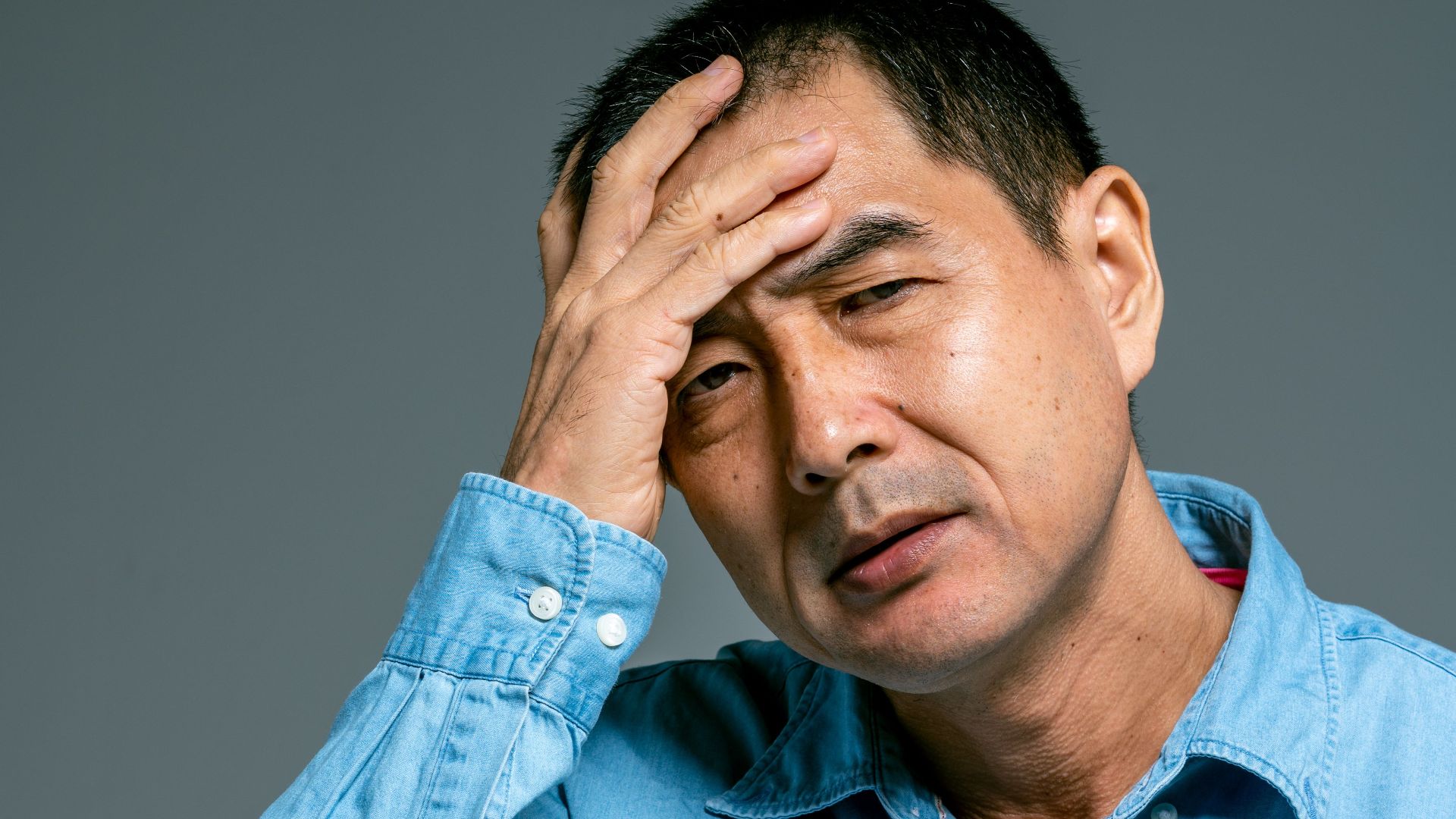
During an ischemic stroke, a clot or another blockage prevents blood from reaching part of your brain, while a hemorrhagic stroke involves bleeding from a damaged blood vessel. Without a steady supply of oxygen-rich blood, brain cells can become injured and begin dying within minutes, which is why stroke treatment is so time-sensitive, even when the first symptoms don't seem especially dramatic.
2. One Side of Your Face May Start to Droop
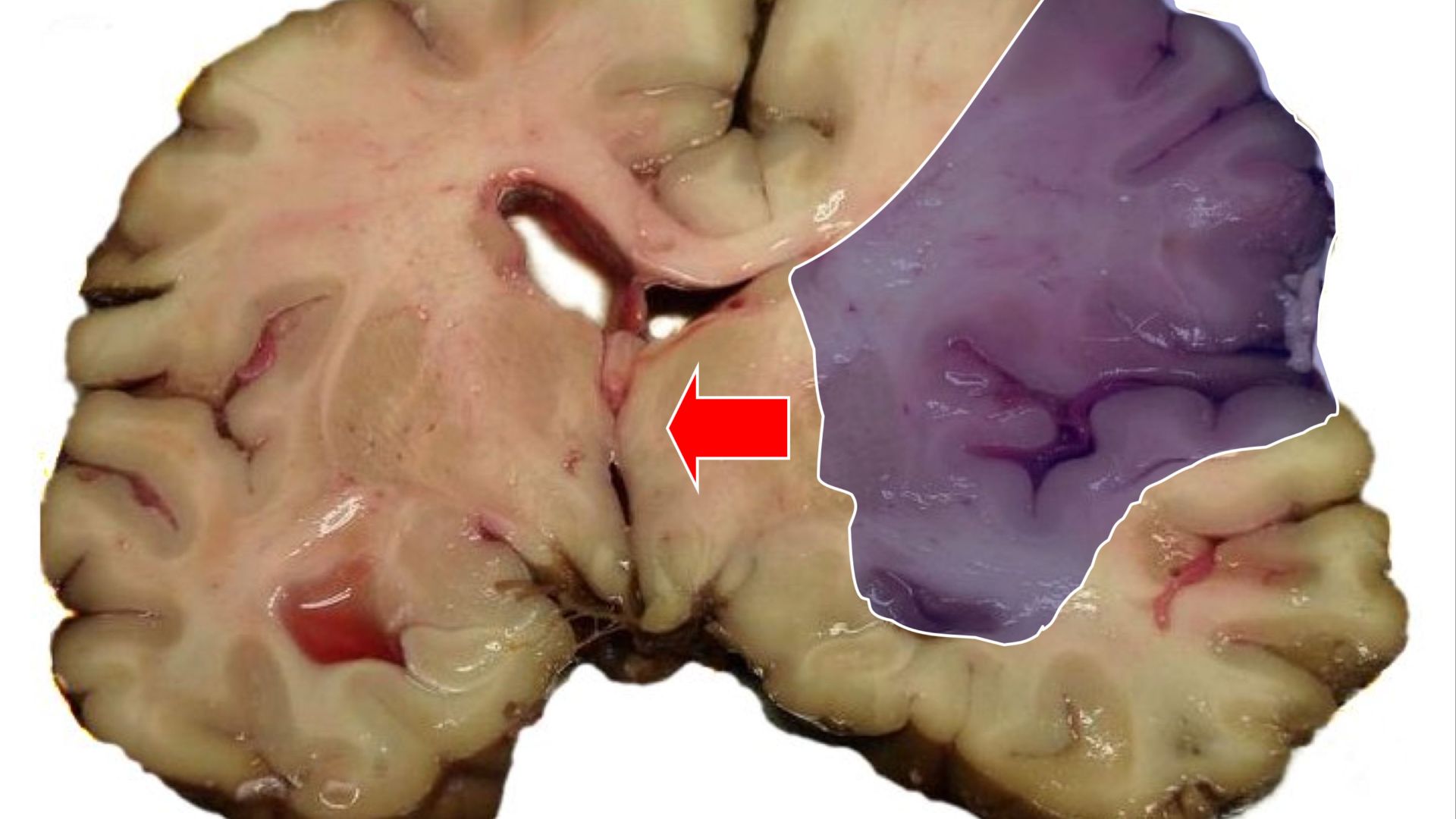
A stroke can interfere with the brain signals controlling the muscles in your face, causing one side to suddenly feel weak or look uneven. You might notice that your smile becomes lopsided or that one corner of your mouth doesn't move normally. Facial drooping is one of the classic warning signs for recognizing a possible stroke.
3. An Arm or Leg Can Suddenly Feel Weak
Muscle weakness is another common effect because a stroke can damage areas of the brain responsible for voluntary movement. One arm might feel unusually heavy, drift downward when you try to hold it up, or become difficult to move altogether. Depending on the location and severity of the stroke, your leg or an entire side of your body might feel weak.

4. You Might Experience Numbness or Strange Sensations
Not every stroke causes obvious paralysis, since changes in sensation can also appear. An affected arm, leg, or side of the face could suddenly feel numb, tingly, or different from the opposite side. Because each side of the brain largely controls the opposite side, these sensory changes often occur on one side of the body.

5. Your Speech Can Become Slurred
Speaking clearly requires your brain and several groups of muscles to work together with impressive precision. When a stroke disrupts that system, words can suddenly come out slurred, slow, or difficult to understand. You may know exactly what you want to say but find that your mouth isn't cooperating the way it usually does.
 Volodymyr Hryshchenko on Unsplash
6. Finding the Right Words May Become Difficult
Some strokes affect language itself rather than simply the physical act of speaking. This can cause aphasia, which may make it difficult to name familiar objects, form sentences, understand what other people are saying, or read and write normally. The experience can be frustrating because your thoughts may still be there, but communicating them becomes unexpectedly difficult.
7. Your Vision Can Suddenly Change
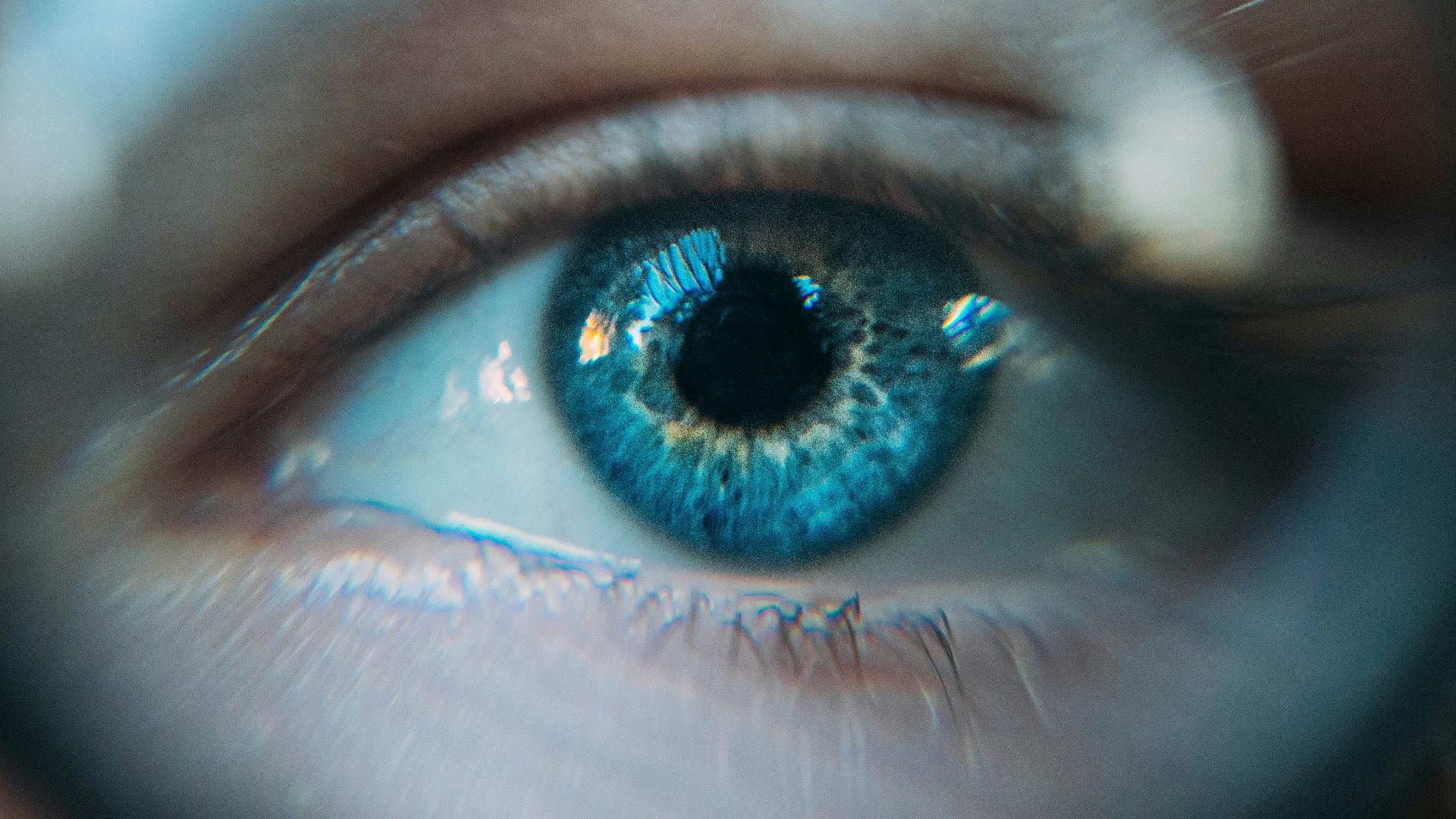
A stroke affecting the parts of your brain involved in vision can create noticeable changes in what you see. You might develop blurred or double vision, lose part of your visual field, or have trouble seeing normally through one or both eyes. Vision problems are especially associated with strokes involving areas toward the back of the brain.
8. Your Balance Can Go Off Track
Standing and walking normally depend on several brain systems coordinating your muscles, senses, and movements. If a stroke affects those systems, you can suddenly become dizzy, unsteady, or unable to easily keep your balance. Something as routine as crossing a room may become surprisingly difficult without assistance.

9. Coordination Can Become Much Harder
You may still have enough strength to move an arm or leg but discover that controlling the movement is another matter. Stroke-related damage can affect coordination, making movements awkward, poorly timed, or less accurate than usual. Everyday activities such as buttoning a shirt, reaching for a cup, or using utensils may suddenly require considerably more concentration.

10. Swallowing May Become Difficult
A stroke can even weaken the coordination of the muscles involved in swallowing. Food, drinks, or even saliva may become harder to swallow safely, which can increase the risk of material entering the airway. Medical teams often assess swallowing after a stroke before someone begins eating or drinking normally again.
11. You Can Feel Confused
Sudden confusion is a recognized stroke symptom, and cognitive changes can continue afterward in some people. A stroke may affect attention, judgment, reasoning, planning, or the ability to process information that would normally seem straightforward. You might have trouble following directions or figuring out what to do next, even in situations that were previously second nature.

12. Your Memory May Be Affected
Memory relies on networks throughout the brain, so stroke damage can interfere with the way information is stored or remembered. Some people have trouble recalling recent conversations, appointments, names, or steps in familiar routines. The extent of the problem varies widely, and memory may improve as the brain recovers.

13. One Side of Your Surroundings Can Seem to Disappear
A particularly unusual effect can occur after certain strokes, especially those affecting the right side of the brain. Someone may pay little or no attention to one side of their body or environment, even though their eyes may still be capable of seeing it. They might eat food from only one side of a plate or overlook objects positioned on the affected side without realizing they're doing it.

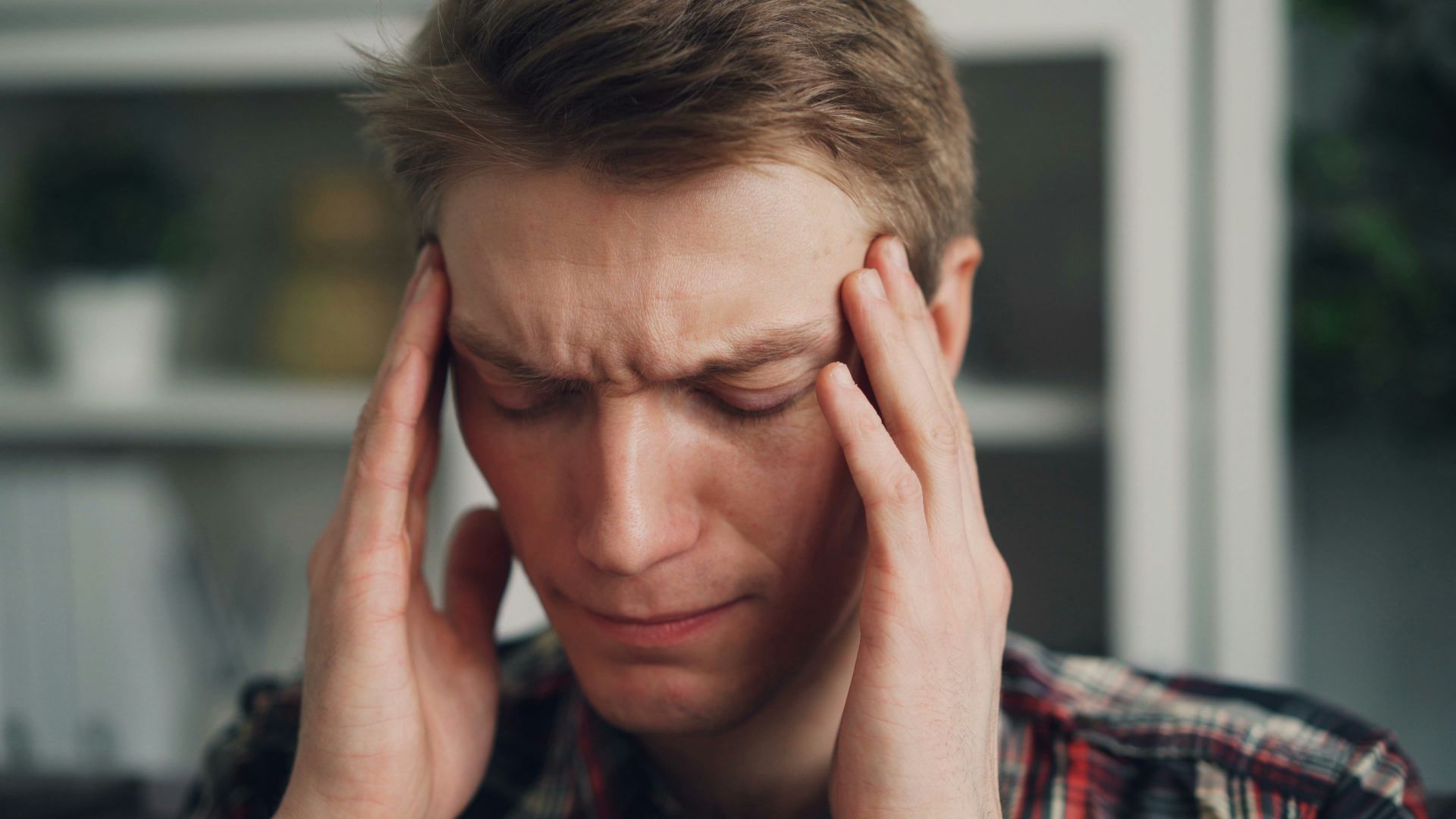
14. Sudden, Severe Headaches
Although many strokes don't cause pain, a sudden and unusually severe headache can be a warning sign. This symptom may be particularly concerning when it appears without a clear cause and is accompanied by weakness, confusion, vision changes, or difficulty speaking.

15. Your Emotions May Become Harder to Control
Stroke doesn't affect only movement and language, since the brain also helps regulate emotional responses. Some survivors experience sudden crying, laughing, anger, frustration, sadness, or emotional reactions that feel stronger than expected. In certain cases, the person may experience emotional expressions that don't completely match how they actually feel.

16. Your Personality or Behavior Can Shift
Changes to particular areas of the brain can influence judgment, inhibition, motivation, and social behavior. After a stroke, someone who was previously cautious might become more impulsive, while another person may seem quieter or less motivated than before. These changes can be confusing for both the survivor and the people around them.
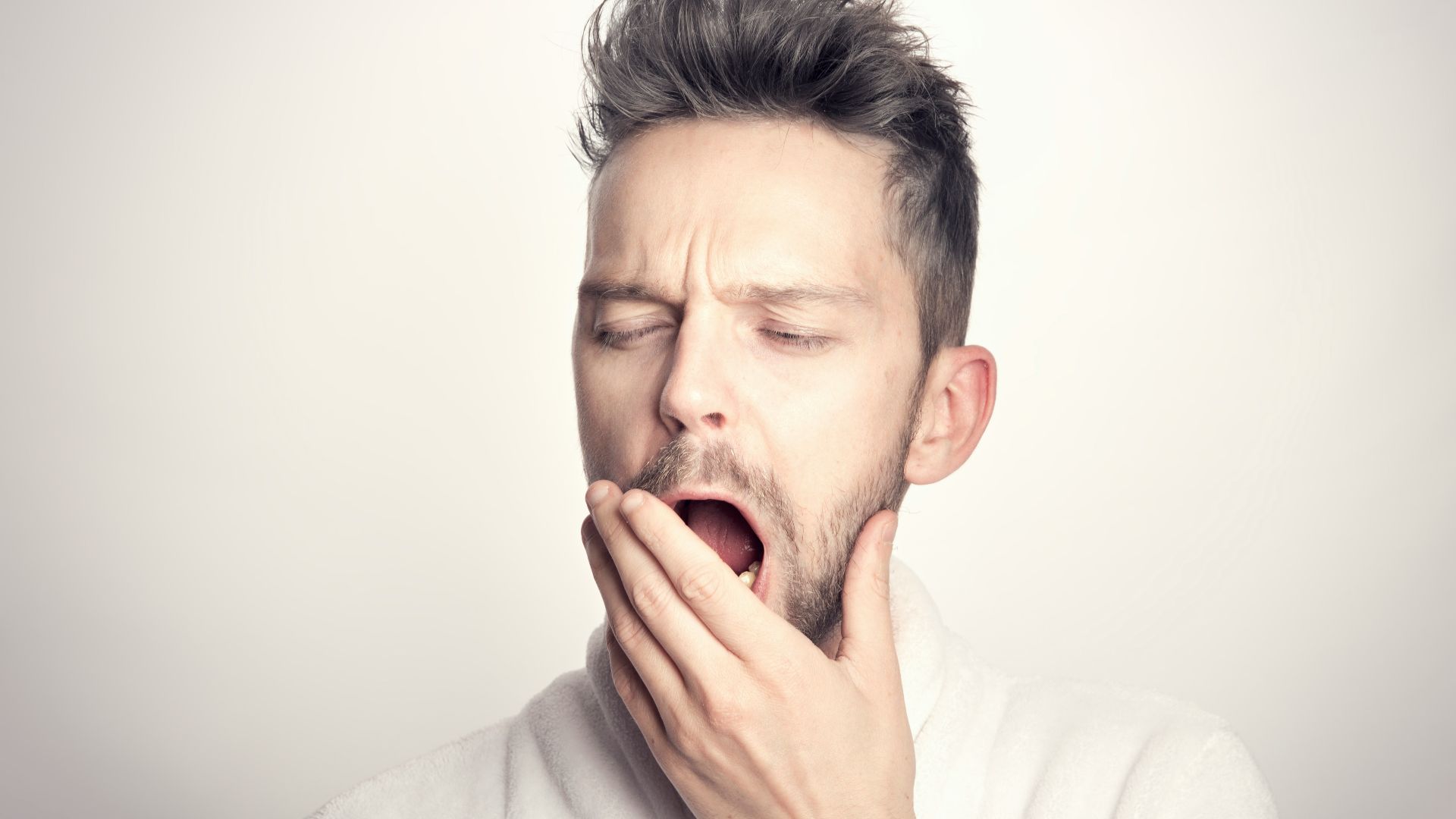
17. Fatigue Can Become a Major Issue
Feeling unusually tired after a stroke is common, and it isn't always solved by simply getting another hour of sleep. The brain and body are recovering from a significant injury, while everyday activities may also require more physical and mental effort than they did before. As a result, tasks that once seemed easy can leave you feeling unexpectedly drained.
18. Pain or Weird Sensations Can Develop
Some people experience pain after a stroke because of muscle problems, reduced movement, or changes in the brain's processing of sensory information. A less common complication called central post-stroke pain can produce burning, aching, tingling, stabbing, or temperature-related sensations. These feelings can occur even when there isn't an obvious injury in the part of the body where the person is feeling the pain.

19. Basic Daily Activities Can Suddenly Require Help
When movement, coordination, thinking, vision, or communication are affected at the same time, ordinary routines can become surprisingly complicated. Getting dressed, walking, preparing food, eating, bathing, or using the bathroom may require assistance while you recover. Rehabilitation focuses heavily on helping stroke survivors regain as much independence and function as possible.

20. Your Body Can Begin a Long Recovery Process
The effects of a stroke are often strongest immediately afterward, but they don't necessarily stay exactly the same. Some abilities may improve naturally as the brain stabilizes, while rehabilitation can help people regain skills or learn new ways of doing things. Recovery differs substantially from person to person, and improvements can continue long after the initial hospital stay.
KEEP ON READING


10 Pre-Workout & 10 Post-Workout Tips To Follow