
Stand Up Straight
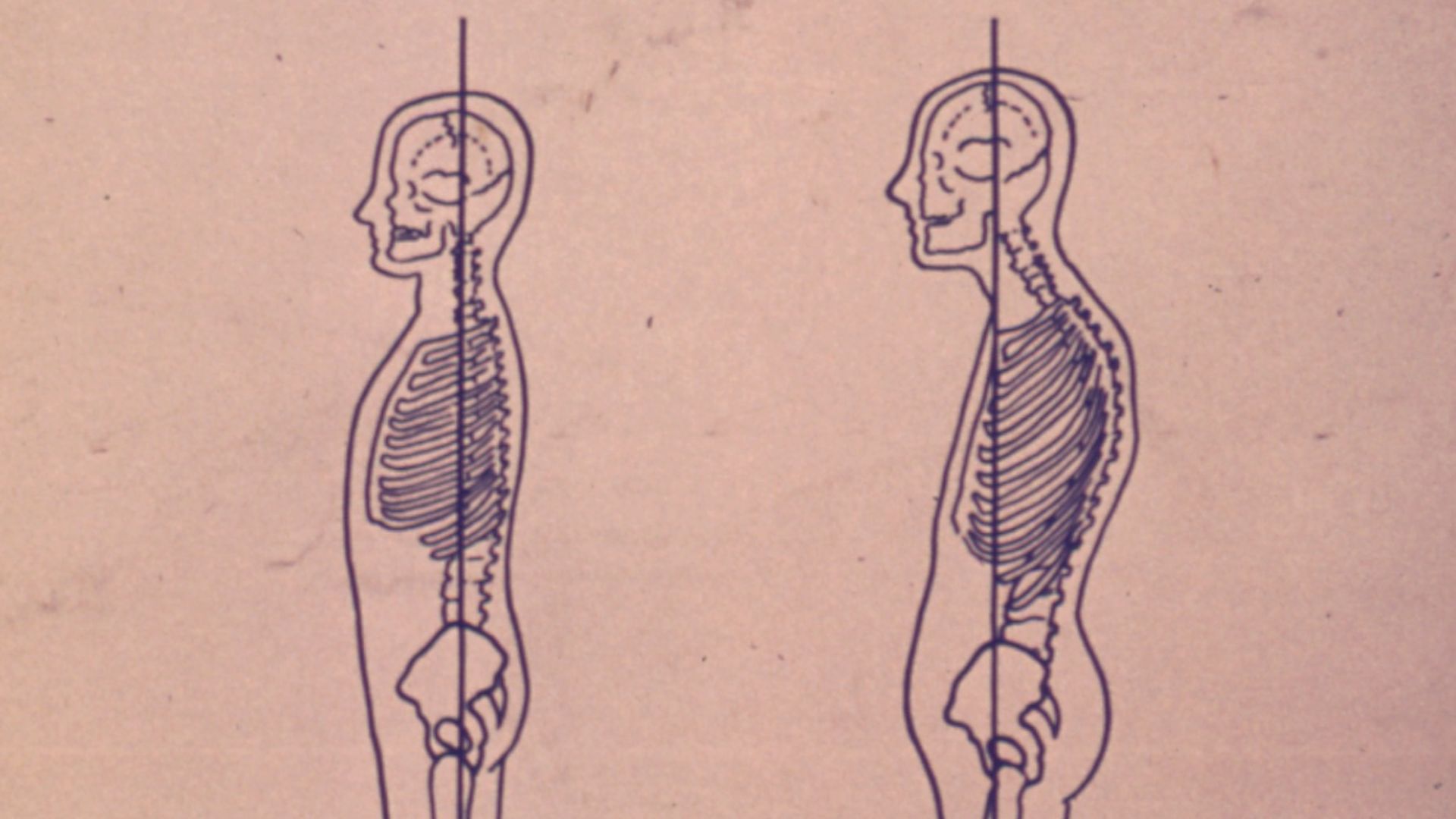
People have worried about posture for centuries, though what counts as “good” posture has changed quite a bit over time. An upright body has been seen as a medical goal, a sign of good manners, a fashion ideal, and even a workplace concern. Some methods were created for diagnosed spinal conditions, while others came from fashion, exercise, rehabilitation, or the desire to feel more comfortable after hours at a desk. Posture also isn’t as simple as pulling your shoulders back, and changing someone’s position doesn’t automatically prevent pain or lead to a permanent correction. From plaster shells and wooden boards to mechanical horses and electronic reminders, these 20 examples show just how far people have gone for better posture.
 Unknown authorUnknown author or not provided on Wikimedia
1. Getting Stretched on a Ladder
Ancient medical writings describe ladder-like devices and boards being used to apply traction to people with spinal injuries or deformities. The body could be secured while it was stretched in different directions in an attempt to change the position of the spine.

2. Wearing a Plaster Jacket
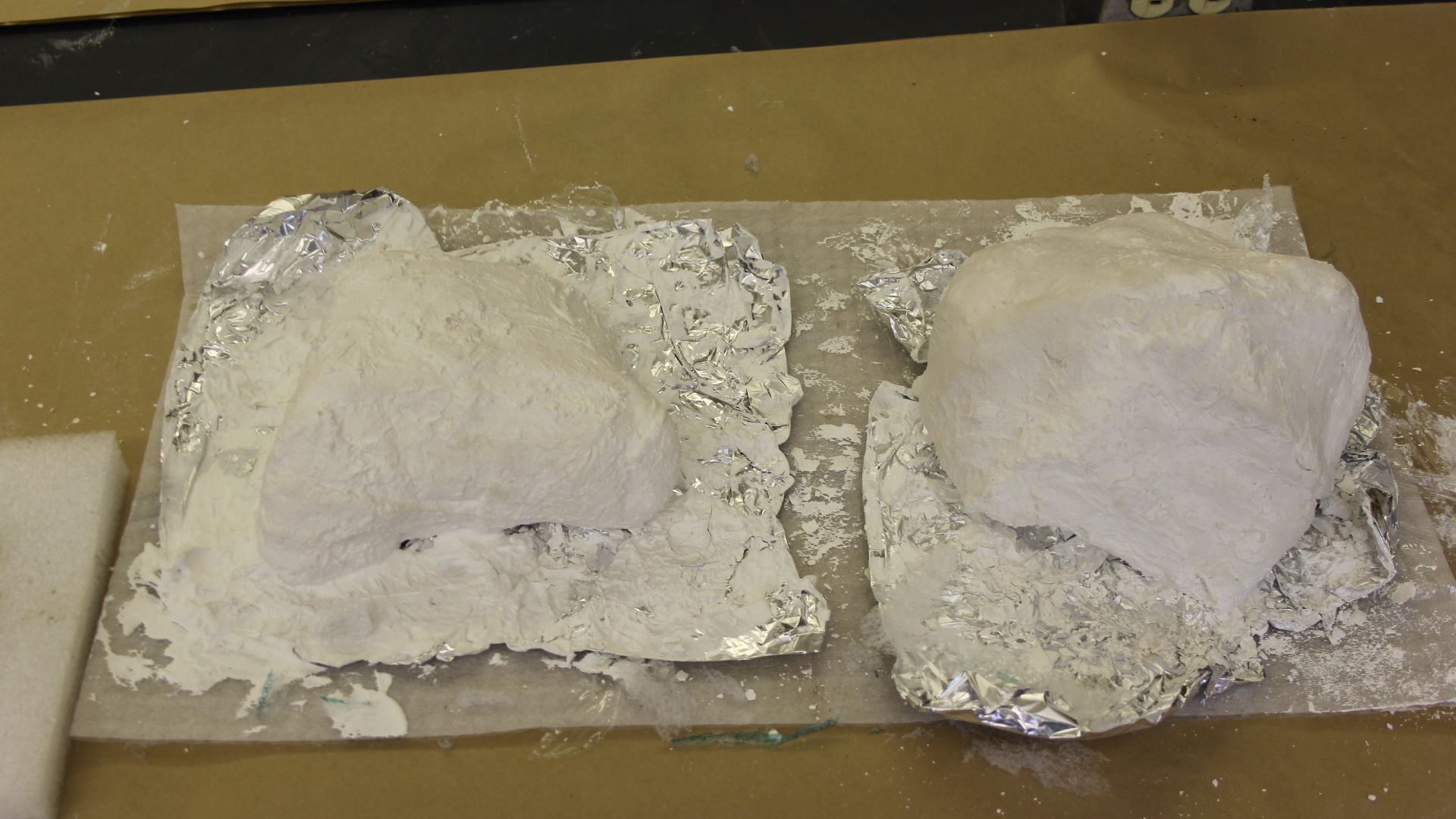
During the 19th century, doctors treated some spinal deformities by wrapping the torso in plaster and letting it harden into a solid shell. The finished jacket supported the trunk while seriously limiting how much the person could move. It was an early kind of outside support for the spine, though it sounds anything but comfortable.
 Oregon State University on Wikimedia
3. Squeezing Into a Corset
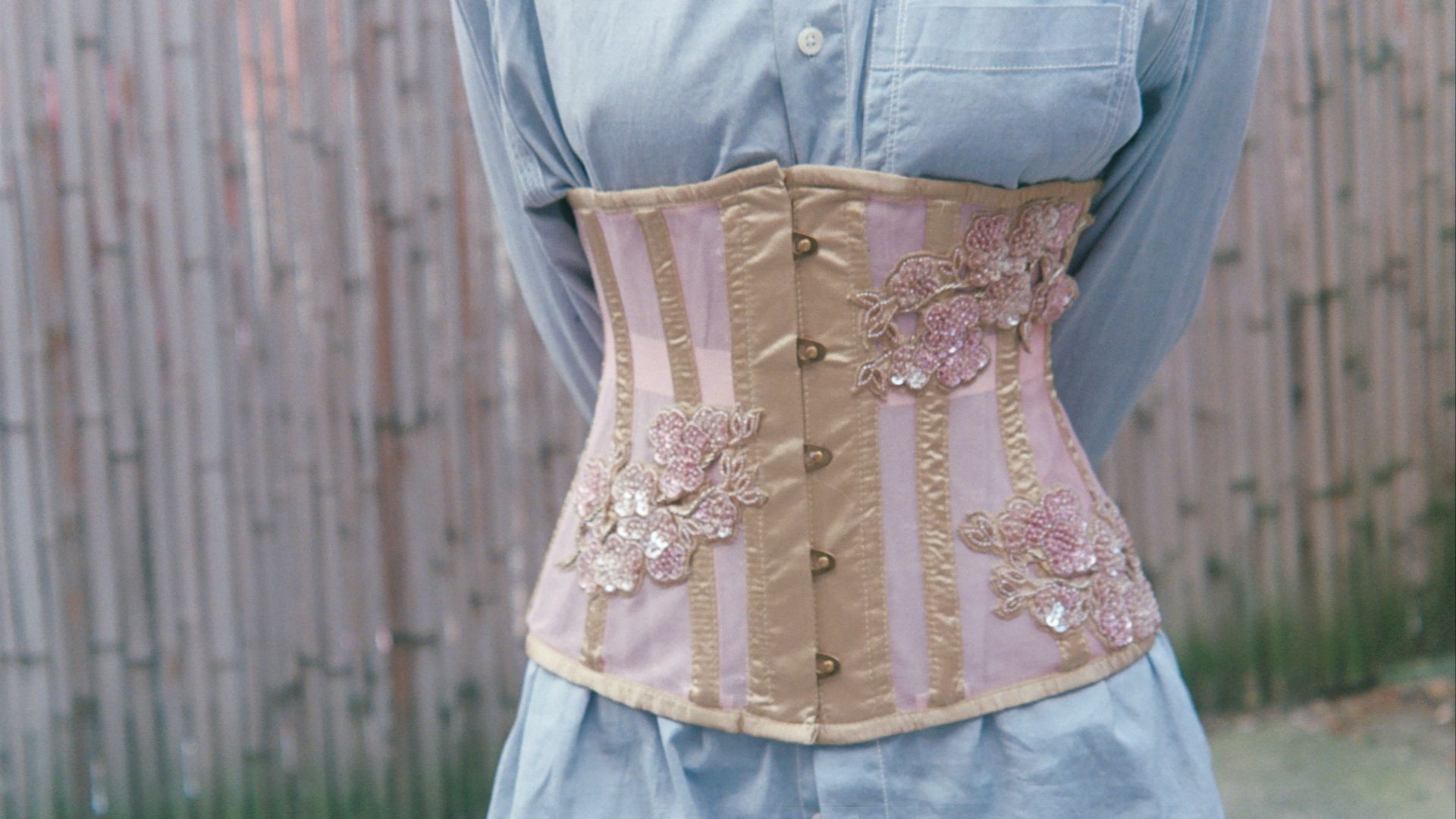
Corsets didn’t just make the waist look smaller. Some late-19th-century designs reshaped the torso and pushed the body toward fashionable silhouettes, including the exaggerated lower-back curve linked with the S-shaped look of the period. At the time, the way someone carried themselves was closely tied to appearance, so posture could be shaped just as much by fashion as by comfort.
4. Strapping on a Wooden Backboard
Victorian figure training could involve wearing a corset with a stiff backboard made from wood or steel. Shoulder straps and adjustable buckles kept the board pressed against the body to encourage a straighter, more upright form.
 Paulina Milde-Jachowska on Unsplash
5. Living in a Neck-to-Pelvis Brace
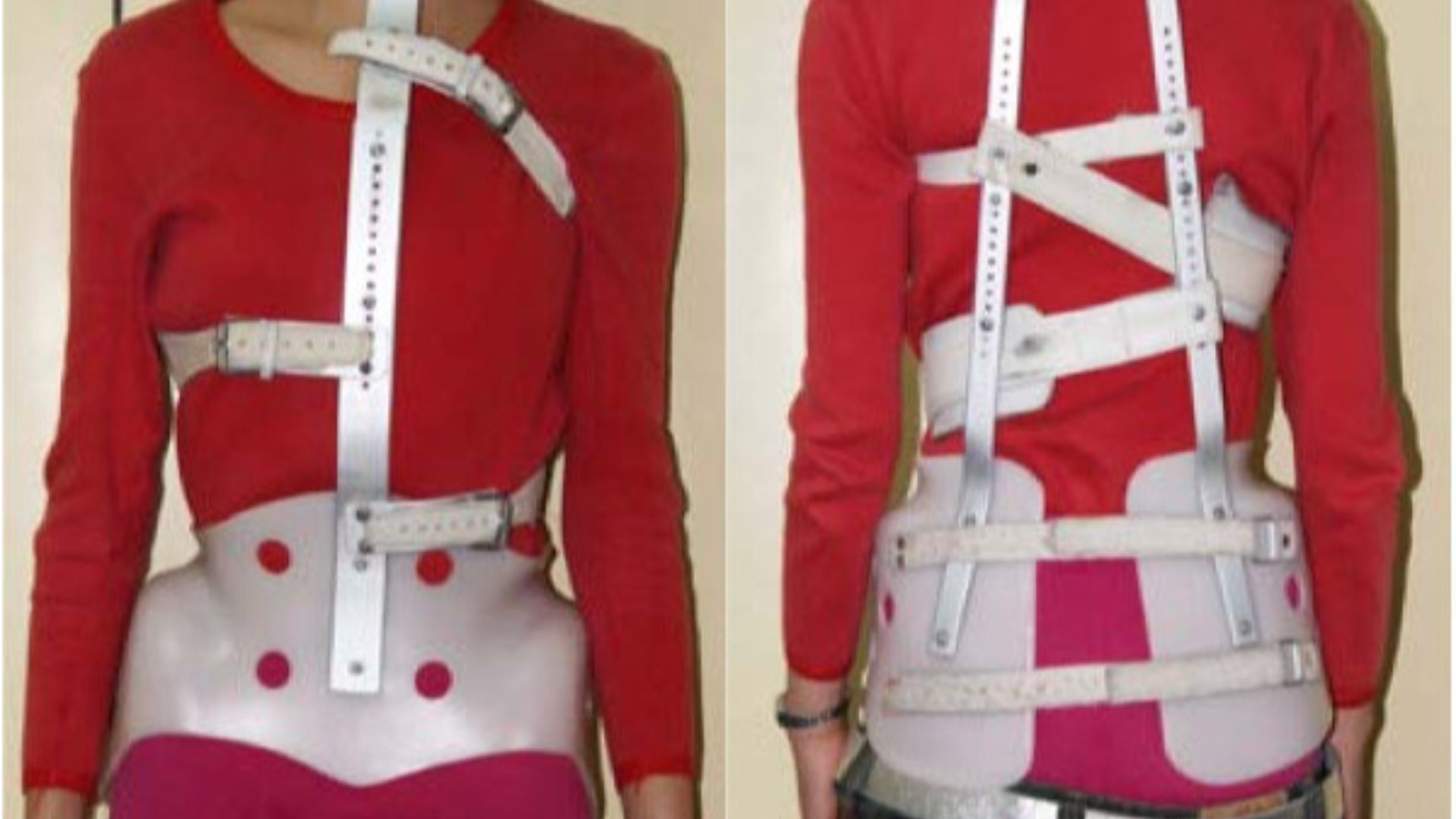
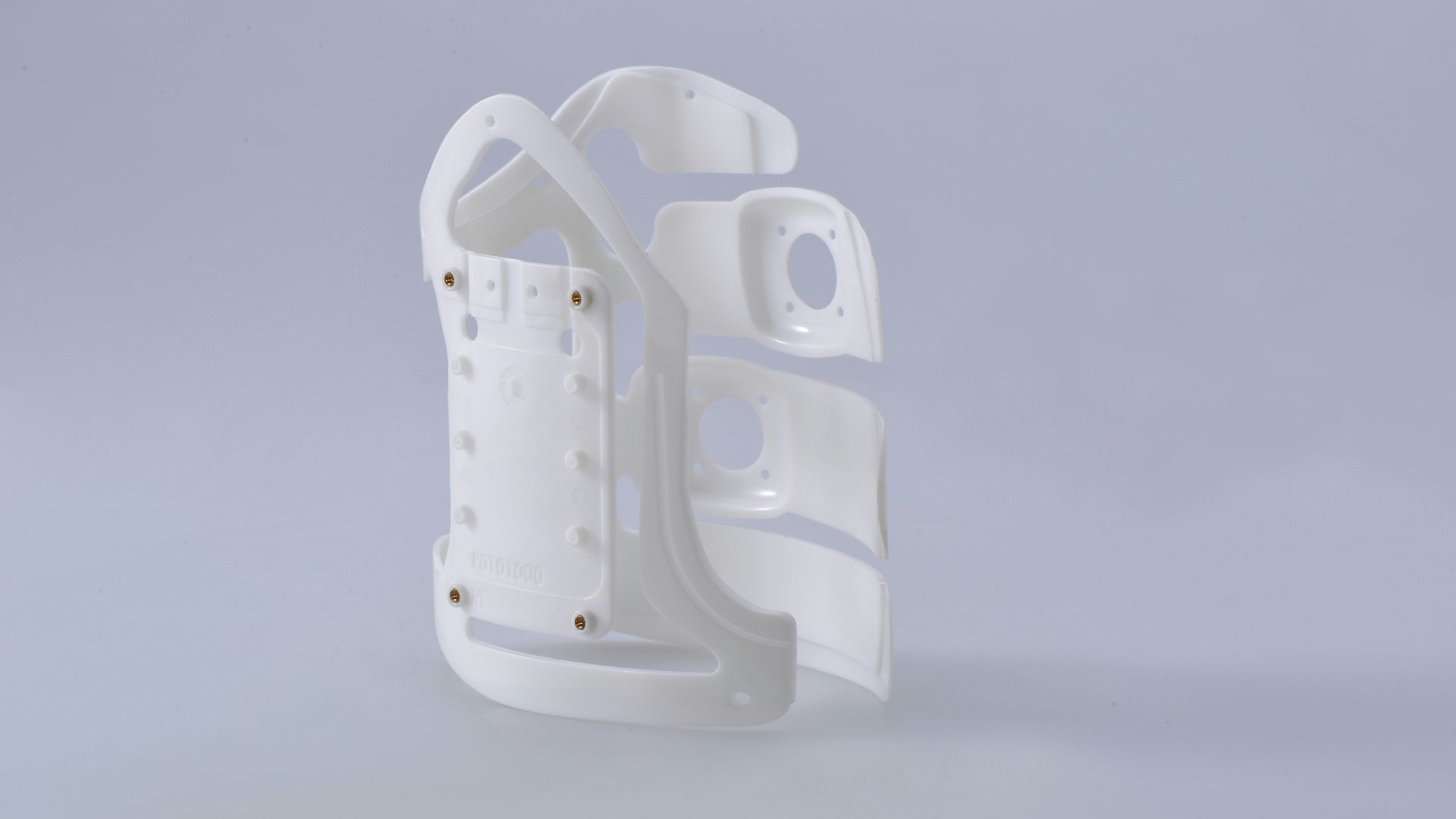
The Milwaukee brace was created as a medical treatment for spinal deformity and stretched from the pelvis all the way up to a ring around the neck. Uprights and corrective pads helped support and control the torso while the brace was being worn. It was much larger and more involved than the posture correction tech we use today.
 Jun Jiang's research while affiliated with Nanjing Medical University and other places. on Wikimedia
6. Balancing a Book on Their Head
Balancing a book on the head became one of the classic exercises linked with deportment training. Keeping it in place means controlling the head and upper body. The practice became closely connected with high society mannerisms, rather than treatment for pain or spinal conditions.
 https://kaboompics.com/ on Pexels
7. Pulling Their Shoulders Back With Straps
Some posture braces use elastic straps to pull rounded shoulders backward and hold them in a different position. While the brace is on, it can create an immediate change in how the shoulders are held.
8. Wearing a Posture-Correcting Shirt
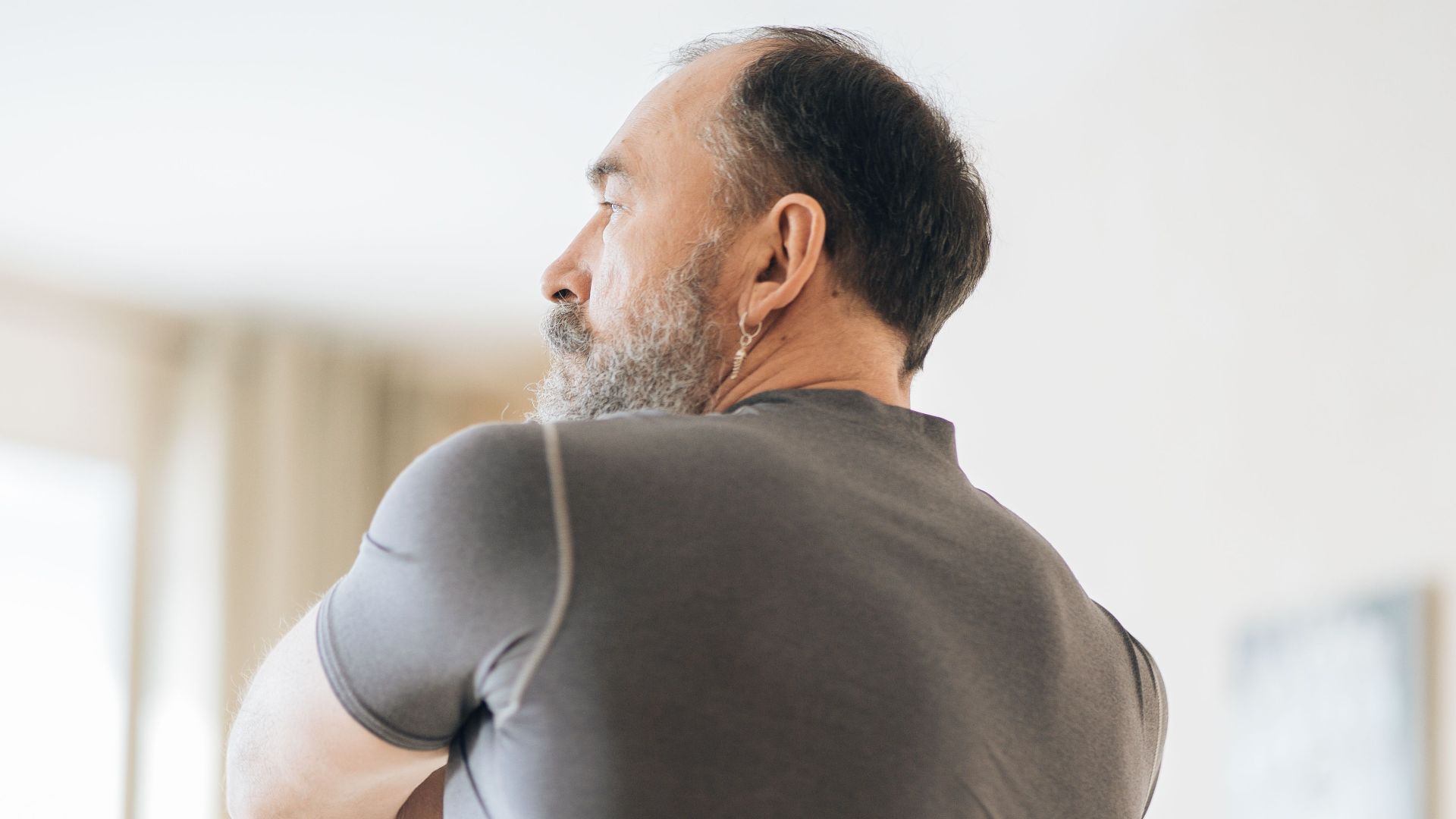
Some people skip a separate brace and wear clothing designed to influence posture instead. These shirts use elastic panels and carefully placed tension to change the position of the shoulders and upper back as the wearer goes about the day.
9. Taping Their Upper Back
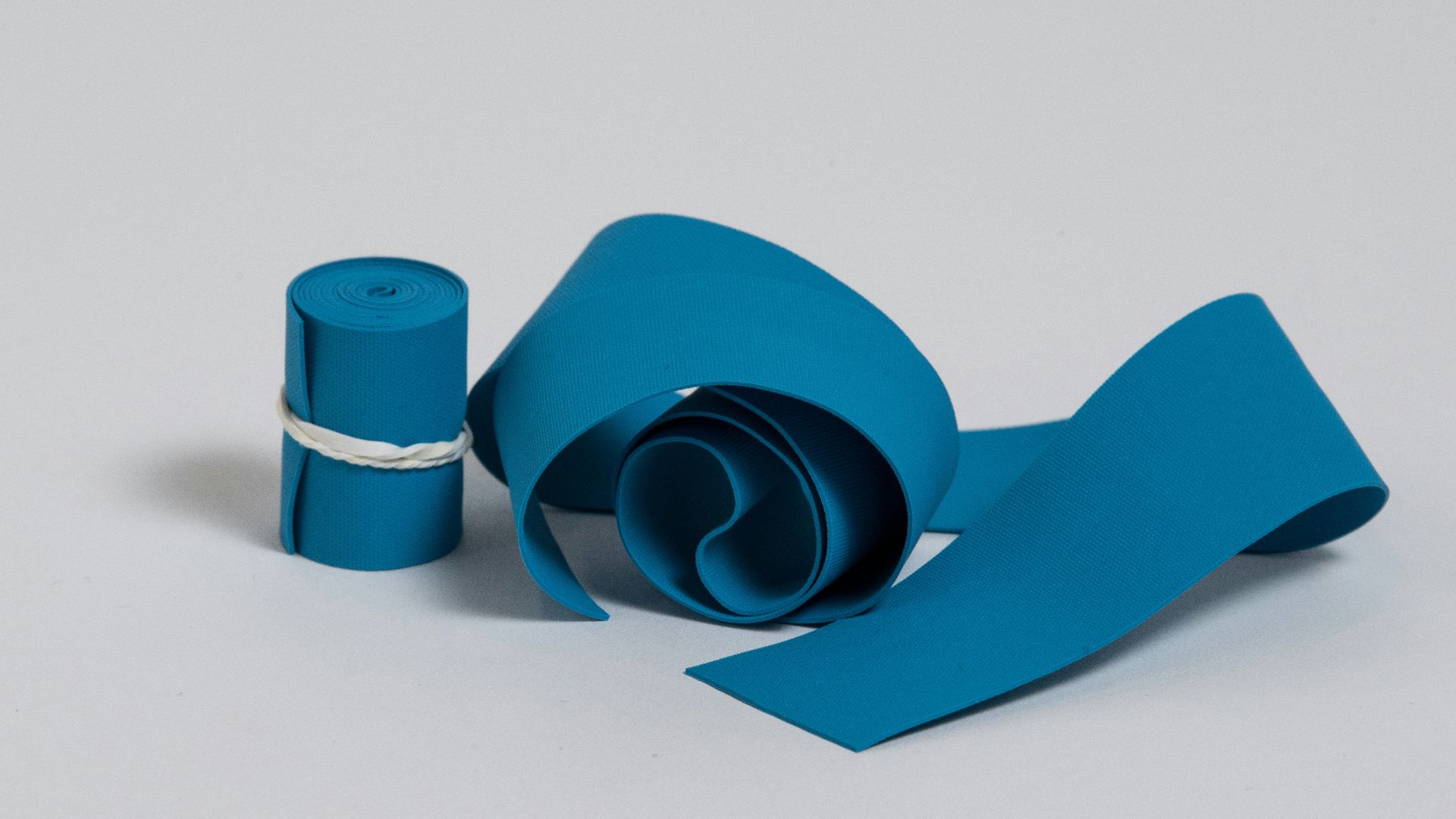
Kinesiology tape has been placed across the neck, shoulders, and upper back in attempts to influence forward-head and rounded-shoulder posture. As the person moves, the tape pulls against the skin and provides a physical reminder that their position has changed.
10. Wearing a Gadget That Buzzes
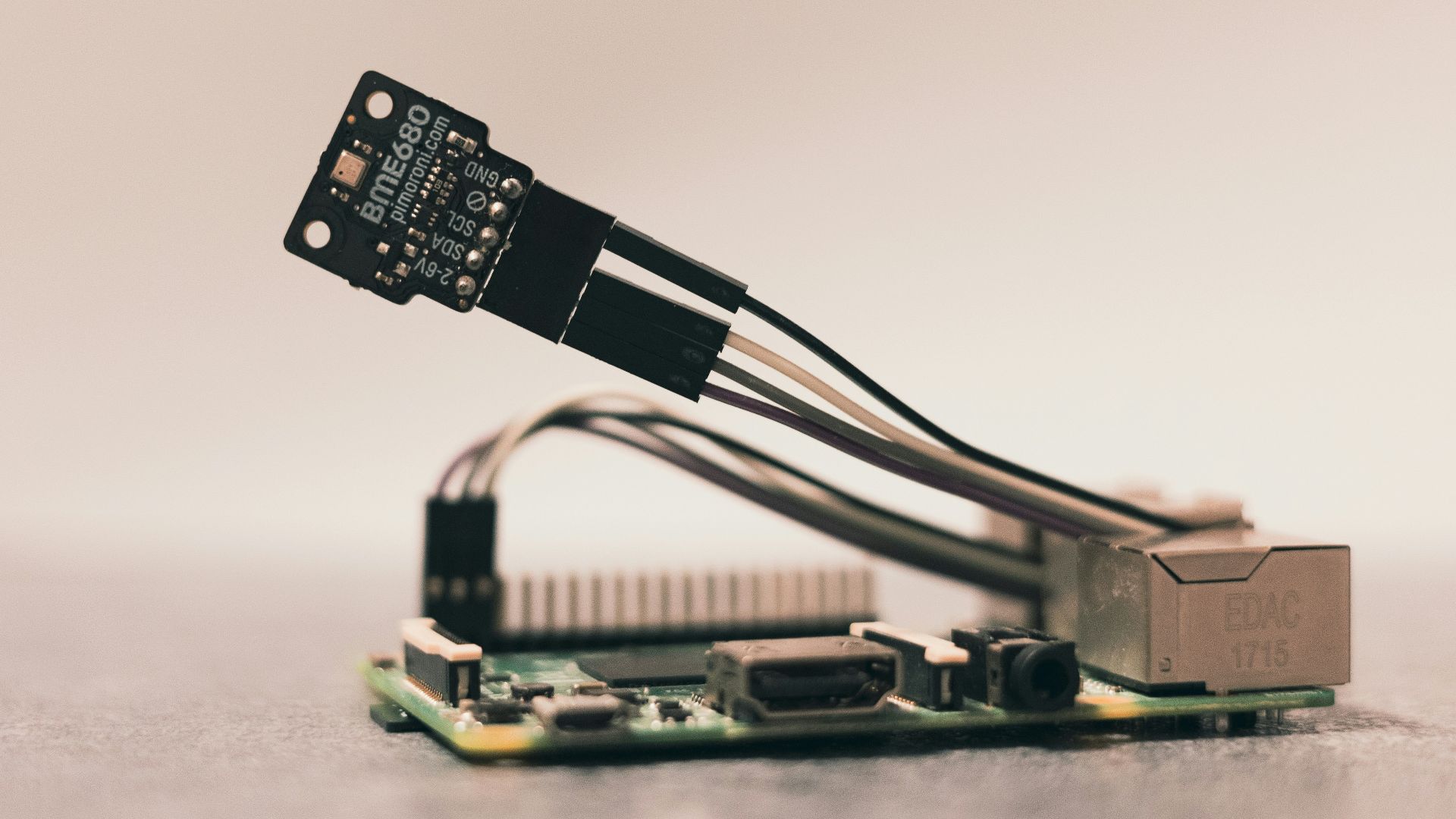
Wearable posture sensors have brought technology into the long-running effort to sit straighter. These small devices can detect when the upper body moves past a preset position and respond by vibrating against the wearer.
11. Letting a Computer Screen Go Dark
One experimental posture system went much further than simply buzzing when someone slouched. When the device detected slouching, it darkened the user’s computer screen and brought the display back once the person corrected their position.

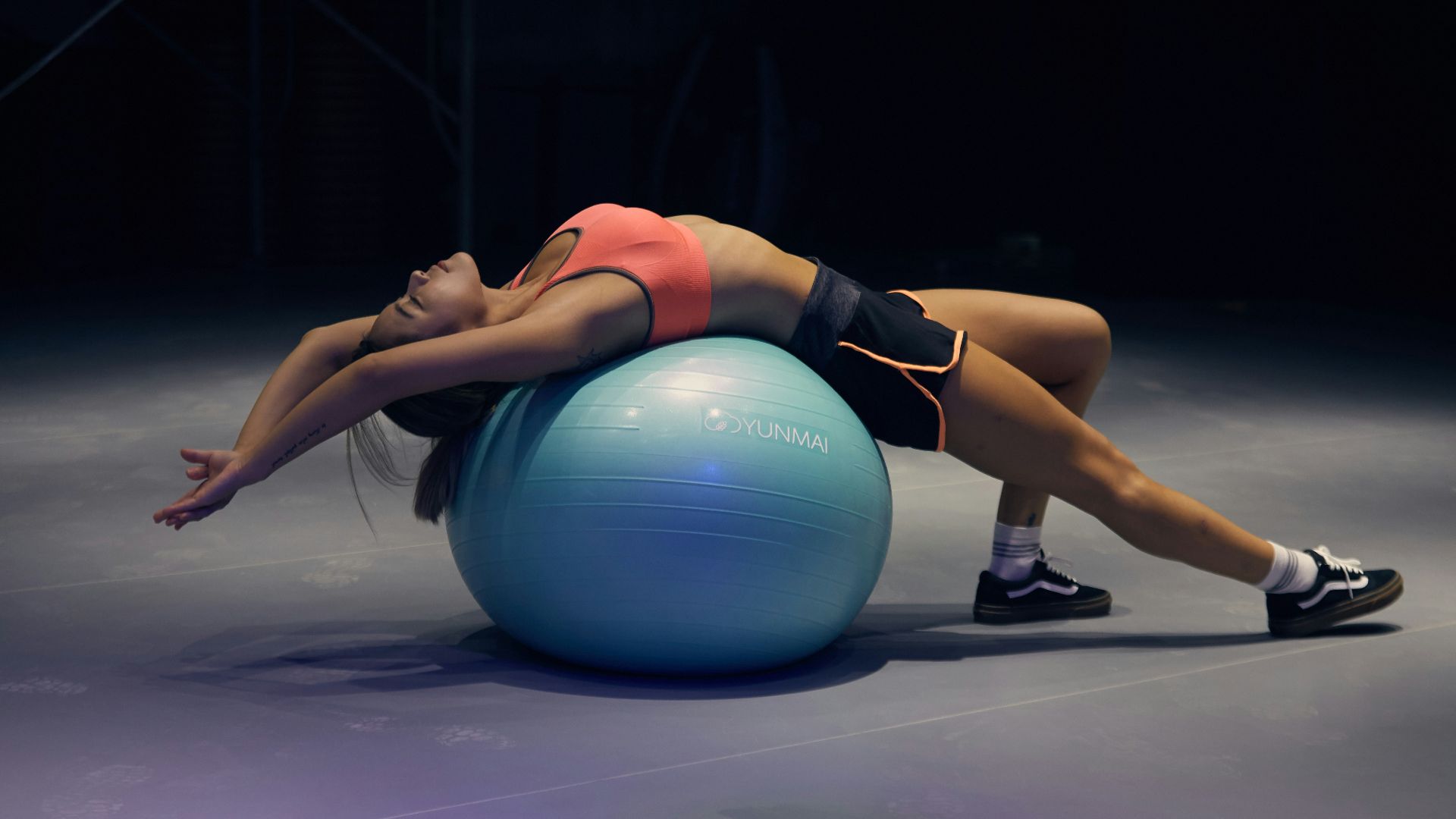
12. Replacing a Chair With an Exercise Ball
Exercise balls became popular as desk-chair alternatives because their unstable surface encourages the body to make small adjustments while sitting. They can change the way the body behaves compared with a regular office chair, though sitting on one for a long time can also become uncomfortable.
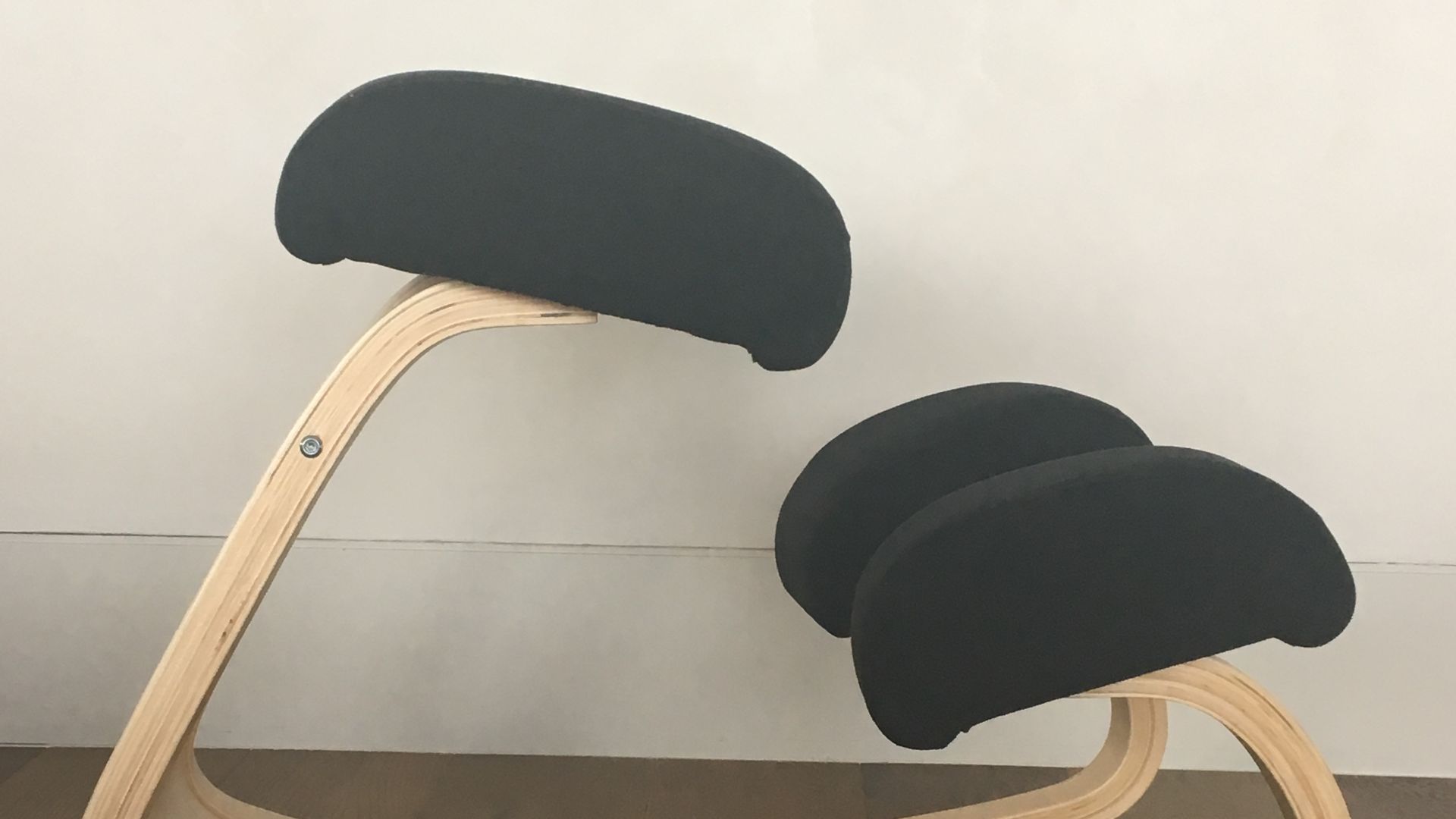
13. Sitting on a Kneeling Chair
Kneeling chairs angle the thighs downward and place some of the body’s weight on padded rests under the lower legs. Certain designs can help keep more of the lower back’s standing curve than a standard office chair does.
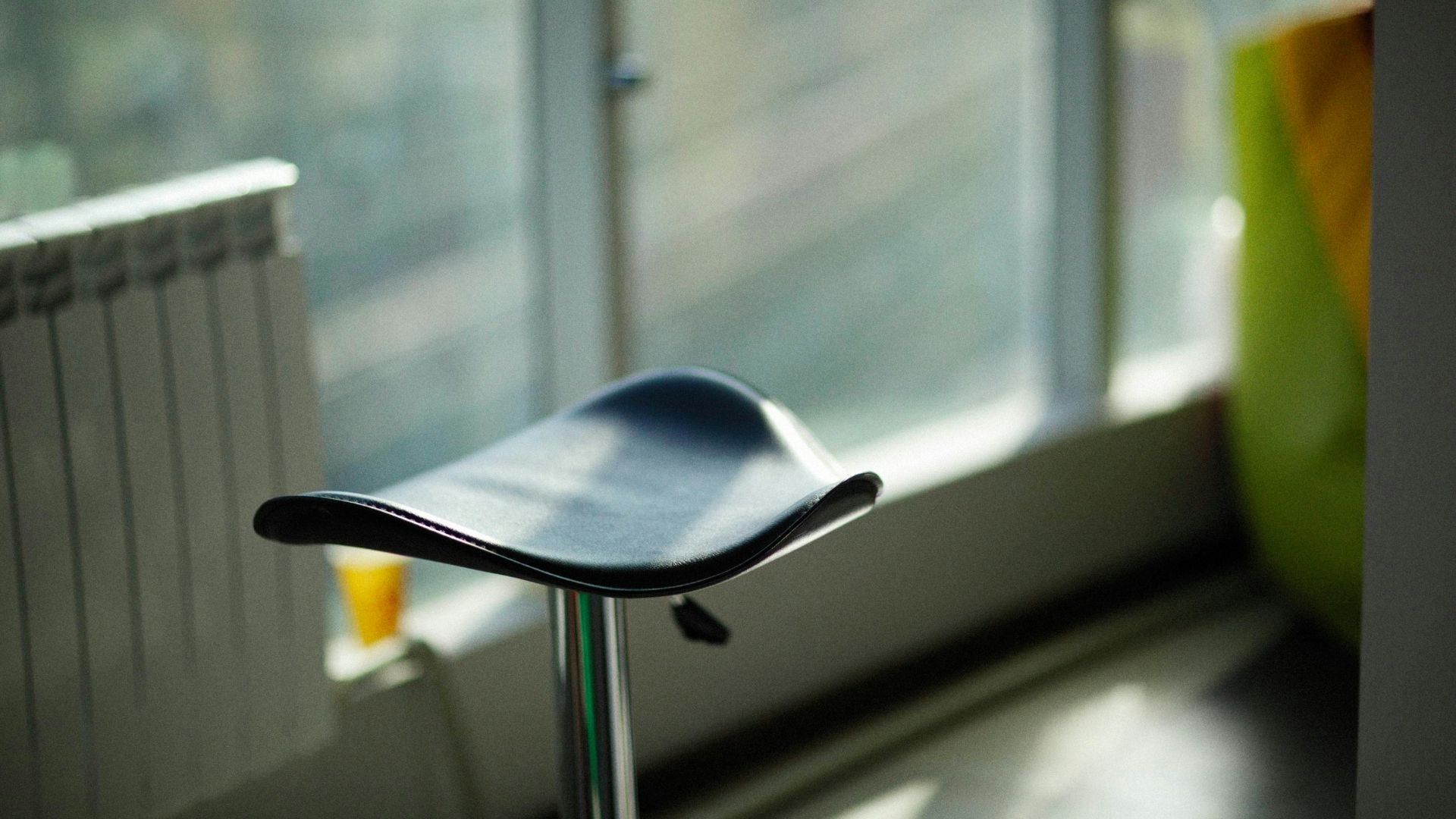
14. Working From a Saddle Chair
A saddle chair puts the user in a straddled position that’s similar to sitting on horseback. That position changes how the pelvis, trunk, and curves of the spine are arranged compared with sitting in a conventional chair.
15. Walking Through the Workday
Treadmill desks let people walk slowly while they type, read, or take part in meetings. They can increase physical activity during the workday without necessarily getting in the way of ordinary office tasks.

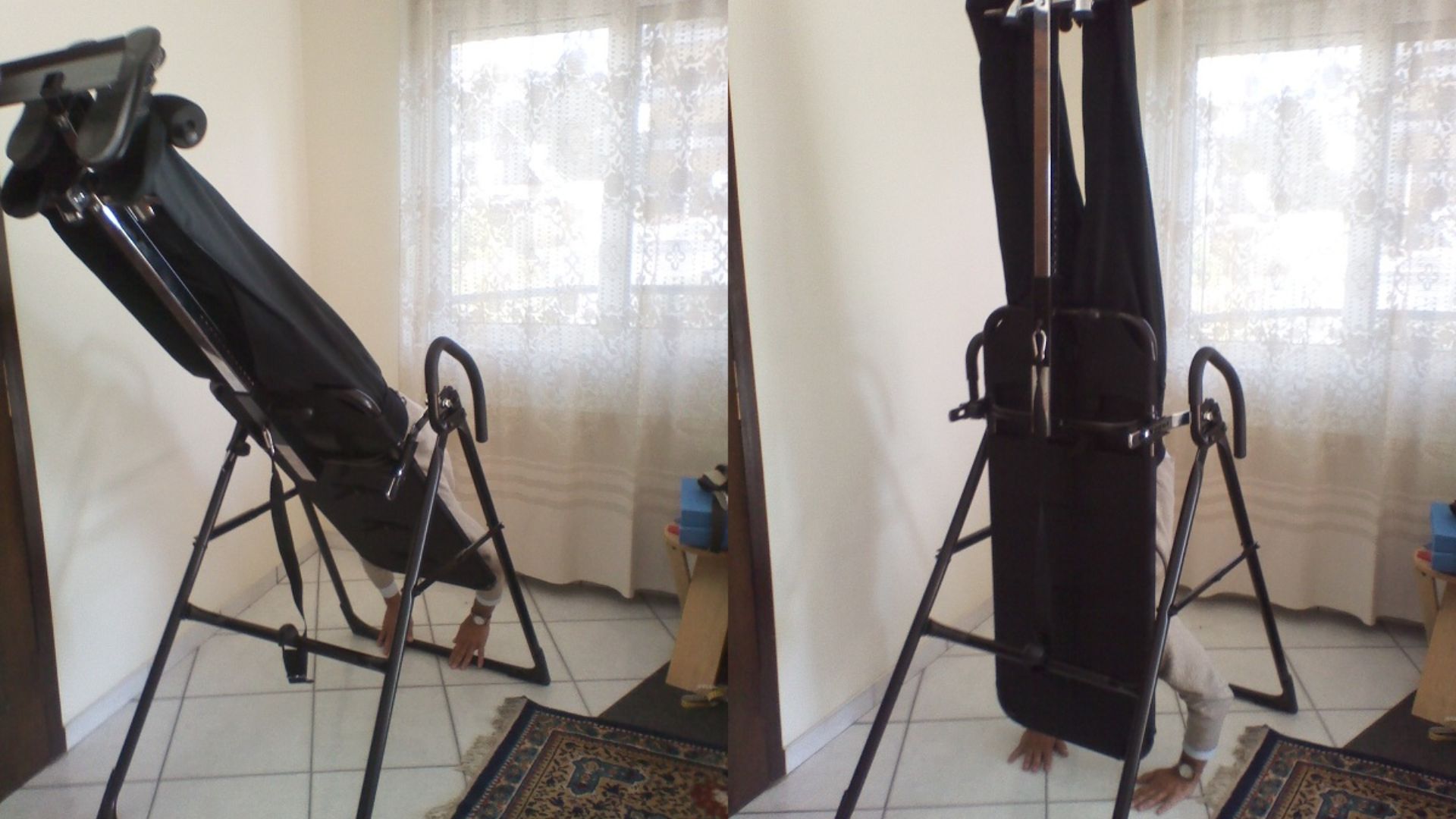
16. Hanging Upside Down
Inversion tables tip the body into a head-down position so gravity creates traction through the spine. The approach has been used for certain back problems, though being upside down also raises pressure inside the eyes and can raise blood pressure while the person stays inverted.
17. Lying Over a Traction Device
Some rehabilitation programs use shaped thoracic traction devices placed beneath the upper back. These supports encourage extension through an upper spine that’s excessively rounded and can be included in treatment for people with neck pain and thoracic hyperkyphosis. Instead of pulling the shoulders back with straps, the device changes the position of the upper spine while the person lies down.
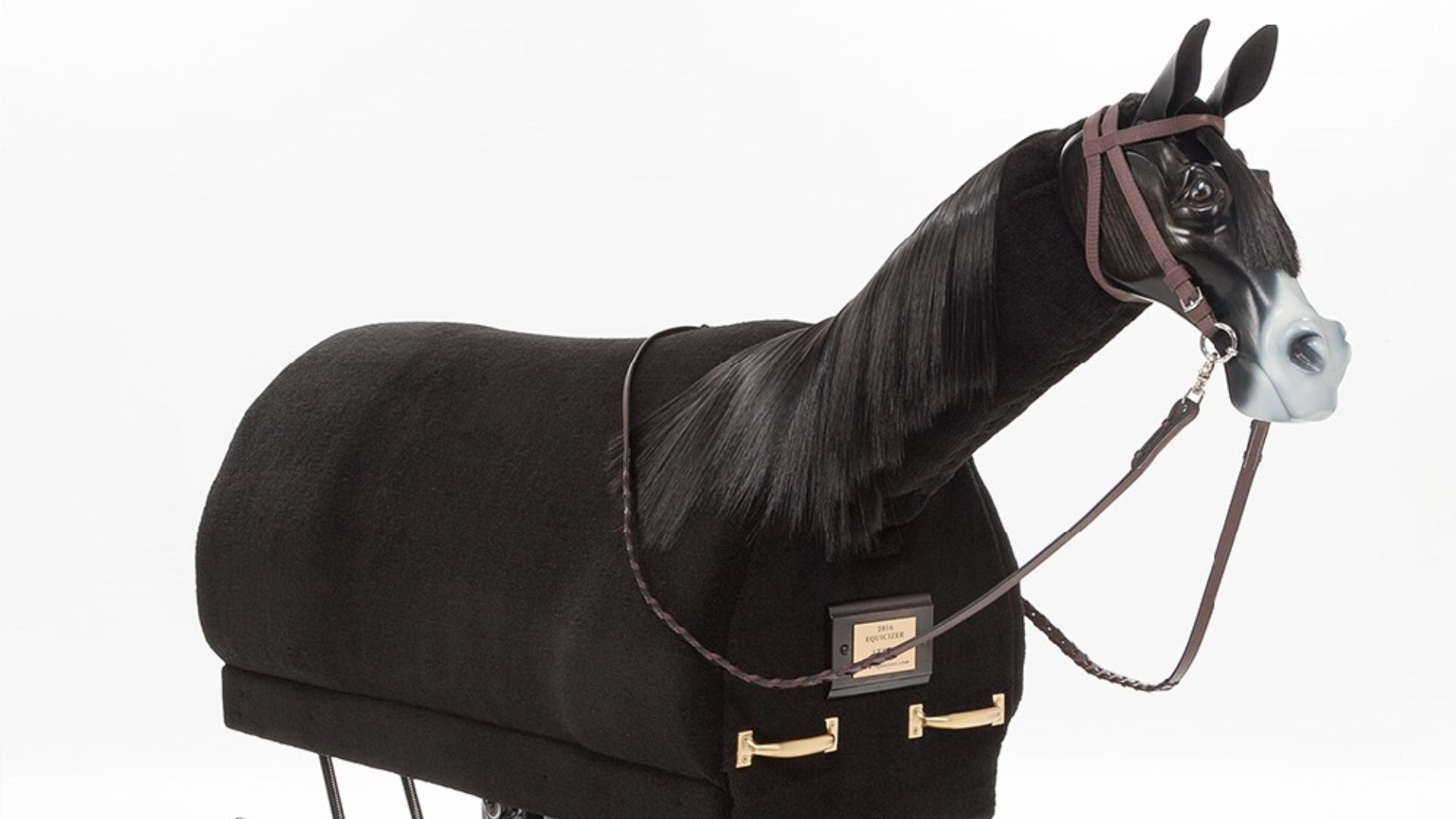
18. Riding a Mechanical Horse
Mechanical horse-riding simulators have been used as an exercise for forward-head posture. The machine copies the rhythmic motion of riding while the person sits on a saddle-like platform, challenging trunk control as it moves.
19. Taking Lessons in How to Move
The Alexander Technique teaches people to notice habits involving tension and movement during everyday activities such as sitting, standing, and walking. Lessons work on changing how those movements are carried out rather than simply forcing the body into one stiff position.
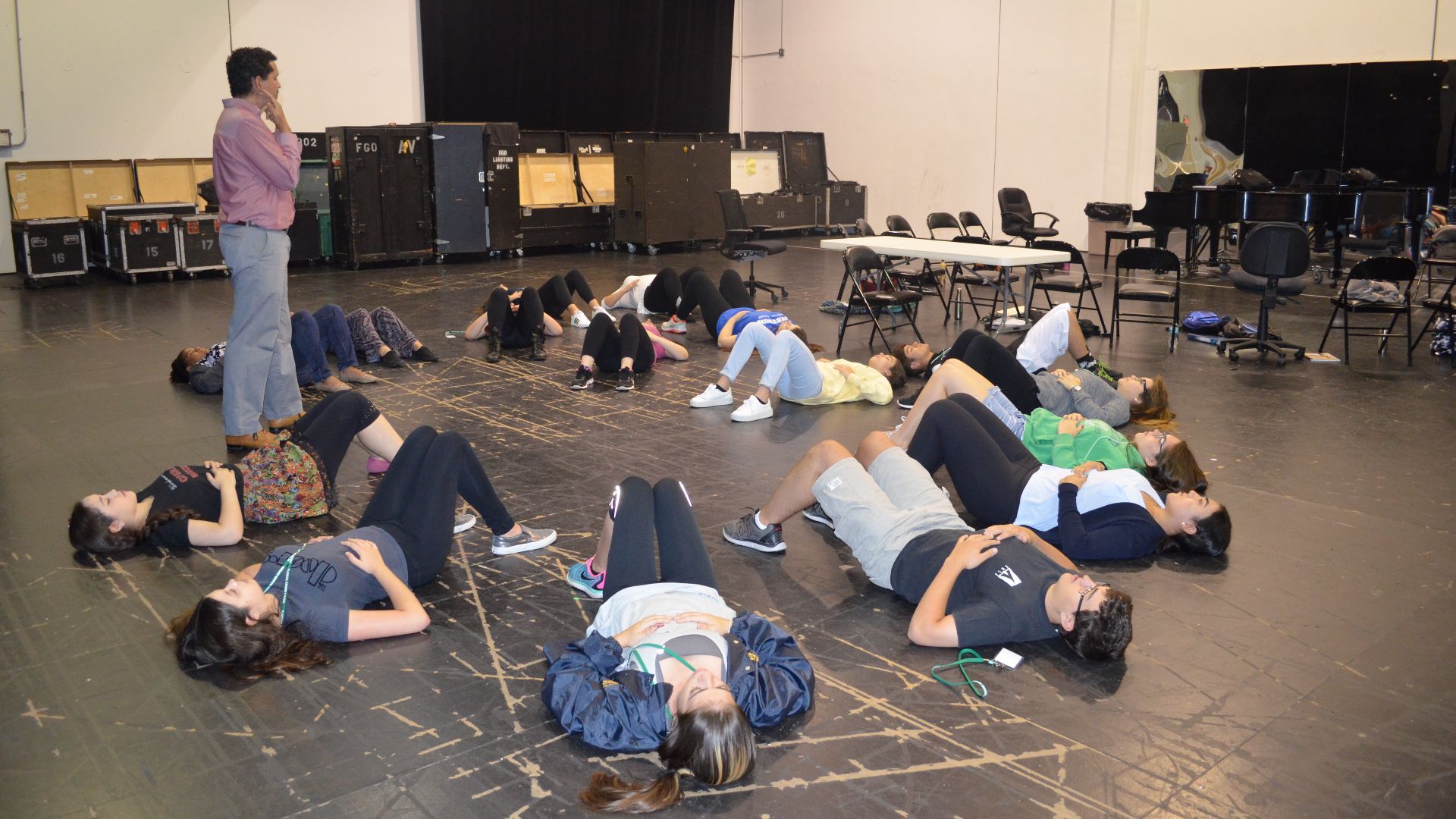 Florida Grand Opera on Wikimedia
20. Relearning Movement on the Floor
The Feldenkrais Method often involves slow, deliberate movements performed while lying down, sitting, or standing. The approach is centered on becoming more aware of how the body moves and has been used for balance, mobility, and musculoskeletal problems.
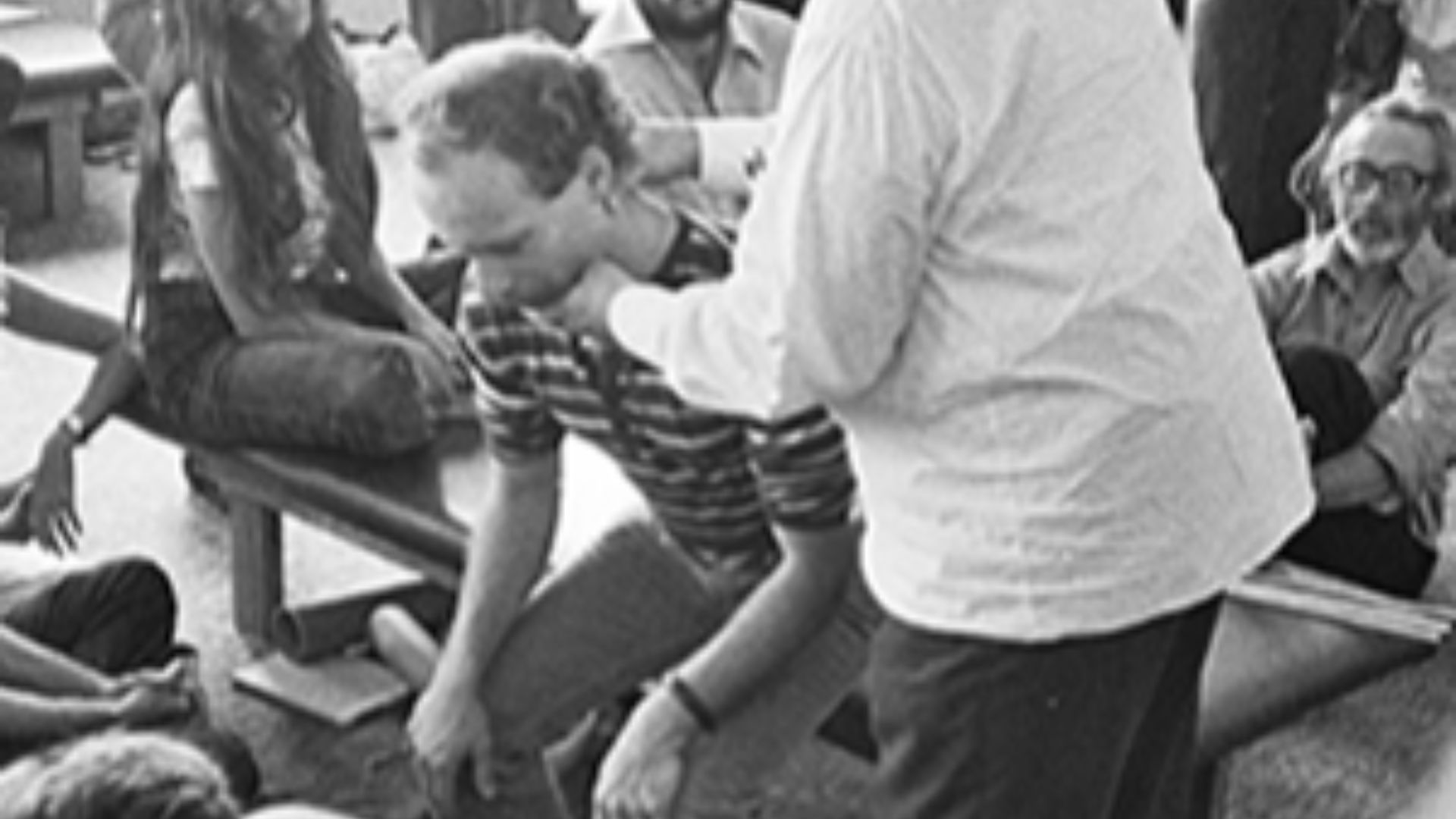 International Feldenkrais Federation, www.feldenkrais-method.org on Wikimedia
KEEP ON READING