
Food Doesn't Always Taste the Same
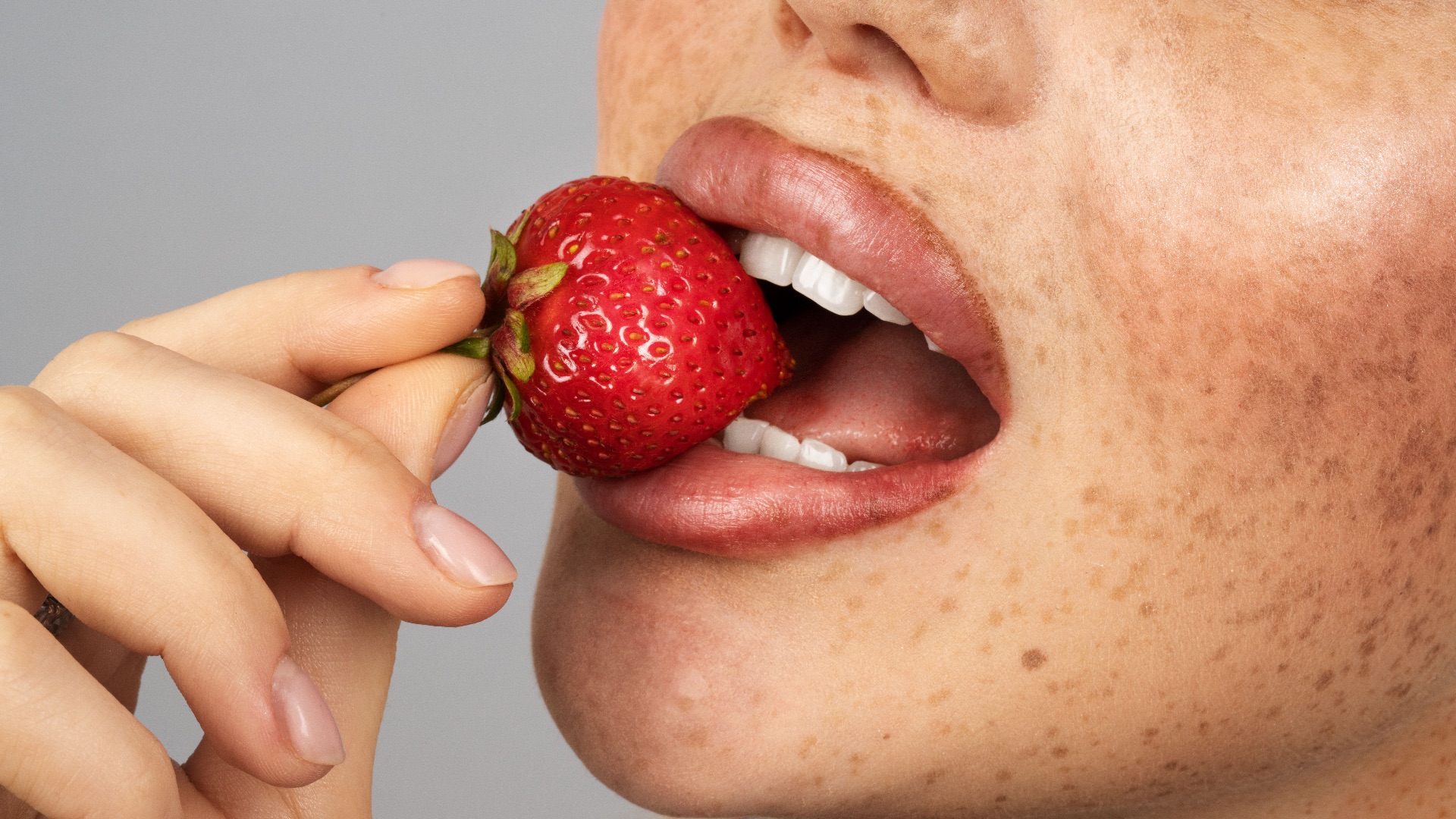
Ever taken a bite or sip of something and just thought it didn't taste right? Maybe you remembered it being sweeter, or saltier, or spicier. Maybe it was once your favorite food, and now you can't even stomach it. Believe it or not, your sense of taste isn't constant, and it can shift for all kinds of reasons, sometimes temporarily and sometimes for much longer. But it's not just your taste buds that are making everything wacky; in fact, the problem may actually involve your nose or even your ears. From illnesses and medications to aging and changes inside your mouth, you'd be surprised to learn just how easily your sense of taste can be altered.
1. Getting Older
Taste and smell can gradually change as you age, which may make certain foods seem less flavorful than they once did. Age-related changes don't affect everyone in exactly the same way, and medications or health conditions that become more common later in life can contribute as well. If you find yourself reaching for extra salt or sugar because food seems bland, the change may have more to do with your senses than with the recipe.

2. Having a Cold or the Flu
A stuffy nose can have a surprisingly large effect on how food seems to taste. Much of what you perceive as flavor comes from aromas traveling from your mouth into your nasal passages, so congestion can prevent those aromas from reaching the sensory cells responsible for smell. That's why a favorite meal may suddenly seem unusually bland when you're dealing with a respiratory infection.

3. COVID-19
COVID-19 can cause changes in taste and smell, and those symptoms sometimes continue well beyond the initial infection. Some people report reduced taste, while others find that familiar foods suddenly taste unpleasant or noticeably different. Taste problems are also among the symptoms reported by people experiencing long COVID.
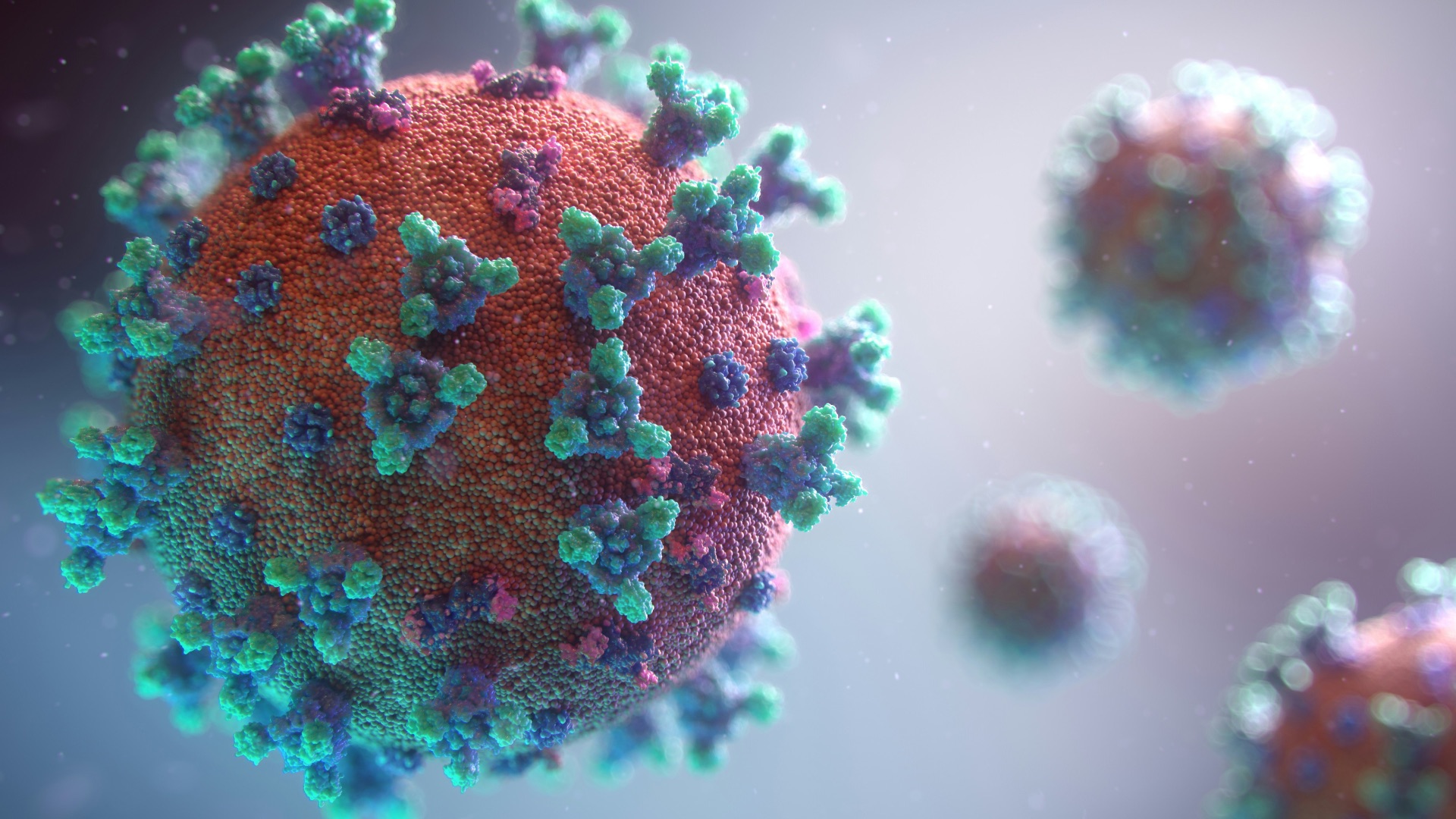 Fusion Medical Animation on Unsplash
4. Certain Medications
A new prescription may be responsible if food suddenly starts tasting strange. Some medications, including certain antibiotics and antihistamines, can interfere with taste, while others may indirectly affect it by contributing to dry mouth. Don't stop taking a prescribed medication on your own, but an unexplained taste change is worth mentioning to your healthcare provider.
 Christina Victoria Craft on Unsplash
5. Dry Mouth
Saliva does more than keep your mouth comfortable; having enough of it is important for normal taste as well. When your salivary glands aren't producing enough, food may seem different or less flavorful, and chewing and swallowing can become more difficult too. Dry mouth can develop for numerous reasons, including medications, certain health conditions, and damage to the salivary glands.

6. Dental Problems
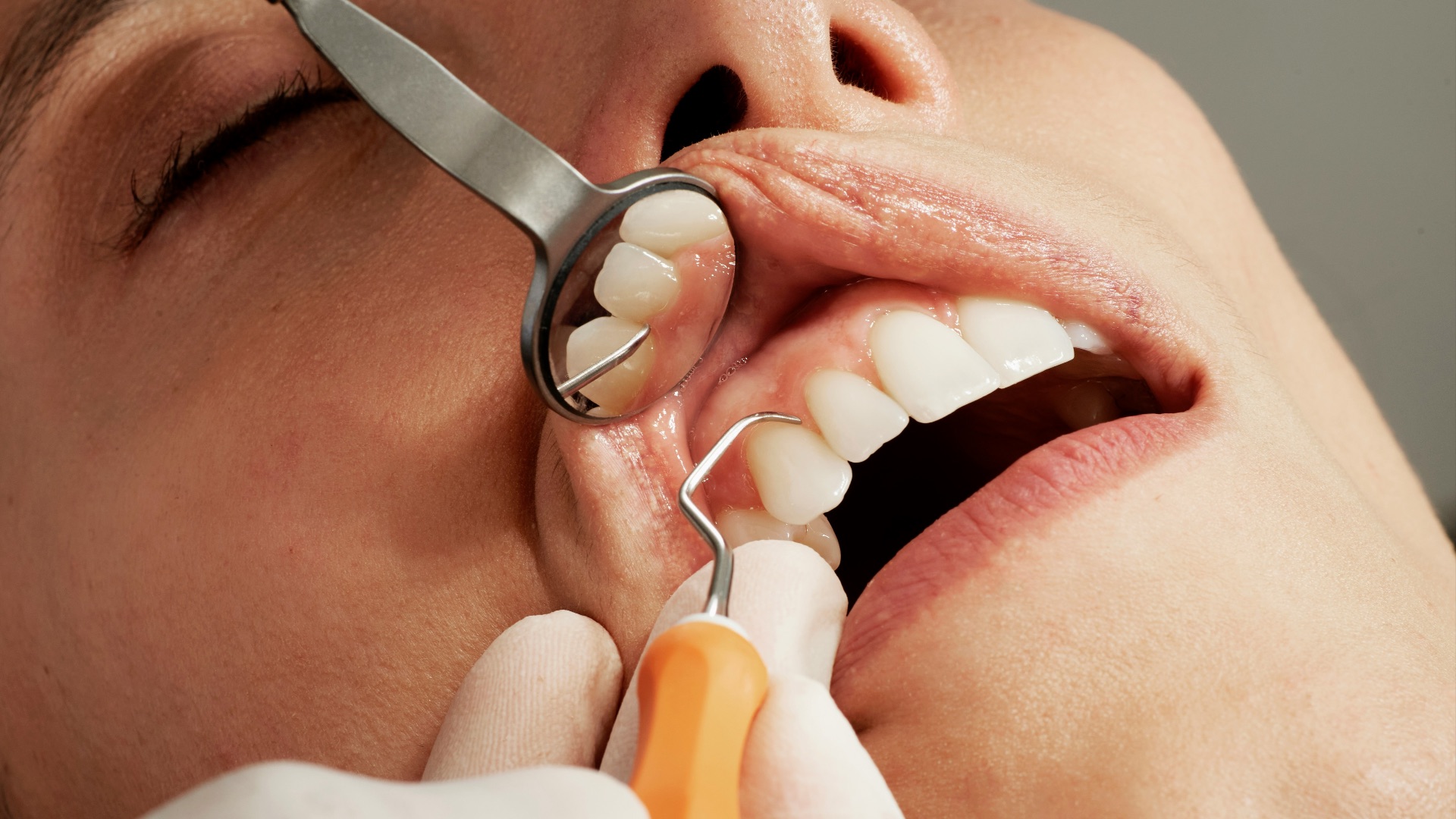
Problems involving your teeth and mouth can influence what you taste even when there's nothing wrong with the food itself. Poor oral hygiene and dental conditions are recognized causes of taste disturbances, and infections or other problems may also leave an unpleasant taste behind. Regular dental care therefore matters for more than keeping your teeth and gums in good condition.
7. Pregnancy
Food preferences can change dramatically during pregnancy, and taste perception may shift along with them. Research has documented changes in how pregnant people perceive tastes such as sour, bitter, sweet, and salty, although the exact patterns aren't the same for everyone. These sensory changes can help explain why something you previously enjoyed may suddenly seem unappealing or taste noticeably different.

8. Chemotherapy
Cancer treatments can affect rapidly growing cells in and around the mouth, and taste changes are a recognized side effect of some chemotherapy drugs. Food may lose some of its flavor or develop an unusual chemical or metallic taste that wasn't present before treatment. These changes can also affect appetite, making it harder for some people to enjoy or eat their usual foods.

9. Radiation to the Head or Neck
Radiation therapy involving the head or neck can interfere with taste more directly than many people realize. Treatment may affect oral tissues and salivary glands, potentially causing both taste changes and significant dry mouth. Sweet, sour, bitter, and salty sensations can all be altered during treatment.
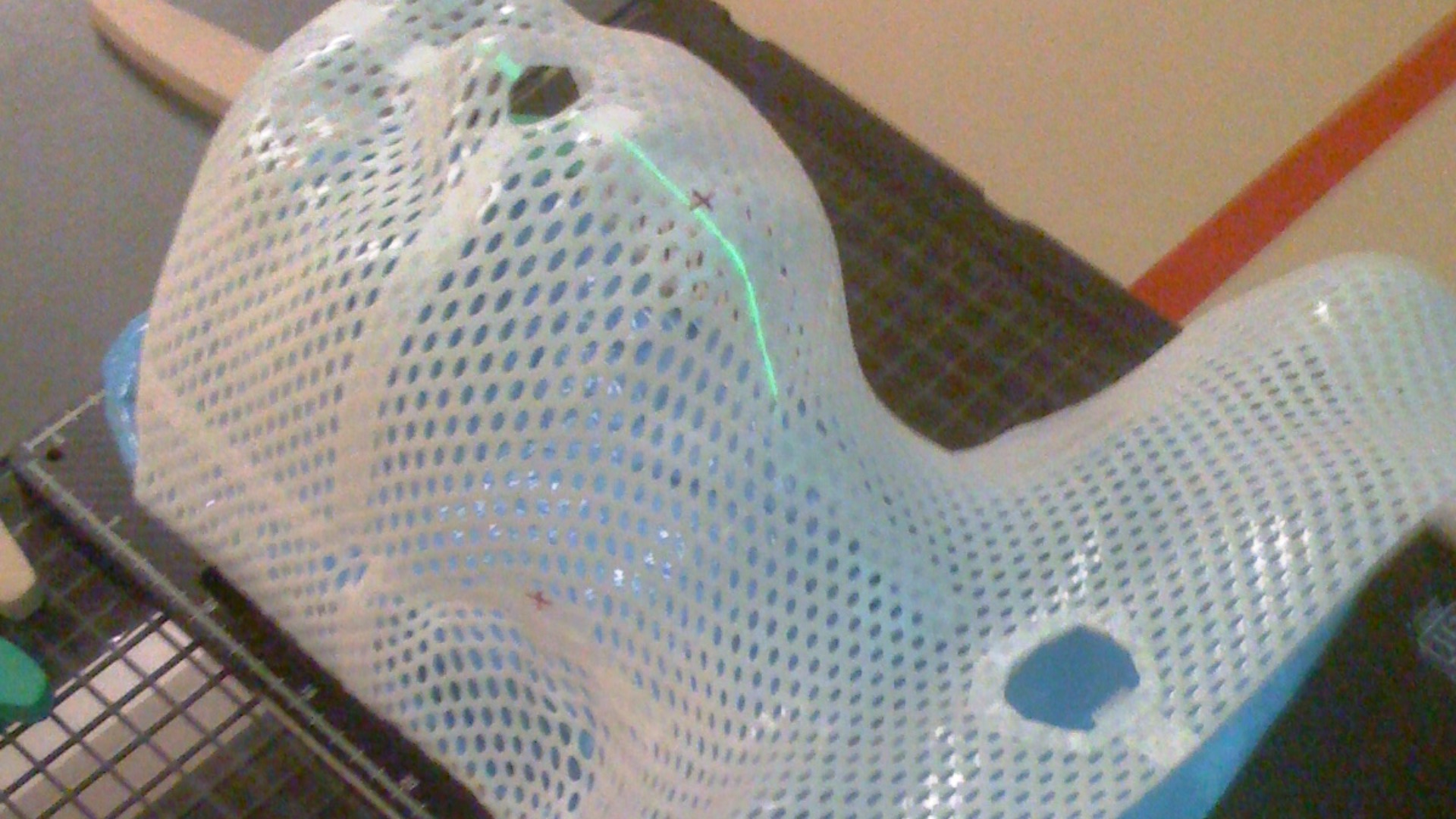 Sanko at Indonesian Wikipedia on Wikimedia
10. A Head Injury
Taste problems can sometimes appear after a blow or injury to the head. Because taste and smell depend on sensory pathways carrying information to the brain, damage affecting those systems may change the way flavors are perceived. A persistent change after a head injury shouldn't simply be dismissed, especially when other neurological symptoms are present.
 https://kaboompics.com/ on Pexels
11. Ear, Nose, or Throat Surgery
Certain surgical procedures around the ear, nose, and throat can occasionally affect taste afterward. Middle-ear surgery is one recognized example, and even removal of a wisdom tooth has been associated with taste disturbances in some cases. Depending on what was affected, the change may involve altered, reduced, or otherwise abnormal taste perception.

12. Smoking
Smoking exposes the mouth and nasal passages to chemicals while also affecting the sensory experience involved in eating. Because much of flavor depends on both taste and smell, anything that interferes with these senses can make food seem different from what you're accustomed to. Changes may become especially noticeable when comparing how foods taste before and after changes in smoking habits.

13. Sinus and Nasal Congestion
You don't need to be completely unable to smell for congestion to affect a meal. When nasal passages are blocked, fewer food aromas can reach the smell receptors that contribute heavily to flavor perception. As a result, you may still recognize sweet, salty, sour, bitter, or savory tastes while having much more difficulty appreciating the food's complete flavor.
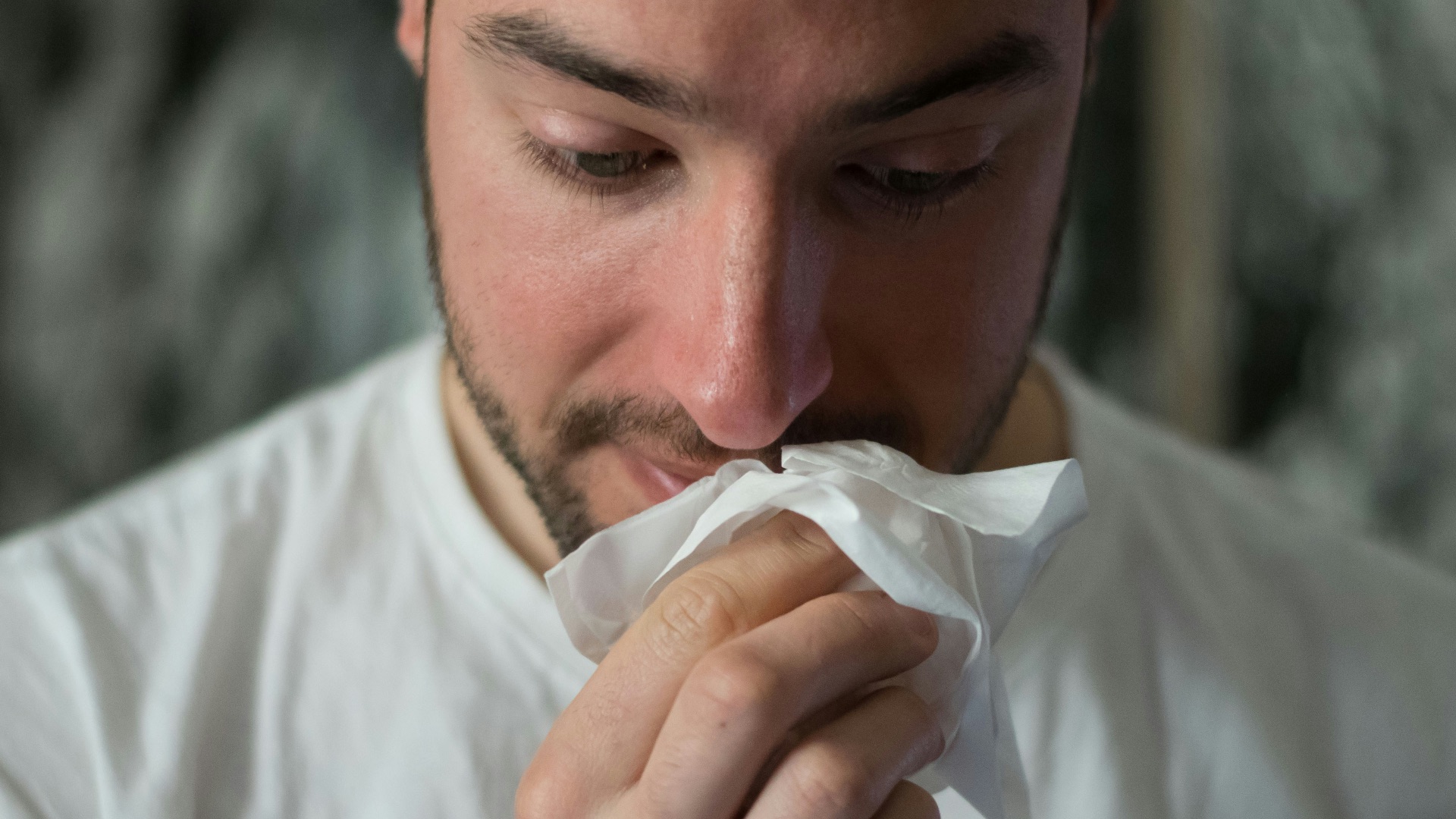
14. Middle-Ear Infections
An ear infection may not seem connected to what's happening on your tongue, but middle-ear infections are among the conditions associated with taste problems. The nerves and structures involved in taste travel through complex areas of the head, so illness in nearby regions can occasionally interfere with normal sensation. For some people, that means food may temporarily taste weaker or simply seem unusual.

15. Exposure to Certain Chemicals
Some chemical exposures can disrupt the senses responsible for taste. Insecticides are one example associated with taste disorders, although the effects can depend on the substance, amount of exposure, and individual involved. A sudden taste change following a significant chemical exposure warrants medical attention rather than an attempt to diagnose the cause yourself.
16. Sjögren's Disease
Sjögren's disease can reduce saliva production because the immune system targets glands that normally help keep the mouth moist. The resulting dry mouth can interfere with taste while also making chewing and swallowing less comfortable. It can also increase the likelihood of cavities and oral infections, adding further reasons why food might not taste the way it normally does.

17. Problems with Your Salivary Glands
Anything that significantly reduces the amount of saliva reaching your mouth has the potential to change your experience of food. Damaged or poorly functioning salivary glands can affect taste while creating dryness and making swallowing more difficult. Because saliva also helps control harmful microbes in the mouth, reduced production can contribute to additional oral problems that may influence taste.
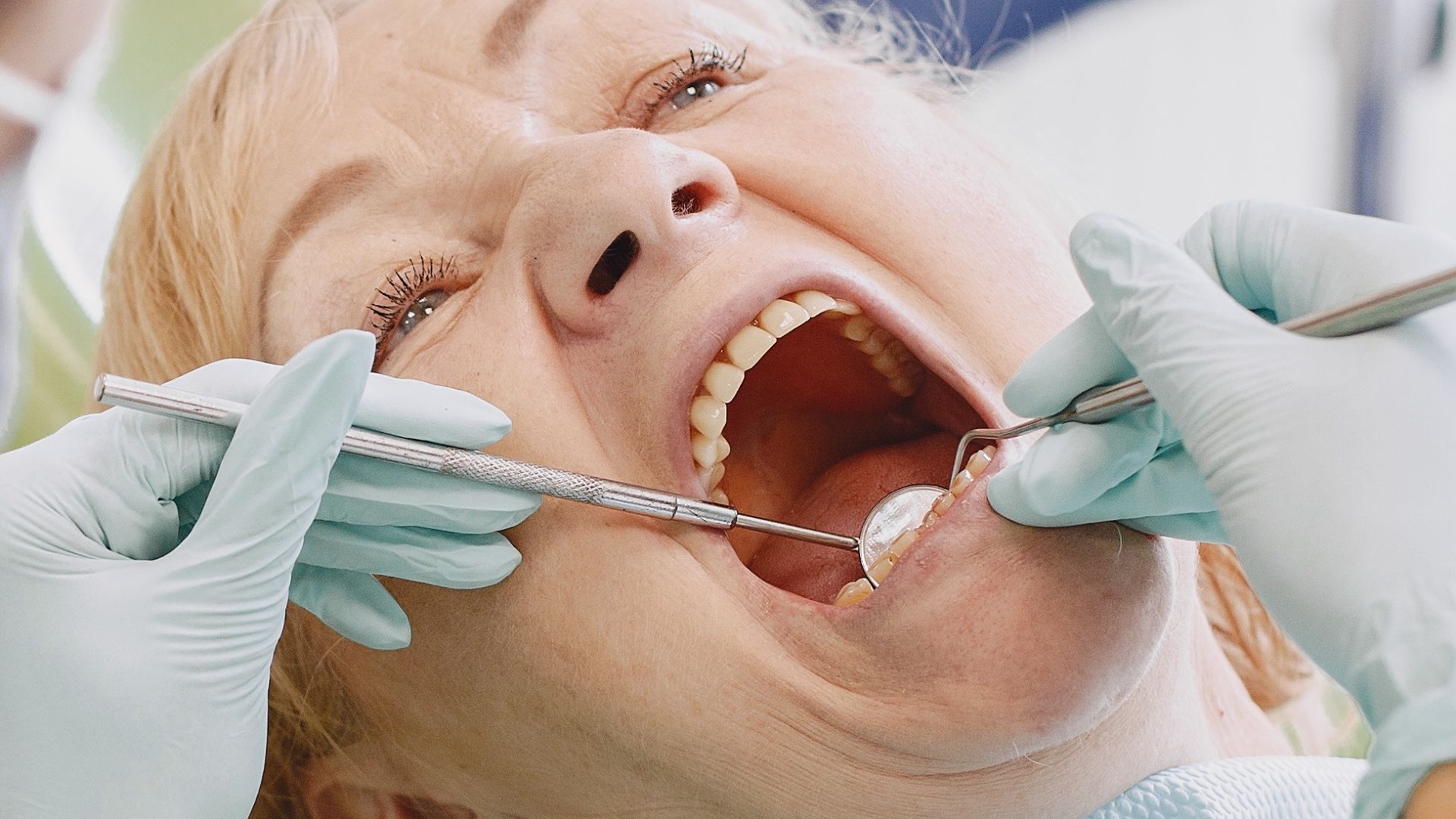
18. Oral Infections
An infection inside the mouth can leave behind tastes that have little to do with whatever you're eating. Dry mouth, certain medical conditions, and some treatments can increase susceptibility to oral infections, which may occur alongside soreness, white patches, or other noticeable changes. Addressing the underlying mouth problem may therefore be an important part of dealing with an unexplained change in taste.

19. Burning Mouth Syndrome
Burning mouth syndrome can involve more than a burning or uncomfortable sensation. Some people with the condition also experience dry mouth or an altered taste, including persistent tastes that appear even when they aren't eating. Because several different problems can produce similar symptoms, ongoing burning and taste changes should be evaluated by a healthcare professional.
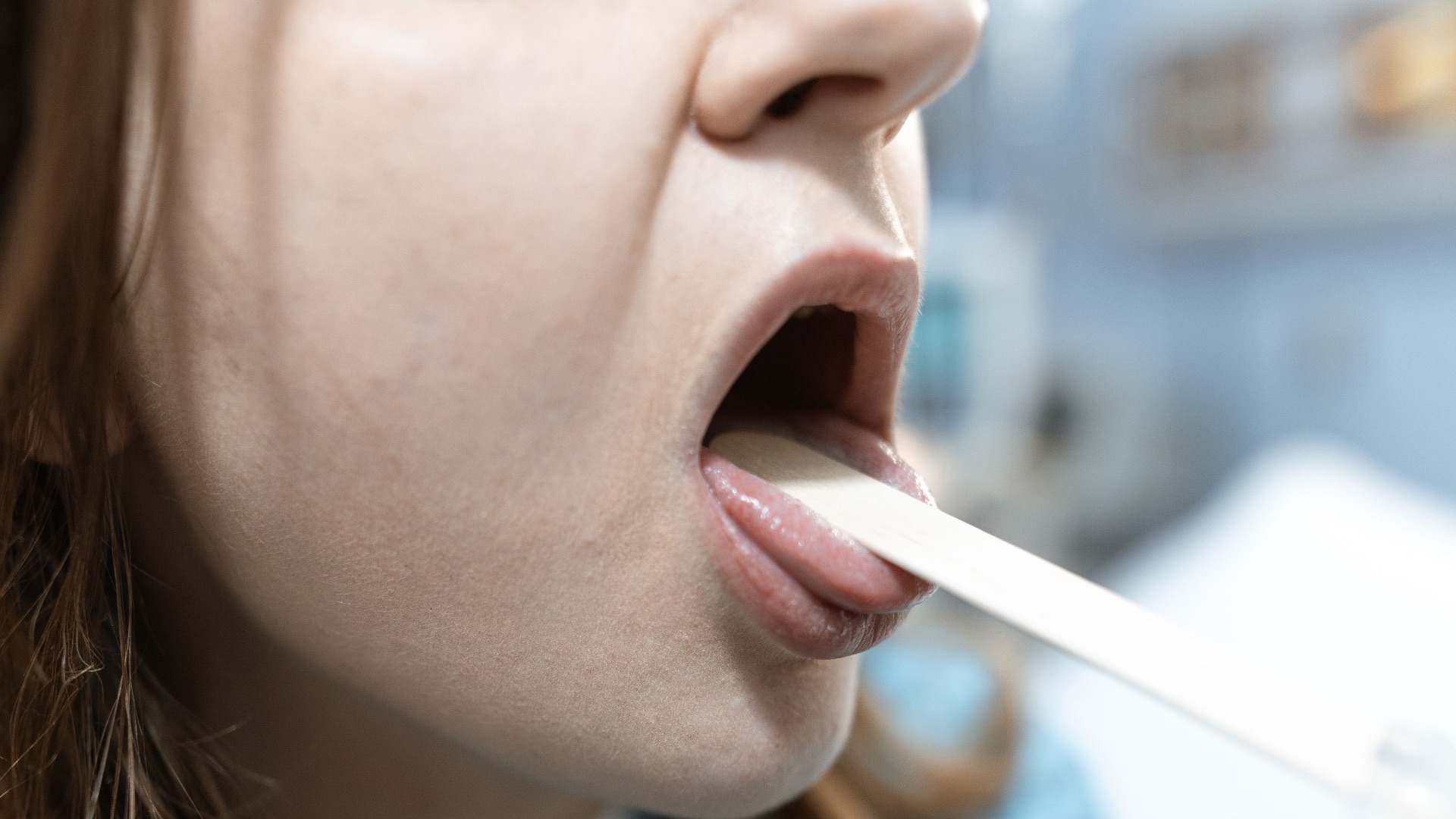
20. Changes in Your Sense of Smell
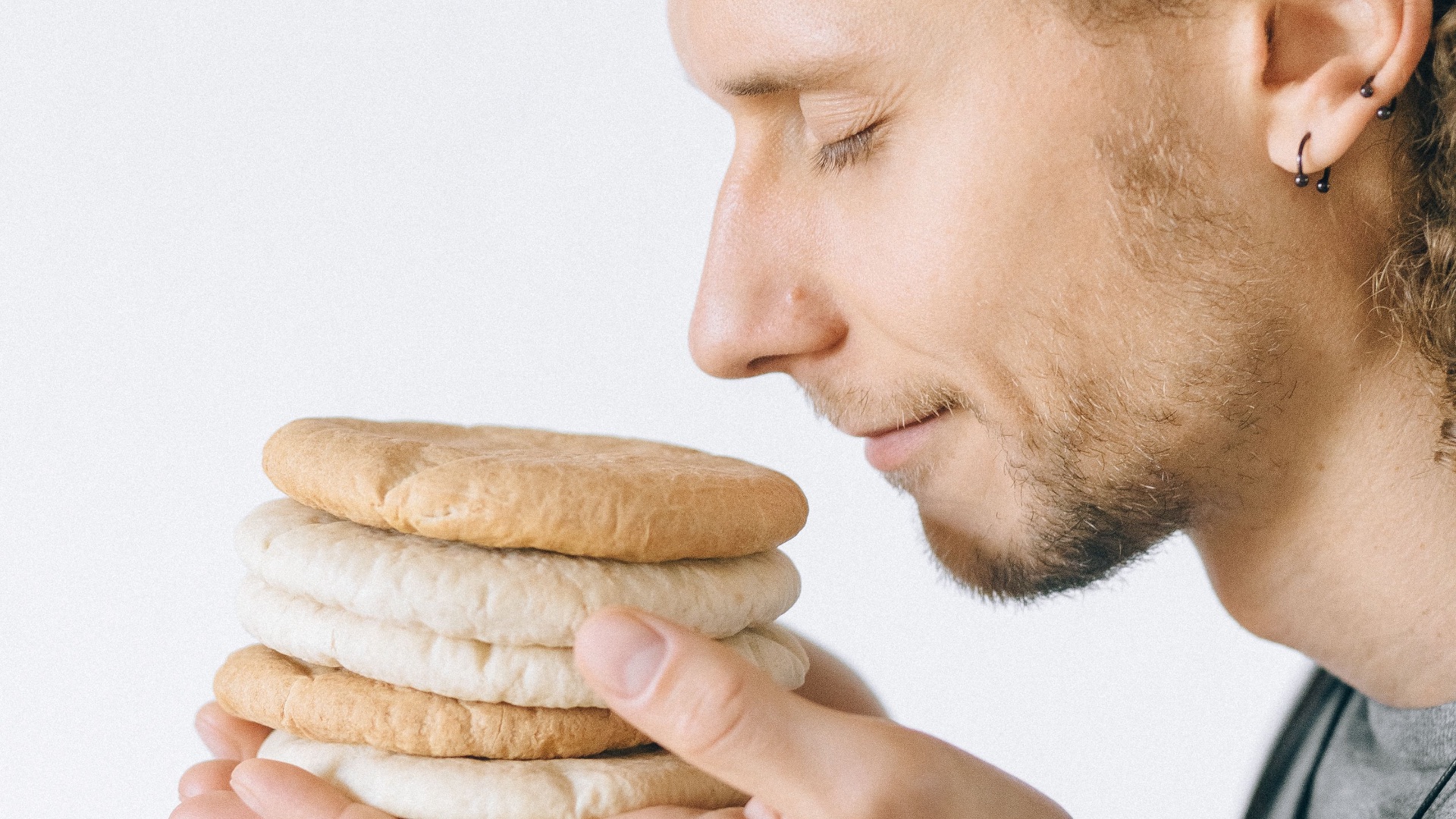
Sometimes your taste buds aren't actually the main reason food seems wrong. Smell contributes heavily to flavor, so losing or reducing your ability to detect aromas can make foods difficult to identify and leave meals seeming dull or unfamiliar. True complete loss of taste is relatively rare, which means a person who believes they've lost their sense of taste may actually be experiencing a smell problem instead.
KEEP ON READING



20 Natural Ways You Can Boost Your Immune System

20 Ways To De-stress & Relax After Work
The 10 Most Common Diseases & The 10 Most Rare