More Capacity Than You're Using
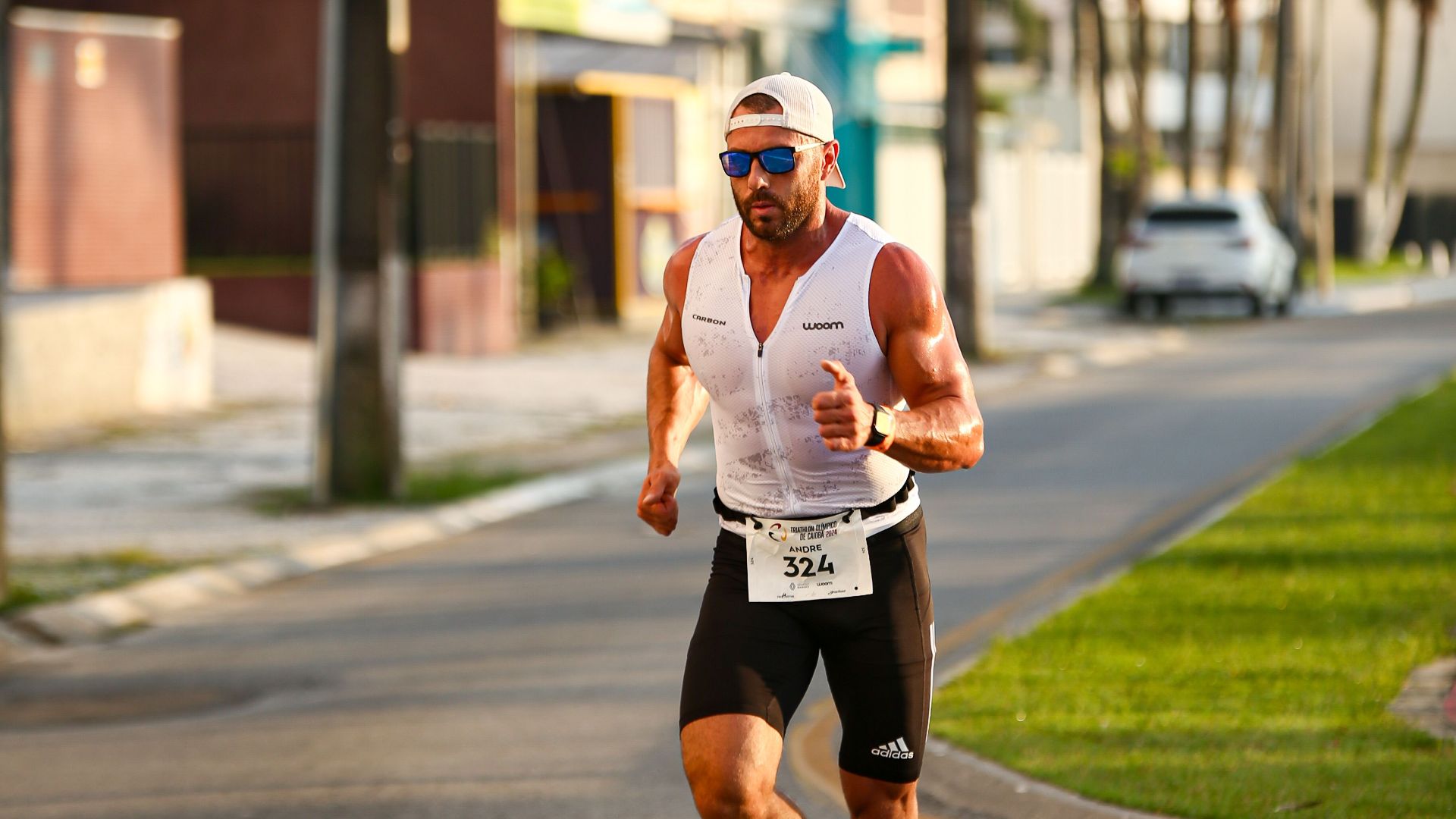
Your body and brain carry more spare capacity than daily life ever asks for, tucked into habits that never push past the comfortable minimum. Most people breathe with a fraction of their lung volume and see with only a narrow slice of their visual field, never noticing how much both could expand with a little training. None of this is really about hidden superpowers; it's closer to a set of dials most people never bother turning up. Here's 20 human abilities you rarely use to their full potential.
 Vidar Nordli-Mathisen on Unsplash
1. Peripheral Vision
Most people spend the day staring at a narrow center point, a phone screen or a computer monitor, while their peripheral field goes almost entirely unused for anything beyond vague motion detection. Athletes and drivers who deliberately train wide-field awareness pick up movement and changes at the edges of vision that most people simply filter out.

2. Working Memory Through Mnemonics
Untrained memory relies on repetition and hoping something sticks, but techniques like the memory palace let people recall long strings of information with startling accuracy. Competitive memory athletes use these methods to memorize entire decks of cards in minutes, not because their brains are different, but because they've trained a capacity most people never touch.

3. Muscular Strength Reserve
The nervous system holds back a portion of maximum muscle contraction as a built-in safety limit, a mechanism called autogenic inhibition. Trained strength athletes gradually push past more of that limit through consistent heavy lifting, accessing force output that untrained muscles simply never get permission to use.

4. Lung Capacity
Daily breathing uses a small fraction of total lung volume, shallow and centered mostly in the chest rather than the diaphragm. Singers, wind instrument players, and endurance athletes train deeper, fuller breathing patterns that noticeably expand how much air actually gets used per breath.
 Abbas Malek Hosseini on Pexels
5. Tactile Discrimination
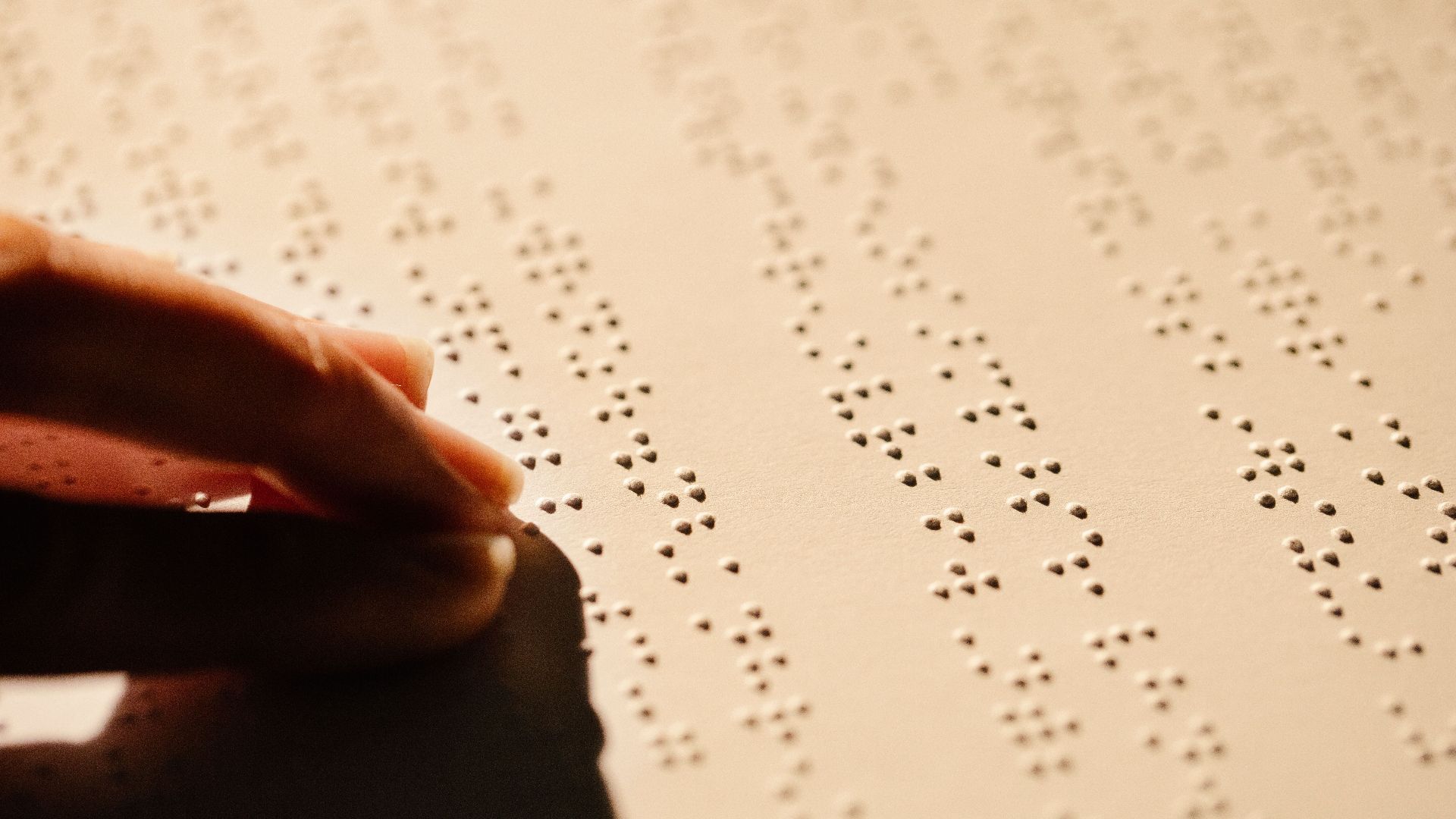
Fingertip sensitivity sharpens far more with practice than most people assume, and the smallest gap the skin can distinguish between two separate touches gets noticeably finer with repeated fine tactile work. Braille readers develop touch sensitivity precise enough to distinguish raised dot patterns most sighted people would need a magnifying glass to even notice.
6. Sense of Smell
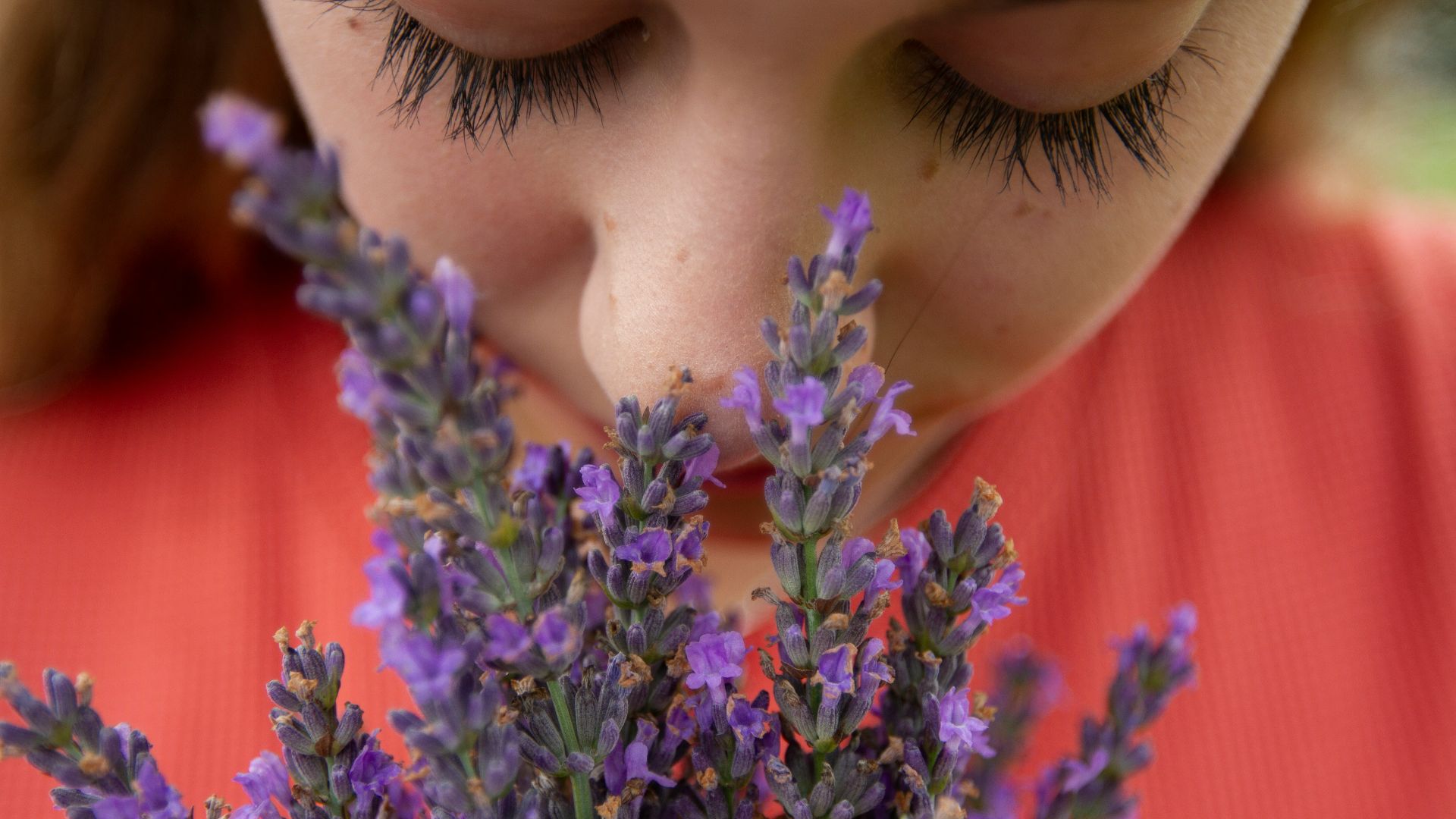
Most people can identify only a handful of distinct scents in a given moment, while trained perfumers and sommeliers regularly distinguish dozens of separate notes layered together. The olfactory receptors involved aren't inherently different; the difference comes from years of deliberate practice.
7. Sound Localization
Human hearing can pinpoint the direction and distance of a sound with real precision, but most people rely on sight so heavily that the skill barely gets exercised. Musicians and audio engineers develop a far sharper sense of spatial sound, picking apart layers in a room that most listeners never separate.

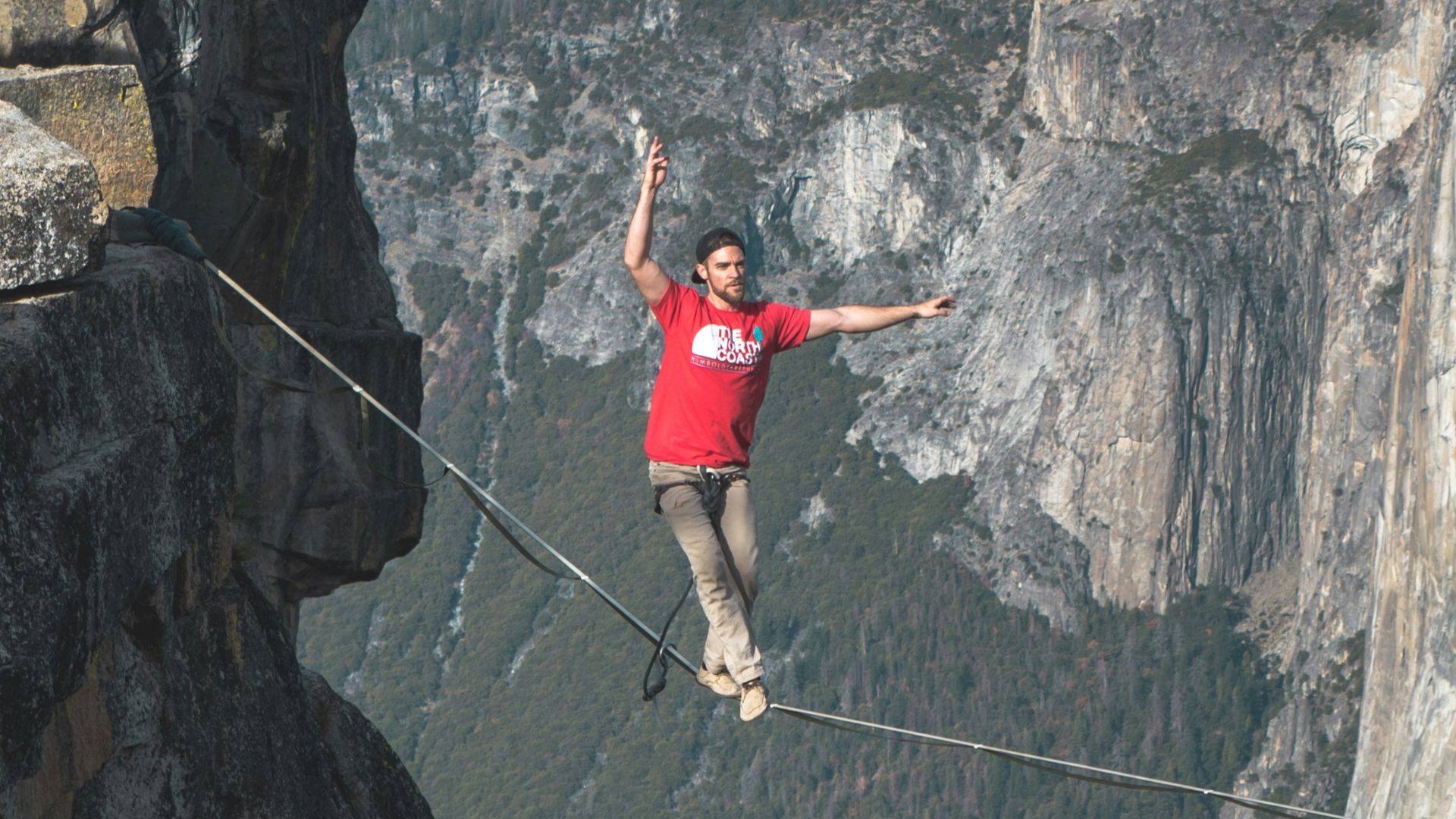
8. Balance and Proprioception
Sitting in chairs and walking on flat, predictable surfaces most of the day leaves the body's balance systems underworked compared to what they're actually capable of. Dancers, gymnasts, and rock climbers develop a level of body awareness that lets them make split-second adjustments most people would need to think through consciously.
9. Pain Tolerance
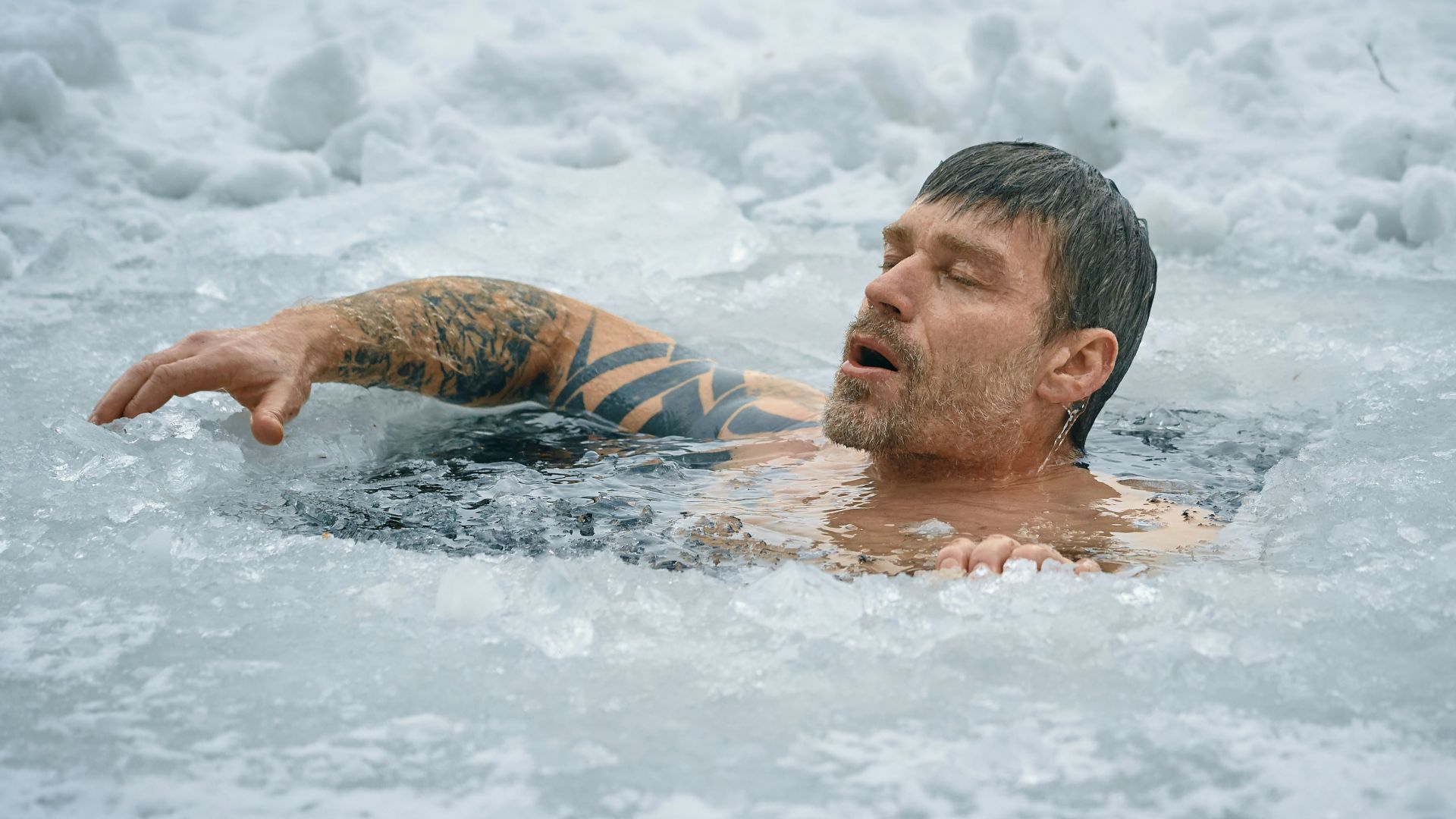
Perceived pain has a real psychological component, and people who train in high-discomfort environments, like distance runners or cold-water swimmers, gradually shift how their brain interprets and responds to the same physical signal. The nerve signals themselves don't change; the response to them does.

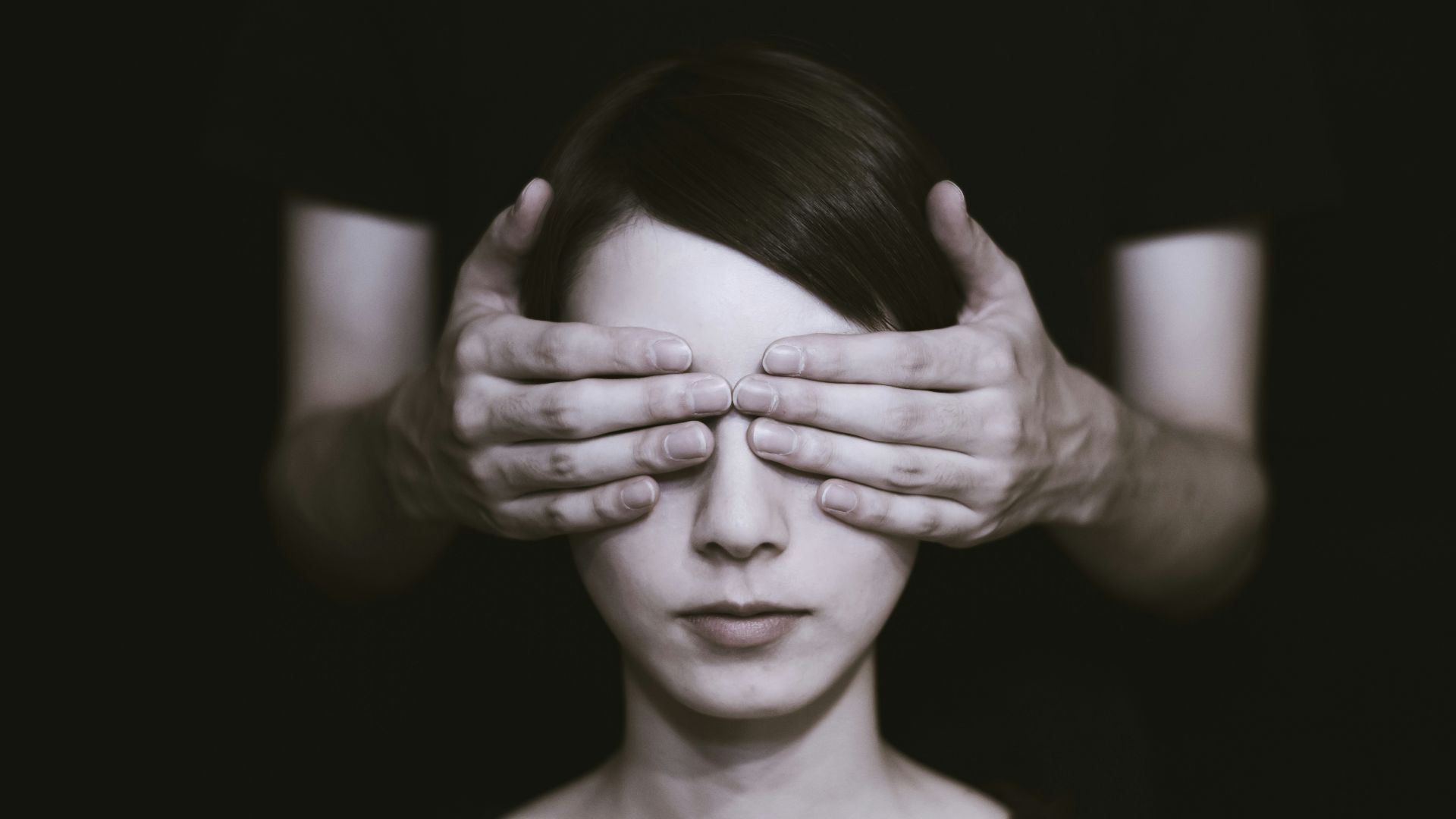
10. Human Echolocation
Some blind individuals have trained themselves to navigate using tongue clicks and the returning echoes, building a reliable spatial sense of their surroundings without sight. Brain imaging studies show this skill activates visual processing regions in a way that suggests the brain adapts to make real use of the input.
11. Temperature Acclimatization
The body can adapt to handle much wider temperature extremes than daily climate-controlled life ever demands, through gradual, repeated exposure to heat or cold. People who train this way report improved comfort and performance in temperature extremes that would overwhelm someone acclimated only to indoor comfort.

12. Neuroplasticity
The brain's ability to build new neural connections doesn't disappear with age the way it was once assumed to, but most adults stop challenging themselves with new skills once daily competence sets in. Learning something completely unfamiliar, like a new language or instrument, keeps that adaptability active far longer than sticking to familiar routines.
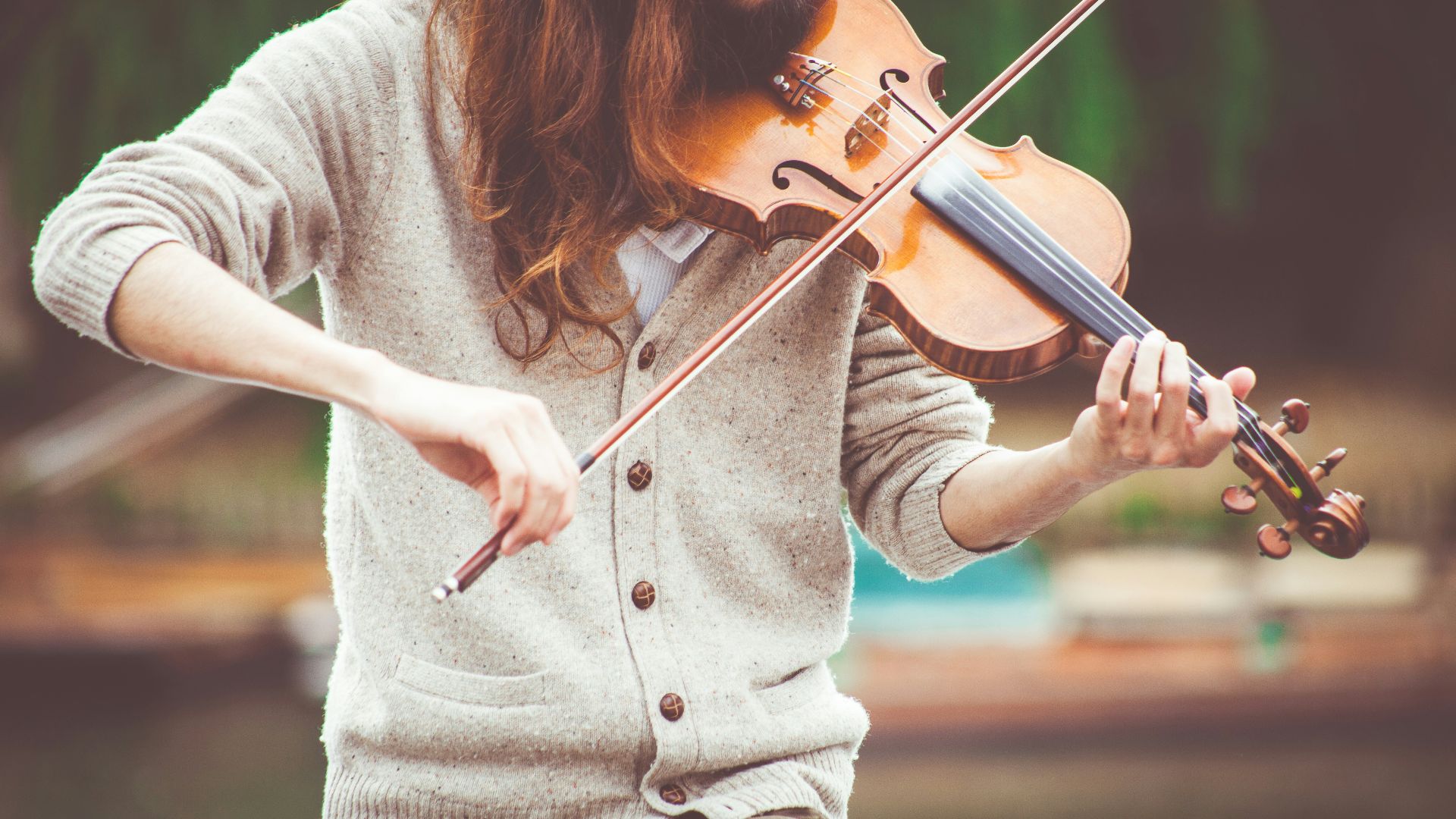
13. Non-Dominant Hand Dexterity
The non-dominant hand starts out clumsy for almost everyone, but deliberate practice, from writing to eating with it, closes the gap in fine motor control faster than most people expect. Surgeons and musicians who train both hands equally end up with a level of bilateral coordination most people never develop by accident.

14. Night Vision Adaptation
Full dark adaptation takes around thirty minutes for the eyes' rod cells to reach peak sensitivity, but most people never give their eyes that long before checking a phone screen and resetting the process. Astronomers and night hikers who protect that adaptation see considerably more detail in low light than someone constantly interrupting it.

15. Vocal Range
Most people speak and sing within a narrow band of their actual physiological vocal range, shaped mostly by habit rather than any real limitation. Trained singers expand both the top and bottom of that range substantially through consistent practice, revealing capacity that untrained voices rarely access.

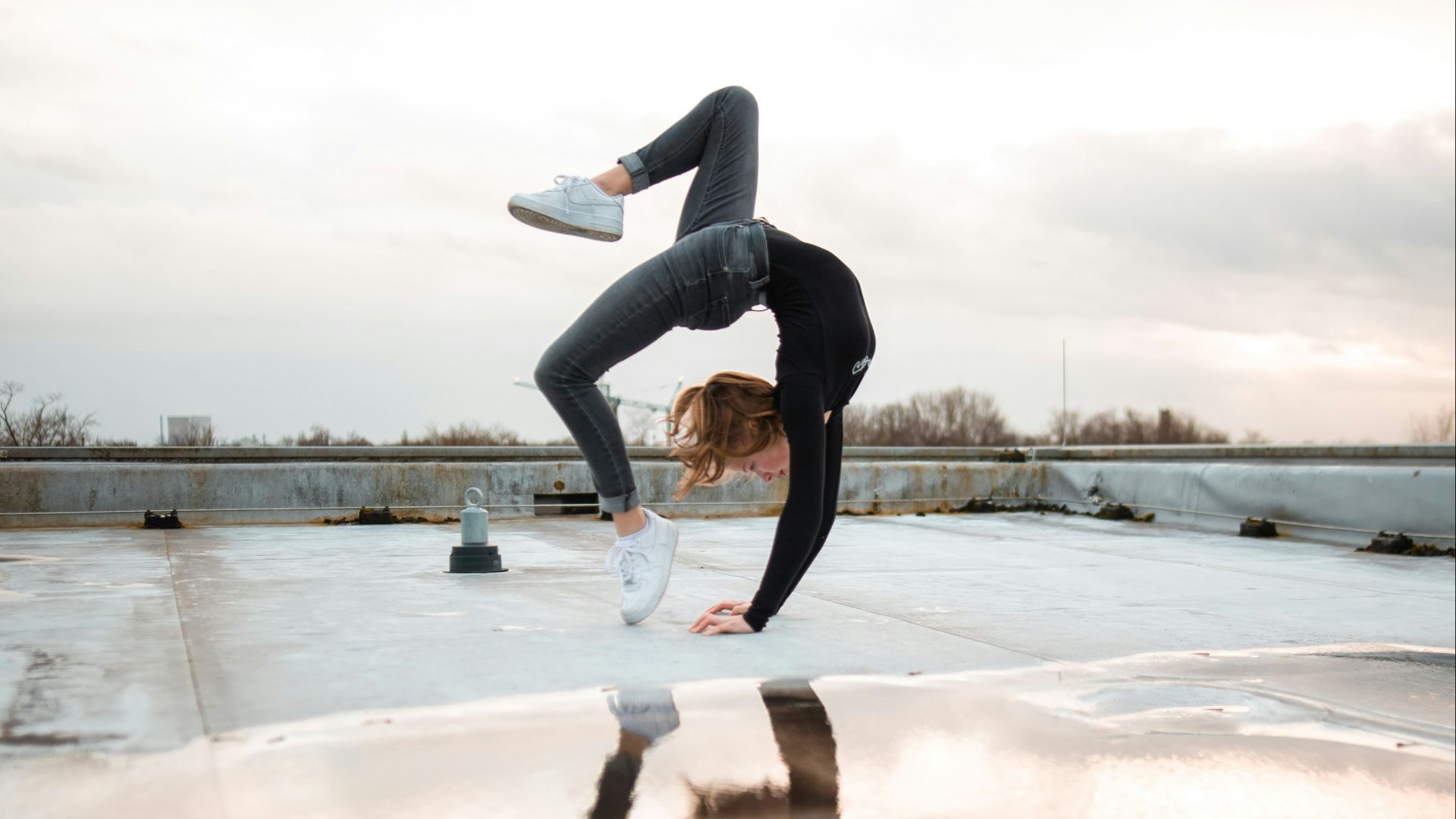
16. Joint Flexibility
Daily movement patterns use only a fraction of the range of motion most joints are actually built for, and that unused range tends to shrink further over time without regular stretching. Dancers and martial artists maintain and expand flexibility that most adults lose gradually simply through disuse.
17. Willpower Under Training
Self-control functions less like a fixed trait and more like a skill that responds to consistent practice, even though it can feel limited in the moment. People who build small, repeated habits of resisting impulse tend to report more consistent self-control over time than those who rely purely on motivation.

18. Sustained Attention
Deep, uninterrupted focus has become rare mostly because constant notifications and quick task-switching train the brain toward short attention spans instead of long ones. People who practice extended, single-task focus regularly can sustain concentration for much longer stretches than casual multitaskers typically manage.

19. Reading Micro-Expressions
Brief facial expressions, lasting a fraction of a second, reveal emotional reactions that most people miss entirely in normal conversation. Trained observers, from therapists to negotiators, learn to catch and interpret these fleeting signals in a way that adds real information most casual observers filter out without noticing.

20. Cardiovascular Reserve
Most sedentary people operate at a small percentage of their actual cardiovascular capacity during a normal day, well below what their heart and lungs could handle under real demand. Endurance training gradually raises that ceiling, revealing a working capacity most people never come close to using in daily life.