
What Consistent Practice Actually Builds
The body adapts to whatever gets repeatedly asked of it, which is either encouraging or a little intimidating depending on the habit in question. Athletes and everyday people who commit to specific, repeated training routines end up with capabilities that look almost unbelievable to anyone starting from scratch. None of it happens overnight, and most of it requires years of consistent, sometimes uncomfortable practice rather than any shortcut. Here's 20 ways you can train your body to do incredible things.
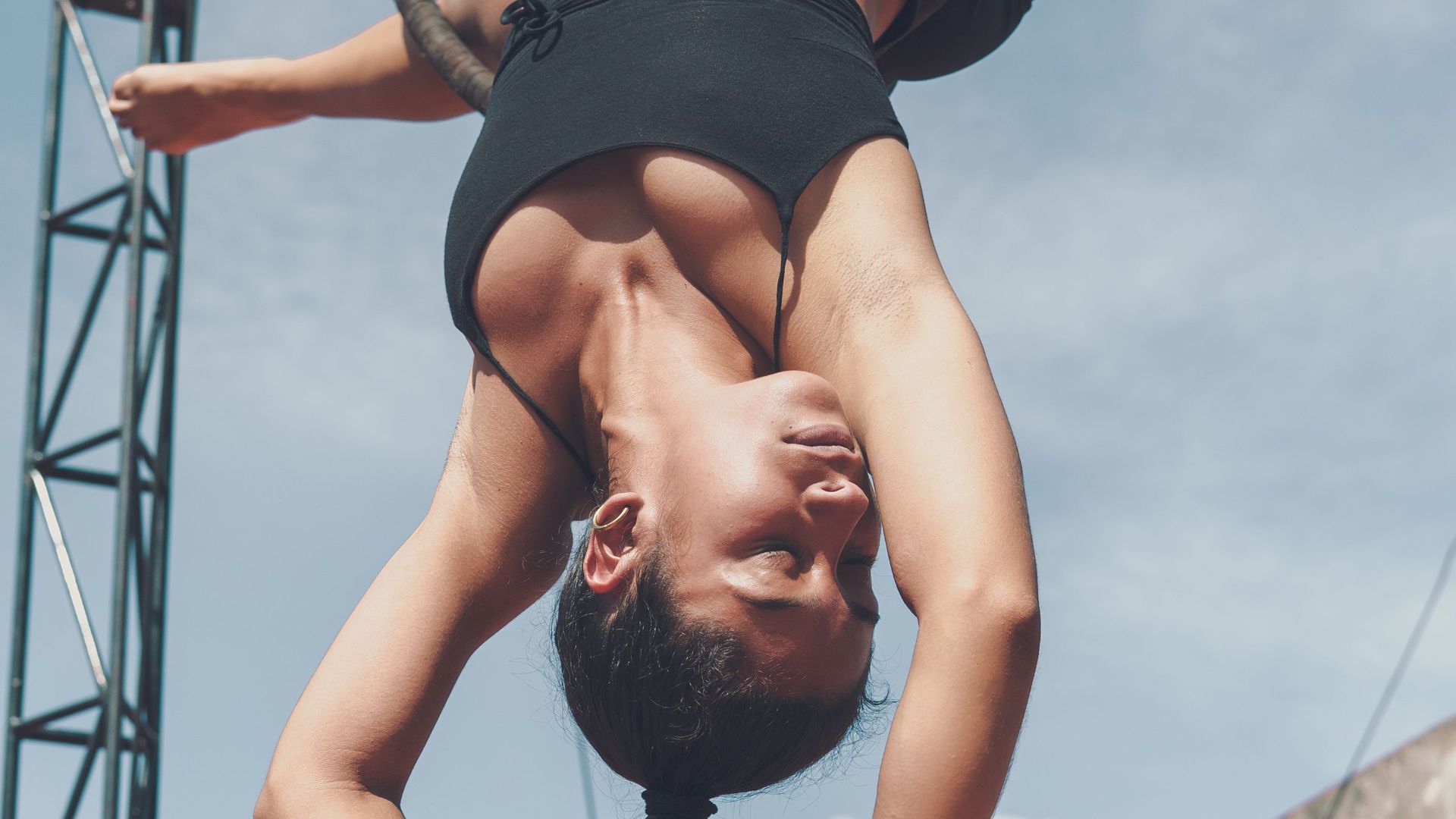
1. Extreme Flexibility Through Contortion Training
Years of progressive stretching gradually lengthen connective tissue and increase joint range of motion well beyond what most bodies naturally allow. Professional contortionists typically start training young and maintain that range through daily practice, since flexibility gained this way fades quickly without consistent upkeep.
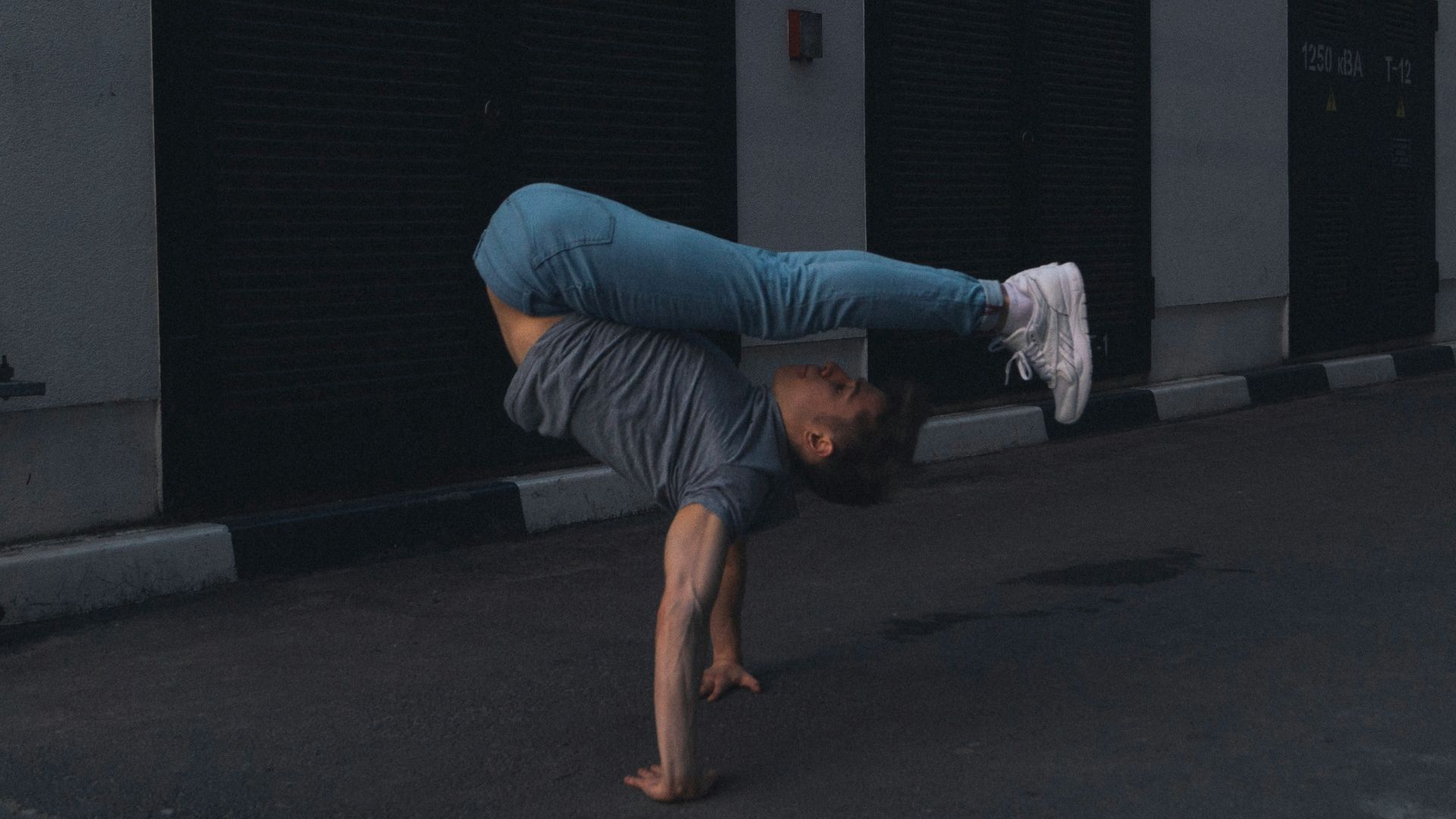
2. Freediving Breath-Hold Training
Repeated practice increases the body's tolerance for rising carbon dioxide levels, the actual trigger behind the urge to breathe, rather than expanding lung capacity itself. Trained freedivers can extend breath holds from under a minute to well past five minutes through consistent, supervised practice.

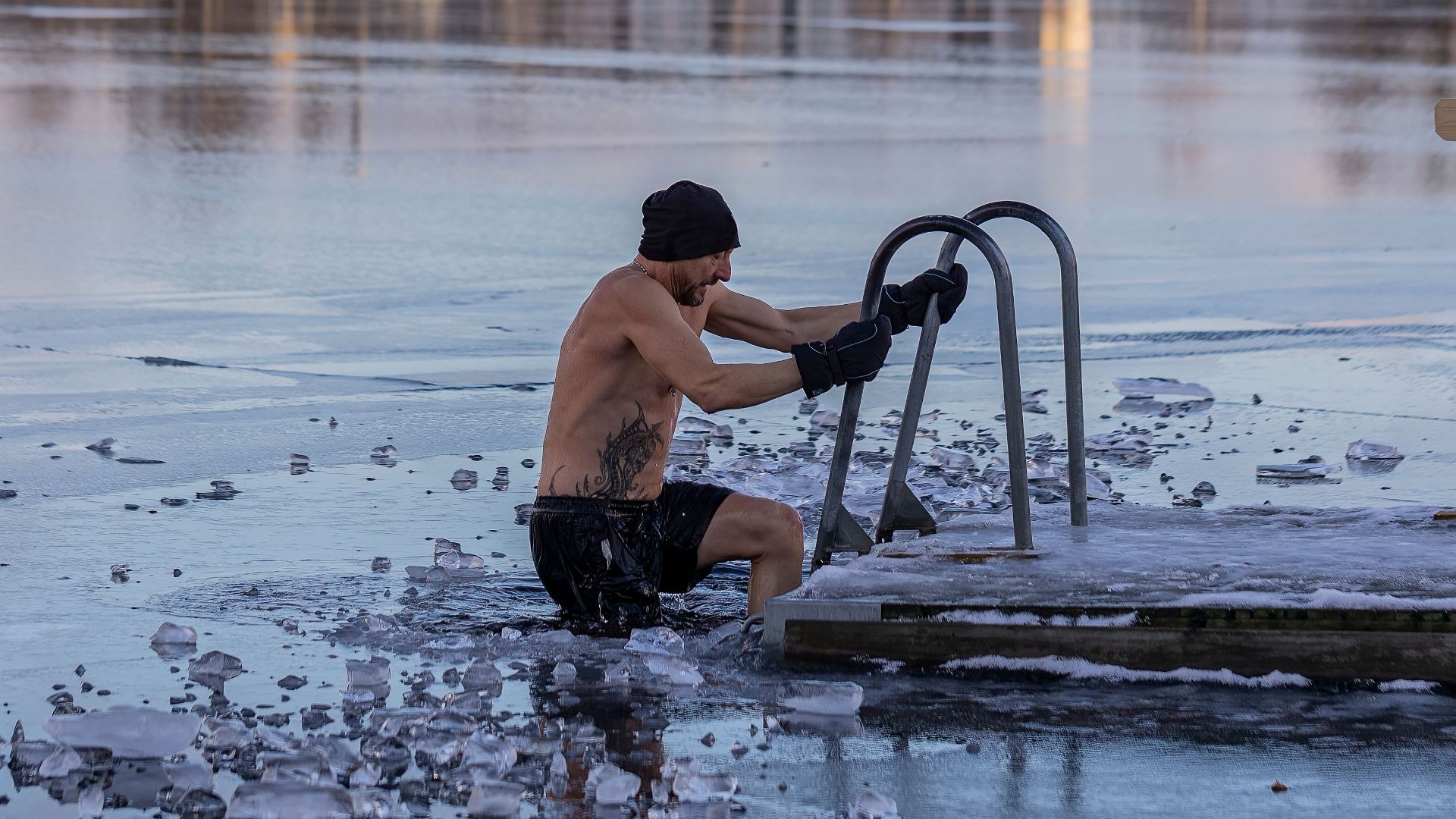
3. Cold Exposure Tolerance
Regular, controlled exposure to cold water or air trains the body's vascular response and can increase brown fat activity, the tissue responsible for generating heat. Research on structured cold exposure combined with specific breathing techniques has shown measurable changes in stress response over time.
4. Ultra-Endurance Adaptation
Years of long-distance training shift the body toward burning fat more efficiently for fuel, sparing limited glycogen stores for when they're actually needed most. Elite ultra runners develop a metabolic flexibility that lets them sustain effort for twenty or more hours at a stretch.

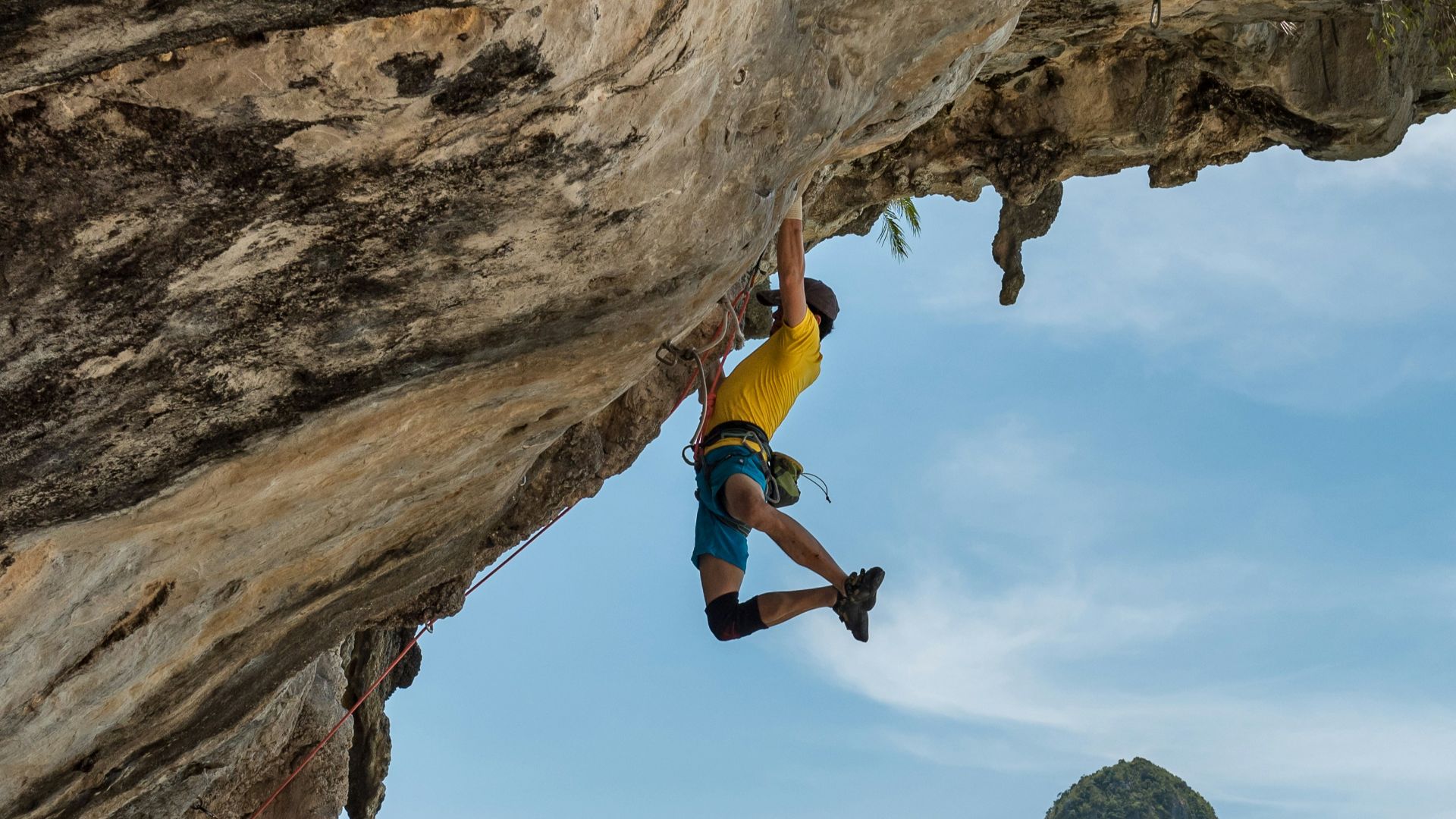
5. Grip Strength Training
Consistent hangs, pulls, and load-bearing work gradually strengthen the muscles and tendons in the forearm and hand well past what daily life ever demands. Rock climbers and strongman competitors can develop grip strength strong enough to support their entire body weight from a single hand.
6. Voluntary Heart Rate Control
Advanced meditators have demonstrated the ability to influence heart rate and metabolic rate through specific breathing and mental focus techniques, verified in controlled research settings. The skill takes years of consistent practice and doesn't happen through casual meditation alone.

7. Heat Acclimatization
Regular sauna use or exercise in hot conditions trains the body to sweat earlier and more efficiently, along with increasing blood plasma volume to handle heat stress better. Athletes who train this way perform noticeably better in hot conditions than those who never adapt to the heat at all.
 CRYSTALWEED cannabis on Unsplash
8. Explosive Power Training
Plyometric exercises, like jump training and specific sprint drills, teach the nervous system to recruit muscle fibers faster and more forcefully than untrained movement patterns allow. Consistent training can add meaningful inches to a vertical jump within a matter of months.

9. Reaction Time Training
Repeated drills that force quick decisions under time pressure, common in combat sports and sprint starts, measurably shorten the gap between a stimulus and a physical response. The improvement comes from a trained nervous system, not any change in raw reflex speed most people assume is fixed.

10. Altitude Acclimatization
Training at high elevation, or sleeping in altitude tents at sea level, prompts the body to produce more red blood cells to compensate for thinner air. Endurance athletes use this method specifically to boost oxygen-carrying capacity before competing at lower elevations.

11. Vestibular Adaptation Training
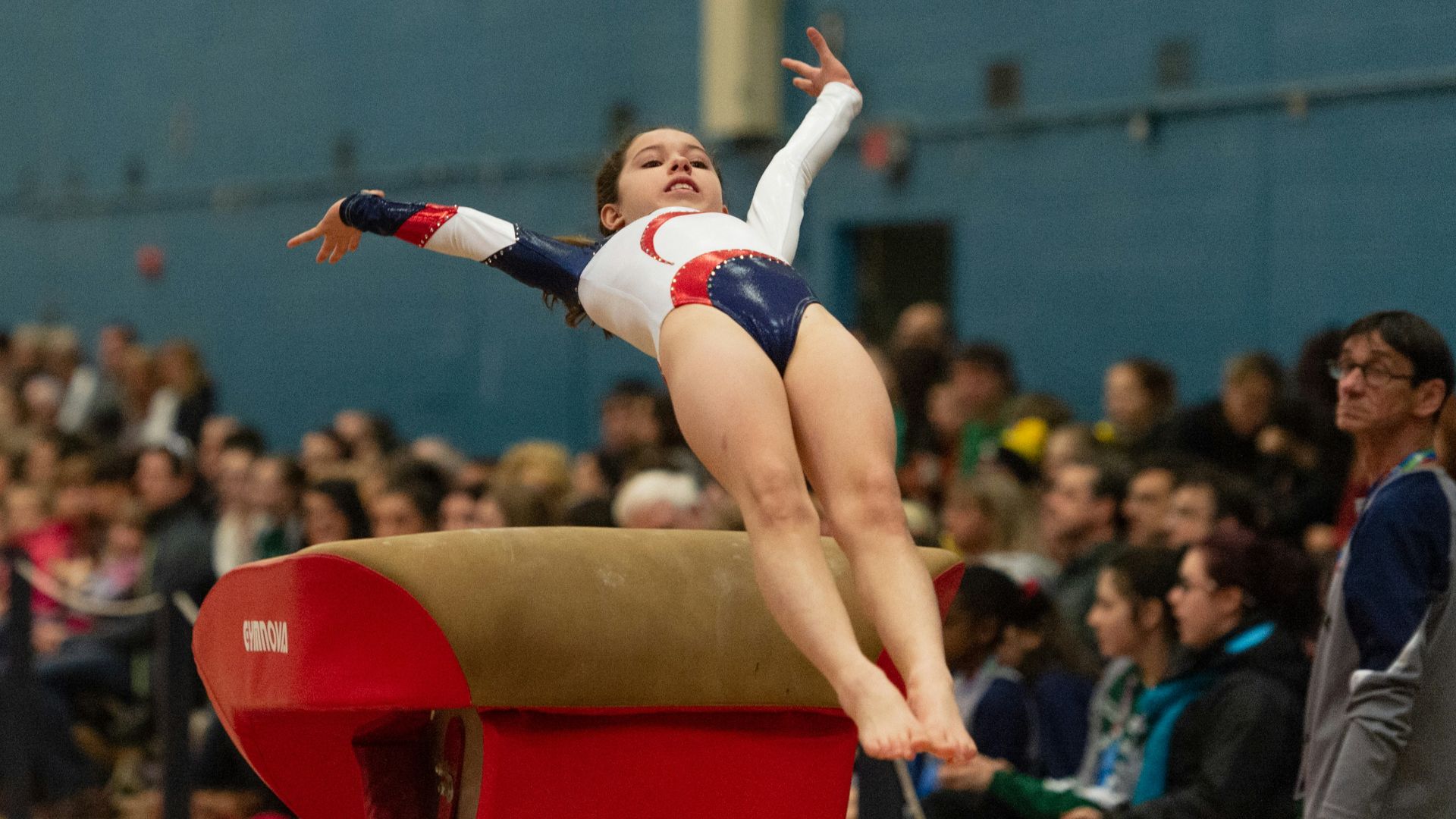
Repeated exposure to spinning, tumbling, or rapid orientation changes trains the inner ear's balance system to stop triggering the dizziness and nausea that normally follow. Figure skaters and gymnasts build this tolerance through years of controlled repetition, eventually performing multiple rotations that would leave an untrained person reeling.
12. Learning to Echolocate
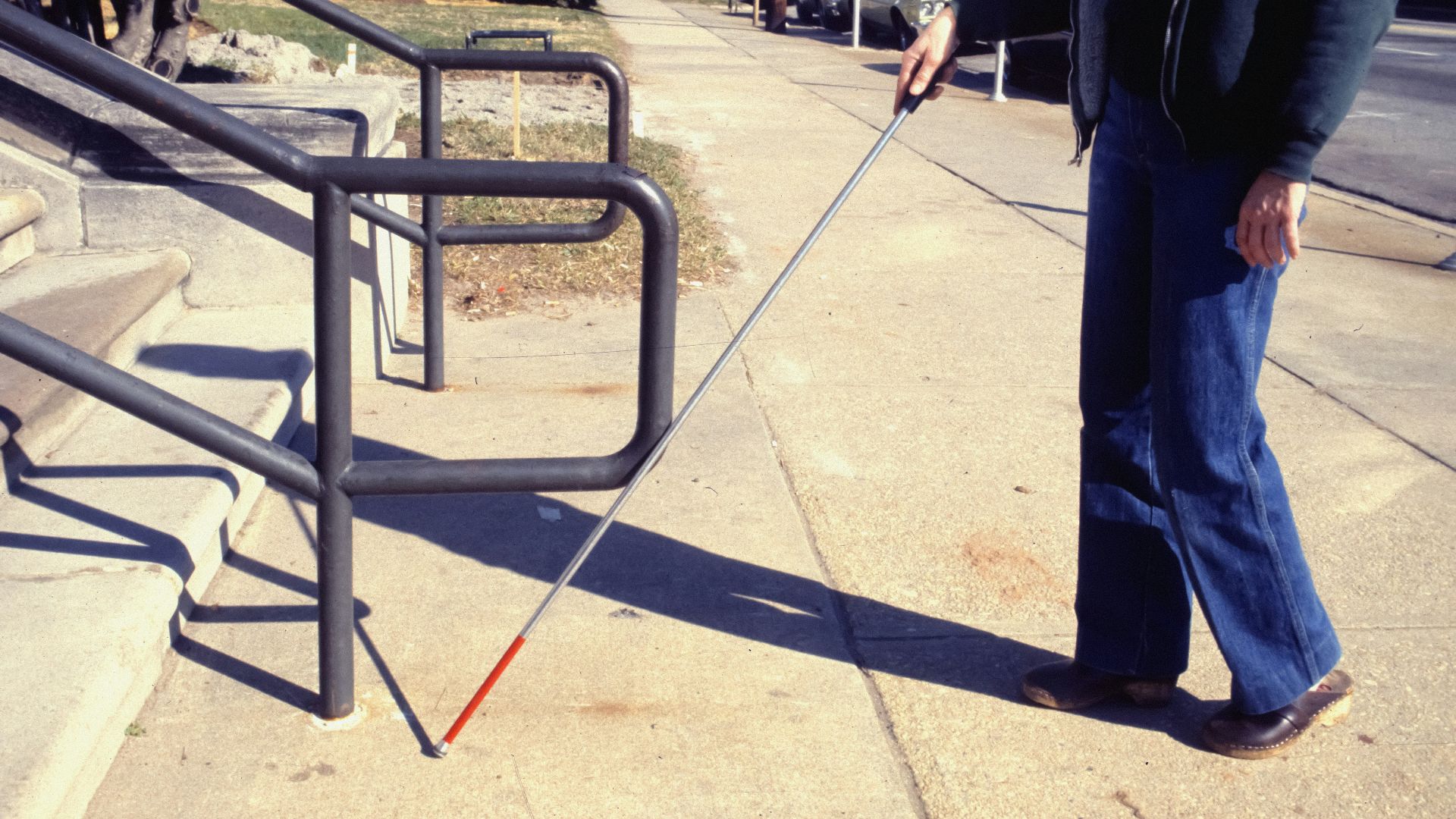
Some blind individuals train themselves to navigate using tongue clicks and the returning echoes, building a spatial map of their surroundings without any visual input at all. Brain imaging shows this trained skill activates regions normally reserved for vision, and some practitioners can identify an object's size, shape, and even material through sound alone.
13. Balance and Slacklining Training
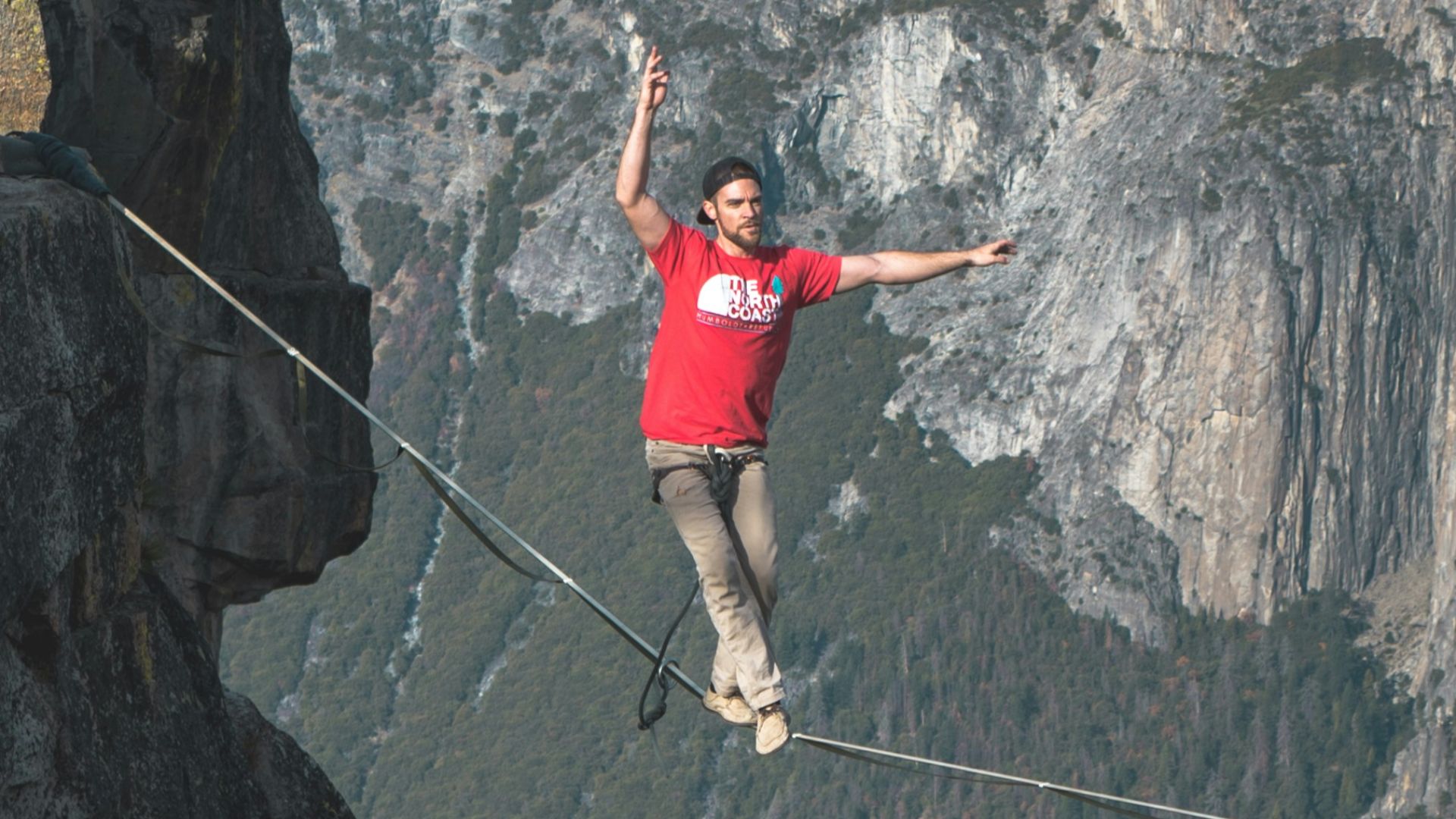
Practicing on a slackline forces the body's balance systems to make constant micro-adjustments, building a level of core stability and proprioception that carries over to other physical activities. Professional slackliners and tightrope walkers develop this skill through thousands of hours of repetition.
14. Progressive Strength Overload
Gradually increasing resistance over weeks and months forces muscles and connective tissue to adapt and grow stronger than they would under any static routine. This principle underlies essentially all serious strength training, from beginner programs to elite powerlifting.

15. Motor Skill Automaticity
Enough repetition of a complex physical task, like a pianist's finger movements or a typist's keystrokes, eventually moves the skill out of conscious thought and into something closer to automatic muscle memory. This shift is what allows trained performers to execute complicated sequences without consciously thinking through each step.

16. Psychological Pain Tolerance Training
Structured exposure to physical discomfort, common in endurance sports training, can shift how the brain interprets and responds to pain signals over time. The underlying nerve signals don't change, but the psychological response to them becomes noticeably more manageable with repeated exposure.

17. Vocal Range Expansion
Consistent vocal training gradually extends both the top and bottom of a singer's usable range, along with improving breath control and tone quality. Professional singers maintain this range through ongoing practice, since it narrows again fairly quickly without regular use.

18. Court Vision and Spatial Awareness Training
Repeated drills that force players to track multiple moving targets at once sharpen the kind of peripheral awareness that separates elite team-sport athletes from casual players. This trained awareness lets experienced players anticipate plays that untrained observers wouldn't notice developing.

19. Non-Dominant Limb Training
Deliberately practicing tasks with the non-dominant hand or foot gradually closes the coordination gap, building a level of bilateral skill most people never develop by accident. Musicians and athletes who train both sides equally end up with a functional advantage over those who never bother.

20. Neuroplasticity-Based Skill Acquisition
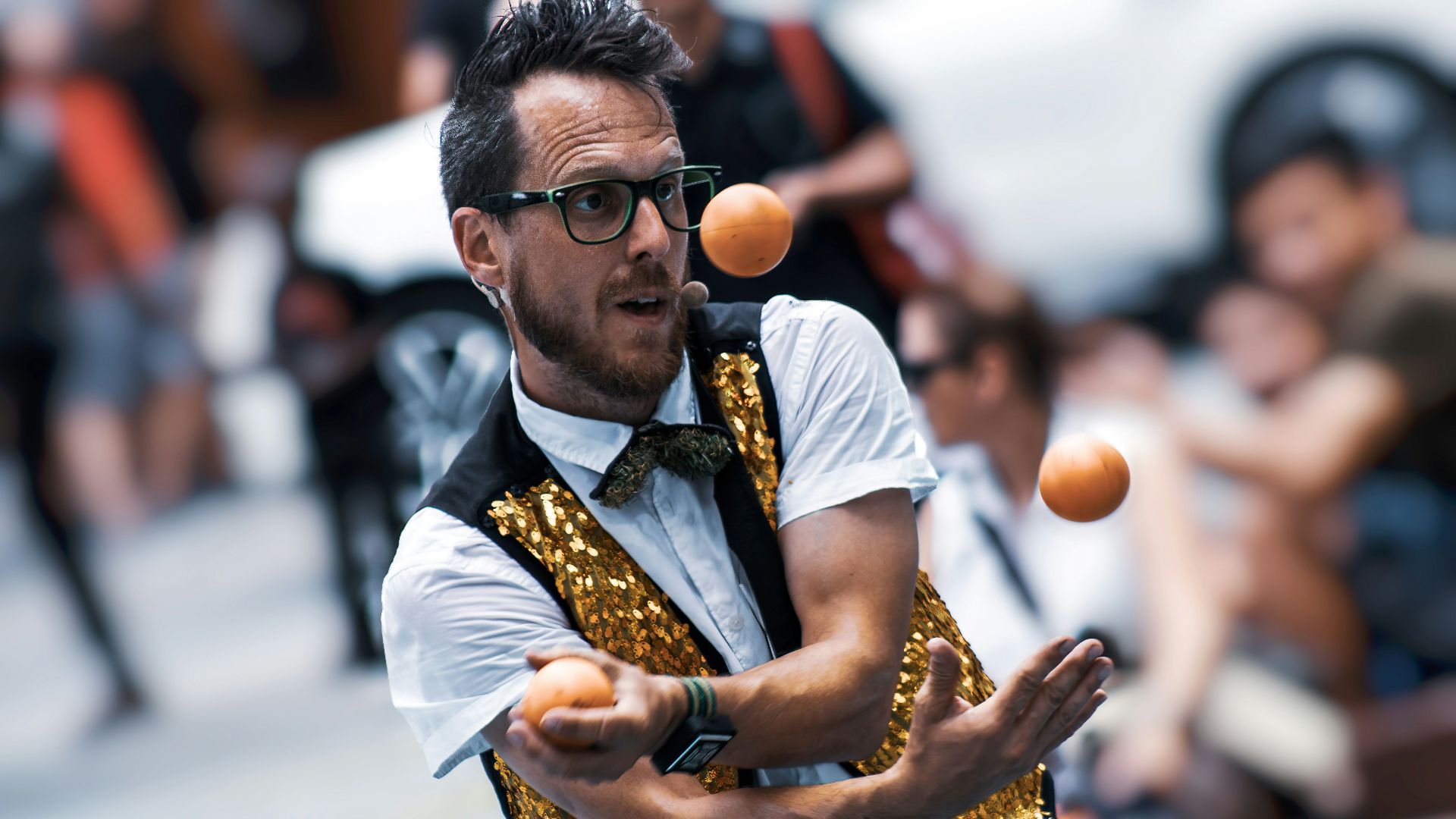
Learning a truly new, complex physical skill, like juggling or a new dance style, as an adult keeps the brain's capacity for building new neural pathways active well into later life. Studies on adult skill acquisition suggest this kind of ongoing challenge helps maintain motor learning ability longer than sticking to familiar routines.
KEEP ON READING


20 Things Your Body Is Secretly Doing Right Now