

What a Blood Test Would Say
Hormone balance is a phrase that sells supplements rather than one an endocrinologist uses. The body runs dozens of hormones on feedback loops, and a doctor hunting for a problem measures specific ones against reference ranges instead of judging some overall state of harmony. Nothing below is a diagnostic tool. The first ten describe a system doing its ordinary work, and the second ten describe symptoms that earn a blood test rather than a powder from the internet. Here's 10 signs things are running the way they should and 10 signs that they're not.

1. You Wake Up Before the Alarm
Cortisol climbs in the last hour or so of sleep, which is what surfaces you toward waking. Someone whose rhythm is intact tends to stir within the same short window every day without help. The alarm becomes a backup rather than a rescue.

2. Your Cycle Lands in a Predictable Window
The American College of Obstetricians and Gynecologists puts a normal adult cycle between 24 and 38 days. Predictability matters more than the exact number, since a reliable 33-day cycle is healthier than one that swings between 25 and 40. Tracking a few months tells you more than any single month does.

3. The Afternoon Doesn't Flatten You
A small dip after lunch is normal and happens to nearly everyone. What is not normal is the crash that makes your eyes close at a desk, which usually points at how your body is handling glucose. Steady insulin response keeps the curve gentle.

4. Hunger and Fullness Both Register
Ghrelin tells you to eat and leptin tells you to stop, and the two signals should both be audible. Meals end because you notice you are done rather than because the plate is empty. Neither signal shouting over the other is the sign worth having.

5. A Cold Office Is Only a Cold Office
Thyroid hormone sets the rate at which you burn fuel, which is why it governs how you handle temperature. Being roughly as cold as the person at the next desk means that thermostat is working. Complaining about the air conditioning at the same volume as everyone else counts as a good sign.

6. You Sleep Dry
Waking up in dry sheets is unremarkable enough that nobody notices it. Night sweats that soak bedding are a specific symptom with a short list of causes behind them, so their absence is worth recognizing.

7. Your Hair Does What It Always Did
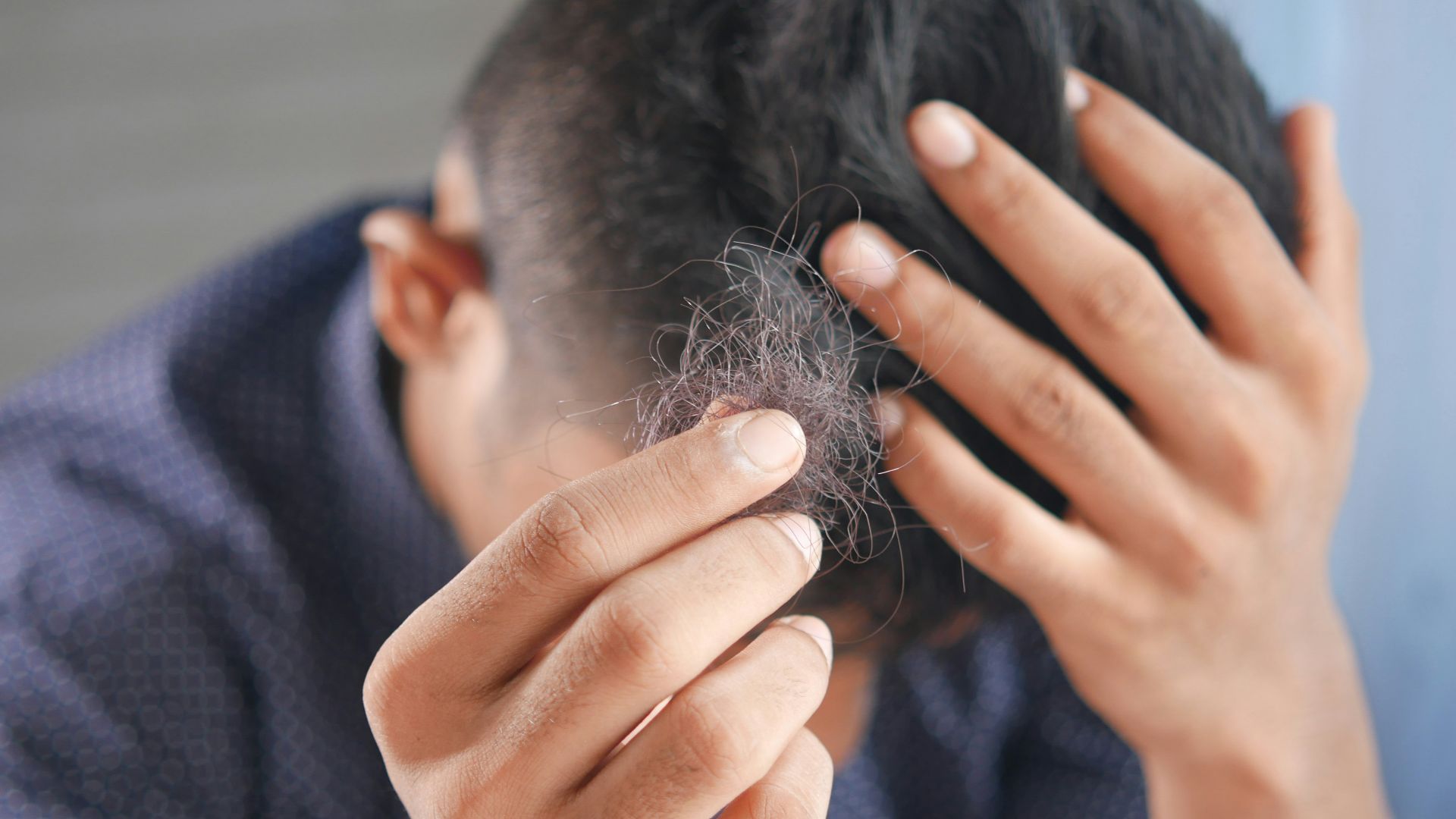
The American Academy of Dermatology puts normal daily shedding somewhere between 50 and 100 hairs. A handful in the shower drain is expected and means nothing at all. What matters is whether the pattern and the volume have changed.
8. Your Mood Has Reasons Attached
Bad days that follow bad events are the system working as designed. Thyroid trouble and perimenopause can both produce low mood that arrives unattached to anything happening in your life. Emotions that track your circumstances are doing what emotions do.

9. Standing Up Is Uneventful
Cortisol and aldosterone keep blood pressure steady when you change position, so getting out of a chair without the room going gray means those signals are firing on time. Most people never think about this once.

10. Cuts Heal on Schedule
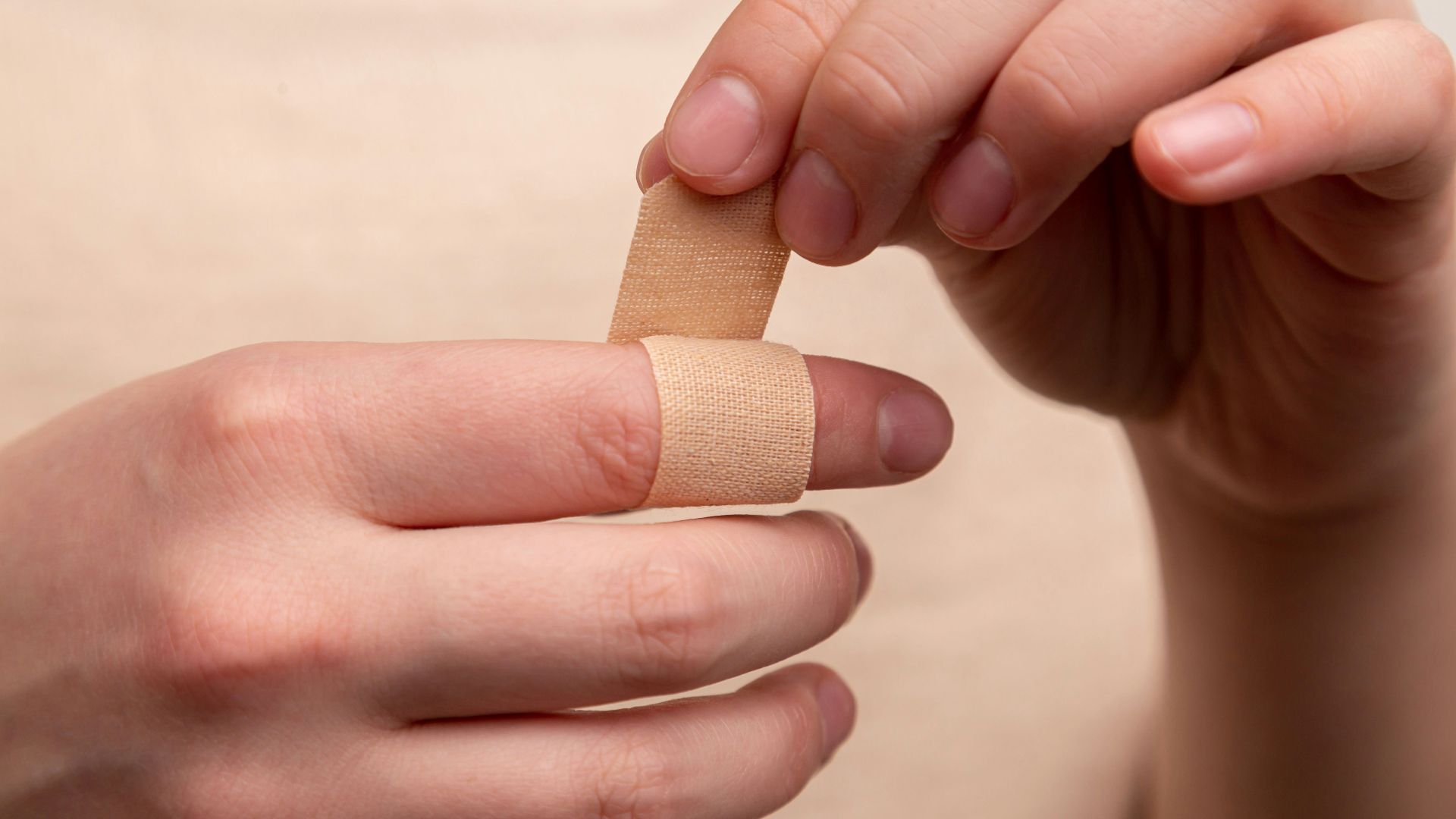
A scrape should close over within a week or two and stop demanding attention. Chronically high blood glucose slows that process noticeably, which is how some people discover they have diabetes. Boring healing is good healing.
Now, here's 10 that are worth a conversation with a doctor.
1. Cycles That Wander
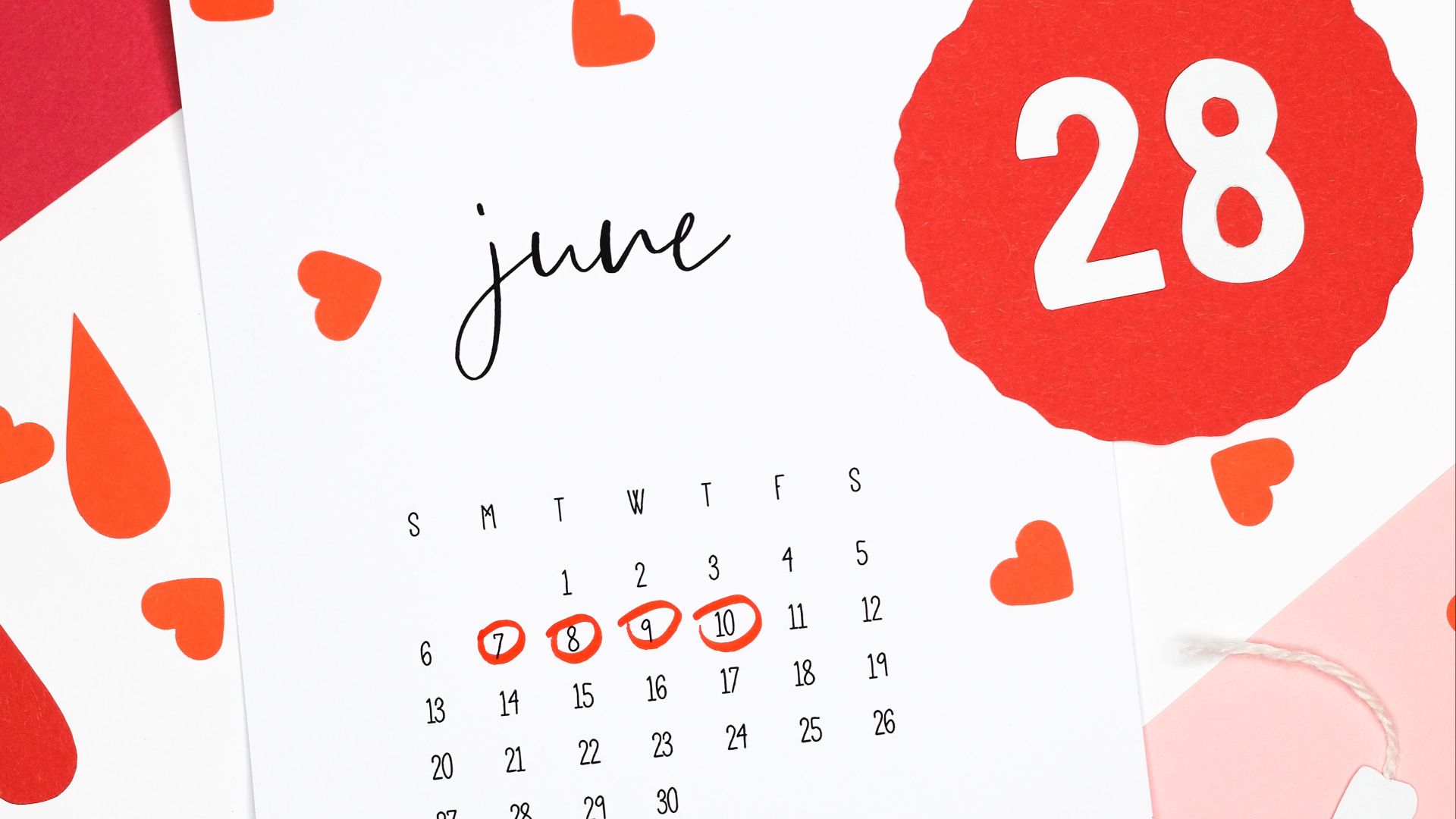
Cycles consistently shorter than 21 days or longer than 35, or months that get skipped entirely, fall outside the normal range. Polycystic ovary syndrome and thyroid disease are the two most common explanations, with perimenopause close behind. A doctor can usually sort between them with blood work and an ultrasound.
2. Cold and Tired for No Reason
Hypothyroidism runs slow across the board, producing fatigue and a cold sensitivity that no sweater fixes. The condition is common and easy to miss because each symptom on its own has an innocent explanation. One TSH test settles the question.

3. A Racing Heart in a Cool Room
An overactive thyroid does the reverse, leaving people hot and jittery for no clear reason. A resting pulse that stays high without a reason behind it is the detail that tends to send someone to a doctor. The same blood panel catches it.

4. Coarse New Hair Where There Was None
Dark hair appearing on the chin or upper lip in women points toward high androgen levels. Combined with irregular cycles and stubborn acne, it meets most of what clinicians look for in polycystic ovary syndrome. PCOS affects a large share of women of reproductive age and often goes undiagnosed for years.

5. Thirst You Cannot Satisfy
Drinking constantly and getting up repeatedly at night to urinate are among the oldest recognized signs of diabetes. The kidneys pull water out to dump excess glucose, which is what creates the thirst. An A1C test covers the previous few months in one draw.

6. Waking at Three in the Morning Soaked
Night sweats and hot flashes arriving in your forties usually mean perimenopause, which can run for years before periods stop. The same symptoms outside that age range deserve attention for different reasons, so either way they are worth raising rather than absorbing.
7. Purple Stretch Marks and Easy Bruising
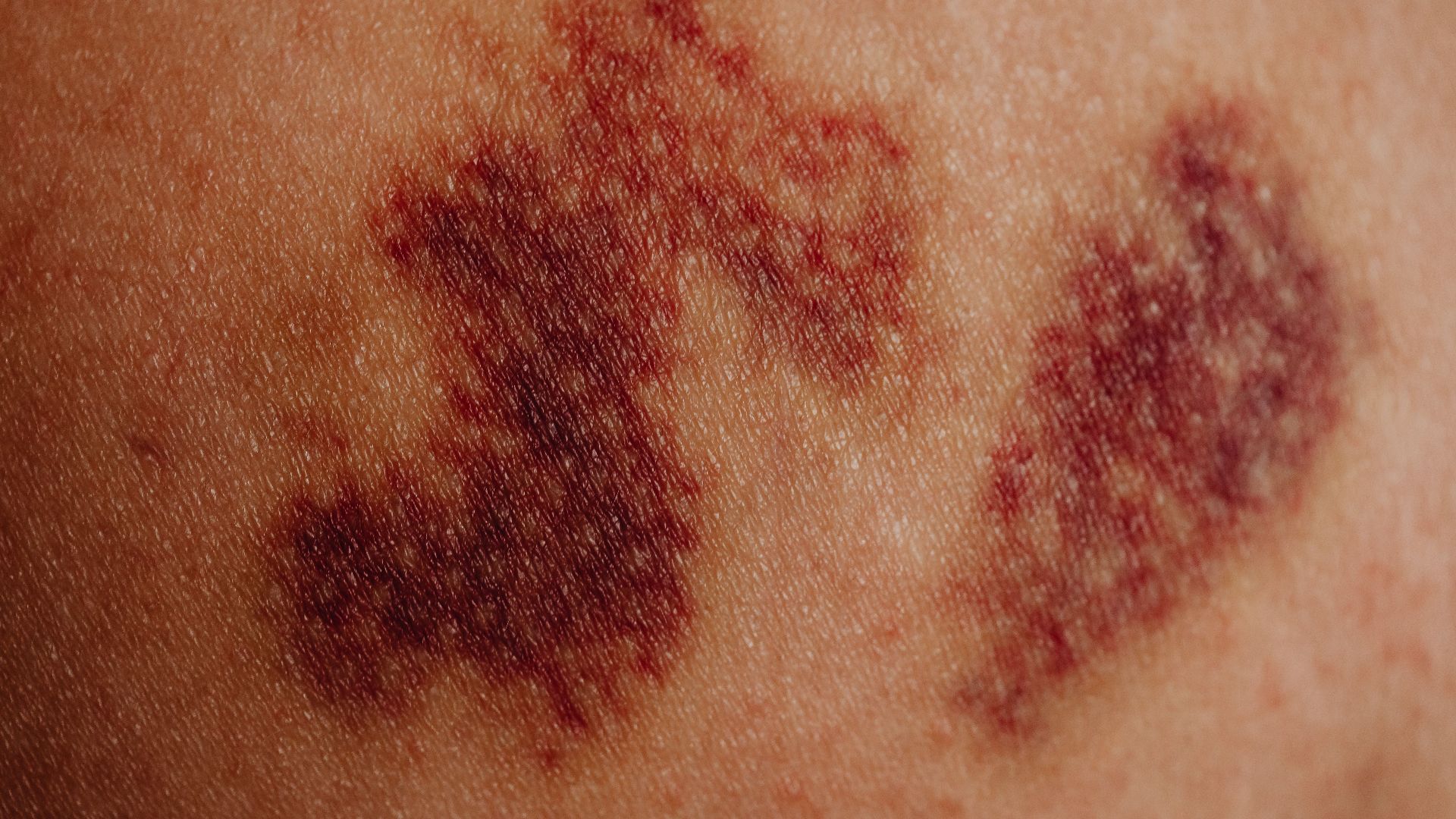
Wide purple stretch marks across the abdomen, appearing alongside skin that bruises from almost nothing, point at excess cortisol. Cushing's syndrome is uncommon, and it is the sort of thing that gets missed for years when each symptom is considered alone. A urine or saliva cortisol test starts the process.
 https://kaboompics.com/ on Pexels
8. Milky Discharge Without a Baby
Nipple discharge in someone who is not breastfeeding points at prolactin, often from a small benign pituitary growth. It occurs in men as well and is easy to test for, with treatment usually being medication rather than surgery.
 Victoria Strukovskaya on Unsplash
9. Velvety Dark Patches on the Neck
Acanthosis nigricans looks like dirt that will not wash off, usually at the back of the neck or in the armpits. It is a visible marker of insulin resistance and frequently shows up before a diabetes diagnosis does. Dermatologists treat it as a reason to check blood sugar.

10. Morning Erections Stop
A consistent disappearance of morning erections, alongside flagging libido and fatigue, is the usual way low testosterone announces itself. Levels decline gradually with age, so the question is whether the drop is steeper than it should be. A morning blood draw is the standard first step.

KEEP ON READING

20 Ways Perimenopause Changes Fitness and Appetite


20 Unhealthy Obsessions People Have

20 Gut-Friendly Fermented Foods For Everyday Meals