Medicine's Long Blind Spot
Through most of recorded history, medicine treated the male body as the standard and the female body as a deviation from it. That framing produced diagnoses that sound absurd now, along with treatments that ranged from useless to dangerous. Some of these ideas held on well past the invention of the microscope, and a few survived into living memory. Here's 20 things doctors believed about women's bodies for centuries.
1. The Wandering Womb
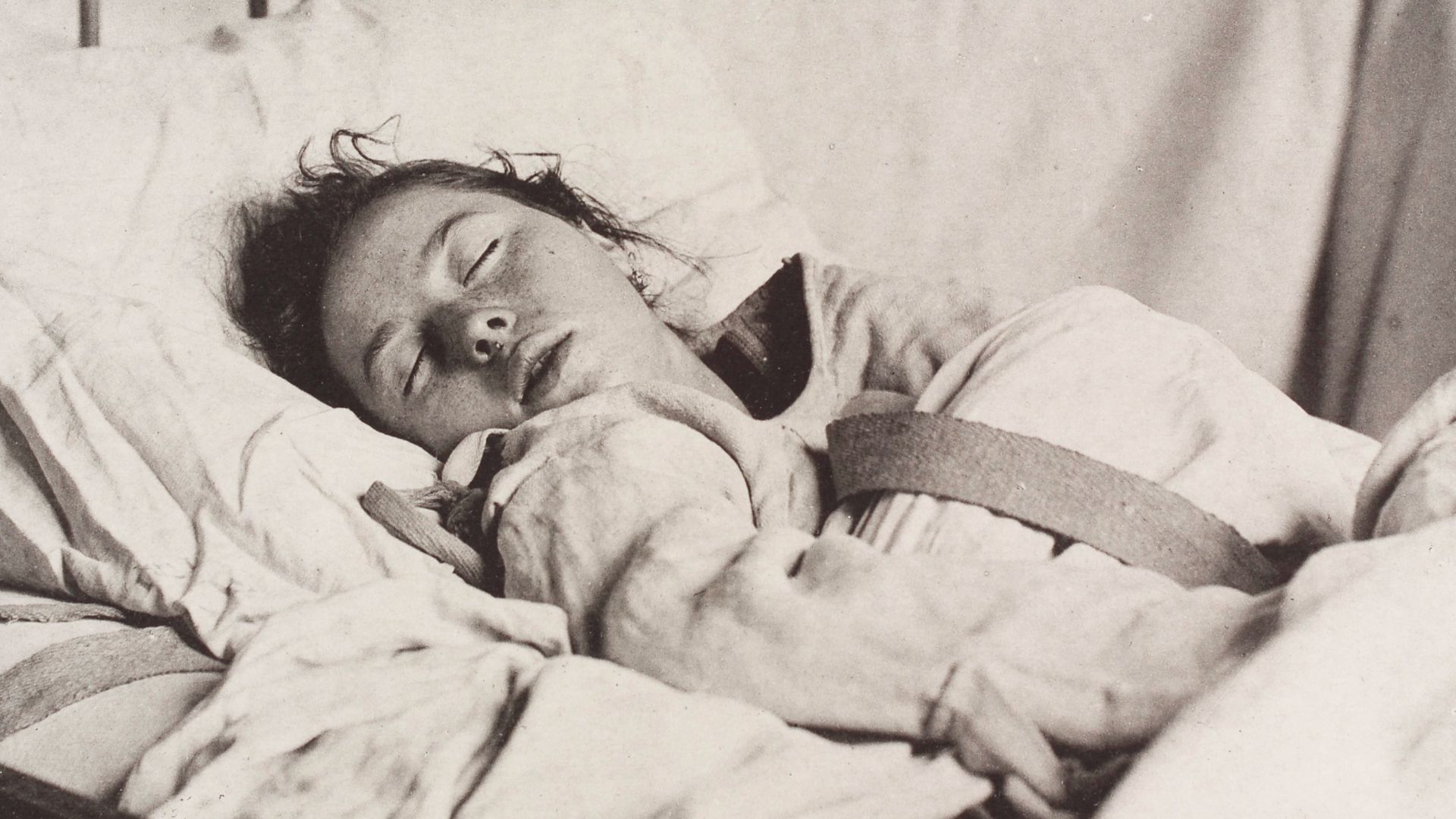
Ancient Greek and Egyptian physicians held that the uterus moved around the body on its own, pressing on organs and causing illness wherever it landed. Plato described it as a living creature that grew restless without a child. Treatments included placing sweet scents near the pelvis to coax it back down, and foul ones near the nose to drive it away. The idea outlived the Roman Empire by more than a millennium.
2. Hysteria as a Diagnosis
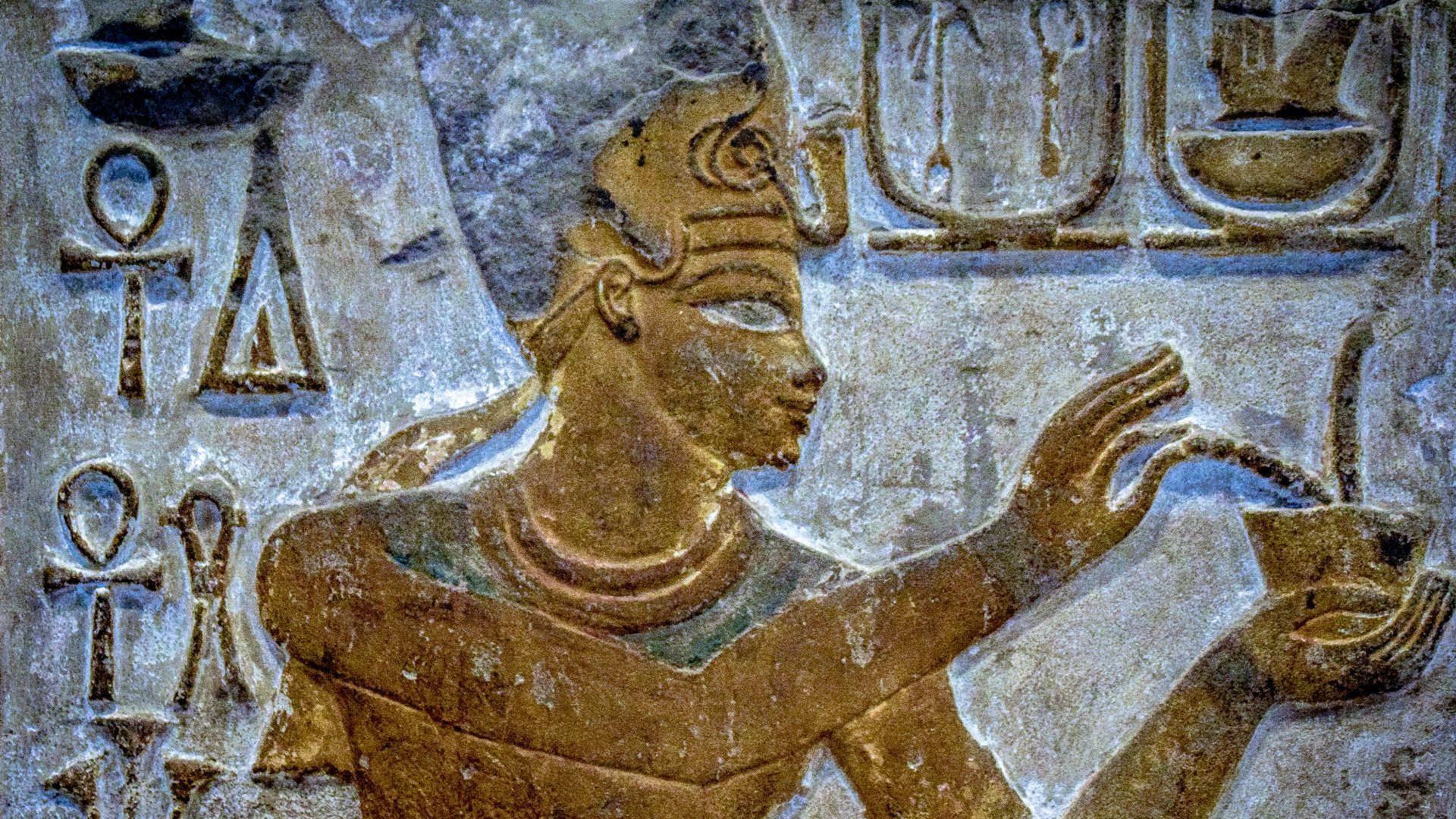
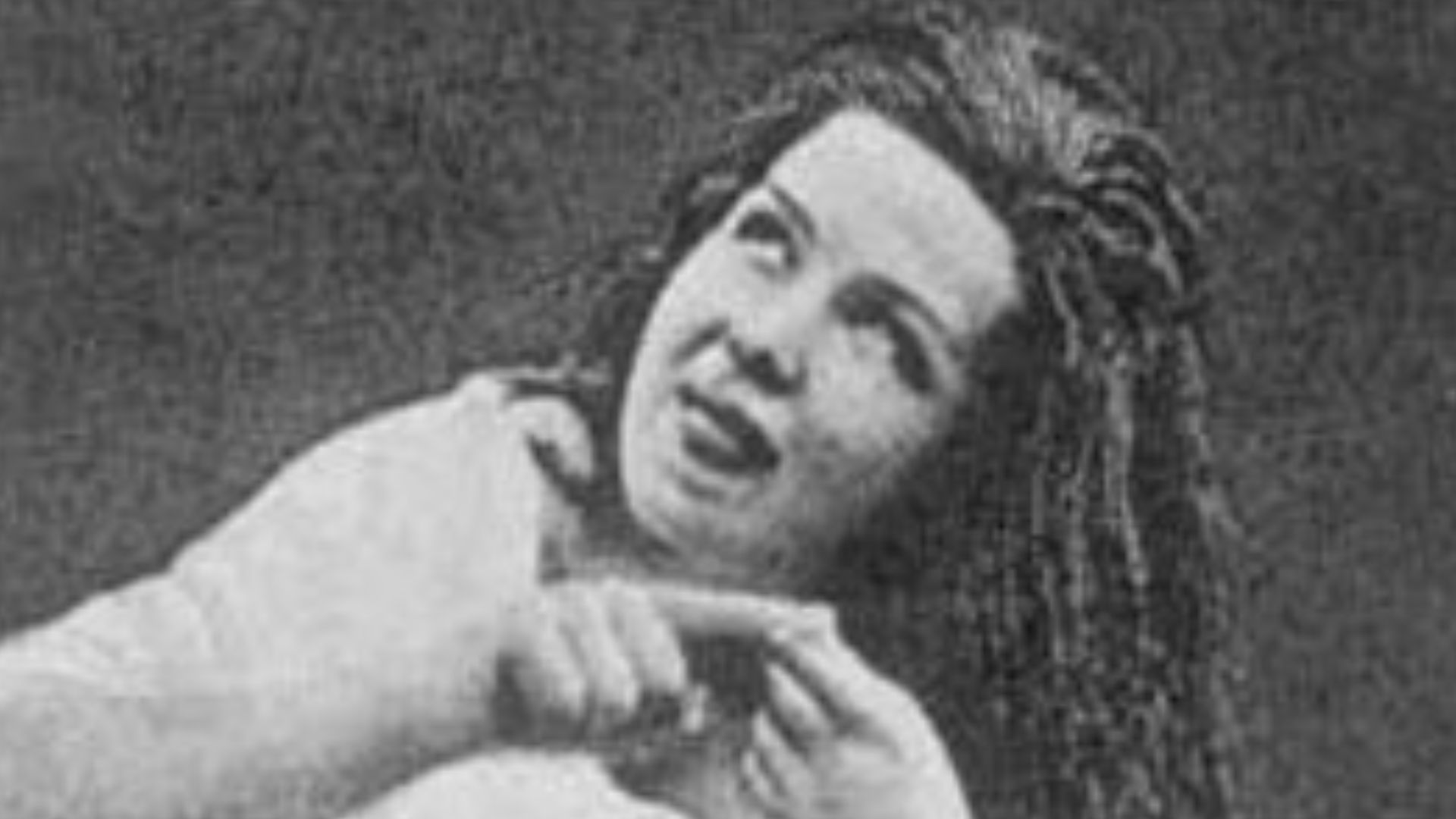
The word comes from the Greek for uterus, and doctors used it for roughly two thousand years to explain nearly any complaint a woman brought them. Anxiety, insomnia, and shortness of breath all fell under it. The American Psychiatric Association didn't remove hysterical neurosis from its diagnostic manual until 1980. By then the label had been applied to several generations of patients.
 D.M. Bourneville and P. Régnard (montage by User:Damiens.rf) on Wikimedia
3. Women Were Cold and Wet
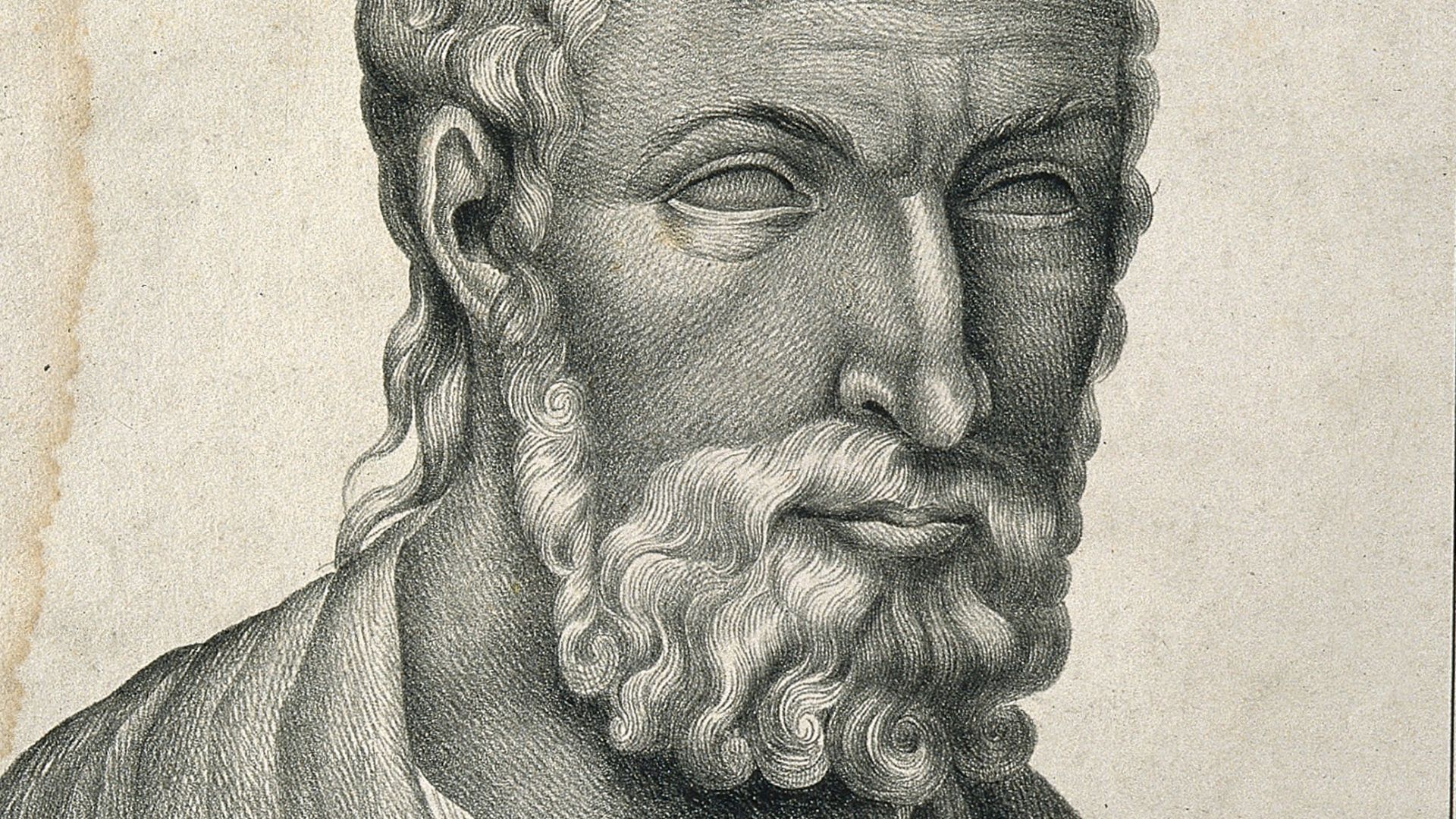
Galen taught that women were essentially colder versions of men, and that the difference explained everything from body shape to temperament. Under humoral theory, a cold and moist constitution marked a person as softer and less rational. That framework ran European medicine until the 1600s, with the male form treated as the finished product.
4. Female Organs Were Inverted Male Ones
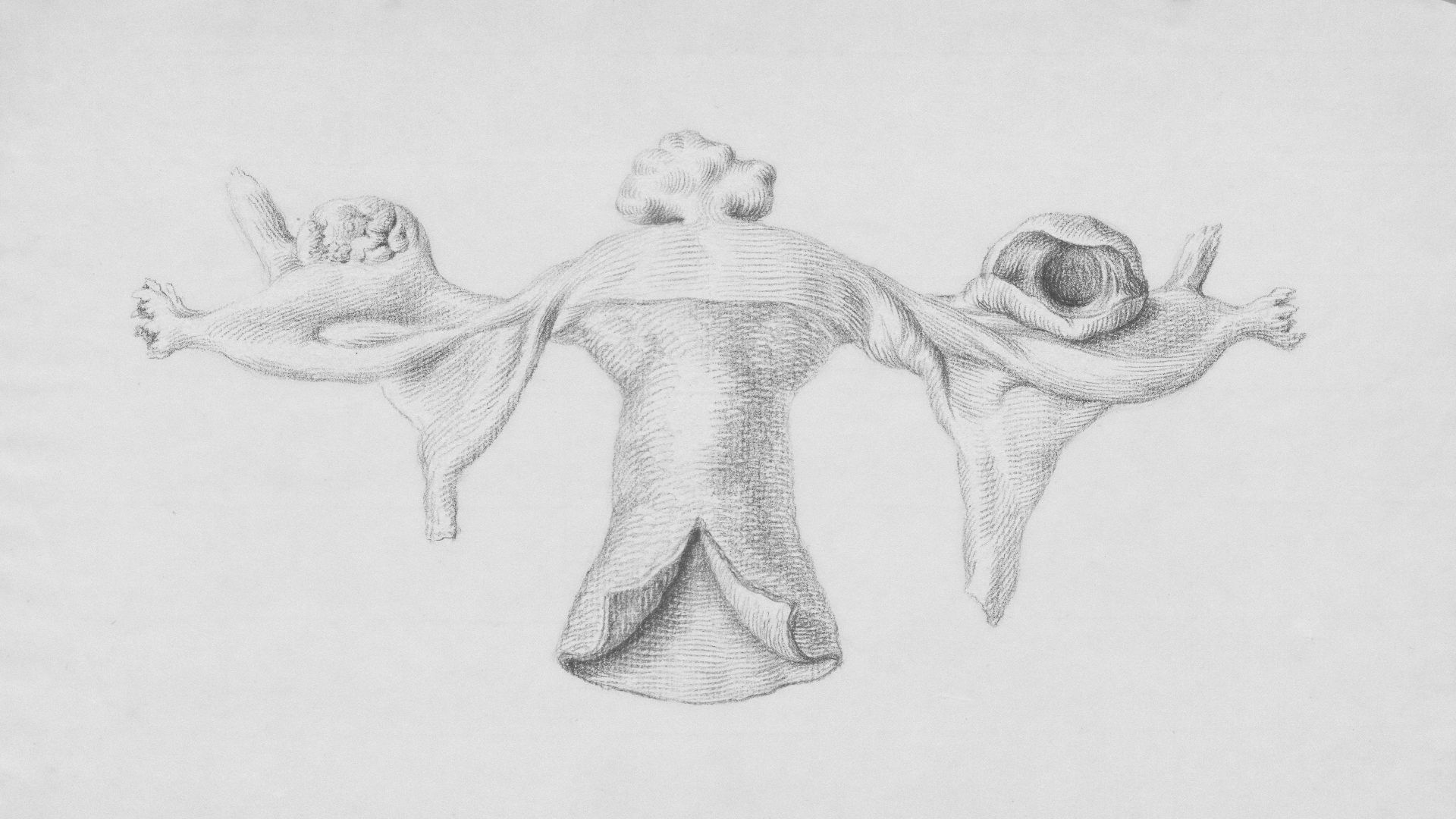
Galen also taught that the vagina was an inverted penis and the ovaries were internal testicles, undeveloped for lack of heat. Anatomical drawings as late as the 1500s were labeled to match. Those organs went without distinct names for a long time, since nobody considered them distinct. The word ovary only entered common use in the 1600s.
5. Orgasm Was Required for Conception
Medieval and early modern physicians believed a woman had to reach orgasm to release her seed and conceive. The idea shaped English legal thinking on rape, since pregnancy was taken as proof of consent. The medical claim was abandoned long before the legal argument disappeared from courtrooms.

6. The Uterus Had Seven Chambers
Medieval texts passed down a theory that the womb contained seven compartments, with boys forming on the warmer right side and girls on the left. Anatomists repeated it for centuries without checking. Dissection was rare enough that a diagram could outlive the evidence against it by generations.

7. Menstrual Blood Was Toxic
Pliny the Elder wrote that a menstruating woman could sour wine and kill crops by walking past them. Versions of the claim survived as the menotoxin theory, which held that menstrual blood carried a poison capable of wilting flowers. A paper on it ran in The Lancet in 1920, and researchers were still testing the idea in the 1970s.

8. Wombs Absorbed Every Partner
Telegony was the belief that a woman's children could inherit traits from her earlier sexual partners. Breeders applied it to horses, and physicians extended it to people. Darwin took it seriously enough to investigate. Genetics eventually buried the whole idea.

9. Education Damaged Fertility
Harvard physician Edward Clarke argued in 1873 that studying diverted blood from the reproductive organs to the brain. His book claimed that college-educated women risked sterility and nervous collapse. It sold well and got cited in arguments against admitting women for decades. Vassar hired a resident physician partly in response.

10. The Female Skeleton Proved Inferiority
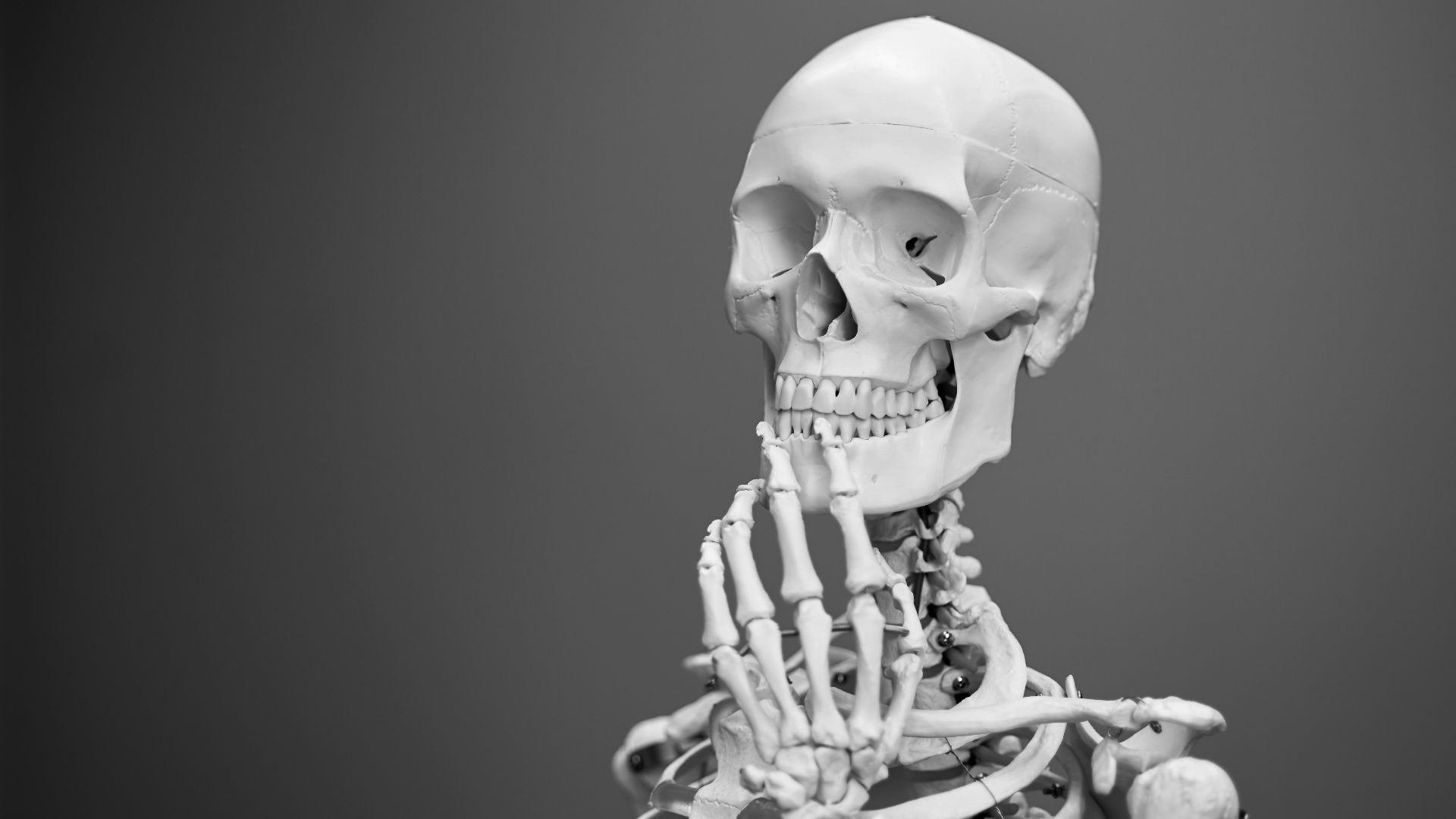
Eighteenth-century anatomists drew female skeletons with exaggerated wide pelvises and small skulls, then presented the drawings as evidence of natural limits. Skull size was treated as a proxy for intelligence. The drawings shaped what students expected to find before they ever saw a body. Skeletons do differ between the sexes, just not in the ways those illustrations suggested.
11. Corsets Were Medically Necessary
Doctors argued that the female torso was too weak to hold itself upright without help, and that tight lacing supplied the missing structure. Girls as young as five were fitted for them on medical advice. The muscle weakness sometimes seen in longtime wearers came from the corset rather than the anatomy. Removing one often meant weeks of retraining the back.

12. Riding a Bicycle Caused Bicycle Face
Medical writers in the 1890s warned that cycling would leave women with a permanently strained expression, along with infertility and moral decline. The warnings arrived just as the safety bicycle gave women independent transportation. Nobody ever documented a single case.

13. Reading Novels Made Women Ill
Novel reading was described in medical writing as a nervous stimulant that overexcited the female imagination. The concern extended to theater and to anything else that stirred the emotions. The prescribed cure was usually rest and less stimulation. Circulating libraries came up in some quarters as a public health question.

14. Rest Was the Cure for Everything
Silas Weir Mitchell's rest cure confined women to bed for weeks with no reading and no visitors, on a diet of milk and forced feeding. Charlotte Perkins Gilman underwent it and wrote The Yellow Wallpaper afterward. Mitchell prescribed vigorous outdoor activity to male patients with similar symptoms, which tells you what he thought the problem was.

15. Anesthesia in Childbirth Was Wrong
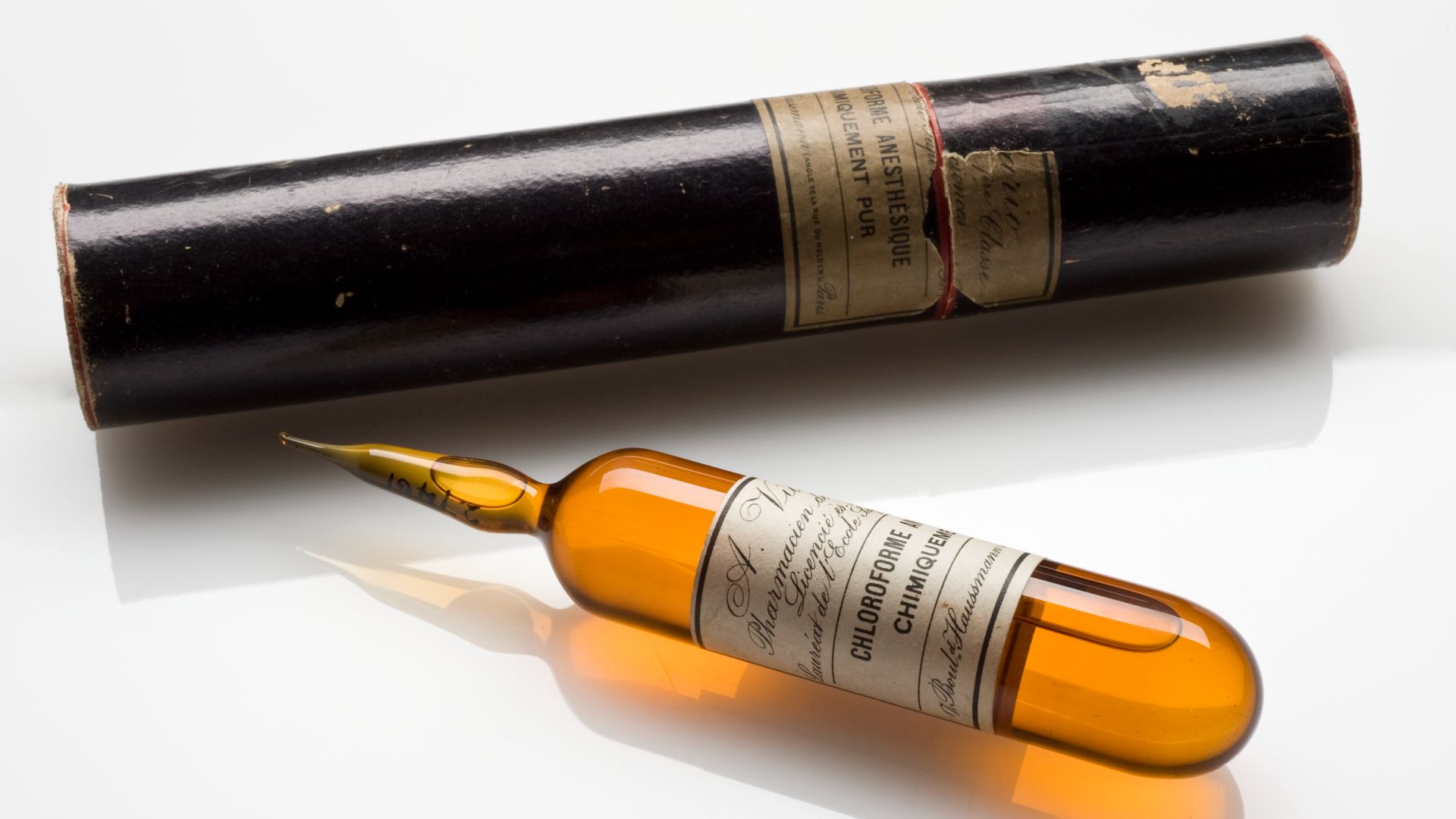
When chloroform became available in the 1840s, some physicians and clergy objected that pain in labor was divinely ordained. The argument lost force after Queen Victoria used chloroform for the birth of Prince Leopold in 1853. Resistance to pain relief in labor carried on for decades in other forms.
16. Twilight Sleep Was Progress
The morphine and scopolamine combination introduced in the early 1900s didn't remove pain, it erased the memory of it. Women thrashed and screamed while drugged, and hospitals restrained them in padded cribs with their eyes covered. American hospitals kept using the method into the 1960s.

17. Surgery Fixed Emotional Problems
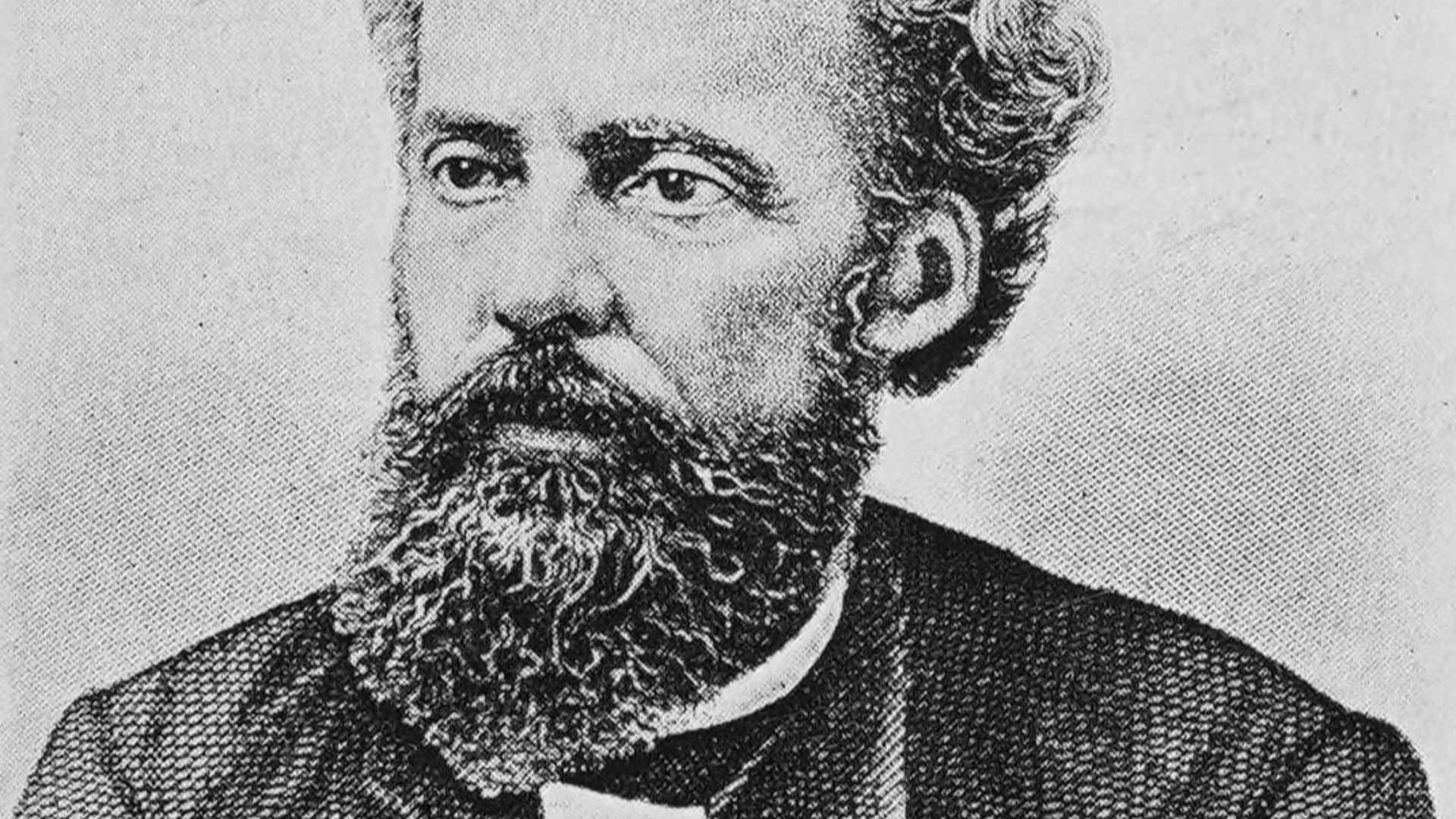
Ovariotomy, the removal of healthy ovaries, was performed in the late 1800s to treat behavior described as unmanageable. Robert Battey's procedure spread across American and European practice. Thousands of women had healthy organs removed for symptoms that were never physical. Battey believed he was performing a humane operation.
 Unknown authorUnknown author on Wikimedia
18. Women Were Too Fragile to Run
Officials cited exhaustion and reproductive damage to keep women out of long-distance events, and the Olympics had no women's marathon until 1984. The Boston Marathon barred women until 1972, 75 years after the race began. Kathrine Switzer had already run it in 1967, with an official grabbing at her mid-race while photographers caught the whole thing.

19. Heart Attacks Looked the Same in Everyone
Cardiac research ran almost entirely on male subjects for decades, and the textbook symptoms came from those studies. Women presenting with jaw pain or nausea were sent home. The NIH did not require women in federally funded clinical trials until 1993, which left decades of research with a blind spot.

20. Women Reported Pain Unreliably
Female pain complaints were long treated as exaggerated or emotional in origin. Studies since the 1990s have found that women wait longer for painkillers in emergency departments and more often receive sedatives instead. Endometriosis still takes years to diagnose in many patients, and it affects roughly one in ten women of reproductive age.

KEEP ON READING


Working Out At Work: 20 Jobs That Keep You Fit