
That Darned Headache
When migraines appear, it can feel like they've come out of nowhere, leaving you no room to prepare for the agonizing hours you'll spend with that darned ache. But many everyday things can actually trigger them, from water intake to the foods you eat, though not everyone will be affected by the same factors. If your symptoms seem to fluctuate wildly or get progressively worse, always make sure to speak with a doctor. With that said, here's what can inadvertently bring on those terrible migraines.

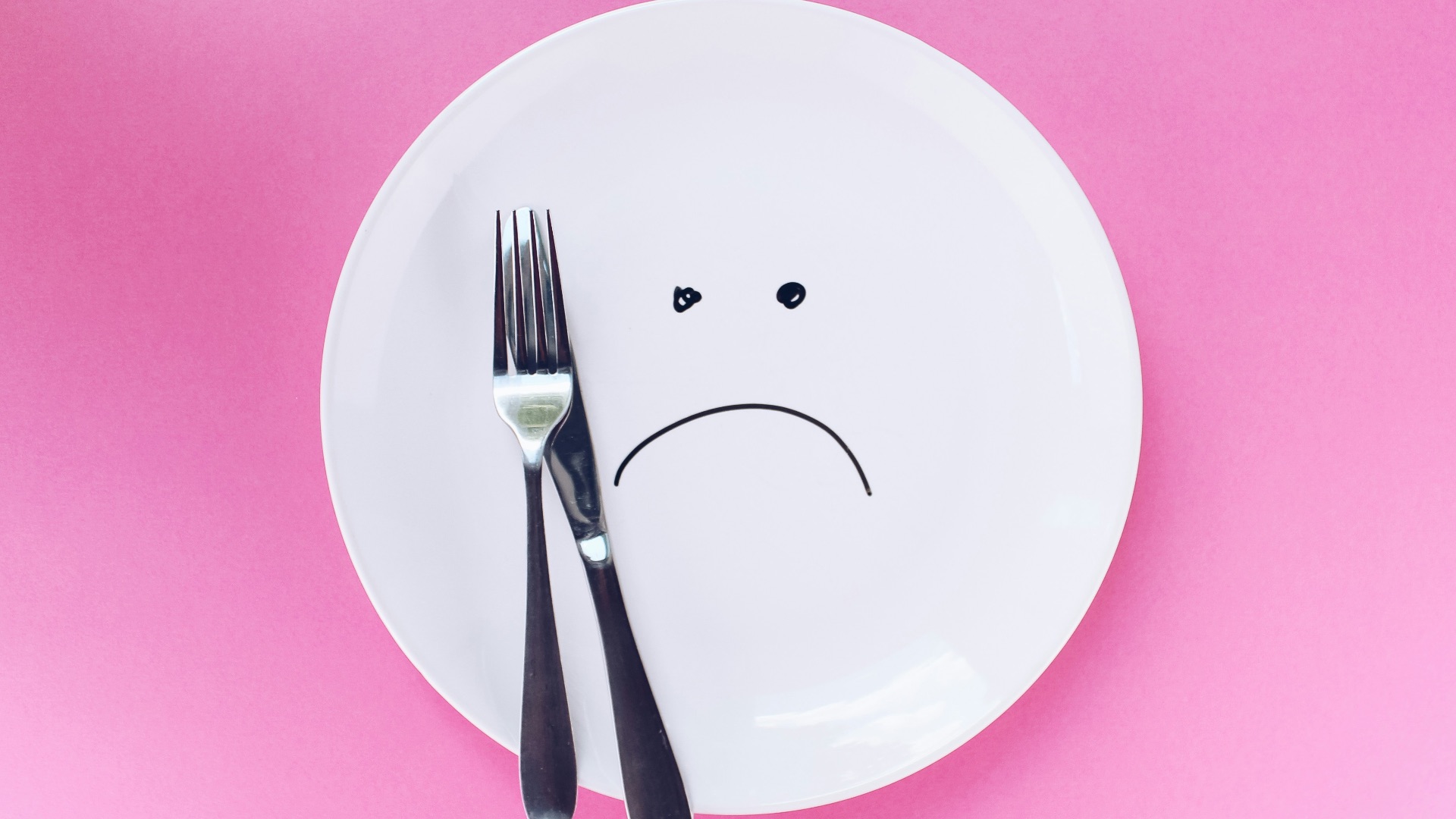
1. Skipping Meals
Are you the type to skip meals when you get too busy? Well, if you've also been getting more migraines lately, that's probably why. In fact, going too long without food can be compounded by stress, poor sleep, and dehydration, which only makes migraines worse.
2. Not Drinking Enough Water
You might think you drink plenty of water, but in reality, most people don't drink nearly enough. It just so happens, too, that dehydration is easy to overlook, and even mild fluid loss can bring on sudden migraine symptoms in susceptible people.

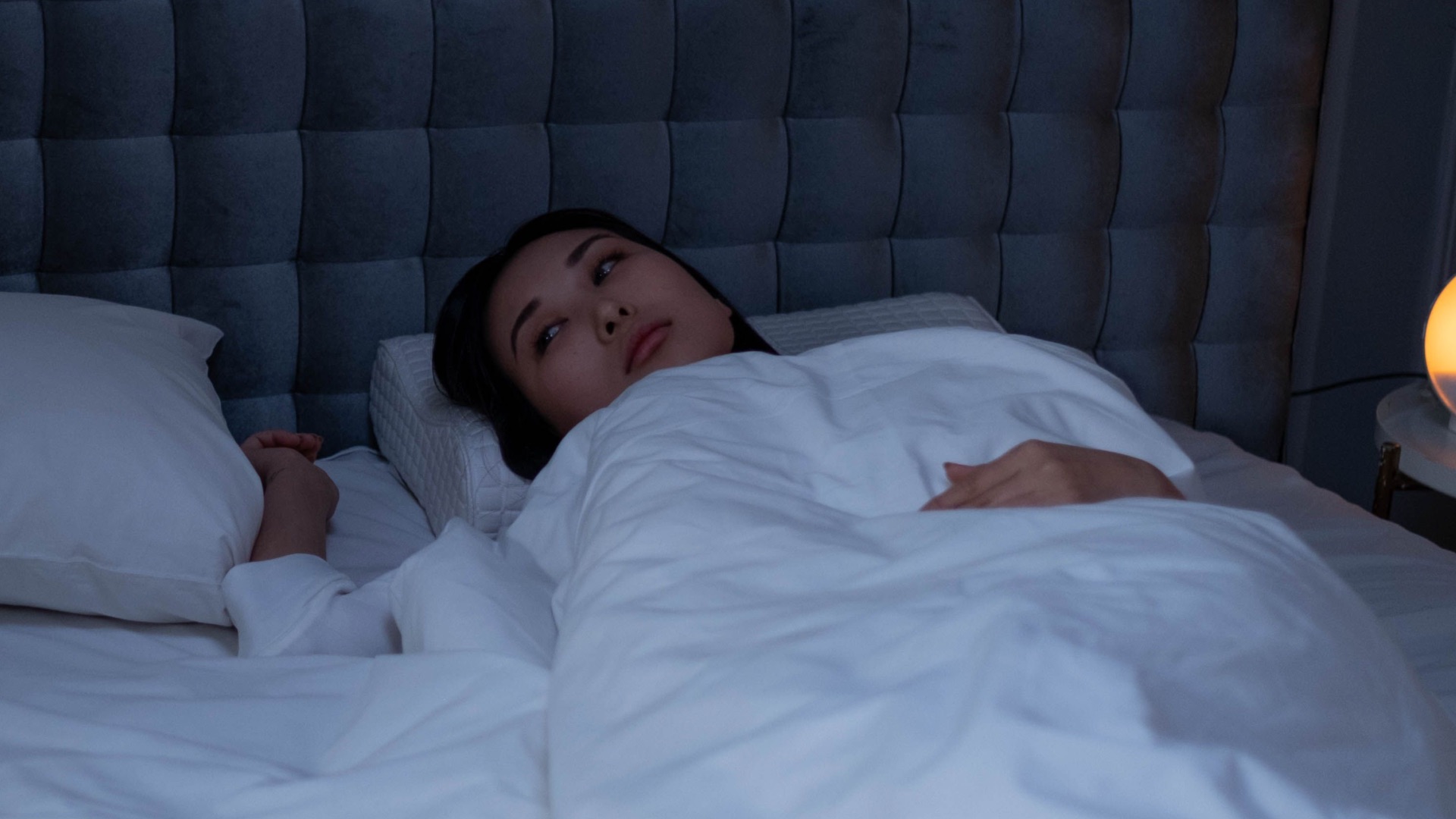
3. Sleeping Too Little
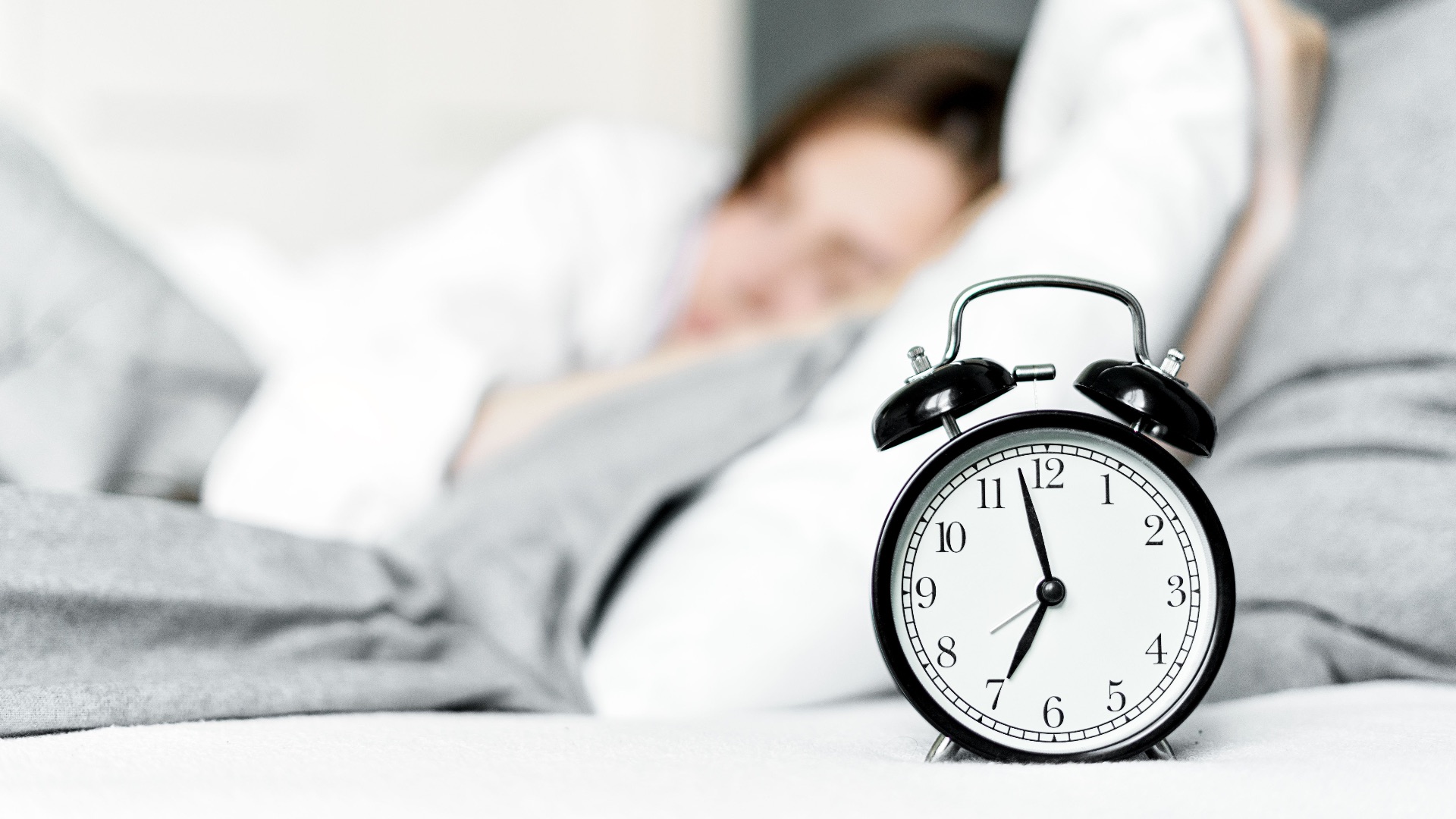
Pulling an all-nighter to get work finished might seem like a harmless thing to do, especially if you're not doing it all the time. But if you regularly get less than eight hours of rest each night, that can accumulate, and sleep deprivation is a commonly reported migraine trigger.
4. Sleeping Much Longer Than Usual
If sleeping too little can cause migraines, sleeping more should resolve it, right? Well, not exactly. Introducing any dramatic swings in your sleep schedule can still spell out bad news, and for some, they may even experience attacks after sleeping in on the weekends or during vacation.

5. Too Much Caffeine
Coffee might keep you alert, and caffeine in small amounts may even help relieve a migraine attack for some. Problems can arise, however, when your daily intake becomes excessive or varies all the time. Plus, drinking too many cups can also affect how well you sleep at night.

6. Suddenly Cutting Back on Caffeine
But suddenly cutting back on coffee or quitting it cold turkey can backfire, too, especially if you're already accustomed to regular caffeine use. That's not to say that easing off it can't be a good thing, of course—you'll just want to do it gradually.

7. Bright or Flickering Lights
If you've ever had a migraine after seeing harsh lighting or flashing displays, you're affected by a common trigger that many others also suffer from. Sensitivity varies considerably, though, so pay attention to which specific environments bother you most and avoid them if you can.

8. Strong Smells
Strong scents are another common migraine trigger, no matter whether it's from perfume, chemical fumes, or outdoor smoke. If you've already experienced odors being an issue more than a few times, make sure to reduce your exposure to those particular smells!
 Ulysse Pointcheval on Unsplash
9. Loud Noise
It might sound strange, but even noisy environments can bring on those dreaded migraine symptoms in some people. But it's not so surprising—after all, sound is another form of sensory stimulation. The more sensitive you are, the more you may struggle with tolerating even a slightly crowded street or restaurant.

10. Everyday Stress
You already know that stress can cause a plethora of issues, so it probably doesn't come as a shock that it can trigger migraines, too. Keep in mind, though, that the link isn't always so straightforward. For some people, you may even experience an attack after a stressful period, not before or during.

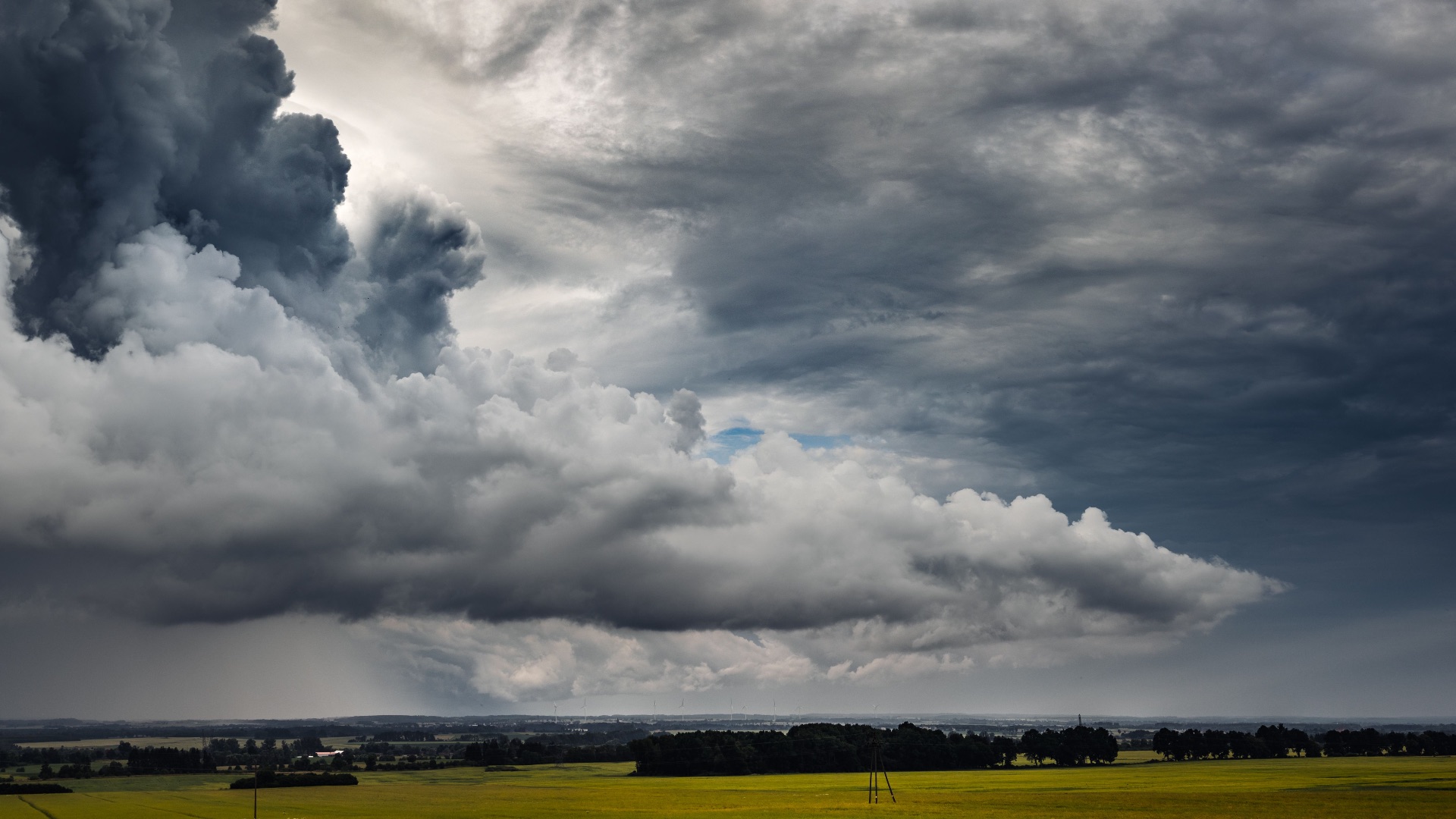
11. Sudden Weather Changes
You don't necessarily need to spend hours outdoors for weather to affect you. In fact, even small shifts in humidity or temperature can bring on telltale migraine symptoms. Weather can't be controlled, of course, but if you recognize a pattern, that can help you manage the factors that are within your control.
12. Intense Heat
There's a reason why migraine sufferers might dislike summer: intense heat can make their symptoms unbearable. It's important to note that, while the high temperatures themselves may be a trigger for some, others may be more affected by prolonged exposure, as it can lead to dehydration. That's why it's crucial to always drink enough water!

13. Alcohol
Speaking of things that dehydrate you, heavy drinkers may want to tweak their habit. One glass of red wine in the evening might not always be an instant trigger, but alcohol can still worsen your condition the more you drink. Individual reactions can differ among beverages, however, so it may help to note down your specific patterns.

14. Processed Foods
From chips to fast food and processed meat (yes, even bacon), eating these high-fat foods can be a major mistake for some. If your body already can't tolerate or digest these greasy eats properly, it's best to keep them off your plate, or you might just be rewarded with a nasty headache.

15. Certain Food Additives
Some people may also be sensitive to certain ingredients: monosodium glutamate, or MSG, as well as the sweetener aspartame, have commonly been cited as potential migraine triggers. Of course, reactions can vary between individuals, so look for a consistent link instead of immediately treating it as one of your personal triggers.

16. Aged Cheeses
People prone to migraines may need to avoid aged cheeses along with processed snacks. You might assume that it's due to the scent and taste, but most experts point to a specific compound, tyramine, that can trigger unwanted symptoms along with high blood pressure.

17. Hormonal Fluctuations
Is your period coming soon? For people who menstruate, changes in estrogen during pregnancy, perimenopause, and menopause can all affect migraine patterns; even certain hormonal medications may influence how often or how severe the attack is. However, if this is unusual or new for you, chat with a doctor.
 Reproductive Health Supplies Coalition on Unsplash
18. Strenuous Physical Activity
Regular exercise is a good thing, and it can even help ease symptoms for some. However, if you push your body too hard, intense physical exertion can also backfire. Your attacks may worsen, too, when you're moving in extreme heat, or you're skipping meals. It's a reminder to always build your routine up gradually.

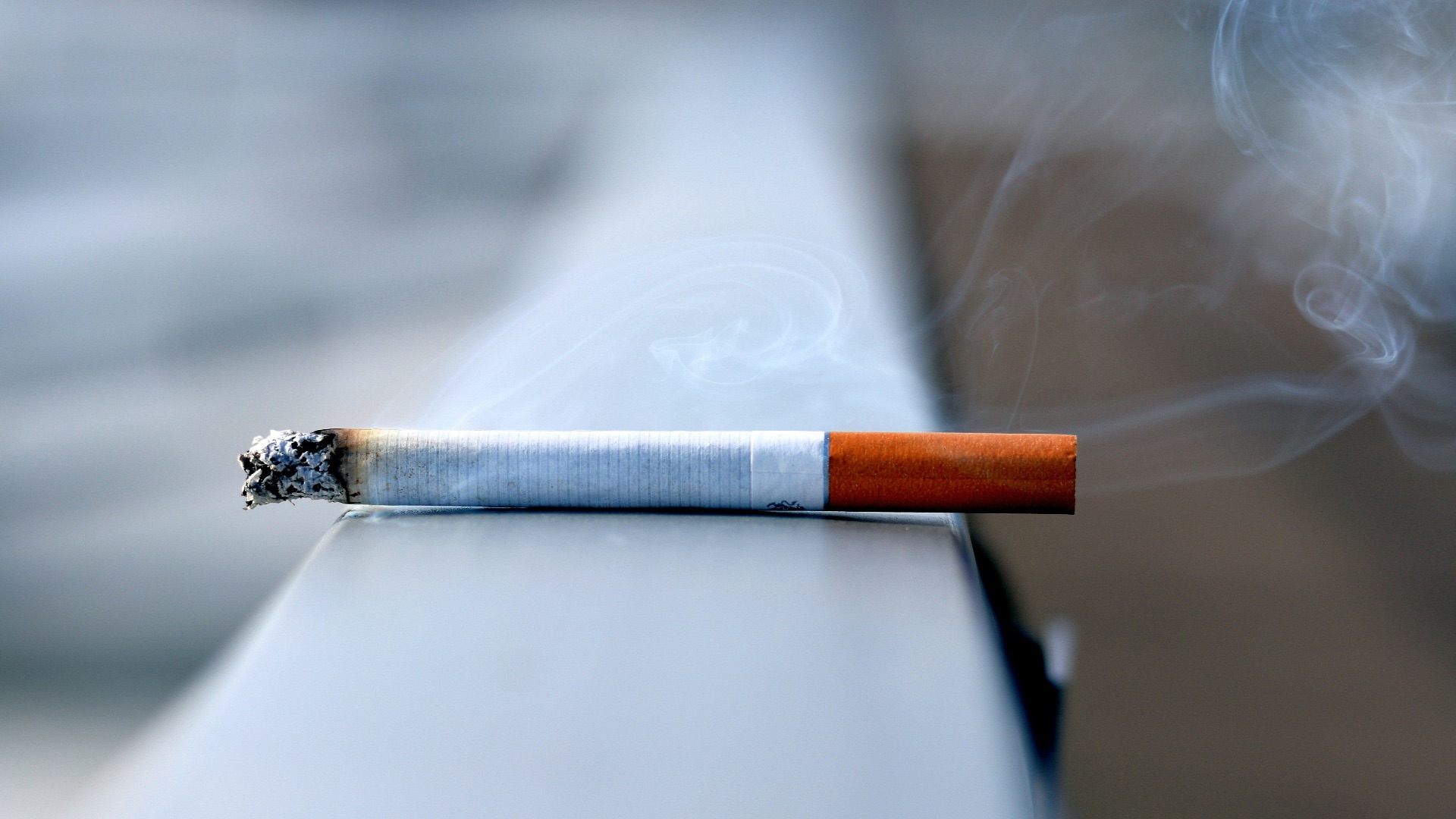
19. Smoke Exposure
As mentioned, strong scents can be a trigger, which is why smoke can also bring on migraine symptoms. In particular, cigarette smoke, even secondhand exposure, may be enough to cause discomfort for those who are already sensitive to smells.
20. Constant Changes to Your Routine
Migraine can sometimes respond poorly to inconsistency, too. From fluctuations in your sleep schedule to how many meals you eat (or don't eat) a day, not keeping to a routine can be detrimental to your overall condition. If you're looking to manage your symptoms, sometimes the best way to start is to establish a stable schedule you follow to a T.
KEEP ON READING



20 Ways to Deal With Your Sweet Tooth

20 Low-Impact Exercise Ideas For People Over 50