
What Your Knees Are Trying to Tell You
Let’s get one thing out of the way: a creaky knee doesn't automatically mean you're headed for surgery, and plenty of people live with arthritis for years without it. However, knee replacement isn’t always off the table. When joint damage causes major pain, and treatments stop providing enough relief, it could be time to speak with your doctor. Let’s dive into 10 signs that you may be headed toward replacement, and 10 signs that your knees are still in tip-top shape.
1. Pain Controls Your Schedule
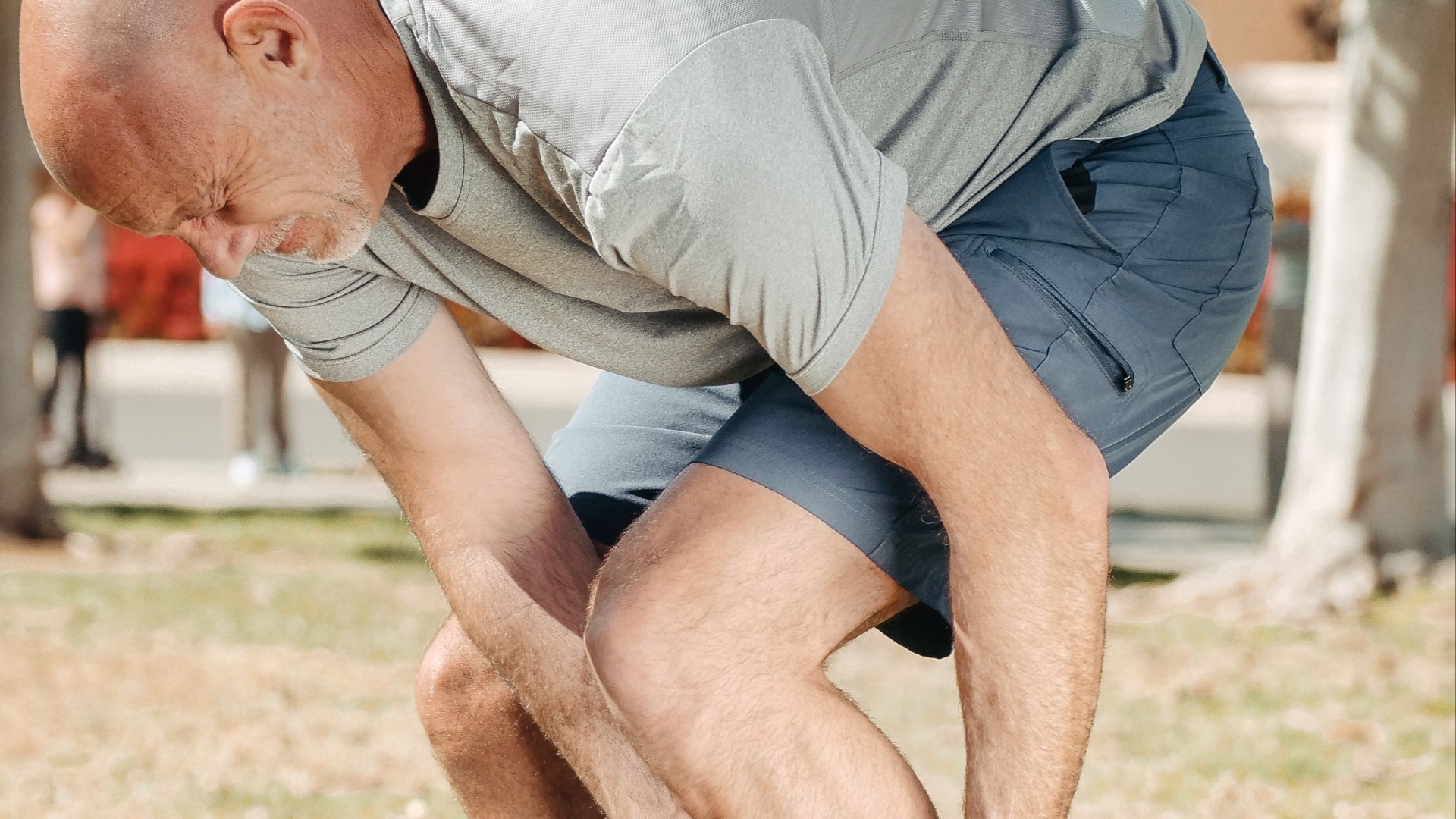
You used to plan your day around work and seeing friends, but now you're too busy thinking about how much walking you can tolerate. Even simple errands, like grocery shopping or taking the dog for a walk, become activities you don’t enjoy. In more severe cases, you might avoid them altogether.

2. You're Hurting Even While Resting
Arthritic knees don't always wait until you're moving to start screaming at you. Once pain progresses, it can continue while you're sitting on the couch or lying in bed, despite giving the knee plenty of time off. Significant pain at rest is one of the patterns specialists take seriously, so it’s time to book an appointment.
3. Stairs Are a Major Obstacle
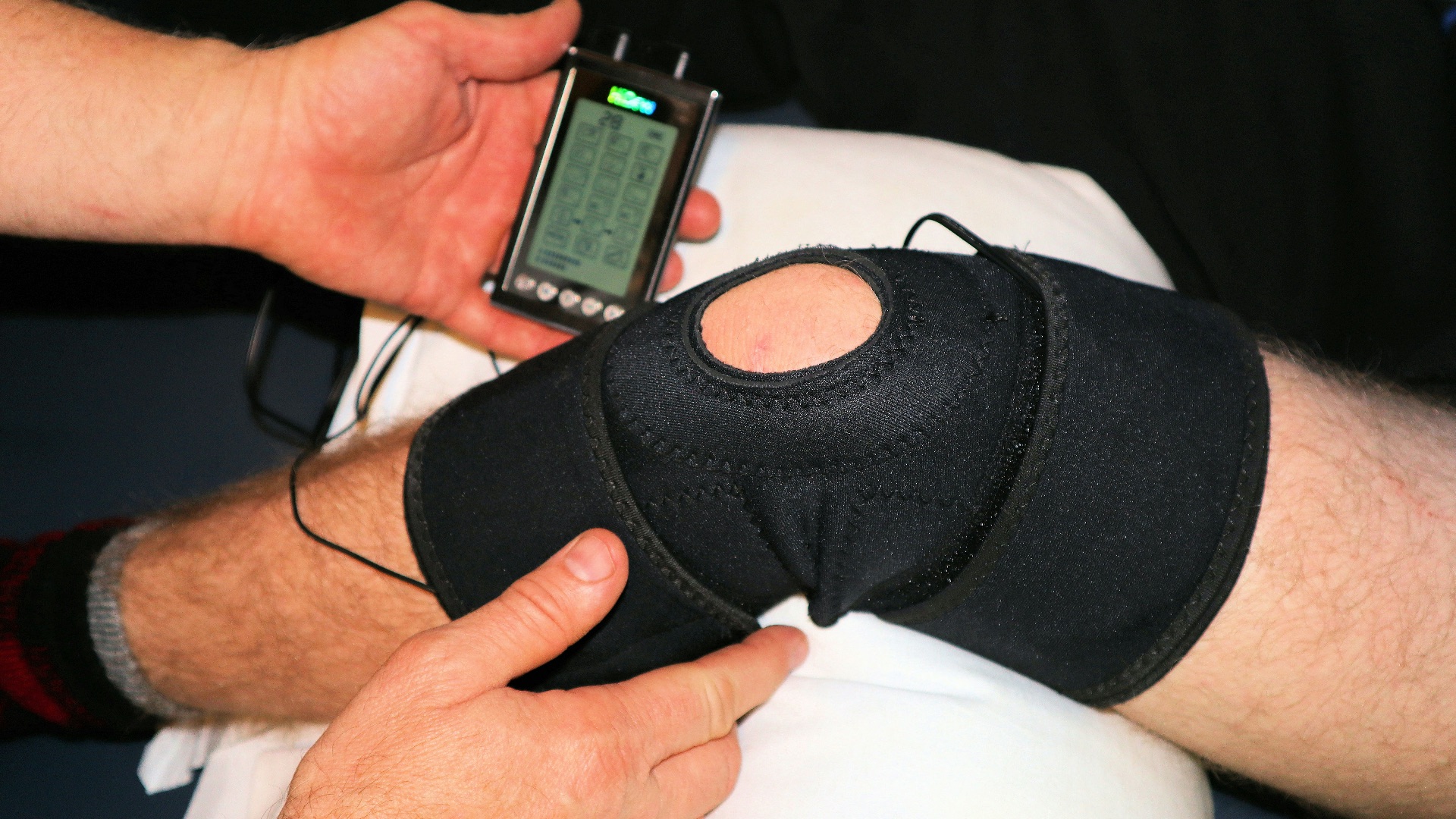
Climbing a staircase was once easy, but now you need the railing, one-step-at-a-time movements, or careful planning about which leg goes first. Going downstairs can be even more troublesome. We hate to say it, but difficulty climbing stairs is commonly seen in people who eventually undergo knee replacement.

4. Getting Out of a Chair is Tough
A low sofa or restaurant booth shouldn't feel like a mountain to climb, but knee pain can certainly get you there. The truth is, advanced damage can make the combination of bending and pushing yourself upright more and more painful. Getting up is also among the activities that can become difficult for people in need of a replacement.

5. Your Knee Won't Fully Bend or Straighten
Loss of range of motion can make ordinary movements awkward—but they can also signal that something’s legitimately wrong. It’s never good if you struggle to straighten your leg completely or can’t bend it far enough to put on shoes.

6. Your Leg is Noticeably Bowed
Forget about knee pain for a moment; severe arthritis can gradually alter the alignment of the knee altogether. Some people develop a more obvious bow-legged appearance as joint surfaces deteriorate unevenly. Now, structural changes don't necessarily mean you need a total replacement, but significant changes combined with pain can make surgical treatment more relevant.
7. Conservative Treatments Aren't Helping
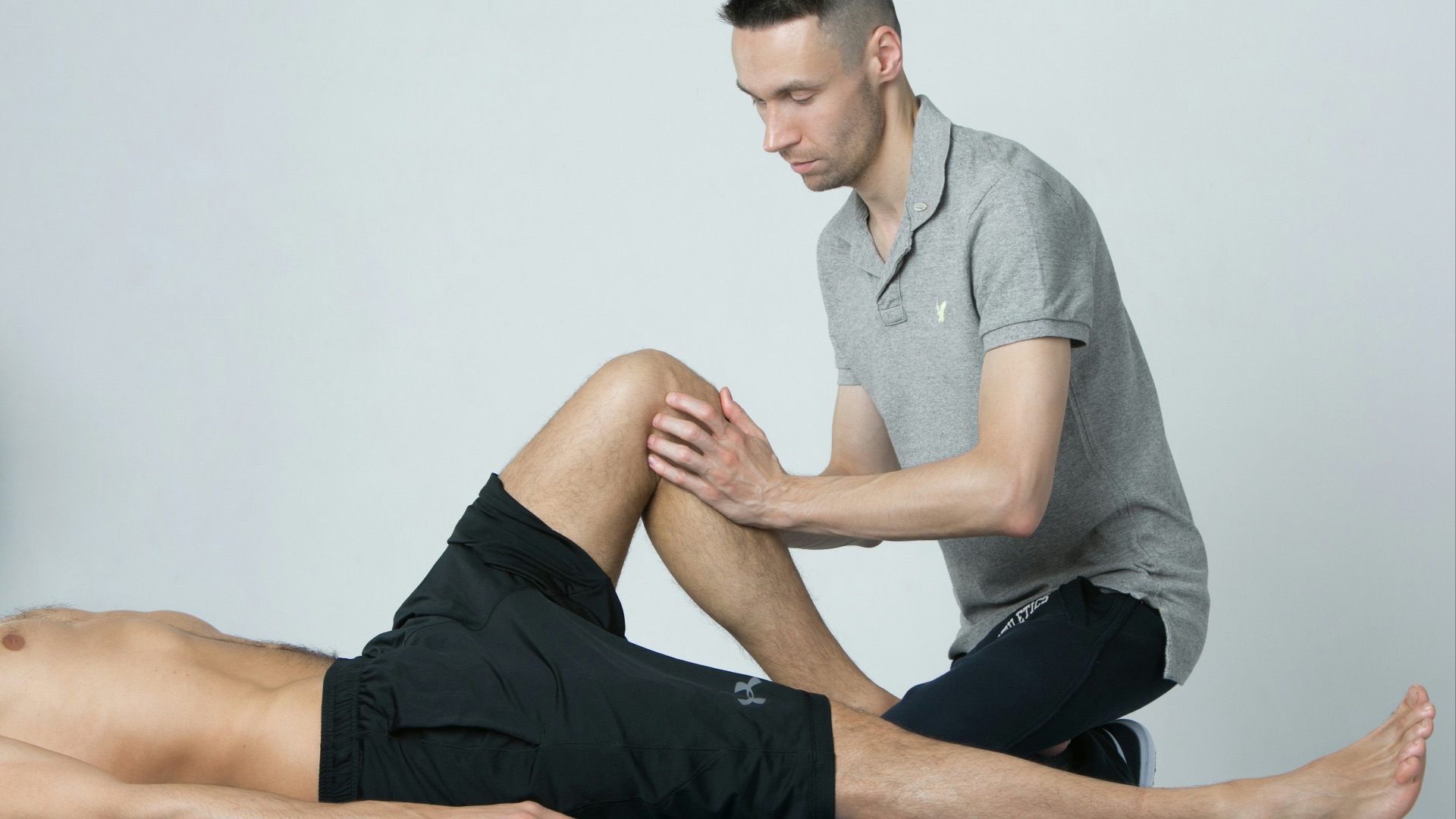
Not every little knock in your knee is cause to panic, and plenty of physicians recommend physical therapy, anti-inflammatory medication, or even an injection first. However, if those treatments slowly provide less relief, things may be getting worse. Don’t forget: surgery is generally reserved for cases in which nonsurgical approaches have been tried but no longer control symptoms.
 Juan Manuel Montejano Lopez on Pexels
8. Pain Interrupts Sleep
It's one thing for your knee to ache after a long afternoon, but it’s another when discomfort follows you around. It’s especially unpleasant if knee pain interrupts your sleep—which it can easily do. Keep an eye out for tossing and turning, or losing sleep thanks to a throbbing knee.

9. Walking Distances Keep Getting Shorter
Maybe you used to walk for miles comfortably. Then one mile became the limit. And now? You're looking for the closest parking space everywhere you go. That steady reduction in mobility can indicate that knee disease is having a greater effect on your independence.

10. Imaging Shows Extensive Damage
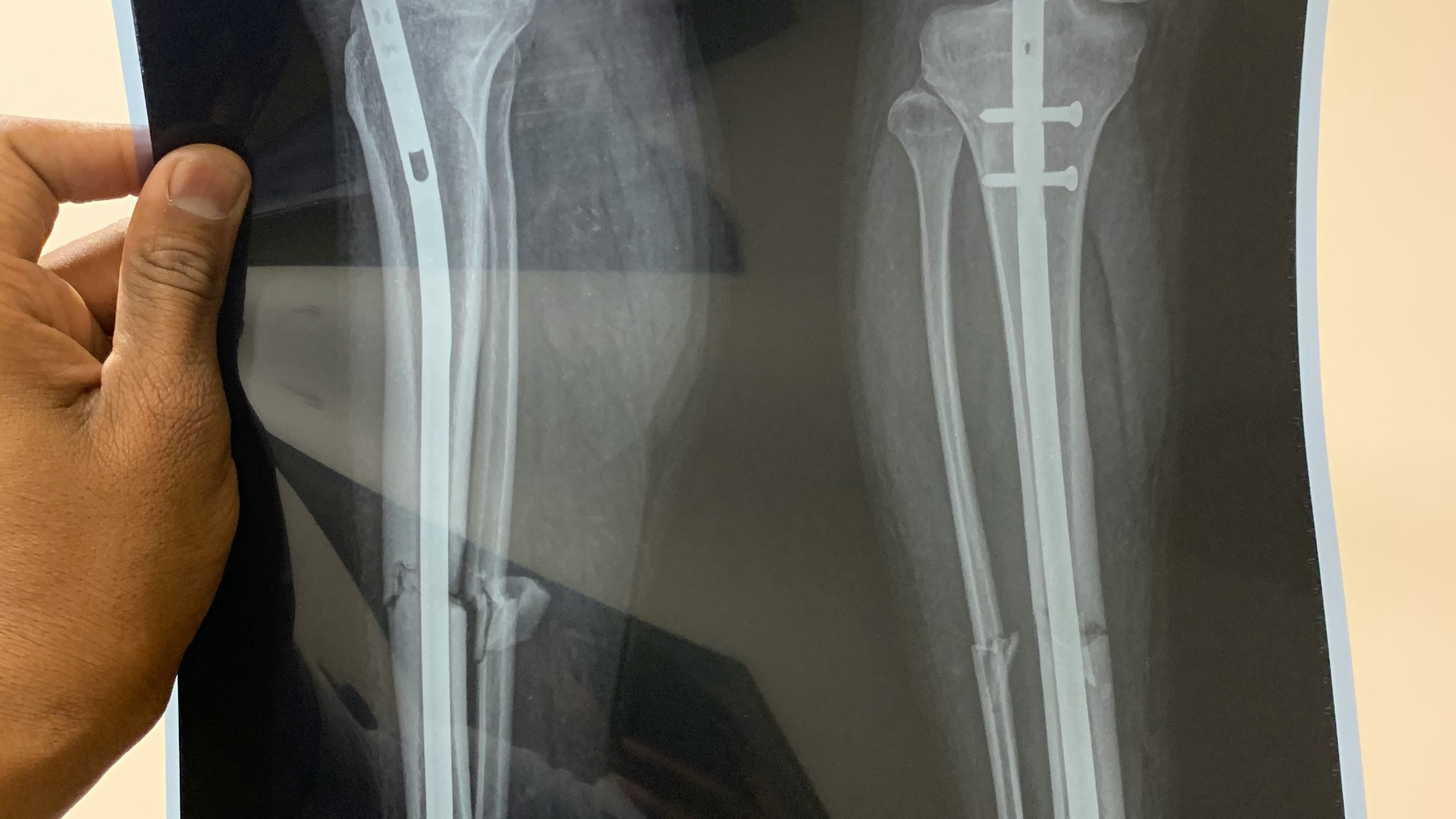
Sometimes your symptoms don’t paint the clearest picture until an X-ray is done. Advanced osteoarthritis can involve major cartilage loss, changes in the bone, bone spurs, and narrowing of the space within the joint. Imaging alone doesn't determine whether you'll get a knee replacement, but surgeons use it alongside your pain, strength, and daily limitations to make that call.
On the other hand, healthy knees don’t come with the same onslaught of issues as their counterparts. Let’s dive into 10 signs that you—and your legs—still have it!
1. You Can Balance Comfortably on One Leg
Try standing on one leg while putting on a sock. Do it again while stepping into a pair of pants. If you can achieve it comfortably, that means your knee and the surrounding muscles are working well together. Good stability is always encouraging; strong muscles help support and protect the joint.

2. Your Knees Recover After Exercise
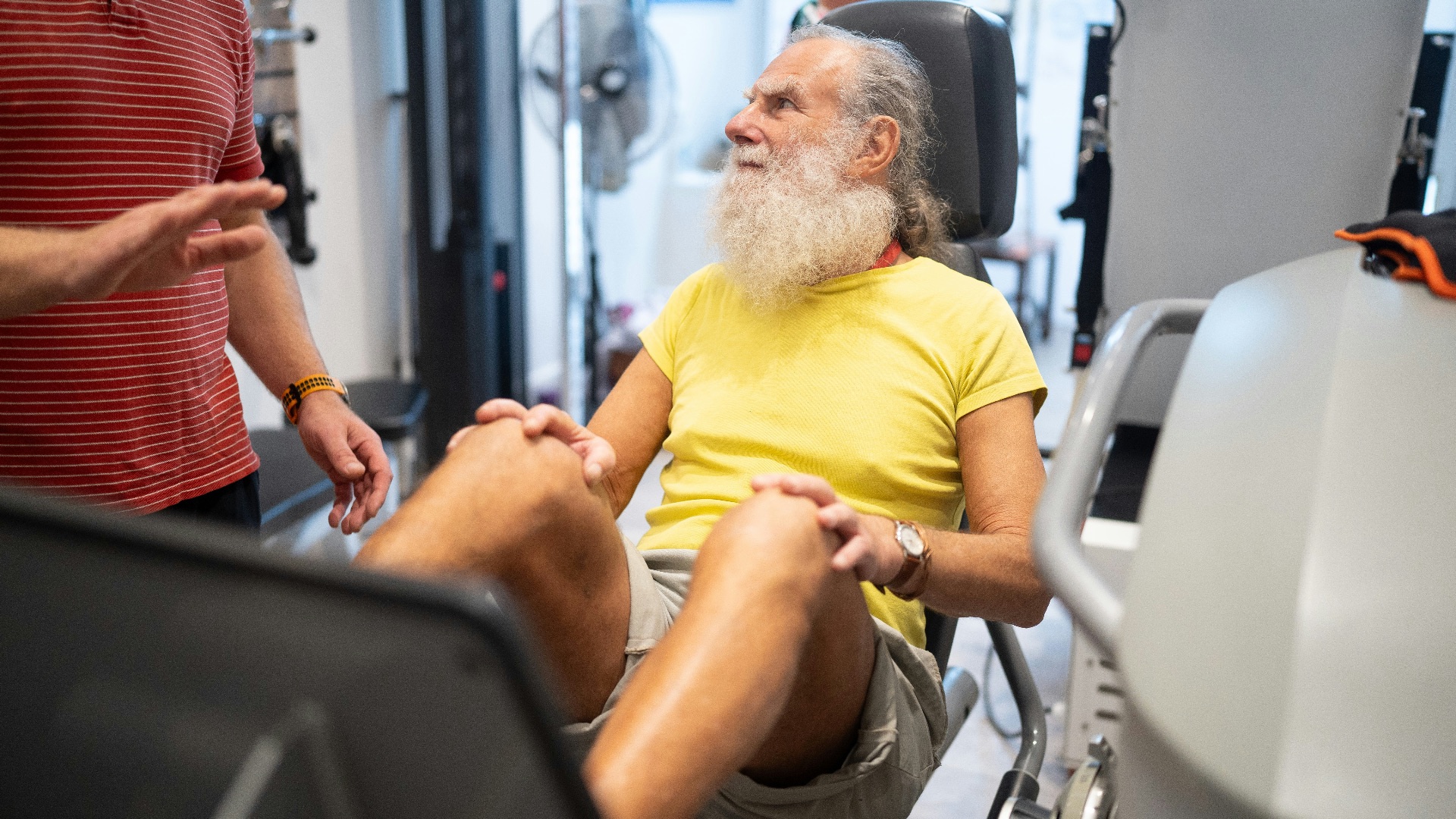
A challenging hike can leave perfectly healthy legs tired, especially if you've done more than usual. Though it feels like you burned yourself out, what's most reassuring is when that temporary fatigue settles. A knee that handles sensible activity and recovers predictably is on a much better path than joints that can’t.
 Centre for Ageing Better on Unsplash
3. You Can Change Direction Without Wobbling
Though we wish it weren’t so, everyday life involves more than walking on a flat surface. Turning around in the kitchen, sidestepping someone on a sidewalk, or changing direction during sports all require coordinated knee control. So, being able to perform those movements without the joint buckling suggests your knees are doing their jobs.

4. Your Thigh Muscles Are Strong
It isn’t only your knees that hold down the fort. They benefit considerably from capable muscles above them, particularly the quadriceps. Strong legs stabilize and protect your joints. If you can maintain that strength through appropriate activities without provoking any symptoms, that's worth noting.

5. You Can Handle Uneven Ground
Remember what we just said about flat surfaces? Well, life is filled with grassy yards, gravel paths, or gently uneven trails! Moving comfortably across those dips requires a lot of small leg adjustments to keep you stable. So, if you can manage them without giving way, your knees are demonstrating useful real-world function.
 miguel pela-yo_ou_voce on Unsplash
6. You Don't Need to Think About Every Step
One underrated sign of good joint health is how little attention ordinary movement requires. You step over a curb? You pivot toward a door or carry laundry across the house? None of it is a worry, and you still have some pep in your step!

7. You Can Squat With Control
You don't need to hit the gym for this one to count. Squatting happens a lot more than you think: reaching a lower cabinet, tending a garden, or picking something off the floor demonstrates useful mobility and muscular support. Comfortable functional bending is a positive sign, so long as you're not forcing yourself through pain.

8. Your Kneecaps Track Smoothly During Movement
As you bend and straighten your leg, the kneecap normally glides within a groove at the end of the thighbone. Keep an ear and eye out; smooth movement without catching or an unstable sensation lets you flex the joint naturally during routine activity. Remember that occasional harmless noises happen, too, so a little cracking by itself isn't proof that you blew out your knee.
9. Both Legs Share the Work Naturally
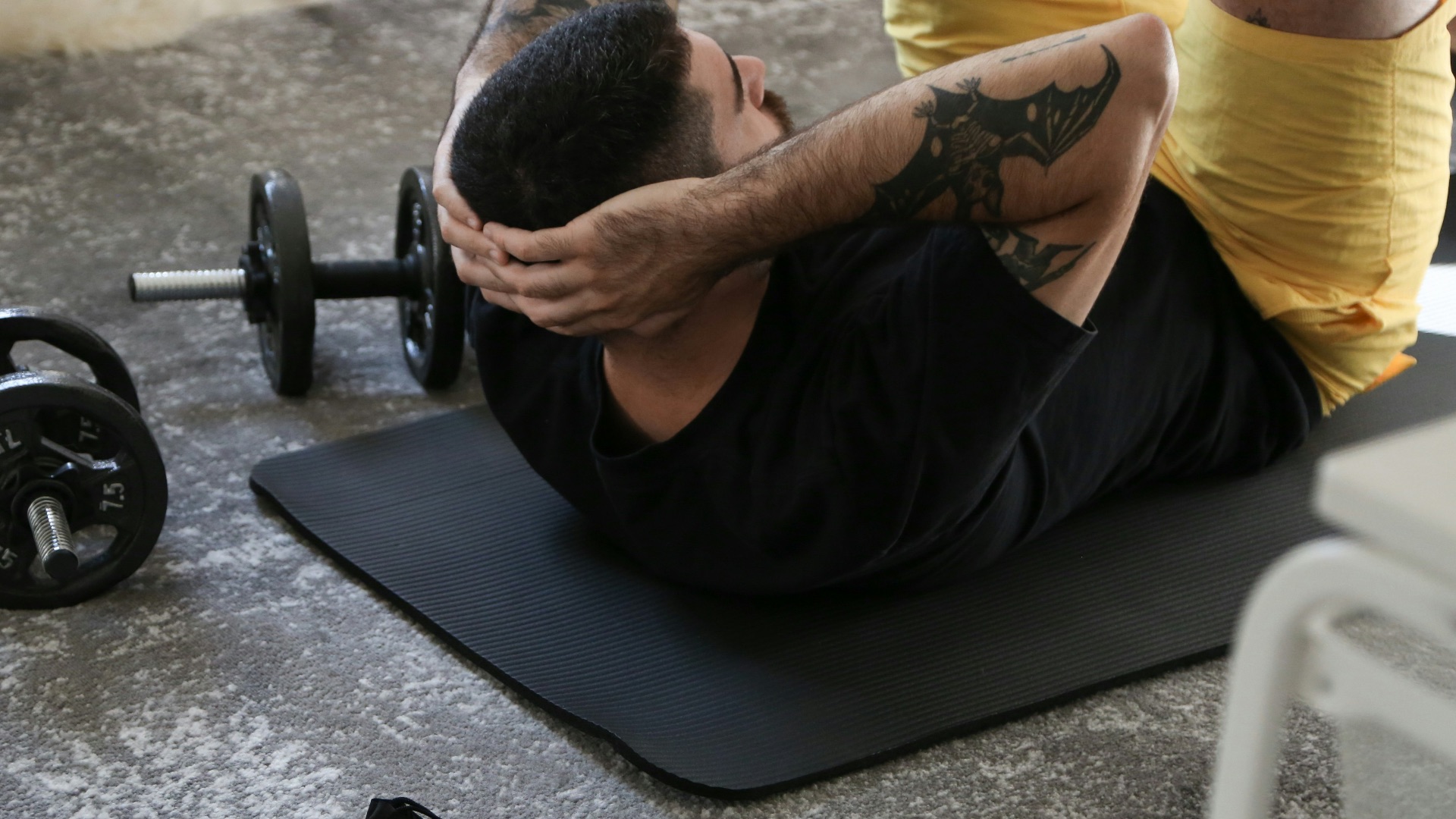
Pay attention to what happens when you stand or carry something heavy. If you aren't unconsciously shifting most of your weight onto one side, both knees are likely doing their jobs rather than one leg compensating for the other.

10. You Can Stay Active
It doesn’t matter if you walk most days, cycle on weekends, garden regularly, or keep up with an exercise class—whatever your schedule, it looks best without your knees calling the shots. If they continue letting you participate comfortably and consistently, that's a much more meaningful sign than whether they make a little noise.