Thin Air, Strange Days
The air on a mountaintop has the same 21% oxygen as the air at the beach. What drops is the pressure, and at 10,000 feet each breath pulls in roughly 30% fewer oxygen molecules than it would at sea level. Your body notices within minutes and keeps adjusting for weeks depending on how long you stay. Some of those changes are harmless and a little funny, while a few send people back down the trail in a hurry. Here's 20 things that happen to your body at high altitude.
1. You Breathe Faster
Before you feel anything else, your breathing picks up. Tiny sensors in the carotid arteries of your neck register the drop in oxygen and tell your lungs to work harder, even while you're sitting still. On a hotel staircase in Breckenridge, a single flight can leave you puffing like you just ran for a bus.
2. Your Heart Speeds Up
A resting pulse of 60 at home can creep into the 70s or higher on your first day up high. Each beat delivers less oxygen than it used to, so your heart makes up the difference with volume. Over several days the rate usually settles back toward normal as other adjustments take over.
3. You Pee More
The midnight bathroom trips are part of the process. Fast breathing blows off carbon dioxide and throws your blood chemistry out of balance, and your kidneys dump bicarbonate to correct it. Doctors call this altitude diuresis, and they generally treat it as a sign that acclimatization is on track.
4. Headaches Show Up
According to the CDC's Yellow Book, acute mountain sickness can start around 8,000 feet. It usually begins as a pounding headache within a day of arrival, often with nausea and the heavy tiredness of a hangover. The standard advice is to stop climbing until it passes and to descend if it gets worse.
5. Sleep Gets Weird
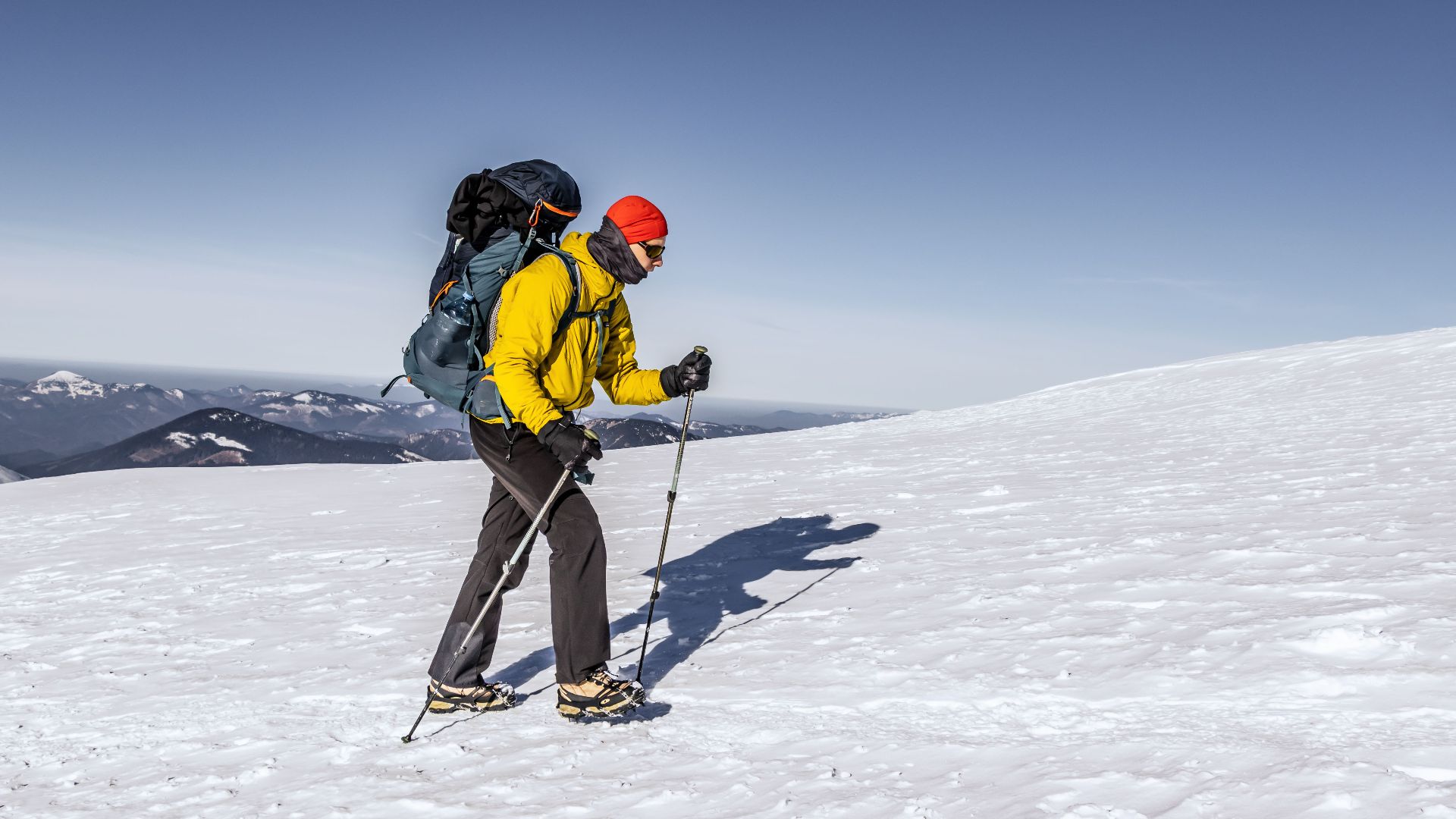
At night your breathing can stall for several seconds and then restart in a burst of deep gasps. The pattern is called periodic breathing, and it's usually harmless, though it can jolt you awake feeling like you're suffocating. A tentmate listening in the dark tends to find it more alarming than you do.
6. Food Loses Its Appeal
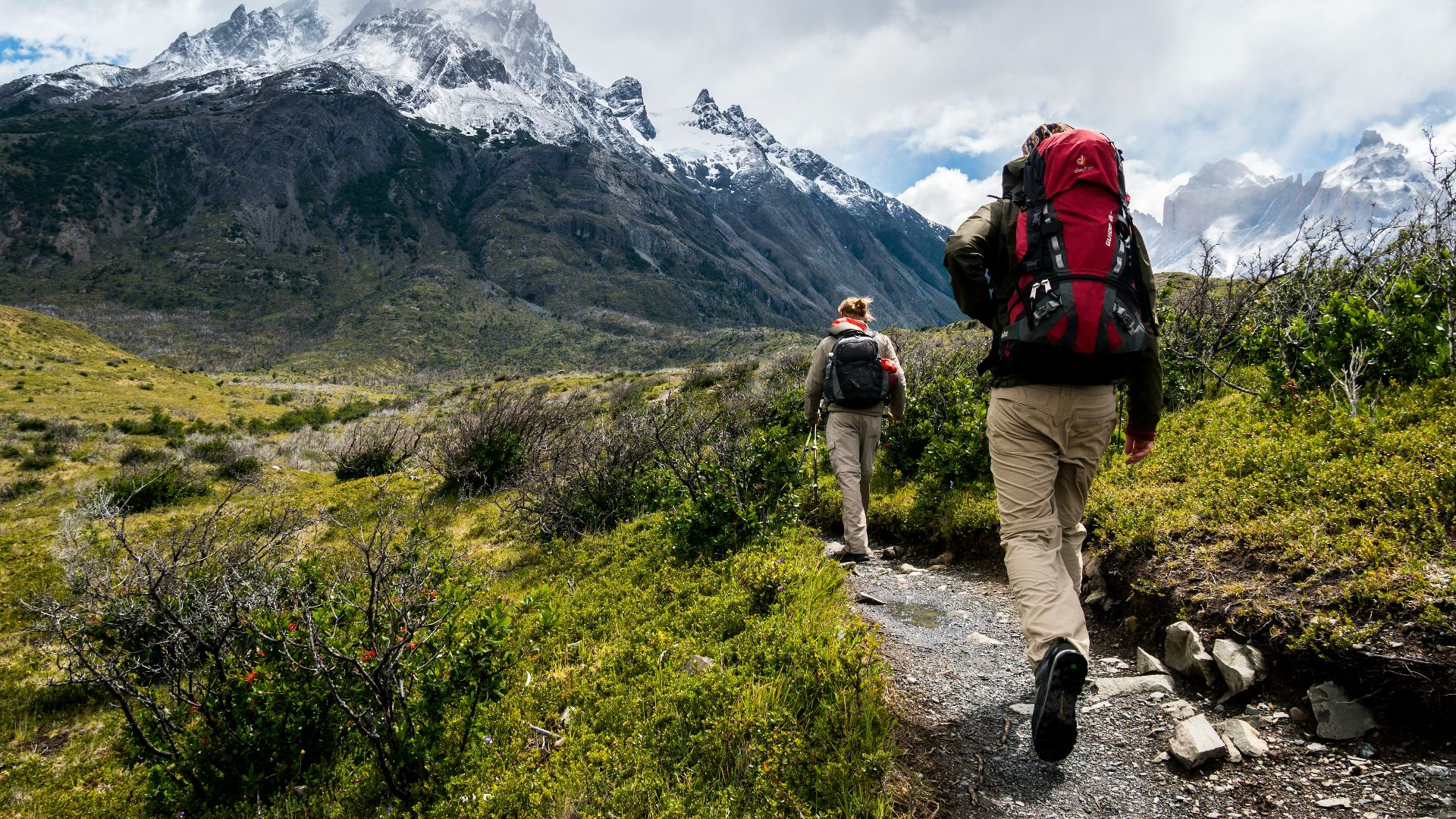
Mountaineers on long expeditions often have to force themselves to eat. Even a hot bowl of pasta after a full day on the trail can look like more than you want. Keeping snacks in a jacket pocket is an old climbing trick for getting calories down a few bites at a time.
7. Gas Happens
In 1981, physicians Paul Auerbach and York Miller published a paper in the Western Journal of Medicine on high altitude flatus expulsion. That's a formal name for getting gassy in the mountains, and lower air pressure letting gas in your gut expand is the leading explanation.
8. Your Nose Dries Out
Mountain air holds very little moisture, and the lining of your nose is the first place you notice it. Nosebleeds come easily up there, especially after a night in an overheated hotel room. Plenty of hikers pack saline spray for exactly this reason.
9. You Lose Water Faster
Every exhale carries moisture out of your body, the same fog you see on a cold morning, and at altitude you're taking far more of them. Add the extra bathroom trips and it's easy to get dehydrated without ever feeling very thirsty. Pale urine is the low-tech way to check that you're keeping up.
10. Sunburn Comes Quicker
The World Health Organization estimates that UV levels climb about 10% with every 1,000 meters you climb. Fresh snow can bounce back up to 80% of that UV, per the same WHO guidance, which is how skiers end up with sunburned nostrils.
11. Blood Oxygen Drops
Clip a pulse oximeter on your finger at sea level and it will usually read between 95% and 100%. On top of a Colorado fourteener, healthy people who haven't acclimatized often see numbers in the mid to high 80s. A reading like that in a hospital would get a nurse's attention fast.
12. Workouts Feel Harder
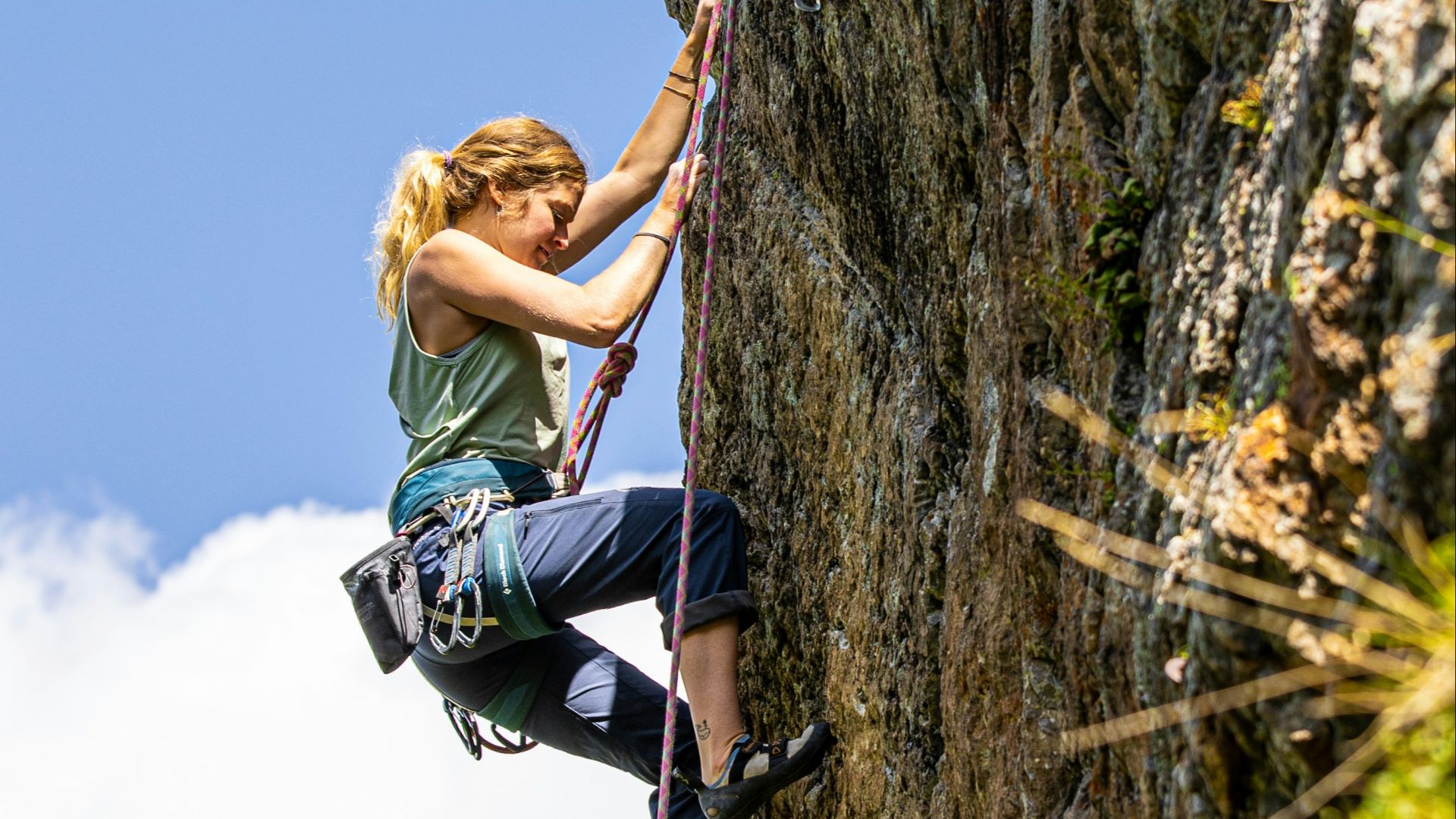
The 1968 Olympics in Mexico City, at about 7,350 feet, slowed down the distance runners while helping the jumpers. Runners from Kenya and Ethiopia, who grew up at altitude, won several of the longer events. Bob Beamon's long jump of 8.90 meters set a world record there that lasted almost 23 years.
13. Your Blood Changes
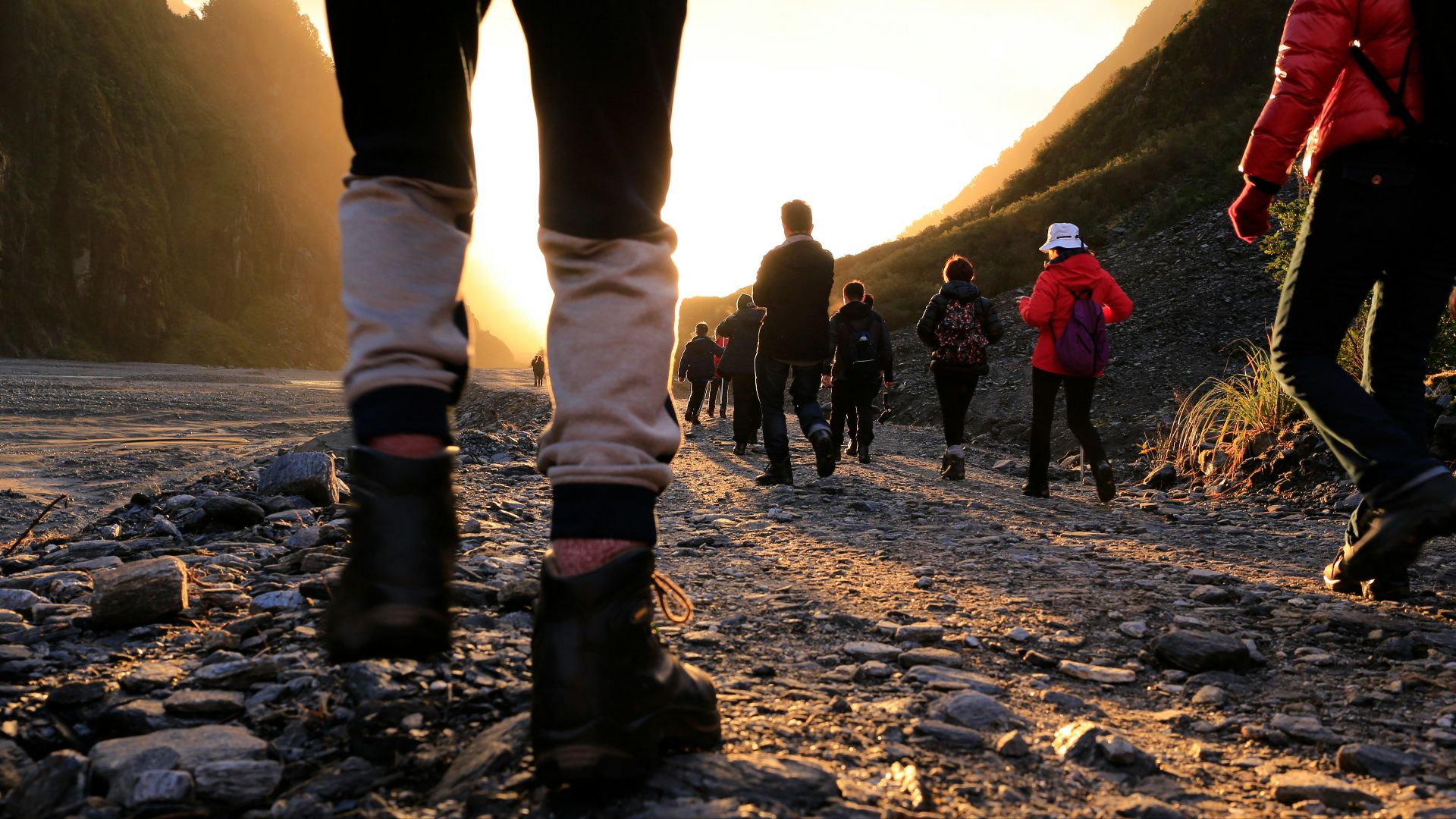
Stay up high for a few weeks and the kidneys start releasing more of the hormone EPO, which tells your bone marrow to make extra red blood cells. That's the whole idea behind altitude training camps in towns like Flagstaff, Arizona. Tibetans tend to have lower hemoglobin levels than lowlanders who move up, thanks in part to a gene variant called EPAS1 that a 2014 study in Nature traced back to Denisovans.
14. Hands and Face Swell
Waking up at a mountain lodge with a rounder face than you went to bed with is a fairly common experience. Rings can get tight, and your eyelids may look like you had a long night. The puffiness usually fades after you drive back down, sometimes by the next morning.
15. Your Ears Pop
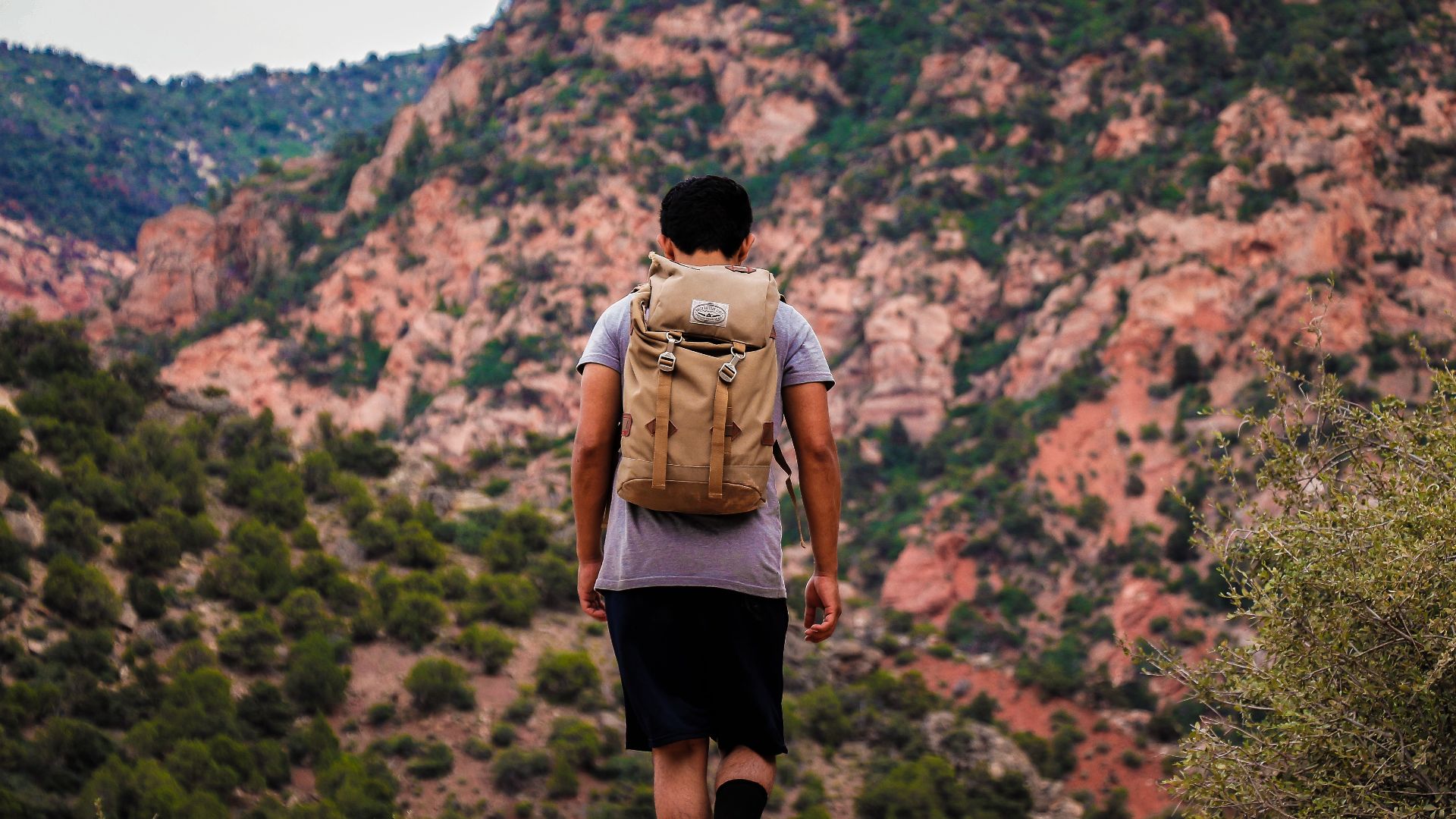
The pressure in your middle ear has to match the air outside, and on a winding mountain road it keeps falling behind. Swallowing or yawning opens the small tubes that connect your ears to your throat and lets things even out. A sealed bag of chips puffs up on the drive for the same reason.
16. Thinking Slows Down
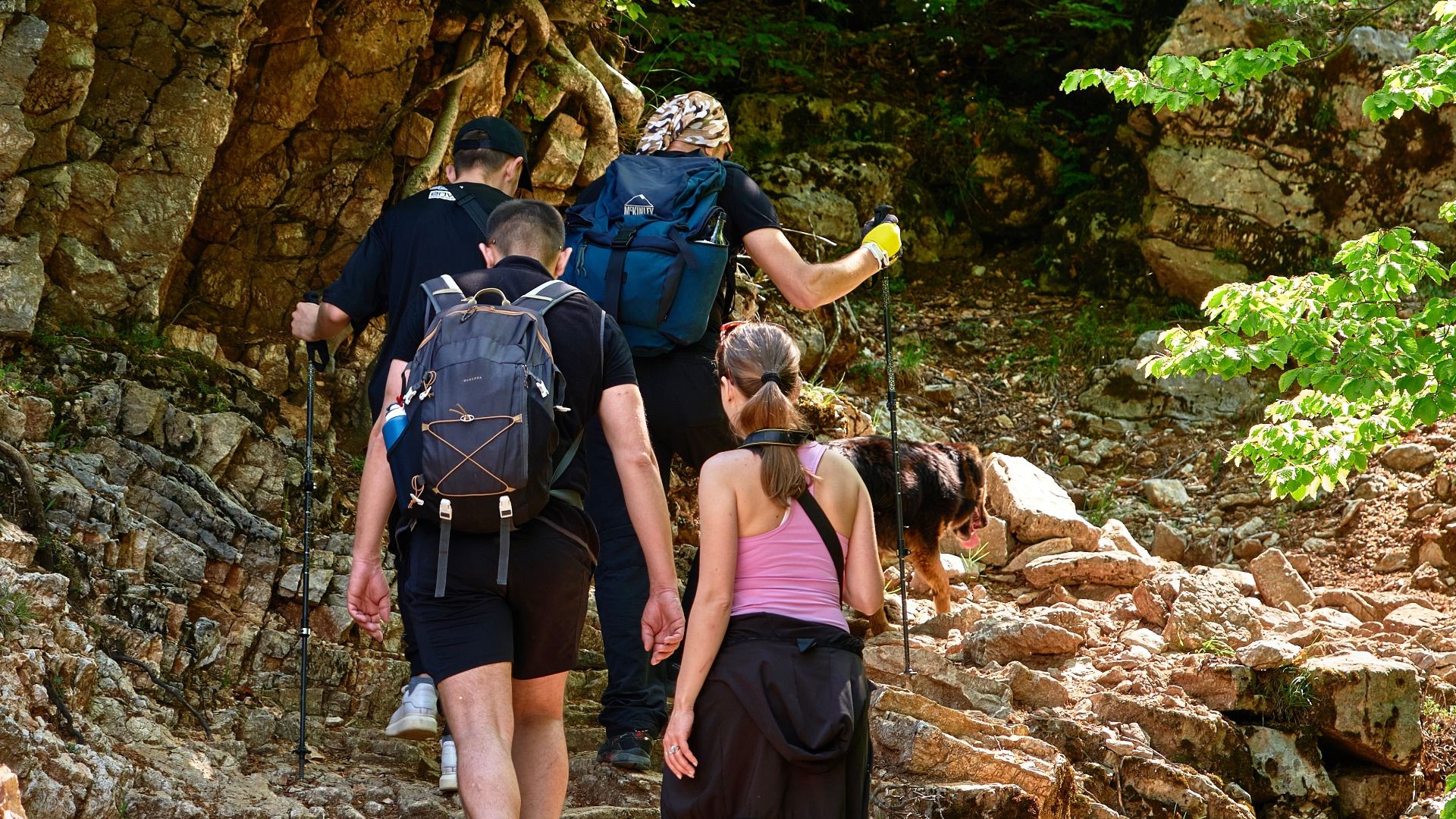
Federal aviation rules require pilots to use supplemental oxygen when they spend more than 30 minutes above 12,500 feet in an unpressurized cabin. Low oxygen slows reaction time and dulls judgment, often before the person affected notices anything wrong. Climbers set a firm turnaround time before a summit push partly with that in mind.
17. Fluid Can Fill the Lungs
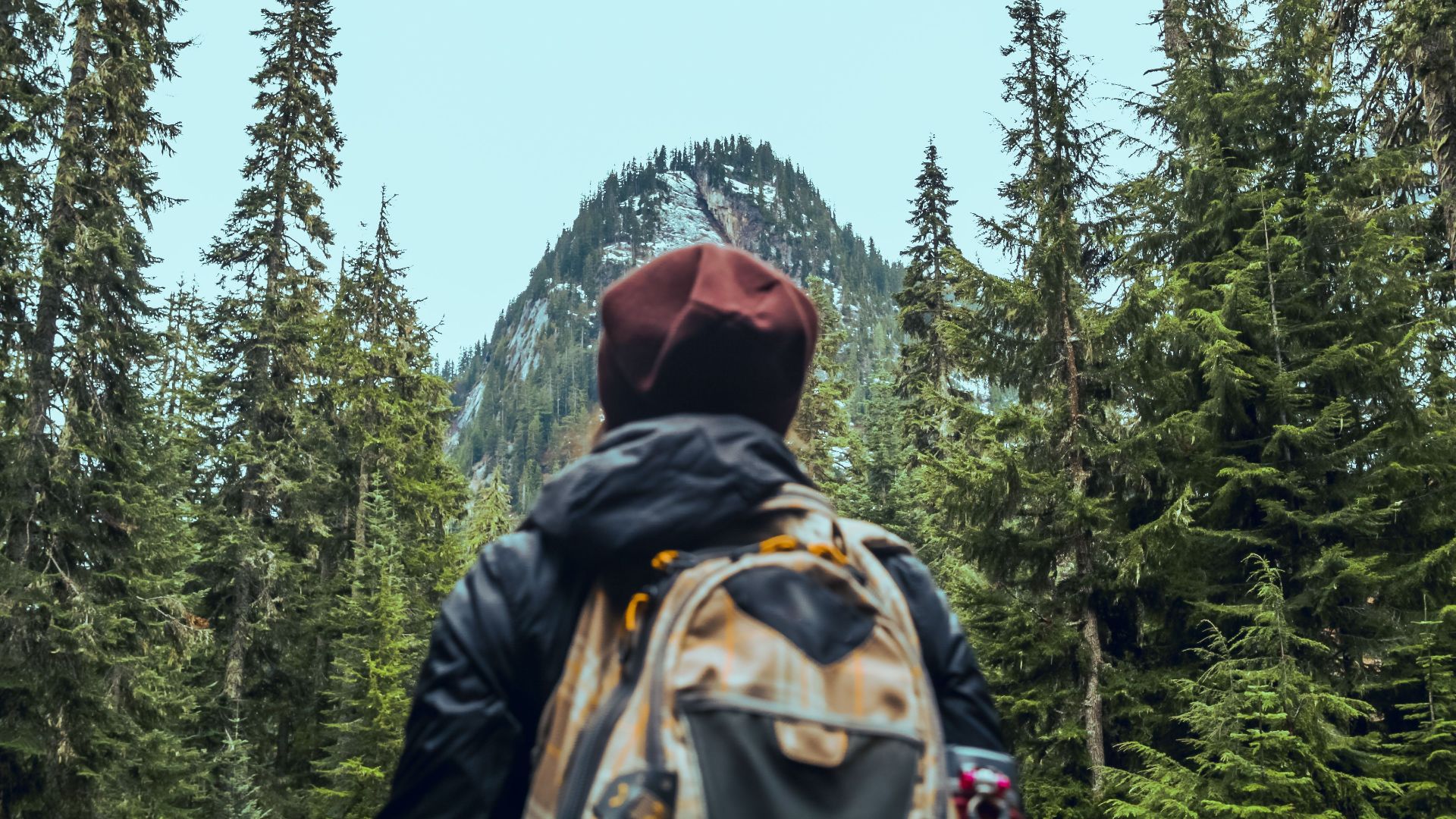
A dry cough and breathlessness while resting are two warning signs of high altitude pulmonary edema, where fluid leaks into the lungs. It happens because blood vessels in the lungs tighten unevenly in response to low oxygen, which raises pressure in some spots. The main treatment is descent, and even a drop of a couple thousand feet can bring fast relief.
18. The Brain Can Swell
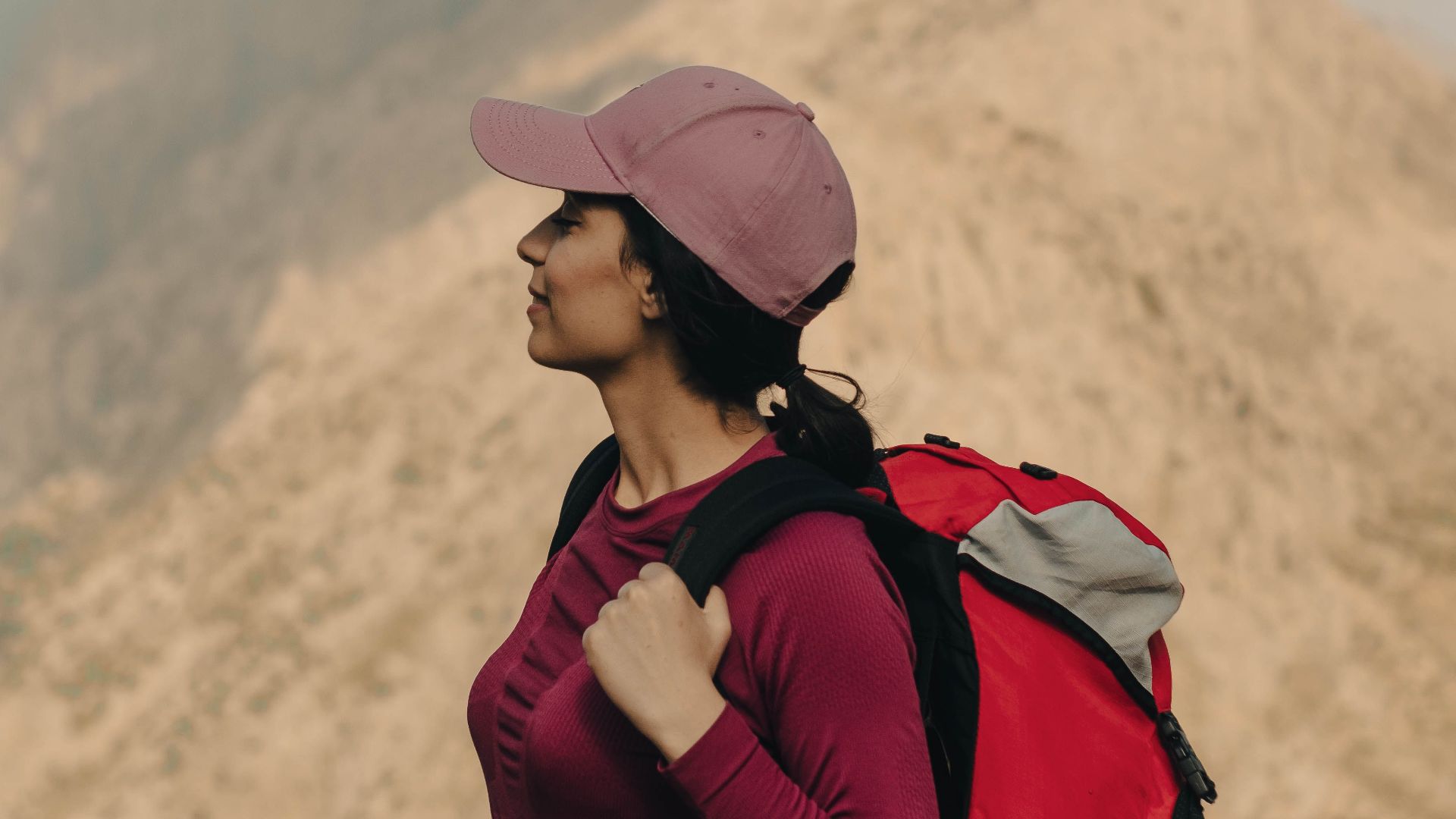
Walk heel to toe in a straight line, the way a police officer might ask on the roadside. Climbers use that same test to check for high altitude cerebral edema, a dangerous swelling of the brain that makes people stumble and act confused. Anyone who can't manage the line needs to go down right away, even in the middle of the night.
19. You Lose Weight
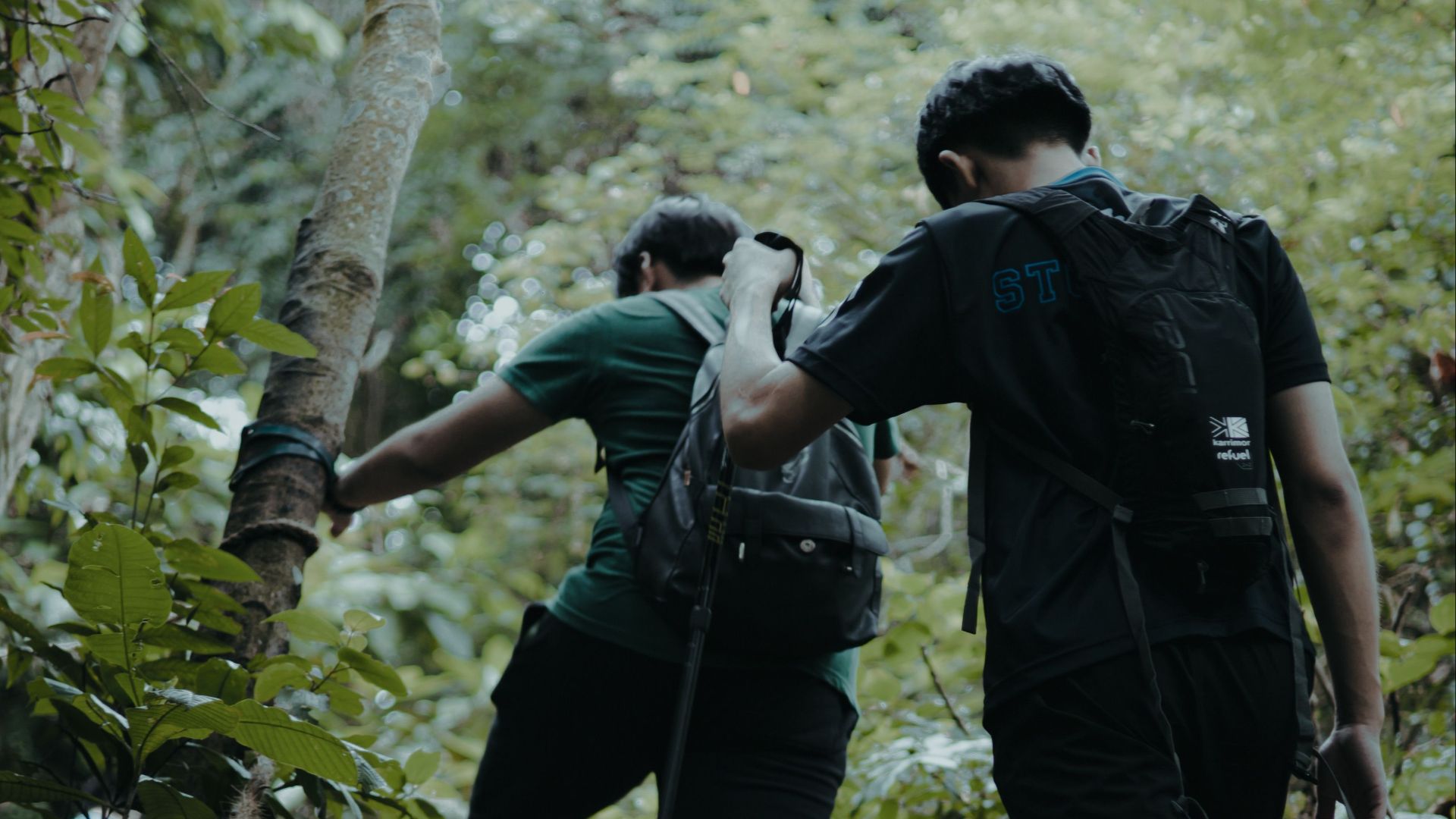
In Operation Everest II, a 1985 study that took eight volunteers to the equivalent of Everest's summit over 40 days inside a pressure chamber, the subjects lost weight despite having plenty of food available. Some of what they lost was muscle. The body burns extra energy up high just to breathe and stay warm, and it does that while the appetite shrinks.
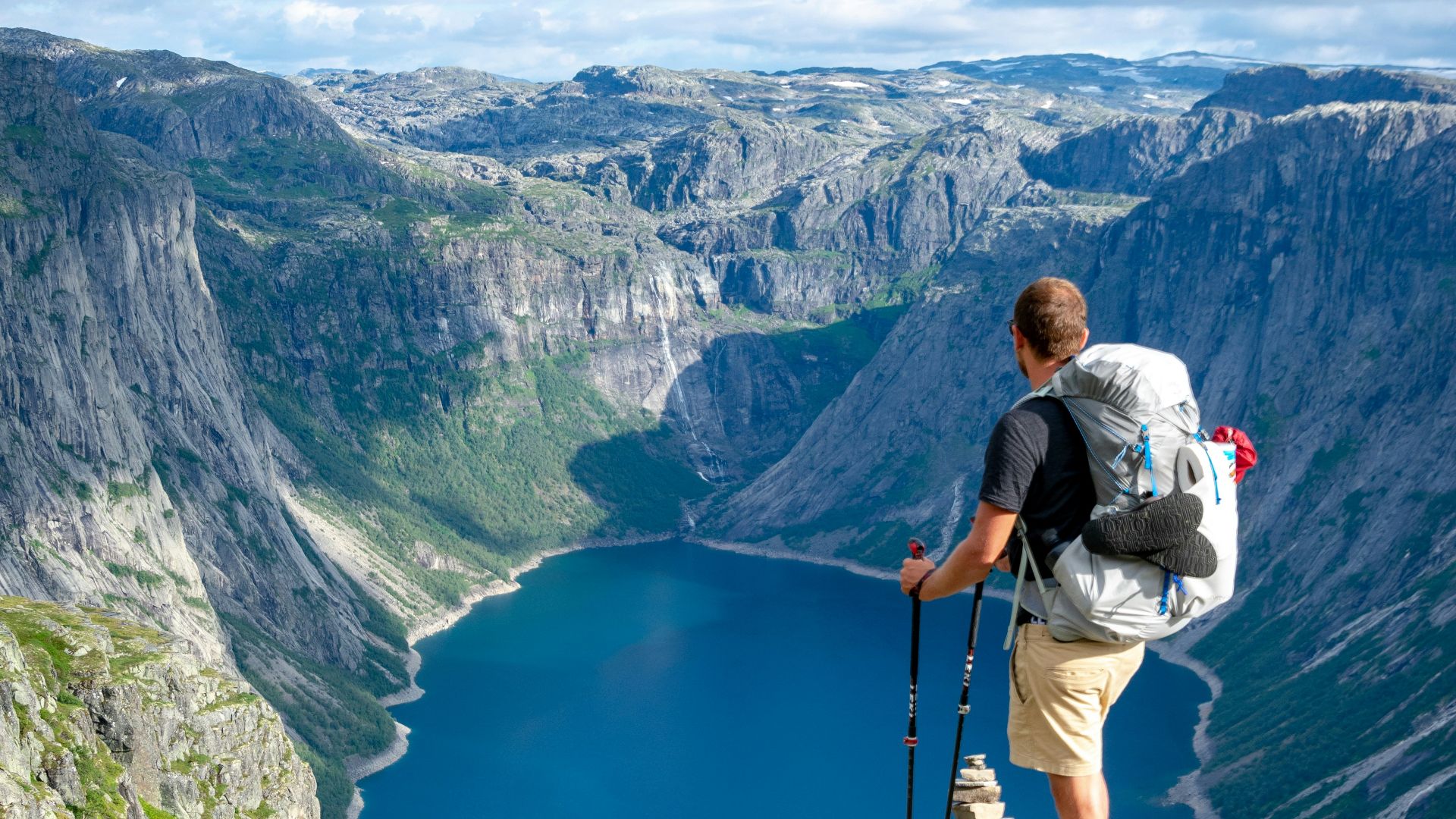 Sébastien Goldberg on Unsplash
20. The Death Zone
Above roughly 26,000 feet, the human body can't adapt no matter how long it stays. Climbers call anything over 8,000 meters the death zone, and on Everest most of them carry bottled oxygen through it. Summit pushes usually leave the high camp around midnight so climbers can reach the top and get back down before their bodies run out of reserve, with headlamps on for the first several hours.
KEEP ON READING
20 Things Your Body Is Secretly Doing Right Now

20 Things That Happen to Your Body at High Altitude