Lucky Breaks in the Lab
Medicine likes to sanitize its history as a march of careful experiments, and much of it was exactly that. A surprising share of the treatments we rely on started with a dirty dish or a wrong resistor pulled from a parts bin. Several more showed up as side effects nobody was looking for. A few of these discoveries began outside the lab entirely, in a Wisconsin barn or on a city streetcar. Here's 20 cures that were complete accidents.
 Marco giuffre1993 on Wikimedia
1. Penicillin
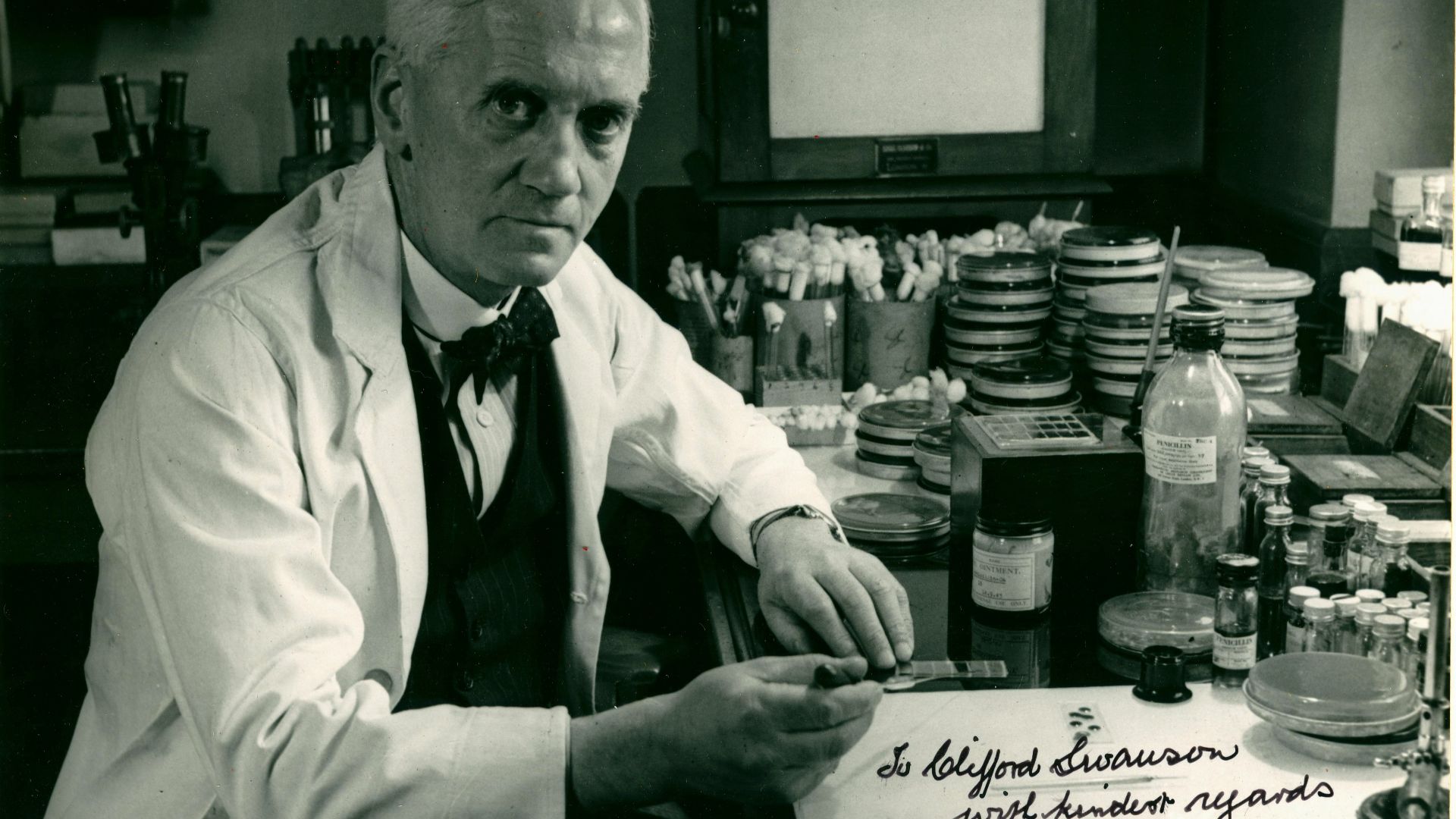
Alexander Fleming came back from vacation in September 1928 to find mold on a bacteria plate he'd left out, and the bacteria around it had died. It took another decade, and an Oxford team led by Howard Florey and Ernst Chain, to turn that dish into a usable drug. All three men shared the 1945 Nobel Prize in Physiology or Medicine.
2. Nitrous Oxide
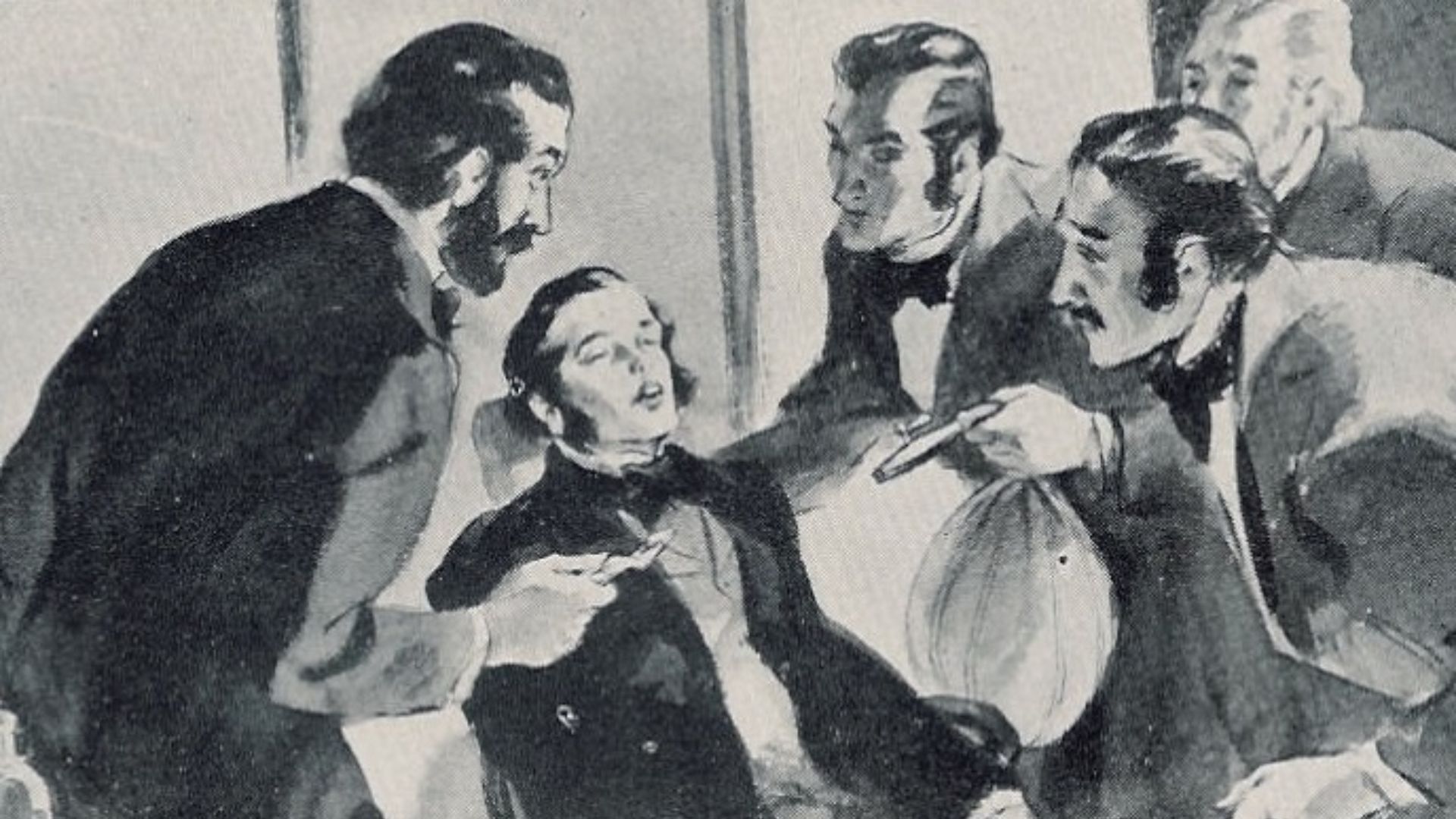
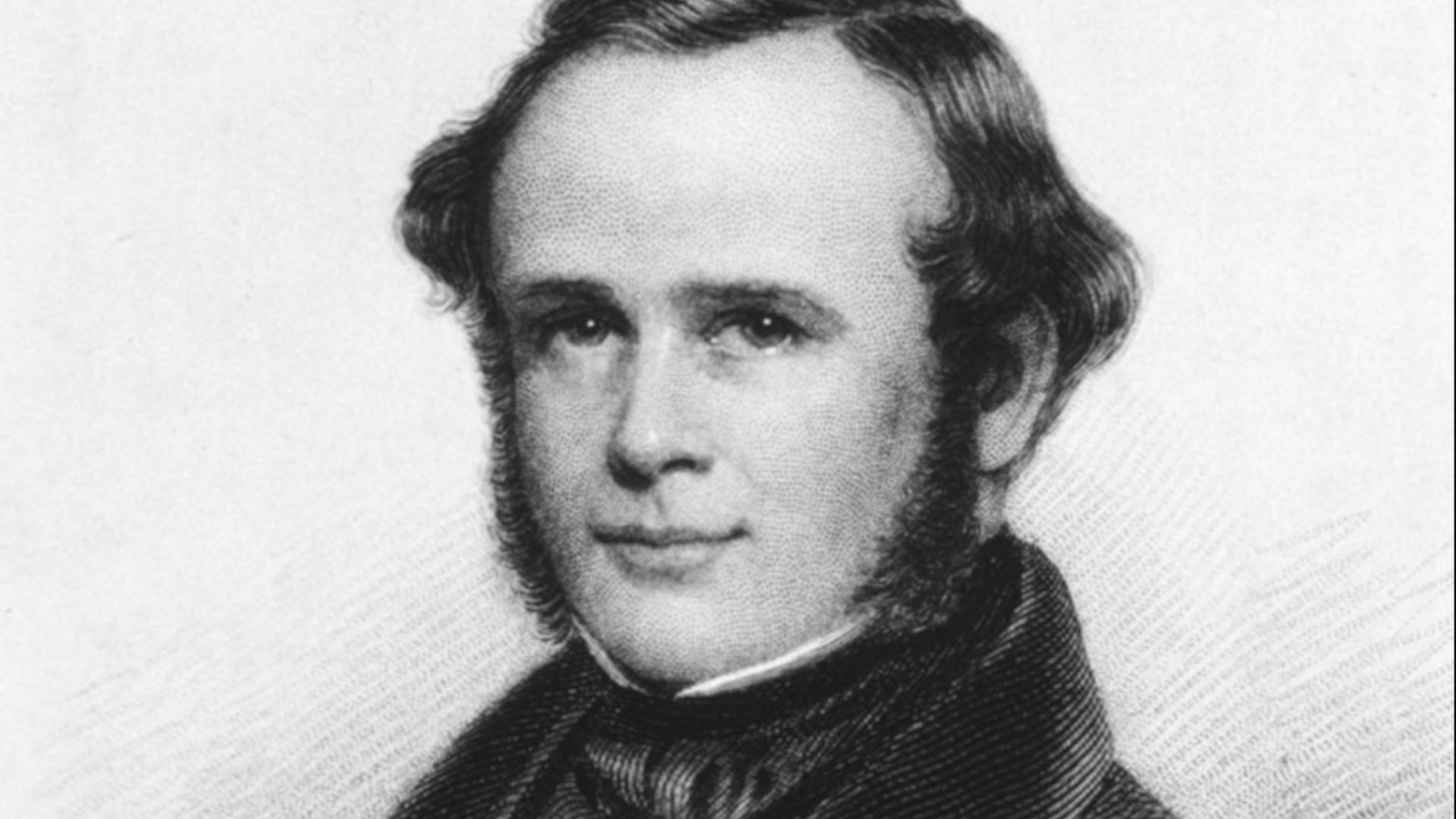
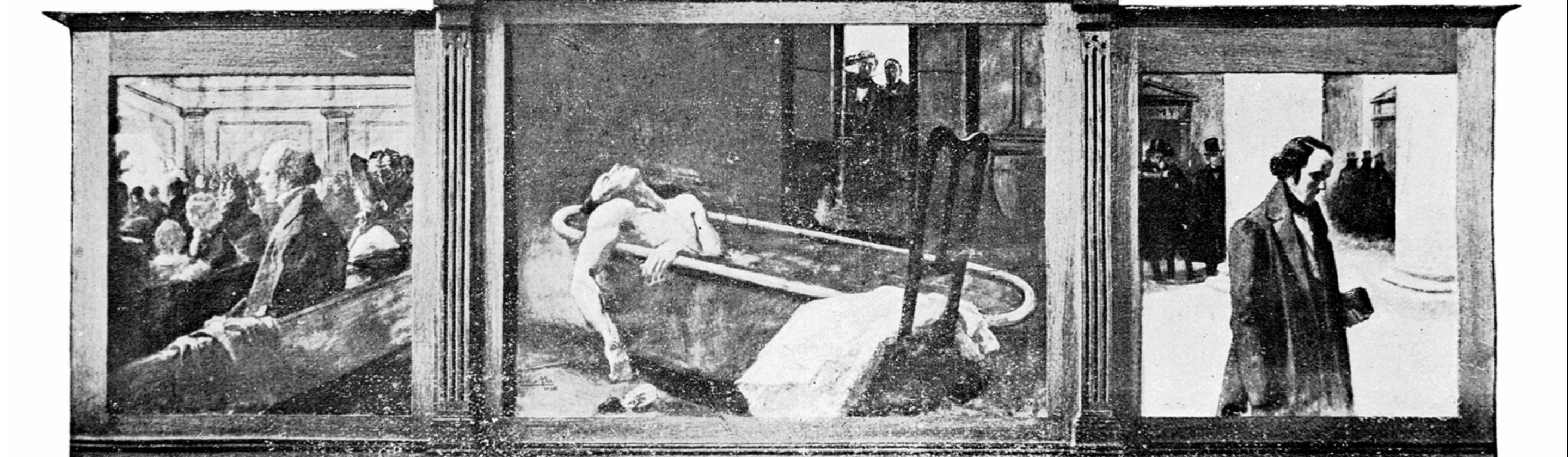
At a laughing gas show in Hartford in 1844, dentist Horace Wells watched a volunteer gash his leg and keep grinning, and the man said afterward that he'd felt nothing. The next day, Wells inhaled the gas himself and had a colleague pull one of his teeth. A public demonstration in Boston a few weeks later went badly when the patient yelled mid-extraction and the crowd jeered Wells out of the room.
 Henry Bryan Hall († 1884) on Wikimedia
3. Nitroglycerin
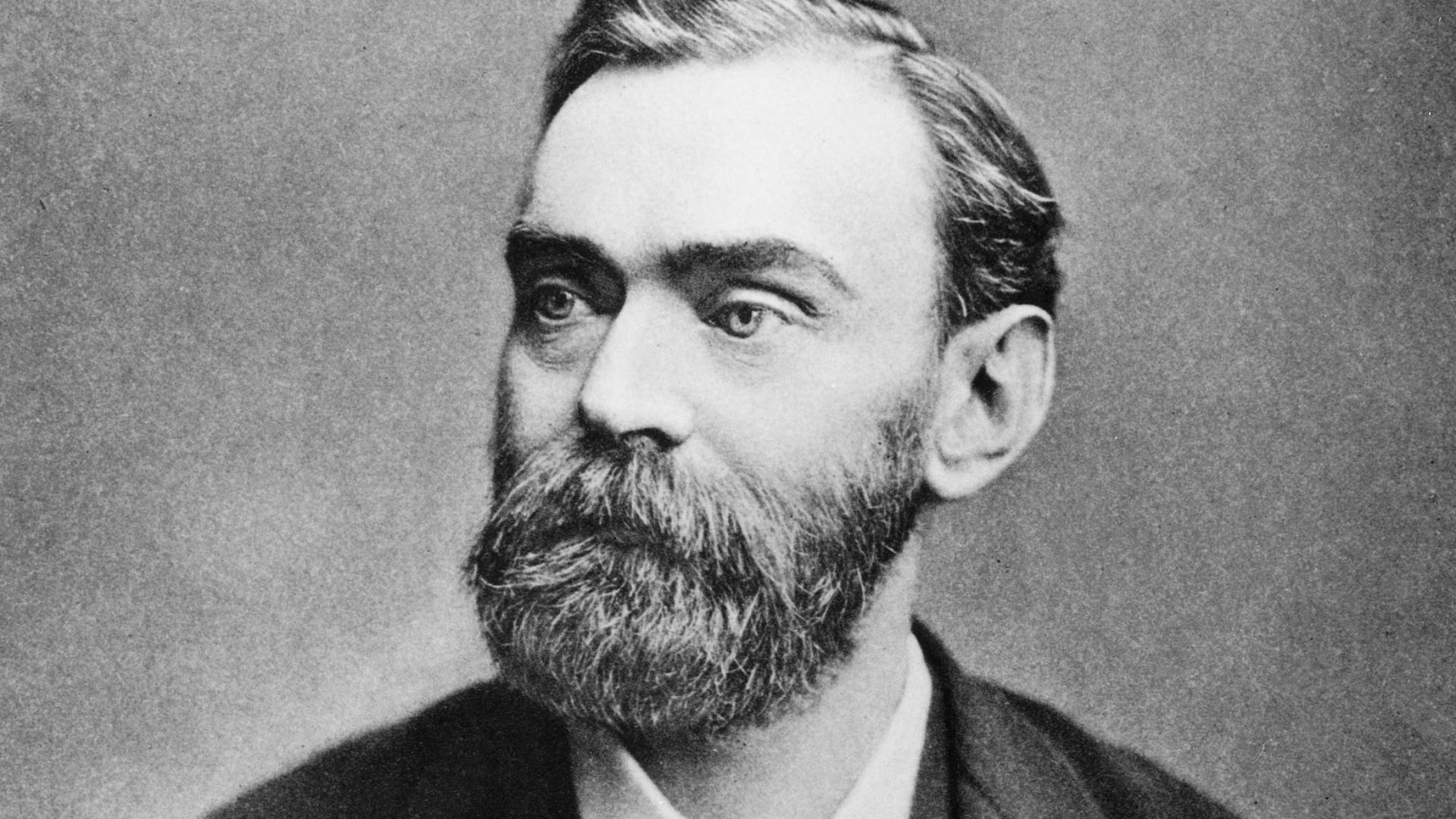
Alfred Nobel built a fortune on nitroglycerin as an explosive, after his younger brother Emil died in a nitroglycerin blast in 1864. Doctors noticed that the compound widened blood vessels, and in 1879 the physician William Murrell published results using tiny doses for chest pain. Late in life, Nobel's own doctors prescribed it for his heart, an irony he pointed out in a letter.
 Unknown authorUnknown author on Wikimedia
4. The Pancreas
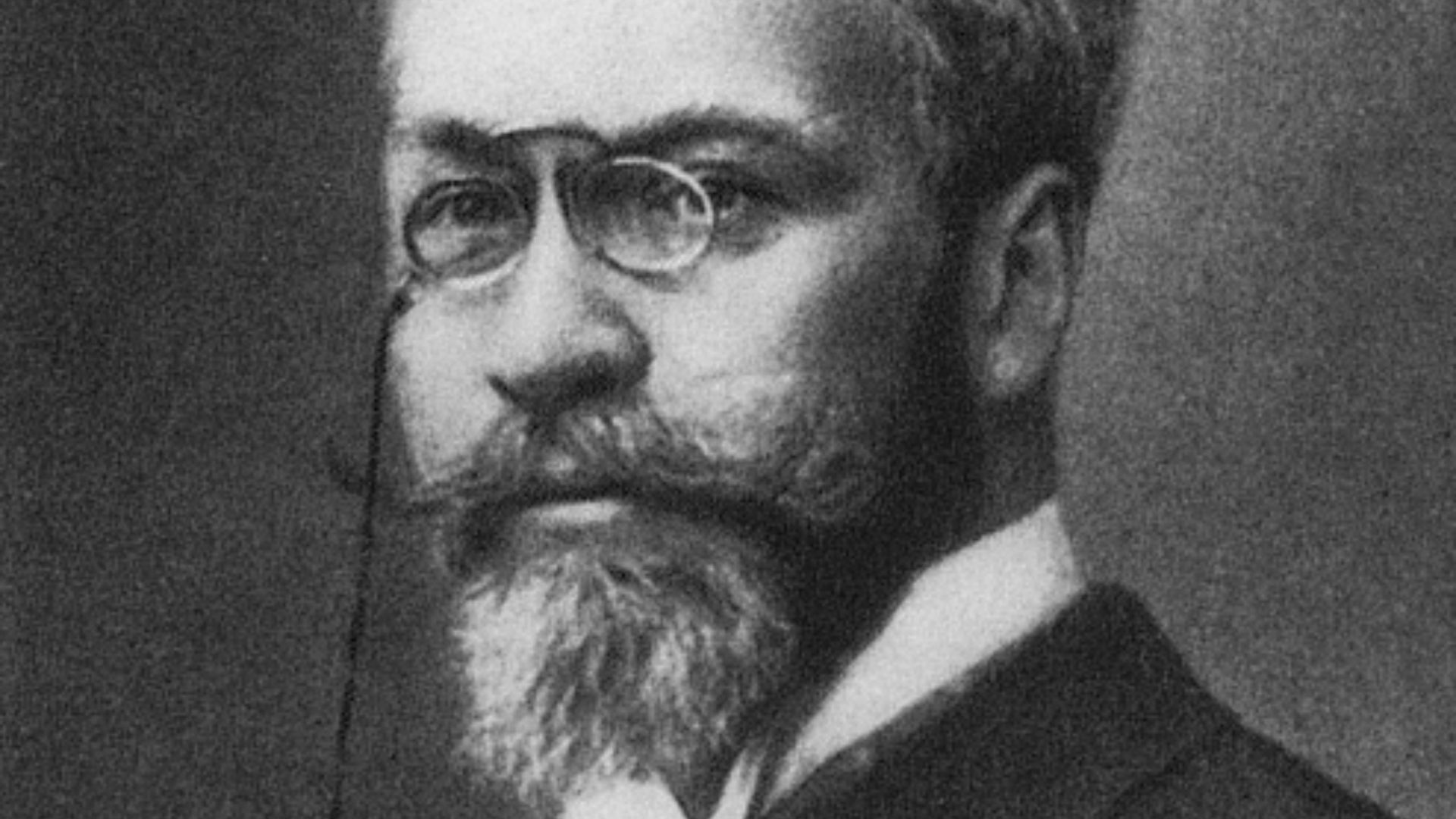
In 1889, Oskar Minkowski and Joseph von Mering removed a dog's pancreas to study digestion. The dog developed diabetes, and according to the version told for decades afterward, the first clue was flies swarming the sugary urine on the lab floor. Frederick Banting's team isolated insulin in Toronto 32 years later.
 AnonymousUnknown author on Wikimedia
5. Heparin
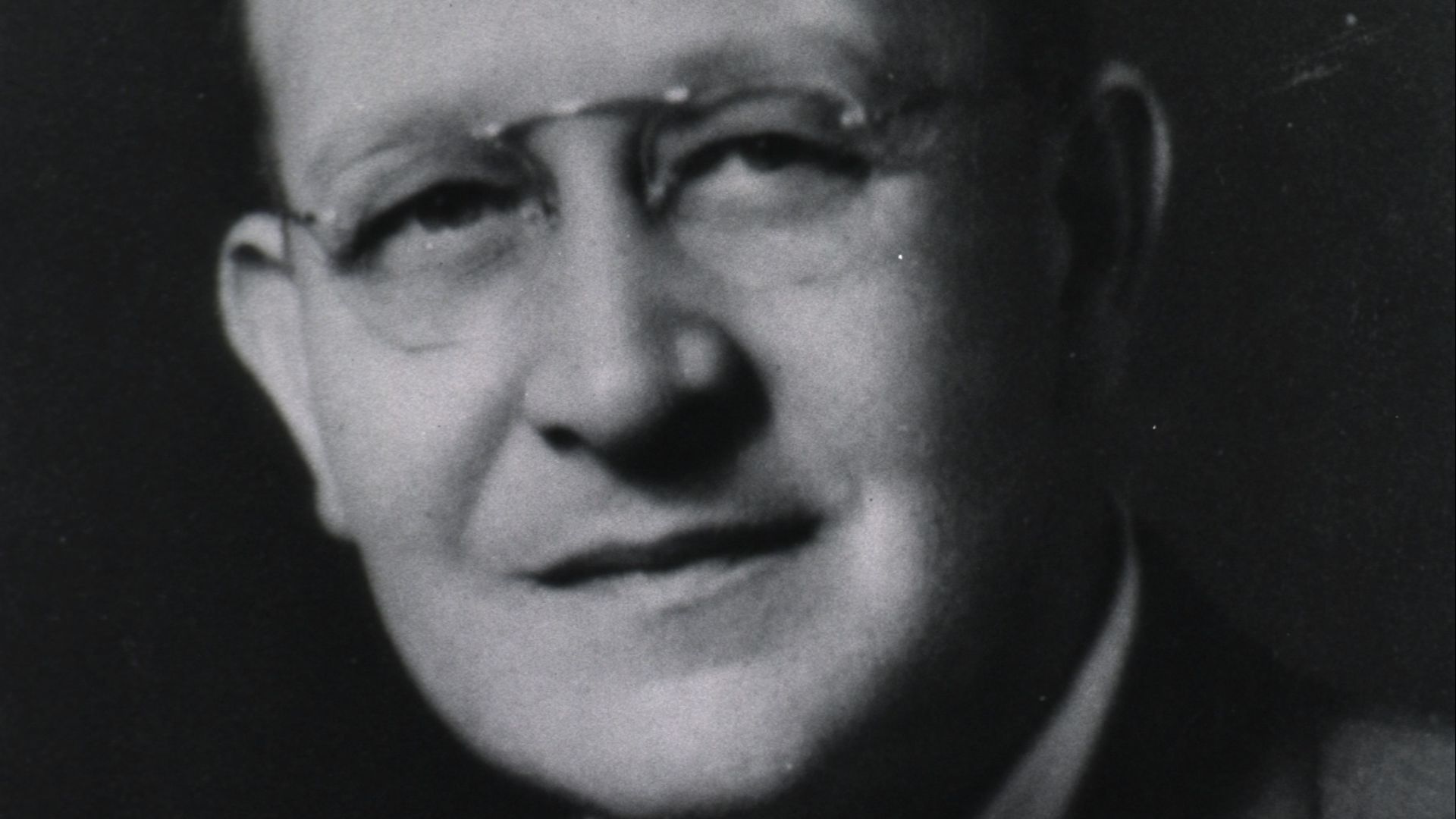
Jay McLean was a second-year medical student at Johns Hopkins in 1916, looking for something that would help blood clot. The extract he pulled from dog liver did the opposite. Refined and renamed heparin, it's still used in hospitals every day to keep IV lines and dialysis machines from clotting.
 Dr. Brockbank. Manchester, England. on Wikimedia
6. Warfarin
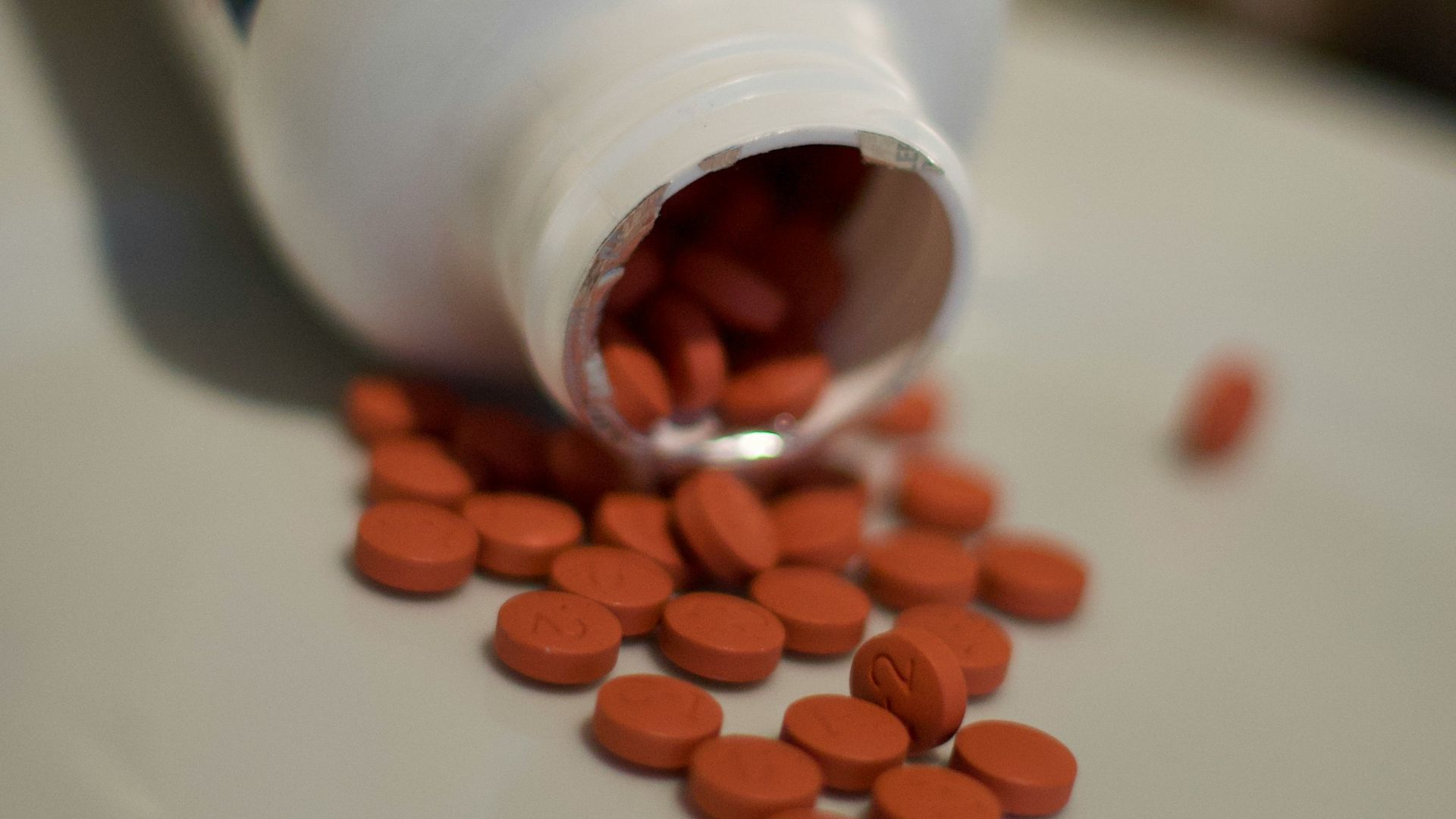
In a 1933 blizzard, a Wisconsin farmer drove a dead heifer and a milk can of unclotted blood to a university lab. His cattle had bled to death after eating spoiled sweet clover, and chemist Karl Paul Link's team traced the problem to a natural blood thinner. A stronger version became rat poison in 1948, and President Eisenhower took the same drug, warfarin, after his 1955 heart attack.
7. Chemotherapy
In 1943, a German air raid on the Italian port of Bari sank an American ship carrying a secret cargo of mustard gas. An Army doctor treating the survivors found strikingly low white blood cell counts. That observation added weight to Yale research by Louis Goodman and Alfred Gilman on nitrogen mustard, one of the first chemotherapy drugs.
 National Cancer Institute on Unsplash
8. Dramamine
An allergy patient in Baltimore in 1947 was taking a new antihistamine for hives when she mentioned that her usual streetcar sickness had disappeared. The next year, doctors tested the drug on soldiers crossing the Atlantic aboard the transport ship General Ballou. It hit pharmacy shelves as Dramamine, and you can buy it over the counter today.

9. Lithium
Guinea pigs in psychiatrist John Cade's hospital lab in Melbourne were getting injections of lithium salts in 1949, part of an experiment on uric acid, when they turned oddly calm. Cade took some himself to check that it was safe, then tried it on patients with severe mania and watched them improve. More than 75 years later, lithium remains a first-line treatment for bipolar disorder.
 Library of Congress on Unsplash
10. Chlorpromazine
Henri Laborit, a French naval surgeon, wanted a drug that would keep patients calm before surgery. In 1951 he saw that chlorpromazine made them strangely detached, and psychiatrists soon turned to it for psychosis. Within a few years it was helping empty the wards of psychiatric hospitals in Europe and the United States.
 Erling Mandelmann on Wikimedia
11. Iproniazid
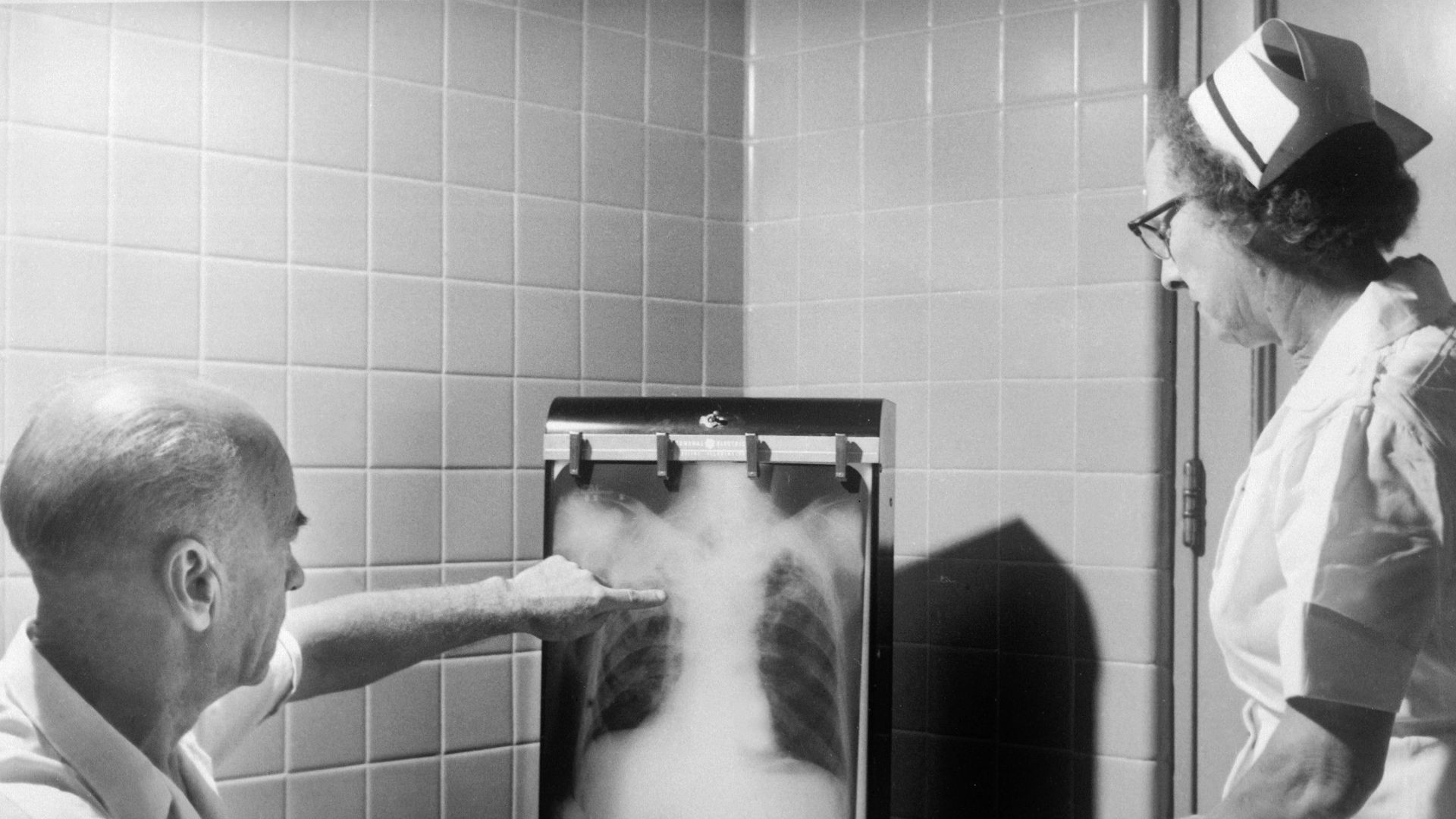
Tuberculosis patients at Sea View Hospital on Staten Island started a new drug in 1952, and some of them began dancing in the hallways while photographers captured the scene. Iproniazid came off the market within a decade because of liver damage, though drugs that work the same way are still prescribed for depression as MAO inhibitors.
12. The Pacemaker
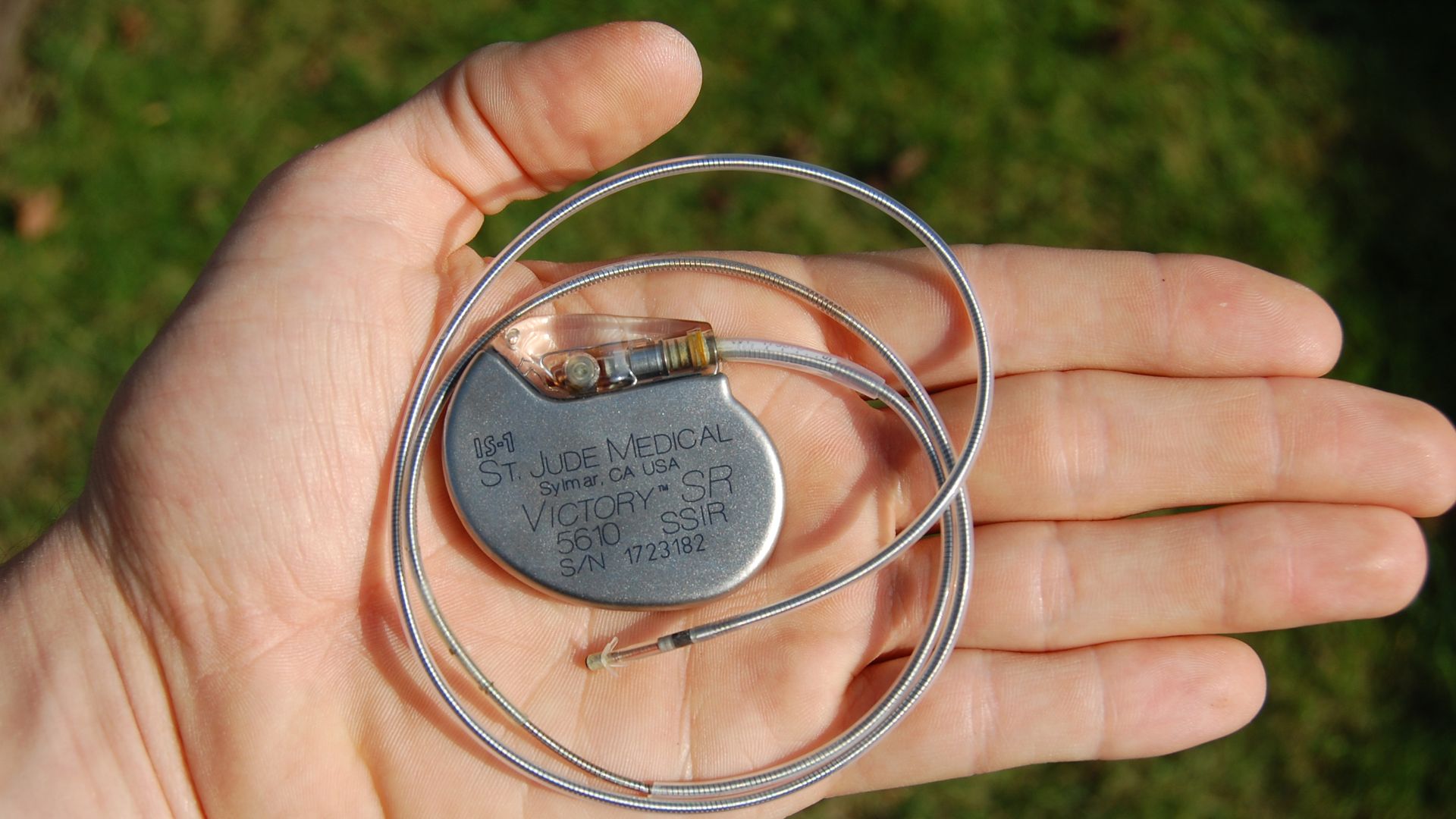
Wilson Greatbatch reached for a resistor while building a heart-rhythm recorder at the University of Buffalo in 1956 and grabbed the wrong one. The circuit started giving off steady electrical pulses, a lot like a heartbeat. That mistake became the basis of an implantable pacemaker, which surgeon William Chardack first placed in a patient in 1960.
 Steven Fruitsmaak on Wikimedia
13. Valproate
In 1962, a French lab was testing compounds for seizure control and dissolving each one in valproic acid. Every compound seemed to work, which made no sense. The solvent, first made back in 1882, turned out to be the active ingredient, and valproate is now a common epilepsy drug.
14. Thalidomide
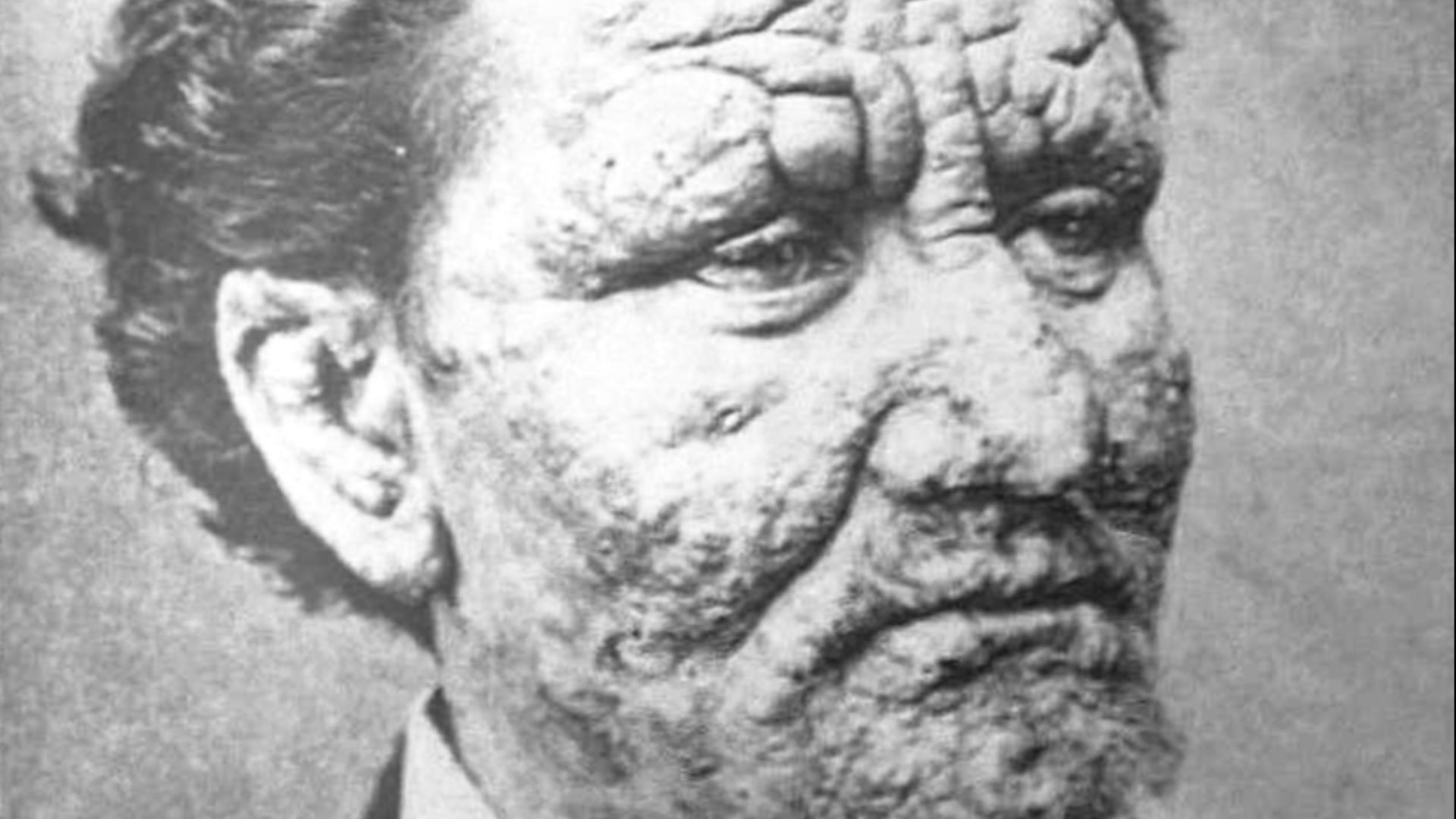
Thalidomide caused thousands of birth defects before it got a second act. In 1964, Dr. Jacob Sheskin in Jerusalem gave it to a leprosy patient who couldn't sleep, and the patient's painful skin lesions cleared. The FDA approved it for that complication in 1998 under tight restrictions, and later for the blood cancer multiple myeloma.
15. Cisplatin
Barnett Rosenberg wanted to see whether electric fields affected cell division, so in 1965 he ran a current through a dish of bacteria at Michigan State. The cells stopped dividing, and the culprit was a platinum compound leaking from the electrodes. Approved in 1978 as cisplatin, it helped raise survival for testicular cancer from grim odds to above 90%.
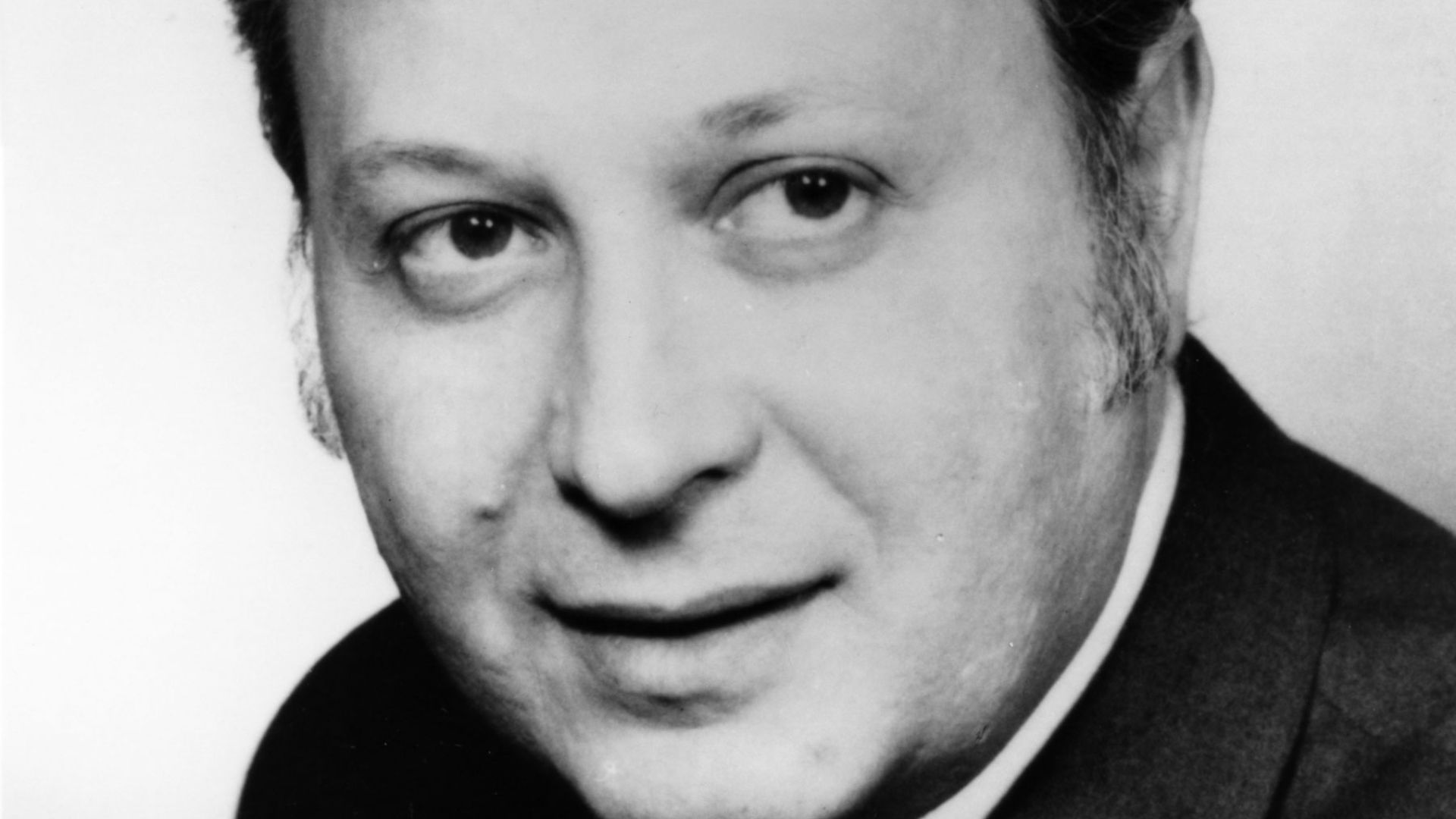 General Motors Cancer Research Foundation, unknown photographer on Wikimedia
16. Botox
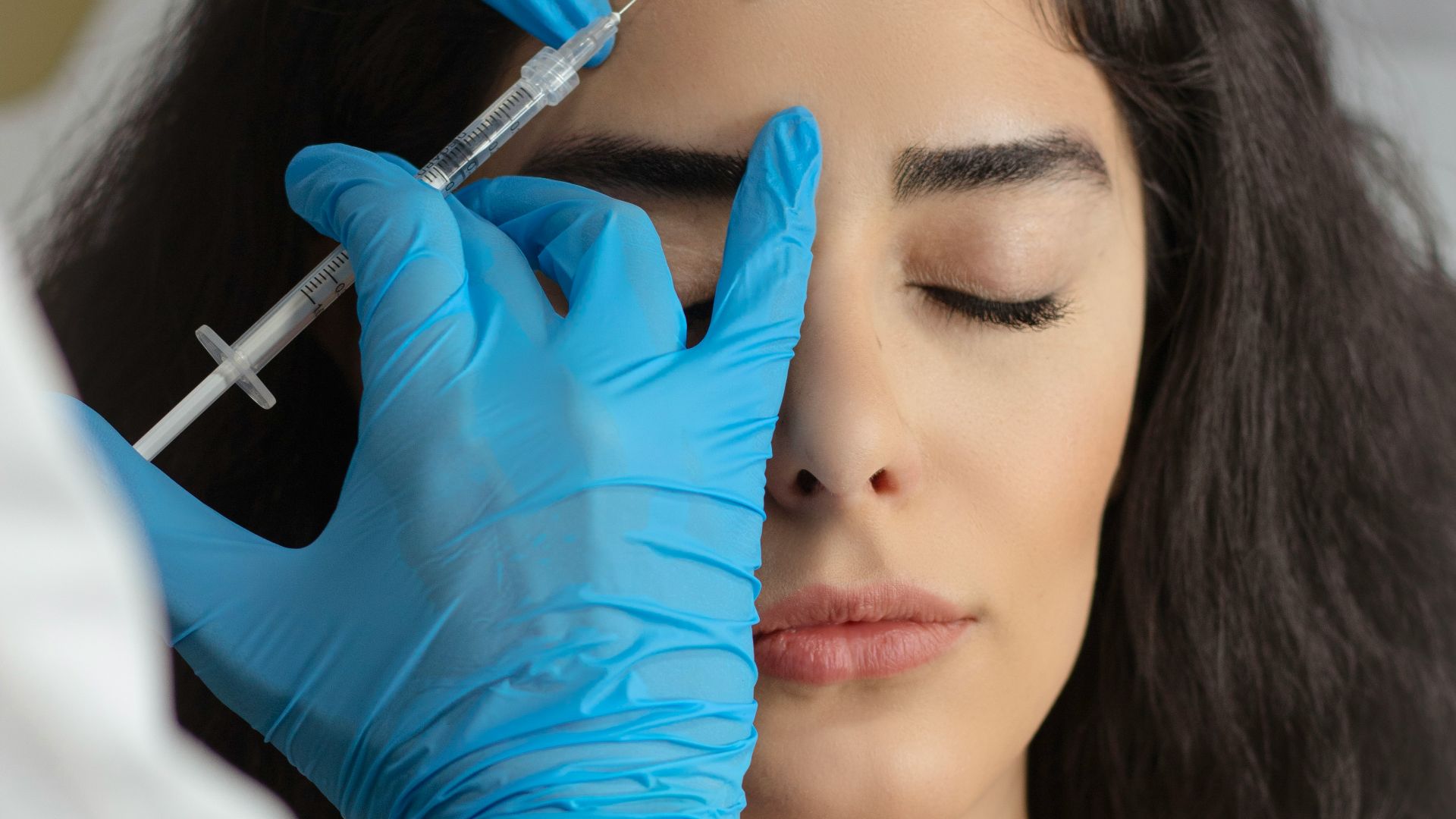
In 1987, one of Jean Carruthers's eyelid-spasm patients came back to her Vancouver office asking for another dose of botulinum toxin. The frown lines between her eyes had smoothed out, and she wanted them to stay that way. Carruthers told her husband Alastair, a dermatologist, and the two published the first paper on cosmetic Botox in 1992.
17. Minoxidil
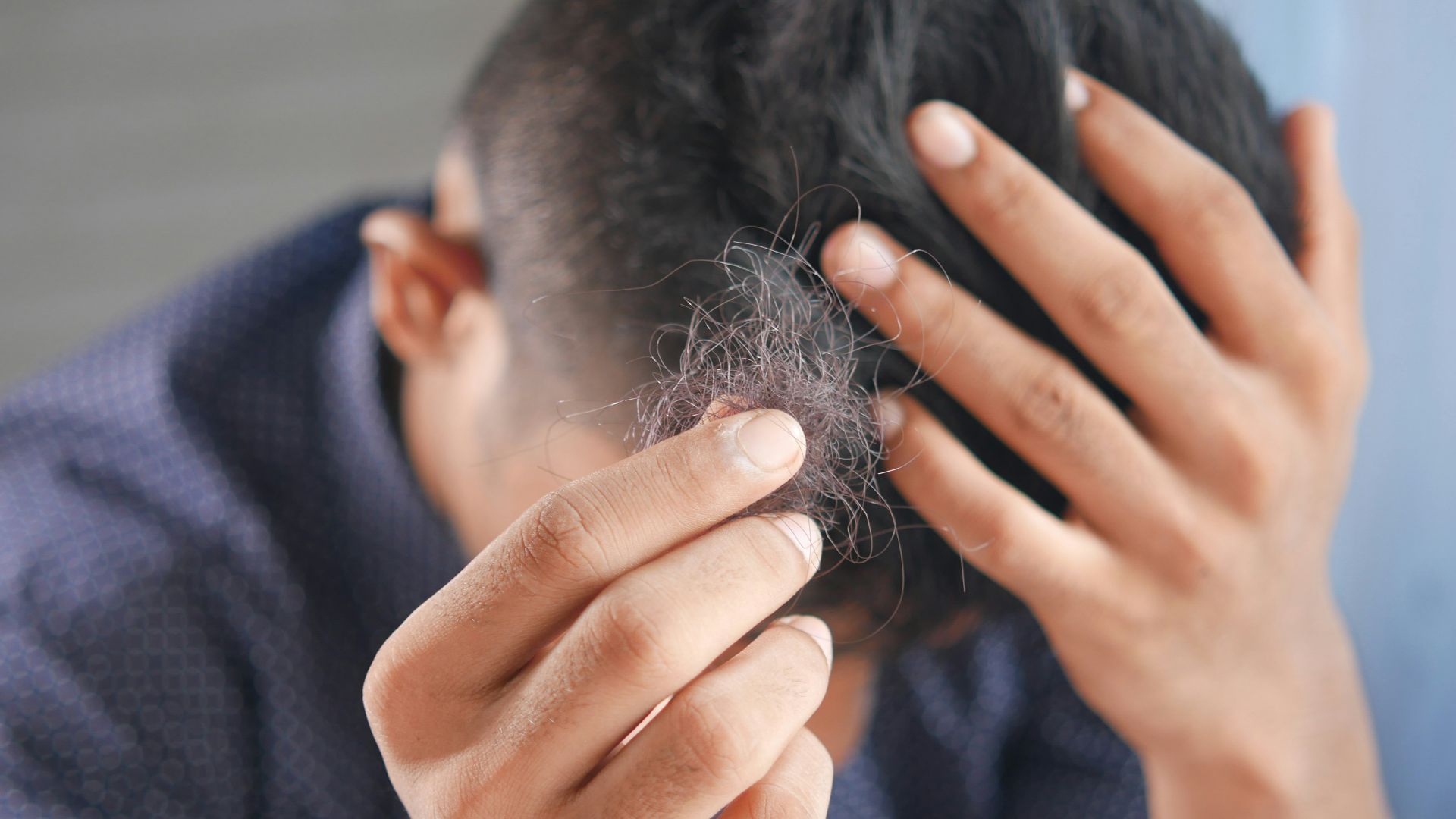
Upjohn sold minoxidil as a blood pressure pill called Loniten starting in 1979. Some patients grew hair in unexpected places, including their foreheads and cheeks. The company reformulated it as a liquid for the scalp, and Rogaine arrived in 1988 as the first FDA-approved treatment for hereditary hair loss.
18. Viagra
Pfizer researchers in Sandwich, England, were testing sildenafil as a chest pain treatment in the early 1990s. The results for angina were modest, but the side effect male volunteers reported was hard to miss. Viagra reached pharmacies in 1998 and ranked among the fastest-selling prescription drugs ever launched.

19. Zyban
Doctors prescribing the antidepressant bupropion kept hearing that patients had lost interest in cigarettes, and Glaxo Wellcome ran trials on smokers to find out why. In 1997 the drug was relaunched under a new name, Zyban, as a quit-smoking aid.

20. Latisse
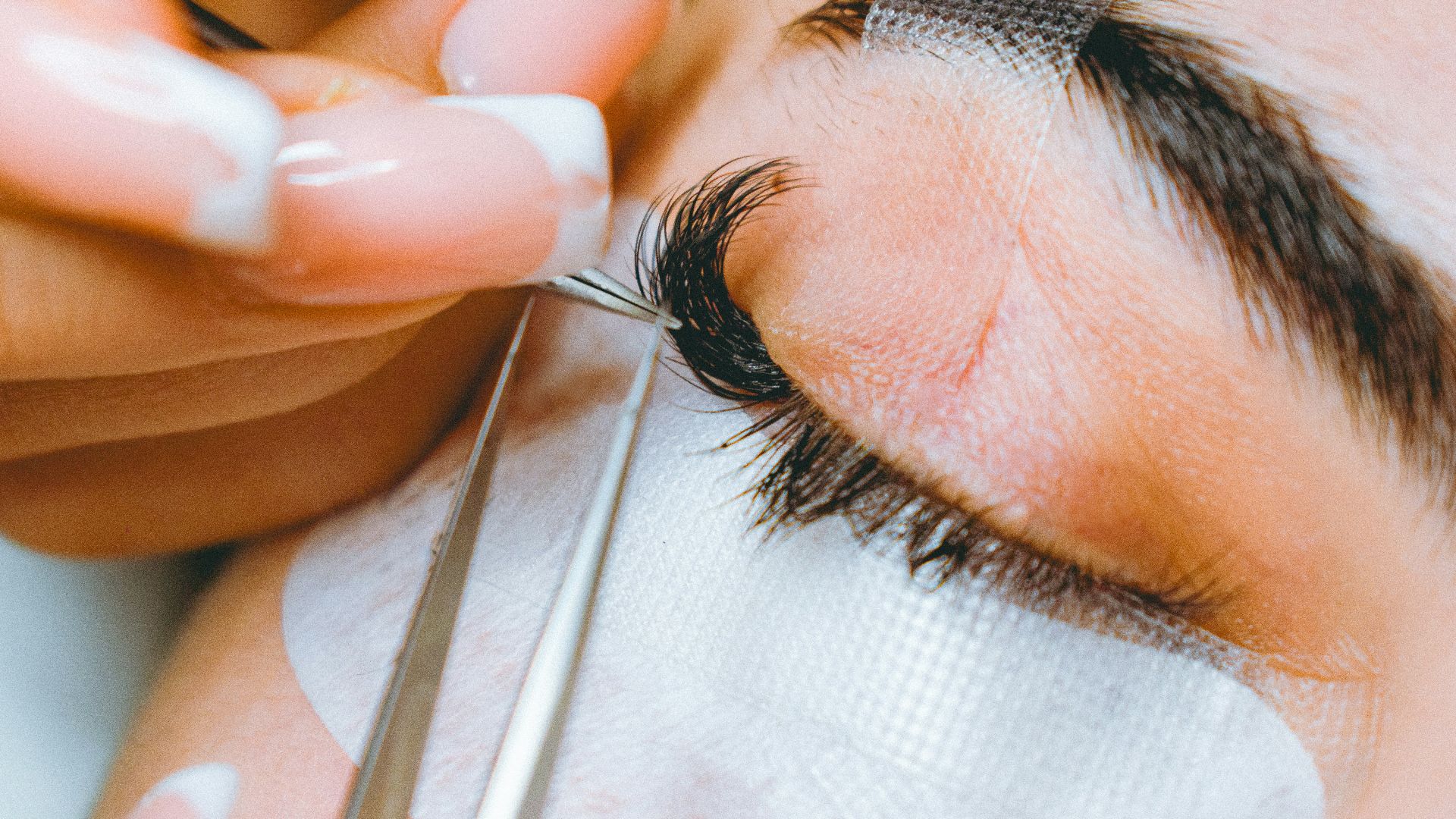
People using bimatoprost eye drops for glaucoma started noticing longer, darker lashes. It happened often enough to make the label. Allergan studied the lash growth separately and started selling it as Latisse in 2008, packaged with tiny brushes for painting it along the lash line.
KEEP ON READING

20 Things Your Body Is Secretly Doing Right Now

20 Cures That Were Complete Accidents