
Your Kidneys Notice What You Eat
Your kidneys spend every day doing a lot of work behind the scenes to keep you healthy. While we’re out here living, they’re filtering waste, balancing minerals, and helping control the amount of fluid in your body. That’s exactly why your diet can make their job easier or harder. Now, that’s not to say that one salty dinner will ruin healthy kidneys, but eating these 20 foods more often than not can do more harm than good.

1. Deli Meat
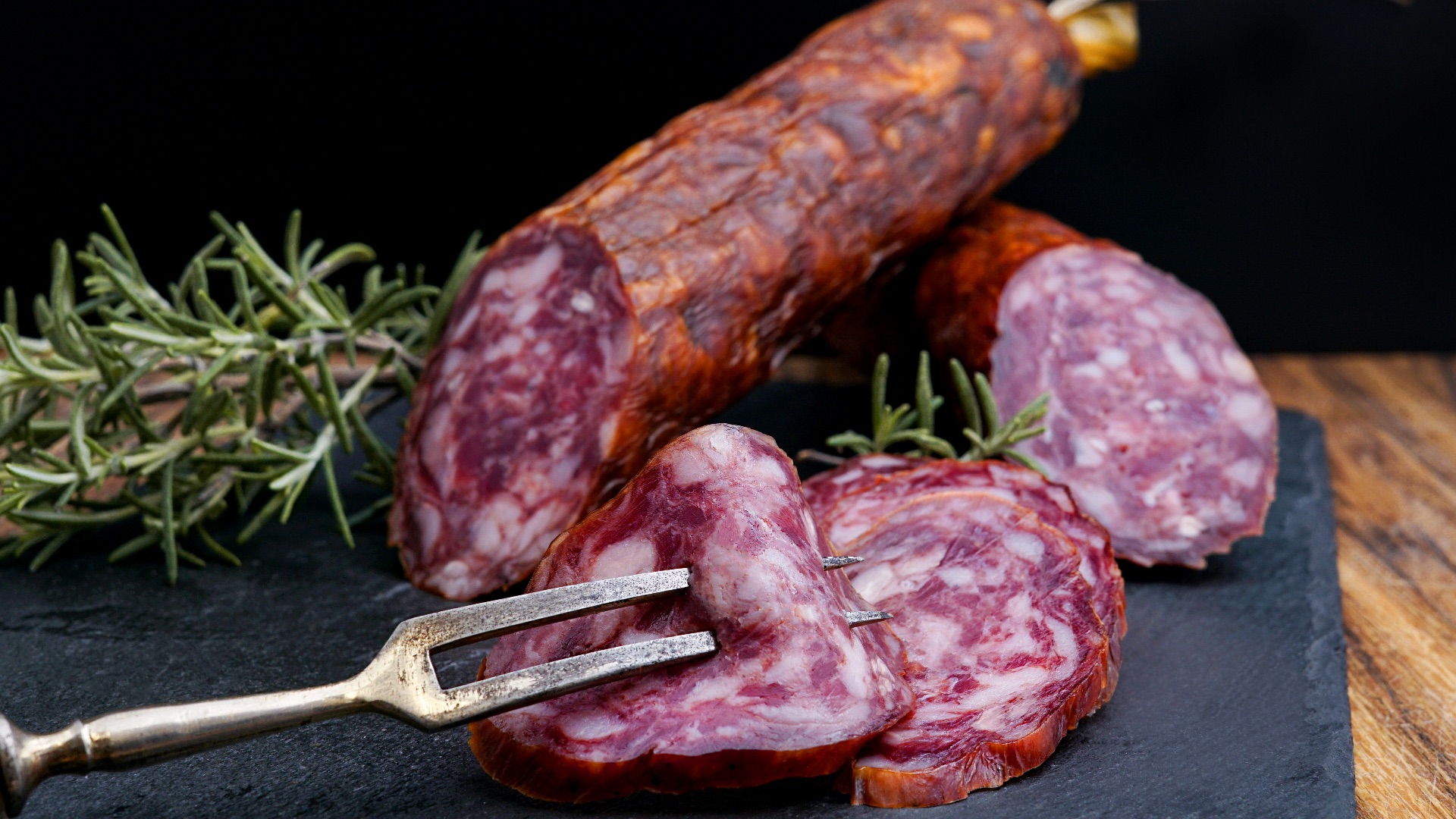
Turkey slices sure look innocent beside salami, but don’t be fooled. If it’s packaged lunch meat, it’s probably loaded with sodium. Bologna, ham, pastrami, and many processed products are among the meats kidney organizations recommend limiting when sodium or phosphorus needs to come down. Freshly cooked meat is the way to go, especially chicken and turkey!
2. Bacon
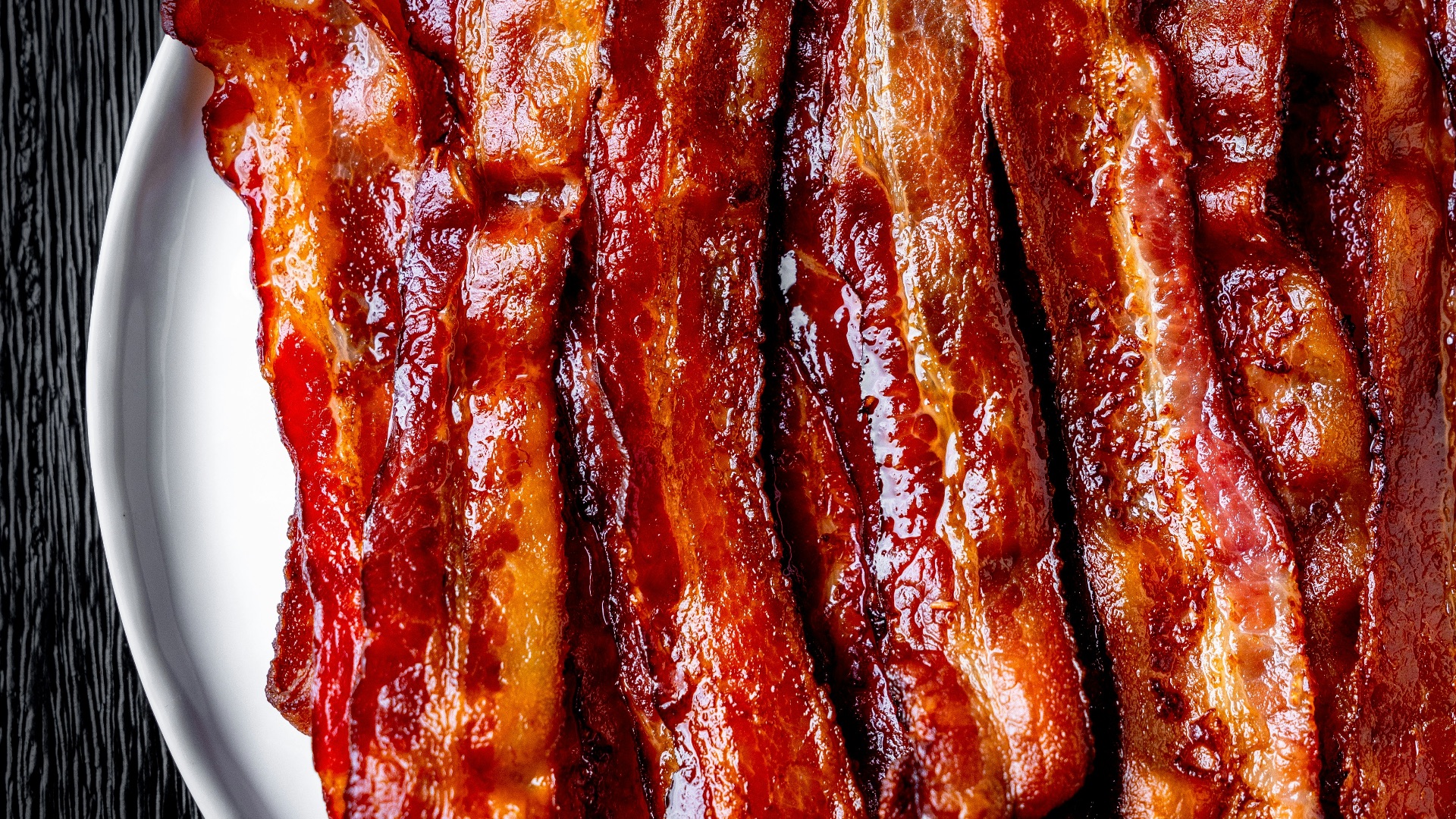
There’s a reason bacon remains one of the biggest culprits for poor health. Whether we want to hear it or not, it brings more than its famous salty flavor to breakfast; curing typically gives it a substantial sodium load. Eating lots of sodium encourages fluid retention and can raise blood pressure, creating an additional challenge for kidneys that are already struggling.
3. Instant Ramen
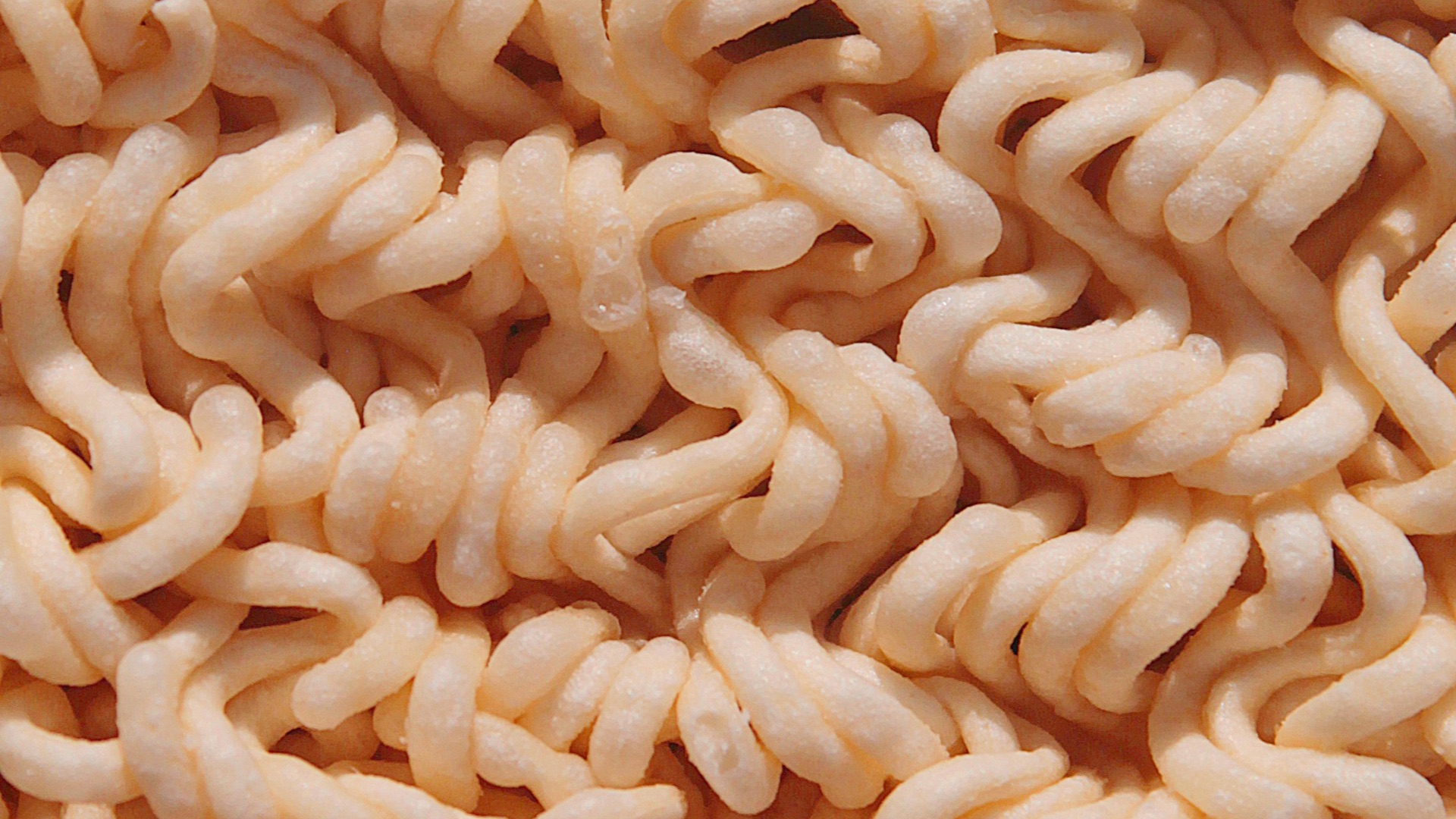
The noodles themselves aren't the biggest problem—it’s that little seasoning packet. We all know they taste incredibly salty, and there’s no lie in that. Packaged noodle meals tend to be extremely salty, making them a poor everyday choice for someone who needs tight sodium control.
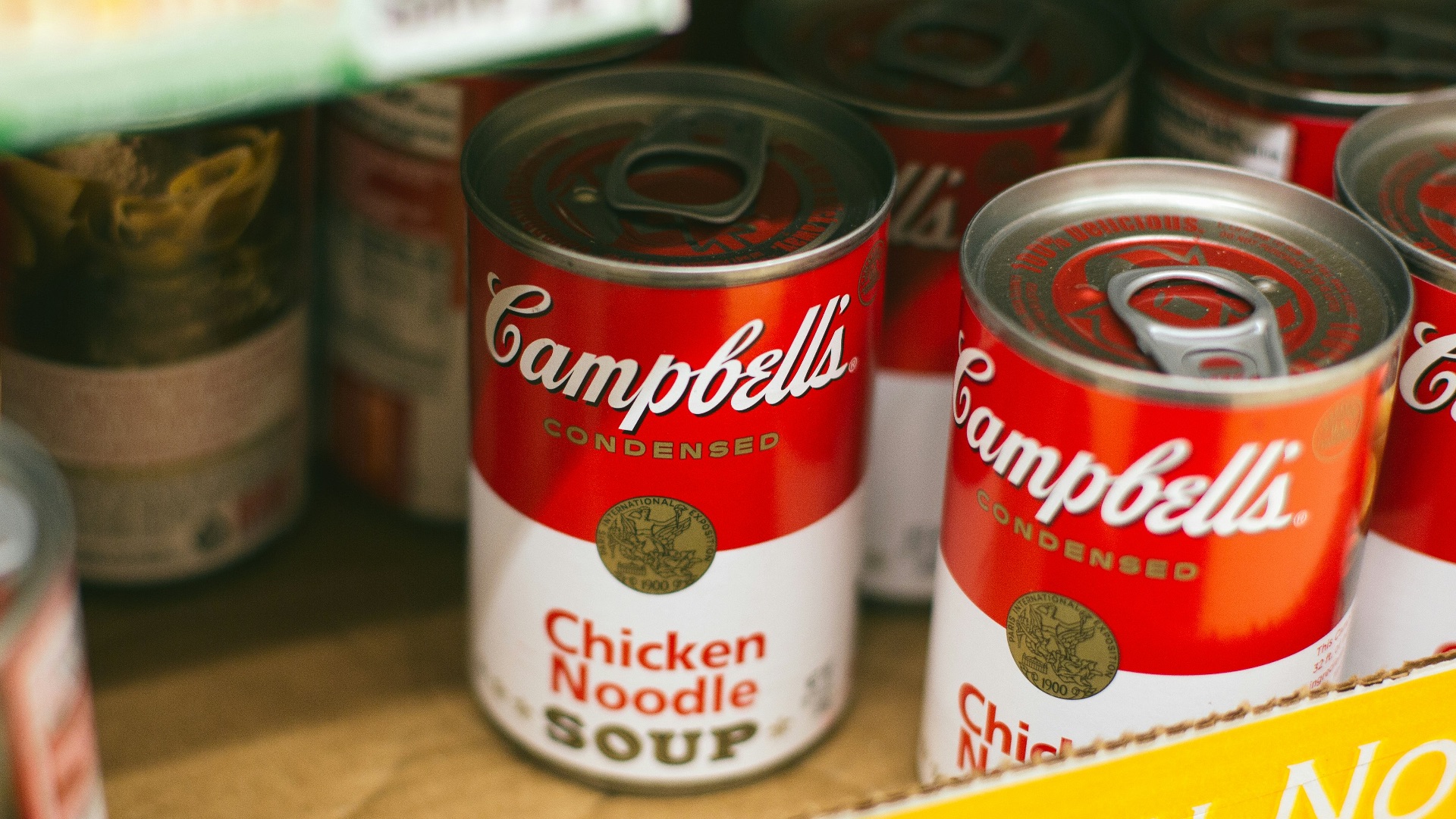
4. Canned Soup
Chicken noodle soup may feel wholesome, but that’s really only when you make it at home. If you rely on the canned varieties, they pack a surprising amount of salt into a small serving. It gets even easier to underestimate when a can has more than one listed serving, and you naturally eat the whole thing.
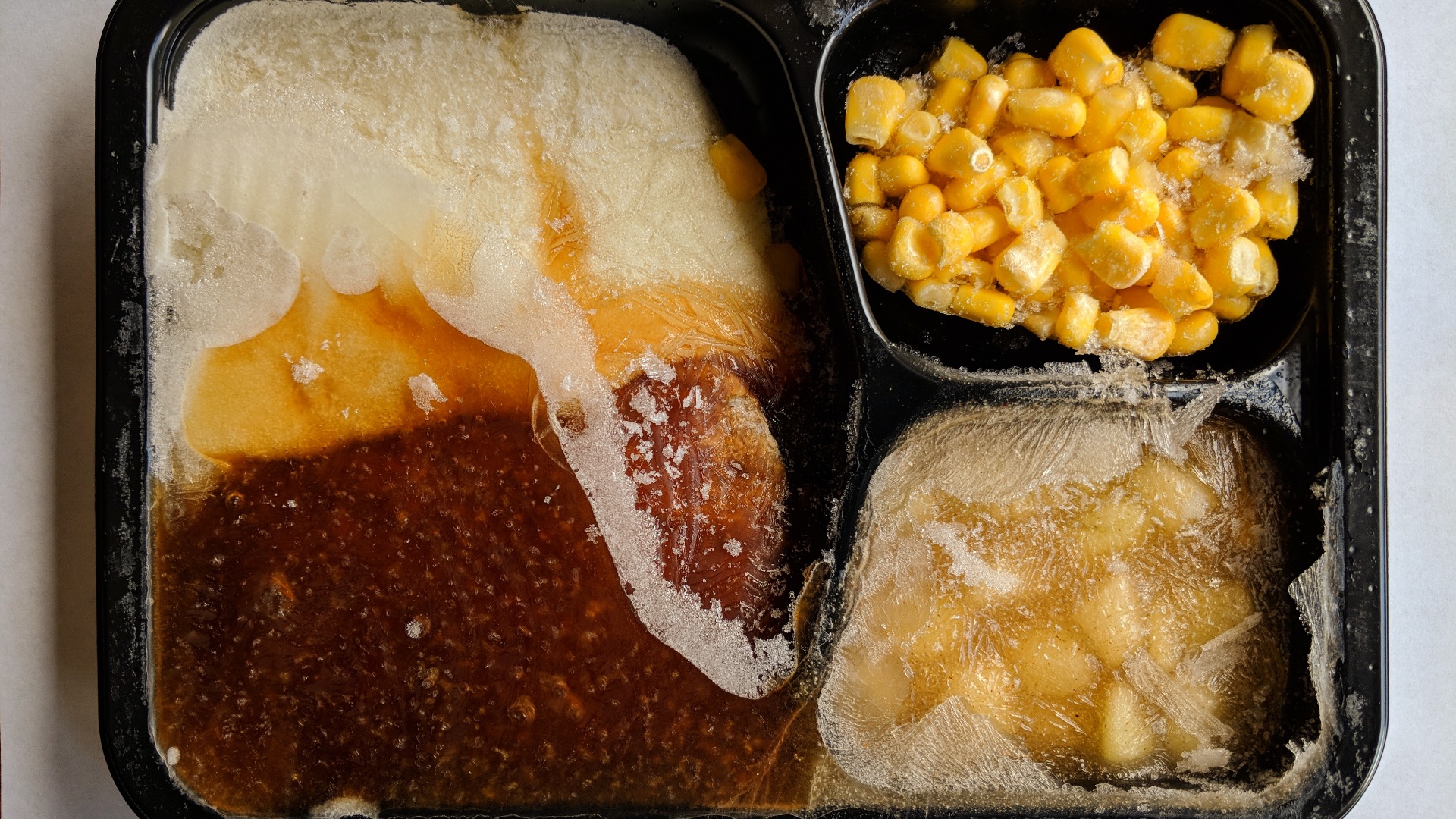
5. Frozen Dinners
Frozen dinners are literally packaged to look like smart, healthy meal prep. However, that convenience comes with considerable sodium. Manufacturers frequently rely on salt and other additives to preserve flavor and texture, and some processed meals also contain added phosphorus. When frozen food is necessary, comparing nutrition labels can uncover enormous differences between two seemingly similar meals.
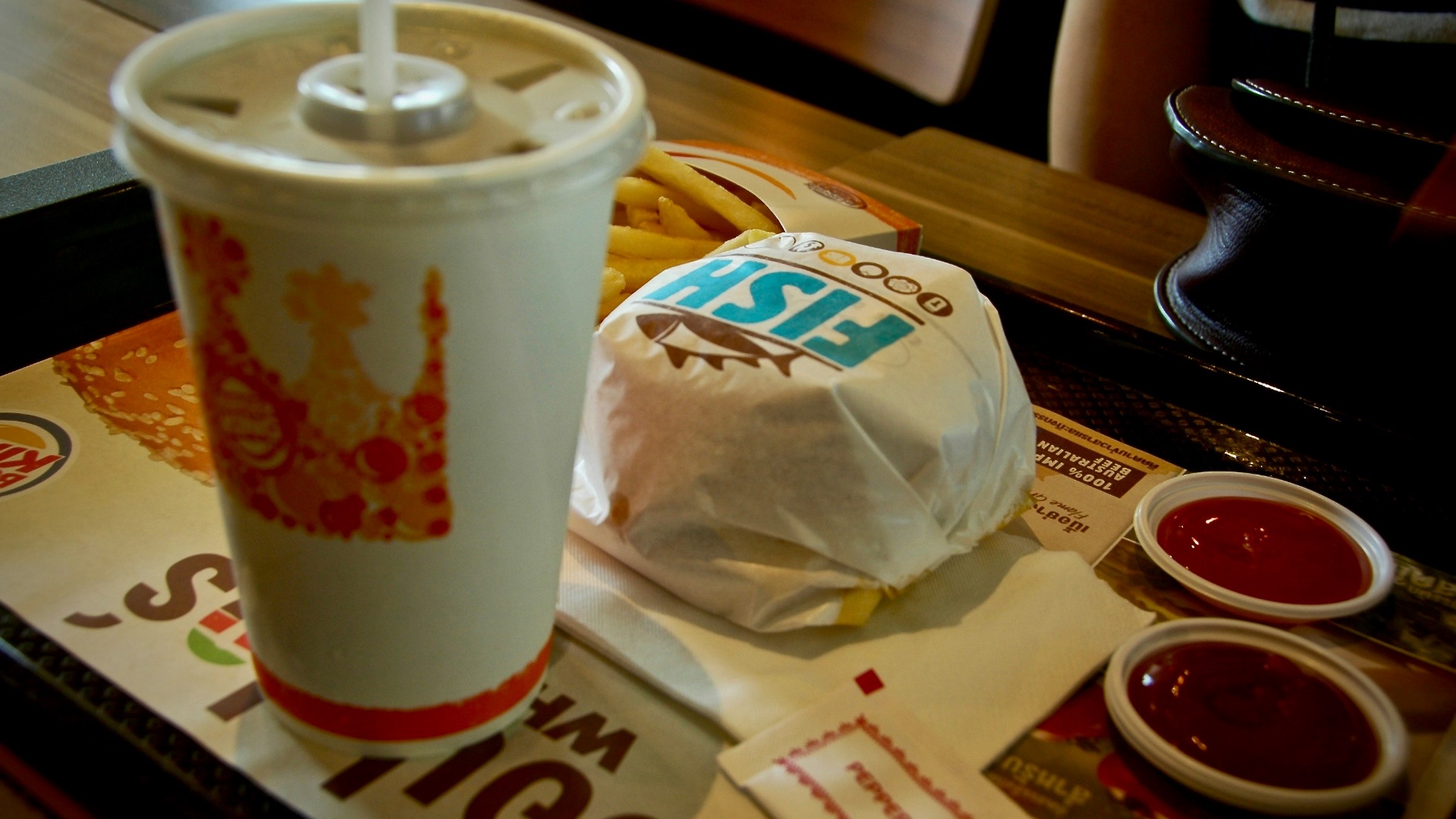
6. Fast-Food Combo Meals
It isn't just the burger causing trouble when you pull up to the drive-thru. Never forget that a burger, salty fries, dipping sauce, and soda combine several things kidney-conscious diets try to minimize: excess sodium, added sugar, and saturated fat.
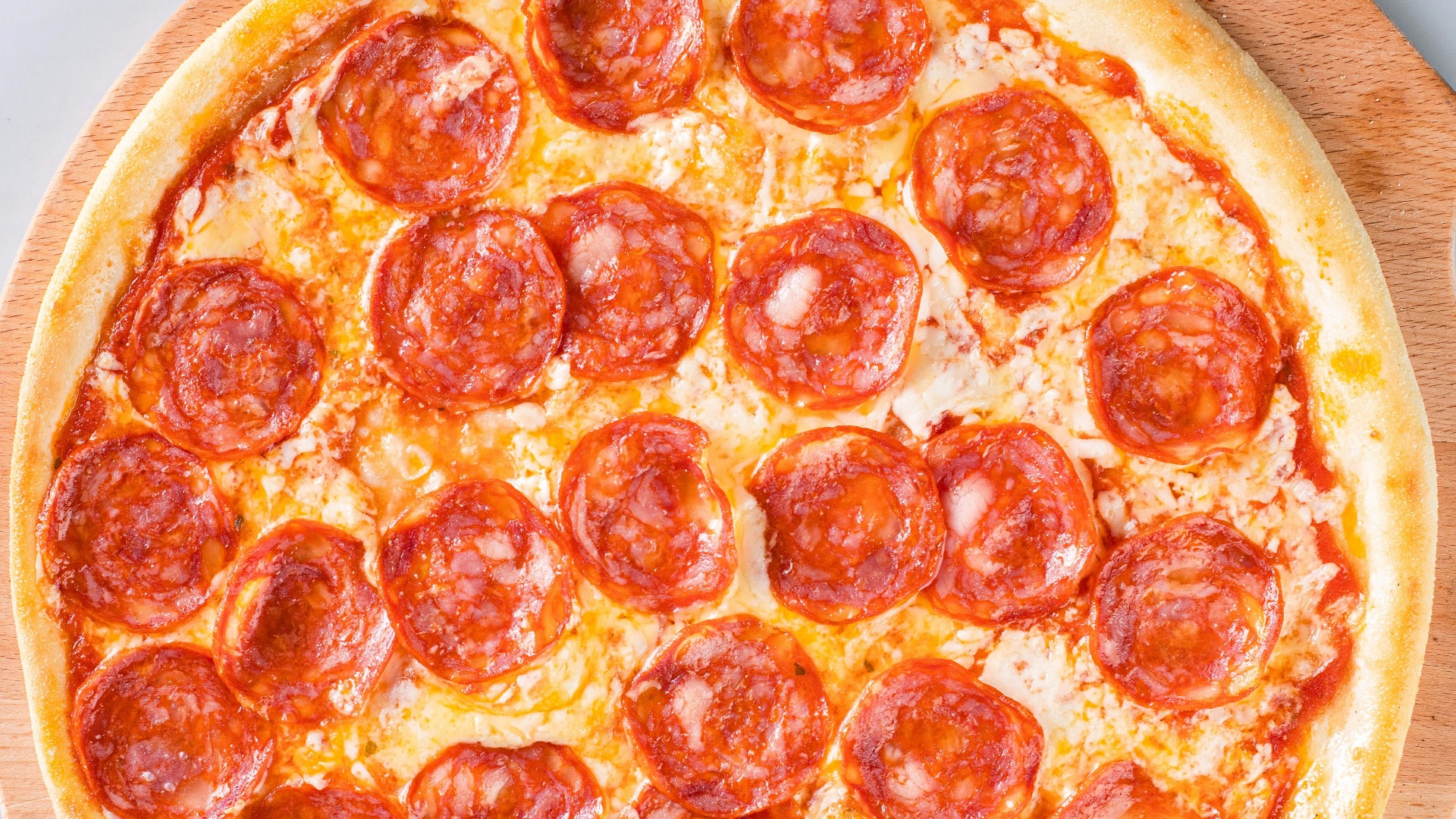
7. Pepperoni Pizza
Pizza manages to collect several salty ingredients on one slice, from the crust and cheese to the sauce and processed meat. To make matters worse, we can’t always resist sausage or extra cheese, either, both of which can push sodium even higher. If you want a pie for dinner, a thinner pizza topped with vegetables is easier to fit into a lower-sodium diet.
 David Foodphototasty on Unsplash
8. Potato Chips
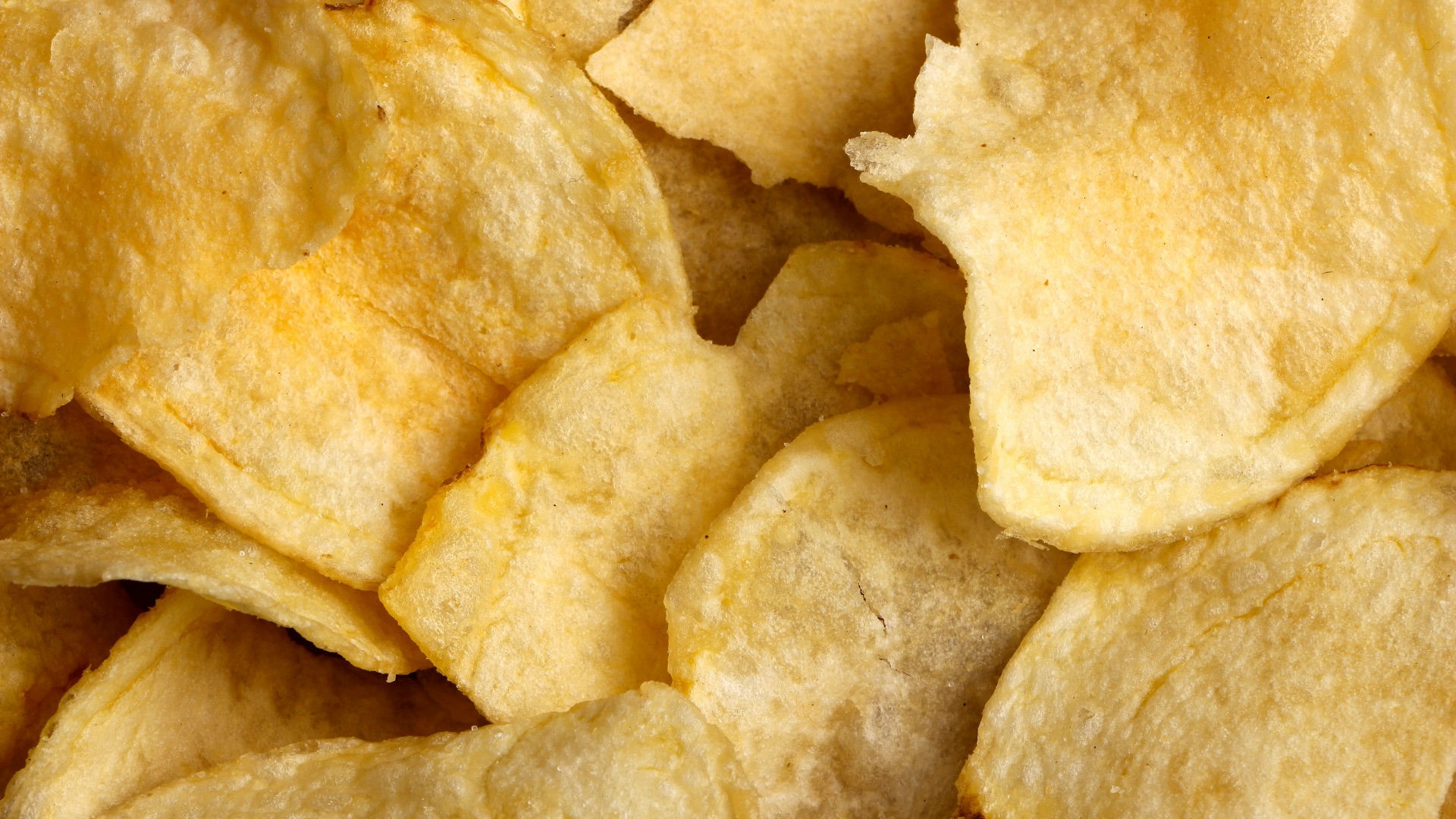
We know we’re supposed to, but nobody measures out one serving of chips. However, that’s part of the problem. Chips, pretzels, and packaged snacks supply plenty of sodium without offering much nutritional value in return. You don’t need to abandon crunch altogether, though; unsalted popcorn leaves your kidneys with less excess sodium to help regulate.
9. Pickles
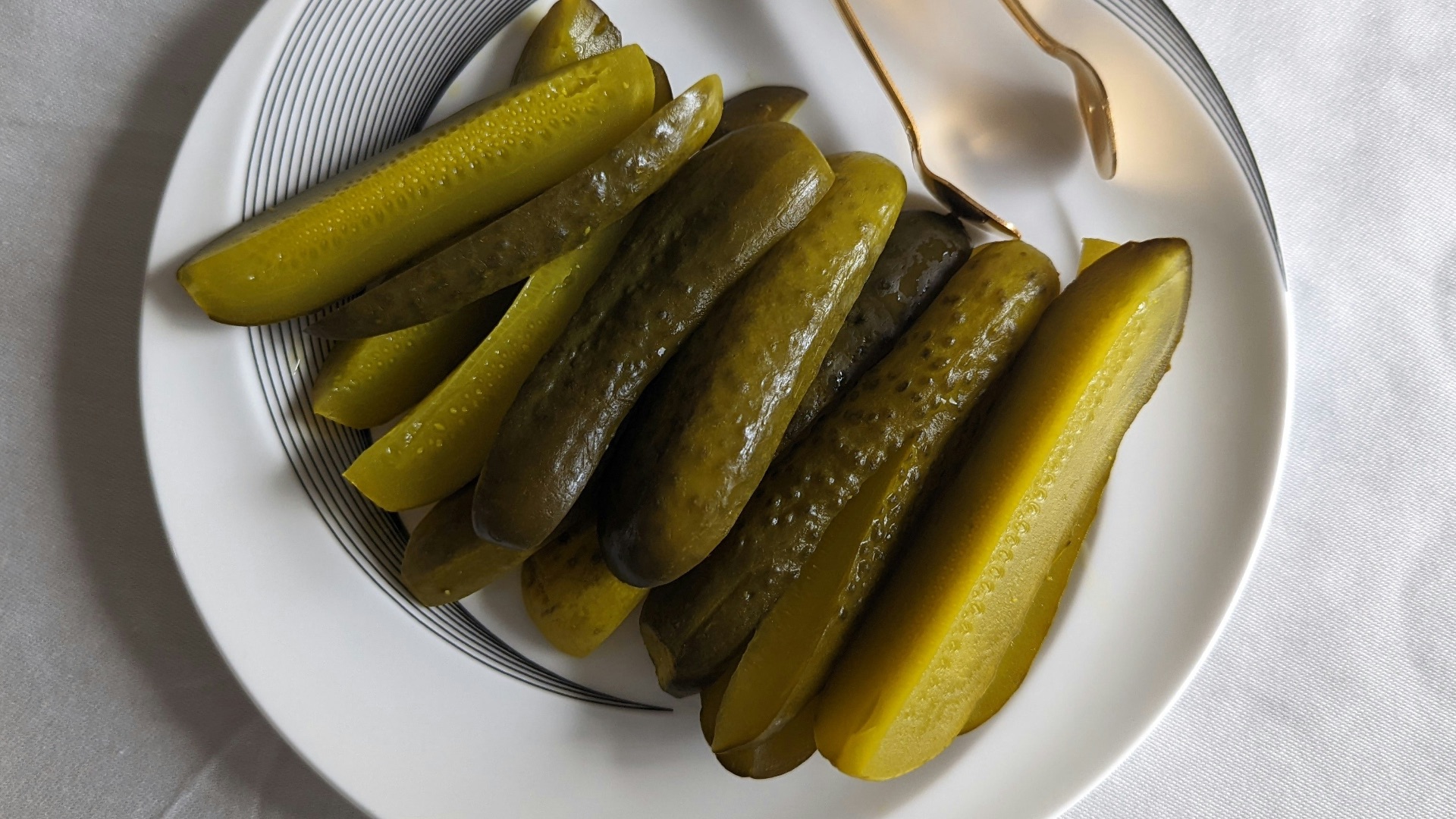
Just because it’s green doesn’t necessarily mean it’s healthy. Pickles, pickle relish, olives, and other heavily brined foods are common high-sodium choices that can become surprisingly significant when eaten all the time. Enjoying a smaller serving or looking for reduced-sodium versions can satisfy the craving without making them a daily habit.
10. Soy Sauce
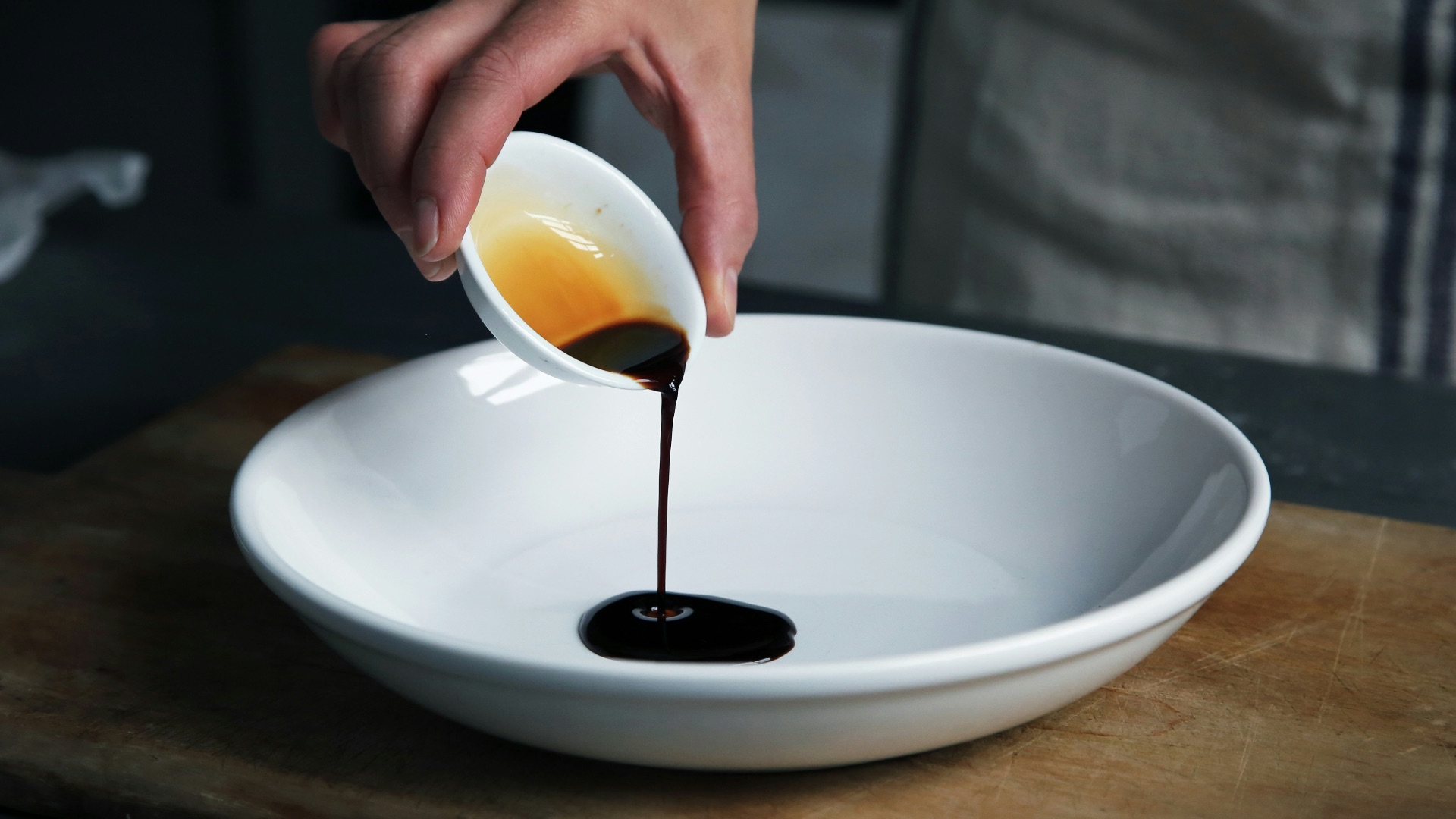
It literally only takes a splash of soy sauce to taste how salty it is—but the buck doesn’t stop there. Teriyaki, oyster sauce, steak sauce, and many bottled marinades create the same problem when they're poured freely. If you want flavor and healthy kidneys, stick with garlic, ginger, citrus, and herbs.
11. Dark Cola
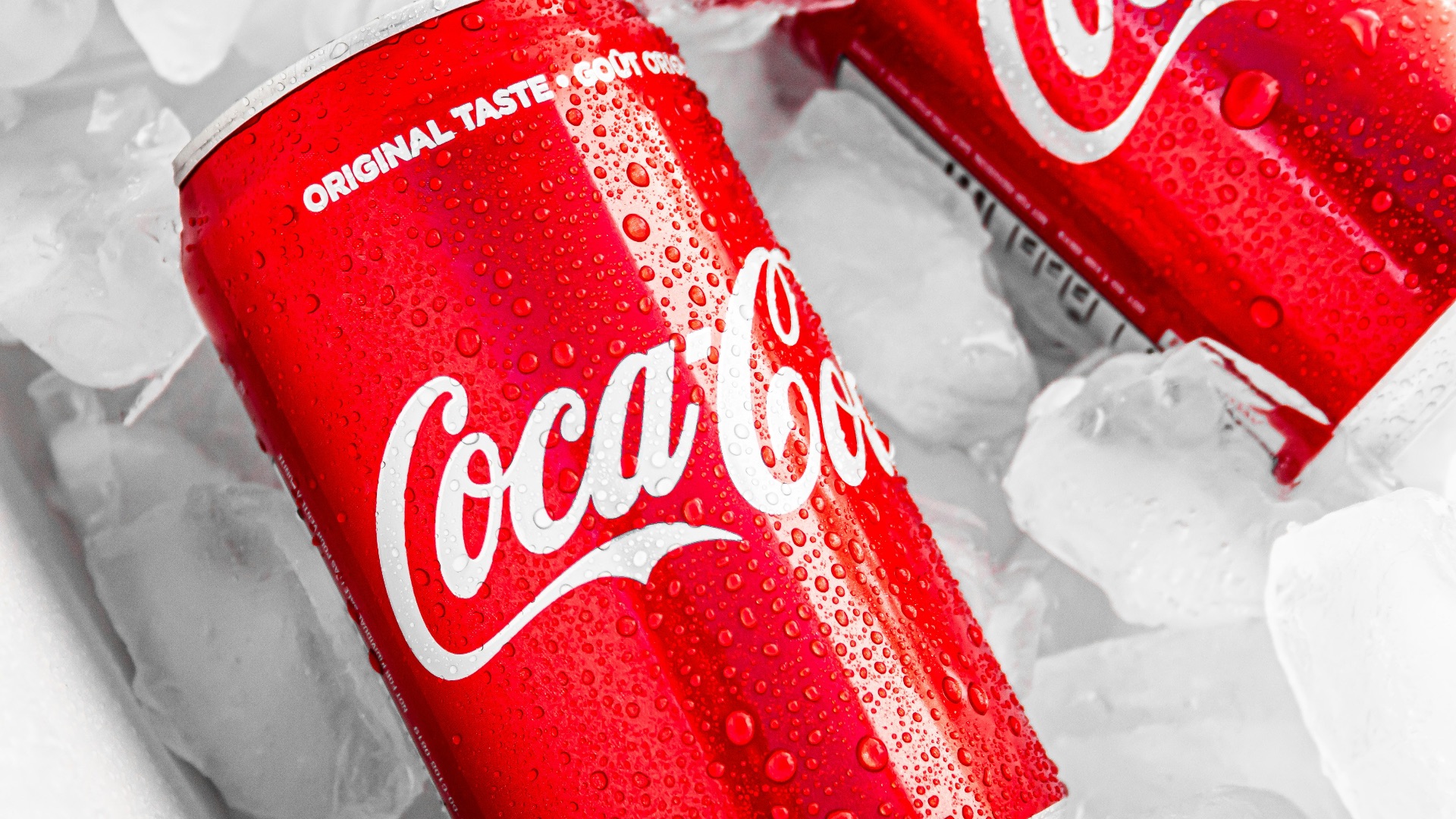
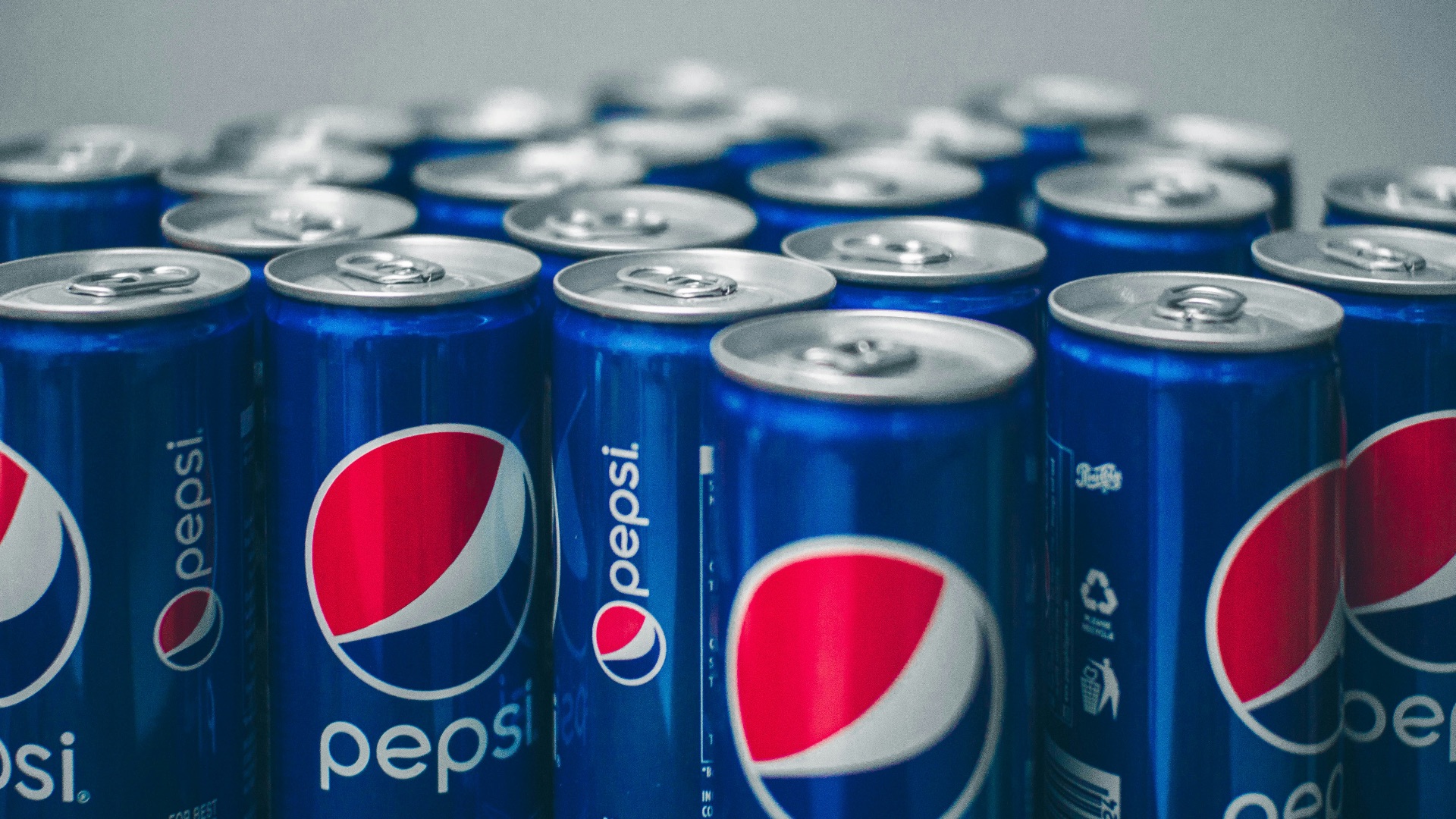
Dark colas deserve special attention; some contain phosphoric acid in addition to a substantial dose of sugar. Added phosphorus can be especially troublesome for anyone dealing with chronic kidney disease, mainly because damaged kidneys may struggle to remove excess phosphorus from the blood. Your doctor was right; water remains the simplest everyday option.
12. Sugary Soda
Even when phosphorus isn't the issue, regularly drinking soda isn't doing your kidneys any favors. Added sugars can contribute to weight gain and poor blood sugar control, while diabetes is one of the major conditions that increases the risk of chronic kidney disease.
13. Processed Cheese
Individually wrapped cheese slices are very different from a modest portion of minimally processed cheese. Plenty of processed varieties bring tons of sodium, and phosphorus additives are commonly found throughout the processed-food aisle. If kidney function has declined, do yourself a favor and comb through the ingredients first.

14. Boxed Mac and Cheese
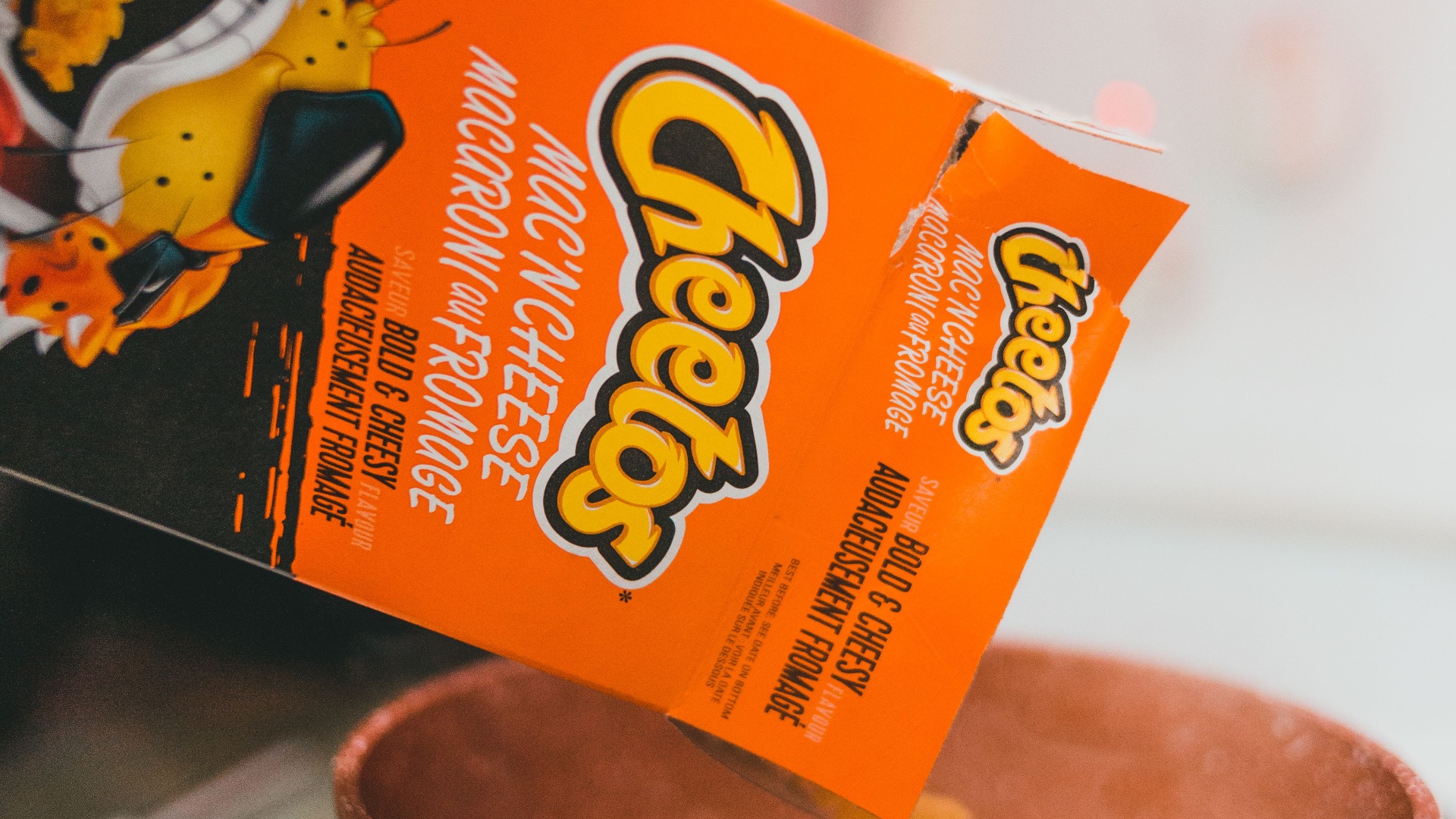
Boxed mac and cheese earns its spot for convenience, but it also has a nastier reputation: salty seasoning packets. Processed cheese ingredients may also introduce phosphorus additives, giving people with kidney disease another reason to inspect the label carefully. It’s more work, but making macaroni yourself lets you control the cheese, salt, and portion.
15. Hot Dogs
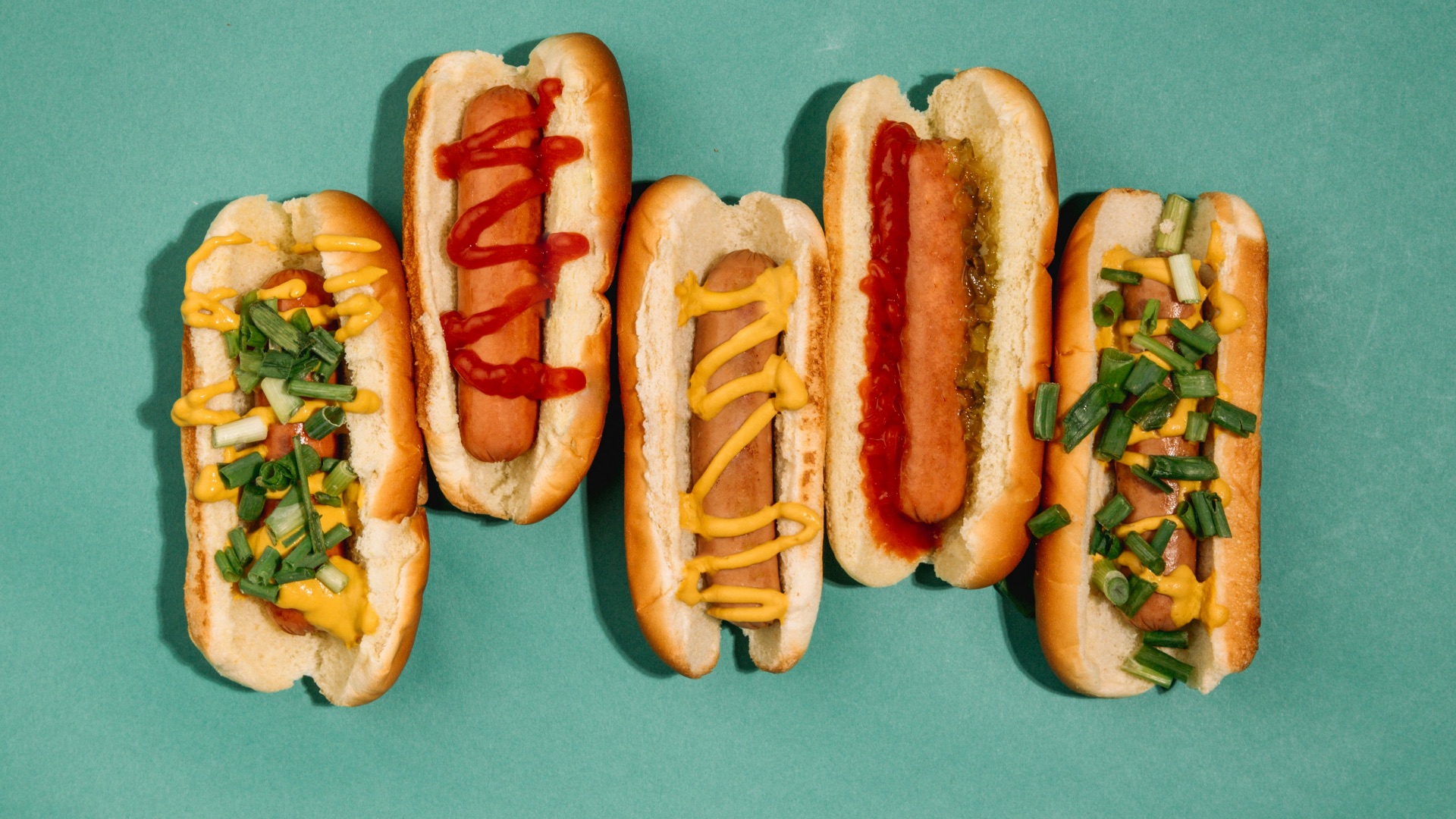
Say what you want about them, but we’ve all indulged in a hot dog or two. While that alone isn’t a huge problem, chowing down on one all the time leaves you susceptible to sodium and preservatives. An occasional cookout is one thing, but making processed meat a routine protein source is where the habit becomes harder to defend.
16. Packaged Fried Chicken
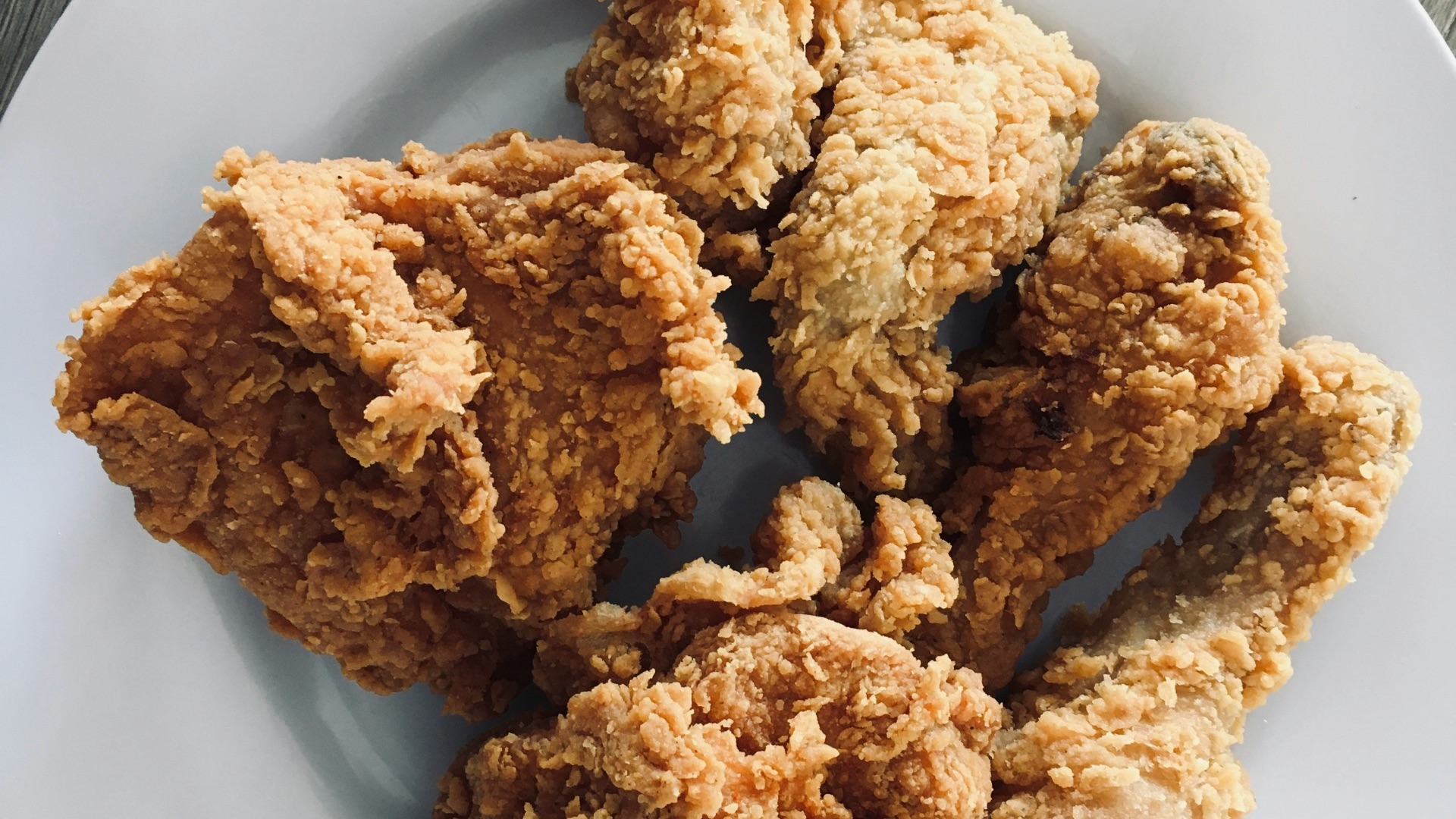
Chicken itself can be perfectly reasonable, but we’re not talking about the meat. We’re talking about the breading, seasoning, and processing. Restaurant fried chicken, frozen chicken tenders, and breaded patties contain significantly more sodium than plain chicken cooked at home. That’s why baking fresh chicken avoids the heavy frying.
17. Phosphate-Enhanced Meat
Here's one that can hide in a package that otherwise looks perfectly ordinary: fresh-looking meat with added phosphorus compounds. Some commercially packaged poultry and meat products are treated with phosphorus-containing solutions to improve moisture or texture, which matters for those who need to control blood phosphorus. Checking labels and choosing meats without that stuff is best when kidney disease makes restriction necessary.
18. Oversized Protein Shakes
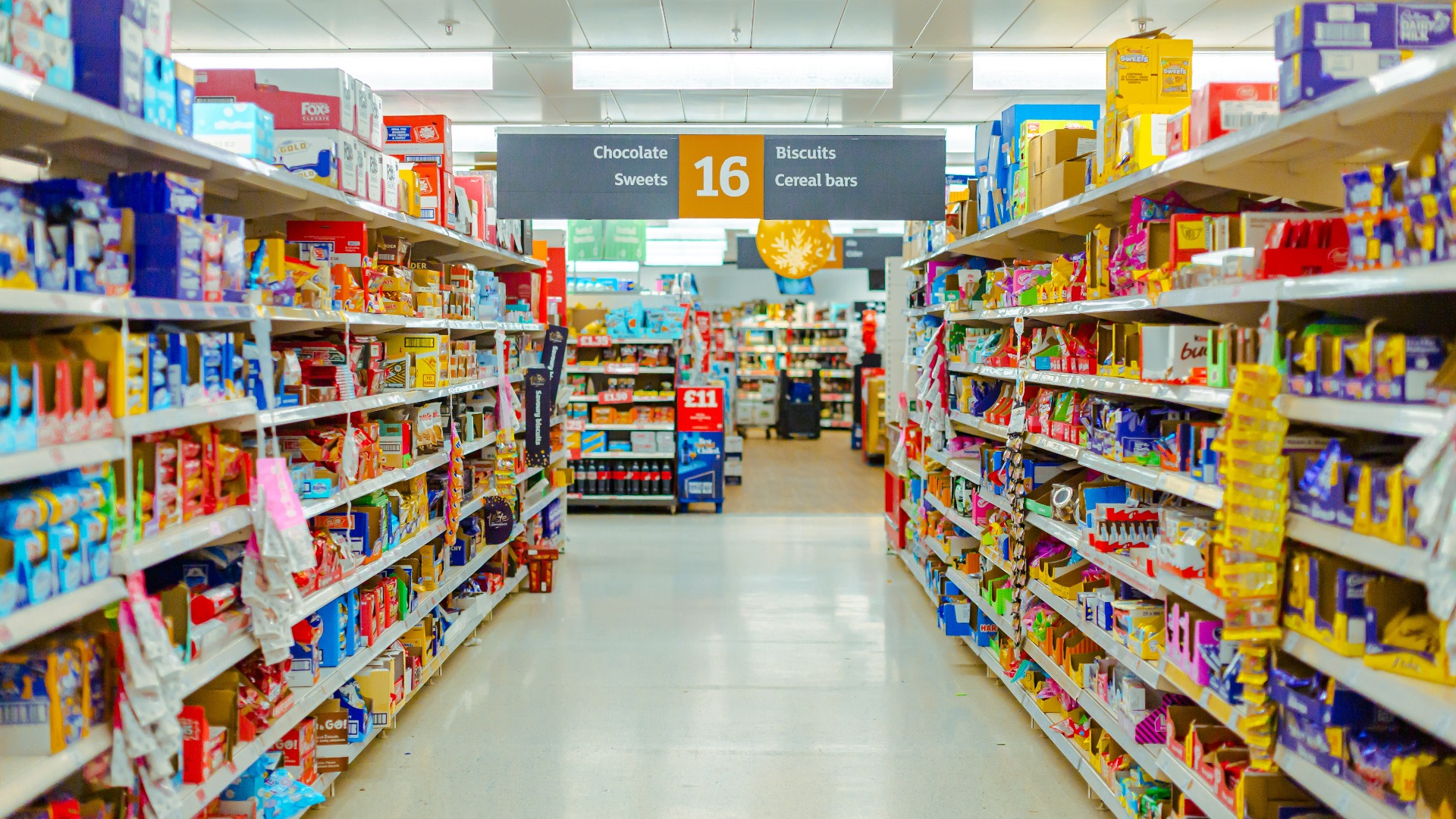
More protein isn't automatically better when kidney function is impaired. Breaking down protein creates waste that the kidneys need to remove, so some people with chronic kidney disease are actually advised to eat moderate rather than excessive amounts. If you ever have any questions, it’s always smarter to speak with a doctor than to just dump another scoop of powder into your cup.

19. Salt Substitutes
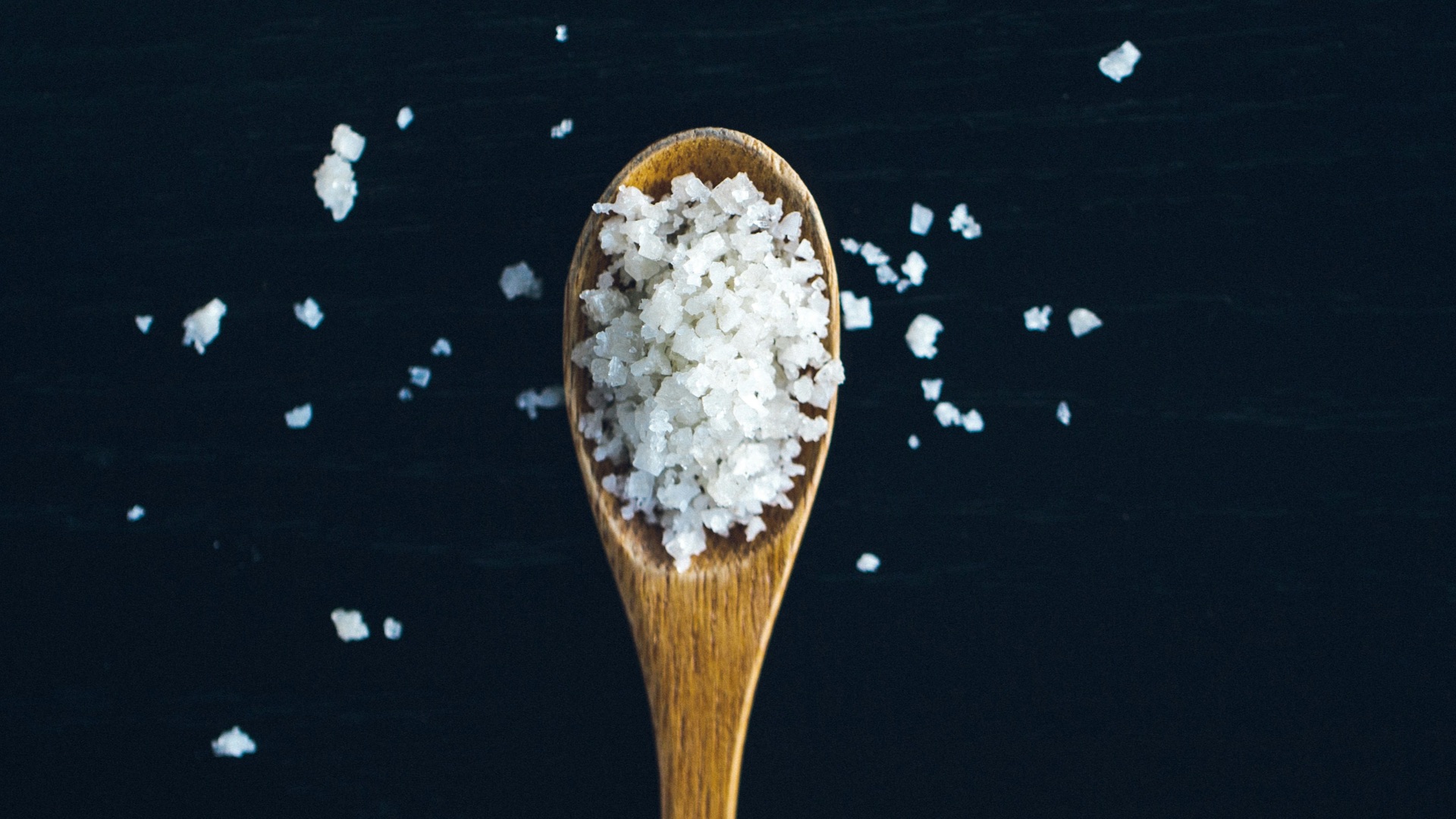
Swapping regular salt for "lite" products sounds good until you realize just how many substitutes replace sodium with potassium chloride. Read the label and don’t just grab things willy-nilly off grocery store shelves. If anything, herbs and spices are a safer strategy when you’re trying to restrict both sodium and potassium.
20. Canned Chili
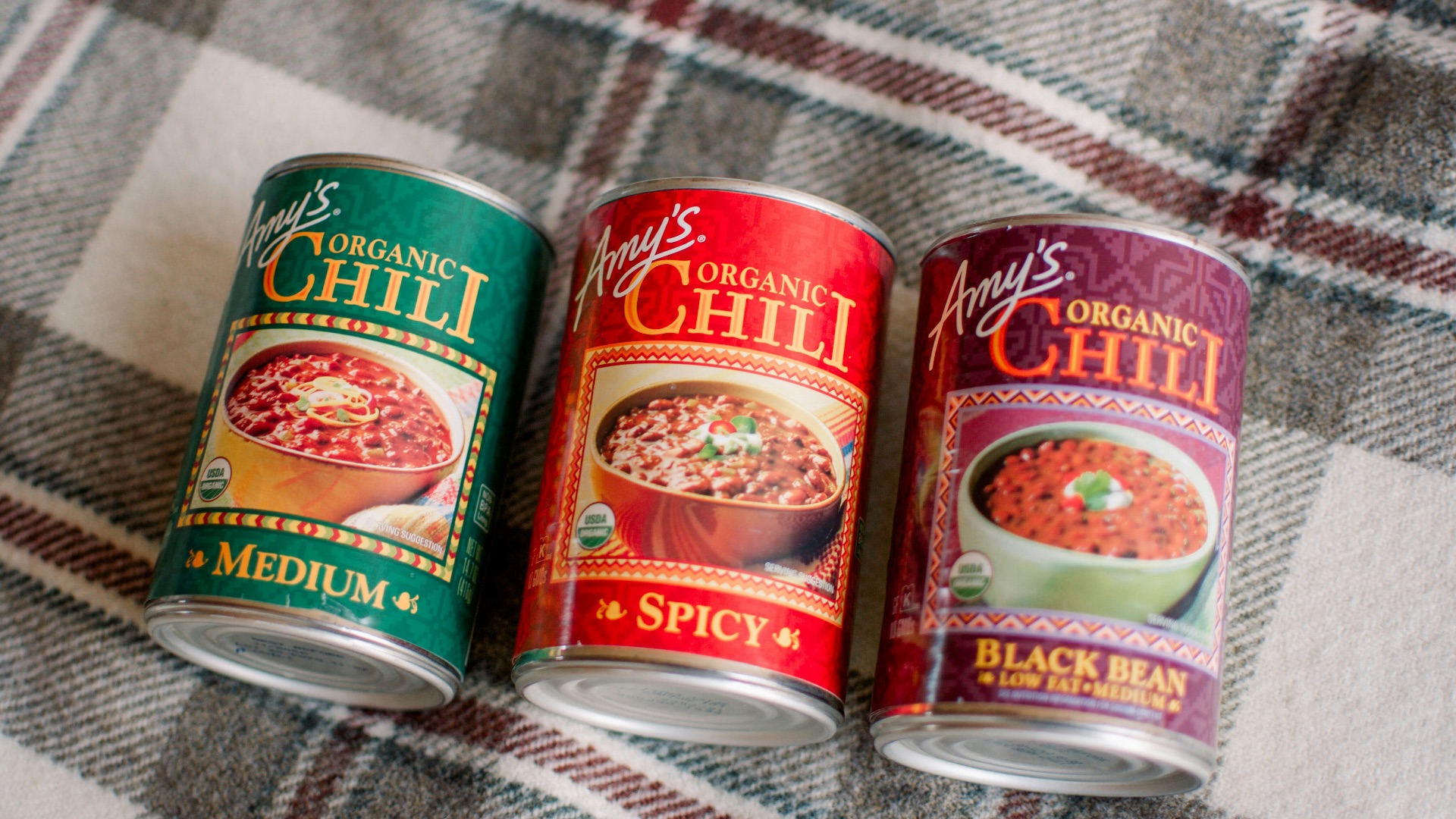
Canned chili combines several ingredients that get pretty tricky once kidney disease changes your diet. Depending on the brand, one bowl may deliver a considerable amount of sodium, while processed meat and certain additives can add phosphorus as well. Homemade chili gives you much more control over the salt, protein, and ingredients, which is exactly why cooking from scratch makes so much more sense!
KEEP ON READING