
(Don't) Turn Up the Volume
Tinnitus can show up at the most random times. You could be hearing normally, only to get that strange ringing in your ear that can change intensity or duration no matter what you do. You've probably even tried furiously shaking your head! And while there isn't always a single identifiable cause, you should still be careful—certain habits may only aggravate it further. From blasting your headphones to neglecting sleep, these everyday behaviors can make tinnitus play the long game.

1. Cranking Up Your Headphones
Do you like listening to music at high volume? Well, you should know that the longer you do it, the higher the risk that you'll damage your hearing and potentially worsen that annoying ringing. If you're often working in noisy surroundings, get yourself a pair of noise-canceling headphones to keep the volume down.

2. Skipping Ear Protection
Operating power tools and machinery? Many high-volume environments can be incredibly rough on your ears. If you know you'll be using these tools or be in the same space as them for a while, make sure to wear appropriate hearing protection, or you'll end up with symptoms far worse than mere ringing.

3. Staying in Noisy Places
Again, as we've mentioned, if you know you'll be in a noisy place for a while, it's best to wear appropriate equipment. Excessive noise is one of the most common reasons people experience tinnitus and hearing loss, so the next time you head to a concert, bring earplugs.

4. Turning Everything Off at Bedtime
Ironically enough, even complete silence can make tinnitus more noticeable. After all, when there's no noise at all, any persistent ringing, no matter how muted, will grab your attention. If you struggle with total silence, try putting on some low-level background sound to make symptoms less intrusive.

5. Having a Bad Sleep Schedule
Don't get enough sleep each night? Poor sleep may only make the ringing in your ears more unbearable. If you ever needed a reason to catch extra ZZZs, just know that restful sleep can help reduce the perceived intensity of tinnitus during waking hours.

6. Running on Constant Stress
Stress won't always lead to tinnitus, but it can intensify the symptoms. If you're often on edge and your days are relentlessly demanding, it's a good idea to work in some relaxation techniques or other stress-reducing activities to help you relax and unwind.
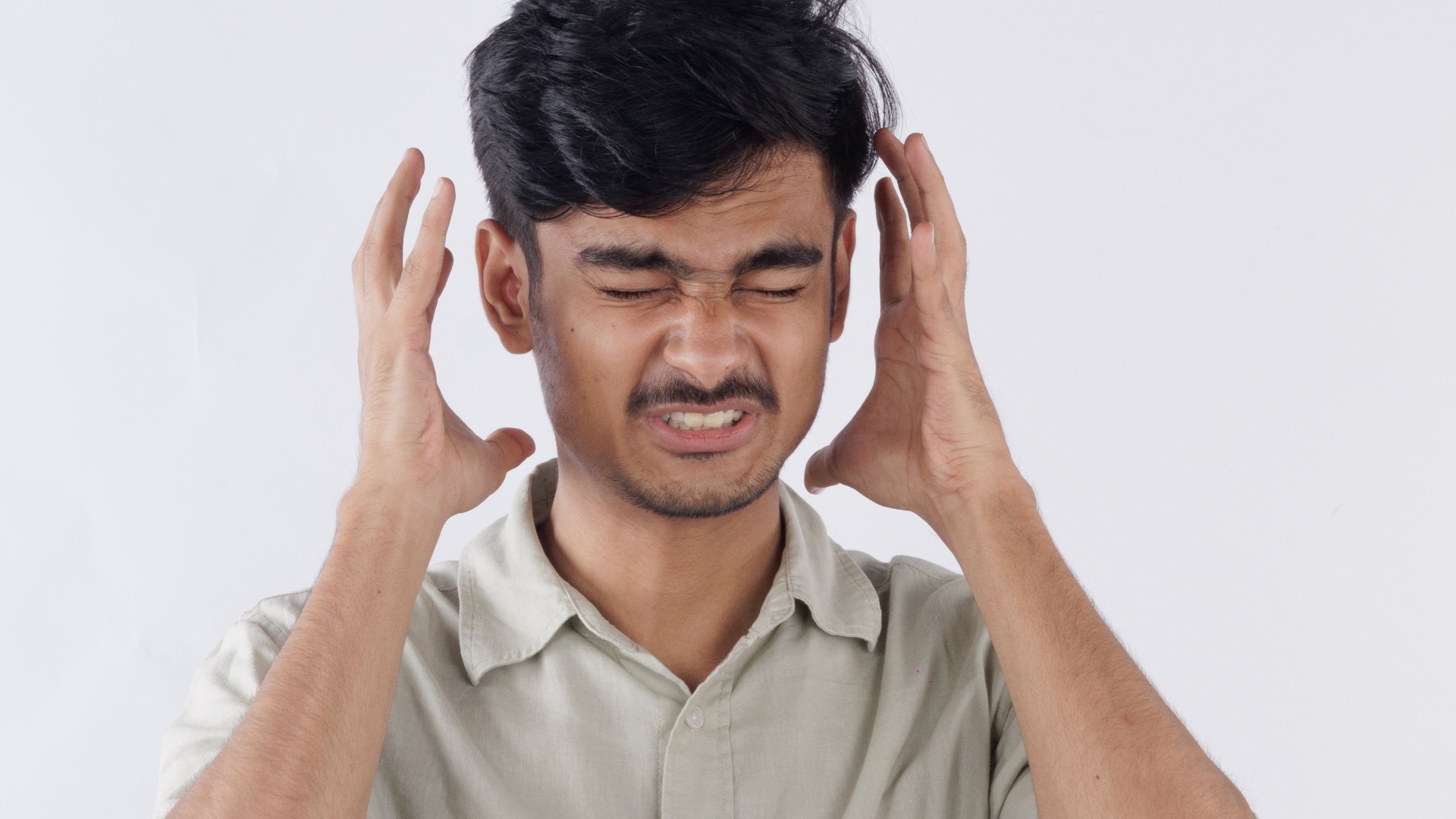
7. Checking Whether It's Still There
Is it still there? How about now? Now? Constantly checking to see if your tinnitus is still present can train your attention to always go back to the sound, which will, in turn, make it harder to tune out. You're better off engaging in other hobbies or activities that redirect your attention away from the ringing.

8. Using Nicotine Regularly
If you smoke or use nicotine regularly, it's another reason why you might experience that persistent buzzing. Heavy smokers may find it far more beneficial for their ears (and their overall health!) to ease up on the habit—or better yet, quit it altogether.

9. Drinking Heavily
Maybe you're not a heavy smoker, but you're a heavy drinker instead. Well, there's bad news: while alcohol isn't a universal tinnitus trigger, excessive consumption can still affect your circulation and may aggravate that noise in your ears. If your tinnitus consistently gets worse after drinking, you should probably cut back on your intake.

10. Assuming It's Due to Caffeine
Contrary to what you might think, coffee isn't automatically bad for tinnitus. Of course, the effect it does have on individuals who suffer from tinnitus still varies, so try journaling any patterns that spring up for you, then adjust your intake accordingly.

11. Loading Up on Caffeine Late in the Day
Even if caffeine doesn't drastically affect your tinnitus, drinking plenty of it near bedtime can interfere with sleep. And, as we've mentioned, poor sleep can make your symptoms worse. No matter how much you need your caffeine fix, make sure to have your last cup earlier in the day.

12. Ignoring Possible Medication Side Effects
Do you take prescribed medications? It might help to chat with your doctor to see if any of them are potentially aggravating your tinnitus or even triggering it in the first place. You should never stop prescribed medication on your own, of course, but it's a good idea to get it checked out.
 Christina Victoria Craft on Unsplash
13. Taking Pain Relievers Often
Even common over-the-counter medications can trigger or worsen ringing. If you regularly take NSAIDs, such as aspirin, ibuprofen, and naproxen, you might be more prone to tinnitus, especially if you tend to take them at higher doses. Make sure to discuss with a healthcare professional if frequent use of these medications could be the issue.

14. Leaving Earwax Problems Untreated
Earwax is normal and protective, but having too much of it can cause a significant blockage. Plus, if you try to dig it out yourself with a cotton swab, you may only be making things worse by pushing it farther inward or injuring your ear canal. If you suspect a blockage, get a professional evaluation.
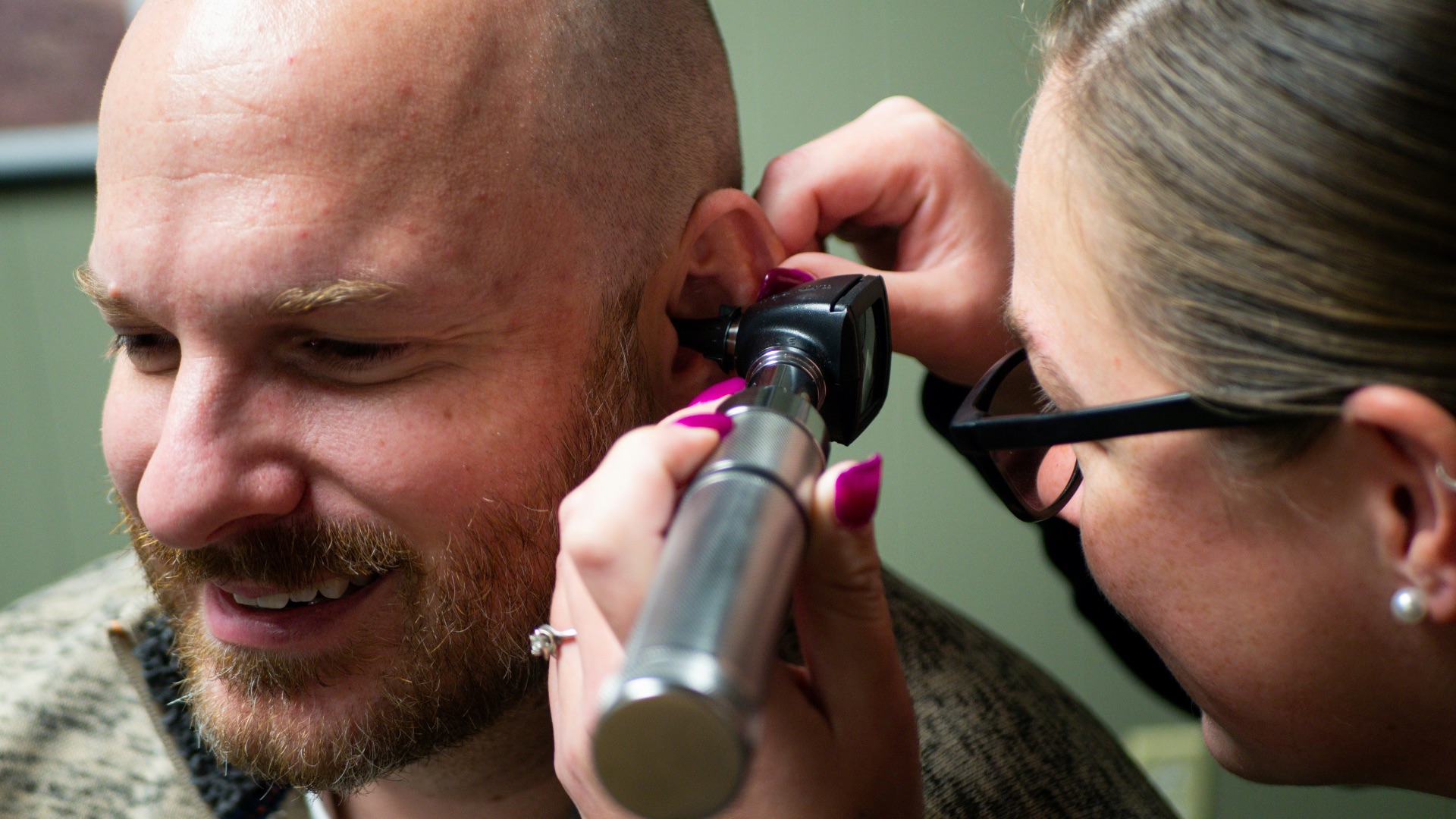
15. Ignoring an Ear Infection
Ear infections are surprisingly common and can sometimes trigger or worsen tinnitus as well. While some may heal on their own, it's always best to have a healthcare professional take a look at it for you and prescribe any necessary medications to boot out the infection.

16. Avoiding Activities Because of the Ringing
Just as complete silence can make you more aware of the ringing, withdrawing from friends, family, and everyday activities can make your tinnitus even more persistent. By isolating yourself, you're more likely to notice any symptoms you're experiencing, so it's healthier to stay engaged and find emotional support.

17. Spending Too Much Time Sitting Around
While going out for a run won't resolve your tinnitus symptoms, physical activity can support your overall health while helping you feel less stressed. Plus, if your condition has to do with circulation, regular movement might provide some relief from all that ringing. You probably shouldn't be sitting around all day, anyway!

18. Chasing "Miracle Cures"
When the persistent humming gets too much, you might even resort to expensive supplements and supposed "miracle" remedies to help you get rid of the symptoms once and for all. Unfortunately, none of these tinnitus cures are proven to eliminate the condition, and they may even put your health at risk, so your best bet is to always visit your doctor for further advice.

19. Assuming It's Normal
After living with tinnitus for a while, some people may naturally assume that there's nothing that can be done. And yet, while there isn't currently a universal cure, healthcare professionals can still help you narrow down a potential cause and discuss treatment options with you to ease symptoms. In other words, you don't have to simply tolerate it.
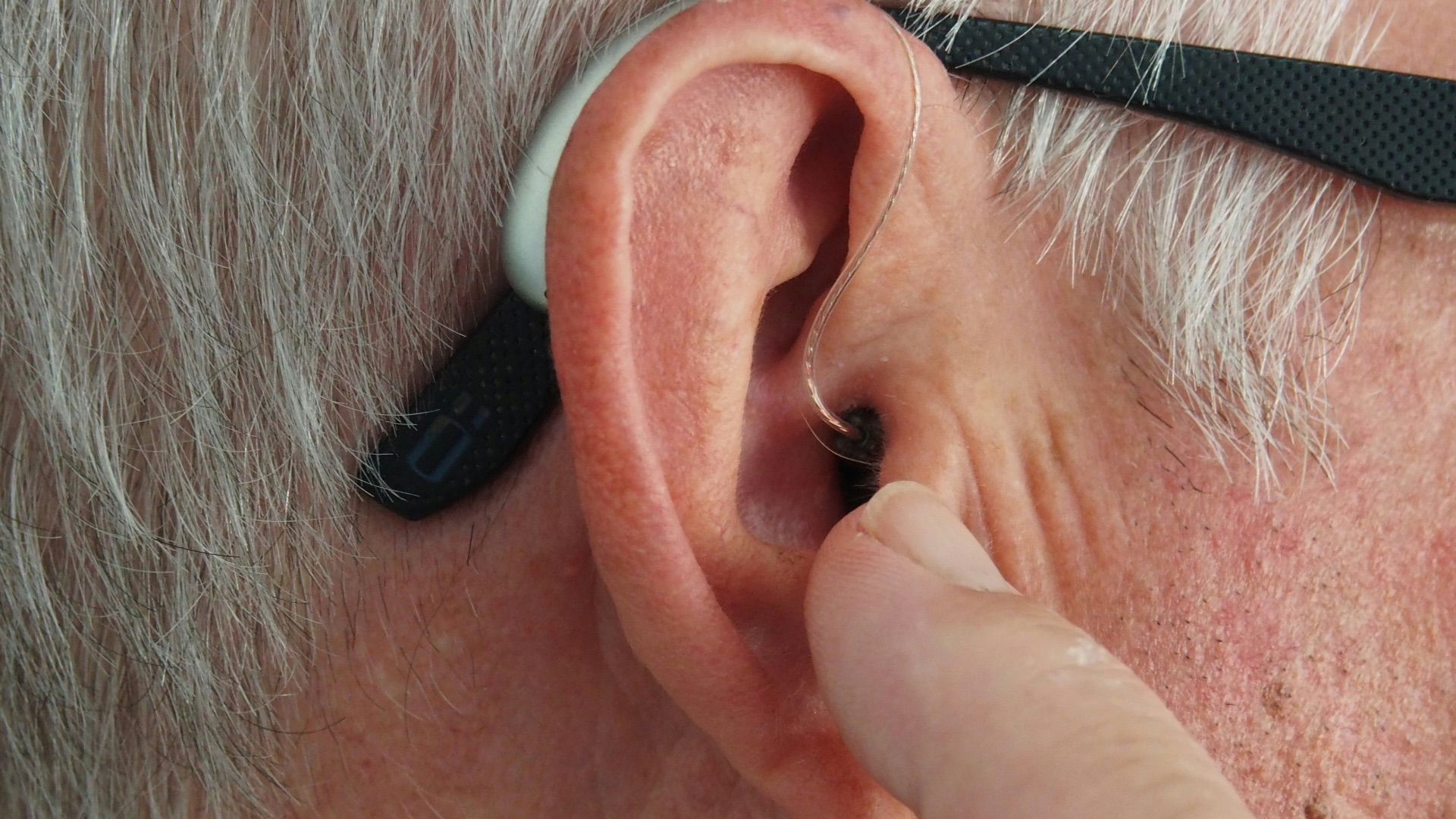
20. Ignoring a Sudden or Unusual Change
Not every case of tinnitus requires urgent care, but certain patterns should never be ignored. If your tinnitus suddenly appears with hearing loss or other concerning symptoms, seek immediate medical evaluation. Never brush aside new or worsening symptoms—acting fast can save your hearing and your life.
 https://kaboompics.com/ on Pexels
KEEP ON READING


20 Things Your Body Is Secretly Doing Right Now