A Few Small Changes Matter More After 50
Despite what people say, reaching 50 doesn't suddenly mean you have to build your life around doctor's appointments and comfortable sneakers. You’re still in the prime of your life, and while that means you can live to the fullest, it also means certain habits get more useful as your body changes. From keeping emergency information accessible to recognizing symptoms of a stroke, these are the things many adults should do more often as the years go by.
 https://kaboompics.com/ on Pexels
1. Update Vaccination Records
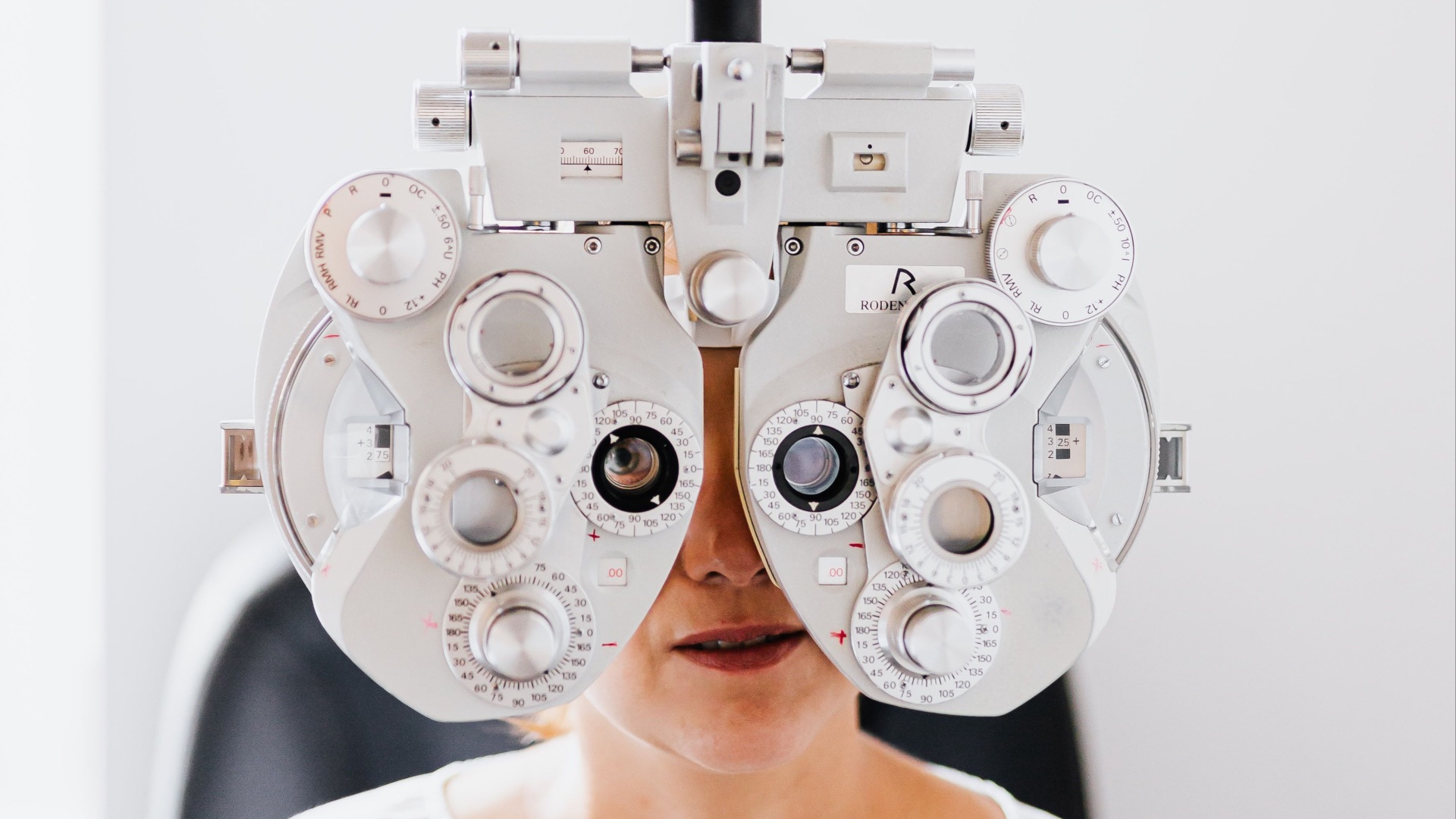
Most people can remember childhood vaccines better than whatever they got five years ago. Well, not anymore! Keeping a current record makes it easier to discuss seasonal flu, shingles, pneumococcal, COVID-19, and other recommended vaccines with a doctor. It also doesn’t hurt to stay on top of it yourself.
2. Write Down Family Medical History
You probably know that an uncle had heart trouble, but the details disappear over time. Even if it doesn’t seem relevant, recording major illnesses that affected parents, siblings, and grandparents can give your healthcare provider useful context when you go through your own risks. It's especially worth updating when another close relative receives a significant diagnosis.

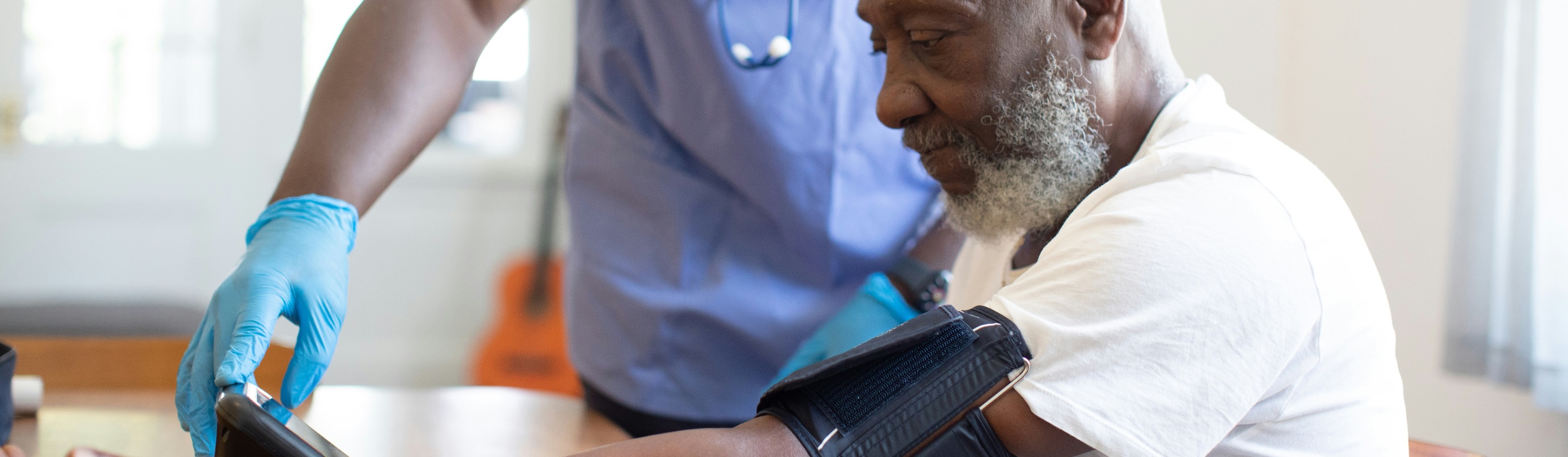
3. Check Their Blood Pressure at Home
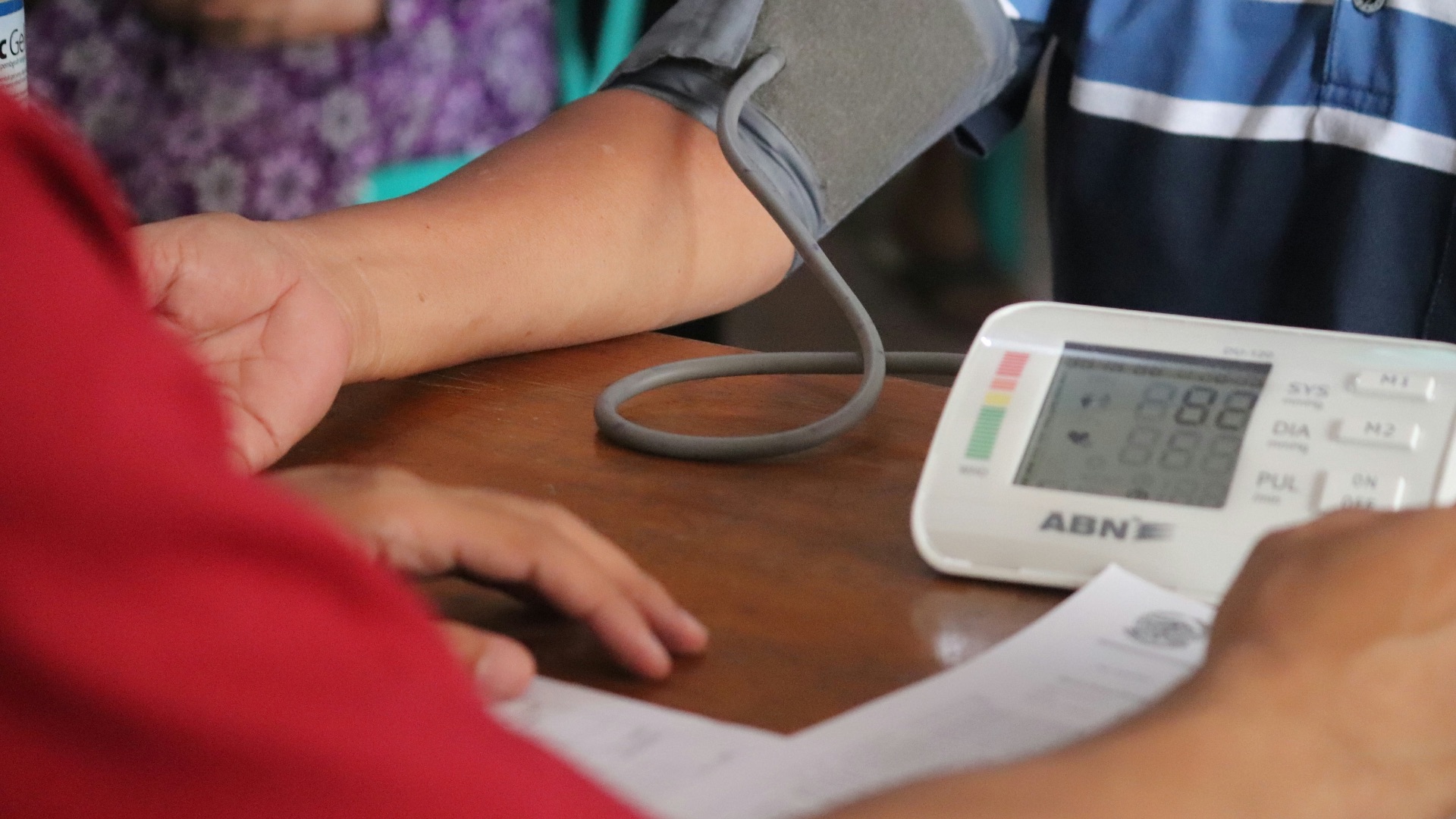
Feeling normal doesn't tell you whether your blood pressure is high. Forget about that hop, skip, and a jump to the drugstore; a validated home monitor can give you a much clearer picture. Keeping a short record is also useful if your numbers tend to jump around.
4. Set Up a Medical ID
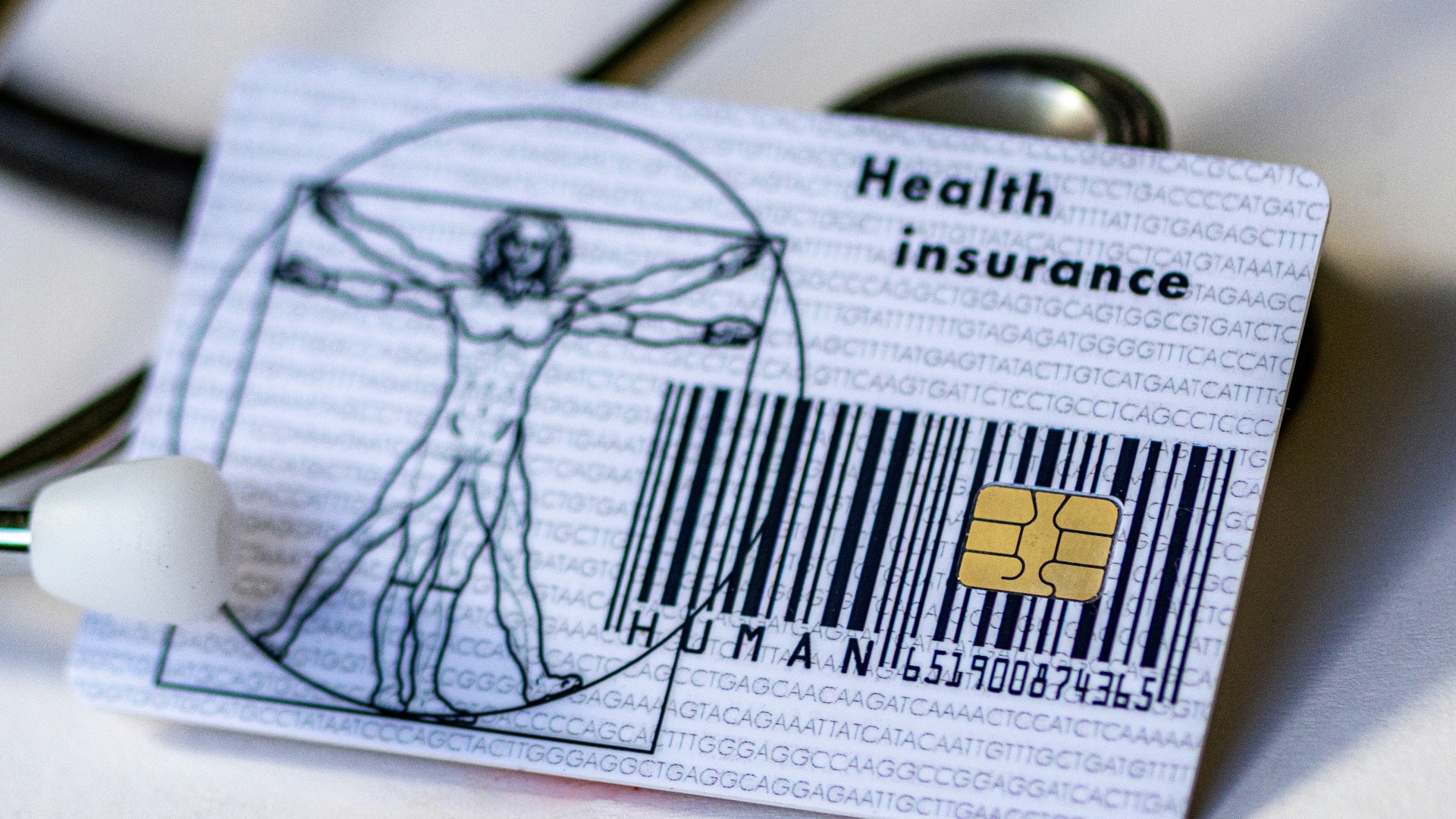
Your smartphone does a lot more than show you funny cat videos. Many of them actually allow emergency personnel to access selected details such as allergies, medical conditions, medications, and emergency contacts without unlocking the device. We know some people are wary about feeding it more personal information, but setting it up only takes a few minutes, and it can save your life.
5. Check Whether Their Shoes Still Fit
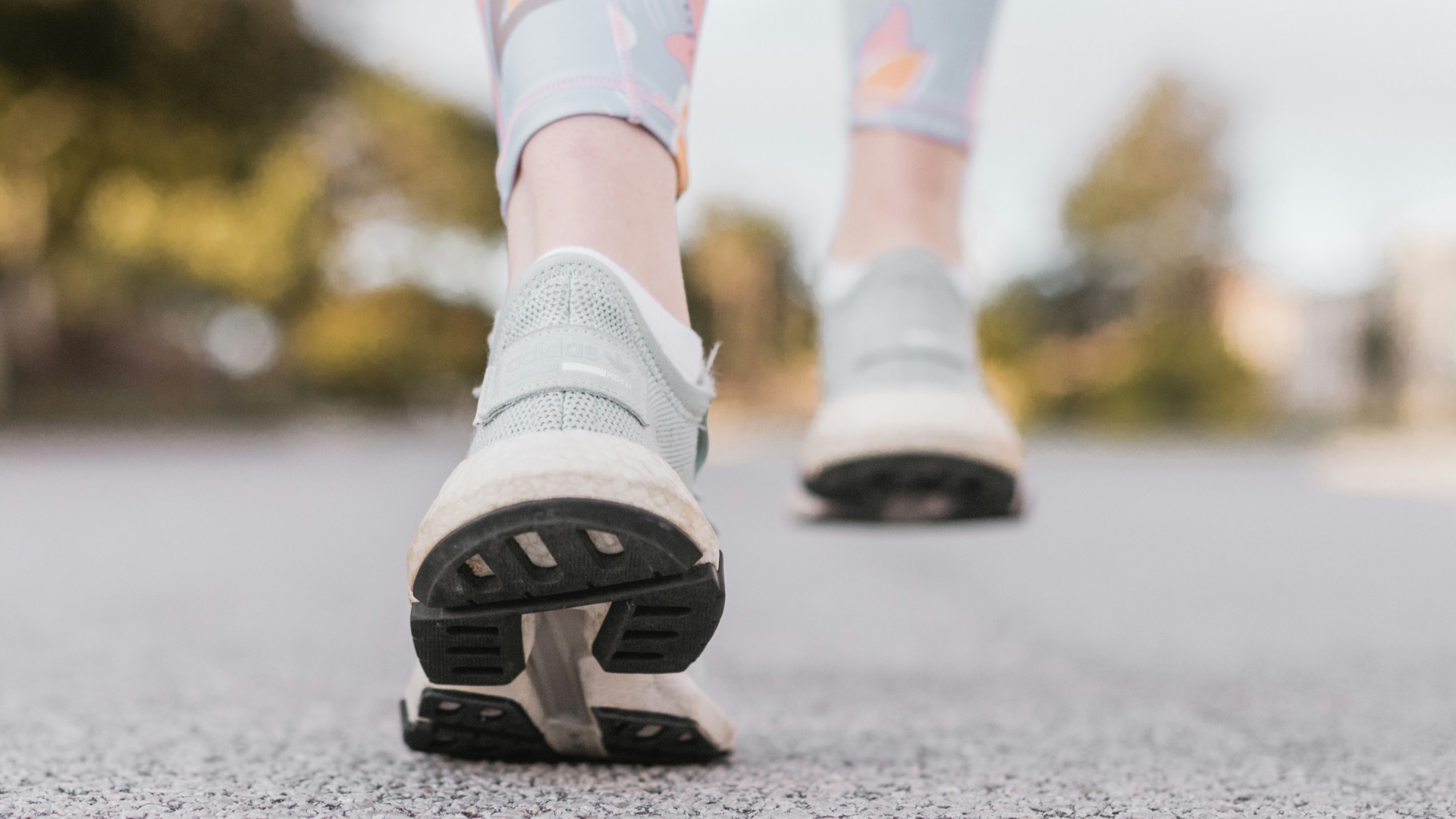
Wearing the same shoe size you've bought for 30 years doesn't mean it's still the right one. Feet can change with age, too, and shoes that pinch or provide poor support only make walking uncomfortable. Having your feet measured occasionally is a simple excuse to stop pretending those painfully tight sneakers are going to stretch eventually.
6. Learn Basic CPR
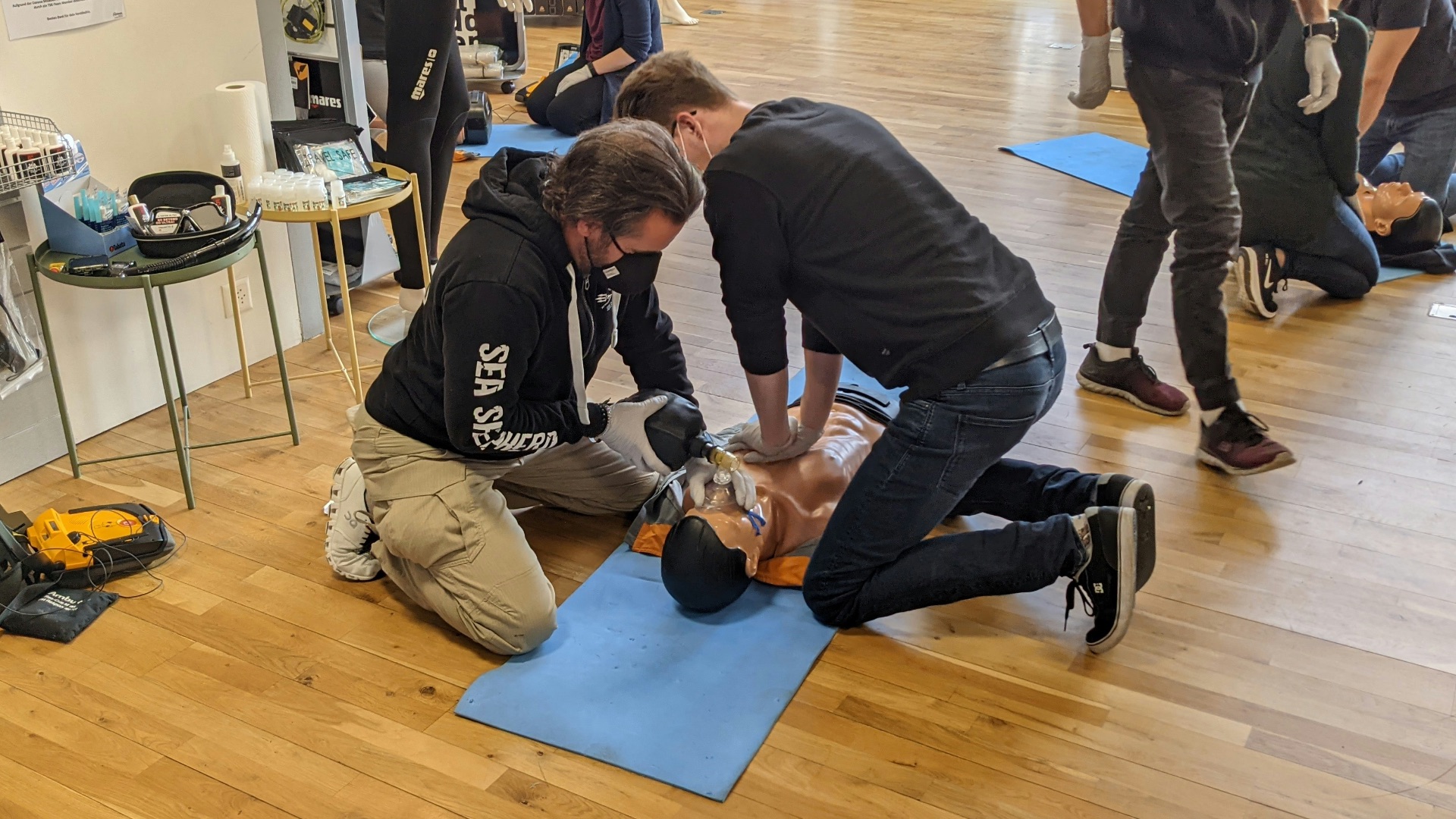
We’re not saying you have to get a nursing degree, but everyday civilians can learn what to do during a cardiac emergency. Community organizations, hospitals, and recognized first-aid providers offer courses covering CPR and automated external defibrillator use. Knowing the basics can leave you better prepared if something happens to a loved one, or even yourself.
7. Train For Getting Off the Floor
Plenty of workouts focus on looking fitter without practicing movements that actually matter later in life. Safely getting down to the floor and standing back up uses strength, mobility, coordination, and balance all at once. If doing it has become difficult, a physical therapist or can help you rebuild the movement safely.
 Francesca Tosolini on Unsplash
8. Keep a Personal Health Folder
Medical information gets surprisingly scattered at the best of times, but it’s even worse after you've seen doctors, specialists, dentists, and pharmacies. Do yourself a favor and keep copies of major test results, surgeries, allergies, diagnoses, and important dates in one place. Trust us—it makes future appointments much easier.
9. Ask Whether They Need a Bone Density Test
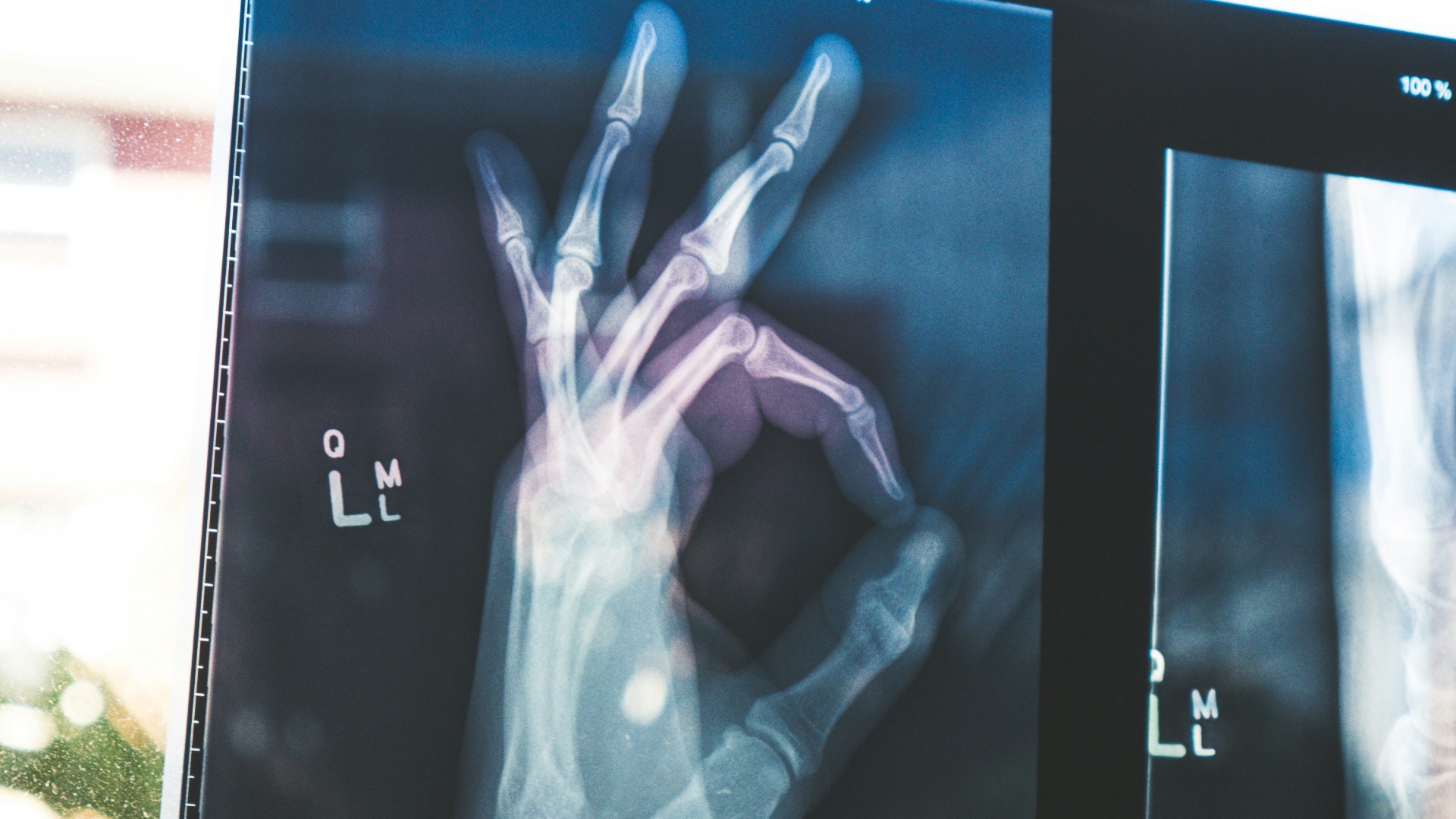
Bones don't send you a warning when they're getting weaker, and that’s why it’s on you to check in once in a while. Women 65 and older are generally advised to be screened for osteoporosis, while some younger postmenopausal women may need earlier testing depending on their risk. Men should also talk about osteoporosis risks with their healthcare providers.
10. Have Their Medications Reviewed
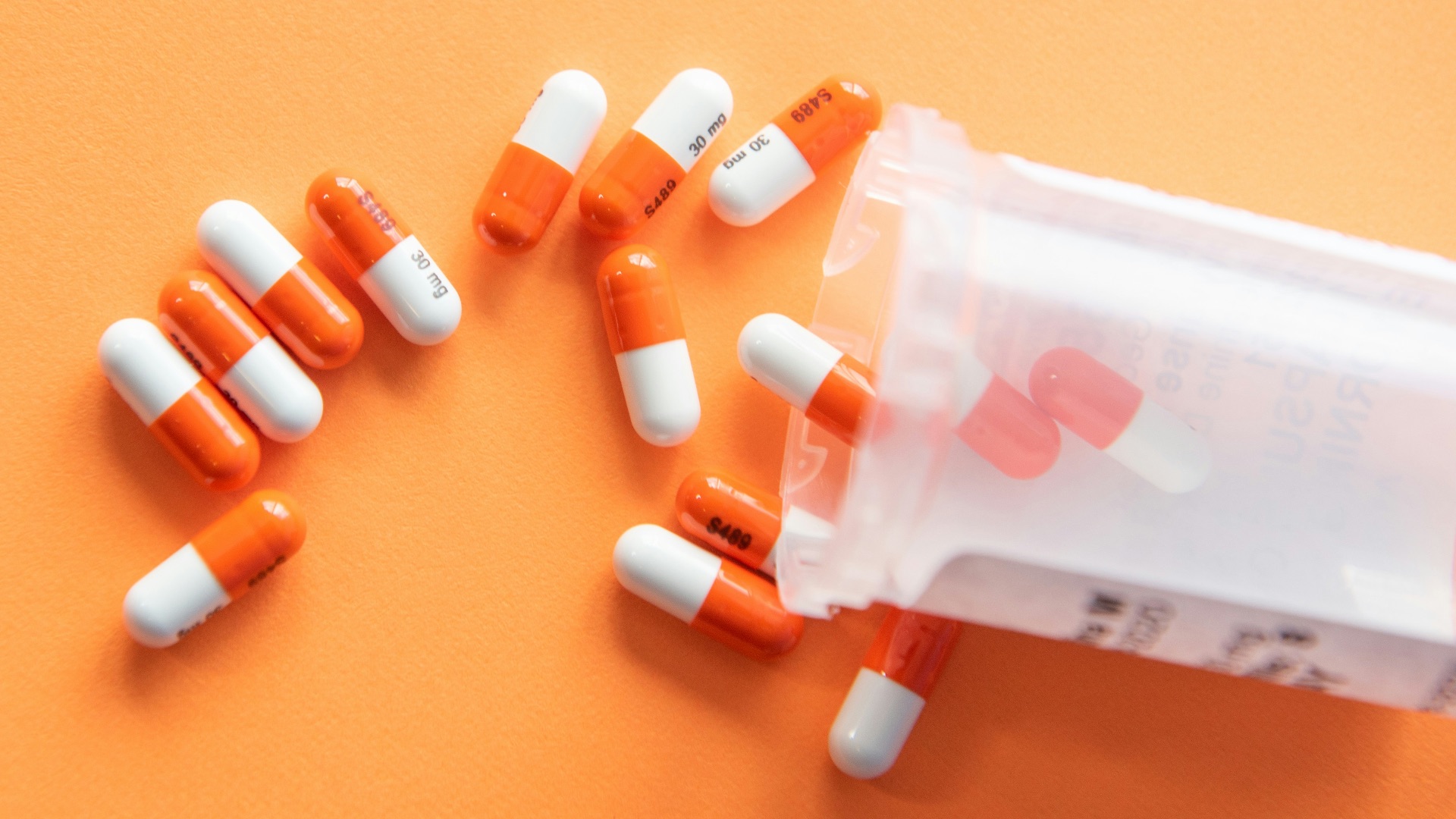
A prescription that made sense several years ago shouldn't necessarily stay on autopilot forever. Ask a doctor to periodically look at everything you take, including prescriptions, OTC pain relievers, sleep aids, vitamins, and supplements. Drug interactions and side effects can become more important as the list gets longer, and it’s better to trust a professional.
 Christina Victoria Craft on Unsplash
11. Exercise Their Feet
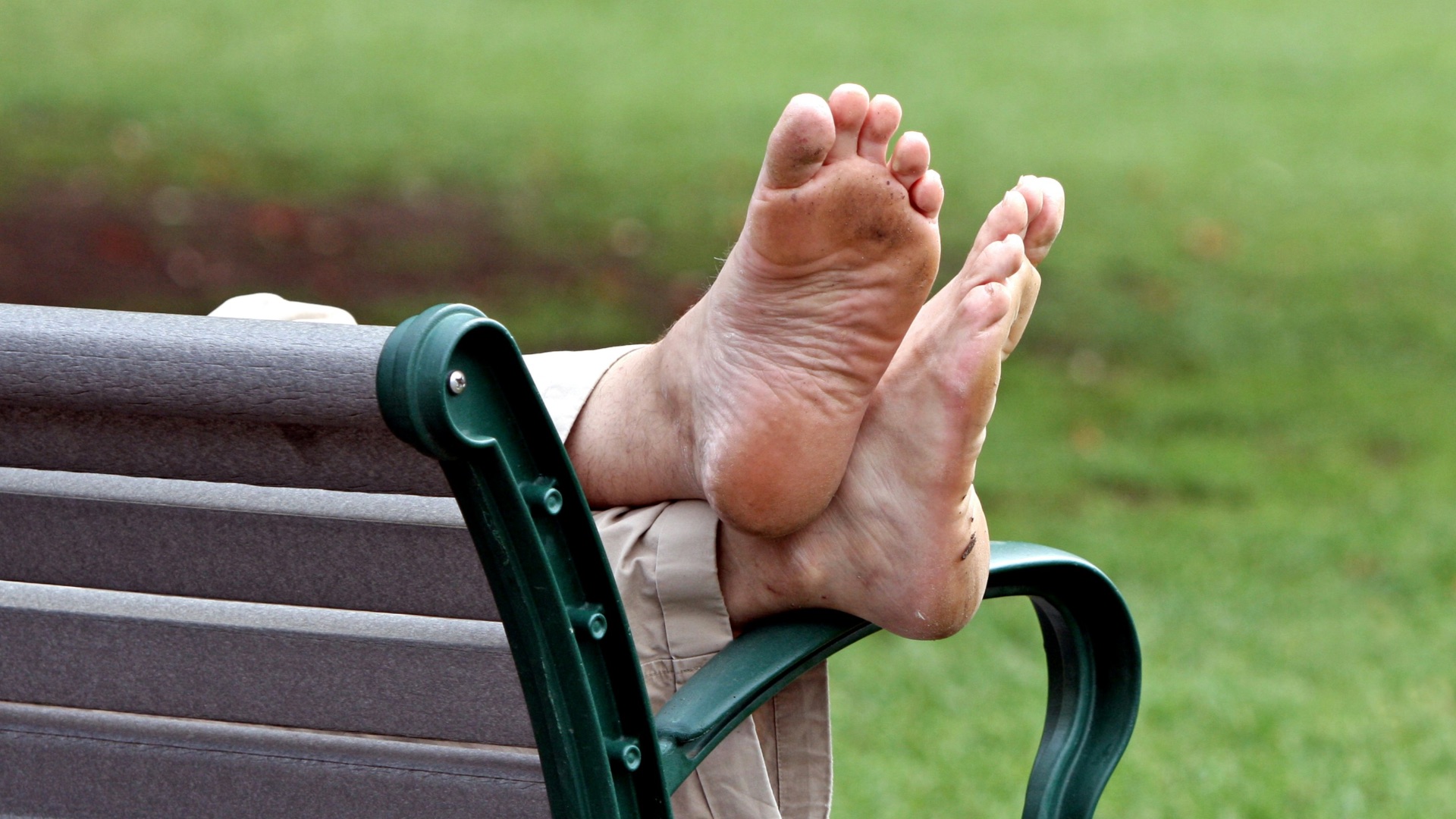
Feet don't get much attention until they start hurting or affecting the way you walk. But why is that? They’re an important part of us! Toe raises, calf raises, ankle movements, and supportive footwear can all play a role in keeping everyday movement comfortable and stable.
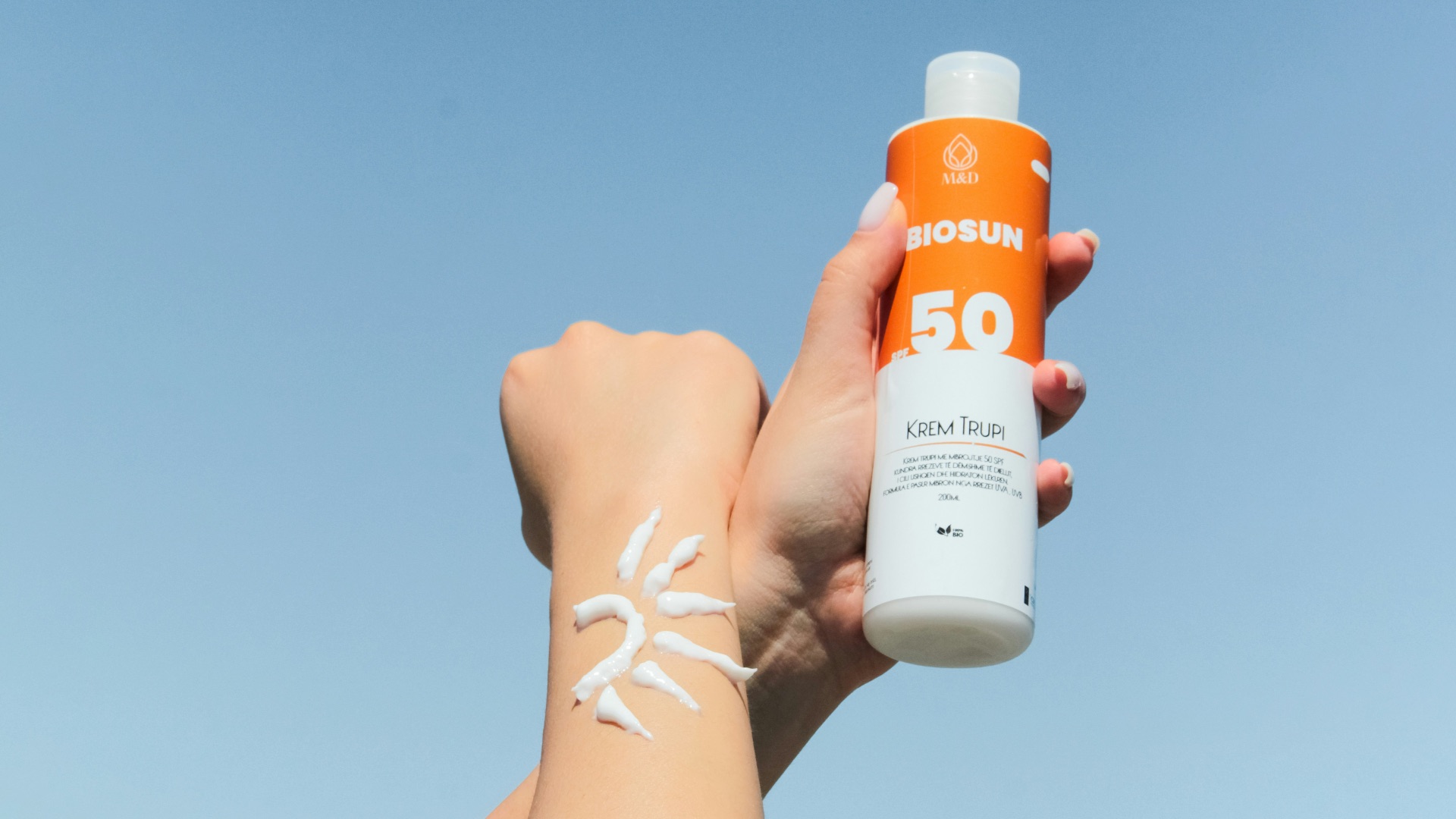
12. Protect Their Skin From the Sun
Whether we want to admit it or not, some of us have spent decades tanning before sunscreen became a habit—but that doesn't make protection pointless. Using sunscreen, wearing a hat, and checking your skin for spots that change in size or color still matters after 50. Don’t forget that years of sun exposure are a reason to pay more attention, not less.
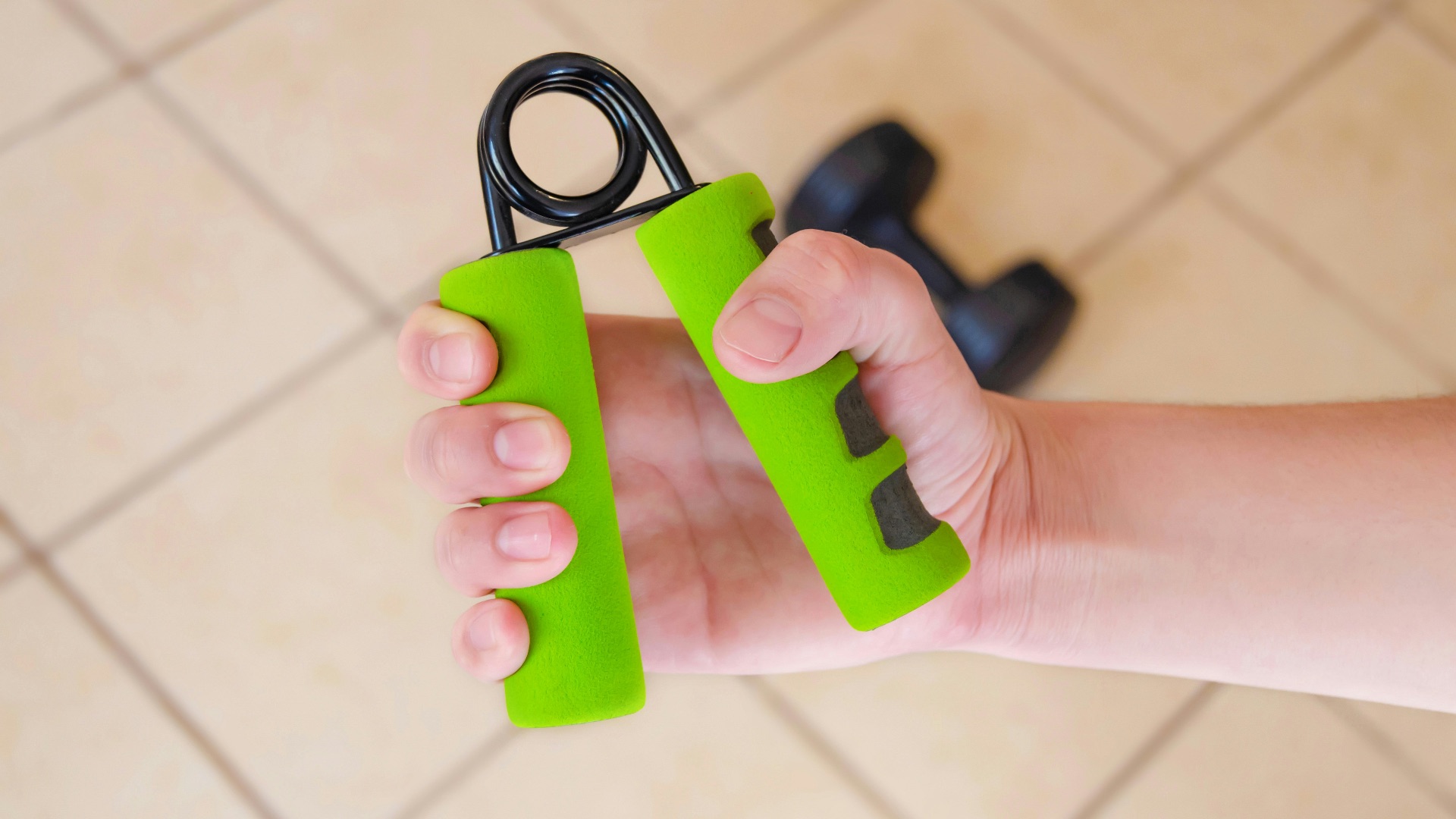
13. Maintain Hand Dexterity
Hands do far more than we give them credit for, and much like our bones, they don’t flash a warning light when they get weaker. But as they weaken, those tiny movements we take for granted get much harder. Activities such as gardening, knitting, or handling coins can keep your fingers doing precise work.
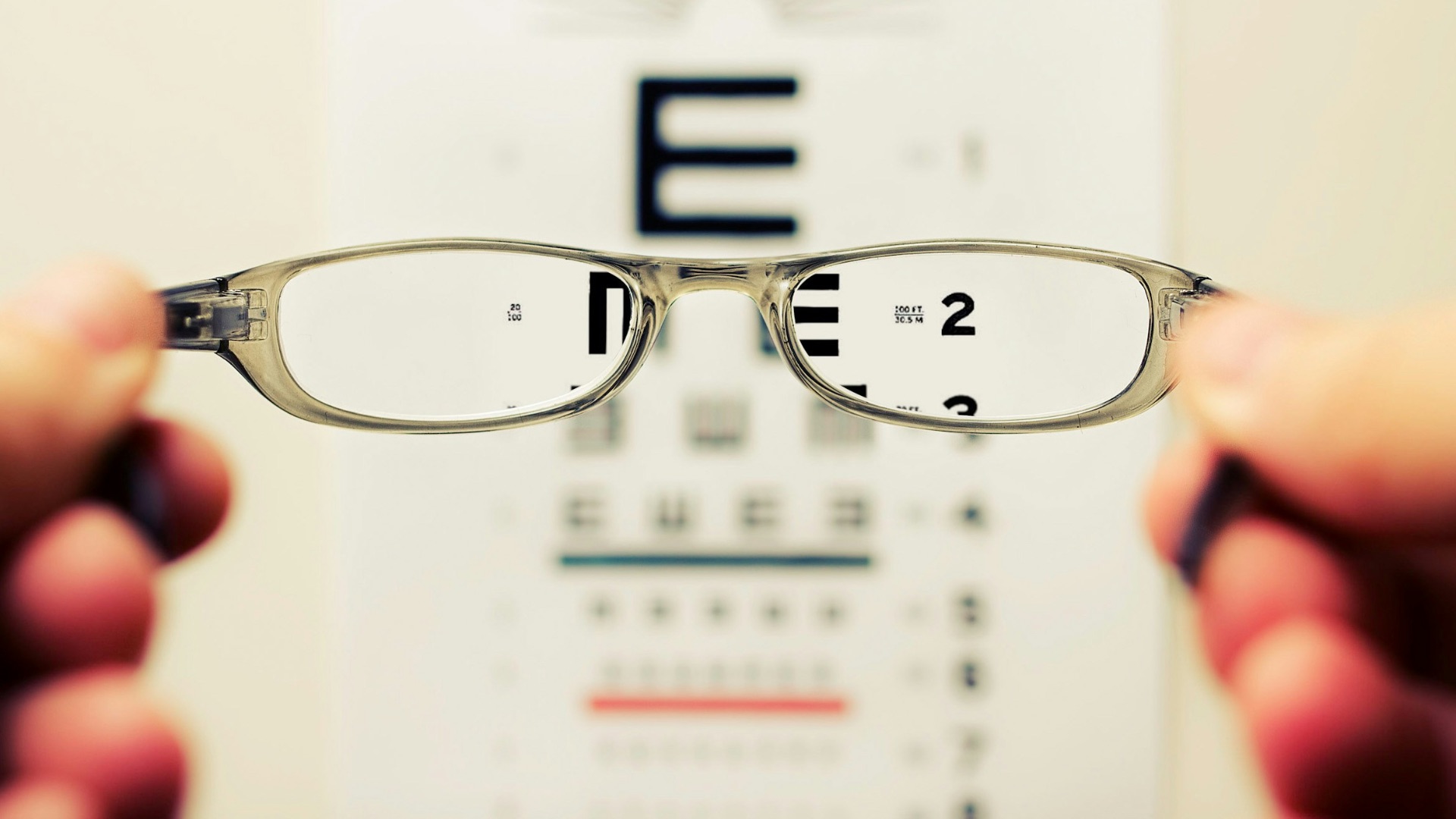
14. Look After Their Eyes
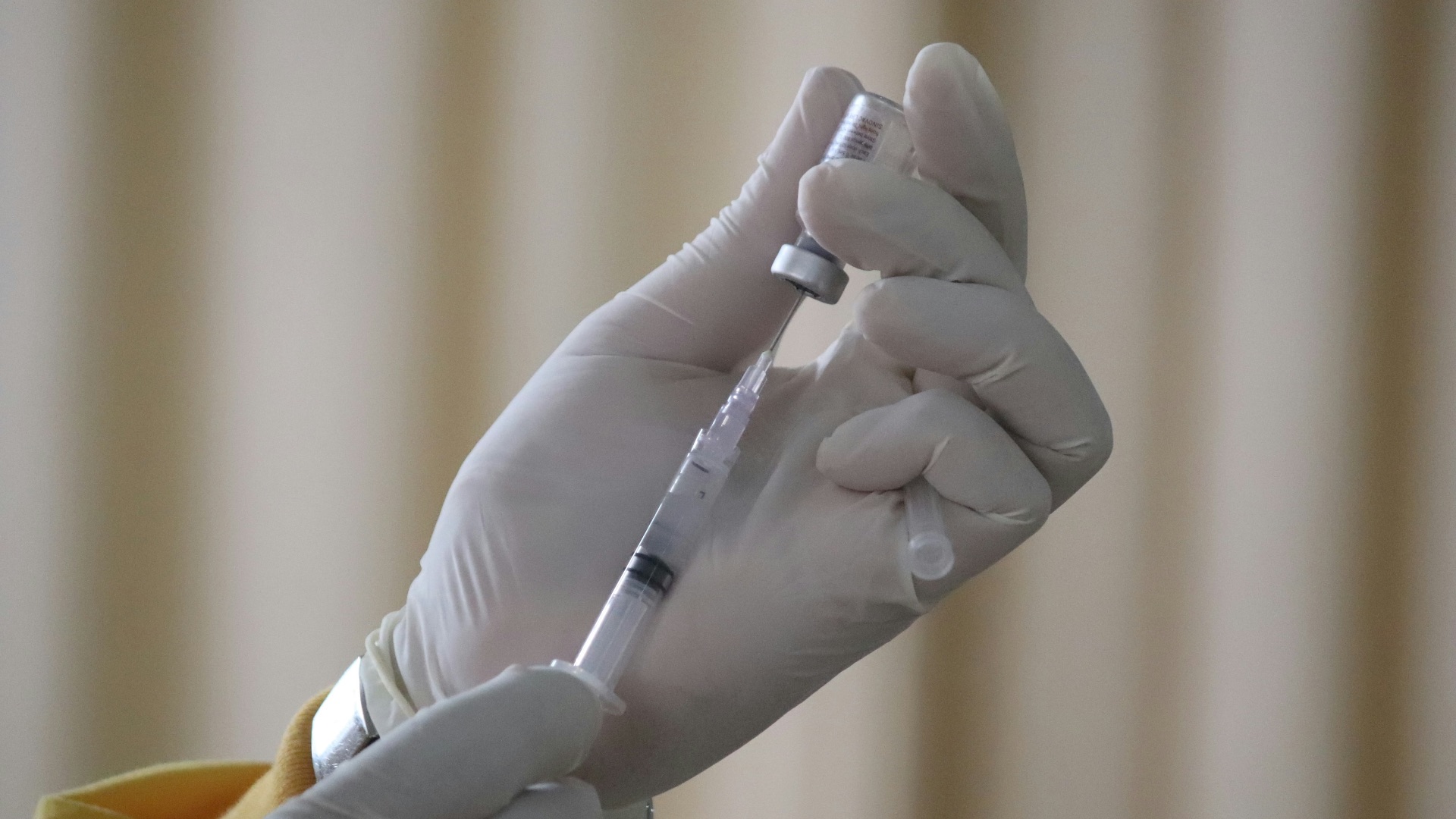
Vision changes can creep up slowly enough that you simply adapt without realizing how much you've lost. They’re never fun, but regular eye exams can detect issues with your vision and even pinpoint early signs of glaucoma, cataracts, and age-related changes. Updating an old prescription can also make life easier.
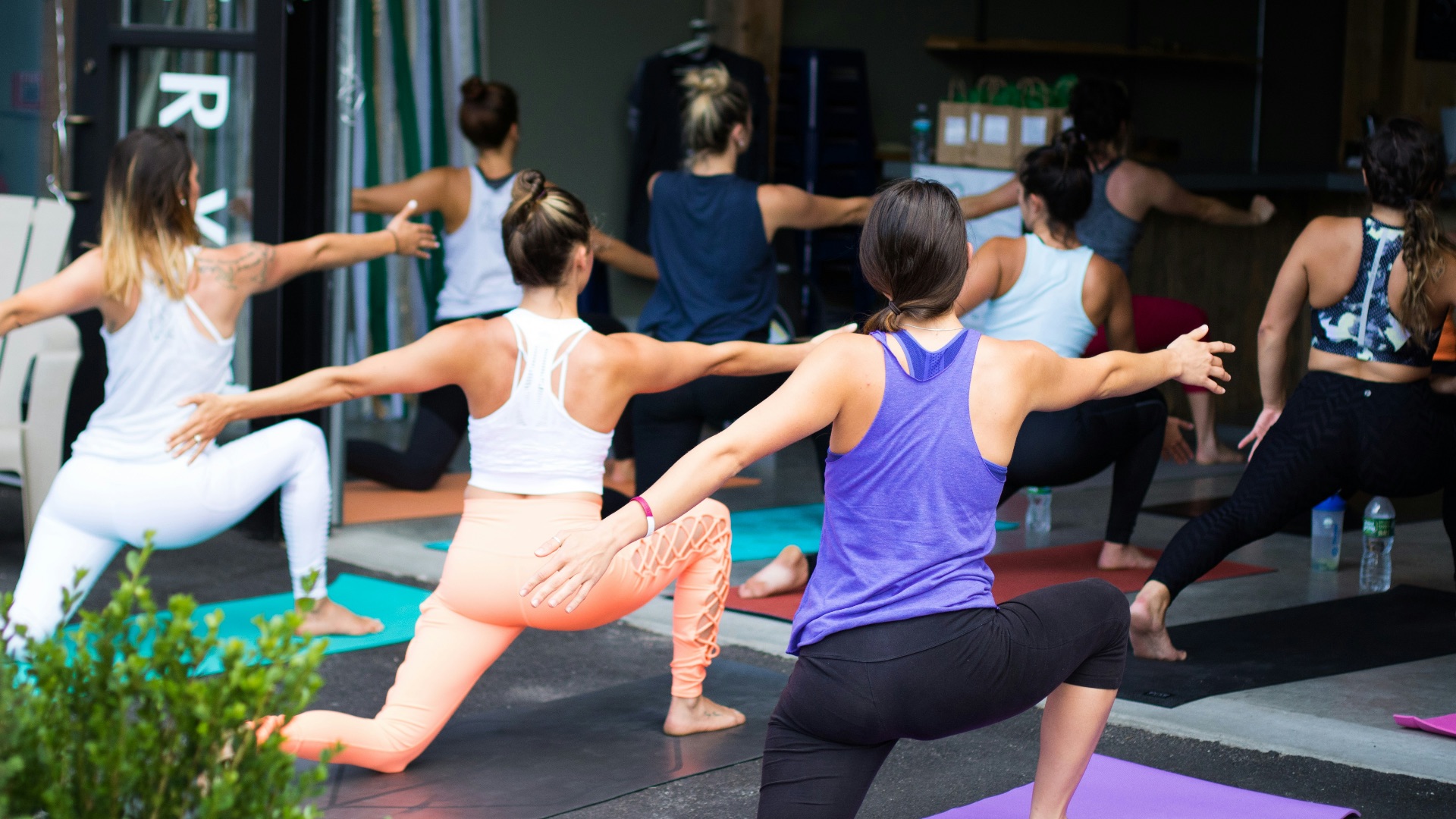
15. Keep Working on Flexibility
If tying your shoes now requires some creative positioning, your mobility probably deserves more attention. Gentle stretches for your calves, hips, chest, and shoulders can help preserve comfortable movement, particularly when they're done a few times a week. If you still work out on a regular basis, remember that stretching shouldn't cause sharp pain, either.
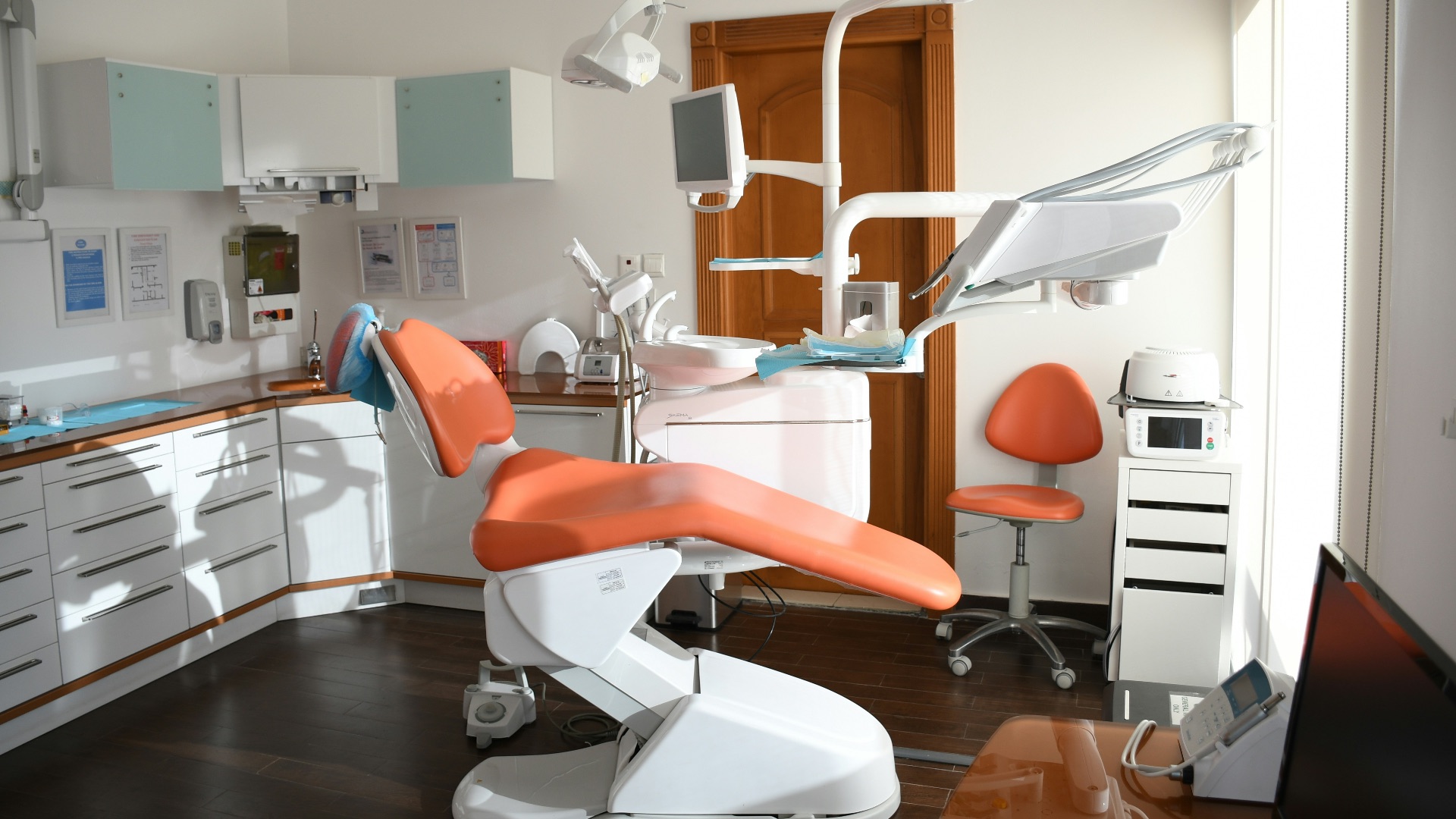
16. Take Dental Care More Seriously
Retirement doesn't mean you get to retire your toothbrush, too! Gum disease, dry mouth, worn teeth, and problems caused by certain medications can become increasingly relevant as you get older. Regular dental visits, twice-daily brushing, and flossing will always be important.
17. Break Up Long Periods of Sitting
Did you just watch a three-hour movie without leaving the couch? You might want to cut it out! Standing, walking around the room, doing a household task, or moving your joints periodically can break up long stretches of inactivity. That matters more than you think—the more you move, the easier it is on your body.
18. Pay Attention to Bathroom Habits
People get remarkably good at ignoring digestive or urinary changes because they're too embarrassing to talk about. No longer! Serious symptoms like persistent constipation, blood in the stool or urine, or needing the bathroom more often shouldn't be blamed on old age. Bringing uncomfortable symptoms up early gives your healthcare provider more information to work with as well.

19. Lift Everyday Objects Properly
Back injuries don’t just spring in the gym; they can happen at home with poor form. Bringing an object closer to your body, avoiding sudden twisting, and asking for help with legitimately heavy items are good habits to avoid injury. If your back already hurts, getting professional advice is smarter than testing how stubborn you can be.

20. Learn the Warning Signs of a Stroke
People often assume they'll recognize an emergency, but real symptoms don’t always announce themselves. Learning common stroke warnings such as arm weakness, speech difficulty, vision changes, or severe balance problems can help you recognize when urgent medical attention is needed.

KEEP ON READING

10 Pre-Workout & 10 Post-Workout Tips To Follow