Essential Foods
You know you need to get enough fruits and veggies in every day, but exactly which foods are you supposed to eat? While most nutrients can come from several different sources, meaning you should always keep your plate varied, your body does need a steady supply of certain nutrients to function properly. From foods that support bones and muscles to those that provide essential vitamins and minerals, make sure you're getting enough of these 20 foods.
 Tyrrell Fitness And Nutrition on Unsplash
1. Eggs
Eggs are a great source of protein, but more than that, they also contain choline, vitamin B12, selenium, and vitamin D. Thankfully, it's easy to get enough eggs in your day, as they can be fried, boiled, steamed, or poached to pair with any meal.

2. Salmon
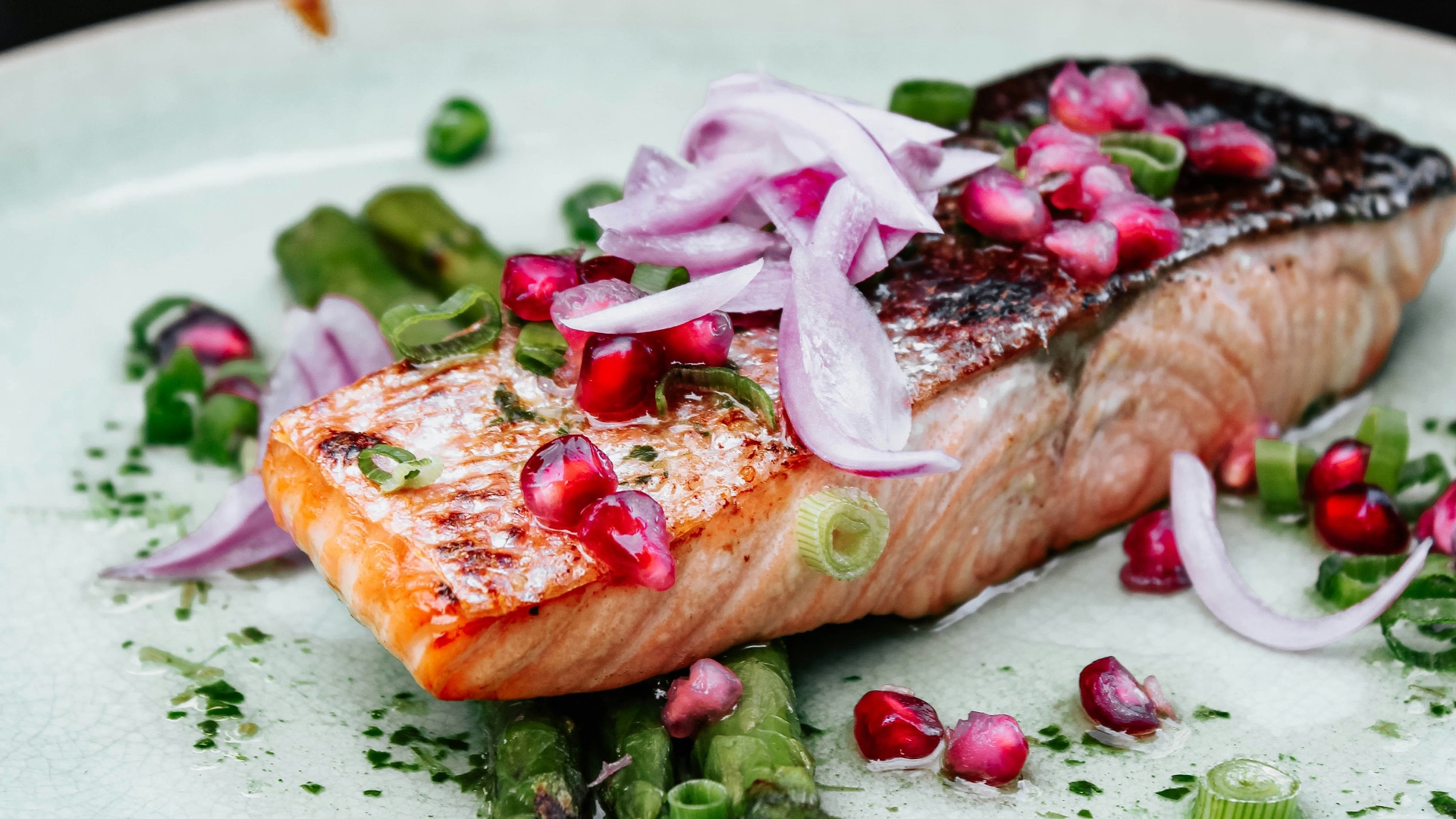
If you're not already eating enough salmon, it's time to get on it! Fatty fish is one of the most useful dietary sources of omega-3 fatty acids, which play an important role in supporting your heart, brain, and cells. Salmon, specifically, also provides lots of protein, vitamin B12, selenium, and vitamin D in just one serving.
 micheile henderson on Unsplash
3. Greek Yogurt
Greek yogurt not only contains good bacteria for the gut, but also provides protein, calcium, phosphorus, and several B vitamins, making it a popular breakfast option. If you’re looking for a healthy way to start your day, get some yogurt in—just make sure to choose sugar-free or flavorless options!

4. Lentils
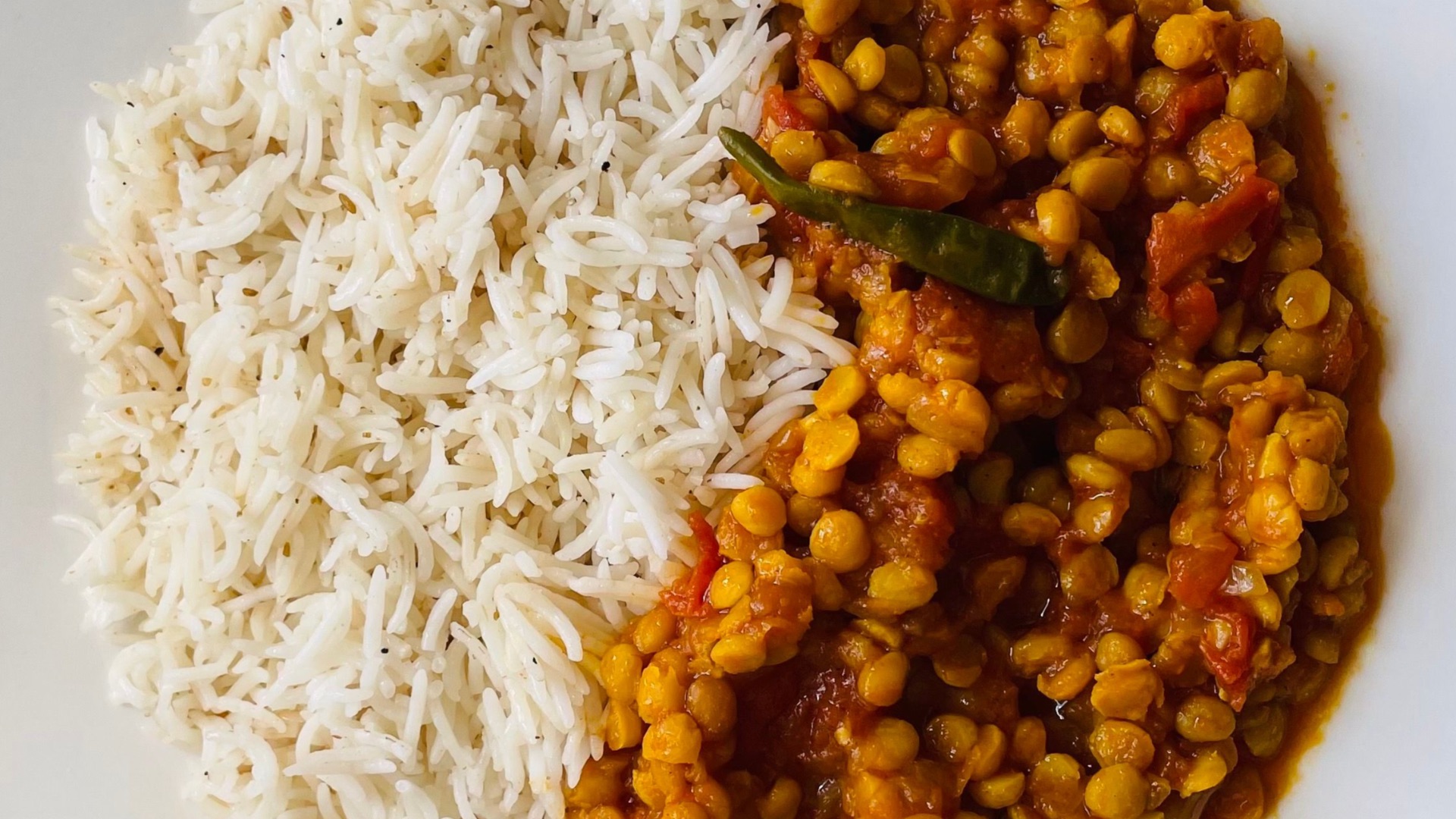
If you're not already eating lots of this inexpensive pantry staple, you should be. After all, lentils pack an impressive amount of nutrition, from plant protein to fiber and other minerals that boost everyday body functions. One piece of advice: because the iron in plant foods isn't as easily absorbed as that found in animal sources, try pairing lentils with vitamin C-rich vegetables to help your body absorb more of it.
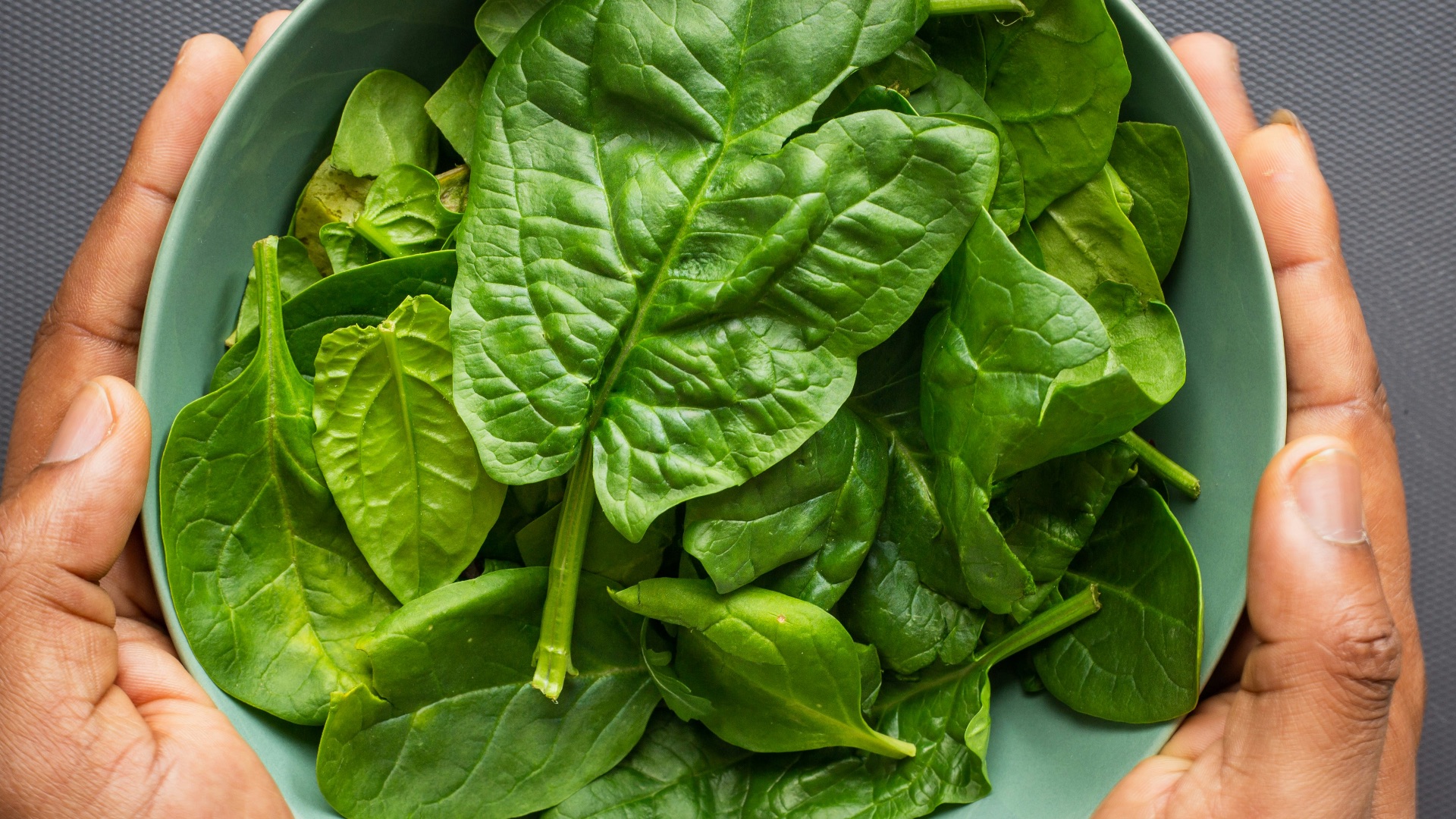
5. Spinach
Leafy greens should already make a regular appearance on your plate, but spinach in particular deserves a spot. Like the others we've covered, it's nutrient-dense, loaded with folate, vitamin K, carotenoids, iron, and several other vitamins and minerals. Plus, it can be eaten raw or cooked!
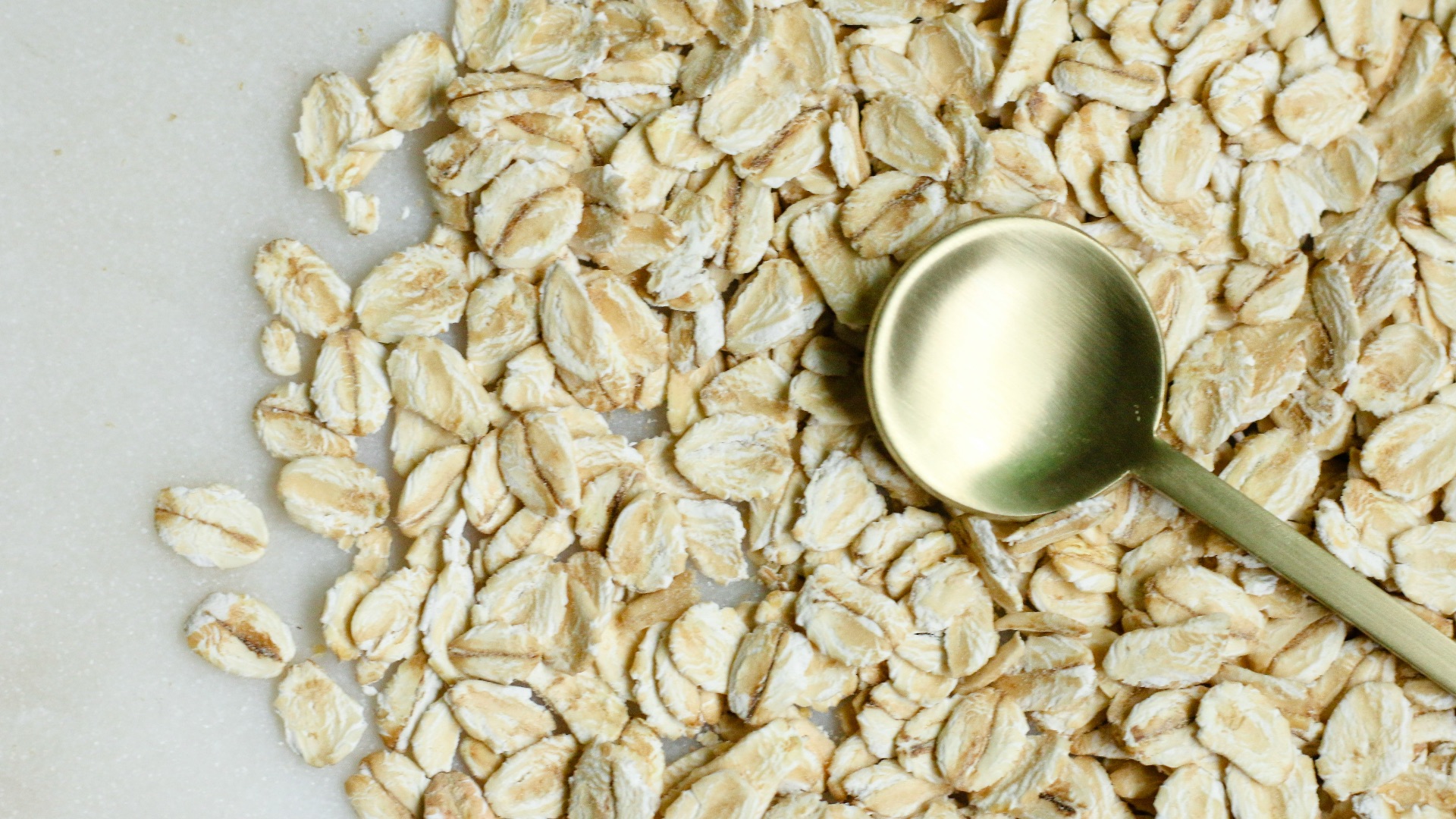
6. Oats
Oats are all about the fiber. In particular, it contains beta-glucan, a soluble form of fiber that helps make meals more filling and helps your digestive system out. Fiber aside, these grains also provide manganese, magnesium, phosphorus, and several B vitamins, making them a well-rounded breakfast food.
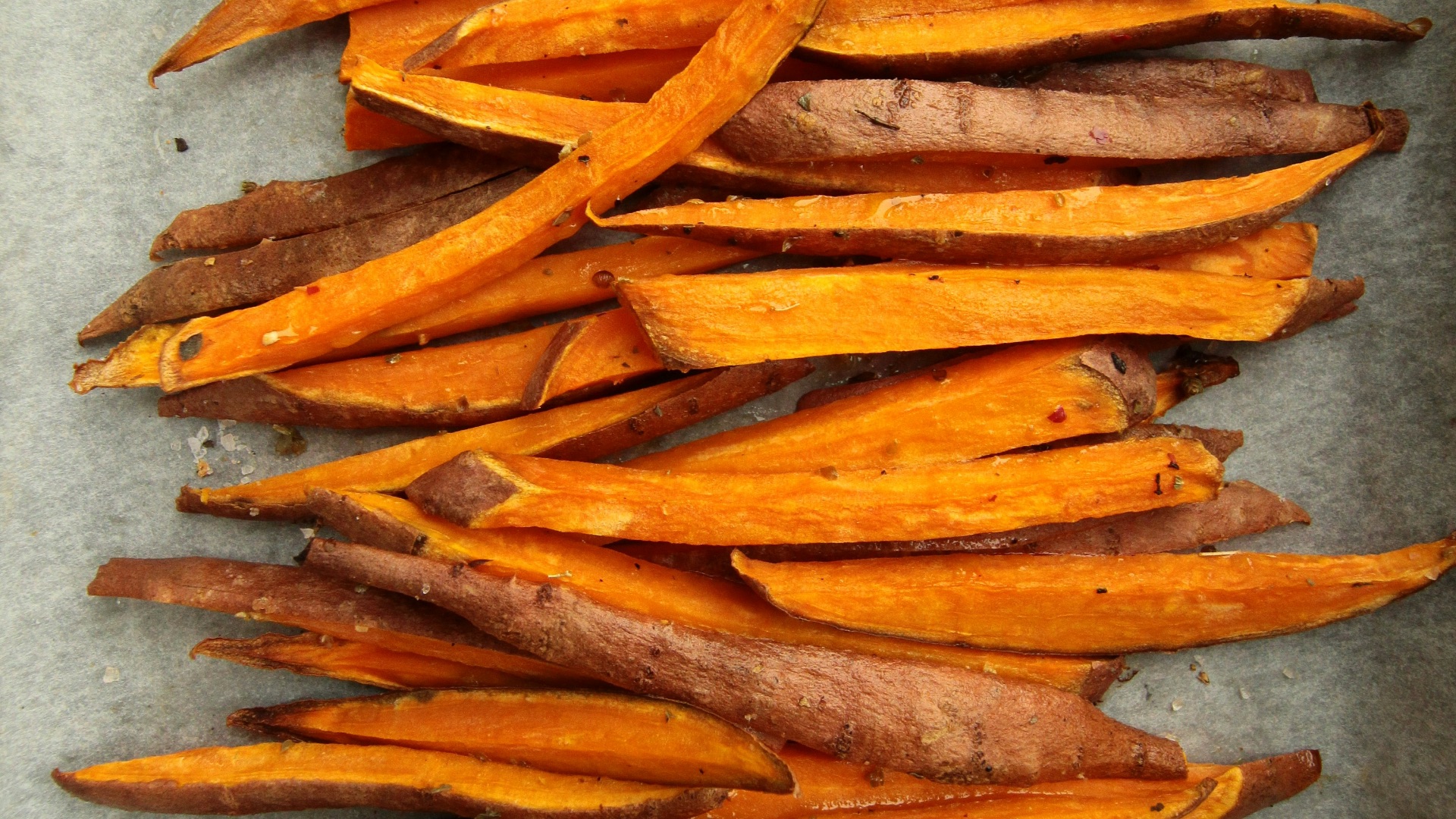
7. Sweet Potatoes
Orange and naturally sweet, this vegetable is especially rich in beta-carotene, which your body converts into vitamin A—a vitamin that helps support vision, immune function, and the overall maintenance of tissues. You'll also get fiber, potassium, and vitamin C with each bite, though you might want to stick to healthy cooking methods rather than cutting your potatoes up into fries!
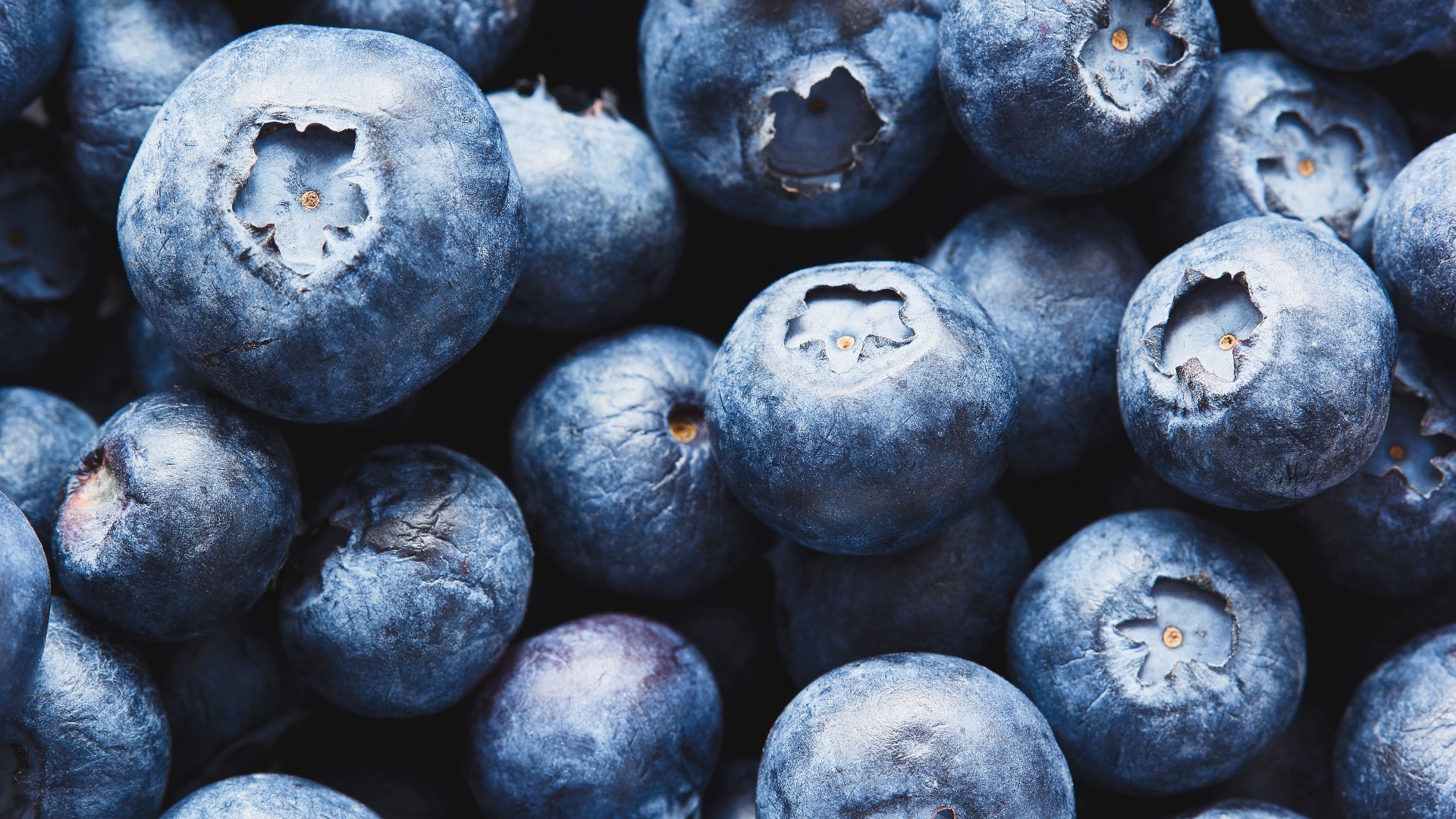
8. Blueberries
Even a handful of blueberries can give you a boost of vitamin C and fiber, along with a range of naturally occurring plant compounds! If you don't like eating them on their own, though, you can also throw them into oatmeal, yogurt, or smoothies.
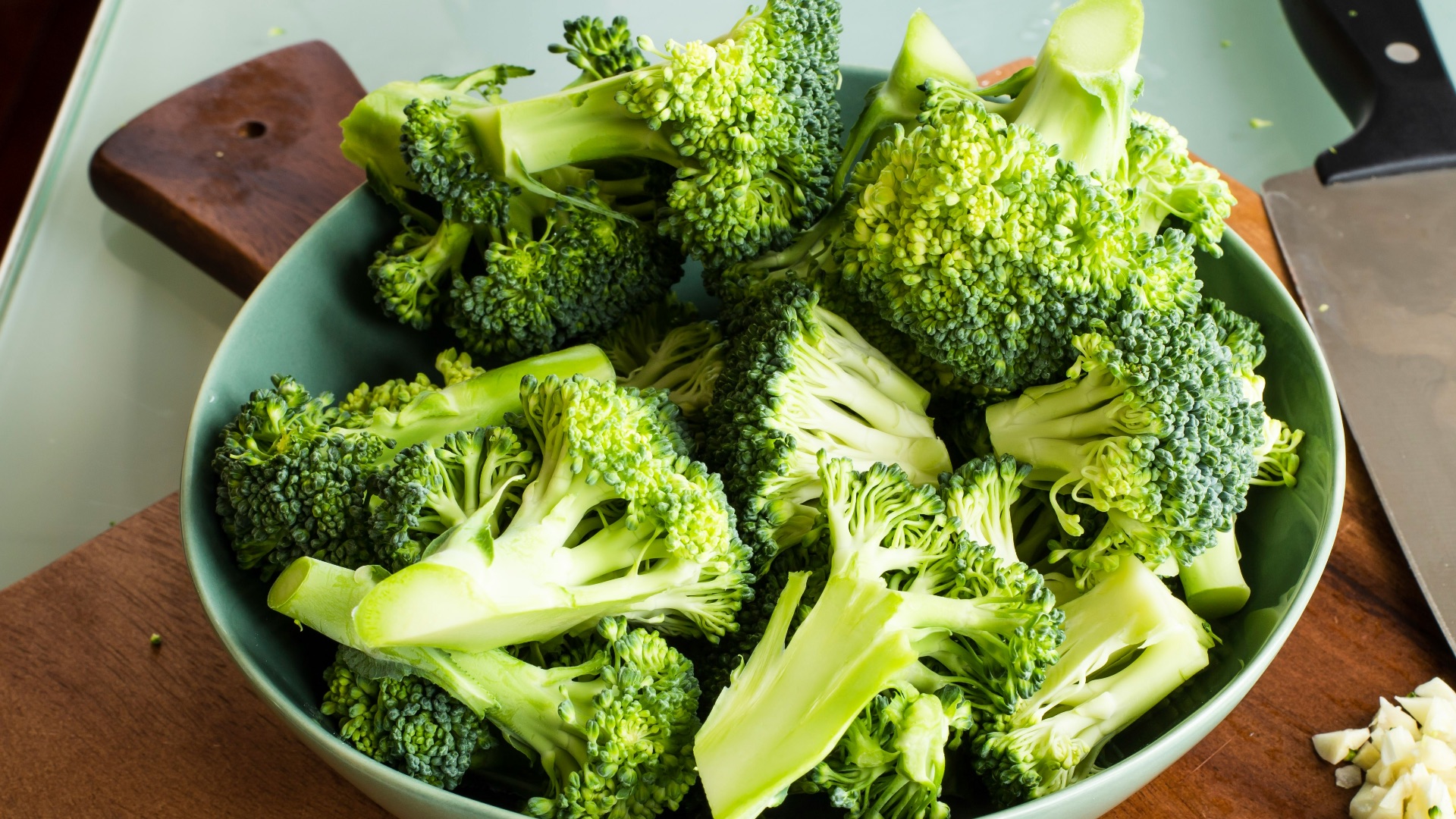
9. Broccoli
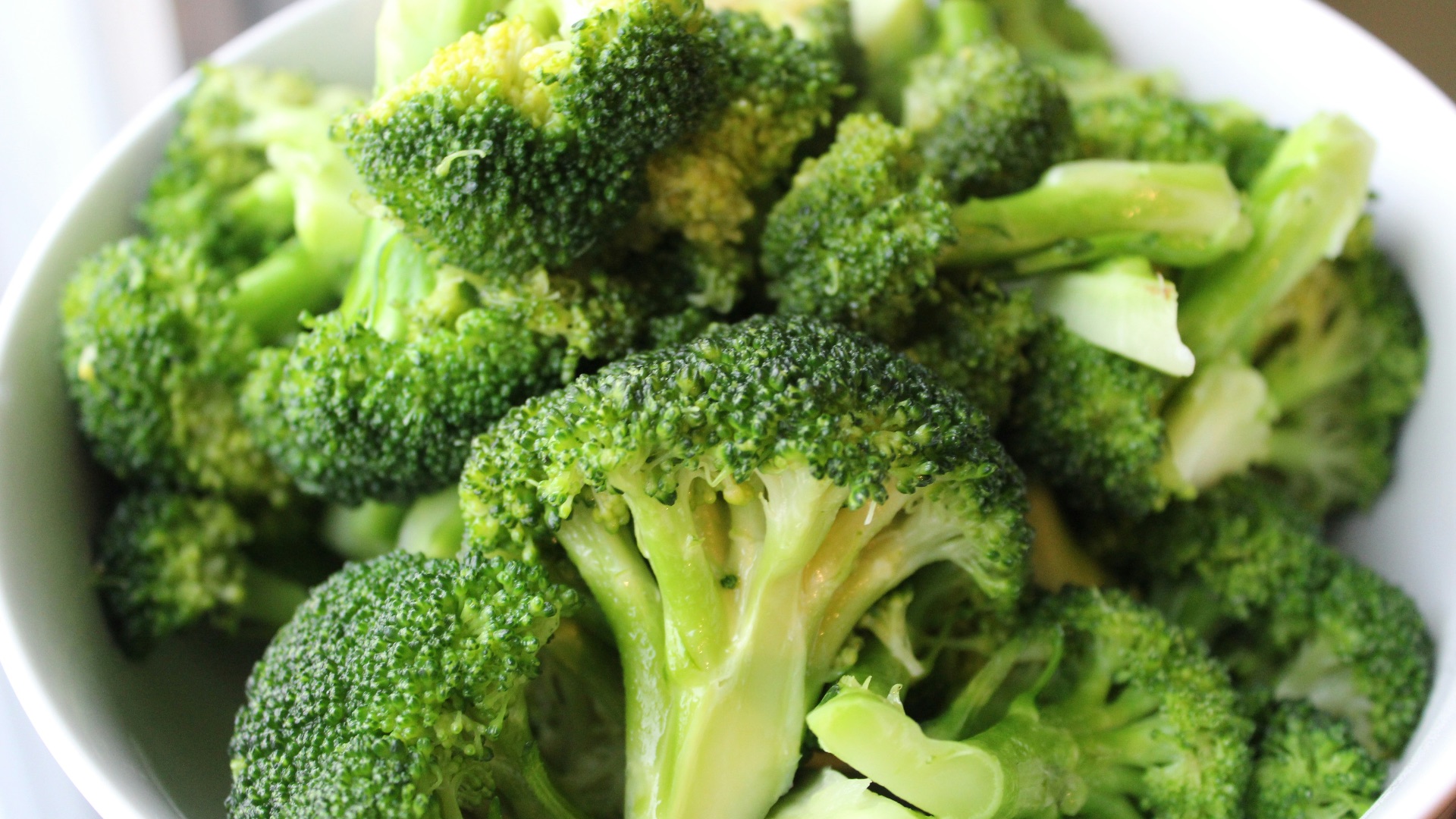
Along with vitamins C and K, folate, fiber, and carotenoids, broccoli can also give you some calcium, which might surprise you. It probably won't replace a glass of milk, but getting all the other nutrients it provides isn't too bad a deal, either.
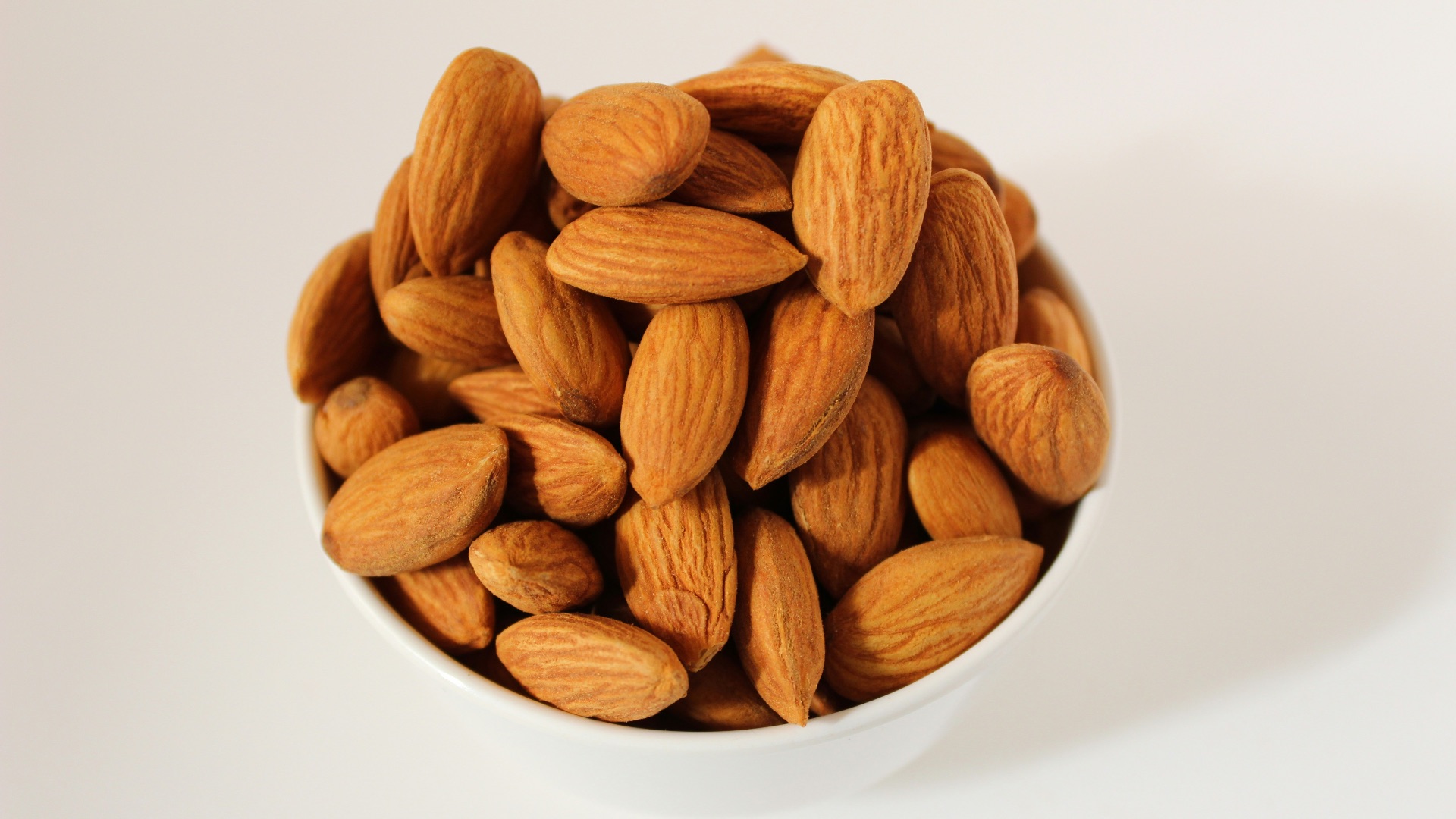
10. Almonds
If you like snacking on nuts, make sure to get a handful of almonds every day, which supply healthy unsaturated fats as well as protein, fiber, and vitamin E. More good news? Since nuts are calorie-dense, they're filling even without needing an enormous serving, making them a far better option than chips!
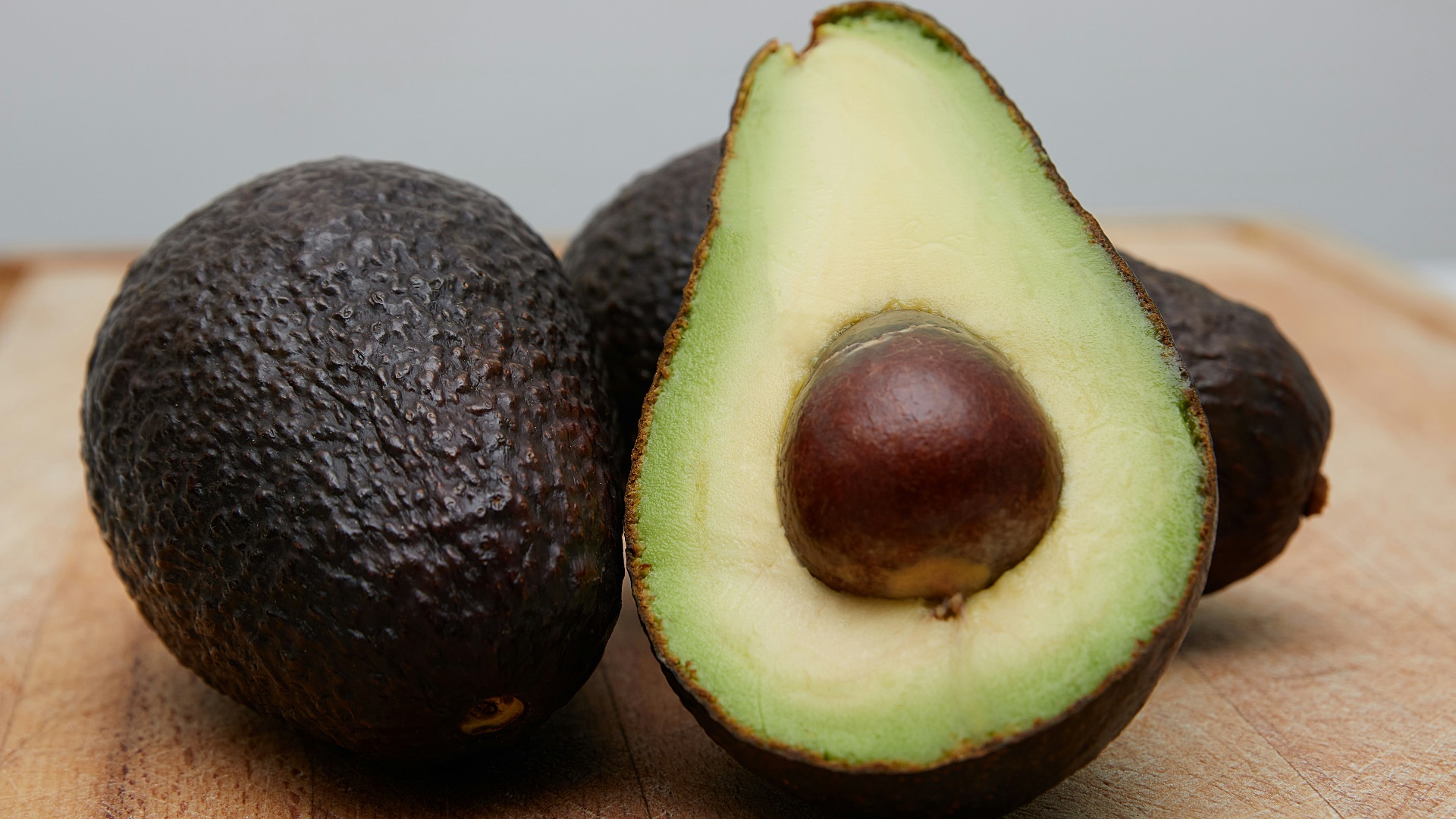
11. Avocados
Avocados should be eaten daily for their monounsaturated fats alone, but they also provide lots of fiber as well. Adding some avocado to a meal can therefore be a satisfying source of good fats. Though, if you're watching your cholesterol levels, you may want to speak to your doctor first.
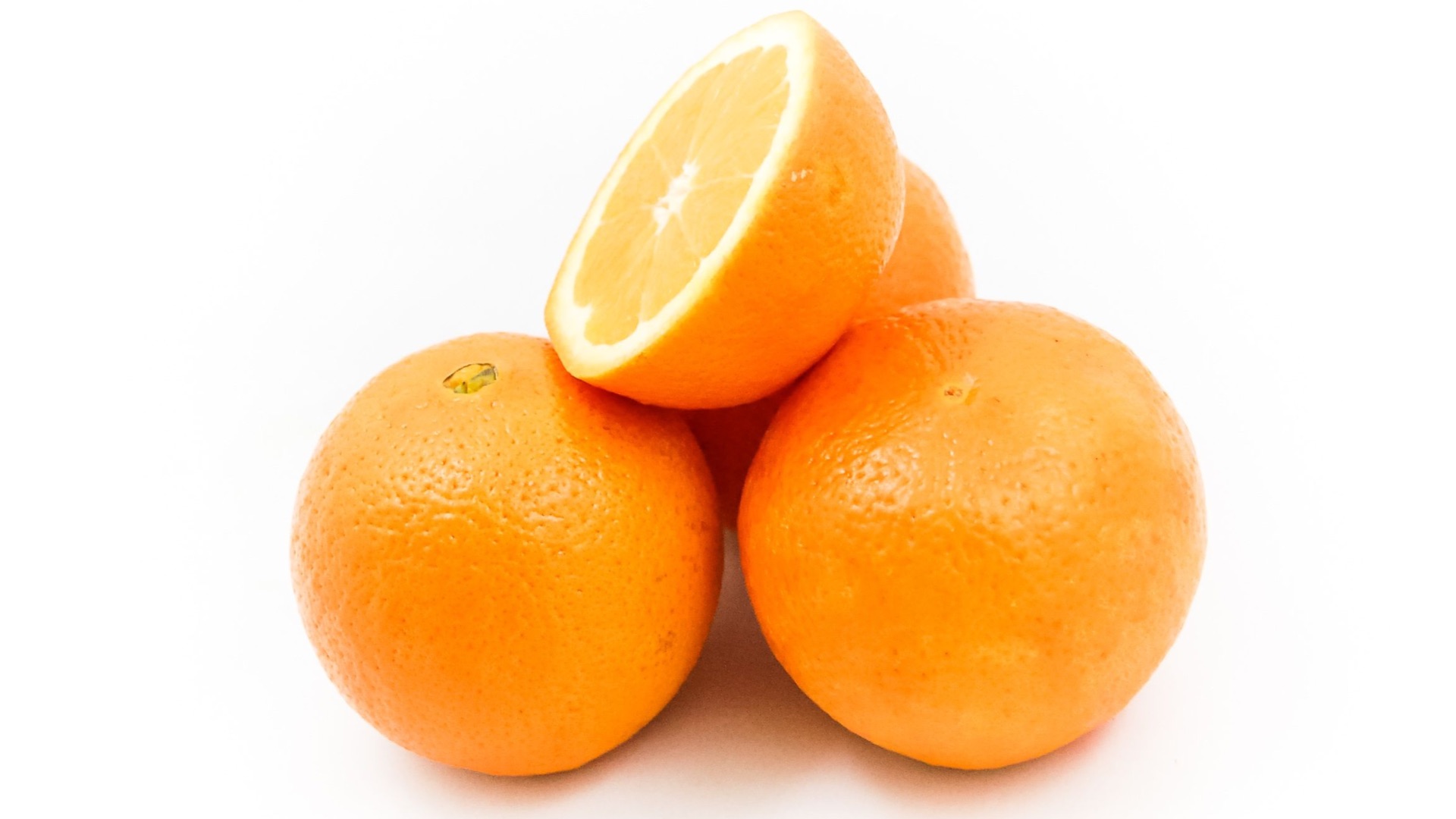
12. Oranges
Oranges are best known for vitamin C, and that reputation is deserved: after all, vitamin C helps collagen formation, provides antioxidant protection, and boosts immune function, all of which are beneficial for your health. Other fruits and vegetables provide vitamin C, too, but citrus is one of the easiest ways to include it in your diet.
13. Beans
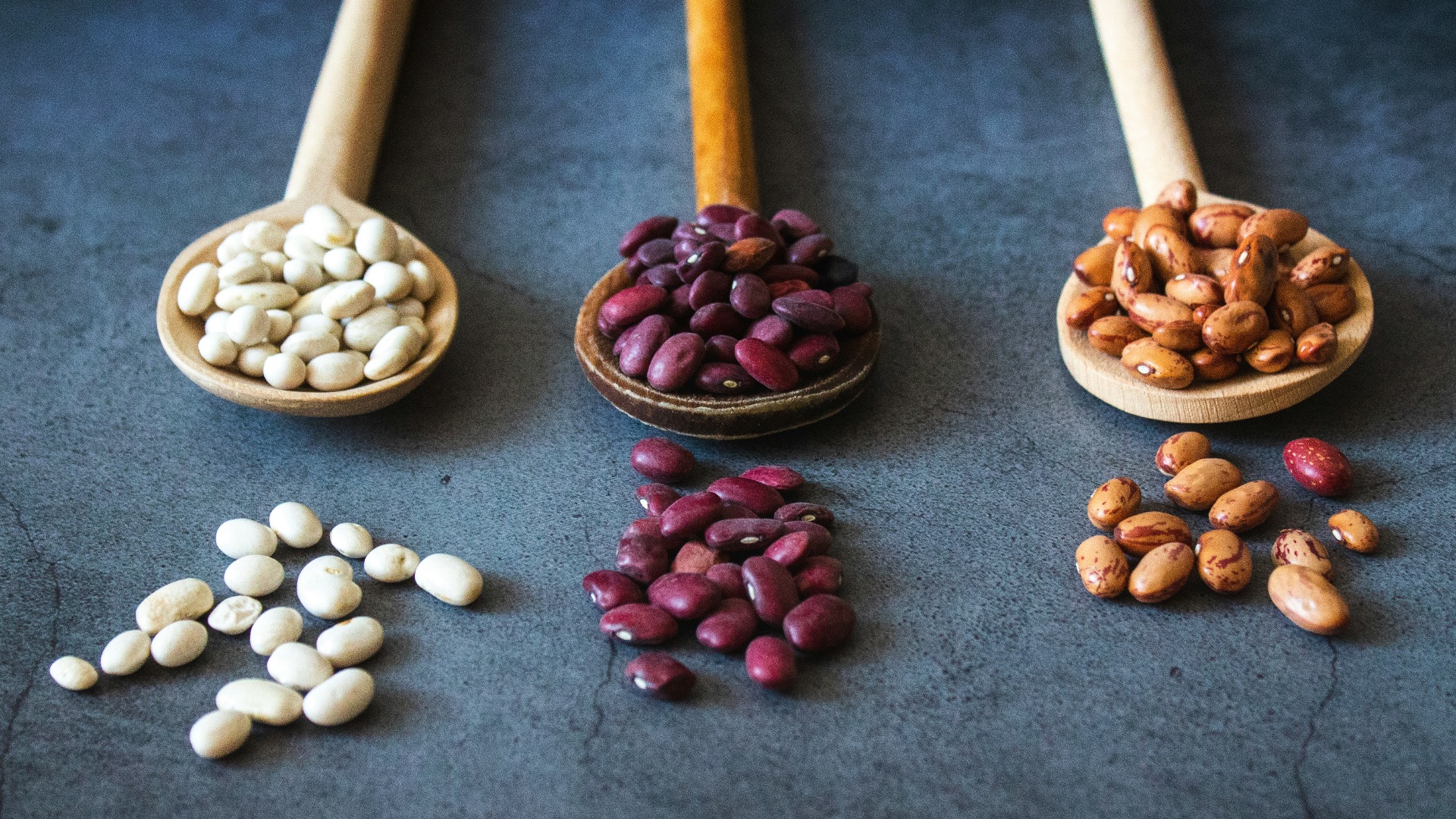
Whether it's black beans or kidney beans, these legumes are a great source of plant protein and fiber. On top of that, they also contribute iron, folate, magnesium, and potassium. They may lead to some gassiness, sure, but they should still be included on your plate!
14. Potatoes
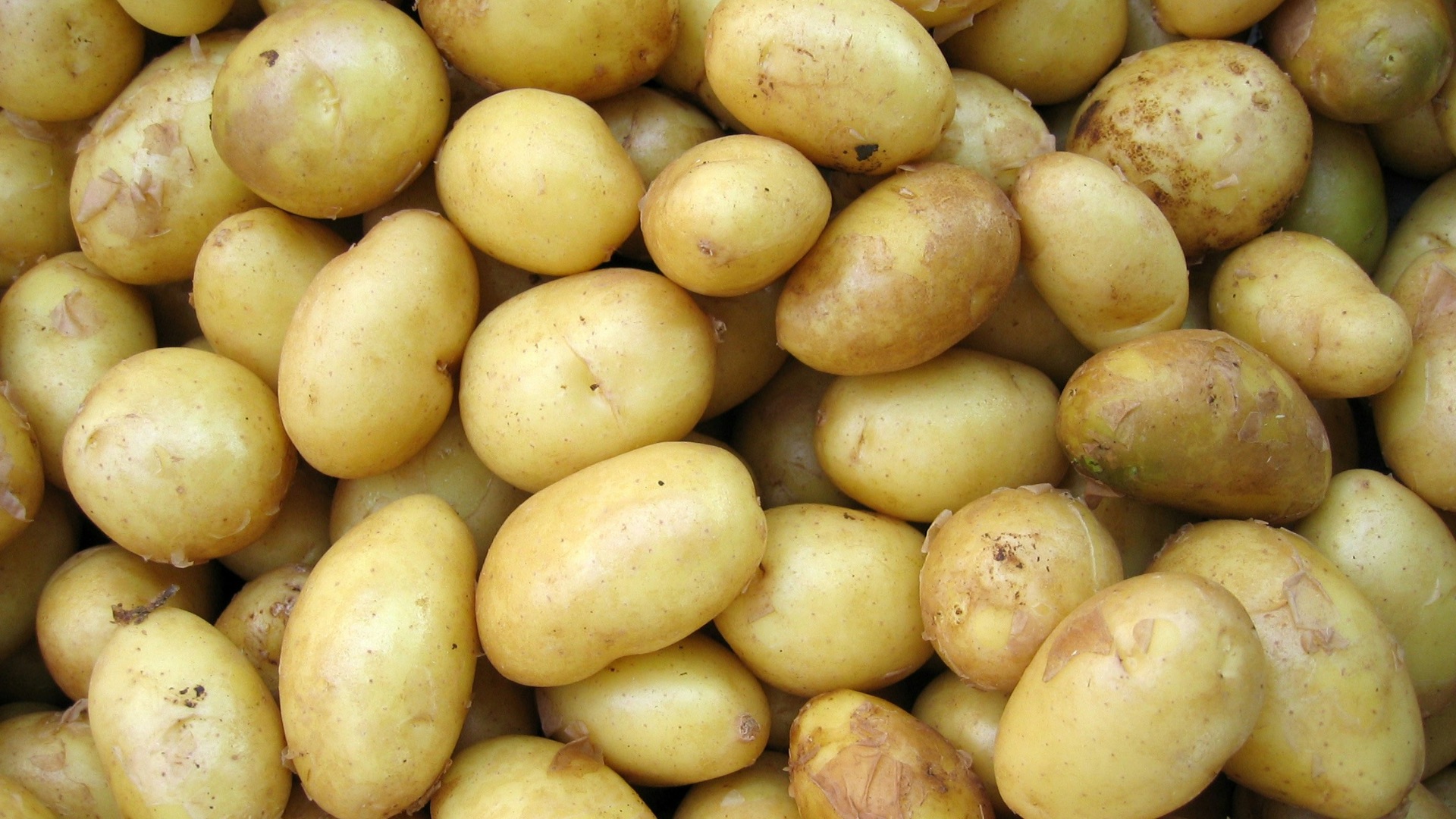
You might instantly think of fries when you see potatoes, but believe it or not, this vegetable is surprisingly nutritious. Packed with potassium, vitamin C, vitamin B6, carbohydrates, and some fiber, if you want to get the most out of them, make sure to choose healthier cooking methods, like baking or roasting.
15. Chia Seeds
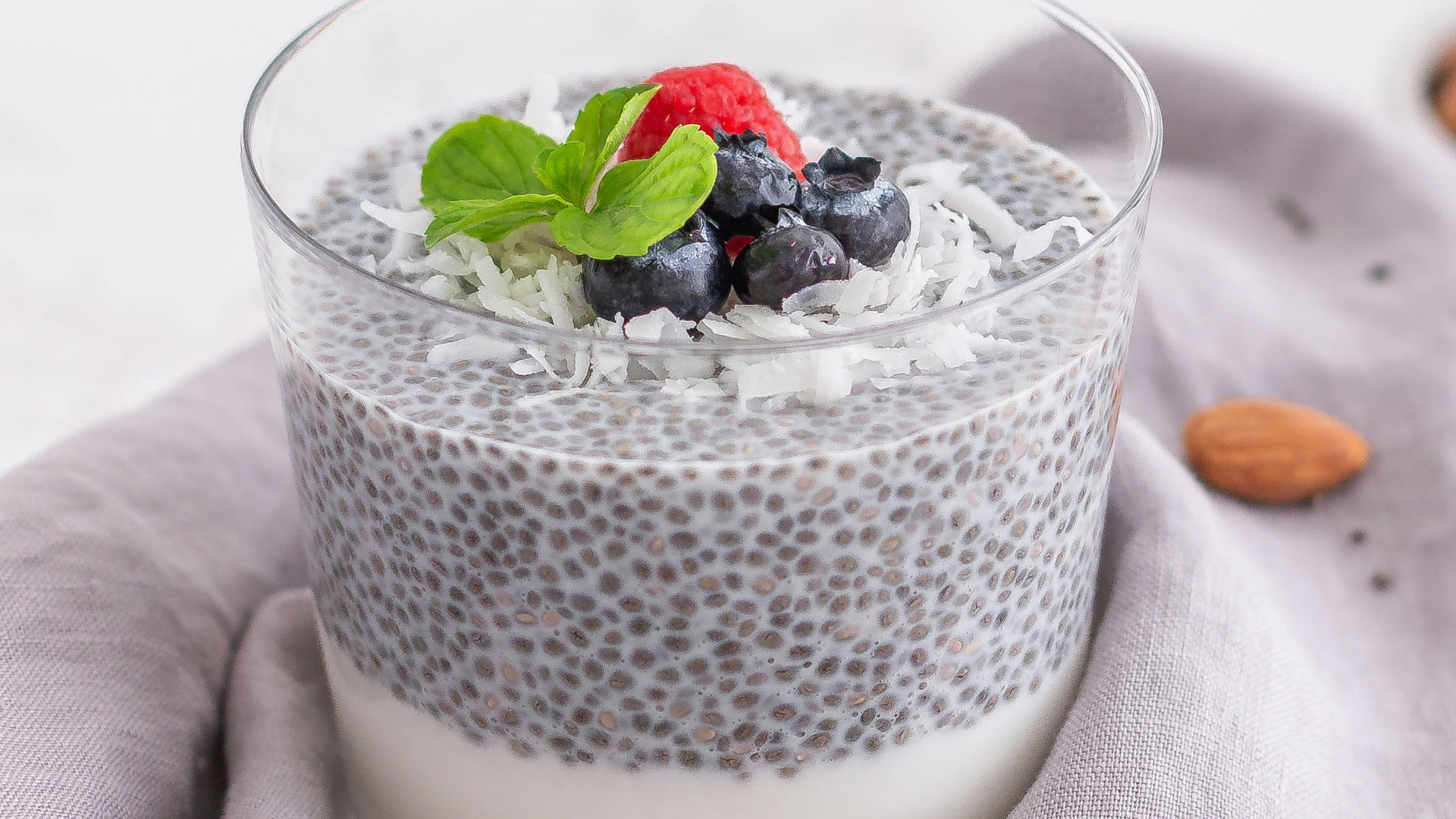
Tiny but mighty, there's a reason chia seeds are called superfoods—they're packed with fiber and contain alpha-linolenic acid, or ALA, an essential omega-3 fatty acid that your body can't produce on its own. You shouldn't eat them straight from the bag, however; you should always wait until they gel up first before consuming!
16. Bell Peppers
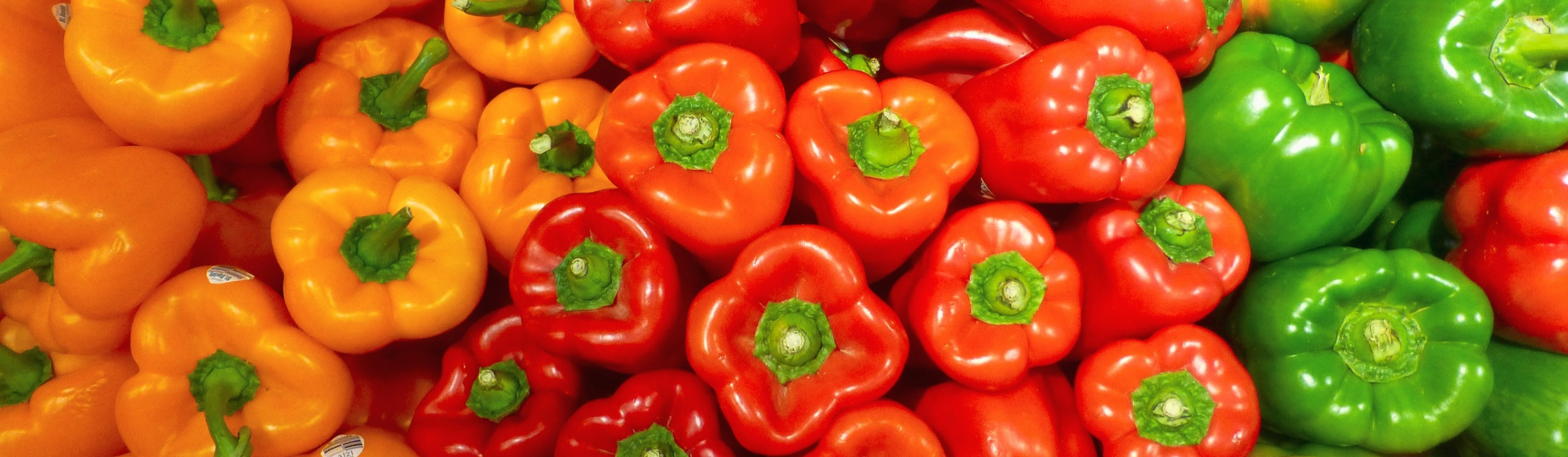
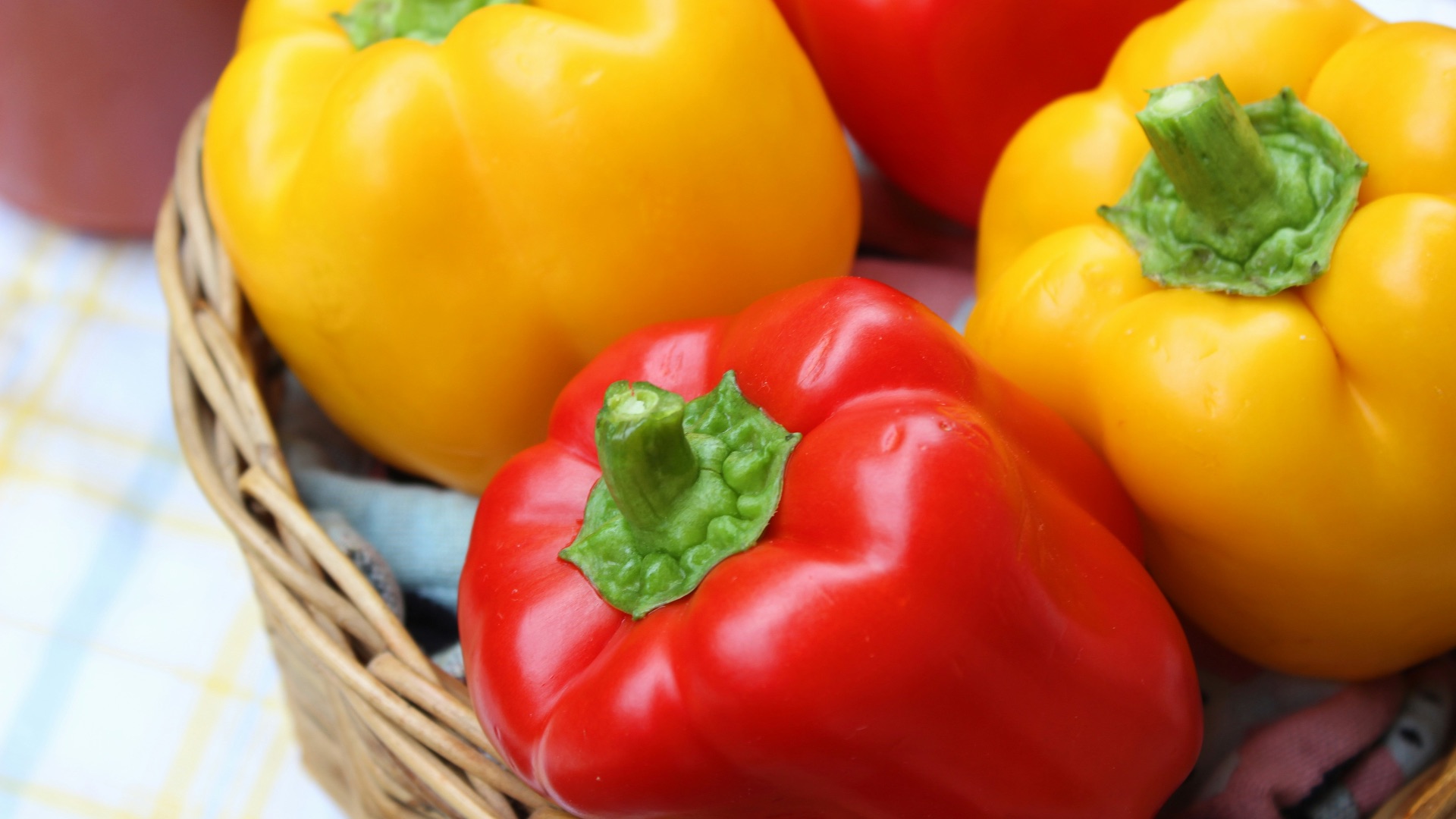
Tired of eating spinach and broccoli? Well, add bell peppers to the list of veggies you should consume every day. Like oranges, they're loaded with vitamin C, especially when you're eating red varieties, and they're an excellent source of carotenoids and other plant compounds as well. Peppers also pair especially well with beans, lentils, and leafy greens.
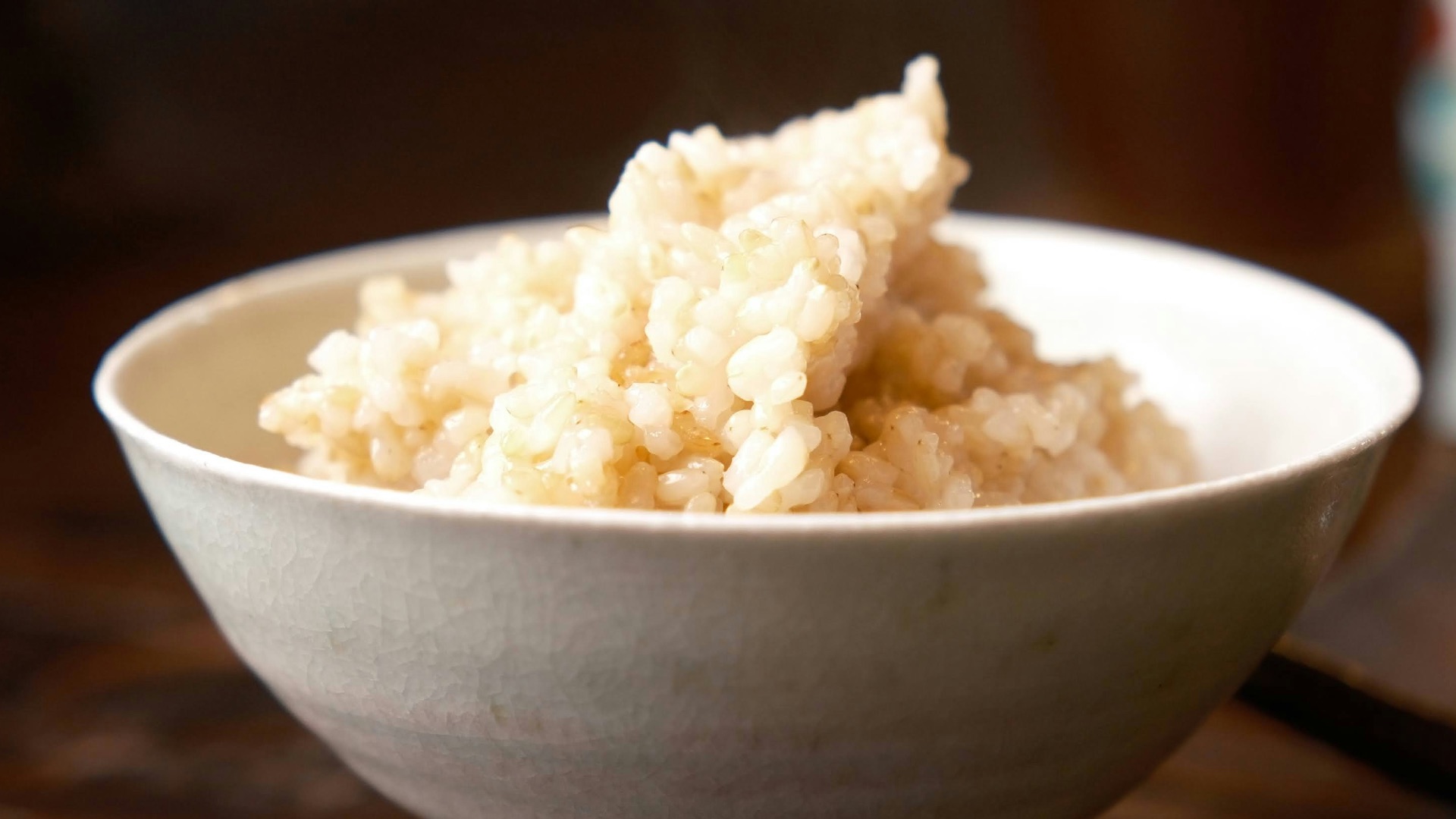
17. Brown Rice
You've probably been told to stay away from white rice, so what's a better alternative than brown rice? Since this grain retains more fiber and minerals, it's much more nutritious. Case in point, it supplies manganese, magnesium, phosphorus, and several B vitamins, and it can serve as an easy base for vegetables and protein.
18. Milk
Unless you're lactose intolerant, you'll want to drink a glass of milk a day! After all, this dairy beverage provides a concentrated mix of calcium, protein, and vitamin B12, and many varieties are fortified with vitamin D, too. People who don't (or can't) consume dairy, however, will need to obtain these nutrients elsewhere.

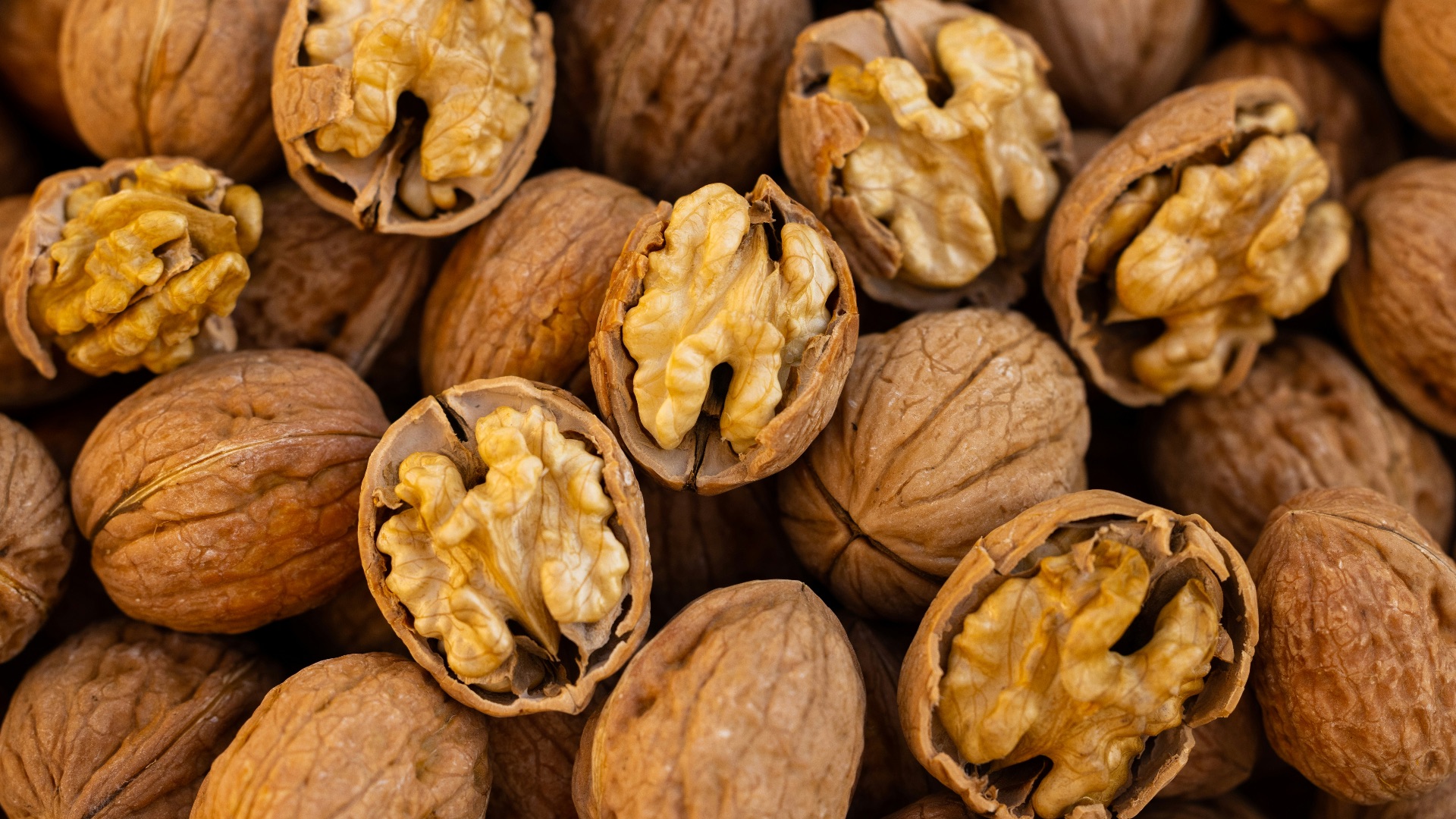
19. Walnuts
Add walnuts to your bowl of almonds! Other than being loaded with ALA omega-3 fatty acids, you'll also get plenty of unsaturated fats, fiber, and protein with each handful. There's a reason, too, why walnuts suspiciously resemble the human brain: they support brain health, too!
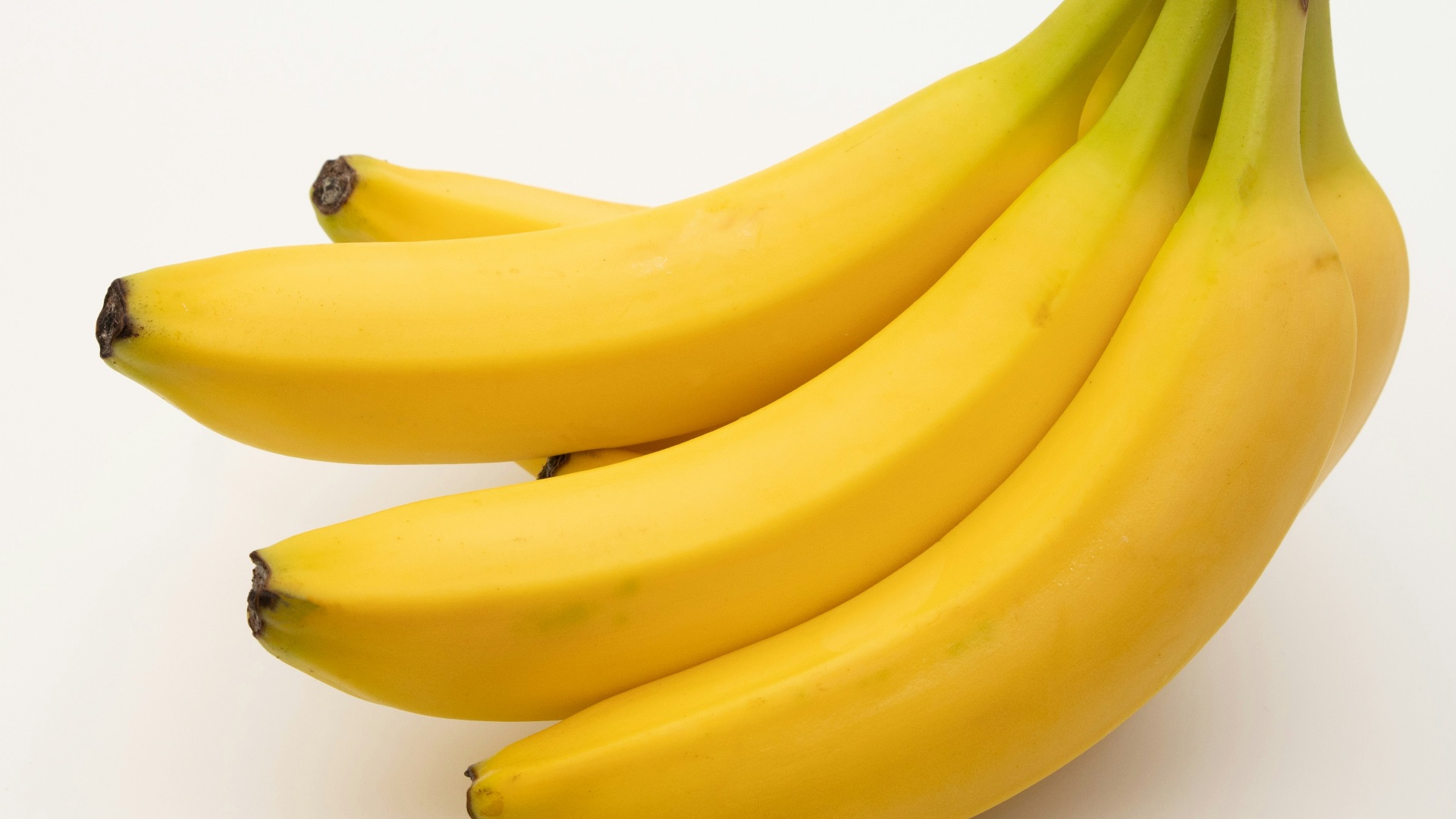
20. Bananas
Bananas are best known for potassium, which helps with muscle contraction and fluid balance, but they also provide vitamin B6, vitamin C, carbohydrates, and fiber as well. If you're already having a bowl of oatmeal or yogurt, topping it with some bananas is a smart way to boost your meal.
KEEP ON READING



20 Natural Ways You Can Boost Your Immune System

20 Ways To De-stress & Relax After Work

The 10 Most Common Diseases & The 10 Most Rare