The Treatment Was the Problem
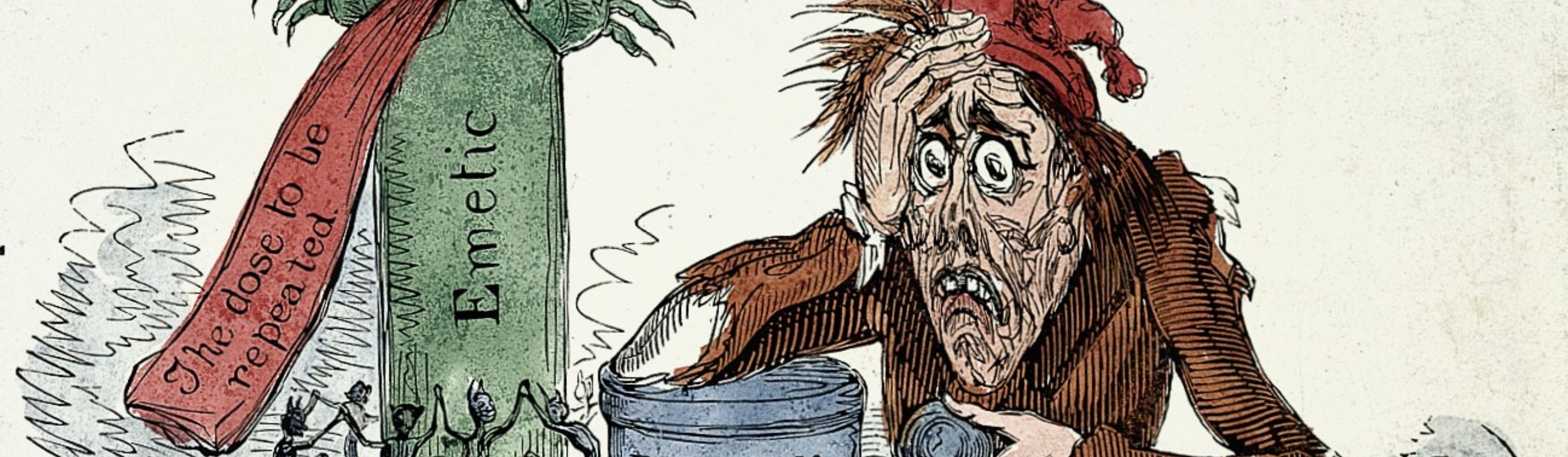
Medicine spent most of its history with no reliable way to tell whether a treatment worked. A patient who recovered proved the remedy and a patient who died proved the illness, which let some spectacularly bad ideas run unchallenged for a century apiece. The pattern survived into the age of clinical trials, where a drug could clear review and still take a decade to reveal what it did. A few of the entries below killed more people than the condition they were meant to fix. Here's 20 remedies that did more damage than the thing they were treating.
 Internet Archive Book Images on Wikimedia
1. Bloodletting
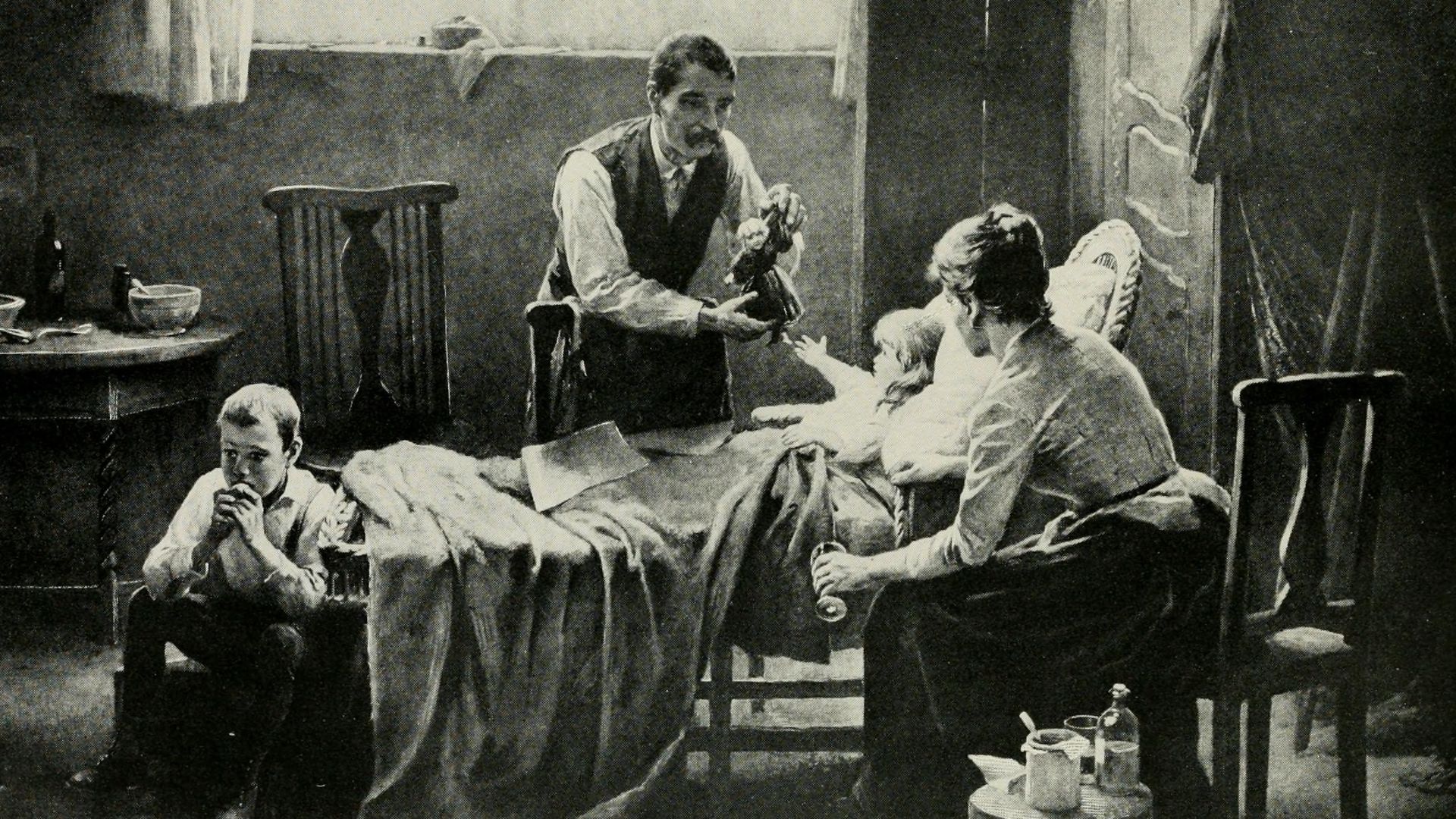
George Washington woke on December 14, 1799, with a throat infection, and three physicians drained pint after pint out of him over roughly twelve hours. He was dead by that night. Bleeding had been standard practice for two thousand years on the theory that sickness came from an excess of something that needed letting out.
2. The Tobacco Smoke Enema
Rescuers pulling people out of the Thames in the late 1700s carried kits for blowing tobacco smoke into the rectum, which was supposed to warm the body and restart the breathing. The Royal Humane Society mounted the equipment at intervals along the river. Benjamin Brodie demonstrated in 1811 that nicotine poisons the heart, and the kits came down.
3. Mercury for Syphilis
Physicians dosed syphilis patients with mercury until they salivated by the pint, which everyone took as proof the cure was working while teeth loosened and kidneys failed. The old line about a night with Venus meaning a lifetime with Mercury circulated for four centuries, and the metal was still in use when penicillin arrived.
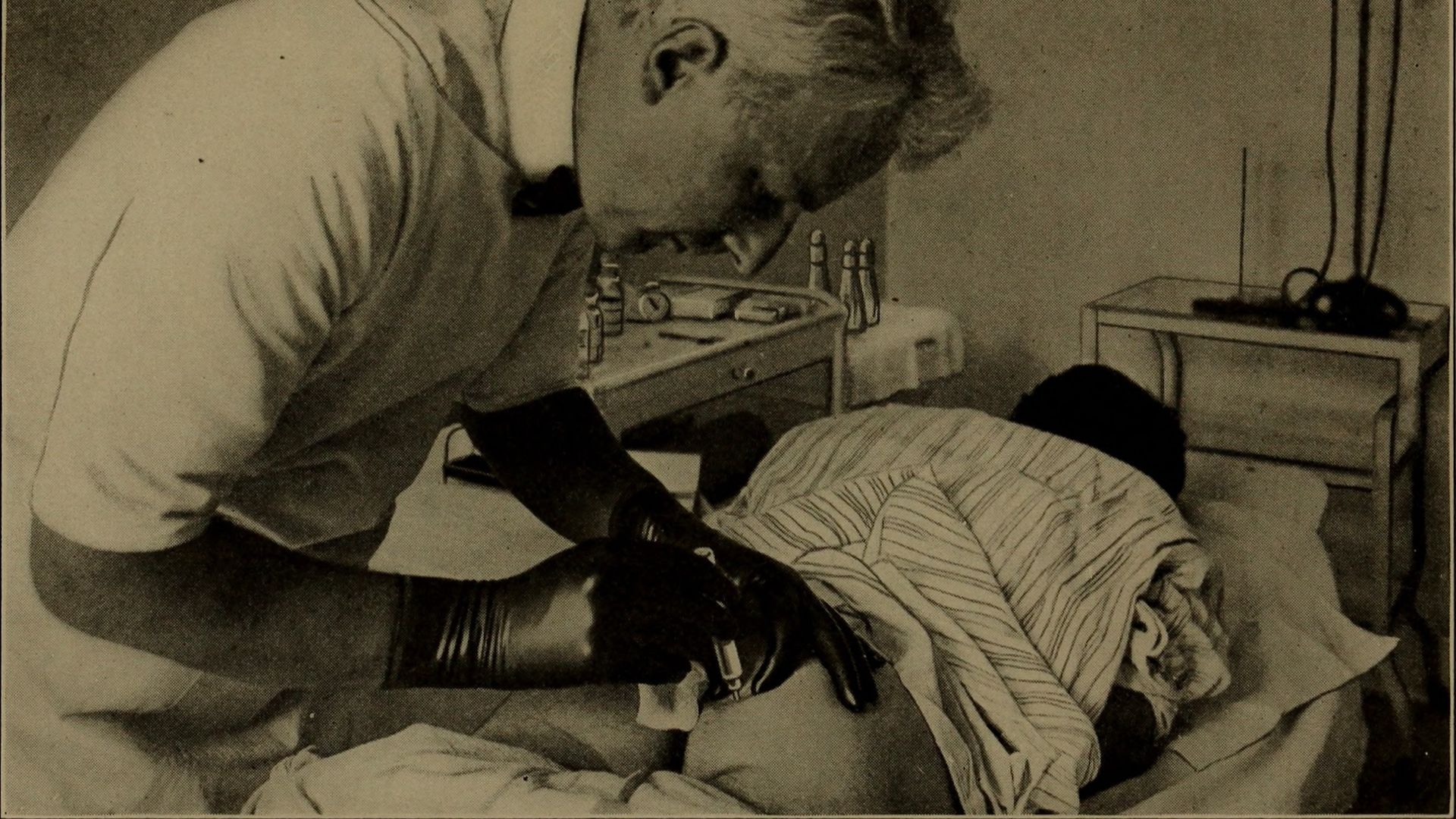 Internet Archive Book Images on Wikimedia
4. Calomel
Calomel was a mercury compound given as a purgative, and it emptied a Civil War soldier's bowels along with, in bad cases, his teeth. Surgeon General William Hammond struck it from the Army supply table in 1863. Army physicians were angry enough about it that the decision helped cost him his job.
5. Fowler's Solution
Arsenic dissolved in water went on the market in 1786 and was prescribed for malaria and for a long list of complaints nobody could otherwise touch. Patients who stayed on it developed the skin lesions and cancers that arsenic reliably produces. Pharmacies were still stocking it in the twentieth century.
6. Mrs. Winslow's Soothing Syrup
Teething babies were given a syrup containing morphine, and it worked exactly the way morphine works. Labeling rules under the 1906 Pure Food and Drug Act finally forced the makers to print the ingredients. The American Medical Association called the product a baby killer in 1911.

7. Heroin Cough Syrup
Bayer launched heroin in 1898 as a cough suppressant and a non-addictive alternative to morphine, and the second claim collapsed within about a decade. The United States banned it outright in 1924, twenty-six years after it went on sale.
8. Lysol Douches
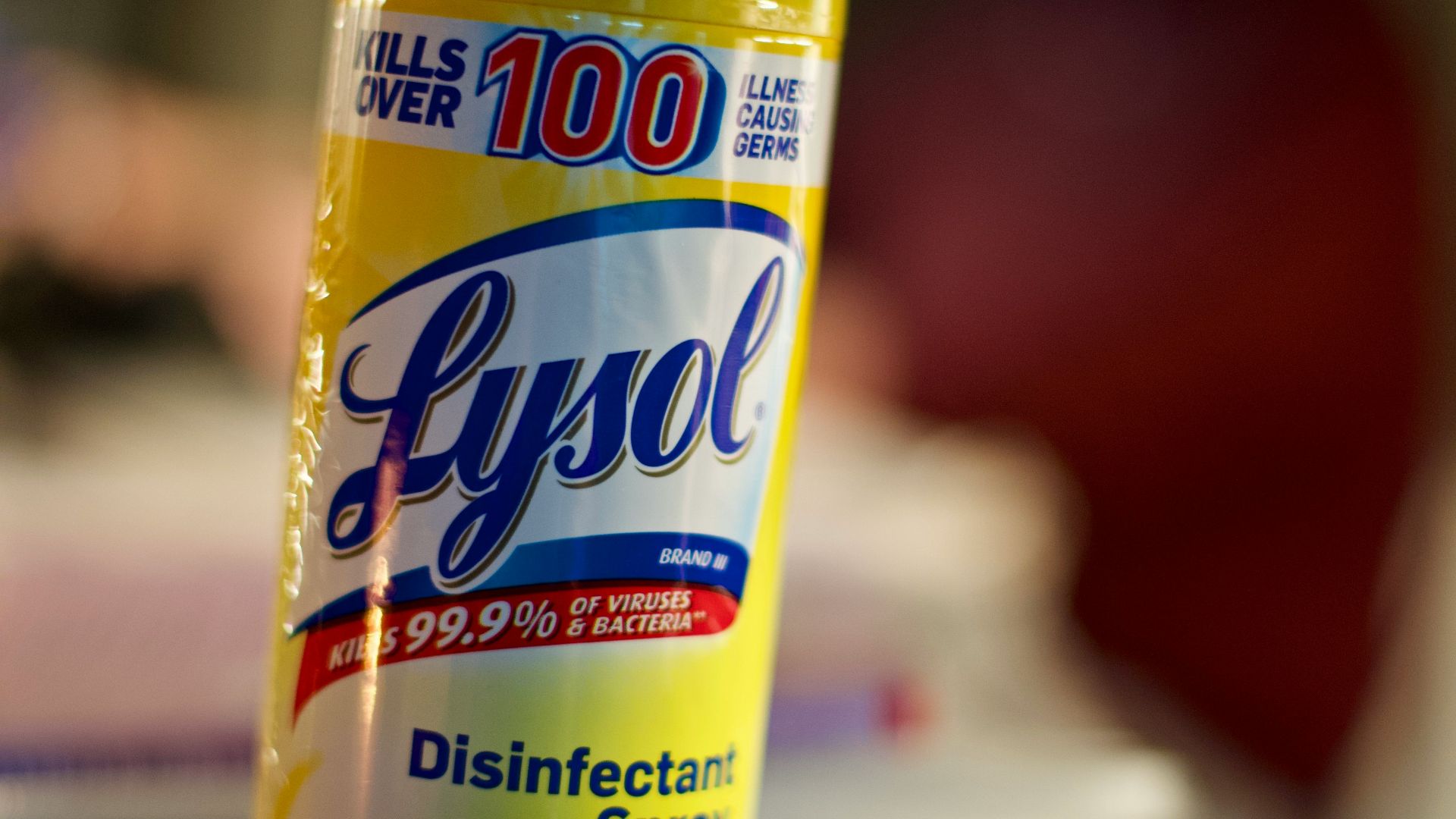
Advertisements in women's magazines through the 1920s and 1930s pushed Lysol for feminine hygiene, with birth control and marital happiness heavily implied. The formula at the time was a phenol compound harsh enough to cause serious burns. Poisonings and deaths followed, and the contraceptive claim had been false from the start.
9. Radithor
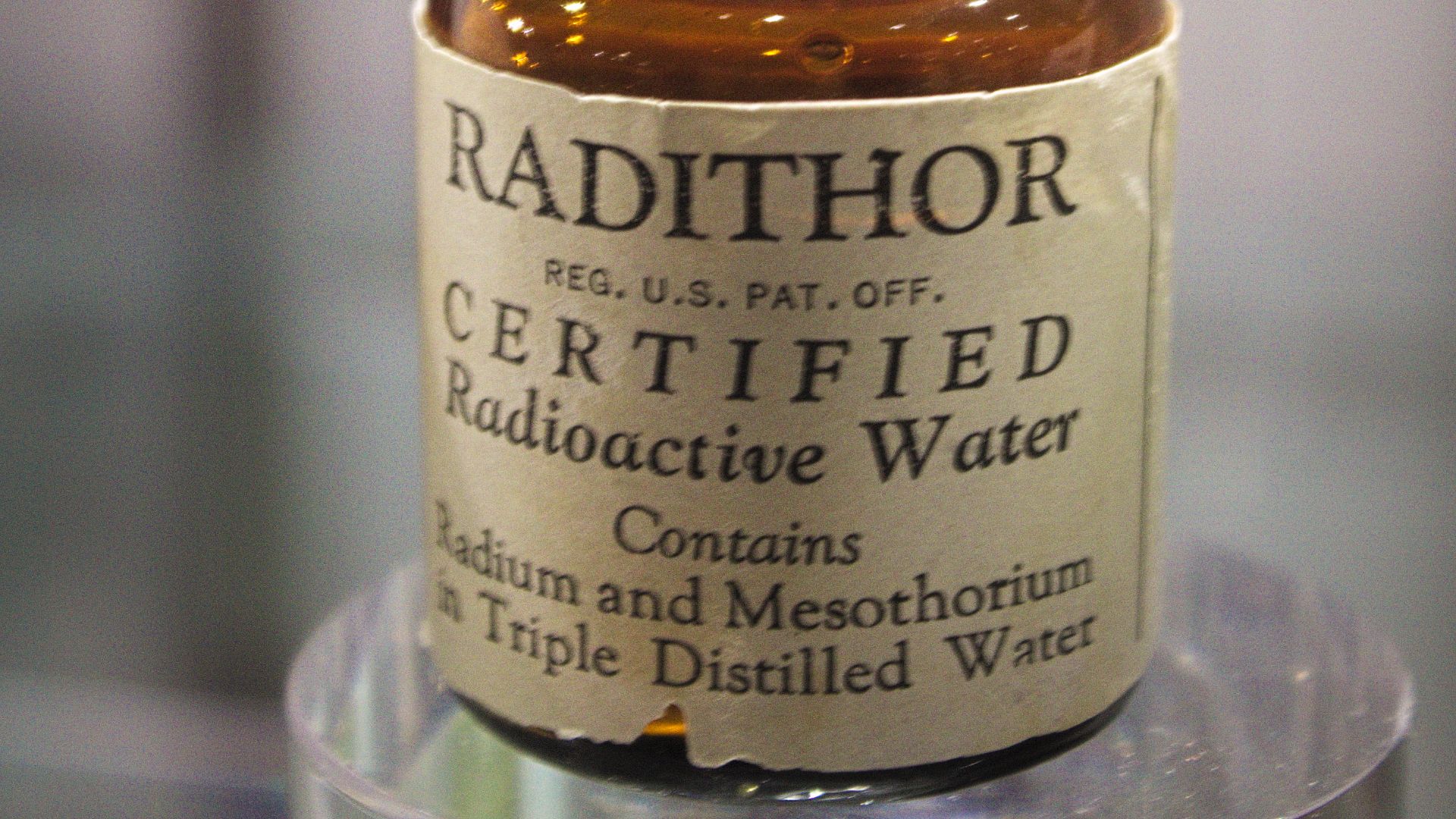
A Pittsburgh steel magnate named Eben Byers drank several bottles of radium-laced water a day on his doctor's recommendation. Most of his jaw had been removed by the time he died in 1932, and he went into the ground in a lead-lined coffin. The Wall Street Journal ran the story under a headline about the radium water working fine until his jaw came off.
 Sam LaRussa from United States of America on Wikimedia
10. Goat Gland Transplants
John Brinkley built a fortune grafting goat testicle tissue into men who wanted their vigor back, advertising the service over his own border radio station. Infections and deaths trailed the operations for years. Kansas revoked his medical license in 1930, and he ran for governor anyway.
 Unknown authorUnknown author on Wikimedia
11. Malaria Therapy
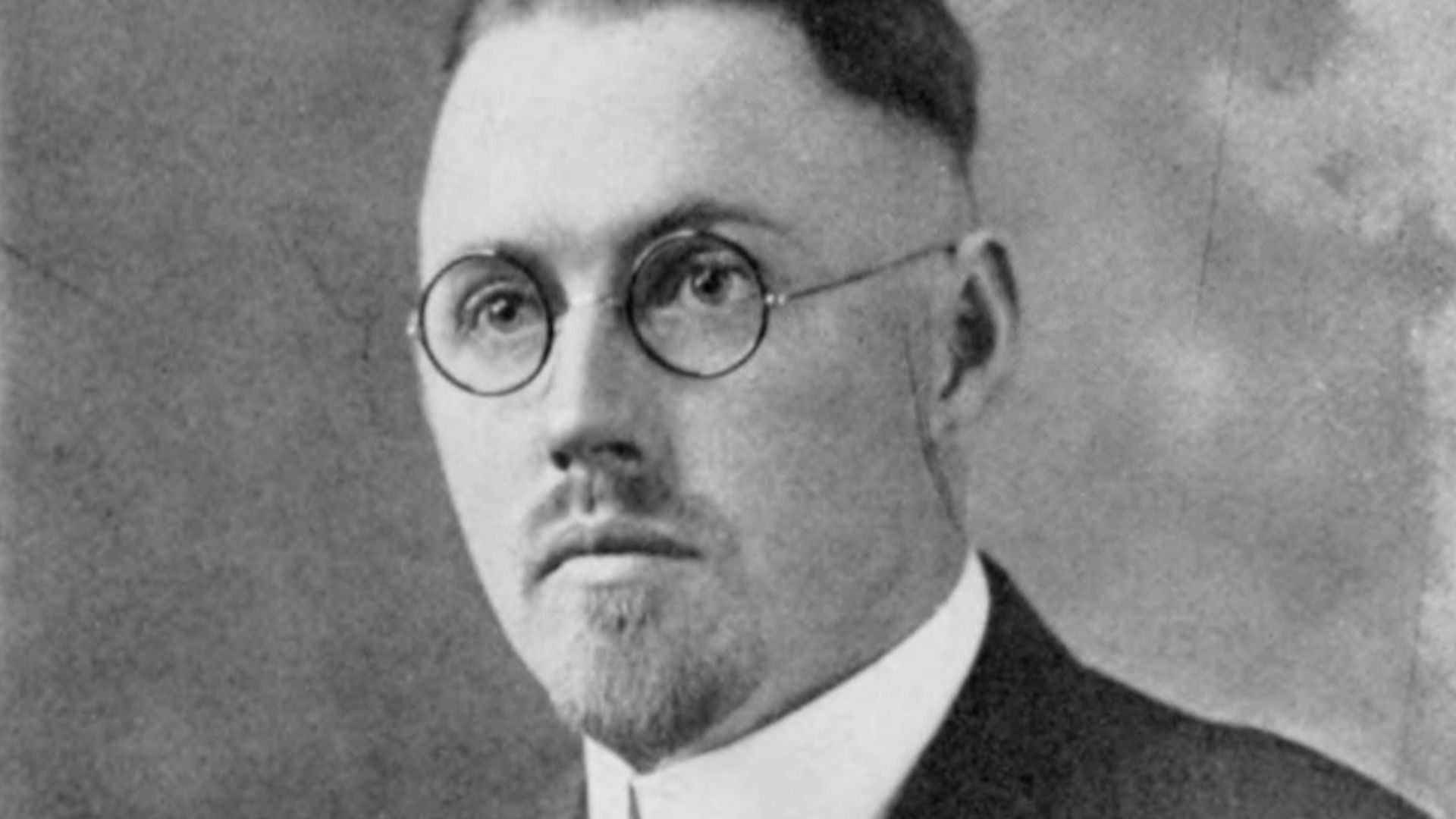
Syphilis that reached the brain had nothing to treat it, so Julius Wagner-Jauregg infected patients with malaria and gambled that the fever would kill the spirochete first. It sometimes did, and it killed roughly one patient in six. The Nobel Prize in Medicine went to him for the idea in 1927.
12. Insulin Coma Therapy
Deep insulin comas became a standard schizophrenia treatment after Manfred Sakel introduced them in the early 1930s, sometimes induced daily for weeks. Some patients woke with lasting brain damage and some did not wake at all, and controlled trials in the 1950s found no advantage over ordinary sedation.
13. Lobotomy
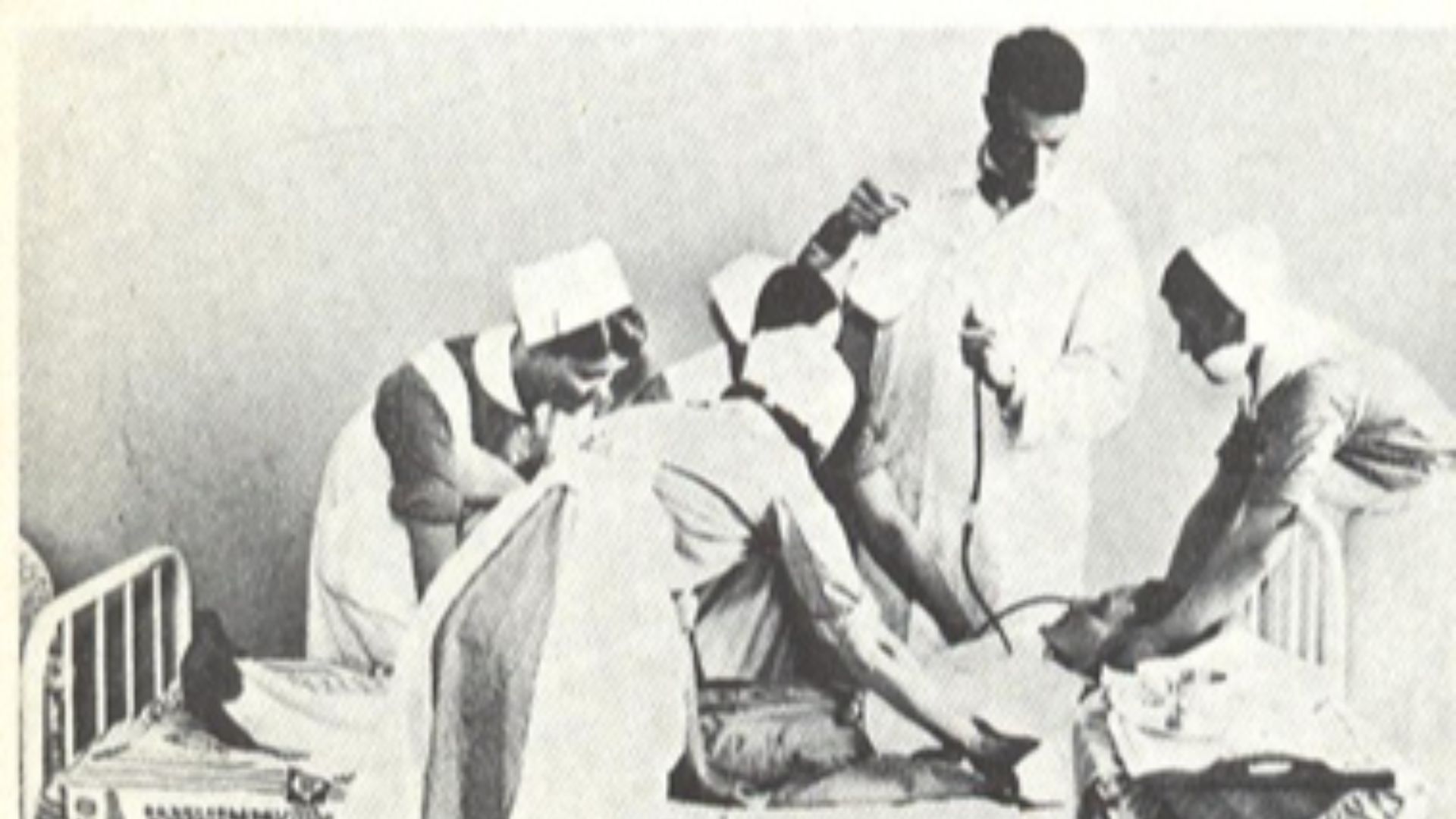
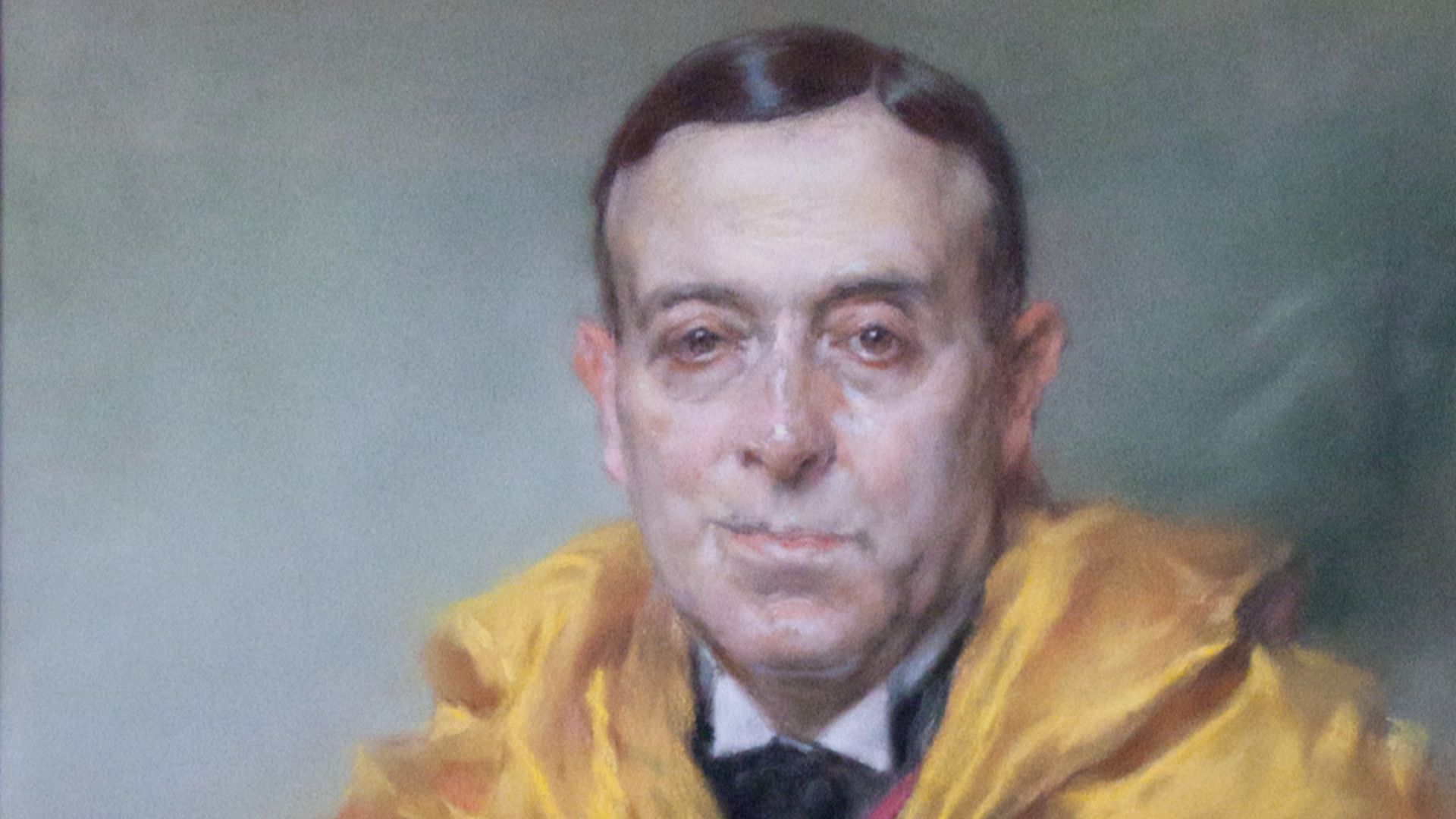
António Egas Moniz shared the 1949 Nobel Prize for cutting the connections into the frontal lobes. Walter Freeman took the procedure across America with an icepick and a van, performing roughly 3,500 of them, including on Rosemary Kennedy in 1941. She spent the remaining sixty-four years of her life unable to speak clearly or walk properly.
14. Elixir Sulfanilamide
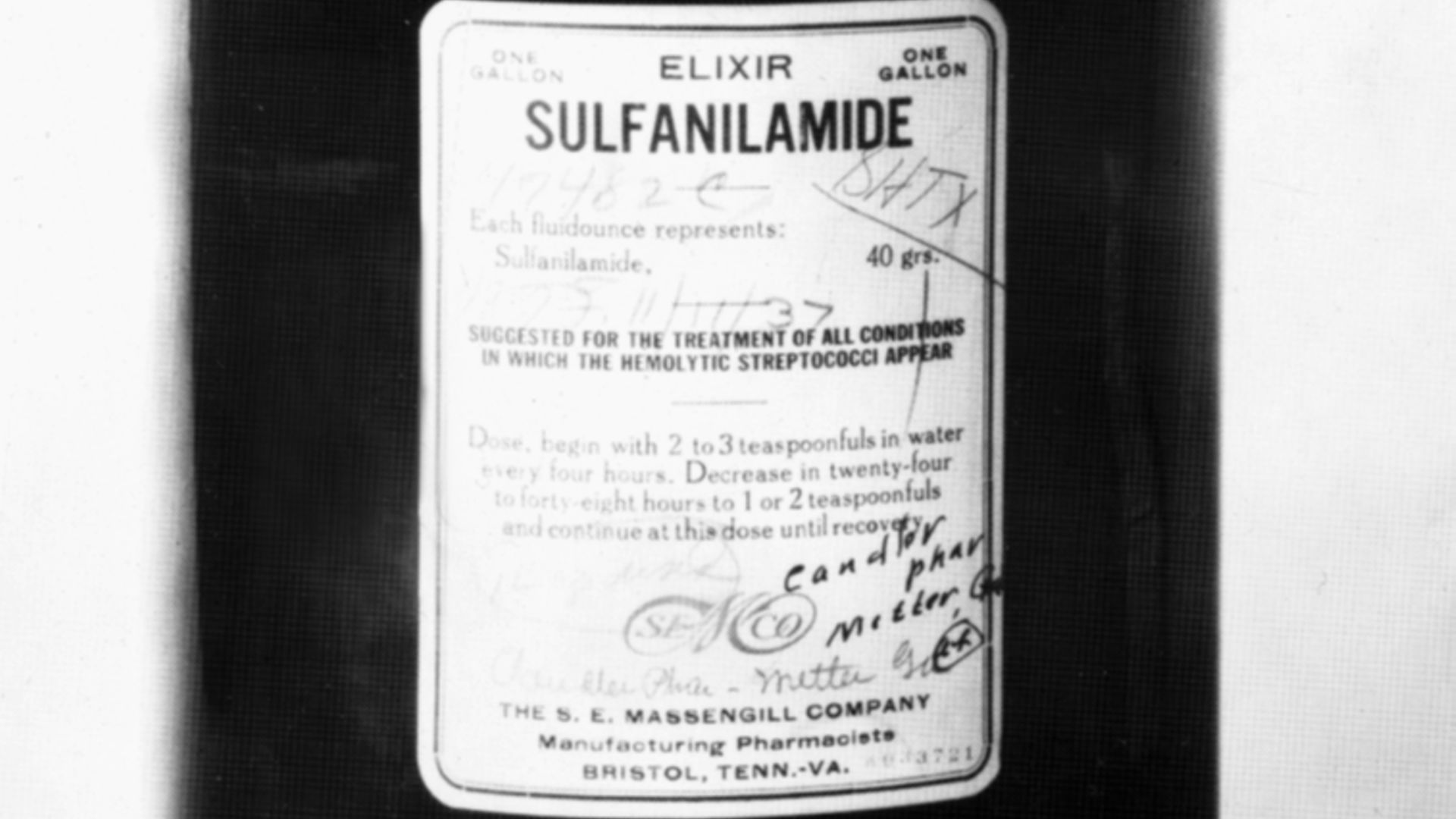
A Tennessee company dissolved a promising new antibacterial in diethylene glycol to improve the taste and shipped it without testing the solvent, which is antifreeze. One hundred and five people died, most of them children. Congress passed the Food, Drug, and Cosmetic Act the following year.
15. X-Rays for Ringworm
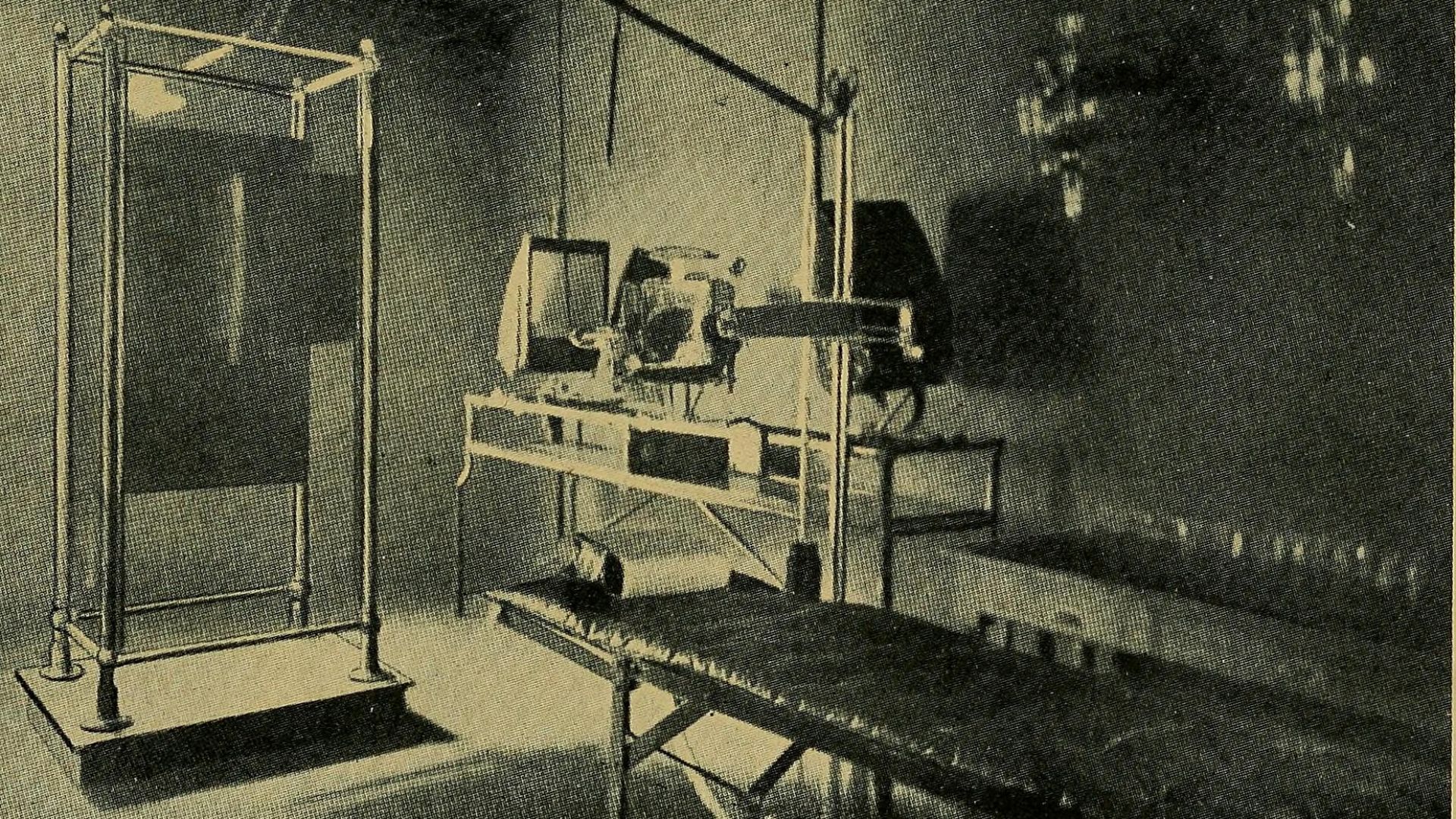
Scalp ringworm was treated with radiation for decades because the dose made the hair fall out and took the fungus with it. Israel irradiated tens of thousands of immigrant children this way between 1948 and 1960. Thyroid cancers and head tumors surfaced decades afterward, and the Knesset passed a compensation law in 1994.
 Internet Archive Book Images on Wikimedia
16. Diethylstilbestrol
Doctors prescribed DES to millions of pregnant women starting in 1938 to prevent miscarriage. A 1971 paper in the New England Journal of Medicine tied it to a rare vaginal cancer in the daughters of women who had taken it. The FDA warned against its use in pregnancy later that year.

17. Thalidomide
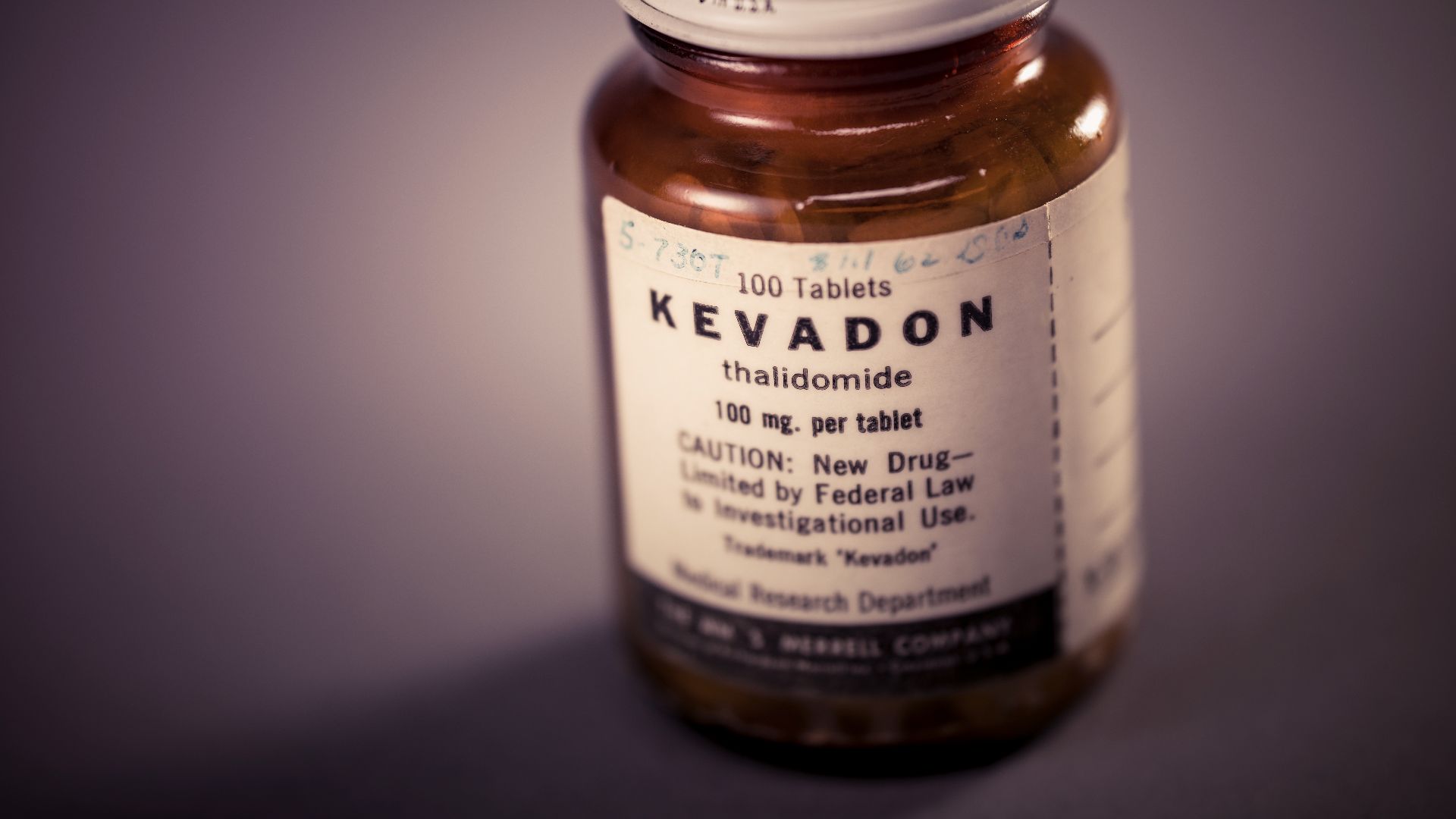
Grünenthal sold thalidomide over the counter in West Germany from 1957 for morning sickness and sleeplessness. Roughly 10,000 babies were born with shortened or missing limbs before the drug came off the market in 1961. Frances Kelsey had refused to approve it at the FDA, which spared the United States the worst of it.
 The U.S. Food and Drug Administration on Wikimedia
18. Clioquinol
Japanese stomach and intestinal remedies carried clioquinol for years, sold without a prescription and taken freely. More than 10,000 people developed the condition known as SMON, losing sensation in their legs and, in many cases, their eyesight. Japan's health ministry suspended sales in 1970, by which point the damage was permanent.

19. Fen-Phen
The two-drug weight loss combination was prescribed millions of times across the mid-1990s, and Mayo Clinic researchers reported in 1997 that patients on it were turning up with damaged heart valves. The FDA requested a withdrawal within months.

20. Vioxx
Merck's painkiller reached pharmacies in 1999 and went to millions of arthritis patients. The company pulled it in September 2004 after its own trial showed a doubled risk of heart attack and stroke. FDA scientist David Graham testified to the Senate that the drug may have caused between 88,000 and 139,000 excess cardiac events in the United States.