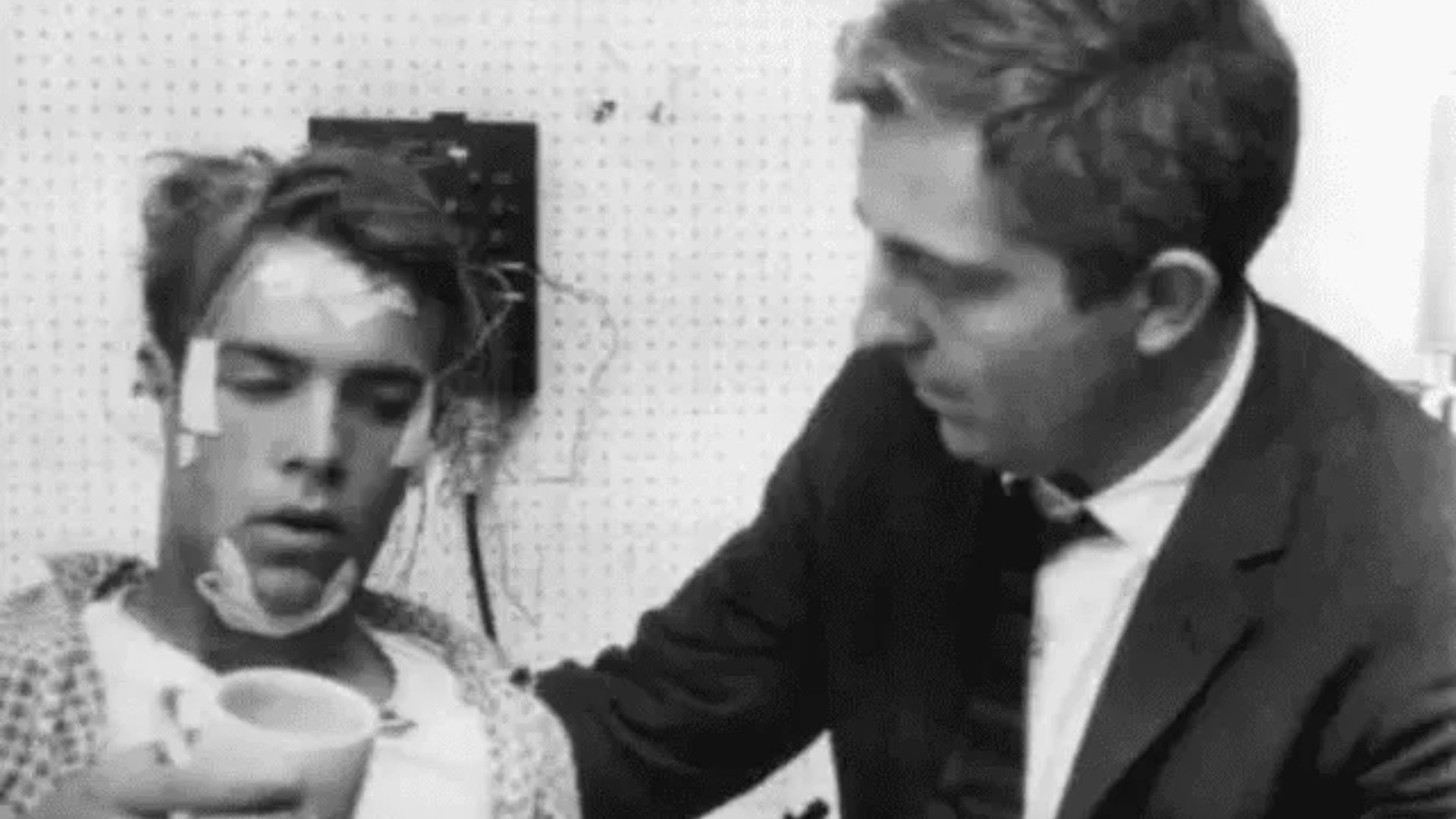
When the Experts Were Wrong
Science is supposed to be the thing that tells us what's actually possible, the line between reality and wishful thinking. Every so often, though, someone shows up and makes that line look more like a suggestion. Doctors and physicists have confidently declared something impossible right before somebody went and did it anyway, and some of those moments ended up forcing entire fields to rewrite their own textbooks. Here's 20 times humans defied what science thought was possible.
 Unknown (United Press International) on Wikimedia
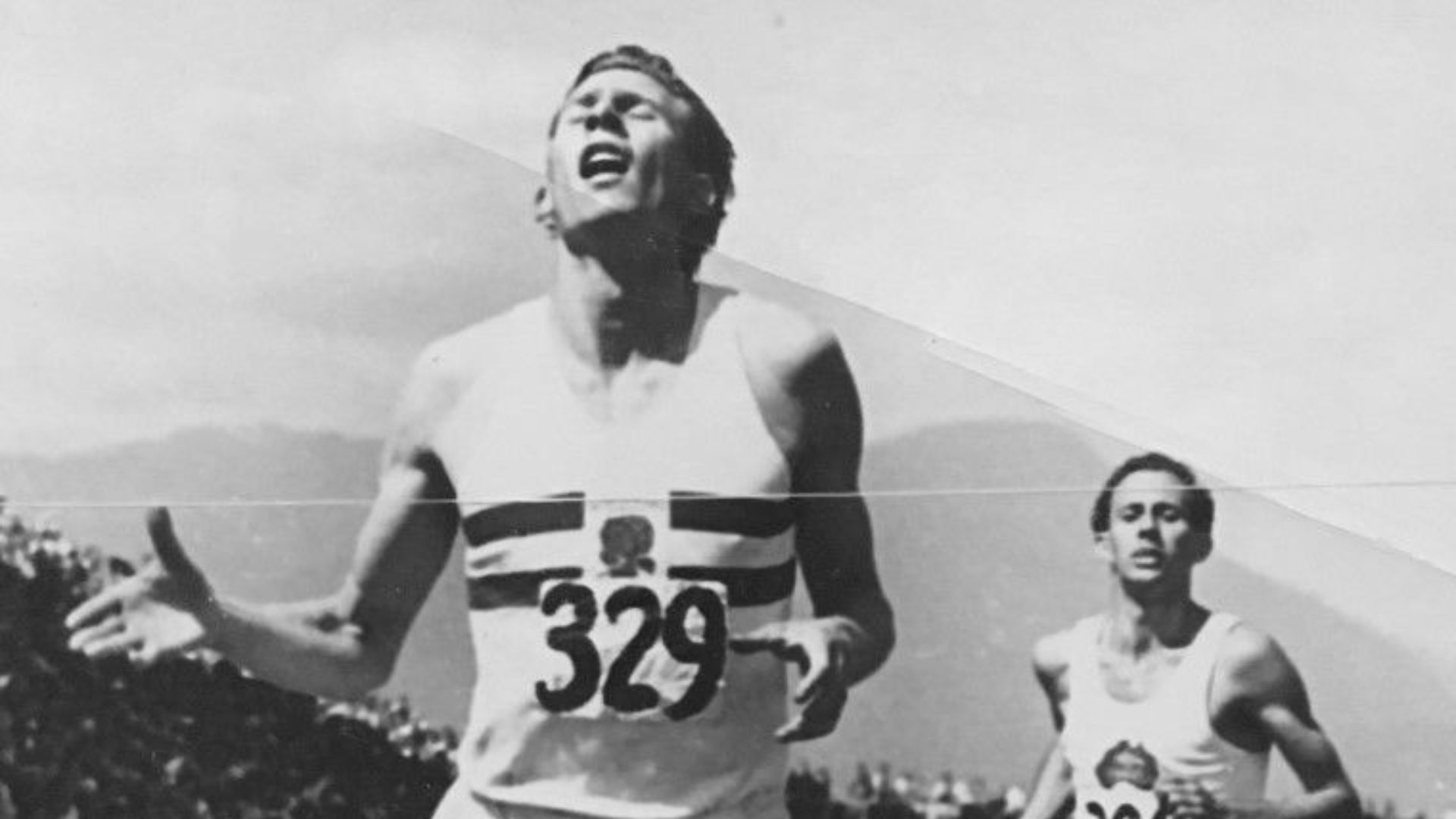
1. Roger Bannister
Doctors spent decades warning that running a mile in under four minutes would put fatal strain on the human heart and lungs. Roger Bannister ran it in 3:59.4 in 1954, and the record fell again just 46 days later once other runners realized the limit had been psychological all along.
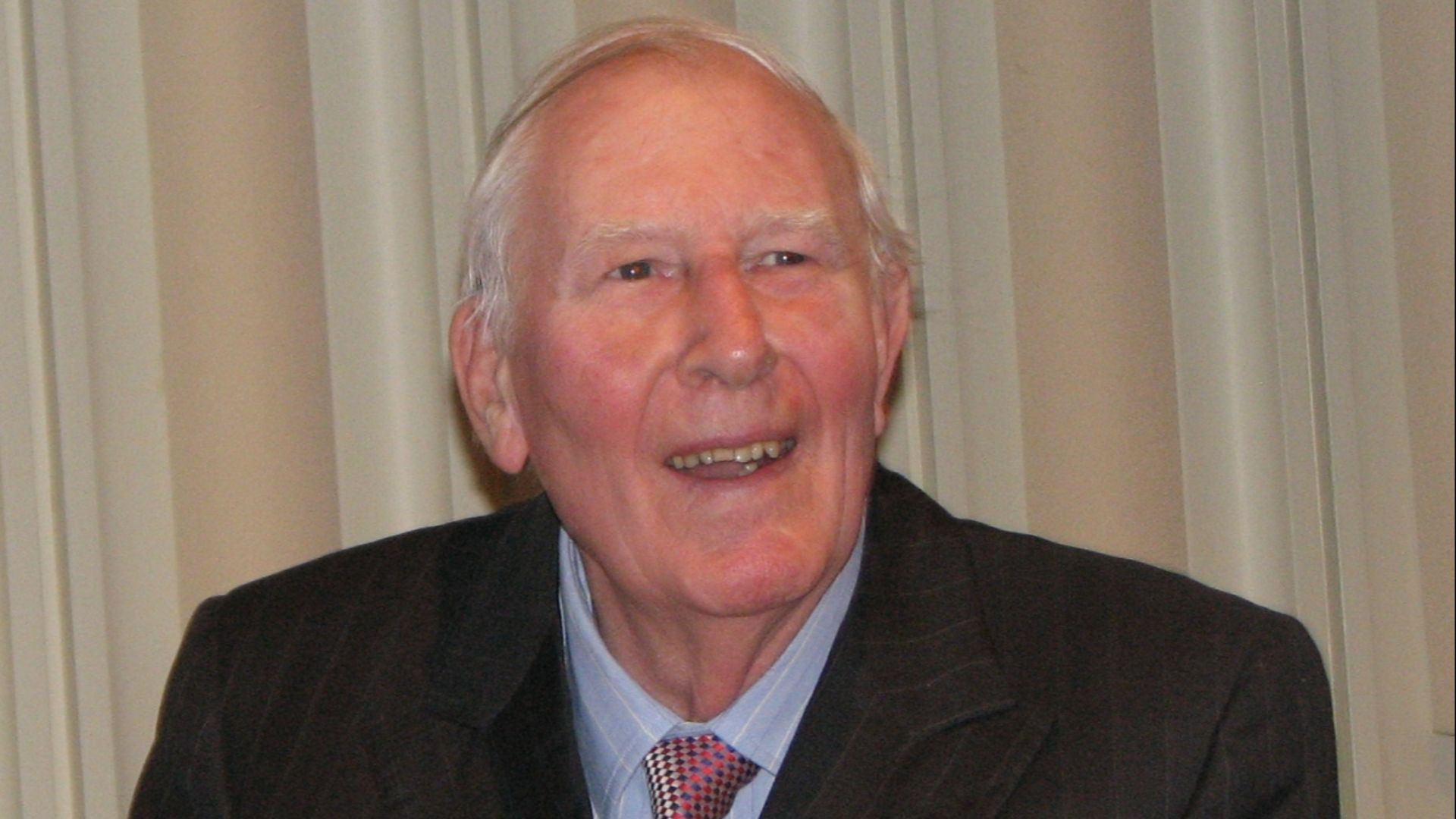
2. Reinhold Messner
Physiologists in the 1970s were confident the human body couldn't function at Everest's summit without supplemental oxygen, expecting anyone who tried to suffer permanent brain damage or worse. Reinhold Messner reached the top in 1978 breathing only the thin air around him, then climbed it again solo without oxygen three years later.
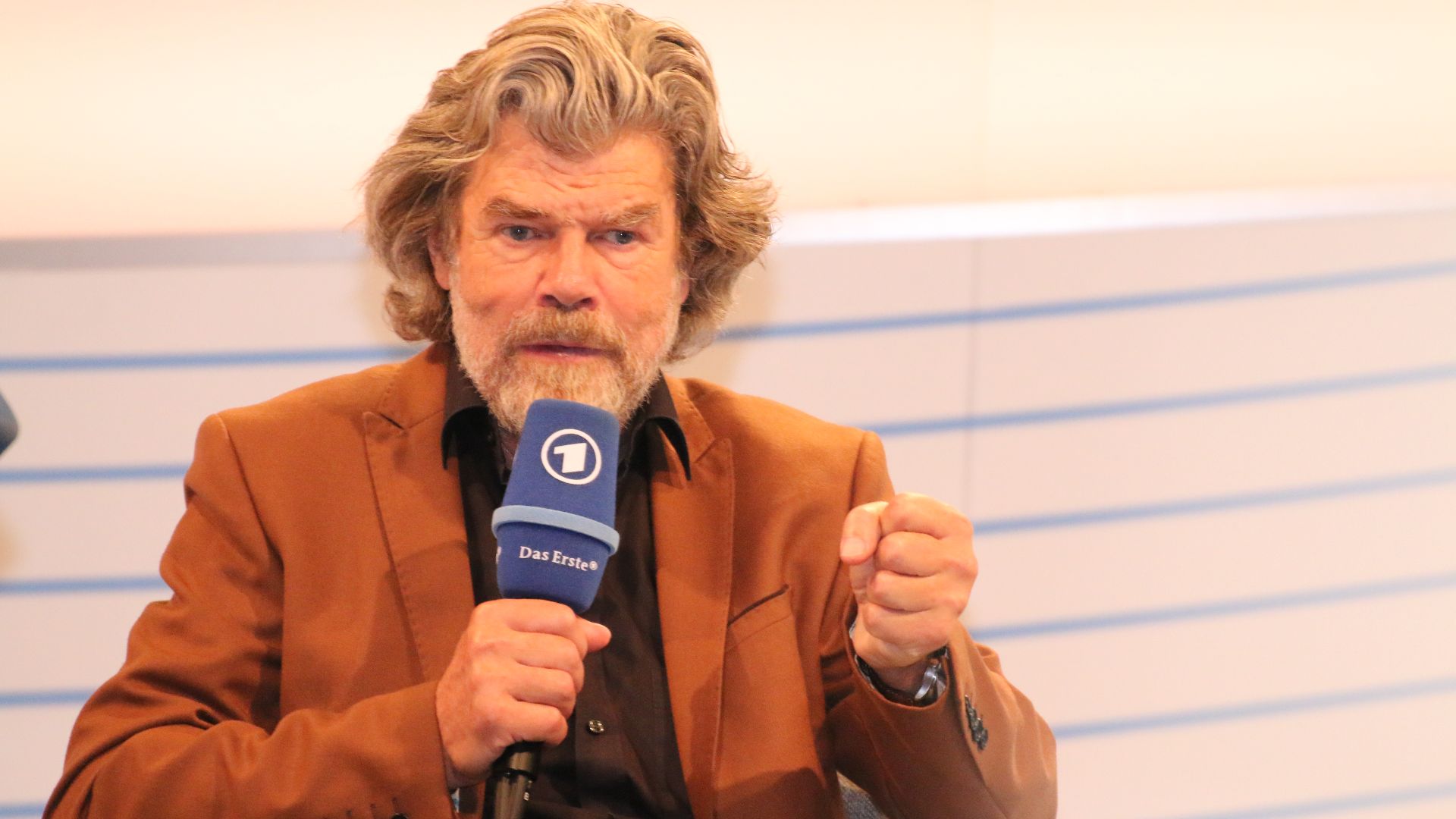
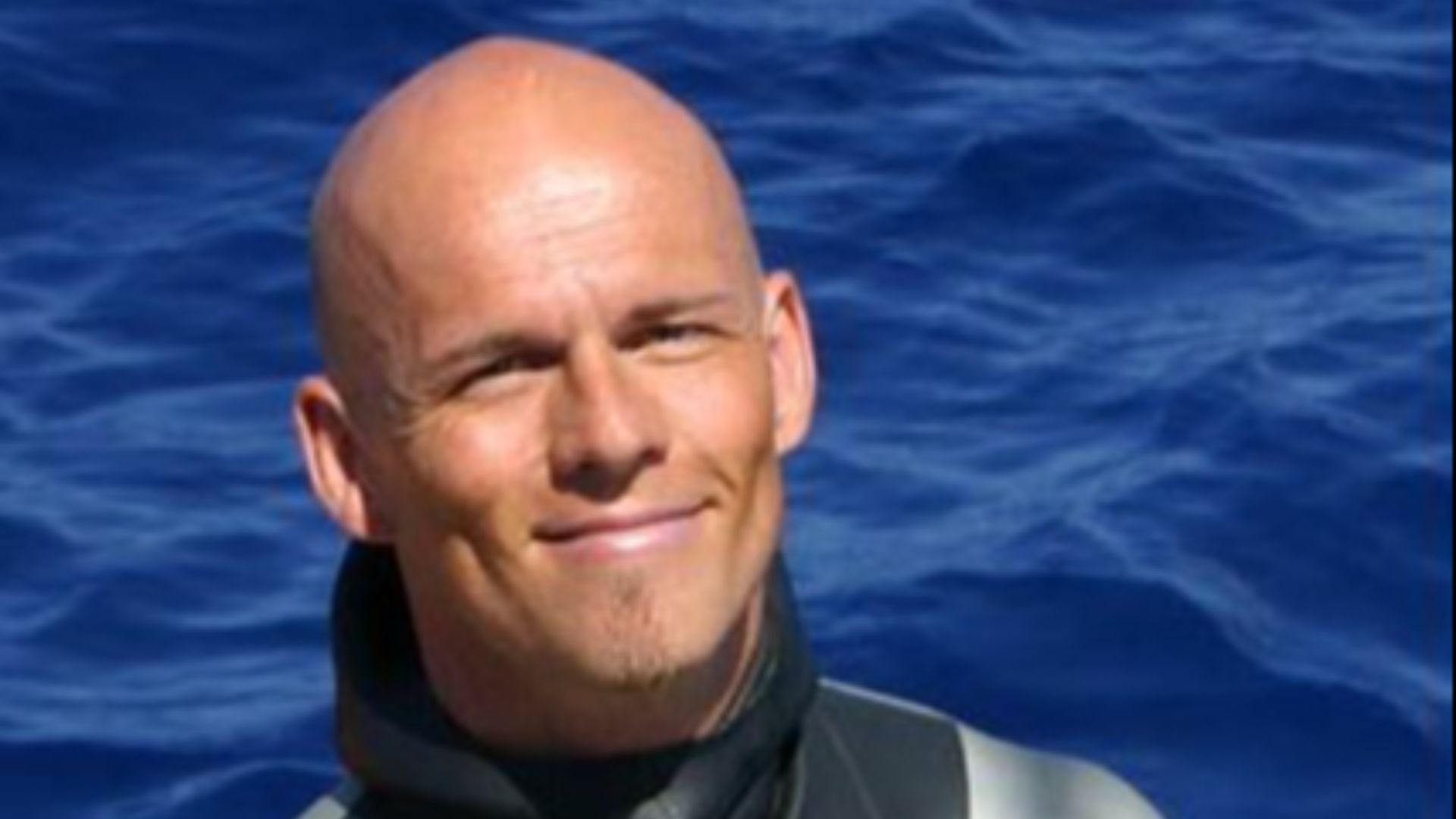
3. Herbert Nitsch
Freediving physicians had long assumed the human body would suffer fatal barotrauma or lung collapse well before reaching depths of 200 meters on a single breath. Herbert Nitsch dove to 214 meters in 2012 using the "no-limits" discipline, though he suffered decompression sickness on the ascent and needed months to recover.
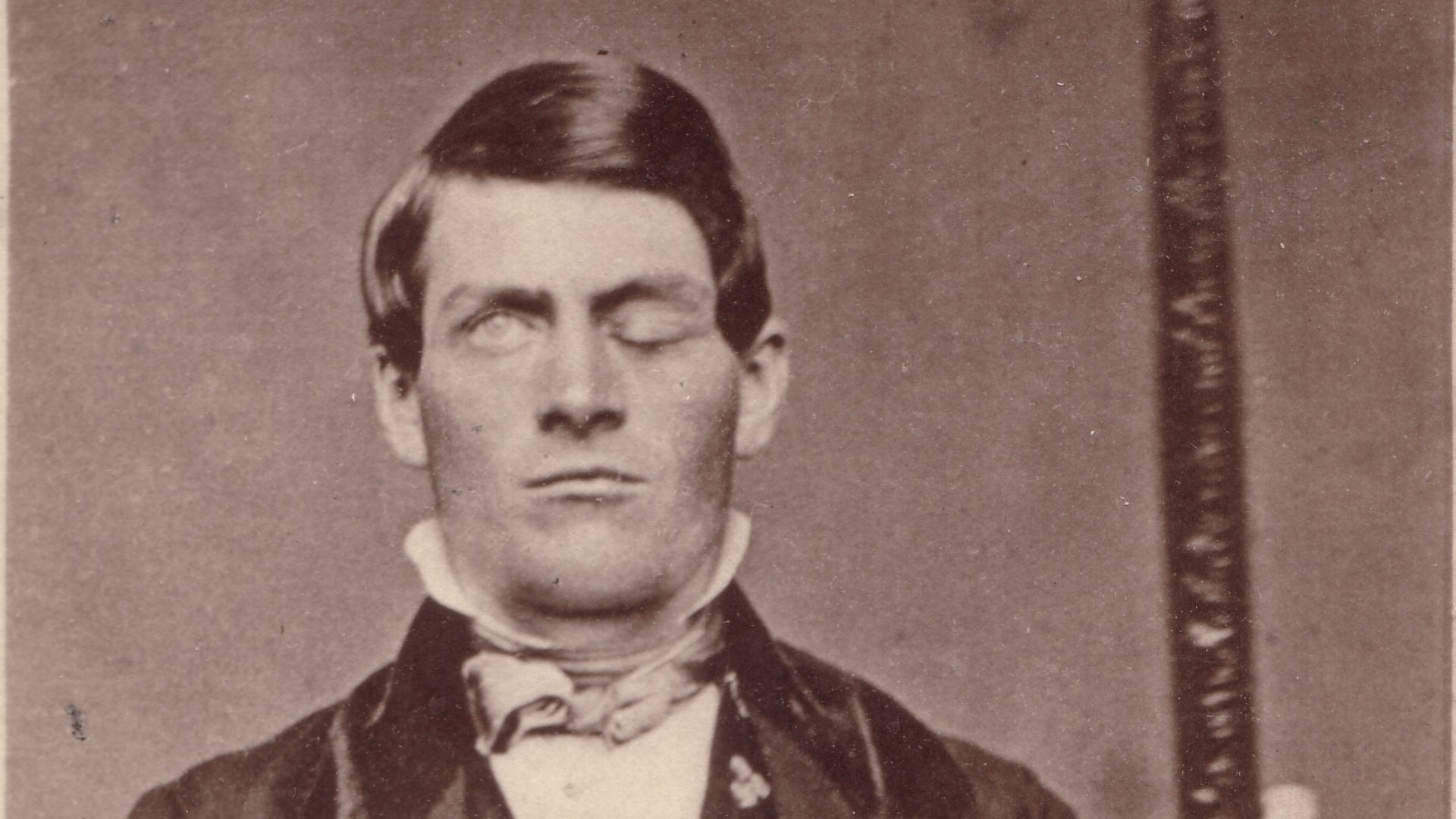
4. Phineas Gage
An 1848 railroad accident drove a three-foot iron rod straight through Phineas Gage's skull, an injury doctors at the time assumed nobody could survive, let alone recover from. Gage lived for another eleven years, and the personality changes he experienced afterward became one of the first pieces of evidence connecting specific brain regions to behavior.
 Author of underlying work unknown. on Wikimedia
5. Vesna Vulović
Vesna Vulović fell roughly 33,000 feet after the plane she was working on as a flight attendant broke apart mid-air in 1972, an altitude survival experts considered essentially impossible without a parachute. She landed still strapped into a section of the fuselage and, after months of recovery, walked again.

6. Anna Bågenholm
Anna Bågenholm's body temperature dropped to 56.7 degrees Fahrenheit after she became trapped under ice during a skiing accident in 1999, a level of hypothermia doctors considered incompatible with life. She had no pulse for roughly 40 minutes before a hospital team managed to warm her blood and restart her heart, and she made a full recovery.
 commons.wikimedia.org on Google
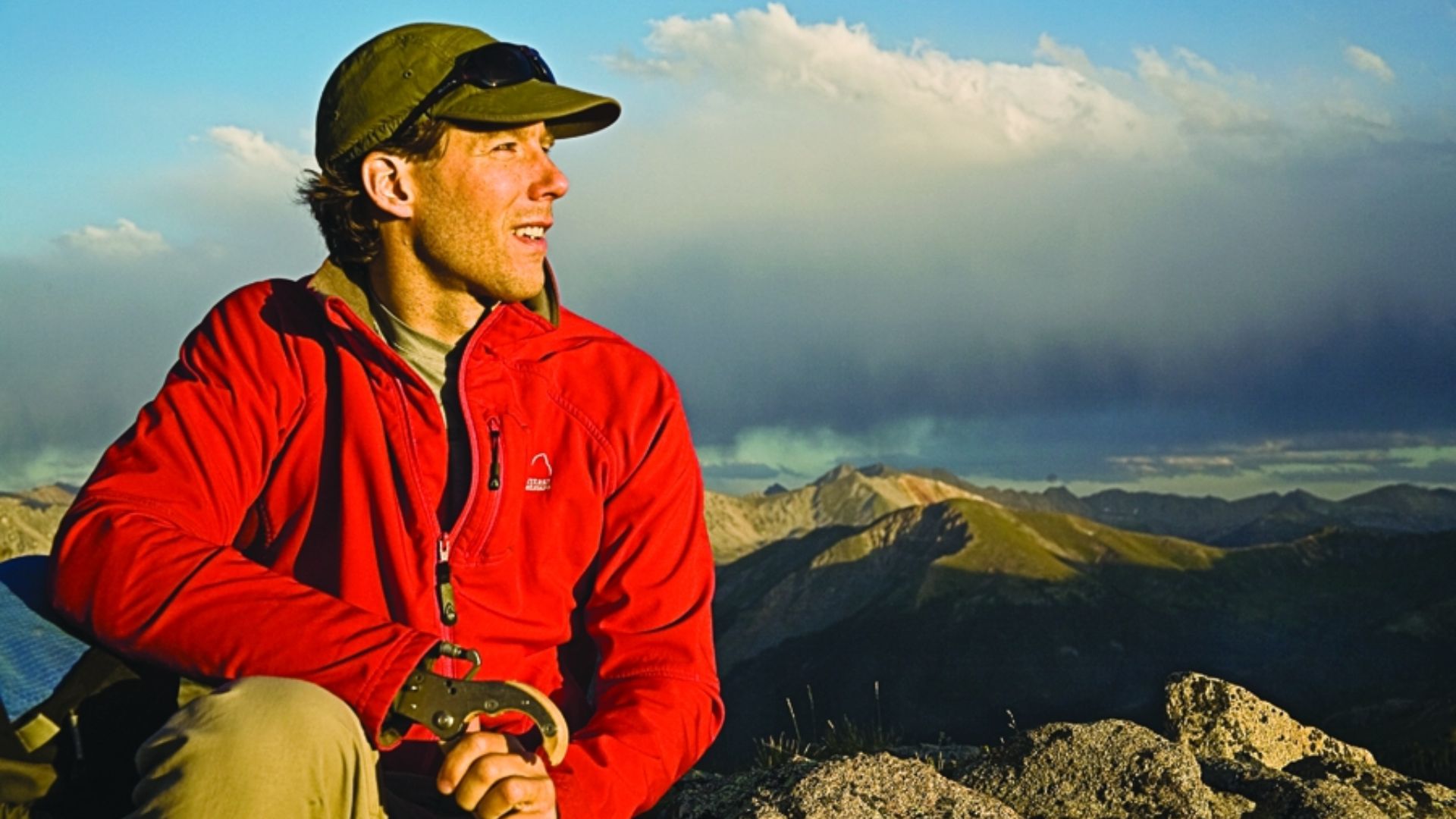
7. Aron Ralston
Aron Ralston spent five days trapped in a Utah canyon in 2003 after a boulder crushed his arm against a rock wall, with no way to call for help. He eventually amputated his own arm below the elbow using a dull multi-tool, then rappelled down a cliff and hiked several miles before being found.
 Michael Alvarez, Aron Ralston on Wikimedia
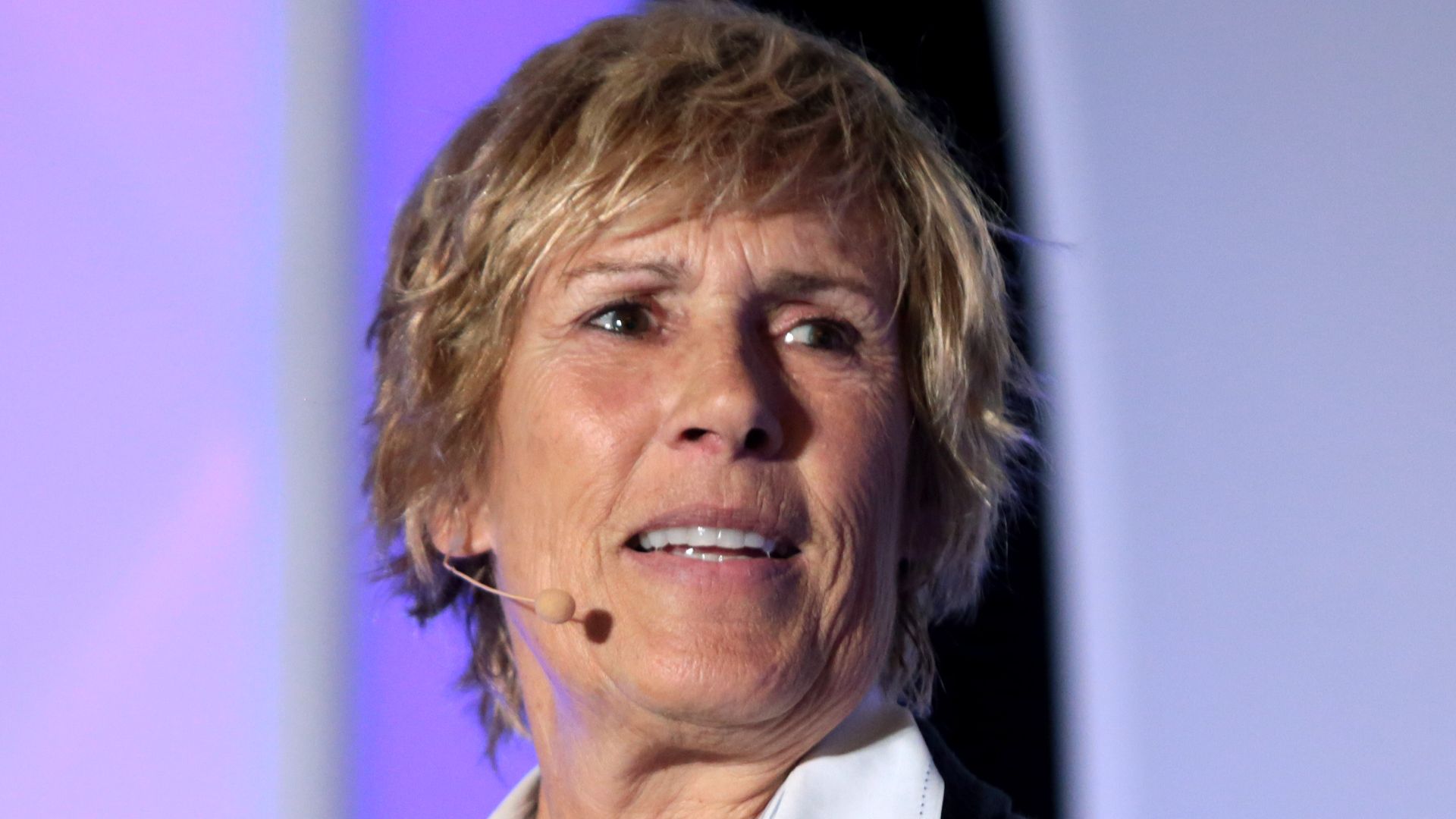
8. Diana Nyad
Doctors and long-distance swimming experts had long argued that swimming from Cuba to Florida without a shark cage was too dangerous and physically unsustainable to attempt. Diana Nyad completed the roughly 110-mile crossing in 2013 at age 64, on her fifth attempt, spending nearly 53 hours in open ocean.
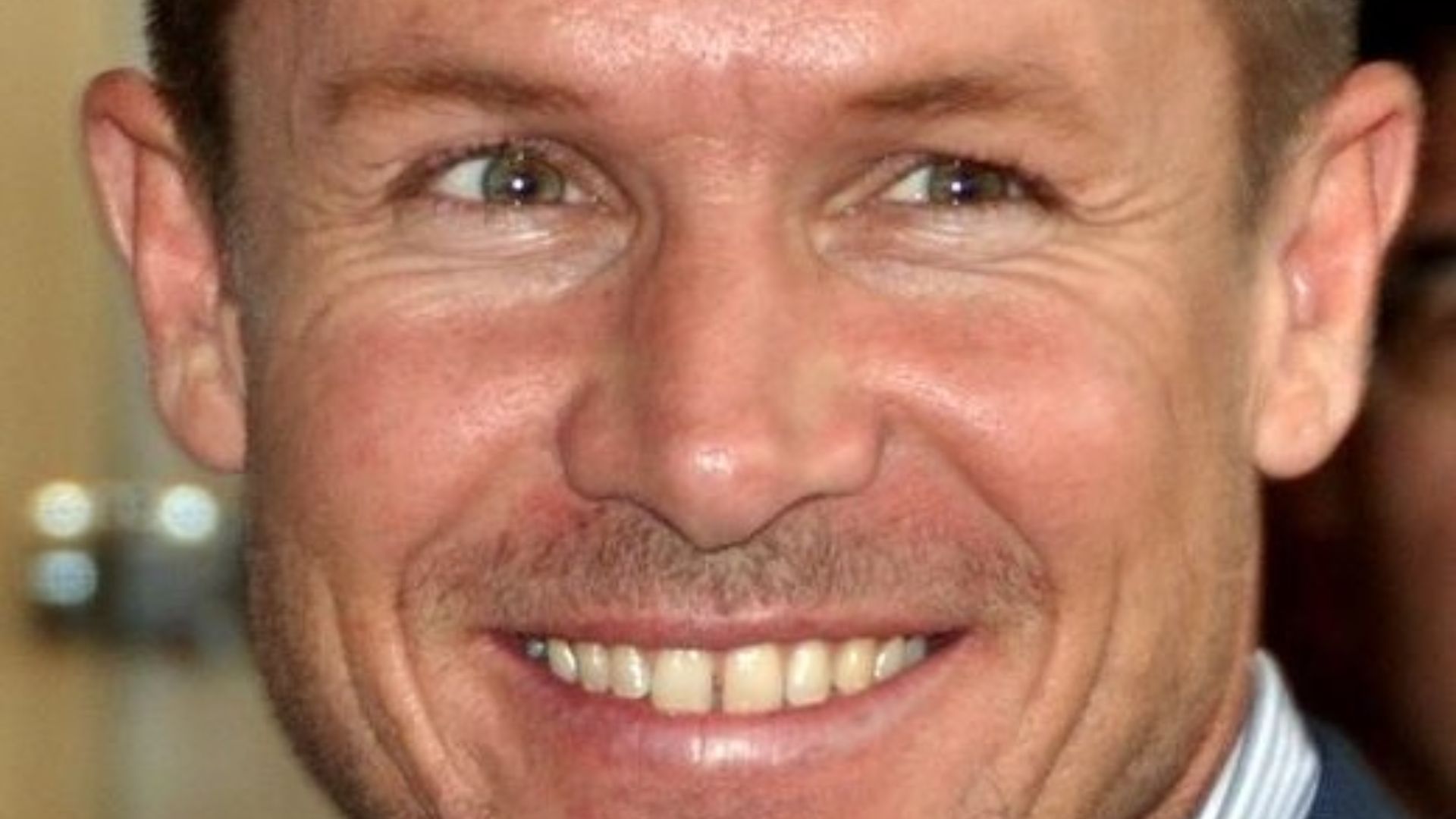
9. Felix Baumgartner
Felix Baumgartner jumped from a helium balloon roughly 24 miles above the Earth in 2012, a height where the air is too thin to break a human body's fall through normal drag. He broke the sound barrier during the freefall before his parachute deployed and landed safely, and the data from the jump went on to inform future high-altitude spacesuit design.
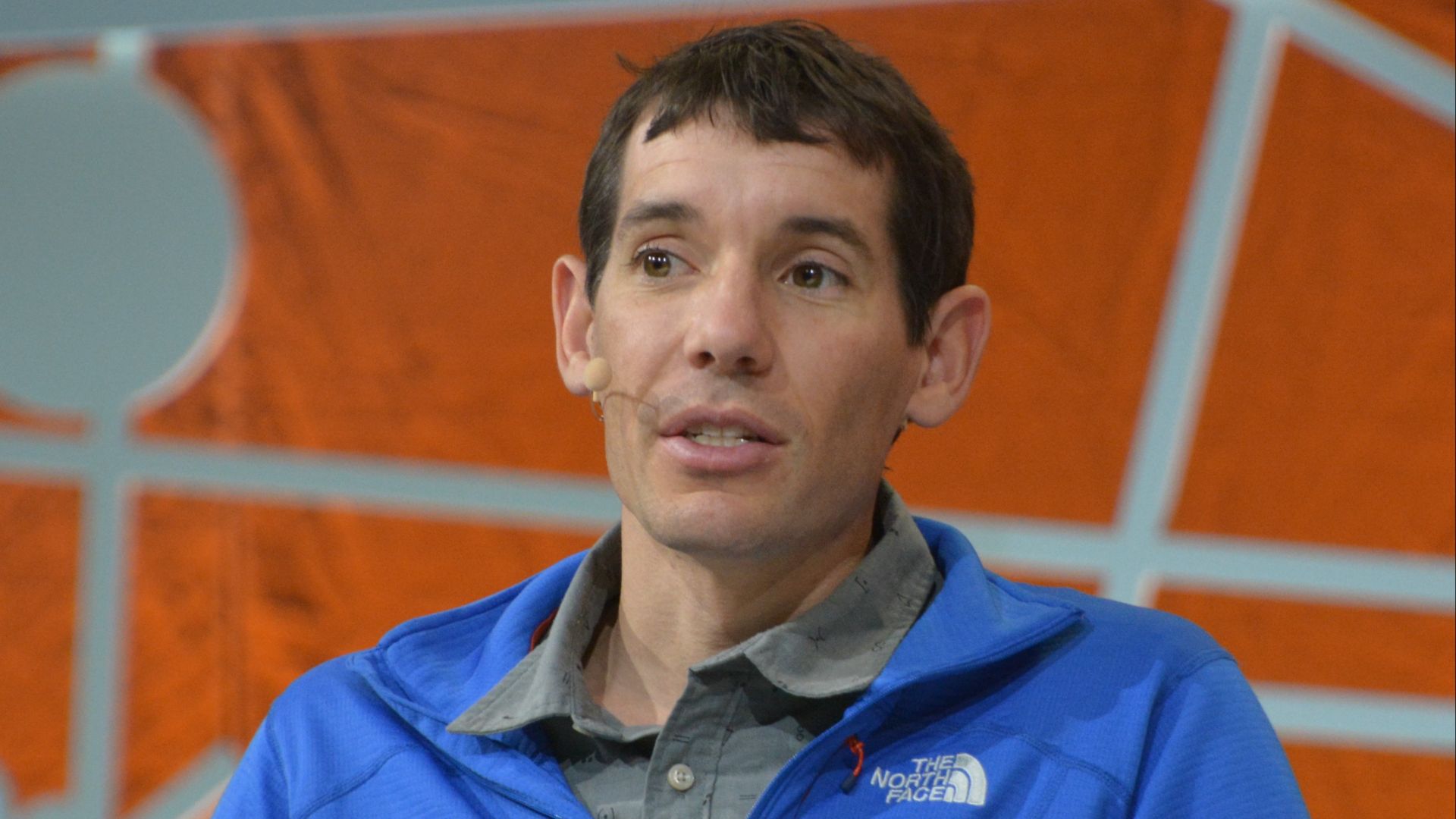
10. Alex Honnold
Climbing experts widely considered free soloing El Capitan's 3,000-foot granite face without ropes or safety gear a matter of when, not if, someone would die attempting it. Alex Honnold climbed the route in under four hours in 2017, and neuroscientists who later studied his brain found his amygdala responded to fear differently than most people's.
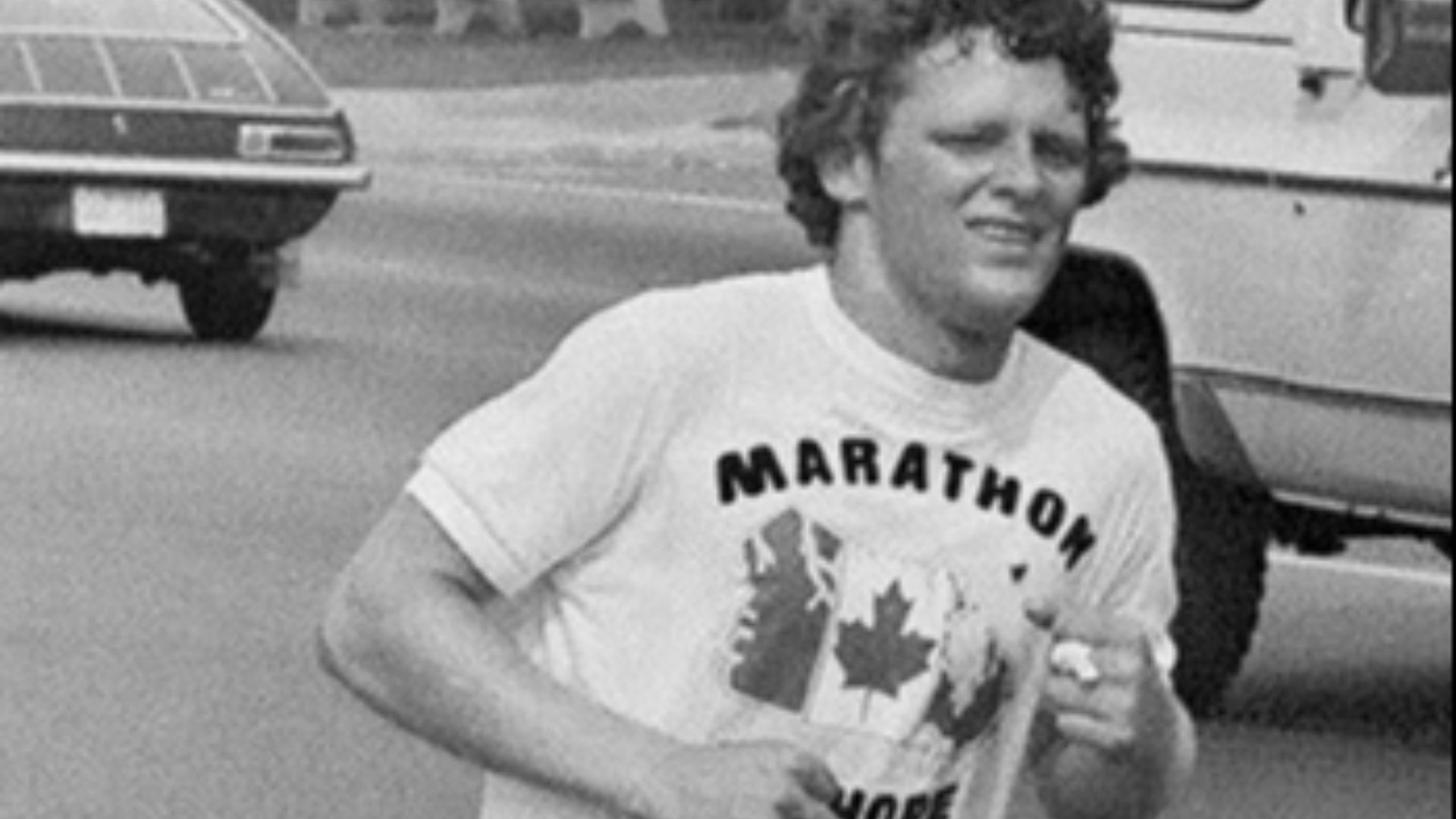
11. Terry Fox
Terry Fox set out to run a marathon a day across Canada in 1980 on a prosthetic leg after losing his own to cancer, something doctors doubted a human body could sustain for more than a few weeks. He made it 143 days and roughly 3,339 miles before the cancer forced him to stop.
12. Daniel Kish
Daniel Kish lost both eyes to cancer before he turned fourteen months old, and doctors assumed he'd need to rely entirely on a cane or a guide dog for life. He taught himself to navigate using echolocation instead, clicking his tongue and reading the returning sound well enough to ride a bicycle through unfamiliar streets.

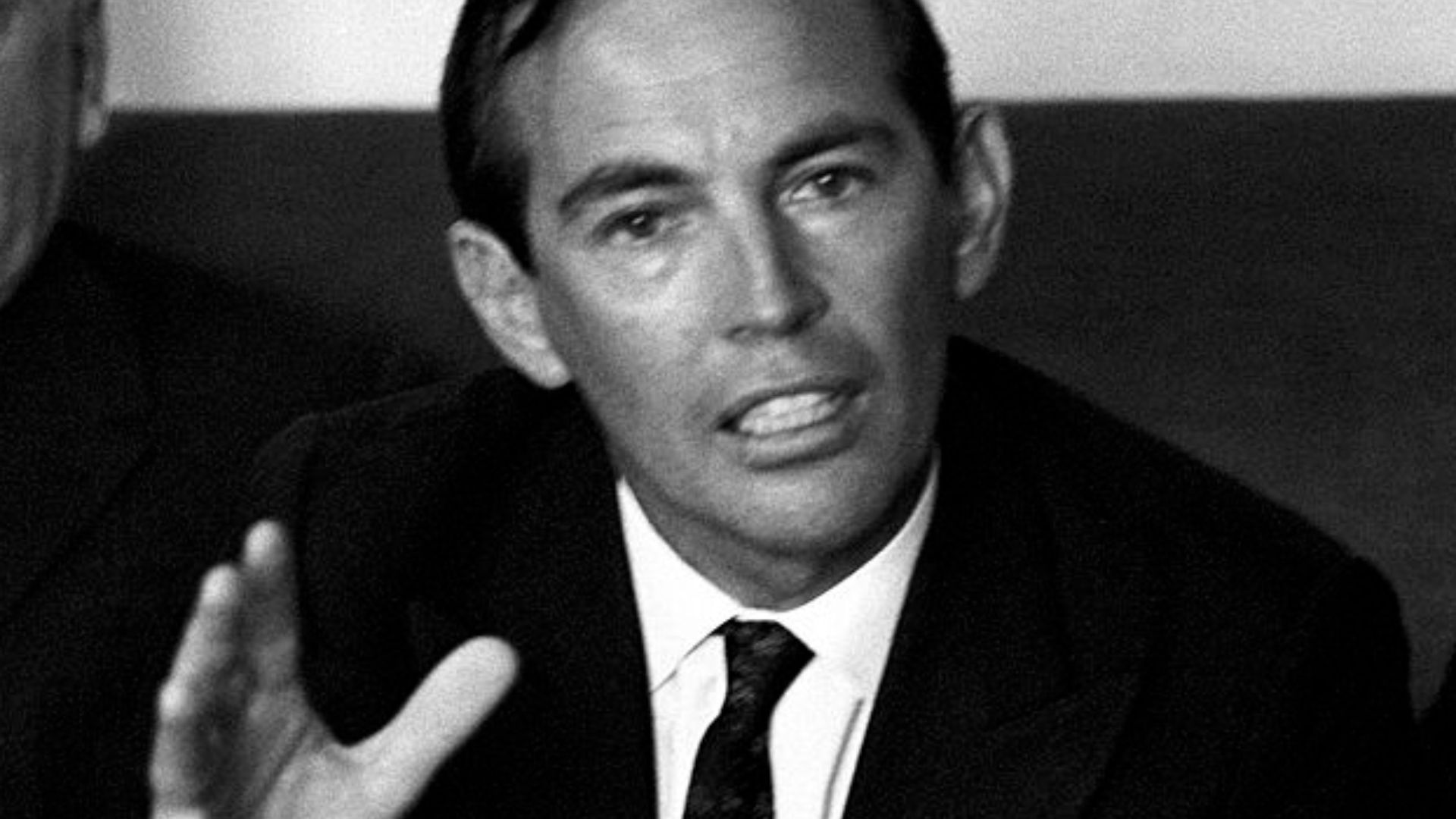
13. Christiaan Barnard and Louis Washkansky
Most cardiologists in the 1960s considered transplanting a human heart a fantasy, given how little was understood about immune rejection at the time. Christiaan Barnard performed the first human heart transplant on Louis Washkansky in 1967, and though Washkansky survived only 18 days, the surgery proved the procedure itself was viable.
 Mario De Biasi (Mondadori Publishers) on Wikimedia
14. Jeanna Giese
Rabies had a nearly perfect fatality rate once symptoms appeared, and doctors had never documented a case of someone surviving it without a vaccine given beforehand. Jeanna Giese was placed into an induced coma in 2004 under an experimental approach now known as the Milwaukee protocol, and she recovered.

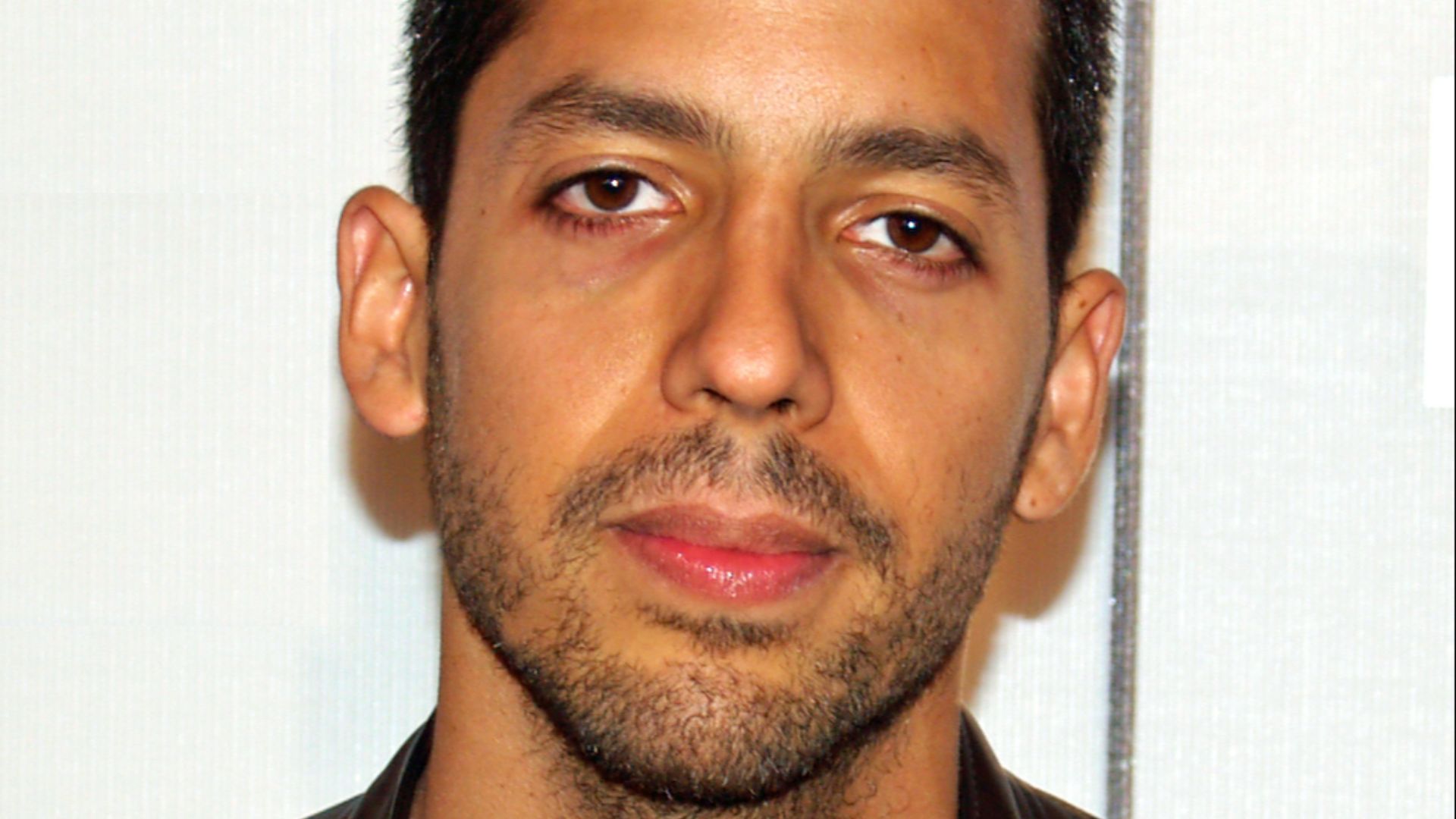
15. David Blaine
Physiologists had long assumed the human body's oxygen reserves capped breath-holding somewhere well under fifteen minutes for almost anyone outside elite freediving. David Blaine trained for months and held his breath underwater for 17 minutes and 4 seconds in 2008, slowing his heart rate and expanding his lung capacity far past what doctors expected training could achieve.
16. Nirmal Purja
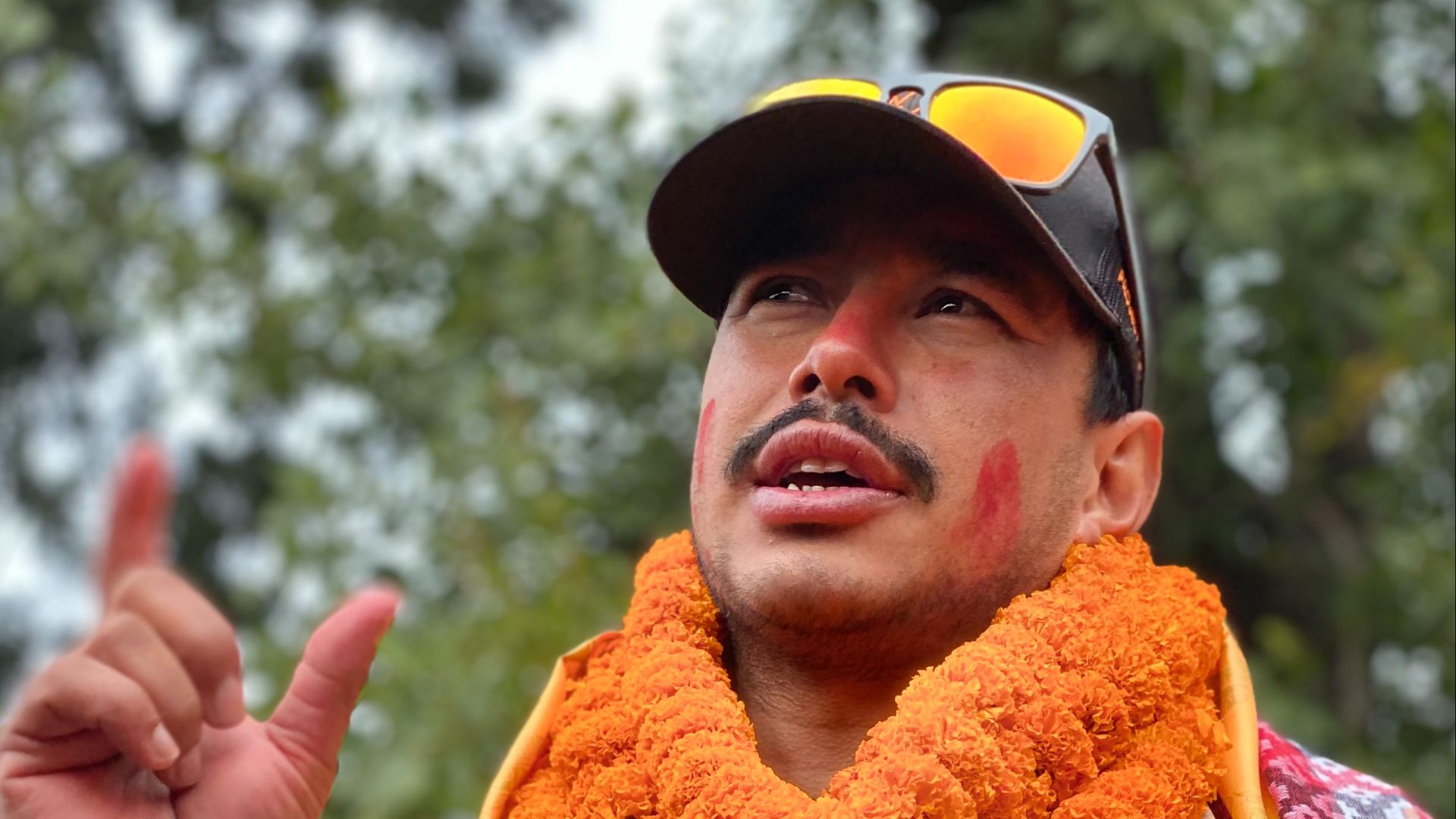
Mountaineers assumed climbing all fourteen of the world's peaks above 8,000 meters would take the better part of a decade, given the logistics and physical toll involved. Nirmal Purja did it in six months and six days in 2019, a project he called Project Possible.
17. Mauro Prosperi
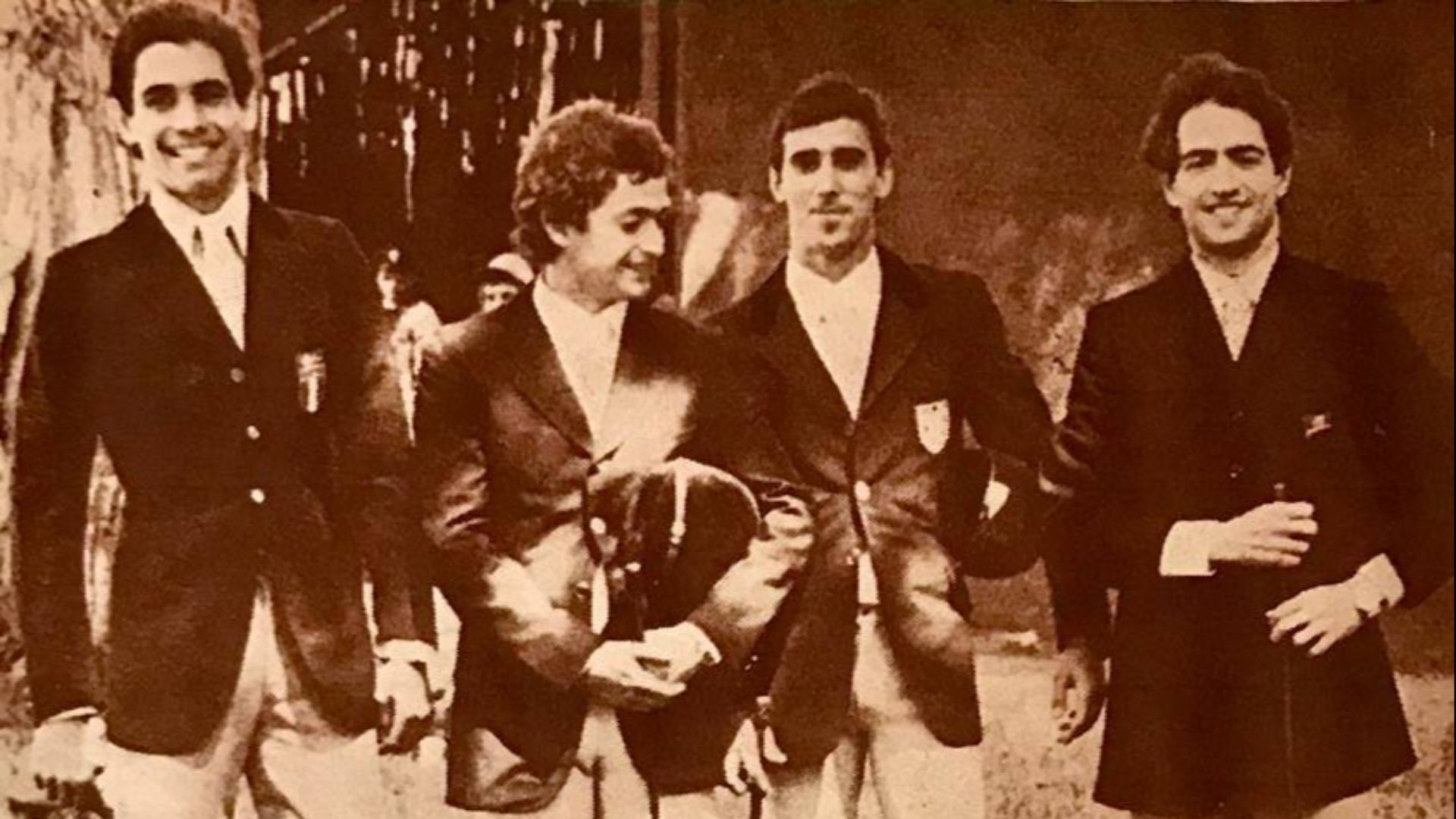
Mauro Prosperi got lost in a sandstorm during the Marathon des Sables in 1994 and survived nine days in the Sahara Desert with almost no water, at one point drinking his own urine to stay alive. Search teams had given up looking for him by the time he was found more than 100 miles off course, and he recovered after losing around 30 pounds.
18. Wim Hof
Wim Hof spent years demonstrating an ability to withstand extreme cold that doctors assumed was physiologically impossible without hypothermia setting in, including swimming under ice in nothing but shorts. Researchers eventually studied him in a lab and found he could consciously influence his own immune response and body temperature through breathing techniques.
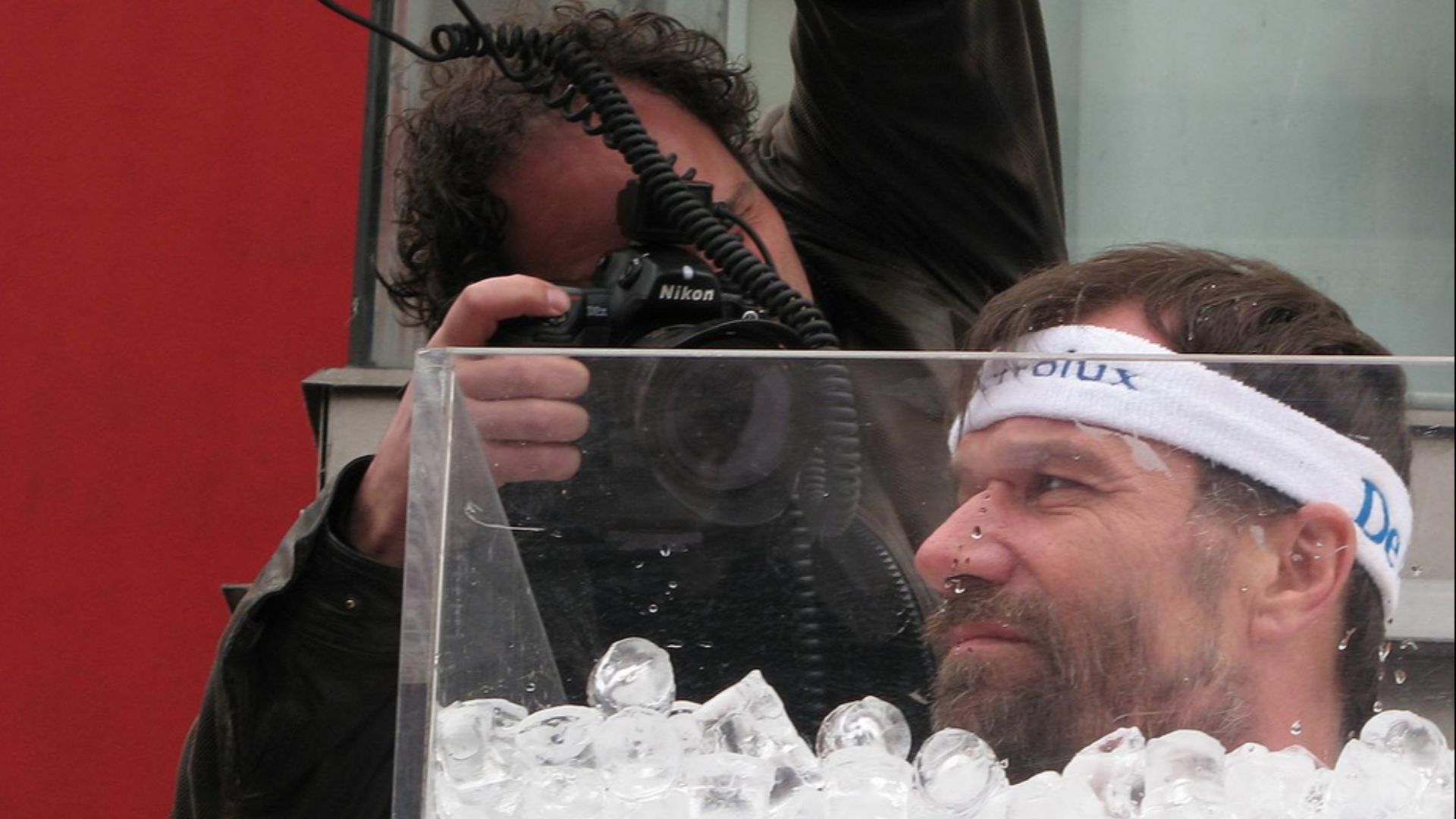 Aad Villerius (www.flickr.com/photos/daaynos ) from OudBeijerland, Netherlands. on Wikimedia
19. Roy Sullivan
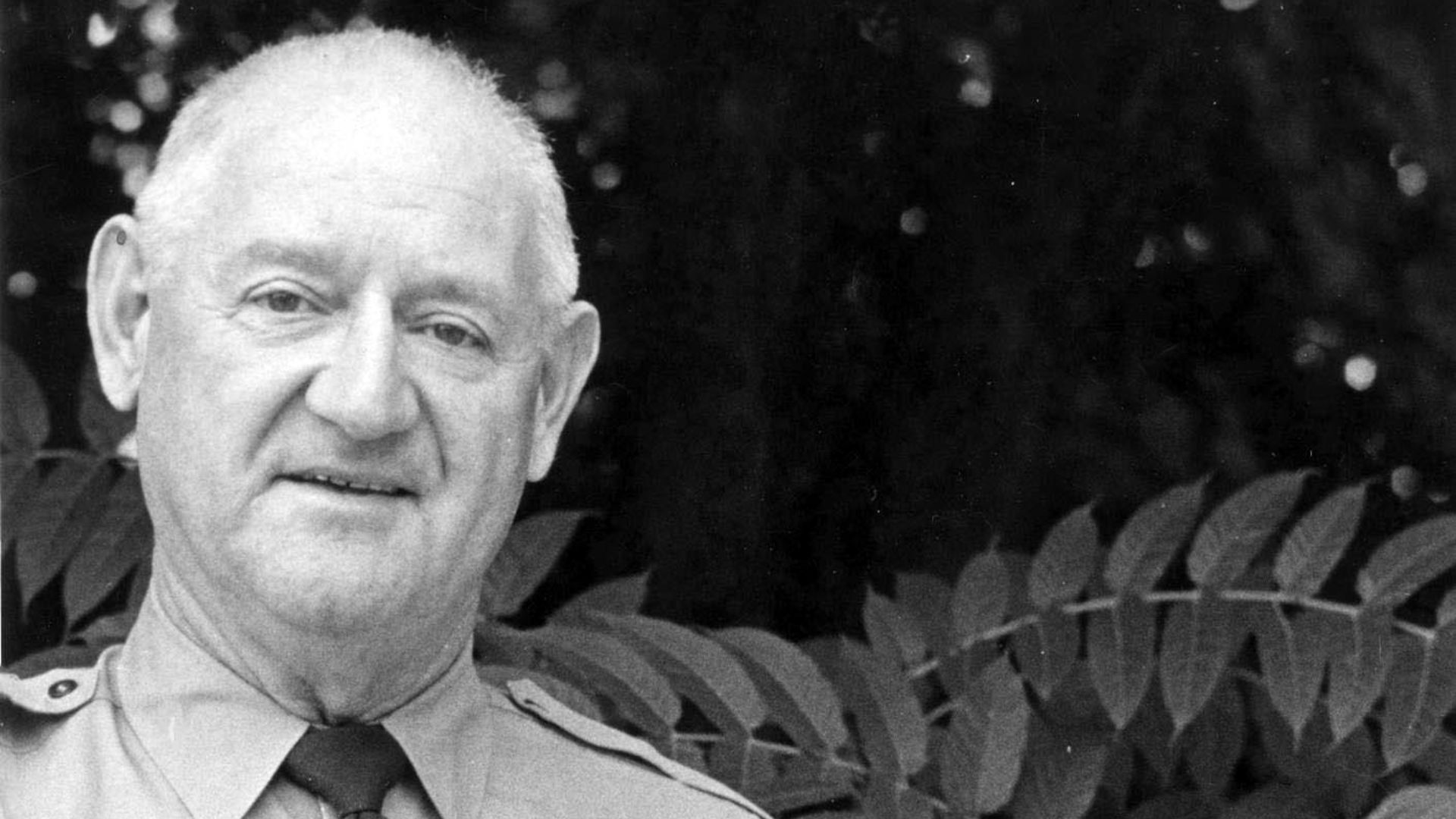
Roy Sullivan, a park ranger in Virginia, was struck by lightning seven separate times between 1942 and 1977 and survived every single one. Statisticians calculated the odds of that happening to one person as astronomically small, closer to a rounding error than a real possibility.
20. Randy Gardner
Sleep scientists in the 1960s assumed prolonged sleep deprivation would cause hallucinations, psychosis, or worse well before a person reached a week without rest. Randy Gardner, a 17-year-old high school student, stayed awake for 264 hours in 1964 under a researcher's supervision without the catastrophic effects doctors had predicted.