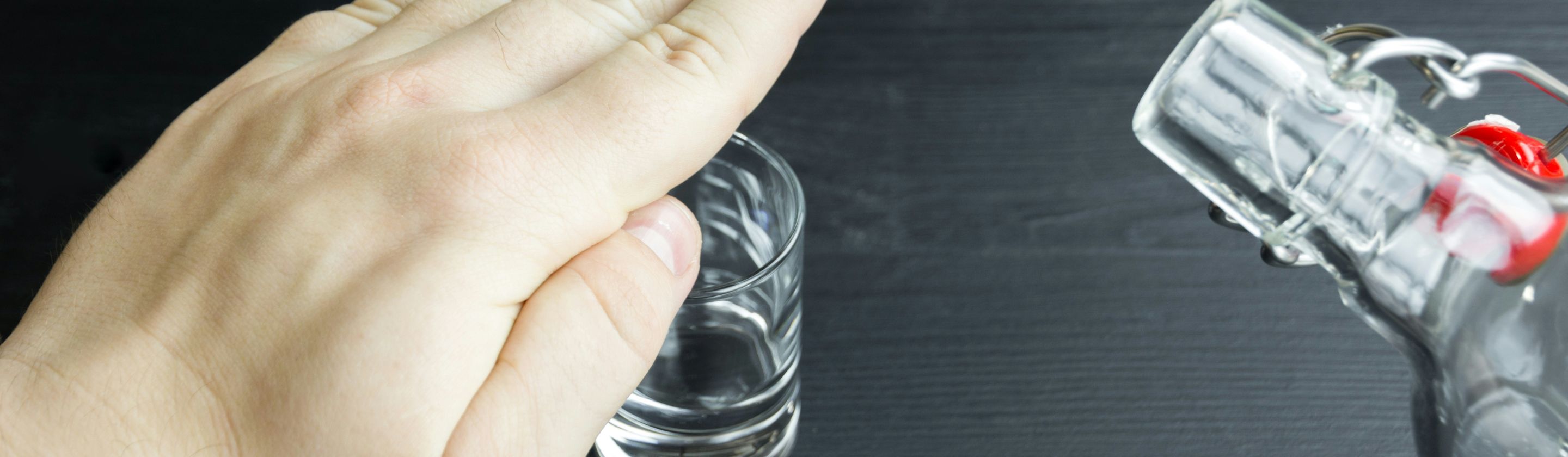
Your Body Starts Adjusting Surprisingly Quickly
Giving up alcohol can affect far more than your social calendar. Depending on how much and how often you were drinking, your sleep, digestion, mood, skin, heart, and liver can all begin responding to the change even more quickly than you might expect. Some improvements can show up within days, while others develop gradually over weeks or months. Here are 20 things that happen to your body when you get on the wagon.

1. Your Sleep Becomes More Restful
Alcohol can make you feel sleepy at first, but it tends to disrupt the deeper stages of sleep later in the night. Once you stop drinking, your sleep cycle gradually becomes more regular and restorative. You might still have a few restless nights early on, particularly if alcohol had become part of your bedtime routine, but once your body is used to the lack of booze, your slumber will become more consistently sound.

2. You Wake Up With More Energy
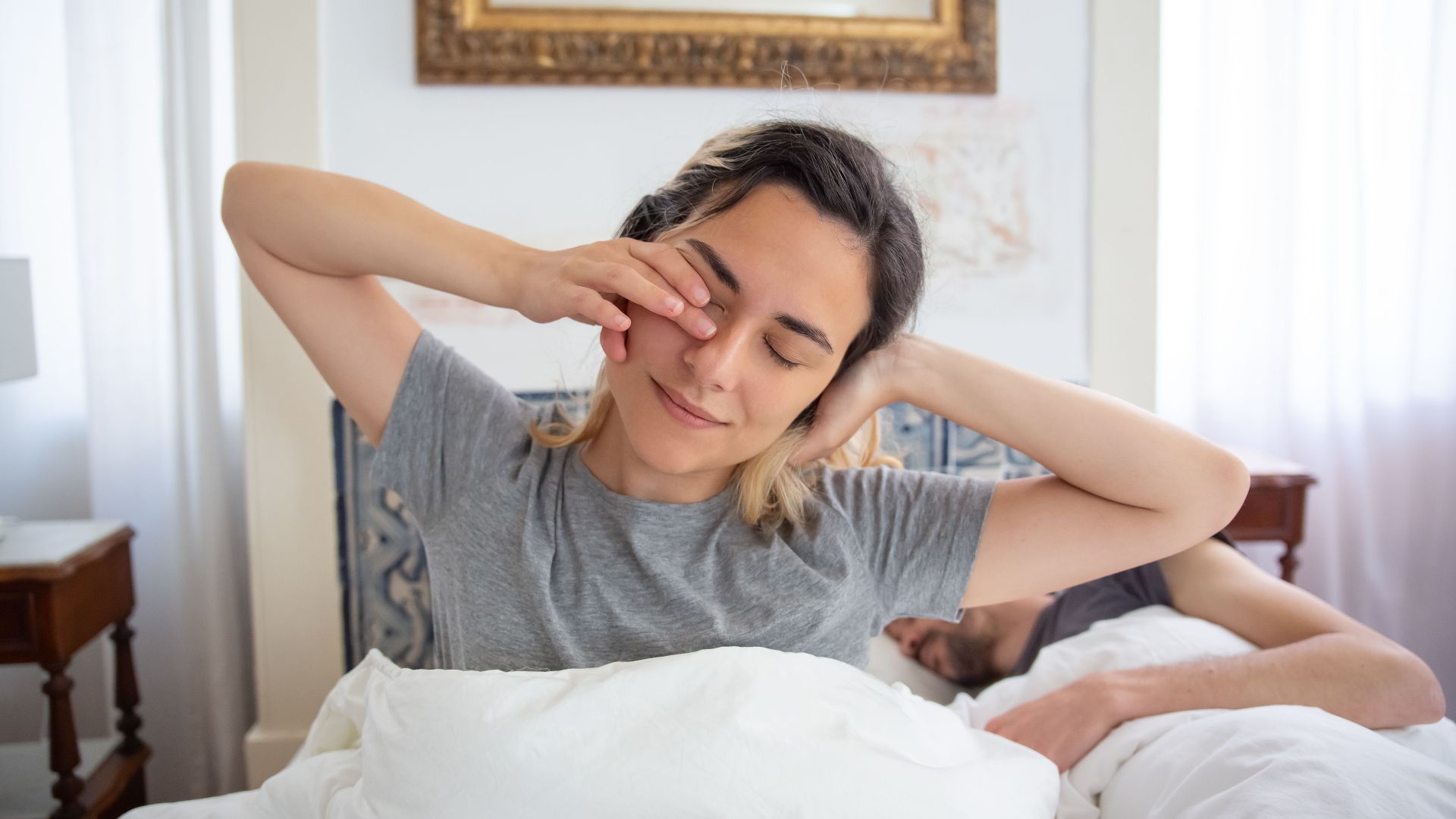
Morning sluggishness isn't always just the result of staying up too late. Alcohol can interfere with sleep quality and leave you dehydrated, both of which can make mornings feel rough. Without it, many people notice they feel more alert after waking and don't need quite as much time to get going.
3. Your Body Becomes Better Hydrated
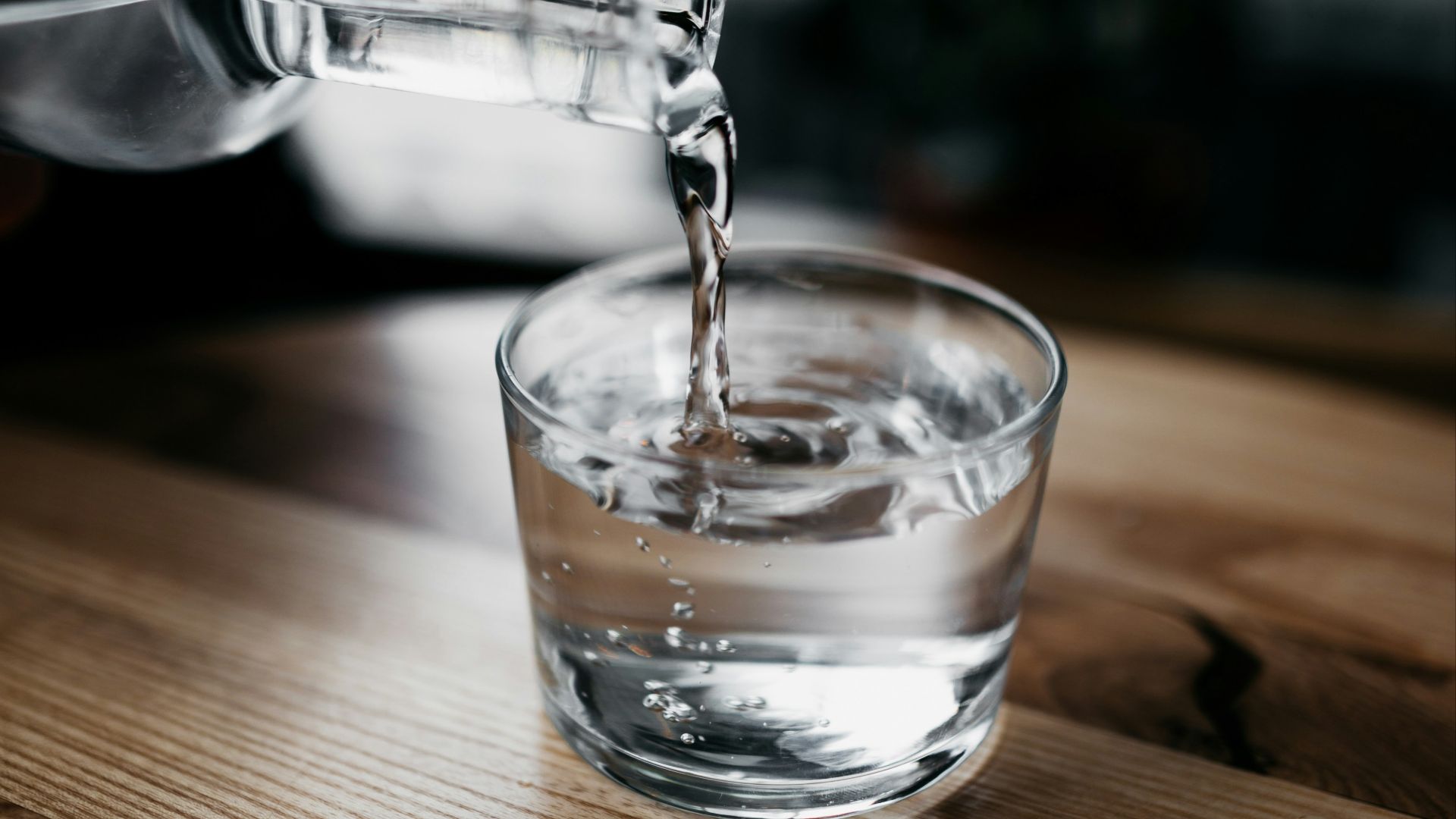
Alcohol encourages your body to produce more urine, which can contribute to dehydration. Removing it from your routine makes it easier to maintain a healthier fluid balance throughout the day. You may notice fewer dry-mouth mornings, fewer dehydration-related headaches, and generally less thirst.
4. Your Skin May Look Less Dry
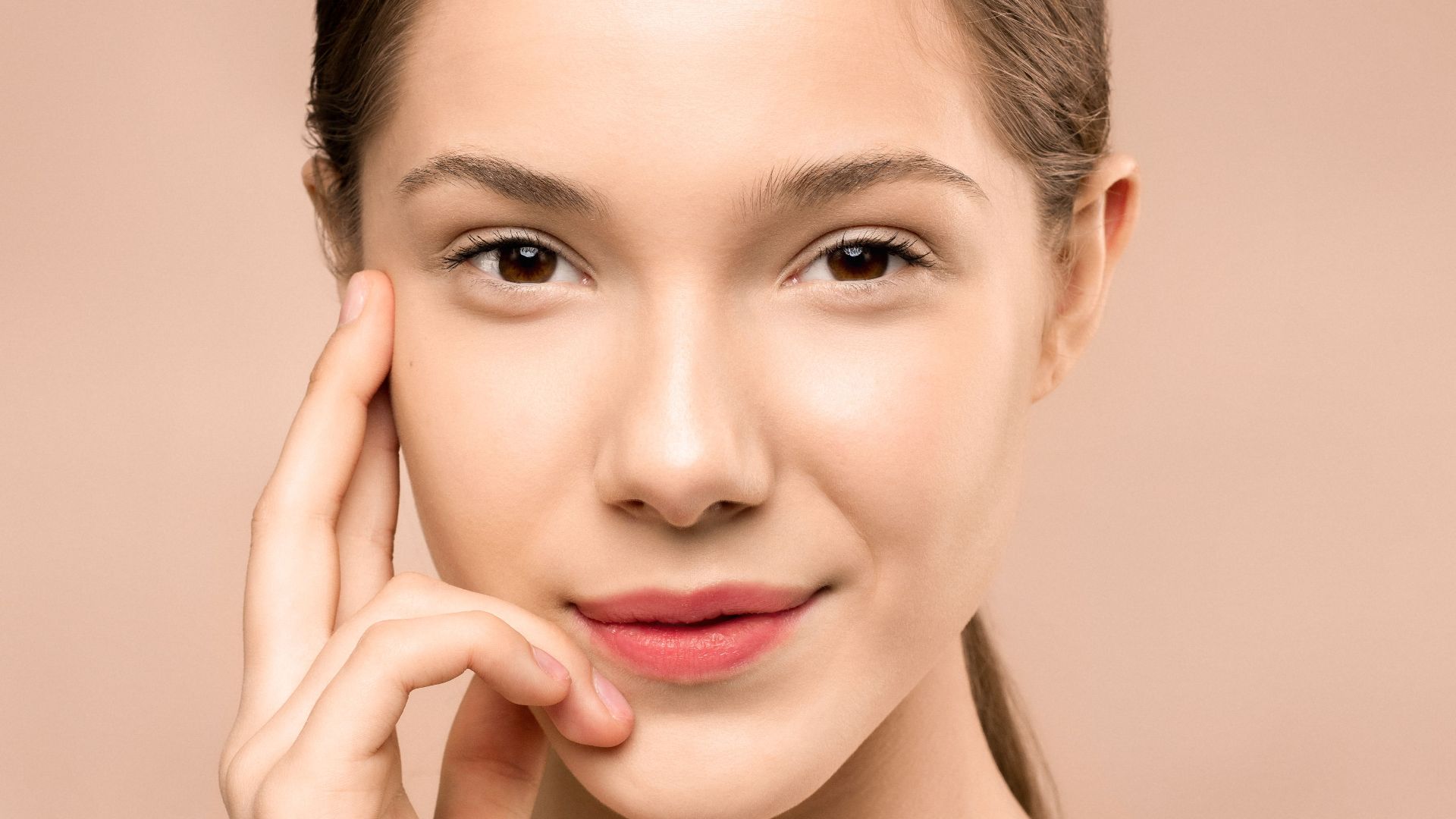
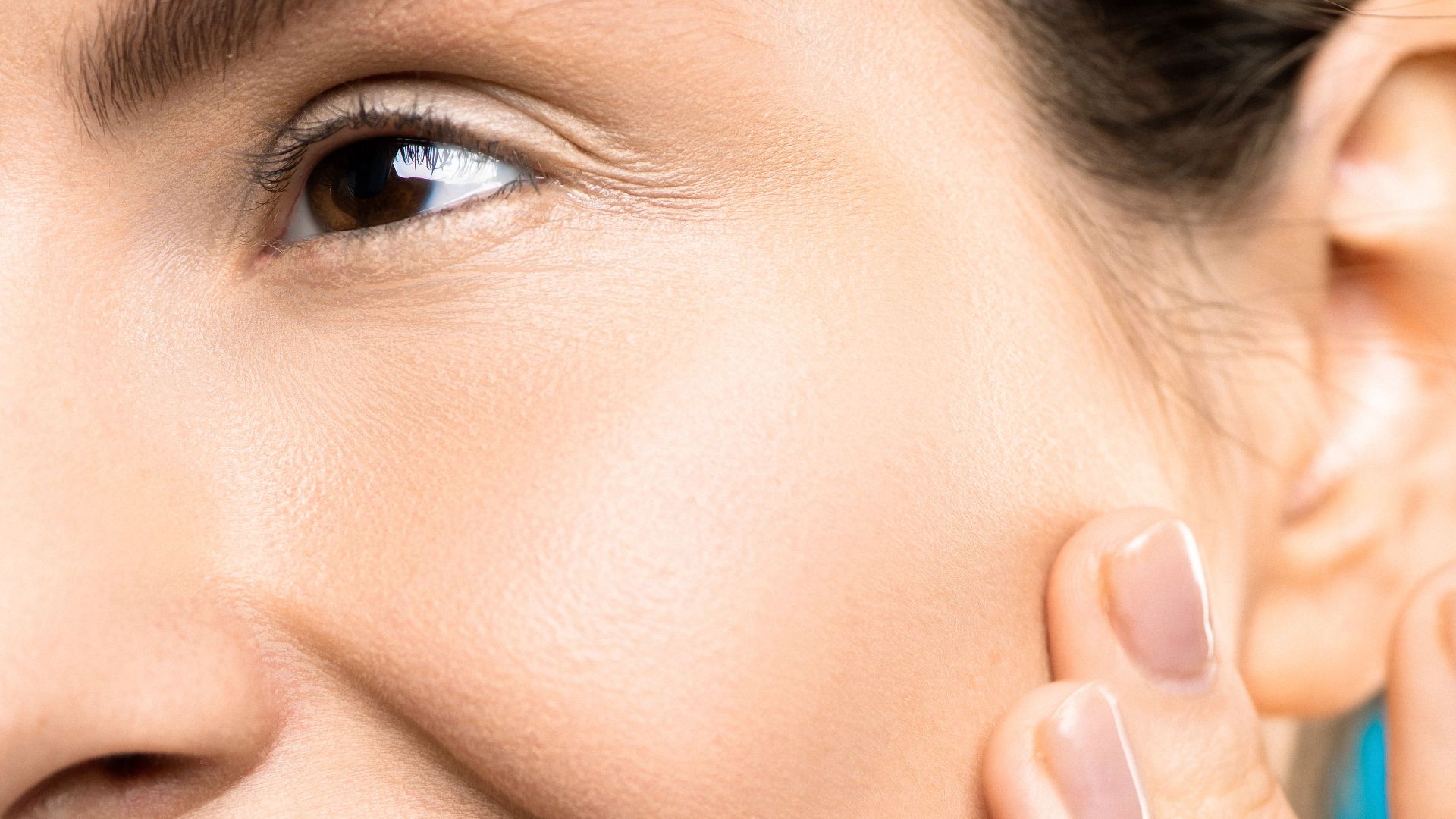
Better hydration can also become noticeable on the outside. Alcohol may contribute to dryness, puffiness, and facial redness in some people, so cutting it out can help skin look calmer and more hydrated. These changes usually aren't immediate, but they can become easier to spot after several weeks.
5. Your Face Becomes Less Puffy
Regular drinking can contribute to inflammation and fluid retention, particularly around the face and eyes. After you stop, that swollen or puffy appearance may gradually decrease. Some people notice their facial features look a little more defined even without any major change in body weight.
6. Your Liver Gets a Break
The liver handles much of the work involved in processing alcohol. When alcohol is removed, the liver can concentrate more fully on its many other metabolic functions. In people with early alcohol-related fatty liver changes, liver fat may also decrease after a period of abstinence.
7. Your Blood Pressure Improves
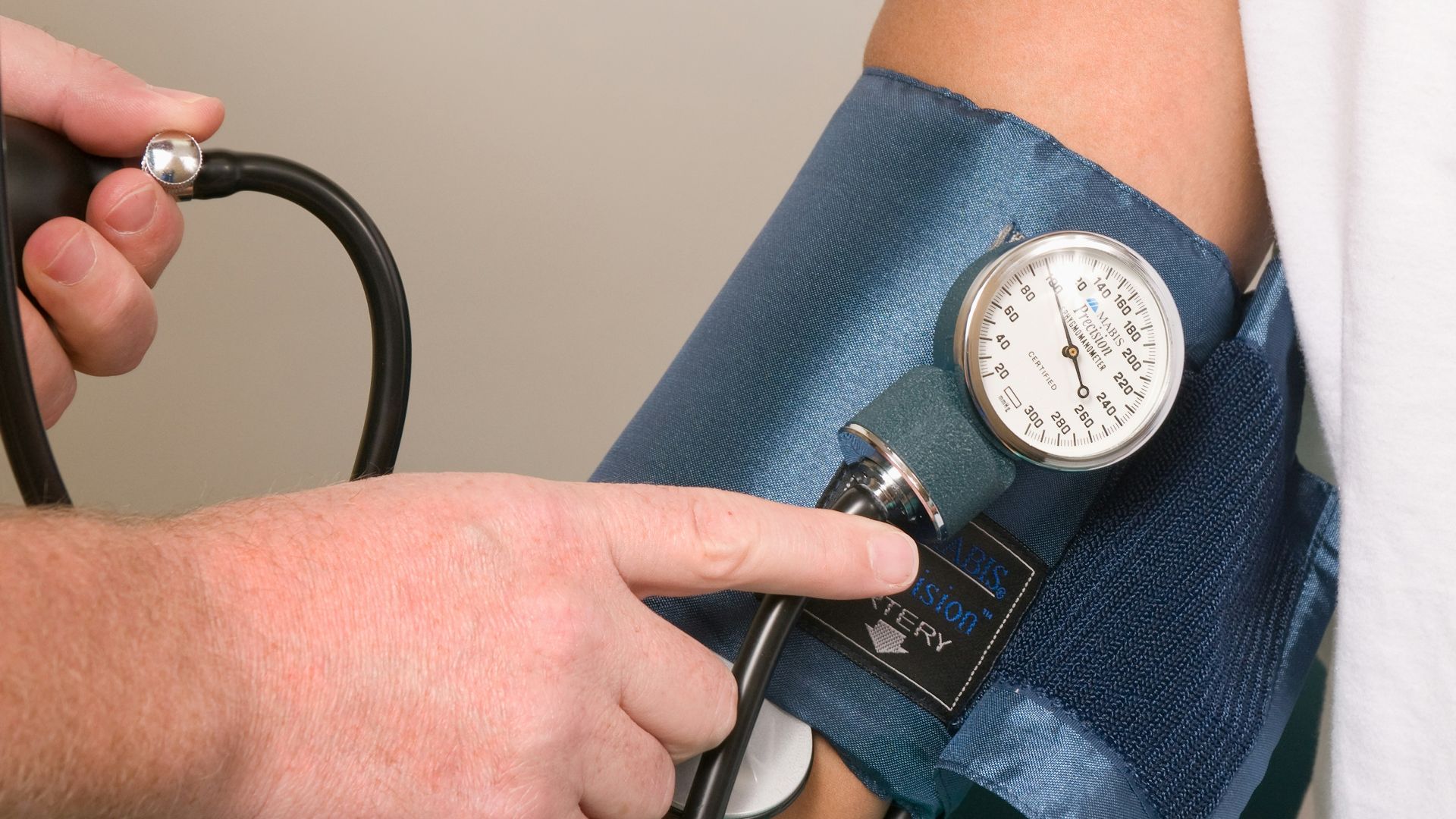
Frequent or heavy alcohol consumption can raise blood pressure over time. Cutting back or stopping altogether may help bring elevated readings down, particularly in people who had been drinking significant amounts. The size of the improvement depends on your overall health, diet, activity level, and previous drinking habits.
8. Your Heart Rate Becomes More Stable
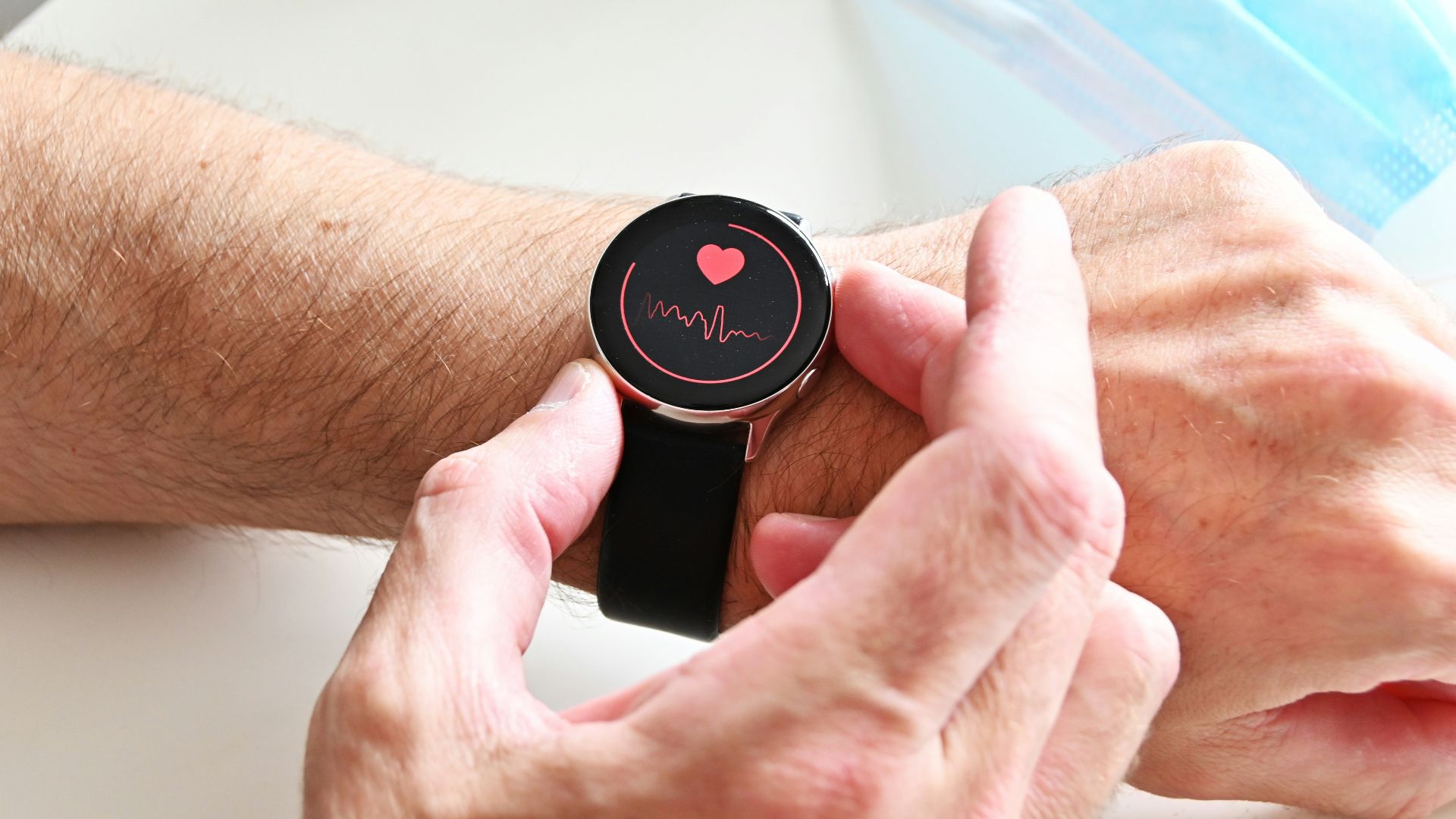
Alcohol can temporarily increase heart rate and may trigger palpitations in some people. Without regular exposure, your cardiovascular system doesn't have to deal with those repeated effects. People who were especially sensitive to alcohol may notice fewer episodes of a racing or pounding heartbeat.
9. Your Digestive System Feels Calmer
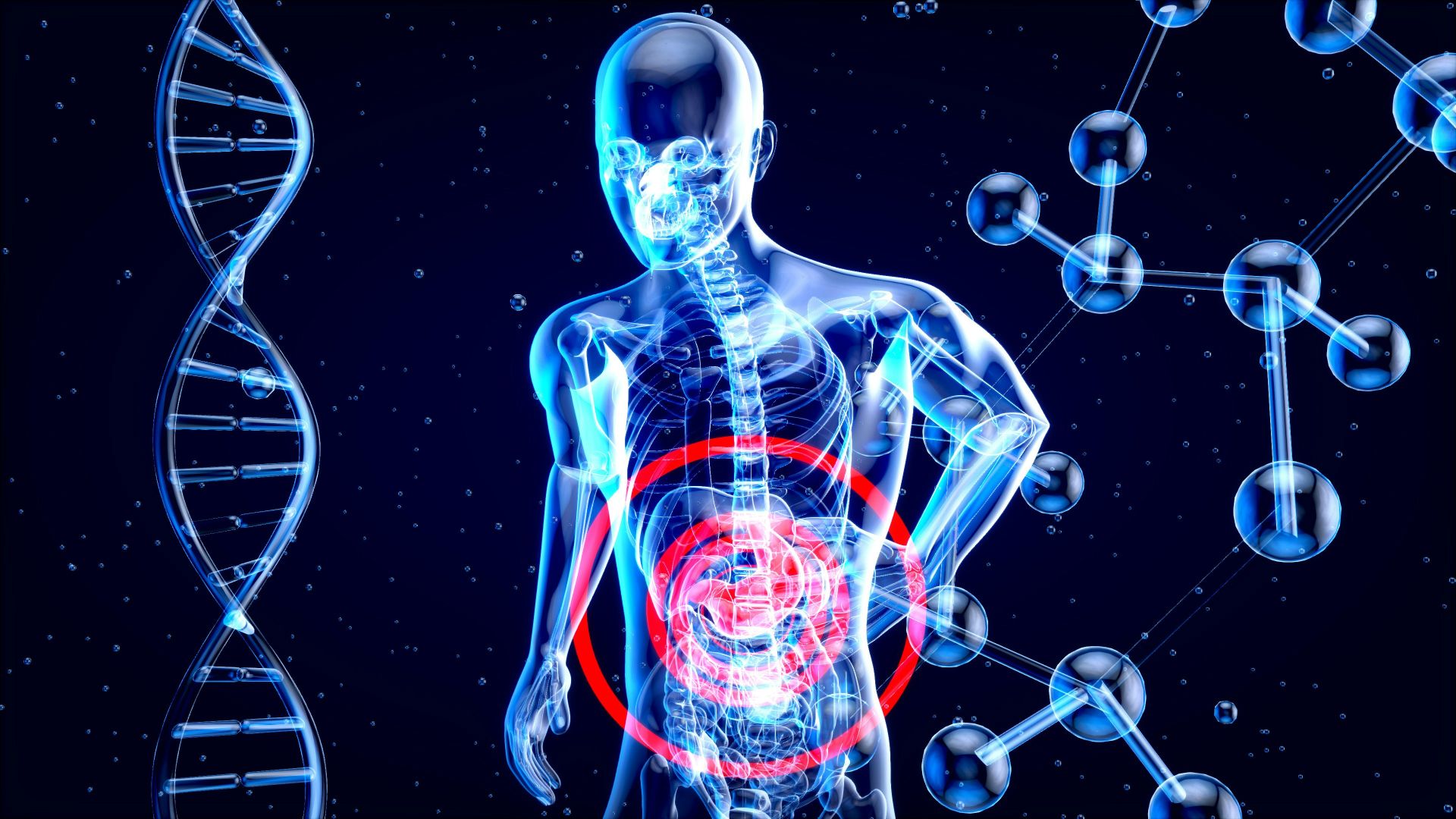
Alcohol can irritate the lining of the stomach and contribute to heartburn, nausea, or indigestion. Removing that irritation can give your digestive tract an opportunity to settle down. If drinking regularly left you reaching for antacids, you may find you're doing that less often.
10. Bowel Habits May Become More Predictable
Alcohol can speed up digestion for some people while causing constipation in others. It can also affect the gut and the way your digestive system handles food. After quitting, bathroom habits may gradually become more regular, although dietary changes will still play an important role.
11. You Consume Fewer Calories
Alcohol contains a lot of empty calories, and cocktails can add substantial amounts of sugar on top of that. Removing a few drinks from your weekly routine can eliminate hundreds or even thousands of calories over time. Whether that leads to weight loss, however, depends on what replaces those drinks and the rest of your eating habits.
12. Your Appetite May Become Easier to Manage
Drinking can lower inhibitions around food and make late-night snacks unusually tempting. Alcohol may also interfere with normal hunger and fullness cues, particularly when you're drinking heavily. Once it's out of the picture, you may find yourself making much better food choices.
 Farhad Ibrahimzade on Unsplash
13. Your Blood Sugar May Become More Stable
Alcohol can influence the way your liver regulates glucose, especially when drinking happens without enough food. Sugary alcoholic drinks can also cause blood sugar to rise quickly before falling later. Removing alcohol may make glucose management simpler, particularly when combined with regular meals and a balanced diet.
14. Your Immune System May Function Better
Heavy alcohol use can weaken several parts of the immune system and make it harder for the body to respond effectively to infections. Cutting it out removes one factor that can interfere with normal immune defenses. That doesn't mean you'll suddenly stop catching colds, but your immune system has one less obstacle to deal with.

15. Your Thinking May Feel Clearer
Alcohol affects attention, memory, decision-making, and reaction time while you're drinking, but frequent use can also leave some people feeling mentally foggy between drinking sessions. After stopping, concentration and mental sharpness may gradually improve. The difference can be especially noticeable if alcohol had become a regular part of your evenings.

16. Your Mood Can Change
Alcohol affects brain chemicals involved in stress, reward, and emotional regulation. Some people notice their mood becomes steadier after they stop drinking, although irritability or anxiety can temporarily increase during the adjustment period. Over time, removing alcohol can make it easier to identify what you're actually feeling without its effects muddying the picture.

17. Exercise May Feel Easier
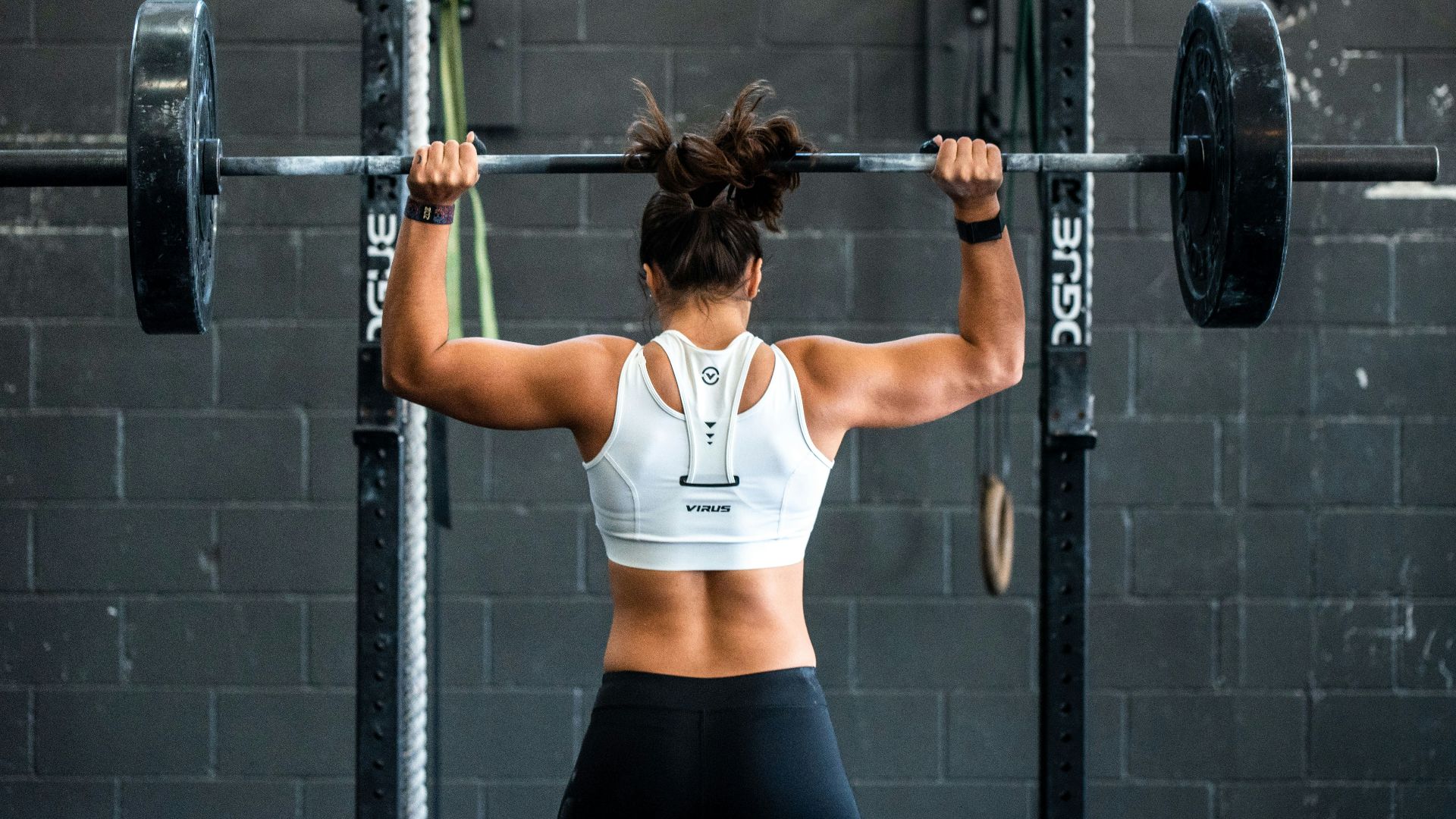
Working out after drinking isn't always pleasant, even when you technically avoided a hangover. Dehydration, disrupted sleep, and slower recovery can all make physical activity feel harder. Once alcohol is no longer interfering with those areas, you may notice better energy, more consistent workouts, and better gains.
18. Your Muscles May Recover Better
Alcohol can interfere with processes involved in muscle repair, especially when consumed heavily after exercise. Better sleep and hydration after quitting can also support recovery between workouts. If you're exercising regularly, you may find soreness and fatigue become a little easier to manage.
19. Your Risk of Several Health Problems Starts Reducing
Alcohol is associated with an increased risk of several cancers as well as liver, heart, and digestive problems, particularly at higher levels of consumption. Stopping doesn't erase previous exposure, but it does remove ongoing alcohol-related risk. The longer you remain alcohol-free, the more meaningful some of those long-term health benefits can become.

20. You May Start Feeling More Consistent From Day to Day
One underrated change is simply having fewer alcohol-related ups and downs. Sleep, hydration, digestion, energy, and mood aren't being repeatedly disrupted by drinking and recovering from drinking. Over time, that can make your body feel considerably more predictable, which may be one of the most noticeable changes of all.